
A Mid-Year Tax Round-Up for Medical Professionals
By Andrew D. Schwartz CPA
 The American Taxpayer Relief Act of 2012 rescued the vast majority of Americans from the tax edge of the “fiscal cliff” and the steep tax increases scheduled to kick in as the Bush tax cuts expired at the end of 2012.
This legislation, however, did not entirely spare high-income earners; like some doctors and other medical professionals.
Key Provisions of ATRA 2012
Here are the key provisions of the Act passed on January 1, 2013 and strategies you can implement to minimize your tax burden under these new rules:
Threshold for 39.6% Bracket:
The American Taxpayer Relief Act raised the top federal marginal income tax rates from the 35% max in place since the Bush 2003 tax cuts to 39.6% for taxable income exceeding the following thresholds:
###
| Filing Status |
Tax Bracket Starts
(at taxable income) |
| Married Filing Joint |
$450k |
| Head of Household |
$425k |
| Single |
$400k |
| Married Filing Separate |
$225k |
###
Increased Tax Rate on Long-Term Capital Gains and Corporate Dividends
The top tax bracket was not the only increase to federal income taxes. For long-term capital gains and qualified corporate dividends, the tax rate increases by one-third – from 15% to 20% – based on the same taxable income thresholds as apply the 39.6% bracket, effective 1/1/13.
Higher Medicare Taxes:
There are two new increases to the Medicare tax. One upped the Medicare tax that you’ll pay on your earned income from 1.45% to 2.25% for single individuals earning more than $200k or married couples whose combined earned income exceeds $250k.
Keep in mind that your employer will match Medicare taxes withheld from your pay at a rate of 1.45%, so the federal government now gets 3.8% on your earned income that exceeds the applicable threshold.
New 3.8% Medicare Tax On Unearned Income:
The new 3.8% Medicare tax on unearned income kicks in at the $200k of Adjusted Gross Income (AGI) for single individuals and $250k of AGI for married couples. Unearned income includes interest, dividends, capital gains, annuities, royalties, and rents. This is the first time that unearned income has ever been subject to Medicare taxes.
###

###
Strategies to minimize your tax bill in light of these new rules:
Plan Your Revenue & Expenditures
Most healthcare professionals are on the “Cash Basis” of accounting, which means that:
- Income is reported when fees are collected
- Deductions are claimed when bills are paid
By planning your billing and your expenditures, especially as the year winds down, you might be able to flatten out profit fluctuations from year to year, which could help minimize the portion of your income that will be taxed at higher rates.
Invest in retirement
Always a good idea, socking away money in retirement accounts is even more valuable now when it means saving 39.6% in federal income taxes and allowing your investment to grow tax-deferred. You should also consider rebalancing your portfolio, putting less tax-efficient investments in your tax-advantaged accounts while keeping index funds, ETFs, non-dividend paying stocks, and tax-exempt bonds and bond funds in your taxable accounts.
Contribute to a 529 plan
With investment income taxes higher in 2013, take the opportunity to invest in a 529 plan to begin planning for your child’s college education. All earnings in a 529 plan are tax-free, provided that the funds are used to pay for college. And many states even allow you to deduct a 529 contribution on your state tax return. The annual maximum contribution into these tax-advantaged college savings plans is $14,000 per child per year for Gift Tax purposes (or $28,000 for spouses splitting gifts), however, you can frontload five year’s worth of contributions all in one year. Don’t forget to file a Gift Tax Return if you contribute more than $14k ($28k if married) into 529 accounts in one calendar year on behalf of a child.
Purchase needed equipment and machinery for your practice
With the fate of the $500K Section 179 deduction up in the air past 2013, it might be in your best interest to buy big-ticket equipment and machinery during the year to take advantage of the immediate deduction.
Employ your spouse and children
If there’s extra work to be done at your practice, putting your children and spouse on your payroll can be a great way to shift income to a lower tax bracket (in your child’s case) and enable your spouse to put away the maximum ($17,500 for 2013) pre-tax into a 401k retirement fund. Moreover, your child can fund a Roth IRA with the money they earn, up to a maximum of $5,500 in 2013.
Establish a Health Savings Account
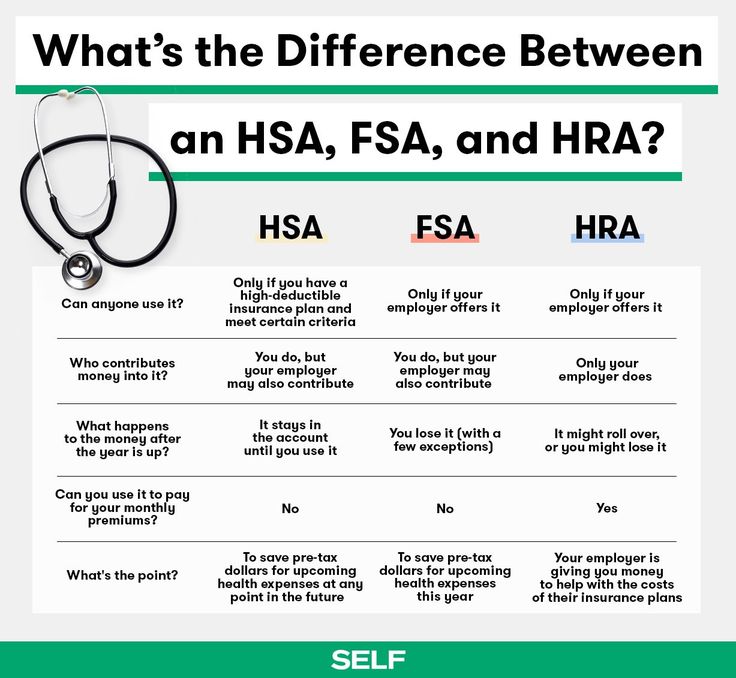
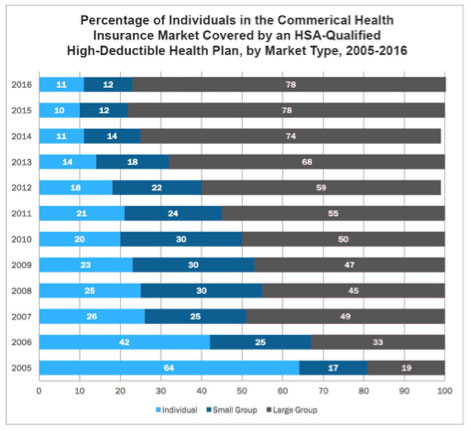
If you have a qualified high-deductible health insurance plan, take advantage of the opportunity to pair it with a Health Savings Account (HSA). Contributions to an HSA are tax-deductible and grow tax-deferred. Plus, HSAs allow tax-free distributions to cover your family’s health care costs and any money remaining in the HSA is available penalty-free to supplement your retirement once you reach age 65. The maximum contribution into an HSA for 2013 is $6,450 for married couples and $3,250 for single individuals.
Conclusion
Your thoughts and comments on this ME-P are appreciated. Feel free to review our top-left column, and top-right sidebar materials, links, URLs and related websites, too. Then, subscribe to the ME-P. It is fast, free and secure.
Link: http://feeds.feedburner.com/HealthcareFinancialsthePostForcxos
Speaker: If you need a moderator or speaker for an upcoming event, Dr. David E. Marcinko; MBA – Publisher-in-Chief of the Medical Executive-Post – is available for seminar or speaking engagements. Contact: MarcinkoAdvisors@msn.com
OUR OTHER PRINT BOOKS AND RELATED INFORMATION SOURCES:
Health Dictionary Series: http://www.springerpub.com/Search/marcinko
Practice Management: http://www.springerpub.com/product/9780826105752
Physician Financial Planning: http://www.jbpub.com/catalog/0763745790
Medical Risk Management: http://www.jbpub.com/catalog/9780763733421
Hospitals: http://www.crcpress.com/product/isbn/9781439879900
Physician Advisors: www.CertifiedMedicalPlanner.org




Filed under: Accounting, Financial Planning, Retirement and Benefits, Taxation | Tagged: 3.8% Medicare Tax, 401k retirement fund, 529 plan, AGI, American Taxpayer Relief Act of 2012, Andrew D. Schwartz CPA, Cash Basis" accounting, Corporate Dividends, gift tax, health savings account, IRA, Long-Term Capital Gains, Revenue & Expenditures, Section 179 deduction | 6 Comments »





 Support our online development, and advance our onground research initiatives in free market economics, as we seek to showcase the brightest Next-Gen minds.
THE ME-P DISCLAIMER: Posts, comments and opinions do not necessarily represent iMBA, Inc., but become our property after submission. Copyright © 2006 to-date. iMBA, Inc allows colleges, universities, medical and financial professionals and related clinics, hospitals and non-profit healthcare organizations to distribute our proprietary essays, photos, videos, audios and other documents; etc. However, please review copyright and usage information for each individual asset before submission to us, and/or placement on your publication or web site. Attestation references, citations and/or back-links are required. All other assets are property of the individual copyright holder.
Support our online development, and advance our onground research initiatives in free market economics, as we seek to showcase the brightest Next-Gen minds.
THE ME-P DISCLAIMER: Posts, comments and opinions do not necessarily represent iMBA, Inc., but become our property after submission. Copyright © 2006 to-date. iMBA, Inc allows colleges, universities, medical and financial professionals and related clinics, hospitals and non-profit healthcare organizations to distribute our proprietary essays, photos, videos, audios and other documents; etc. However, please review copyright and usage information for each individual asset before submission to us, and/or placement on your publication or web site. Attestation references, citations and/or back-links are required. All other assets are property of the individual copyright holder.


























 The Leading Business Education Network for Doctors, Financial Advisors and Health Industry Consultants