BOARD CERTIFICATION EXAM STUDY GUIDES Lower Extremity Trauma
[Click on Image to Enlarge]
ME-P Free Advertising Consultation
The “Medical Executive-Post” is about connecting doctors, health care executives and modern consulting advisors. It’s about free-enterprise, business, practice, policy, personal financial planning and wealth building capitalism. We have an attitude that’s independent, outspoken, intelligent and so Next-Gen; often edgy, usually controversial. And, our consultants “got fly”, just like U. Read it! Write it! Post it! “Medical Executive-Post”. Call or email us for your FREE advertising and sales consultation TODAY [678.779.8597] Email: MarcinkoAdvisors@outlook.com
Medical & Surgical e-Consent Forms
ePodiatryConsentForms.com
iMBA Inc., OFFICES
Suite #5901 Wilbanks Drive, Norcross, Georgia, 30092 USA [1.678.779.8597]. Our location is real and we are now virtually enabled to assist new long distance clients and out-of-town colleagues.
ME-P Publishing
SEEKING INDUSTRY INFO PARTNERS?
If you want the opportunity to work with leading health care industry insiders, innovators and watchers, the “ME-P” may be right for you? We are unbiased and operate at the nexus of theoretical and applied R&D. Collaborate with us and you’ll put your brand in front of a smart & tightly focused demographic; one at the forefront of our emerging healthcare free marketplace of informed and professional “movers and shakers.” Our Ad Rate Card is available upon request [678-779-8597].
Posted on January 22, 2026 by Dr. David Edward Marcinko MBA MEd CMP™
By Staff Reporters
***
***
The “Rule of Three”: Strategic Dominance in Competitive Markets
In the dynamic landscape of modern business, understanding market structure is essential for strategic planning and long-term survival. One of the most compelling frameworks for analyzing competitive environments is the “Rule of Three,” a concept popularized by marketing scholars Jagdish Sheth and Rajendra Sisodia. This theory posits that in any mature industry, three dominant companies will eventually control between 70% and 90% of the market share, while smaller niche players survive by specializing. The Rule of Three offers a powerful lens through which businesses can evaluate their position and make informed strategic decisions.
The foundation of the Rule of Three lies in the natural evolution of competitive markets. As industries grow and mature, inefficiencies are weeded out, and consolidation occurs. Companies that fail to scale or differentiate are often absorbed, driven out, or relegated to niche segments. The three dominant firms that emerge typically offer broad product lines, extensive distribution networks, and economies of scale that allow them to compete effectively on price and reach. These firms are not necessarily the most innovative, but they are the most efficient and resilient.
Real-world examples abound. In the U.S. automotive industry, General Motors, Ford, and Stellantis (formerly Chrysler) have long dominated. In the fast-food sector, McDonald’s, Burger King, and Wendy’s hold the lion’s share of the market. Even in technology, Apple, Microsoft, and Google represent the triad of influence across hardware, software, and digital services. These companies exemplify the Rule of Three by maintaining strong brand recognition, operational efficiency, and strategic adaptability.
The Rule of Three also highlights the plight of mid-sized firms. These companies often find themselves squeezed between the dominant players and niche specialists. Without the scale to compete on cost or the uniqueness to attract a specialized audience, they face strategic ambiguity. The theory suggests that such firms must either grow aggressively to join the top tier or shrink intentionally to become niche providers. This insight is particularly valuable for business leaders evaluating mergers, acquisitions, or repositioning strategies.
Niche players, on the other hand, thrive by focusing on specific customer needs, geographic markets, or product categories. Their success lies not in competing with the giants but in offering tailored solutions that the big three cannot efficiently provide. Examples include boutique coffee roasters, artisanal food brands, and specialized software firms. These companies often enjoy loyal customer bases and higher margins, albeit with limited scalability.
Critics of the Rule of Three argue that digital disruption and globalization have complicated market structures, allowing for more fluid competition and the rise of platform-based ecosystems. However, even in these environments, the pattern of three dominant players often persists, albeit with shifting boundaries and definitions of market control.
In conclusion, the Rule of Three remains a valuable strategic tool for understanding competitive dynamics. It encourages businesses to assess their scale, specialization, and strategic direction within the broader market context. Whether aiming to become a dominant player or a niche specialist, recognizing the forces that shape market structure is key to surviving and thriving in competitive industries.
The Impact of Medical Equipment Tariffs on Healthcare Systems
Tariffs on medical equipment have become a contentious issue in global trade and healthcare policy, particularly in the United States. These import taxes, designed to protect domestic industries and generate government revenue, can have unintended consequences when applied to essential healthcare supplies. As the U.S. healthcare system relies heavily on imported medical devices, consumables, and components, tariffs can significantly affect costs, accessibility, and innovation.
One of the most immediate impacts of medical equipment tariffs is the increase in operational costs for hospitals and healthcare providers. According to the American Hospital Association, the U.S. imported nearly $15 billion in medical equipment in 2024, much of it from countries like China. Recent tariff hikes on items such as syringes, respirators, gloves, and medical masks have raised concerns about affordability and supply chain stability. These cost increases are particularly burdensome for rural hospitals and smaller health systems, which operate on tighter budgets and have less flexibility to absorb price shocks.
Tariffs also disrupt supply chains by introducing unpredictability into procurement strategies. Unlike market-driven price changes, tariffs are policy-based and often implemented with little warning. This volatility can affect everything from disposable supplies to high-tech imaging equipment. Long-term contracts may temporarily shield hospitals from tariff impacts, but as these agreements expire, renegotiations often reflect the new cost realities. Manufacturers, in turn, may respond by relocating production, adding surcharges, or reducing product lines to manage tariff-related risks.
Beyond cost and logistics, tariffs can hinder innovation in the medical field. Many U.S.-based manufacturers rely on imported components to build advanced medical devices. When these parts become more expensive due to tariffs, companies may scale back research and development or pass costs onto consumers. This can slow the adoption of cutting-edge technologies and reduce the competitiveness of domestic firms in the global market.
***
***
From a policy perspective, the rationale for imposing tariffs on medical equipment is often rooted in national security and economic protectionism. However, critics argue that such measures may weaken health security by limiting access to critical supplies during emergencies, such as pandemics or natural disasters. The National Taxpayers Union has emphasized that tariffs on personal protective equipment and other medical goods can undermine preparedness and increase vulnerability.
To mitigate these challenges, healthcare systems and policymakers must explore strategic solutions. These include advocating for tariff exemptions on essential medical supplies, diversifying sourcing strategies, and investing in domestic manufacturing capabilities. Additionally, standardizing procurement practices and implementing cost-saving measures can help health systems navigate tariff-related pressures more effectively.
In conclusion, while tariffs may serve broader economic goals, their application to medical equipment demands careful consideration. The stakes are high—not just in terms of dollars, but in the quality and accessibility of patient care. A balanced approach that protects domestic interests without compromising health outcomes is essential for a resilient and equitable healthcare system.
SPEAKING: ME-P Editor Dr. David Edward Marcinko MBA MEd will be speaking and lecturing, signing and opining, teaching and preaching, storming and performing at many locations throughout the USA this year! His tour of witty and serious pontifications may be scheduled on a planned or ad-hoc basis; for public or private meetings and gatherings; formally, informally, or over lunch or dinner. All medical societies, financial advisory firms or Broker-Dealers are encouraged to submit an RFP for speaking engagements: CONTACT: Ann Miller RN MHA at MarcinkoAdvisors@outlook.com -OR-http://www.MarcinkoAssociates.com
Posted on January 6, 2026 by Dr. David Edward Marcinko MBA MEd CMP™
By Dr. David Edward Marcinko MBA MEd
***
***
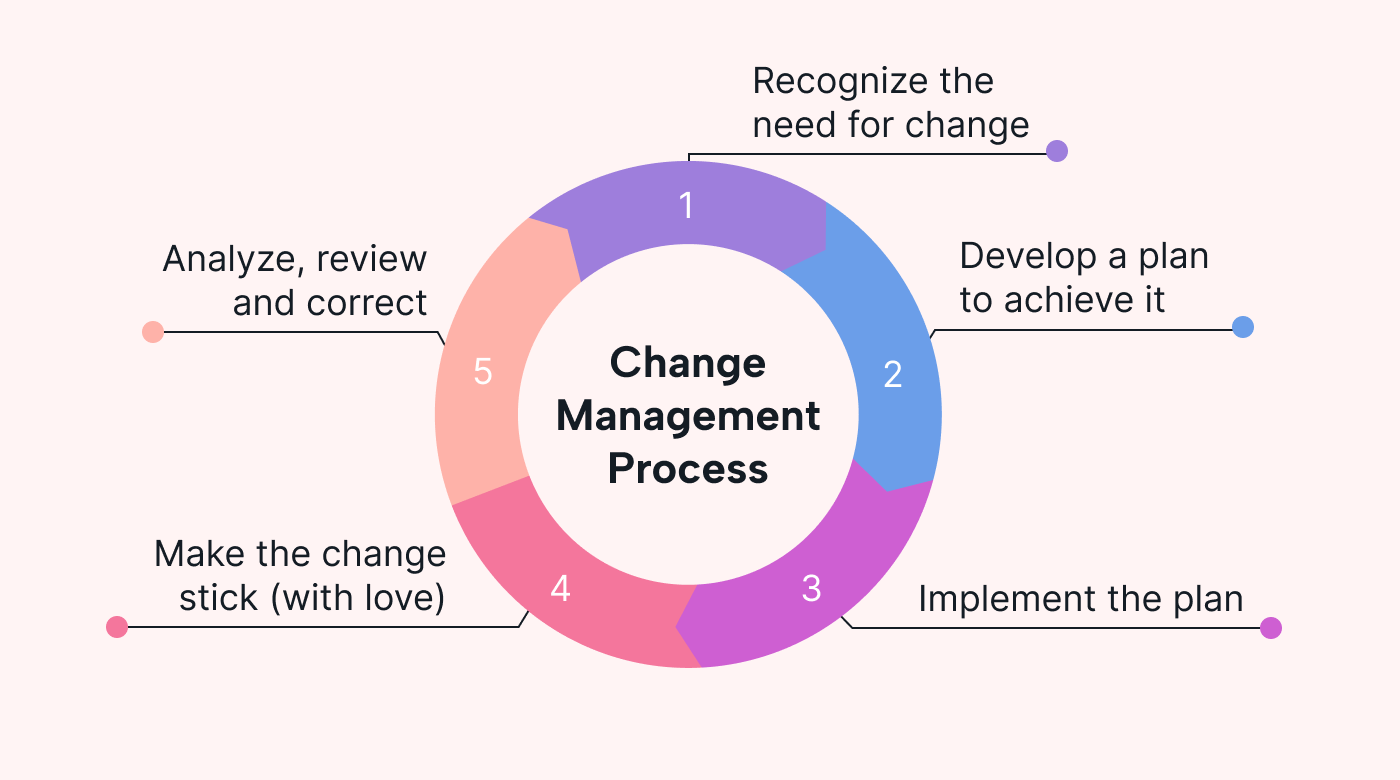
Change is an inevitable force in healthcare, driven by evolving patient needs, technological innovation, regulatory requirements, and the pursuit of improved outcomes. Effective change management—the structured approach to transitioning individuals, teams, and organizations from a current state to a desired future state—is essential in medical practice. Without it, even the most promising reforms risk failure due to resistance, miscommunication, or lack of alignment.
🌐 Drivers of Change in Healthcare
Several factors necessitate change in medical practice:
Technological Advancements: Electronic health records (EHRs), telemedicine, and artificial intelligence are reshaping how care is delivered.
Policy and Regulation: Compliance with new laws, such as HIPAA updates or value-based care initiatives, requires adaptation.
Patient Expectations: Modern patients demand accessible, personalized, and efficient care.
Workforce Dynamics: Staffing shortages, burnout, and the need for interdisciplinary collaboration push organizations to rethink workflows.
🔑 Principles of Change Management
Successful change management in healthcare rests on a few core principles:
Clear Vision and Leadership: Leaders must articulate why change is necessary and how it aligns with organizational goals.
Stakeholder Engagement: Physicians, nurses, administrators, and patients should be involved early to foster buy-in.
Communication: Transparent, consistent messaging reduces uncertainty and builds trust.
Training and Support: Staff must be equipped with the skills and resources to adapt to new systems or processes.
Measurement and Feedback: Continuous evaluation ensures that changes achieve intended outcomes and allows for course correction.
⚙️ Models of Change Management
Healthcare organizations often rely on established frameworks:
Kotter’s 8-Step Model: Emphasizes urgency, coalition-building, and embedding change into culture.
Lewin’s Change Theory: Focuses on unfreezing current practices, implementing change, and refreezing new behaviors.
ADKAR Model: Highlights individual adoption through awareness, desire, knowledge, ability, and reinforcement.
These models provide structured pathways to manage complex transitions, such as implementing new clinical guidelines or adopting digital health platforms.
💡 Challenges in Healthcare Change
Despite best efforts, change in medical practice faces obstacles:
Resistance from Staff: Clinicians may fear loss of autonomy or increased workload.
Resource Constraints: Financial limitations can hinder technology adoption or training programs.
Cultural Barriers: Long-standing traditions in medical practice can slow acceptance of new methods.
Patient Impact: Poorly managed change may disrupt continuity of care or erode trust.
Addressing these challenges requires empathy, flexibility, and strong leadership.
🌱 The Importance of Adaptability
Healthcare is uniquely sensitive because it directly affects human lives. Effective change management ensures that transitions improve patient safety, enhance efficiency, and support staff well-being. By fostering a culture of adaptability, medical practices can respond to crises—such as pandemics—while continuing to deliver high-quality care.
✅ Conclusion
Change management in healthcare is not merely about implementing new systems; it is about guiding people through transformation. When leaders communicate clearly, engage stakeholders, and provide support, change becomes an opportunity rather than a threat. In a field where innovation and patient-centered care are paramount, mastering change management is essential for sustainable success.
SPEAKING: Dr. Marcinko will be speaking and lecturing, signing and opining, teaching and preaching, storming and performing at many locations throughout the USA this year! His tour of witty and serious pontifications may be scheduled on a planned or ad-hoc basis; for public or private meetings and gatherings; formally, informally, or over lunch or dinner. All medical societies, financial advisory firms or Broker-Dealers are encouraged to submit an RFP for speaking engagements: CONTACT: Ann Miller RN MHA at MarcinkoAdvisors@outlook.com
Posted on November 16, 2025 by Dr. David Edward Marcinko MBA MEd CMP™
Dr. David Edward Marcinko MBA MEd
***
***
Crisis Management in Medical Practice
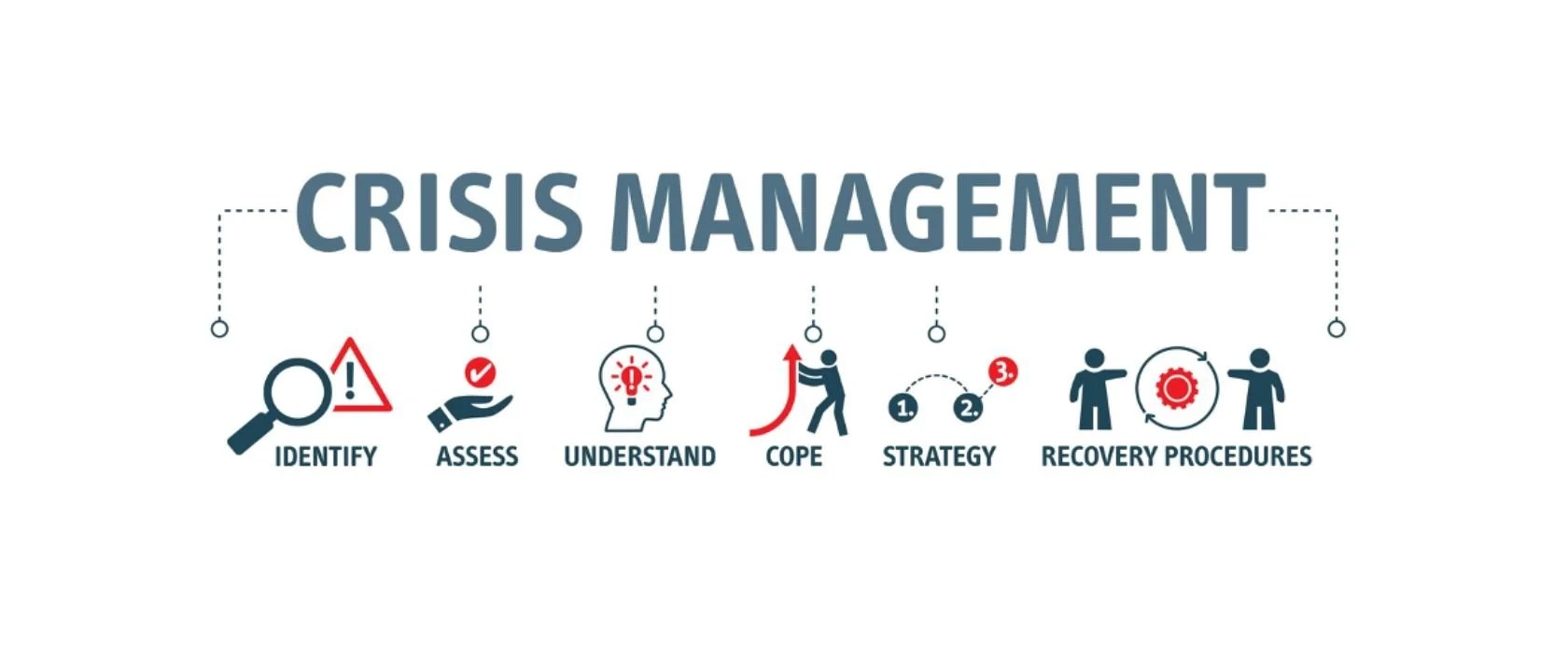
Healthcare is a field where crises are not hypothetical but expected realities. From pandemics and natural disasters to cyberattacks and sudden staff shortages, medical practices must be prepared to respond swiftly and effectively. Crisis management in medical practice refers to the structured approach of anticipating, preparing for, responding to, and recovering from disruptive events that threaten patient safety, organizational stability, or community trust.
🌐 Nature of Crises in Healthcare
Crises in medical practice can take many forms:
Public Health Emergencies: Outbreaks of infectious diseases, such as COVID-19, demand rapid adaptation of protocols and resources.
Operational Disruptions: Power outages, supply chain breakdowns, or IT failures can halt essential services.
Human Resource Challenges: Sudden staff shortages due to illness or burnout can compromise patient care.
Reputation and Legal Risks: Medical errors or breaches of patient confidentiality can escalate into crises requiring immediate management.
Each type of crisis requires tailored strategies, but all share the common need for preparedness and resilience.
🔑 Principles of Crisis Management
Effective crisis management in medical practice rests on several key principles:
Leadership and Decision-Making: Strong leadership is critical for making rapid, evidence-based decisions under pressure.
Communication: Transparent, timely communication with staff, patients, and external stakeholders reduces panic and builds trust.
Collaboration: Coordinating with hospitals, public health agencies, and community organizations strengthens response capacity.
Flexibility: Crises are unpredictable; adaptability in protocols and resource allocation is essential.
⚙️ Crisis Management Frameworks
Healthcare organizations often adopt structured frameworks:
Incident Command System (ICS): Provides a standardized hierarchy for managing emergencies.
Risk Assessment Models: Identify vulnerabilities and prioritize mitigation strategies.
Business Continuity Planning: Ensures essential services continue despite disruptions.
These frameworks help medical practices move from reactive responses to proactive resilience.
***
***
💡 Challenges in Crisis Management
Despite planning, medical practices face significant challenges:
Resource Limitations: Smaller practices may lack the financial or logistical capacity to implement robust crisis plans.
Staff Stress and Burnout: Crises often demand long hours and emotional resilience, which can strain healthcare workers.
Rapidly Changing Information: In public health emergencies, evolving guidelines can create confusion.
Patient Expectations: Maintaining quality care during disruptions is difficult but essential to preserve trust.
Addressing these challenges requires investment in training, mental health support, and technology infrastructure.
🌱 Importance of Resilience
Crisis management is not only about survival but about building resilience. Practices that learn from crises, adapt policies, and strengthen systems emerge stronger. For example, the COVID-19 pandemic accelerated telemedicine adoption, which continues to benefit patients today. Resilience ensures that medical practices can withstand future disruptions while continuing to deliver safe, effective care.
✅ Conclusion
Crisis management in medical practice is a vital competency that safeguards both patients and providers. By preparing for diverse scenarios, fostering strong leadership, and prioritizing communication, healthcare organizations can navigate crises with confidence. Ultimately, effective crisis management transforms challenges into opportunities for growth, innovation, and improved patient care.
SPEAKING: Dr. Marcinko will be speaking and lecturing, signing and opining, teaching and preaching, storming and performing at many locations throughout the USA this year! His tour of witty and serious pontifications may be scheduled on a planned or ad-hoc basis; for public or private meetings and gatherings; formally, informally, or over lunch or dinner. All medical societies, financial advisory firms or Broker-Dealers are encouraged to submit an RFP for speaking engagements: CONTACT: Ann Miller RN MHA at MarcinkoAdvisors@outlook.com
Posted on November 9, 2025 by Dr. David Edward Marcinko MBA MEd CMP™
By Dr. David Edward Marcinko MBA MEdand Copilot A.I.
***
***
Public relations (PR) in medicine is a specialized field that focuses on managing communication between healthcare organizations, medical professionals, and the public. Unlike traditional marketing, which emphasizes selling services, PR in medicine emphasizes trust, credibility, and education. In a sector where lives and well-being are at stake, effective communication is not optional—it is essential.
1. Building Trust and Reputation
Healthcare institutions rely heavily on public trust. Patients must feel confident in the competence and integrity of hospitals, clinics, and medical professionals. PR strategies such as press releases, community outreach, and media engagement help establish credibility. For example, when hospitals share success stories of medical breakthroughs or highlight patient-centered initiatives, they reinforce their reputation as reliable and compassionate providers.
2. Health Education and Awareness
One of the most important functions of PR in medicine is educating the public. Medical jargon can be complex, and PR professionals translate it into accessible language. Campaigns about preventive care, vaccination, or chronic disease management empower communities to make informed health decisions. By bridging the knowledge gap, PR ensures that medical information is not confined to professionals but reaches the wider population in a clear and actionable way.
3. Crisis Communication
Healthcare organizations often face crises—ranging from disease outbreaks to medical errors. In such moments, PR becomes the frontline defense. Transparent communication, timely updates, and empathy are crucial in maintaining public confidence. For instance, during the COVID-19 pandemic, hospitals and health agencies relied on PR to disseminate accurate information, counter misinformation, and reassure anxious populations. Effective crisis communication can prevent panic and sustain trust even in challenging times.
4. Advocacy and Community Engagement
PR in medicine also involves advocacy for public health policies and community engagement. Hospitals and medical associations often use PR campaigns to support initiatives such as mental health awareness, anti-smoking drives, or nutrition education. By engaging with communities through events, seminars, and social media, healthcare organizations position themselves as partners in public well-being rather than distant institutions.
5. Digital Transformation in Medical PR
The rise of digital media has transformed healthcare PR. Social media platforms, blogs, and online forums allow medical institutions to communicate directly with patients. This immediacy enhances transparency but also requires careful management to avoid misinformation. Digital PR strategies now include online reputation management, patient testimonials, and interactive health campaigns. In this way, PR adapts to modern communication channels while maintaining its core mission of trust and education.
6. Ethical Responsibility
Unlike other industries, PR in medicine carries a profound ethical responsibility. Misleading information can have life-threatening consequences. Therefore, PR professionals in healthcare must prioritize accuracy, sensitivity, and compassion. Their role is not only to protect the image of institutions but also to safeguard public health.
Conclusion
Public relations in medicine is more than a communication tool—it is a bridge between science and society. By fostering trust, educating communities, managing crises, and advocating for health, PR ensures that medical institutions remain credible and compassionate. In an era of rapid medical advancements and global health challenges, the importance of PR in medicine continues to grow, making it an indispensable part of modern healthcare.
SPEAKING: Dr. Marcinko will be speaking and lecturing, signing and opining, teaching and preaching, storming and performing at many locations throughout the USA this year! His tour of witty and serious pontifications may be scheduled on a planned or ad-hoc basis; for public or private meetings and gatherings; formally, informally, or over lunch or dinner. All medical societies, financial advisory firms or Broker-Dealers are encouraged to submit an RFP for speaking engagements: CONTACT: Ann Miller RN MHA at MarcinkoAdvisors@outlook.com
Posted on October 23, 2025 by Dr. David Edward Marcinko MBA MEd CMP™
By Dr. David Edward Marcinko MBA MEd
DEFINED
***
***
A physician practice management corporation (PPMC) is a business entity that provides non-clinical administrative and operational support to medical practices, allowing physicians to focus on patient care while the corporation handles the business side of healthcare.
Physician practice management corporations emerged in response to the increasing complexity of running a medical practice. As healthcare regulations, insurance requirements, and operational costs grew, many physicians found it challenging to manage both clinical responsibilities and business operations. PPMCs offer a solution by taking over the administrative burdens, enabling physicians to concentrate on delivering quality care.
At their core, PPMCs are responsible for a wide range of non-medical services. These include billing and coding, human resources, payroll, marketing, compliance, information technology, and financial management. By centralizing these functions, PPMCs can achieve economies of scale, reduce overhead costs, and improve operational efficiency for the practices they manage. This model is particularly attractive to small and mid-sized practices that may lack the resources to manage these functions independently.
PPMCs typically enter into long-term management agreements with physician groups. In some cases, they may purchase the non-clinical assets of a practice—such as equipment, office space, and administrative staff—while the physicians retain control over clinical decisions and patient care. This arrangement allows for a clear division between medical and business responsibilities, which is essential for maintaining compliance with healthcare regulations like the Stark Law and the Anti-Kickback Statute.
A physician practice management corporation (PPMC) is a business entity that provides non-clinical administrative and operational support to medical practices, allowing physicians to focus on patient care while the corporation handles the business side of healthcare.
Physician practice management corporations emerged in response to the increasing complexity of running a medical practice. As healthcare regulations, insurance requirements, and operational costs grew, many physicians found it challenging to manage both clinical responsibilities and business operations. PPMCs offer a solution by taking over the administrative burdens, enabling physicians to concentrate on delivering quality care.
At their core, PPMCs are responsible for a wide range of non-medical services. These include billing and coding, human resources, payroll, marketing, compliance, information technology, and financial management. By centralizing these functions, PPMCs can achieve economies of scale, reduce overhead costs, and improve operational efficiency for the practices they manage. This model is particularly attractive to small and mid-sized practices that may lack the resources to manage these functions independently.
PPMCs typically enter into long-term management agreements with physician groups. In some cases, they may purchase the non-clinical assets of a practice—such as equipment, office space, and administrative staff—while the physicians retain control over clinical decisions and patient care. This arrangement allows for a clear division between medical and business responsibilities, which is essential for maintaining compliance with healthcare regulations like the Stark Law and the Anti-Kickback Statute.
***
***
One of the key advantages of working with a PPMC is access to capital and advanced infrastructure. PPMCs often invest in state-of-the-art electronic health record (EHR) systems, data analytics tools, and revenue cycle management platforms. These technologies can enhance patient care, streamline operations, and improve financial performance. Additionally, PPMCs may offer strategic guidance on practice expansion, mergers and acquisitions, and payer contract negotiations.
However, the relationship between physicians and PPMCs must be carefully managed. While PPMCs bring valuable expertise and resources, there is a risk that business priorities could overshadow clinical autonomy. To mitigate this, successful PPMCs prioritize physician engagement, transparent governance, and aligned incentives. They work collaboratively with physicians to ensure that business strategies support, rather than hinder, the delivery of high-quality care.
The physician practice management industry has evolved significantly over the past few decades. After a wave of failures in the 1990s due to overexpansion and misaligned incentives, modern PPMCs have adopted more sustainable and physician-centric models. Today, they play a crucial role in helping practices adapt to value-based care, population health management, and other emerging trends in healthcare delivery.
In conclusion, a physician practice management corporation serves as a strategic partner to medical practices, offering the business acumen and operational support needed to thrive in a complex healthcare environment. By offloading administrative tasks and providing access to advanced resources, PPMCs empower physicians to focus on what they do best—caring for patients—while ensuring the long-term success and sustainability of their practices.
SPEAKING: Dr. Marcinko will be speaking and lecturing, signing and opining, teaching and preaching, storming and performing at many locations throughout the USA this year! His tour of witty and serious pontifications may be scheduled on a planned or ad-hoc basis; for public or private meetings and gatherings; formally, informally, or over lunch or dinner. All medical societies, financial advisory firms or Broker-Dealers are encouraged to submit an RFP for speaking engagements: CONTACT: Ann Miller RN MHA at MarcinkoAdvisors@outlook.com
Posted on October 14, 2025 by Dr. David Edward Marcinko MBA MEd CMP™
ByAI and Staff Reporters
***
***
Alpha Male and Beta Male are terms for men derived from the designations of alpha and beta animals in ethology. They may also be used with other genders, such as women, or additionally use other letters of the Greek alphabet (such as sigma. The popularization of these terms to describe humans has been widely criticized by scientists. Both terms have been frequently used in internet memes.
The term beta is used as a pejorative self-identifier among some members of the manosphere, particularly incels, who do not believe they are assertive and/or traditionally masculine, and feel overlooked by women. It is also used to negatively describe other men who are not deemed to be assertive, particularly with women. In internet culture, the term sigma male is also frequently used, gaining popularity in the late 2010s, but has since been used jokingly, often being used with incel.
Note: Incel is a portmateau of “involuntary celibate”) is a term associated with an online subculture of mostly male and heterosexual people who define themselves as unable to find a romantic or sexual despite desiring one. They often blame, objectify and denigrate women and girls as a result.
Delta Males are very responsible and keep the world moving. Highly adaptable, deltas are known for their competence and work ethic rather than their leadership and ambition. Delta Males love learning new skills for the sake of improving themselves, not for power or extrinsic successes. Because of this, they often have a very healthy work-life balance. They’re dependable and unpretentious. Common personality traits: hardworking, loyal and responsible. Careers they excel at are accountant, dentist, engineer and firefighter. If you’re a delta male, your work often speaks for itself. People trust you, so consider being more proactive and taking initiative at work; you’ll be rewarded for it and won’t necessarily need to be in the spotlight.
Gammas Males tend to be insecure about status and may overestimate their status. They’re unhappy with their position, so they try to convince themselves that they’re Sigmas. A Gamma Male is described as intelligent, romantic, and empathetic. While he has some female traits, he has difficulty understanding and dating women. But, unlike alphas, gammas avoid conflict at all costs and care deeply about what other people think of them. They lack the leadership skills and confidence to be on top.
Omega Males are skilled introverts who don’t need external validation. Pop culture portrays them as the shyer, more reserved yin to the zeta male’s yang. They’re independent and very comfortable in their own company. They’d rather spend time coming up with (usually brilliant) new ideas and inventions of their own instead of socializing with others. They have uncouth but delightful senses of humor and their theories often change the world for the better. Common personality traits are self-motivated, strategic and quiet. Careers they excel at are chemist, composer, inventor and mathematician. If you’re an omega male, your ideas are likely ingenious.
Sigma Males are rebellious leaders with lots of life experience while delta males are responsible companions who you want by your side.Common personality traits are nurturing and wise. Careers they excel at areentrepreneur, philosopher, professor, or therapist.
Zeta Males are one-of-a-kind progressives. There’s a reason the zeta male is the least talked about personality type in pop culture. They’re rare nonconformists who don’t care what other people think. They know themselves and refuse to change to fit into the rigid social standards of society. Zeta males are fierce creatives who blaze new paths for themselves and others. Zeta Males are nonconformist creatives, gamma males are charismatic nomads, and omega males are sharp intellectuals with boundless ideas. Careers they excel at are actor, artist, musician or writer. Common personality traits are creative, independent and self-aware.
QUESTION: Doctors, Agents, Accountants and Financial Advisors: What is your male personality type?
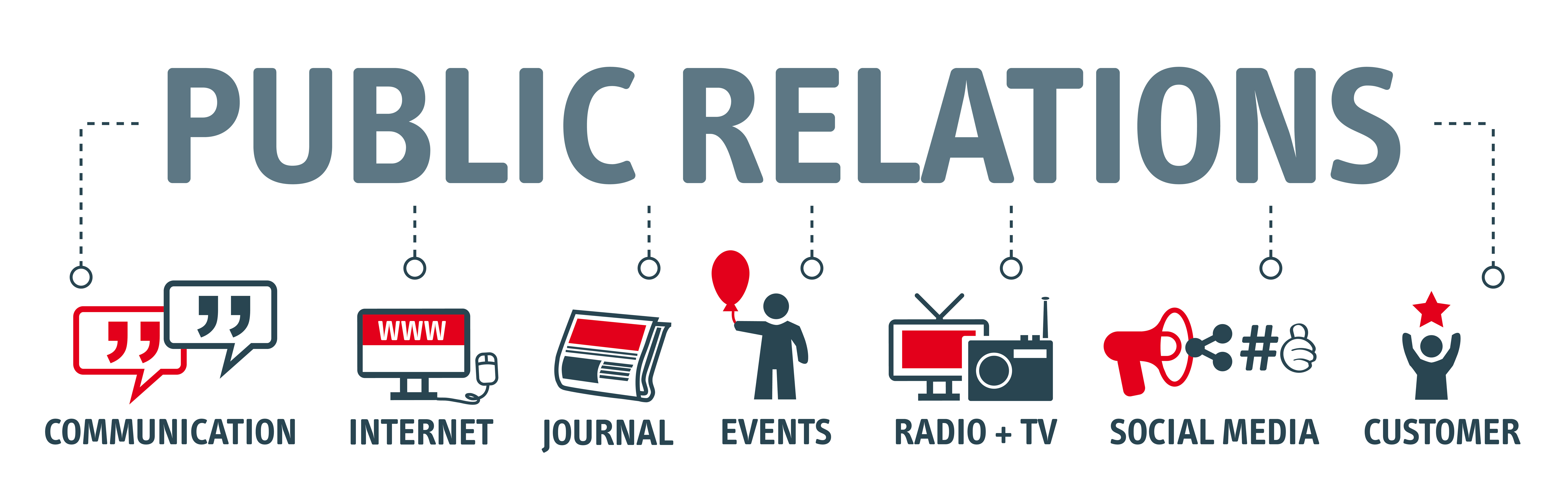
Public Relations [PR] is differentiated than advertising in that an advertiser pays for and has control over the message. It differs from personal selling in that the message is non-personal, i.e., not directed to a particular individual patient. We pay for advertising but pray for public relations. Public relations are not controllable but it is free; advertising is not free. PR suggests that “good news or bad news”; just spell the doctors name correctly
Change Management is the discipline that guides how we prepare, equip and support individuals to successfully adopt to change in order to drive organizational success and outcomes.
For example, a senior doctor may retire, become ill, or a junior associate might become a practice partner. How will patients be affected?
Crisis Management is the precautions and identification of threats to an organization and its stakeholders, and the methods used by the organization to deal with these threats.
For example, recall in 1982, that Tylenol™ commanded 35 percent of the over-the-counter analgesic market in America and it represented nearly 17 percent of Johnson & Johnson’s profits. But, when seven people died from consuming the tainted drug, a national panic ensued. Moreover, Americans started to question the safety of all over-the-counter medications.
Fortunately, J&J commenced the proto-typical positive crisis response in the following way:
J&J acted quickly, with complete candidness about what happened and within hours of learning of the deaths, J&J installed toll-free numbers for consumers, sent alerts to healthcare providers nationwide, and stopped advertising the product. J&J recalled 31 million bottles of Tylenol™ capsules and offered replacement products free of charge. J&J did not wait for evidence to see whether the contamination might be more widespread.
J&J’s leadership was in the lead and seemed in full control throughout the crisis. The chairman was admired for his leadership to pull Tylenol™ capsules off the market and his forthrightness in dealing with the media. The Tylenol™ crisis led the news every night on every station for six weeks.
J&J placed consumers first. J&J spent more than $100 million for the recall and re-launch of Tylenol™. The stock which had been trading near a 52-week high just before the tragedy, dropped for a time, but recovered to its highs only two months later.
J&J accepted responsibility. The disaster could have been described in many different ways: as an assault on the company, as a problem somewhere in the process of getting Tylenol™ from J&J factories to retail stores, or as the acts of a crazed criminal. Yet, the company accepted full responsibility.
J&J sought to ensure that measures were taken to prevent a recurrence of the problem. J&J introduced tamper-proof packaging that would make it much more difficult for a similar incident to occur in the future.
J&J presented itself prepared to handle the short-term damage in the name of consumer safety. Within a year of the disaster, J&J’s share of the analgesic market, which had fallen to 7 percent from 37 percent following the poisoning, had climbed back to 30 percent.
This wildly successful response in now the stuff of graduate and business school case models for excellence in teaching!
PRM stands for Patient Relationship Management, which is a system for managing all interactions with current and potential patients, families, friends, referring physicians, clinics and hospitals. The goal is simple: improve relationships to grow your medical practice. PRM technology helps medical practices and clinics stay connected to patients, streamline processes, and improve profitability.
When people talk about PRM, they’re usually referring to a PRM system: software that helps track each interaction with a patient or elated others. That can include practice sales calls, treatment or service plans, marketing e-mails, website, social media and more. PRM tools can unify patient and practice data from many sources and even use Artificial Intelligence [AI] to help better manage relationships across the entire doctor– patient lifecycle – spanning departments described elsewhere in the Marketing, Advertising and Sales ME-Ps.
SPEAKING: Dr. Marcinko will be speaking and lecturing, signing and opining, teaching and preaching, storming and performing at many locations throughout the USA this year! His tour of witty and serious pontifications may be scheduled on a planned or ad-hoc basis; for public or private meetings and gatherings; formally, informally, or over lunch or dinner. All medical societies, financial advisory firms or Broker-Dealers are encouraged to submit an RFP for speaking engagements: CONTACT: Ann Miller RN MHA at MarcinkoAdvisors@outlook.com
References:
1. Purcarea, Victor: The impact of marketing strategies in healthcare systems. J. Med Life. 2019 Apr-Jun;12(2):93–96. doi: 10.25122/jml-2019-1003
READINGS:
Marcinko, DE and Hetico, HR: The Business of Medical Practice [3rd Edition]. Springer Publishing, New York, 2010.
Marcinko, DE and Hetico, HR: Hospitals & Healthcare Organizations [Management Strategies, Operational Techniques, Tools, Templates and Case Studies]. Productivity Press, New York, 2012.
Marcinko, DE and Hetico, HR: Financial Management Strategies for Hospitals and Healthcare Organizations [Tools, Techniques, Checklists and Case Studies]. Productivity Press, New York, 2012.
Posted on August 22, 2025 by Dr. David Edward Marcinko MBA MEd CMP™
By Dr. David Edward Marcinko MBA MEd
***
***
Medicine today is vastly different than a generation ago, and all health care professionals need new skills to be successful and reduce the emerging risks outlined in this textbook, as well as the “unknown-unknowns” elsewhere. Traditionally, the physician was viewed as the “captain of the ship”. Today, their role may be more akin to a ship’s navigator, using clinical, teaching skills and knowledge to chart the patient’s course through a confusing morass of insurance requirements, fees, choices, rules and regulations to achieve the best attainable clinical outcomes.
This new leadership paradigm includes many classic business school principles, now modified to fit the decade long PP-ACA, the era of health reform, and modern technical connectivity and EMRs.
Thus, the physician must be a subtle guide on the side; not bombastic sage on the stage. These, newer health 3.0 leadership philosophies might include:
•Negotiation – working to optimize appropriate treatment plans; ie., quality of life versus quantity of life, •Team play – working in concert with other allied healthcare professionals to coordinate care delivery ,ithin a clinically appropriate and cost-effective framework; •Working within the limits of competence – avoiding the pitfalls of the medical generalist versus the specialist that may restrict access to treatment, medications, physicians and facilities by clearly acknowledging when a higher degree of service is needed on behalf of the patient – all while embracing holistic primary care; •Respecting different cultures and values – inherent in the support of the medical Principle of Autonomy is the acceptance of values that may differ from one’s own. As the US becomes more culturally hetero geneous, medical providers are called upon to work within, and respect, the socio-cultural and/or spiritual framework of patients, students and their families; •Seeking clarity on what constitutes marginal care – within a system of finite resources; providers are called upon to openly communicate with patients regarding access to marginal medical information and/or treatments. •Supporting evidence-based practice – healthcare providers, should utilize outcomes data to reduce variation in treatments to achieve higher efficiencies and improved care delivery thru evidence based medicine [EBM]; •Fostering transparency and openness in communications – healthcare professionals should be willing, and prepared, to discuss all aspects of care, especially when discussing end-of-life issues or when problems arise; •Exercising decision-making flexibility – treatment algorithms, templates and clinical pathways are useful tools when used within their scope; but providers must have the authority to adjust the plan if circumstances warrant.
Becoming skilled in the art of listening and interpreting — In her ground-breaking book, Narrative Ethics: Honoring the Stories of Illness, Rita Charon, MD PhD, a professor at Columbia University, writes of the extraordinary value of using the patient’s personal story in the treatment plan. She notes that, “medicine practiced with narrative competence will more ably recognize patients and diseases; convey knowledge and regard, join humbly with colleagues, and accompany patients and their families through ordeals of illness.” In many ways, attention to narrative returns medicine full circle to the compassionate and caring foundations of the patient-physician relationship.
These thoughts represent only a handful of examples to illustrate the myriad of new skills that tomorrows’ healthcare professionals must master in order to meet their timeless professional obligations of compassionate care and contemporary treatment effectiveness; all within the context modern risk management principles.
SPEAKING: Dr. Marcinko will be speaking and lecturing, signing and opining, teaching and preaching, storming and performing at many locations throughout the USA this year! His tour of witty and serious pontifications may be scheduled on a planned or ad-hoc basis; for public or private meetings and gatherings; formally, informally, or over lunch or dinner. All medical societies, financial advisory firms or Broker-Dealers are encouraged to submit an RFP for speaking engagements: CONTACT: Ann Miller RN MHA at MarcinkoAdvisors@outlook.com -OR-http://www.MarcinkoAssociates.com
Posted on August 20, 2025 by Dr. David Edward Marcinko MBA MEd CMP™
LEADERSHIP versus MANAGEMENT
***
***
By Dr. David Edward Marcinko MBA MEd
By Professor Gary A. Cook PhD
By Professor Eugene Schmuckler PhD MBA MEd CTS
Many of us have encountered a person who may intellectually be at upper levels, but whose ability to interact with others appears to that of one who is highly immature. This is the individual who is prone to becoming angry easily, verbally attacks co-workers, is perceived as lacking in compassion and empathy, and cannot understand why it is difficult to get others to cooperate with them and their agendas.
THINK: Sheldon Cooper PhD D.Sc MA BA of the The Big Bank Theory TV show.
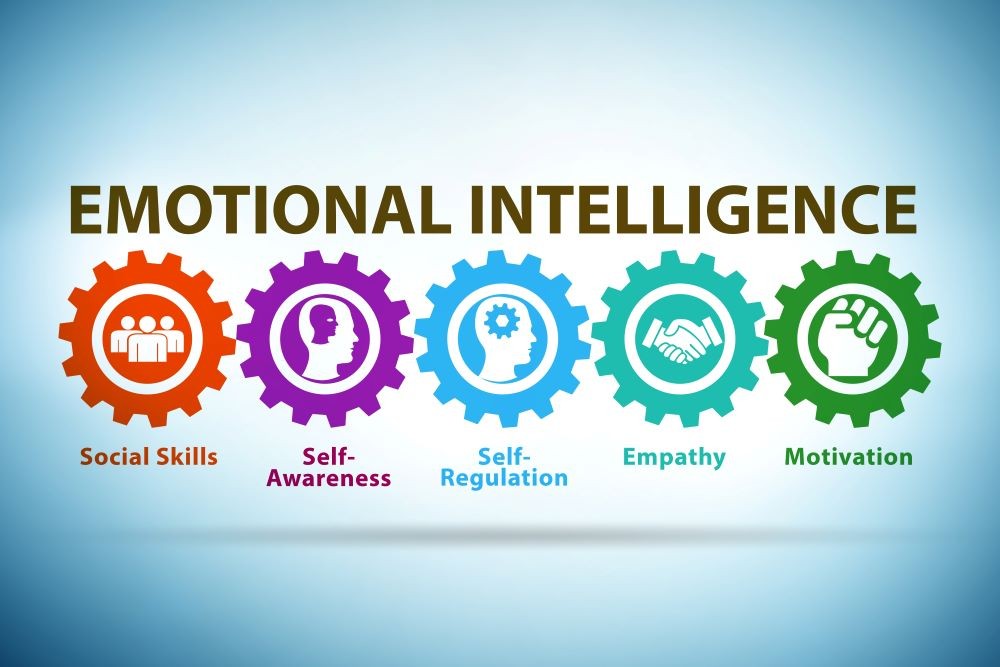
The concept of Emotional Intelligence [EQ] was brought into the public domain when Daniel Goleman authored a book entitled, Emotional Intelligence.” According to Goleman, emotional intelligence consists of four basic non-cognitive competencies: self awareness, social awareness, self management and social skills. These are skills which influence the manner in which people handle themselves and their relationships with others. Goleman’s position was that these competencies play a bigger role than cognitive intelligence in determining success in life and in the workplace. He and others contend that emotional intelligence involves abilities that may be categorized into five domains:
Self awareness: Observing and recognizing a feeling as it happens.
Managing emotions: Handling feelings so that they are appropriate; realizing what is behind a feeling; finding ways to handle fears and anxieties, anger and sadness.
Motivating oneself; Channeling emotions in the service of a goal; emotional self control; delaying gratification and stifling impulses.
Empathy: Sensitivity to others’ feelings and concerns and taking their perspective appreciating the differences in how people feel about things.
Handling relationships: Managing emotions in others; social competence & social skills.
In 1995, Goleman then expanded on the works of Howard Gardner, Peter Salovey and John Mayer. He further defined Emotional Intelligence as a set of competencies demonstrating the ability one has to recognize his or her behaviors, moods and impulses and to manage them best, according to the situation. Mike Poskey, in “The Importance of Emotional Intelligence in the Workplace.” continued this definition by stating that emotional intelligence is considered to involve emotional empathy; attention to, and discrimination of one’s emotions; accurate recognition of one’s own and others’ moods; mood management or control over emotions; response with appropriate emotions and behaviors in various life situations (especially to stress and difficult situations); and balancing of honest expression of emotions against courtesy, consideration, and respect.
Source: Emotional Intelligence: what is and why it matters” – Cary Cherniss, PhD, presented at the annual conference of the Society of Industrial and Organizational Psychology, April 2000.
EQ differs from what has generally been considered intelligence which is described in terms of one’s IQ.
Traditional views of intelligence focused on cognition, memory and problem solving. Even today individuals are evaluated on the basis of cognitive skills. Entrance tests for medical, law, business, undergraduate and graduate schools base admissions in large part on the scores of the SAT, GMAT, LSAT, MCAT, etc. Without question, cognitive ability is critical but has been demonstrated, it is not a very good predictor of future direct job performance and indirect liability management. In fact, in 1940, David Wechsler the developer of a widely used intelligence test made reference to “non-intellective” elements. By this Wechsler meant affective, personal and social factors.
Source: Non-Intellective factors in intelligence. Psychological Bulletin, 37, 444-445.
Goleman became aware of the work of Salovey and Mayer having trained under David McClelland and was influenced by McClelland’s concern with how little traditional tests of cognitive intelligence predicted success in life. In fact, a study of 80 PhDs in science underwent a battery of personality tests, IQ tests and interviews in the 1950s while they were graduate students at Berkeley. Forty years later they were re-evaluated and it turned out that social and emotional abilities were four times more important than IQ in determining professional success and prestige.
Source: Feist & Barron: Emotional Intelligence and academic intelligence in career and life success. Paper presented at the Annual Convention of the American Psychological Society, San Francisco, 1996.
Undoubtedly, we want to have individuals work with us who have persistence which enables to them have the energy, drive, and thick skin to develop and close new business, or to work with the patients and other members of the staff. It is important to note that working alongside one with a “good” personality may be fun, energetic, and outgoing.
However, a “good personality does not necessarily equate to success. An individual with a high EQ can manage his or her own impulses, communicate effectively, manage change well, solve problems, and use humor to build rapport in tense situations. This clarity in thinking and composure in stressful and chaotic situations is what separates top performers from weak performers.
Poskey outlined a set of five emotional intelligence competencies that have proven to contribute more to workplace achievement than technical skills, cognitive ability, and standard personality traits combined.
***
***
A. Social Competencies: Competencies that Determine How We Handle Relationships
Intuition and Empathy – Our awareness of others’ feelings, needs, and concern. He suggested that this competency is important in the workplace for the following reasons:
Understanding others: an intuitive sense of others’ feelings and perspectives, and showing an active interest in their concerns and interests
Patient service orientation: the ability to anticipate, recognize and meet customer’s’ (patients) needs
People development: ability to sense what others need in order to grow, develop, and master their strengths
Leveraging diversity: cultivating opportunities through diverse people.
B. Political Acumen and Social Skills: Our adeptness at inducing desirable responses in others. This competency is important for the following reasons:
Influencing: using effective tactics and techniques for persuasion and desired results.
Communication: sending clear and convincing messages that are understood by others
Leadership: inspiring and guiding groups of people
Change catalyst: initiating and/or managing change in the workplace
Conflict resolution: negotiating and resolving disagreements with people
Collaboration and cooperation: working with coworkers and business partners toward shared goals
Team capabilities: creating group synergy in pursuing collective goals.
C. Personal Competencies: Competencies that determine how we manage ourselves
D. Self Awareness: Knowing out internal states, preferences, resources, and intuitions. This competency is important for the following reasons.
Emotional awareness: recognizing one’s emotions and their effects and impact on those around us
Accurate self-assessment: knowing one’s strengths and limits
Self-confidence: certainty about one’s self worth and capabilities
Self-Regulation: managing one’s internal states, impulses, and resources. This competency is important in the workplace for the following reasons.
Self-control: managing disruptive emotions and impulses
Trustworthiness: maintaining standards of honesty and integrity
Conscientiousness: taking responsibility and being accountable for personal performance
Adaptability: flexibility in handling change
Innovation: being comfortable with an openness to novel ideas, approaches, and new information.
E. Self-Expectations and Motivation: Emotional tendencies that guide or facilitate reaching goals. This competency is important in the workplace for the following reasons.
Achievement drive: striving to improve or meet a standard of excellence we impose on ourselves
Commitment: aligning with the goals of the group or the organization
Initiative: readiness to act on opportunities without having to be told
Optimism: Persistence in pursuing goals despite obstacles and setbacks
A note of caution is necessary. Goleman and Salovey both stated that emotional intelligence on its own is not a strong predictor of job performance. Instead they contend that it provides the bedrock for competencies that are predictors.
Obviously, EQ is an important attribute and it behooves each of us to promote emotional intelligence in the workplace. A number of guidelines have been developed for the Consortium for Research on Emotional Intelligence in Organizations by Goleman and Cherniss. The guidelines cover 21 phases which include preparation, training, transfer and evaluation.
Assess the organization’s needs: Determine the competencies that are most critical for effective job performance in a particular type of job. In doing so, us a valid method, such as the comparison of the behavioral interviews of superior performs and average performers. Also make sure the competencies to be developed are congruent with the organization’s culture and overall strategy.
Assess the individual: This assessment should be based on the key competencies needed for a particular job, and the data should come from multiple sources using multiple methods to maximize credibility and validity.
Deliver assessments with care: Give the individual information on his/her strengths and weaknesses. In doing so, try to be accurate and clear. Also, allow plenty of time for the person to digest and integrate the information. Provide feedback in a safe and supportive environment in order to minimize resistance and defensiveness. Avoid making excuses or downplaying the seriousness of deficiencies.
Maximize choice: People are motivated to change when they freely choose to do so. As much as possible, allow people to decide whether or not they will participate in the development process, and have them change goals themselves.
Encourage people to participate: People will be more likely to participate in development efforts if they perceive them to be worthwhile and effective. Organizational policies and procedures should encourage people to participate in development activity, and supervisors should provide encouragement and the necessary support. Motivation will be enhanced if people trust the credibility of those who encourage them to undertake the training.
Link learning goals to personal values: People are most motivated to pursue change that fits with their values and hopes. If a change matters little to people, they won’t pursue it. Help people understand whether a given change fits with what matters most to them.
Adjust expectations: Builds positive expectations by showing learners that social and emotional competence can be improved and that such improvement will lead to valued outcomes. Also, make sure that the learner has a realistic expectation of what the training process will involve.
Gauge readiness: Assess whether the individual is ready for training. If the person is not ready because of insufficient motivation or other reasons, make readiness the focus of intervention efforts.
Foster a positive relationship between the trainers and learners: Trainers who are warm, genuine, and empathic our best able to engage the learners in the change process. Select trainers who have these qualities, and make sure that they use them when working with the learners.
Make change self-directed: Learning is more effective when people direct their own learning program, tailoring it to their unique needs and circumstances. In addition to allowing people to set their own learning goals, let them continue to be in charge of their learning throughout the program, and tailor the training approach to the individual’s learning style.
Set clear goals: People need to be clear about what the competence is, how to acquire it, and how to show it on the job. Spell out the specific behaviors and skills that make up the target competence. Make sure that the goals are clear, specific, and optimally challenging.
Break goals into manageable steps: change. That is more likely to occur if the change process is divided into manageable steps. Encourage both trainers and trainees to avoid being overly ambitious.
Provide opportunities to practice: Lasting change requires sustained practice on the job and elsewhere in life. An automatic habit is being unlearned and different responses are replacing it. Use naturally occurring opportunities for practice at work, and in life. Encourage the trainees to try the new behaviors repeatedly and consistently over a period of months.
Give performance feedback: Ongoing feedback encourages people and direct change. Provide focused and sustained feedback as the learners practice new behaviors. Make sure that supervisors, peers, friends, family members-or some combination of these- give periodic feedback on progress.
Rely on experiential methods: Active, concrete, experiential methods tend to work best for learning social and emotional competencies. Development activities that engage all the senses and our dramatic and powerful can be especially effective.
Build in support: Change is facilitated through ongoing support of others who are going through similar changes. Programs should encourage the formation of groups where people give each other support, throughout the change effort. Coaches and mentors also can be valuable in helping support the desired change.
Use models: Use modern webinars, patient portals, live or videotaped models that clearly show how the competency can be used in realistic situations. Encourage learners to study, analyze, and emulate the models.
Enhance insight: Self-Awareness is the cornerstone of emotional and social competence. Help learners acquire greater understanding about how their thoughts, feelings, and behavior affect themselves and others.
Prevent relapse: Use relapse prevention, which helps people use lapses and mistakes as lessons to prepare themselves for further efforts.
Moreover:
Encourage use of skills on the job: Supervisors, peers and subordinates should reinforce and reward learners for using their new skills on the job. Coaches and mentors also can serve this function. Also, provide prompts and cues, such as through periodic follow-ups. Change also is more likely to indoor. When high status persons, such as supervisors and upper-level management model it.
Develop an organizational culture that supports learning: Change will be more enduring if the organization’s culture and tone support the change and offer a safe atmosphere for experimentation.
Finally, see if the development effort has lasting effects evaluated. When possible, find a true set of measures of the competence or skill, as shown on the job, before and after training, and also at least two months later. One-year follow-ups also are highly desirable. In addition to charting progress on the acquisition of competencies, also assess the impact on important job related outcomes, such as performance measures, and indicators of adjustments such as absenteeism, grievances, health status, etc.
Managers V. Leaders
These abilities are important for one to be successful as a manager and even more so as a leader, or physician executive. But, before we begin an examination of strategic leadership, it is necessary to make a deeper distinction between a manager and a leader. There are many different definitions as well as descriptions regarding leadership and management.
Many people talk as though leadership and management is the same thing. Fundamentally, they are quite different. Management focuses on work. We manage work activities such as money, time, paperwork, materials, equipment, and personnel, among other things. As can be found in any basic book on management, management focuses on planning, organizing, controlling, coordinating, budgeting, finance and money management as well as decision making. In effect, managers are generally those individuals who have been given their authority by virtue of their role. It is the function of a manager to ensure that the work gets done as well as to oversee the activities of others. In many healthcare organizations we find that those individuals elevated to a managerial position occur as a result of being a high performer on their previous assignment. A manager receives authority on the basis of role; while a leader’ authority is more innate in nature.
SPEAKING: Dr. Marcinko will be speaking and lecturing, signing and opining, teaching and preaching, storming and performing at many locations throughout the USA this year! His tour of witty and serious pontifications may be scheduled on a planned or ad-hoc basis; for public or private meetings and gatherings; formally, informally, or over lunch or dinner. All medical societies, financial advisory firms or Broker-Dealers are encouraged to submit an RFP for speaking engagements: CONTACT: Ann Miller RN MHA at MarcinkoAdvisors@outlook.com -OR-http://www.MarcinkoAssociates.com
Posted on July 7, 2025 by Dr. David Edward Marcinko MBA MEd CMP™
By A.I.
***
***
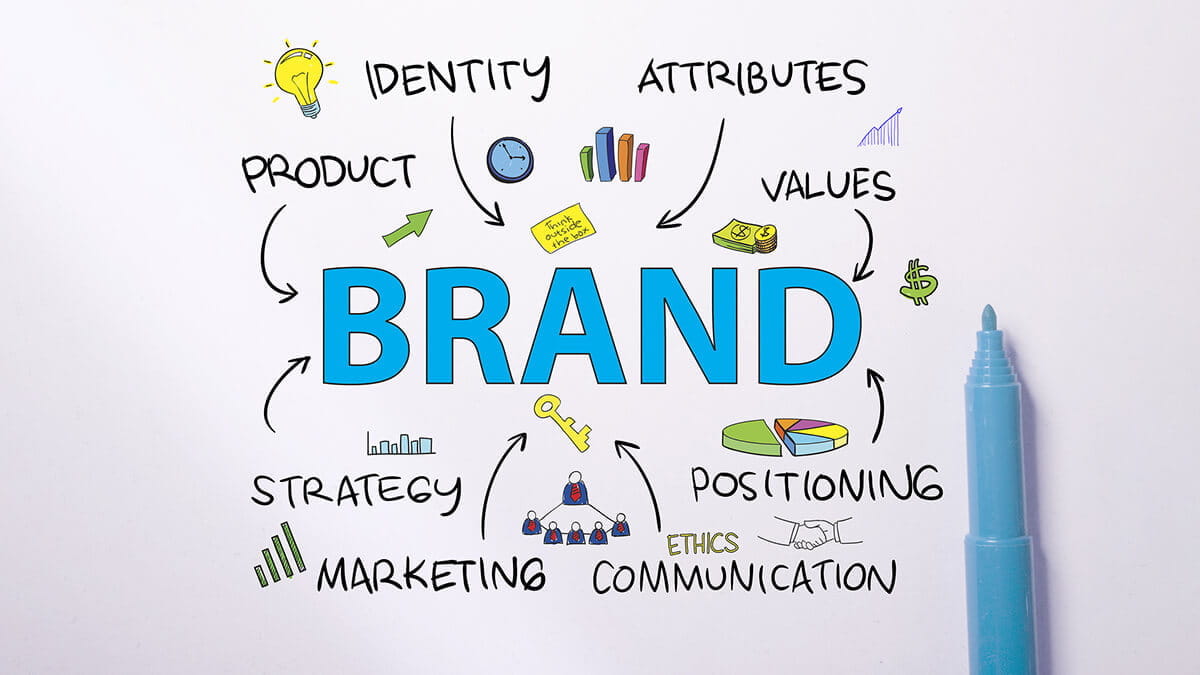
Any extensive analysis of numerous papers published on brand management leads to the seven approaches mentioned below. This included 300+ articles from Journal of Marketing, Journal of Marketing Research, Journal of Consumer Research, Harvard Business Review and European Journal of Marketing.
So, it can be safe to claim that no matter which framework or model one follows it must have originated via one of the seven approaches listed below.
The Seven Branding Approaches are:
The economic approach: the brand as part of the traditional marketing mix.
The identity approach: the brand as linked to corporate identity.
The consumer-based approach: the brand as linked to consumer associations.
The personality approach: the brand as a human-like character.
The relational approach: the brand as a viable relationship partner.
The community approach: the brand as the pivotal point of social interaction.
The cultural approach: the brand as part of the broader cultural fabric.
There are multiple theories and model to be followed in the area of brand management with their own school of thought and have been proven to work.
These include the Aaker’s brand identity model, Kapferer’s brand prism or Keller’s customer-based brand equity pyramid. All of them will enhance the brand equity of the product or service but may have evolved from different school of thoughts. Though everyone talks about the different models, rarely we find text on the school of thought rather then the actual model in practice.
***
***
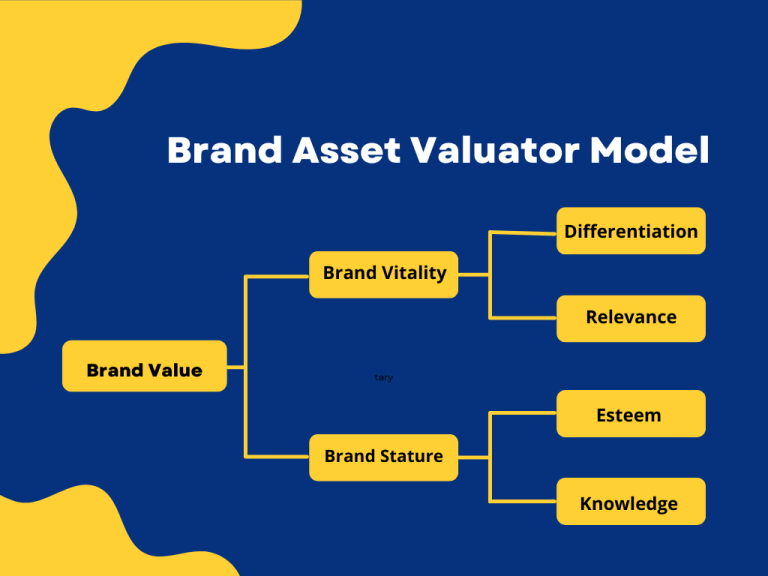
And, you will find the Brand Asset Valuator Model in many books but you might never come to know the author’s perspective.
Posted on June 30, 2025 by Dr. David Edward Marcinko MBA MEd CMP™
By Health Capital Consultants; LLC
***
***
On May 22, 2025, the U.S. House of Representatives moved President Trump’s budget proposal forward, sending to the Senate a budget reconciliation bill (with a one-vote margin) – the One Big Beautiful Bill Act of 2025 – that renews expiring tax cuts and enacts new ones at a cost of almost $4 trillion. These costs would largely be paid for by cuts to other programs, including to federal healthcare programs, which cuts will have significant ramifications for the healthcare industry.
This Health Capital Topics article reviews the current status of the budget bill and healthcare industry implications. (Read more…)
Posted on June 7, 2025 by Dr. David Edward Marcinko MBA MEd CMP™
By AI
BREAKING NEWS
***
***
Job growth is slowing, but still bigger than expected
US employers added 139,000 jobs last month, government data released yesterday shows—that’s less than the down-wardly revised 147,000 new jobs that were added in April, but more than economists had predicted. Meanwhile, the unemployment rate held steady.
Overall, the highly anticipated jobs report reflects employers growing more cautious in the face of the economic uncertainty brought on by the trade war, but so far, there doesn’t seem to be a steep drop off in the labor market. That could give the Fed reason to stay in wait-and-see mode on interest rates, though President Trump still used the occasion to urge Jerome Powell to cut rates “a full point” on Truth Social.







 Support our online development, and advance our onground research initiatives in free market economics, as we seek to showcase the brightest Next-Gen minds.
THE ME-P DISCLAIMER: Posts, comments and opinions do not necessarily represent iMBA, Inc., but become our property after submission. Copyright © 2006 to-date. iMBA, Inc allows colleges, universities, medical and financial professionals and related clinics, hospitals and non-profit healthcare organizations to distribute our proprietary essays, photos, videos, audios and other documents; etc. However, please review copyright and usage information for each individual asset before submission to us, and/or placement on your publication or web site. Attestation references, citations and/or back-links are required. All other assets are property of the individual copyright holder.
Support our online development, and advance our onground research initiatives in free market economics, as we seek to showcase the brightest Next-Gen minds.
THE ME-P DISCLAIMER: Posts, comments and opinions do not necessarily represent iMBA, Inc., but become our property after submission. Copyright © 2006 to-date. iMBA, Inc allows colleges, universities, medical and financial professionals and related clinics, hospitals and non-profit healthcare organizations to distribute our proprietary essays, photos, videos, audios and other documents; etc. However, please review copyright and usage information for each individual asset before submission to us, and/or placement on your publication or web site. Attestation references, citations and/or back-links are required. All other assets are property of the individual copyright holder.






















 The Leading Business Education Network for Doctors, Financial Advisors and Health Industry Consultants