RENT: Owner’s Equivalent Price

By Staff Reporters

DEFINITION

SPONSOR: http://www.MarcinkoAssociates.com

***

***

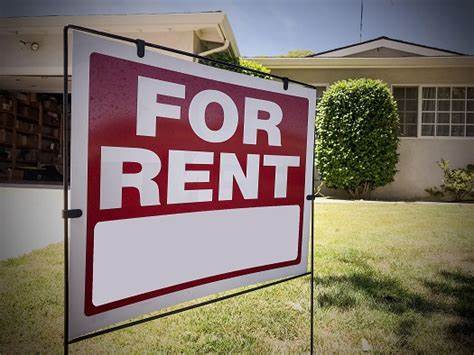
CPI does not measure changes in shelter costs by looking at home prices, but by measuring the amount of rent that could be paid to substitute a currently owned house for an equivalent rental property.

Owners’ equivalent rent (OER) is a dollar amount that is published by the U.S. Bureau of Labor Statistics to measure the change in implicit rent, which is the amount a homeowner would pay to rent or would earn from renting his or her home in a competitive market.

COMMENTS APPRECIATED

Subscribe and Like!

***

***

DAILY UPDATE: The US Economy and Bureau of Labor Statistics Reports

By Staff Reporters

***

***

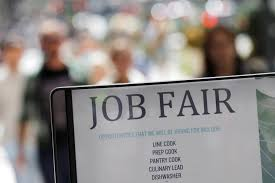
The US kept adding jobs according to new data from the Bureau of Labor Statistics. The economy gained 339,000 pay-rolled employees in May, more than in each of the preceding three months and way more than the 190,000 Dow Jones predicted (to be fair, expert estimates low-balled 13 of the last 16 job reports, according to CNBC. This growth happened despite climbing interest rates, inflation, recent bank failures, and a nerve-racking debt ceiling standoff that threatened to destroy the economy And, Wall Street interpreted the data as a big green “buy” sign. For example:

Stocks leaped up last week as investors celebrated the deal to lift the debt ceiling being showed that the economy is still going strong. In fact, Lululemon stretched toward the heavens after beating earnings expectations thanks to a 24% year over year jump in sales.

But not all indications pointed to the hot streak continuing indefinitely.

The unemployment rate inched, wage growth slowed, and workers appear less self-assured in the labor market:

  • The self-employed lost 369,000 people from its ranks in May, a possible sign that folks might be ditching the self-employment for the security of a traditional employer.
  • And, recent data shows the quit rate has declined from an all-time high in late 2021, bringing an end to the pandemic job-hopping trend dubbed the Great Resignation.
  • Ultimately, the Fed will have to use the conflicting and mixed economic indicators to decide whether to further crank up interest rates at their next meeting. The Federal Reserve has been hinting that it might cease raising interest rates, and investors seem convinced the central bank will follow through and at least “skip” a hike this month even though the labor market is still radiating heat.

***

COMMENTS APPRECIATED

Thank You

***

***

WORKPLACE SAFETY: 10 Rules and Guidelines

WORKPLACE MEDICAL VIOLENCE

By Staff Reporters

***

***

Workplace safety is no joke. Slips and trips can lead to a hospital visit—though at least it’s a quick commute for healthcare workers in states with high rates of workplace injuries. In fact, Maine, Oregon, and Vermont had the highest rates of nonfatal workplace accidents and injuries, according to an analysis shared with Healthcare Brew via email of 2021 US Bureau of Labor Statistics data compiled by High Rise Financial, a pre-settlement legal funding company.

What do these states also have in common? According to HealthcareBrew, nursing, ranked within the top 10 most popular professions in each state.

Maine had the highest rate of workplace accidents: 4.7 out of every 100 full-time workers in the state were involved in a nonfatal workplace accident in 2021, High Rise Financial found. That is 67.9% higher than the country’s yearly average. In 2021, 30,270 of the 592,000 registered employees in Maine were home healthcare workers or registered nurses. MaineHealth was the state’s largest private employer in 2021 with approximately 20,500 employees, per the Maine Center for Workforce Research and Information. But the state’s high accident rate isn’t a failure—it suggests that Maine workers are reporting accidents and injuries before they become more serious and require workers’ compensation, Maine Public Radio reported. The most recent data from 2011 shows that workers’ compensation losses cost hospitals nationwide $2 billion, the Occupational Safety and Health Administration found.

CITE: https://www.r2library.com/Resource/Title/082610254

If tedious workplace safety rules sound like a pain, try having an accident. “Slips, trips, and falls,” especially without a wet floor warning sign, are the top causes of workplace accidents that are eligible for pre-settlement funding, according to the High Rise Financial analysis. Even a small slip could lead to a back injury, a broken bone, or a concussion—no banana peel needed.

It’s not all doom and gloom: The CDC has generously curated a list of songs with workplace safety and health themes to liven up your nine-to-five. Just be sure to wear nonslip shoes if you feel like dancing.

***

Workplace Violence: https://medicalexecutivepost.com/2022/12/08/medical-workplace-violence-prevention-guidelines/

Related: https://medicalexecutivepost.com/2022/09/23/assessment-of-workplace-violence-in-healthcare/

***

COMMENTS APPRECIATED

Thank You

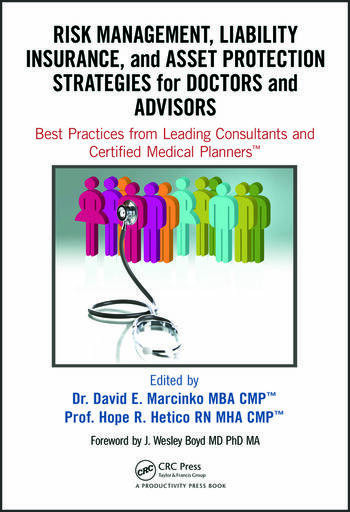
ORDER: https://www.routledge.com/Risk-Management-Liability-Insurance-and-Asset-Protection-Strategies-for/Marcinko-Hetico/p/book/9781498725989

***

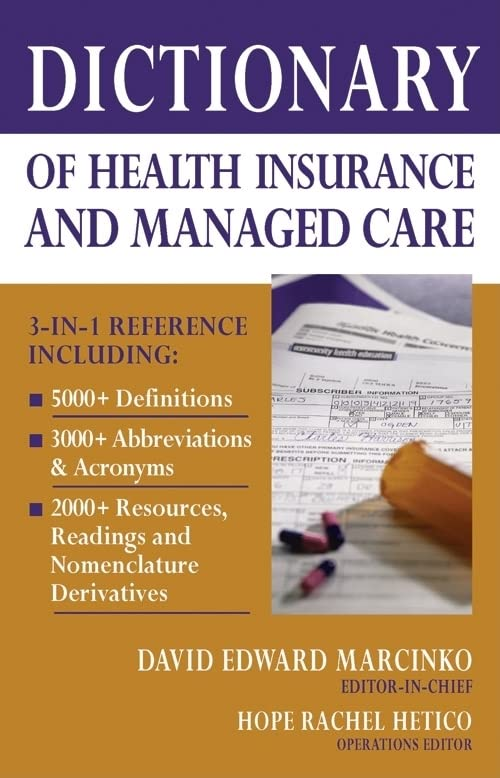
ORDER: https://www.amazon.com/Dictionary-Health-Insurance-Managed-Care/dp/0826149944/ref=sr_1_4?ie=UTF8&s=books&qid=1275315485&sr=1-4

***

Healthcare and the Recession

Join Our Mailing List

Physician and Hospital Pricing Pressure

[By Staff Reporters]life-preserver

As reported in Modern Physician Online, by Dan Bowman, new metadata coming from the federal government suggests that the current financial meltdown and domestic recession has impacted hospital and physician charges, as implicated by their revenues.

USBLS on Physician Charges

According to data from the US Bureau of Labor Statistics [USBLS], retail prices charged by doctors rose 2.9 percent in 2008, compared with 4.1 percent the year before. Wholesale prices for physicians were up 1.2 percent last year, compared with 4 percent in 2007.

USBLS on Hospital Charges

Hospitals meanwhile, were up 5.9 percent in 2008, compared with 8.3 percent the year before. Wholesale prices for hospital services, for their part, were up 1.5 percent last year, falling from a 3.8 percent increase in 2007.

Assessment

Link: www.ModernHealthcare.com

Conclusion

Your thoughts and comments on this ME-P are appreciated. Feel free to review our top-left column, and top-right sidebar materials, links, URLs and related websites, too. Then, subscribe to the ME-P. It is fast, free and secure.

Link: http://feeds.feedburner.com/HealthcareFinancialsthePostForcxos

Speaker: If you need a moderator or speaker for an upcoming event, Dr. David E. Marcinko; MBA – Publisher-in-Chief of the Medical Executive-Post – is available for seminar or speaking engagements. Contact: MarcinkoAdvisors@msn.com

OUR OTHER PRINT BOOKS AND RELATED INFORMATION SOURCES:

DICTIONARIES: http://www.springerpub.com/Search/marcinko
PHYSICIANS: www.MedicalBusinessAdvisors.com
PRACTICES: www.BusinessofMedicalPractice.com
HOSPITALS: http://www.crcpress.com/product/isbn/9781466558731
CLINICS: http://www.crcpress.com/product/isbn/9781439879900
BLOG: www.MedicalExecutivePost.com
FINANCE: Financial Planning for Physicians and Advisors
INSURANCE: Risk Management and Insurance Strategies for Physicians and Advisors

Product Details  Product Details