BOARD CERTIFICATION EXAM STUDY GUIDES Lower Extremity Trauma
[Click on Image to Enlarge]
ME-P Free Advertising Consultation
The “Medical Executive-Post” is about connecting doctors, health care executives and modern consulting advisors. It’s about free-enterprise, business, practice, policy, personal financial planning and wealth building capitalism. We have an attitude that’s independent, outspoken, intelligent and so Next-Gen; often edgy, usually controversial. And, our consultants “got fly”, just like U. Read it! Write it! Post it! “Medical Executive-Post”. Call or email us for your FREE advertising and sales consultation TODAY [678.779.8597] Email: MarcinkoAdvisors@outlook.com
Medical & Surgical e-Consent Forms
ePodiatryConsentForms.com
iMBA Inc., OFFICES
Suite #5901 Wilbanks Drive, Norcross, Georgia, 30092 USA [1.678.779.8597]. Our location is real and we are now virtually enabled to assist new long distance clients and out-of-town colleagues.
ME-P Publishing
SEEKING INDUSTRY INFO PARTNERS?
If you want the opportunity to work with leading health care industry insiders, innovators and watchers, the “ME-P” may be right for you? We are unbiased and operate at the nexus of theoretical and applied R&D. Collaborate with us and you’ll put your brand in front of a smart & tightly focused demographic; one at the forefront of our emerging healthcare free marketplace of informed and professional “movers and shakers.” Our Ad Rate Card is available upon request [678-779-8597].
Posted on January 17, 2025 by Dr. David Edward Marcinko MBA MEd CMP™
By Staff Reporters
***
***
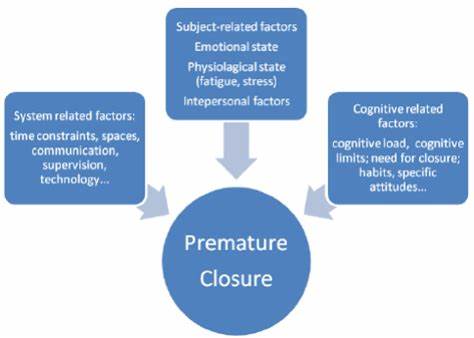
Premature Closure is the tendency to make quick, decisive judgments without considering all the evidence. It’s like jumping to conclusions on a trampoline – fast and often wrong. Our brains crave certainty and dislike ambiguity, leading us to close the case prematurely. This can save time but often results in mistakes and oversights. To avoid premature closure, take a step back, gather more information, and keep an open mind about this cognitive bias.
And so, colleague Dan Ariely PhD suggests that we remember: haste makes waste, especially in decision-making.
Posted on January 16, 2025 by Dr. David Edward Marcinko MBA MEd CMP™
By Staff Reporters
***
***
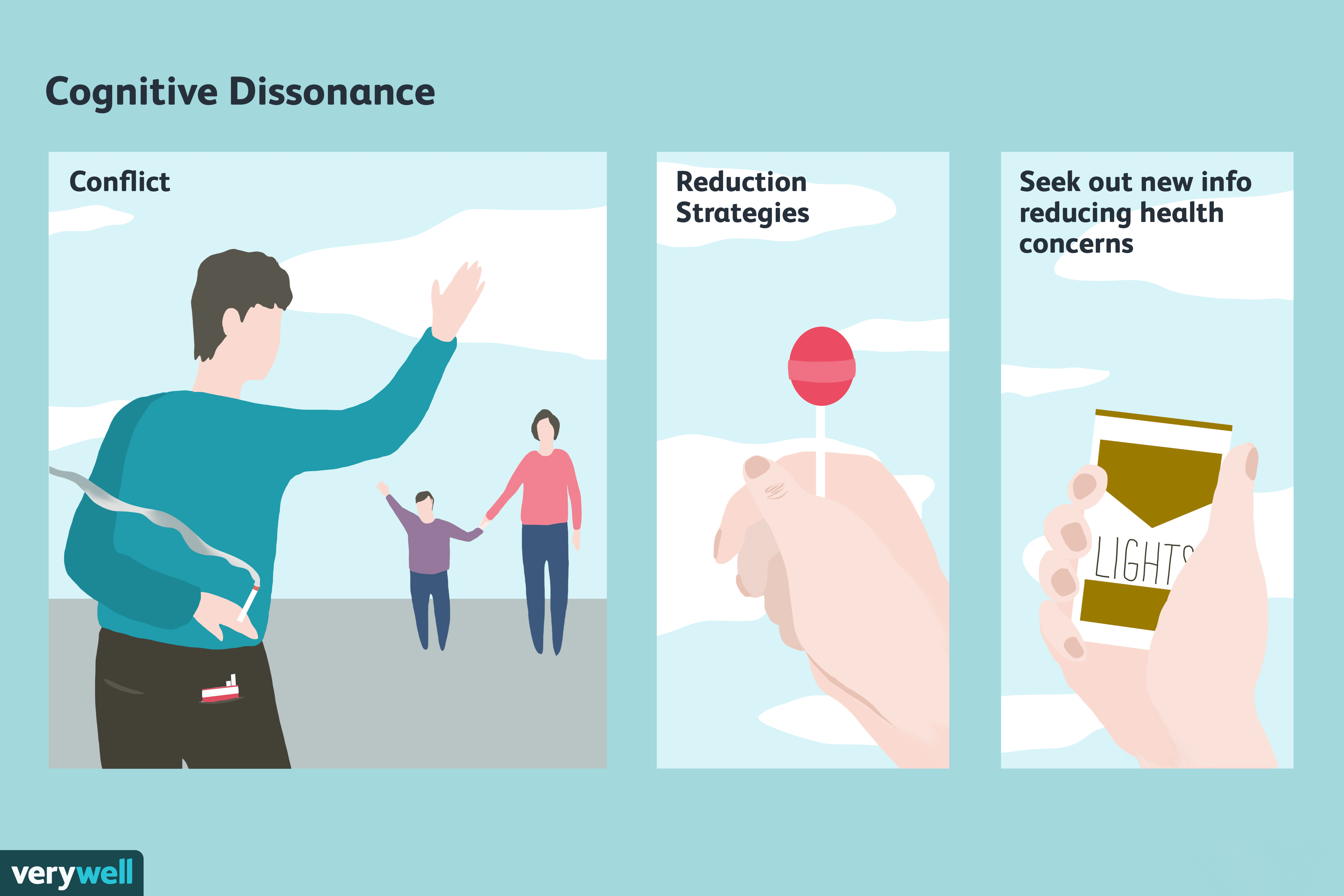
Cognitive Dissonance is the discomfort experienced when holding conflicting cognitions, like believing in healthy eating while munching on a donut. It’s a mental tug-of-war that makes us squirm.
To reduce this discomfort, we often change our beliefs or behaviors to align them. This is why smokers might downplay the health risks of smoking. Understanding cognitive dissonance helps us recognize these mental gymnastics and strive for consistency in our beliefs and actions.
So, according to colleague Dan Ariely PhD, the next time you feel that mental itch, it’s cognitive dissonance asking for some resolution.
Posted on January 14, 2025 by Dr. David Edward Marcinko MBA MEd CMP™
By Staff Reporters
***
***
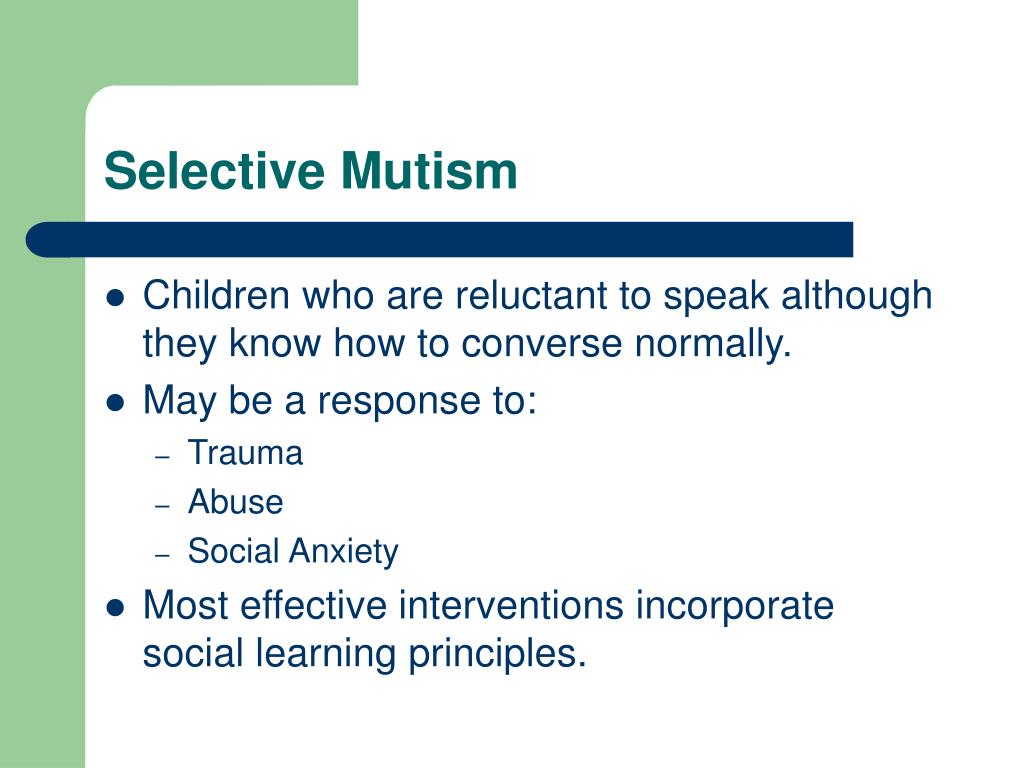
Selective Mutism: Some people experience selective mutism, a condition where intense trauma or anxiety leaves them temporarily unable to speak. It’s a defense mechanism that shields them from emotional overwhelm. It is characterized by:
A person’s inability to speak in certain social settings, even though they are otherwise capable of speech.
Triggers for selective mutism can include specific situations, places, or people.
People with SM can speak comfortably and communicate well in other settings, such as at home with family.
For many, according to colleague Dan Ariely PhD, this silence is involuntary, reflecting how deeply emotions affect speech.
Posted on January 14, 2025 by Dr. David Edward Marcinko MBA MEd CMP™
By Staff Reporters
***
***
In-group bias refers to the unfair favoring of someone from one’s own group. You might think that you’re unbiased, impartial, and fair, but we all succumb to this bias, having evolved to be this way.
That is, according to colleague Dan Ariely PhD, from an evolutionary perspective, this bias can be considered an advantage—favoring and protecting those similar to you, particularly with respect to kinship and the promotion of one’s own line.
Posted on January 11, 2025 by Dr. David Edward Marcinko MBA MEd CMP™
By Dr. David Edward Marcinko MBA MEd
***
***
Saying a patient’s name in the emergency room will almost ensure that person comes in that day.
A code cart next to an unstable patient is said to ward off evil spirits.
Traditional healers usually use superstition in their practices to manage human health problems and diseases.
Such practices create a conflict with the medical profession and its evidence-based practices.
***
So, what exactly is a Superstition? Does superstition change a measurable patient outcome, such as decreased anastomotic leak rate, surgical site infection, or mortality? Hard to say. But does it improve the surgeon’s confidence, thereby improving their performance? Likely so.
Science is not the opposite of superstition; it is the result of superstition, the result of humans trying to make sense of the world and prove each other wrong. We keep doing the things we do to maintain some semblance of control. In further defense of superstition, ritualistic behaviors ensure that the necessary boxes are checked and that we pay attention to the details. In surgery, details matter.
“Superstition is the irrational belief that an object or behavior has the power to influence an outcome, when there’s no logical connection between them. Most of us aren’t superstitious – but most of us are a ‘littlestitious.’” – Gretchen Rubin
So, until there is evidence to the contrary, I will keep tearing off the little patient labels and keeping their names with me in hopes that they do well after surgery.
Posted on January 11, 2025 by Dr. David Edward Marcinko MBA MEd CMP™
By Staff Reporters
***
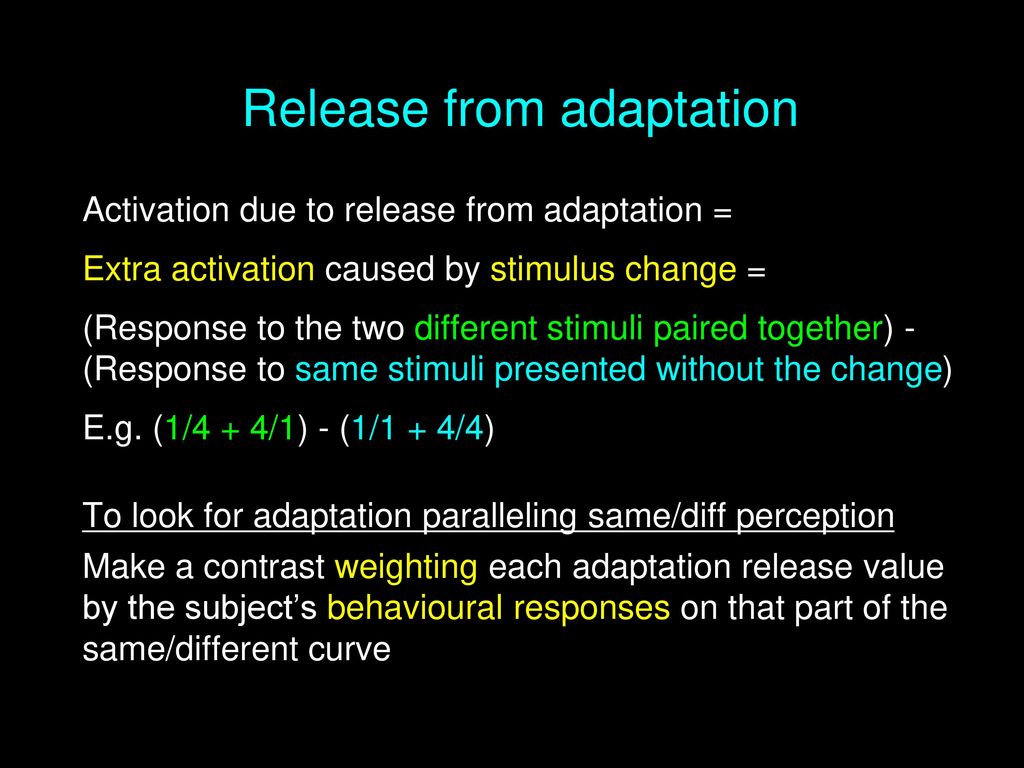
Activation due to release from adaptation = Extra activation caused by stimulus change = (Response to the two different stimuli paired together) – (Response to same stimuli presented without the change) E.g. (1/4 + 4/1) – (1/1 + 4/4) To look for adaptation paralleling same/diff perception. Make a contrast weighting each adaptation release value by the subject’s behavioural responses on that part of the same/different curve. Rajeev Raizada – UW MRI talk, Oct
***
Release from Adaptation is the joy you feel when something changes after becoming accustomed to it. It’s like the relief of a cool breeze after a hot day. Our brains get used to stimuli, making them less noticeable over time. When there’s a change, it’s like hitting the refresh button on our senses.
This is why, according to colleague Dan Ariely PhD, novelty feels so exciting and routine can become dull. So, inject some variety into your life to keep things fresh and enjoy the small releases from adaptation.
Posted on January 10, 2025 by Dr. David Edward Marcinko MBA MEd CMP™
By Staff Reporters
***
***
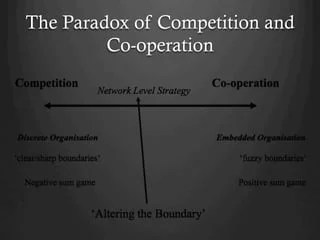
Definition of the Paradox of Competition
The Paradox of Competition refers to the complex and often counterintuitive effects competitive behaviors can have within markets and industries. Generally, competition is seen as a positive force that drives innovation, lowers prices, and improves quality and choice for consumers. However, the paradox lies in the fact that intense competition can sometimes lead to negative outcomes, such as diminished profitability for companies, reduced incentives to innovate, and the potential for a race to the bottom in terms of quality and sustainability.
According to colleague Dan Ariely PhD, understanding the nuances of the Paradox of Competition reveals the complexity of market dynamics and the importance of strategic, informed approaches to competition, both from businesses and regulators.
This paradox challenges the conventional wisdom that competition is universally beneficial, highlighting the need for a more nuanced view of how competitive forces shape markets and societies.
Posted on January 9, 2025 by Dr. David Edward Marcinko MBA MEd CMP™
By Staff Reporters
***
***
Sustainability focuses on meeting the needs of the present without compromising the ability of future generations to meet their needs. There are many different approaches to Sustainability, with motives varying from positive societal impact, to wanting to achieve competitive financial results, or both.
Methods of sustainable investing include active share ownership, integration of ESG factors, thematic investing, impact investing and exclusion among others.
Posted on January 8, 2025 by Dr. David Edward Marcinko MBA MEd CMP™
***
***
Smishing is a form of phishing that uses Short Message Service (SMS), commonly known as text messages, instead of email. Typically, the scammer poses as a legitimate institution, such as a bank, a service provider or a reputed company. The text message they send creates a sense of urgency or threatens consequences if the victim doesn’t respond immediately. It downloads malware on the phone or includes a link to a fraudulent website designed to look like the legitimate organization’s site. When victims reach that site they are tricked into entering their personal information.
Seven Types of Smishing Scams
1. Impersonation Scams: The attacker pretends to be a known organization or individual. The attack could be via a message pretending to be from a bank, government agency or a reputable company. 2. Tech Support Scams: Attackers pose as representatives from tech companies, claiming that the victim’s device or account has been compromised and that they need sensitive data to fix the problem. 3. Account Suspension Scams: These messages claim that an account (bank account, social media or any other service) has been suspended and prompt the victim to verify their identity by providing sensitive information. 4. Missed Delivery Scams: Attackers send messages claiming that the victim has missed a package delivery, and they need to provide personal details or a fee to reschedule the delivery. 5. Prize or Lottery Scams: Messages claiming that the victim has won a prize or a lottery, and they need to provide personal details or make a payment to claim the winnings. 6. Charity Scams: In these attacks, scammers impersonate a charitable organization, asking for donations, usually following a large-scale disaster or during holiday seasons. 7. Malware Link Scams: Messages containing a link, which when clicked, installs malware on the victim’s device, allowing the attacker to steal information or gain control over the device.
Attackers are constantly innovating and finding new ways to exploit human trust, so it’s crucial to be skeptical of any unsolicited or unexpected message that asks for sensitive information or prompts to click a link.
Posted on January 7, 2025 by Dr. David Edward Marcinko MBA MEd CMP™
By Staff Reporters
***
***
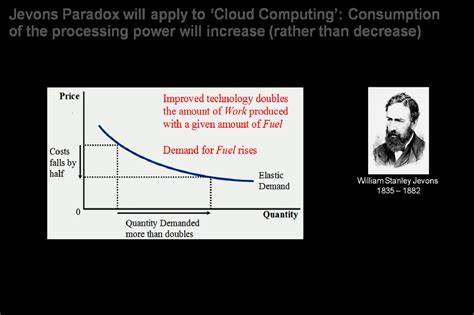
William S. Jevons Paradox suggests that increases in efficiency lead to even larger increases in demand; according to colleague Dan Ariely PhD.
The Jevons Paradox is when making something work better actually leads to using more of it, not less.
Imagine you have a really fast bike that makes you use less energy to speed up. Because it’s so good, you want to bike everywhere, even more than before. Now, even though your bike is better at saving energy, you end up using it so much that you may use even more energy overall
Posted on January 6, 2025 by Dr. David Edward Marcinko MBA MEd CMP™
By Staff Reporters
***
***
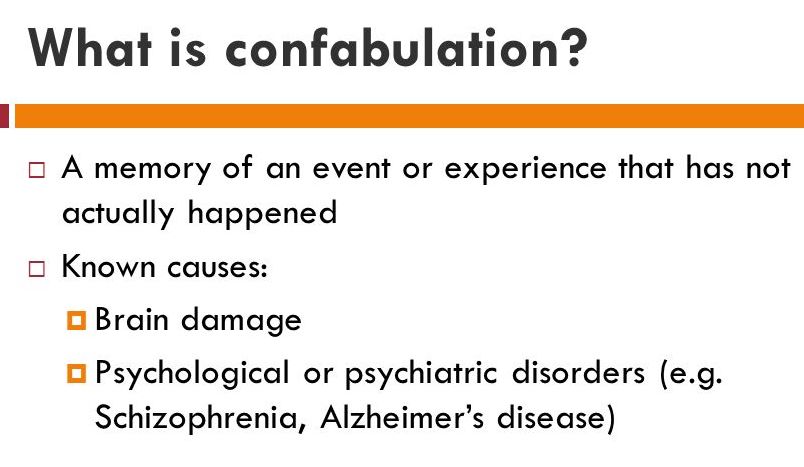
Confabulation Bias is the creation of false memories without the intent to deceive. Our brain fills in gaps, sometimes creating memories that feel real but are entirely fabricated.
According to colleague Dan Ariely PhD, this can happen especially when memory gaps are subconsciously filled to maintain coherence.
Posted on January 5, 2025 by Dr. David Edward Marcinko MBA MEd CMP™
By Staff Reporters
***
***
Morality Priming refers to subtle reminders of ethical principles that can make us behave more responsibly. It’s like an internal nudge that brings our conscience to the surface.
And, according to colleague Dan Ariely PhD, by focusing on moral standards, people are often encouraged to act more honestly, even in small, everyday decisions.
Posted on January 5, 2025 by Dr. David Edward Marcinko MBA MEd CMP™
By Reporters
***
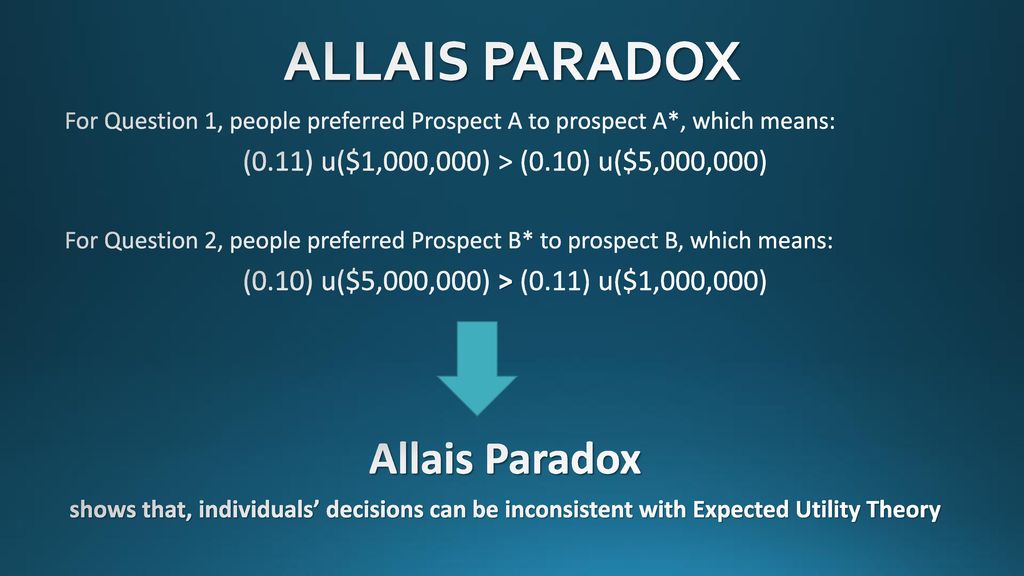
For Question 1, people preferred Prospect A to prospect A , which means: (0.11) u( 1,000,000) > (0.10) u( 5,000,000) For Question 2, people preferred Prospect B to prospect B, which means: (0.10) u( 5,000,000) > (0.11) u( 1,000,000) Allais Paradox. shows that, individuals’ decisions can be inconsistent with Expected Utility Theory.
***
Allais Paradox is a change in a possible outcome that is shared by different alternatives affects people’s choices among those alternatives, in contradiction with expected utility theory.
The Allais paradox is a choice problem designed by Maurice Allais 1953 to show an inconsistency of actual observed choices with the predictions of expected utility theory theory.
According to colleague Dan Ariely PhD, the Allais paradox demonstrates that individuals rarely make rational decisions consistently when required to do so immediately. The independence axiom of expected utility theory, which requires that the preferences of an individual should not change when altering two lotteries by equal proportions, was proven to be violated by the paradox.
Posted on January 3, 2025 by Dr. David Edward Marcinko MBA MEd CMP™
By Staff Reporters
***
***
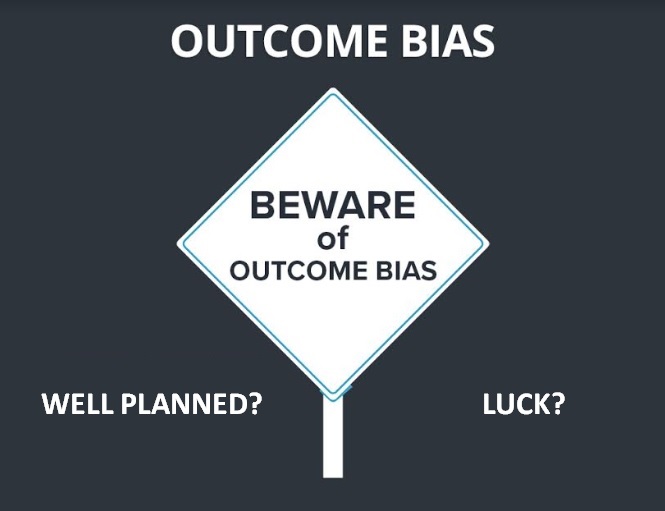
Outcome bias is judging a decision based on its result rather than the quality of the decision at the time it was made.
It’s like saying a bad poker play was smart because you won the hand. Or, a bad stock picker or financial advisor was good because the price went up!
According to psychologist and colleague Dan Ariely PhD, this bias ignores the process and focuses solely on the outcome. It’s why we celebrate lucky breaks and criticize thoughtful risks that didn’t pan out.
So, the next time you’re evaluating a decision, focus on the reasoning behind it, not just the end result.
Posted on January 2, 2025 by Dr. David Edward Marcinko MBA MEd CMP™
By Anonymous
***
***
When you keep donating without thinking it through, people can start relying on those donations more than building their own sustainable solutions. It can feel nice to help, but constant aid might discourage local initiatives. You want people to grow and thrive on their own, not just depend on outside help.
This is known as donation dependency.
Sometimes, consistent aid can become a crutch instead of a stepping stone. Communities may stop exploring ways to solve their own problems if help is always coming in from elsewhere. Encouraging self-reliance is crucial in ensuring your help leads to long-term benefits.
Posted on December 30, 2024 by Dr. David Edward Marcinko MBA MEd CMP™
By Staff Reporters
***
***
QUESTION: Ever tried convincing someone by arguing against your own point?
If so, that’s paradoxical persuasion. It’s like reverse psychology’s sophisticated cousin. By presenting the opposite argument, you make people defend your original point. It’s a mental judo move, using their own momentum against them. Next time you want someone to agree with you, try saying, “You’re right, maybe we shouldn’t get pizza.”
So, according to Dan Ariely PhD, watch as they passionately argue why pizza is, in fact, the best choice for dinner.
Posted on December 30, 2024 by Dr. David Edward Marcinko MBA MEd CMP™
By Staff Reporters
***
***
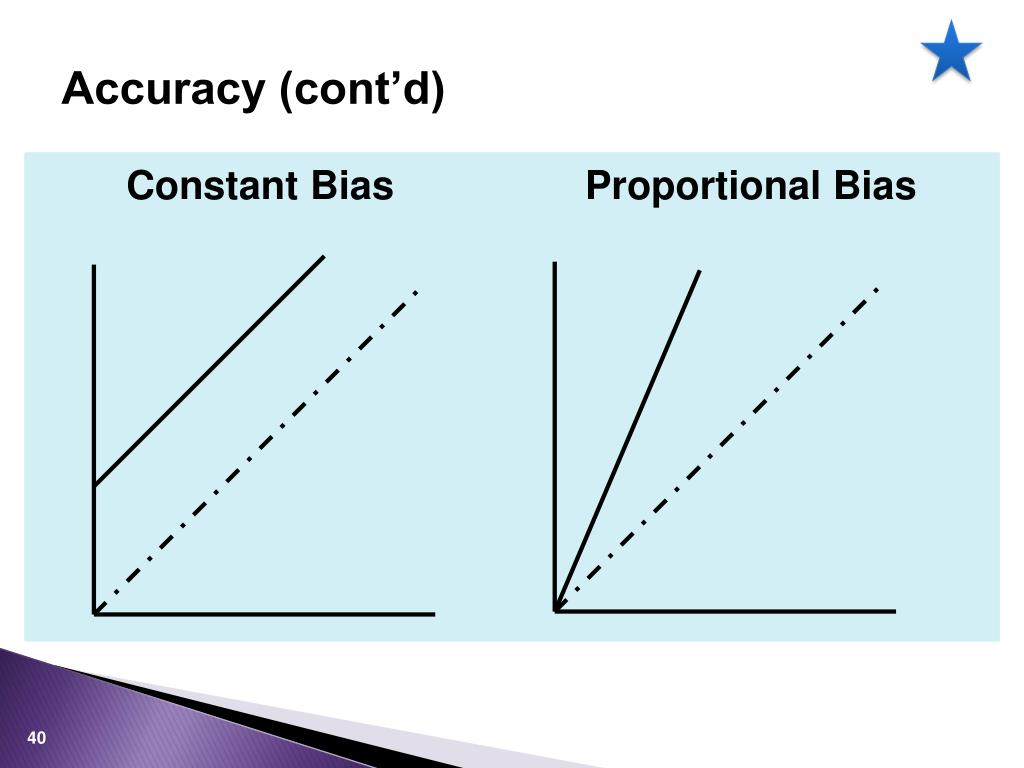
The proportionality bias, also known as major event/major cause heuristic, is the tendency to assume that big events have big causes. It is a type of cognitive bias and plays an important role in people’s tendency to accept conspiracy theories. Academic psychologist Rob Brotherton summarized it as “When something big happens, we tend to assume that something big must have caused it”.
IOW:Proportionality Bias is the inclination to believe that the magnitude of an event’s cause must be proportional to the event’s outcome. It’s like thinking a huge disaster must have a huge cause. This bias simplifies our understanding of complex situations but often leads to misconceptions. In reality, small causes can have large effects, and vice versa.
And so, to overcome proportionality bias according to colleague Dan Ariely Phd, consider all possible explanations, regardless of their size. Remember: sometimes big things happen for small reasons.
Posted on December 28, 2024 by Dr. David Edward Marcinko MBA MEd CMP™
By Staff Reporters
***
***
Envy / Jealousy: This bias also relates to the contrast and social proof biases. Prudent financial and business planning and related decision-making are based on real needs followed by desires. People’s happiness and satisfaction is often based more on one’s position relative to perceived peers rather than an ability to meet absolute needs.
The strong desire to “keep up with the Jones” can lead people to risk what they have and need for what they want. These actions can have a disastrous impact on important long-term financial goals.
According to colleague Dan Ariely PhD, clear communication and vivid examples of risks is often needed to keep people focused on important financial goals rather than spurious ones, or simply money alone, for its own sake.
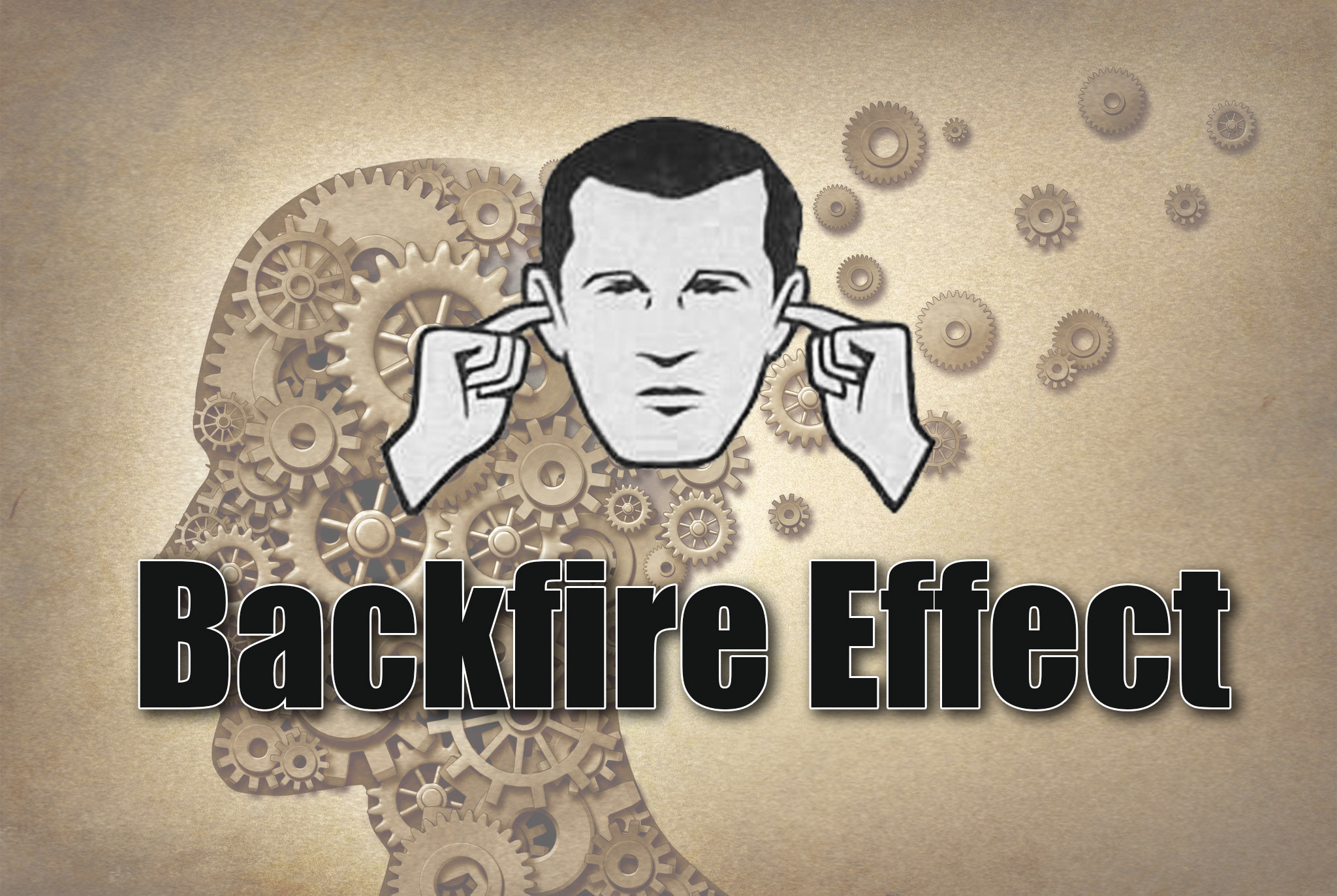
The Backfire Effect refers to the strengthening of a belief even after it has been challenged.
Cook and Lewandowsky (2011) explain it very well in the context of changing people’s minds in their Debunking Handbook. The backfire effect may work based on the same foundation as Declinism, in that we do not like change. It is also similar to negativity bias, in that we wish to avoid losing and other negative outcomes—in this case, one’s idea is being challenged or rejected (i.e. perceived as being made out to be “wrong”) and thus, they may hold on tighter to the idea than they had before.
However, according to colleague Dan Ariely PhD, there are caveats to the backfire effect—for example, we also tend to abandon a belief if there’s enough evidence against it with regard to specific facts.
Posted on December 26, 2024 by Dr. David Edward Marcinko MBA MEd CMP™
By Staff Reporters
***
***
The Icarus Paradox suggests that some businesses bring about their own downfall through their own successes.
The Icarus paradox was coined by Dan Miller in his 1990 book by the same name. The term refers to the phenomenon of businesses failing abruptly after a period of apparent success, where this failure is brought about by the very elements that led to their initial success.
It alludes to Icarus of Greek mythology, who drowned after flying too close to the Sun. The failure of the very wings that allowed him to escape imprisonment and soar through the skies was what ultimately led to his demise, hence the paradox.
Posted on December 25, 2024 by Dr. David Edward Marcinko MBA MEd CMP™
DEFINED
By Staff Reporters
***
***
In brushing scams, according to Norton, criminals trick e-commerce platforms into believing you purchased a product, allowing them to post fake verified reviews under your name. These verified reviews increase the product’s visibility on sites like Amazon or eBay. They especially happen during the holiday season.
Here’s how it works:
Information gathering: An unethical business gathers information about you through online sources such as people-search sites, data leaked through reaches, or info bought from an illegal marketplace.
Bogus account creation: The business creates an online shopping account with your information.
Shipment: They send a package to your address with no return address on the label.
Fraudulent review: They write a glowing review in your name for the product they sent you.
Posted on December 23, 2024 by Dr. David Edward Marcinko MBA MEd CMP™
By Staff Reporters
DEFINED
***
***
Witness Stress is caused by witnessing a traumatic event and can lead to memory issues and confusion, affecting how accurately we remember details. This stress makes eyewitness testimonies more prone to error.
According to colleague Dan Ariily PhD, it highlights the role of stress in memory distortion and why additional support is often necessary for witnesses.
Choice Overload is the difficulty in making a decision when faced with too many options. It’s like standing in front of an ice cream counter with 31 flavors and feeling paralyzed.
Among personal decision-makers, a prevention focus is activated and people are more satisfied with their choices after choosing among few options compared to many options, i.e. choice overload. However, individuals can also experience a reverse choice overload effect when acting as proxy decision-maker, too.
It is widely accepted that having more choices is inherently positive. When there are more available options from which to choose, an individual is more likely to be able to select the particular option that is the best fit and most likely to satisfy them. Choice is typically thought to be related to personal freedom and enhanced well-being.
Therefore, according to colleague Neal Baum MD, for most individuals the ultimate goal is to constantly maximize their choices in life to increase their overall satisfaction and well-being. The decision-making process, however, is a complex cognitive task that does not always lead to positive outcomes.
Thus, while having options is generally good, too many choices can lead to anxiety and decision fatigue. This is why curated selections and recommendations are so popular – they simplify the decision-making process’ according to another colleague Dan Ariely PhD.
So, when you’re overwhelmed by choices, narrow them down to a manageable number and make your decision easier.
Posted on December 20, 2024 by Dr. David Edward Marcinko MBA MEd CMP™
DEFINED
Staff Reporters
***
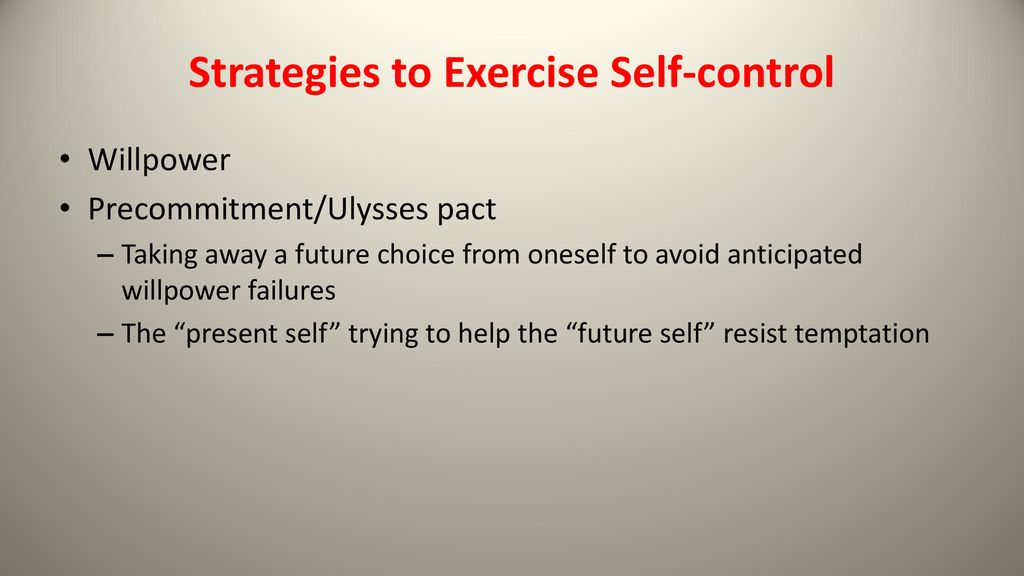
Taking away a future choice from oneself to avoid anticipated willpower failures. The present self trying to help the future self resist temptation.
***
Ulysses Pact is a commitment made with oneself to accomplish a tough goal by limiting the choice to back out, boosting the chances of success by removing tempting alternatives.
According to colleague Dan Ariely PhD, it’s a self-control strategy that’s especially useful for resisting short-term temptations.
Posted on December 19, 2024 by Dr. David Edward Marcinko MBA MEd CMP™
By Staff Reporters
***
***
Survivor’s Guilt is the feeling of guilt experienced by those who have survived a tragedy when others did not. It’s like winning a lottery you didn’t want to enter. This emotional response can be overwhelming, as survivors question why they lived while others didn’t. It’s a mix of empathy, remorse, and a search for meaning in the randomness of survival.
According to colleague Dan Ariely PhD, If you or someone you know is dealing with survivor’s guilt, remember: it’s a natural reaction, and seeking support can help navigate these complex feelings.
Posted on December 19, 2024 by Dr. David Edward Marcinko MBA MEd CMP™
By Staff Reporters
***
***
Demographic-Economics Paradox Definition: A nations or sub-populations with higher GDP per capita are observed to have fewer children, even though a richer population can support more children. Dr. Herwig Birg has called this inverse relationship between income and fertility a “demo-economic paradox”.
Why? Evolutionary biology predicts that more successful individuals (and by analogy countries) should seek to develop optimum conditions for their life and reproduction.
However, in the last half of the 20th century it has become clear that the economic success of developed countries is being counterbalanced by a demographic failure, a sub-replacement fertility that may prove destructive for their future economies and societies.
Posted on December 18, 2024 by Dr. David Edward Marcinko MBA MEd CMP™
By Staff Reporters
***
***
Theory of Linguistic Sciences
Avram Noam Chomsky is an American professor known for his work in linguistics and political activism. Sometimes called “the father of modern linguistics”, Chomsky is also one of the founders of the field of cognitive science. He is a laureate professor of linguistics at the University of Arizona and an professor emeritus at MIT.
And so, modern linguists today approach their work with scientific rigor and perspective [STEM], although they use methods that were once thought to be solely an academic discipline of the humanities.
Contrary to this belief, linguistics is multidisciplinary. It overlaps each of the human sciences including psychology, neurology, anthropology, and sociology. Linguists conduct formal studies of sound structure, grammar and meaning, but also investigates the history of language families, and research language acquisition.
And, as with other scientists according to linguistical engineer and Professor Mackenzie Hope Marcinko PhD from the University of Delaware [UD], they formulate hypotheses, catalog observations, and work to support explanatory theories, etc.
Posted on December 17, 2024 by Dr. David Edward Marcinko MBA MEd CMP™
DEFINITION
By Staff Reporters
***
***
Sympathy Mining is the act of exaggerating personal problems to gain sympathy or attention. While it may fulfill a need for validation, it can strain genuine connections.
Someone who deliberately entices others into showing sympathy by utilizing social media with non-descriptive &/or ambiguous statements designed to invite further questioning and therefore garnering sympathy with their reported issue.
According to colleague Dan Ariely PhD, over time, onground or online sympathy mining can erode trust, especially if it’s clear that issues are exaggerated.
Posted on December 16, 2024 by Dr. David Edward Marcinko MBA MEd CMP™
VERSUS MERETRICIOUS RELATIONSHIPS
DEFINED
By Staff Reporters
***
***
Limerence is an intense romantic obsession that can feel all-consuming, marked by daydreaming and emotional highs. It’s often mistaken for love, though it may not lead to a lasting relationship.
Limerence is a state of mind resulting from romantic feelings for another person. It typically involves intrustive and melancholic thoughts, or tragic concerns for the object of one’s affection, along with a desire for the reciprocation of one’s feelings and to form a relationship with the object of love.
According to colleague Dan Ariely PhD, the focus in limerence is more on idealization than on genuine connection, making it feel overwhelming but often one-sided.
***
***
Meretricious, on the other hand, describes a situation where two people live together in a relationship that resembles marriage but lacks the official legal status of marriage. This means they may share a home, finances, and a life together, but they haven’t gone through the legal process to be recognized as married. This concept is often discussed in family law and property law, especially when these “live-in-lover” relationships come to an end.
When a meretricious relationship ends, it can lead to disputes about how to divide shared property and whether one partner should provide financial support to the other. Courts look at several factors to help decide these issues. For instance, they consider how long the couple has been together, how they managed their finances, and whether they intended to be committed to each other like a married couple. These factors help the court understand the nature of the relationship and the expectations of both parties.
Posted on December 15, 2024 by Dr. David Edward Marcinko MBA MEd CMP™
By Staff Reporters
***
***
Humans use cognitive information to Direct Attention to relevant objects (targets) in a visual scene. Information such as the target’s color or location is represented as a ‘perceptual set’. Similarly, advance information about the required response to a target is represented as a ‘motor set’.
***
MisDirected Attention however is like polishing the brass on the Titanic while ignoring the iceberg. Our brains love details, sometimes too much. We focus on the minutiae and miss what’s really important. This is why you might spend more time choosing a font than writing the actual content.
For example, have you ever spent hours perfecting the details of a project only to miss the big picture? That’s misdirected attention, according to Dan Ariely PhD.
Always remember, it’s easy to get lost in the weeds. Keep an eyes on the horizon.
Posted on December 14, 2024 by Dr. David Edward Marcinko MBA MEd CMP™
By Staff Reporters
***
***
Curiosity is the itch you can’t scratch, the mental mosquito buzzing in your brain. It’s what makes you click on “One weird trick” articles and peek into your neighbor’s shopping cart. This insatiable desire to know drives innovation, learning, and sometimes, regrettable internet searches. Like a cat with nine lives, curiosity keeps us exploring and questioning, even if it occasionally leads us to the wrong conclusions.
So, according to Dan Ariely PhD, go right ahead, embrace your inner Sherlock Holmes, and keep asking “Why?”
Posted on December 11, 2024 by Dr. David Edward Marcinko MBA MEd CMP™
By Staff Reporters
***
***
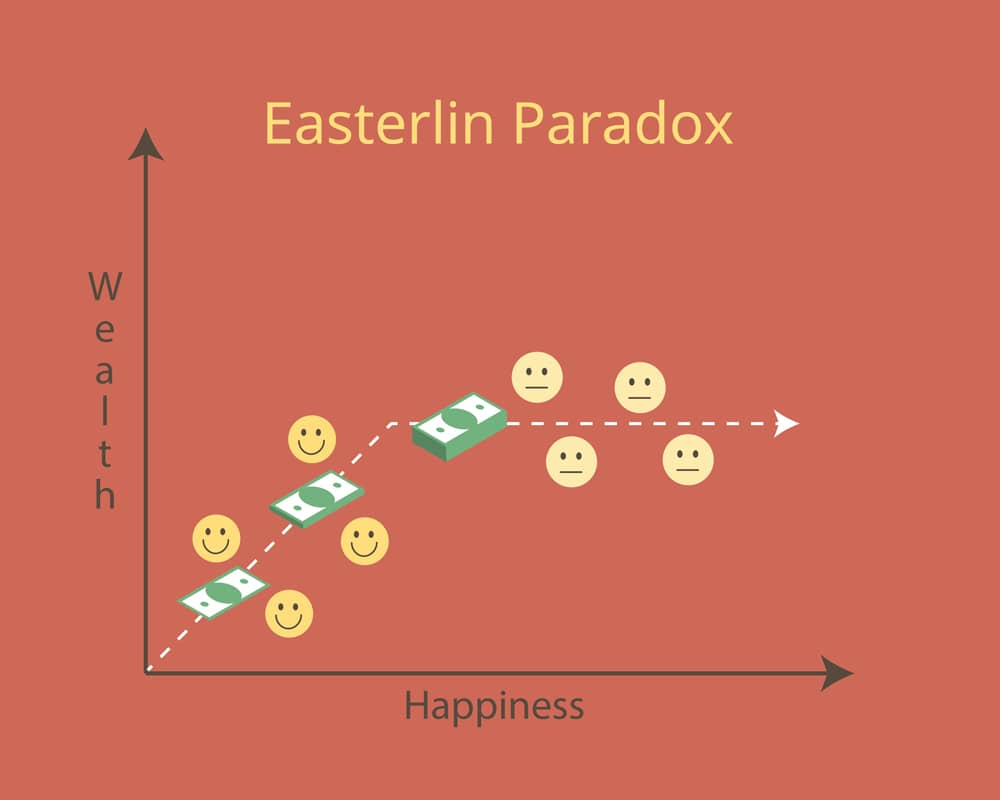
Richard Easterlin PhD, Paradox: For countries with income sufficient to meet basic needs, the reported level of happiness does not correlate with national income per person.
According to colleague Dan Ariely PhD, one explanation is that my happiness depends on a comparison between my income and my perceptions of the average standard of living. If everyone’s income increases, my increased income gives a short boost to my happiness, since I do not realize that the average standard of living has gone up. Some time later, I realize that the average standard of living has also gone up, so the happiness boost produced by my increased income disappears. It is the contradiction between the point-of-time and time series findings that is the root of the paradox: while there is a correlation at a fixed point, there is no trend over multiple points.
That is, in the short run, everyone perceives increases in income to be correlated with happiness and tries to increase their incomes. However, in the long run, this proves to be an illusion, since everyone’s efforts to raise standards of living lead to increasing averages, leaving everyone in the same place in terms of relative income.
Various theories have been advanced to explain the paradox, but the paradox itself is solely an empirical generalization. The existence of the paradox has been strongly disputed by other researchers.
Posted on December 10, 2024 by Dr. David Edward Marcinko MBA MEd CMP™
By Staff Reporters
***
***
Memory is Fallible/Memory is Impressionable: This concept refers to the inherent unreliability of human memory and its susceptibility to distortion and manipulation. Memory is not a perfect recording of events; instead, it is reconstructive, meaning that when we recall information, our brains can inadvertently alter or fill in gaps based on existing beliefs, emotions, or narratives. This can lead to the incorporation of false details that align with what we already know or expect to be true, resulting in vivid but inaccurate recollections.
Consequently, according to colleague Dan Ariely PhD, our memories can be influenced by suggestion, context, and social pressures, making them susceptible to biases and inaccuracies, much like a “con man” leading us to believe things that may not reflect reality.
Two years ago, prior to the 2022 election, mental health experts alerted the medical world to their version of an assessment scale for yet another new condition – “doomscrolling.”
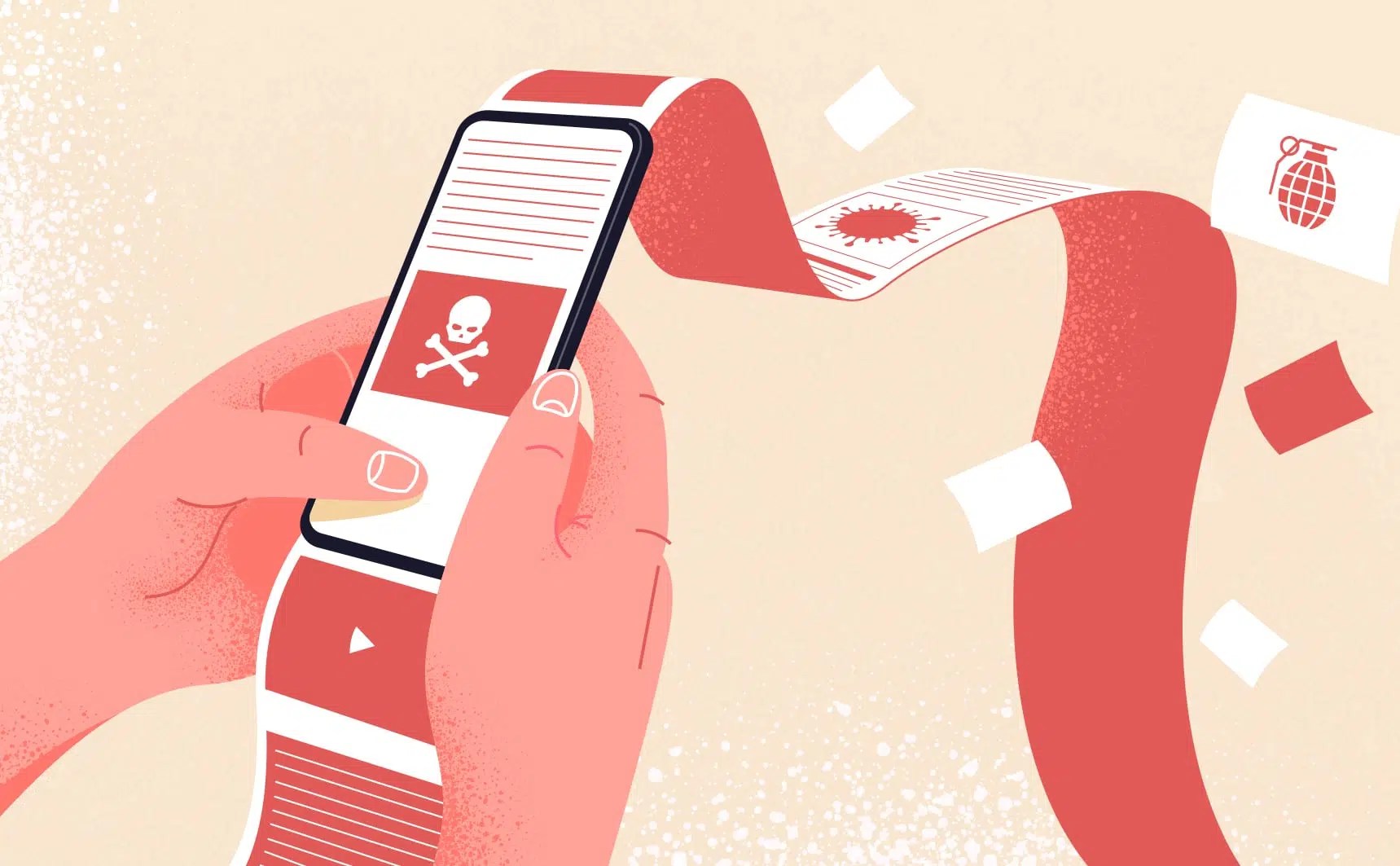
As defined by the National Library of Medicine in the article, “Constant exposure to negative news on social media and news feeds could take the form of ‘doomscrolling’ which is commonly defined as a habit of scrolling through social media and news feeds where users obsessively seek for depressing and negative information.”
And so, formally Doomscrolling or doomsurfing is the act of spending an excessive amount of time reading large quantities of news, particularly negative news, on the web and social media. Doomscrolling can also be defined as the excessive consumption of short-form videos or social media content for an excessive period of time without stopping. The concept was coined around 2020, particularly in the context of the COVID pandemic.
Surveys and studies suggest doomscrolling is predominant among youth. It can be considered a form of internet addiction disorder. In 2019, a study by the National Academy of Sciences found that it can be linked to a decline in mental and physical health. Numerous reasons for doomscrolling have been cited, including negativity bias and FOMO [fear of missing out], and attempts at gaining control over uncertainty.
QUERY: What about the roaring stock market, post the 2024 presidential election. Fundamental analysis or FOMO?
Posted on December 8, 2024 by Dr. David Edward Marcinko MBA MEd CMP™
By Staff Reporters
***
***
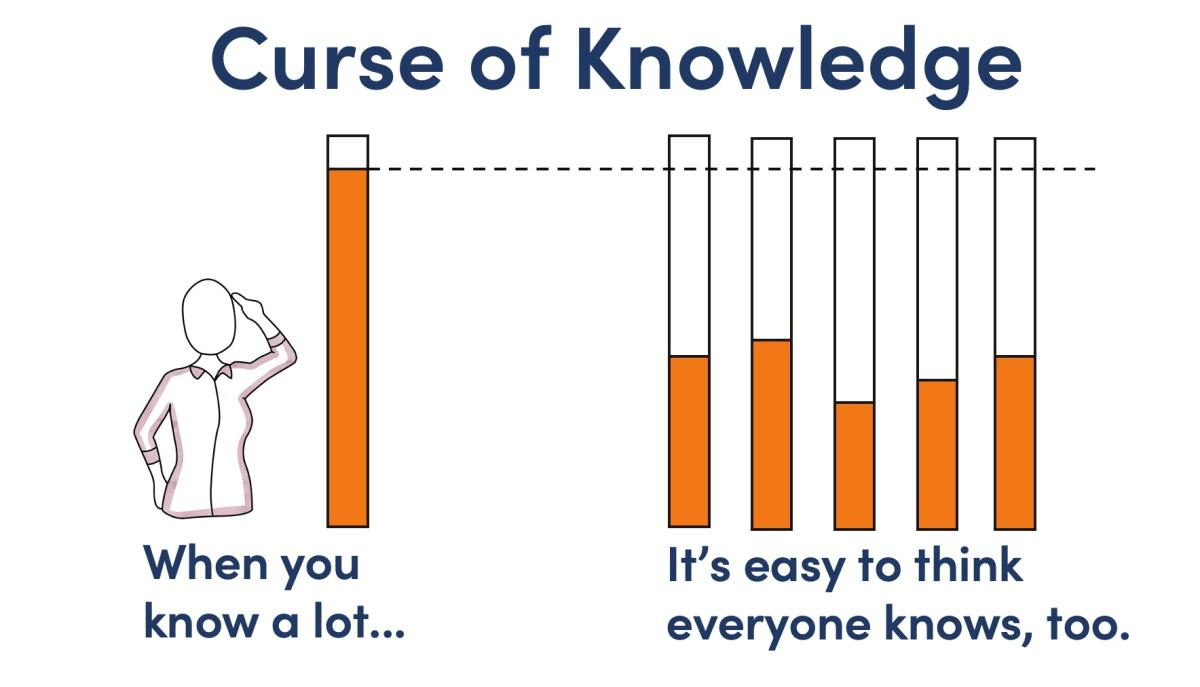
Similar to the availability heuristic (Tversky & Kahneman, 1974) and to some extent, the false consensus effect, once you really understand a new piece of information, that piece of information is now available to you and often becomes seemingly obvious. It might be easy to forget that there was ever a time you didn’t know this information and so, you assume that others, like yourself, also know this information: ie., the curse of knowledge.
However, it is often an unfair assumption that others share the same knowledge.
And so, the hindsight bias is similar to the curse of knowledge in that once we have information about an event, it then seems obvious that it was going to happen all along.
Posted on December 6, 2024 by Dr. David Edward Marcinko MBA MEd CMP™
By Staff Reporters
***
***
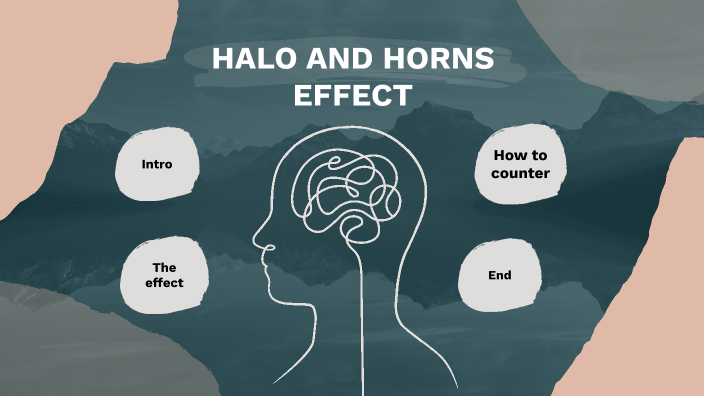
The halo effect is when your general impression of someone influences your opinion of their actual traits and actions. Basically, if you view a person positively in one way, you tend to assume their other attributes are also positive. For example, if you find out someone graduated from an elite university, you may assume they are highly intelligent and accomplished.
The opposite of the halo effect is the horn effect. This is when you make a snap judgment about someone on the basis of one negative trait. A single negative trait can lead to an unfairly negative overall impression of a person.
Posted on December 5, 2024 by Dr. David Edward Marcinko MBA MEd CMP™
By Staff Reporters
MODERN DAY SOCIAL INFLUENCERS
***
***
Mob Mentality can occur in unfamiliar groups, social cues disappear, and behavior becomes influenced by the crowd. Mob mentality shows how people sometimes act in ways they wouldn’t alone, following the group’s lead. According to colleague Dan Ariely PhD, this effect can create a loss of personal accountability, leading to behavior that may not align with personal values.
Herd mentality is the tendency for people’s behavior or beliefs to conform to those of the group they belong to. The concept of herd mentality has been studied and analyzed from different perspectives, including biology, psychology and sociology. This psychological phenomenon can have profound impacts on human behavior.
QUESTION: What about social media sites and modern influencers today! So-called celebrity endorsements and political elections, too?
Posted on December 1, 2024 by Dr. David Edward Marcinko MBA MEd CMP™
By Staff Reporters
***
***
The Goal Gradient effect is the phenomenon where people accelerate their efforts as they approach a goal. It’s like a runner sprinting to the finish line.
According to colleague Dan Ariely PhD, our motivation peaks when we see the goal within reach, driving us to work harder and faster. Marketers use this by showing progress bars and loyalty rewards. Knowing about the goal gradient can help us set milestones and maintain motivation throughout our tasks.
So, break your big goals into smaller ones and watch your productivity soar as you get closer to each milestone.
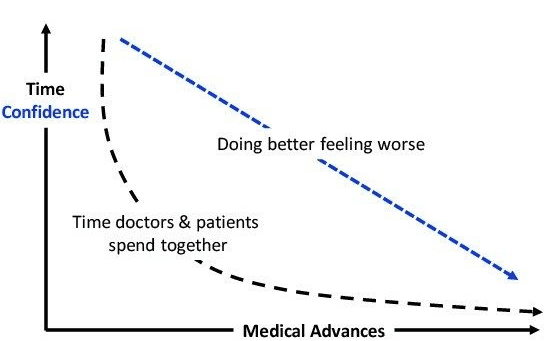
“Paradox of Medical Progress” is a language of medicine is loaded with misnomers, inaccuracies, and ambiguities, and is in need of reform.
Paradoxes on the other hand, deserve a different kind of attention. These seeming self-contradictions are set apart from other inconsistencies because of the truths they tell. The veracity of a paradox is at once appealing and vexing. Anyone who has tried to suppress a thought knows that trying not to think of white polar bears is a sure way to think of white polar bears!
The comic impact of a paradox was even famously explored in Joseph Heller’s Catch 22 and in Groucho Marx’s reluctance to be a member of any club that would accept him. However, the provocative nature of a paradox is its capacity to express familiar wisdom and this is particularly evident in medical science.
The more we learn, the more we learn how much we still have to learn; whereas, “what gets us into trouble is not what we don’t know, it’s what we know for sure that just ain’t so.”
On the significance of the knowledge paradox in biology, Lewis Thomas regarded ignorance as the only scientific truth of which he was confident, and discovering “the depth and scope of ignorance” as the greatest contribution of modern science.
Posted on November 24, 2024 by Dr. David Edward Marcinko MBA MEd CMP™
By Staff Reporters
***
***
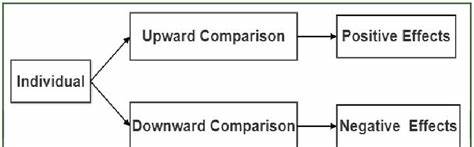
According to some studies, as much as 10 percent of our thoughts involve comparisons of some kind. Social comparison theory is the idea that individuals determine their own social and personal worth based on how they stack up against others. The theory was developed in 1954 by psychologist Leon Festinger. Later research has shown that people who regularly compare themselves to others may find motivation to improve, but may also experience feelings of deep dissatisfaction, guilt or remorse, and engage in destructive behaviors like lying or disordered eating.
***
Downward Comparison is the act of comparing oneself to others who are worse off to feel better about one’s situation. It’s like looking at someone else’s messy desk to feel better about your clutter.
On the other hand, Upward Comparison is the act of comparing oneself to others who are better off to feel bad about one’s situation. It’s like looking at someone else’s neat desk and feel worse about your own clutter.
Finally, according to Dan Ariely PhD, these coping mechanisms boosts self-esteem or depress us with a sense of relief or dread. While helpful in moderation, relying too much on upward or downward comparisons can help hinder personal growth and/or depress growth or empathy; etc.
So, them sparingly and remember: upward comparisons can inspire you to improve and strive for better; while downward comparisons have the opposite effects.
If you’ve found yourself worrying about the stock market or money lately, you definitely have company. Money anxiety, also called financial anxiety, has become more common than ever after the presidential election of November 2024.
In fact, the American Psychological Association’s 2022 Stress in America Survey, 87 percent of people who responded listed inflation as a source of significant stress. The rise in prices for everything from fuel to food has people from all backgrounds worried, today. The researchers say, in fact, that no other issue has caused this much stress since the survey began in 2007.
When money and financial concerns cause ongoing stress in your life, you could eventually begin to experience some feelings of anxiety as a result. This anxiety can, in turn, have a negative impact on your quality of life.
***
Chrometophobia, commonly known as fear of money, is a psychological condition characterized by overwhelming anxiety and avoidance of currency; according to colleague Dan Ariely PhD.
Physician Financial Fear is probably the most common emotion among physicians. The fear of being wrong – as well as the fear of being correct! It can be debilitating, as in the corollary expression on fear: the paralysis of analysis.
According to Paul Karasik, there are four common investor and physician fears, which can be addressed by financial advisors and psychologists in the following manner:
Fear of making the wrong decision: ameliorated by being a teacher and educator.
Fear of change: ameliorated by providing an agenda, outline and/or plan.
Fear of giving up control: ameliorated by asking for permission and agreement.
Fear of losing self-esteem: ameliorated by serving the client first and communicating that sentiment in a positive manner.
Posted on November 21, 2024 by Dr. David Edward Marcinko MBA MEd CMP™
By Staff Reporters
***
***
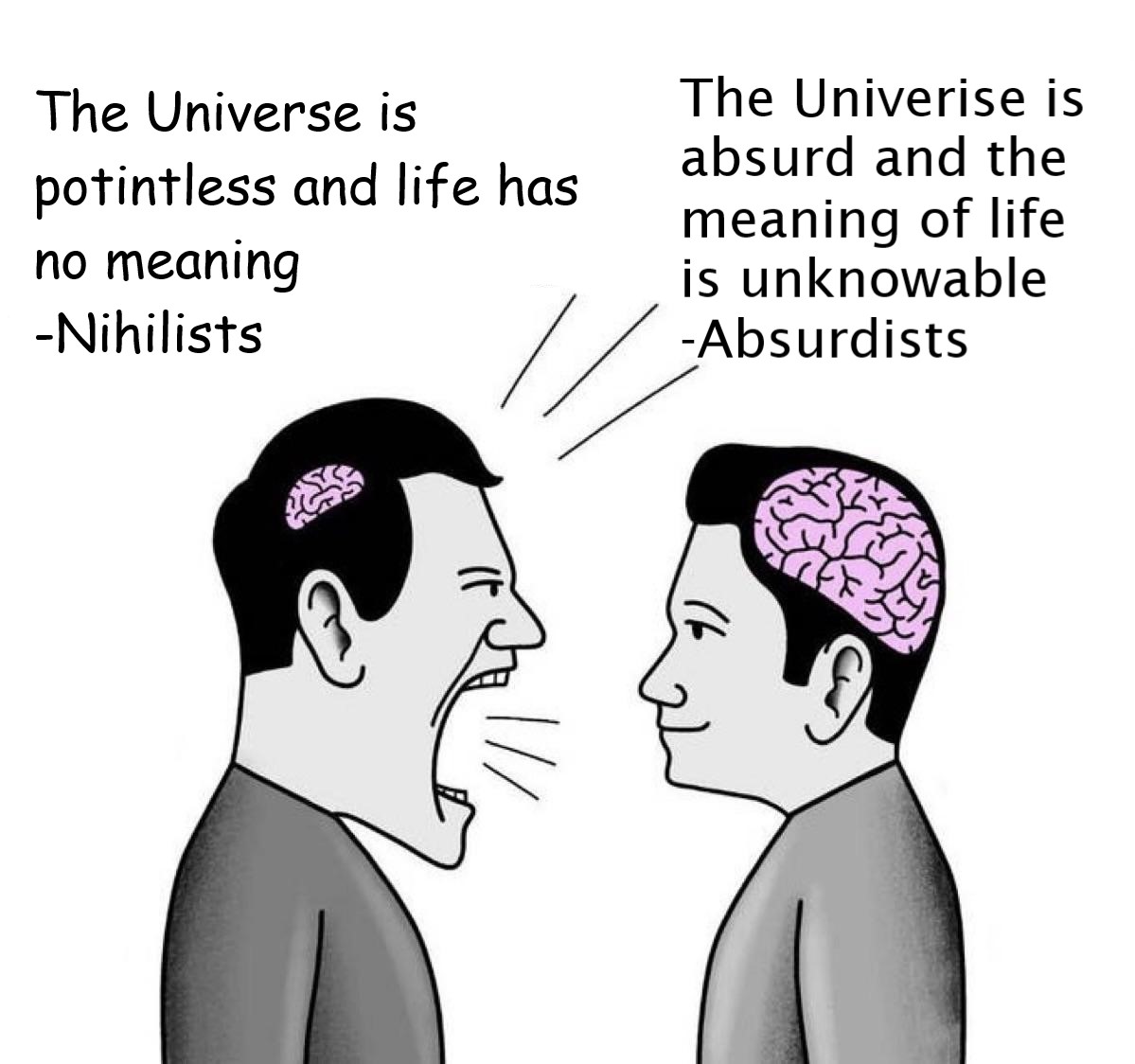
Absurdism is the philosophical idea that life is inherently meaningless, but we should embrace the absurdity and create our own meaning. Think of it as existentialism’s quirky cousin. It’s like laughing at the cosmic joke instead of crying over spilled milk. Absurdism encourages us to find joy in the randomness and chaos of life.
So, according to colleague Dan Arily PhD, the next time you’re feeling overwhelmed by the lack of purpose, channel your inner absurdist and find humor in the absurdity of it all.
Nihilism, on the other hand, is the belief that all values are baseless and that nothing can be known or communicated. It is often associated with extreme pessimism and a radical skepticism that condemns existence. A true nihilist would believe in nothing, have no loyalties, and no purpose other than, perhaps, an impulse to destroy. While few philosophers would claim to be nihilists, nihilism is most often associated with Friedrich Nietzsche who argued that its corrosive effects would eventually destroy all moral, religious, and metaphysical convictions and precipitate the greatest crisis in human history.
In the 20th century, nihilistic themes–epistemological failure, value destruction, and cosmic purposelessness–have preoccupied artists, social critics and philosophers, alike. Mid-century, for example, the existentialists helped popularize tenets of nihilism in their attempts to blunt its destructive potential. By the end of the century, existential despair as a response to nihilism gave way to an attitude of indifference, often associated with anti-foundationalism.
Posted on November 21, 2024 by Dr. David Edward Marcinko MBA MEd CMP™
By Staff Reporters
***
***
The Grossman-Stiglitz Paradox was introduced by Sanford J. Grossman and Joseph Stiglitz in a joint publication in American Economic Review in 1980 that argues perfectly informationally efficient markets are an impossibility since, if prices perfectly reflected available information, there is no profit to gathering information, in which case there would be little reason to trade and markets would eventually collapse.
IOW: According to colleague Eugene Schmuckler PhD MBA CTS, the Grossman-Stiglitz paradox is the inability to recoup the cost of obtaining market information and thus implies that efficient markets cannot exist.
Posted on November 20, 2024 by Dr. David Edward Marcinko MBA MEd CMP™
By Staff Reporters
***
***
Ever notice how memories change over time? That’s retrospective framing.
According to Dan Ariely PhD, our brains are like movie editors, constantly tweaking the past to fit our current narrative. Recall that terrible vacation where everything went wrong? Fast forward and now it’s a hilarious adventure. This mental editing helps us make sense of our lives and learn from our experiences.
So, just remember, the past is a story we keep rewriting, and sometimes those edits can be more fiction than fact
Posted on November 18, 2024 by Dr. David Edward Marcinko MBA MEd CMP™
By Staff Reporters
***
***
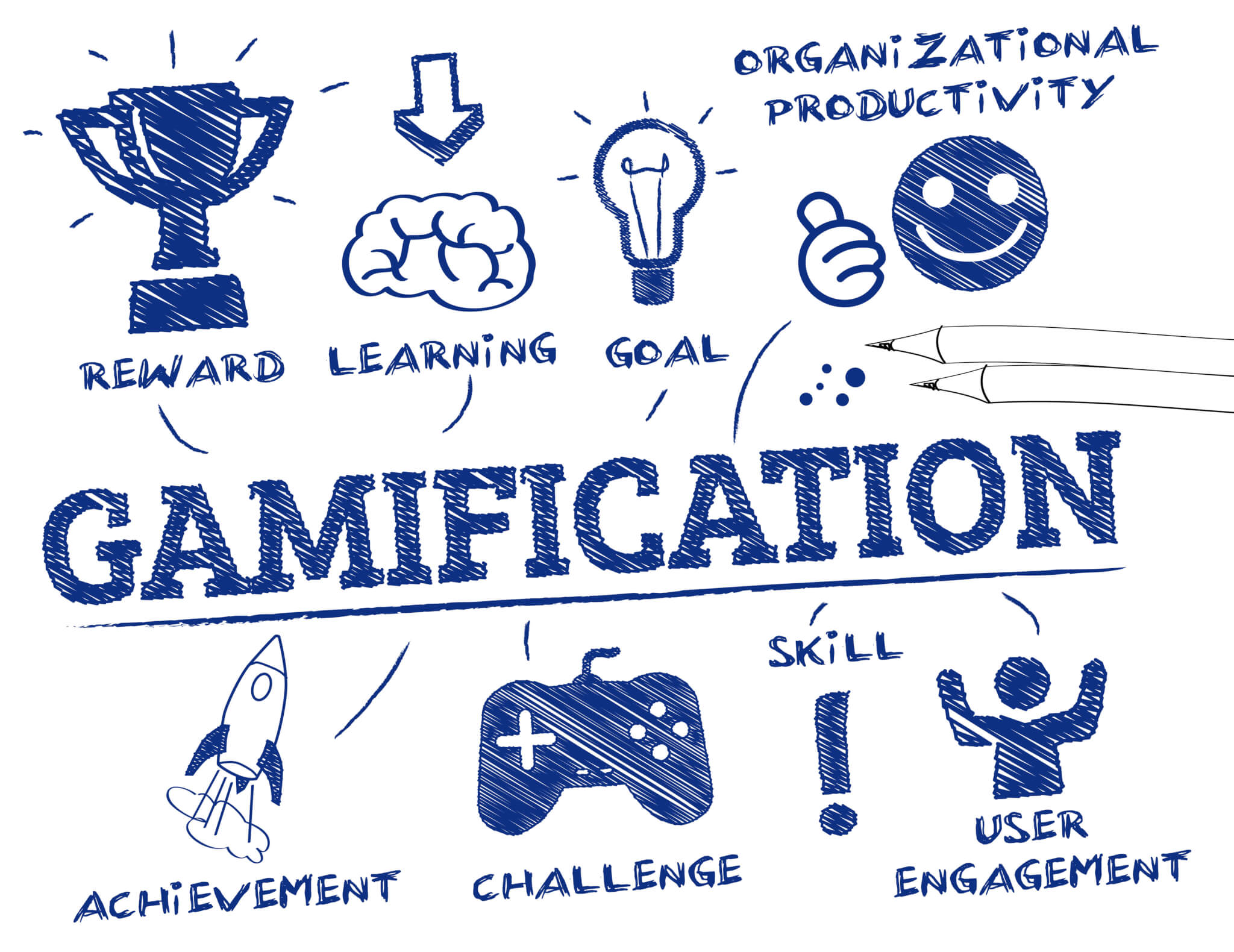
Gamification is the application of game-design elements in non-game contexts to motivate and engage people. It’s like turning life into a video game with points, badges, and leader boards. This approach leverages our love for games and competition, making mundane tasks more enjoyable.
According to Dan Ariely PhD, whether it’s a fitness app tracking your steps or a learning platform rewarding your progress, gamification taps into our natural desire for achievement and recognition.
So, the next time you find yourself hooked on a task, thank the power of gamification for making it fun.
Posted on November 16, 2024 by Dr. David Edward Marcinko MBA MEd CMP™
By Staff Reporters
***
***
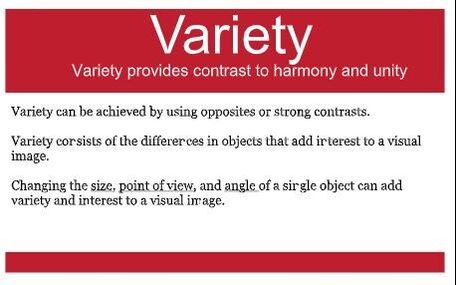
Variety Insensitivity is the tendency to under appreciate the value of variety in choices.
According to Dan Ariely PhD, it’s like always ordering the same dish at your favorite restaurant and forgetting how exciting new flavors can be. Our brains love routine, but this can lead to boredom and missed opportunities. Embracing variety can enhance experiences and satisfaction.
So, next time you’re stuck in a rut, shake things up and try something different. Your brain will thank you for the new stimulation.
Posted on November 16, 2024 by Dr. David Edward Marcinko MBA MEd CMP™
By Dr. David Edward Marcinko MBA MEd
***
***
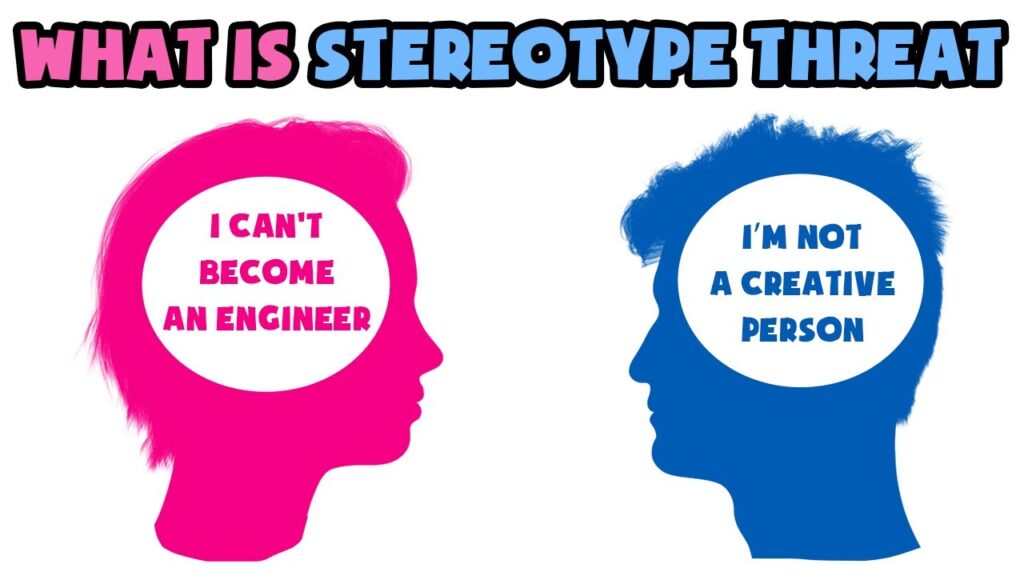
The Stereotype Curse is the negative impact of stereotypes on an individual’s performance or behavior. It’s like a self-fulfilling prophecy where being aware of a stereotype makes you more likely to conform to it.
For example, if you’re told you’re bad at math because of your gender, that stress can affect your performance. Breaking free from stereotypes requires awareness and effort.
So, next time you feel boxed in by a stereotype, remind yourself: you’re more than a cliché.
Posted on November 15, 2024 by Dr. David Edward Marcinko MBA MEd CMP™
By Staff Reporters
***
***
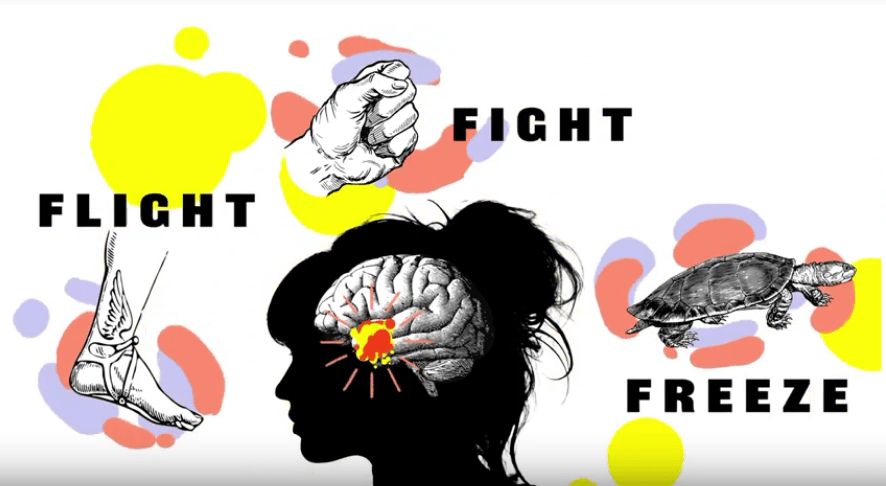
The Fight or Flight Response is our built-in alarm system, ready to spring into action at the first sign of danger. Whether it’s a charging lion or an impending deadline, our bodies react the same way – heart racing, adrenaline pumping, ready to fight or flee. This ancient survival mechanism is great for escaping predators but less helpful when dealing with modern stressors.
So, the next time you feel your heart racing over a tough email or stock market loss, remember: it’s just your caveman brain doing its thing.
Posted on November 15, 2024 by Dr. David Edward Marcinko MBA MEd CMP™
BY DR. DAVID EDWARD MARCINKO MBA MEd
***
***
Imagine if Narcissus had a social media account. Fatal narcissism is what happens when self-love goes off the rails. It’s not just about admiring your reflection; it’s an all-consuming need for admiration and validation. Think endless selfies and humblebrags.
***
***
While a bit of narcissism is normal, fatal narcissism is like a black hole – it sucks in all attention and gives nothing back.
So, if my Instagram looks like a shrine to my own greatness, you might be witnessing fatal narcissism in action.
Posted on November 14, 2024 by Dr. David Edward Marcinko MBA MEd CMP™
By Staff Reporters
***
***
According to BC Smith and Hilary Davidson,generosity is paradoxical. Those who give, receive back in turn. By spending ourselves for others’ well-being, we enhance our own standing. In letting go of some of what we own, we better secure our own lives. By giving ourselves away, we ourselves move toward flourishing. This is not only a philosophical or religious teaching; it is a sociological fact.
The the generosity paradox can also be stated in the negative.
By grasping on to what we currently have, we lose out on better goods that we might have gained. In holding onto what we possess, we diminish its long-term value to us. And, by always protecting ourselves against future uncertainties and misfortunes, we are affected in ways that make us more anxious about uncertainties and vulnerable to future misfortunes.
In short, by failing to care for others, we do not properly take care of ourselves. It is no coincidence that the word “miser” is etymologically related to the word “miserable.”







 Support our online development, and advance our onground research initiatives in free market economics, as we seek to showcase the brightest Next-Gen minds.
THE ME-P DISCLAIMER: Posts, comments and opinions do not necessarily represent iMBA, Inc., but become our property after submission. Copyright © 2006 to-date. iMBA, Inc allows colleges, universities, medical and financial professionals and related clinics, hospitals and non-profit healthcare organizations to distribute our proprietary essays, photos, videos, audios and other documents; etc. However, please review copyright and usage information for each individual asset before submission to us, and/or placement on your publication or web site. Attestation references, citations and/or back-links are required. All other assets are property of the individual copyright holder.
Support our online development, and advance our onground research initiatives in free market economics, as we seek to showcase the brightest Next-Gen minds.
THE ME-P DISCLAIMER: Posts, comments and opinions do not necessarily represent iMBA, Inc., but become our property after submission. Copyright © 2006 to-date. iMBA, Inc allows colleges, universities, medical and financial professionals and related clinics, hospitals and non-profit healthcare organizations to distribute our proprietary essays, photos, videos, audios and other documents; etc. However, please review copyright and usage information for each individual asset before submission to us, and/or placement on your publication or web site. Attestation references, citations and/or back-links are required. All other assets are property of the individual copyright holder.




































































 The Leading Business Education Network for Doctors, Financial Advisors and Health Industry Consultants