DAILY UPDATE: D-Day, Digital Health, Stock Companies as Markets Zoom Up!

MEDICAL EXECUTIVE-POST TODAY’S NEWSLETTER BRIEFING

***

Essays, Opinions and Curated News in Health Economics, Investing, Business, Management and Financial Planning for Physician Entrepreneurs and their Savvy Advisors and Consultants

Serving Almost One Million Doctors, Financial Advisors and Medical Management Consultants Daily

A Partner of the Institute of Medical Business Advisors , Inc.

http://www.MedicalBusinessAdvisors.com

SPONSORED BY: Marcinko & Associates, Inc.

***

http://www.MarcinkoAssociates.com

Daily Update Provided By Staff Reporters Since 2007.
How May We Serve You?
© Copyright Institute of Medical Business Advisors, Inc. All rights reserved. 20224

REFER A COLLEAGUE: MarcinkoAdvisors@msn.com

SPONSORSHIPS AVAILABLE: https://medicalexecutivepost.com/sponsors/

ADVERTISE ON THE ME-P: https://tinyurl.com/ytb5955z

***

Today is the 80th anniversary of D-Day: More than 60 World War II veterans flew to Paris over the weekend to take part in what organizers believe could be the final major WWII commemoration involving living veterans. American veterans will be joined by President Joe Biden and other heads of state in Normandy.

CITE: https://www.r2library.com/Resource

The digital health market has had a tough year, with no IPOs in all of 2023. Comparatively, the industry saw roughly 20 public exits in 2021. The recent slowdown in the broader IPO market is linked to several trends, including high interest rates and some high-profile bankruptcies, according to Adriana Krasniansky, head of research at digital health strategy group and venture fund Rock Health’s advisory arm.

Here’s where the major benchmarks ended:

  • The S&P 500 index rose 62.69 points (1.2%) to 5,354.03; the Dow Jones Industrial Average® ($DJI) gained 96.04 points (0.3%) to 38,807.33; the NASDAQ Composite rallied 330.86 points (2.0%) to 17,187.90.
  • The 10-year Treasury note yield (TNX) fell more than 5 basis points to 4.283%, its lowest level since April 1.
  • The CBOE Volatility Index® (VIX) declined 0.53 to 12.63.

What’s up

  • Nvidia only rose 5.16% today, but it was enough to surpass Apple’s market cap, making the high-flying semiconductor stock the second most valuable public company in the US.
  • Crowdstrike rose 11.98% today after reporting better than expected fiscal first quarter earnings yesterday afternoon.
  • Guidewire Software rose 17.63% today after its beat & raise quarterly report late yesterday.
  • Stitch Fix rose 29.40% after a red-hot earnings report, completely turning around the stock’s slow slide downward this year.
  • SweetGreen popped 12.76% this afternoon after revealing that its new automated kitchens can actually save on costs and cut time for orders in the long run.

What’s down

CITE: https://tinyurl.com/2h47urt5

In case you needed more proof that we’re living in the strangest timeline: Morgan Stanley, which owns E*Trade, is contemplating kicking stock influencer Roaring Kitty off the platform. It’s concerned he manipulated GameStop stocks by…posting a meme on X. (the Wall Street Journal)

CITE: https://tinyurl.com/tj8smmes

COMMENTS APPRECIATED

PLEASE SUBSCRIBE: MarcinkoAdvisors@msn.com

Thank You

***

***

***

***

EDUCATIONAL TEXTBOOKS: https://tinyurl.com/4zdxuuwf

***

PREDICTIONS: Health Information Technology [HIT]?

Seven [plus one] predictions for healthcare technology trends?

In the wake of a pandemic, shifting care delivery models, and a surge of clinical content, Wolters Kluwer healthcare experts have identified seven healthcare technology trends going forward.

 1. Building trust in an age of digital information overload
 2. Telemedicine becomes a fixture of the healthcare landscape
 3. Resilience is key to retaining the nursing workforce
 4. Unstructured health data helps researchers build health equity
 5. AI reduces healthcare-associated infections (HAIs)
 6. Quality improvement accelerates evidence to implementation
 7. Virtual simulation and technology transforms nursing education

8. Artificial Intelligence [AI].

Source: Wolters Kluwer

CITE: https://www.amazon.com/Dictionary-Health-Information-Technology-Security/dp/0826149952/ref=sr_1_5?ie=UTF8&s=books&qid=1254413315&sr=1-5

YOUR COMMENTS APPRECIATED

THANK YOU

***

PODCAST: Number #1 Rule for Healthcare Investing

SUPPLY-DEMAND CONSIDERATIONS

By Eric Bricker MD

***

CITE: https://www.r2library.com/Resource

***

COMMENTS APPRECIATED

Thank You

***

***

***

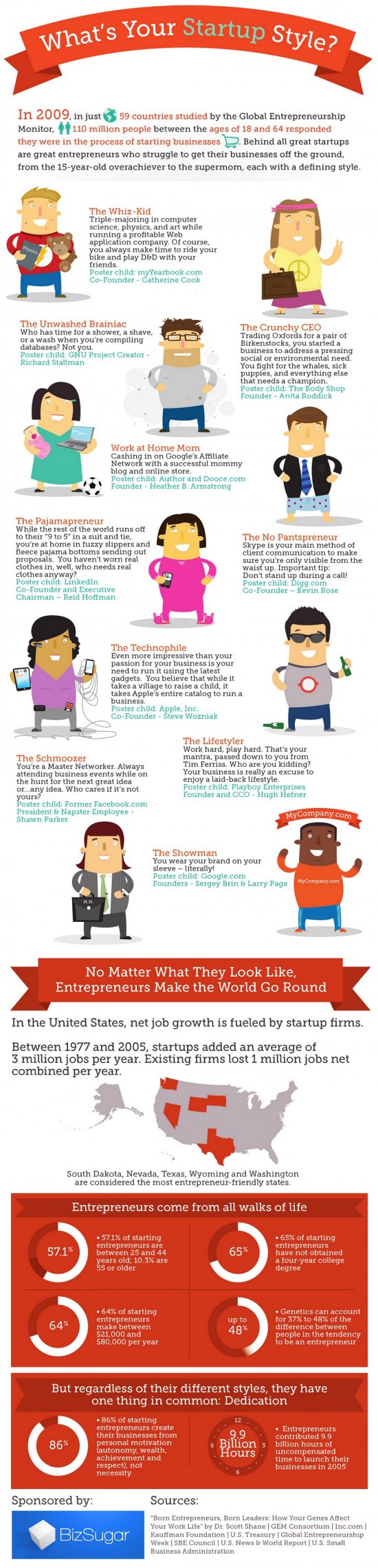
What Kind of [Physician] Entrepreneur Are You?

More Doctors are Joining the Ranks

http://www.MarcinkoAssociates.com

Marcnko & Associates

[Medical] entrepreneurs, doctors and nurses, clinics and small-to-medium size healthcare business are on the forefront of  job creation in the United States because of the Affordable Care Act [ACA] of 2010.

And so, we now preview this infographic to celebrate the entrepreneur, their styles, and to investigate the data behind startup growth. Hopefully, it will encourage the next generation of physician-entrepreneurs.

Who knows, there just may be the next Steve Jobs MD out there!

Source: BizSugar

Conclusion

And so, your thoughts and comments on this ME-P are appreciated. Feel free to review our top-left column, and top-right sidebar materials, links, URLs and related websites, too. Then, subscribe to the ME-P. It is fast, free and secure.

Speaker: If you need a moderator or speaker for an upcoming event, Dr. David E. Marcinko; MBA – Publisher-in-Chief of the Medical Executive-Post – is available for seminar or speaking engagements. Contact: MarcinkoAdvisors@msn.com

Physician Advisors: http://www.CertifiedMedicalPlanner.org

Subscribe Now: Did you like this Medical Executive-Post, or find it helpful, interesting and informative? Want to get the latest ME-Ps delivered to your email box each morning? Just subscribe using the link below. You can unsubscribe at any time.

Sponsors Welcomed: And, credible sponsors and like-minded advertisers are always welcomed. Link: https://healthcarefinancials.wordpress.com/2007/11/11/advertise

Product Details

DAILY UPDATE: The Peso, Health Company News with Firmer Stock Markets

MEDICAL EXECUTIVE-POST TODAY’S NEWSLETTER BRIEFING

***

Essays, Opinions and Curated News in Health Economics, Investing, Business, Management and Financial Planning for Physician Entrepreneurs and their Savvy Advisors and Consultants

Serving Almost One Million Doctors, Financial Advisors and Medical Management Consultants Daily

A Partner of the Institute of Medical Business Advisors , Inc.

http://www.MedicalBusinessAdvisors.com

SPONSORED BY: Marcinko & Associates, Inc.

***

http://www.MarcinkoAssociates.com

Daily Update Provided By Staff Reporters Since 2007.
How May We Serve You?
© Copyright Institute of Medical Business Advisors, Inc. All rights reserved. 2024

REFER A COLLEAGUE: MarcinkoAdvisors@msn.com

SPONSORSHIPS AVAILABLE: https://medicalexecutivepost.com/sponsors/

ADVERTISE ON THE ME-P: https://tinyurl.com/ytb5955z

***

Sword Health, a virtual provider of musculoskeletal care, banked a financing round of $130 million after nearly tripling its revenue in the past year.


Blue Cross and Blue Shield of Kansas City is leaving the Medicare Advantage market, citing increased regulatory demands and a relatively small MA membership.


And … Cigna laid off 261 employees from its Evernorth Care Group division in Arizona. Keep up to date with all workforce updates with Fierce Healthcare’s ongoing layoff tracker.

CITE: https://www.r2library.com/Resource

On Monday, the largest U.S.-traded, Mexico-focused fund — the iShares MSCI Mexico ETF which has more than $2 billion under management — slid 10.7% to book its largest daily percentage decrease since March 16th, 2020. Meanwhile, the Franklin FTSE Mexico ETF was off 10%, also logging its worst day in over four years, according to Dow Jones Market Data. The two funds, which traded at $57.93 and $28.78, respectively, on Monday afternoon, closed at their lowest levels since early November, according to Dow Jones Market Data. 

CITE: https://tinyurl.com/2h47urt5

June got off to a rough start on Monday when a glitch at the NYSE incorrectly made it appear that some stocks suffered steep plunges—including a 99% dip in Berkshire Hathaway. Trading in the affected stocks was quickly halted and the errors were fixed.

CITE: https://tinyurl.com/tj8smmes

What’s up

What’s down

  • Stanley Black & Decker fell 3.69% after it was downgraded at Barclays. A slowdown in consumer spending plus a slow housing market means not many people are buying fancy drills at the moment.
  • Bath & Body Works fell 12.60% after beating analyst expectations this quarter but announcing that next quarter will bring lower lower earnings.
  • Designer Brands fell 20.27% after it beat revenue expectations but missed on earnings as its turnaround continues.

Here’s where the major benchmarks ended:

  • The S&P 500 index gained 7.94 points (0.2%) to 5,291.34; the Dow Jones Industrial Average® ($DJI) added 140.26 points (0.4%) to 38,711.29; the NASDAQ Composite® ($COMP) rose 28.38 points (0.2%) to 16,857.05.
  • The 10-year Treasury note yield (TNX) fell more than 7 basis points to 4.328%.
  • The CBOE Volatility Index® (VIX) rose 0.05 to 13.16.

COMMENTS APPRECIATED

PLEASE SUBSCRIBE: MarcinkoAdvisors@msn.com

Thank You

***

***

***

***

EDUCATIONAL TEXTBOOKS: https://tinyurl.com/4zdxuuwf

***

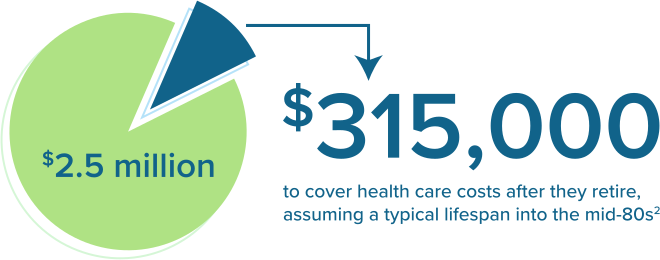
PHYSICIANS: Is $2.5 Million “Really” Enough to Retire at Age 65?

By Staff Reporters

SPONSOR: http://www.MarcinkoAssociates.com

DOCTORS ARE DIFFERENT: https://marcinkoassociates.com/doctors-unique/

***

***

Is $2.5 Million Really Enough to Retire?

A retirement nest egg of $2.5 million can likely produce an annual income of $100,000 for as long as you are likely to live. This is using the 4% withdrawal rate many financial advisors consider standard. After starting with the first withdrawal of 4% of the total, the annual withdrawal will adjust for inflation. For example, if inflation runs at the target 2% rate of federal policymakers, during retirement the retiree will withdraw:

$100,000

in the first year

$102,000

in the second year

$104,040

in the third year and so on …

According to this model and conventional wisdom, a 4% withdrawal rate will allow a portfolio to last for at least 30 years. This would permit a 65-year-old retiree to maintain consistent purchasing power until age 95 and beyond.

For most retirees, this will likely be adequate to maintain a satisfying standard of living. Only about 3% of 2,000 retirees surveyed by the Employee Benefit Research Institute in 2022 spent $7,000 or more per month, equivalent to $84,000 in annual spending.

This model does not include a number of other factors. For instance, nearly all retirees are eligible for Social Security. For 2023, the maximum monthly Social Security benefit for people who claim benefits at full retirement age is $3,627. That’s equal to more than half the spending of the top 3% of retirees surveyed by EBRI. And, like the standard withdrawal rate, Social Security benefits are indexed to inflation.

5 Variables for Retiring With $2.5 Million at Age 65

While $2.5 million could seem like enough to retire at 65, many factors could change the outlook.

1. Unexpected Healthcare Costs

The Fidelity Retiree Health Care Cost Estimate suggests an average 65-year-old couple could need (approximate, after taxes):Unexpected Healthcare Costs

This assumes both spouses are enrolled in traditional Medicare, which between Medicare Part A and Part B covers expenses such as hospital stays, doctor visits and services, physical therapy, lab tests and more, and in Medicare Part D, which covers prescription drugs.

This figure does not include long-term care (“custodial care”), most dental care, eye exams and more, so your estimated healthcare costs in retirement could be considerably more.

2. Inflation

Inflation can powerfully influence retirees’ financial well-being. When inflation occurs, it reduces the purchasing power of money withdrawn from your retirement account. You can increase withdrawals to maintain purchasing power, but this risks more quickly depleting your savings.

3. Market Downturns

Inflation isn’t the only cause of market downturns. Business cycles and financial crises can exaggerate normal fluctuations in stock market valuations. If you’re selling investments to generate income for living expenses, you may want to sell more if valuations are down.

4. Longevity

While living a long life is positive, you could outlive the money you’ve saved for retirement. Many financial planners use life expectancy to age 95 or 100 when developing plans for funding retirement.

The Social Security Administration says an average 65-year-old male can live to age 83, while the average woman can live to age 86. However, people in their 80s and 90s also generally reduce their spending, with the exception of healthcare costs.

5. Estate Planning

Retiring at 65 with $2.5 million likely involved generating high income and savings, so there’s a chance you could have assets to pass on. With estate planning, adding members of your family as beneficiaries for homes you paid off with a mortgage may have long-term positives.

You may also want to think about any additional income streams. For example, if you own a medical practice or business, you may want to add your family as a beneficiary so they can decide to keep the business running or sell it.

CITE: https://www.r2library.com/Resource

COMMENTS APPRECIATED

Thank You

***

***

***

Correlation is NOT Causation!

“CORRELATION DOES NOT IMPLY CAUSATION”
Repeat After Me!

DEFINITION: The phrase “correlation does not imply causation” refers to the inability to legitimately deduce a cause-and-effect relationship between two events or variables solely on the basis of an observed association between them.
CITE: https://www.r2library.com/Resource/Title/082610254

***

***

LOGIC FALLACY: The idea that “correlation implies causation” is an example of a questionable-cause logical fallacy, in which two events occurring together are taken to have established a cause-and-effect relationship.

This fallacy is also known by the Latin phrase cum hoc ergo propter hoc (‘with this, therefore because of this‘). This differs from the fallacy known as post hoc ergo propter hoc (“after this, therefore because of this”), in which an event following another is seen as a necessary consequence of the former event, and from conflation, the errant merging of two events, ideas, databases, etc., into one.

Comments Appreciated

THANK YOU
***

***

SUNK COSTS: The Fallacy

By Staff Reporters

***

***

A common term in business, the sunk cost fallacy applies to our choices and activities made daily.

CITE: https://www.r2library.com/Resource/Title/082610254

A sunk cost fallacy is a simple logical fallacy that means sticking with a losing or failed venture or activity because you have already invested considerable time, energy, money, or other things you can’t get back. It’s the idea that because you already have incurred costs, you stick with it to  “get your money’s worth.”

The sunk cost fallacy differs from other logical fallacies because it’s not a rhetorical fallacy. You may also experience a discussion with a “red herring” or “straw man” fallacy with someone. But the sunk cost fallacy is an illogical choice as a way to justify to yourself why you keep doing something.

***
COMMENTS APPRECIATED

Thank You

***

***

DAILY UPDATE: Cyber Health Hacks, DocGo, Public Companies and Mixed Stock Markets

MEDICAL EXECUTIVE-POST TODAY’S NEWSLETTER BRIEFING

***

Essays, Opinions and Curated News in Health Economics, Investing, Business, Management and Financial Planning for Physician Entrepreneurs and their Savvy Advisors and Consultants

Serving Almost One Million Doctors, Financial Advisors and Medical Management Consultants Daily

A Partner of the Institute of Medical Business Advisors , Inc.

http://www.MedicalBusinessAdvisors.com

SPONSORED BY: Marcinko & Associates, Inc.

***

http://www.MarcinkoAssociates.com

Daily Update Provided By Staff Reporters Since 2007.
How May We Serve You?
© Copyright Institute of Medical Business Advisors, Inc. All rights reserved. 2024

REFER A COLLEAGUE: MarcinkoAdvisors@msn.com

SPONSORSHIPS AVAILABLE: https://medicalexecutivepost.com/sponsors/

ADVERTISE ON THE ME-P: https://tinyurl.com/ytb5955z

***

Dollar General has ended a pilot program with mobile care provider DocGo, becoming the latest retailer to wind down primary care operations, spokespeople from both companies confirmed to Healthcare Brew on May 31st. The retail giant—the largest in the US by number of stores—began the healthcare partnership in 2023 after announcing ambitions to establish itself as a “health destination” two years prior. DocGo and Dollar General offered mobile health clinics with basic, preventive, and urgent care services at three stores in Tennessee. Dollar General executives previously said in a June 2023 press release that they would expand the DocGo pilot program to more stores.

CITE: https://www.r2library.com/Resource

Here’s where the major benchmarks ended:

  • The S&P 500® index (SPX) rose 5.89 points (0.1%) to 5,283.40; the Dow Jones Industrial Average® ($DJI) lost 115.29 points (0.3%) to 38,571.03; the NASDAQ Composite® ($COMP) advanced 93.65 points (0.6%) to 16,828.67.
  • The 10-year Treasury note yield (TNX) declined more than 11 basis points to 4.40%, near a two-week low.
  • The CBOE Volatility Index® (VIX) rose 0.19 to 13.11.

🟢 What’s up?

What’s down?

  • GSK dropped 8.65% on the news that a Delaware court will allow scientific evidence to be heard in a series of lawsuits regarding the discontinued heartburn drug Zantac.
  • Boston Beer fell 3.25% after shareholders decided to take their winnings and run following Friday’s big pop after news of its apparent acquisition by Suntory.
  • Tractor Supply shares toppled 6.21%, likely on poor manufacturing news from the ISM Index, while Halliburton shares fell 5.34%, likely on poor oil news from OPEC+.
  • Dozens of Mexican stocks and ETFs tumbled today on the election of a new president. The steepest decline was seen by Grupo Financiero Banorte, SAB, which fell 11.38%.

CITE: https://tinyurl.com/2h47urt5

Cyberattacks around the country are wreaking havoc on the ground at targeted hospitals, but a new study shows that security breaches hurt surrounding providers, too. The research published in JAMA on May 29 found that cyberattacks led to a decrease in emergency department (ED) visits at attacked hospitals and an increase in ED patients at nearby hospitals.

CITE: https://tinyurl.com/tj8smmes

COMMENTS APPRECIATED

PLEASE SUBSCRIBE: MarcinkoAdvisors@msn.com

Thank You

***

***

***

***

EDUCATIONAL TEXTBOOKS: https://tinyurl.com/4zdxuuwf

***

PODCAST: Simpson’s Paradox in Medicine

 EXPLAINED

Courtesy: www.CertifiedMedicalPlanner.org

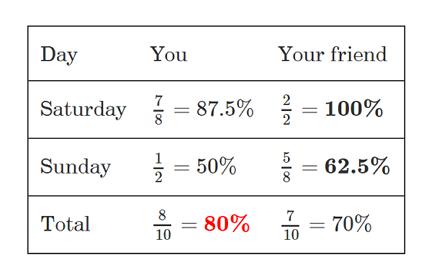
Simpson’s paradox (or Simpson’s reversal, Yule–Simpson effect, amalgamation paradox, or reversal paradox) is a phenomenon in probability and statistics, in which a trend appears in several different groups of data but disappears or reverses when these groups are combined.

This result is often encountered in social-science and medical-science statistics and is particularly problematic when frequency data is unduly given causal interpretations. The paradox can be resolved when causal relations are appropriately addressed in the statistical modeling.

Simpson’s paradox has been used as an exemplar to illustrate to the non-specialist or public audience the kind of misleading results misapplied statistics can generate. Martin Gardner wrote a popular account of Simpson’s paradox in his March 1976 Mathematical Games column in Scientific American.

Edward H. Simpson first described this phenomenon in a technical paper in 1951, but the statisticians Karl Pearson et al., in 1899, and Udny Yule, in 1903, had mentioned similar effects earlier. The name Simpson’s paradox was introduced by Colin R. Blyth in 1972.

PODCAST: https://tinyurl.com/5hycyjv6

Your thoughts are appreciated.

***

THANK YOU

PODCAST: What is a Quality-Adjusted Life Year?

NOT A Generic Obscure Measure

By Dr. David E. Marcinko MBA MEd CMP

http://www.CertifiedMedicalPlanner.org

The quality-adjusted life year or quality-adjusted life-year (QALY) is a generic measure of disease burden, including both the quality and the quantity of life lived.

It is used in economic evaluation to assess the value for money of medical interventions. One QALY equates to one year in perfect health. If an individual’s health is below this maximum, QALYs are accrued at a rate of less than 1 per year.

LINK: https://www.amazon.com/Dictionary-Health-Insurance-Managed-Care/dp/0826149944/ref=sr_1_4?ie=UTF8&s=books&qid=1275315485&sr=1-4

***

***

ASSESSMENT: To be dead is associated with 0 QALYs. QALYs can be used to inform personal decisions, to evaluate programs, and to set priorities for future programs

VIDEO: https://www.youtube.com/watch?v=OTmXnv2RAHw

Conclusion

Your thoughts and comments on this ME-P are appreciated. Feel free to review our top-left column, and top-right sidebar materials, links, URLs and related websites, too. Then, subscribe to the ME-P. It is fast, free and secure.

Speaker: If you need a moderator or speaker for an upcoming event, Dr. David E. Marcinko; MBA – Publisher-in-Chief of the Medical Executive-Post – is available for seminar or speaking engagements. Contact: MarcinkoAdvisors@msn.com

***

Product DetailsProduct Details

PODCAST: Lifespan Risk Factors

By Eric Bricker MD

***

***

COMMENTS APPRECIATED

Thank You

***

***

GAP: Life Span Expectancy Widening

By Staff Reporters

MEN versus WOMEN

***

***

The gap in life expectancy between men and women is widening, and Covid was primarily to blame.

CITE: https://www.r2library.com/Resource

In 2021, women’s life expectancy was 79.3, while men’s was 73.5—the largest gap since 1996, according to a new study in JAMA Internal Medicine. Covid contributed to 40% of the difference, as men are more likely to work in industries with high rates of exposure, like transportation (and women are more likely to be vaccinated).

COVID: https://medicalexecutivepost.com/2022/05/17/update-the-grim-covid-reality/

But the opioid epidemic was also a major factor: Drug overdoses, which are more common in men than women, accounted for about 30% of the life expectancy gap.

VIDEO: https://medicalexecutivepost.com/2022/08/31/what-is-the-baltimore-nod/

COMMENTS APPRECIATED

Thank You

***

***

CONNECT: With Us

http://www.MedicalExecutivePost.com

***

It’s been a while since you’ve connected with us. Are you still interested in emerging financial planning, investing, medical practice management and health information technology insights from the Institute of Medical Business, Advisors, Inc?

If so, please email us if you want to continue receiving daily updates about cutting-edge news and trends or if you’d like to be removed from our e-mailing list.

Your own related posts, comments and personal referrals are appreciated as well.

Thank You
Dr. David Edward Marcinko MBA MEd CMP
Editor-in-Chief
MarcinkoAdvisors@msn.com

***

***

DAILY UPDATE: Jobs, Chips, Banks and Tax Refunds

MEDICAL EXECUTIVE-POST TODAY’S NEWSLETTER BRIEFING

***

Essays, Opinions and Curated News in Health Economics, Investing, Business, Management and Financial Planning for Physician Entrepreneurs and their Savvy Advisors and Consultants

Serving Almost One Million Doctors, Financial Advisors and Medical Management Consultants Daily

A Partner of the Institute of Medical Business Advisors , Inc.

http://www.MedicalBusinessAdvisors.com

SPONSORED BY: Marcinko & Associates, Inc.

***

http://www.MarcinkoAssociates.com

Daily Update Provided By Staff Reporters Since 2007.
How May We Serve You?
© Copyright Institute of Medical Business Advisors, Inc. All rights reserved. 2024

REFER A COLLEAGUE: MarcinkoAdvisors@msn.com

SPONSORSHIPS AVAILABLE: https://medicalexecutivepost.com/sponsors/

ADVERTISE ON THE ME-P: https://tinyurl.com/ytb5955z

***

Stat: 4.6%. That’s how much the average income tax refund increased YoY, from $2,878 in April 2023 to $3,011 as of April 5th. (Axios)

Quote: “Wall Street has never been known for high character and high values. Is there a willingness to support Trump if it looks like he’s on the right track? Yes. I’m not proud of that, and I’m not part of that either.”—Dan Lufkin, co-founder of investment bank Donaldson, Lufkin & Jenrette (Bloomberg)

Read: Bank of America’s CEO sees an overall cautiousness on display in the current spending choices of consumers and businesses. (CNBC)

CITE: https://www.r2library.com/Resource

The May jobs report will drop on Friday: Little change is expected from April, when the unemployment rate ticked up to 3.9% and fewer jobs were added than expected (175,000). This jobs report will be one of the final pieces of economic data to drop before the Fed meets on June 11th and 12th. The central bank is unlikely to announce an interest rate cut.

CITE: https://tinyurl.com/2h47urt5

Software is no longer eating the world. For the first time, chip stocks now account for the heaviest weighting in the S&P 500, taking the top spot away from software companies last week. Salesforce and other enterprise software giants are getting crushed as companies prioritize generative AI investments (chips and servers) over SaaS products.

CITE: https://tinyurl.com/tj8smmes

COMMENTS APPRECIATED

PLEASE SUBSCRIBE: MarcinkoAdvisors@msn.com

Thank You

***

***

***

***

EDUCATIONAL TEXTBOOKS: https://tinyurl.com/4zdxuuwf

***

DIGITAL HEALTH: Technology Start-Ups

By Staff Reporters

***

***

The “new normal” is characterized by fewer deals, smaller deal sizes, and fewer investors, Rock Health found in a recent study. And if funding in the second half of the year continues at its current pace, 2023 will be the lowest digital health funding year since 2019, according to the report, authored primarily by research associates Mihir Somaiya and Madelyn Knowles. For example, in the first half of 2023:

  • Digital health startups raised $6.1 billion in 244 deals. The average deal size was $24.8 million.
  • In Q1, startups raised $3.5 billion in 131 deals, and $2.5 billion over 113 deals in Q2.
  • 555 investors were involved in fund raises, compared to 775 in the first half of 2022 and 832 in the first half of 2021. Of those investors, 71% had previously invested in digital health.
  • There were roughly 12 digital health startup acquisitions per month, compared to 15 monthly in 2022 and 14 each month for the past five years.

The lack of dollars flowing to companies is already reverberating: Some startups are closing down. Pear Therapeutics filed for bankruptcy in April and sold its assets to four buyers in May. Other digital health startups—SimpleHealth, The Pill Club, Hurdle, and Quil Health—also closed in the first half of 2023.

RELATED: https://medicalexecutivepost.com/2023/08/04/venture-capital-rising-for-womens-health-start-ups/

Assessment: There may be fewer investors overall, but those still investing in digital health are putting a lot of money down, according to Rock Health.

***

***
COMMENTS APPRECIATED

Thank You

***

***

PODCAST: Healthcare Business Start-Ups and Incubators

By Eric Bricker MD

***

***

COMMENTS APPRECIATED

Thank You

***

***

***

Financial “Planning” versus Financial “Preparing”

Understanding the Difference

By Rick Kahler CFP®

Retirement planning is one of the issues that commonly lead clients to consult financial advisers.

One of its essential aspects is creating a plan to save and invest in order to provide a comfortable retirement income. Ideally, this starts many years ahead of retirement, even as early as your first paycheck.

As retirement comes closer, planning for it expands to take in a host of other considerations, such as deciding when to retire, where to live, and what kind of lifestyle you hope to have. When retirement becomes a reality, the focus shifts to carrying out the plan.

Preparing

All of this planning is crucial. Yet, for both financial advisers and clients, it’s good to keep in mind that planning has its limits. In the post-retirement years, it may be helpful to think in terms of preparing for old age rather than planning for it.

The older we get, the more important this distinction between planning and preparing becomes. Too many life-changing things can happen without regard to our best-laid plans. Often they occur unexpectedly, resulting in emergency situations where urgent decisions have to be made. A stroke or a fall, a diagnosis of terminal illness, a broken hip that leaves someone unable to go back to independent living—and suddenly, right now, the family needs to find an assisted living facility, arrange for live-in help, or sell a home.

What are some of the ways to prepare for these contingencies?

  1. Explore housing options well ahead of time. Find out what assisted living, home care, and nursing home services and facilities are available where you live and whether they have waiting lists. Have family conversations about possibilities like relocating or sharing households:
  2. Research the financial side of these options. Investigate the cost of hiring help at home, assisted living facilities, and nursing care centers. Find out what is and is not covered by Medicare and long-term care insurance. For example, people are sometimes surprised to learn that Medicare does not pay for nursing home care other than short-term medical stays.
  3. Designate someone to take over decision-making, and do the paperwork. Execute documents like a living will, medical power of attorney, and contingent power of attorney. Update them as necessary, and give copies to your doctors, your financial planner, and appropriate family members.
  4. Start relatively early to downsize. Well before you’re ready to let go of possessions or move into smaller housing, start considering what to do with your “stuff.” Focus on the decisions rather than the distribution. There’s no need to get rid of possessions prematurely, but decide what you want to do with them—and put in writing. Do this while it’s still your choice, rather than something your family members do while you’re in the hospital or nursing home
  5. Do your best to practice flexibility and acceptance. No matter how strongly you want to live in your own home until the end of your life, for example, it may not be possible. The physical limitations of aging can limit our choices, and even the best options available may not be what we would like them to be. It is a profound gift to yourself and your family members to accept these realities with as much grace as you can muster.

***

***

Assessment

Finally, please don’t underestimate the importance of planning financially for retirement. Because the bottom line is that you can’t plan for all the things that might happen as you age, but you can prepare to deal with them. One of the most useful tools to cope with those contingencies is having enough money.

Conclusion

Your thoughts and comments on this ME-P are appreciated. Feel free to review our top-left column, and top-right sidebar materials, links, URLs and related websites, too. Then, subscribe to the ME-P. It is fast, free and secure.

Speaker: If you need a moderator or speaker for an upcoming event, Dr. David E. Marcinko; MBA – Publisher-in-Chief of the Medical Executive-Post – is available for seminar or speaking engagements. Contact: MarcinkoAdvisors@msn.com

OUR OTHER PRINT BOOKS AND RELATED INFORMATION SOURCES:

Comprehensive Financial Planning Strategies for Doctors and Advisors: Best Practices from Leading Consultants and Certified Medical Planners™

***

OFTEN NEEDED: A Business, Medical Management or Financial SECOND Opinion?

SPONSOR: http://www.MARCINKOASSOCIATES.com

***

***

When You May Need a Business, Management or Financial Second Opinion?

The Marcinko & Associates second opinion service is a physician-to-advisor telephone or e-mail portal that connects independent financial and business management professionals and consultants, with doctors or healthcare executives desiring affordable and unbiased financial or business advice on an as-needed, pay-per-use basis.

Medical professionals and healthcare executives can now receive direct access to us in the areas of Practice Enhancement, Investing, Financial Planning, Asset Allocation, Portfolio Management, Insurance, Mortgage and Lending, Practice Management, Information Technology, Human Resources and Employee Benefits.

This Marcinko & Associates service is designed to fill a growing need for medically focused financial or managerial advice that traditional consultants have not been able to serve. For example, situations in which you could benefit from a personal financial planning second opinion include: 

READ HERE: https://marcinkoassociates.com/opinions-second/

COMMENTS APPRECIATED

Thank You

***

***

Physician Owned Hospitals Myths DeBunked

BY HEALTH CAPITAL CONSULTANTS, LLC

Literature Review Debunks Claims Against Physician-Owned Hospitals


Approximately 250 hospitals across the U.S. are completely or partially physician owned. These physician-owned hospitals (POHs) can offer a variety of services, from general care to specialty services, such as cardiovascular or orthopedic care, known as “focused factories.”

Over the past several decades, healthcare providers and policymakers have claimed that POHs have a negative impact on the healthcare industry, suggesting that: (1) POHs “cherry-pick” the most profitable patients; (2) the quality of care provided at POHs is substandard; and, (3) conflicts of interest exist due to the financial incentive for physician owners to refer patients to their POHs. (Read more…) 

YOUR COMMENTS ARE APPRECIATED.

Thank You

MORE: https://www.amazon.com/Financial-Management-Strategies-Healthcare-Organizations/dp/1466558733/ref=sr_1_3?ie=UTF8&qid=1380743521&sr=8-3&keywords=david+marcinko

***

RELATED: https://www.amazon.com/Hospitals-Healthcare-Organizations-Management-Operational/dp/1439879907/ref=sr_1_4?s=books&ie=UTF8&qid=1334193619&sr=1-4

***

PODCAST: What is Epistemic Ambivalence?

Epistemic Ambivalence!

CITE: https://www.r2library.com/Resource/Title/0826102549

[By staff reporters]

Epistemic Ambivalence is almost the opposite idea of what ambivalence means because to be epistemic means you know, you are sure.

Epistemic ambivalence is when you may know the truth of a situation but cannot say which truth it is, because there is more than one option.

***
***
***
MORE: Schrödinger’s cat is a thought experiment, sometimes described as a paradox, devised by Austrian physicist Erwin Schrödinger in 1935. It illustrates what he saw as the problem of the Copenhagen interpretation of quantum mechanics applied to everyday objects. The scenario presents a hypothetical cat that may be simultaneously both alive and dead, a state known as a quantum superposition, as a result of being linked to a random subatomic event that may or may not occur. The thought experiment is also often featured in theoretical discussions of the interpretations of quantum mechanics. Schrödinger coined the term Verschränkung (entanglement) in the course of developing the thought experiment.
***
Assessment: Your thoughts are appreciated.
***
Comprehensive Financial Planning Strategies for Doctors and Advisors: Best Practices from Leading Consultants and Certified Medical Planners(TM)
***

Invite Dr. Marcinko

***

What is “COMPASSION FADE?”

A Cognitive Bias of the Post Corona Virus Pandemic Era

Courtesy: www.CertifiedMedicalPlanner.org

By Dr. David E. Marcinko MBA MEd CMP

Compassion Fade is a cognitive bias that predisposes people to behave more compassionately towards a small number of identifiable victims than to a large number of anonymous ones.

LINK: https://www.amazon.com/Dictionary-Health-Insurance-Managed-Care/dp/0826149944/ref=sr_1_4?ie=UTF8&s=books&qid=1275315485&sr=1-4

It is the psychological explanation to the known phenomenon alluded to by Joseph Stalin in his famous quote “The death of one man is a tragedy; the death of millions is a statistic”.

***

2

***

LINK: https://www.publichealthpost.org/research/compassion-fade/

Assessment: Your thoughts and comments are appreciated.

***

BUSINESS, FINANCE, INVESTING AND INSURANCE TEXTS FOR DOCTORS:

THANK YOU

Product DetailsProduct DetailsProduct Details

***

DAILY UPDATE: Mixed Stock Markets with DJIA Up

MEDICAL EXECUTIVE-POST TODAY’S NEWSLETTER BRIEFING

***

Essays, Opinions and Curated News in Health Economics, Investing, Business, Management and Financial Planning for Physician Entrepreneurs and their Savvy Advisors and Consultants

Serving Almost One Million Doctors, Financial Advisors and Medical Management Consultants Daily

A Partner of the Institute of Medical Business Advisors , Inc.

http://www.MedicalBusinessAdvisors.com

SPONSORED BY: Marcinko & Associates, Inc.

***

http://www.MarcinkoAssociates.com

Daily Update Provided By Staff Reporters Since 2007.
How May We Serve You?
© Copyright Institute of Medical Business Advisors, Inc. All rights reserved. 2024

REFER A COLLEAGUE: MarcinkoAdvisors@msn.com

SPONSORSHIPS AVAILABLE: https://medicalexecutivepost.com/sponsors/

ADVERTISE ON THE ME-P: https://tinyurl.com/ytb5955z

***

Here’s where the major benchmarks ended:

  • The S&P 500 index added 42.03 points (0.8%) to 5,277.51, down 0.5% for the week; the Dow Jones Industrial Average® ($DJI) gained 574.84 points (1.5%) to 38,686.32, down 1.0% for the week; the NASDAQ Composite® ($COMP) declined 2.06 points (0.01%) to 16,735.02, down 1.1% for the week. 
  • The 10-year Treasury note yield (TNX) fell more than 6 basis points to 4.491%.
  • The CBOE Volatility Index® (VIX) declined 1.55 to 12.92.

CITE: https://www.r2library.com/Resource

🟢 What’s up

  • Gap popped 27% after the retail conglomerate raised its guidance for the year and sales for all four of its brands beat earnings expectations.
  • Caesars jumped 12% because of the Carl Icahn effect: The investor reportedly acquired a “sizeable stake” in the casino company, per Bloomberg.
  • The Boston Beer Company shares gained 21% on reports that the company may sell itself to Suntory.
  • Ambarella leapt 20% after better-than-expected earnings for the semiconductor company.
  • PENN Entertainment jumped 20% today after an activist investor called for a sale of the company.

What’s down

CITE: https://tinyurl.com/2h47urt5

Private equity and consolidation are leading to a rise in hospital costs for patients. (the Wall Street Journal)

CITE: https://tinyurl.com/tj8smmes

COMMENTS APPRECIATED

PLEASE SUBSCRIBE: MarcinkoAdvisors@msn.com

Thank You

***

***

***

***

EDUCATIONAL TEXTBOOKS: https://tinyurl.com/4zdxuuwf

***

Understanding Risk Adjusted Portfolio Performance

A Vital Feedback Loop for any Medical Professional’s Investment Program

By Dr. David Edward Marcinko MBA, MEd, CMP™

[Publisher-in-Chief]

While recently visiting the beautiful Johns Hopkins University and Medical School in Baltimore Maryland, I realized that investment portfolio performance measurement — much like an annual physical exam in the Spring — is an important feedback loop to monitor progress towards the goals of the medical professional’s investment program.

Performance comparisons to market indices and/or peer groups are a useful part of this feedback loop, as long as they are considered in the context of the market environment and with the limitations of market index and manager database construction.  Inherent to performance comparisons is the reality that portfolios taking greater risk will tend to out-perform less risky investments during bullish phases of a market cycle, but are also more likely to under-perform during the bearish phase.  The reason for focusing on performance comparisons over a full market cycle is that the phases biasing results in favor of higher risk approaches can be balanced with less favorable environments for aggressive approaches to lessen/eliminate those biases.

THINK: The “flash crash” of March 2009, and the DJIA now hovering near a record of  late.

The Biases

Can we eliminate the biases of the market environment by adjusting performance for the risk assumed by the portfolio?  While several interesting calculations have been developed to measure risk-adjusted performance, the unfortunate answer is that the biases of the market environment still tend to have an impact even after adjusting returns for various measures of risk.

Assessment

However, medical professionals and their advisors will have many different risk-adjusted return statistics presented to them, so understanding the Sharpe ratio, Treynor ratio, Jensen’s measure or alpha, Morningstar star ratings, etc. and their limitations should help to improve the decisions made from the performance measurement feedback loop.

And, these are discussed elsewhere on this ME-P.

MORE:  https://medicalexecutivepost.com/2022/10/19/what-is-risk-adjusted-stock-market-performance/

Conclusion

Your thoughts and comments on this ME-P are appreciated. Feel free to review our top-left column, and top-right sidebar materials, links, URLs and related websites, too. Then, subscribe to the ME-P. It is fast, free and secure.

Speaker: If you need a moderator or speaker for an upcoming event, Dr. David E. Marcinko; MBA – Publisher-in-Chief of the Medical Executive-Post – is available for seminar or speaking engagements. Contact: MarcinkoAdvisors@msn.com

OUR OTHER PRINT BOOKS AND RELATED INFORMATION SOURCES:

Product DetailsProduct DetailsProduct Details

Product Details  Product Details

***

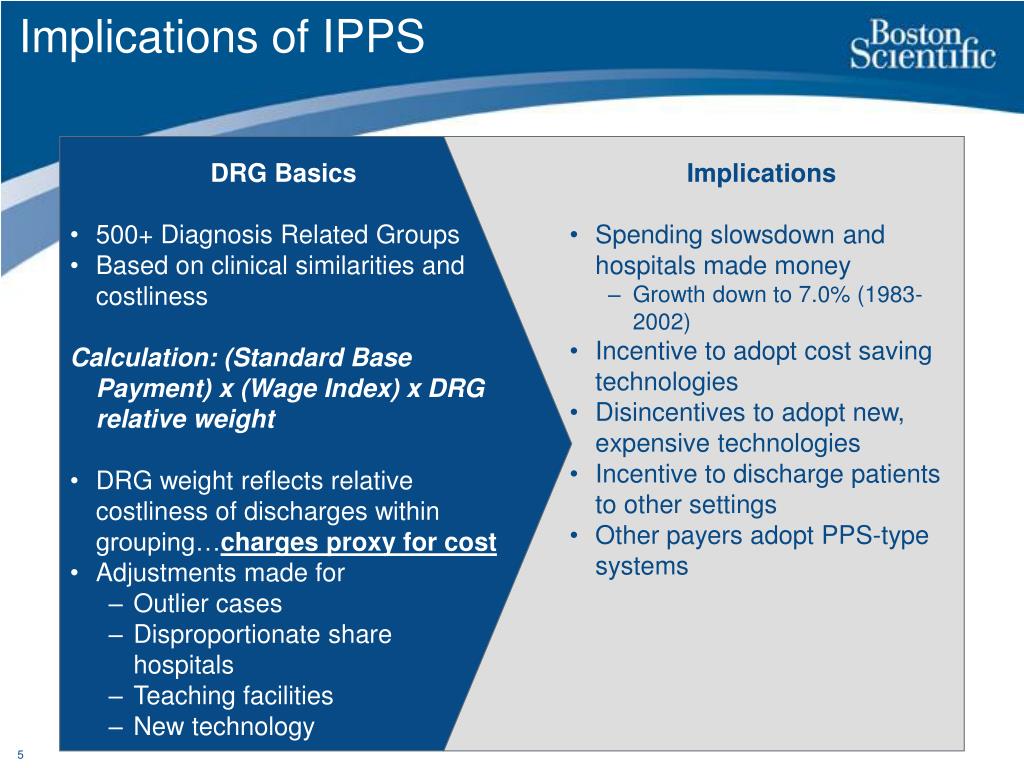
CMS; Proposes Increasing Inpatient & Long Term Care Payments

By Health Capital Consultants, LLC

***

***

On April 10th, 2024, the Centers for Medicare & Medicaid Services (CMS) released its proposed rules for the payment and policy updates for the Medicare inpatient prospective payment system (IPPS) and long-term care hospital prospective payment system (LTCH PPS) for fiscal year (FY) 2025. 

CITE: https://www.r2library.com/Resource

This Health Capital Topics article will discuss the proposed rule and the implications for stakeholders. (Read more…)

COMMENTS APPRECIATED

Thank You

***

***

Our iMBA e-Book Sales and Service

The Institute of Medical Business Advisors is a leading national scope provider of healthcare economics, finance, investing, managerial accounting, policy, management and business administration education and medical practice management textbooks, reports, hand-books, dictionaries, journals, white-papers, fair-market valuations [FMV] and legal advisory opinions using multi-platform and traditional seminars and channels of knowledge distribution. iMBA helps the nation’s financial, healthcare and education professionals make decisive improvements in their direction and performance by empowering them through unbiased information, consultants and proprietary tools, books, templates and B-school styled case models.A virtuous “win-win” situation for all concerned.

Link: https://medicalexecutivepost.com/me-pr-a-new-feature/

The firm serves universities, medical, business, graduate and nursing schools; physicians, dentists, attorneys and legal societies – accountants, financial service providers, stock brokers, RIAs, wealth and hedge fund managers – emerging entities, hospitals, clinics, outpatient centers, CXOs and their BODs – the press, media and related academic entities.

Link: http://www.MarcinkoAssociates.com

***

AT YOUR SERVICE

***