ADRs: Bridging Global Capital Markets

By Dr. David Edward Marcinko MBA MEd

***

***

American Depository Receipts Defined

In the modern era of globalization, financial instruments that connect investors across borders have become indispensable. Among these, American Depository Receipts (ADRs) stand out as a powerful mechanism that allows U.S. investors to participate in foreign equity markets without the complexities of international trading. ADRs not only simplify access to global companies but also enhance the ability of foreign corporations to raise capital in the United States. This essay explores the origins, structure, regulatory frameworks, benefits, risks, and real-world examples of ADRs, highlighting their role in the integration of global finance.

Historical Development

The concept of ADRs emerged in 1927 when J.P. Morgan introduced the first ADR for the British retailer Selfridges. At the time, American investors faced significant hurdles in purchasing foreign shares, including currency conversion, unfamiliar trading practices, and regulatory differences. ADRs solved these problems by creating a U.S.-based certificate that represented ownership in foreign shares, denominated in dollars, and traded on American exchanges.

Over the decades, ADRs expanded rapidly, especially during the post-World War II era when globalization accelerated. By the late 20th century, ADRs had become a mainstream tool for accessing international equities, with companies from Europe, Asia, and Latin America increasingly using them to tap into U.S. capital markets.

Structure and Mechanics

An ADR is issued by a U.S. depositary bank, which holds the underlying shares of a foreign company in custody. Each ADR corresponds to a specific number of shares—sometimes one, sometimes multiple, or even a fraction. Investors buy and sell ADRs in U.S. dollars, and dividends are paid in dollars as well, eliminating the need for currency conversion.

Key structural features include:

  • Depositary Banks: Institutions such as J.P. Morgan, Citibank, and Bank of New York Mellon act as custodians and issuers of ADRs.
  • ADR Ratios: The number of foreign shares represented by one ADR can vary, allowing flexibility in pricing.
  • Trading Platforms: ADRs can be listed on major exchanges like the NYSE or NASDAQ, or traded over-the-counter.

Regulatory Framework

ADRs are subject to U.S. securities regulations, which vary depending on the level of ADR issued:

  • Level I ADRs: Traded over-the-counter, requiring minimal disclosure. They are primarily used for visibility rather than fundraising.
  • Level II ADRs: Listed on U.S. exchanges, requiring compliance with SEC reporting standards, including reconciliation of financial statements to U.S. GAAP or IFRS.
  • Level III ADRs: Allow foreign companies to raise capital directly in U.S. markets through public offerings. These require the highest level of regulatory compliance, including registration with the SEC and adherence to corporate governance standards.

This tiered system ensures that investors receive appropriate levels of transparency while giving foreign companies flexibility in their approach to U.S. markets.

Benefits for Investors

ADRs offer numerous advantages to American investors:

  • Convenience: Investors can buy shares in foreign companies without dealing with foreign exchanges or currencies.
  • Diversification: ADRs provide access to global firms across industries, enhancing portfolio diversification.
  • Transparency: ADRs listed on U.S. exchanges must comply with SEC regulations, ensuring reliable financial reporting.
  • Liquidity: ADRs trade on familiar platforms, making them easily accessible to retail and institutional investors alike.

Benefits for Companies

Foreign corporations also benefit significantly from ADRs:

  • Access to Capital: ADRs open the door to the world’s largest pool of investors.
  • Global Visibility: Listing in the U.S. enhances reputation and credibility.
  • Improved Liquidity: Shares become more widely traded, increasing market efficiency.
  • Investor Base Diversification: Companies can attract both domestic and international investors, reducing reliance on local markets.

Risks and Challenges

Despite their advantages, ADRs carry certain risks:

  • Currency Risk: ADR values are tied to foreign shares denominated in local currencies, making them vulnerable to exchange rate fluctuations.
  • Political and Economic Risk: Instability in the issuing company’s home country can affect performance.
  • Taxation: Dividends may be subject to foreign withholding taxes before conversion to U.S. dollars.
  • Regulatory Differences: Even with SEC oversight, differences in accounting standards and corporate governance can pose challenges.

Case Studies

1. Alibaba Group (China) Alibaba’s ADRs, listed on the NYSE in 2014, marked one of the largest IPOs in history, raising $25 billion. This demonstrated the power of ADRs to connect Chinese companies with American investors, despite regulatory complexities between the two countries.

2. Toyota Motor Corporation (Japan) Toyota’s ADRs have long provided U.S. investors with access to one of the world’s largest automakers. By listing ADRs, Toyota expanded its investor base and strengthened its global presence.

3. Royal Dutch Shell (Netherlands/UK) Shell’s ADRs illustrate how multinational corporations use ADRs to maintain visibility in U.S. markets while managing complex cross-border structures.

The Role of ADRs in Global Finance

ADRs embody the globalization of capital markets. They facilitate cross-border investment, enhance market efficiency, and foster economic integration. For investors, ADRs represent a gateway to international diversification. For companies, they provide access to the deepest capital markets in the world.

Conclusion

American Depositary Receipts are more than just financial instruments; they are symbols of global interconnectedness. By bridging the gap between U.S. investors and foreign companies, ADRs have reshaped the landscape of international finance. They balance convenience with exposure to global risks, offering both opportunities and challenges. As globalization continues to evolve, ADRs will remain a vital tool for investors and corporations alike, reinforcing their role as a cornerstone of modern capital markets.

COMMENTS APPRECIATED

EDUCATION: Books

SPEAKING: Dr. Marcinko will be speaking and lecturing, signing and opining, teaching and preaching, storming and performing at many locations throughout the USA this year! His tour of witty and serious pontifications may be scheduled on a planned or ad-hoc basis; for public or private meetings and gatherings; formally, informally, or over lunch or dinner. All medical societies, financial advisory firms or Broker-Dealers are encouraged to submit an RFP for speaking engagements: CONTACT: Ann Miller RN MHA at MarcinkoAdvisors@outlook.com -OR- http://www.MarcinkoAssociates.com

Like, Refer and Subscribe

***

***

ACCOUNTING: Financial v. Managerial [CPA v. CMA]

By Staff Reporters

SPONSOR: http://www.MarcinkoAssociates.com

***

***

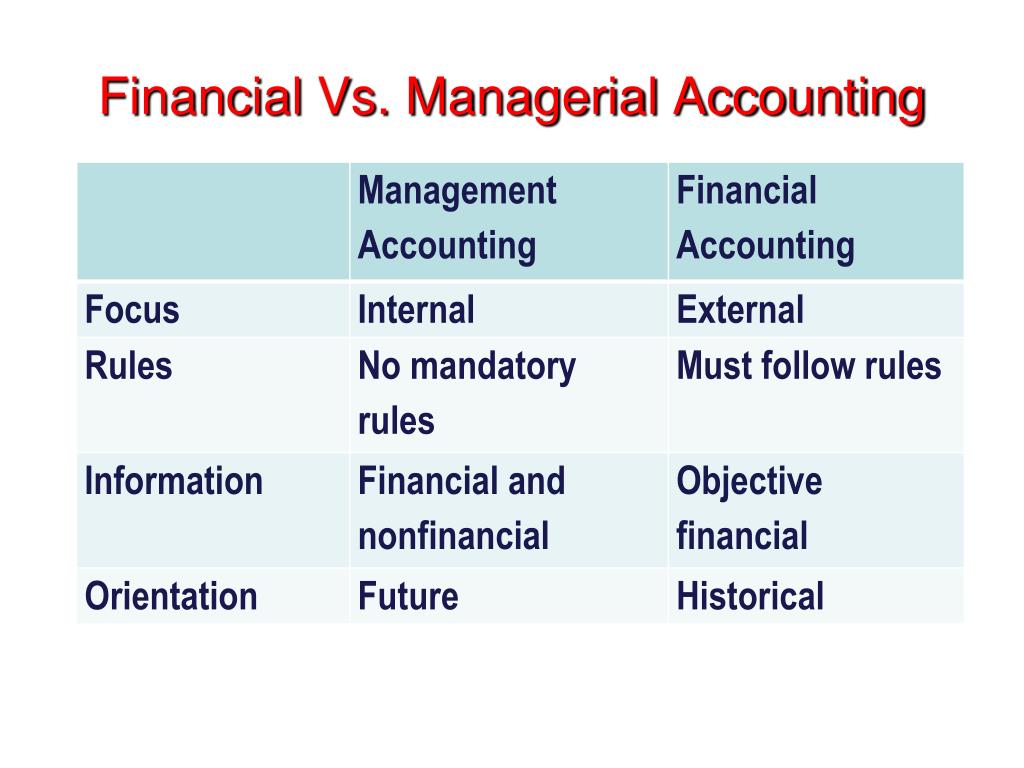
Financial accounting and managerial accounting are two distinct branches of the accounting field, each serving different purposes and stakeholders. Financial accounting focuses on creating external reports that provide a snapshot of a company’s financial health for investors, regulators, and other outside parties. Managerial accounting, meanwhile, is an internal process aimed at aiding managers in making informed business decisions.

Objectives of Financial Accounting

Financial accounting is primarily concerned with the preparation and presentation of financial statements, which include the balance sheet, income statement, and cash flow statement. These documents are meticulously crafted to reflect the company’s financial performance over a specific period, providing insights into its profitability, liquidity, and solvency. The objective is to offer a clear, standardized view of the financial state of the company, ensuring that external entities have a reliable basis for evaluating the company’s economic activities.

The process of financial accounting also involves the meticulous recording of all financial transactions. This is achieved through the double-entry bookkeeping system, where each transaction is recorded in at least two accounts, ensuring that the accounting equation remains balanced. This systematic approach provides accuracy and accountability, which are paramount in financial reporting. CPA = Certified Public Accountant.

Objectives of Managerial Accounting

Managerial accounting is designed to meet the information needs of the individuals who manage organizations. Unlike financial accounting, which provides a historical record of an organization’s financial performance, managerial accounting focuses on future-oriented reports. These reports assist in planning, controlling, and decision-making processes that guide the day-to-day, short-term, and long-term operations.

At the heart of managerial accounting is budgeting. Budgets are detailed plans that quantify the economic resources required for various functions, such as production, sales, and financing. They serve as benchmarks against which actual performance can be measured and evaluated. This enables managers to identify variances, investigate their causes, and implement corrective actions. Another objective of managerial accounting is cost analysis. Managers use cost accounting methods to understand the expenses associated with each aspect of production and operation. By analyzing costs, they can determine the profitability of individual products or services, control expenditures, and optimize resource allocation.

Performance measurement is another key objective. Managerial accountants develop metrics and key performance indicators (KPIs) to assess the efficiency and effectiveness of various business processes. These performance metrics are crucial for setting goals, evaluating outcomes, and aligning individual and departmental objectives with the overall strategy of the organization. CMA = Certified Managerial Accountant

Reporting Standards in Financial Accounting

The bedrock of financial accounting is the adherence to established reporting standards, which ensure consistency, comparability, and transparency in financial statements. Globally, the International Financial Reporting Standards (IFRS) are widely adopted, setting the guidelines for how particular types of transactions and other events should be reported in financial statements. In the United States, the Financial Accounting Standards Board (FASB) issues the Generally Accepted Accounting Principles (GAAP), which serve a similar purpose. These standards are not static; they evolve in response to changing economic realities, stakeholder needs, and advances in business practices.

For instance, the shift towards more service-oriented economies and the rise of intangible assets have led to updates in revenue recognition and asset valuation guidelines. The convergence of IFRS and GAAP is an ongoing process aimed at creating a unified set of global standards that would benefit multinational corporations and investors by reducing the complexity and cost of complying with multiple accounting frameworks.

COMMENTS APPRECIATED

Refer and Subscribe

***

***

ACCOUNTING: Mark to Market [MTM] Fair Value

***

***

By Staff Reporters

According to Wikipeida, Mark-to-market (MTM or M2M) or fair value accounting is accounting for the “fair value” of an asset or liability based on the current market price, or the price for similar assets and liabilities, or based on another objectively assessed “fair” value.[1] Fair value accounting has been a part of Generally Accepted Accounting Principles (GAAP) in the United States since the early 1990s. Failure to use it is viewed as the cause of the Orange County Bankruptcy,[2][3] even though its use is considered to be one of the reasons for the Enron scandal and the eventual bankruptcy of the company, as well as the closure of the accounting firm Arthur Andersen.[4]

Mark-to-market accounting can change values on the balance sheet as market conditions change. In contrast, historical cost accounting, based on the past transactions, is simpler, more stable, and easier to perform, but does not represent current market value. It summarizes past transactions instead. Mark-to-market accounting can become volatile if market prices fluctuate greatly or change unpredictably. Buyers and sellers may claim a number of specific instances when this is the case, including inability to value the future income and expenses both accurately and collectively, often due to unreliable information, or over-optimistic or over-pessimistic expectations of cash flow and earnings.[5]

Stock brokers allow their clients to access credit via margin accounts. These accounts allow clients to borrow funds to buy securities. Therefore, the amount of funds available is more than the value of cash (or equivalents). The credit is provided by charging a rate of interest and requiring a certain amount of collateral, in a similar way that banks provide loans. Even though the value of securities (stocks or other financial instruments such as options) fluctuates in the market, the value of accounts is not computed in real time. Marking-to-market is performed typically at the end of the trading day, and if the account value decreases below a given threshold (typically a ratio predefined by the broker), the broker issues a margin call that requires the client to deposit more funds or liquidate the account.

COMMENTS APPRECIATE

Thank You

***

***

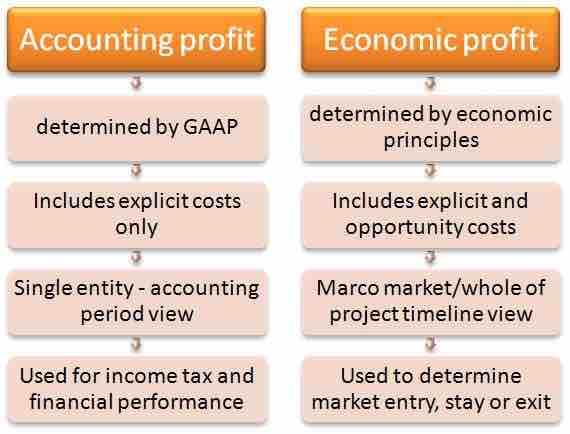
Accounting -VERSUS- Economic Profit

Yes – There is A Difference

[By staff reporters]

***

***

***

Risk Management, Liability Insurance, and Asset Protection Strategies for Doctors and Advisors: Best Practices from Leading Consultants and Certified Medical Planners™8Comprehensive Financial Planning Strategies for Doctors and Advisors: Best Practices from Leading Consultants and Certified Medical Planners™

***

Understanding Medical Cost Accounting

A Subset of Managerial Accounting

By Dr. David E. Marcinko MBA CMP®

http://www.MARCINKOASSOCIATES.com

CMP logo

SPONSOR: http://www.CertifiedMedicalPlanner.org

Managerial and medical cost accounting is not governed by generally accepted accounting principles (GAAP) as promoted by the Financial Accounting Standards Board (FASB) for CPAs. Rather, a healthcare organization costing expert may be a Certified Cost Accountant (CCA) or Certified Managerial Accountant (CMA) designated by the Cost Accounting Standards Board (CASB), an independent board within the Office of Management and Budget’s (OMB) Office of Federal Procurement Policy (OFPP).

The Cost Accounting Standards Board

CASB consists of five members, including the OFPP Administrator who serves as chairman and four members with experience in government contract cost accounting (two from the federal government, one from industry, and one from the accounting profession). The Board has the exclusive authority to make, promulgate, and amend cost accounting standards and interpretations designed to achieve uniformity and consistency in the cost accounting practices governing the measurement, assignment, and allocation of costs to contracts with the United States.

Codified at 48 CFR

CASB’s regulations are codified at 48 CFR, Chapter 99.  The standards are mandatory for use by all executive agencies and by contractors and subcontractors in estimating, accumulating, and reporting costs in connection with pricing and administration of, and settlement of disputes concerning, all negotiated prime contract and subcontract procurement with the United States in excess of $500,000. The rules and regulations of the CASB appear in the federal acquisition regulations.

North American Industry Classification System (NAICS) codes are used to categorize data for the federal government.  In acquisition they are particularly critical for size standards.  The NAICS codes are revised every five years by the Census Bureau.  As of October 1, 2007, the federal acquisition community began using the 2007 version of the NAICS codes at www.census.gov/epcd/www/naics.html

Cost Accounting Standards

Healthcare organizations and consultants are obligated to comply with the following cost accounting standards (CAS) promulgated by federal agencies:

  • CAS 501 requires consistency in estimating, accumulating, and reporting costs.
  • CAS 502 requires consistency in allocating costs incurred for the same purpose.
  • CAS 505 requires proper treatment of unallowable costs.
  • CAS 506 requires consistency in the periods used for cost accounting.

The requirements of these standards are different from those of traditional financial accounting, which are concerned with providing static historical information to creditors, shareholders, and those outside the public or private healthcare organization.

AssessmentTwo Doctors

Functionally, most healthcare organizations also contain cost centers, which have no revenue budgets or mission to earn revenues for the organization.  Examples include human resources, administration, housekeeping, nursing, and the like.  These are known as responsibility centers with budgeting constraints but no earnings.  Furthermore, shadow cost centers include certain non-cash or cash expenses, such as amortization, depreciation and utilities, and rent. These non-centralized shadow centers are cost allocated for budgeting purposes and must be treated as costs http://www.CertifiedMedicalPlanner.org

MORE:  CASE MODEL EOQ 1

Conclusion

Your thoughts and comments on this ME-P are appreciated. Feel free to review our top-left column, and top-right sidebar materials, links, URLs and related websites, too. Then, subscribe to the ME-P. It is fast, free and secure.

Speaker: If you need a moderator or speaker for an upcoming event, Dr. David E. Marcinko; MBA – Publisher-in-Chief of the Medical Executive-Post – is available for seminar or speaking engagements. Contact: MarcinkoAdvisors@msn.com

OUR OTHER PRINT BOOKS AND RELATED INFORMATION SOURCES:

Product DetailsProduct Details

Product Details

DAILY UPDATE: ARK and Palantir Growth

By Staff Reporters

***

Wall Street eyes earnings, inflation report: It’s another big earnings week with Shopify, Coca-Cola, Airbnb, Coinbase, and Crocs among the companies scheduled to report. Investors will also be locked into tomorrow’s consumer price index report, which is expected to show more good news about inflation and raise hopes of a Fed rate cut.

***

***

Cathie Wood and her team have purchased over $160 million worth of Tesla stock since the start of the year. Wood’s flagship fund, the ARK Innovation ETF (NYSEMKT: ARKK), now owns about $640 million of Tesla stock, making the company the fund’s second-largest holding behind Coinbase.

***

Palantir reported 20% revenue growth to $608.4 million, ahead of the consensus at $602.4 million. Once again, the company delivered strong profitability with its fifth straight quarter of profitability according to generally accepted accounting principles (GAAP), coming in at $93 million, or a 15% profit margin.

The company experienced particularly strong growth in its U.S. commercial segment, where revenue was up 70% to $131 million, making up nearly a quarter of total sales. U.S. commercial total contract value jumped 107% to $343 million, and for 2024, it forecast 40% growth in U.S. commercial revenue to at least $640 million, showing that companies are starting to adopt an Automated Investment Plan.

On the bottom line, adjusted earnings per share doubled to $0.08, beating analyst estimates, as the company nearly held operating expenses flat once again, and guidance was solid as well.

CITE: https://www.r2library.com/Resource

COMMENTS APPRECIATED

Thank You

***

***

BANKS: JPMorgan Chase, BoA, Wells Fargo and CitiGroup Report

By Staff Reporters

***

***

JPMorgan Chase’s profit fell in the fourth quarter as the lender set aside nearly $3 billion to help refill a government deposit insurance fund. JPMorgan and several major banks are required to pay a bulk of the $16 billion to replenish the Federal Deposit Insurance Corporation’s deposit insurance fund (DIF), which was drained after Silicon Valley Bank and Signature Bank failed last year.

***

Bank of America’s fourth-quarter profit shrank as the lender took $3.7 billion in combined charges to refill a government deposit insurance fund and phase out a loan index. Its net interest income (NII) – the difference between what banks earn from loans and pay to depositors – fell 5% to $13.9 billion as the company spent more to keep customer deposits and demand for loans stayed subdued amid high interest rates.

***

Wells Fargo press release (NYSE:WFC): Q4 Non-GAAP EPS of $1.29 beats by $0.20. Revenue of $20.48B (+2.2% Y/Y) beats by $100M. Shares -1% PM. Fourth quarter 2023 results included: ◦ $(1.9) billion, or ($0.40) per share, of expense from an FDIC special assessment ◦ $(969) million, or ($0.20) per share, of severance expense for planned actions ◦ $621 million or $0.17 per share, of discrete tax benefits related to the resolution of prior period tax matters ◦ Provision for credit losses in fourth quarter 2023 included an increase in the allowance for credit losses driven by credit card and commercial real estate loans, partially offset by a lower allowance for auto loans. The change in allowance for credit losses also included higher net loan charge-offs for commercial real estate office and credit card loans

***

Citigroup (C) is in the middle of a complicated restructuring. It made it clear Wednesday that its fourth quarter earnings report Friday will be complicated, too.

The giant New York-based bank said in a regulatory document it will take more than $3 billion in one-time reserves and expenses as part of those fourth quarter results. They include everything from a $1.3 billion reserve build for currency exposure in Argentina and Russia to $780 million in charges related to severance costs and other aspects of a wide-ranging restructuring of the bank led by CEO Jane Fraser.

CITE: https://www.r2library.com/Resource

***

***

COMMENTS APPRECIATED

Thank You
***

***

What is GAAP?

HOW IT WORKS

By Dr. David E. Marcinko MBA CMP®

http://www.MarcinkoAssociates.com

CMP logo

SPONSOR: http://www.CertifiedMedicalPlanner.org

Generally Accepted Accounting Principles

As a new physician investor, it’s important to know the distinctions between like measurements because the market allows firms to advertise their numbers in ways not otherwise regulated. Often companies will publicize their numbers using either GAAP or non-GAAP measures. GAAP, or generally accepted accounting principles, outlines rules and conventions for reporting financial information. It is a means to standardize financial statements and ensure consistency in reporting.

When a company publicizes its earnings and includes non-GAAP figures, it means it wants to provide investors with an arguably more accurate depiction of the company’s health (for instance, by removing one-time items to smooth out earnings). However, the further a company deviates from GAAP standards, the more room is allocated for some creative accounting and manipulation.

When looking at a company that is publishing non-GAAP numbers, new physician investors should be wary of these pro forma statements, because they may differ greatly from what GAAP deems acceptable.

CITE: https://www.r2library.com/Resource/Title/0826102549

***

***

The Core GAAP Principles

GAAP is set forth in 10 primary principles, as follows:

  1. Principle of consistency: This principle ensures that consistent standards are followed in financial reporting from period to period.
  2. Principle of permanent methods: Closely related to the previous principle is that of consistent procedures and practices being applied in accounting and financial reporting to allow comparison.
  3. Principle of non-compensation: This principle states that all aspects of an organization’s performance, whether positive or negative, are to be reported. In other words, it should not compensate (offset) a debt with an asset.
  4. Principle of prudence: All reporting of financial data is to be factual, reasonable, and not speculative.
  5. Principle of regularity: This principle means that all accountants are to consistently abide by the GAAP.
  6. Principle of sincerity: Accountants should perform and report with basic honesty and accuracy.
  7. Principle of good faith: Similar to the previous principle, this principle asserts that anyone involved in financial reporting is expected to be acting honestly and in good faith.
  8. Principle of materiality: All financial reporting should clearly disclose the organization’s genuine financial position.
  9. Principle of continuity: This principle states that all asset valuations in financial reporting are based on the assumption that the business or other entity will continue to operate going forward.
  10. Principle of periodicity: This principle refers to entities abiding by commonly accepted financial reporting periods, such as quarterly or annually.

Thank You

***

***

FINANCE: https://www.amazon.com/Comprehensive-Financial-Planning-Strategies-Advisors/dp/1482240289/ref=sr_1_1?ie=UTF8&qid=1418580820&sr=8-1&keywords=david+marcinko

YOUR COMMENTS ARE APPRECIATED

BUSINESS MEDICINE: https://www.amazon.com/Business-Medical-Practice-Transformational-Doctors/dp/0826105750/ref=sr_1_9?ie=UTF8&qid=1448163039&sr=8-9&keywords=david+marcinko

***

HOSPITALS: https://www.amazon.com/Financial-Management-Strategies-Healthcare-Organizations/dp/1466558733/ref=sr_1_3?ie=UTF8&qid=1380743521&sr=8-3&keywords=david+marcinko

***

What is EBITDA? It is Not GAAP

SPONSOR: http://www.MARCINKOASSOCIATES.com

Earnings before interest, taxes, depreciation, and amortization

A company’s earnings before interest, taxes, depreciation, and amortization is an accounting measure calculated using a company’s earnings, before interest expenses, taxes, depreciation, and amortization are subtracted, as a proxy for a company’s current operating profitability. Though often shown on an income statement, it is not considered part of the Generally Accepted Accounting Principles by the SEC.

Citation: https://www.r2library.com/Resource/Title/0826102549

EBITDA Formula | Calculator (Examples with Excel Template)

READ: https://www.investopedia.com/terms/e/ebitda.asp

Your thoughts and comments are appreciated.

THANK YOU

ORDER: https://www.amazon.com/Comprehensive-Financial-Planning-Strategies-Advisors/dp/1482240289/ref=sr_1_1?ie=UTF8&qid=1418580820&sr=8-1&keywords=david+marcinko

***

More on Lehman Brothers and Repo 105

Join Our Mailing List

The Auditors Attempt to Explain

By Marian Wang, ProPublica – March 25, 2010 4:18 pm

Ever since we began following the storyline of “Repo 105”, a sly balance-sheet maneuver performed by Lehman Brothers that helped it hide billions in dodgy assets, we noted that Lehman auditor Ernst & Young had some explaining to do. That explaining has begun.

The Contrarian Pundit

Contrarian Pundit posted a letter that Ernst & Young sent out yesterday, defending itself: not to the media, but to its clients. Check out both pages of the letter (PDFs).

A Few More Choice Bits

Lehman’s bankruptcy was the result of a series of unprecedented adverse events in the financial markets. The months leading up to Lehman’s bankruptcy were among the most turbulent periods in our economic history. Lehman’s bankruptcy was caused by a collapse in its liquidity, which was in turn caused by declining asset values and loss of market confidence in Lehman. It was not caused by accounting issues or disclosure issues.

Assessment

While no specific disclosures around Repo 105 transactions were reflected in Lehman’s financial statement footnotes, the 2007 audited financial statements were presented in accordance with US GAAP, and clearly portrayed Lehman as a leveraged entity operating in a risky and volatile industry. In other words, we at Ernst & Young didn’t point out that Lehman was doing things to hide its risks, but you should’ve known Lehman was in trouble anyway. Felix Salmon points out that at least they’re no longer denying that they knew about Repo 105.

Link: http://www.propublica.org/ion/blog/item/more-on-lehman-and-repo-105-the-auditors-attempt-to-explain

Conclusion

And so, your thoughts and comments on this ME-P are appreciated.

Get our Widget: Get this widget!

Our Other Print Books and Related Information Sources:

Practice Management: http://www.springerpub.com/prod.aspx?prod_id=23759

Physician Financial Planning: http://www.jbpub.com/catalog/0763745790

Medical Risk Management: http://www.jbpub.com/catalog/9780763733421

Healthcare Organizations: www.HealthcareFinancials.com

Health Administration Terms: www.HealthDictionarySeries.com

Physician Advisors: www.CertifiedMedicalPlanner.com

Subscribe Now: Did you like this Medical Executive-Post, or find it helpful, interesting and informative? Want to get the latest ME-Ps delivered to your email box each morning? Just subscribe using the link below. You can unsubscribe at any time. Security is assured.

Link: http://feeds.feedburner.com/HealthcareFinancialsthePostForcxos

Sponsors Welcomed: And, credible sponsors and like-minded advertisers are always welcomed.

Link: https://healthcarefinancials.wordpress.com/2007/11/11/advertise

Product DetailsProduct DetailsProduct Details

Product Details  Product Details