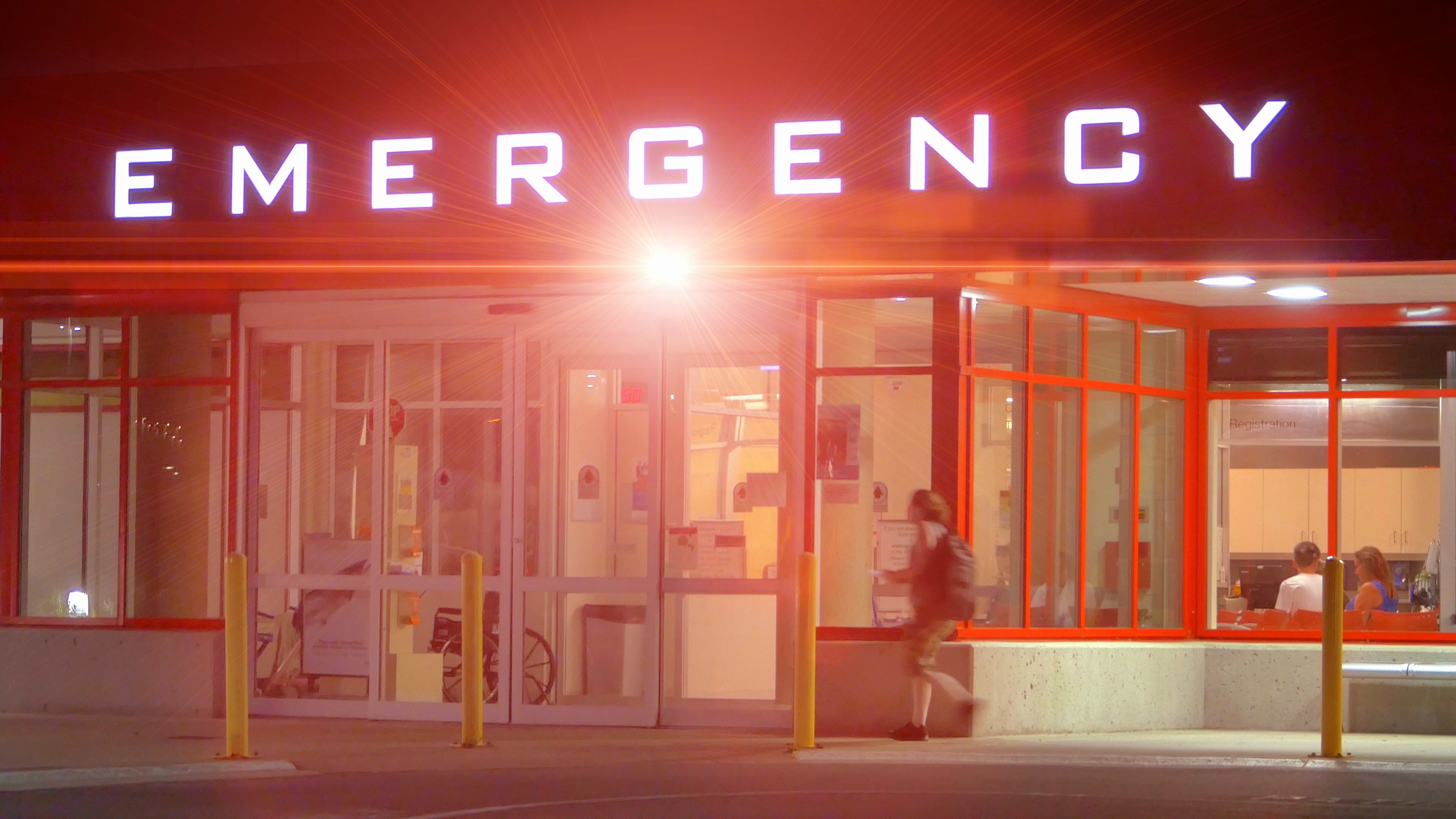
MEDICINE: Emergent Care

SOME PHYSICIAN WORK FOR FREE

By Staff Reporters

SPONSOR: http://www.MarcinkoAssociates.com

***
***

What is an Emergency Medicine Physician?

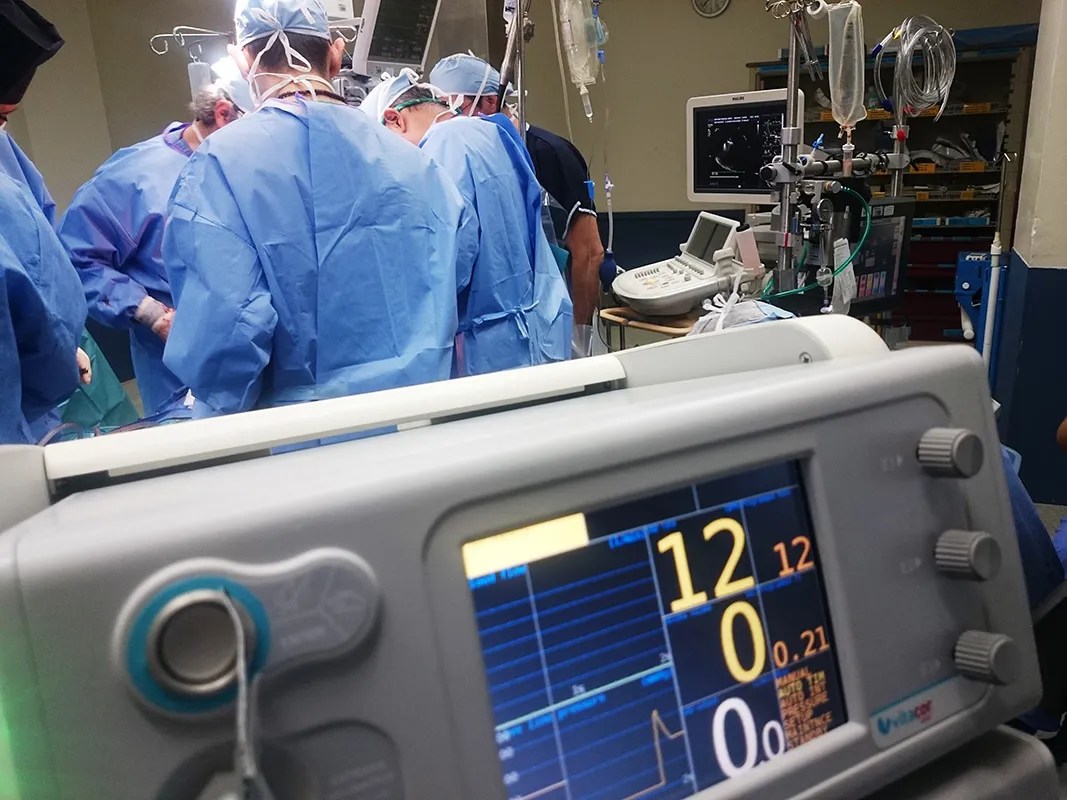
An emergency medicine physician is a medical doctor who specializes in the diagnosis, treatment, and management of acute and life-threatening medical conditions that require immediate intervention. These physicians work in hospital emergency departments, urgent care centers, and other acute care settings, where they provide rapid assessment, stabilization, and treatment to patients of all ages with a wide range of medical emergencies.

Emergency medicine physicians are trained to handle diverse medical emergencies, including trauma, cardiac emergencies, respiratory distress, severe infections, neurological emergencies, and obstetric emergencies, among others. They play a vital role in the front line management of medical emergencies, ensuring that patients receive prompt and appropriate care to improve outcomes and save lives.

***

Classic: Emergent Room or Emergency Department care is the provision of immediate medical service offering outpatient care for the treatment of acute and chronic illness and injury. It requires a broad and comprehensive fund of knowledge to provide such care. Excellence in care for patients with complex and or unusual conditions is founded on the close communication and collaboration between the urgent care medicine physician, the specialists and the primary physicians.

Modern: Urgent care does not replace your primary care physician. An urgent care center is a convenient option when someone’s regular physician is on vacation or unable to offer a timely appointment. Or, when illness strikes outside of regular office hours, urgent care offers an alternative to waiting for hours in a hospital Emergency Room.

Examples: Chest pain, bleeding that cannot be stopped and loss of consciousness; etc.

***

***

SOME ER DOCTORS WORK FOR FREE

The new president of emergency medicine for the Alberta Medical Association says Emergency Room physicians already coping with long hours, staff shortages and jammed waiting rooms are also being obligated, in some cases, to work for free. Dr. Warren Thirsk says the government has yet to follow through on a promise to reimburse emergency room doctors for so-called “good faith” payments.

“There’s been lots of excuses, but the bottom line is no one has actually received a penny for those suspended good-faith payments,” Thirsk said in an interview. “On average, every emergency physician in this province is out thousands of dollars for free work.” Good-faith payments reimburse ER doctors when they see patients who don’t have identification and can’t prove an Alberta Health Care Insurance Plan billing number.

Thirsk said the United Conservative government stopped those payments when it ripped up the master agreement with the AMA in early 2020. He said it promised to bring back those payments when the two sides agreed to a new deal in September 2022. But to date that hasn’t happened, he said.

“I’m legally and morally bound to look after you [if] you’re unidentified [as a patient],” said Thirsk, an emergency room doctor at Edmonton’s Royal Alexandra Hospital.

“I’m going to look after you because it’s the right thing to do no matter what the problem is.”

COMMENTS APPRECIATED

The Medical Executive-Post is a  news and information aggregator and social media professional network for medical and financial service professionals. Feel free to submit education content to the site as well as links, text posts, images, opinions and videos which are then voted up or down by other members. Comments and dialog are especially welcomed. Daily posts are organized by subject. ME-P administrators moderate the activity. Moderation may also conducted by community-specific moderators who are unpaid volunteers.

Like and Refer

***

***

DAILY UPDATE: DJIA Records a High as Treasury Yields Drop

By Staff Reporters

***

SPONSOR: http://www.MarcinkoAssociates.com

***

***

MANY THANKS E.R. HEROES

The holidays can be a stressful time for many, especially emergency healthcare workers, as Emergency Departments and ERs tend to get crowded. Holiday-related injuries spike in December, from slipping in the snow or falling while decorating to overindulging in holiday cocktails. So, to all the emergency healthcare providers working on holidays this year, the ME-P thanks you very much.

Here’s where the major benchmarks ended:

  • The S&P 500 index was up 63.39 points (1.4%) at 4,707.09; the Dow Jones Industrial Average was up 512.30 points (1.4%) at 37,090.24; the NASDAQ Composite was up 200.57 points (1.4%) at 14,733.96.
  • The 10-year Treasury note yield (TNX) was down about 18 basis points at 4.024%.
  • The CBOE® Volatility Index (VIX) was up 0.14 at 12.21.

Financial shares led Wednesday’s gainers, reflecting ideas that lower interest rates will boost profit margins for banks. The KBW Regional Banking Index (KRX) surged nearly 6% and ended at its highest level in over four months. The Fed’s outlook for slower growth in 2024, but no recession, also appeared to drive optimism among smaller companies, which are considered to have greater exposure to economic downturns. The small-cap Russell 2000® Index (RUT) outpaced its bigger counterparts, gaining 3.5% and ending at a four-month high.

Treasury yields fell sharply, with the 10-year note dropping to a four-month low just above 4%.

CITE: https://www.r2library.com/Resource

COMMENTS APPRECIATED

Refer a Colleague: MarcinkoAdvisors@msn.com

Your referral Count: 0

Thank You

***

***

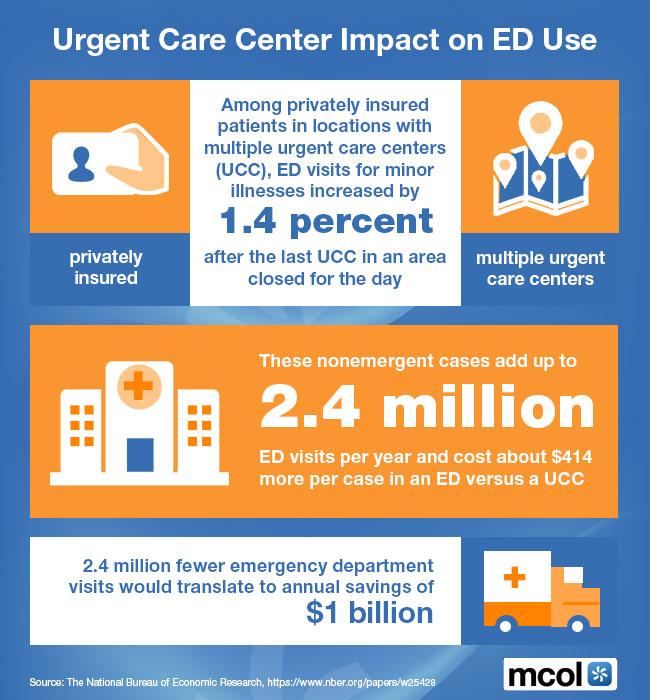
The Impact of Urgent Care Centers

On Emergency Department Use

[By http://www.MCOL.com]

***

***

Conclusion

Your thoughts and comments on this ME-P are appreciated. Feel free to review our top-left column, and top-right sidebar materials, links, URLs and related websites, too. Then, subscribe to the ME-P. It is fast, free and secure.

Speaker: If you need a moderator or speaker for an upcoming event, Dr. David E. Marcinko; MBA – Publisher-in-Chief of the Medical Executive-Post – is available for seminar or speaking engagements.

Book Marcinko: https://medicalexecutivepost.com/dr-david-marcinkos-bookings/

Subscribe: MEDICAL EXECUTIVE POST for curated news, essays, opinions and analysis from the public health, economics, finance, marketing, IT, business and policy management ecosystem.

DOCTORS:

“Insurance & Risk Management Strategies for Doctors” https://tinyurl.com/ydx9kd93

“Fiduciary Financial Planning for Physicians” https://tinyurl.com/y7f5pnox

“Business of Medical Practice 2.0” https://tinyurl.com/yb3x6wr8

Product DetailsProduct Details

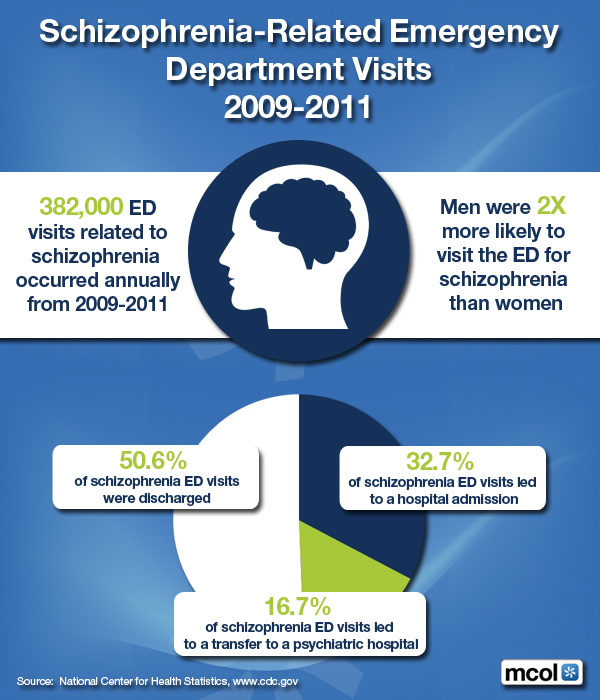
On Schizophrenia Related ER Visits

Join Our Mailing List

By http://www.MCOL.com

For 2009-2011

***

ImageProxy

***

Conclusion

Your thoughts and comments on this ME-P are appreciated. Feel free to review our top-left column, and top-right sidebar materials, links, URLs and related websites, too. Then, subscribe to the ME-P. It is fast, free and secure.

Speaker: If you need a moderator or speaker for an upcoming event, Dr. David E. Marcinko; MBA – Publisher-in-Chief of the Medical Executive-Post – is available for seminar or speaking engagements. Contact: MarcinkoAdvisors@msn.com

OUR OTHER PRINT BOOKS AND RELATED INFORMATION SOURCES:

Risk Management, Liability Insurance, and Asset Protection Strategies for Doctors and Advisors: Best Practices from Leading Consultants and Certified Medical Planners™              Risk Management, Liability Insurance, and Asset Protection Strategies for Doctors and Advisors: Best Practices from Leading Consultants and Certified Medical Planners™

 Harvard Medical School

Boston Children’s Hospital – Psychiatrist

Yale University

***

Overcrowding in the ER

Join Our Mailing List 

State of Emergency

EmilyBy Emily Newhook

Whether you’re suffering from a broken bone or a life-threatening illness, a trip to the emergency room is always a scary prospect.

But, what happens when an ER is faced with more patients than it can accommodate? Between 1995 and 2010, annual ER visits in the U.S. grew by 34 percent, while the number of hospitals with ERs declined by 11 percent.

From long wait times to sky-high medical costs, overcrowding puts undue pressure on patients, providers and administrators when efficient, high-quality care matters most.

***

State-of-Emergency

***

The online MHA degree program MHA@GW created this infographic to show the impact of overcrowding on U.S. emergency rooms. The graphic looks at some of the major causes of congested ERs, examines the impact on care delivery and explores proposed solutions to the problem of overcrowding.

Assessment

Help us raise awareness of this important issue by sharing the infographic above.

Conclusion

Your thoughts and comments on this ME-P are appreciated. Feel free to review our top-left column, and top-right sidebar materials, links, URLs and related websites, too. Then, subscribe to the ME-P. It is fast, free and secure.

Speaker: If you need a moderator or speaker for an upcoming event, Dr. David E. Marcinko; MBA – Publisher-in-Chief of the Medical Executive-Post – is available for seminar or speaking engagements. Contact: MarcinkoAdvisors@msn.com

OUR OTHER PRINT BOOKS AND RELATED INFORMATION SOURCES:

Product DetailsProduct Details

An Economic Picture of Domestic Healthcare Spending

Join Our Mailing List

By the Numbers

The healthcare component of the U.S. economy continues to expand, with per-capita spending projected to reach $13,000 by 2020. But, at the same, the industry continues to create jobs: 10 of the fastest-growing occupations are in healthcare-related fields.

Driver of the Economy

As one of the largest segments of the US economy, health care accounts for trillions of dollars in spending, both by governments and private individuals. And so, Top Masters in Healthcare decided to take a closer look at where the money goes in this infographic

###

health

[The Calculus]

Billing Department

So who does the spending?

  • 21% of healthcare spending is done by private businesses
  • 28% of healthcare spending is done by individual households
  • 16% of healthcare spending is done by state and local governments
  • 29% of healthcare spending is done by the Federal government

Where did the spending go?

  • 37% of healthcare spending went towards hospital care
  • 23.6% of healthcare spending went towards physician and clinical services
  • 5.9% of healthcare spending went towards other residential / health / personal care services
  • 4.9% was spent on dental services
  • 3.3% was spent on home health care
  • 3.2% was spent on “other” professional services

Per capita spending

Between 1960 and 2011, per capita health care spending rose by about 5,400 percent from $147 in 1960 to $8,311 in 2011. If other prices rose like that, here’s what it might look like today:

  • Family Dinner: $176.58
  • Tube of Toothpaste: $13.50
  • Volkswagen Beetle: $95,526
  • Gallon of gas: $13.50
  • Average income: $287,010
  • Electric can opener: $479.52

Emergency Department

The top 5 causes of death are heart disease (24.5%) cancer (23.3%) chronic lower respiratory diseases (5.6%) stroke (5.3%) accidents (4.8%) Alzheimer’s disease (3.2%).

Cardiology

  • 470,000 is the number of people who have a second or subsequent heart attack
  • 785,000 is the annual estimate of the number of people who have their first heart attack
  • $444 billion is the cost of heart disease, from health care services to medications to lost job productivity

Oncology

  • One in two men will get cancer during their lifetimes
  • One in three women will get cancer in their lifetimes
  • $226 billion is the annual cost of cancer, including treatment and lost income

Ongoing Care

  • Nearly 1 billion annual physician visits per year. If you had a doctor visit every minute of every day, it would take 1,902 years to have that many trips.
  • One out of 2 adults has a chronic illness
  • Seven out of every ten deaths are a result of a chronic illness

Obesity

  • The heaviest states by obesity rate are Mississippi (34.4%) West Virginia (32.2%) Alabama (32.3%) Tennessee (31.9%) and Louisiana (31.6%)
  • The lightest states by obesity rate are Hawaii (23.1%) Massachusetts (22.3%) Connecticut (21.8%) District of Columbia (21.7%) and Colorado (19.8%)

Diabetes

  • Diabetes can lead to a slew of other serious health problems including neverous system diseases, blindness and eye problems, heart disease and stroke, kidney disease and hypertension.
  • 25.8 million people are current affected by diabetes, 8.3% of the population.
  • 35% of people older than 20 have pre-diabetes
  • $174 billion is the total cost of treating and ealing with diabetes each year

Personnel Department

  • Healthcare provided 14.3 million jobs in 2008. And that number is only going to grow. In fact, health care is expected to be the single fastest-growing sector of the US economy through 2018.
  • Ten of the twenty fastest growing occupations are in healthcare related fields.
  • 4.01 million new jobs are expected to be created in the health care industry by 2018. Compare that to 2.67 million in science/engineering, 1.68 million in education, 1.43 million in administration support and waste management and 1.3 million in construction.
  • Healthcare professionals earned a combined $886 billion in total salaries in 2010

IT Department

  • As our world becomes more connected by technology, doctors and patients are increasingly using the Internet and data storage.
  • 57% of doctor’s offices use electronic medical records.
  • 6 out of 10 adults have looked up health information online.

Pharmacy Department

  • Almost half of Americans take at least one prescription drug.
  • $35.22 is the average price of a brand name drug which is almost 4x as much as the generic price.
  • Spending on prescription drugs has gone from $40.3 billion in 1990 to $259 billion in 2010 and is expected to grow to $457.8 billion by 2019.
  • The cost to bring a new drug to market is between $55 million and $1 billion
  • The cost of patented drugs in the United States is 35-55% higher than other industrialized nations
  • 80% of FDA approved drugs have a generic counterpart
  • Only 23% of doctor visits don’t include a prescription.

Assessment

The impact of the healthcare industry on everyday Americans continues to grow, whether they see it in their insurance bill or whether they earn their salaries from the health care industry. The issue also continues to dominate the political conversation… there’s no escaping it.

Conclusion

Your thoughts and comments on this ME-P are appreciated. Feel free to review our top-left column, and top-right sidebar materials, links, URLs and related websites, too. Then, subscribe to the ME-P. It is fast, free and secure.

Link: http://feeds.feedburner.com/HealthcareFinancialsthePostForcxos

Speaker: If you need a moderator or speaker for an upcoming event, Dr. David E. Marcinko; MBA – Publisher-in-Chief of the Medical Executive-Post – is available for seminar or speaking engagements. Contact: MarcinkoAdvisors@msn.com

OUR OTHER PRINT BOOKS AND RELATED INFORMATION SOURCES:

DICTIONARIES: http://www.springerpub.com/Search/marcinko
PHYSICIANS: www.MedicalBusinessAdvisors.com
PRACTICES: www.BusinessofMedicalPractice.com
HOSPITALS: http://www.crcpress.com/product/isbn/9781466558731
CLINICS: http://www.crcpress.com/product/isbn/9781439879900
BLOG: www.MedicalExecutivePost.com
FINANCE: Financial Planning for Physicians and Advisors
INSURANCE: Risk Management and Insurance Strategies for Physicians and Advisors

Product DetailsProduct DetailsProduct Details

Product Details  Product Details

Product DetailsProduct Details

Understanding the Emergency Medical Treatment and Active Labor Act

An Important and Contemporary Issue – Once Again

[By Patricia Trites; MPA, CHBC, CMP™ (Hon) with Staff Reporters]

tritesThe Emergency Medical Treatment and Active Labor Act (EMTALA) is receiving increasing scrutiny from prosecutors during these times of financials stress and credit tightening. The statute is intended to ensure that all patients who come to the emergency department of a hospital receive care, regardless of their insurance or ability to pay. Both hospitals and physicians need to work together to ensure compliance with the provisions of this law.

Triad of Requirements

EMTALA imposes three fundamental requirements upon hospitals that participate in the Medicare program with regard to patients requesting emergency care.

First, the hospital must conduct an appropriate medical screening examination to determine if an emergency medical condition exists.

Second, if the hospital determines that an emergency medical condition exists, it must either provide the treatment necessary to stabilize the emergency medical condition or comply with the statute’s requirements to affect a proper transfer of a patient whose condition has not been stabilized. A hospital is considered to have met this second requirement if an individual refuses the hospital’s offer of additional examination or treatment, or refuses to consent to a transfer, after having been informed of the risks and benefits of treatment.

Third, EMTALA’s requirement is activated if an individual’s emergency medical condition has not been stabilized.

Hospital Transfers

A hospital may not transfer an individual with an unstable emergency medical condition unless:

(1) the individual or his or her representative makes a written request for transfer to another medical facility after being informed of the risk of transfer and the transferring hospital’s obligation under the statute to provide additional examination or treatment;

(2) a physician has signed a certification summarizing the medical risks and benefits of a transfer and certifying that, based upon the information available at the time of transfer, the medical benefits reasonably expected from the transfer outweigh the increased risks; or

(3) a qualified medical person signs the certification after the physician, in consultation with the qualified medical person, has made the determination that the benefits of transfer outweigh the increased risks, if a physician is not physically present when the transfer decision is made. The physician must later countersign the certification.dhimc-book21

On-Call Responsibilities

One area of particular concern is physician on-call responsibilities. Physician practices whose members serve as on-call hospital emergency room physicians are advised to familiarize themselves with the hospital’s policies regarding on-call physicians. This can be done by reviewing the medical staff bylaws or policies and procedures of the hospital that must define the responsibility of on-call physicians to respond to, examine, and treat patients with emergency medical conditions. Physicians should also be aware of the requirement that, when medically indicated, on-call physicians must generally come to the hospital to examine the patient. Patients may be sent to see the on-call physician at a hospital-owned contiguous or on-campus facility to conduct or complete the medical screening examination due to the following reasons:

  • all persons with the same medical condition are moved to this location;
  • there is a bona fide medical reason to move the patient;
  • qualified medical personnel accompany the patient; and
  • teaching physicians may participate.

Channel Surfing the ME-P

Have you visited our other topic channels? Established to facilitate idea exchange and link our community together, the value of these topics is dependent upon your input. Please take a minute to visit. And, to prevent that annoying spam, we ask that you register. It is fast, free and secure.

Conclusion

Your thoughts and comments on this ME-P are appreciated. Feel free to review our top-left column, and top-right sidebar materials, links, URLs and related websites, too. Then, subscribe to the ME-P. It is fast, free and secure.

Speaker: If you need a moderator or speaker for an upcoming event, Dr. David E. Marcinko; MBA – Publisher-in-Chief of the Medical Executive-Post – is available for seminar or speaking engagements. Contact: MarcinkoAdvisors@msn.com

OUR OTHER PRINT BOOKS AND RELATED INFORMATION SOURCES:


Product DetailsProduct Details       

Product DetailsProduct Details

A Six Sigma Emergency Department Case Report

Emergency Department Diversions

By Staff Writersbiz-book1

According to Daniel L. Gee MD MBA, Scottsdale Healthcare in Arizona used consultants from Creative Healthcare USA on a recent project, rather than doing a full deployment of Six Sigma in its organization, to analyze its problem of emergency department (ED) “diversions.”

Emergency Department Diversions

Diversions happen when emergency departments are too full in capacity to handle acute emergencies and a decision is made to close its doors to patients and ambulances are diverted elsewhere. The issue of closed and diverted emergency rooms is a growing nationwide phenomenon because of fewer EDs and a growing aged and uninsured population. The consultants, using Six Sigma principles, mapped the ED process and found multiple bottlenecks that have a direct effect on the probability of evoking a “diversionary” status in the emergency room.

Out of Control Bottlenecks

One bottleneck process deemed “out of control,” in Six Sigma jargon, was the issue of bed control. A process is considered “in control” when operating within acceptable specification limits. It was found that the average transfer time for a patient admitted to a hospital bed from the emergency department was 80 minutes, of which half of this time, a bed is available and waiting. The process was a significant “waste of time” and, moreover, complicated by an Administrative Nurse “inspector” locating beds on different floors.

Sig Sigma Tenants

Two tenements of Six Sigma level of quality were violated: one is that having an inspection is a correction for an inefficient process and two, the more steps involved the less is the potential yield of a process. Through this revelation, the hospital eliminated the Administrative Nurse, reduced cycle time by 10% in bed control, and improvement ED throughput with greater turnover thereby, improving revenue by nearly $600,000.

Little’s Law

The addition of a nurse inspector and waiting patients in a busy ED is an example of “Little’s Law” or sometimes referred to as the first fundamental law of system behavior. When more and more inputs are put into a system, such as more ED patients and an additional nurse employee, and when there is variation in their arrival time (no control over patient arrivals) or process variation (different people doing the same things differently), there becomes an exponential rise in “cycle time.” Productivity of the system begins to fall and inefficiency and variation creeps in.

Assessment

An examination of the project types to which health care provider organizations have utilized Six Sigma methodology reveals almost any hospital or medical clinic process is a candidate.

Conclusion

And so, your thoughts and comments on this Medical Executive-Post are appreciated. Is Six Sigma a real medical quality control initiative that’s here to stay; or just another passing fad?

Speaker:If you need a moderator or speaker for an upcoming event, Dr. David E. Marcinko; MBA – Publisher-in-Chief of the Medical Executive-Post – is available for seminar or speaking engagements. Contact: MarcinkoAdvisors@msn.com  or Bio: www.stpub.com/pubs/authors/MARCINKO.htm

Our Other Print Books and Related Information Sources:

Practice Management: http://www.springerpub.com/prod.aspx?prod_id=23759

Physician Financial Planning: http://www.jbpub.com/catalog/0763745790

Medical Risk Management: http://www.jbpub.com/catalog/9780763733421

Healthcare Organizations: www.HealthcareFinancials.com

Physician Advisors: www.CertifiedMedicalPlanner.com

Subscribe Now:Did you like this Medical Executive-Post, or find it helpful, interesting and informative? Want to get the latest ME-Ps delivered to your email box each morning? Just subscribe using the link below. You can unsubscribe at any time. Security is assured.

Link: http://feeds.feedburner.com/HealthcareFinancialsthePostForcxos

Product DetailsProduct DetailsProduct Details