MEDICAL PRACTICE: Part-Time Physician Employment Difficulties

By Staff Reporters

SPONSOR: http://www.MarcinkoAssociates.com

***

***

Why It Is Difficult to Practice Medicine Part-Time Today?

In the past, part-time medical practice offered physicians a flexible way to balance professional responsibilities with personal or family commitments. Today, however, the healthcare environment has evolved in ways that make part-time medicine increasingly challenging. From administrative burdens to economic pressures and patient expectations, the obstacles are both systemic and personal.

One of the most significant barriers is the rise in administrative complexity. Physicians are now required to navigate electronic health records (EHRs), comply with insurance documentation, and meet regulatory standards such as HIPAA and MACRA. These tasks consume hours of non-clinical time, which is difficult to compress into a part-time schedule. Even seeing fewer patients doesn’t exempt part-time doctors from the same documentation and compliance requirements as their full-time counterparts.

***

***

Another challenge is financial viability. Many physicians are paid based on productivity metrics, such as Relative Value Units (RVUs), which reward volume over quality. Part-time practitioners often struggle to meet these benchmarks, resulting in lower compensation and reduced benefits. Additionally, malpractice insurance premiums and licensing fees remain fixed regardless of hours worked, further eroding the financial appeal of part-time practice.

Continuity of care is also a concern. Patients increasingly expect immediate access to their providers, especially in primary care and specialties like psychiatry or pediatrics. Part-time physicians may not be available for urgent issues, leading to fragmented care and dissatisfaction. This can strain relationships with patients and colleagues who must cover gaps in availability.

From a professional standpoint, part-time physicians may face limited career advancement. Leadership roles, academic appointments, and research opportunities often favor full-time commitment. There’s also a perception—sometimes unfair—that part-time doctors are less dedicated or less competent, which can affect peer respect and influence within medical institutions.

Technology, while beneficial, adds another layer of complexity. Telemedicine, remote monitoring, and digital communication tools have expanded access but also increased the expectation for constant availability. Part-time physicians may find it difficult to manage asynchronous messages, follow-ups, and virtual visits without extending their work hours beyond what they intended.

***

***

Lastly, burnout and work-life balance—ironically one of the reasons doctors seek part-time roles—can still be elusive. The pressure to maintain clinical excellence, stay updated with medical advancements, and meet patient needs doesn’t diminish with reduced hours. In fact, squeezing these responsibilities into fewer days can intensify stress rather than alleviate it.

In conclusion, while part-time medical practice may seem like a solution to modern work-life challenges, the reality is far more complex. The structure of today’s healthcare system, combined with economic, technological, and cultural pressures, makes it difficult for physicians to thrive in part-time roles. Addressing these challenges will require systemic reform, flexible compensation models, and a cultural shift in how we value and support diverse medical careers.

COMMENTS APPRECIATED

EDUCATION: Books

SPEAKING: ME-P Editor Dr. David Edward Marcinko MBA MEd will be speaking and lecturing, signing and opining, teaching and preaching, storming and performing at many locations throughout the USA this year! His tour of witty and serious pontifications may be scheduled on a planned or ad-hoc basis; for public or private meetings and gatherings; formally, informally, or over lunch or dinner. All medical societies, financial advisory firms or Broker-Dealers are encouraged to submit an RFP for speaking engagements: CONTACT: Ann Miller RN MHA at MarcinkoAdvisors@outlook.com -OR- http://www.MarcinkoAssociates.com

Like, Refer and Subscribe

***

***

DAILY UPDATE: Obesity, Three Mile Island and Medical Records as Stocks Crash

MEDICAL EXECUTIVE-POST TODAY’S NEWSLETTER BRIEFING

***

Essays, Opinions and Curated News in Health Economics, Investing, Business, Management and Financial Planning for Physician Entrepreneurs and their Savvy Advisors and Consultants

Serving Almost One Million Doctors, Financial Advisors and Medical Management Consultants Daily

A Partner of the Institute of Medical Business Advisors , Inc.

http://www.MedicalBusinessAdvisors.com

SPONSORED BY: Marcinko & Associates, Inc.

***

http://www.MarcinkoAssociates.com

Daily Update Provided By Staff Reporters Since 2007.
How May We Serve You?
© Copyright Institute of Medical Business Advisors, Inc. All rights reserved. 2024

REFER A COLLEAGUE: MarcinkoAdvisors@msn.com

SPONSORSHIPS AVAILABLE: https://medicalexecutivepost.com/sponsors/

ADVERTISE ON THE ME-P: https://tinyurl.com/ytb5955z

Your Referral Count -0-

In a public health milestone, the US adult obesity rate stopped its long climb and dropped by roughly two percentage points between 2020 and 2023, according to new data from the National Health and Nutrition Examination Survey.

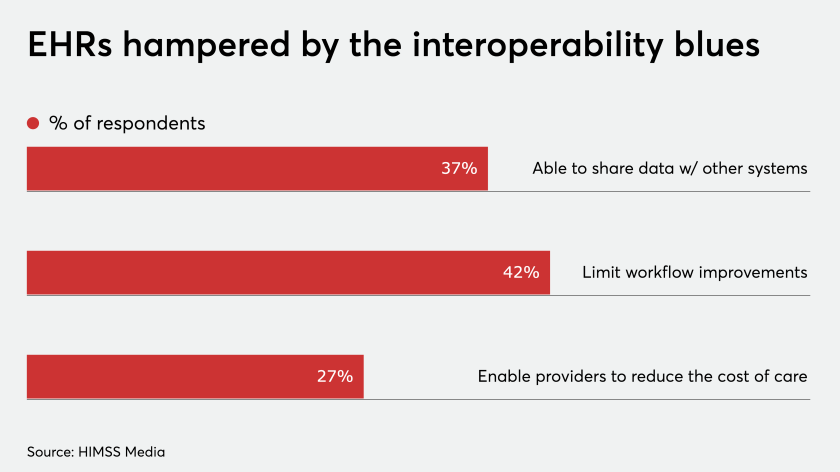
In 2024, about 62% of clinicians reported that “excessive documentation requirements” is a leading cause of burnout, according to Athenahealth, a health tech and electronic health record (EHR) company. The American Medical Association reported in January that primary care physicians, for example, can spend up to 45.7 minutes on medical record documentation for every 30-minute appointment.

CITE: https://www.r2library.com/Resource

What’s up

  • Scholar Rock shares quadrupled (yes, you read that right) 361.99% after its spinal muscular atrophy drug apitegromab provided a dramatic improvement for patients in a late-stage clinical trial.
  • Super Micro Computer surged 15.79% after the semiconductor company announced it shipped over 100,000 GPUs last quarter, highlighting strong data center demand.
  • Generac Holdings makes generators, so it’s no wonder that the stock popped 8.54% thanks to huge demand for back-up power from areas hit by Hurricane Helene and places preparing to deal with Hurricane Milton.
  • Arcadium Lithium skyrocketed 35.39% after it announced that Rio Tinto has approached the lithium miner about an acquisition.
  • Air Products and Chemicals rose 9.53% after CNBC reported that activist investor Mantle Ridge has taken a $1 billion stake in the industrial gas supplier. Activist investors are clearly getting more active these days.

What’s down

  • Netflix sank 2.47% thanks to a downgrade from Barclays analysts worried that the streaming service’s revenues will slow in the coming months. That outweighed an upgrade from Piper Sandler analysts, who think the streamer’s high valuation is warranted.
  • In another big tech downgrade, Wells Fargo analysts downgraded Amazon due to multiple headwinds like competition from Walmart and lower advertising revenue. Shares sank 3.06%.
  • Back-to-back hurricanes hitting the South are pummeling insurance stocks like Universal Insurance (down 19.60%), Allstate (down 4.90%) Travelers Companies (down 4.34%) and Chubb (down 4.61%).
  • Garmin tumbled 4.06% on a downgrade from Morgan Stanley analysts, who think the device-maker’s revenue will decline and margins will shrink in the coming quarters.

CITE: https://tinyurl.com/2h47urt5

Here’s where the major benchmarks ended:

  • The S&P 500® index (SPX) fell 55.13 points (–0.96%) to 5,695.94;the Dow Jones Industrial Average® ($DJI) dropped 398.51 points (–0.94%) to 41,954.24; and the NASDAQ Composite® ($COMP) lost 213.94 points (–1.18%) to 17,923.90.
  • The 10-year Treasury note yield (TNX) rose five basis points to 4.03%, near two-month highs.
  • The CBOE Volatility Index® (VIX) climbed to 22.77, the highest in a month.

CITE: https://tinyurl.com/tj8smmes

Stat: $1.6 billion. That’s the size of the federal loan guarantee that the operators of Three Mile Island are seeking from the Energy Department. Constellation Energy plans to restart the infamous plant to sell electricity to Microsoft data centers (Washington Post)

COMMENTS APPRECIATED

PLEASE SUBSCRIBE: MarcinkoAdvisors@msn.com

Thank You

***

***

***

***

EDUCATIONAL TEXTBOOKS: https://tinyurl.com/4zdxuuwf

***

DAILY UPDATE: McKesson, CMS and Epic as Stocks Lost Ground

MEDICAL EXECUTIVE-POST TODAY’S NEWSLETTER BRIEFING

***

Essays, Opinions and Curated News in Health Economics, Investing, Business, Management and Financial Planning for Physician Entrepreneurs and their Savvy Advisors and Consultants

Serving Almost One Million Doctors, Financial Advisors and Medical Management Consultants Daily

A Partner of the Institute of Medical Business Advisors , Inc.

http://www.MedicalBusinessAdvisors.com

SPONSORED BY: Marcinko & Associates, Inc.

***

http://www.MarcinkoAssociates.com

Daily Update Provided By Staff Reporters Since 2007.
How May We Serve You?
© Copyright Institute of Medical Business Advisors, Inc. All rights reserved. 2024

REFER A COLLEAGUE: MarcinkoAdvisors@msn.com

SPONSORSHIPS AVAILABLE: https://medicalexecutivepost.com/sponsors/

ADVERTISE ON THE ME-P: https://tinyurl.com/ytb5955z

Your Referral Count -0-

McKesson plans to grow its oncology platform by investing nearly $2.5 billion for a 70% stake in Community Oncology Revitalization Enterprise Ventures (Core Ventures), which was launched earlier this year by Florida Cancer Specialists & Research Institute (FCS). The institute is a group practice of more than 250 physicians, 280 advanced practice providers and almost 100 Florida locations that will remain independent following the deal’s close. The deal will bring advanced treatments and improved care to patients while reducing the overall cost of care, McKesson’s chief executive said.


The Centers for Medicare & Medicaid Services (CMS) issued a new report detailing total complaints related to the No Surprises Act and Affordable Care Act compliance. Providers and consumers earned $4.18 million in relief. More than 12,000 complaints were tied to the No Surprises Act compliance, 10,300 of which were against providers, facilities and air ambulance services. Most of such complaints were about surprise billing for non-emergency services at an in-network facility, followed by surprise billing for emergency services and good faith estimates.


And…Electronic health records giant Epic recently announced plans to transition its customers to TEFCA, the Trusted Exchange Framework and Common Agreement, a nationwide network to exchange patient data that was mandated by the 21st Century Cures Act back in 2016. On the same day, Carequality, an interoperability network that Epic belongs to, also announced that it plans to align with TEFCA. As one of the largest health IT vendors in the industry, Epic’s commitment to moving customers over to TECFA is noteworthy and will likely help to drive adoption, health IT experts say.  

CITE: https://www.r2library.com/Resource

What’s up

  • Chewy gained 11.06% today as profits at the online pet supplies retailer surged last quarter, easily beating projections.
  • Ambarella, a semiconductor company, jumped 10.63% after topping Q2 revenue estimates.
  • Box rose 10.83% with the cloud company upping its sales outlook for the year.
  • AeroVironment was up 9.06% after the defense firm secured a $990 million five-year contract with the US Army.

What’s down

  • Super Micro Computer plunged 19.02% after announcing it would delay filing its annual financial disclosures with the SEC. Yesterday, short-seller Hindenburg Research accused the high-flying server maker of “glaring accounting red flags” and other sketchy business practices.
  • Abercrombie & Fitch’s 21% revenue growth last quarter wasn’t enough to impress investors, who sent the retailer’s stock down 16.99%. They got spooked when CFO Fran Horowitz mentioned the “increasingly uncertain environment” in the second half of the year.
  • Trump Media stock dipped below $20/share for the first time since the Truth Social owner went public in March. It’s down more than 75% from its intraday peak set that month.
  • Foot Locker beat top and bottom line estimates for the second quarter. But its stock dropped 10.24% when it kept its full-year outlook steady and announced store closures in Asia and Europe.

CITE: https://tinyurl.com/2h47urt5

Here’s where the major benchmarks ended:

  • The S&P 500® index (SPX) fell 33.62 points (–0.60%) to 5,592.18; the Dow Jones Industrial Average® ($DJI) declined 159.08 (–0.39%) to 41,091.42; the NASDAQ Composite®($COMP) dropped 198.79 points (–1.12%) to 17,556.03.
  • The 10-year Treasury note yield (TNX) rose about one basis point to 3.84%.
  • The CBOE Volatility Index® (VIX) climbed to 16.95, back toward levels seen nearly a week ago.

CITE: https://tinyurl.com/tj8smmes

Visualize: How private equity tangled banks in a web of debt, from the Financial Times.

COMMENTS APPRECIATED

PLEASE SUBSCRIBE: MarcinkoAdvisors@msn.com

Thank You

***

***

***

***

EDUCATIONAL TEXTBOOKS: https://tinyurl.com/4zdxuuwf

***

77% of Surveyed ACOs Use 6 or More EHR Systems

By Staff Reporters

***

77% of Surveyed ACOs Use 6 or More EHR Systems

***

All roads lead to the EHR - MedCity News

According to a recent AJMC survey of 163 MSSP ACOs

 •  Just 9% of surveyed ACOs use a single EHR system throughout their entire organization.
 •  77% of surveyed ACOs use 6 or more EHR systems.
 •  Among the 37% of Medicare Shared Savings Program ACOs with 16 or more EHR systems, concerns about EHR-based quality measures include access to data, standardization of data elements, and cost of integrating across systems.

Source: AJMC, “Use of Electronic Health Record Systems in Accountable Care Organizations”, January 18th 2022

***

***

***

COMMENTS APPRECIATED

Thank You

Subscribe to the Medical Executive-Post

***

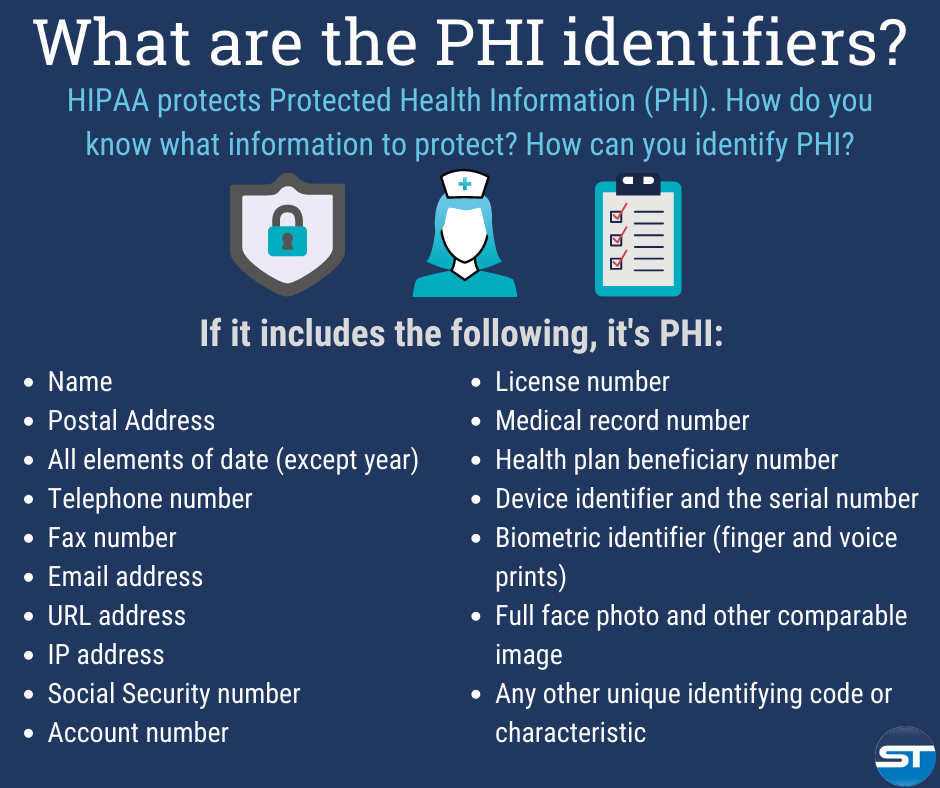
HIT & PHI: The Designated Medical Record Set

By Staff Reporters

***

What is HIPAA? Importance of HIPAA Compliance
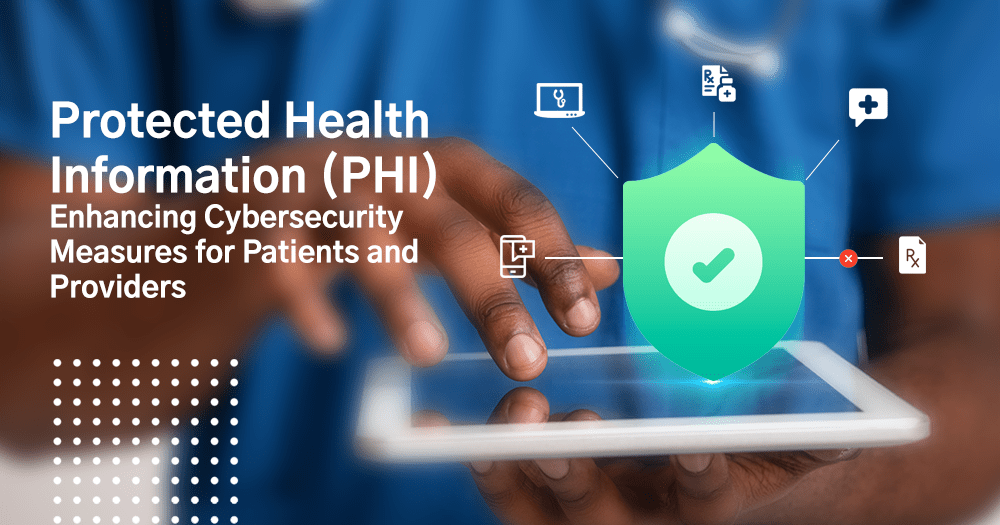
How to Mitigate Protected Health Information Risks

***

The Designated Medical Record Set [DMRS]: Contains medical and billing records and any other records that a physician, hospital, clinic and/or medical practice utilizes for making decisions about a patient;  a hospital, emerging healthcare organization, or other healthcare organization. It serves to define which set of information comprises “protected health information” and which set does not; or contains medical or mixed billing records, and any other information that a physician and/or medical practice utilizes for making decisions about a patient. 

It is up to the hospital or healthcare organization to define which set of information comprises “protected health information” and which does not though logically this should not differ from locale to locale.  The patient has the right to know who in the lengthy data chain has seen their Protected Health Information. This sets up an audit challenge for the medical organization, especially if the accountability is programmed, and other examiners view the document without cause.

***

***

COMMENTS APPRECIATED

Thank You

***

***

VIAMEDIS: French Company Health Data Breach

By Staff Reporters

***

***

Viamedis did not state how many people were affected by the breach, but it did confirm that it manages third-party payments for 84 complementary health insurance companies which when combined, service 20 million people.  As soon as the data breach was spotted, Viamedis disconnected its third-party payment management platform.

“Beneficiaries will be able to continue to use their carte vitale and their third-party payment card, the temporary disconnection from the Viamedis platform will only have an impact on certain health professionals, in particular opticians and audio-prosthetists,” it said.

Speaking to Agence France-Presse (AFP), Viamedis General Director, Christophe Cande, said the attack wasn’t ransomware, but rather a successful phishing attack against one of the company’s employees. 

“To date, we do not have the number of insured individuals impacted; we are still in the process of investigation,” Cande said. 

Viamedis filed a complaint with the public prosecutor, and notified other relevant authorities. For healthcare professionals, it said it would notify them on the details of exposed data later.

Via BleepingComputer

COMMENTS APPRECIATED

Thank You

***

***

HEALTHCARE: Business News

By Staff Reporters

***

***

House Democrats want CMS to better monitor Medicare Advantage plans’ use of AI tools to ensure they don’t allow an unusually high level of restrictive and repeated denials.


Kaiser Permanente continues to rebound from a rough 2022 and pulled in $239 million in net income in Q3. That marks a dramatic turnaround from the $1.5 billion net loss the integrated system had seen a year prior.

CITE: https://www.r2library.com/Resource


And … during the Milken Institute’s Future of Health Summit Monday, former HHS Secretary Alex Azar and current department chief Xavier Becerra sparred over the Biden administration’s approach to negotiating Medicare drug prices.

***

***

Finally, family physicians utilizing value-based payment (VBP) models reported burnout relief in a study from EHR company Elation Health and the American Academy of Family Physicians. Burnout among providers decreased once practices passed a threshold of 75% financial investment in VBP models.

COMMENTS APPRECIATED

Thank You

***

***

***

PODCAST PARODY: Outrageous EMRs

AN ELECTRONIC MEDICAL RECORDS STATE OF MIND

SPONSOR: http://www.CertifiedMedicalPlanner.org

By Zubin Damania MD

EDITOR’S NOTE: Dr. Zubin Damania, MD is a UCSF/Stanford-trained hospital doctor and host of The ZDoggMD Show, dedicated to Alt-Middle sense-making in healthcare and beyond. Videos are informational and are not medical advice, more info: https://zdoggmd.com/terms

***

WATCH PARODY HERE: https://www.youtube.com/watch?v=xB_tSFJsjsw

NOW – NOT AN EMR PARODY

WATCH NOT A PARODY HERE: https://www.youtube.com/watch?v=3TdSKr81III

***
COMMENTS APPRECIATED

Thank You

***

***

PODCAST: Laboratory Test Costs in EHRs and Physician Behavior


Johns Hopkins Hospital Listed the Cost of 61 Lab Tests on Doctors’ Computer Screens … While They Were Ordering Labs.


By Dr. Eric Bricker MD

Results:

–Just Seeing the Cost of the Lab Test DECREASED the Number of Labs Ordered Per Patient by 9%.

–Doctors Also SUBSTITUTED a Lower Cost Lab Test for a Higher Cost Lab Test 10,000 Times.

The Doctors Were NOT Clinically Directed to Change Their Behavior.

The Doctors’ Pay Was NOT Affected by Their Lab Ordering Either Way.

This Study Illustrates How Giving Doctors Cost Information in a Setting of Clinical and Financial Independence AUTOMATICALLY Decreases Healthcare Waste.

Doctors Can Be Much Better Stewards of Healthcare Dollars … and the Technological Innovation Needed is Minimal.

Disclosure: Dr. Bricker is the Chief Medical Officer of Virtual Care Company First Stop Health.

YOUR COMMENTS ARE APPRECIATED.

Thank You

***

EMR ‘versus’ EHR

What is the Difference – Know the Difference

By staff reporters

Both an EMR and EHR are digital records of patient health information. An EMR is best understood as a digital version of a patient’s chart. It contains the patient’s medical and treatment history from one practice. Usually, this digital record stays in the doctor’s office and does not get shared. If a patient switches doctors, his or her EMR is unlikely to follow.

By contrast, an EHR contains the patient’s records from multiple doctors and provides a more holistic, long-term view of a patient’s health. It includes their demographics, test results, medical history, history of present illness (HPI), and medications.

  ***

***

“Medical Management and Health Economics Education for Financial Advisors”

CMP® CURRICULUM: https://lnkd.in/eDTRHex
CMP® WEB SITE: https://lnkd.in/guWSApq

Your thoughts and comments are appreciated.

BUSINESS, FINANCE, INVESTING AND INSURANCE TEXTS FOR DOCTORS:

1 – https://lnkd.in/ebWtzGg

2 – https://lnkd.in/ezkQMfR

3 – https://lnkd.in/ewJPTJs

THANK YOU

***

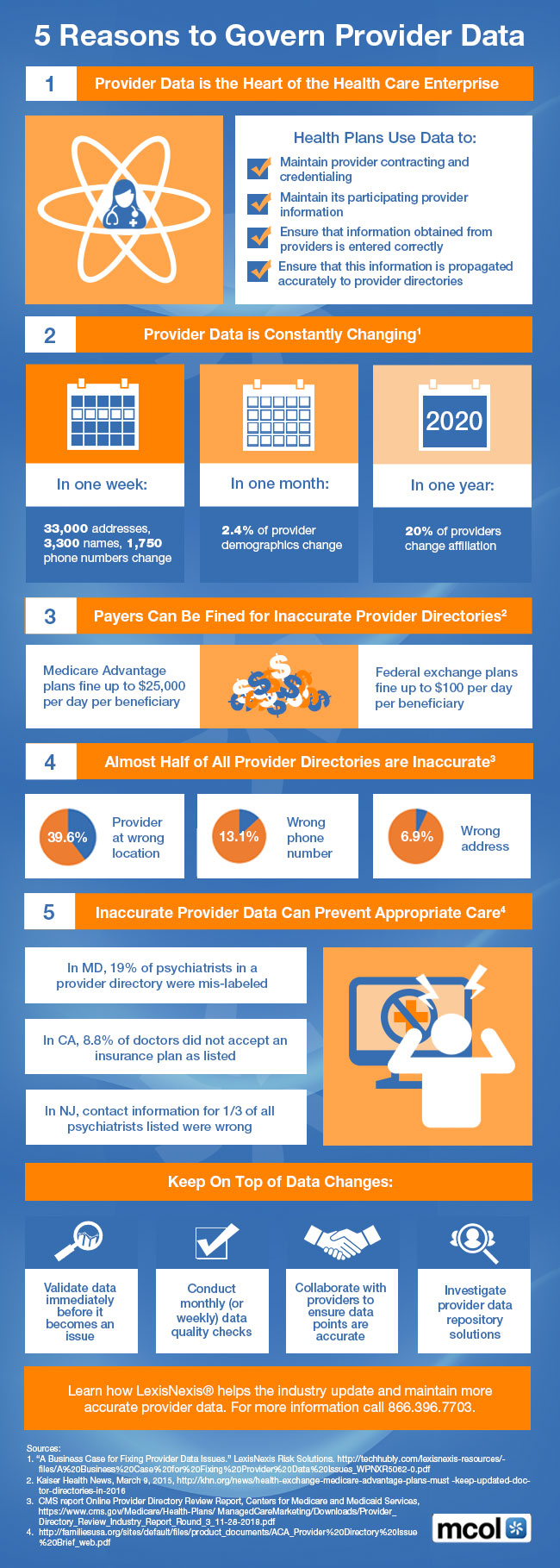
Five [5] Reasons to Govern Medical Provider Data

The Heart of the Health Care Enterprise

By http://www.MCOL.com

***

***

Product DetailsProduct DetailsProduct Details

***

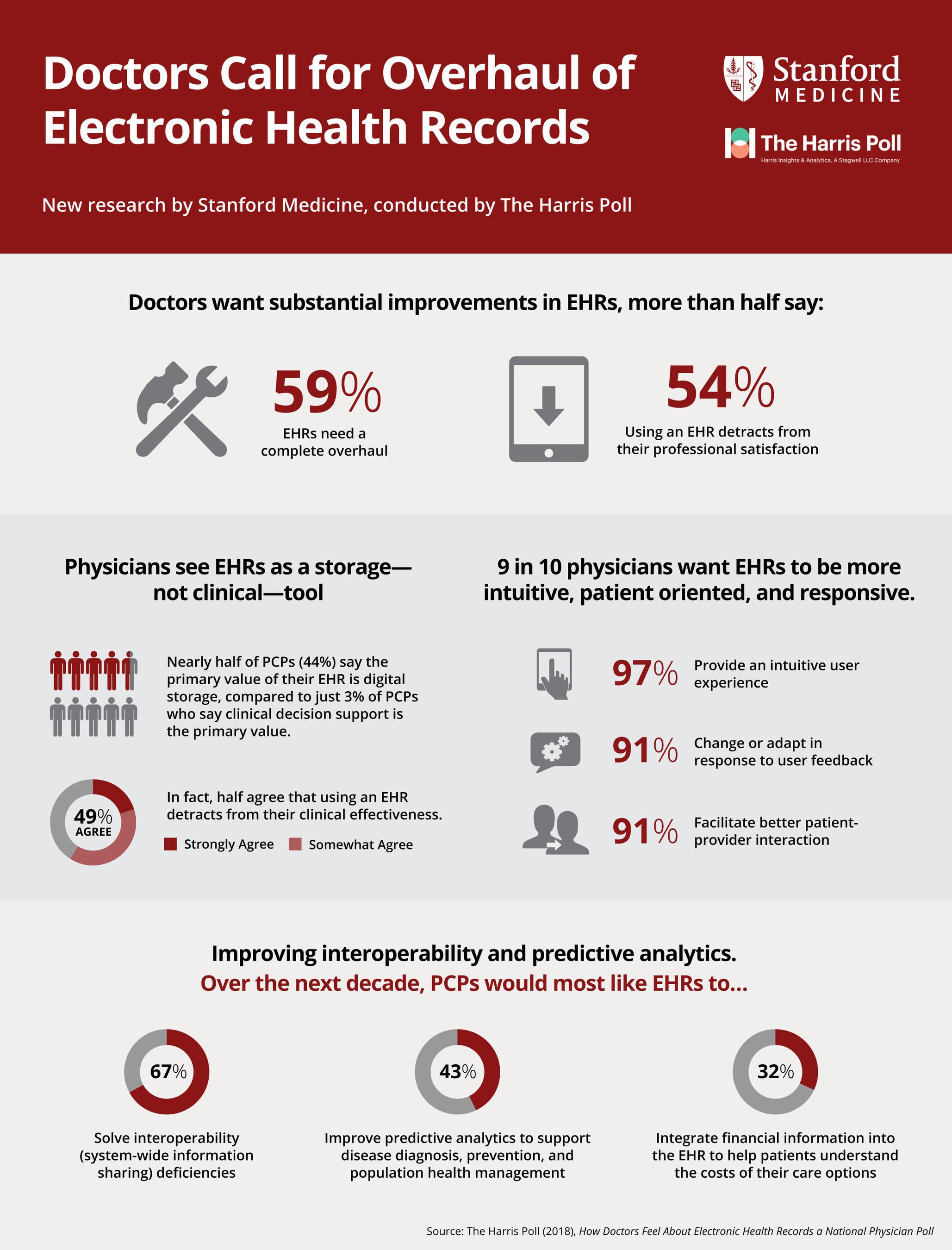
Doctors Call for EHR Overhaul

A New Research Study

By Stanford Medicine

***

***

***

Conclusion

Your thoughts and comments on this ME-P are appreciated. Feel free to review our top-left column, and top-right sidebar materials, links, URLs and related websites, too. Then, subscribe to the ME-P. It is fast, free and secure.

Speaker: If you need a moderator or speaker for an upcoming event, Dr. David E. Marcinko; MBA – Publisher-in-Chief of the Medical Executive-Post – is available for seminar or speaking engagements.

Book Marcinko: https://medicalexecutivepost.com/dr-david-marcinkos-bookings/

Subscribe: MEDICAL EXECUTIVE POST for curated news, essays, opinions and analysis from the public health, economics, finance, marketing, IT, business and policy management ecosystem.

DOCTORS:

“Insurance & Risk Management Strategies for Doctors” https://tinyurl.com/ydx9kd93

“Fiduciary Financial Planning for Physicians” https://tinyurl.com/y7f5pnox

“Business of Medical Practice 2.0” https://tinyurl.com/yb3x6wr8

HOSPITALS:

“Financial Management Strategies for Hospitals” https://tinyurl.com/yagu567d

“Operational Strategies for Clinics and Hospitals” https://tinyurl.com/y9avbrq5

***

Risk Management, Liability Insurance, and Asset Protection Strategies for Doctors and Advisors: Best Practices from Leading Consultants and Certified Medical Planners™8Comprehensive Financial Planning Strategies for Doctors and Advisors: Best Practices from Leading Consultants and Certified Medical Planners™

***

The “Comprehensive Health Record”

About icucare

[Dr. David Edward Marcinko MBA]

http://www.CertifiedMedicalPlanner.org

There is much discussion today about the concept of a “Comprehensive Health Record”. This is an extension of the traditional terminology of “Electronic Health Records (EHR), Electronic Medical Records and Personal Health Records”, etc.

http://www.HealthDictionarySeries.org

From theory to practice

Etymology notwithstanding, the ISeeYouCare’s patient-centric healthcare platform is founded on the premise that the patient’s electronic health record must be accessible throughout the care continuum, no matter the venue, source or time of day. This level of integration and transparency drives clinical quality, positive provider and patient experience and lower costs in a value based world. The family of solutions impacts from the hospital to the home with an unmatched level of clinical collaboration for the payer to the provider, patient and family.

At ISeeYouCare, they support the concept of a Comprehensive Health Record (CHR). Furthermore, they  see it as true to the original concept of electronic health records.


Benefits of a Comprehensive Health Record

There are many reported reasons for a patient to manage and maintain their own comprehensive health record.

• Obtaining medical records from hospital systems and disparate providers can take a great deal of time. Often, patients need information in a timely manner, due to an emergency or a new diagnosis. The delay in getting information is frustrating and can be deadly in case of an emergency.

• Health care providers do not have to keep your records forever. The requirements vary from state-to-state, but in general, most do not have to maintain records beyond ten years.

• Maintaining a full longitudinal record of your health improves care coordination and promotes easier sharing of information with family and caregivers.

• Having full copies of your medical records with accurate information makes it easier to connect with other patients or conduct research online so you have a better understanding of any health concerns.

• You can save costs by providing doctors with results of tests and procedures performed by other organizations.

• It helps you make sure that your health information is accurate

Assessment: So, decide for yourself: EHR or CHR? https://icucare.com/

Conclusion

Your thoughts and comments on this ME-P are appreciated. Feel free to review our top-left column, and top-right sidebar materials, links, urls and related websites, too. Then, subscribe to the ME-P. It is fast, free and secure.

Speaker: If you need a moderator or speaker for an upcoming event, Dr. David E. Marcinko; MBA – Publisher-in-Chief of the Medical Executive-Post – is available for seminar or speaking engagements. https://medicalexecutivepost.com/dr-david-marcinkos-bookings/

Contact: MarcinkoAdvisors@msn.com

***

Continued focus on improving EHRs (or is it CHRs?)

From EHR to CHR

By Dr. David Edward Marcinko MBA

http://www.CertifiedMedicalPlanner.org

I read this curated article and decided to send it right out to our ME-P readers for comment [EHR = CHR].

Nothing more needs to be said, on my part. Is this mere definitional obfuscation for flawed technology? http://www.HealthDictionarySeries.org

So, what do you think?

http://www.healthcareitnews.com/news/epic-ceo-judy-faulkner-standing-behind-switch-ehrs-chrs

Assessment

A rose by any other name still smells sweet. But, does not an onion stink?

Conclusion

Your thoughts and comments on this ME-P are appreciated. Feel free to review our top-left column, and top-right sidebar materials, links, URLs and related websites, too. Then, subscribe to the ME-P. It is fast, free and secure.

Speaker: If you need a moderator or speaker for an upcoming event, Dr. David E. Marcinko; MBA – Publisher-in-Chief of the Medical Executive-Post – is available for seminar or speaking engagements.

Book Marcinko: https://medicalexecutivepost.com/dr-david-marcinkos-bookings/
Subscribe: MEDICAL EXECUTIVE POST for curated news, essays, opinions and analysis from the public health, economics, finance, marketing, IT, business and policy management ecosystem.

***

3 Steps to Take Before Buying Healthcare E-Signature Solutions

Join Our Mailing List

More on Paperless Healthcare Records

[By Patrick McTosh]

The movement towards paperless healthcare is growing. Every year, more and more health professionals are beginning to implement EMRs and EHRs as a way to turn their file cabinets into data on a hard drive. While EHRs help the problems of storing paper, they do not create documents that can be legally, securely and efficiently shared with third parties and patients during day to day activities.

These issues can be addressed by implementing an electronic signature solution. These types of solutions allow professions to create documents for physician orders, prescriptions, patient admissions, consent forms and other important medical documents in a timely and relatively paper free manner.

Verify EHR or EMR Integration

It’s important to ensure that whatever electronic signature software is compatible with your current EHR and EMR software. While most e-signature solution providers claim they have specialized services for healthcare organization, it’s best to confirm with a phone call or email that they have experience integrating their services with the EMR that is currently in use.

Verify Local Legislation & Signature Guidelines

Hospital accreditors have already recognized e-signatures as equivalent to paper signatures. However, it’s always important to verify federal and state regulations regarding e-prescriptions and electronic signatures.

For example, the latest DEA regulations on electronic prescriptions require digital signatures to have at least a biometric authentication. In addition, some states have not adopted the Uniform Electronic Transactions Act and therefore have difference laws pertaining to the legality of e-signatures.

Most e-signature providers specializing in healthcare tend to be on top of these things because better legal compliance is one of the benefits of e-signatures as a whole, but it’s always better do double check.

eHRs

Ensure It’s Human Error Proof

Many e-signature solutions attempt to reduce the risk of human error due to lost, damage or incorrectly completed forms which can cause significant delays. As most e-signature software will actually guide the signer through the complete process ensuring that the document meets necessary requirements before sealing the document with a tamper-evident digital seal.

Assessment

However, not all providers have such precautions against human errors, but it is definitely a must in the healthcare industry.

Conclusion

Your thoughts and comments on this ME-P are appreciated. Feel free to review our top-left column, and top-right sidebar materials, links, URLs and related websites, too. Then, subscribe to the ME-P. It is fast, free and secure.

Link: http://feeds.feedburner.com/HealthcareFinancialsthePostForcxos

Speaker: If you need a moderator or speaker for an upcoming event, Dr. David E. Marcinko; MBA – Publisher-in-Chief of the Medical Executive-Post – is available for seminar or speaking engagements. Contact: MarcinkoAdvisors@msn.com

OUR OTHER PRINT BOOKS AND RELATED INFORMATION SOURCES:

DICTIONARIES: http://www.springerpub.com/Search/marcinko
PHYSICIANS: www.MedicalBusinessAdvisors.com
PRACTICES: www.BusinessofMedicalPractice.com
HOSPITALS: http://www.crcpress.com/product/isbn/9781466558731
CLINICS: http://www.crcpress.com/product/isbn/9781439879900
BLOG: www.MedicalExecutivePost.com
FINANCE: Financial Planning for Physicians and Advisors
INSURANCE: Risk Management and Insurance Strategies for Physicians and Advisors

Product DetailsProduct Details

Did the NSA End Obamacare?

Join Our Mailing List

Did ambitious NSA officials unintentionally end Obamacare years ago?

[By D. Kellus Pruitt DDS]

1-darrellpruittIf loss of trust in encryption ends Obamacare, can whistleblower Edward Snowden be blamed for that as well? Yep.

What’s even more ominous, the former National Security Agency contractor’s news that encrypted medical records are no longer secure reached Alaska on a weekend.

“Risky electronic health records: Alaska should make information exchange system safer – Imagine: The National Security Agency slips into your doctor’s office and peeks at your medical records,”

by Alaska ACLU executive director Joshua Decker was posted hours ago on Newsminer.com, out of Fairbanks.

http://www.newsminer.com/opinion/community_perspectives/risky-electronic-health-records-alaska-should-make-information-exchange-system/article_a9947eb0-1863-11e3-8153-001a4bcf6878.html

Decker questions the security of the state’s Health Information Exchange (HIE), and offers common sense but costly steps which arguably lessen the danger of privacy breaches – including giving patients the choice of “opting-in” to permit their encrypted, but increasingly vulnerable identities to be shared online via Obamacare’s exchanges.

My POV 

In my opinion, if informed Americans are given the choice of volunteering to risk identity theft, HIEs won’t be around a year from now, and neither will Obamacare. If informed Americans are not given a choice, the costs are even greater. Americans deserve honesty.

National Obamacare Hangs in the Balance

In a related, slow-burning game-changer, Obamacare hangs in the balance, not just for Alaska, but for the nation.

It was September 5th when the Guardian Weekly posted: “Revealed: how US and UK spy agencies defeat internet privacy and security,” written by James Ball, Julian Borger and Glenn Greenwald, and based on top secret NSA information Snowden stole.

http://www.theguardian.com/world/2013/sep/05/nsa-gchq-encryption-codes-security

Snowden told the Guardian that years ago, the NSA joined with the UK’s spy agency GCHQ (Government Communications Headquarters) to successfully make encryption obsolete – including for medical records.

Naturally, if properly informed Americans fear that secrets they tell their doctors might be breached, incorrect EHRs become less than worthless. They become dangerous.

More on Health Information Exchanges

What’s more, even before the added expense of waiting for Americans to opt-in to the exchanges – instead of discouraging them from opting-out – the very funding for the increasingly-battered Obamacare is based on a rumor of savings.

Starting years ago, health IT lobbyists, including former Speaker of the House Newt Gingrich, told lawmakers to expect annual savings of $77 billion and 100,000 lives – quoting the results of a once popular, EHR-friendly 2005 RAND study which was funded by General Electric and Cerner Corporation.

Obamacare

As you can see, while we were not paying attention, we were had!

The RAND Study

Predictably, both GE and Cerner profited immensely from the development and sales of EHR systems before the RAND study was widely discredited months ago – even by RAND.

According to a NY Times article from January, “Cerner’s revenue has nearly tripled since the report was released, to a projected $3 billion in 2013, from $1 billion in 2005.”

(See: “In Second Look, Few Savings From Digital Health Records by Reed Abelson and Julie Creswell, January 10, 2013).

http://www.nytimes.com/2013/01/11/business/electronic-records-systems-have-not-reduced-health-costs-report-says.html?_r=0

Assessment

Last weekend’s bad news for Obamacare is still under the radar, but I predict within days it will become apparent that the mounting obstacle between President Obama and healthcare reform will be in regaining trust his administration squandered while helping GE and Cerner profits at the expense of soon-to-be pissed off American patients.

Conclusion

Your thoughts and comments on this ME-P are appreciated. Feel free to review our top-left column, and top-right sidebar materials, links, URLs and related websites, too. Then, subscribe to the ME-P. It is fast, free and secure.

Link: http://feeds.feedburner.com/HealthcareFinancialsthePostForcxos

Speaker: If you need a moderator or speaker for an upcoming event, Dr. David E. Marcinko; MBA – Publisher-in-Chief of the Medical Executive-Post – is available for seminar or speaking engagements. Contact: MarcinkoAdvisors@msn.com

OUR OTHER PRINT BOOKS AND RELATED INFORMATION SOURCES:

DICTIONARIES: http://www.springerpub.com/Search/marcinko
PHYSICIANS: www.MedicalBusinessAdvisors.com
PRACTICES: www.BusinessofMedicalPractice.com
HOSPITALS: http://www.crcpress.com/product/isbn/9781466558731
CLINICS: http://www.crcpress.com/product/isbn/9781439879900
BLOG: www.MedicalExecutivePost.com
FINANCE: Financial Planning for Physicians and Advisors
INSURANCE: Risk Management and Insurance Strategies for Physicians and Advisors

Product DetailsProduct Details

Our Healthcare Referral System is Broken

Join Our Mailing List

About the Management Process

[By Staff Reporters]

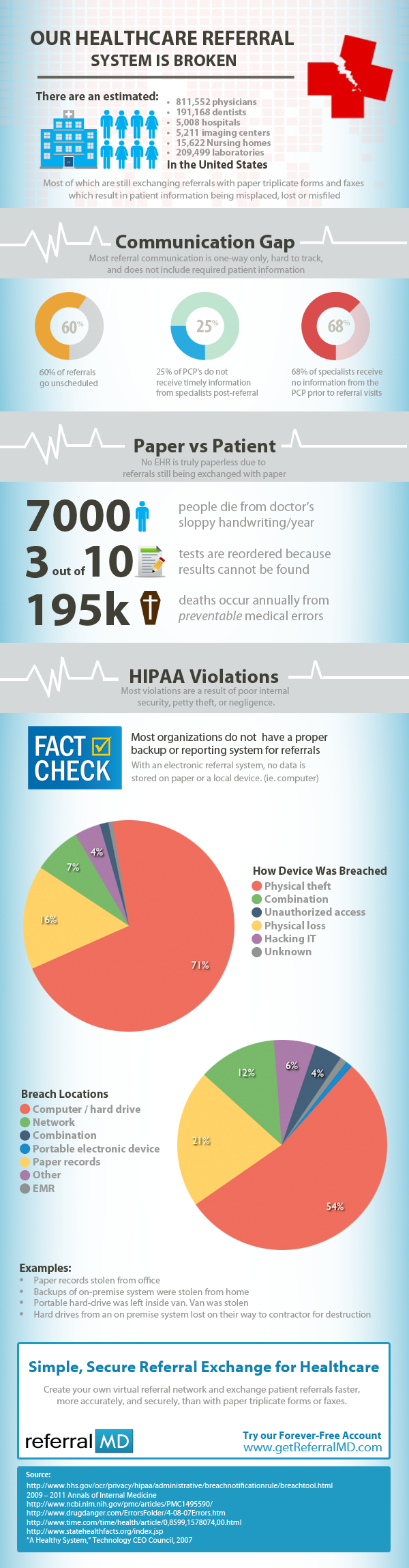
Our healthcare referral system is broken, according to Referral MD. The firm reviews some of the key factors that contribute to this system.

The Paper Trail

The following infographic highlights a key pain point in the healthcare referral system management process that despite healthcare providers adopting an EMR system, they are still utilizing paper.

A large percentage of processes in healthcare involve documents and forms that must be scanned and stored outside their existing EMR system such as records from referring physicians, patient consent forms, patient instructions, insurance authorization, etc.

Assessment

With so much paper still floating around, opportunities for HIPAA violations increase with as high as 86% of mistakes made in the healthcare industry stem from administrative activities.

Conclusion

Your thoughts and comments on this ME-P are appreciated. Feel free to review our top-left column, and top-right sidebar materials, links, URLs and related websites, too. Then, subscribe to the ME-P. It is fast, free and secure.

Speaker: If you need a moderator or speaker for an upcoming event, Dr. David E. Marcinko; MBA – Publisher-in-Chief of the Medical Executive-Post – is available for seminar or speaking engagements. Contact: MarcinkoAdvisors@msn.com

OUR OTHER PRINT BOOKS AND RELATED INFORMATION SOURCES:

Product Details

A Physician Query on “Used” eMR Billing System Value?

Understanding Residual Worth

“Ask an Advisor”

Submitted by an Anonymous, MD

Join Our Mailing List 

Greetings!

I am in a three man Neurology practice. Five years ago we invested in an all inclusive EMR / billing system with A4 Health Systems and Allscripts. The system cost close to $60,000 and has been constantly upgraded (for “free”). There are also yearly “maintenance” fees of about $7,000. Each physician also had to get a license at a cost of $7,000 each. A license now per physician is $13,000!  

Buy-Out Value

I am going to be leaving the practice in one year and would like to know how I go about getting the EMR appraised for my buy-out. I am not about to turn this very valuable system over to my partners as a “going away gift”. The system has been upgraded several times a year and the practice obviously could not run without it (i.e.: it is a tangible asset and has continued value in use). 

Assessment

PCs, printers, etc. may have depreciated in value but the system has not especially since it has been upgraded on a regular basis. Can you refer me to someone who is familiar with appraising EMR systems?

Conclusion

And so, your thoughts and comments on this ME-P are appreciated. How do you appraise a “used or second-hand” eMR system? Does it have any residual value at all! Feel free to review our top-left column, and top-right sidebar materials, links, URLs and related websites, too. Then, subscribe to the ME-P. It is fast, free and secure.

Speaker: If you need a moderator or speaker for an upcoming event, Dr. David E. Marcinko; MBA – Publisher-in-Chief of the Medical Executive-Post – is available for seminar or speaking engagements. Contact: MarcinkoAdvisors@msn.com and http://www.springerpub.com/Search/marcinko

Get our Widget: Get this widget!

Our Other Print Books and Related Information Sources:

Health Dictionary Series: http://www.springerpub.com/Search/marcinko

Practice Management: http://www.springerpub.com/product/9780826105752

Physician Financial Planning: http://www.jbpub.com/catalog/0763745790

Medical Risk Management: http://www.jbpub.com/catalog/9780763733421

Healthcare Organizations: www.HealthcareFinancials.com

Physician Advisors: www.CertifiedMedicalPlanner.com

Subscribe Now: Did you like this Medical Executive-Post, or find it helpful, interesting and informative? Want to get the latest ME-Ps delivered to your email box each morning? Just subscribe using the link below. You can unsubscribe at any time. Security is assured.

Link: http://feeds.feedburner.com/HealthcareFinancialsthePostForcxos

Sponsors Welcomed: And, credible sponsors and like-minded advertisers are always welcomed.

Link: https://healthcarefinancials.wordpress.com/2007/11/11/advertise

Product DetailsProduct DetailsProduct Details       

Product Details  Product Details

   Product Details 

On Hospital CPOE Systems [Part Two]

Join Our Mailing List

Computerized Physician Order Entry Systems

By Brent Metfessel; MD, MIS

A significant initial cost outlay for an organization-wide CPOE system is necessary, which for a large hospital may run into the tens of millions of dollars.  Understandably, the majority of the hospitals that have installed a CPOE system are large urban hospitals.  The up-front cost outlay may be prohibitive for smaller or rural hospitals unless there is an increase in outside revenue or third-party subsidies.

However, although it may take a few years before a positive ROI becomes manifest, there can be a significant financial return from such systems.

www.CPOE.org

Potential Benefits

The potential benefits of a CPOE system go beyond quality. Significant decreases in resource utilization can occur. In one study, inpatient costs were 12% lower and average Length of Stay (LOS) was 0.89 day shorter for patients residing on general medicine wards that used a CPOE system with decision support. Rather simple decision support tools can reap cost benefits as well. When a computerized antibiotic advisor was integrated with the ordering process, one institution realized a reduction in costs per patient ($26,325 vs. $35,283) and average LOS (10.0 days vs. 12.9 days), with all differences statistically significant.

Studies have shown that CPOE systems can significantly reduce medication error rates, including rates of serious errors.

For example, one large east coast hospital saw a 55% reduction in serious adverse medication errors after the system was installed. However, on occasion errors can actually be introduced due to the computing process; in particular, errors can be introduced if the provider accidentally selects the wrong medication from the list or drop-down menu.

Accordingly, a CPOE system should not be viewed as a replacement for the pharmacist in terms of checking for medication errors. In addition, proper user interface design such as highlighting every other line on the medication screen for better visibility and having the provider give a final check to the orders before sending are some ways of reducing this kind of error. Overall, error rates from incorrect order entry on the computer are much smaller than other medication errors prior to introduction of the system.

Appropriate use of a CPOE system helps prevent errors and quality of care deficiencies due to problems with the initiation of orders.  However, errors can also occur in the execution of orders, particularly with the administration of medications to patients.  Bar coding of medications, discussed previously, is a simple way to close the loop in medication error prevention as well as further increase the efficiency of workflow.

Despite its advantages, a CPOE system has been implemented on an organization-wide basis in only about 45% of all US hospitals and growth in implementations has been relatively slow, although about 67% plan to add a CPOE system in the next few years.  Implementing a CPOE system is not an easy task, and there is a significant risk of failure.  Most hospitals utilize vendors for implementation rather than attempting to develop the system in-house given the difficulty of hiring full-time IT talent that specializes in CPOE systems.

One critical feature of any CPOE system is to obtain physician buy-in to the technology, since they will be doing most of the ordering.  Actually, unless the system is of the highest sophistication, physicians may claim it takes more time to write orders using a CPOE system than using the paper chart, as there may be a number of drop-down menus to negotiate prior to arriving at the appropriate drug.  Real-time retrieval of information and electronic documentation, provision of on-line alerts, and the ability to use standard order sets (prepackaged sets of orders pertaining to a particular clinical condition or time period in an episode of care), when relevant, can make the net time spent on writing orders similar to using paper charts.

Doctor Acceptance

It is also important, for physician acceptance, to not overwhelm them with on-line alerts.  Clearly, the system needs to point out the more serious errors, but if the physician’s process is frequently interrupted by alerts, they may increasingly resist the system.

For example, medication allergy alerts may warn physicians not only of potential problems with medications that have an exact match to the allergen, but also, as a defensive maneuver (“better safe than sorry”), to other medications that have a related molecular structure,, even though the patient may already be taking such medication and tolerating it well.  Furthermore, allergies to medications that may result in life-threatening anaphylactic shock may not be distinguished from “sensitivities” that consist of side effects that are not true allergies and are usually much less serious.

Thus, the potential exists for frequent alert generation that would interrupt the work flow and require time spent to override the alerts, making the system difficult to use and leading to user resistance.  One suggested solution is to have a hierarchy of importance, with alerts for potentially life-threatening situations being allowed to interrupt the work flow and requiring specific override or acknowledgment, and alerts for less serious problems being “noninterruptive,” allowing easy visibility of the alert without requiring stoppage of the work flow.

Product DetailsProduct DetailsProduct Details

CPOE Pitfalls

Other pitfalls with respect to CPOE systems include the following:

  • crowded menus making it easy to select the wrong patient or wrong drug with the mouse;
  • fragmented information necessitating navigation through numerous screens to find the relevant information;
  • computer downtime (scheduled or unscheduled); and
  • location of terminals in busy places, which can lead to distractions and resulting incomplete or incorrect entries.

Intelligent, well-thought-out system designs can serve to mitigate many of these problems.  It is important that such difficulties appear on the systems designers’ “radar screen” and are explicitly considered in the implementation.

Pharmacists

As for pharmacists, a CPOE system will not take them out of the process. Although a CPOE system has the capability to capture many drug errors and remove the need for manual order entry, there will always be a need for pharmacists to not only give a second look at possible errors, but to take a more active role in patient care, including going on ward rounds for complex cases, defining optimal treatment, and giving consultative advice.

www.MedicalBusinessAdvisors.com

Assessment

A CPOE system has the potential to give physicians ready access to patient data anywhere in the hospital as well as at home or on the road, especially with Internet-based connections. This is significant given the difficulty in obtaining patient charts for mobile providers.

In today’s environment of high expectations for care quality and pay-for-performance initiatives, enhanced quality of care can translate into financial gain. Although there is a significant up-front allocation of funds for CPOE systems, given present trends the time may arrive where there is no longer a choice but to implement such a system.

Conclusion

Your thoughts and comments on this ME-P are appreciated. Feel free to review our top-left column, and top-right sidebar materials, links, URLs and related websites, too. Then, subscribe to the ME-P. It is fast, free and secure.

Link: http://feeds.feedburner.com/HealthcareFinancialsthePostForcxos

Speaker: If you need a moderator or speaker for an upcoming event, Dr. David E. Marcinko; MBA – Publisher-in-Chief of the Medical Executive-Post – is available for seminar or speaking engagements. Contact: MarcinkoAdvisors@msn.com

OUR OTHER PRINT BOOKS AND RELATED INFORMATION SOURCES:

DICTIONARIES: http://www.springerpub.com/Search/marcinko
PHYSICIANS: www.MedicalBusinessAdvisors.com
PRACTICES: www.BusinessofMedicalPractice.com
HOSPITALS: http://www.crcpress.com/product/isbn/9781466558731
CLINICS: http://www.crcpress.com/product/isbn/9781439879900
BLOG: www.MedicalExecutivePost.com
FINANCE: Financial Planning for Physicians and Advisors
INSURANCE: Risk Management and Insurance Strategies for Physicians and Advisors

Product Details

Improving Patient Control of eHRs

Join Our Mailing List

Traditional Command-Control Option Dying Out … Slowly!

[By Staff Reporters]Hospital Access Management

NewYork-Presbyterian Hospital recently introduced a new personal electronic health record [eHR] enabling patients to access medical information wherever and whenever they need it. Called myNYP.org, the system uses Microsoft’s HealthVault and Amalga technologies to offer patients the ability to select and store personal medical information generated during visits to NewYork-Presbyterian.

About NewYork-Presbyterian

NewYork-Presbyterian Hospital is one of the most comprehensive university hospitals in the world, with leading specialists in every field of medicine. The hospital is composed of two renowned medical centers, NewYork-Presbyterian Hospital/Columbia University Medical Center and NewYork-Presbyterian Hospital/Weill Cornell Medical Center, It is affiliated with two Ivy League medical institutions, Columbia University College of Physicians and Surgeons and Weill Cornell Medical College.

Assessment

MyNYP.org uses a “pull model” in which patients proactively opt to copy their medical data into their own personal health record and access that information using a secure username and password with any Web-enabled device. And yes, online bill pay features are available.

Conclusion

Your thoughts and comments on this ME-P are appreciated. Feel free to review our top-left column, and top-right sidebar materials, links, URLs and related websites, too. Then, subscribe to the ME-P. It is fast, free and secure.

Speaker: If you need a moderator or speaker for an upcoming event, Dr. David E. Marcinko; MBA – Publisher-in-Chief of the Medical Executive-Post – is available for seminar or speaking engagements. Contact: MarcinkoAdvisors@msn.com

OUR OTHER PRINT BOOKS AND RELATED INFORMATION SOURCES:

Product DetailsProduct Details


Understanding the PHI “Minimum Necessary” Rule

Join Our Mailing List

Protected Health Information and HIPAA

By Richard J. Mata; MD, MIS, CMP™ [Hon]

Dr. Mata

One important concept of the Health Insurance Portability and Accountability Act [HIPAA] is the “minimum necessary” rule, which states the minimum use of Protected Health Information [PHI] to identify a person, such as a social security number, home address, or phone number.

Only the essential elements are to be used in transferring information from the patient record to anyone else that needs this information.

Financial Information Included

This is especially important when financial information is being addressed. Only the minimum codes necessary to determine the cost should be provided to the financial department. No other information should be accessed by that department. Many institutions have systems where a registration or accounting clerk can pull up as much information as a doctor or nurse, but this is now against HIPAA policy and subject to penalties. The “minimum necessary” rule is also changing the way software is set up and vendor access is provided.

Human Resources

Another challenging task is keeping up with the number of people who access PHI, because the privacy regulations allow a patient to receive an accounting of anyone who has accessed their information, both internally (within your hospital, Emerging Healthcare Organization, or medical entity) and externally (such as through your business associates).  The patient has the right to know who in the lengthy data chain has seen their PHI.  This sets up an audit challenge for the medical organization, especially if the accountability is programmed internally.  When other business associates use this PHI without documenting access to a specific patient’s PHI, no one would be accountable for a breach in privacy.

http://www.findbookprices.com/author/Hope_Hetico

One way to track access is through a designated record set, which contains medical or mixed billing records, and any other information that a physician and/or medical practice utilizes for making decisions about a patient.  It is up to the hospital, EHO, or healthcare organization to define which set of information comprises “protected health information” and which does not, though logically this should not differ from locale to locale.

Assessment

Overlaps from the privacy regulations that are also addressed in the security regulations are access controls, audit trails, policies on e-mail and fax transmissions, contingency planning, configuration management, entity and personal authentication, and network controls. For more information about the Security Standards final rule; reference the Federal Register.

Conclusion

Your thoughts and comments on this ME-P are appreciated. Feel free to review our top-left column, and top-right sidebar materials, links, URLs and related websites, too. Then, subscribe to the ME-P. It is fast, free and secure.

Link: http://feeds.feedburner.com/HealthcareFinancialsthePostForcxos

Speaker: If you need a moderator or speaker for an upcoming event, Dr. David E. Marcinko; MBA – Publisher-in-Chief of the Medical Executive-Post – is available for seminar or speaking engagements. Contact: MarcinkoAdvisors@msn.com

OUR OTHER PRINT BOOKS AND RELATED INFORMATION SOURCES:

DICTIONARIES: http://www.springerpub.com/Search/marcinko
PHYSICIANS: www.MedicalBusinessAdvisors.com
PRACTICES: www.BusinessofMedicalPractice.com
HOSPITALS: http://www.crcpress.com/product/isbn/9781466558731
CLINICS: http://www.crcpress.com/product/isbn/9781439879900
BLOG: www.MedicalExecutivePost.com
FINANCE: Financial Planning for Physicians and Advisors
INSURANCE: Risk Management and Insurance Strategies for Physicians and Advisors

Product DetailsProduct DetailsProduct Details

Product DetailsProduct Details

Product Details

Wal-Mart’s Health Information Technolgy Game Plan

CCHIT Meet Sam Walton

By Darrell K. Pruitt; DDSpruitt3

Dana Blankenhorn posted an article recently on zdnet titled “Wal-Mart Selling Windows Health Records.”

Link: http://healthcare.zdnet.com/?p=1966

After reading it, I opened a good, cost-effective fortified breakfast wine and began hammering out my comment that I copied below, long before the sun came up.  Hope you enjoy it.  I’m going to get some sleep. 

Looks Like Rein

Coach Glen Tullman’s traditionally favored and tough Allscripts-Misys team originating in CCHIT meets Walton’s consumer-supported, nimble team from Arkansas in front of Sam’s home town crowd. As a sports fan and occasional off-color commentator standing on the sidelines, Dana, I think this ball game could get exciting. The weather is perfect for sloppy, poor conditions and heaven knows that these two ideologies share history.

Wal-Mart HIT 

Some odds-makers say Wal-mart’s success in selling healthcare IT at Sam’s Club prices and quality is likely to take off in their patented free-market style in the next few months. 

The big question is; could this threaten federally-favored Allscripts’ early advantage? 

For example; if things get competitive, and the value of MDRX starts to falter under natural pressure, will Trustee Tullman call on the reserve strength of his exclusive Club CCHIT to out-flank the quick and slippery Sam’s Club wide-ended attorneys?  Some say that if CCHIT suddenly selects surprising, deceptive and occasionally lame applications for certification requirements – that happen to already reflect Allscripts pre-determined game plan – it is a cinch to give Tullman’s team a head start around their strong side with a pulling guard or three from the right (weak side) to lead interference.

Assessment 

Will Sam protest such a rule? You bet. It could get messy. Snot could fly. 

Here is the question on this reporter’s mind. If close calls are occasionally ruled in the home team’s favor, will Tullman move on down the road? I like to watch the cheerleaders.

Conclusion

And so, your thoughts and comments on this Medical Executive-Post are appreciated.

Speaker: If you need a moderator or speaker for an upcoming event, Dr. David E. Marcinko; MBA – Publisher-in-Chief of the Medical Executive-Post – is available for seminar or speaking engagements. Contact: MarcinkoAdvisors@msn.com  or Bio: www.stpub.com/pubs/authors/MARCINKO.htm

Get our Widget: Get this widget!

Our Other Print Books and Related Information Sources:

Practice Management: http://www.springerpub.com/prod.aspx?prod_id=23759

Physician Financial Planning: http://www.jbpub.com/catalog/0763745790

Medical Risk Management: http://www.jbpub.com/catalog/9780763733421

Healthcare Organizations: www.HealthcareFinancials.com

Health Administration Terms: www.HealthDictionarySeries.com

Physician Advisors: www.CertifiedMedicalPlanner.com

Subscribe Now:Did you like this Medical Executive-Post, or find it helpful, interesting and informative? Want to get the latest ME-Ps delivered to your email box each morning? Just subscribe using the link below. You can unsubscribe at any time. Security is assured.

Link: http://feeds.feedburner.com/HealthcareFinancialsthePostForcxos


Product DetailsProduct DetailsProduct Details