BOARD CERTIFICATION EXAM STUDY GUIDES Lower Extremity Trauma
[Click on Image to Enlarge]
ME-P Free Advertising Consultation
The “Medical Executive-Post” is about connecting doctors, health care executives and modern consulting advisors. It’s about free-enterprise, business, practice, policy, personal financial planning and wealth building capitalism. We have an attitude that’s independent, outspoken, intelligent and so Next-Gen; often edgy, usually controversial. And, our consultants “got fly”, just like U. Read it! Write it! Post it! “Medical Executive-Post”. Call or email us for your FREE advertising and sales consultation TODAY [678.779.8597] Email: MarcinkoAdvisors@outlook.com
Medical & Surgical e-Consent Forms
ePodiatryConsentForms.com
iMBA Inc., OFFICES
Suite #5901 Wilbanks Drive, Norcross, Georgia, 30092 USA [1.678.779.8597]. Our location is real and we are now virtually enabled to assist new long distance clients and out-of-town colleagues.
ME-P Publishing
SEEKING INDUSTRY INFO PARTNERS?
If you want the opportunity to work with leading health care industry insiders, innovators and watchers, the “ME-P” may be right for you? We are unbiased and operate at the nexus of theoretical and applied R&D. Collaborate with us and you’ll put your brand in front of a smart & tightly focused demographic; one at the forefront of our emerging healthcare free marketplace of informed and professional “movers and shakers.” Our Ad Rate Card is available upon request [678-779-8597].
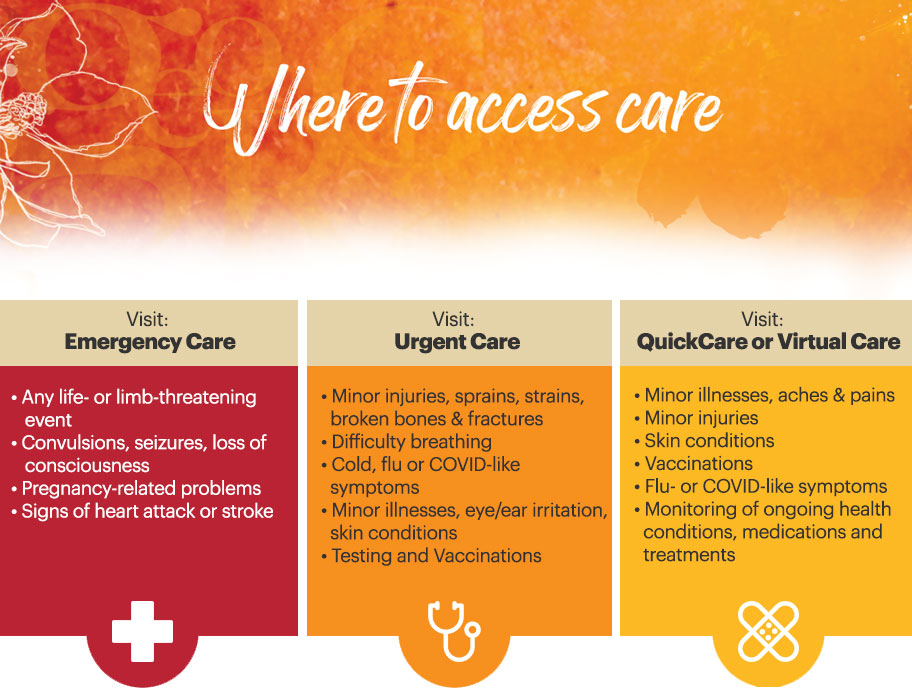
Classic: Acute care is a branch of secondary health care where a patient receives active but short-term treatment for a severe injury or episode of illness, an urgent medical condition, or during recovery from surgery. In medical terms, care for acute health conditions is the opposite from chronic care, or longer term care.
Modern: Acute care is active, short-term treatment for a severe injury or episode related to illness, an urgent medical condition or recovery from surgery.
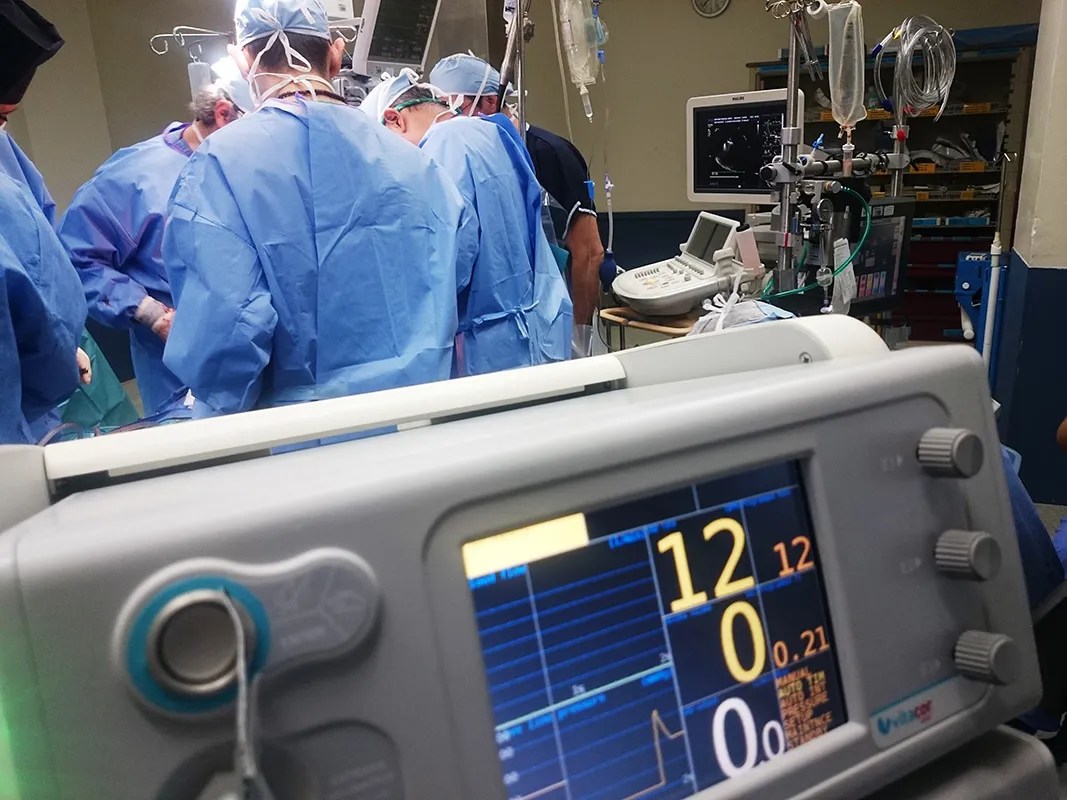
An emergency medicine physician is a medical doctor who specializes in the diagnosis, treatment, and management of acute and life-threatening medical conditions that require immediate intervention. These physicians work in hospital emergency departments, urgent care centers, and other acute care settings, where they provide rapid assessment, stabilization, and treatment to patients of all ages with a wide range of medical emergencies.
Emergency medicine physicians are trained to handle diverse medical emergencies, including trauma, cardiac emergencies, respiratory distress, severe infections, neurological emergencies, and obstetric emergencies, among others. They play a vital role in the front line management of medical emergencies, ensuring that patients receive prompt and appropriate care to improve outcomes and save lives.
***
Classic: Emergent Room or Emergency Department care is the provision of immediate medical service offering outpatient care for the treatment of acute and chronic illness and injury. It requires a broad and comprehensive fund of knowledge to provide such care. Excellence in care for patients with complex and or unusual conditions is founded on the close communication and collaboration between the urgent care medicine physician, the specialists and the primary physicians.
Modern: Urgent care does not replace your primary care physician. An urgent care center is a convenient option when someone’s regular physician is on vacation or unable to offer a timely appointment. Or, when illness strikes outside of regular office hours, urgent care offers an alternative to waiting for hours in a hospital Emergency Room.
Examples: Chest pain, bleeding that cannot be stopped and loss of consciousness; etc.
***
***
SOME ER DOCTORS WORK FOR FREE
The new president of emergency medicine for the Alberta Medical Association says Emergency Room physicians already coping with long hours, staff shortages and jammed waiting rooms are also being obligated, in some cases, to work for free. Dr. Warren Thirsk says the government has yet to follow through on a promise to reimburse emergency room doctors for so-called “good faith” payments.
“There’s been lots of excuses, but the bottom line is no one has actually received a penny for those suspended good-faith payments,” Thirsk said in an interview. “On average, every emergency physician in this province is out thousands of dollars for free work.” Good-faith payments reimburse ER doctors when they see patients who don’t have identification and can’t prove an Alberta Health Care Insurance Plan billing number.
Thirsk said the United Conservative government stopped those payments when it ripped up the master agreement with the AMA in early 2020. He said it promised to bring back those payments when the two sides agreed to a new deal in September 2022. But to date that hasn’t happened, he said.
“I’m legally and morally bound to look after you [if] you’re unidentified [as a patient],” said Thirsk, an emergency room doctor at Edmonton’s Royal Alexandra Hospital.
“I’m going to look after you because it’s the right thing to do no matter what the problem is.”
COMMENTS APPRECIATED
The Medical Executive-Post is a news and information aggregator and social media professional network for medical and financial service professionals. Feel free to submit education content to the site as well as links, text posts, images, opinions and videos which are then voted up or down by other members. Comments and dialog are especially welcomed. Daily posts are organized by subject. ME-P administrators moderate the activity. Moderation may also conducted by community-specific moderators who are unpaid volunteers.
Posted on July 25, 2024 by Dr. David Edward Marcinko MBA MEd CMP™
MEDICAL EXECUTIVE-POST–TODAY’SNEWSLETTERBRIEFING
***
Essays, Opinions and Curated News in Health Economics, Investing, Business, Management and Financial Planning for Physician Entrepreneurs and their Savvy Advisors and Consultants
“Serving Almost One Million Doctors, Financial Advisors and Medical Management Consultants Daily“
A Partner of the Institute of Medical Business Advisors , Inc.
You’ve heard of an emergency department and an urgent care center, but have you heard of a freestanding emergency department (FSED)? While only 1% of FSEDs were freestanding in 2001, that figure jumped to 11% in 2016, totaling 566 facilities nationwide. The concept of FSEDs dates back to the 1970s, when these facilities provided emergency care to people in rural areas who didn’t have convenient access to hospitals. In 2001, there were only 50 FSEDs in the US—now there are about 745, according to 2018 research by the Emergency Medicine Network, which Herscovici worked on.
The S&P 500 fell about 129 points (2.3%) to 5,427.13; the Dow Jones Industrial Average shed 504 points (1.3%) to 39,853.87; the NASDAQ Composite ended 655 points lower (3.6%) at 17,342.41.
The 10-year Treasury note yield (TNX) rose four basis points to 4.291%.
The CBOE Volatility Index® (VIX) surged 23% to 18.13.
What’s up
Enphase Energy gained 12.80% despite missing earnings estimates as investors cheered management’s very positive forecast for the solar company’s future.
AT&T phoned in a 5.22% pop after reporting a stronger than expected increase in its number of wireless subscribers, a key metric its competitor Verizon recently missed on.
Mattel rose yet another 9.80% as takeover rumors continue to swirl, with reports that rival toy maker Hasbro could place a competing bid.
Lamb Weston dropped like a hot potato, plunging 28.24% after the frozen food supplier announced earnings well below expectations and forecast a terrible second half of the year.
The Centers for Medicare and Medicaid Services (CMS) proposed CPT payment codes for some digital therapeutics products for the first time, potentially paving a pathway toward widespread reimbursement for the nascent industry.
In 2025, medical costs are projected to increase 8% in the group market and 7.5% in the individual market—the highest levels seen in 13 years—according to an analysis from consulting firm PwC’s Health Research Institute. The anticipated rise is mainly pinned on inflationary pressure, expensive pharmaceuticals, and an increasing number of patients seeking mental health care, analysts found.
Posted on June 4, 2024 by Dr. David Edward Marcinko MBA MEd CMP™
MEDICAL EXECUTIVE-POST–TODAY’SNEWSLETTERBRIEFING
***
Essays, Opinions and Curated News in Health Economics, Investing, Business, Management and Financial Planning for Physician Entrepreneurs and their Savvy Advisors and Consultants
“Serving Almost One Million Doctors, Financial Advisors and Medical Management Consultants Daily“
A Partner of the Institute of Medical Business Advisors , Inc.
Dollar General has ended a pilot program with mobile care provider DocGo, becoming the latest retailer to wind down primary care operations, spokespeople from both companies confirmed to Healthcare Brew on May 31st. The retail giant—the largest in the US by number of stores—began the healthcare partnership in 2023 after announcing ambitions to establish itself as a “health destination” two years prior. DocGo and Dollar General offered mobile health clinics with basic, preventive, and urgent care services at three stores in Tennessee. Dollar General executives previously said in a June 2023 press release that they would expand the DocGo pilot program to more stores.
The S&P 500® index (SPX) rose 5.89 points (0.1%) to 5,283.40; the Dow Jones Industrial Average® ($DJI) lost 115.29 points (0.3%) to 38,571.03; the NASDAQ Composite® ($COMP) advanced 93.65 points (0.6%) to 16,828.67.
The 10-year Treasury note yield (TNX) declined more than 11 basis points to 4.40%, near a two-week low.
The CBOE Volatility Index® (VIX) rose 0.19 to 13.11.
🟢 What’s up?
GameStop shares rose 21% after Roaring Kitty revealed his position in the stock. Fellow meme stocks popped in tandem, including AMC Holdings rising by 11.43%.
Bio-Path Holdings soared 56.80% after announcing strong phase 2 trial results for its new acute myeloid leukemia treatment.
Coherent shares popped 22.98% after the company announced it had poached Jim Anderson, the extremely competent CEO of Lattice Semiconductor—whose shares plummeted 15.49%.
What’s down?
GSK dropped 8.65% on the news that a Delaware court will allow scientific evidence to be heard in a series of lawsuits regarding the discontinued heartburn drug Zantac.
Boston Beer fell 3.25% after shareholders decided to take their winnings and run following Friday’s big pop after news of its apparent acquisition by Suntory.
Tractor Supply shares toppled 6.21%, likely on poor manufacturing news from the ISM Index, while Halliburton shares fell 5.34%, likely on poor oil news from OPEC+.
Dozens of Mexican stocks and ETFs tumbled today on the election of a new president. The steepest decline was seen by Grupo Financiero Banorte, SAB, which fell 11.38%.
Cyberattacks around the country are wreaking havoc on the ground at targeted hospitals, but a new study shows that security breaches hurt surrounding providers, too. The research published in JAMA on May 29 found that cyberattacks led to a decrease in emergency department (ED) visits at attacked hospitals and an increase in ED patients at nearby hospitals.
Posted on July 5, 2023 by Dr. David Edward Marcinko MBA MEd CMP™
A SINCERE SHOUT OUT!
By Staff Reporters
***
***
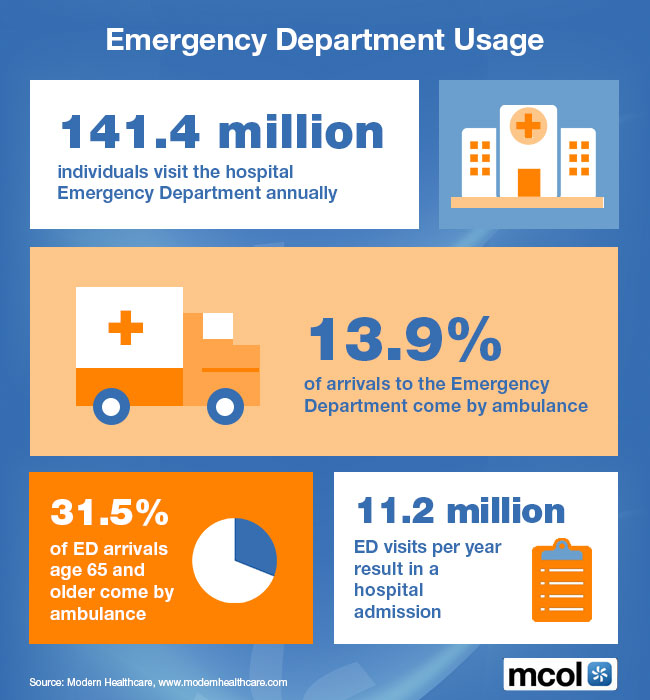
We hope you’ve recovered from overindulging in hot dogs, beer and parade candy; yesterday. The hospital employees out there are probably even busier than usual today, as more than 45,000 people on average visited emergency rooms on both July 4th and 5th due to holiday-related injuries.
On behalf of those ER patients, we thank all doctors, nurses, technicians and healthcare workers for their service.
Posted on May 26, 2023 by Dr. David Edward Marcinko MBA MEd CMP™
***
***
Even though timely follow-up care for self-harm or mental illness has been shown to prevent hospitalizations, reduce the chances of a repeat visit, and improve overall outcomes, less than a third of children receive follow-up care within seven days of their ED visit, and just over half (56%) receive care within a month, according to a recent study from Ann & Robert H. Lurie Children’s Hospital of Chicago.
More than a quarter of the children in the study returned to the ED within six months.
Your thoughts and comments on this ME-P are appreciated. Feel free to review our top-left column, and top-right sidebar materials, links, URLs and related websites, too. Then, subscribe to the ME-P. It is fast, free and secure.
Speaker: If you need a moderator or speaker for an upcoming event, Dr. David E. Marcinko; MBA – Publisher-in-Chief of the Medical Executive-Post – is available for seminar or speaking engagements.
Subscribe: MEDICAL EXECUTIVE POST for curated news, essays, opinions and analysis from the public health, economics, finance, marketing, IT, business and policy management ecosystem.
Whether you’re suffering from a broken bone or a life-threatening illness, a trip to the emergency room is always a scary prospect.
But, what happens when an ER is faced with more patients than it can accommodate? Between 1995 and 2010, annual ER visits in the U.S. grew by 34 percent, while the number of hospitals with ERs declined by 11 percent.
From long wait times to sky-high medical costs, overcrowding puts undue pressure on patients, providers and administrators when efficient, high-quality care matters most.
***
***
The online MHA degree program MHA@GW created this infographic to show the impact of overcrowding on U.S. emergency rooms. The graphic looks at some of the major causes of congested ERs, examines the impact on care delivery and explores proposed solutions to the problem of overcrowding.
Assessment
Help us raise awareness of this important issue by sharing the infographic above.
Conclusion
Your thoughts and comments on this ME-P are appreciated. Feel free to review our top-left column, and top-right sidebar materials, links, URLs and related websites, too. Then, subscribe to the ME-P. It is fast, free and secure.
Speaker: If you need a moderator or speaker for an upcoming event, Dr. David E. Marcinko; MBA – Publisher-in-Chief of the Medical Executive-Post – is available for seminar or speaking engagements. Contact: MarcinkoAdvisors@msn.com
OUR OTHER PRINT BOOKS AND RELATED INFORMATION SOURCES:
Posted on May 27, 2012 by Dr. David Edward Marcinko MBA MEd CMP™
An Insider’s Look Around
[By Staff Reporters]
Are you tired of those long Emergency Room wait times and the overcrowding once inside? The ERs are usually jammed on weekends, and holidays, right?
***
***
Assessment
Well – This video is an example of the many issues an emergency department will unlikely be able to help you with this Memorial day weekend. But, those medical personnel, and ME-P readers, who work in the EMS or ER setting can hopefully relate to this encounter. A word to the …wise!
Your thoughts and comments on this ME-P are appreciated. Feel free to review our top-left column, and top-right sidebar materials, links, URLs and related websites, too. Then, subscribe to the ME-P. It is fast, free and secure.
Speaker: If you need a moderator or speaker for an upcoming event, Dr. David E. Marcinko; MBA – Publisher-in-Chief of the Medical Executive-Post – is available for seminar or speaking engagements. Contact: MarcinkoAdvisors@msn.com
OUR OTHER PRINT BOOKS AND RELATED INFORMATION SOURCES:
Posted on February 11, 2009 by Dr. David Edward Marcinko MBA MEd CMP™
Emergency Department Diversions
By Staff Writers
According to Daniel L. Gee MD MBA, Scottsdale Healthcare in Arizona used consultants from Creative Healthcare USA on a recent project, rather than doing a full deployment of Six Sigma in its organization, to analyze its problem of emergency department (ED) “diversions.”
Emergency Department Diversions
Diversions happen when emergency departments are too full in capacity to handle acute emergencies and a decision is made to close its doors to patients and ambulances are diverted elsewhere. The issue of closed and diverted emergency rooms is a growing nationwide phenomenon because of fewer EDs and a growing aged and uninsured population. The consultants, using Six Sigma principles, mapped the ED process and found multiple bottlenecks that have a direct effect on the probability of evoking a “diversionary” status in the emergency room.
Out of Control Bottlenecks
One bottleneck process deemed “out of control,” in Six Sigma jargon, was the issue of bed control. A process is considered “in control” when operating within acceptable specification limits. It was found that the average transfer time for a patient admitted to a hospital bed from the emergency department was 80 minutes, of which half of this time, a bed is available and waiting. The process was a significant “waste of time” and, moreover, complicated by an Administrative Nurse “inspector” locating beds on different floors.
Sig Sigma Tenants
Two tenements of Six Sigma level of quality were violated: one is that having an inspection is a correction for an inefficient process and two, the more steps involved the less is the potential yield of a process. Through this revelation, the hospital eliminated the Administrative Nurse, reduced cycle time by 10% in bed control, and improvement ED throughput with greater turnover thereby, improving revenue by nearly $600,000.
Little’s Law
The addition of a nurse inspector and waiting patients in a busy ED is an example of “Little’s Law” or sometimes referred to as the first fundamental law of system behavior. When more and more inputs are put into a system, such as more ED patients and an additional nurse employee, and when there is variation in their arrival time (no control over patient arrivals) or process variation (different people doing the same things differently), there becomes an exponential rise in “cycle time.” Productivity of the system begins to fall and inefficiency and variation creeps in.
Assessment
An examination of the project types to which health care provider organizations have utilized Six Sigma methodology reveals almost any hospital or medical clinic process is a candidate.
Conclusion
And so, your thoughts and comments on this Medical Executive-Post are appreciated. Is Six Sigma a real medical quality control initiative that’s here to stay; or just another passing fad?
Speaker:If you need a moderator or speaker for an upcoming event, Dr. David E. Marcinko; MBA – Publisher-in-Chief of the MedicalExecutive-Post – is available for seminar or speaking engagements. Contact: MarcinkoAdvisors@msn.com or Bio: www.stpub.com/pubs/authors/MARCINKO.htm
Our Other Print Books and Related Information Sources:
Subscribe Now:Did you like this Medical Executive-Post, or find it helpful, interesting and informative? Want to get the latest ME-Ps delivered to your email box each morning? Just subscribe using the link below. You can unsubscribe at any time. Security is assured.







 Support our online development, and advance our onground research initiatives in free market economics, as we seek to showcase the brightest Next-Gen minds.
THE ME-P DISCLAIMER: Posts, comments and opinions do not necessarily represent iMBA, Inc., but become our property after submission. Copyright © 2006 to-date. iMBA, Inc allows colleges, universities, medical and financial professionals and related clinics, hospitals and non-profit healthcare organizations to distribute our proprietary essays, photos, videos, audios and other documents; etc. However, please review copyright and usage information for each individual asset before submission to us, and/or placement on your publication or web site. Attestation references, citations and/or back-links are required. All other assets are property of the individual copyright holder.
Support our online development, and advance our onground research initiatives in free market economics, as we seek to showcase the brightest Next-Gen minds.
THE ME-P DISCLAIMER: Posts, comments and opinions do not necessarily represent iMBA, Inc., but become our property after submission. Copyright © 2006 to-date. iMBA, Inc allows colleges, universities, medical and financial professionals and related clinics, hospitals and non-profit healthcare organizations to distribute our proprietary essays, photos, videos, audios and other documents; etc. However, please review copyright and usage information for each individual asset before submission to us, and/or placement on your publication or web site. Attestation references, citations and/or back-links are required. All other assets are property of the individual copyright holder.








 What’s down?







 The Leading Business Education Network for Doctors, Financial Advisors and Health Industry Consultants