ELDER ABUSE: Financial Exploitation Protection

By Rick Kahler CFP

***

***

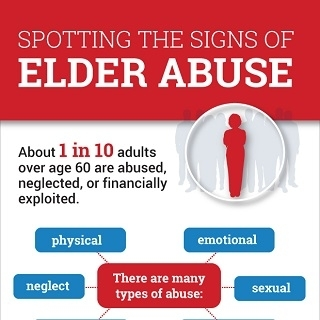
One serious risk to financial wellbeing in retirement that is difficult to talk about is financial exploitation. Someone whose cognitive abilities are declining is vulnerable to harm from both financial predators and their own financial misjudgments. Protecting such clients is a crucial part of a financial advisor’s role.

A little-known but important law, the Senior Safe Act, was enacted in 2018. It encourages financial advisors and institutions to report suspected elder abuse by offering immunity from legal liability when reports are made in good faith and with reasonable care. To qualify for these protections, financial professionals must undergo annual training to recognize the signs of exploitation and know how to act on their suspicions.

In many ways, the Senior Safe Act mirrors the duty of therapists to report when clients are threats to themselves, such as when a client becomes suicidal. Just as a therapist must balance confidentiality with the moral and legal responsibility to protect their client from harm, a financial advisor must weigh privacy against the need to prevent financial exploitation. Both roles rely on professional judgment, training, and the courage to act when the stakes are high.

Financial advisors, accountants, and attorneys are often the first to notice troubling signs that someone is being taken advantage of financially. These might include sudden large withdrawals, changes to account ownership or beneficiaries, or a newly and overly involved friend or family member. Behavioral shifts like confusion, anxiousness, secretiveness, or uncharacteristic deference are also red flags. These patterns are unsettling and demand attention, even when stepping in is uncomfortable.

Reporting possible elder abuse isn’t always straightforward, especially if the suspected abuser is a family member. As an advisor, I worry about misunderstandings, potential conflicts with the family, and even the possibility of damaging a relationship with the client. None of this is easy, But when the signs of exploitation become clear, staying silent could mean allowing harm to continue. That’s a risk I can’t take.

One of the tools I started using decades ago is the trusted contact disclosure form. This simple but powerful document allows clients to name someone my firm can contact if they notice unusual activity, such as a suspicious withdrawal or transfer. The trusted contact does not have control over the client’s account but serves as a resource to verify their well-being and ensure that their financial decisions align with their long-term goals. If you as a client have not signed such a form, it’s worth discussing with your advisor as a preventative step.

If you are concerned about the financial well-being of an elderly loved one, it’s crucial to alert not only their financial advisor but also other professionals like accountants, attorneys, or bankers. These professionals may have insights or access to information you don’t have, and by sharing your concerns, you provide a broader picture that can help them detect and address issues more effectively. Even if they are already monitoring for red flags, your input can provide valuable context to guide their next steps.

Difficult though it may be, stepping into uncomfortable territory is often essential to protecting vulnerable individuals. Whether it’s a financial advisor detecting exploitation or a therapist intervening in a mental health crisis, the goal is the same—to prevent harm while respecting the person’s autonomy.

The Senior Safe Act is a reminder that sometimes the most impactful safeguards work quietly behind the scenes. Taking simple steps like completing a trusted contact form or encouraging your loved one to work with a reputable, fiduciary advisor can make all the difference. Vigilance is an act of care that helps protect someone’s financial assets as well as their dignity and well-being.

COMMENTS APPRECIATED

Subscribe and Refer

***

***

The Deeper Damage From a Declining Dollar

By Rick Kahler CFPMSFP

***

***

DECLINE OF THE DOLLAR

On-again, off-again tariffs. Rising prices. Dramatic market swings. The anxiety-producing headlines come so fast it’s hard to know what to worry about first. Meanwhile, one serious consequence of all this chaos is going almost unnoticed. That is the decline of the dollar.

Since the start of this year, the value of the U.S. dollar has slipped more than 10% against other major currencies. That drop is not just an economic statistic. It affects all Americans’ daily lives.

People are feeling the pinch of rising prices at checkout lines, gas stations, and shipping counters. But there isn’t a full understanding of why. Tariffs are only half the story. The weakening dollar amplifies those price increases even further.

For years, the dollar remained strong even as the national debt ballooned. It benefited from its reputation as a safe haven, from global demand, and from U.S. interest rates. But much of that strength, as we now see, was fragile—propped up more by perception than fundamentals. In April, sweeping tariffs triggered a sharp market correction, and the dollar suddenly fell to its lowest point in over three years. Market confidence vanished overnight.

This was more than a market reaction. It signaled a collapse in trust—not just in policy, but in principle. It is no longer a given that the U.S. will act with consistency, reason, and long-term responsibility. What’s unraveling is both our country’s financial credibility and the moral foundation that underpinned it.

When a currency represents a nation, its value reflects more than economics. It reflects governance, accountability, stability, and integrity. When the dollar stumbles, it speaks to who we are, and whether we can still be counted on.

Yet, most people aren’t talking about the decline of the dollar. This may come from being overwhelmed, choosing to ignore even more bad news, or actually believing that this is a necessary step in making things better. It is not.

We all respond differently to financial uncertainty. Some lean into hyper-vigilance—tightening budgets, tracking every headline. Others shut down, turning toward distraction. Still others press on as if nothing has changed. These are all natural human reactions.

They are not the same as leadership. And leadership—internal and external—is what’s needed now. Not panic. Not blame. Just the courage to face where we are and the willingness to start again from there.

But leadership is in short supply in Washington, where many in both parties remain silent. Some fear political retribution from the administration, others fear backlash from increasingly extreme and vocal constituencies. That silence costs us all.

A respected government official recently told me that, while some of the domestic damage to our economy could be repaired within a few years, rebuilding global confidence in the United States may take a generation. That is a reflection of the rapid erosion of trust that has already happened in the last three months. Trust that took decades to build has been unwound in a matter of weeks. Even if we reversed every policy decision tomorrow, the damage is done.

We cannot change what’s already happened. We can still choose to show up. To pay attention. To have the hard conversations. To lead our own financial lives with more clarity, integrity, and intention than before. That kind of personal leadership may not fix the dollar. But it can help rebuild what underlies its value: trust, steadiness, and the moral grounding we’ve begun to lose.

Because the dollar’s decline is more than an economic headline.

It’s a story about who we are—and whether we’re ready to live with open eyes in a world where the old assumptions no longer hold.

COMMENTS APPRECIATED

Like and Refer

***

***

The Missing Piece in America’s Health Care Debate

By Rick Kahler CFP™

http://www.KahlerFinancial.com

***

The recent horrifying murder of UnitedHealthcare Group CEO Brian Thompson has called attention to the anger many Americans feel about our health care system. This tragedy has thrust the very real issue of health care costs back into the headlines.

One article on the topic, from Ken Alltucker for USA Today, offered seven reasons why Americans pay so much for health care with such poor results. When I saw the headline, I thought, “Finally, someone’s going to bring up the elephant in the room: taxes.”

The seven reasons included bloated administrative costs, lack of price transparency, overpaid specialists, higher prescription drug prices, and more. But I didn’t see a word about how, compared to other developed nations with “cheaper” health care, Americans pay far lower taxes. That omission feels like leaving a critical piece of the puzzle off the table.

***

***

In reality, countries with universal health care are not pulling off some magic trick of efficiency. They are simply collecting the money differently—through significantly higher taxes. Americans, on the other hand, pay for health care more directly, through out-of-pocket costs and insurance premiums.

In a column last year, I did the math. Americans spend about 17.8% of GDP on health care, plus 27.7% of GDP in taxes. That’s a total of 45.5%. Now compare that to twelve European countries with universal health care. They spend a median of 11.5% of GDP on health care and collect 41.9% of GDP in taxes. Total? 53.4%. In other words, Americans are spending 7.9% less overall on healthcare and taxes combined.

The saving isn’t what it appears, though. A fair comparison of healthcare costs and taxes needs to account for the fact that universal healthcare systems cover 100% of their populations, while the U.S. system currently leaves about 8% uninsured. If you factor in the cost of covering our uninsured residents, the U.S. likely spends a comparable percentage of income on healthcare as European countries with universal systems.

***

***

Our system is far from perfect. As the USA Today article points out, administrative costs are bloated. Harvard’s David Cutler estimates up to 25% of our health spending goes toward paperwork, phone calls, and processing. Price transparency is practically nonexistent. The cost of a diagnostic test might vary from $300 to $3,000 depending on where you go. We pay much more for prescription drugs and many procedures than those same treatments cost in other developed nations. Another issue is the fee-for-service model that rewards doctors for ordering more tests and procedures, whether or not patients get better.

We can do better. Innovations like value-based care, where providers are paid for outcomes rather than procedures, could help shift the system toward real results. Greater price transparency would empower patients to make informed choices and force providers to compete. And addressing administrative inefficiencies could save billions.

Yet fixing the system requires being honest about trade-offs. If we want universal health care at European price rates, we need to accept European tax rates. That’s the part of the conversation that often gets left out. It’s easy to be angry at hospitals, insurance companies, and drug manufacturers—and yes, they all have plenty to answer for. But we also need to face the reality that we’ve chosen a system that prioritizes lower taxes over centralized health care.

Anger may have put the flaws in our health care system in the spotlight. Finding genuine solutions will require moving beyond expressions of anger and frustration. It will demand thoughtful discussions about what kind of health care system, as individuals and as a nation, that we want and how we are willing to fund it.

EDUCATION: Books

COMMENTS APPRECIATED

Refer and Subscribe

***

***

PODCAST: Suicide Financial Crisis Risk?

By Rick Kahler MS CFP

***

***

I lost over $450,000, I cannot pay the bank, I’ll become homeless. Suicide is the only way out.”

This desperate plea summarizes one of the top posts a few months ago on a Reddit forum for the cryptocurrency Terra Luna. Like other cryptocurrencies, it has recently lost more than 99% of its value.

Over the past five years I have written several columns and given a number of media interviews on the risks of speculating in cryptocurrencies. My most recent one generated a conversation with several of my financial planning peers about the recent crypto meltdown. One of them called my attention to the discussions about suicide on cryptocurrency forums, where some members were posting suicide prevention phone numbers.

READ HERE: https://kahlerfinancial.com/financial-awakenings/money-psychology/financial-crisis-and-the-risk-of-suicide

***

COMMENTS APPRECIATED

Thank You

***

ORDER: https://www.routledge.com/Comprehensive-Financial-Planning-Strategies-for-Doctors-and-Advisors-Best/Marcinko-Hetico/p/book/9781482240283

****

M&As and ESG = PROFIT?

SPONSOR

http://www.MARCINKOASSOCIATES.com

By Staff Reporters

***

***

Companies’ ESG efforts can prove profitable when it comes to M&As, according to a recent KPMG US ESG survey, which showed that 41% of business leaders see ESG as a major source of financial value during M&As.

ESG: https://medicalexecutivepost.com/2023/03/27/on-socially-responsible-investing-2/

The survey polled 201 business leaders with ESG responsibilities at companies with more than $1 billion in revenue. Respondents were asked to rate how much value ESG brought them in different areas on a seven-point scale. KPMG interpreted scores of six or seven as indicative of major financial value.

Maybe Not: https://medicalexecutivepost.com/2023/07/18/esg-investing-reversal-of-fortune/

The findings are in line with KPMG’s recent ESG Due Diligence Survey, which found that ESG weaknesses can spell trouble during M&As. In that survey, 53% of corporate investors said they had canceled business deals because of ESG weaknesses uncovered during due diligence. A recent BDO survey likewise found that more than 80% of private equity fund managers have walked away from a deal due to ESG concerns.

VENTURE CAPITAL: https://marcinkoassociates.com/fmv-appraisals/

***

COMMENTS APPRECIATED

Thank You

***

***

RELATED TEXTBOOKS

DOCTORS:

“Insurance & Risk Management Strategies for Doctors” https://tinyurl.com/ydx9kd93

“Fiduciary Financial Planning for Physicians” https://tinyurl.com/y7f5pnox

“Business of Medical Practice 2.0” https://tinyurl.com/yb3x6wr8

HOSPITALS:

“Financial Management Strategies for Hospitals” https://tinyurl.com/yagu567d

“Operational Strategies for Clinics and Hospitals” https://tinyurl.com/y9avbrq5

***

Why is it SO DARN difficult to talk about money?

The SCREAM?

[By Rick Kahler MSFS CFP®]

Do you have difficulty talking to people about money? Specifically, about their money or yours?

Here’s a quick test that will give you an amazingly accurate answer to that question:

Ask the next five people you see how much they make and what they are worth, then share with them the same information about yourself. If you can do that with ease, you probably don’t have difficulty talking to people about money.

Of all those to whom I have suggested this test, hardly anyone has reported back that it was easy. Actually, most people encounter intense emotions just imagining doing the test. Very few complete or even attempt it.

That includes financial professionals. Many people will admit they find it difficult to talk about money, but few financial professionals will. After all, their profession is all about money, so how could they have trouble talking about it? Yet they do, when the money is theirs.

Research

Research finds that most people have such difficulty talking about their money that they will pay to keep their salary a secret. According to an October 16, 2018, article by Jacob Passy in Market Watch, researchers at Harvard Business School and UCLA found that 80% of those surveyed would be willing to pay money to stop coworkers from receiving an email containing their salary information.

“Employees may be afraid to ask coworkers about their salaries because that may force them to reveal their own salaries, which they dislike,” the researchers said.

Why, regardless of our profession, do we dislike telling people what we make or how much we are worth?

Net worth

To find out, try this quick exercise. Imagine asking the next five people you see to reveal their earnings and net worth and sharing your earnings and net worth with them. Then write down all the one-word feelings you can identify that this brings up. Next, write down the thoughts, beliefs, or reasons that come to mind that would keep you from asking or answering these financial questions. Don’t censor your responses, and keep writing until you have nothing else popping up.

You should now have a really good list of why you dislike talking about what you or other people earn and are worth financially.

***

***

Some of the common feelings are terror, panic, embarrassment, shame, guilt, shock, surprise, and anxiety.

Some of the thoughts are: 

  1. If I ask that, people will reject me and think I am a nutcase.
  2. If people find out what I am worth, they will shame and reject me.
  3. It’s too vulnerable to share financial information, I would rather talk about my sex life.
  4. I am afraid of being hurt, rejected, and shamed if I ask someone about their finances
  5. If people find out I don’t have much money, they’ll lose respect for me and take advantage of me.
  6. If people find out I have a lot of money, they’ll lose respect for me and take advantage of me.
  7. If they make more or are worth more than me, I will feel small and insignificant.
  8. If they make less or are worth less than me, I will feel guilty and unworthy of having more.
  9. People don’t like people who make more money or are worth more money than them.
  10. A person’s net worth is equal to their self-worth.

Assessment

Given the emotional weight of money as a topic, at your company Christmas party you may want to stick to talking about politics or religion. If you do want to spice things up and ask “The Money Question,” I would be interested to know about your experience.

Conclusion

Your thoughts and comments on this ME-P are appreciated. Feel free to review our top-left column, and top-right sidebar materials, links, URLs and related websites, too. Then, subscribe to the ME-P. It is fast, free and secure.

Speaker: If you need a moderator or speaker for an upcoming event, Dr. David E. Marcinko; MBA – Publisher-in-Chief of the Medical Executive-Post – is available for seminar or speaking engagements.

Book Marcinko: https://medicalexecutivepost.com/dr-david-marcinkos-bookings/

Subscribe: MEDICAL EXECUTIVE POST for curated news, essays, opinions and analysis from the public health, economics, finance, marketing, IT, business and policy management ecosystem.

DOCTORS:

“Insurance & Risk Management Strategies for Doctors” https://tinyurl.com/ydx9kd93

“Fiduciary Financial Planning for Physicians” https://tinyurl.com/y7f5pnox

“Business of Medical Practice 2.0” https://tinyurl.com/yb3x6wr8

HOSPITALS:

“Financial Management Strategies for Hospitals” https://tinyurl.com/yagu567d

“Operational Strategies for Clinics and Hospitals” https://tinyurl.com/y9avbrq5

***

Risk Management, Liability Insurance, and Asset Protection Strategies for Doctors and Advisors: Best Practices from Leading Consultants and Certified Medical Planners™8Comprehensive Financial Planning Strategies for Doctors and Advisors: Best Practices from Leading Consultants and Certified Medical Planners™

On Overspending and Overeating?

Join Our Mailing List 

Is there a Causal Relationship?

Rick Kahler CFPBy Rick Kahler CFP® http://www.KahlerFinancial.com

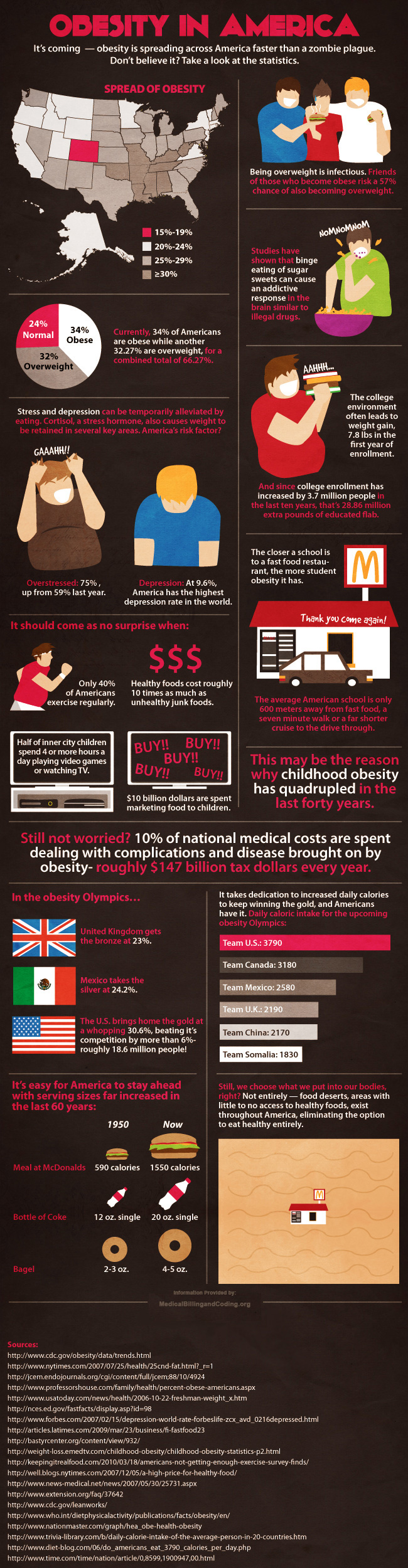
Over the years, I’ve noticed a commonality among people with money problems. Many of them are also overweight. Is there a relationship between overspending and overeating?

Behavioral science

Until now, I couldn’t be sure my experience was anything more than circumstantial. But I recently read about a 2009 study done by Dr. Eva Munster at the University of Mainz in Germany. It found that people who were in deep consumer debt were 2.5 times more likely to be overweight than those who were debt free. This confirms what I’ve observed over the past 15 years.

It isn’t possible to pinpoint one simple reason for this link. Among the causes I’ve seen suggested are overeating because of the stress of being in debt, difficulty buying healthful food with limited income, or an inability to delay gratification in both spending and eating.

Based on my work with people in financial trouble, however, I suspect a deeper root cause. Just as chronic money problems aren’t about the money, chronic weight problems probably aren’t about the food.

Evidence?

For supporting evidence, I went to an expert: my daughter. London recently took a graduate level course in previewing medicine. I asked her what the medical link between overspending and overeating might be. She explained that sugar is addictive and lights up the same part of the brain that narcotics do. It produces a euphoric response within the brain that calls for more of the substance when the euphoria subsides.

She wondered whether people addicted to sugar might overspend on junk food to feed their addiction. They might also spend money they really don’t have on diets, fitness centers, and the higher medical costs associated with being overweight.

I pointed out that I spend a lot on healthy food that costs more than junk food. I also spend money on a fitness center and medical costs to pay for the damage I do to my body compulsively working out. “Well, I guess my argument doesn’t hold much weight,” she quipped.

She pondered for a moment. “Oh, I think I got it. I’ll bet for some people spending money lights up the same part of the brain as sugar and narcotics?”

###

Obesity in the USA

###

Bingo!

That is why the key to changing any addictive behavior—eating, drinking, using drugs, or overspending—is not simply about eliminating the substance or the activity. Something else just pops up to take its place. That’s why many people who successfully stop drinking gain weight or get into serious money problems. The brain just substitutes one dopamine producer for another.

The ultimate answer is a sort of “rewiring” of the brain to create new neuropathways that do not require the harmful substance or activity to produce the same euphoric event. The latest research on the brain tells us this rewiring is completely doable.

I’ve seen that permanently changing the most entrenched damaging money behaviors takes more than knowledge about money or budgeting. Experts on obesity tell us the solution to permanently losing weight rarely lies with learning more about nutrition or finding the right diet. Making deep life changes such as these requires looking into the past. This recovery process takes time, effort, and money. It’s a path that many people are just not willing to follow.

Assessment

But there may be some good news. If the underlying causes for overeating and overspending are the same, then doing the work to recover from one is likely to help someone recover from the other, as well. It’s a sort of “two for the price of one” sale. In terms of long-term financial, physical, and emotional well-being, it seems like a bargain.

More: Are Doctors Spenders or Savers?

Conclusion

Your thoughts and comments on this ME-P are appreciated. Feel free to review our top-left column, and top-right sidebar materials, links, URLs and related websites, too. Then, subscribe to the ME-P. It is fast, free and secure.

Link: http://feeds.feedburner.com/HealthcareFinancialsthePostForcxos

Speaker: If you need a moderator or speaker for an upcoming event, Dr. David E. Marcinko; MBA – Publisher-in-Chief of the Medical Executive-Post – is available for seminar or speaking engagements. Contact: MarcinkoAdvisors@msn.com

OUR OTHER PRINT BOOKS AND RELATED INFORMATION SOURCES:

Health Dictionary Series: http://www.springerpub.com/Search/marcinko

Practice Management: http://www.springerpub.com/product/9780826105752

Physician Financial Planning: http://www.jbpub.com/catalog/0763745790

Medical Risk Management: http://www.jbpub.com/catalog/9780763733421

Hospitals: http://www.crcpress.com/product/isbn/9781439879900

Physician Advisors: www.CertifiedMedicalPlanner.org

Product Details  Product Details