3 Behavioral Biases Hurting Your Finances

By Dr. David Edward Marcinko MBA MEd CMP

SPONSOR: http://www.CertifiedMedicalPlanner.org

***
***

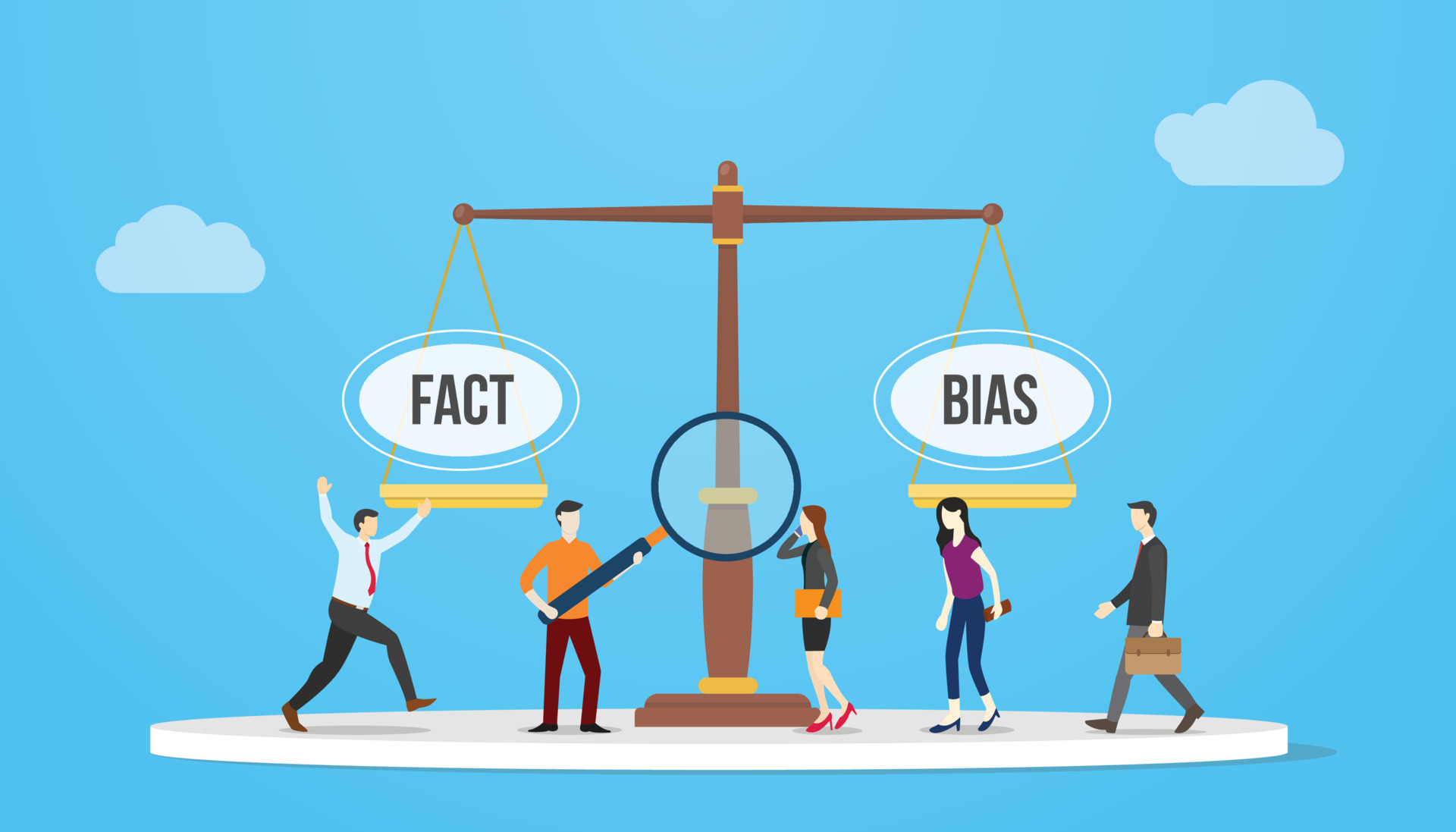
The study of behavioral economics has revealed much about how different biases can affect our finances—often for the worse.

Take loss aversion: Because we feel a financial setback more acutely than a commensurate gain, we often cling to failed investments to avoid realizing the loss. Another potential hazard is present bias, or the tendency to prefer instant gratification over long-term reward, even if the latter gain is greater.

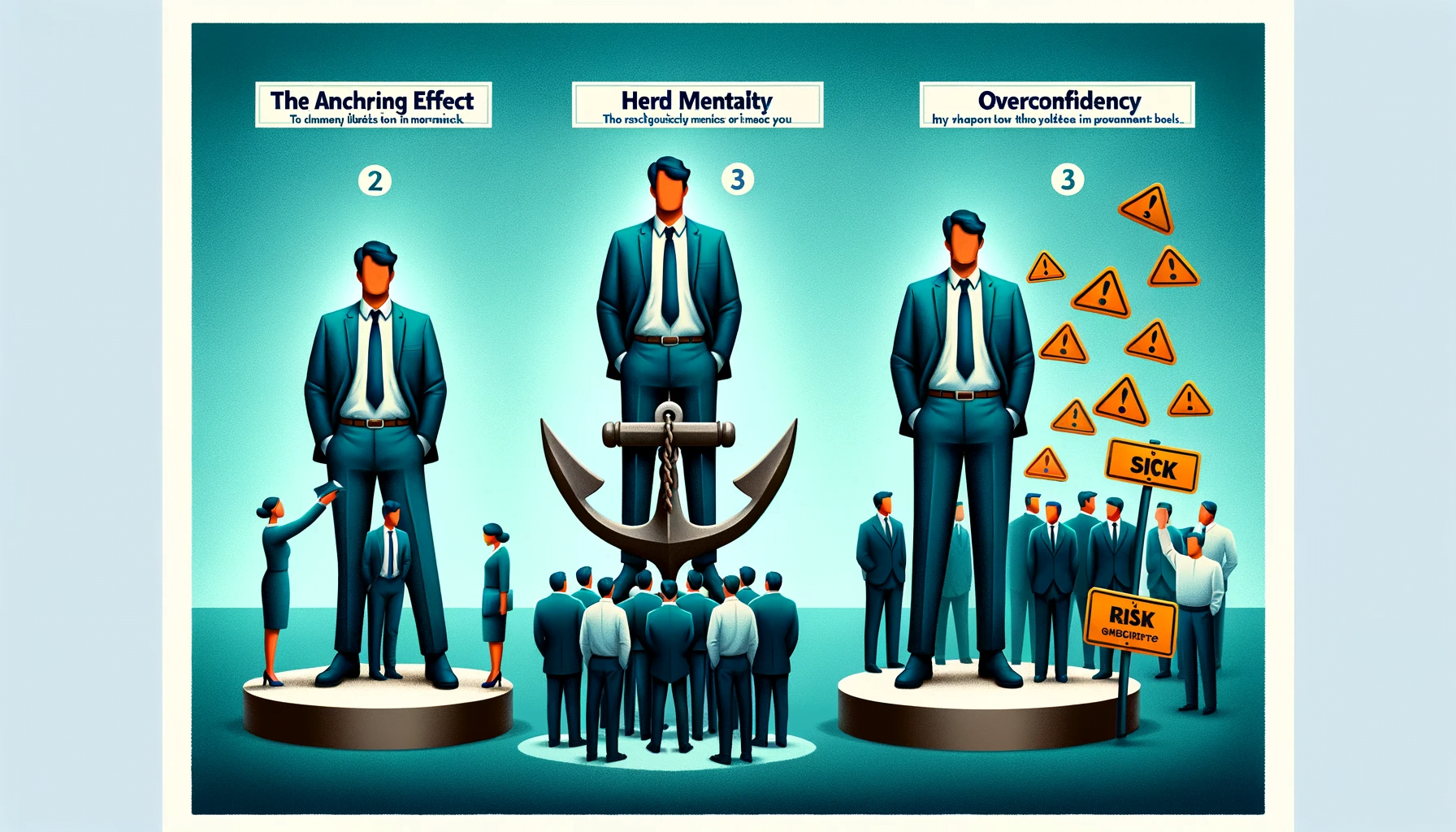
When it comes to money, sometimes it’s difficult to make rational decisions. Here, are three behavioral financial biases that could be impeding financial goals.

ANCHORING BIAS

Anchoring Bias happens when we place too much emphasis on the first piece of information we receive regarding a given subject. Anchoring is the mental trick your brain plays when it latches onto the first piece of information it gets, no matter how irrelevant. You might know this as a ‘first impression’ when someone relies on their own first idea of a person or situation.

Example: When shopping for a wedding ring a salesman might tell us to spend three months’ salary. After hearing this, we may feel like we are doing something wrong if we stray from this financial advice, even though the guideline provided may cause us to spend more than we can afford.

Example: Imagine you’re buying a car, and the salesperson starts with a high price. That number sticks in your mind and influences all your subsequent negotiations. Anchoring can skew our decisions and perceptions, making us think the first offer is more important than it is. Or, subsequent offers lower than they really are.

Example: Imagine an investor named Jane who purchased 100 shares of XYZ Corporation at $100 per share several years ago. Over time, the stock price declined to $60 per share. Jane is anchored to her initial price of $100 and is reluctant to sell at a loss because she keeps hoping the stock will return to her original purchase price. She continues to hold onto the stock, even as it declines, due to her anchoring bias. Eventually, the stock price drops to $40 per share, resulting in significant losses for Jane.

In this example, Jane’s nchoring bias to the original purchase price of $100 prevents her from rationalizing to sell the stock and cut her losses, even though market conditions have changed. So, the next time you’re haggling for your self, a potential customer or client, or making another big financial decision, be aware of that initial anchor dragging you down.

HERD MENTALITY BIAS

Herd Mentality Bias makes it very hard for humans to not take action when everyone around us does.

Example: We may hear stories of people making significant monetary profits buying, fixing up, and flipping homes and have the desire to get in on the action, even though we have no experience in real estate.

Example: During the dotcom bubble of the late 1990’s many investors exhibited a herd mentality. As technology stocks soared to astronomical valuations, investors rushed to buy these stocks driven by the fear of missing out on the gains others were enjoying. Even though some of these stocks had questionable fundamentals, the herd mentality led investors to follow the crowd.

In this example, the herd mentality contributed to the overvaluation of technology stocks. Eventually, it led to the dot-com bubble’s burst, causing significant losses for those who had unthinkingly followed the crowd without conducting proper research or analysis.

OVERCONFIDENT INVESTING BIAS

Overconfident Investing Bias happens when we believe we can out-smart other investors via market timing or through quick, frequent trading. This causes the results of a study to be unreliable and hard to reproduce in other research settings.

Example: Data convincingly shows that people and financial planners/advisors and wealth managers who trade most often under-perform the market by a significant margin over time. Active traders lose money.

Example: Overconfidence Investing Bias moreover leads to: (1) excessive trading (which in turn results in lower returns due to costs incurred), (2) underestimation of risk (portfolios of decreasing risk were found for single men, married men, married women, and single women), (3) illusion of knowledge (you can get a lot more data nowadays on the internet) and (4) illusion of control (on-line trading).

ASSESSMENT

Finally, questions remain after consuming this cognitive bias review.

Question: Can behavioral cognitive biases be eliminated by financial advisors in prospecting and client sales endeavors?

A: Indeed they can significantly reduce their impact by appreciating and understanding the above and following a disciplined and rational decision-making sales process.

Question: What is the role of financial advisors in helping clients and prospects address behavioral biases?

A: Financial advisors can provide an objective perspective and help investors recognize and address their biases. They can assist in creating well-structured investment and financial plans, setting realistic goals, and offering guidance to ensure investment decisions align with long-term objectives.

Question: How important is self-discipline in overcoming behavioral biases?

A; Self-discipline is crucial in overcoming behavioral biases. It helps investors and advisors adhere to their investment plans, avoid impulsive decisions, and stay focused on long-term goals reducing the influence of emotional and cognitive biases.

CONCLUSION

Remember, it is far more useful to listen to client beliefs, fears and goals, and to suggest options and offer encouragement to help them discover their own path toward financial well-being. Then, incentivize them with knowledge of the above psychological biases to your mutual success!

EDUCATION: Books

SPEAKING: Dr. Marcinko will be speaking and lecturing, signing and opining, teaching and preaching, storming and performing at many locations throughout the USA this year! His tour of witty and serious pontifications may be scheduled on a planned or ad-hoc basis; for public or private meetings and gatherings; formally, informally, or over lunch or dinner. All medical societies, financial advisory firms or Broker-Dealers are encouraged to submit an RFP for speaking engagements: CONTACT: Ann Miller RN MHA at MarcinkoAdvisors@outlook.com 

REFERENCES:

  • Marcinko, DE; Dictionary of Health Insurance and Managed Care. Springer Publishing Company, New York, 2007.
  • Marcinko, DE: Comprehensive Financial Planning Strategies for Doctors and Advisors: Best Practices from Leading Consultants and Certified Medical Planners™. Productivity Press, NY, 2016.
  • Marcinko, DE: Risk Management, Liability and Insurance Strategies for Doctors and Advisors: Best Practices from Leading Consultants and Certified Medical Planners™. Productivity Press, NY, 2017.
  • Nofsinger, JR: The Psychology of Investing. Rutledge Publishing, 2022
  • Winters, Scott:  The 10X Financial Advisor: Your Blueprint for Massive and Sustainable Growth. Absolute Author Publishing House, 2020.
  • Woodruff, Mandy: https://www.mandimoney.com

COMMENTS APPRECIATED

Like, Subscribe and Refer

***

***

BIAS: Financial Myopia

By A.I. and Staff Reporters

***

***

BIAS

Bias is a prejudice in favor of or against one thing, person, or group compared with another, usually in a way considered to be unfair.

MYOPIA

Myopia (nearsightedness) is a common condition that’s usually diagnosed before age 20. It affects your distance vision — you can see objects that are near, but you have trouble viewing objects that are farther away like grocery store aisle markers or road signs. Myopia treatments include glasses, contact lenses or surgery.

MYOPIA BIAS

Myopia Bias makes it hard for us to imagine what our lives might be like in the future.

Financial Example: When we are young, healthy and in our prime economic earning years it may be hard for us to picture what life will be like when our health depletes and we no longer have the earnings necessary to support our standard of living.

Irony: This short-sightedness makes it hard to save adequately when we are young … when saving does the most good.

COMMENTS APPRECIATED

EDUCATION: Books

Like, Refer and Subscribe

***

***

PSYCHOLOGICAL BIAS: The Ikea Effect in Finance?

By Dr. David Edward Marcinko; MBA MEd CMP

SPONSOR: http://www.CertifiedMedicalPlanner.org

***

***

IKEA EFFECT BIAS

Ikea Effect Bias describes the tendency of people to place a higher value on products they have partially created or assembled themselves. This phenomenon is named after the Swedish furniture retailer Ikea, known for selling furniture in flat-pack kits that customers must assemble at home.

he IKEA effect was identified and named by Michael Norton of Harvard Business School, Daniel Mochon of Yale University and colleague Dan Ariely PhD of Duke University, who published the results of three studies in 2011. They described the IKEA effect as “labor alone can be sufficient to induce greater liking for the fruits of one’s labor: even constructing a standardized bureau, an arduous, solitary task, can lead people to overvalue their (often poorly constructed) creations.”

Example: A prospect is more likely to pursue his/her own financial plan than that one from an informed financial planner, CPA or professional advisor.

2011 study found that subjects were willing to pay 63% more for furniture they had assembled themselves than for equivalent pre-assembled items.

IN FINANCE AND INVESTING

The IKEA effect can contribute to reducing panic selling. Investors typically reduce their stock market exposure after a financial crash which often results in “buy high, sell low” strategy that is detrimental to long-run wealth accumulation.

Ashtiani et al.’s study proposes a nudge utilizing the IKEA effect to counteract this phenomenon: “actively involving investors in the selection process of the risky investments, while restricting their selections in a way that preserves a large degree of diversification.”

DIVERSIFICATION: https://medicalexecutivepost.com/2025/06/17/correlation-diversification-in-finance-and-investments/

COMMENTS APPRECIATED

EDUCATION: Books

SPEAKING: Dr. Marcinko will be speaking and lecturing, signing and opining, teaching and preaching, storming and performing at many locations throughout the USA this year! His tour of witty and serious pontifications may be scheduled on a planned or ad-hoc basis; for public or private meetings and gatherings; formally, informally, or over lunch or dinner. All medical societies, financial advisory firms or Broker-Dealers are encouraged to submit an RFP for speaking engagements: CONTACT: Ann Miller RN MHA at MarcinkoAdvisors@outlook.com -OR- http://www.MarcinkoAssociates.com

***

Like, Refer and Subscribe

***

***

Do Political Biases Shape Your Financial Planner’s Advice?

Subscribe to continue reading

Subscribe to get access to the rest of this post and other subscriber-only content.

BIAS: Beware Overconfident Investing

By Staff Reporters and A.I.

SPONSOR: http://www.CertifiedMedicalPlanner.org

***

***

OVERCONFIDENT INVESTING BIAS

Overconfident Investing Bias happens when we believe we can out-smart other investors via market timing or through quick, frequent trading. This causes the results of a study to be unreliable and hard to reproduce in other research settings.

Example: Data convincingly shows that people and financial planners/advisors and wealth managers who trade most often under-perform the market by a significant margin over time. Active traders lose money.

Example: Overconfidence Investing Bias moreover leads to: (1) excessive trading (which in turn results in lower returns due to costs incurred), (2) underestimation of risk (portfolios of decreasing risk were found for single men, married men, married women, and single women), (3) illusion of knowledge (you can get a lot more data nowadays on the internet) and (4) illusion of control (on-line trading).

***

***

MORE:

COMMENTS APPRECIATED

Like and Subscribe

***

***

COGNITIVE BIAS: Negativity V. Pessimism

By Staff Reporters

***

***

Negativity bias is not totally separate from pessimism bias, but it is subtly and importantly distinct. In fact, it works according to similar mechanics as the sunk cost fallacy in that it reflects our profound aversion to losing. We like to win, but we hate to lose even more.

And so, according to cognitive scientist Mackenzie Marcinko PhD, when we make a decision, we generally think in terms of outcomes—either positive or negative. The bias comes into play when we irrationally weigh the potential for a negative outcome as more important than that of a positive outcome.

***

***

Pessimism bias on the other hand, is a cognitive bias that causes people to overestimate the likelihood of negative things and underestimate the likelihood of positive things, especially when it comes to assuming that future events will have a bad outcome.

For example, the pessimism bias could cause someone to believe that they’re going to fail an exam, even though they’re well-prepared and are likely to get a good grade.

According to colleague Dan Ariely PhD, The pessimism bias can distort people’s thinking, including your own, in a way that leads to irrational decision-making, as well as to various issues with your mental health and emotional well being.

COMMENTS APPRECIATED

Subscribe Today!

***

***

MOTIVATION: “Rose Colored” Reasoning

By Staff Reporters

***

***

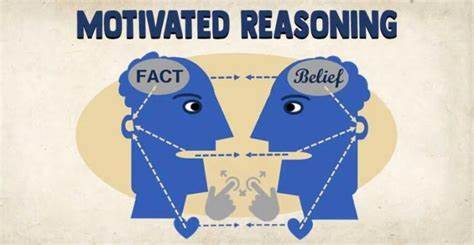
Motivated Reasoning is the tendency to process information in a way that aligns with your desires and preconceptions. It’s like having rose-colored glasses for your beliefs.

Motivated reasoning (motivational reasoning bias) is a cognitive and social response in which we, consciously or sub-consciously, allow emotion-loaded motivational biases to affect how new information is perceived. Individuals tend to favor evidence that coincides with their current beliefs and reject new information that contradicts them, despite contrary evidence.

According to Wikipedia, motivated reasoning can be classified into two categories: 1) Accuracy-oriented (non-directional), in which the motive is to arrive at an accurate conclusion, irrespective of the individual’s beliefs, and 2) Goal-oriented (directional), in which the motive is to arrive at a particular conclusion.

Furthermore, colleague Dan Ariely PhD suggests that when we encounter any new information, we twist and turn it to fit our existing views. This mental gymnastics helps us avoid cognitive dissonance but can also lead us astray.

So, next time you’re defending your viewpoint, ask yourself: am I seeing this clearly, or is it motivated reasoning at play?

COMMENTS APPRECIATED

Subscribe Today!

***

***

PREMATURE CLOSURE: Cognitive Bias

By Staff Reporters

***

***

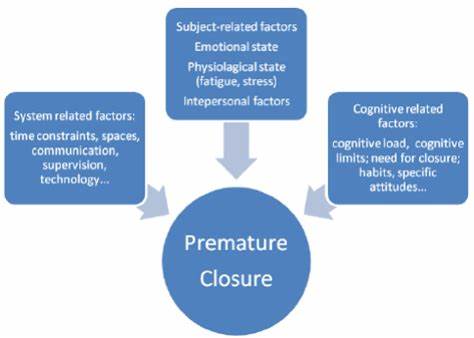
Premature Closure is the tendency to make quick, decisive judgments without considering all the evidence. It’s like jumping to conclusions on a trampoline – fast and often wrong. Our brains crave certainty and dislike ambiguity, leading us to close the case prematurely. This can save time but often results in mistakes and oversights. To avoid premature closure, take a step back, gather more information, and keep an open mind about this cognitive bias.

And so, colleague Dan Ariely PhD suggests that we remember: haste makes waste, especially in decision-making.

COMMENTS APPRECIATED

Like and Subscribe

***

***

CONFABULATION Bias

By Staff Reporters

***

***

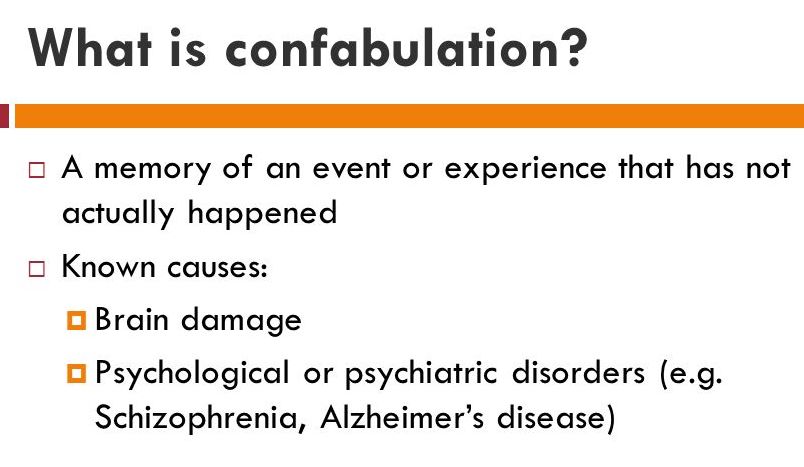
Confabulation Bias is the creation of false memories without the intent to deceive. Our brain fills in gaps, sometimes creating memories that feel real but are entirely fabricated.

According to colleague Dan Ariely PhD, this can happen especially when memory gaps are subconsciously filled to maintain coherence.

COMMENTS APPRECIATED

Subscribe and Like

***

***

OUTCOME: Bias

By Staff Reporters

***

***

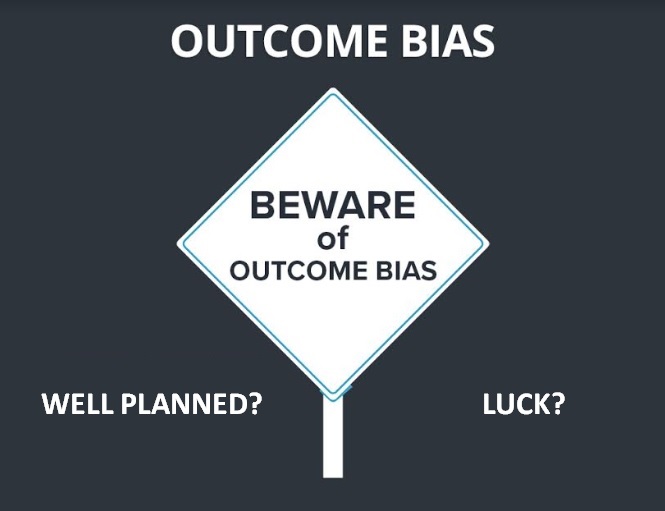
Outcome bias is judging a decision based on its result rather than the quality of the decision at the time it was made.

It’s like saying a bad poker play was smart because you won the hand. Or, a bad stock picker or financial advisor was good because the price went up!

According to psychologist and colleague Dan Ariely PhD, this bias ignores the process and focuses solely on the outcome. It’s why we celebrate lucky breaks and criticize thoughtful risks that didn’t pan out.

So, the next time you’re evaluating a decision, focus on the reasoning behind it, not just the end result.

COMMENTS APPRECIATED

Subscribe Today!

***

***

PROPORTIONALITY: Cognitive Bias

By Staff Reporters

***

***

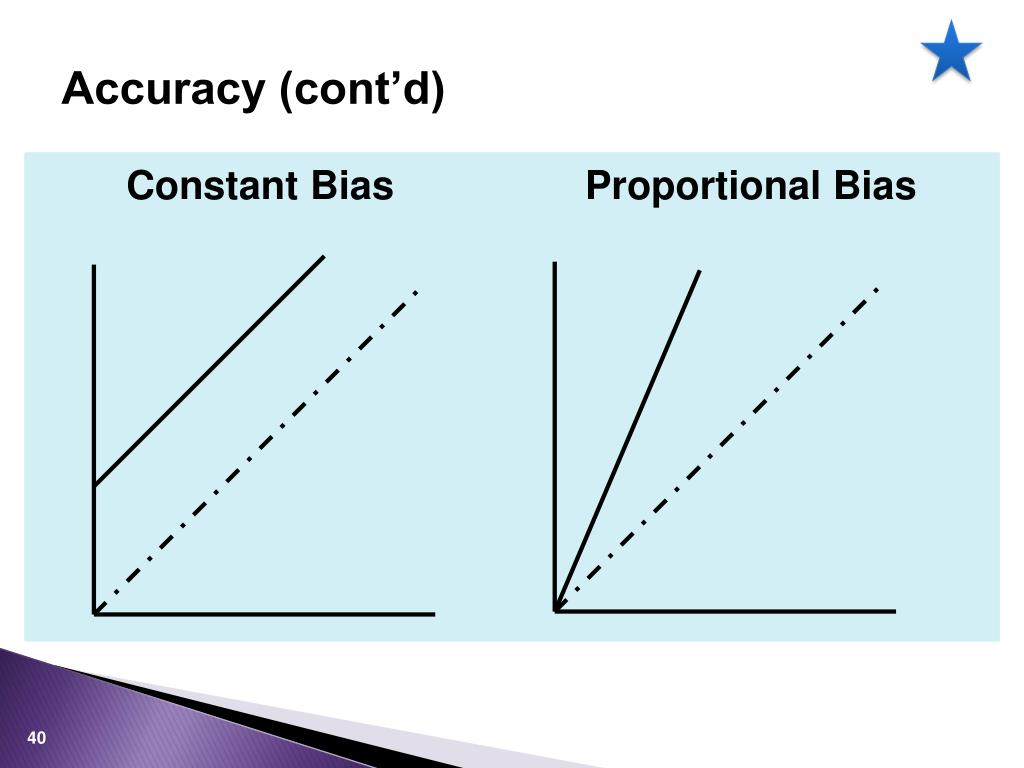
The proportionality bias, also known as major event/major cause heuristic, is the tendency to assume that big events have big causes. It is a type of cognitive bias and plays an important role in people’s tendency to accept conspiracy theories. Academic psychologist Rob Brotherton summarized it as “When something big happens, we tend to assume that something big must have caused it”.

IOW: Proportionality Bias is the inclination to believe that the magnitude of an event’s cause must be proportional to the event’s outcome. It’s like thinking a huge disaster must have a huge cause. This bias simplifies our understanding of complex situations but often leads to misconceptions. In reality, small causes can have large effects, and vice versa.

Related: https://medicalexecutivepost.com/2022/09/09/accuracy-versus-precision/

And so, to overcome proportionality bias according to colleague Dan Ariely Phd, consider all possible explanations, regardless of their size. Remember: sometimes big things happen for small reasons.

COMMENTS APPRECIATED

Subscribe, Like and Refer Today!

***

***

COGNITIVE BIAS: Envy and Jealousy

By Staff Reporters

***

***

Envy / Jealousy: This bias also relates to the contrast and social proof biases.  Prudent financial and business planning and related decision-making are based on real needs followed by desires.  People’s happiness and satisfaction is often based more on one’s position relative to perceived peers rather than an ability to meet absolute needs. 

The strong desire to “keep up with the Jones” can lead people to risk what they have and need for what they want.  These actions can have a disastrous impact on important long-term financial goals. 

According to colleague Dan Ariely PhD, clear communication and vivid examples of risks is often needed to keep people focused on important financial goals rather than spurious ones, or simply money alone, for its own sake.

COMMENTS APPRECIATED

Subscribe and Like Today

***

***

BACKFIRE: Mind Effect

By Staff Reporters

SPONSOR: http://www.MarcinkoAssociates.com

***

***

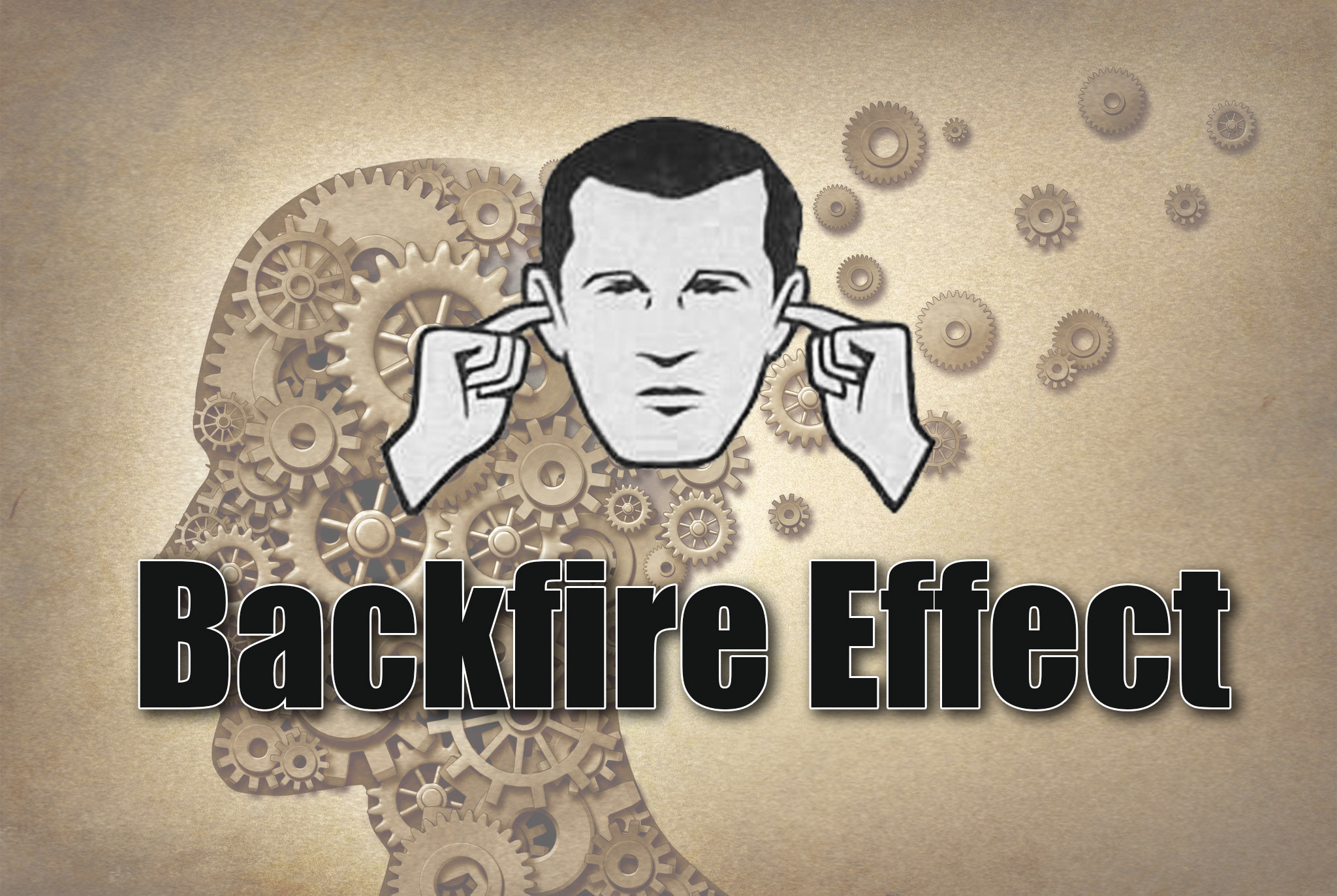
The Backfire Effect refers to the strengthening of a belief even after it has been challenged.

Cook and Lewandowsky (2011) explain it very well in the context of changing people’s minds in their Debunking Handbook. The backfire effect may work based on the same foundation as Declinism, in that we do not like change. It is also similar to negativity bias, in that we wish to avoid losing and other negative outcomes—in this case, one’s idea is being challenged or rejected (i.e. perceived as being made out to be “wrong”) and thus, they may hold on tighter to the idea than they had before.

However, according to colleague Dan Ariely PhD, there are caveats to the backfire effect—for example, we also tend to abandon a belief if there’s enough evidence against it with regard to specific facts.

***

COMMENTS APPRECIATED

Subscribe and Refer

***

LINGUISTICAL SCIENCE: History and Modern Theory

By Staff Reporters

***

***

Theory of Linguistic Sciences

Avram Noam Chomsky is an American professor known for his work in linguistics and political activism. Sometimes called “the father of modern linguistics”, Chomsky is also one of the founders of the field of cognitive science. He is a laureate professor of linguistics at the University of Arizona and an professor emeritus at MIT.

And so, modern linguists today approach their work with scientific rigor and perspective [STEM], although they use methods that were once thought to be solely an academic discipline of the humanities.

Contrary to this belief, linguistics is multidisciplinary. It overlaps each of the human sciences including psychology, neurology, anthropology, and sociology. Linguists conduct formal studies of sound structure, grammar and meaning, but also investigates the history of language families, and research language acquisition.

And, as with other scientists according to linguistical engineer and Professor Mackenzie Hope Marcinko PhD from the University of Delaware [UD], they formulate hypotheses, catalog observations, and work to support explanatory theories, etc.

COMMENTS APPRECIATED

Subscribe and Refer!

***

Health Information Technology Dictionary

https://www.amazon.com/Dictionary-Health-Information-Technology-Security/dp/0826149952/ref=sr_1_5?ie=UTF8&s=books&qid=1254413315&sr=1-5

CURSE: Knowledge and Hindsight Bias

By Staff Reporters

***

***

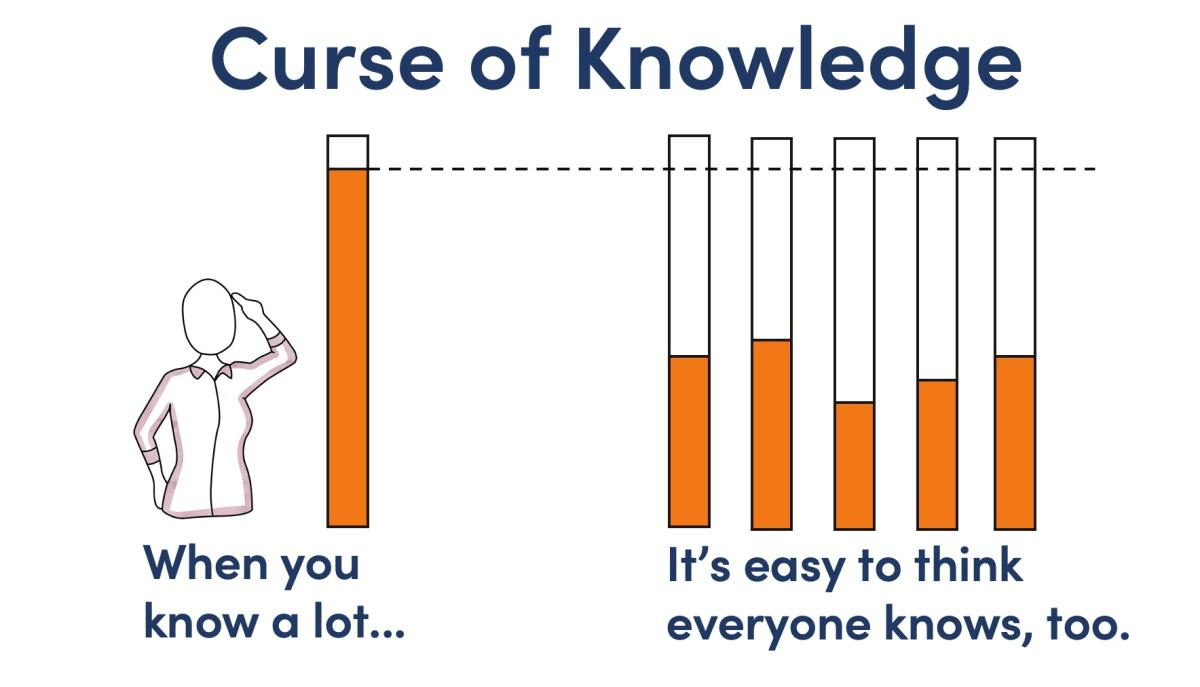
Similar to the availability heuristic (Tversky & Kahneman, 1974) and to some extent, the false consensus effect, once you really understand a new piece of information, that piece of information is now available to you and often becomes seemingly obvious. It might be easy to forget that there was ever a time you didn’t know this information and so, you assume that others, like yourself, also know this information: ie., the curse of knowledge.

However, it is often an unfair assumption that others share the same knowledge.

And so, the hindsight bias is similar to the curse of knowledge in that once we have information about an event, it then seems obvious that it was going to happen all along.

IOW: I should have seen it coming!

COMMENTS APPRECIATED

Thank You

***

***

CONTRAST EFFECT: Cognitive Bias

FOR FINANCIAL ADVISORS

By Dr. David Edward Marcinko MBA MEd CMP

SPONSOR: http://www.CertifiedMedicalPlanner.org

***

***

Sensation, emotion and cognition work by Contrast Effect [cognitive bias]. 

Now, such perception is not only on an absolute scale, it also functions relative to prior stimuli.  This is why room temperature water feels hot when experienced after being exposed to the cold.  It is also why the cessation of negative emotions “feels” so good. 

Cognitive bias functioning also works on this principle.  So one’s ability to analyze information and draw conclusions is very much related to the context with in which the analysis takes place, and to what information was originally available.  This is why it is so important to manage one’s own expectations as well as those of a financial advisor’s or stock broker’s clients. 

For example, a client is much more likely to be satisfied with a 10% portfolio return if they were expecting 7% than if they were hoping for 15%.

COMMENTS APPRECIATED

Subscribe, Like and Refer Today!

***

***

CURSE of the “Stereotype”

By Dr. David Edward Marcinko MBA MEd

***

***

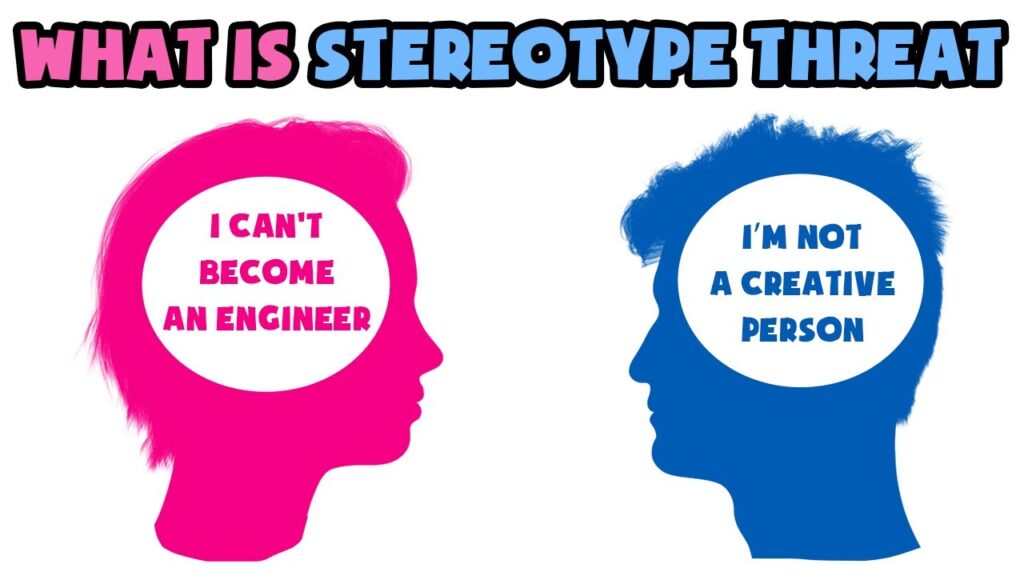
The Stereotype Curse is the negative impact of stereotypes on an individual’s performance or behavior. It’s like a self-fulfilling prophecy where being aware of a stereotype makes you more likely to conform to it.

For example, if you’re told you’re bad at math because of your gender, that stress can affect your performance. Breaking free from stereotypes requires awareness and effort.

So, next time you feel boxed in by a stereotype, remind yourself: you’re more than a cliché.

COMMENTS APPRECIATED

Subscribe Today!

***

***

BIAS: Of “Social Proof” and Influencers

INVESTING DEFINITION

By Dr. David Edward Marcinko MBA MEd

SPONSOR: http://www.MarcinkoAssociates.com

***

***

Social Proof is a subtle but powerful reality that having others agree with a decision one makes, gives that person more conviction in the decision, and having others disagree decreases one’s confidence in that decision. 

This bias is even more exaggerated when the other parties providing the validating/questioning opinions are perceived to be experts in a relevant field, or are authority figures, like doctors, attorneys, financial advisors, teachers and/or people on television.  In many ways, the short term moves in the stock market are the ultimate expression of social proof – the price of a stock one owns going up is proof that a lot of other people agree with the decision to buy, and a dropping stock price means a stock should be sold. 

According to colleague Dan Ariely PhD, when these stressors become extreme, it is of paramount importance that all participants in the financial planning and investing process have a clear understanding of what the long-term goals are, and what processes are in place to monitor the progress towards these goals. 

Without these mechanisms it is very hard to resist the enormous pressure to follow the crowd; think social media and related influences.

COMMENTS APPRECIATED

Subscribe Today!

***

***

BIAS: The Gambler’s Fallacy

By Staff Reporters

***

***

The Gambler’s Fallacy occurs when we subconsciously believe we can use past events to predict the future. It is also called the Monte Carlo Fallacy, after the Casino de Monte-Carlo in Monaco where it was observed in 1913

For example, it is common for the hottest sector during one calendar year to attract the most investors the following year.

Of course, just because an investment did well last year doesn’t mean it will continue to do well this year. In fact, it is more likely to lag the market.

Related: https://medicalexecutivepost.com/2024/06/17/what-physician-investors-need-to-know-about-monte-carlo-simulation/

COMMENTS APPRECIATED

Thank You

***

***

Be Aware of Your Cognitive Biases!

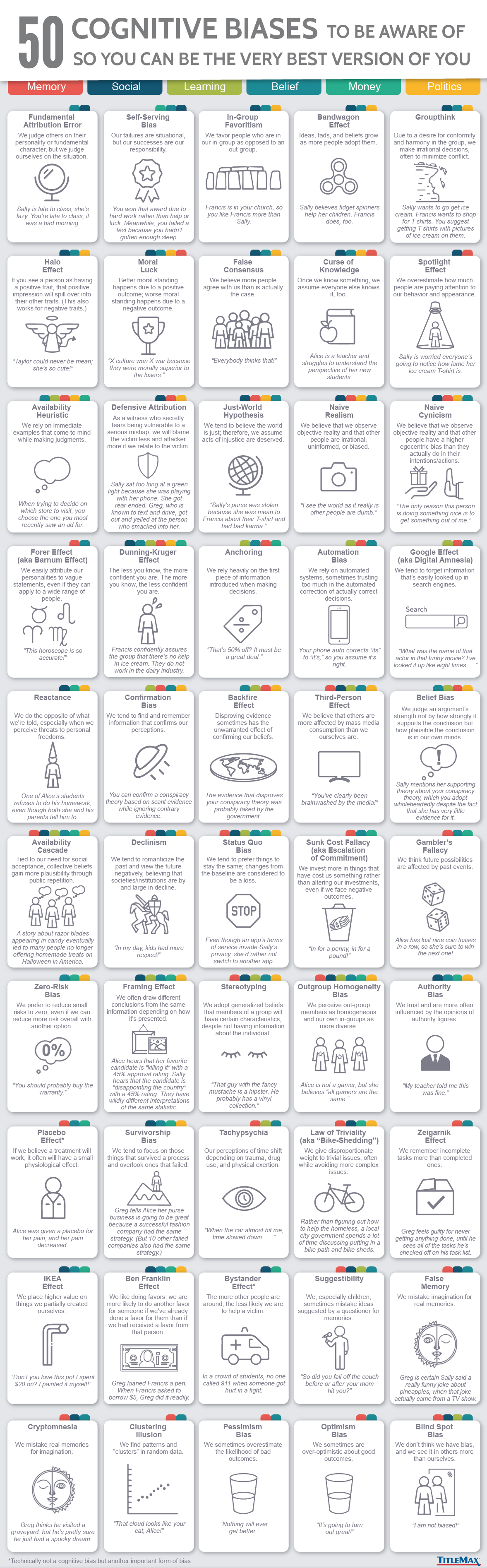
Top Fifty [50] to Know

[By staff reporters]

***

***

Assessment: Your thoughts are appreciated.

THANK YOU

***

Product DetailsProduct Details

***

What is OBSERVATIONAL BIAS?

EVIDENCE BASED MEDICINE

By Staff Reporters

***

Observer bias occurs in research when the beliefs or expectations of an observer (or investigator) can influence the data that’s collected in a study.

Cite: https://www.amazon.com/Dictionary-Health-Information-Technology-Security/dp/0826149952/ref=sr_1_5?ie=UTF8&s=books&qid=1254413315&sr=1-5

***

Supporting Teachers: Reducing Observational Bias - TeacherToolkit

This causes the results of a study to be unreliable and hard to reproduce in other research settings.

READ HERE IN MEDICINE: https://www.ebmconsult.com/articles/observational-bias-statistical-analysis

***

***

RISK MANAGEMENT: https://www.routledge.com/Risk-Management-Liability-Insurance-and-Asset-Protection-Strategies-for/Marcinko-Hetico/p/book/9781498725989

***

YOUR COMMENTS ARE APPRECIATED

BUSINESS MEDICINE: https://www.amazon.com/Business-Medical-Practice-Transformational-Doctors/dp/0826105750/ref=sr_1_9?ie=UTF8&qid=1448163039&sr=8-9&keywords=david+marcinko

Thank You

***