If the Government Can Take A 15% Cut From Nvidia, Who Is Next?

By Rick Kahler; MSFP CFP

***

***

This month, the U.S. government demanded a direct cut of a company’s foreign sales as the price for letting those sales happen.

Tech companies Nvidia and AMD had been stuck in regulatory limbo over selling their newest AI chips to China. According to an August 12, 2025, Reuters article by Karen Freifeld, Nvidia CEO Jensen Huang had even received a public “green light” for the company’s H20 chip, but the Commerce Department would not issue the export licenses.

The stalemate ended only after Huang met with President Trump and agreed to a deal: the licenses would be granted, but the U.S. Treasury would get 15% of all H20 revenue from China. AMD agreed to identical terms for its MI308 chip. Two days later, both companies had their licenses.

The numbers are staggering. Bernstein Research estimates Nvidia could sell $15 billion worth of H20 chips in China this year, and AMD about $800 million of MI308s. That is more than $2 billion flowing straight to Washington, not as taxes but as a contractual price for market access. The legality of this arrangement is questionable, and the deal also raises security concerns.

It is worth noting the administration first asked for 20% before “settling” on 15%. This was not a polite request but a “take it or leave it” demand. From a behavioral economics standpoint, the decision was predictable. The pain of losing an entire market is far greater than the pain of losing a fraction of it.

How is this any different from a tariff? A tariff is a standardized, legally defined tax that applies broadly to certain goods and is collected under public trade policy. This 15% cut is a one-off, privately negotiated condition aimed at just two companies, tied to export license approval. It is taken from gross revenue, not profit, meaning the government gets paid on every dollar of sales before the companies cover a single expense.

“Tax farmming” is an old practice where the state sold the right to collect taxes for a fixed sum, allowing the collectors to keep the rest. Its use in France made some people enormously rich, made everyone else furious, and eventually helped spark the French Revolution. Similar systems appeared in Ottoman Egypt, Qing China, and the early Dutch Republic until abuses finally brought them down.

The Nvidia/AMD deal is not exactly tax farming, but it is a similar dynamic. The government’s role is no longer just regulating. It is stepping in as a business partner, taking a direct share of private sales. Supporters might call it a smart use of national leverage. Critics will see a step away from free-market capitalism toward something more political and transactional.

Nor is this deal a one-off. In June, the administration approved foreign investment in U.S. Steel only after securing a “golden share” that gives it veto power over strategic corporate decisions. History teaches us that once a government finds a way to take a cut, it rarely stops with one sector. Today it is steel and AI chips to China. Tomorrow it could be pharmaceuticals, energy, or consumer goods.

What is the likely impact for average Americans? Money flowing to the U.S. Treasury from a source other than taxpayers may seem like a benefit. Yet any company required to give away 15% of its gross revenue, which could equal its entire profit, has to compensate in some way. The most likely result is higher prices. Hiking prices on computer chips sold to China may not seem to be a big deal—until you consider that many of the products that use those chips are sold to U.S. consumers.

COMMENTS APPRECIATED

Subscribe, Like and Refer

***

***

DAILY UPDATE: Women’s Health, and Commodities, as Stock Markets Struggle

MEDICAL EXECUTIVE-POST TODAY’S NEWSLETTER BRIEFING

***

Essays, Opinions and Curated News in Health Economics, Investing, Business, Management and Financial Planning for Physician Entrepreneurs and their Savvy Advisors and Consultants

Serving Almost One Million Doctors, Financial Advisors and Medical Management Consultants Daily

A Partner of the Institute of Medical Business Advisors , Inc.

http://www.MedicalBusinessAdvisors.com

SPONSORED BY: Marcinko & Associates, Inc.

***

http://www.MarcinkoAssociates.com

Daily Update Provided By Staff Reporters Since 2007.
How May We Serve You?
© Copyright Institute of Medical Business Advisors, Inc. All rights reserved. 2025

REFER A COLLEAGUE: MarcinkoAdvisors@outlook.com

SPONSORSHIPS AVAILABLE: https://medicalexecutivepost.com/sponsors/

ADVERTISE ON THE ME-P: https://tinyurl.com/ytb5955z

Your Referral Count -0-

***

CITE: https://www.r2library.com/Resource

Record VC investments for women’s health: Venture-backed women’s health startups experienced unprecedented investment last year, according to a new SVB report. The report examines the factors driving such record-breaking funding—like growing recognition of how various health conditions affect women differently and disproportionately, plus the causes and biological drivers behind this imbalance. Read it here.

CITE: https://tinyurl.com/2h47urt5

  • Stocks: Investors mostly yawned and the major indexes held steady a day after President Trump reignited his trade war by announcing higher tariffs would go into effect on 14 countries starting August 1st. Wall Street banks don’t seem concerned either, as Goldman Sachs and Bank of America became the latest strategists to raise their year-end target for the S&P 500.
  • Commodities: Copper futures popped as much as 17% to a new record, the largest intra-day gain since at least 1988, after Trump said he plans to place a 50% tariff on copper imports.

CITE: https://tinyurl.com/tj8smmes

Visualize: How private equity tangled banks in a web of debt, from the Financial Times.

COMMENTS APPRECIATED

PLEASE SUBSCRIBE: MarcinkoAdvisors@outlook.com

Thank You

***

***

***

***

EDUCATIONAL TEXTBOOKS: https://tinyurl.com/4zdxuuwf

***

Stocks, Deals and Commodities

BY A.I.

***

***

Stocks: The S&P 500 briefly traded a few cents above its February all-time closing high yesterday afternoon, but couldn’t sustain the gain and fell just short at the end of the day. The NASDAQ remains inches away from its record high as well.

Deals: The end of the 90-day tariff pause is less than two weeks away, but the White House said that the July 9th deadline “is not critical.”

Meanwhile, the Treasury Department is doing everything it can to make the dreaded “revenge tax” in the big, beautiful bill irrelevant.

Commodities: Gold and oil had muted moves upward but copper climbed to a three-month high after Goldman Sachs analysts warned of shortages ahead

COMMENTS APPRECIATED

Like and Refer

***

***

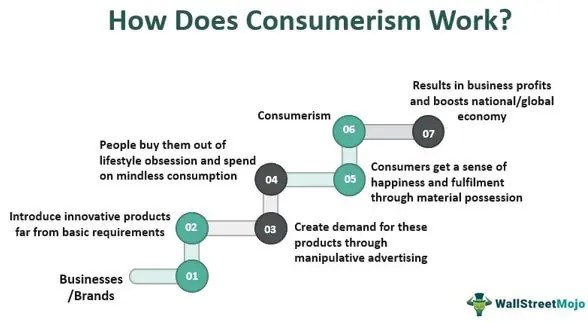
CONSUMERS: Worried about the Economy

By Staff Reporters

***

***

Consumer sentiment is a statistical measurement of the overall health of the economy as determined by consumer opinion. It takes into account how people feel about their current financial health, the health of the economy in the short-term, and the prospects for longer-term economic growth. It is widely considered to be a useful economic indicator.

Consumer sentiment emerged as an economic statistic during the mid-20th century and has since become a barometer that influences public and economic policy. It is considered a lagging indicator because it takes people several months to notice and feel the effects of changes in economic activity.

American consumers are Worried about the Economy

Consumer sentiment dropped 8% from March to April amid worries about inflation, according to the University of Michigan’s closely watched survey. Though sentiment edged up slightly from an even lower reading earlier in the month, inflation expectations climbed to their highest since 1991 as consumers fret about the potential impact of tariffs.

And even beyond possible rising prices, things could be about to get rougher for consumers: Major retailers have warned that unless President Trump’s tariff policy toward China changes, they’re likely to encounter empty store shelves in a few weeks.

Like and Refer

***

***

DAILY UPDATE: A.I. to Replace Doctors, 23andMe Drops as US Stock Markets Slide

MEDICAL EXECUTIVE-POST TODAY’S NEWSLETTER BRIEFING

***

Essays, Opinions and Curated News in Health Economics, Investing, Business, Management and Financial Planning for Physician Entrepreneurs and their Savvy Advisors and Consultants

Serving Almost One Million Doctors, Financial Advisors and Medical Management Consultants Daily

A Partner of the Institute of Medical Business Advisors , Inc.

http://www.MedicalBusinessAdvisors.com

SPONSORED BY: Marcinko & Associates, Inc.

***

http://www.MarcinkoAssociates.com

Daily Update Provided By Staff Reporters Since 2007.
How May We Serve You?
© Copyright Institute of Medical Business Advisors, Inc. All rights reserved. 2025

REFER A COLLEAGUE: MarcinkoAdvisors@outlook.com

SPONSORSHIPS AVAILABLE: https://medicalexecutivepost.com/sponsors/

ADVERTISE ON THE ME-P: https://tinyurl.com/ytb5955z

Your Referral Count -0-

CITE: https://www.r2library.com/Resource

Over the next decade, advances in artificial intelligence will mean that humans will no longer be needed “for most things” in the world, says Bill Gates. That’s what the Microsoft co-founder and billionaire philanthropist told comedian Jimmy Fallon during an interview on NBC’s “The Tonight Show” in February. At the moment, expertise remains “rare,” Gates explained, pointing to human specialists we still rely on in many fields, including “a great doctor” or “a great teacher.”

CITE: https://tinyurl.com/2h47urt5

US stocks closed sharply loser Wednesday as President Trump prepared to unveil new tariffs on US auto imports. The benchmark S&P 500 (^GSPC) was down more than 1.1%, while the Dow Jones Industrial Average (^DJI) fell about 0.4%. The tech-heavy NASDAQ Composite (^IXIC) led the losses, sliding over 2%. Tech leaders Nvidia (NVDA) and Tesla (TSLA) both closed down more than 5%.

CITE: https://tinyurl.com/tj8smmes

It’s a shocking fall for 23andMe that once boasted a $6 billion valuation in 2021—despite never making a profit. As of Friday, it was worth $50 million, and on Monday, shares for the consumer genetic testing pioneer fell 50% to 88 cents, Reuters reported.

Visualize: How private equity tangled banks in a web of debt, from the Financial Times.

COMMENTS APPRECIATED

PLEASE SUBSCRIBE: MarcinkoAdvisors@outlook.com

Thank You

***

***

***

***

EDUCATIONAL TEXTBOOKS: https://tinyurl.com/4zdxuuwf

***

DAILY UPDATE: Community Health Center Data Hack and CHIP Revocations as Markets Bounce Back

MEDICAL EXECUTIVE-POST TODAY’S NEWSLETTER BRIEFING

***

Essays, Opinions and Curated News in Health Economics, Investing, Business, Management and Financial Planning for Physician Entrepreneurs and their Savvy Advisors and Consultants

Serving Almost One Million Doctors, Financial Advisors and Medical Management Consultants Daily

A Partner of the Institute of Medical Business Advisors , Inc.

http://www.MedicalBusinessAdvisors.com

SPONSORED BY: Marcinko & Associates, Inc.

***

http://www.MarcinkoAssociates.com

Daily Update Provided By Staff Reporters Since 2007.
How May We Serve You?
© Copyright Institute of Medical Business Advisors, Inc. All rights reserved. 2025

REFER A COLLEAGUE: MarcinkoAdvisors@outlook.com

SPONSORSHIPS AVAILABLE: https://medicalexecutivepost.com/sponsors/

ADVERTISE ON THE ME-P: https://tinyurl.com/ytb5955z

Your Referral Count -0-

CITE: https://www.r2library.com/Resource

Community Health Center, Inc. (CHC) detected a data breach on Jan. 2 after identifying unusual activity within its computer systems. An investigation confirmed that a skilled hacker had accessed and extracted data but did not delete or lock any information. If CHC’s claims are accurate, this is a positive outcome, as hackers often deploy ransomware, a type of attack in which they lock systems and demand payment before restoring access.

CITE: https://tinyurl.com/2h47urt5

Over one million Floridians have had their health insurance revoked as a result of a nationwide disenrollment from coverage that was previously safeguarded as part of the COVID-19 pandemic response. Medicaid and Children’s Health Insurance Program (CHIP) enrolment in Florida has fallen from 5.1 million to 3.8 million between March 2023 and October 2024, according to health care research non-profit the Kaiser Family Foundation (KFF).

CITE: https://tinyurl.com/tj8smmes

US stocks bounced back on Monday as investors looked beyond President Trump’s latest tariff threats, including new levies on steel and aluminum imports.

The Dow Jones Industrial Average (^DJI) added nearly 0.4% after the blue-chip index on Friday booked its worst loss in nearly four weeks. The S&P 500 (^GSPC) rose roughly 0.6%, while the NASDAQ Composite (^IXIC) popped nearly 1% as shares of AI chip giant Nvidia (NVDA) surged 3%, along with other tech stocks.

Investors weighed Trump’s recent pledge to introduce additional 25% tariffs on steel and aluminum from all countries, with the official announcement expected on Monday.

Visualize: How private equity tangled banks in a web of debt, from the Financial Times.

COMMENTS APPRECIATED

PLEASE SUBSCRIBE: MarcinkoAdvisors@outlook.com

Thank You

***

***

***

***

EDUCATIONAL TEXTBOOKS: https://tinyurl.com/4zdxuuwf

***

METZLER’S Paradox

By Staff Reporters

***

***

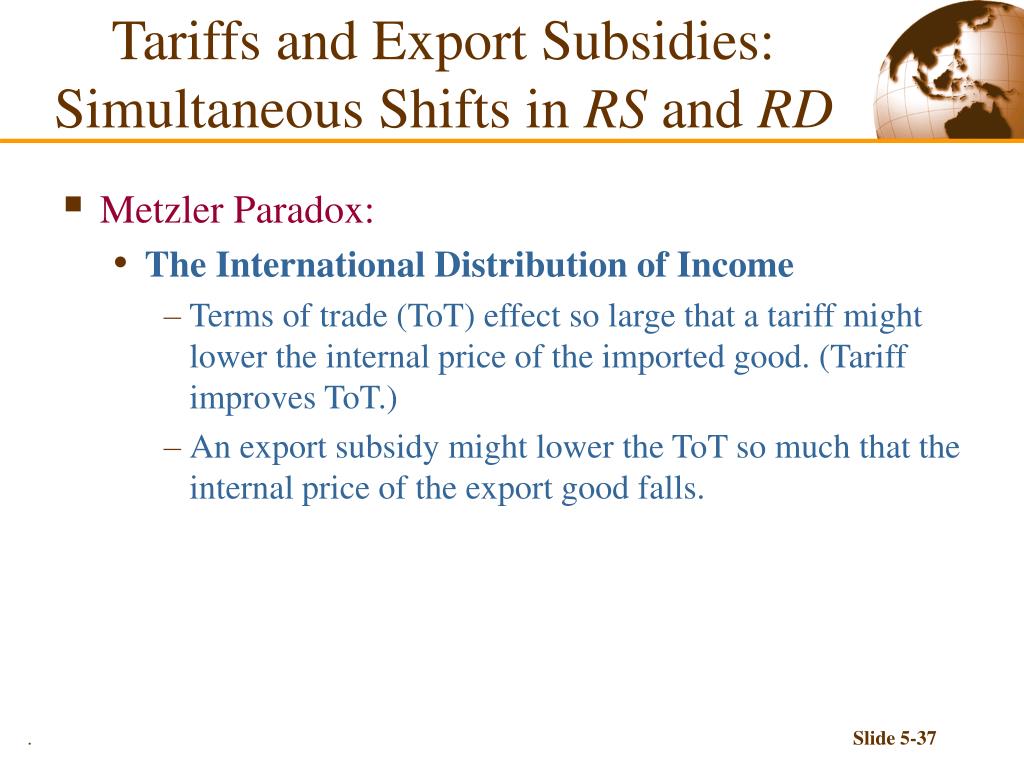
Metzler’s Paradox is the imposition of a tariff [tax] on imports that may reduce the relative internal price of that good.

It was proposed by Lloyd Metzler PhD in 1949 upon examination of tariffs within the Heckscher-Ohlin Model. The paradox has roughly the same status as immiserizing growth and a transfer that makes the recipient worse off.

COMMENTS APPRECIATED

Subscribe and Refer

***

***