BLOGGING: All Doctors Please Beware!

WARNING – WARNING

By Dr. DavidEdwardMarcinko; MBA MEd

***

***

According to www.NPR.org, there are more than120,000 health care forums on the Internet with opinions ranging from pharmaceuticals, to sexual dysfunction, to acne. The same goes for commercial doctor blogs that promote lotions, balms and potions, diets and vitamins, minerals, herbs, drinks and elixirs, or various other ingest-ants, digest-ants or pharmaceuticals, etc.

And, to other doctors, the blogging craze is a new novelty where there are no rules, protocols, standards or precise figures on how many “medical-doctor” or related physician-blogs are “out there.” Unfortunately, too many recount gory ER scenes, or pictorially illustrate horrific medical conditions, or serious and traumatic injuries. Of course, others simply are medical practice websites, or those that entice patients into more lucrative plastic surgery or concierge medical practices. Some are from self-serving/credible plaintiff-seeking attorneys wishing to assist patients.

Not all physician blogs are geared toward practice information, marketing or medical sensationalism. In fact, just the opposite seems to be the case in extremely candid blogs, like “Ranting Docs”, “White Coat Rants,” “Grunt Docs”, “Cancer Doc,” “The Happy Hospitalist,” “Mom MD”, “Cross-Over Health”, “Angry Docs” and “M.D.O.D.,” which bills itself as “Random Thoughts from a Few Cantankerous American Physicians.”

According to some of these, they are more like personal journals, or public diaries, where doctors vent about reimbursement rates, difficult cases, medical mistakes, declining medical prestige and control, and/or what a “bummer” it is to have so many patients die; not pay, or who are indigent, noncompliant. We call these the “disgruntled doctor sites.” Some even talk about their own patients, coding issues, or various doctor-patient shenanigans.

But, according to psychiatrist and blogger Dr. Deborah Peel and others, the problem with blogging about patients is the danger that one will be able to identify themselves – the doctor – or that others who know them will be able to identify them.”  Her affiliation, Patient Privacy Rights, rightly worries that patients might track back to the individual, and adversely affect their employment, health insurance or other aspects of life.

***

***

And, according to Dr. Jay S. Grife; MA Esq., it is certainly true that if a doctor violates a patient’s privacy there could be legal consequences. Under HIPAA, physicians could face fines or even jail time. In some states, patients can file a civil lawsuit if they believe a doctor has violated their privacy. Still, internet privacy issues are an evolving gray-area that if not wrong, may still be morally and ethically questionable [personal communication].

Our colleague Robert Wachter MD, author of the blog called “Wachter’s World,” says it’s important for doctors to be able to share cases, as long as they change the facts substantially. On the other hand, the author of “Wachter’s World” and a leading expert on patient safety alternately suggests “You might say we as doctors should never be talking about experiences with our patients online or in books or in articles.” But, he says that “patients shouldn’t take all the information on blogs at face value. Taken for what they are — unedited opinions, and in some cases entertainment — blogs can give readers some useful insight into the good, the bad and the ugly of the medical profession”. Link: http://www.the-hospitalist.org/blogs

Well, fair enough! But, doctors unhappy with their current medical career choice, or its modern evolution, should probably consider counseling or even career change guidance, re-education and re-engineering. It is very inappropriate to vent career frustrations in a public venue. It’s far better for the blog to be private and/or by invitation only; if at all [Personal communication].

We believe that a hybrid mash-up of both views can be wholly appropriate, or grossly inappropriate in some cases. Of course the devil is in the details; linguistics and semantics aside. Nevertheless; what is not addressed in electronic physician “mea-culpas” are the professional liability risks and concerns that are evolving in this quasi-professional, quasi-lay, communication forum.

***

***

Example: We have seen medical mistakes, and liability admissions of all sorts, freely and glibly presented. In fact,

“Some physicians find that the act of liability blogging as a professional confession that is useful in moving past their malpractice mistakes. And, it is also a useful way to begin a commitment to a better professional life of caring in the future. It helps eliminate the toxic residue and angst of professional liability and guilt. Moreover, as they are unburdened of past acts of omission or commission, doctors should remember to also forgive those who have wronged them. This helps greatly with the process and brings additional peace.”

However, although some may say that this electronic confession is good for the soul, it may not be good for your professional liability carrier, or you, when plaintiff’s attorneys release a legion of IT focused interns, or automated bots, searching online for your self-admissions and scouring for your self-incriminations. Of course, a direct connection to a specific patient may still not be made and no HIPAA violation is involved. But, a vivid imagination is not need needed to envision this type of blind medical malpractice discovery deposition query even now.

QUESTION: “Doctor Smith, I noted all the medical errors admitted on your blog. What other mistakes did you make in the care and treatment of my client?”

And so, the question of plausible deniability, or culpability, is easily raised.  If you must journalize your thoughts for sanity or stress release; do it in print. And, don’t tell anyone about it so the diary won’t be subpoenaed. Then tear it up and throw it away. Remember, with risk management, “It is all about credibility.” Don’t trash yours! These thoughts may be especially important if you covet a medical career as a researcher, editor, educator, medical expert or something other than a working-class or employed physician.

EDUCATION: Books

SPEAKING: Dr. Marcinko will be speaking and lecturing, signing and opining, teaching and preaching, storming and performing at many locations throughout the USA this year! His tour of witty and serious pontifications may be scheduled on a planned or ad-hoc basis; for public or private meetings and gatherings; formally, informally, or over lunch or dinner. All medical societies, financial advisory firms or Broker-Dealers are encouraged to submit a RFP for speaking engagements: CONTACT: MarcinkoAdvisors@outlook.com 

COMMENTS APPRECIATED

Read, Like Subscribe and Refer

***

***

DENTAL Care “Deserts”

By Staff Reporters

***

***

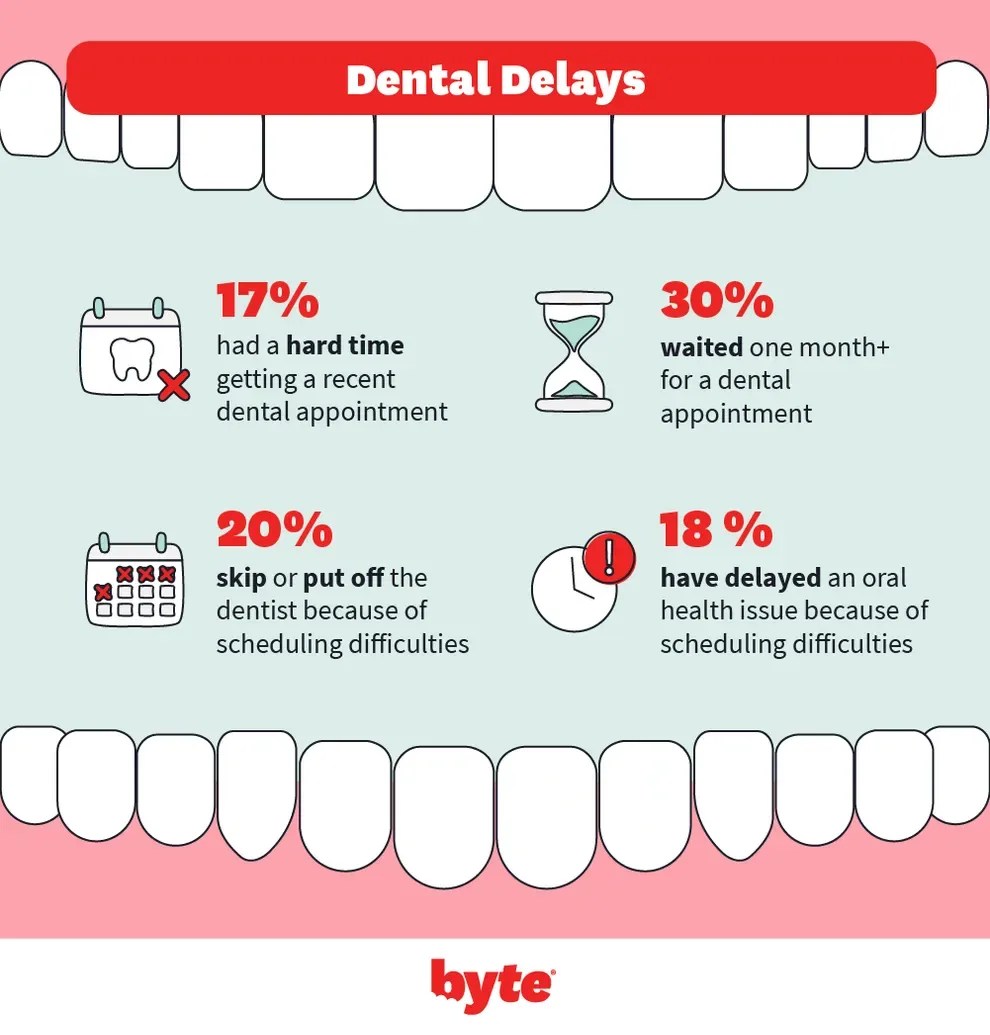
Dental care in America divides people into two camps: those who can afford regular preventive care and cleanings, and those who can’t.

These so-called dental deserts contribute to a deep disparity in overall health. People who live in these places are more likely to get tooth decay and develop severe health problems. They also spend more money on care, and more time seeking health assistance in an emergency.

***

***

Stat: 25 million. That’s how many US residents live in areas without enough dentists, according to a recent Harvard University study.

A growing movement against fluoride is adding to the risk of tooth decay in these “dental deserts.” (NPR)

COMMENTS APPRECIATED

Read, Refer, Like and Subscribe

***

***

PRESIDENT: Pardons Son Robert Hunter Biden

BREAKING NEWS!

By Staff Reporters

***

President Joe Biden has just pardoned his son, Hunter Biden, who was convicted on federal gun charges and was due for sentencing in December, 2023.

Despite the White House’s assurances last month that the president had no intentions of pardoning his son, the announcement came through on Sunday evening that he had pardoned him.

READ: https://tinyurl.com/2hdpwrzj

***

COMMENTS APPRECIATED

Subscribe Today!

***

DAILY UPDATE: Nike CEO Out, Cancer and Drug Deaths Down as Stock Markets Pause

MEDICAL EXECUTIVE-POST TODAY’S NEWSLETTER BRIEFING

***

Essays, Opinions and Curated News in Health Economics, Investing, Business, Management and Financial Planning for Physician Entrepreneurs and their Savvy Advisors and Consultants

Serving Almost One Million Doctors, Financial Advisors and Medical Management Consultants Daily

A Partner of the Institute of Medical Business Advisors , Inc.

http://www.MedicalBusinessAdvisors.com

SPONSORED BY: Marcinko & Associates, Inc.

***

http://www.MarcinkoAssociates.com

Daily Update Provided By Staff Reporters Since 2007.
How May We Serve You?
© Copyright Institute of Medical Business Advisors, Inc. All rights reserved. 2024

REFER A COLLEAGUE: MarcinkoAdvisors@msn.com

SPONSORSHIPS AVAILABLE: https://medicalexecutivepost.com/sponsors/

ADVERTISE ON THE ME-P: https://tinyurl.com/ytb5955z

Your Referral Count -0-

Overdose deaths in the US are plummeting. According to new public health data, drug-related deaths fell more than 10% in the 12 months ending in April, a massive improvement from double-digit increases seen in recent years, NPR just reported.

CITE: https://www.r2library.com/Resource

What’s up

  • Nike popped 6.84% once CEO John Donahoe announced he will step down after four years on the job. Turns out when they say “Just do it,” “it” means resigning in disgrace after tarnishing an iconic brand.
  • Intel rose 3.31% on the news that Qualcomm approached the company with a buyout offer. Qualcomm sank 2.87% on the revelation.
  • Constellation Energy are the geniuses behind turning Three Mile Island back on, which shareholders love—the stock soared 22.29% today.
  • Vistra jumped 16.60% on the news that the Texas-based utilities provider is acquiring the remaining 15% stake of its subsidiary Vistra Vision that it doesn’t already own.

What’s down

  • UPS sank 2.67% after FedEx announced poor quarterly results and cut its earnings forecast.
  • Lennar fell 5.33% in spite of beating earnings estimates last quarter. The problem is that shareholders don’t like the homebuilder’s forecast of no growth next quarter.
  • Chewy tumbled 4.34% on the news that the pet products retailer will kick off an underwritten offering of $500 million of shares from a private equity partner, and buy back $300 million in shares—effectively reducing the company’s private equity ownership stake.
  • Novo Nordisk dipped 5.46% after the pharmaceutical giant announced mixed results from the latest trial of a new weight-loss drug.
  • ASML declined 3.97% thanks to a downgrade by Morgan Stanley analysts citing a slowdown in demand across the semiconductor industry.
  • Trump Media & Technology Group continued to fall today, dropping another 7.82% now that the early investor lockup period has concluded.

CITE: https://tinyurl.com/2h47urt5

Here’s where the major benchmarks ended:

  • The S&P 500® index (SPX) slipped 11.09 points (–0.19%) to 5,702.53, ending the week 1.36% higher; the Dow Jones Industrial Average® ($DJI) added 38.17 points (0.09%) to 42,063.36, ending the week 1.60% higher; the Nasdaq Composite® ($COMP) lost 65.66 points (–0.36%) to 17,948.32, ending the week 1.60% higher.
  • The 10-year Treasury note yield (TNX) slipped one basis point to 3.73% but finished the week up eight basis points and outgained the 2-year yield by four basis points.
  • The Cboe Volatility Index® (VIX) ended at 16.1, its lowest close this month.

CITE: https://tinyurl.com/tj8smmes

Nike CEO John Donahoe will retire on October 13th and be replaced by longtime executive Elliott Hill, the company announced yesterday.

Stat: 33%. That’s how much the US cancer death rate fell from 1991 to 2021, equaling about 4.1 million lives saved, according to the latest Cancer Progress Report. (CBS News).

COMMENTS APPRECIATED

PLEASE SUBSCRIBE: MarcinkoAdvisors@msn.com

Thank You

***

***

***

***

EDUCATIONAL TEXTBOOKS: https://tinyurl.com/4zdxuuwf

***

DAILY UPDATE: Mental Health and NASDAQ Technology Stocks

By Staff Reporters

***

SPONSOR: http://www.MarcinkoAssociates.com

***

“We kept hearing nightmare stories about Americans not getting the treatment that they needed because insurance companies were denying them care. But we didn’t have enough data to show just how extensive and deep the problem was.”—

Bill Smith, founder of mental health advocacy coalition Inseparable, on patients with mental health diagnoses not receiving care (NPR)

***

***

The NASDAQ closed at an all-time high yesterday, breaking the record it set in November 2021, as technology stocks continued to rally on the news that the Fed may cut interest rates next year.

DocuSign shot up following reports that the $11 billion company whose tech lets you use your signature without a pen could be up for sale.

CITE: https://www.r2library.com/Resource

COMMENTS APPRECIATED

Refer a Colleague: MarcinkoAdvisors@msn.com

Your referral Count: 0

Thank You

***

***

When Routine Medical Tests Trigger a Cascade of Costly, Unnecessary Care

By N.P.R

***

***

READ: https://www.npr.org/sections/health-shots/2022/06/13/1104141886/cascade-of-care?utm_source=pocket-newtab

***

COMMENTS APPRECIATED

Thank You

***

***

***

Population 7 Billion [A Video]

How Did We Get So Big – So Fast?

Join Our Mailing List

As higher standards of living and better health care are reaching more parts of the world, the rates of fertility — and population growth — have started to slow down, though the population will continue to grow for the foreseeable future.

The Forecasts

U.N. forecasts suggest the world population could hit a peak of 10.1 billion by 2100 before beginning to decline. But, exact numbers are hard to come by — just small variations in fertility rates could mean a population of 15 billion by the end of the century.

So, watch this video as the global population explodes from 300 million to 7 billion.

How we got to a population of 7 billion

Source: npr.org

Conclusion   

And so, your thoughts and comments on this ME-P are appreciated. Feel free to review our top-left column, and top-right sidebar materials, links, URLs and related websites, too. Then, subscribe to the ME-P. It is fast, free and secure.

Link: http://feeds.feedburner.com/HealthcareFinancialsthePostForcxos

Speaker: If you need a moderator or speaker for an upcoming event, Dr. David E. Marcinko; MBA – Publisher-in-Chief of the Medical Executive-Post – is available for seminar or speaking engagements. Contact: MarcinkoAdvisors@msn.com

Our Other Print Books and Related Information Sources:

Health Dictionary Series: http://www.springerpub.com/Search/marcinko

Practice Management: http://www.springerpub.com/product/9780826105752

Physician Financial Planning: http://www.jbpub.com/catalog/0763745790

Medical Risk Management: http://www.jbpub.com/catalog/9780763733421

Healthcare Organizations: www.HealthcareFinancials.com

Physician Advisors: www.CertifiedMedicalPlanner.com

Subscribe Now: Did you like this Medical Executive-Post, or find it helpful, interesting and informative? Want to get the latest ME-Ps delivered to your email box each morning? Just subscribe using the link below. You can unsubscribe at any time. Security is assured.

Link: http://feeds.feedburner.com/HealthcareFinancialsthePostForcxos

Sponsors Welcomed: And, credible sponsors and like-minded advertisers are always welcomed.

Link: https://healthcarefinancials.wordpress.com/2007/11/11/advertise

Product DetailsProduct DetailsProduct Details       

On Military Brain Injury Treatment

Leader Steps Down Abruptly

By T. Christian Miller, ProPublica, and Daniel Zwerdling, NPR – June 23, 2010 6:33 pm EDT

Join Our Mailing List 

WASHINGTON, D.C.–The leader of the Pentagon’s premiere program for treatment and research into brain injury and post traumatic stress disorders has unexpectedly stepped down from her post, according to senior medical and congressional officials.

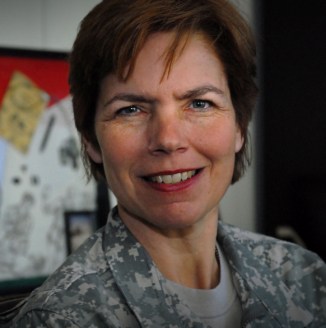
Brig. Gen. Loree Sutton told staff members at the Defense Centers of Excellence [1], or DCOE, on Monday that she was giving up her position as director. Sutton, who launched the center in November 2007, had been expected to retire next year, officials with knowledge of the situation said. The center has not publicly announced her leaving.

Tell Us Your Story [2]

Did you or a loved one suffer a traumatic brain injury while serving? ProPublica and NPR want to hear your story. Tell us about your experiences with TBI. [2]

Sudden Departure

Sutton’s departure follows criticism in Congress [3] over the performance of the center and in recent reports [4] by NPR and ProPublica that the military is failing to diagnose and treat soldiers suffering from so-called mild traumatic brain injuries, also called concussions.

It comes just as the Pentagon prepares to open a new, multimillion-dollar showcase treatment facility outside Washington, D.C., for troops with brain injuries [5] and post traumatic stress disorder, often referred to as the signature wounds of the wars in Iraq and Afghanistan.

Late Wednesday, in a sign of disarray within the program, Sutton cancelled a scheduled appearance at the opening of the National Intrepid Center of Excellence [6], a gleaming new facility of waving glass and futuristic virtual reality treatment rooms in Bethesda.

“The war in Iraq and Afghanistan could end tomorrow; our mission to restore health, hope and humanity will endure for decades,” Sutton wrote in her farewell message [7]. “We simply must uphold our commitment to all who have borne the burdens of war on our behalf.”

Sutton did not respond to requests for comment. Her replacement, U.S. Army Col. Bob Saum, also declined to comment.

Adult-Resources

DCOE

Cathy Haight, the acting spokeswoman for DCOE, said Sutton’s departure, though apparently well ahead of schedule, was part of a routine command rotation. Haight said Sutton decided to leave after turning down the Army’s offer to take a new position overseeing the military medical system in Europe.

“If a general officer declines (a new position)…they are in a transition to retire,” Haight said.

In recent months, legislators have questioned Sutton’s ability to carry out the mission of the centers, which is to catalyze research and treatment across the military for soldiers returning with brain injuries and psychological wounds.

Congress directed the military in 2008 to create the brain injury center and other facilities for wounded soldiers. At an April hearing [8] of a House Armed Services subcommittee, Rep. Susan Davis [9], D-Calif., said that the center had failed to carry out its role.

“The Defense Center of Excellence, while having achieved some notable small scale successes, has not inspired great confidence or enthusiasm thus far. The great hope that it would serve as an information clearinghouse has not yet materialized,” Davis said.

“The center has also made some serious management missteps that call into question its ability to properly administer such a large and important function,” Davis continued.

Sudden Scrutiny

Scrutiny of Sutton rose another notch earlier this month, when NPR and ProPublica reported on the military’s problems in handling soldiers with mild traumatic brain injuries. Such injuries leave no visible scars, but can cause lasting mental and physical difficulties.

Military statistics show that about 115,000 troops have suffered such injuries since 2002, but in interviews, Army experts acknowledged the true toll may be far higher. Unpublished research we reviewed suggests that tens of thousands of soldiers may have gone undiagnosed. Our reporting also showed that even when soldiers were diagnosed, at one of America’s largest Army bases, they have had to fight to receive appropriate treatment [10].

Veterans’ Shocked

Still, some veterans’ advocates were shocked and saddened that Sutton was leaving. They said she had been a forceful, visible advocate for wounded troops and their families who had never received the full support of the military’s medical establishment.

Assessment

Critics of the military’s health system have noted a power vaccum at the top of the military medical structure. Four people in just over three years have rotated through the Pentagon’s top health policy position, the assistant secretary of defense for health affairs.

“She was always there for the troops,” said one veterans’ advocate, who did not want to be named for fear of criticizing the military. “She’s become the scapegoat.”

In an April interview with NPR and ProPublica, Sutton shrugged off the criticism. “Leading change,” she said, “is a journey not for the faint of heart.”

“We are very proud of the team that we have built, the concept in terms of the center of centers, the network of networks,” she said. “Are we anywhere close to where we want and need to be? No. Of course not.”

Link: http://www.propublica.org/feature/leader-of-militarys-program-to-treat-brain-injuries-steps-down-abruptly

Your thoughts and comments on this ME-P are appreciated. Feel free to review our top-left column, and top-right sidebar materials, links, URLs and related websites, too. Then, subscribe to the ME-P. It is fast, free and secure.

Link: http://feeds.feedburner.com/HealthcareFinancialsthePostForcxos

Speaker: If you need a moderator or speaker for an upcoming event, Dr. David E. Marcinko; MBA – Publisher-in-Chief of the Medical Executive-Post – is available for seminar or speaking engagements. Contact: MarcinkoAdvisors@msn.com

OUR OTHER PRINT BOOKS AND RELATED INFORMATION SOURCES:

LEXICONS: http://www.springerpub.com/Search/marcinko
PHYSICIANS: www.MedicalBusinessAdvisors.com
PRACTICES: www.BusinessofMedicalPractice.com
HOSPITALS: http://www.crcpress.com/product/isbn/9781466558731
CLINICS: http://www.crcpress.com/product/isbn/9781439879900
ADVISORS: www.CertifiedMedicalPlanner.org
BLOG: www.MedicalExecutivePost.com

Product DetailsProduct DetailsProduct Details