Site-Neutral Payments Still a Long Ways Off

By Health Capital Consultants, LLC

***

***

An October 2025 Health Affairs study found that payment equity between facilities owned by hospitals, known as hospital outpatient departments (HOPDs), and independent outpatient facilities such as ambulatory surgery centers (ASCs), is still far from reality. Comparing payments for common procedures, researchers found commercial prices were 78% higher in HOPDs compared to ASCs, although payment differentials varied considerably.

This Health Capital Topics article reviews the article and potential policy implications. (Read more…) 

COMMENTS APPRECIATED

EDUCATION: Books

Like, Refer and Subscribe

***

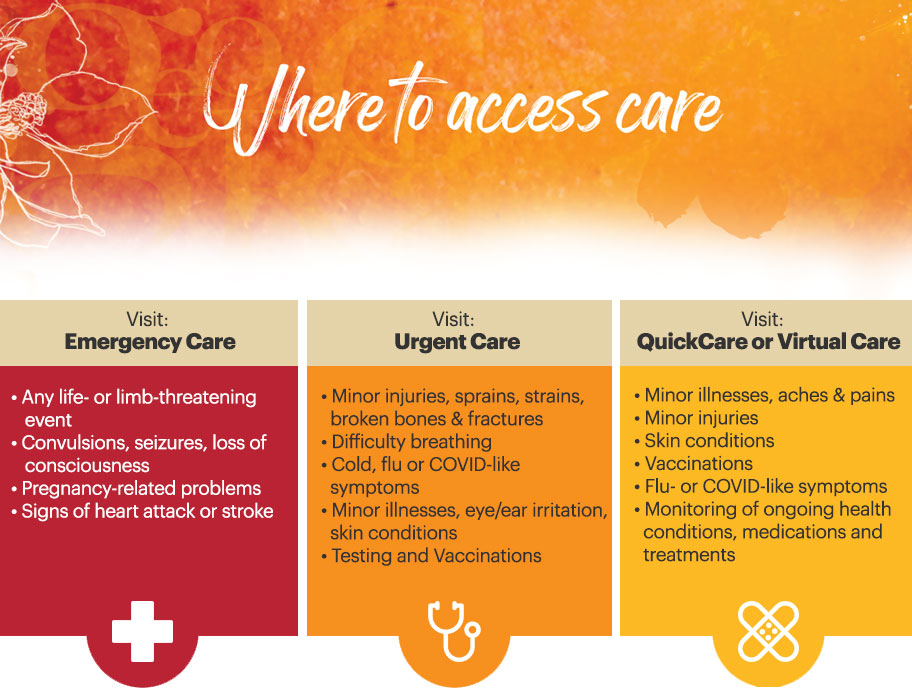
ACUTE CARE MEDICINE: Defined

By A.I. and Staff Reporters

SPONSOR: http://www.CertifiedMedicalPlanner.org

***

***

ACUTE CARE MEDICINE

Classic: Acute care is a branch of secondary health care where a patient receives active but short-term treatment for a severe injury or episode of illness, an urgent medical condition, or during recovery from surgery. In medical terms, care for acute health conditions is the opposite from chronic care, or longer term care.

Modern: Acute care is active, short-term treatment for a severe injury or episode related to illness, an urgent medical condition or recovery from surgery.

HOSPITAL: https://medicalexecutivepost.com/2008/12/08/the-acute-care-inpatient-hospital/

***

***

Examples: The following are considered acute care facilities:

  • Hospital (General Acute Care as well as Psychiatric, Specialized and Rehabilitation Hospitals; and Long Term Acute Care or LTAC)
  • Ambulatory Care Facility.
  • Home Health Agency.
  • End Stage Renal Disease Facility (dialysis center)
  • Hospice.

EMERGENT CARE: https://medicalexecutivepost.com/2025/05/03/medicine-emergent-care/

COMMENTS APPRECIATED

EDUCATION: Books

Like, Refer and Subscribe

***

***

CMS Proposes Updates to the OPPS

By Health Capital Consultants, LLC

***

***

On July 15, 2025, the Centers for Medicare & Medicaid Services (CMS) released the proposed rule for the Outpatient Prospective Payment System (OPPS) and Ambulatory Surgical Center (ASC) Payment System for calendar year (CY) 2026.

Among other items, the agency proposes increasing payments to all outpatient providers, eliminating the Inpatient Only (IPO) List, and changing quality reporting programs.

This Health Capital Topics article reviews the proposed updates and changes to outpatient reimbursement. (Read more…) 

COMMENTS APPRECIATED

Like and Subscribe

***

***

OPPS: Final Rule Issued by CMS

By Health Capital Consultants, LLC

***

On November 1, 2024, CMS released its Outpatient Prospective Payment System (OPPS) and Ambulatory Surgical Center (ASC) Payment System Final Rule for calendar year 2025. The rule finalizes payment updates, revises current programs, and establishes new standards to address the ongoing maternal health crisis.

This Health Capital Topics article discusses the key OPPS changes and updates included in the Final Rule. (Read more…)

COMMENTS APPRECIATED

Subscribe Today!

***

***

FAIR MARKET VALUATION DETERMINATION: Medical Practices or Clinics

MEDICAL PRACTICE OR AMBULATORY SURGERY CENTER

MARCINKO ASSOCIATES, Inc.

http://www.MARCINKOASSOCIATES.com

***

FAIR MARKET VALUATION DETERMINATION

There are a Myriad of Reasons for Obtaining a Medical Practice Valuation and Appraisal Engagement:

  • Outright selling-buying
  • Partnership and Associate buy-in / buy-out
  • Mergers and Acquisitions
  • Organic growth tracking
  • Hospital integrations
  • Private and public reporting
  • Financing and Venture Capital
  • Estate and tax planning

Our Capability

We have the ability to provide extensive analysis of value components in healthcare practices and provide appraisals based on business, economic, and market conditions. This involves detailed examination of financials and clinical data in the context of numerous factors including medical specialty, physician supply and demand, payer mix, regulatory environment, regional dynamics, and risk premium.

CITE: https://www.r2library.com/Resource

***

READ MORE: https://marcinkoassociates.com/welcome-medical-colleagues/

THANK YOU

***

***

***

PHYSICIAN OUT-PATIENT AMBULATORY CENTERS: Consulting on ASCs and More!

SPONSOR: http://www.MARCINKOASSOCIATES.com

START TO FINISH CYCLE

***

Our Process

***

READ HERE: https://marcinkoassociates.com/asc/

COMMENTS APPRECIATED

Thank You

***

***

***

A Brief History of Managed Medical Care in the USA

By National Council on Disability

The origins of managed care can be traced back to at least 1929, when Michael Shadid, a physician in Elk City, Oklahoma, established a health cooperative for farmers in a small community without medical specialists or a nearby general hospital. He sold shares to raise money to establish a local hospital and created an annual fee schedule to cover the costs of providing care. By 1934, 600 family memberships were supporting a staff that included Dr. Shadid, four newly recruited specialists, and a dentist. That same year, two Los Angeles physicians, Donald Ross and Clifford Loos, entered into a prepaid contract to provide comprehensive health services to 2,000 employees of a local water company

Development of Prepaid Health Plans

Other major prepaid group practice plans were initiated between 1930 and 1960, including the Group Health Association in Washington, DC, in 1937, the Kaiser-Permanente Medical Program in 1942, the Health Cooperative of Puget Sound in Seattle in 1947, the Health Insurance Plan of Greater New York in New York City in 1947, and the Group Health Plan of Minneapolis in 1957. These plans encountered strong opposition from the medical establishment, but they also attracted a large number of enrollees.

Today, such prepaid health plans are commonly referred to as health maintenance organizations (HMOs). The term “health maintenance organization,” however, was not coined until 1970, with the aim of highlighting the importance that prepaid health plans assign to health promotion and prevention of illness. HMOs are what most Americans think of when the term “managed care” is used, even though other managed care models have emerged over the past 40 years.

Public Managed Care Plans

The enactment of the Health Maintenance Organization Act of 1973 (P. L. 93-222) provided a major impetus to the expansion of managed health care. The legislation was proposed by the Nixon Administration in an attempt to restrain the growth of health care costs and also to preempt efforts by congressional Democrats to enact a universal health care plan. P. L. 93-222 authorized $375 million to assist in establishing and expanding HMOs, overrode state laws restricting the establishment of prepaid health plans, and required employers with 25 or more employees to offer an HMO option if they furnished health insurance coverage to their workers. The purpose of the legislation was to stimulate greater competition within health care markets by developing outpatient alternatives to expensive hospital-based treatment. Passage of this legislation also marked an important turning point in the U.S. health care industry because it introduced the concept of for-profit health care corporations to an industry long dominated by a not-for-profit business model.

In the decade following the passage of P. L. 93-222, enrollment in HMOs grew slowly. Stiff opposition from the medical profession led to the imposition of regulatory restrictions on HMO operations. But the continued, rapid growth in health care outlays forced government officials to look for new solutions. National health expenditures grew as a proportion of the overall gross national product (GNP) from 5.3 percent in 1960 to 9.5 percent in 1980. In response, Congress in 1972 authorized Medicare payments to free-standing ambulatory care clinics providing kidney dialysis to beneficiaries with end-stage renal disease. Over the following decade, the Federal Government authorized payments for more than 2,400 Medicare procedures performed on an outpatient basis.

Responding to the relaxed regulatory environment, physicians began to form group practices and open outpatient centers specializing in diagnostic imaging, wellness and fitness, rehabilitation, surgery, birthing, and other services previously provided exclusively in hospital settings. As a result, the number of outpatient clinics skyrocketed from 200 in 1983 to more than 1,500 in 1991, and the percentage of surgeries performed in hospitals was halved between 1980 (83.7%) and 1992.

mind-investing-behavioral-finance

The Influence of Medicare Prospective Payments

Health care costs, however, continued to spiral upward, consuming 10.8 percent of GNP by 1983. In an attempt to slow the growth rate, Congress in 1982 capped hospital reimbursement rates under the Medicare program and directed the secretary of HHS to develop a case mix methodology for reimbursing hospitals based on diagnosis-related groups (DRGs). As an incentive to the hospital industry, the legislation (the Tax Equity and Fiscal Responsibility Act (P. L. 97-248)) included a provision allowing hospitals to avoid a Medicare spending cap by reaching an agreement with HHS on implementing a prospective payment system (PPS) to replace the existing FFS system. Following months of intense negotiations involving federal officials and representatives of the hospital industry, the Reagan Administration unveiled a Medicare PPS. Under the new system, health conditions were divided into 468 DRGs, with a fixed hospital payment rate assigned to each group.

Once the DRG system was fully phased in, Medicare payments to hospitals stabilized. However, since DRGs applied to inpatient hospital services only, many hospitals, like many group medical practices, began to expand their outpatient services in order to offset revenues lost as a result of shorter hospital stays. Between 1983 and 1991, the percentage of hospitals with outpatient care departments grew from 50 percent to 87 percent. Hospital revenues derived from outpatient services doubled over the period, reaching 25 percent of all revenues by 1992

Since DRGs were applied exclusively to Medicare payments, hospitals began to shift unreimbursed costs to private health insurance plans. As a result, average per employee health plan premiums doubled between 1984 and 1991, rising from $1,645 to $3,605. With health insurance costs eroding profits, many employers took aggressive steps to control health care expenditures. Plan benefits were reduced. Employees were required to pay a larger share of health insurance premiums. More and more employers—especially large corporations—decided to pay employee health costs directly rather than purchase health insurance. And a steadily increasing number of large and small businesses turned to managed health care plans in an attempt to rein in spiraling health care outlays.

Managed Long-Term Services and Supports

Arizona became the first state to apply managed care principles to the delivery and financing of Medicaid-funded LTSS in 1987, when the federal Health Care Financing Administration (later renamed the Centers for Medicare and Medicaid Services) approved the state’s request to expand its existing Medicaid managed care program. Medicaid recipients with physical and developmental disabilities became eligible to participate in the Arizona Long-Term Care System as a result of this program expansion. Over the following two decades, a number of other states joined Arizona in providing managed LTSS, and by the summer of 2012, 16 states were operating Medicaid managed LTSS programsScientists at work

Growth of Commercial Managed Care Plans

During the late 1980s and early 1990s, managed care plans were credited with curtailing the runaway growth in health care costs. They achieved these efficiencies mainly by eliminating unnecessary hospitalizations and forcing participating physicians and other health care providers to offer their services at discounted rates. By 1993, a majority (51%) of Americans receiving health insurance through their employers were enrolled in managed health care plans. Eventually, however, benefit denials and disallowances of medically necessary services led to a public outcry and the enactment of laws in many states imposing managed care standards. According to one analysis, nearly 900 state laws governing managed health practices were enacted during the 1990s. Among the measures approved were laws permitting women to visit gynecologists and obstetricians without obtaining permission from their primary care physician, establishing the right of patients to receive emergency care, and establishing the right of patients to appeal decisions made by managed care firms. Congress even got into the act in 1997 when it passed the Newborns’ Mother Health Protection Act, prohibiting so-called “drive-through deliveries” (overly restrictive limits on hospital stays following the birth of a child).

Research studies have yielded little evidence that managed health care excesses have undermined the quality of health care services. For example, in a survey of 2,000 physicians, Remler and colleagues found that managed care insurance plans denied only about 1 percent of recommended hospitalizations, slightly more than 1 percent of recommended surgeries, and just over 2.5 percent of referrals to specialists. In another study, Franks and colleagues found that medical outcomes were similar for participants in HMOs versus FFS health plans. Franks also reported that HMO patients were hospitalized 40 percent less frequently than FFS patients, and the rate of inappropriate hospitalizations was lower among HMO patients.

Link: http://www.ncd.gov

More Recent Developments

Over the past 15 to 20 years, the public outcry against draconian managed care practices has waned, primarily due to the expanded out-of-network options afforded to participants in HMOs, PPOs, and POS health plans. But the perception that managed care represents an overly cost-conscious, mass market approach to delivering medical services lingers among the American public, even though more than 135 million people with health insurance coverage now receive their primary, preventive, and acute health services through a managed care plan. People with disabilities, especially high users of medical care and LTSS, share many of the same negative perceptions of managed care as the general public.

More:

Conclusion

Your thoughts and comments on this ME-P are appreciated. Feel free to review our top-left column, and top-right sidebar materials, links, URLs and related websites, too. Then, subscribe to the ME-P. It is fast, free and secure.

Speaker: If you need a moderator or speaker for an upcoming event, Dr. David E. Marcinko; MBA – Publisher-in-Chief of the Medical Executive-Post – is available for seminar or speaking engagements. Contact: MarcinkoAdvisors@msn.com

OUR OTHER PRINT BOOKS AND RELATED INFORMATION SOURCES:

Product DetailsProduct Details

Product DetailsProduct Details

PODCAST: Doctor Hospital Co-Owned Ambulatory Surgery Centers (ASC)

***

By Eric Bricker MD

****

***

MORE: https://www.youtube.com/watch?v=EuzjQcsim20

CITE: https://www.r2library.com/Resource/Title/082610254

***

COMMENTS APPRECIATED

Thank You

Subscribe to the Medical Executive-Post

***

***

***

FAIR MARKET VALUATION DETERMINATION [FMV]

MEDICAL PRACTICE OR AMBULATORY SURGERY CENTER

D.E. MARCINKO ASSOCIATES, Inc.

http://www.MARCINKOASSOCIATES.com

***

FAIR MARKET VALUATION DETERMINATION

There are a Myriad of Reasons for Obtaining a Medical Practice Valuation and Appraisal Engagement:

  • Outright selling-buying
  • Partnership and Associate buy-in / buy-out
  • Mergers and Acquisitions
  • Organic growth tracking
  • Hospital integrations
  • Private and public reporting
  • Financing and Venture Capital
  • Estate and tax planning

MORE: https://marcinkoassociates.com/fmv-appraisals/

Our Capability

We have the ability to provide extensive analysis of value components in healthcare practices and provide appraisals based on business, economic, and market conditions. This involves detailed examination of financials and clinical data in the context of numerous factors including medical specialty, physician supply and demand, payer mix, regulatory environment, regional dynamics, and risk premium.

CITE: https://www.r2library.com/Resource

***

READ MORE: https://marcinkoassociates.com/welcome-medical-colleagues/

THANK YOU

***

FAIR MARKET VALUATION DETERMINATION [FMV]

MEDICAL PRACTICE OR AMBULATORY SURGERY CENTER

D.E. MARCINKO ASSOCIATES, Inc.

http://www.MARCINKOASSOCIATES.com

***

FAIR MARKET VALUATION DETERMINATION

There are a Myriad of Reasons for Obtaining a Medical Practice Valuation and Appraisal Engagement:

  • Outright selling-buying
  • Partnership and Associate buy-in / buy-out
  • Mergers and Acquisitions
  • Organic growth tracking
  • Hospital integrations
  • Private and public reporting
  • Financing and Venture Capital
  • Estate and tax planning

MORE: https://marcinkoassociates.com/fmv-appraisals/

Our Capability

We have the ability to provide extensive analysis of value components in healthcare practices and provide appraisals based on business, economic, and market conditions. This involves detailed examination of financials and clinical data in the context of numerous factors including medical specialty, physician supply and demand, payer mix, regulatory environment, regional dynamics, and risk premium.

CITE: https://www.r2library.com/Resource

***

READ MORE: https://marcinkoassociates.com/welcome-medical-colleagues/

THANK YOU

***

What is a Medical OBL?

Office Based Laboratories

By Health Capital Consultants, LLC

***

DEFINITION: OBLs, also known as office-based endovascular centers, access centers, or office interventional suites, are physician offices wherein a number of services are offered.

CITE: https://www.r2library.com/Resource/Title/0826102549

Similar to ASCs, OBLs can be single specialty or multi-specialty and can have a number of ownership structures. However, unlike ASCs, OBL procedures (because they are located in a physician office) are reimbursed under the Medicare Physician Fee Schedule.

***

***

OBLs are typically operated and utilized by vascular surgeons, interventional radiologists, cardiologists, or other specialists, and services provided include: cardiovascular, endovascular, venous, and non-vascular services; cardiac procedures, such as diagnostic coronary angiograms, coronary stenting, electro physiology services; device implants, including pacemakers, defibrillators, loop recorders, and biventricular pacers; lower extremity endovascular revascularizations, such as chronic total occlusion and complex limb salvage procedures; renal and mesenteric revascularizations; and, subclavian stenting.23 Of these procedures, peripheral vascular intervention, cardiac services, and interventional radiology made up the majority of the OBL market share in 2019.

While slower to materialize than ASCs, OBLs have increased rapidly over the past few years, for reasons similar to ASCs, e.g., opportunities for physician ownership, the “expedient patient experience” and “favorable outpatient procedural reimbursement.”

In 2020, the global OBL market was valued at $9 billion. Similar to ASCs, an increasing focus on outpatient procedures (due to their cost-saving potential)

***

COMMENTS APPRECIATED

Thank You

Subscribe to the Medical Executive-Post

***

***

BUSINESS: https://www.amazon.com/Business-Medical-Practice-Transformational-Doctors/dp/0826105750/ref=sr_1_9?ie=UTF8&qid=1448163039&sr=8-9&keywords=david+marcinko

***

DICTIONARY: https://www.amazon.com/Dictionary-Health-Insurance-Managed-Care/dp/0826149944/ref=sr_1_4?ie=UTF8&s=books&qid=1275315485&sr=1-4

***

CMS Includes Changes in CY 2022 OPPS Proposed Rule

BY HEALTH CAPITAL CONSULTANTS, LLC

CMS Includes Several Changes in CY 2022 OPPS Proposed Rule


On July 19, 2021, CMS released the proposed rule for the Outpatient Prospective Payment System (OPPS) and Ambulatory Surgery Centers (ASCs) for calendar year (CY) 2022. The proposed rule builds on President Joe Biden’s July 9, 2021 executive order on “Promoting Competition in the American Economy,” as it relates to increasing access and price transparency in the healthcare industry.

Outpatient Prospective Payment System (OPPS) Project. Understanding  Ambulatory Payment Classification (APC) - PDF Free Download

CITE: https://www.r2library.com/Resource/Title/0826102549

In a press release regarding the proposed rule, CMS stated their commitment to addressing the persistent health inequities in the U.S. and finding opportunities to improve data collection that will lead to policy changes to help meet the health needs of patients. (Read more…)

YOUR THOUGHTS AND COMMENTS ARE APPRECIATED.

Thank You

***

On Single Unit Surgical Centers

Proposed Registration and Licensure Requirements

By Garfunkel Wild, PC

Join Our Mailing List 

Legislation enacted on March 23, 2009 required single suite surgical facilities that are conducted by surgical practices (the “Surgical Practices”) to register with the New Jersey Department of Health and Senior Services (“NJDHSS”) by September 17, 2009, and prohibited registration of new Surgical Practices. However, registration requirements were not implemented or enforced.  Previously, Surgical Practices were regulated by the Board of Medical Examiners.  The proposed regulations intend to set forth both registration and regulatory requirements for existing Surgical Practices, but preserve the statutory moratorium on new Surgical Practices.

New Jersey Department of Health and Senior Services

Surgical Practices that are in operation on the effective date of the proposed regulation must register with the NJDHSS or cease operations no later than ninety (90) days from the effective date.  A Surgical Practice that has not commenced operation by the effective date but has filed specifications and/or other required building or zoning documents with the municipality in which the Surgical Practice will be located must register with the NJDHSS prior to commencing operations.  All Surgical Practices to be registered in the future must register within two (2) years of receiving approval from the municipality in which it will be located. Registration will be valid for one year and will be subject to annual renewal.  Along with the renewal application, the registrant would be required to submit a copy of its certification from the Centers for Medicare and Medicaid Services (“CMS”) or other documentation of accreditation. In the event that a Surgical Practice fails to maintain such certification or accreditation, the registration would lapse.

The proposed regulations would also provide for standardized requirements for the transfer of ownership and relocation of all Surgical Practices. Importantly, a Surgical Practice would be permitted to apply for approval of a transfer of ownership by submitting a completed registration application at least ninety (90) days prior to the planned transfer of ownership.  Additionally, a registered Surgical Practice would be permitted to relocate within twenty (20) miles after submitting certain documentation set forth in the regulations. A relocated Surgical Practice would not be permitted to expand the scope of services at a new location.

New Legislation

In addition, legislation has been introduced which would go further than the proposed regulations and require all Surgical Practices in operation as of the date of enactment to become licensed by the NJDHSS as ambulatory care facilities licensed to provide surgical services within one year of the effective date.  Such Surgical Practices would be exempt from the ambulatory care facility assessment.  In addition, the moratorium on new ambulatory care facilities would remain in effect. 

Assessment

If this legislation is enacted, the NJDHSS would not issue new registrations for Surgical Practices after the effective date.  However, a registered Surgical Practice may transfer ownership or relocate after the effective date if it becomes licensed as an ambulatory care facility prior to applying for a new license. Surgical Practices would be required to obtain ambulatory care accreditation from an accrediting body recognized by CMS as a condition of licensure.

Conclusion

And so, your thoughts and comments on this ME-P are appreciated. Feel free to review our top-left column, and top-right sidebar materials, links, URLs and related websites, too. Then, subscribe to the ME-P. It is fast, free and secure.

Link: http://feeds.feedburner.com/HealthcareFinancialsthePostForcxos

Speaker: If you need a moderator or speaker for an upcoming event, Dr. David E. Marcinko; MBA – Publisher-in-Chief of the Medical Executive-Post – is available for seminar or speaking engagements. Contact: MarcinkoAdvisors@msn.com

Our Other Print Books and Related Information Sources:

Health Dictionary Series: http://www.springerpub.com/Search/marcinko

Practice Management: http://www.springerpub.com/product/9780826105752

Physician Financial Planning: http://www.jbpub.com/catalog/0763745790

Medical Risk Management: http://www.jbpub.com/catalog/9780763733421

Healthcare Organizations: www.HealthcareFinancials.com

Physician Advisors: www.CertifiedMedicalPlanner.com

Subscribe Now: Did you like this Medical Executive-Post, or find it helpful, interesting and informative? Want to get the latest ME-Ps delivered to your email box each morning? Just subscribe using the link below. You can unsubscribe at any time. Security is assured.

Link: http://feeds.feedburner.com/HealthcareFinancialsthePostForcxos

Sponsors Welcomed                               

And, credible sponsors and like-minded advertisers are always welcomed.

Link: https://healthcarefinancials.wordpress.com/2007/11/11/advertise

Product DetailsProduct DetailsProduct Details       

Product Details  Product Details

   Product Details 

More about Healthcare Organizations [Financial Management Strategies]

Our Print-Journal Preface

By Hope Rachel Hetico; RN, MHA, CMP™hetico1

As Managing Editor of a two volume – 1,200 pages – premium quarterly print journal, I am often asked about our Preface.

A Two-Volume Guide

As so, our hope is that Healthcare Organizations: [Financial Management Strategies] will shape the hospital management landscape by following three important principles.

What it is – How it works

1. First, we have assembled a world-class editorial advisory board and independent team of contributors and asked them to draw on their experience in economic thought leadership and managerial decision making in the healthcare industrial complex. Like many readers, each struggles mightily with the decreasing revenues, increasing costs, and high consumer expectations in today’s competitive healthcare marketplace. Yet, their practical experience and applied operating vision is a source of objective information, informed opinion, and crucial information for this manual and its quarterly updates.

2. Second, our writing style allows us to condense a great deal of information into each quarterly issue.  We integrate prose, applications and regulatory perspectives with real-world case models, as well as charts, tables, diagrams, sample contracts, and checklists.  The result is a comprehensive oeuvre of financial management and operation strategies, vital to all healthcare facility administrators, comptrollers, physician-executives, and consulting business advisors.

3. Third, as editors, we prefer engaged readers who demand compelling content. According to conventional wisdom, printed manuals like this one should be a relic of the past, from an era before instant messaging and high-speed connectivity. Our experience shows just the opposite.  Applied healthcare economics and management literature has grown exponentially in the past decade and the plethora of Internet information makes updates that sort through the clutter and provide strategic analysis all the more valuable. Oh, it should provide some personality and wit, too! Don’t forget, beneath the spreadsheets, profit and loss statements, and financial models are patients, colleagues and investors who depend on you.ho-journal9

www.HealthcareFinancials.com

Assessment

Rest assured, Healthcare Organizations: [Financial Management Strategies] will become an important peer-reviewed vehicle for the advancement of working knowledge and the dissemination of research information and best practices in our field. In the years ahead, we trust these principles will enhance utility and add value to your subscription. Most importantly, we hope to increase your return on investment [ROI] in some small increment.

Visit and Order Now

Specialty Technical Publishers

8 – 14th Street

Blaine, WA 98230

1-800-251-0381

orders@stpub.com

http://www.stpub.com/pubs/ho.htm

TOC: http://www.stpub.com/pdfs/toc_ho.pdf

Conclusion

And so, your thoughts and comments on this Medical Executive-Post, complimentary e-companion are appreciated. If you would like to contribute material or suggest topics for a future update, please contact me. Subscribers, have we attained our goals and objectives, as a work-in-progress in this preface statement?

Link: http://feeds.feedburner.com/HealthcareFinancialsthePostForcxos

Speaker: If you need a moderator or speaker for an upcoming event, Dr. David E. Marcinko; MBA – Publisher-in-Chief of the Executive-Post – is available for seminar or speaking engagements. Contact: MarcinkoAdvisors@msn.com  or Bio: www.stpub.com/pubs/authors/MARCINKO.htm

Get our Widget: Get this widget!

Our Other Print Books and Related Information Sources:

Practice Management: http://www.springerpub.com/prod.aspx?prod_id=23759

Physician Financial Planning: http://www.jbpub.com/catalog/0763745790

Medical Risk Management: http://www.jbpub.com/catalog/9780763733421

Healthcare Organizations: www.HealthcareFinancials.com

Health Administration Terms: www.HealthDictionarySeries.com

Physician Advisors: www.CertifiedMedicalPlanner.com

Subscribe Now: Did you like this Medical Executive-Post, or find it helpful, interesting and informative? Want to get the latest E-Ps delivered to your email box each morning? Just subscribe using the link below. You can unsubscribe at any time. Security is assured.

Link: http://feeds.feedburner.com/HealthcareFinancialsthePostForcxos