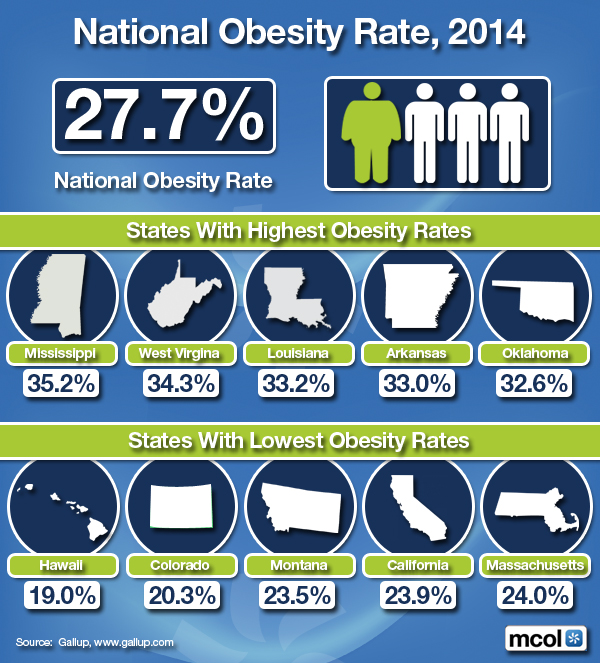
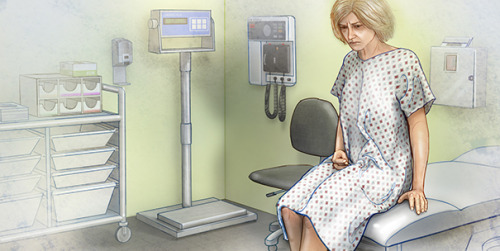
On National Obesity Rates?

Join Our Mailing List

By State for 2014

By http://www.MCOL.com

***

ImageProxy

***

Channel Surfing

Have you visited our other topic channels? Established to facilitate idea exchange and link our community together, the value of these topics is dependent upon your input. Please take a minute to visit. And, to prevent that annoying spam, we ask that you register.

Link: http://feeds.feedburner.com/HealthcareFinancialsthePostForcxos

More:

Conclusion

Your thoughts and comments on this ME-P are appreciated. Feel free to review our top-left column, and top-right sidebar materials, links, URLs and related websites, too. Then, subscribe to the ME-P. It is fast, free and secure.

Speaker: If you need a moderator or speaker for an upcoming event, Dr. David E. Marcinko; MBA – Publisher-in-Chief of the Medical Executive-Post – is available for seminar or speaking engagements. Contact: MarcinkoAdvisors@msn.com

OUR OTHER PRINT BOOKS AND RELATED INFORMATION SOURCES:

Product DetailsProduct DetailsProduct Details

On Non-Financial Conflicts of Interest

Join Our Mailing List

Devastating?

Austin Frakt PhD[By Austin Frakt PhD]

Noam Schieber’s NYT piece today is devastating.

About selecting papers to be most prominently featured at a top economics conference, David Card is quoted,

“‘I choose papers that are going to be written up’ in the mainstream press. […] ‘It’s what the people want.’”

via Non-financial conflicts of interest.

***

Censure

***

Channel Surfing

Have you visited our other topic channels? Established to facilitate idea exchange and link our community together, the value of these topics is dependent upon your input. Please take a minute to visit. And, to prevent that annoying spam, we ask that you register.

Link: http://feeds.feedburner.com/HealthcareFinancialsthePostForcxos

Assessment

Has this philosophy seeped into medicine, the financial services industry and health economics; etc?

Dr. David Edward Marcinko MBA

More: Another report casts skeptical eye on patient satisfaction surveys

Conclusion

Your thoughts and comments on this ME-P are appreciated. Feel free to review our top-left column, and top-right sidebar materials, links, URLs and related websites, too. Then, subscribe to the ME-P. It is fast, free and secure.

Speaker: If you need a moderator or speaker for an upcoming event, Dr. David E. Marcinko; MBA – Publisher-in-Chief of the Medical Executive-Post – is available for seminar or speaking engagements. Contact: MarcinkoAdvisors@msn.com

OUR OTHER PRINT BOOKS AND RELATED INFORMATION SOURCES:

Product DetailsProduct Details

Sponsors Welcomed

 And, credible sponsors and like-minded advertisers are always welcomed.

Support the “Medical Executive-Post”

***

UPDATE

Conflicts of interest, the NEJM, and where we go next

Posted: 04 Jun 2015 03:20 PM PDT

If you haven’t yet, take a look at Lisa Rosenbaum’s NEJM essays (here, here, and here) calling for new thinking about researchers and financial conflicts of interest. The essays are nuanced and go against the grain of much recent writing on research ethics.

Rosenbaum’s essays have generated many responses (the Lown Institute has collected some of them here). I examine Rosenbaum’s views in an essay in the New Republic. I’m sympathetic to many of her arguments, but I think we need more transparency in science, not less (see also here). Austin explores her views herehere, and here. Rosenbaum has elicited some exceptionally harsh rejoinders, including one from two former editors-in-chief of the NEJM.

This discussion has been intense because the stakes are very high. If manipulated research data allow bad drugs to enter the market, people can die. Conversely, if unjustified prejudice against industry slows the progress of research, that could kill people too.

@Bill_Gardner

Do Commisson-Based Fiduciary Financial Advisors EVEN Exist?

Join Our Mailing List

Sometimes the Case?

By Rick Kahler MS CFP http://www.KahlerFinancial.com

Rick Kahler MS CFPCan a financial advisor represent your best interests and still earn a commission? Surprisingly, this can sometimes be the case.

But … It’s up to you to find out.

Fiduciary

Being required to put the consumer’s interest first, which means representing a client rather than selling products and services to a customer is called having a fiduciary duty. While fee-only planners are inherently fiduciaries, they don’t exclusively own the fiduciary domain. The definition of a fiduciary duty does not inherently ban receiving commissions. Numerous statutes and applications of common law can require someone receiving a commission from selling a financial product to act in a fiduciary capacity.

One such circumstance was discussed in a blog post at http://www.kitces.com by Duane Thompson, president of Potomac Strategies, LLC, a legislative and public relations consulting firm.

Registered Investment Advisor

Those registered with the SEC as Registered Investment Advisors (RIA) under the Investment Advisers Act of 1940 are required to uphold a fiduciary standard of care. Advisors must register as RIAs if they, “for compensation, engage in the business of advising others” about investing in securities and as a central part of the business.

The 1940 Act has almost nothing to say about linking compensation to fiduciary responsibility. While large firms selling financial products can argue whether they must register as RIAs, it is clear that anyone registered as an RIA is held to a fiduciary standard, regardless of their compensation structure.

That said, the chances are an advisor who is compensated 100% by commissions is not an RIA and not held to a fiduciary standard. Of the 11,475 adviser firms registered with the SEC, only four are commission only, according to Thompson. Of the remainder, those that receive  a commission also charge some type of fee.

The Odds

The overwhelming odds are that, if you don’t pay a fee to a company giving investment advice or selling a financial product, they are not legally required to look after your best interests.

Even though an RIA who is totally or in part compensated by commissions has a legal obligation to put your interests first, they may still have a conflict of interest, which the SEC requires them to disclose. The size of that conflict of interest depends on the percentage of an adviser’s revenue derived from selling financial products.

Example:

For example, a RIA receiving 90% of their revenue from the sale of financial products has a large conflict of interest. The sustainability of the company and advisers’ careers depends upon sales. Arguably it’s going to be very difficult for an adviser to remain unbiased, especially if what may be in the client’s best interest is a no-load, low cost index mutual fund or variable annuity; which pay no commission.

Conversely, an advisor receiving 99% of their revenue from fees and 1% from commissions on the sale of low-cost term life insurance has almost no conflict. The sale of the insurance is most likely a convenience for clients and has an insignificant financial impact to the adviser.

face-off

[Fiduciary Advisor versus Sales Man/Woman] 

In order to find out the likelihood of advisers upholding a fiduciary standard, first ask whether they are a RIA with the SEC. If not, they owe you no fiduciary responsibility. You are a customer.

Assessment

If an adviser is an RIA, however, don’t assume there is no conflict of interest that may taint the fiduciary relationship. Ask how much of the firm’s gross revenue comes from commissions on the sale of financial products and how much comes from fees paid directly by clients. The higher the percentage of revenue that comes from fees, the lower the conflict of interest and the greater the chance you will receive unbiased, client-centered advice.

Conclusion

Your thoughts and comments on this ME-P are appreciated. Feel free to review our top-left column, and top-right sidebar materials, links, URLs and related websites, too. Then, subscribe to the ME-P. It is fast, free and secure.

Speaker: If you need a moderator or speaker for an upcoming event, Dr. David E. Marcinko; MBA – Publisher-in-Chief of the Medical Executive-Post – is available for seminar or speaking engagements. Contact: MarcinkoAdvisors@msn.com

OUR OTHER PRINT BOOKS AND RELATED INFORMATION SOURCES:

Comprehensive Financial Planning Strategies for Doctors and Advisors: Best Practices from Leading Consultants and Certified Medical Planners(TM)

The Quality of Life Structured Resident Interview and Care Plan

Join Our Mailing List

Creating person-centered care plans in the nursing home

[By Staff Reporters]

About

The Quality of Life Structured Resident Interview and Care Plan is a system for creating individualized, person-centered care plans in the nursing home.

This interview-based approach to care planning generates the information staff need to tailor a resident’s care plan to their preferences, as well as quantitative measurement of individual and facility-level outcomes.

Funding was provided through a seed money grant by the University of Pittsburgh Institute on Aging. For further information about the University of Pittsburgh Institute on Aging please visit http://www.aging.pitt.edu/

***

woman

***

More: Superannuation Demographics for Financial Advisors

Assessment

The major funding for the Improving Quality of Life in Nursing Homes Through Use of Structured Resident Interviews project was also provided by a grant through The Commonwealth Fund. More information about The Commonwealth Fund can be found at their website here: http://thecommonwealthfund.net/

Contact

Howard Degenholtz, PhD Prinicpal Investigator Department of Health Policy and Management Center for Bioethics and Health Law University of Pittsburgh 130 DeSoto St., A616 Pittsburgh, PA 15213

Link: http://www.improvingqol.pitt.edu/home

Conclusion

Your thoughts and comments on this ME-P are appreciated. Feel free to review our top-left column, and top-right sidebar materials, links, URLs and related websites, too. Then, subscribe to the ME-P. It is fast, free and secure.

Speaker: If you need a moderator or speaker for an upcoming event, Dr. David E. Marcinko; MBA – Publisher-in-Chief of the Medical Executive-Post – is available for seminar or speaking engagements. Contact: MarcinkoAdvisors@msn.com

OUR OTHER PRINT BOOKS AND RELATED INFORMATION SOURCES:

Product Details

Comprehensive Financial Planning Strategies for Doctors and Advisors: Best Practices from Leading Consultants and Certified Medical Planners(TM) 

Syphilis Is Surging!

Join Our Mailing List 

Public Health Officials Aren’t Sure Why?

[By Staff Reporters]

Nationwide, the CDC reports that primary and secondary syphilis rates increased by 10 percent between 2012 and 2013—an infection rate more than twice as high as figures from 2001.

Geography

The Atlanta, Baltimore, Detroit, Los Angles, Miami, Orlando, Portland, San Antonio, San Diego and San Francisco metro areas have some of the highest syphilis rates, according to the CDC.

In the San Francisco Bay area, reported cases rose from 438 in 2009 to 814 in 2013. In Washington, D.C., Dr. Raymond C. Martins, senior director of clinical education at Whitman-Walker Health,says that the clinic saw a 32 percent increase in syphilis cases among patients between 2011 and 2014.

And, in recent months, at least 15 cases of ocular syphilis, a serious complication of the disease that can cause blindness, have been reported in California and Washington state, according to an alert released earlier this month by the CDC.

***

PCN

***

Assessment

Most of these infections have occurred among HIV-positive men who have sex with men.

Link: http://www.msn.com/en-us/news/us/syphilis-is-surging-and-us-public-health-officials-arent-sure-why/ar-AAb3qBf?ocid=iehp

More:

Even More: Antibiotic Shortages on the Rise in US

Conclusion

Your thoughts and comments on this ME-P are appreciated. Feel free to review our top-left column, and top-right sidebar materials, links, URLs and related websites, too. Then, subscribe to the ME-P. It is fast, free and secure.

Speaker: If you need a moderator or speaker for an upcoming event, Dr. David E. Marcinko; MBA – Publisher-in-Chief of the Medical Executive-Post – is available for seminar or speaking engagements. Contact: MarcinkoAdvisors@msn.com

OUR OTHER PRINT BOOKS AND RELATED INFORMATION SOURCES:

Product DetailsProduct DetailsProduct Details

Fatigue and its Effect on Doctor’s & Prescriptions

Join Our Mailing List

Fatigue Matters 

[By Staff Reporters]

First we had slow medicine, then fast medicine, and now it’s … fatigued medicine.

According to Aaron Carroll MD; fatigue matters even when it comes to doctors … especially when it comes to doctors.

Here is the data link in Healthcare Triage News.

Assessment

For those of you who want to read more, here is the paper we’re discussing!

***

free

***

Conclusion

Your thoughts and comments on this ME-P are appreciated. Feel free to review our top-left column, and top-right sidebar materials, links, URLs and related websites, too. Then, subscribe to the ME-P. It is fast, free and secure.

Speaker: If you need a moderator or speaker for an upcoming event, Dr. David E. Marcinko; MBA – Publisher-in-Chief of the Medical Executive-Post – is available for seminar or speaking engagements. Contact: MarcinkoAdvisors@msn.com

OUR OTHER PRINT BOOKS AND RELATED INFORMATION SOURCES:

Product DetailsProduct Details

Developing New Medical Practice 2.0 “People” Skills

Join Our Mailing List 

The Times are Changing in …. 2015 and Beyond

[By Render S. Davis MHA CHE]

[By Dr. David Edward Marcinko MBA CMP™]

DEM white  shirtMedical practice today is vastly different from a generation ago, and physicians need new skills to be successful, and reduce liability risks while improving care delivery at lower costs.

In order to balance their obligations to both individual patients and to larger groups, physicians now must become more than competent clinicians.

Bedside Manner?

Traditionally, the physician was viewed as the “captain of the ship,” in charge of nearly all the medical decisions, but this changed with the dynamics of managed care and the health reform of the PP-ACA.

Today, the physician’s role may be more akin to the ship’s navigator, utilizing his or her clinical skills and knowledge of the health care environment to chart the patient’s course through a confusing morass of insurance requirements, care choices, and regulations to achieve the best attainable outcome.

Some of these new 2.0 “People” skills include:

  1. Negotiation – working to optimize the patient’s access to appropriate services and facilities;
  2. Being a team player – working in concert with other care givers, from generalist and specialist physicians, to nurses and therapists, to coordinate care delivery within a clinically appropriate and cost-effective framework;
  3. Working within the limits of professional competence – avoiding the pitfalls of payer arrangements that may restrict access to specialty physicians and facilities, by clearly acknowledging when the symptoms or manifestations of a patient’s illness require this higher degree of service; then working on behalf of the patient to seek access to them;
  4. Respecting different cultures and values – inherent in the support of the Principle of Autonomy is acceptance of values that may differ from one’s own. As the United States becomes a more culturally heterogeneous nation, health care providers are called upon to work within and respect the socio-cultural and/or spiritual framework of patients and their families;
  5. Seeking clarity on what constitutes marginal care – within a system of finite resources, physicians will be called upon to carefully and openly communicate with patients regarding access to marginal and/or futile treatments. Addressing the many needs of patients and families at the end of life will be an increasingly important challenge in both communications and delivery of appropriate, yet compassionate care;
  6. Supporting evidence-based practice – physicians should utilize outcomes data to reduce variation in treatments and achieve higher efficiencies and effectiveness of care delivery;
  7. Fostering transparency and openness in communications – physicians should be willing and prepared to discuss all aspects of care and treatment, especially when disclosing problems or issues that may arise;
  8. Exercising decision-making flexibility – treatment algorithms and clinical pathways are extremely useful tools when used within their scope, but physicians must follow the case managed patient closely and have the authority to adjust the plan if clinical circumstances warrant;
  9. Fostering “patient and family centered care – whenever possible, medical treatments should be undertaken in a way that respects the patient’s values and preferences, and recognizes the important role to be played by family in supporting the patient’s care and well-being. For details on engaging families in this process, visit the website for the Institute for Family-Centered Care at www.familycenteredcare.org.;
  10. Becoming skilled in the art of listening and interpreting — In her ground-breaking book, Narrative Ethics: Honoring the Stories of Illness, Rita Charon, MD Ph.D., a professor of Clinical Medicine at Columbia University’s College of Physicians and Surgeons, writes of the extraordinary value of utilizing the patient’s narrative, or personal story, in the care and treatment process. She notes that, “medicine practiced with narrative competence will more ably recognize patients and diseases, convey knowledge and regard, join humbly with colleagues, and accompany patients and their families through ordeals of illness.” In many ways, attention to narrative returns medicine full circle to the compassionate and caring foundations of the patient-physician relationship.

***

Masks

[The Masks of Change]

Courtesy SplitShire

*** 

Assessment

These represent only a handful of examples to illustrate the myriad of new skills that today’s savvy physicians must master in order to meet their timeless professional obligation of compassionate patient care; coupled with risk avoidance, assumption, transference and reduction mechanisms.

*NOTE: Health 2.0 is information exchange plus technology. It employs user-generated content, social networks and decision support tools to address the problems of inaccessible, fragmentary or unusable health care information. Healthcare 2.0 connects users to new kinds of information, fundamentally changing the consumer experience (e.g., buying insurance or deciding on/managing treatment), clinical decision-making (e.g., risk identification or use of best practices) and business processes (e.g., supply-chain management or business analytics.

About the Author

Render Davis was a Certified Healthcare Executive, now retired from Crawford Long Hospital at Emory University, in Atlanta, GA He served as Assistant Administrator for General Services, Policy Development, and Regulatory Affairs from 1977-95.  He is a founding board member of the Health Care Ethics Consortium of Georgia and served on the consortium’s Executive Committee, Advisory Board, Futility Task Force, Strategic Planning Committee, and chaired the Annual Conference Planning Committee, for many years.

MORE:

Channel Surfing the ME-P

Have you visited our other topic channels? Established to facilitate idea exchange and link our community together, the value of these topics is dependent upon your input. Please take a minute to visit. And, to prevent that annoying spam, we ask that you register. It is fast, free and secure.

Conclusion

Your thoughts and comments on this ME-P are appreciated. Feel free to review our top-left column, and top-right sidebar materials, links, URLs and related websites, too. Then, subscribe to the ME-P. It is fast, free and secure.

Speaker: If you need a moderator or speaker for an upcoming event, Dr. David E. Marcinko; MBA – Publisher-in-Chief of the Medical Executive-Post – is available for seminar or speaking engagements. Contact: MarcinkoAdvisors@msn.com

OUR OTHER PRINT BOOKS AND RELATED INFORMATION SOURCES:

Comprehensive Financial Planning Strategies for Doctors and Advisors: Best Practices from Leading Consultants and Certified Medical Planners(TM)* 8

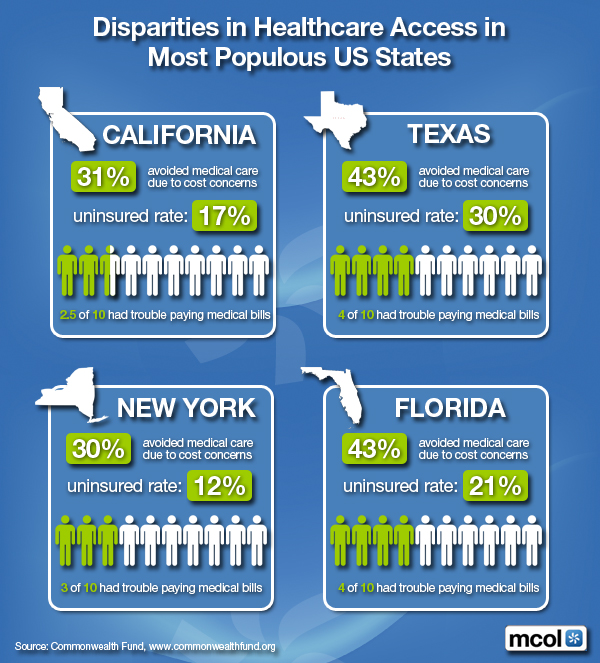
On Domestic Healthcare Access Disparities

Join Our Mailing List

Most Populous US States

By http://www.MCOL.com

***

Disparity

***

More:

Conclusion

Your thoughts and comments on this ME-P are appreciated. Feel free to review our top-left column, and top-right sidebar materials, links, URLs and related websites, too. Then, subscribe to the ME-P. It is fast, free and secure.

Speaker: If you need a moderator or speaker for an upcoming event, Dr. David E. Marcinko; MBA – Publisher-in-Chief of the Medical Executive-Post – is available for seminar or speaking engagements. Contact: MarcinkoAdvisors@msn.com

OUR OTHER PRINT BOOKS AND RELATED INFORMATION SOURCES:

Product Details

Product DetailsProduct DetailsProduct Details

Enter the ROBO Financial & Medical Advisors

Join Our Mailing List 

Machines will Rule … Soonest?

[By Dr. David Edward Marcinko MBA CMP™]

DEM white  shirtMachines beat humans at chess. Machines can pilot airplanes to land at O’Hare; or on Mars. There is now a machine that beats the best of us at Jeopardy.

And, many predict that an Artificial Intelligent medical clinician is ten years away.

Just think tele-medicine and tele-health.

And, no one will use a biological doctor in twenty five years. Then, of course, enter the singularity*.

Innovation

I’m not sure who said it first, but this quote has been floating around Twitter lately:

“In 2015 Uber, the world’s largest taxi company owns no vehicles, Facebook the world’s most popular media owner creates no content, Alibaba, the most valuable retailer has no inventory, and Airbnb, the world’s largest accommodation provider owns no real estate.”

Assessment

Fundamental assumptions about what is needed to be a successful doctor, financial advisor, or other business has changed in just the last few years.

So – I ask MD and FA colleagues – will you keep up professionally, or fall behind? What are the ethical implications of these technology innovations; if any?

***

robot

[Vanguard’s “Robo Advisor” – Good for Clients but Bad for Advisors?] 

***

More:

Even More:

Note: From Wikipedia, the free encyclopedia.

The Singularity

The technological singularity is the hypothesis that accelerating progress in technologies will cause a runaway effect wherein artificial intelligence will exceed human intellectual capacity and control, thus radically changing civilization in an event called “the singularity”.[1] Because the capabilities of such an intelligence may be impossible for a human to comprehend, the technological singularity is an occurrence beyond which events may become unpredictable, unfavorable, or even unfathomable.[2]

The first use of the term “singularity” in this context was by mathematician John von Neumann. In 1958, regarding a summary of a conversation with von Neumann, Stanislaw Ulam described “ever accelerating progress of technology and changes in the mode of human life, which gives the appearance of approaching some essential singularity in the history of the race beyond which human affairs, as we know them, could not continue”.[3] The term was popularized by science fiction writer Vernor Vinge, who argues that artificial intelligence, human biological enhancement, or brain–computer interfaces could be possible causes of the singularity.[4] Futurist Ray Kurzweil cited von Neumann’s use of the term in a foreword to von Neumann’s classic The Computer and the Brain.

Proponents of the singularity typically postulate an “intelligence explosion”,[5][6] where superintelligences design successive generations of increasingly powerful minds, that might occur very quickly and might not stop until the agent’s cognitive abilities greatly surpass that of any human.

Kurzweil predicts the singularity to occur around 2045[7] whereas Vinge predicts some time before 2030.[8] At the 2012 Singularity Summit, Stuart Armstrong did a study of artificial general intelligence (AGI) predictions by experts and found a wide range of predicted dates, with a median value of 2040. Discussing the level of uncertainty in AGI estimates, Armstrong said in 2012, “It’s not fully formalized, but my current 80% estimate is something like five to 100 years.”[9]

***

eye

***

Conclusion

Your thoughts and comments on this ME-P are appreciated. Feel free to review our top-left column, and top-right sidebar materials, links, URLs and related websites, too. Then, subscribe to the ME-P. It is fast, free and secure.

Speaker: If you need a moderator or speaker for an upcoming event, Dr. David E. Marcinko; MBA – Publisher-in-Chief of the Medical Executive-Post – is available for seminar or speaking engagements. Contact: MarcinkoAdvisors@msn.com

OUR OTHER PRINT BOOKS AND RELATED INFORMATION SOURCES:

Comprehensive Financial Planning Strategies for Doctors and Advisors: Best Practices from Leading Consultants and Certified Medical Planners(TM) 

Are You A Top Performing Financial Advisor?

Join Our Mailing List

An Infographic

[By Gabriel Lalonde]

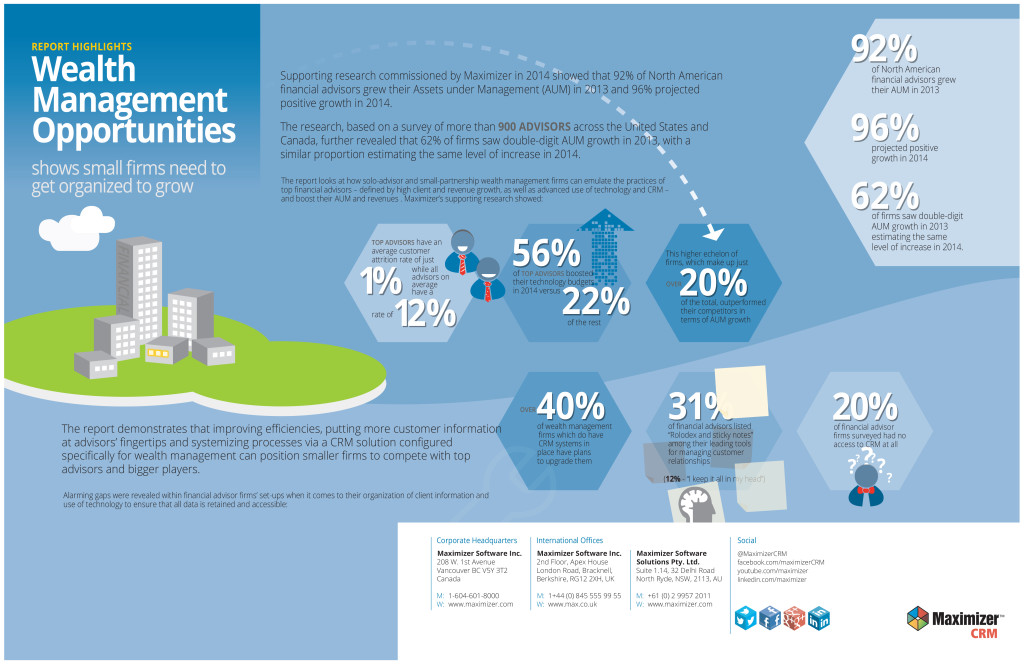
To gain a better understanding of how today’s investment advisor’s are running their practices, Maximizer Software commissioned an original study based on surveys with 903 financial advisers from Canada and the United States.

The goal of the survey was to identify specific issues and trends that make investment advisers more successful.

***

WME-Infographic_highres-1024x664

[Click to Enlarge]

***

Unique

The infographic above illustrates what sets top investment advisers apart from the rest of their peers.

Assessment

To find out how your practice can become a top performer take a look at our report! 

More:

Conclusion

Your thoughts and comments on this ME-P are appreciated. Feel free to review our top-left column, and top-right sidebar materials, links, URLs and related websites, too. Then, subscribe to the ME-P. It is fast, free and secure.

Speaker: If you need a moderator or speaker for an upcoming event, Dr. David E. Marcinko; MBA – Publisher-in-Chief of the Medical Executive-Post – is available for seminar or speaking engagements. Contact: MarcinkoAdvisors@msn.com

OUR OTHER PRINT BOOKS AND RELATED INFORMATION SOURCES:

Comprehensive Financial Planning Strategies for Doctors and Advisors: Best Practices from Leading Consultants and Certified Medical Planners(TM)

On The State Licensing Process of Physicians

Join Our Mailing List

By State Medical Boards
robert-cimasitodd-zigrang

By ROBERT JAMES CIMASI; MHA, ASA, FRICS, MCBA, AVA, CM&AA, CMP

By TODD A. ZIGRANG; MBA, MHA, ASA, FACHE

(C) Health Capital Consultants, LLC All rights reserved. St. Louis, MO USA

A SPECIAL ME-P REPORT

USA

http://www.HealthCapital.com

Every state and the District of Columbia require the licensure of all allopathic (M.D.) and osteopathic (D.O.) physicians [1] Although the specific criteria for licensure vary by state, each state requires candidates to submit proof of completion of the requisite number of years of graduate medical education and passage of examinations verifying that “the physician is ready and able to practice competently and safely in an independent setting [2].

Moral Character

Additionally, a physician applying for licensure is typically required to have “good moral character,” absent his or her involvement in illegal activities [3] Most physicians satisfy the exam requirement by submitting proof of their successful completion of the United States Medical Licensing Examination (USMLE) or the Comprehensive Osteopathic Medical Licensing Examination (COMLEX-USA) to the licensure board [4] However, as some practicing physicians may have been licensed under a previously administered exam, certain state licensing boards may consider a combination of other examinations sufficient to meet licensure requirements, so long as those exams were completed prior to 2000 [5]

Of State Medical Boards

The licensure of physicians is governed by a state medical board, the “primary responsibility” of which board, according to the Federation of State Medical Boards, is to “protect consumers of health care by ensuring that all physicians…are properly licensed and comply with various laws and regulations pertaining to the practice of medicine[6] To accomplish this goal, state legislatures have delegated certain powers to the state’s medical board, including the power to grant, suspend, and revoke licenses; conduct investigations into complaints against physicians; and, release guidelines related to best medical practices [7] State medical boards have traditionally consisted solely of physicians; however, there has recently been an increase in the number of non-physician board members on state medical boards [8].

History

Over the last 50 years, state medical boards have faced intense scrutiny regarding their commitment to disciplining physicians based on quality concerns [9] In 1960, the American Medical Association (AMA) heard “sobering” facts from the Federation of State Medical Boards that “much confusion over the definitions and objectives exists” related to state medical board enforcement of medical standards [10] From 1963 to 1967, 0.06% of all physicians were subject to discipline, while in 1981, 0.14% of all physicians were subject to discipline, due in large part to the problems identified by the AMA [11] Although the rate of physician discipline rose eightfold by the mid-1990s, to date, there are continuing concerns regarding state medical board enforcement of quality standards.

A March 2011 report by advocacy group Public Citizen found that over 55% of physicians who faced clinical privilege disciplines by hospitals from 1990 to 2009 did not have a corresponding action from a state medical board [12] Additionally, in 2011, state medical boards imposed 3.06 “serious disciplinary actions” (e.g., revocations, surrenders, suspensions, and probations of medical licenses) per 1,000 physicians, an increase from the 2010 rate of 2.97 per 1,000, but a decrease from the 2004 rate of 3.72 per 1,000 [13] Numerous reasons have been offered to explain the disparity in quality enforcement by state medical boards, the most prominent being that physicians are loath to report fellow physicians for major disciplinary actions such as licensure revocation[14]

***

nurses

***

Assessment

Other reasons include a focus by state medical boards on “character-related misconduct” over clinical quality standards [15] as well as a lack of resources to investigate and enforce quality standards, which forces state medical boards to rely on physicians and hospitals to “police” themselves [16].

More:

Channel Surfing the ME-P

Have you visited our other topic channels? Established to facilitate idea exchange and link our community together, the value of these topics is dependent upon your input. Please take a minute to visit. And, to prevent that annoying spam, we ask that you register. It is fast, free and secure.

© 2015 HCC, LLC. All rights reserved. USA

Conclusion

Your thoughts and comments on this ME-P are appreciated. Feel free to review our top-left column, and top-right sidebar materials, links, URLs and related websites, too. Then, subscribe to the ME-P. It is fast, free and secure.

Speaker: If you need a moderator or speaker for an upcoming event, Dr. David E. Marcinko; MBA – Publisher-in-Chief of the Medical Executive-Post – is available for seminar or speaking engagements. Contact: MarcinkoAdvisors@msn.com

OUR OTHER PRINT BOOKS AND RELATED INFORMATION SOURCES:

 REFERENCES

[1]       “State Medical Boards: Future Challenges for Regulation and Quality Enhancement of Medical Care,” By James N. Thompson, Journal of Legal Medicine, Vol. 33, No. 9 (January-March 2012).

[2]       “State Medical Boards: Future Challenges for Regulation and Quality Enhancement of Medical Care,” By James N. Thompson, Journal of Legal Medicine, Vol. 33, No. 9 (January-March 2012); “Healthcare Valuation: The Four Pillars of Healthcare Value,” By Robert James Cimasi, MHA, ASA, FRICS, MCBA, AVA, CM&AA, Hoboken, NJ: John Wiley & Sons, Inc., 2014, p. 449-450.

[3]       “Medical Practice: Education and Licensure,” in “Legal Medicine,” By S. Sandy Sanbar et al., 6th Ed., Mosby, 2004, p. 81.

[4]       “Medical Licensure,” American Medical Association, 2014, http://www.ama-assn.org/ama/pub/education-careers/becoming-physician/medical-licensure.page, (Accessed 12/19/14); “COMLEX-USA,” National Board of Osteopathic Medical Examiners, 2014, http://www.nbome.org/exams-faq.asp (Accessed 12/19/14).

[5]       “Medical Licensure,” American Medical Association, 2014, http://www.ama-assn.org/ama/pub/education-careers/becoming-physician/medical-licensure.page, (Accessed on 12/19/14); “Healthcare Valuation: The Four Pillars of Healthcare Value,” By Robert James Cimasi, MHA, ASA, FRICS, MCBA, AVA, CM&AA, Hoboken, NJ: John Wiley & Sons, Inc., 2014, p. 450.

[6]       “What is a State Medical Board?” Federation of State Medical Boards, 2014, http://www.fsmb.org/policy/what-is-a-smb-faq (Accessed 12/19/14).

[7]       “What is a State Medical Board?” Federation of State Medical Boards, 2014, http://www.fsmb.org/policy/what-is-a-smb-faq (Accessed 12/19/14).

[8]       “What is a State Medical Board?” Federation of State Medical Boards, 2014, http://www.fsmb.org/policy/what-is-a-smb-faq (Accessed 12/19/14); “Character, Competence, and the Principles of Medical Discipline,” By Nadia N. Sawicki, Journal of Health Care Law & Policy, Vol. 13, No. 1, 2010, p. 291.

[9]       “Character, Competence, and the Principles of Medical Discipline,” By Nadia N. Sawicki, Journal of Health Care Law & Policy, Vol. 13, No. 1, 2010, p. 287, n. 7; “To Err is Human: Building a Safer Health System – Summary,” Institute of Medicine, 2000, http://www.iom.edu/~/media/Files/Report%20Files/1999/To-Err-is-Human/To%20Err%20is%20Human%201999%20%20report%20brief.pdf (Accessed 12/19/14).

[10]     “Medical Licensure Statistics for 1960,” Journal of the American Medical Association, Vol. 176, No. 8 (May 27, 1961), p. 694.

[11]     “Medical Licensing Board Characteristics and Physician Discipline: An Empirical Analysis,” By Mark T. Law & Zeynep K. Hansen, Journal of Health Politics, Policy and Law, Vol. 35, No. 1 (February 2010), p. 66.

[12]     “State Medical Boards Fail to Discipline Doctors with Hospital Actions Against Them,” By Alan Levine et al., Public Citizen, March 2011, http://www.citizen.org/documents/1937.pdf (Accessed 12/19/14).

[13]     “Public Citizen’s Health Research Group Ranking of the Rate of State Medical Boards’ Serious Disciplinary Actions, 2009-2011,” By Sidney M. Wolfe, M.D., et al., Public Citizen, May 17, 2012, http://www.citizen.org/documents/2034.pdf (Accessed 12/19/14).

[14]     “Medical Boards are Too Lax, Critics Claim,” By Wayne J. Guglielmo, MA, MedScape, October 17, 2014, http://www.medscape.com/viewarticle/833141 (Accessed 12/3/14);

[15]     “Character, Competence, and the Principles of Medical Discipline,” By Nadia N. Sawicki, Journal of Health Care Law & Policy, Vol. 13, No. 1, 2010, p. 287.

[16]     “Medical Licensing Board Characteristics and Physician Discipline: An Empirical Analysis,” By Mark T. Law & Zeynep K. Hansen, Journal of Health Politics, Policy and Law, Vol. 35, No. 1 (February 2010), p. 90; “Medical Licensure Statistics for 1960,” Journal of the American Medical Association, Vol. 176, No. 8, May 27, 1961, p. 694.

NC Update: H543v2 – 04152015

Comprehensive Financial Planning Strategies for Doctors and Advisors: Best Practices from Leading Consultants and Certified Medical Planners(TM)* 8

Product DetailsProduct Details

Do You Have These Horrible Investments in Your Portfolio?

Join Our Mailing List 

Beware Structured Products and Annuities

By Michael Zhuang

Principal of MZ Capital Management

[Contributor to Morningstar and Physicians Practice]

Recently, I had a new client. As part of the on-boarding process, I examined her old portfolio and found some things I didn’t recognize.

***

Cusip Symbol Description Return
25190A104 N/A Deutsche Bk AG London BRH Ret Opt Secs Lkd Ishare MSCI Mexico Capped -21.15%
25190A203 N/A Deutsche Bk AG London BRH Ret Opt Secs Lkd Ishare Euro STOXX 50 Idx -26.60%
90273L815 N/A USB AG London BRH Notes Five 15 -22.30%

***

Structured Products

What these products have in common is they don’t have a ticker symbol, meaning they are not publicly traded securities. They also have weird descriptions and they all lost a lot of money.

I called Fidelity (my custodian firm) to find out what they were and how I could get rid of them. I was told that they are structured products created by the bank(s) to shove into their clients’ accounts (The managing “advisor” works for UBS).

That rang a bell! My very first job was a financial engineer for a French bank – Societe Generale. My job was to create structured products that had appealing features and made the bank a lot of profits. Now, that I finally see them in action from, the client side of the equation; I am not proud.

Annuities

But, these structured products are not nearly as bad as an Allianz annuity that a client bought from an insurance agent “friend” a while back. He bought the annuity eleven years ago for $150-k, and over the years, saw it steadily increases in value to $189-k.

Then, there came a time when he needed the money. So, he called to cash out and was shocked to discover there was a $62-k surrender charge. In other words, he was able to get $127-k back. I subsequently called Allianz on his behalf to find out when the surrender charge would end and was told there was no end! In other words, there would always be a huge surrender charge.

***

insurance

***

What the Heck!

So, what in the heck does that value of $189-k really mean, when every time you want to take out the “value”, you have to pay a hefty ⅓ surrender charge?

Alas, Allianz explained the client can annuitize and take the amount out over ten years (or twenty years,) during which no interest will be accrued.  So, they will take your principal -or- they will take your interest, either way they screw you.

More:

Assessment 

Do you have structured products or annuities in your portfolio? Don’t know – Find out, now!

Conclusion

Your thoughts and comments on this ME-P are appreciated. Feel free to review our top-left column, and top-right sidebar materials, links, URLs and related websites, too. Then, subscribe to the ME-P. It is fast, free and secure.

Speaker: If you need a moderator or speaker for an upcoming event, Dr. David E. Marcinko; MBA – Publisher-in-Chief of the Medical Executive-Post – is available for seminar or speaking engagements. Contact: MarcinkoAdvisors@msn.com

OUR OTHER PRINT BOOKS AND RELATED INFORMATION SOURCES:

Comprehensive Financial Planning Strategies for Doctors and Advisors: Best Practices from Leading Consultants and Certified Medical Planners(TM)

Emotional Intelligence [EQ] in Medicine

Join Our Mailing List 

The Five Basic Non-Cognitive Competencies

[By Render S. Davis MHA CHE]

[By Dr. David Edward Marcinko MBA]

DEM white shirt

Many of us have encountered a person who may intellectually be at upper levels, but whose ability to interact with others appears to that of one who is highly immature.

This is the individual who is prone to becoming angry easily, verbally attacks co-workers, is perceived as lacking in compassion and empathy, and cannot understand why it is difficult to get others to cooperate with them and their agendas

[THINK: Sheldon Cooper PhD D.Sc MA BA of the The Big Bank Theory TV show].

Enter Daniel Goleman

The concept of Emotional Intelligence [EQ] was brought into the public domain when Daniel Goleman authored a book entitled, Emotional Intelligence.”

According to Goleman, emotional intelligence consists of four basic non-cognitive competencies: self awareness, social awareness, self management and social skills. These are skills which influence the manner in which people handle themselves and their relationships with others.  Goleman’s position was that these competencies play a bigger role than cognitive intelligence in determining success in life and in the workplace.

***

robo

***

Five Domains

He and others contend that emotional intelligence involves abilities that may be categorized into five domains:

  • Self awareness: Observing and recognizing a feeling as it happens.
  • Managing emotions: Handling feelings so that they are appropriate; realizing what is behind a feeling; finding ways to handle fears and anxieties, anger and sadness.
  • Motivating oneself; Channeling emotions in the service of a goal; emotional self control; delaying gratification and stifling impulses.
  • Empathy: Sensitivity to others’ feelings and concerns and taking their perspective appreciating the differences in how people feel about things.
  • Handling relationships: Managing emotions in others; social competence and social skills.

Source: Emotional Intelligence: what is and why it matters” – Cary Cherniss, PhD, presented at the annual conference of the Society of Industrial and Organizational Psychology, April 2000.

The Importance of Emotional Intelligence in the Workplace

Mike Poskey, in “The Importance of Emotional Intelligence in the Workplace.” continued his definition by stating that emotional intelligence is considered to involve emotional empathy; attention to, and discrimination of one’s emotions; accurate recognition of one’s own and others’ moods; mood management or control over emotions; response with appropriate emotions and behaviors in various life situations (especially to stress and difficult situations); and balancing of honest expression of emotions against courtesy, consideration, and respect.

***

head

***

A Set of Competencies

In 1995, Goleman then expanded on the works of Howard Gardner, Peter Salovey and John Mayer. He further defined Emotional Intelligence as a set of competencies demonstrating the ability one has to recognize his or her behaviors, moods and impulses and to manage them best, according to the situation.

Channel Surfing the ME-P

Have you visited our other topic channels? Established to facilitate idea exchange and link our community together, the value of these topics is dependent upon your input. Please take a minute to visit. And, to prevent that annoying spam, we ask that you register. It is fast, free and secure.

More:

***

Assessment

So, how does all this relate to medical practice today? Please … do tell us!

Conclusion

Your thoughts and comments on this ME-P are appreciated. Feel free to review our top-left column, and top-right sidebar materials, links, URLs and related websites, too. Then, subscribe to the ME-P. It is fast, free and secure.

About the Co-Author

Render Davis was a Certified Healthcare Executive, now retired from Crawford Long Hospital at Emory University, in Atlanta, GA He served as Assistant Administrator for General Services, Policy Development, and Regulatory Affairs from 1977-95.  He is a founding board member of the Health Care Ethics Consortium of Georgia and served on the consortium’s Executive Committee, Advisory Board, Futility Task Force, Strategic Planning Committee, and chaired the Annual Conference Planning Committee, for many years.  

Speaker: If you need a moderator or speaker for an upcoming event, Dr. David E. Marcinko; MBA – Publisher-in-Chief of the Medical Executive-Post – is available for seminar or speaking engagements. Contact: MarcinkoAdvisors@msn.com

OUR OTHER PRINT BOOKS AND RELATED INFORMATION SOURCES:

Comprehensive Financial Planning Strategies for Doctors and Advisors: Best Practices from Leading Consultants and Certified Medical Planners(TM)* 8

Product Details

Ethical Implications of “Mystery Patient Shoppers” and Secretly Recording Conversations With Physicians

Join Our Mailing List

[By Staff Reporters]

CONVERSATIONS RECORDED WITH PHYSICIANS

With recent advances in technology, smart phones can become recording devices with the touch of a button. This technological capability gives patients and their families the ability to easily and surreptitiously record conversations with physicians. The frequency of such recordings or whether they even occur is unknown. The ubiquity of smart phones, however, suggests the potential for secret recordings to occur.

Link: http://jama.jamanetwork.com/article.aspx?articleID=2204226#jvp150030r8

As of January 2014, 58% of Americans owned a smart phone, including 83% of young adults. Although recording conversations with physicians may provide some benefit for patients and their families, secret recordings can undermine patient-physician relationships and ultimately affect the provision of health care.

Source: Michelle Rodriguez, JD; Jason Morrow, MD, PhD; Ali Seifi, MD. JAMA March 12, 2015. doi:10.1001/jama.2015.2424

***

Phone

***

“MYSTERY PATIENT SHOPPER” RISKS

In 2014, the Department of Health and Human Services proposed a “mystery shopper” program to gauge primary-care physicians’ timeliness in accepting new patients, according to a notice in the Federal Register. The plan calls for contacting 4,185 primary-care physicians—465 in each of nine as-yet-unnamed states—twice, once by someone pretending to be a new patient who has private insurance and once by someone pretending to be a publicly insured patient.

Link: https://www.fiercehealthcare.com/practices/more-patients-are-recording-doctor-visits

Scenarios will involve patients with both urgent medical concerns and those requesting a routine medical exam. The purpose of this program is to assess the timeliness with which primary-care services could be provided, gain insight into reasons why availability is lacking, and provide current information on primary-care availability and accessibility.

***

woman

***

Assessment

Ethical or NOT?

Now, what about doctors recording patients?

Link: https://www.kevinmd.com/blog/2016/06/doctors-patients-secretly-record.html

VA Update: https://www.research.va.gov/currents/0318-Mystery-shopper-model-being-used-to-boost-VA-care.cfm

Conclusion

Your thoughts and comments on this ME-P are appreciated. Feel free to review our top-left column, and top-right sidebar materials, links, URLs and related websites, too. Then, subscribe to the ME-P. It is fast, free and secure.

Speaker: If you need a moderator or speaker for an upcoming event, Dr. David E. Marcinko; MBA – Publisher-in-Chief of the Medical Executive-Post – is available for seminar or speaking engagements. Contact: MarcinkoAdvisors@msn.com

OUR OTHER PRINT BOOKS AND RELATED INFORMATION SOURCES:

Comprehensive Financial Planning Strategies for Doctors and Advisors: Best Practices from Leading Consultants and Certified Medical Planners(TM)

***

Invite Dr. Marcinko

Sign the pledge to create the healthiest nation in one generation

Join Our Mailing List 

The Healthiest Nation Pledge

  • By Susan L. Polan PhD
  • [Associate Executive Director]
  • Public Affairs and Advocacy

Dear Dr. David E. Marcinko,

Study after study consistently confirms an unpleasant fact: Americans live shorter lives and suffer more health issues than people in other high-income countries.

  • We live up to four years less than our peers.
  • We suffer more chronic disease, such as diabetes, cancer and heart disease.
  • We have higher infant mortality rates.
  • Within the U.S., there is as much as a 15-year difference in life expectancy depending on where you live, your race, your income and how educated you are.

In truth, the U.S. trails other high-income countries in these and most other measures of health.

Hope and Change

How do we change this? We need to make healthy lifestyle choices both as individuals and as a society. Our health is affected by a complex web of social and environmental factors that are often outside of our individual control. The homes we live in, our access to healthy food, the quality of our schools, clean air and water – these and other factors directly affect our health. And for many people, they limit their ability to make healthy choices.

Together We Can

Together we can change this. If we join together, we can demand that our leaders consider health in all their decisions. We can create communities that have a positive influence on our health – communities where it is easy for us all to make healthy choices.

***

ImageProxyPH

***

Assessment

Take the first step. Sign the pledge to create the healthiest nation in one generation. Ask your colleagues, friends and family to sign also. The more people who sign, the more influence we can wield. And the more momentum we can build for change.

Sincerely,

Susan Polan

****

Speaker: If you need a moderator or speaker for an upcoming event, Dr. David E. Marcinko; MBA – Publisher-in-Chief of the Medical Executive-Post – is available for seminar or speaking engagements. Contact: MarcinkoAdvisors@msn.com

3451_-NPHW-Infographic2015_New

OUR OTHER PRINT BOOKS AND RELATED INFORMATION SOURCES:

Product DetailsProduct Details

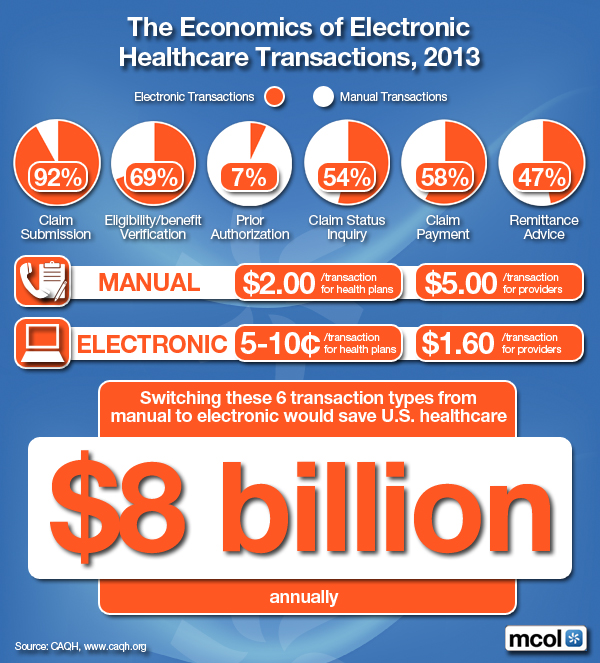
The Economics of Electronic Healthcare Transactions

Join Our Mailing List

For FY 2013

By http://www.MCOL.com

***

website

***

ImageProxy

***

More:

Conclusion

Your thoughts and comments on this ME-P are appreciated. Feel free to review our top-left column, and top-right sidebar materials, links, URLs and related websites, too. Then, subscribe to the ME-P. It is fast, free and secure.

Speaker: If you need a moderator or speaker for an upcoming event, Dr. David E. Marcinko; MBA – Publisher-in-Chief of the Medical Executive-Post – is available for seminar or speaking engagements. Contact: MarcinkoAdvisors@msn.com

OUR OTHER PRINT BOOKS AND RELATED INFORMATION SOURCES:

 
Product DetailsProduct DetailsProduct Details

Product Details

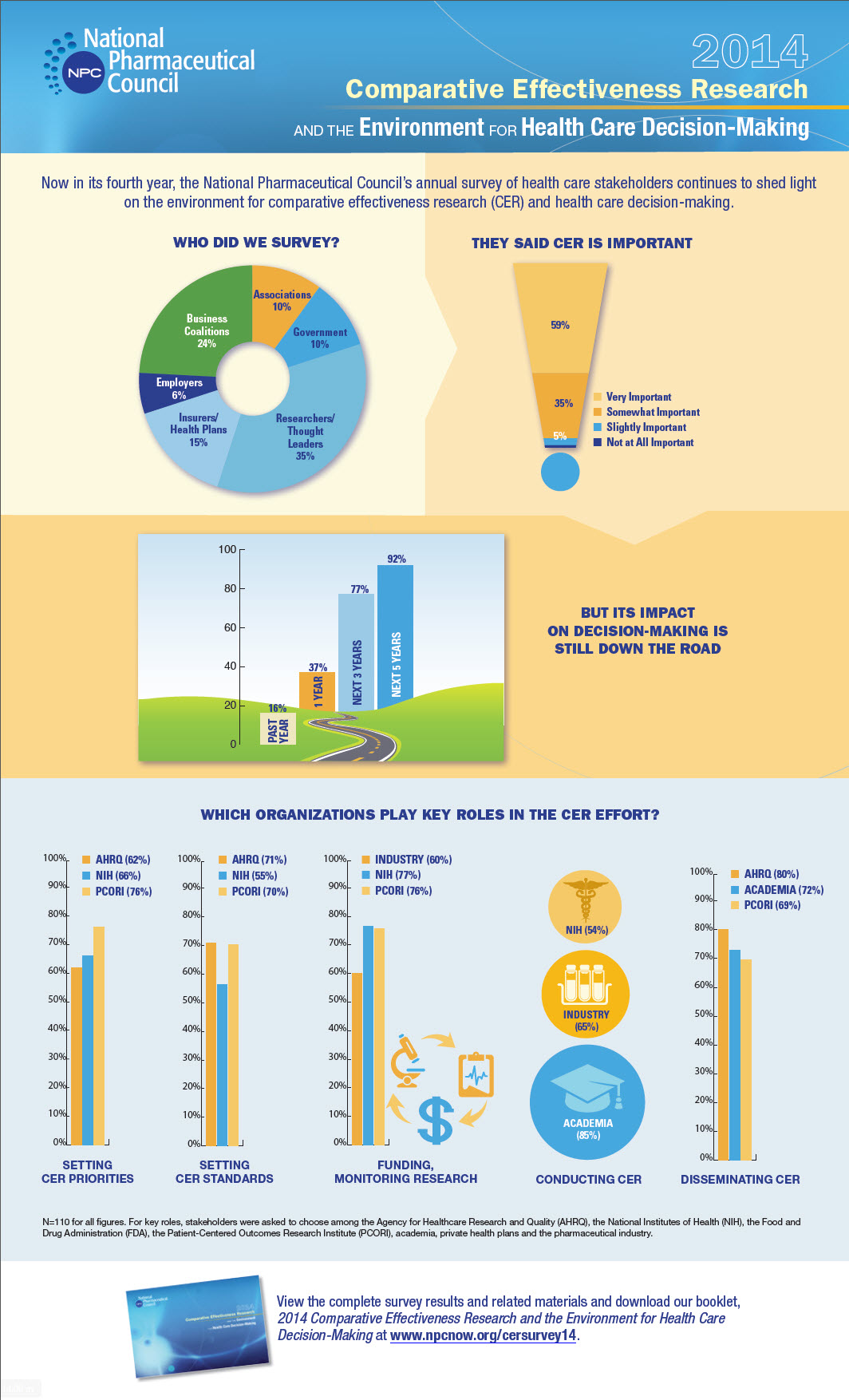
NPCs Info-Graphic on Comparative Effectiveness Research

Join Our Mailing List

National Pharmaceutical Council

[By Staff Reporters]

The National Pharmaceutical Council’s fourth annual survey of health care stakeholders sheds some light on the environment for comparative effectiveness research (CER) and health care decision-making.

***

CER-Survey

***

Questions

  • How important is CER?
  • Which organizations play key roles in the CER effort?
  • How long will it take to see the impact of CER on decision making?

Assessment

Find the answers to these questions and more in this info graphic. (Source: National Pharmaceutical Council, 2014)

Channel Surfing the ME-P

Have you visited our other topic channels? Established to facilitate idea exchange and link our community together, the value of these topics is dependent upon your input. Please take a minute to visit. And, to prevent that annoying spam, we ask that you register. It is fast, free and secure.

More:

Conclusion

Your thoughts and comments on this ME-P are appreciated. Feel free to review our top-left column, and top-right sidebar materials, links, URLs and related websites, too. Then, subscribe to the ME-P. It is fast, free and secure.

Speaker: If you need a moderator or speaker for an upcoming event, Dr. David E. Marcinko; MBA – Publisher-in-Chief of the Medical Executive-Post – is available for seminar or speaking engagements. Contact: MarcinkoAdvisors@msn.com

OUR OTHER PRINT BOOKS AND RELATED INFORMATION SOURCES:

Product DetailsProduct Details

Take the Geneia “Joy of Medicine” Challenge

Join Our Mailing List

Submit your Ideas – Today!

Bryan Vartabedian, MD's avatar By Bryan Vartabedian MD

It’s a fact, there’s not a lot of joy out there among today’s physicians. 84 % of you report that ‘quality patient time’ may be a thing of the past. And, 67 % of you know a colleague who’s actually thinking about giving it all up.

Timeline

  • about 2 months until voting ends on Wednesday, May 13th, 2015 at 7:00 PM

***

hospital

VOTING LINK HERE:

https://medstro.com/groups/joy

***

Assessment

At Geneia,we’re working hard to find the answers. And; we need a second opinion — yours. Submit your ideas to the Geneia Joy of Medicine Challenge today!

More:

Conclusion

Your thoughts and comments on this ME-P are appreciated. Feel free to review our top-left column, and top-right sidebar materials, links, URLs and related websites, too. Then, subscribe to the ME-P. It is fast, free and secure.

ABOUT

Dr. Bryan Vartabedian is considered one of health care’s most influential voices on technology and medicine. His insight and thought leadership has made him a sought after keynote speaker in the area of medicine and new media. Dr. V has developed unique expertise in understanding how new media can be leveraged by organizations and individual stakeholders in health care. He consequently has served on the advisory board of Stanford’s Medicine X conference and currently serves on the External Advisory Board of the Mayo Clinic Center for Social Media. Dr Vartabedian currently serves as a founding advisor to the Health Care Track at the SXSW Interactive Festival. You can find him quoted in outlets such as The Wall Street Journal, The New York Times, US News and World Report and CNN.

Speaker: If you need a moderator or speaker for an upcoming event, Dr. David E. Marcinko; MBA – Publisher-in-Chief of the Medical Executive-Post – is available for seminar or speaking engagements. Contact: MarcinkoAdvisors@msn.com

OUR OTHER PRINT BOOKS AND RELATED INFORMATION SOURCES:

Product Details

Understanding State Medical Board Structures

Join Our Mailing List

 “The Tale of Two Boards”

[By Eric A. Dover MD]

[By Michael Lawrence Langan MD]

SOAR

***

The great majority of States have in reality two Medical Boards. All States have a “Board Proper” and all but a handful have an “Administrative Board”.

First Board

The “Board Proper” is, depending on the State, made up of seven to sixteen individuals. There will be a President (Chairperson) and President Elect. The Board Members are “volunteers”, typically placed by the State Governor. The individuals who constitute the Board may vary greatly and are somewhat determined by the medical disciplines overseen by the Medical Board. Oklahoma presently separates Medical Doctors (M.D.) and (D.O.) into two Boards http://www.okmedicalboard.org/

Other Medical Boards may oversee Physician Assistants (P.A.), Midwives, Respiratory Therapists, Podiatrists, Athletic Trainers, etc., who may or may not have direct Board representation. All States have M.D.s on the Board, and some Boards are all M.D.s. Others members of the Board may include D.O.s, P.A.s, Podiatrists, Midwives, Respiratory Therapists, a representative from the Secretary of State’s office, the Commissioner of State Boards or an Educational Director. Many, but not all Medical Boards, will have anywhere from one to three Public Members.

Some States require Public Member(s) come from a specific profession such as a lawyer or hospital administrator. Other States have no such qualifications; therefore the Public Member can be from any profession.

Second Board

The “Administrative Board” is the other Medical Board. They run the operation throughout the year. Their personnel, structure and operation vary widely from State to State.

Most States will have an Executive Director who supervises the Board.   Some states, such as New Mexico http://www.nmmb.state.nm.us/ or Indiana http://www.in.gov/pla/3638.htm, use a State Board Director for all boards, and don’t have a specific Executive Director.

Pennsylvania uses a State Administrator in lieu of an Executive Director. Individuals filling these positions are either legally or administratively trained.

http://www.dos.pa.gov/ProfessionalLicensing/BoardsCommissions/Medicine/Pages/default.aspx#.VOO-ZfZ0zIU

Many States have a Medical Director. They are physicians whose tasks, for example, may include working with Investigators, lending medical expertise or working on Board Committees. Many other State Medical Boards, such as Delaware don’t have one. http://dpr.delaware.gov/boards/medicalpractice/members.shtml

Medical Boards are divided regarding in-house Legal Staff. Oregon has in-house legal staff, but also relies upon a single Assistant Attorney General from the State Department of Justice   http://www.oregon.gov/OMB/Pages/index.aspx.

In Pennsylvania, all State Boards use the Office of General Council for legally related issues. http://www.dos.pa.gov/ProfessionalLicensing/BoardsCommissions/Medicine/Pages/default.aspx#.VOO-ZfZ0zIU.

***

professor

***

Assessment

Each State handles their Medical Board investigations differently. Some have in-house investigators. They may be ex-police officers, which are common, but they don’t have to be.

California’s Investigators are called “Peace Officers” and they aren’t typically ex-police http://www.mbc.ca.gov/

In North Dakota, the Board Members act as the investigative staff and will hire outside investigators if necessary https://www.ndbomex.org/

In Delaware, investigations are handled for all Boards by the Division of Professional Regulation http://dpr.delaware.gov/boards/medicalpractice/members.shtml.

About the Authors

Dr. Eric Dover is a board certified family practice and primary care physician in Portland, Oregon. He is a graduate of the University of California at Los Angeles [UCLA] School of Medicine.

Dr. Michael L. Langan graduated from Oregon Health Sciences University School of Medicine, Portland Oregon as a Medical Doctor 21 years ago. He had his residency training of Geriatric Medicine-Internal Medicine at Beth Israel Deaconess Medicine Center and Internal Medicine at St Vincent Hospital Medicine Center.

Channel Surfing the ME-P

Have you visited our other topic channels? Established to facilitate idea exchange and link our community together, the value of these topics is dependent upon your input. Please take a minute to visit. And, to prevent that annoying spam, we ask that you register. It is fast, free and secure.

Conclusion

Your thoughts and comments on this ME-P are appreciated. Feel free to review our top-left column, and top-right sidebar materials, links, URLs and related websites, too. Then, subscribe to the ME-P. It is fast, free and secure.

Speaker: If you need a moderator or speaker for an upcoming event, Dr. David E. Marcinko; MBA – Publisher-in-Chief of the Medical Executive-Post – is available for seminar or speaking engagements. Contact: MarcinkoAdvisors@msn.com

OUR OTHER PRINT BOOKS AND RELATED INFORMATION SOURCES:

Comprehensive Financial Planning Strategies for Doctors and Advisors: Best Practices from Leading Consultants and Certified Medical Planners(TM)* 8


Understanding the National Practitioner Data Bank (NPDB)

Join Our Mailing List 

What it Is – How it Works?

[By Eric A. Dover MD]

The NPDB, also known as the Data Bank, was written into HCQIA [Health Care Quality Indicators].  It is the national database for all physician reports.

Reporting Entities

Entities that are required to report physicians to this government program are:

  • Medical malpractice payers
  • State health care practitioner licensing and certification authorities
  • Hospitals
  • Other health care entities with formal peer review (HMOs, group practices, managed care organizations)
  • Professional societies with formal peer review
  • Federal and State Government agencies
  • Health insurance companies
  • The information collected by the NPDB includes:
  • Medical malpractice actions against a healthcare provider
  • Any adverse licensure actions by Medical Boards or peer review entities, including revocation, reprimand, censure, suspension, probation or dismissal or closure of any proceedings by reason of the practitioner surrendering the license or leaving the State or jurisdiction.
  • Adverse clinical privileging actions
  • Adverse professional society membership actions
  • Private accreditation organization negative actions or findings against health care practitioners
  • Criminal convictions that are health care-related
  • Exclusions from Federal or State health care programs
  • Entities that can query the NPDB include:
  • Hospitals, health care entities and professional societies with formal peer review
  • State health care practitioner licensing and certification authorities
  • Agencies or contractors administering Federal health care programs
  • State agencies administering State health care programs
  • State Medicaid Fraud Units
  • U.S. Comptroller General, U.S. Attorney General and other law enforcement
  • Self query by health care practitioner
  • Plaintiff’s attorney/pro se plaintiffs, but under limited circumstances
  • “Quality Improvement Organizations”
  • Researchers (statistical data only)
  • Federal and State Government agencies
  • Health plans
  • Researchers (Statistical data only)

Source: http://www.npdb.hrsa.gov/

***

npdb

***

Physician Reportage

Once a physician is reported to the NPDB, their career, if they still have one, is dramatically changed forever.  There is no expungement process to remove defamatory physician reports, whether true or not.  The stain is there forever.  You have the opportunity to write a rebuttal for what it’s worth.  Actions reported to the National Practitioner Data Bank by one entity will most likely trigger cross investigations and actions by other entities.

Source: http://www.drlaw.com/Articles/White-Paper—The-Targeting-of-Physicians—Insigh.aspx

Assessment

It is easy to extrapolate the simplicity of destroying a physician’s career, psyche and family with the untenable protections afforded by HCQIA to those responsible for the destruction.

Channel Surfing the ME-P

Have you visited our other topic channels? Established to facilitate idea exchange and link our community together, the value of these topics is dependent upon your input. Please take a minute to visit. And, to prevent that annoying spam, we ask that you register. It is fast, free and secure.

About

Dr. Eric Dover is a board certified family practice and primary care physician in Portland, Oregon. He is a graduate of the University of California at Los Angeles [UCLA] School of Medicine.

Conclusion

Your thoughts and comments on this ME-P are appreciated. Feel free to review our top-left column, and top-right sidebar materials, links, URLs and related websites, too. Then, subscribe to the ME-P. It is fast, free and secure.

Speaker: If you need a moderator or speaker for an upcoming event, Dr. David E. Marcinko; MBA – Publisher-in-Chief of the Medical Executive-Post – is available for seminar or speaking engagements. Contact: MarcinkoAdvisors@msn.com

OUR OTHER PRINT BOOKS AND RELATED INFORMATION SOURCES:

Comprehensive Financial Planning Strategies for Doctors and Advisors: Best Practices from Leading Consultants and Certified Medical Planners(TM)* 8

SUBSTANCE ABUSE AND IMPAIRED PHYSICIANS

On Physician Health Programs [Help or Hindrance?]

[By Eric A. Dover MD]

Approximately 10-12% of physicians will develop a drug or alcohol problem at some point during their career. If physicians are impaired, they should be able to seek help from a firm but supportive and fair resource—one that demands sobriety and can determine when physicians are safe to practice.

About PHPs

Physicians with substance use disorders often seek the assistance of a state physician health program (PHP). Some physicians engage willingly with PHPs, but most are compelled to do so either by their hospital or their board of medicine.  PHPs meet with, assess, and monitor physicians who have been referred to them for substance use or other mental and behavioral health problems.

In most states, physicians who comply with any and all demands of the PHP often may continue to work, provided their sobriety is ensured through drug testing and other means. Many state boards of medicine rely completely on the PHPs for guidance about how to deal with impaired physicians.  PHPs are therefore extremely powerful.

The Problem

The problem with PHPs, though, is that despite their enormous power, they are generally barely known to most physicians and often operate with little oversight and no real means of appealing their recommendations.

To compound matters, evaluation/treatment centers and PHPs are often financially dependent on one another: Centers depend on referrals from PHPs for their viability and, reciprocally, PHP regional and national meetings are often heavily sponsored by these centers.

***

Stress

***

Largely Unknown Practices

Because PHP practices are largely unknown to physicians until they themselves are referred to one, physicians who do register complaints about standard PHP practice are often dismissed as bellyaching. But, some voices of concern have been heard.

For example, several years ago, a paper was published in the Journal of Addiction Medicine outlining concerns about standard PHP practice, which included the points raised above; along with others.

More recently, a group of North Carolina physicians complained about their state PHP to the state auditor. The auditor conducted an investigation and found poor oversight of the PHP by both the state medical society and the board of medicine, a lack of due process for physicians who disputed the PHP’s evaluations and/or recommendations, and multiple instances of potential conflicts of interest.

And so, some authorities suggest a national federation of PHPs to implement national standards for its members and commence routine audits of its members.

Assessment

Doctors who are unsafe to practice medicine ought to be prevented from doing so, but every doctor who enters any kind of treatment or monitoring program should be treated respectfully, and fairly, monitored appropriately, and have legitimate avenues of appealing decisions about their care.

Channel Surfing the ME-P

Have you visited our other topic channels? Established to facilitate idea exchange and link our community together, the value of these topics is dependent upon your input. Please take a minute to visit. And, to prevent that annoying spam, we ask that you register. It is fast, free and secure.

ABOUT

Dr. Eric Dover is a board certified family practice and primary care physician in Portland, Oregon. He is a graduate of the University of California at Los Angeles [UCLA] School of Medicine.

Conclusion

How does this relate to emails? Your thoughts and comments on this ME-P are appreciated. Feel free to review our top-left column, and top-right sidebar materials, links, URLs and related websites, too. Then, subscribe to the ME-P. It is fast, free and secure.

Speaker: If you need a moderator or speaker for an upcoming event, Dr. David E. Marcinko; MBA – Publisher-in-Chief of the Medical Executive-Post – is available for seminar or speaking engagements. Contact: MarcinkoAdvisors@msn.com

OUR OTHER PRINT BOOKS AND RELATED INFORMATION SOURCES:

Doctor Suicide and Physician Health Programs

Join Our Mailing List

The Elephant in the Room

[By Michael Lawrence Langan MD]

***

A SPECIAL ME-P REPORT

The Elephant in the Room: Physician Suicide and Physician Health Programs

 ***

Physician

[Courtesy SplitShire]

***

More:

Channel Surfing the ME-P

Have you visited our other topic channels? Established to facilitate idea exchange and link our community together, the value of these topics is dependent upon your input. Please take a minute to visit. And, to prevent that annoying spam, we ask that you register. It is fast, free and secure.

Conclusion

Your thoughts and comments on this ME-P are appreciated. Feel free to review our top-left column, and top-right sidebar materials, links, URLs and related websites, too. Then, subscribe to the ME-P. It is fast, free and secure.

Speaker: If you need a moderator or speaker for an upcoming event, Dr. David E. Marcinko; MBA – Publisher-in-Chief of the Medical Executive-Post – is available for seminar or speaking engagements. Contact: MarcinkoAdvisors@msn.com

OUR OTHER PRINT BOOKS AND RELATED INFORMATION SOURCES:

Comprehensive Financial Planning Strategies for Doctors and Advisors: Best Practices from Leading Consultants and Certified Medical Planners(TM)* 8

“Vesalius on the Verge”

Join Our Mailing List

The Book and the Body

[By Dr. David Edward Marcinko MBA]

DEM blue

“Vesalius on the Verge: The Book and the Body” explores the groundbreaking work of 16th century professor and physician Andreas Vesalius, who changed the way that human anatomy was taught forever with “De humani corporis fabrica (On the fabric of the human body)”.

The book did two things not seen before: it corrected errors in the conception of the human body that existed for over a millennia, and it combined text with artistic illustration, which enabled interactive learning.

Where else can you see a first edition of the 1543 published text, a desiccated body juxtaposed with a full skeleton, and a contemporary recreation of Vesalius’ dissection table?

Plan your visit today! #muttermuseum #vesalius #anatomy #medicine #rarebooks” By muttermuseum on Instagram

***

ImageProxy

***

anatomy

Source: tumblr_inline_nhs0feL7wW1qzgziy

***

Assessment:

I went to medical school in Philadelphia PA, and visited the Mutter Museum many times. If you’ve never been there – I urge you to check it out!

Channel Surfing the ME-P

Have you visited our other topic channels? Established to facilitate idea exchange and link our community together, the value of these topics is dependent upon your input. Please take a minute to visit. And, to prevent that annoying spam, we ask that you register. It is fast, free and secure.

Conclusion

Your thoughts and comments on this ME-P are appreciated. Feel free to review our top-left column, and top-right sidebar materials, links, URLs and related websites, too. Then, subscribe to the ME-P. It is fast, free and secure.

Speaker: If you need a moderator or speaker for an upcoming event, Dr. David E. Marcinko; MBA – Publisher-in-Chief of the Medical Executive-Post – is available for seminar or speaking engagements. Contact: MarcinkoAdvisors@msn.com

OUR OTHER PRINT BOOKS AND RELATED INFORMATION SOURCES:

Comprehensive Financial Planning Strategies for Doctors and Advisors: Best Practices from Leading Consultants and Certified Medical Planners(TM)


State Abortion Coverage PP-ACA

Join Our Mailing List

Market-Place Plans 2015

By http://www.MCOL.com

Abortion

Channel Surfing the ME-P

Have you visited our other topic channels? Established to facilitate idea exchange and link our community together, the value of these topics is dependent upon your input. Please take a minute to visit. And, to prevent that annoying spam, we ask that you register. It is fast, free and secure.

Conclusion

Your thoughts and comments on this ME-P are appreciated. Feel free to review our top-left column, and top-right sidebar materials, links, URLs and related websites, too. Then, subscribe to the ME-P. It is fast, free and secure.

Speaker: If you need a moderator or speaker for an upcoming event, Dr. David E. Marcinko; MBA – Publisher-in-Chief of the Medical Executive-Post – is available for seminar or speaking engagements. Contact: MarcinkoAdvisors@msn.com

OUR OTHER PRINT BOOKS AND RELATED INFORMATION SOURCES:

Product DetailsProduct DetailsProduct Details

Psychopathy and the Medical Profession

Join Our Mailing List 

Psychopathy Everywhere?

A SPECIAL ME-P REPORT

By Michael Lawrence Langan MD

Psychopathy is present in all professions.

In The Wisdom of Psychopaths: What Saints, Spies, and Serial Killers Can Teach Us About Success, Kevin Dutton provides a side-by-side list of professions with the highest (CEO tops the list) and lowest (care-aid) percentage of psychopaths.

Interestingly surgeons come in at #5 among the professions with the highest percentage of psychopathy while doctors  (in general) are listed among the lowest [more ……>]

Psychopathy and the Medical Profession

 holloween

More:

Channel Surfing the ME-P

Have you visited our other topic channels? Established to facilitate idea exchange and link our community together, the value of these topics is dependent upon your input. Please take a minute to visit. And, to prevent that annoying spam, we ask that you register. It is fast, free and secure.

Conclusion

Your thoughts and comments on this ME-P are appreciated. Feel free to review our top-left column, and top-right sidebar materials, links, URLs and related websites, too. Then, subscribe to the ME-P. It is fast, free and secure.

Speaker: If you need a moderator or speaker for an upcoming event, Dr. David E. Marcinko; MBA – Publisher-in-Chief of the Medical Executive-Post – is available for seminar or speaking engagements. Contact: MarcinkoAdvisors@msn.com

OUR OTHER PRINT BOOKS AND RELATED INFORMATION SOURCES:

Product DetailsProduct Details

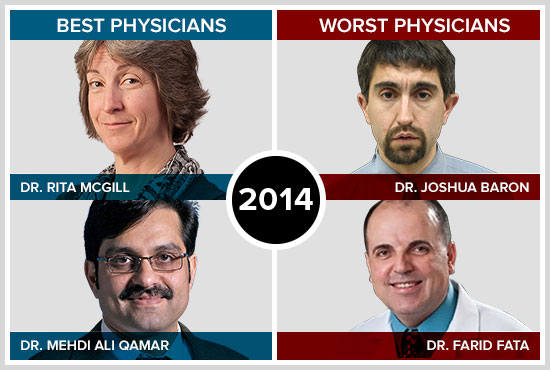
Laudable Physicians and Shameful Doctors of 2014

Join Our Mailing List

Physicians of the Year [Best and Worst‏]

[From Medscape]

Which physicians made us proud this year and which made us cringe? See who made the list and what they did to make the hall of fame (or shame).

Physicians of the Year

[Of Saints and Sinners]

Here is the list according to Medscape.

ImageProxy

Link: https://login.medscape.com/login/sso/getlogin?urlCache=aHR0cDovL3d3dy5tZWRzY2FwZS5jb20vZmVhdHVyZXMvc2xpZGVzaG93L3BoeXNpY2lhbnMtb2YtdGhlLXllYXIyMDE0P3NyYz13bmxfZWRpdF9zcGVjb2w=&ac=402&uac=193200AX

More:

OIG Most Wanted Fugitives: https://oig.hhs.gov/fraud/fugitives/index.asp?ref=widget

Channel Surfing the ME-P

Have you visited our other topic channels? Established to facilitate idea exchange and link our community together, the value of these topics is dependent upon your input. Please take a minute to visit. And, to prevent that annoying spam, we ask that you register. It is fast, free and secure.

Conclusion

Your thoughts and comments on this ME-P are appreciated. Feel free to review our top-left column, and top-right sidebar materials, links, URLs and related websites, too. Then, subscribe to the ME-P. It is fast, free and secure.

Speaker: If you need a moderator or speaker for an upcoming event, Dr. David E. Marcinko; MBA – Publisher-in-Chief of the Medical Executive-Post – is available for seminar or speaking engagements. Contact: MarcinkoAdvisors@msn.com

OUR OTHER PRINT BOOKS AND RELATED INFORMATION SOURCES:

Product DetailsProduct Details

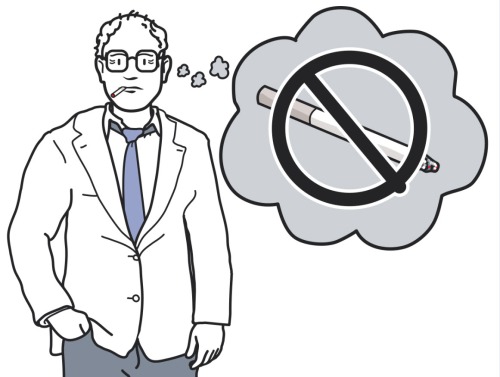
Where There’s Smoke?

Join Our Mailing List

Cytisine versus Nicotine Replacement Therapy

[By staff reporters and Rena Xu]

Doctors and financial advisors know that motivation is often half the battle of behavior change.  In the battle against nicotine addiction however, motivation alone may not be enough.  Mass media campaigns have helped to raise awareness about the dangers of smoking. We’ve even mentioned them on this ME-P

But, for the majority of smokers who already want to quit, the question remains: how?

smoke

Where There’s Smoke: Cytisine versus Nicotine Replacement Therapy

Assessment

We thought the non-healthcare readers of this ME-P might enjoy seeing how a practicing doctor is “detailed”; or informed about a new drug or treatment. In the past, drug “reps” accomplished this task in the office; “eye-2-eye” with folders and flip-charts, etc.

Today; not so much in the digital era!

And, insightful FAs realize the similarity to “wholesalers” in the financial services industry.

More:

Chest pain

Conclusion

Your thoughts and comments on this ME-P are appreciated. Feel free to review our top-left column, and top-right sidebar materials, links, URLs and related websites, too. Then, subscribe to the ME-P. It is fast, free and secure.

Speaker: If you need a moderator or speaker for an upcoming event, Dr. David E. Marcinko; MBA – Publisher-in-Chief of the Medical Executive-Post – is available for seminar or speaking engagements. Contact: MarcinkoAdvisors@msn.com

OUR OTHER PRINT BOOKS AND RELATED INFORMATION SOURCES:

Product Details  Product Details

About Crowd-Med [Case Review Service]

***
CMP logo
***
DR. DAVID EDWARD MARCINKO MBA
[By ME-P Staff Reporters]

CrowdMed Company Background

CrowdMed purports to harnesses the wisdom of crowds to collaboratively solve even the world’s most difficult medical cases quickly and accurately online.

The company offers individuals, insurance providers, and self-insured corporate customers the ability to more quickly diagnose medical conditions and reduce healthcare costs without compromising care.

***

152_1

***

The results speak for themselves?

Since launching publicly in April 2013, CrowdMed has helped solve hundreds of medical cases for patients around the world, and this number is quickly growing as word spreads of the new service. On average, these patients had been sick for 8 years, seen 8 doctors, and incurred more than $50,000 in medical expenses. Despite the difficulty of their cases, more than half of these patients tell us that the crowd successfully brought them closer to a correct diagnosis or cure.

Anyone can submit a case on the CrowdMed website for free (with a $50 refundable deposit), or along with a cash compensation offer to draw more attention to their case. They use incentives to increase participation, and the overall quality and confidence levels of suggested diagnoses. Thousands of people with diverse backgrounds in medicine, health care, education and research have already joined the crowd, and they are continually recruiting new medical and disease experts to help solve cases.

During early testing of the CrowdMed platform, the founder [Jared] submitted his own sister’s [Carly] anonymous case information to the crowd to test the system. More than 300 people participated, evaluating the same symptoms that had been provided to Carly’s original doctors. In just three days, the crowd gave Jared their answer: Fragile X-associated primary ovarian insufficiency

Founded by veteran technology entrepreneur Jared Heyman and based in San Francisco, CA, CrowdMed has received more than $2.4 million in funding from some of Silicon Valley’s top venture capital firms including NEA, Andreessen Horowitz, Greylock Partners, SV Angel, Khosla Ventures and Y Combinator. The company’s advisors have founded and run some the world’s most successful online healthcare companies including WebMD. CrowdMed graduated from Y Combinator’s Winter 2013 class, and was officially launched during the TEDMED 2013 conference in Washington DC.

You can read more about CrowdMed’s leadership team click here.

More:

  1. Will Future Doctors Need a Medical License?
  2. Is Medical Licensing Really Necessary?
  3. On Replacing Doctors with Computers and Smart Phones 

Assessment

Check em’ out today: http://blog.crowdmed.com

Channel Surfing the ME-P

Have you visited our other topic channels? Established to facilitate idea exchange and link our community together, the value of these topics is dependent upon your input. Please take a minute to visit. And, to prevent that annoying spam, we ask that you register. It is fast, free and secure.

Conclusion

Your thoughts and comments on this ME-P are appreciated. Feel free to review our top-left column, and top-right sidebar materials, links, URLs and related websites, too. Then, subscribe to the ME-P. It is fast, free and secure.

Speaker: If you need a moderator or speaker for an upcoming event, Dr. David E. Marcinko; MBA – Publisher-in-Chief of the Medical Executive-Post – is available for seminar or speaking engagements. Contact: MarcinkoAdvisors@msn.com

OUR OTHER PRINT BOOKS AND RELATED INFORMATION SOURCES:

Product DetailsProduct DetailsProduct Details

Product DetailsProduct Details

The Resurgence of Polygraph “Lie-Detection” in an age of Evidence-Based Medicine

Join Our Mailing List

On Junk-Science in the Medical Profession

A SPECIAL ME-P REPORT

By Michael Lawrence Langan MD

***

If you are ever asked to take a polygraph test–don’t do it. Those involved in the criminal justice system, including lawyers, are largely uneducated in the realm of scientific scrutiny and experimental methodology.

They may not separate science and pseudo-science, and erroneously believe that the polygraph is an accurate scientific instrument. Their interactions are with polygraph examiners who proselytize its use, and they have little or no interaction with scientists, psychologists, and physicians who refute its use.

Refuse to take the test and educate them. Cite the Frye Doctrine, go to the medical library, copy the scientific articles which belie its validity, and present them to whomever requested you to take the test. State that the principles and assumptions underlying polygraphy are not supported by our understanding of psychology, neurology, and physiology.

*** Polygraph_Test_-_Limestone_Technologies_Inc***

Junk-Science in the Medical Profession: The Resurgence of Polygraph “Lie-Detection” in an age of Evidence-Based Medicine.

Assessment

Then, put the burden of proof on their heads. Tell them to present you with scientific evidence that corroborates the validity of the test. There is simply no rational basis for a machine to detect liars.

More:

Channel Surfing the ME-P

Have you visited our other topic channels? Established to facilitate idea exchange and link our community together, the value of these topics is dependent upon your input. Please take a minute to visit. And, to prevent that annoying spam, we ask that you register. It is fast, free and secure.

poly

About the Author

Dr. Langan graduated from Oregon Health Sciences University School Of Medicine, Portland Oregon with an MD 21 years ago. He had his residency training of Geriatric Medicine-Internal Medicine at Beth Israel Deaconess Medicine Center and Internal Medicine at St Vincent Hospital Medicine Center.

Conclusion

Your thoughts and comments on this ME-P are appreciated. Feel free to review our top-left column, and top-right sidebar materials, links, URLs and related websites, too. Then, subscribe to the ME-P. It is fast, free and secure.

Speaker: If you need a moderator or speaker for an upcoming event, Dr. David E. Marcinko; MBA – Publisher-in-Chief of the Medical Executive-Post – is available for seminar or speaking engagements. Contact: MarcinkoAdvisors@msn.com

OUR OTHER PRINT BOOKS AND RELATED INFORMATION SOURCES:

Product DetailsProduct DetailsProduct Details

Product Details

A Frank Look at Physician Suicide

Join Our Mailing List

Staring Down the Enemy

[By Staff Reporters]

We have skirted around this issue before on the ME-P; as well as our related physician-executive leadership, risk-management and career development essays in our books and print publications.

But now, we look directly into the face of the terminal demon/beast.

So, her is a powerful look at the growing problem of physician suicide by two leading physicians and expert-bloggers Michael Lawrence Langan MD; an ME-P “thought-leader” – as well as a video by Pamela Wible MD.

***

suicide

***

Physician Suicide

Conclusion

Your thoughts and comments on this ME-P are appreciated. Feel free to review our top-left column, and top-right sidebar materials, links, URLs and related websites, too. Then, subscribe to the ME-P. It is fast, free and secure.

Speaker: If you need a moderator or speaker for an upcoming event, Dr. David E. Marcinko; MBA – Publisher-in-Chief of the Medical Executive-Post – is available for seminar or speaking engagements. Contact: MarcinkoAdvisors@msn.com

OUR OTHER PRINT BOOKS AND RELATED INFORMATION SOURCES:

 Product DetailsProduct Details

Product Details

Product Details  Product Details


Introducing the International Institute of Research Against Counterfeit Medicines

Join Our Mailing List

Launching an e-learning program on the counterfeiting of medicines

[By staff reporters]

Because with every passing day, men, women and children, your loved ones, even yourself, can be victims of counterfeit medicines.

Thousands of lives are at stake; especially with drugs produced in China. That is why the International Institute of Research Against Counterfeit Medicines (IRACM) is launching an electronic learning program on the counterfeiting of medicines.

***

IRACM

***

OBJECTIVES OF THE CAMPAIGN

• To promote and support the fight against trafficking in counterfeit medicines.
• To protect the health of patients by training and informing people.

Today, to fulfil these front line health objectives, IRACM needs you and your network to disseminate this e-learning on your digital media.

Why Counterfeit Medicines?

Check out the image below; need we say more?

***

benjamin-bills3

***

Channel Surfing the ME-P

Have you visited our other topic channels? Established to facilitate idea exchange and link our community together, the value of these topics is dependent upon your input. Please take a minute to visit.

And, to prevent that annoying spam, we ask that you register. It is fast, free and secure.

Assessment

Check em’ out today.

Tell us what you think?

Conclusion

Your thoughts and comments on this ME-P are appreciated. Feel free to review our top-left column, and top-right sidebar materials, links, URLs and related websites, too. Then, subscribe to the ME-P. It is fast, free and secure.

Speaker: If you need a moderator or speaker for an upcoming event, Dr. David E. Marcinko; MBA – Publisher-in-Chief of the Medical Executive-Post – is available for seminar or speaking engagements. Contact: MarcinkoAdvisors@msn.com

OUR OTHER PRINT BOOKS AND RELATED INFORMATION SOURCES:

Product DetailsProduct Details


Integrity and Accountability [The Declining State of Physician Health and the Urgent Need for Ethical and Evidence-Based Leadership]

Join Our Mailing List

SPECIAL ME-P REPORT

[By Michael Lawrence Langan MD]

Integrity and Accountability—The Declining State of Physician Health and the Urgent Need for Ethical and Evidence-Based Leadership.

***

gag

***

Channel Surfing the ME-P

Have you visited our other topic channels? Established to facilitate idea exchange and link our community together, the value of these topics is dependent upon your input. Please take a minute to visit. And, to prevent that annoying spam, we ask that you register. It is fast, free and secure.

Conclusion

Your thoughts and comments on this ME-P are appreciated. Feel free to review our top-left column, and top-right sidebar materials, links, URLs and related websites, too. Then, subscribe to the ME-P. It is fast, free and secure.

Speaker: If you need a moderator or speaker for an upcoming event, Dr. David E. Marcinko; MBA – Publisher-in-Chief of the Medical Executive-Post – is available for seminar or speaking engagements. Contact: MarcinkoAdvisors@msn.com

OUR OTHER PRINT BOOKS AND RELATED INFORMATION SOURCES:

Product DetailsProduct Details

The Financial Planner’s Responsibility?

Join Our Mailing List 

Are Consumers Losing Ethical Ground?

By Rick Kahler MS CFP http://www.KahlerFinancial.com

Rick Kahler MS CFPSuppose one of my clients has his heart set on using half of his retirement account to buy each of his grandchildren a new car.

Or, a physician-client in a panic over falling markets wants to sell all her stocks and buy gold. What is my responsibility as their financial planner? How far should planners go to try to keep clients from making serious financial mistakes?

Just as with the patient engagement, it’s important for planners to respect clients’ competence and ability to make their own life decisions. Client-centered planners also need to remember that the goal is to help clients get what they want, not what the planner might want or think the client should want.

On the other hand, should a planner stand idly by and watch someone walk off what the planner perceives as the edge of a financial cliff?

Potential Answers?

Part of the answer to this dilemma stems from a planner’s legal obligation. Most advisors who sell financial products have no fiduciary duty and are not legally required to put their customers’ interests first. Fiduciary advisors, which include those who are fee-only, do have a legal obligation to act in their clients’ best interests.

Fiduciary Responsibility

Doctors, clergymen and attorneys are fiduciaries. But, what is the legal responsibility of a fiduciary financial planner who believes clients are about to do themselves financial harm?

Example:

Let’s say I have a client who is about to do something that may be viewed by a court of law as “extreme” or “imprudent.” (An example would be putting all his money into one asset class like gold, cash, penny stocks, etc.) At the minimum, I would need to protect myself by carefully fulfilling my legal responsibilities. This would include making certain I emphasized to the client that, given the research and data available, his actions could hurt him financially. I also would want to be sure the client fully understood and took responsibility for his actions.

***

comedy

***

In terms of the broader aspect of what financial planners owe to their clients, meeting this legal obligation is not enough. In my view, fiduciary planners’ obligation to put clients’ interests first includes an ethical responsibility to do no harm. Sometimes this ethical and legal responsibility requires planners to give clients information they may not want to hear.

As we focus on the clients’ goals and help them carry out their wishes, part of our role is to make sure they have all the information they need. This gives us a responsibility to educate ourselves so the advice we offer is as sound as we can make it. We also need to do whatever we can to help clients hear and understand that advice.

Clients who are hovering on the edge of a financial cliff are typically about to act out of strong emotions such as fear. They often can’t take in financial advice until they are able to move through that fear. It only makes things worse if financial advisors shame clients, bully them, or abandon them to their fears. The challenge for planners is to help clients reach a more rational place so they can gather additional information and make decisions that will serve them well.

Industry Update is Not Good – Give Up the ‘Fiduciary’ Fight

According to industry pundit Bob Veres, so-called Financial Advisors need to face a hard truth – Independent Registered Investment Advisors [RIAs] have lost this round.

But, we already told you so on this ME-P.

Fortunately, there are other better ways to set yourself in the medical ecosystem.

The Certified Medical Planner™ Designation

A Certified Medical Planner is a fiduciary at all times.

More:

Assessment

With the right kind of support, clients are almost always able to get past the fear that is pushing them to make imprudent decisions. Providing such support by working with clients’ emotions and beliefs about money, perhaps with the help of a financial therapist or financial coach, is well within a financial planner’s ethical responsibility. Our role is not merely to do no harm. It is also to use all the tools we have to help clients act in their own best interests.

Product Details  Product Details

Conclusion

Your thoughts and comments on this ME-P are appreciated. Feel free to review our top-left column, and top-right sidebar materials, links, URLs and related websites, too. Then, subscribe to the ME-P. It is fast, free and secure.

Speaker: If you need a moderator or speaker for an upcoming event, Dr. David E. Marcinko; MBA – Publisher-in-Chief of the Medical Executive-Post – is available for seminar or speaking engagements. Contact: MarcinkoAdvisors@msn.com

OUR OTHER PRINT BOOKS AND RELATED INFORMATION SOURCES:

Financial Planning MDs 2015

Comprehensive Financial Planning Strategies for Doctors and Advisors: Best Practices from Leading Consultants and Certified Medical Planners™

The Medical Profession, Moral Entrepreneurship, Moral Panics, and Social Control

Disrupted Physician

IMG_9005The Medical Profession, Moral Entrepreneurship, and Social Control

Sociologist Stanley Cohen  used the term “”moral panic” to characterize the amplification of deviance by the media, the public, and agents of social control.1  Labeled as being outside the central core values of consensual society, the deviants in the designated group are perceived as posing a threat to both the values of society and society itself.   Belief in the seriousness of the situation justifies intolerance and unfair treatment of the accused.   The evidentiary standard is lowered.

Howard Becker describes the role of “moral entrepreneurs,” who crusade for making and enforcing rules that benefit their own interests by bringing them to the attention of the public and those in positions of power and authority under the guise of righting a society evil. 2

And according to cultural theorist Stuart Hall, the media obtain their information from the primary definers of social…

View original post 2,659 more words

The Impact of Gratitude on Financial Behavior

Overspending? Try a Little Thanksgiving Gratitude 

By Rick Kahler MS CFP® http://www.KahlerFinancial.com

Rick Kahler MS CFPDo you want to more easily change your over-spending behavior? According to research, maybe all you need is a bit of gratitude.

Gratitude

Before you brush this idea aside as just another “feel good” theory, you may want to consider a 2013 study that suggests practicing gratitude is a powerful way to increase your happiness and decrease temptations. Northeastern University’s David DeSteno led the research project, which was published in June 2014 in the journal Psychological Science.

Logic versus Emotions

Many of us believe we ought to make decisions, especially financial ones, logically rather than emotionally. We assume emotions get in the way of decision-making, so we try to set them aside. We may think the best way to resist temptation, such as wanting to buy something we can’t afford, is to use self-control to clamp down our emotions.

The Research?

Yet research has shown that emotions play a significant role in all our decision-making. Some of that research is discussed in an article by Ray Williams published September 25, 2011, in Psychology Today.

Trying to ignore our emotions and make cold and calculating decisions is fear-based behavior. The gratitude research, however, suggests that emotions can be used instead to help us resist temptation. Perhaps being less fearful and more grateful can actually produce better decisions.

The Study

DeSteno’s study gave 75 participants a classic test of their financial self-control. They were told they could have either $54 right now or $80 in 30 days. Before they made their decision, the researchers put the participants into one of three emotional states: grateful, happy, or neutral.

The Results

Those who were either happy or neutral showed a strong preference for taking the $54 now. The fact that by waiting 30 days and getting $80 they would receive a one-month return of 48%, which is equal to an annualized return of 576%, wasn’t even a consideration. Behavioral economists tell us this is normal. Our brains are generally wired to “kill and eat.” Having something now, even though it’s less, is better than having more later, even if it will be much more. That is some strong wiring!

***

mind-investing-behavioral-finance

***

The Surprise

However, the surprise was that the people in the state of gratitude were much more likely to wait 30 days to receive the $80. Results also showed that the more gratitude the participants reported feeling, the more willing they were to wait for the larger gain.

The Grateful Difference

One conclusion of the study is that just cultivating the emotion of happiness isn’t enough to make wise financial decisions. It is specifically the emotion of gratefulness that makes a difference. According to one of the study’s authors, Professor Ye Li, this research “. . . opens up tremendous possibilities for reducing a wide range of societal ills from impulse buying and insufficient saving to obesity and smoking.”

We don’t know why gratitude has this effect. Psychologist Dr. Jeremy Dean, in a June 18 post at PsyBlog about the research, says, “. . . it may be because it makes us feel more social, co-operative and altruistic. In other words: gratitude may make us feel less selfish, which gives us more patience.”

Personally, I wonder whether another possibility may be that feeling gratitude reminds us of how much we already have, which tends to reduce our desire to get something more.

Assessment

If you’d like to do some experimenting of your own, consider practicing some gratitude exercises. Dr. Dean describes some at PsyBlog. These may be as simple as making daily lists of things you have to be grateful for. It’s possible that fostering gratitude could do more than just promote happiness. It might even change the way you spend and invest.

Conclusion

Your thoughts and comments on this ME-P are appreciated. Feel free to review our top-left column, and top-right sidebar materials, links, URLs and related websites, too. Then, subscribe to the ME-P. It is fast, free and secure.

Speaker: If you need a moderator or speaker for an upcoming event, Dr. David E. Marcinko; MBA – Publisher-in-Chief of the Medical Executive-Post – is available for seminar or speaking engagements. Contact: MarcinkoAdvisors@msn.com

OUR OTHER PRINT BOOKS AND RELATED INFORMATION SOURCES:

Product Details  Product Details

Employee Health Benefits for Same Sex Domestic Partners

Join Our Mailing List

Regional Distribution

http://www.MCOL.com

same

More:

Conclusion

Your thoughts and comments on this ME-P are appreciated. Feel free to review our top-left column, and top-right sidebar materials, links, URLs and related websites, too. Then, subscribe to the ME-P. It is fast, free and secure.

Speaker: If you need a moderator or speaker for an upcoming event, Dr. David E. Marcinko; MBA – Publisher-in-Chief of the Medical Executive-Post – is available for seminar or speaking engagements. Contact: MarcinkoAdvisors@msn.com

OUR OTHER PRINT BOOKS AND RELATED INFORMATION SOURCES:

Product Details  Product Details

Some Financial Health Insurance Hardships and Concerns of Adults

Join Our Mailing List

Privately Insured

By http://www.MCOL.com

***

123

***

Assessment

Conclusion

Your thoughts and comments on this ME-P are appreciated. Feel free to review our top-left column, and top-right sidebar materials, links, URLs and related websites, too. Then, subscribe to the ME-P. It is fast, free and secure.

Speaker: If you need a moderator or speaker for an upcoming event, Dr. David E. Marcinko; MBA – Publisher-in-Chief of the Medical Executive-Post – is available for seminar or speaking engagements. Contact: MarcinkoAdvisors@msn.com

OUR OTHER PRINT BOOKS AND RELATED INFORMATION SOURCES:

Product DetailsProduct Details

JOIN THE “THIS IS PUBLIC HEALTH” CAMPAIGN

Join Our Mailing List

What it Is – How it Works?

By Dr. David Edward Marcinko MBA

Dr. DEMMost people don’t understand what public health is or how it impacts their daily lives. So, with the Ebola crisis of a few years ago finally reduced, it may be just the right time to review this important specialty.

Referencing Ebola

According to Wikipedia, Ebola virus disease (EVD), Ebola hemorrhagic fever (EHF) or simply Ebola is a disease of humans and other mammals caused by ebolavirus. Signs and symptoms typically start between two days and three weeks after contracting the virus, with a fever, sore throat, muscle pain and headaches. Then, vomiting, diarrhea and rash usually follows, along with decreased function of the liver and kidneys. Around this time, infected people may begin to bleed both within the body and externally. Death, if it occurs, is typically six to sixteen days after symptoms appear and is often due to low blood pressure from fluid loss.

The virus is acquired by contact with blood or other body fluids of an infected human or other animal. This may also occur by direct contact with a recently contaminated item. Spread through the air has not been documented in the natural environment. Fruit bats are believed to be the normal carrier in nature, able to spread the virus without being affected. Humans become infected by contact with the bats or a living or dead animal that has been infected by bats. Once human infection occurs, the disease may spread between people as well. Male survivors may be able to transmit the disease via semen for nearly two months. To diagnose EVD, other diseases with similar symptoms such as malaria, cholera and other viral hemorrhagic fevers are first excluded. Blood samples are tested for viral antibodies, viral RNA, or the virus itself to confirm the diagnosis.

Outbreak control requires a coordinated series of medical services, along with a certain level of community engagement. The necessary medical services include rapid detection and contact tracing, quick access to appropriate laboratory services, proper management of those who are infected, and proper disposal of the dead through cremation or burial. Prevention includes decreasing the spread of disease from infected animals to humans. This may be done by only handling potentially infected bush meat while wearing proper protective clothing and by thoroughly cooking it before consumption. It also includes wearing proper protective clothing and washing hands when around a person with the disease. Samples of body fluids and tissues from people with the disease should be handled with special caution.

No specific treatment for the disease is yet available. Efforts to help those who are infected are supportive and include giving either oral rehydration therapy (slightly sweetened and salty water to drink) or intravenous fluids. This supportive care improves outcomes. The disease has a high risk of death, killing between 25% and 90% of those infected with the virus (average is 50%). EVD was first identified in an area of Sudan (now part of South Sudan), as well as in Zaire (now the Democratic Republic of the Congo). The disease typically occurs in outbreaks in tropical regions of sub-Saharan Africa. From 1976 (when it was first identified) through 2013, the World Health Organization reported a total of 1,716 cases. The largest outbreak to date is the ongoing 2014 West African Ebola outbreak, which is currently affecting Guinea, Sierra Leone, and Liberia.

As of 14th October 2014, 9,216 suspected cases resulting in the deaths of 4,555 have been reported. Efforts are under way to develop a vaccine; however, none yet exists.

***

2

***

This Is Public Health

The “This Is Public Health” campaign was designed by ASPPH to let people know that public health affects them on a daily basis and that we are only as healthy as the world we live in. Over 750,000 stickers have been sent around the world to public health students and professionals eager to spread the word about the importance of public health.

Get Started

To start your own campaign,  follow the easy steps below.  Click for campaign ideas. Easy steps to join our campaign: https://thisispublichealth.org/

  1. Request “This Is Public Health” stickers. Please specify how many stickers and a mailing address. You will also be sent an invitation to join our Flickr group.
  2. Place these stickers in strategic locations that highlight examples of public health in action and snap a picture.
  3. Upload your pictures to our Flickr website and geomap them so that others can see where the pictures were taken. Click on the following links for information about the uploading process:


 ****

Body-Home1

Assessment

That’s it! We encourage educational institutions and public health organizations to spread the message about this opportunity.

Conclusion

Your thoughts and comments on this ME-P are appreciated. Feel free to review our top-left column, and top-right sidebar materials, links, URLs and related websites, too. Then, subscribe to the ME-P. It is fast, free and secure.

Speaker: If you need a moderator or speaker for an upcoming event, Dr. David E. Marcinko; MBA – Publisher-in-Chief of the Medical Executive-Post – is available for seminar or speaking engagements. Contact: MarcinkoAdvisors@msn.com

OUR OTHER PRINT BOOKS AND RELATED INFORMATION SOURCES:

Product DetailsProduct DetailsProduct Details

Product DetailsProduct Details

Product DetailsProduct Details

Invite Dr. Marcinko

Today is World Mental Health Day 2014

Join Our Mailing List 

World Federation for Mental Health

[By Dr. David Edward Marcinko MBA CMP™]

dem2World Mental Health Day was established in 1992 by the World Federation for Mental Health.

In some countries around the world, it forms just one part of the larger Mental Illness Awareness Week.

A Range of Issues

Mental health problems, ranging from issues like depression and anxiety disorders to conditions like schizophrenia, affect millions of people around the world.

In fact, according to current statistics, 1 in 4 people will experience some kind of mental health problem during their lifetime and many more will see friends of family members affected.

The Cause

The purpose of World Mental Health Day is to raise awareness of mental health issues, increase education on the topic and attempt to eliminate the stigma attached. It is hoped that this, in turn, will encourage sufferers to seek help and support.

***

world-mental-health-day

***

Assessment

A number of fundraising events take place globally, so why not check if there is an event happening near you and show your support for this serious issue?

More:

Conclusion

Your thoughts and comments on this ME-P are appreciated. Feel free to review our top-left column, and top-right sidebar materials, links, URLs and related websites, too. Then, subscribe to the ME-P. It is fast, free and secure.

Speaker: If you need a moderator or speaker for an upcoming event, Dr. David E. Marcinko; MBA – Publisher-in-Chief of the Medical Executive-Post – is available for seminar or speaking engagements. Contact: MarcinkoAdvisors@msn.com

OUR OTHER PRINT BOOKS AND RELATED INFORMATION SOURCES:

Product DetailsProduct Details

Today is “Physician Assistant” Day 2014

Join Our Mailing List 

Celebrating PA Day

[By Dr. David Edward Marcinko MBA CMP]

Dr. DEMPhysician Assistant Day, or PA Day, is a celebration of those who assist doctors in their work.

This important event, begun by the American Academy of Physicians’ Assistants, aims to raise awareness of the PA profession, and inform people about healthy living.

A Work Horse – Not a Show Horse

Physician assistants are less high-profile and glamorous than doctors themselves, but the work that they do is essential for the smooth running of hospitals and performing of healthcare.

Many medical establishments are in need of more people to enter the profession, and one of the main aims of PA Day is to get this message across, encouraging people to consider assistance as a career.

***

Unknown-1

***

Assessment

The main celebration takes place on Rockefeller Plaza in New York. You can join in by being there on the day, arranging an event to raise awareness at your local hospital or social hub.

Link: http://www.cute-calendar.com/event/physician-assistant-day/16354.html

More:

Conclusion

Your thoughts and comments on this ME-P are appreciated. Feel free to review our top-left column, and top-right sidebar materials, links, URLs and related websites, too. Then, subscribe to the ME-P. It is fast, free and secure.

Speaker: If you need a moderator or speaker for an upcoming event, Dr. David E. Marcinko; MBA – Publisher-in-Chief of the Medical Executive-Post – is available for seminar or speaking engagements. Contact: MarcinkoAdvisors@msn.com

OUR OTHER PRINT BOOKS AND RELATED INFORMATION SOURCES:

Product DetailsProduct Details

October is “Cut Out Dissection” Month

Join Our Mailing List 

Appreciating the Pros and Cons of Animal Dissection

[Brought to you by PETA]

Every year, millions of frogs, rats, cats, mice, and other animals suffer and are killed for dissection. Luckily, there are far better ways to learn biology than by torturing animals, damaging the environment, and teaching insensitivity. With more and more states enacting dissection-choice policies, it’s never been easier to avoid dissection.

And so, October is “Cut Out Dissection Month” and PETA wanted to arm you with the “facts” on animal dissection in the easiest, most eyeball-friendly, sharable way—with our handy-dandy infographic!

Assessment by Dr. David Edward Marcinko MBA

As a Board-Certified surgeon, and Fellow of the American College, I disagree with this sentiment. Of course, I am not in favor of the wanton torture or harm of any animal. But, I still remember the first time I operated on a living, but anesthetized, German Shepard at Temple University in Philadelphia, almost 40 years ago. And, I still can feel the animal’s heart beating in my hands – powerful!

Of course, the anti-vivisectionist crowd scrawled graffiti on the anatomy building walls – the entire semester – to no avail. I also dissected frogs, fetal pigs, sharks, rabbits and several cats before reaching medical school.  

Conclusion

Your thoughts and comments on this ME-P are appreciated. Feel free to review our top-left column, and top-right sidebar materials, links, URLs and related websites, too. Then, subscribe to the ME-P. It is fast, free and secure.

Speaker: If you need a moderator or speaker for an upcoming event, Dr. David E. Marcinko; MBA – Publisher-in-Chief of the Medical Executive-Post – is available for seminar or speaking engagements. Contact: MarcinkoAdvisors@msn.com

OUR OTHER PRINT BOOKS AND RELATED INFORMATION SOURCES:

Product DetailsProduct DetailsProduct Details

Product Details  Product Details

   Product Details

Finding a Fiduciary Financial Advisor

Join Our Mailing List

A Critical Life Skill? 

[By Rick Kahler MS CFP® http://www.KahlerFinancial.com]

Rick Kahler CFPIn today’s complex world of technology, regulations, and finance, a critical life skill is finding advisors and service providers we can trust.

Few of us know how to repair a laptop, grasp the details of income tax regulations, or understand the nuances of selecting the best mutual fund.

We must rely on others to help us out.

Trust Owed

In the legal sense, there are very few people who “owe” us their trust. Certainly, those selling us goods owe us accuracy and honesty. When I buy a 48-ounce bottle of 100% pomegranate juice from Safeway, I expect it to contain exactly 48 ounces and be 100% pomegranate juice, not a blend of pomegranate, grape, and apple. However, I cannot trust Safeway to know whether the health claims behind pomegranate juice are accurate or whether I can find it cheaper elsewhere.

Sales People

In a similar fashion, salespeople for appliances, cars, or cable service have one basic goal, to sell products to their customers. They owe us honesty about the costs, features, and condition of their wares. But it is up to us to research products and decide whether they are good values for us.

Professionals

Professionals in some fields give unbiased advice about certain products or services as they relate specifically to you. In a legal sense, such professionals do owe you trust. They have a “fiduciary” duty to be your advocate. The law requires a professional held to a fiduciary duty to work solely in the consumer’s interest. Examples of such professionals are physicians, attorneys, accountants, trustees, trust officers, and most real estate consultants.

When a professional has a fiduciary duty to you, you are called a client. When a professional is selling you a product or service, you are a customer.

Conflicts of Interest

One of the primary issues affecting how easily fiduciaries can advocate for you is their level of freedom from a conflict of interest. At times a potential conflict of interest can be so significant that a fiduciary will decline the engagement. Attorneys, for example, will turn you down if you want to sue someone they have represented in the past. The past association may cloud their ability to effectively advocate for you.

Compensation

One of the greatest potential conflicts of interest is how you compensate the fiduciary. Typically, paying a flat or hourly fee is the easiest way to insure there is no compensational conflict. Compensating a fiduciary with commissions almost always carries some type of potential conflict. The greater the compensation from a commission, the greater the potential conflict.

pennies

Example:

For example, Real Estate Agent A acts as a buyer’s broker with a fiduciary duty to a buyer, who pays her an hourly fee plus 1% of any amount that the final purchase price is reduced from the list price. Agent B, also a fiduciary buyer’s broker, is only compensated by a commission if there is a sale. Which agent has the larger potential conflict of interest? Without a question, Agent B. He may face a situation where his client’s interest would be best served by a sale with a lower commission or even no sale at all. Advocating for his client would mean a direct financial loss for Agent B.

To minimize such potential conflicts, in most states real estate agents are required to clearly disclose fees and get clients’ written acknowledgement. Unfortunately, the total fees charged by investment advisors, and whether you are their customer or a client, is seldom clear, often even when the advisor assures you that you will be a client. Many advisors don’t know the difference.

More:

Sponsor:

Assessment

What can you do to protect yourself? Next time I will give you a five-minute solution.

Conclusion

Your thoughts and comments on this ME-P are appreciated. Feel free to review our top-left column, and top-right sidebar materials, links, URLs and related websites, too. Then, subscribe to the ME-P. It is fast, free and secure.

Speaker: If you need a moderator or speaker for an upcoming event, Dr. David E. Marcinko; MBA – Publisher-in-Chief of the Medical Executive-Post – is available for seminar or speaking engagements. Contact: MarcinkoAdvisors@msn.com

OUR OTHER PRINT BOOKS AND RELATED INFORMATION SOURCES:

Product Details

Product Details

Twelve Reasons Why Patients Still Come FIRST in Healthcare

Join Our Mailing List

More on Patient Engagement

[By Innovation Health]

After a 3 day-long virtual brainstorming session, contributors to the Innovation Health Jam shared their conclusions on why patient engagement remains a top healthcare concern.

patient engagement

Assessment

Click through this link for an infographic summarizing the findings:

12 reasons why patients still come first in healthcare

Conclusion

Your thoughts and comments on this ME-P are appreciated. Feel free to review our top-left column, and top-right sidebar materials, links, URLs and related websites, too. Then, subscribe to the ME-P. It is fast, free and secure.

Speaker: If you need a moderator or speaker for an upcoming event, Dr. David E. Marcinko; MBA – Publisher-in-Chief of the Medical Executive-Post – is available for seminar or speaking engagements. Contact: MarcinkoAdvisors@msn.com

OUR OTHER PRINT BOOKS AND RELATED INFORMATION SOURCES:

Product DetailsProduct Details

Is Medical Licensing Really Necessary?

Licensing Doctors – Do Economists Agree?

[By Staff Reporters]

In the US, the various state medical boards dictate the rules for physician licensure and discipline. Would-be physicians must complete an approved medical training program and pass a standardized test.

Scope-of-practice laws prohibit other health professionals from offering similar services.

***

Google School of Medicine

[Google School of Medicine]

***

Given the resources involved in licensing doctors, taxpayers might be surprised to learn that the link between licensing and service quality is tenuous at best.

In fact, some economists like Shirley Svorny PhD, who’ve examined the market for physician services, may view medical licensing as a constraint on the efficient combination of inputs and a drag on innovations in health care and medical education.

Assessment

More:

Conclusion

Your thoughts and comments on this ME-P are appreciated. Feel free to review our top-left column, and top-right sidebar materials, links, URLs and related websites, too. Then, subscribe to the ME-P. It is fast, free and secure.

Speaker: If you need a moderator or speaker for an upcoming event, Dr. David E. Marcinko; MBA – Publisher-in-Chief of the Medical Executive-Post – is available for seminar or speaking engagements. Contact: MarcinkoAdvisors@msn.com

OUR OTHER PRINT BOOKS AND RELATED INFORMATION SOURCES:

Product DetailsProduct Details

Is the Financial Services Industry All F***ed Up?

Join Our Mailing List 

More on the Fiduciary Problem

By Rick Kahler MS CFP® http://www.KahlerFinancial.com

Rick Kahler CFPIf you consult an attorney or a doctor, you don’t have to ask whether their advice is intended to serve your best interests.

It’s understood they have a responsibility to put your welfare first.

The Financial Services Sector

There is no such understanding when it comes to financial services. Some financial advisors have a fiduciary duty requiring them to act in your best interest. Others do not. Even more confusing, the same professional can be held to a fiduciary standard at some times but not others. It’s hard for consumers to know the difference.

My Talk

Last week I promised a “five-minute” solution to clear up this confusion. Here it is: Before engaging any financial advisors, ask them to sign a written statement that they are fiduciaries, that you are a client, and that either the advisor receives no income from commissions or any commission income is trivial (with “trivial” clearly defined).

If advisors sign such statements, you can be assured they have a fiduciary duty to you as a client. If not, you then understand you are a customer and “caveat emptor” (buyer beware) applies.

The Conundrum

Now – a little background on the confusion. It exists largely because of the influence that large financial institutions (who earn revenue through the sale of financial products) have on legislators.

The IAA of 1940

For example, the Investment Advisors Act of 1940 requires that anyone giving investment advice must be acting in a fiduciary capacity. The intent was to separate the financial salespeople, who had significant conflicts of interest, from the investment advisors, who had few to none.

If you know very little about financial products, would you rather be educated as the customer of a commissioned salesperson or the client of a fee-for-service advisor? Hands down, you’d want the fee-for-service advisor.

***F*ed up***

Financial Product Sales

Of course, the financial institutions selling products understood this. They were able to influence the drafting of the 1940 Investment Advisors Act, to exclude “any broker or dealer whose performance of such [advisory] services is solely incidental to the conduct of his business as a broker or dealer.” So if salespeople just happen to give some financial advice that is “incidental” to the sale of a product, they and their companies are not held to the fiduciary standard. Congress allows financial companies to advertise as if they are fiduciaries while their sales forces are not held to a fiduciary standard.

Certified Financial Planner® Designation Conflict

The same conflict arises in some professional designations, like the Certified Financial Planner® designation conferred by the CFP® Board. The designation initially certified the completion of training in financial planning. In 2008 the Board added a fiduciary requirement to the designation.

The Caveat

However, CFP®’s are only held to a fiduciary requirement when they are doing what the CFP® Board defines as financial planning. If a CFP® professional is giving advice to a client, the fiduciary standard applies. Yet the same professional can sell the same client an annuity with high fees and high commissions, even if the product may not be in the client’s best interest, as long as no “financial planning” is part of the transaction. The result is significant confusion for consumers.

My Suggestion

The bottom line is this: when you look for financial advice or financial products, don’t assume the advisor is looking out for you. It’s your responsibility to find out whether any financial professional owes you a fiduciary duty.

Assessment

So, I suggest you ask directly, “Am I a customer or a client?” The answer is almost always “a client,” as most financial services salespeople honestly don’t know the difference. After you explain that difference, ask them to verify their fiduciary duty in writing. That five-minute solution may have a lasting impact on your financial well-being.

Link: http://www.CertifiedMedicalPlanner.org

More:

Conclusion

Your thoughts and comments on this ME-P are appreciated. Feel free to review our top-left column, and top-right sidebar materials, links, URLs and related websites, too. Then, subscribe to the ME-P. It is fast, free and secure.

Speaker: If you need a moderator or speaker for an upcoming event, Dr. David E. Marcinko; MBA – Publisher-in-Chief of the Medical Executive-Post – is available for seminar or speaking engagements. Contact: MarcinkoAdvisors@msn.com

OUR OTHER PRINT BOOKS AND RELATED INFORMATION SOURCES:

Financial Planning MDs 2015

TEXT BOOK

Comprehensive Financial Planning Strategies for Doctors and Advisors: Best Practices from Leading Consultants

ICD-10 Could Bolster Ebola Bio-Surveillance?

Join Our Mailing List 

Forgetting ICD-9 … Moving on to ICD-10

[By Staff Reporters]

According to Tom Sullivan, there is no specific code for the Ebola virus under ICD-9?

And no, this is not a joke: There isn’t a specific one. Instead code number # 078.89 refers to multiple viral diseases. Under ICD-10, however, there is one. It’s A98.4.

***

Ebola

***

The Proponent

That’s according to the Coalition for ICD-10 which, of course, is a proponent of moving to the new code set without further delay.

Assessment

The coalition’s main point is that specific codes can help public health officials better manage bio-surveillance. Do you agree?

Link: Infographic: ICD-10 could bolster Ebola biosurveillance

More: Ascel Bio on Forecasting Infectious Disease Outbreaks

Conclusion

Your thoughts and comments on this ME-P are appreciated. Feel free to review our top-left column, and top-right sidebar materials, links, URLs and related websites, too. Then, subscribe to the ME-P. It is fast, free and secure.

Speaker: If you need a moderator or speaker for an upcoming event, Dr. David E. Marcinko; MBA – Publisher-in-Chief of the Medical Executive-Post – is available for seminar or speaking engagements. Contact: MarcinkoAdvisors@msn.com

OUR OTHER PRINT BOOKS AND RELATED INFORMATION SOURCES:

Product DetailsProduct Details

Financial Advisors Protecting Clients from Mental Decline

Join Our Mailing List 

Beyond Retirement unto the Final Years

By Rick Kahler MS CFP http://www.KahlerFinancial.com

Rick Kahler CFPAfter three decades as a financial planner, I’m seeing more and more clients reach, not just retirement, but their final years.

An issue that becomes especially important at this stage of life is how to protect your financial resources from an unexpected threat—yourself.

Example:

One of my saddest professional experiences came several years ago when one of my long-time clients, a female physician in her late 80’s with no family and few close friends, abruptly fired me. Because Dr. Mary had no one else, I had helped her in many ways beyond the usual client/planner relationship and even reluctantly agreed to serve as her trustee and power of attorney in case she became incapacitated.

At what proved to be our final quarterly review meeting, Mary initially seemed confused. I was able to reassure her about the stability of her finances, and she seemed clearer by the time we finished. Three weeks later, I received a handwritten letter from her: “You have my finances in a mess. I can’t get to my money. You are fired.”

I was stunned. Yet ethically I was required to comply with her wishes by moving her holdings to another broker.

Health Issues

Several subsequent conversations demonstrated that Mary was suffering from periodic memory loss and delusion. Had she been disabled by a sudden accident or a stroke, I could have stepped in. Yet, because her decision to fire me was made at a time when she was arguably still competent, my hands were tied.

Since this experience, I have confirmed the wisdom of avoiding a potential conflict of interest by never serving as a trustee or power of attorney for a client. With the help of suggestions from several other planners, I’ve also learned some strategies to help you protect your assets from yourself.

***

Mature Woman

***

The Designation Tool

One tool is to sign a statement authorizing your financial planner to contact someone you designate, perhaps a family member or physician, if the planner becomes concerned about possible irrational behavior. While this would not prevent you from firing an advisor, it would provide a method of discussing the issue and also involve another person in the decision.

Trusts

Another possibility is to put your assets into either an irrevocable living trust or a Domestic Asset Protection Trust (in a state like South Dakota that allows them) with someone other than yourself or your planner as trustee. As the beneficiary, you would have the power to fire the trustee, but concern about an irrational firing could be mitigated to some degree by having a corporate trustee.

In addition, with a DAPT, the beneficiary would not have the power to amend the trust without the agreement of the trustee. This would give some protection against self-destructive choices by a beneficiary who was gradually losing competency. One disadvantage of this approach is cost, so it isn’t an option for everyone.

***

Twilight

***

Contingency Planning

Perhaps the most important strategy is to create a contingency plan in the event of mental decline. It could include arrangements for your financial planner to consult with family members or other professionals such as physicians, social workers, and counselors. For those without close family members, the plan might authorize the financial advisor to call for an evaluation, by professionals you choose in advance, if your behavior appeared irrational. This team approach might alleviate fears about being judged incompetent by the person managing your assets.

Assessment

The possibility of mental decline is something no one wants to consider. Yet it is as essential a financial planning concern as making a will. As you build financial resources for old age, it’s also important to create safety nets to protect those resources from yourself.

Conclusion

Your thoughts and comments on this ME-P are appreciated. Feel free to review our top-left column, and top-right sidebar materials, links, URLs and related websites, too. Then, subscribe to the ME-P. It is fast, free and secure.

Speaker: If you need a moderator or speaker for an upcoming event, Dr. David E. Marcinko; MBA – Publisher-in-Chief of the Medical Executive-Post – is available for seminar or speaking engagements. Contact: MarcinkoAdvisors@msn.com

OUR OTHER PRINT BOOKS AND RELATED INFORMATION SOURCES:

Product Details  Product Details

Product Details

Is the VA Worth Saving?

Join Our Mailing List 

Veterans Affairs discovers off-label use for HIPAA [Whistleblower Control?]

1-darrellpruitt

[By Darrell K. Pruitt DDS]

“VA uses patient privacy to go after whistleblowers, critics say,” by Joe Davidson for The Washington Post, July 17, 2014.

http://www.washingtonpost.com/politics/federal_government/va-uses-patient-privacy-to-go-after-whistleblowers-critics-say/2014/07/17/bafa7a02-0dcb-11e4-b8e5-d0de80767fc2_story.html

Davidson writes:

“Citing patient privacy, managers have threatened VA employees or retaliated against those who complain about agency misconduct, according to a key congressman and the union that represents most of the department’s employees.”

Chairman Jeff Miller Speaks

Rep. Jeff Miller (R-Fla.), who as chairman of the House Committee on Veterans’ Affairs is leading a probe into the cover-up of long waiting times for VA patients, tells the Washington Post that the “VA routinely uses HIPAA as an excuse to punish into submission employees who dare to speak out.”

Davidson adds that in a letter to President Obama earlier this month, Miller said,

“If VA cannot protect whistleblowers who reveal corruption it is not a system worth saving.”

As it turns out, the VA is no stranger to HIPAA. In 2006, the VA agreed to pay a $20 million fine because an agency employee took home records on 26.5 million veterans that were subsequently stolen by a burglar. The lost data included names, Social Security numbers, dates of birth and medical information.

***

Hospital with paper MRs

***

In 2012, six years following breach, a humble Roger Baker, the CEO of Veterans Affairs, told reporters,

“Nobody wants to have that same birthmark that we had relative to that laptop. I can tell you for certain that it has had a huge and lasting impact on the VA.”

(See: “6 lasting effects of 2006 VA data breach on privacy, security,” by Mary Mosquera, for GovHealthIT.com, May 24, 2012)

http://www.govhealthit.com/news/6-lasting-effects-2006-va-data-breach-privacy-security#.U8lufPldWz4

Assessment 

I agree with Rep. Miller. The VA is not worth saving.

Conclusion

Your thoughts and comments on this ME-P are appreciated. Feel free to review our top-left column, and top-right sidebar materials, links, URLs and related websites, too. Then, subscribe to the ME-P. It is fast, free and secure.

Speaker: If you need a moderator or speaker for an upcoming event, Dr. David E. Marcinko; MBA – Publisher-in-Chief of the Medical Executive-Post – is available for seminar or speaking engagements. Contact: MarcinkoAdvisors@msn.com


OUR OTHER PRINT BOOKS AND RELATED INFORMATION SOURCES:

Product DetailsProduct Details

On Financial Psychology and “Money Scripts”

Join Our Mailing List 

What they Are – How they Work?

  • By Brad Klontz PsyD CFP®
  • By Ted Klontz PhD
  • By Eugene Schmuckler PhD MEd MBA CTS
  • By Kenneth Shubin-Stein MD CFA
  • By David Edward Marcinko FACFAS MBA CMP®
  • By Sonya Britt PhD CFP®

Money Scripts are unconscious beliefs about money that are typically only partially true, are developed in childhood, and drive adult financial behaviors.

Money Scripts may be the result of “financial flashpoints,” which are salient early experiences around money that have a lasting impact in adulthood. Money Scripts are often passed down through the generations; and social groups often share similar Money Scripts. The animal brain stores associations around money based on early experiences, which can result in rigid and often problematic money attitudes.

And so, we argue that Money Scripts are at the root of all illogical, ill-advised, self-destructive, or self-limiting financial behaviors.

Money Scripts

The Research

In research at Kansas State University [KSU], researchers identified four distinct Money Script patterns, which are associated with financial health and predict financial behaviors

The 4 Money Scripts

  1. Money Avoidance
  2. Money Worship
  3. Money Status
  4. Money Vigilance

When Money Scripts are identified, it is helpful to examine where they came from. What three lessons did you learn about money from your mother?

Examination

A simple technique involves reflecting on the following questions:

  • What three lessons did you learn about money from your father?
  • What is your first memory around money?
  • What is your most painful money memory?
  • What is your most joyful money memory?
  • What money scripts emerged for you from this experience?
  • How have they helped you?
  • How have they hurt you?
  • What Money Scripts do you need to change?

More: Comprehensive Financial Planning Strategies for Doctors and Advisors: Best Practices from Leading Consultants and Certified Medical Planners™

Conclusion

Your thoughts and comments on this ME-P are appreciated. Feel free to review our top-left column, and top-right sidebar materials, links, URLs and related websites, too. Then, subscribe to the ME-P. It is fast, free and secure.

Speaker: If you need a moderator or speaker for an upcoming event, Dr. David E. Marcinko; MBA – Publisher-in-Chief of the Medical Executive-Post – is available for seminar or speaking engagements. Contact: MarcinkoAdvisors@msn.com

OUR OTHER PRINT BOOKS AND RELATED INFORMATION SOURCES:

Financial Planning MDs 2015

Enter the Financial Advisory Gurus?

Join Our Mailing List 

Understanding the Nexus Between Fame and Quality

[By Rick Kahler CFP®]  http://www.KahlerFinancial.com

  • “I see that firm’s ads everywhere.”
  • “His books are best-sellers.”
  • “That advisor does all kinds of free seminars for retirees.”
  • “She’s on TV all the time.”

The Case … For?

When a financial advisor, someone with a radio or television show, or an author of financial books becomes well-known, it’s easy to assume you can trust that person’s advice. This isn’t necessarily the case.

Recently I was selected by an Internet community site called moneytips.com as one of their top 50 “social influencers.” This is a list of professionals in the areas of wealth and personal finance who use social media and other Internet tools effectively.

Among the top three on this list are Dave Ramsey and Suze Orman, whose books and advice include a great deal of solid information to help people get out of debt, manage money well, and provide for the future. Many others in the top 50 are respected financial journalists and advisors.

The Case … Against?

However, the list also includes a few advocates for high-risk investment methods, proponents of dubious get-rich-quick schemes, and purveyors of poorly researched advice. Those who put together the list focused on how well people established a presence on the Internet and used technology to communicate. That’s an assessment completely unrelated to the question of whether the advice or information being communicated was worthwhile.

Financial Planning

Financial planning, just like any other field, has a solid core of practitioners who quietly and ethically serve their clients. It also has its gurus, its outstanding marketers, and its fringe practitioners with extreme ideas. The challenge for consumers is not to assume fame and quality always go together.

Linking Fame and Quality?

Here are a few suggestions for keeping a balanced perspective about famous or familiar financial faces:

1. Knowing about a professional isn’t the same as knowing a professional. Everyone you know may have heard of Noted Local Advisor. That’s not the same as being able to recommend him or her. Get recommendations first-hand, from people who actually are clients of a firm or have used someone’s plan or advice. Ask specific questions about what they’ve done and how it worked for them.
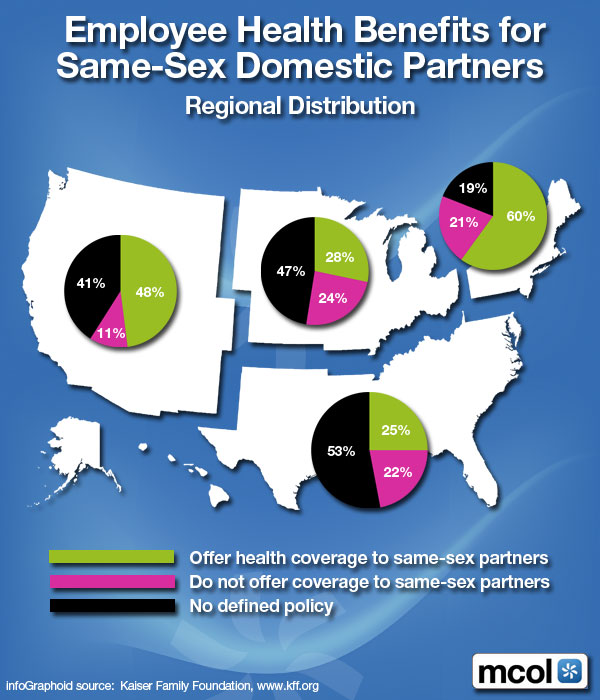
2. Yes, there are shortcuts to building wealth, but they come with very high risks. For most of us, the best ways to build wealth are gradual and even boring: saving part of every paycheck, living on less than we earn, and investing for the long term in a well-diversified portfolio of different asset classes. It’s natural to wish for an easier, faster way, but that desire can make you more vulnerable to high-risk schemes and even scams.

3. Even if a method of building wealth is perfectly legitimate and works for others, it still may not be a good fit for you. If you’re a reclusive introvert, for example, sales is probably not your best path to success.

4. Apply the same common sense and skepticism to financial products or wealth-building methods that you would use anywhere else. For example, you probably don’t assume that a car’s advertised gas mileage is what you’ll actually get under real-world conditions. In the same way, it’s a good idea to assume that your real-world results from a proposed investment or business will be lower than the advertised numbers.

5. Don’t assume every financial guru is a crook. Many reputable professionals can teach you a great deal about money. Your job is to learn the financial basics so you can evaluate them with some educated skepticism.

networking advisors

More:

Assessment

And always keep in mind that a product or idea is not the same thing as the selling of that product or idea. The true genius of some financial “experts,” after all, is marketing.

Conclusion

Your thoughts and comments on this ME-P are appreciated. Feel free to review our top-left column, and top-right sidebar materials, links, URLs and related websites, too. Then, subscribe to the ME-P. It is fast, free and secure.

Speaker: If you need a moderator or speaker for an upcoming event, Dr. David E. Marcinko; MBA – Publisher-in-Chief of the Medical Executive-Post – is available for seminar or speaking engagements. Contact: MarcinkoAdvisors@msn.com

OUR OTHER PRINT BOOKS AND RELATED INFORMATION SOURCES:

Product Details  Product Details