R.I.P. Doctor-Patient Relationships?

Is the doctor-patient relationship the biggest victim of Covid-19?

By Richard Walker

QUERY: How many patients were harmed by disruption to routine medical care?

And, could the most damaging aspect of the Corona Virus pandemic be the routine medical care of patients by their doctors?

Sally Pipes

ANSWER: BRI Board Chair Sally Pipes thinks so … WATCH NOW!

LINK: https://www.foxnews.com/opinion/coronavirus-lockdown-how-many-harmed-disruption-medical-care-sally-pipes

ASSESSMENT: Your thoughts are appreciated.

THANK YOU

***

Is your doctor a marijuana user? Maybe you should ask.

Join Our Mailing List

327518caf4de6ca81321ea8b469a3d42Reefer Madness Redux

By Michael Lawrence Langan MD

Cannabis, also known as marijuana and by numerous other names, is a preparation of the Cannabis plant intended for use as a psychoactive drug or medicine.

The main psychoactive part of cannabis is tetrahydrocannabinol (THC); it is one of 483 known compounds in the plant, including at least 84 other cannabinoids, such as cannabidiol (CBD), cannabinol (CBN), and tetrahydrocannabivarin (THCV).

Source: https://en.wikipedia.org/wiki/Cannabis_(drug)

***

Devotee of Medical Marijuana

[Clandestine Grow Lab at Home]

***

Conclusion

Your thoughts and comments on this ME-P are appreciated. Feel free to review our top-left column, and top-right sidebar materials, links, URLs and related websites, too. Then, subscribe to the ME-P. It is fast, free and secure.

Speaker: If you need a moderator or speaker for an upcoming event, Dr. David E. Marcinko; MBA – Publisher-in-Chief of the Medical Executive-Post – is available for seminar or speaking engagements. Contact: MarcinkoAdvisors@msn.com

OUR OTHER PRINT BOOKS AND RELATED INFORMATION SOURCES:

Risk Management, Liability Insurance, and Asset Protection Strategies for Doctors and Advisors: Best Practices from Leading Consultants and Certified Medical Planners™  Risk Management, Liability Insurance, and Asset Protection Strategies for Doctors and Advisors: Best Practices from Leading Consultants and Certified Medical Planners™

***

A Veteran’s Suicide in Front of VA Clinic

Self Immolation

[By staff reporters]

A veteran committed suicide by setting himself on fire in front of a New Jersey VA clinic after staff at the clinic repeatedly failed to ensure he received adequate mental health care, an investigation of the death found.

Department of Veterans Affairs staff canceled an appointment Charles Ingram had in fall 2015 because a provider was unavailable, didn’t follow up to reschedule, and when he walked into the clinic to ask for an appointment, they didn’t schedule it until three months later, the VA inspector general found.

Ingram, a 51-year-old Gulf War veteran, had been approved to receive treatment at a non-VA facility, but no one at VA contacted him or scheduled the appointment.

***

https://www.usatoday.com/story/news/politics/2017/11/15/vet-set-himself-fire-after-long-va-waits-appointment-cancellation-investigation-finds/866834001/#:~:text=WASHINGTON%20%E2%80%94%20A%20veteran%20committed%20suicide%20by%20setting,to%20ensure%20he%20received%20adequate%20mental%20health%20

***

Continue reading

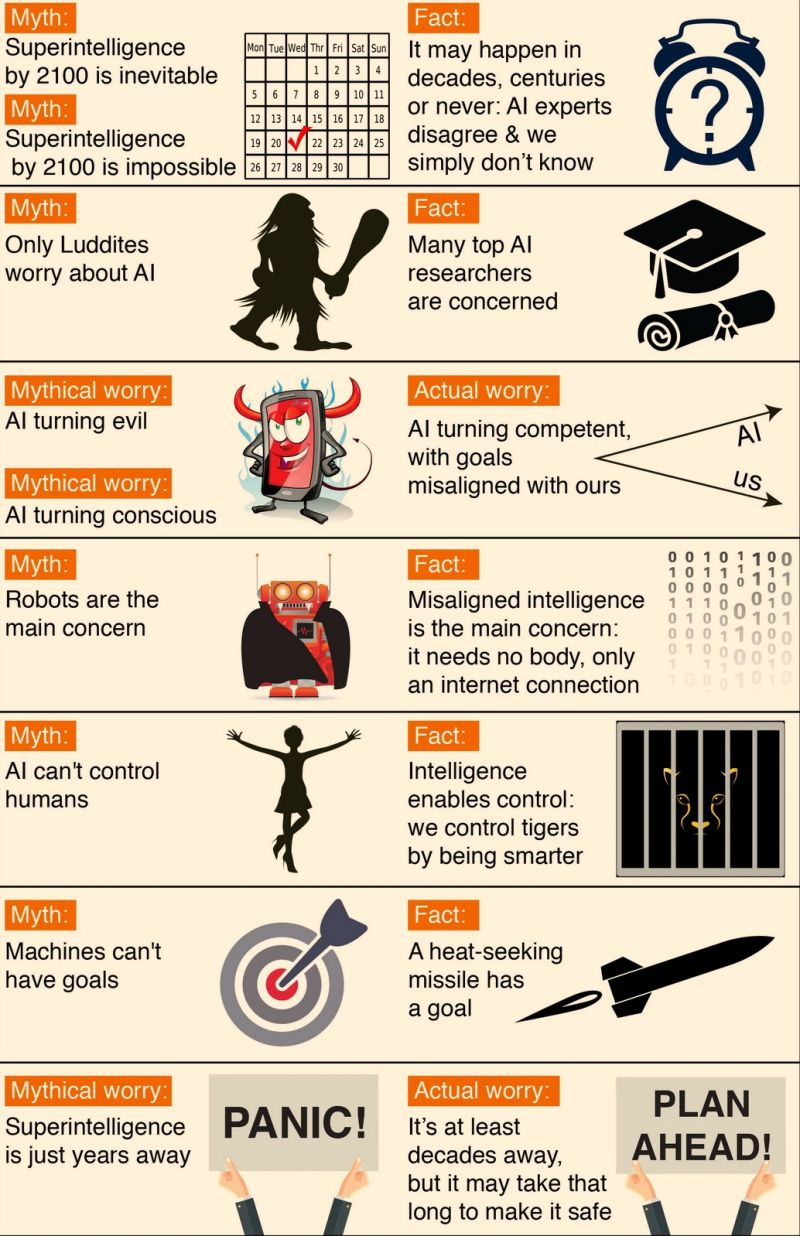
Update on ARTIFICIAL INTELLIGENCE [A.I.]

Future Fate: YES -or- NO?

[By staff reporters]

***

***

New Index Ranks Hospitals’ Community Benefit


N
ew Index Ranks Hospitals’ Community Benefit

By Health Capital Consultants, LLC

On July 7, 2020, the Lown Institute, a nonpartisan think tank, announced the initial release of its new ranking system for hospitals. Called the “Hospitals Index,” this ranking analyzes not just the quality of care and patient outcomes but also the hospital’s civic leadership and avoidance of overuse, ideas that harken back to the core mission and vision of the Lown Institute itself.

Founded in 1973, the Institute advocates for a healthcare system that “rejects low-value care, incentivizes healing over profits, promotes health equity, and honors the value of the clinician-patient relationship.” (Read more…)

***

***

“Medical Management and Health Economics Education for Financial Advisors”

CMP® CURRICULUM: https://lnkd.in/eDTRHex
CMP® WEB SITE: https://lnkd.in/guWSApq

Your thoughts and comments are appreciated.

BUSINESS, FINANCE, INVESTING AND INSURANCE TEXTS FOR DOCTORS:

1 – https://lnkd.in/ebWtzGg

2 – https://lnkd.in/ezkQMfR

3 – https://lnkd.in/ewJPTJs

THANK YOU

***

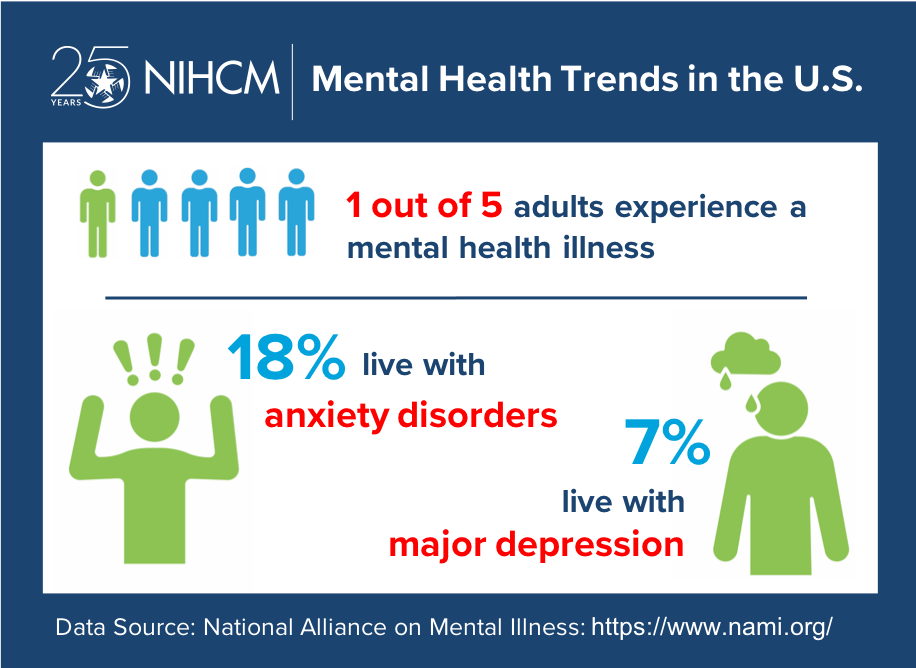
Social Determinants of Mental Health

SDoMH

[Staff reporters]

As mental illness and chronic health conditions become more common, leaders are looking at upstream solutions that can improve overall well-being by addressing social determinants of mental and physical health.

For example, the Blue Cross Blue Shield of Michigan Foundation is providing over $125,000 in grants for community organizations working with vulnerable populations, including children and adults suffering from mental illness, homeless adults and families that are struggling financially.

And, health plans including Blue Cross Blue Shield of Tennessee and Horizon Blue Cross Blue Shield of New Jersey are integrating care to ensure people can access behavioral health treatment through their primary care providers.

Assessment

Your thoughts are appreciated

***

***

***

MENTAL HEALTH WHITE PAPER

Mental Health DR. MARCINKO

Invite Dr. Marcinko

***

KARL VON VIERORDT’S TIME LAW AND THE CORONA PANDEMIC

KARL VON VIERORDT’S TIME LAW AND THE CORONA PANDEMIC

Courtesy: https://lnkd.in/eBf-4vY

Underestimating Long Periods AND Overestimating Short Periods

Karl Von Vierordt spent his career studying how people perceive time. His biggest finding is the opposite of what you’d assume.

LINK: https://lnkd.in/eZ-q-wN The longer something drags on the easier it is to forget the earlier moments of your experience. Five minutes can feel long because you remember everything you’ve thought about over those five minutes. An hour can feel short because your mind might have contemplated 17 different topics during that period, 15 of which you don’t recall anymore.

TIME PODCAST: https://lnkd.in/ebnXxGH

***

***

EXAMPLE: Make someone wait in a room for one minute. After a minute, ask them how long they think they’ve been waiting. They’ll likely tell you something like “three minutes.” Now put them in the room for an hour, and ask them again. They’ll likely tell you something like “40 minutes.”

QUERY: Does this relate to Corona Virus “stay-at-home” orders and patient age?

ANSWER: https://lnkd.in/eaHPhUA

Your thoughts and comments are appreciated.

BUSINESS, FINANCE, INVESTING AND INSURANCE TEXTS FOR DOCTORS

1 – https://lnkd.in/ebWtzGg

2 – https://lnkd.in/ezkQMfR

3 – https://lnkd.in/ewJPTJs

THANK YOU

***

3 Theories on Human Behavior

Modern Corono Virus Thoughts?

By: http://www.CertifiedMedicalPlanner.org

Here are a few theories of human behavior for the healthcare industrial complex that might help explain how sector thoughts may not work correctly; all the time.

WHY: Perhaps they might be considered in light of the CorVid-19epidemic?

****

Erkson’s Paradox: Strong correlations can fall apart when combined with a larger population. For example, among motorcycle crash victims wearing helmets are more likely to be seriously injured than those not wearing helmets. But, that’s because most crash victims saved by helmets did not need to become hospital patients, and those without helmets are more likely to die before becoming a hospital patient.

Group Attribution Error: Incorrectly assuming that the views of a group member, like a physician, reflect those of the whole group in a different discipline.

***

***

Baader-Meinhof Phenomenon: Noticing an idea or word everywhere you look as soon as it’s brought to your attention in a way that makes you overestimate its prevalence.

LINK: https://www.bing.com/videos/search?q=BAADER-MEINHOF+PHENOMENON&&view=detail&mid=7DA25E95466C56098E5A7DA25E95466C56098E5A&&FORM=VRDGAR&ru=%2Fvideos%2Fsearch%3Fq%3DBAADER-MEINHOF%2BPHENOMENON%26FORM%3DHDRSC3

The 90-9-1 Rule: In social media networks, 90% of users just read content, 9% of users contribute a little content, and 1% of users contribute almost all the content.

QUERY: Does Social Media give a false impression of what ideas are popular or “average.”

ASSESSMENT: Your thoughts and comments are appreciated.

TEXTS FOR PHYSICIAN EXECUTIVES:

1 – https://lnkd.in/eEf-xEH

2 – https://lnkd.in/e2ZmewQ

THANK YOU

***

Product DetailsProduct DetailsProduct Details

***

SOCIAL IMPACT INVESTING AND THE MSFT CORPORATION?

SOCIAL IMPACT INVESTING & THE MODERN CORPORATION?

Courtesy: https://lnkd.in/eBf-4vY

Microsoft to Erase its Carbon Footprint by 2030?

Microsoft Corporation [MSFT] just said it aims to remove more carbon from the atmosphere than it emits by 2030 and that by 2050, it hopes to have taken out enough to account for all the direct emissions the company has ever made.

QUERY: So, what is the purpose of a modern corporation today? Has it changed and who does it serve – Shareholders -OR- Stakeholders?

ESSAY: https://lnkd.in/ehwyC22

Assessment: Your thoughts and comments are appreciated.

BUSINESS, FINANCE, INVESTING & INSURANCE TEXTS FOR DOCTORS:

1 – https://lnkd.in/ebWtzGg

2 – https://lnkd.in/ezkQMfR

3 – https://lnkd.in/ewJPTJs

THANK YOU

Product DetailsProduct Details

***

More on Physician “Burn-Out”

MORE ON PHYSICIAN “BURNOUT” TODAY

Courtesy: https://lnkd.in/eBf-4vY

Does it Really Exist? – Maybe Not!

According to the World Health Organization, occupational burnout is a syndrome linked to long-term, unresolved, work-related stress.

Since May 2019, the WHO stipulated that burnout must be understood as being specifically work-related; and result in symptoms such as “feelings of energy depletion or exhaustion; increased mental distance from one’s job, or feelings of negativism or cynicism related to one’s job; and reduced professional efficacy.”

LINK: https://lnkd.in/e9AmEhd

While burnout influences health and may be a reason for people contacting health services, it is not itself classified by the WHO as a valid medical condition.

QUERY: So, what about physician “burnout”? Real -OR- perceived?

ESSAY: https://lnkd.in/d7qcT-m

MORE: https://lnkd.in/eVkV83T

PODCAST: https://lnkd.in/en7KGh3

Assessment: Your thoughts are appreciated.

BUSINESS, FINANCE & INSURANCE TEXTS FOR DOCTORS:

1 – https://lnkd.in/ebWtzGg

2 – https://lnkd.in/ezkQMfR

3 – https://lnkd.in/ewJPTJs

THANK YOU

Product DetailsProduct Details

***

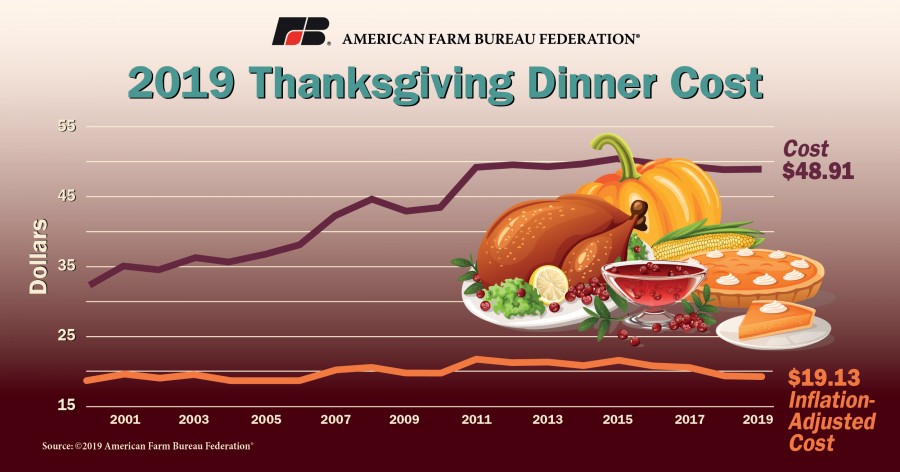
Giving Thanks for Thanksgiving Day Dinner Costs in 2019

Join Our Mailing List

Dear World … and ME-P Readers,

A PRE-Thanksgiving Day Tribute for 2019

The Rational Optimist

Matt Ridley, a journalist referring to himself as the rational optimist, recently focused on all the reasons we are luckier than those who lived before us.

Here are some of the highlights of his research (click here to see his article in its entirety):

  • The average person on the planet earns roughly three times as much as he or she did 50 years ago, adjusted for inflation. If anything, this understates the improvement in living standards because it fails to take into account many of the incredible improvements in the things you can buy with that money. However rich you were in 1964 you had no computer, no mobile phone, no budget airline, no Prozac, no search engine, no gluten-free food. The world economy is still growing every year at a furious lick — faster than Britain grew during the industrial revolution. 
  • As for inequality, the world as a whole is getting rapidly more equal in income, because people in poor countries are getting richer at a more rapid pace than people in rich countries. That has now been true for two decades, but it has accelerated since the great recession. The GDP per capita of Mozambique is 60 percent higher than it was in 2008; that of Italy is 6 percent lower. A country like Mozambique has been out of the headlines recently – is back in  – and now you know why: things are mostly going right/wrong there. 
  • The amount of food available per head has gone up steadily on every continent, despite a doubling of the population. Famine is now very rare. 
  • The death rate from malaria is down by nearly 30 percent since the start of the century. HIV-related deaths are falling. Measles, yellow fever, diphtheria, cholera, typhoid, typhus — they killed our ancestors in droves, but they are now rare diseases. 
  • We think we are getting ever more selfish, but it is not true. We give more of our earnings to charity than our grandparents did.  
  • Violent crimes of almost all kinds are on the decline — murder, rape, theft, domestic violence. So are capital and corporal punishment and animal cruelty. We are less prejudiced about gender, homosexuality and race. Paedophilia is no more prevalent, just hushed up less.Morgan Housel, columnist at Motley Fool, also recently wrote a column titled “50 Reasons We’re Living Through the Greatest Period in World History.” Mr. Housel notes that we tend to ignore progress, which is the really important news because it happens slowly, but we obsess over trivial news because it happens all day long.

Here are some of my favorite thoughts from the article (click here to view the entire piece).

***

Love Life

***

The Motley Fool

  • In 1900, 1% of American women giving birth died in labor. Today, the five-year mortality rate for localized breast cancer is 1.2%. Being pregnant 100 years ago was almost as dangerous as having breast cancer is today.
  • U.S. life expectancy at birth was 39 years in 1800, 49 years in 1900, 68 years in 1950, and 79 years today. The average newborn today can expect to live an entire generation longer than his great-grandparents could. The average American now retires at age 62. Enjoy your golden years — your ancestors didn’t get any of them. 
  • Infant mortality in America has dropped from 58 per 1,000 births in 1933 to less than six per 1,000 births in 2010, according to the World Health Organization. In 1952, 38,000 people contracted polio in America alone, according to the Centers for Disease Control. In 2012, there were fewer than 300 reported cases of polio in the entire world. The death rate from strokes has declined by 75% since the 1960s, according to the National Institutes of Health. Death from heart attacks has plunged too.
  • According to the Federal Reserve, the number of lifetime years spent in leisure — retirement plus time off during your working years — rose from 11 years in 1870 to 35 years by 1990. Given the rise in life expectancy, it’s probably close to 40 years today. Which is amazing: The average American spends nearly half his life in leisure. If you had told this to the average American 100 years ago, that person would have considered you wealthy beyond imagination.
  • Worldwide deaths from battle have plunged from 300 per 100,000 people during World War II, to the low teens during the 1970s, to less than 10 in the 1980s, to fewer than one in the 21st century, according to Harvard professor Steven Pinker. “War really is going out of style,” he says. 
  • According to the Census Bureau, only one in 10 American homes had air conditioning in 1960. That rose to 49% in 1973, and 89% today — the 11% that don’t are mostly in cold climates. Simple improvements like this have changed our lives in immeasurable ways. 
  • In 1900, African Americans had an illiteracy rate of nearly 45%, according to the Census Bureau. Today, it’s statistically close to zero. In 1940, less than 5% of the adult population held a bachelor’s degree or higher. By 2012, more than 30% did, according to the Census Bureau. 
  • The average American work week has declined from 66 hours in 1850, to 51 hours in 1909, to 34.8 hours today, according to the Federal Reserve. Enjoy your weekend. 
  • More than 40% of adults smoked in 1965, according to the Centers for Disease Control. By 2011, 19% did.
  •  The percentage of Americans age 65 and older who live in poverty has dropped from nearly 30% in 1966 to less than 10% by 2010. For the elderly, the war on poverty has pretty much been won. 
  • If you think Americans aren’t prepared for retirement today, you should have seen what it was like a century ago. In 1900, 65% of men over age 65 were still in the labor force. By 2010, that figure was down to 22%. The entire concept of retirement is unique to the past few decades. Half a century ago, most Americans worked until they died. 
  • No one has died from a new nuclear weapon attack since 1945. If you went back to 1950 and asked the world’s smartest political scientists, they would have told you the odds of seeing that happen would be close to 0%. You don’t have to be very imaginative to think that the most important news story of the past 70 years is what didn’t happen. Congratulations, world.
  • You need an annual income of $34,000 a year to be in the richest 1% of the world, according to World Bank economist Branko Milanovic’s 2010 book “The Haves and the Have-Nots.” To be in the top half of the globe you need to earn just $1,225 a year. For the top 20%, it’s $5,000 per year. Enter the top 10% with $12,000 a year. To be included in the top 0.1% requires an annual income of $70,000. America’s poorest are some of the world’s richest.
  • Only 4% of humans get to live in America. Odds are you’re one of them. We’ve got it made. Be thankful.

Conclusion

Your thoughts and comments on this ME-P are appreciated. Feel free to review our top-left column, and top-right sidebar materials, links, URLs and related websites, too. Then, subscribe to the ME-P. It is fast, free and secure.

Speaker: If you need a moderator or speaker for an upcoming event, Dr. David E. Marcinko; MBA – Publisher-in-Chief of the Medical Executive-Post – is available for seminar or speaking engagements. Contact: MarcinkoAdvisors@msn.com

OUR OTHER PRINT BOOKS AND RELATED INFORMATION SOURCES:

***

Product DetailsProduct Details

Product Details  Product Details

***

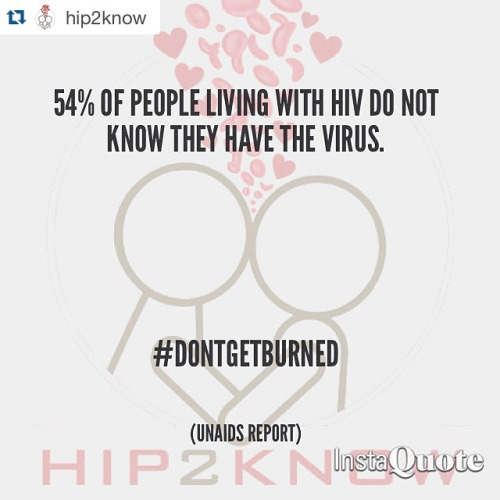
National HIV Testing Week 2019

Join Our Mailing List

Alert

[By Dr. David Edward Marcinko MBA]

DEM white shirtDear ME-P Readers, Visitors and Subscribers,

Come to the Mütter Museum  for World AIDS Day; 2019.

I went to medical school in Philadelphia PA, and visited the Mutter Museum many times. If you’ve never been there – I urge you to check it out!

***

A Full day of activities and evening lecture is planned.

Get involved! #Repost @hip2know with @repostapp

***

tumblr_nphlbi1edZ1qz50r6o1_500

 By muttermuseum on Instagram

***

HIV

 By muttermuseum on Instagram

***

Assessment

Plan your visit today! #muttermuseum #vesalius #anatomy #medicine #rarebooks”

More:

Channel Surfing

Have you visited our other topic channels? Established to facilitate idea exchange and link our community together, the value of these topics is dependent upon your input. Please take a minute to visit. And, to prevent that annoying spam, we ask that you register.

Link: http://feeds.feedburner.com/HealthcareFinancialsthePostForcxos

Conclusion

Your thoughts and comments on this ME-P are appreciated. Feel free to review our top-left column, and top-right sidebar materials, links, URLs and related websites, too. Then, subscribe to the ME-P. It is fast, free and secure.

LINK:

https://www.tht.org.uk/news/national-hiv-testing-week-2019

Speaker: If you need a moderator or speaker for an upcoming event, Dr. David E. Marcinko; MBA – Publisher-in-Chief of the Medical Executive-Post – is available for seminar or speaking engagements. Contact: MarcinkoAdvisors@msn.com

OUR OTHER PRINT BOOKS AND RELATED INFORMATION SOURCES:

Product DetailsProduct Details

A BLACK MARKET PODCAST VIEW OF THE OPIOID CRISIS

A BLACK MARKET PODCAST VIEW OF THE OPIOID CRISIS

Courtesy: www.CertifiedMedicalPlanner,org

Opioid Overdose Crisis

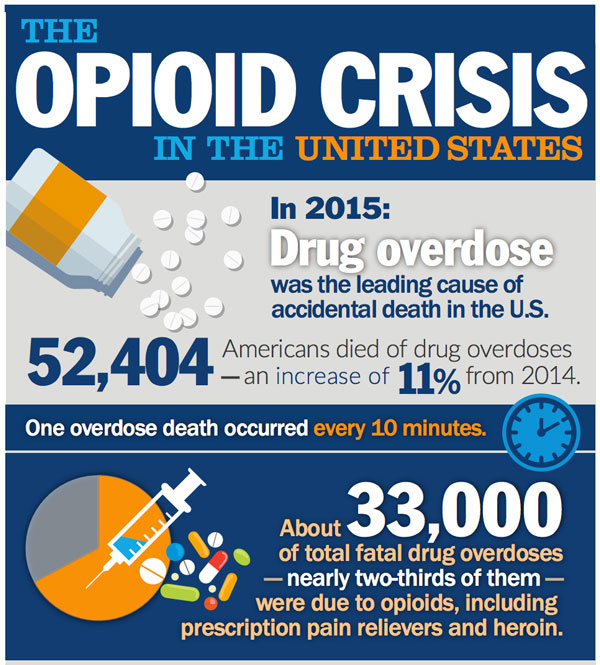
Every day, more than 130 people in the United States die after overdosing on opioids.1 The misuse of and addiction to opioids—including prescription pain relievers, heroin, and synthetic opioids such as fentanyl used to help relieve severe ongoing pain —is a serious national crisis that affects public health as well as social and economic welfare.

***

***

The Podcast

And so, I was fascinated with this podcast because I often encountered narcotic seeking patients while in city center and urban practice. It was recorded by my neighbor and Austrian economist Peter Raymond over at “The Free Man Beyond the Wall” website.

Colleague Dr. Mark Thornton recently gave this talk at the Mises Institute Supporters Summit on the opioid crisis that is plaguing the US. Dr. Thornton lays out a short history of this tragic epidemic that is taking lives every day. He addresses how doctors prescribe these drugs, how government regulates them and explains what happens when people are forced into the “black market” to sustain their addiction.

PODCAST: http://freemanbeyondthewall.libsyn.com/episode-169-the-opioid-crisis

MORE: https://medicalexecutivepost.com/2019/08/22/the-opioid-crisis-rising-2000-2017/

MORE: https://medicalexecutivepost.com/2019/02/06/about-the-opioid-crisis/

Your thoughts are appreciated.

BUSINESS, FINANCE AND ECONOMICS TEXTBOOKS FOR DOCTORS:

1 – https://lnkd.in/ebWtzGg

2 – https://lnkd.in/ezkQMfR

3 – https://lnkd.in/ewJPTJs

THANK YOU

Product DetailsProduct Details

***

Racial Biases And Health Disparities

400 Years Since Jamestown

Dear Dr. David,

This month AJPH has a collection of papers reviewing the lasting imprint of slavery in public health, 400 years since Jamestown, and presents articles that discuss equity, nutrition and human trafficking.

Visit ajph.org for our latest podcast and these and other articles from our October 2019 issue:

Please join AJPH at our session, “Reparations: The Public Health Perspective 400 YEARS Since Jamestown” at APHA’s Annual Meeting and Expo on Monday, Nov. 4 at 8:30 a.m. Mark it on your calendar and in the meeting app.

The mission of the journal is to advance public health research, policy, practice and education. Toward that goal, the journal also produces monthly podcasts in English, Spanish and Chinese.

Be on the lookout for more timely research from AJPH, and consider subscribing or becoming an APHA member for full access.

Sincerely,

Alfredo Morabia, MD, PhD

Editor-in-chief, AJPH

@AlfredoMorabia

@AMJPublicHealth

On Basic Decision-Making Science?

DECISION-MAKING AND THE “ANALYSIS OF PARALYSIS”

Courtesy: www.CertifiedMedicalPlanner.org

Analysis paralysis or paralysis by analysis is an anti-pattern, the state of over-analyzing (or over-thinking) a situation so that a decision or action is never taken, in effect paralyzing the outcome. A decision can be treated as over-complicated, with too many detailed options, so that a choice is not made.

LINK: https://www.amazon.com/Dictionary-Health-Economics-Finance-Marcinko/dp/0826102549/ref=sr_1_6?ie=UTF8&s=books&qid=1254413315&sr=1-6

ESSAY: https://medicalexecutivepost.com/2019/09/18/the-buridans-ass-paradox/

VIDEO: https://www.youtube.com/watch?v=9PhnHQQYprA

Your thoughts and comments are appreciated.

BUSINESS, FINANCE AND INSURANCE TEXTS FOR DOCTORS:

1 – https://lnkd.in/ebWtzGg

2 – https://lnkd.in/ezkQMfR

3 – https://lnkd.in/ewJPTJs

THANK YOU

***

“POST HOC – ERGO PROPTER HOC”

“POST HOC – ERGO PROPTER HOC”

Courtesy: https://lnkd.in/eBf-4vY

Post hoc ergo propter hoc (Latin: “after this, therefore because of this”) is an informal fallacy that states: “Since event Y followed event X, event Y must have been caused by event X.” It is often shortened simply to the post hoc fallacy.

Now, graduate student Paul Henne explains more in this video.

VIDEO: https://lnkd.in/eYnBVvq

MORE: https://lnkd.in/edgVes7

Your thoughts are appreciated.

BUSINESS, ECONOMICS, FINANCE AND INSURANCE TEXTS 4 DOCTORS:

1 – https://lnkd.in/ebWtzGg

2 – https://lnkd.in/ezkQMfR

3 – https://lnkd.in/ewJPTJs

***

Product DetailsProduct DetailsProduct Details

THANK YOU

***

On PHYSICIAN OWNED DISTRIBUTORSHIPs

WHAT IS A PHYSICIAN OWNED DISTRIBUTORSHIP [P.O.D]?

By Dr. David E. Marcinko MBA

[More on Medical Ethics]

Back in the day, when I was a young surgeon, I was approached by a group of older colleagues to join a POD. I was flattered, of course. Playing with the “big boys.” But, after leaning what it was, I declined. Although perhaps technically legal, it just felt creepy to me although I sure needed the money at the time.

***

***

DEFINITION: A POD is a group of doctors, usually surgeons, who agree to purchase implanted devices such as joint prostheses or orthopedic hardware (screws, plates and rods), etc. Physicians profit financially by participating in the sale of devices intended for their own patients; thus creating the opportunity for them to profit from self-referrals.

LINK: https://lnkd.in/e9AmEhd

QUERY: But, are PODS ethical? Read what the Association for Medical Ethics [AME] has to say about PODs.

LINK: https://lnkd.in/eV2Smjp

MORE: https://lnkd.in/egtRe9T

Your thoughts are appreciated.

MEDICAL PRACTICE MANAGEMENT TEXTs:

1 – “The Business of Medical Practice 2.0” https://lnkd.in/ewJPTJs

Product DetailsProduct Details

***

Annuities Do Not Belong In 401(k) Plans

Here is Why?

By Rick Kahler CFP

Several weeks ago I wrote about the Setting Every Community Up for Retirement Enhancement (SECURE) Act, which will reform various aspects of US retirement laws. The Act was passed by the House in May and is currently stalled in the Senate.

One of the most troubling of the SECURE Act’s 29 provisions is that it will ease regulations to make it easier for financial salespeople to sell annuities to 401(k) plan participants.

This is alarming, as the act creates a safe harbor for annuities inside 401(k) plans. That means companies choosing to offer annuities would be shielded from liability—no matter how terrible an investment the annuity products may be. This provision has great potential for harm.

Annuities seem always to be a hot financial product in the market place. It’s rare when I interview a new client that they don’t have at least one in their portfolio. Often, it’s the only investment they own. Annuities are not hot because consumers are clamoring to buy them, but rather because annuity sales people love to sell them.

While I rarely recommend them, there are some good things about annuities, especially that earnings grow tax deferred until distributed. They can be useful in this regard in special situations—when stripped of their high fees and commissions. Therein lies the problem.

Sales

Most annuities sold by salespeople inherently contain high fees, big commissions, and high penalties to consumers for taking money out early. What that means for the investor is low returns. For those reasons, the negative aspects of annuities far outweigh any good.

Even worse, annuities have no place being owned by an IRA or, as the SECURE Act would allow, a 401(k) plan. Regardless of fees or commissions, no annuity belongs in a retirement plan. One of my top pet peeves as a financial planner is so-called “financial advisors” who sell people fixed and variable annuities for a retirement account. This makes no sense.

An annuity is a tax-deferred container to put investments in, not an investment itself. It’s what investments are inside it that matters. The same is true of  IRAs and 401(k) retirement plans. Since a retirement plan is already a tax-deferred investment container, it makes no sense to put an annuity—another tax-deferred investment container—inside of it. The silliness of this is obvious to even the most casual observer, unless your livelihood comes from selling these products.

Agents and their companies spare no expense in developing convincing storylines, half-truths, and slight-of-hand explanations of why it makes perfect sense for a retirement plan to own an annuity.

The bottom line is that annuities are sold, they are not bought. The only reason annuities are purchased in someone’s retirement account is because the salesperson receives a much higher commission from the transaction than selling a mutual fund, individual stocks, or CDs.

Why?

So why did our Representatives vote 417-3 to open up investors’ 401(k) plans to these high-cost, high-commissioned, financially disastrous products? I can only surmise that most of them didn’t fully understand what they were voting on and that the insurance lobby did their normal amazing job of selling the alleged benefits of annuities. Oh, and maybe there was a campaign contribution or two.

Assessment

Most annuities are expensive investment vehicles that benefit the salesperson and the company far more than they benefit you. If you are thinking of buying one, or in the future your 401(k) offers the option of buying an annuity, do some digging before you sign on the dotted line. Make sure you get advice first from someone other than the annuity salesperson—someone with no vested interest in selling you this product.

Your thoughts are appreciated.

Risk Management, Liability Insurance, and Asset Protection Strategies for Doctors and Advisors: Best Practices from Leading Consultants and Certified Medical Planners™8Comprehensive Financial Planning Strategies for Doctors and Advisors: Best Practices from Leading Consultants and Certified Medical Planners™

***


Did Psychologist B.F. Skinner Really Raise His Daughter in a Skinner’s Box?

On Classical Conditioning VERSUS Operant Conditioning

By David Mikkelson

***

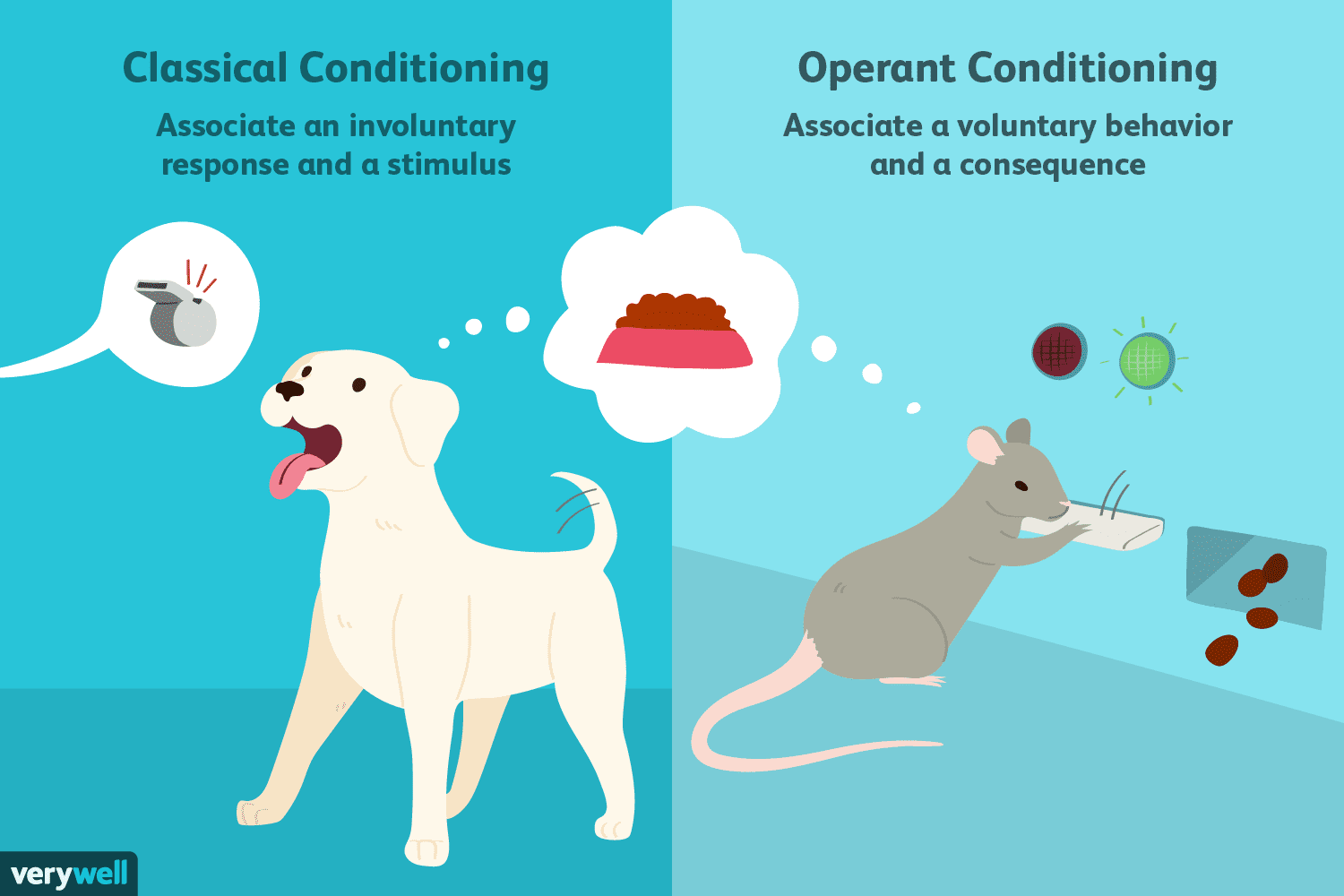
Classical conditioning (also known as Pavlovian or respondent conditioning) is a learning process in which an innate response to a potent stimulus comes to be elicited in response to a previously neutral stimulus; this is achieved by repeated pairings of the neutral stimulus with the potent stimulus.
VERSUS

Operant conditioning (also “instrumental conditioning”) is a learning principle in which environmental contingencies—or more specifically, discriminative stimuli (antecedents) influencing its consequences—are controlled and manipulated to change behavior.

***

***

LINK: https://www.snopes.com/fact-check/one-man-and-a-baby-box/

Traditional Finance VERSUS Behavioral Finance

LINK: https://medicalexecutivepost.com/2019/07/08/on-traditional-v-behavioral-finance/

***

Risk Management, Liability Insurance, and Asset Protection Strategies for Doctors and Advisors: Best Practices from Leading Consultants and Certified Medical Planners™8Comprehensive Financial Planning Strategies for Doctors and Advisors: Best Practices from Leading Consultants and Certified Medical Planners™

***

Is it Time for “HEALTH CARE COLLECTIVISM”©

 Collectivism in Health Care?

By Dr. David Edward Marcinko MBA

Collectivism is the moral stance, political philosophy, ideology, or social outlook that emphasizes the significance of groups—their identities, goals, rights, outcomes, etc.—and tends to analyze issues in those terms.

***

A BIZARRE QUESTION?: Would you subtract one day off your life to collectively help solve the domestic health care crisis?

A crazy question; perhaps not so much as the blog-o-sphere is asking a related query.

THE R.B.G QUESTION?: If it were possible, would you subtract one day off you life and add it to Ruth Bader Ginsburg’s life for one extra day of good health?

LINK: https://twitchy.com/brettt-3136/2019/01/07/not-a-cult-who-wants-to-shave-off-a-day-of-their-life-and-give-it-to-ruth-bader-ginsburg/

FORGET BUSINESS SOLUTIONS

So, forget business solutions and marketplace strategy, SDOH, competitive forces, economics, taxation, SWOT analysis, Medicare-for-All,  and potential new-wave disruptors such as ABJ Health Ventures and related initiatives.

NOTE: ABJ Health Ventures = look it up.

THE HEALTH CARE COLLECTIVISM QUESTION?: If it were possible, would you subtract one day off you life and add it to another’s life for one extra day of good health?

THE HEALTH CARE COLLECTIVISM RESULTS: If just 10,000 people did this, it would add about 27 productive years,  in the aggregate, to all participating individual citizen lives.

ar

Assessment

Your thoughts are appreciated.

NOTE:Health Care Collectivism”© -AND- Healthcare Collectivism”© David Edward Marcinko. All rights reserved, iMBA Inc., USA.

Conclusion

Your thoughts and comments on this ME-P are appreciated. Feel free to review our top-left column, and top-right sidebar materials, links, URLs and related websites, too. Then, subscribe to the ME-P. It is fast, free and secure.

Speaker: If you need a moderator or speaker for an upcoming event, Dr. David E. Marcinko; MBA – Publisher-in-Chief of the Medical Executive-Post – is available for seminar or speaking engagements.

Book Marcinko: https://medicalexecutivepost.com/dr-david-marcinkos-bookings/

Subscribe: MEDICAL EXECUTIVE POST for curated news, essays, opinions and analysis from the public health, economics, finance, marketing, IT, business and policy management ecosystem.

HOSPITALS:

“Financial Management Strategies for Hospitals” https://tinyurl.com/yagu567d

“Operational Strategies for Clinics and Hospitals” https://tinyurl.com/y9avbrq5

Product DetailsProduct Details

***

Are You Providing Pro Bono Financial Advice? [Voting Poll and Survey]

Is Less or More Planned in 2020?

[By Staff Reporters]

Join Our Mailing List 

It is well known that the flash crash of 2008-09, and the continuing hangover from the recent recession, is a drag on the income of many financial advisors; especially those who derive their salary from some percentage of assets under management. But, the markets have bounced back in the last decade to near all time highs, in 2019!

Business Models and Definitional Haze  

Regardless of definitional haze, it seems that commissioned salesman, stock-brokers, financial planners, insurance agents and financial advisors of all stripes – and business models –  have been economically hurt as the nation’s unemployment rate hovers at just under ten percent.

No One Immune

Broker-Dealers [BDs] and Registered Investment Advisors [RIA] are not immune; as this voting poll was first launched in 2011.

Are You Providing “Pro Bono” Financial Advice in 2019?

Conclusion

And so, as a financial professional, do you plan on providing less or more pro bono work in 2011?

Your thoughts and comments on this ME-P are appreciated. Feel free to review our top-left column, and top-right sidebar materials, links, URLs and related websites, too. Then, subscribe to the ME-P. It is fast, free and secure.

Speaker: If you need a moderator or speaker for an upcoming event, Dr. David E. Marcinko; MBA – Publisher-in-Chief of the Medical Executive-Post – is available for seminar or speaking engagements. Contact: MarcinkoAdvisors@msn.com

OUR OTHER PRINT BOOKS AND RELATED INFORMATION SOURCES:

Product Details  Product Details

Are You Providing Pro Bono Medical Care? [A Voting Poll and Survey]

Is Less or More Planned in 2022?

[By Staff Reporters]

Join Our Mailing List 

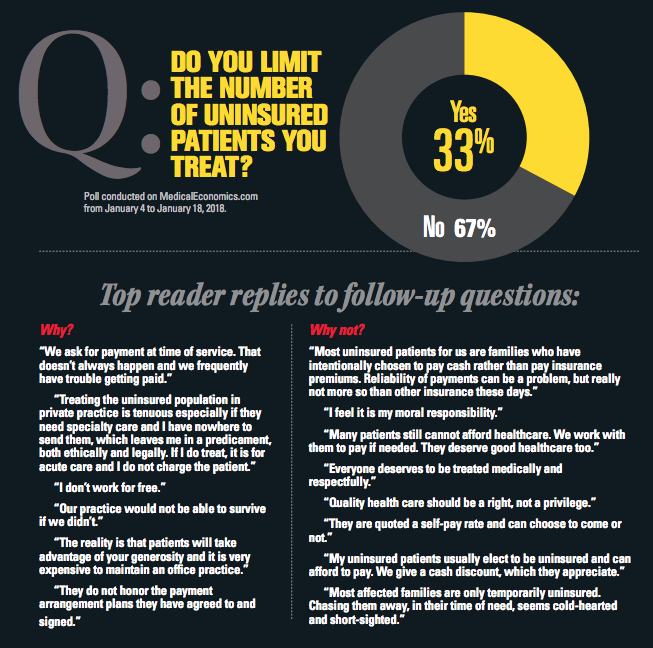
A survey in 2011 suggested that more than 40% of the country’s doctors are doing less pro-bono work due to managed care, and the resulting decrease in personal income.  Today, some pundits wonder if the exacerbated cause was the ACA?

AAFP Intervenes

To combat this unintended economic phenomenon today, the organization Volunteers in Healthcare – now with the American Academy of Family Physicians – offers a free information patient record system to track the medical care given to the uninsured. The system allows physicians to track and store information on patients, visits, providers, clinics, referrals and more.  It is guide-driven with sample reports that can be reconstituted to provide summary statistics on patients and providers.

Original Link: http://www.aafp.org/fpm/20030100/52prov.html

WILL YOU PROVIDE MORE OR LESS “PRO-BONO” MEDICAL CARE IN 2022?

Assessment

And so, as a doctor, do you plan on doing less or more Pro Bono medical work in 2019 and beyond?

Conclusion

Your thoughts and comments on this ME-P are appreciated. Feel free to review our top-left column, and top-right sidebar materials, links, URLs and related websites, too. Then, subscribe to the ME-P. It is fast, free and secure.

Speaker: If you need a moderator or speaker for an upcoming event, Dr. David E. Marcinko; MBA – Publisher-in-Chief of the Medical Executive-Post – is available for seminar or speaking engagements. Contact: MarcinkoAdvisors@msn.com

OUR OTHER PRINT BOOKS AND RELATED INFORMATION SOURCES:

Product DetailsProduct DetailsProduct Details

Product Details  Product Details

   Product Details 

Asking questions others won’t

About Digital X-ray Manipulation!

[By Darrell K. Pruitt DDS]

Today, I shared a video which revealed how images produced by Computerized Axial Tomography [CAT] scanners can be imperceptibly manipulated for nefarious purposes.

Kinda like so-called “Photo-Shopping”

 Injecting and Removing Cancer from CT Scans

While this scary article is on my mind, I will ask a taboo question which will make me even less popular with most dentists: Can images of digital dental radiographs be manipulated to fool insurers into paying for unnecessary treatment?

If so, is there a technical solution capable of protecting the public from unnecessary dentistry based on doctored images? As harsh as it sounds, if it is possible to photoshop digital radiographs, it would be foolish to assume it is not being done.

***

ImageProxy

Injecting and Removing Cancer from CT Scans

Assessment

There. I said it. Your thoughts are appreciated.

***

Product DetailsProduct Details

***

What is the Einstellung Effect?

What it is – How it works?

[By Staff reporters]

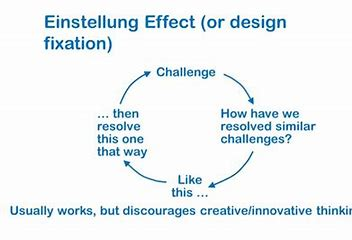
Einstellung is the development of a mechanized state of mind. Often called a problem solving set, Einstellung refers to a person’s predisposition to solve a given problem in a specific manner even though better or more appropriate methods of solving the problem exist.

The Einstellung effect is the negative effect of previous experience when solving new problems.

***

A ‘Flawed’ SEC Program [A Retrospective “April Fool’s Day” Analysis]

Join Our Mailing List

SEC Failed to Rein in Investment Banks [April Fool’s Day – 2015]

By Ben Protess, ProPublica – October 1, 2008 5:01 pm EDT

Editor’s Note: This investigative report was first published ten years ago. And so, we ask you to consider – on this April Fool’s Day 2019 – how [if] things have changed since then?  

***

Flag MOney

***

The Securities and Exchange Commission [SEC] last week abolished the special regulatory program that it applied to Wall Street’s largest investment banks. Known as the “consolidated supervised entities” program, it relaxed the minimum capital requirements for firms that submitted to the commission’s oversight, and thus, in the view of some experts, helped create the current global financial crisis.

But, the SEC’s decision to ax the program currently affects no one, since three of the five firms that voluntarily joined the program previously collapsed and the other two reorganized.

The Decision – 18 Months Ago

The decision came last Friday, one day after the commission’s inspector general released a report [1] (PDF) detailing the program’s failed oversight of Bear Stearns before the firm collapsed in March. The commission’s chairman, Christopher Cox, a longtime opponent of industry regulation, said in a statement [2] that the report “validates and echoes the concerns” he had about the program, which had been voluntary for the five Wall Street titans since 2004.

The report found that the SEC division that oversees trading and markets was “not fulfilling its obligations. “These reports are another indictment of failed leadership,” said Sen. Charles Grassley (R-Iowa) who requested the inspector general’s investigation.

The SEC program, approved by the commission in 2004 under Cox’s predecessor, William Donaldson, allowed investment banks to increase their amount of leveraged debt. But, there was a tradeoff: Banks that participated allowed their broker-dealer operations and holding companies to be subject to SEC oversight. Previous to 2004, the SEC only had authority to oversee the banks’ broker dealers.

Longstanding SEC rules required the broker dealers to limit their debt-to-net-capital ratio and issue an early warning if they began to approach the limit. The limit was about 15-to-1, according to the inspector general report, meaning that for every $15 of debt, the banks were required to have $1 of equity.

But the 2004 “consolidated supervised entities” program revoked these limits. The new program also eliminated the requirement that firms keep a certain amount of capital as a cushion in case an asset defaults.

Bear Sterns

As a result, the oversight program created the conditions that helped cause the collapse of Bear Stearns. Bear had a gross debt ratio of about 33-to-1 prior to its demise, the inspector general found. The inspector general also found that Bear was fully compliant with the programs’ requirements when it collapsed, which raised “serious questions about whether the capital requirement amounts were adequate,” the report said.

The report quoted Lee Pickard, a former SEC official who helped write the original debt-limit requirements in 1975 and now argues the 2004 program is largely to blame for the current Wall Street crisis.

“The SEC gave up the very protections that caused these firms to go under,” Pickard said in an interview with ProPublica. “The SEC in 2004 thought it gained something in oversight, but in turn it gave up too much public protection. You don’t bargain in a way that causes you to give up serious protections.”

Pickard, now a senior partner at a Washington, D.C.-based law firm, estimated that prior to the 2004 program most firms never exceeded an 8-to-1 debt-to-net capital ratio.

The previous program “had an excellent track record in preserving the securities markets’ financial integrity and protecting customer assets,” Pickard wrote [3] in American Banker this August. The new program required “substantial SEC resources for complex oversight, which apparently are not always available.”

Asked if he believes the 2004 program was a direct cause of the current crisis, Pickard told ProPublica, “I’m afraid I do.”

The New York Times reported Saturday that the SEC created the program after “heavy lobbying” for the plan from the investment banks. The banks favored the SEC as their regulator, the Times reported, because that let them avoid regulation of their fast-growing European operations by the European Union, which has been threatening to impose its own rules since 2002.

SEC Spokesman

A SEC spokesman declined to comment for this article, referring inquires to Chairman Cox’s statement. In the statement, Cox admitted the program “was fundamentally flawed from the beginning.” But Cox, a former Republican congressman from California, offered mild support for the program as recently as July when he testified before the House Committee on Financial Services. The program, among other oversight efforts, Cox said, had “gone far to adapt the existing regulatory structure to today’s exigencies.” He added that legislative improvements were necessary as well, and has since told Congress that the program failed.

More Questions

So why did the commission not end the program sooner? Some say that the program’s flaws only recently became apparent. “As late as 2005, the program seemed to make a lot of sense,” said Charles Morris, a former banker who predicted the current financial crisis in his book written last year, The Trillion Dollar Meltdown [4]. The SEC “didn’t know it didn’t work until we had this stress.”

And leverage does not always spell trouble. In a strong economy, leverage can also be attractive because it can increase the profitability of banks through lending.

In his recent statement, Cox said the inspector general’s findings reflect a deeper problem: “the lack of specific legal authority for the SEC or any other agency to act as the regulator of these large investment bank holding companies.”

Secretary of the Treasury Henry Paulson has called for a refining of the regulatory structure to reflect the global and interconnected nature of today’s financial system. In any case, the program’s failure can be seen in the disappearance of the participating banks: Bear Stearns, Lehman Brothers, Merrill Lynch, Morgan Stanley and Goldman Sachs.

skeleton-jpeg1

***

Assessment

Merrill Lynch’s leverage ratio was possibly as high as 40-to-1 this year and Lehman Brothers faced a ratio of about 30-to-1, according to Bloomberg [5].

The Fed and Treasury Department forced Bear Stearns into a merger with JPMorgan Chase in March. And the last two months, Lehman Brothers went bankrupt and sold their core U.S. business to British bank Barclays PLC, and Merrill Lynch was acquired by Bank of America. Morgan Stanley and Goldman Sachs, the two remaining large independent investment banks, changed their corporate structures to become bank holding companies, which are regulated by the Federal Reserve.

As these banks have folded or reorganized over the last several months, the Federal Reserve has largely assumed the SEC’s oversight responsibilities, though the commission will still have the power to regulate broker dealers.

Original Essay: http://www.propublica.org/article/flawed-sec-program-failed-to-rein-in-investment-banks-101

Conclusion

Your thoughts and comments on this ME-P are appreciated. Feel free to review our top-left column, and top-right sidebar materials, links, URLs and related websites, too. Then, subscribe to the ME-P. It is fast, free and secure.

Link: http://feeds.feedburner.com/HealthcareFinancialsthePostForcxos

Speaker: If you need a moderator or speaker for an upcoming event, Dr. David E. Marcinko; MBA – Publisher-in-Chief of the Medical Executive-Post – is available for seminar or speaking engagements. Contact: MarcinkoAdvisors@msn.com

OUR OTHER PRINT BOOKS AND RELATED INFORMATION SOURCES:

Product DetailsProduct DetailsProduct Details

Comprehensive Financial Planning Strategies for Doctors and Advisors: Best Practices from Leading Consultants and Certified Medical Planners(TM)

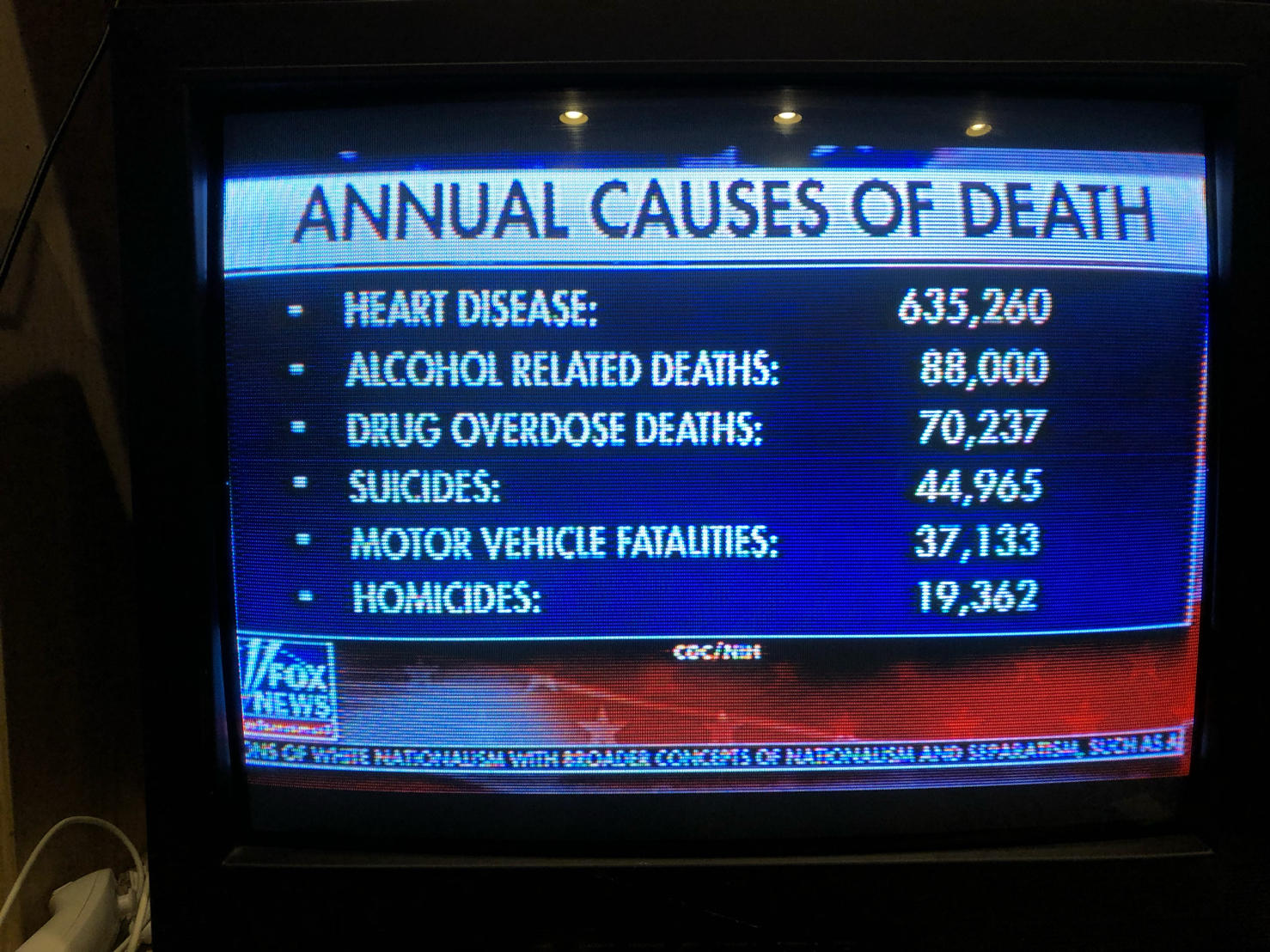
Annual Causes of Death in the USA

On Physical versus Behavioral CoDs

[By staff reporters]

BEHAVIORAL EPIDEMIOLOGY?

[Number 1 – Compared to Numbers 2, 3, 4, 5 and 6]

What it is – How it works?

http://ezinearticles.com/?A-Clear-Definition-of-Evidence-Based-Behavioral-Epidemiology&id=6270461

***

ANATOMICAL versus SELF-INFLICATION

***

Mental Health DR. MARCINKO

Product Details

Invite Dr. Marcinko

***

What is Knowledge?

A Binary Proposition in the Past – Not so much, Today? 

dem

By Dr. David E. Marcinko MBA

Common Knowledge is a familiarity, awareness or understanding of someone or something, such as facts, information, descriptions, or skills, which is acquired through experience or education by perceiving, discovering, or learning.

***

Google

LINK: https://en.wikipedia.org/wiki/Knowledge

The CURSE of Knowledge?

Medical Knowledge is the body of information about diseases, mechanisms and pathogenesis, therapies and interactions, and interpretation of lab tests, which is broadly applicable to decisions about multiple patients and public health policies, in contrast to patient-specific data.

***

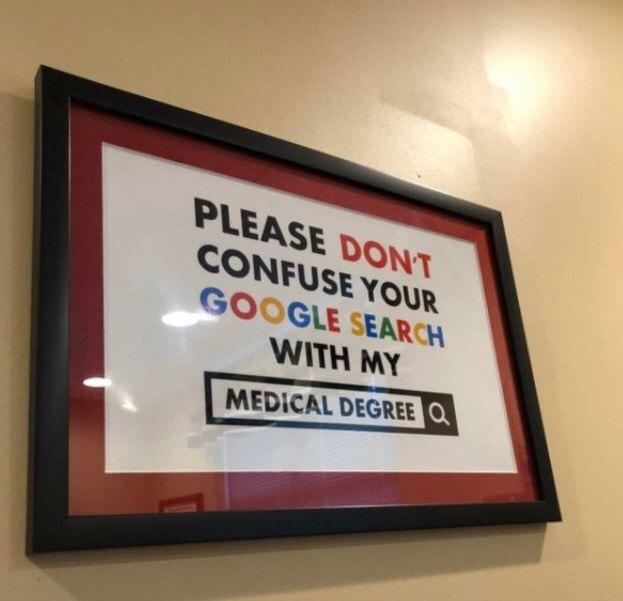
GOOGLE MD

LINK: https://en.wikipedia.org/wiki/Medicine

What is the Dunning–Kruger effect?

Assessment

Beware! No one person or medical specialty physician is immune! So, where do you fit in on this binary schematic?

Conclusion

Your thoughts and comments on this ME-P are appreciated. Feel free to review our top-left column, and top-right sidebar materials, links, URLs and related websites, too. Then, subscribe to the ME-P. It is fast, free and secure.

Speaker: If you need a moderator or speaker for an upcoming event, Dr. David E. Marcinko; MBA – Publisher-in-Chief of the Medical Executive-Post – is available for seminar or speaking engagements.

Book Marcinko: https://medicalexecutivepost.com/dr-david-marcinkos-bookings/

Subscribe: MEDICAL EXECUTIVE POST for curated news, essays, opinions and analysis from the public health, economics, finance, marketing, IT, business and policy management ecosystem.

***

google31

***

DOCTORS:

“Insurance & Risk Management Strategies for Doctors” https://tinyurl.com/ydx9kd93

“Fiduciary Financial Planning for Physicians” https://tinyurl.com/y7f5pnox

“Business of Medical Practice 2.0” https://tinyurl.com/yb3x6wr8

Product Details

***

A Financial “Christmas Carol” [Part 2]

Join Our Mailing List 

By Rick Kahler MS CFP® http://www.KahlerFinancial.com

Rick Kahler MS CFPPreviously, in Part 1, we discussed the most important step of changing a problematic financial behavior: becoming willing to admit that changing the behavior is important and to seriously contemplate the change. Ebenezer Scrooge in A Christmas Carol took that step when he heeded a warning from the ghost of Jacob Marley.

Financial Transformations

The next step in the financial transformation process is probably the most difficult and requires the most courage. It is looking into the past to revisit the events in our lives where our strongly held delusions were formed. Scrooge resisted this step and tried his best to skip over it. Yet his guide, the Ghost of Christmas Past, gently turned him toward the past.

Bringing objectivity and understanding to entrenched financial delusions isn’t easy. Many people want to focus instead on obtaining more information on how to save, invest, or spend wisely. We try to jump into the present before visiting the past, which is typically the last thing we want to do.

Yet, what we need most for transformation is emotional intelligence, which cannot be learned academically or developed by oneself. It must be learned emotionally, experientially, and in community. Just as Scrooge found a guide in the Ghost of Christmas Past, people wanting to gain the emotional intelligence needed to change their financial behaviors require the assistance of a financial coach or therapist. This is a journey that cannot be taken alone.

The New Reality?

Once we have taken that difficult but transformational journey into the past, we are ready to become present and see reality with new clarity. While Scrooge was less resistant to looking at the present than the past, it was the one step that terrified him the most. Once emotional intelligence is gained, we must face replacing our faulty beliefs with accurate cognitive information. This is the place for learning about budgeting, debt reduction, investments, and other financial skills.

In Changing for Good, Dr. James O. Prochaska calls this the stage of preparation, where we begin to acquire necessary knowledge and take the necessary steps to get ready to act. Scrooge’s guide, the Ghost of Christmas Present, helped him negotiate the present and obtain this knowledge. Our real-world guides may include accountants, attorneys, financial planners, and educational books and workshops.

When we gain accurate financial knowledge, we are ready to look toward the future to see where our previous delusional decisions potentially were taking us. Like the vision that the Ghost of Christmas Future unveils before Scrooge, the scene is often harsh. However, because of our preparation, we have the capacity and tools to enter what Prochaska calls the action phase.

***

100_1

***

Now we can begin to create a future that is consciously and deliberately planned. We can take control of our money rather than our money controlling us. Our guides can be financial advisors, financial planners, and financial mentors.

Many of us try to shortcut the transformation process by starting here, in the last step of looking toward the future. Sadly, without first taking the critical steps of viewing the past and learning the present, we often lose heart. This is why resolutions for financial change often fail, not because the goal is bad or unattainable, but because we are unprepared to go into action.

The end product of Scrooge’s difficult journey with the three Spirits was a transformed person, full of joy, generosity, and spirit. He experienced this transformation because he had the courage and conviction to start the process.

Assessment

It’s not possible to give the gift of a financial transformation. It is a gift that can only be received. This Christmas and New Year 2019, perhaps it’s time for you to receive yours.

Part 1: A Financial “Christmas Carol” [Part 1]

Conclusion

Your thoughts and comments on this ME-P are appreciated. Feel free to review our top-left column, and top-right sidebar materials, links, URLs and related websites, too. Then, subscribe to the ME-P. It is fast, free and secure.

Speaker: If you need a moderator or speaker for an upcoming event, Dr. David E. Marcinko; MBA – Publisher-in-Chief of the Medical Executive-Post – is available for seminar or speaking engagements. Contact: MarcinkoAdvisors@msn.com

OUR OTHER PRINT BOOKS AND RELATED INFORMATION SOURCES:

Comprehensive Financial Planning Strategies for Doctors and Advisors: Best Practices from Leading Consultants and Certified Medical Planners(TM)

Why is it SO DARN difficult to talk about money?

The SCREAM?

[By Rick Kahler MSFS CFP®]

Do you have difficulty talking to people about money? Specifically, about their money or yours?

Here’s a quick test that will give you an amazingly accurate answer to that question:

Ask the next five people you see how much they make and what they are worth, then share with them the same information about yourself. If you can do that with ease, you probably don’t have difficulty talking to people about money.

Of all those to whom I have suggested this test, hardly anyone has reported back that it was easy. Actually, most people encounter intense emotions just imagining doing the test. Very few complete or even attempt it.

That includes financial professionals. Many people will admit they find it difficult to talk about money, but few financial professionals will. After all, their profession is all about money, so how could they have trouble talking about it? Yet they do, when the money is theirs.

Research

Research finds that most people have such difficulty talking about their money that they will pay to keep their salary a secret. According to an October 16, 2018, article by Jacob Passy in Market Watch, researchers at Harvard Business School and UCLA found that 80% of those surveyed would be willing to pay money to stop coworkers from receiving an email containing their salary information.

“Employees may be afraid to ask coworkers about their salaries because that may force them to reveal their own salaries, which they dislike,” the researchers said.

Why, regardless of our profession, do we dislike telling people what we make or how much we are worth?

Net worth

To find out, try this quick exercise. Imagine asking the next five people you see to reveal their earnings and net worth and sharing your earnings and net worth with them. Then write down all the one-word feelings you can identify that this brings up. Next, write down the thoughts, beliefs, or reasons that come to mind that would keep you from asking or answering these financial questions. Don’t censor your responses, and keep writing until you have nothing else popping up.

You should now have a really good list of why you dislike talking about what you or other people earn and are worth financially.

***

***

Some of the common feelings are terror, panic, embarrassment, shame, guilt, shock, surprise, and anxiety.

Some of the thoughts are: 

  1. If I ask that, people will reject me and think I am a nutcase.
  2. If people find out what I am worth, they will shame and reject me.
  3. It’s too vulnerable to share financial information, I would rather talk about my sex life.
  4. I am afraid of being hurt, rejected, and shamed if I ask someone about their finances
  5. If people find out I don’t have much money, they’ll lose respect for me and take advantage of me.
  6. If people find out I have a lot of money, they’ll lose respect for me and take advantage of me.
  7. If they make more or are worth more than me, I will feel small and insignificant.
  8. If they make less or are worth less than me, I will feel guilty and unworthy of having more.
  9. People don’t like people who make more money or are worth more money than them.
  10. A person’s net worth is equal to their self-worth.

Assessment

Given the emotional weight of money as a topic, at your company Christmas party you may want to stick to talking about politics or religion. If you do want to spice things up and ask “The Money Question,” I would be interested to know about your experience.

Conclusion

Your thoughts and comments on this ME-P are appreciated. Feel free to review our top-left column, and top-right sidebar materials, links, URLs and related websites, too. Then, subscribe to the ME-P. It is fast, free and secure.

Speaker: If you need a moderator or speaker for an upcoming event, Dr. David E. Marcinko; MBA – Publisher-in-Chief of the Medical Executive-Post – is available for seminar or speaking engagements.

Book Marcinko: https://medicalexecutivepost.com/dr-david-marcinkos-bookings/

Subscribe: MEDICAL EXECUTIVE POST for curated news, essays, opinions and analysis from the public health, economics, finance, marketing, IT, business and policy management ecosystem.

DOCTORS:

“Insurance & Risk Management Strategies for Doctors” https://tinyurl.com/ydx9kd93

“Fiduciary Financial Planning for Physicians” https://tinyurl.com/y7f5pnox

“Business of Medical Practice 2.0” https://tinyurl.com/yb3x6wr8

HOSPITALS:

“Financial Management Strategies for Hospitals” https://tinyurl.com/yagu567d

“Operational Strategies for Clinics and Hospitals” https://tinyurl.com/y9avbrq5

***

Risk Management, Liability Insurance, and Asset Protection Strategies for Doctors and Advisors: Best Practices from Leading Consultants and Certified Medical Planners™8Comprehensive Financial Planning Strategies for Doctors and Advisors: Best Practices from Leading Consultants and Certified Medical Planners™

Want to know when you’re going to die?

TODAY IS “ALL SOULS DAY”

[By staff reporters]

All Souls Day is a holy day set aside for honoring the dead. The day is primarily celebrated in the Catholic Church, but it is also celebrated in the Eastern Orthodox Church and a few other denominations of Christianity. The Anglican church is the largest protestant church to celebrate the holy day.

Most protestant denominations do not recognize the holiday and disagree with the theology behind it.

***

So – When are you going to die?

By MIT TECHNOLOGY REVIEW

Humans have been trying to find ways to calculate exactly how long they’ll live since time immemorial. We’re yet to find a reliable predictive formula, but that is starting to change.

The science: Certain chemical changes to cytosine – one of the four DNA bases or “letters” of genetic code—can help tell whether someone’s body is aging unusually fast or slowly. Steve Horvath, a biostatistician at UCLA, tested this “epigenetic clock” theory on 13,000 blood samples collected decades ago, from people whose subsequent date of death was known. The results found that the clock can be used to predict how long someone will live and how much of that life will be free of age-related disease.

Inheritance: Your genes dictate about 40% of the “ticking rate” of your mortality clock, while the rest comes down to lifestyle and luck, according to Horvath. There are things we can do to delay aging —including getting enough sleep.

Privacy: Insurance companies, hospitals and palliative care teams are already finding this sort of research useful, but there are a lot of issues around privacy yet to be untangled. Your likely life span is information we’d consider very personal, yet existing regulations and privacy policies don’t even consider the possibility of such information. Perhaps it’s time to start thinking about it.

***

“DANCE OF DEATH”

[Copyright 2018. iMBA Inc., all rights reserved. USA]

***

Conclusion

Your thoughts and comments on this ME-P are appreciated. Feel free to review our top-left column, and top-right sidebar materials, links, URLs and related websites, too. Then, subscribe to the ME-P. It is fast, free and secure.

Speaker: If you need a moderator or speaker for an upcoming event, Dr. David E. Marcinko; MBA – Publisher-in-Chief of the Medical Executive-Post – is available for seminar or speaking engagements.

Book Marcinko: https://medicalexecutivepost.com/dr-david-marcinkos-bookings/

Subscribe: MEDICAL EXECUTIVE POST for curated news, essays, opinions and analysis from the public health, economics, finance, marketing, IT, business and policy management ecosystem.

DOCTORS:

“Insurance & Risk Management Strategies for Doctors” https://tinyurl.com/ydx9kd93

“Fiduciary Financial Planning for Physicians” https://tinyurl.com/y7f5pnox

“Business of Medical Practice 2.0” https://tinyurl.com/yb3x6wr8

HOSPITALS:

“Financial Management Strategies for Hospitals” https://tinyurl.com/yagu567d

“Operational Strategies for Clinics and Hospitals” https://tinyurl.com/y9avbrq5

***

Risk Management, Liability Insurance, and Asset Protection Strategies for Doctors and Advisors: Best Practices from Leading Consultants and Certified Medical Planners™8Comprehensive Financial Planning Strategies for Doctors and Advisors: Best Practices from Leading Consultants and Certified Medical Planners™


What is a Linguistic Tautology?

A Tautology … A Tautology … A Tautology

[By staff reporters]

The word tautology was used by the ancient Greeks to describe a statement that was asserted to be true merely by virtue of saying the same thing twice, a pejorative meaning that is still used for rhetorical tautologies. Between 1800 and 1940, the word gained new meaning in logic, and is currently used in mathematical logic to denote a certain type of propositional formula, without the pejorative connotations it originally possessed.

***

A logical tautology is very different from a rhetorical tautology. It s a statement that will evaluate as true regardless of the truth values of the components of the sentence. For example, in logic or is non exclusive, which means that if we say A or B , the statement A or B would be true if A is true, if B is true, or if both are true. The only way A or B can be false is if both A and B are false. From this we can construct an example of a logical tautology. We can say A or not A , and it will be always be true regardless of whether A is true or not. This is the case because whenever A is false, not A is true, so at least one of the two will always be true. A real world example of a logical tautology would be the car is moving or it is not moving or the door is locked or it is not locked or the girl is pregnant or she is not pregnant.

MORE: https://en.wikipedia.org/wiki/Tautology_(logic)

Assessment

Can you think of any other linguistic tautologies?

Conclusion

Your thoughts and comments on this ME-P are appreciated. Feel free to review our top-left column, and top-right sidebar materials, links, URLs and related websites, too. Then, subscribe to the ME-P. It is fast, free and secure.

Speaker: If you need a moderator or speaker for an upcoming event, Dr. David E. Marcinko; MBA – Publisher-in-Chief of the Medical Executive-Post – is available for seminar or speaking engagements.

Book Marcinko: https://medicalexecutivepost.com/dr-david-marcinkos-bookings/

Subscribe: MEDICAL EXECUTIVE POST for curated news, essays, opinions and analysis from the public health, economics, finance, marketing, IT, business and policy management ecosystem.

DOCTORS:

“Insurance & Risk Management Strategies for Doctors” https://tinyurl.com/ydx9kd93

“Fiduciary Financial Planning for Physicians” https://tinyurl.com/y7f5pnox

“Business of Medical Practice 2.0” https://tinyurl.com/yb3x6wr8

HOSPITALS:

“Financial Management Strategies for Hospitals” https://tinyurl.com/yagu567d

“Operational Strategies for Clinics and Hospitals” https://tinyurl.com/y9avbrq5

***

Product DetailsProduct Details

What is a Philosophical Razor?

Keep Calm and Use These Epistemological Principles

[By staff reporters]

According to Wikipedia, in philosophy, a razor is a principle or rule of thumb that allows one to eliminate (“shave off”) unlikely explanations for a phenomenon, or avoid unnecessary actions.

Razors include:

  • Occam’s razor: Simpler explanations are more likely to be correct. Avoid unnecessary assumptions.
  • Grice‘s razor: As a principle of parsimony, conversational implications are to be preferred over semantic context for linguistic explanations.
  • Hanlon’s razor: Never attribute to malice that which can be adequately explained by stupidity.
  • Hume‘s razor: “If the cause, assigned for any effect, be not sufficient to produce it, we must either reject that cause, or add to it such qualities as will give it a just proportion to the effect.”
  • Hitchens’s razor: “What can be asserted without evidence can be dismissed without evidence.”
  • Newton’s flaming laser sword: If something cannot be settled by experiment or observation, then it is not worthy of debate.
  • Popper’s falsifiability principle: For a theory to be considered scientific, it must be falsifiable.
  • Sagan standard: Extraordinary claims require extraordinary evidence.

***

***

Assessment

So, what is your favorite razor?

Conclusion

Your thoughts and comments on this ME-P are appreciated. Feel free to review our top-left column, and top-right sidebar materials, links, URLs and related websites, too. Then, subscribe to the ME-P. It is fast, free and secure.

Speaker: If you need a moderator or speaker for an upcoming event, Dr. David E. Marcinko; MBA – Publisher-in-Chief of the Medical Executive-Post – is available for seminar or speaking engagements.

Book Marcinko: https://medicalexecutivepost.com/dr-david-marcinkos-bookings/

Subscribe: MEDICAL EXECUTIVE POST for curated news, essays, opinions and analysis from the public health, economics, finance, marketing, IT, business and policy management ecosystem.

MORE FOR DOCTORS:

“Insurance & Risk Management Strategies for Doctors” https://tinyurl.com/ydx9kd93

“Fiduciary Financial Planning for Physicians” https://tinyurl.com/y7f5pnox

“Business of Medical Practice 2.0” https://tinyurl.com/yb3x6wr8

THANK YOU

Risk Management, Liability Insurance, and Asset Protection Strategies for Doctors and Advisors: Best Practices from Leading Consultants and Certified Medical Planners™8Comprehensive Financial Planning Strategies for Doctors and Advisors: Best Practices from Leading Consultants and Certified Medical Planners™

Congratulations! Your Study Went Nowhere.

 By Aaron E. Carroll

Congratulations. Your Study Went Nowhere

Researchers should embrace negative results instead of accentuating the positive, which is one of several biases that can lead to bad science.

MORE: https://bohatala.com/parts-of-a-research-paper/

Assessment

Your thoughts are appreciated.

***

***

MORE FOR DOCTORS:

“Insurance & Risk Management Strategies for MDs”  https://tinyurl.com/ydx9kd93

“Fiduciary Financial Planning for Physicians”  https://tinyurl.com/y7f5pnox

“Business of Medical Practice 2.0” https://tinyurl.com/yb3x6wr8

THANK YOU

Product DetailsProduct Details

***

Hitchens’ Razor

Hitchens’s Razor

***

***
Hitchens’ razor is an epistemological razor asserting that the burden of proof regarding the truthfulness of a claim lies with whoever made the claim; if this burden is not met, the claim is unfounded and its opponents need not argue further in order to dismiss it.

Agree or Disagree?

Please Opine

How to Peform CPR [An Update]

The Crucial Steps You Should Know – Including for Pets

[By Monica Gomez]

Anybody can and anybody should learn how to perform CPR (Cardiopulmonary resuscitation).

According to the American Heart Association, a stunning 70% of Americans don’t know how what to do if somebody is experiencing a cardiac emergency because they don’t know how to administer CPR or they forgot the exact technique. This is especially alarming since almost 90% of cardiac arrests occur at home — where patients depend on the immediate respiratory care response of their family members.

In brief, knowing how to perform CPR can save the life of a loved one someday.

***

CPR-How-To

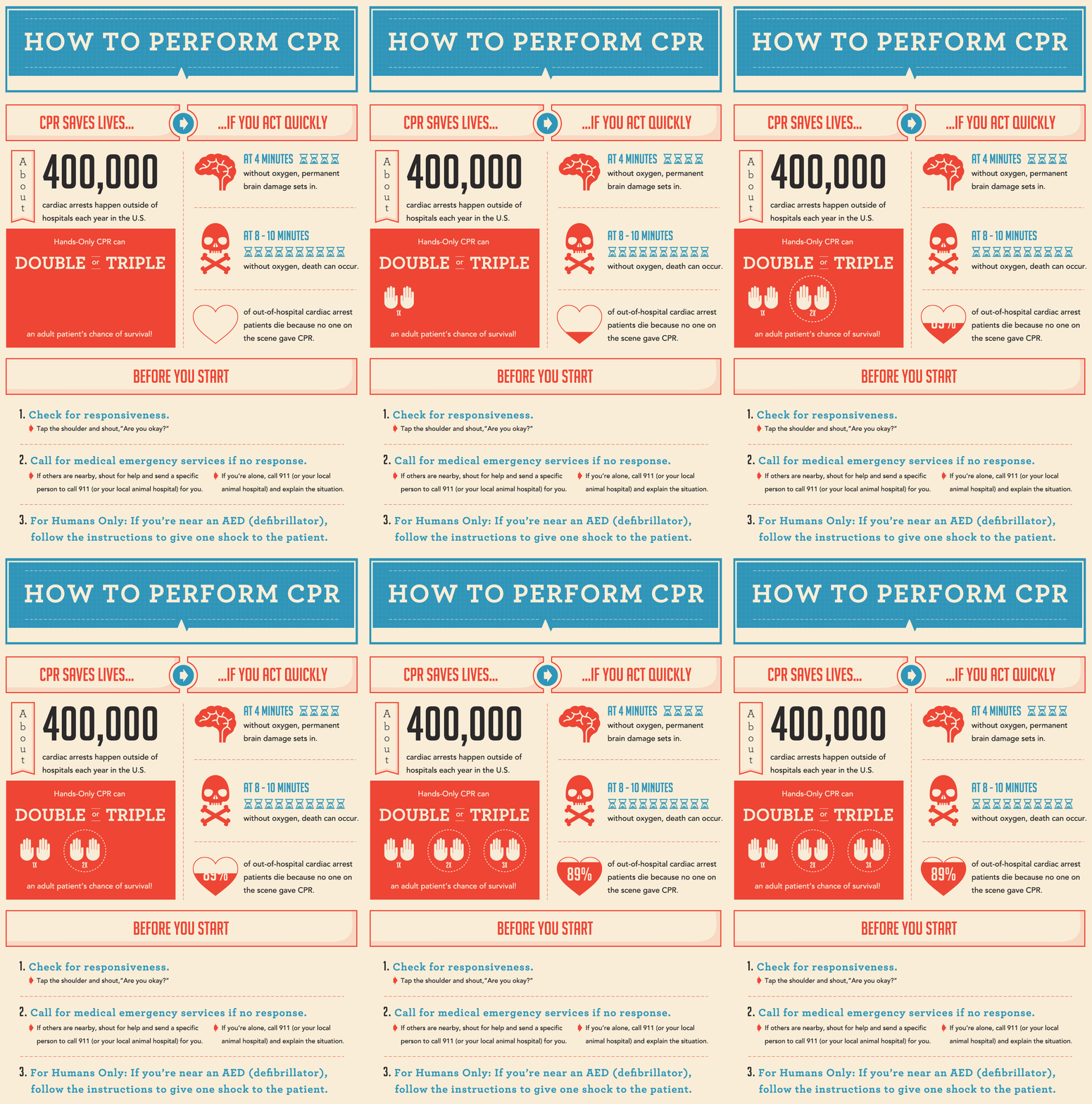
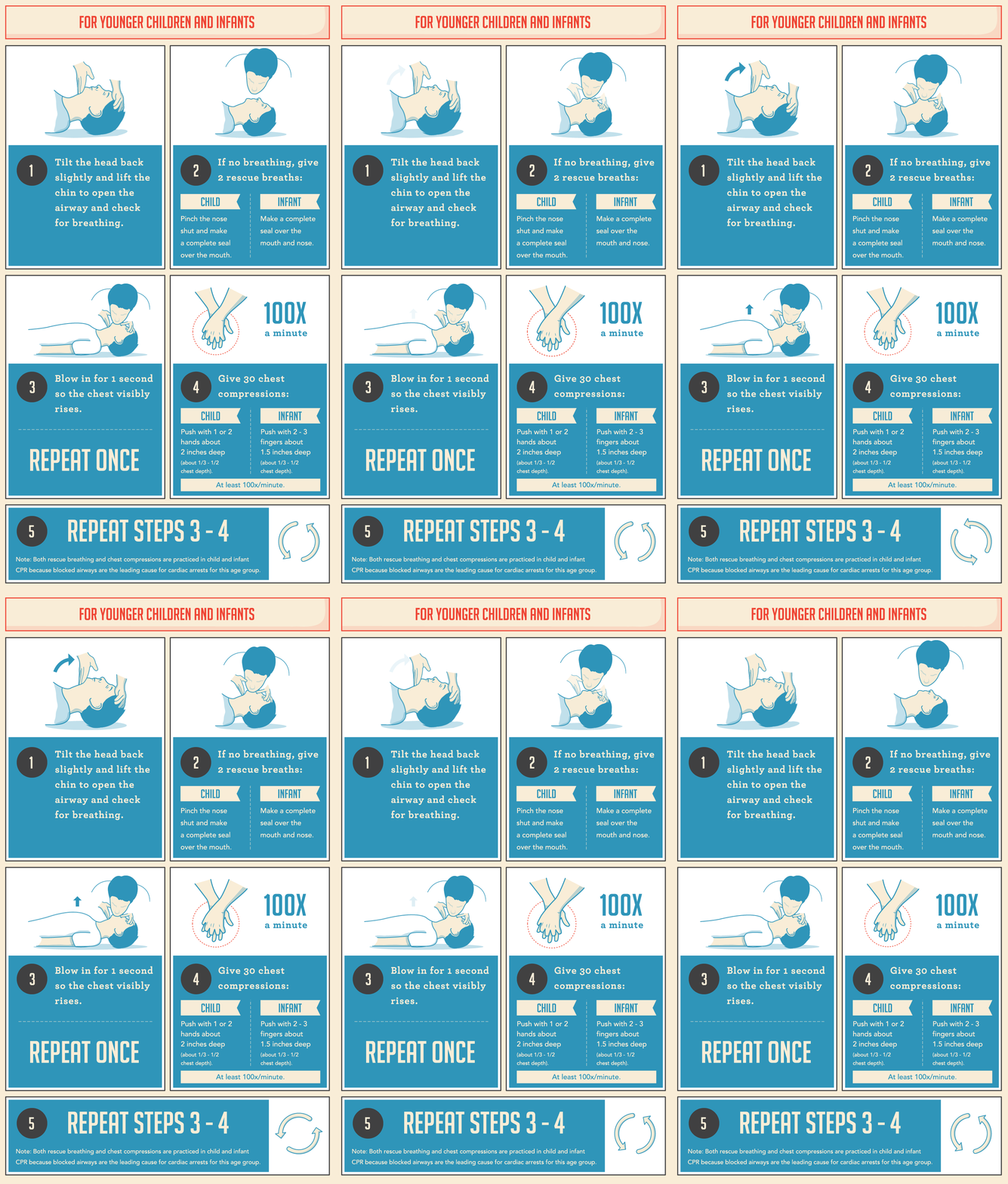
 CPR-How-To-ChildrenSurvival Rates

While 400,000 cardiac arrests happen outside of hospitals each year in the U.S. alone, hands-on CPR can actually double or triple an adult’s chance of survival. However, you need to act quickly. At four minutes without oxygen, the patient will suffer from permanent brain damage. At eight to ten minutes, the patient can die. Almost 90% of cardiac arrest patients die because no one performed CPR at the scene.

Before You Start CPR

First of all, check if the patient can respond by tapping them on the shoulder and shouting “Are you okay?” If they don’t respond, call for medical emergency services immediately. If others are around, instruct them to call 911 and if you’re alone, do it yourself. If the patient is an animal, call the closest animal hospital. If you happen to be near an AED (defibrillator), read the instructions and give one shock to the patient (this applies to humans only).

CPR Steps For Adults and Children 9 and Older: Hands-Only CPR

  1. Lay the patient on their back and kneel next to their neck and shoulders.
  2. Place the heel of one hand on the center of the patient’s chest.
  3. Place the heel of your other hand over the first and lace fingers together.
  4. Keep your elbows straight and align your shoulders directly over your hands.
  5. Begin compression:
  • As hard as possible
  • At least 100x/minute
  • Allow the chest to rise fully between compressions.

TIP: Give compressions to the beat of disco hit “Stayin’ Alive”!

CPR Steps For Younger Children and Infants

  1.  Tilt the head back a bit and lift chin to open the airway and check for breathing.
  2. If there’s no breathing, give either of these two rescue breaths:
  • Child: Pinch the nose shut and make a complete seal over their mouth
  • Infant: Make a complete seal over their mouth and nose.
  1. Blow in for one second, so the chest visibly rises and repeat this once.
  2. Give 30 chest compressions (100x/minute):
  • Child: Push with one or two hands about two inches deep
  • Infant: Push with two to three fingers about 1.5 inches deep.
  1. Repeat these steps three to four times.

Pet CPR – For Dogs and Cats

[Follow these CPR instructions for puppies]

For Animals Under 10kg/22lbs:

  1.  Use the one-handed technique, wrapping the hand over sternum and chest.
  2. Give 30 chest compressions (100-120x/minute).
  3. Allow the chest to fully recoil between compressions.
  4. Give two mouth-to-snout rescue breaths after each set of compressions (30:2).

For Medium to Giant Dogs:

  • Position the animal on its side.
  • Use the two-handed technique, placing your hands over the widest part of the chest.

For Deep, Narrow-Chested Dogs Like Greyhounds:

  • Use the two-handed technique, placing your hands directly over the heart.

For Barrel-Chested Dogs Like English Bulldogs:

Place animal on its back and use the same positioning and technique as for adult humans Whether you perform CPR on an adult, child, infant, or pets, DO NOT STOP unless:

  • The patient starts breathing
  • An EMS or another citizen responder takes over
  • An AED is ready to use
  • The scene becomes unsafe
  • You are physically incapable of continuing

Assessment

Make sure to practice and/or brush up your CPR abilities today, so you’re ready to potentially save someone’s life in the future! Furthermore, if you’re interested in making it your profession to help people suffering from respiratory conditions like asthma, bronchitis, lung cancer, heart attack, stroke, chronic obstructive pulmonary disease (COPD) or sleep apnea, you should look into Carrington College’s respiratory care program. This two-year program combines classroom lectures, laboratory instruction, and clinical experience in order to prepare you to work in a variety of healthcare settings. If you’d like to assist and educate people regarding respiratory health concerns, our training program is the ideal fit for you!

Conclusion

Your thoughts and comments on this ME-P are appreciated. Feel free to review our top-left column, and top-right sidebar materials, links, URLs and related websites, too. Then, subscribe to the ME-P. It is fast, free and secure.

Speaker: If you need a moderator or speaker for an upcoming event, Dr. David E. Marcinko; MBA – Publisher-in-Chief of the Medical Executive-Post – is available for seminar or speaking engagements. Contact: MarcinkoAdvisors@msn.com

OUR OTHER PRINT BOOKS AND RELATED INFORMATION SOURCES:

Product DetailsProduct Details

Are Doctors Practitioners of Conspicuous Consumption?

Conspicuous Consumption by Definition

[By Dr. David Marcinko MBA and staff reporters]

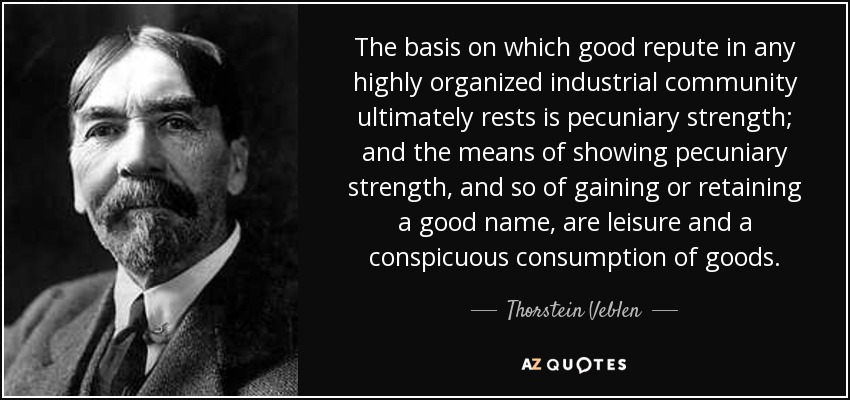
Conspicuous consumption is a term introduced by the Norwegian-American economist and sociologist Thorstein Veblen in his book “The Theory of the Leisure Class” published in 1899.

***

af

“A Man of Wealth and Taste”

***

The term refers to consumers who buy expensive items to display wealth and income rather than to cover the real needs of the consumer. www.HealthDictionarySeries.org

A flashy consumer uses such behavior to maintain or gain higher social status. Most classes have a flashy consumer affect and influence over other classes, seeking to emulate the behavior.
***

eccentric

The result, according to Veblen, is a society characterized by wasted time and money.

 ***


***

Assessment

Are doctors today, or yesterday, practitioners of this theory?

Conclusion

Your thoughts and comments on this ME-P are appreciated. Feel free to review our top-left column, and top-right sidebar materials, links, URLs and related websites, too. Then, subscribe to the ME-P. It is fast, free and secure.

Speaker: If you need a moderator or speaker for an upcoming event, Dr. David E. Marcinko; MBA – Publisher-in-Chief of the Medical Executive-Post – is available for seminar or speaking engagements.

Book Marcinko: https://medicalexecutivepost.com/dr-david-marcinkos-bookings/

Subscribe: MEDICAL EXECUTIVE POST for curated news, essays, opinions and analysis from the public health, economics, finance, marketing, IT, business and policy management ecosystem.

MORE FOR DOCTORS AND NURES:

“Insurance & Risk Management Strategies for Doctors” https://tinyurl.com/ydx9kd93

“Financial Management Strategies for Hospitals” https://tinyurl.com/yagu567d

“Operational Strategies for Clinics and Hospitals” https://tinyurl.com/y9avbrq5

Risk Management, Liability Insurance, and Asset Protection Strategies for Doctors and Advisors: Best Practices from Leading Consultants and Certified Medical Planners™8Comprehensive Financial Planning Strategies for Doctors and Advisors: Best Practices from Leading Consultants and Certified Medical Planners™

***


Remembering 9/11

Rest in Peace

The ME-P Remembers

[Never Forget]

On Shoplifting

An Invisible and Costly Money Problem

By Rick Kahler MS CFP®

In all my experience with problematic money behaviors, there’s one I’ve never addressed—shoplifting. It’s not discussed in the books I’ve co-authored. While I estimate that I’ve worked with or spoken to around 1000 people about their money scripts, I can’t once recall anyone mentioning a money script that they deserved to steal from retailers or that it was okay to shoplift. In 27 years of writing this column I can’t recall ever writing one about shoplifting. Until now.

The NASP

When I did a little research on shoplifting, the results were sobering. One source, the National Association for Shoplifting Prevention (NASP) estimates that 27,000,000 people in the U.S. have shoplifted at least once. That’s 1 out of 9 people. This means of the 1,000 people I’ve worked with, none of whom identified a money script around shoplifting, it’s safe to assume that 110 had shoplifted. That is mind-boggling to me.

Root Causes

What causes a person to shoplift? According to a research study of 43,000 people that appeared in the American Journal of Psychiatry (Prevalence and Correlates of Shoplifting in the United States, 2008), we don’t fully know. We do know that it isn’t because of economic status. Some high profile and very wealthy celebrities have been caught shoplifting, including Brittney Spears, Winona Ryder, Lindsay Lohan, and Courtney Love.

The NASP website lists the following facts:

· There is no gender profile for shoplifters; it affects both men and women equally.

· About 25% of shoplifters are kids and 75% are adults.

· The majority of shoplifters, 55%, started in their teens.

· Shoplifting is largely not a premeditated crime; over 70% say it’s impulsive.

· Shoplifters say the true reward is the high of getting away with it, not what they steal.

· Shoplifters go undetected in 47 out of every 48 attempts.

· About 57% of adult shoplifters continue to shoplift after being caught.

· Habitual shoplifters steal an average of 1.6 times a week.

Popular Items

What are the most popular items to steal? Lists vary according to the type of survey, but common items include alcohol, cosmetics, small electronics and accessories, clothing, and over-the-counter medications. Many of these are tempting because they are easy to slip into a pocket or handbag.

It’s easy to dismiss shoplifting as an insignificant and relatively harmless crime. We tend to think of it as something that kids might do on a dare or a few adults might do occasionally on impulse. I wonder if this is why it so rarely comes up in discussions of money scripts. Even the word itself is minimizing. “Shoplifting” sounds much less serious than what this behavior really is: stealing.

Yet shoplifting is a serious crime that costs all of us a lot of money. The National Retail Federation’s annual National Retail Security Survey measures “inventory shrink.” The 2017 survey found 1.44% of retail inventory came up missing. More than a third (36.5%) of this loss was due to shoplifting.

Direct losses of inventory are far from the only cost of shoplifting. Security technology and staff time also increase expenses. So does all the wasteful, landfill-clogging packaging that manufacturers add to make small items too bulky to hide in a pocket or bag. The retailers’ response to all these costs, of course, is higher prices for law-abiding consumers.

Assessment

My most important realization from this research is that shoplifting, which NASP calls a “silent crime,” deserves more attention than it receives. When we as consumers naively ignore it, we are ignoring a costly problem that all of us pay for. Perhaps the most damaging money script around shoplifting is the belief that it’s too minor to matter.

Conclusion

Your thoughts and comments on this ME-P are appreciated. Feel free to review our top-left column, and top-right sidebar materials, links, URLs and related websites, too. Then, subscribe to the ME-P. It is fast, free and secure.

Speaker: If you need a moderator or speaker for an upcoming event, Dr. David E. Marcinko; MBA – Publisher-in-Chief of the Medical Executive-Post – is available for seminar or speaking engagements.

Book Marcinko: https://medicalexecutivepost.com/dr-david-marcinkos-bookings/

Subscribe: MEDICAL EXECUTIVE POST for curated news, essays, opinions and analysis from the public health, economics, finance, marketing, IT, business and policy management ecosystem.

DOCTORS:

“Insurance & Risk Management Strategies for Doctors” https://tinyurl.com/ydx9kd93

“Fiduciary Financial Planning for Physicians” https://tinyurl.com/y7f5pnox

“Business of Medical Practice 2.0” https://tinyurl.com/yb3x6wr8

HOSPITALS:

“Financial Management Strategies for Hospitals” https://tinyurl.com/yagu567d

“Operational Strategies for Clinics and Hospitals” https://tinyurl.com/y9avbrq5

***

SHARE

R.I.P Charles Krauthammer MD

Charles Krauthammer, Pulitzer Prize-winning columnist and intellectual provocateur, dies at 68

Charles Krauthammer, a Pulitzer Prize-winning Washington Post columnist and intellectual provocateur who championed the muscular foreign policy of neoconservatism that helped lay the ideological groundwork for the 2003 U.S.-led invasion of Iraq, died June 21 at 68.

https://www.msn.com/en-us/news/us/charles-krauthammer-pulitzer-prize-winning-columnist-and-intellectual-provocateur-dies-at-68/ar-AAyYVyF?OCID=ansmsnnews11

***


Suicide Rate Trends in the USA

Circa 1999-2018

By http://www.MCOL.com

***

***

Conclusion

Your thoughts and comments on this ME-P are appreciated. Feel free to review our top-left column, and top-right sidebar materials, links, URLs and related websites, too. Then, subscribe to the ME-P. It is fast, free and secure.

Speaker: If you need a moderator or speaker for an upcoming event, Dr. David E. Marcinko; MBA – Publisher-in-Chief of the Medical Executive-Post – is available for seminar or speaking engagements.

Book Marcinko: https://medicalexecutivepost.com/dr-david-marcinkos-bookings/

Subscribe: MEDICAL EXECUTIVE POST for curated news, essays, opinions and analysis from the public health, economics, finance, marketing, IT, business and policy management ecosystem.

DOCTORS:

“Insurance & Risk Management Strategies for Doctors” https://tinyurl.com/ydx9kd93

“Fiduciary Financial Planning for Physicians” https://tinyurl.com/y7f5pnox

“Business of Medical Practice 2.0” https://tinyurl.com/yb3x6wr8

HOSPITALS:

“Financial Management Strategies for Hospitals” https://tinyurl.com/yagu567d

“Operational Strategies for Clinics and Hospitals” https://tinyurl.com/y9avbrq5

***

Product DetailsProduct Details

We’re All a Little Weird Around Money

Just a Little?

By Rick Kahler MSFS CFP® 

“Everybody gets weird around money.” This was one of many great one-liners about money from my good friend and financial philosopher, the late Dick Wagner, JD CFP.

Dr. Moira Somers, a psychologist from Winnipeg, Canada, agrees. In her new book, Advice that Sticks, she says, “Most people are at least mildly crazy when it comes to money. I can say ‘crazy’ with some authority. I am, after all, a psychologist. I know crazy when I see it. And there is nothing—not full moons or federal elections or family get-togethers—that draws the crazy out of people faster than money.”

Amen, sister!

Somers also quotes Geneen Roth, whose book Lost and Found describes losing her life savings to Bernie Madoff: “It seems that money, even more than food, activates our survival instinct and makes wise, otherwise rational people behave like starving dogs. Any distorted or frozen patterns in our psyches will inevitably show up in our relationship with money, which makes it the ultimate repository for shadowy behavior.”

Even economist John Maynard Keynes, in his 1936 book, The General Theory of Employment, Interest and Money, used the term “animal spirits” to describe the instincts and emotions that influence and guide human behavior around money.

Craziness. Starving dogs. Animal Spirits. Shadowy behavior. If we’re all so weird around money, maybe the really crazy ones are those who sign up for a career of helping people with their money.

Money carries an incredible emotional charge, notes Somers. “How else to explain what financial professionals encounter in their line of work?”

I’ve certainly encountered money weirdness in many forms. Like the wealthy business owner who went ballistic over having to pay a 6.5% sales tax on my fee, even though every South Dakota service provider he deals with must charge sales tax. Or the couple that was dumbfounded to learn that their current spending level would leave them penniless in 10 years, even though their former financial planner had told them that repeatedly for the last 10 years. Or the couple that fired me as their financial planner because the only time they fought about money was when they came to see me.

Another Wagnerism is that money is the most powerful and pervasive secular force on the planet. It touches everything in our lives: our physical, emotional, mental, and even spiritual well-being are all influenced for better or worse by money.

As Somers says, “It shows up in their spending habits, job choices, and relationships. It shows up in their investment decisions and in their charitable giving. It shows up in the tone and the content of the conversations they have with you and other people in their life when money gets discussed.”

Even having those conversations about money is what Wagner called “a 21st Century taboo.” No wonder that working with financial professionals brings out everyone’s money weirdness. Financial planners and financial therapists, unlike any other professionals, are at ground zero for dealing with clients’ dysfunctions and shadowy behaviors around money. If they are to have even a whisper of being successful, Somers says, their approach “requires a firm commitment to not adding to the problem through shaming, blaming, or firing them unnecessarily.”

Once you become aware of your own particular weirdness around money, the challenge is to find financial professionals who can help you negotiate your problems rather than adding to them. You need advisors who understand their own money triggers, values, and beliefs, as well as having the skills to help you understand your own. To find such advisors, a good place to start your research is with the Financial Therapy Association.

weird

Conclusion

Your thoughts and comments on this ME-P are appreciated. Feel free to review our top-left column, and top-right sidebar materials, links, URLs and related websites, too. Then, subscribe to the ME-P. It is fast, free and secure.

Speaker: If you need a moderator or speaker for an upcoming event, Dr. David E. Marcinko; MBA – Publisher-in-Chief of the Medical Executive-Post – is available for seminar or speaking engagements.

Book Marcinko: https://medicalexecutivepost.com/dr-david-marcinkos-bookings/

Subscribe: MEDICAL EXECUTIVE POST for curated news, essays, opinions and analysis from the public health, economics, finance, marketing, IT, business and policy management ecosystem.

Risk Management, Liability Insurance, and Asset Protection Strategies for Doctors and Advisors: Best Practices from Leading Consultants and Certified Medical Planners™8Comprehensive Financial Planning Strategies for Doctors and Advisors: Best Practices from Leading Consultants and Certified Medical Planners™

***

April 28th., 2018 is National Prescription “Drug Take-Back” Day

Rx Drug Take-Back Day

By Dr. David Edward Marcinko MBA

Today, Saturday April 28th, is National Prescription Drug Take-Back Day. Sponsored by the DEA semi-annually, this is an opportunity to eradicate “rainy day” (when only 2 of the 30 pills were actually taken for a medical condition) dangerous Rx drugs that have been the source of many people’s introduction or continuation of addiction to opioids (Rx and illicit). 

Beyond the need to take these unused drugs out of circulation, they might not even still be appropriate weeks/months/years later for the person for whom they were originally prescribed. Nothing good comes from leaving dangerous Rx drugs unlocked and available for abuse.

While the DEA is advertising it, local communities are the ones that are actually making it happen. It is scheduled from 10-2pm local time on Saturday. I’ve already received an e-mail from my community leaders about their location. Go to www.DEATakeBack.com to identify a collection site closest to you (or your friends or family members).

***

***

Conclusion

Your thoughts and comments on this ME-P are appreciated. Feel free to review our top-left column, and top-right sidebar materials, links, URLs and related websites, too. Then, subscribe to the ME-P. It is fast, free and secure. 

Speaker: If you need a moderator or speaker for an upcoming event, Dr. David E. Marcinko; MBA – Publisher-in-Chief of the Medical Executive-Post – is available for seminar or speaking engagements. https://medicalexecutivepost.com/dr-david-marcinkos-bookings/ 

Contact: MarcinkoAdvisors@msn.com

CMP logo

http://www.CertifiedMedicalPlanner.org

***

On the Nobel Dr. Jonas Salk

Pioneer and Humanitarian

***

***

Conclusion

Your thoughts and comments on this ME-P are appreciated. Feel free to review our top-left column, and top-right sidebar materials, links, URLs and related websites, too. Then, subscribe to the ME-P. It is fast, free and secure. 

Speaker: If you need a moderator or speaker for an upcoming event, Dr. David E. Marcinko; MBA – Publisher-in-Chief of the Medical Executive-Post – is available for seminar or speaking engagements. https://medicalexecutivepost.com/dr-david-marcinkos-bookings/ 

Contact: MarcinkoAdvisors@msn.com

***

Product DetailsProduct Details

DOCTOR – Do you limit the number of uninsured patients you treat?

Well – do you?

***

***

Conclusion

Your thoughts and comments on this ME-P are appreciated. Feel free to review our top-left column, and top-right sidebar materials, links, URLs and related websites, too. Then, subscribe to the ME-P. It is fast, free and secure. 

Speaker: If you need a moderator or speaker for an upcoming event, Dr. David E. Marcinko; MBA – Publisher-in-Chief of the Medical Executive-Post – is available for seminar or speaking engagements. https://medicalexecutivepost.com/dr-david-marcinkos-bookings/ 

Contact: MarcinkoAdvisors@msn.com

Product Details

***

On “Information Fiduciaries”

And … the First Amendment

We have opined and curated much information on the financial fiduciary conundrum on this ME-P. Just SEARCH for related information.

So, with the current Facebook imbroglio, perhaps it is time to introduce the issue of “information fiduciary”; especially in the digital world?  Fortunately, this was done for us by Professor Jack M. Balkin.

-Dr. David Edward Marcinko MBBS MBA 

Abstract

This article introduces the concept of an information fiduciary to explain how to protect digital privacy and prevent overreaching by online enterprises consistent with the First Amendment.

UC Davis Law Review, Vol. 49, No. 4, 2016, Forthcoming

Yale Law School, Public Law Research Paper No. 553

52 Pages Posted: 18 Oct 2015 Last revised: 19 Apr 2016

“Information Fiduciaries” Jack M. Balkin

Yale University – Law School

Date Written: February 3, 2016

Assessment

Conclusion

Your thoughts and comments on this ME-P are appreciated. Feel free to review our top-left column, and top-right sidebar materials, links, URLs and related websites, too. Then, subscribe to the ME-P. It is fast, free and secure. 

Speaker: If you need a moderator or speaker for an upcoming event, Dr. David E. Marcinko; MBA – Publisher-in-Chief of the Medical Executive-Post – is available for seminar or speaking engagements. https://medicalexecutivepost.com/dr-david-marcinkos-bookings/ 

Contact: MarcinkoAdvisors@msn.com

http://www.HealthDictionarySeries.org

***

What is a Financial Fiduciary?

Fiduciary Trust 101 – For Consumers and Insiders

***

***

Assessment

For the financial services industry: An Interview with Bennett Aikin AIF®

Conclusion

Your thoughts and comments on this ME-P are appreciated. Feel free to review our top-left column, and top-right sidebar materials, links, URLs and related websites, too. Then, subscribe to the ME-P. It is fast, free and secure.

Speaker: If you need a moderator or speaker for an upcoming event, Dr. David E. Marcinko; MBA – Publisher-in-Chief of the Medical Executive-Post – is available for seminar or speaking engagements. https://medicalexecutivepost.com/dr-david-marcinkos-bookings/

Contact: MarcinkoAdvisors@msn.com

https://www.crcpress.com/Comprehensive-Financial-Planning-Strategies-for-Doctors-and-Advisors-Best/Marcinko-Hetico/p/book/9781482240283

***

Who Pays for your Medication?

Understanding the Supply-Chain Management [SCM]

By Business Inside

***

Conclusion

Your thoughts and comments on this ME-P are appreciated. Feel free to review our top-left column, and top-right sidebar materials, links, URLs and related websites, too. Then, subscribe to the ME-P. It is fast, free and secure.

Speaker: If you need a moderator or speaker for an upcoming event, Dr. David E. Marcinko; MBA – Publisher-in-Chief of the Medical Executive-Post – is available for seminar or speaking engagements. https://medicalexecutivepost.com/dr-david-marcinkos-bookings/

Contact: MarcinkoAdvisors@msn.com

https://www.amazon.com/Financial-Management-Strategies-Healthcare-Organizations/dp/1466558733/ref=sr_1_3?ie=UTF8&qid=1380743521&sr=8-3&keywords=david+marcinko

***

Becoming financially independent to help other people?

Help both the planet and the poor


By Rick Kahler CFP®

Here’s is how you can help both the planet and the poor: Live frugally and save for your own old age.

In other words, become a millionaire or close to it.

  • Are you concerned about saving the planet?
  • Would you like to see more government funding for research into projects like developing clean energy?
  • How about helping people who cannot help themselves?
  • Would you like to see more government spending for marginalized populations?

It’s easy to see that reducing your lifestyle can reduce your carbon footprint to help the planet. But how does your becoming financially independent help other people?

It means you will not become a consumer of precious government or charitable resources that could be redirected to making a difference in both preserving the planet and eliminating poverty. If you don’t provide for yourself financially, chances are good that you will end up dependent on government funding for your existence.

Take long-term health care, for example

Forty-five percent of all nursing home spending is funded by our tax dollars. Of Medicaid’s $565 billion dollar annual budget (2016 figures), 20% or $113 billion goes for nursing home care. The federal government—meaning we the taxpayers—picks up the tab for 65% of all people in nursing homes. Medicaid pays for about 1 million of the some 1.5 million nursing home beds in the US.

The average annual amount the government spends is $113,000 for a semi-private room. What’s interesting is the actual average cost of a semi-private nursing home room is around $225 a day, or about $82,000. I am not sure where the other $31,000 goes, but my hunch is that it’s inefficiently spent on the salaries of those who administer the program. So, if you can save enough to pay your nursing home costs, you get an extra bonus of saving an additional $31,000 in government spending.

One way to relieve the government of the cost of your nursing home care is to purchase long term care insurance. According to Morningstar, the average annual premium for long-term care policies being sold in 2014 was $2772. While this isn’t cheap, neither is it prohibitively expensive for many middle-class Americans, especially compared to common expenditures like unlimited cell phone service or annual vacations.

In addition to direct payments like Medicaid, there’s another cost to society from those who fail to or are unable to provide for their own old age. This is the need for family members to become unpaid caregivers. For 2013, Morningstar estimated the dollar value of such care at $470 billion. If caregivers quit jobs or take time off, or if they are forced to take Social Security benefits early, the result is lost tax revenue and increased government spending. In addition, those who sacrifice their own resources to care for parents may carry a pattern of retirement scarcity on into the next generation.

The wealthy

It appears to be a common misperception that “the wealthy” are somehow a drain on society who use more than their fair share of resources. There may be some validity to this perception for the relatively few uber-rich with multiple homes and conspicuously lavish lifestyles.

However, quite the opposite is true for the much greater number of ordinary people who accumulate enough wealth to take care of themselves until the end of their lives. When you are able to fund your own lifetime care, you do not need your family members and fellow taxpayers to provide the resources you require. And at the end of your life, you might even be able to bequeath some of your estate to help the poor and the planet. 

***

***

Conclusion

Your thoughts and comments on this ME-P are appreciated. Feel free to review our top-left column, and top-right sidebar materials, links, URLs and related websites, too. Then, subscribe to the ME-P. It is fast, free and secure.

Speaker: If you need a moderator or speaker for an upcoming event, Dr. David E. Marcinko; MBA – Publisher-in-Chief of the Medical Executive-Post – is available for seminar or speaking engagements.

Book Marcinko: https://medicalexecutivepost.com/dr-david-marcinkos-bookings/

Subscribe: MEDICAL EXECUTIVE POST for curated news, essays, opinions and analysis from the public health, economics, finance, marketing, IT, business and policy management ecosystem.

***

***

Poverty in the USA

Fewer people in the US are living in poverty

By Rick Kahler CFP®

According to the October 2017 annual report of the Hamilton Project of the Brookings Institute, the number of Americans living in poverty declined by 13%, or 6 million people, in the two years from 2014 to 2016. That’s encouraging news.

Not so encouraging is that 40.6 million people still live under the government poverty level. This is about one out of every eight Americans. The department of Health and Human Services sets the poverty rate at $32,580 or less for a family of six and $16,020 or less for two people.

Who are those officially classified as poor?

According to IPUMS, an organization associated with the University of Minnesota which integrates worldwide census data, 33% are children under age 18 and 11% are seniors over age 65. So 56% of those living in poverty are of working age, ages 18-65.

Of those who are working age, 21% are disabled, 15% are caregivers, 13% are students, and 10% are early retirees or unclassified, which leaves 41% available to work full time. This is 24% of all people who are in poverty, or about 9.8 million people.

Of that 9.8 million, 65% work part time, 25% work full time, and 10% don’t work. This means just under one million of the 40.6 million people in poverty are actually able to work but unemployed.

Something I found interesting was that of the 65% who work part time, two-thirds (4.3 million) choose to do so and only one-third (2.1 million) would like to work full time. If we add the one million who are unemployed and the 2.1 million part time workers who want full time employment, we have 3.1 million people in poverty who would like to work full time, but can’t find work. This is just 7.4% of all people considered to be below the poverty level.

That leads me to wonder what might change if the 4.3 million choosing to work part time actually worked full time. Might a significant portion of them pull themselves and their families out of poverty? Is it possible that many of these people choose to live in poverty? Or might some of them choose to work part time because earning more would be countered by factors like higher child care costs or losses in government benefits? While I don’t have any statistics on this, I have a hunch it is both.

Keven Winder, a life coach who blogs at thriveinexile.com, has a post from June 2017 titled “The Poverty of the Poor.” He says, “The cause of poverty is not solely education, politics, or the need for jobs. It’s not mental illness, addiction, housing, or food programs,” which he contends are by-products of poverty. “Poverty is deeper. Poverty is disengagement from that which powers us.”

It seems to me that Winder is using “disengagement” to mean what might be described as emotional poverty. The type of emotional disengagement that helps keep people in poverty may be no different from that of a person who earns a comfortable income but chooses not to save for retirement. Or someone who loses a job but has too much false pride to take a lesser one even temporarily.

We know the cure for financial behaviors based in emotional disengagement is not more information. Those choosing to work part time and live in poverty don’t need budget figures on how earning more would increase their standard of living. The behavior goes much deeper and is emotionally entrenched.

Assessment

Certainly, financial therapy might make a difference. Unfortunately, it’s still unavailable for too many of those who need it the most.

Conclusion

Your thoughts and comments on this ME-P are appreciated. Feel free to review our top-left column, and top-right sidebar materials, links, URLs and related websites, too. Then, subscribe to the ME-P. It is fast, free and secure.

Speaker: If you need a moderator or speaker for an upcoming event, Dr. David E. Marcinko; MBA – Publisher-in-Chief of the Medical Executive-Post – is available for seminar or speaking engagements.

Book Marcinko: https://medicalexecutivepost.com/dr-david-marcinkos-bookings/

Subscribe: MEDICAL EXECUTIVE POST for curated news, essays, opinions and analysis from the public health, economics, finance, marketing, IT, business and policy management ecosystem.

https://www.crcpress.com/Comprehensive-Financial-Planning-Strategies-for-Doctors-and-Advisors-Best/Marcinko-Hetico/p/book/9781482240283

***