CELEBRATE: National Nurse’s Week 2025

***

By Staff Reporters

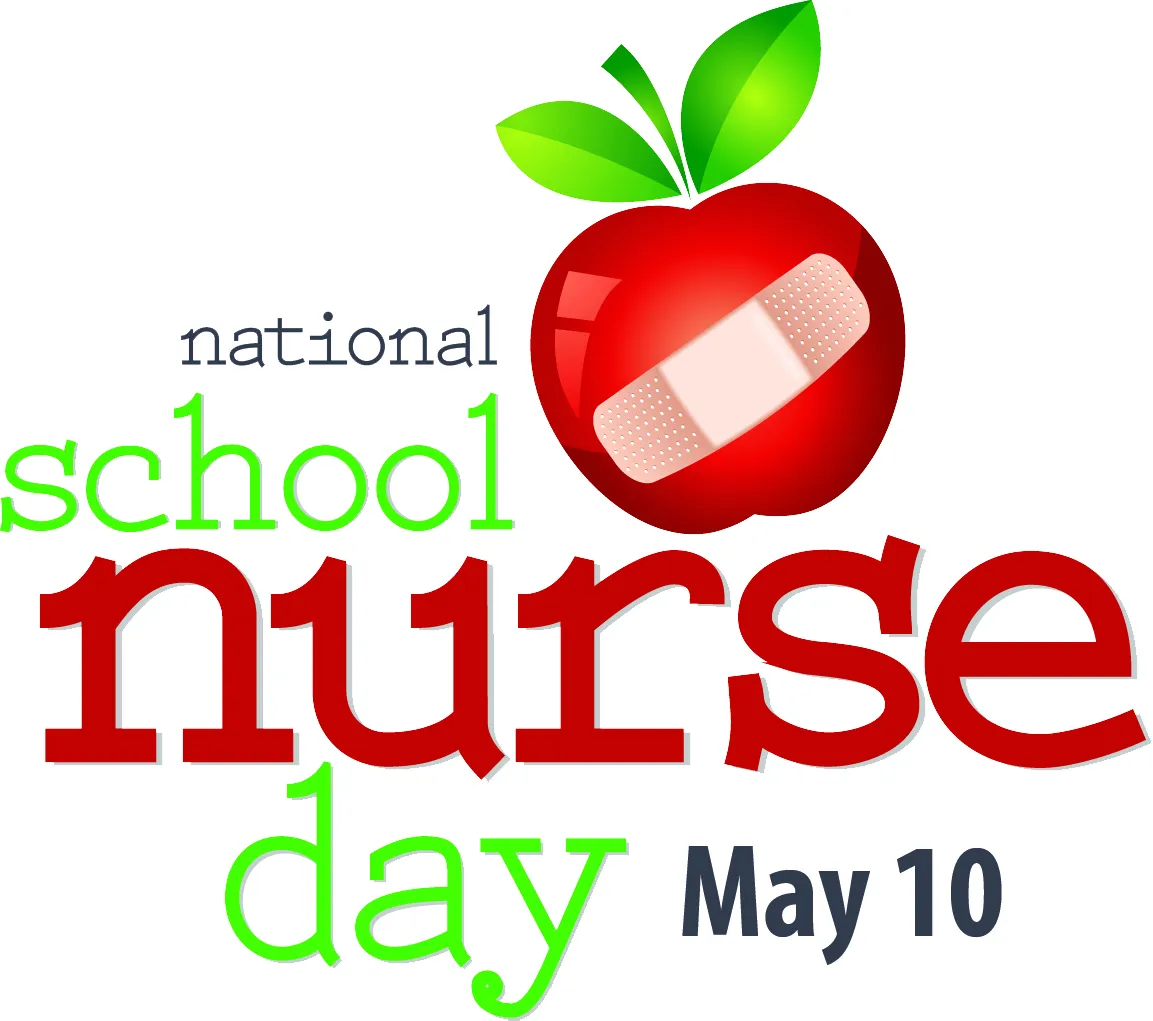
As of 1998, May 8th was designated as National Student Nurses Day, to be celebrated annually. And as of 2003, National School Nurse Day is celebrated on the Wednesday within National Nurses Week (May 6-12) each year.

***

***

The nursing profession has been supported and promoted by the American Nurses Association (ANA) since 1896. Each of ANA’s state and territorial nurses associations promotes the nursing profession at the state and regional levels. Each conducts celebrations on these dates to recognize the contributions that nurses and nursing make to the community.

NURSES: https://www.msn.com/en-us/money/other/the-best-worst-states-for-nurses-in-2022-report/ar-AAX4wYd?li=BBnb7Kz

***

***

The ANA supports and encourages National Nurses Week recognition programs through the state and district nurses associations, other specialty nursing organizations, educational facilities, and independent health care companies and institutions.

LINK: https://www.nursingworld.org/education-events/national-nurses-week/history/

***

COMMENTS APPRECIATED

Thank You

***

***

***

NATIONAL NURSES IN BUSINESS ASSOCIATION: Empowering Nurses Through Entrepreneurship

By Staff Reporters

***

***

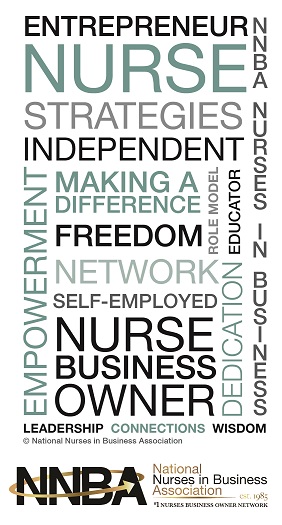
The National Nurses in Business Association (NNBA) is the premier nursing organization for nurse entrepreneurs, and a springboard for nurses transitioning from employees to entrepreneurs and business owners. The NNBA is an invaluable resource for existing nurse business owners seeking to expand, and maximize their business success.

Members’ resumes include thousands of nurse owned businesses, local, national and international awards, and millions of dollars in revenue. The experience, knowledge and impact of the NNBA community is amazing, as well as the support provided to fellow nurse entrepreneurs and aspiring entrepreneurs.

As the forerunner of the nurse entrepreneur movement, the NNBA provides valuable business information customized for nurses on how to start, plan, expand and grow your nurse owned business. They provide expert guidance, marketing and promotional opportunities, and continuing education in professional growth and career development.

MORE: https://nursesbusiness.com/

COMMENTS APPRECIATED

Like and Refer

***

***

FTC: Non-Competition Contract Clause Agreements?

By Staff Reporters

***

***

FTC Votes 3-2  to Ban Non-Compete Agreements, but Legal Challenges Expected

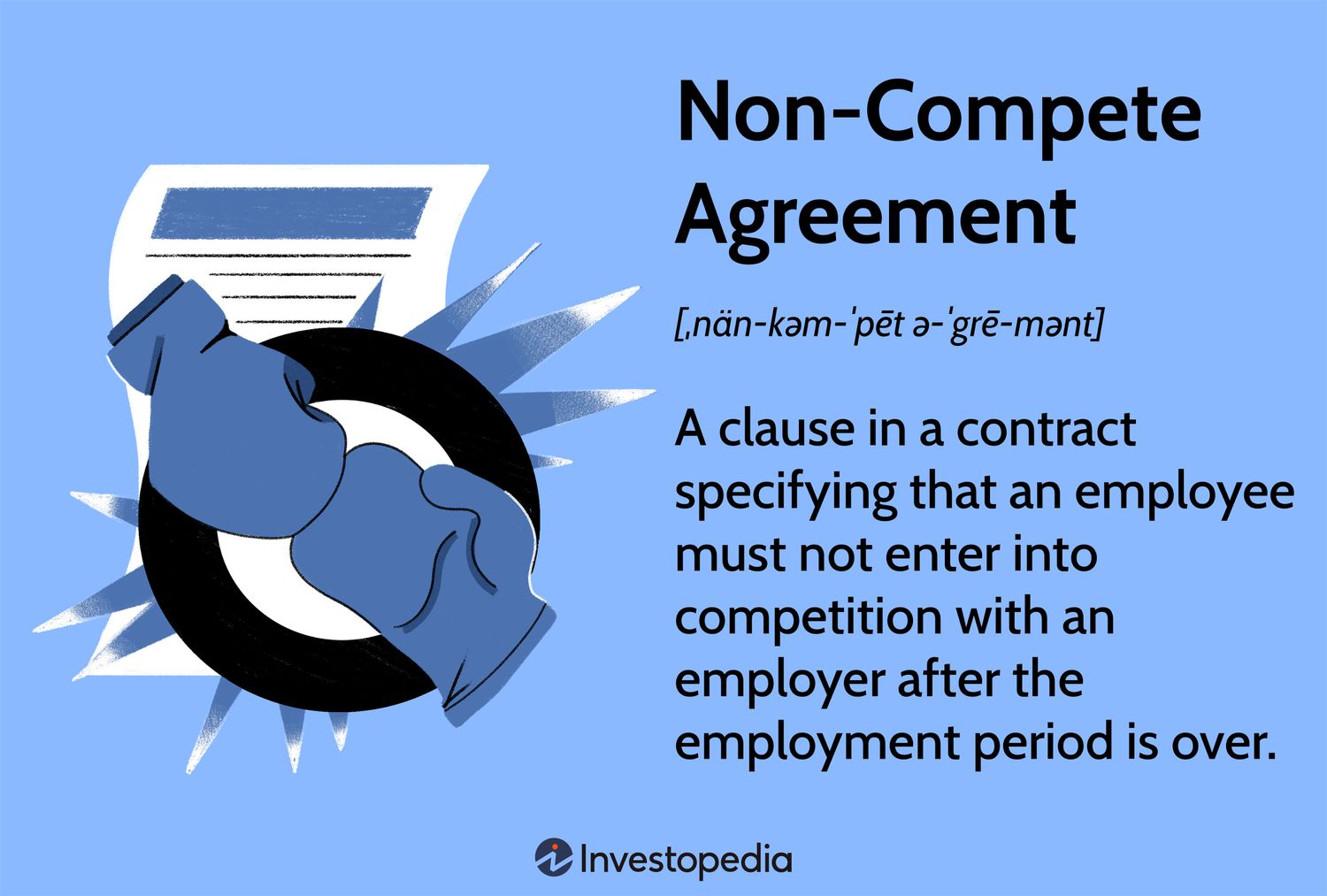
The Federal Trade Commission (FTC) just voted 3-2 to issue a final rule striking new non-compete agreements for all workers and phasing out existing non-competes for all but senior executives across “most employers.” The ban does not apply to non-profits including many of the country’s healthcare provider organizations due to the limitations of the FTC’s jurisdiction, one of several points of contention that has been raised by hospital industry groups that have opposed the ban.

The final rule will take effect 120 days after its publication in the Federal Register. To be in compliance, impacted employers will need to stop enforcing existing non-competes with workers other than senior executives, inform those who are no longer bound by existing non-competes and stop initiating new non-competes for all workers going forward, FTC staff said during an open meeting on the final rule held last week.

Source: Dave Muoio, Fierce Healthcare [4/23/24]

Moreover, the stay-or-pay contract practice requires nurses to put in a certain amount of time “or be required to pay money to their employer for an alleged debt, which could be tied to so-called training, a sign-on bonus, or other costs their employer claims are related to their employment,” according to National Nurses United (NNU), a union that represents about a quarter of a million registered nurses (RNs).

“The new FTC rule is a step in the right direction for nurses and those aspiring to take on this critical role in our communities,” NNU President Nancy Hagans said in a statement.

MORE: https://tinyurl.com/bdethdwh

COMMENTS APPRECIATED

Thank You

***

***

DAILY UPDATE: Nurses Strike as Stocks Decline

By Staff Reporters

***

***

About 1,300 nurses at Staten Island University Hospital (SIUH) will strike on April 2nd if contract negotiations fail, the New York State Nurses Association (NYSNA) announced Thursday. The union, which represents about 42,000 nurses across the state, is looking for higher wages and improved nurse-to-patient ratios for their members—sticking points for Northwell Health, according to NYSNA.

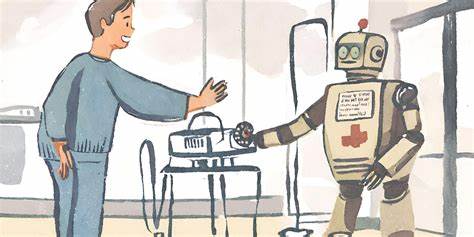
AI RN Replacements: https://gizmodo.com/nvidia-wants-replace-nurses-with-ai-1851347917?utm_campaign=hcb&utm_medium=newsletter&utm_source=morning_brew

CITE: https://www.r2library.com/Resource

Here’s where the major benchmarks ended:

  • The S&P 500 index sank 15.99 points (0.3%) to 5,218.19; the Dow Jones Industrial Average dropped 162.26 points (0.4%) to 39,313.64; the NASDAQ Composite lost 44.35 points (0.3%) to 16,384.47. 
  • The 10-year Treasury note yield (TNX) rose three basis points to 4.25% after a four-day retreat.
  • The CBOE Volatility Index® (VIX) edged up 0.14 to 13.20.

The energy sector followed crude oil prices and was the strongest sector Monday. Utilities and materials also saw strength. Weakest sectors included industrials, information technology, and real estate.

COMMENTS APPRECIATED

Thank You

***

***

A Doctor – Economist’s Solution for Health Reform

My Laundry Wish List for all US Healthcare Stakeholders

By Dr. David Edward Marcinko; MBA, CMP™

[Publisher-in-Chief]Fox News

As President Obama spoke, prodded and cajoled for Congress to pass HR 3200-3400 in 2008, I believe that for any healthcare reform effort to work successfully for the American people – for the long term – we need to consider the following in no particular prioritized order:

  • Insurance portability uncoupled from patient employment
  • Health insurance regional exchanges with inter-state purchase competition
  • Doctor, drug, DME and hospital pricing and payment transparency for HSAs, and all of us
  • Modifying or eliminating AMA owned CPT Codes®; a huge money maker for them
  • Abandoning ala’ carte medicine for values-based outcomes
  • Reduce JCAHO influence; encourage competition from Norwegian Det Norske Veritas [DNV]
  • Reduce big-pharma influence thru-out the entire medical education, career and care pipeline
  • End DTC advertising from big-pharma
  • Promote wholesale drug purchase competition, MC bidding and generic drugs
  • Encourage evidence-based medicine, not expert-based medicine
  • Less pay for medical specialists with a  re-evaluation of the hospitalist concept
  • Advance the dying art of physical diagnosis, teach and embrace Paretto’s 80/20 rule for clinic issues
  • Reduce lab test, diagnostic imaging and testing
  • Encourage private 24/7/365 medical offices and clinics; and on-site and retail clinics
  • Abandon P4P, medical homes and disease management ideas
  • Give more economic skin-in-game to patients relative to health benchmarks
  • Concretize the “never-event” prohibitions and include a list of patient health responsibilities
  • More pay for primary care docs and internists
  • Adopt digital records and cloud computing for patients
  • Phase in true eHRs incrementally; and abandon CCHIT for open source SaaS
  • Promote Health 2.0 social media.
  • Augmented scope of practice, numbers and pay for NPs and DNPs, etc
  • Reduce pay for CRNAs and increase it for staff RNs
  • Develop step down triage and treatment units to reduce the number of full service ERs
  • Increase medical, osteopathic, dental, optometric and podiatric medical school classes
  • Increased practice scope for dentists, podiatrists and optometrists
  • Make some sort of catastrophic HI mandatory, much like auto insurance for all
  • End pre-existing conditon health insurance contract clauses
  • More choice  and end of life control for the terminally ill patient
  • Increase marketplace competition with fewer political and financial “externalities”.
  • Teach basic healthcare topics in school and encourage physical exercise
  • Health and insurance education should be, but is not, the “answer” for Americans
  • Protect borders and discourage undocumented illegals
  • Adopt medical malpractice tort reform
  • Make all stakeholders fiduciaries
  • No public “option” unless you like food stamps, Section 8 housing, public transportation and schools
  • Budget deficit neutrality
  • Slow down!

Assessment

Recently, while in the Baltimore/Washing area, I was asked by several reporters to opine on the healthcare debate; which I did so freely having never been known as the shy type. And, regular readers will note that many of these items have been used as posts or comments on this ME-P. Unfortunately, my “laundry list” interview was pre-empted by two local but boisterous town-hall meetings with respective passionate politicians. It was redacted no doubt, but never broadcast. Thus, I missed the potential for my “five minutes” of fame. C’est la vive!

Conclusion

There you have it; direct and straight forward. And so, your thoughts and comments on this Medical Executive-Post are appreciated. Feel free to review our top-left column, and top-right sidebar materials, links, URLs and related websites, too. Then, be sure to subscribe to the ME-P. It is fast, free and secure.

Link: http://feeds.feedburner.com/HealthcareFinancialsthePostForcxos

Speaker: If you need a moderator or speaker for an upcoming event, Dr. David E. Marcinko; MBA – Publisher-in-Chief of the Executive-Post – is available for seminar or speaking engagements. Contact: MarcinkoAdvisors@msn.com

Our Other Print Books and Related Information Sources:

Practice Management: http://www.springerpub.com/prod.aspx?prod_id=23759

Physician Financial Planning: http://www.jbpub.com/catalog/0763745790

Medical Risk Management: http://www.jbpub.com/catalog/9780763733421

Healthcare Organizations: www.HealthcareFinancials.com

Health Administration Terms: www.HealthDictionarySeries.com

Physician Advisors: www.CertifiedMedicalPlanner.com

THANK YOU

66% of Nurses Expressed Consideration to Leave The Profession

By staff reporters

***

66% of Nurses Expressed Consideration to Leave The Profession

A survey of 570 nurses between May and June 2021 found:

 •  66% of nurses expressed some level of consideration to leave the profession.
 •  97% of polled participants agree, that increases to pay rates and other incentives would attract and retain nurses.
 •  58% agree that tele-health should be a cornerstone of care delivery.
 •  85% believe that we must improve cross training to adapt to crisis events.
 •  85% strongly believe national licensure would have greatly benefited the country during the pandemic.

Source: Cross Country Healthcare via Businesswire, December 1, 2021

COMMENTS APPRECIATED.

Thank You

***

***

***

***

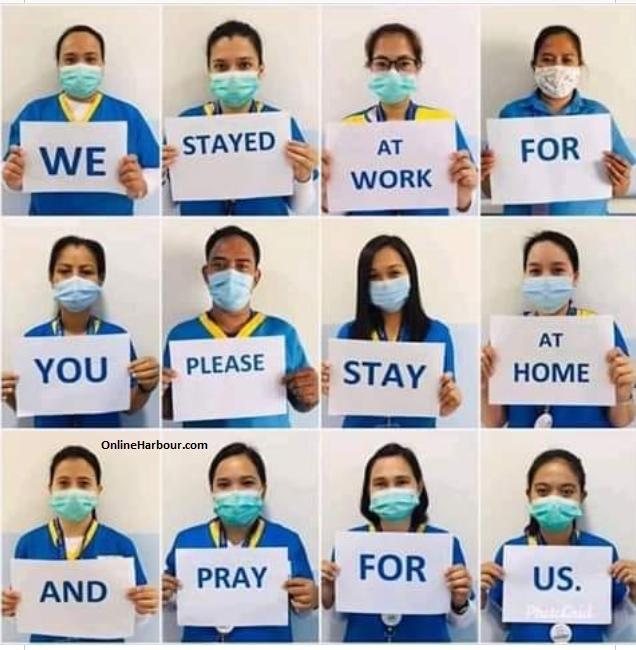
Thank You Nurses

Our COVID-19 Heroes

[By staff reporters]

***

***

***

Assessment: Your thoughts are appreciated.

***

Product DetailsProduct Details

***

About: Healthcare Organizations [Financial Management Strategies]

Our Print Mission Statement

[By Dr. David Edward Marcinko; MBA, CMP™]

Publisher-in-Chief

dem25As Editor-in-Chief of a two volume – 1,200 pages – premium quarterly print journal, I am often asked about our mission statement; or the journal’s raison d’etra.

A Two-Volume Guide

As so, Healthcare Organizations: [Financial Management Strategies], with its quarterly updates, will promote and integrate academic and applied research, and serve as a multi-disciplined communications forum for the dissemination of financial, managerial, business and related economic information to decision makers in hospitals, outpatient centers, clinics, medical practices and all mature and emerging healthcare organizations. 

Target Market and Ideal Reader

Healthcare Organizations [Financial Management Strategies] and its quarterly updates should be in the hands of all:

* CFOs, CEOs, COOs, CTOs, VPs and CIOs from every type of hospital and healthcare organization including: public, federal, state, Veteran’s Administration and Indian Health Services hospitals; district, rural, long-term care and community hospitals; specialty, children’s and rehabilitation hospitals; diagnostic imaging centers and laboratories; private, religious-sponsored, and psychiatric institutions.

*  Physician Hospital Organizations, Management Services Organizations (MSOs), Independent Practice Associations (IPAs), Group Practices Without Walls (GPWWs), Integrated Delivery Systems (IDSs) and their administrators, comptrollers, cost accountants, budget directors, cash managers, auditors, healthcare attorneys and consultants,  and actuaries, and all endowment fund directors, executives, consultants and strategic financial managers.

*  Ambulatory care centers, hospices, and outpatient clinics; skilled nursing facilities, integrated networks and group practices; academic medical centers, nurses and physician executives; business school and health administration students, and all economic decision-makers and directors of allopathic, dental, podiatric and osteopathic healthcare organizations.

Assessment

After publication, my suggestion is to read, study and act upon the guide in this way:

1. First, browse through the entire text.

2. Next, slowly read those chapters and sections that are of specific interest to your professional efforts.

3. Then, extrapolate portions that can be implemented in specific strategies helpful to your healthcare setting.

4. Finally, use its’ ME-P updates as a reference manual to return to time and time again; and enjoy!

Conclusion

Your thoughts and comments on this ME-P are appreciated. Feel free to review our top-left column, and top-right sidebar materials, links, URLs and related websites, too. Then, subscribe to the ME-P. It is fast, free and secure.

Speaker: If you need a moderator or speaker for an upcoming event, Dr. David E. Marcinko; MBA – Publisher-in-Chief of the Medical Executive-Post – is available for seminar or speaking engagements. Contact: MarcinkoAdvisors@msn.com

OUR OTHER PRINT BOOKS AND RELATED INFORMATION SOURCES:

Product DetailsProduct Details