DAILY UPDATE: UnitedHealth, PBMs, Walgreens and Edmunds as Stock Climb

MEDICAL EXECUTIVE-POST TODAY’S NEWSLETTER BRIEFING

***

Essays, Opinions and Curated News in Health Economics, Investing, Business, Management and Financial Planning for Physician Entrepreneurs and their Savvy Advisors and Consultants

Serving Almost One Million Doctors, Financial Advisors and Medical Management Consultants Daily

A Partner of the Institute of Medical Business Advisors , Inc.

http://www.MedicalBusinessAdvisors.com

SPONSORED BY: Marcinko & Associates, Inc.

***

http://www.MarcinkoAssociates.com

Daily Update Provided By Staff Reporters Since 2007.
How May We Serve You?
© Copyright Institute of Medical Business Advisors, Inc. All rights reserved. 2024

REFER A COLLEAGUE: MarcinkoAdvisors@msn.com

SPONSORSHIPS AVAILABLE: https://medicalexecutivepost.com/sponsors/

ADVERTISE ON THE ME-P: https://tinyurl.com/ytb5955z

Your Referral Count -0-

***

UnitedHealth posted $6 billion in profit and $100 billion in revenue, but the company’s stock is dipping this morning.


Walgreens is closing 1,200 stores by 2027 and a net loss of $3 billion, though the company beat Wall Street’s expectations.

CITE: https://www.r2library.com/Resource

Stocks Up

  • Chip stocks recovered lost ground today thanks to a strong earnings report from TSMC (more on that below). Nvidia led the group higher, rising 0.89% to yet another new all-time high.
  • Blackstone rose 6.30% to a new record high after the world’s largest alternative asset manager reported an excellent quarter.
  • Expedia popped 4.75% after a report by the Financial Times revealed that Uber had explored an acquisition of the travel site. Expedia shareholders cheered the news, while Uber shares sank 2.45%.

Stocks Down

  • Robinhood fell 2.27% after announcing its new Legend trading platform geared specifically toward advanced traders.
  • Lucid Group plummeted 17.99% on the news that the EV automaker is offering over 262 million shares of its common stock in an attempt to raise funds.
  • CSX dropped 6.71% after missing both top- and bottom-line estimates last quarter thanks in no small part to hurricanes Helene and Milton.
  • Health insurance stocks took a beating today due to a not-great earnings report from Elevance Health (more on that below, too). Centene Corp. fell 9.09%, while Molina Healthcare tumbled 12.55%.

CITE: https://tinyurl.com/2h47urt5

Here’s where the major benchmarks ended:

  • The S&P 500® index (SPX) slipped 1.00point (–0.02%) to 5,841.47; the $DJI added 161.35 points (0.37%) to 43,239.05; and the NASDAQ Composite®($COMP) rose 6.53 points (0.04%) to 18,373.61. 
  • The 10-year Treasury note yield (TNX) climbed eight basis points to 4.1%.
  • The CBOE Volatility Index® (VIX) sank to 18.97 by late Thursday, a two-week low.

CITE: https://tinyurl.com/tj8smmes

The average amount owed on “upside down” auto loans, in which the balance is more than the car is worth, hit a record high of $6,458 in the third quarter, according to Edmunds, a site that helps consumers research and buy cars

Diabetes advocates have officially joined the fight against pharmacy benefit managers (PBMs).

COMMENTS APPRECIATED

PLEASE SUBSCRIBE: MarcinkoAdvisors@msn.com

Thank You

***

***

***

***

EDUCATIONAL TEXTBOOKS: https://tinyurl.com/4zdxuuwf

***

UNITEDHEALTHGROUP: Recent Pros and Cons of UNH

By Staff Reporters

***

SPONSOR: http://www.MarcinkoAssociates.com

A class action lawsuit has been filed in Minnesota against UnitedHealth Group (NYSE:UNH) over allegations that the health insurer and its subsidiary, NaviHealth, used a faulty algorithm to deny rehabilitation care for Medicare Advantage beneficiaries. California-based Clarkson Law Firm filed the lawsuit in the U.S. District Court of Minnesota on Tuesday following an investigative report published by the health-focused news site Stat.

It alleges that UnitedHealth and its subsidiary, NaviHealth, used the computer algorithm named nH Predict to “systematically deny claims” of patients recovering from debilitating illnesses in nursing homes. According to the lawsuit, despite its 90% error rate, the company used the algorithm to deny claims, knowing that only 0.2% would appeal its decision. According to Stat, Humana (HUM), the nation’s second-largest player in the Medicare Advantage market behind UnitedHealth (UNH), also uses nH Predict. UnitedHealth (UNH) denied it used the NaviHealth predict tool to arrive at coverage decisions.

***

***

Ironically, UnitedHealth’s (NYSE:UNH) Optum Rx unit announced plans to move eight insulin products to “preferred” status on formularies to further expand the number of patients benefiting from $35 or less monthly out-of-pocket costs for the lifesaving therapy.

Optum Rx, UNH’s pharmacy benefit manager (PBM), said that effective January 1, 2024, all short- and rapid-acting insulins will move to Tier 1 in commercial formularies, a list of drugs the company maintains to indicate coverage for insured patients.

CITE: https://www.r2library.com/Resource

COMMENTS APPRECIATED

Thank You

***

***

DAILY UPDATE: PBMs Scrutinized as Companies Report and Stock Markets Rotate

MEDICAL EXECUTIVE-POST TODAY’S NEWSLETTER BRIEFING

***

Essays, Opinions and Curated News in Health Economics, Investing, Business, Management and Financial Planning for Physician Entrepreneurs and their Savvy Advisors and Consultants

Serving Almost One Million Doctors, Financial Advisors and Medical Management Consultants Daily

A Partner of the Institute of Medical Business Advisors , Inc.

http://www.MedicalBusinessAdvisors.com

SPONSORED BY: Marcinko & Associates, Inc.

***

http://www.MarcinkoAssociates.com

Daily Update Provided By Staff Reporters Since 2007.
How May We Serve You?
© Copyright Institute of Medical Business Advisors, Inc. All rights reserved. 2024

REFER A COLLEAGUE: MarcinkoAdvisors@msn.com

SPONSORSHIPS AVAILABLE: https://medicalexecutivepost.com/sponsors/

ADVERTISE ON THE ME-P: https://tinyurl.com/ytb5955z

***

Though the accountant shortage is still a concern, a shortage of AI and tech skills might be a more pressing issue right now. That’s according to a pulse survey by consulting firm RGP and YouGov, which polled 213 US financial professionals at the director level and above this June.

Read: What do you do when you hit your insurance deductible? Some people throw parties. (the New York Times)

CITE: https://www.r2library.com/Resource

Here’s where the major benchmarks ended:

  • The S&P 500® index (SPX) rose 15.87 points (0.28%) to 5,631.22; the Dow Jones Industrial Average® ($DJI) climbed 210.82 points (0.53%) to 40,211.72, a new record-high close; the NASDAQ Composite® ($COMP) added 74.12 points (0.4%) to 18,472.57. 
  • The 10-year Treasury note yield (TNX) gained four basis points to just below 4.23%.
  • The CBOE Volatility Index® (VIX) increased to 13.14, its highest close since June 24.

What’s up

  • Bitcoin-related stocks rose alongside the crypto rally today, with Coinbase up 11.39% and Microstrategy climbing 15.36%.
  • Gun manufacturers always rise after a major shooting incident, and the assassination attempt on Donald Trump certainly meets that criteria. Sturm, Ruger & Company jumped 5.44%, and Smith & Wesson rose 11.38%.
  • Stelco Holdings rocketed 73.98% higher on the news that the Canadian steelmaker will be acquired by Cleveland Cliffs for $2.8 billion.
  • AutoNation popped 2.01% on the news that it’s cutting $1.50 off of its EPS for the latest quarter due to the CDK cyberattack. Apparently getting ahead of the bad news is actually good news?

What’s down

  • Macy’s sank 11.76% after the department store’s board voted to end acquisition negotiations with activist investors Arkhouse and Brigade.
  • Burberry fell 16.08% after a poor quarterly report, a profit warning, and the ousting of its CEO.
  • AES plummeted 10.01% thanks to a storm cutting power to thousands of the utility company’s customers throughout Ohio.
  • SolarEdge Technologies dropped 15.36% after the company announced it will lay off 400 employees to improve profitability. Shares of solar competitors slumped in sympathy: First Solar fell 8.50%, Sunrun sank 8.95%, and Sunnova Energy fell 9.96%.

CITE: https://tinyurl.com/2h47urt5

The Federal Trade Commission (FTC) frequently sets its sights on healthcare, which has previously included efforts to crack down on data privacy and ban noncompetes in contracts. Lately, the agency has turned its attention to pharmacy benefit managers (PBMs)—the groups that negotiate drug prices between insurers and pharmaceutical manufacturers—to shed light on how they impact the healthcare industry.

CITE: https://tinyurl.com/tj8smmes

Stat: 23.5%. That’s how much Covid-related emergency room visits increased in a week at the beginning of this month. (CDC)

COMMENTS APPRECIATED

PLEASE SUBSCRIBE: MarcinkoAdvisors@msn.com

Thank You

***

***

***

***

EDUCATIONAL TEXTBOOKS: https://tinyurl.com/4zdxuuwf

***

PODCAST: CVS Health PBM Change Pricing

By Eric Bricker MD

***

***

COMMENTS APPRECIATED

Thank You

***

***

DAILY UPDATE: Consumer Spending Down While CVS Earnings Up

By Staff Reporters

***

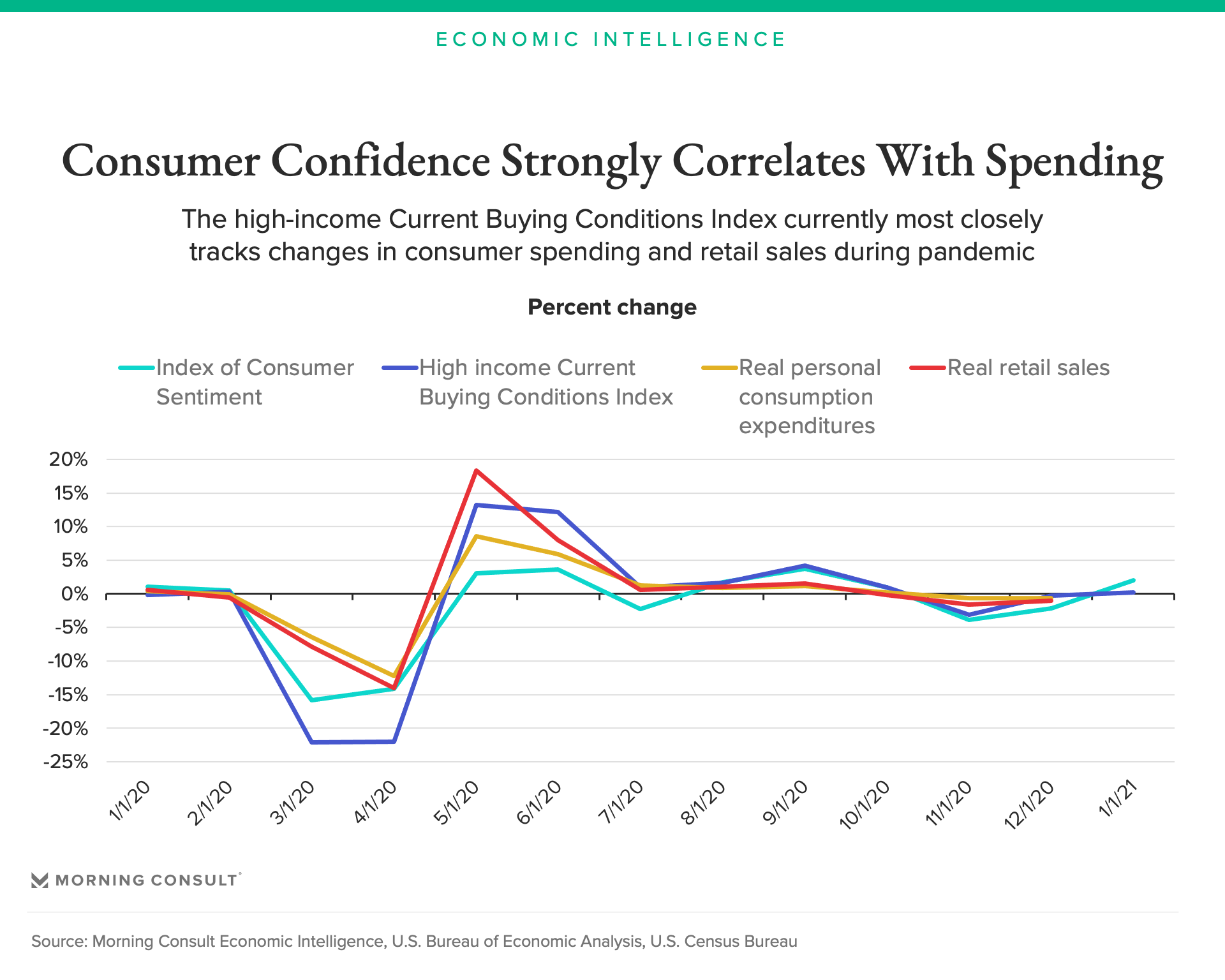
To See What’s Next For Consumer Spending, Take a Closer Look at High ...
  • Stat: 0.8%. That’s how much consumer spending fell in January 204—a much bigger dip than expected (CNBC).

CITE: https://www.r2library.com/Resource

CVS reported strong results for its healthcare segment in 2023, showing a 10.2% increase in revenue compared to the prior year. Still, executives lowered the segment’s 2024 guidance in anticipation of rising medical costs, according to earnings released this month.

Finally, the US stock market reopens today after the long weekend, and everyone’s still talking about the Magnificent Seven. That’s because, according to a new report from Deutsche Bank, profits at these seven tech giants are greater than the profits of all publicly traded companies in nearly every G20 country. And in terms of market value, they’d be the second-largest national stock exchange in the world. Goldman Sachs sees this party lasting all night: It raised its 2024 target for the S&P 500 for the second time.

COMMENTS APPRECIATED

Thank You

***

***

PODCAST: PBM Money Flow Explained

***
PHARMACY BENEFITS MANAGER

By Eric Bricker MD

***

***

COMMENTS APPRECIATED

Thank You

***

HOSPITALS: https://www.amazon.com/Financial-Management-Strategies-Healthcare-Organizations/dp/1466558733/ref=sr_1_3?ie=UTF8&qid=1380743521&sr=8-3&keywords=david+marcinko

***

Drugs, Money and the Middleman

Join Our Mailing List

PIPELINE TO PROFITS

A little more about that … Kaiser Health News infographic!

untitled

By Dr. David E. Marcinko MBA via Georgia Pharmacy Association

***

Recently, KHN ran an infographic from Kaiser Health News that gave a rough explanation of how the money flows in the sale of a brand-name drug.

After thinking about it a bit, Greg Reybold, Vice President of Public Policy & Association Counsel for the Georgia Pharmacy Association, noticed some fundamental flaws.

The infographic helps shed light on a process that lacks fundamental transparency,” he said, but it doesn’t reflect all of the practices engaged in by some PBMs.”

Furthermore, he added,

“There are times, unbeknownst to patients, when some PBMs charge patients copays that are significantly higher than the cost of the drugs themselves, or they steer patients to brand name drugs for which the PBM receives a rebate when there is a less costly generic available.”

He also noted the infographic:

“reflects that the pharmacy make a profit — when in fact there are many times pharmacies lose money on prescriptions they fill through low reimbursements, the imposition of different types of fees, and aggressive audits.”

http://www.gpha.org/

Conclusion

Your thoughts and comments on this ME-P are appreciated. Feel free to review our top-left column, and top-right sidebar materials, links, URLs and related websites, too. Then, subscribe to the ME-P. It is fast, free and secure.

Speaker: If you need a moderator or speaker for an upcoming event, Dr. David E. Marcinko; MBA – Publisher-in-Chief of the Medical Executive-Post – is available for seminar or speaking engagements. Contact: MarcinkoAdvisors@msn.com

OUR OTHER PRINT BOOKS AND RELATED INFORMATION SOURCES:

Product DetailsProduct Details

***


PODCAST: Pharma Rebates to PBMs

Pharma ‘Rebate’ Payments to PBMs No Longer Protected by Federal ‘Safe Harbor’

BY DR. ERIC BRICKER MD

***

***

YOUR COMMENTS ARE APPRECIATED.

HEALTH ECONOMICS CITE: https://www.r2library.com/Resource/Title/0826102549

Thank You

***

***

***

The PBMI Innovation Challenge

There’s still time!
Submit your innovative solution in patient health management to the Pharmacy Benefit Management Institute (PBMI) Innovation Challenge by August 6, 2021 for the chance to be among one of the 5 finalists selected to pitch their ideas before a panel of judges at the PBMI 2021 Annual Meeting!


Be sure to submit your idea by August 6, 2021 for the chance to be featured in an upcoming issue of Managed Healthcare Executive with a full-year integrated marketing program valued at over $100K, in addition to formal acknowledgment at this year’s PBMI Conference.

REGISTER: https://events.pbmi.com/event/31593a7e-d661-4ea5-abf2-5aa6473e1a14/summary

***

PODCAST: PBM Formulary Waste Exposed in Commonwealth Fund Study

15 Self-Funded Employers Analyzed Their Pharmacy Claims Data in Conjunction with the Commonwealth Fund and Discovered the Following Regarding their PBM FormularIES

***

***

YOUR THOUGHTS ARE APPRECIATED

Thank You

***

With Obama Election Win “Mr. Market” Weighs in on the ACA Equity Winners and Losers

Join Our Mailing List

The Wisdom of Crowds

By David K. Luke MIM, Certified Medical Planner™

Website: www.networthadvice.com

The first trading session following the election on Wednesday, November 7, 2012 gave us some clues on how different sectors of the health care market may be affected by the ACA, as Obama’s win confirms that health reform marches forward. “Mr. Market” has spoken.

“Mr. Market”

For those that may be unaware, “Mr. Market” was Benjamin Graham’s term for the stock market in explaining fluctuations. Graham is the father of value investing and Warren Buffet’s most influential mentor. According to Graham, Mr. Market is emotionally unstable but doesn’t mind being slighted. If Mr. Market’s quotes are ignored, he will be back again tomorrow with a new quote.

So, the point is that successful investors do not place themselves in emotional whirlwinds often created by the market. This first post-election trading session was such a whirlwind. Large groups of people (such as those that voted with their pocketbook in this telling stock market session) are smarter than an elite few, or so goes the premise of James Surowiecki’s Wisdom of the Crowds.

Now; what did we learn from the combined investing public wisdom about the future of healthcare companies profitability with ACA?

Keep in mind the overall market was down 2.4% on the day as measured by both the Dow Jones Industrial Average and the Standard & Poor 500. The biggest concern of the day was investor worry about the so called “fiscal cliff” and the debate over billions in spending and tax increases. Considering the total market on November 7th, health care stocks performed as a group better than the averages, but Mr. Market definitely parsed health care stocks by sector from “great” to “dreadful” based on the implications of impending health care reform:

Great:

Hospital Stocks

  • Health Management Associates (HMA) +7.3%
  • HCA Holdings Inc. (HCA) +9.4%
  • Community Health Systems Inc. (CYH) +6.0%
  • Tenet Healthcare Corp. (THC) +9.6%

Yes, there were stocks that went up stridently on the big down day. Not surprisingly, hospital stocks are expected to benefit from the estimated 30 million Americans who will line up for insurance coverage beginning in 2014, increasing profits and decreasing bad debts.

Medicaid HMOs

  • Molina Healthcare Inc. (MOH) +4.6%
  • Centene Corp. (CNC) +10.1%
  • WellCare Health Plans Inc. (WCG) +4.4%

Health insurers that typically focus heavily on Medicaid are up in line with ACA provisions to expand care for the poor. Mr. Market tips his hat to Centene Corporation, which has been successful in procuring multi-line coverage contracts with States including long-term care, vision, dental, behavioral health, CHIP and disability.

Good:

Drug Wholesalers

  • McKesson (MCK) +1.3%
  • Cardinal Health (CAH) +.5%
  • AmerisourceBergen (ABC) +1.0%

Growth in prescription drug spending means increased revenues for the drug wholesalers, so ACA should be a positive for this group. But because a majority of wholesaler profits come from generic drugs, and because wholesalers are indirectly affected by changes in pharmacies, pricing pressures will keep the wholesalers in check.

Fair:

Pharmacy Benefit Mangers

  • Express Scripts (ESRX) -0.4%
  • CVS Caremark Corp (CVS) -0.4%

As an intermediary between the payor and everyone else in the health-care system, PBMs process prescriptions for groups such as insurance companies and corporations and use their large size to drive down prices. These companies are incentivized to cut costs and have been thought to benefit greatly from ACA, and will expand prescription drug insurance plans sold through health insurance exchanges starting in 2014.

Generic Pharmaceuticals

  • Teva Pharmaceutical Industries Ltd ADR (TEVA) -0.7%
  • Mylan Inc (MYL) -0.8%
  • Dr. Reddy’s Labs (RDY) -0.6%

Health care reform is good for generic drugs with anticipated increased dispensing of drugs in general.  With more funds spent on Medicaid, the ACA will certainly be generic oriented and should fare better than the name-brand drugs. Pricing pressures are expected over the longer term however.

Testing Laboratories

  • Quest Diagnostics (DGX) -1.5%
  • Laboratory Corp of America (LH) -1.9%

More patients you would think would mean more medical tests. In a recent Gallup survey, physicians attributed 34 percent of overall healthcare costs to defensive medicine (think diagnostic blood tests/invasive biopsies, etc). ACA may curb this expensive part of medicine and appears to have very negative implications going forward as Labs will have intense pressure to reduce rates. However, these larger labs held up better than the market averages suggesting that lab work isn’t going away with ACA.

Big Pharmaceutical Companies

  • Pfizer Inc.  (PFE) -2.2%
  • GlaxoSmithKline PLC (GSK) -0.8%
  • Eli Lily & Co. (LLY) -1.2%

The name-brand large Pharmaceutical companies have agreed to rebate Uncle Sam on Medicaid purchases and must give the elderly discounts. But there will be a lot more of us taking drugs too.

I’ve ranked these 4 health care sectors “fair” considering that broader stock market averages were down 2.4% for the day and Mr. Market was kinder to this group with only a slight negative. Likewise, it appears that he is anointing this group as a benefactor of upcoming reforms.

Not Good:

Medical Device Companies

  • Medtronic Inc. (MDT) -3.0%
  • Stryker Corporation (SYK) -1.6%
  • Boston Scientific Corp. (BSX) -3.6%
  • Zimmer Holdings Inc. (ZMH) -1.8%

The 2.3% excise tax on revenue of medical-device companies is looking more inevitable, in spite of industry lobbying group efforts.

Dreadful:

Medicare Part D Companies

  • Humana Inc. (HUM) -7.9%
  • WellPoint (WLP) -5.5%
  • Cigna Corp. (CI) -0.7%

Even though managed-care companies should gain millions of new customers thanks to the ACA, profit margins are expected to decline significantly.  Mr. Market went easy on Cigna, perhaps because of the company’s focus on self-insured large employers.

Currently

Currently it is unclear how the increased revenue generated from more patients will affect the increased margins to the various sectors of the healthcare market. Also, too much weight should not be placed on this one day action by the market. One thing is clear however, and that is how Mr. Market and the market at large feels at first blush towards the impending implementation of the ACA based on the November 7, 2012 trading of the respective stocks.

Assessment

Remember: Mr. Market is temperamental and can change his mind anytime!

About the Author:

David K. Luke MIM, a Certified Medical Planner™, focuses on helping physicians, medical professionals, and successful retirees with financial planning, investment and risk management. He directs physicians through their complex planning needs, helping them foster a better medical practice and lifestyle. David is a fee-only financial planner.

Disclosure:

Percentage changes in price of stocks represent published change in price from closing price November 6, 2012 to closing price November 7, 2012. Stocks listed here are not considered to be past, present or future recommendations to buy or sell securities and is for educational purposes only. This information should NOT be considered as investment recommendations or advice but rather summary comments and opinions on the health care market by David K. Luke, MIM CMP™, who is entirely responsible for the contents of this article.

Link: www.CertifiedMedicalPlanner.org

Conclusion

Your thoughts and comments on this ME-P are appreciated. Feel free to review our top-left column, and top-right sidebar materials, links, URLs and related websites, too. Then, subscribe to the ME-P. It is fast, free and secure.

Link: http://feeds.feedburner.com/HealthcareFinancialsthePostForcxos

Speaker: If you need a moderator or speaker for an upcoming event, Dr. David E. Marcinko; MBA – Publisher-in-Chief of the Medical Executive-Post – is available for seminar or speaking engagements. Contact: MarcinkoAdvisors@msn.com

OUR OTHER PRINT BOOKS AND RELATED INFORMATION SOURCES:

DICTIONARIES: http://www.springerpub.com/Search/marcinko
PHYSICIANS: www.MedicalBusinessAdvisors.com
PRACTICES: www.BusinessofMedicalPractice.com
HOSPITALS: http://www.crcpress.com/product/isbn/9781466558731
CLINICS: http://www.crcpress.com/product/isbn/9781439879900
BLOG: www.MedicalExecutivePost.com
FINANCE: Financial Planning for Physicians and Advisors
INSURANCE: Risk Management and Insurance Strategies for Physicians and Advisors

Product DetailsProduct DetailsProduct Details

Product Details  Product Details