DAILY UPDATE: United Health Owned Insurance Fined and CFPB Hides Medical Debt as Nvidia Leads Stock Markets Down

MEDICAL EXECUTIVE-POST TODAY’S NEWSLETTER BRIEFING

***

Essays, Opinions and Curated News in Health Economics, Investing, Business, Management and Financial Planning for Physician Entrepreneurs and their Savvy Advisors and Consultants

Serving Almost One Million Doctors, Financial Advisors and Medical Management Consultants Daily

A Partner of the Institute of Medical Business Advisors , Inc.

http://www.MedicalBusinessAdvisors.com

SPONSORED BY: Marcinko & Associates, Inc.

***

http://www.MarcinkoAssociates.com

Daily Update Provided By Staff Reporters Since 2007.
How May We Serve You?
© Copyright Institute of Medical Business Advisors, Inc. All rights reserved. 2024

REFER A COLLEAGUE: MarcinkoAdvisors@outlook.com

SPONSORSHIPS AVAILABLE: https://medicalexecutivepost.com/sponsors/

ADVERTISE ON THE ME-P: https://tinyurl.com/ytb5955z

Your Referral Count -0-

Three UnitedHealth-owned insurance companies must pay over $165 million for misleading thousands of customers in Massachusetts into paying for additional health insurance, a state judge has ruled.

CITE: https://www.r2library.com/Resource

Nvidia stock (NVDA) tumbled more than 6% Tuesday, a day after shares closed at a record high in anticipation of CEO Jensen Huang’s keynote at the tech industry’s annual CES trade show in Las Vegas.

CITE: https://tinyurl.com/2h47urt5

Dow ends down nearly 180 points, NASDAQ tumbles 1.9% as Treasury yields surge after job-openings, ISM services data

CITE: https://tinyurl.com/tj8smmes

The Biden administration’s Consumer Financial Protection Bureau (CFPB) issued a new rule Tuesday that will hide an estimated $49 billion in medical debt from credit reports. The rule, which is slated to affect 15 million Americans, prohibits the inclusion of medical bills on credit reports and bars creditors from using medical information in making lending decisions. The policy specifically targets national credit-reporting companies Equifax, Experian and Transunion, which provide detailed evaluations of consumer finances to banks, employers and landlords.

COMMENTS APPRECIATED

PLEASE SUBSCRIBE: MarcinkoAdvisors@outlook.com

Thank You

***

***

***

***

EDUCATIONAL TEXTBOOKS: https://tinyurl.com/4zdxuuwf

***

CHARGE MASTER: Medical Bills Paradox

By Dr. David Edward Marcinko MBA MEd CMP™

SPONSOR: http://www.CertifiedMedicalPlanner.org

***

***

CHARGE MASTER MEDICAL BILLS

Classic Definition: A comprehensive review of a physician, clinic, facility, medical provider or hospital’s charges to ensure Medicare billing compliance through complete and accurate HCPCS/CPT and UB-92 revenue code assignments for all items including supplies and pharmaceuticals. The charge master captures the costs of each procedure, service, supply, prescription drug, and diagnostic test provided at the hospital, as well as any fees associated with services, such as equipment fees and room charges

Modern Circumstance: A charge master quizlet (charge description master [CDM]) document that contains a computer-generated list of procedures, services, and supplies with charges for each. Charge master rates are essentially the health care market equivalent of Manufacturer’s Suggested Retail Price (MSRP) in the car buying market. Poor charge master maintenance can lead to overpayments or underpayments. It can also lead to claim rejections from insurance companies, poor patient experience, or compliance violations.

Paradox Examples:

  • Superbills: An encounter form that is the financial record source document used by healthcare providers and other personnel to record treated diagnoses and services rendered to the patient during the current encounter. It is also called a superbill.
  • Payment rates: Almost no one actually pays the publicized charge master rates. The vast majority of health care consumers are represented by a payer of some kind, such as a commercial health insurance company, Medicaid, or Medicare. Commercial insurers negotiate the actual prices they pay during the process of contracting with providers. Medicare and Medicaid establish their own payment levels independent of hospitals’ charge master lists – Medicare through the federal government and Medicaid through state governments.
  • Cash pay: The sad irony of the charge master is that the uninsured are the most likely to be billed charge master rates because they are not represented by a third-party payer.
  • Problematic features: Other items also impede the ability of payers to have a comprehensive and accurate understanding of hospitals’ financial positions. For example, nonprofit hospitals are required to report charity care, bad debt expenses, community benefit initiatives, and uncompensated care. When these expenses are reported at the charge master level, expenses can be paradoxically overstated, potentially making a hospital’s financial position look worse than it actually is.

COMMENTS APPRECIATED

Subscribe Today!

***

***

***

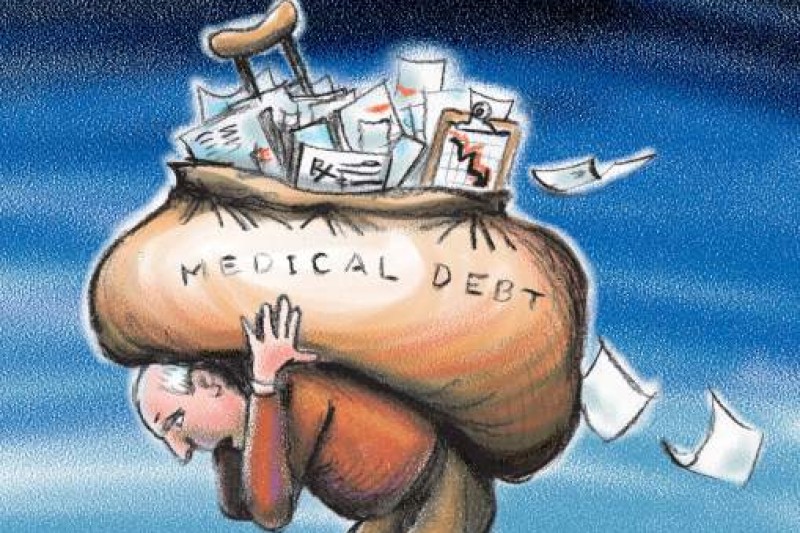
MEDICAL DEBT: Remains a Household Strain

Report underscores ongoing concerns about accuracy of collections data, particularly with respect to medical debt

By Staff Reporters

***

***

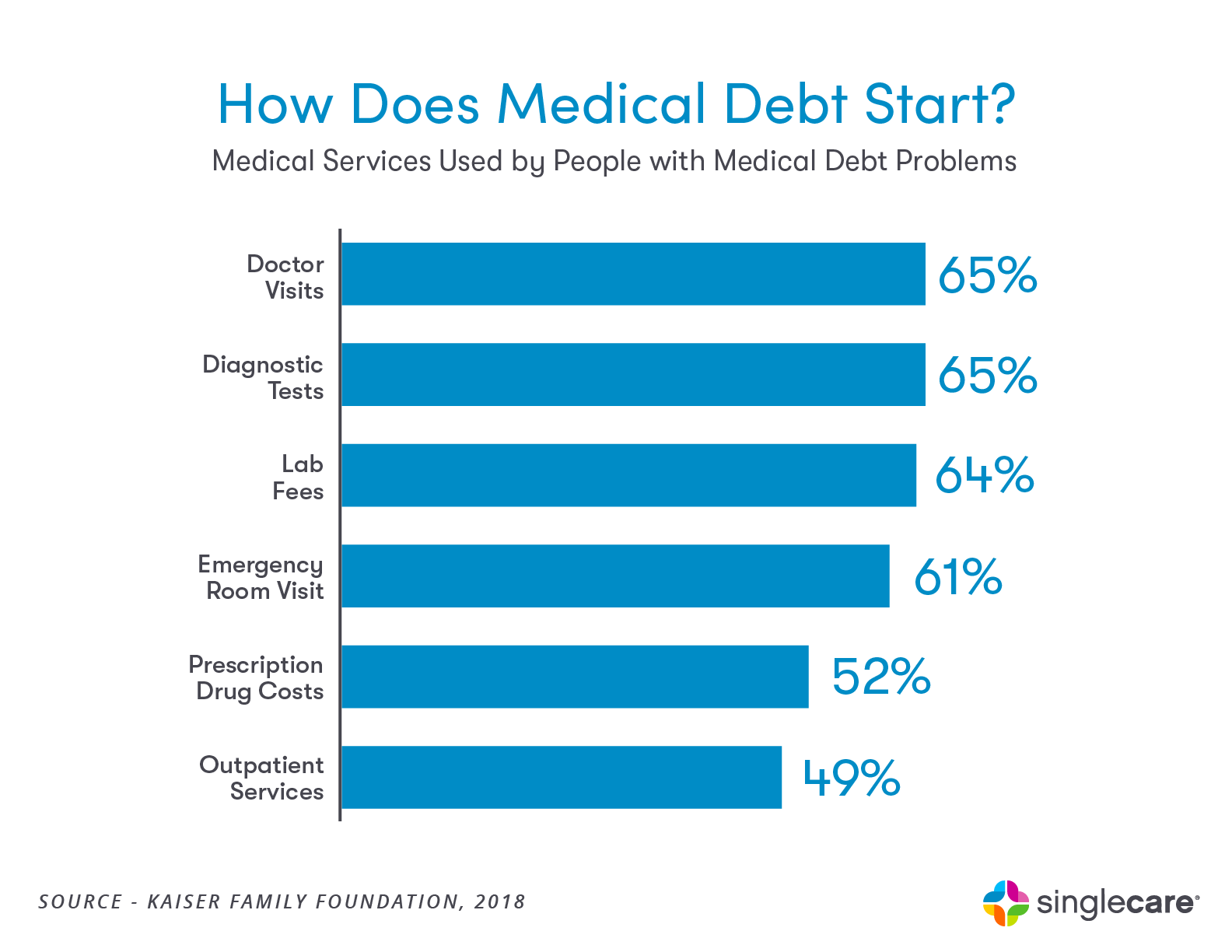
According to Gabriella Cruz-Martinez, tens of millions of debt collections disappeared from Americans’ credit reports during the pandemic, a new government watchdog report found, but overdue medical bills remain a big strain on many households nationwide. The total number of debt collections on credit reports dropped by 33% from 261 million in 2018 to 175 million in 2022, according to the Consumer Financial Protection Bureau, while the share of consumers with a debt collection on their credit report shrunk by 20%.

Medical debt collections also dropped by 17.9% during that time, but still made up 57% of all collection accounts on credit reports, far more than other types of debt combined — including credit cards, utilities, and rent accounts. Despite the reduction in collections, the CFPB noted that the results underscore ongoing concerns that current medical billing and collection practices can lack transparency, often hurting the credit scores and financial health of those most vulnerable.

“Our analysis of credit reports provides yet another indicator that, due to a strong labor market and emergency programs during the pandemic, household financial distress reduced over the last two years,” Rohit Chopra, CFPB director said in a statement. “However, false and inaccurate medical debt on credit reports continues to drag on household financial health.”

CITE: https://www.r2library.com/Resource/Title/0826102549

***

***

ORDER: https://www.amazon.com/Dictionary-Health-Insurance-Managed-Care/dp/0826149944/ref=sr_1_4?ie=UTF8&s=books&qid=1275315485&sr=1-4

COMMENTS APPRECIATED

Thank You

***

RIP: Medical Debt!

By Staff Reporters

***

***

Casey McIntyre, a 38-year-old book publisher and mother of one, helped wipe out more than $30 million in unpaid medical bills for other people…without being alive to see it. McIntyre’s husband posted a message on her behalf after she died of ovarian cancer last year, asking people to participate in a “debt jubilee” that pays off the medical bills of others. The response has been overwhelming:

As of recently, the nonprofit RIP Medical Debt has received more than $300,000 in donations through McIntyre’s campaign. The organization relieves $10,000 of medical debt for every $100

***

COMMENTS APPRECIATED

Thank You

***

***

MEDICAL BILLS: Clear Health [Patient] Advocacy

By Staff Reporters

***

***

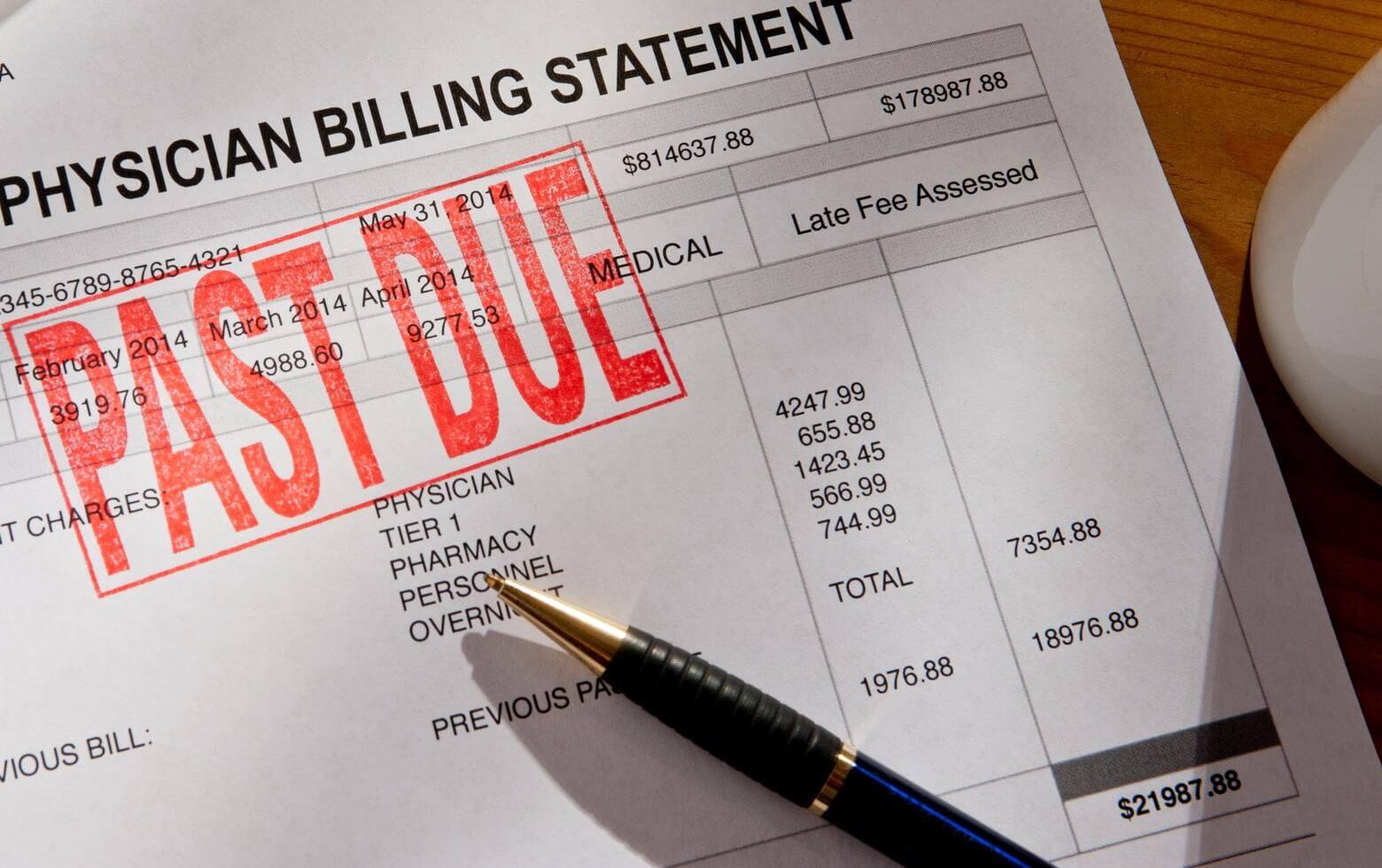
Did you know that an estimated 30-80% of medical bills in the U.S. are incorrect?

CITE: https://www.r2library.com/Resource/Title/0826102549

That’s a huge range in percentages, but even if we split it right down the middle, that means at least 50% of medical bills are wrong—50% of the medical bills that are coming into your house and mine—and most healthcare consumers don’t even realize it.

READ: https://clearhealthcareadvocacy.com/

***

COMMENTS APPRECIATED

Thank You

***

***

PODCAST: Never Pay Your First Medical Bill?

Marshall Allen Has a New Healthcare Book Out Called Never Pay the First Bill.”

***

***

Your thoughts are appreciated.

THANK YOU

***

BUSINESS MEDICINE: https://www.amazon.com/Business-Medical-Practice-Transformational-Doctors/dp/0826105750/ref=sr_1_9?ie=UTF8&qid=1448163039&sr=8-9&keywords=david+marcinko

***

55% of Consumers Find it Stressful Paying a Healthcare Bill

***

***

By Staff Reporters

***

An annual study of over 1,500 U.S. consumers, shows:

 •  55% of consumers find it stressful paying a healthcare bill.
 •  53% of consumers find it stressful understanding their plan’s coverage and benefits.
 •  53% of consumers find it stressful comprehending what they owe.
 •  59% of consumers find it stressful reconciling a bill issue with their payer.

Source: Cedar via GlobeNewswire, December 7, 2021

CITE: https://www.r2library.com/Resource/Title/0826102549

***

COMMENTS APPRECIATED.

Thank You

Subscribe to the Medical Executive-Post

***

***

***

56% of Patients Attempted to Stretch Out a Prescription

***

By Staff Reporters

***

***

56% of Patients Attempted to Stretch Out a Prescription According tot a Recent CoverMyMeds Survey of 1,000 patients. It found: 

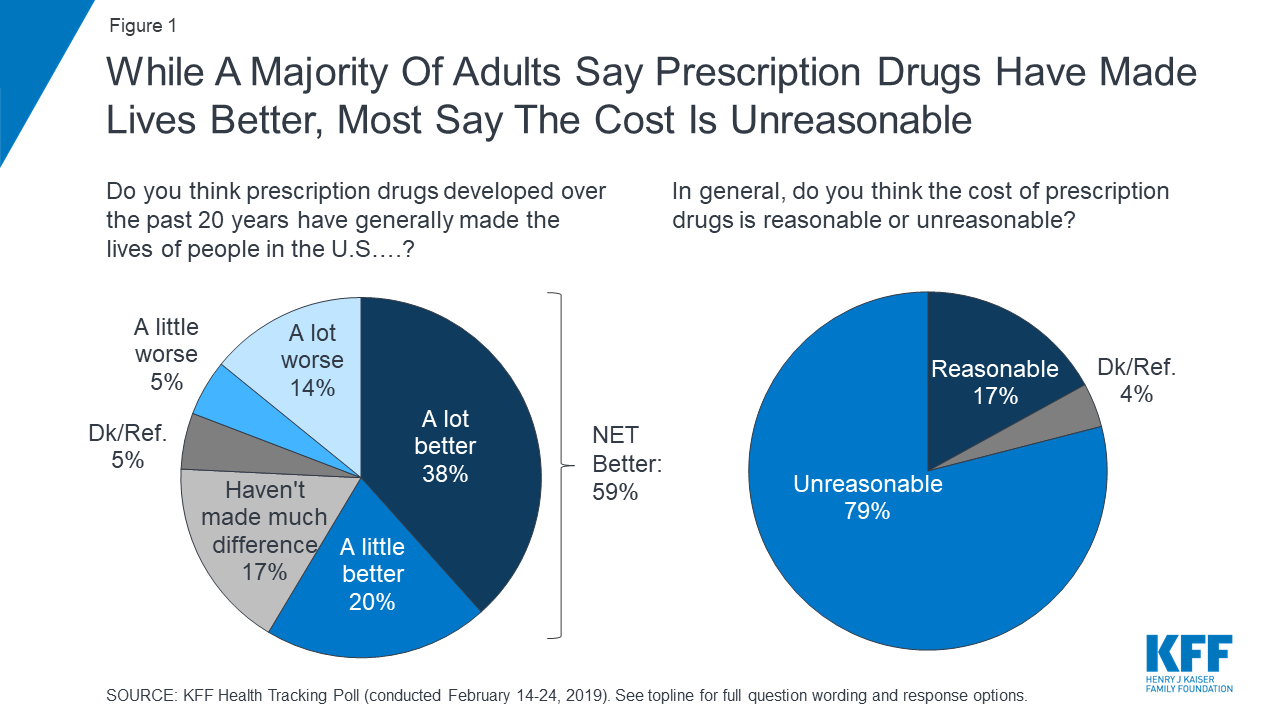
•  79% of patients said they’ve gone to the pharmacy only to discover a prescription cost more than they expected.
•  When faced with an affordability challenge, 56% of patients attempted to stretch out a prescription.
 •  When faced with an affordability challenge, 52% of patients skipped bills or other essential items to afford medications.
•  When faced with an affordability challenge, 51% of patients sacrificed medications to pay bills and other essentials.

Source: CoverMyMeds, “2022 Medication Access Data Guide,” February 2022

***

CITE: https://www.r2library.com/Resource/Title/0826102549

Rx Podcast: https://medicalexecutivepost.com/2022/02/20/podcast-how-to-write-a-medical-prescription-rx/

COMMENTS APPRECIATED

Thank You

Subscribe to the Medical Executive-Post

***

***

SPIKE: Hospitals Suing Patients for Unpaid Medical Bills

By Staff Reporters

***

Spike in Hospitals Suing Patients for Unpaid Medical Bills

 •  Lawsuits over unpaid bills for hospitals rose by 37% in Wisconsin from 2001 to 18.
 •  Wage garnishments from the lawsuits rose 27% in that time period.
 •  5% of hospitals account for 25% of lawsuits. Nonprofit hospitals and critical access hospitals are more likely to sue patients, according to the study.
 •  There were 1.86 lawsuits per 1,000 Black residents in 2018, compared to 1.32 per 1,000 white residents.

Source: YaleNews, December 6, 2021

HEALTH ECONOMICS CITE: https://www.r2library.com/Resource/Title/0826102549

***

***

COMMENTS APPRECIATED.

Thank You

Subscribe to the MEDICAL EXECUTIVE-POST

***

***

31% of Americans Don’t Know How They’d Pay for Severe Illness

By Staff Reporters

***

31% of Americans Don’t Know How They’d Pay for Severe Illness

A recent survey by HealthcareInsider that polled 1,062 adults aged 18 and up asked, “If you were to experience a severe illness how would you pay for treatment?”

 •  Don’t know: 31%
 •  Credit card: 26%
 •  Non-retirement savings: 17%
 •  Borrow money from family: 16%
 •  Retirement savings: 11%
 •  Health Savings Account: 9%
 •  Borrow from a finance institution: 8%
 •  Crowdfund online: 6%

Source: HealthCareInsider, December 2nd, 2021COMMENTS APPRECIATED.

Thank You

Subscribe to the Medical Executive-Post

***

***

***

Medical “Bill of the Month” Club

Bill of the Month Club

[By staff reporters]

Journalists from Kaiser Health News and NPR will be looking at surprising medical bills and figuring out what they can tell us about the health care system. You can share your story here.

***


LINK:

https://www.npr.org/series/651784144/bill-of-the-month

Assessment: Your thoughts are appreciated.

BUSINESS, FINANCE, INVESTING AND INSURANCE TEXTS FOR DOCTORS:

1https://lnkd.in/ezkQMfR

2 – https://lnkd.in/ebWtzGg

3 – https://lnkd.in/ewJPTJs

THANK YOU

Product DetailsProduct Details

***

Patients Challenging Medical Invoices and Bills

Root Cause is Money, Failure-to-Disclose and Frustration

[By Staff Reporters]

Join Our Mailing List

Patients are challenging their medical bills with lawyers and lawsuits, out of frustration about the lack of up-front disclosure over costs by doctors and hospitals.

Involve More than a Few Cases

For example, after being charged $82,282 for a 23-hour stay in doctor-owned Westfield Hospital for two operations on her abdomen, a 56-year-old West Penn Township woman called the hospital and her insurer for an explanation.

Not satisfied with the response, she hired a lawyer and notified a reporter, after which Westfield officials said she was overcharged due to human error.

In another 2006 class-action Seattle lawsuit that was expected to have a ripple effect on consumers and hospitals, two patients of the Virginia Mason Medical Center filed suit against the center and won, after which Virginia Mason agreed to pay back an estimated $60 million to more than 3,200 patients who over six years had been charged ”overhead” for procedures performed in hospital-owned clinics – in some cases adding 60 percent to the price patients would have been charged for the same procedure performed by the same doctors in their offices.

Assessment

Although private legal action over medical bills is hard to track, the number of billing and coverage complaints filed with the Pennsylvania Attorney General’s health care unit has risen steadily, with the 2,000 or more complaints so far this year representing a five or six percent increase over last year; according to Morning Call, July 13, 2008.

Conclusion

Your thoughts and comments on this ME-P are appreciated. Feel free to review our top-left column, and top-right sidebar materials, links, URLs and related websites, too. Then, subscribe to the ME-P. It is fast, free and secure.

Speaker: If you need a moderator or speaker for an upcoming event, Dr. David E. Marcinko; MBA – Publisher-in-Chief of the Medical Executive-Post – is available for seminar or speaking engagements. Contact: MarcinkoAdvisors@msn.com

OUR OTHER PRINT BOOKS AND RELATED INFORMATION SOURCES:

Product DetailsProduct DetailsProduct Details

***