DI-WORSIFICATION: Stock Portfolio Pitfalls

By Dr. David Edward Marcinko MBA MEd

***

***

SPONSOR: http://www.MarcinkoAssociates.com

Diworsification is a term coined by Peter Lynch to describe when investors over‑diversify their portfolios, adding too many holdings and ultimately reducing returns instead of improving them.

Diversification has long been heralded as one of the cornerstones of sound investing. By spreading capital across different asset classes, industries, and geographies, investors can reduce risk and protect themselves against the volatility of individual securities. Yet, as with many strategies, there exists a point where the benefits diminish and the practice becomes counterproductive. This phenomenon, known as diworsification, was popularized by legendary investor Peter Lynch to describe the tendency of investors and corporations to dilute their strengths by expanding too broadly.

At its core, diworsification occurs when the pursuit of safety leads to excessive complexity. For individual investors, this often manifests in portfolios bloated with dozens or even hundreds of stocks, mutual funds, or exchange‑traded funds. While the intention is to minimize risk, the result is frequently a portfolio that mirrors the market index but with higher costs and less focus. Instead of achieving superior returns, the investor ends up with average performance weighed down by management fees, trading expenses, and the difficulty of monitoring so many positions. In essence, the investor has sacrificed the potential for meaningful gains in exchange for a false sense of security.

Corporations are not immune to this trap. In the corporate world, diworsification describes the tendency of firms to expand into unrelated businesses, diluting their competitive advantage. A company that excels in consumer electronics, for example, may attempt to branch into unrelated industries such as food services or real estate. Without the expertise, synergies, or strategic fit, these ventures often fail to deliver value, distracting management and eroding shareholder wealth. History is replete with examples of conglomerates that grew too large, too fast, only to later divest their non‑core businesses in recognition of the inefficiencies created.

The dangers of diworsification are not merely theoretical. They highlight the importance of discipline in both investing and corporate strategy. For investors, the lesson is clear: diversification should be purposeful, not indiscriminate. A well‑constructed portfolio might include a mix of equities, bonds, and alternative assets, but each holding should serve a specific role—whether it is growth, income, or risk mitigation. Beyond a certain point, adding more securities does not reduce risk meaningfully; instead, it complicates decision‑making and reduces the chance of outperforming the market.

Similarly, for corporations, strategic focus is paramount. Expansion should be guided by core competencies and long‑term vision rather than the allure of short‑term growth. Firms that resist the temptation to chase every opportunity are better positioned to strengthen their brand, innovate within their domain, and deliver sustainable value to shareholders.

In conclusion, diworsification serves as a cautionary tale against the excesses of diversification. While spreading risk is essential, overdoing it can undermine performance and clarity. Both investors and corporations must strike a balance between breadth and focus, ensuring that every addition to a portfolio or business strategy enhances rather than dilutes overall strength. In other words, “diversification means you will always have to say you’re sorry.”

True wisdom lies not in owning everything, but in owning the right things.

COMMENTS APPRECIATED

EDUCATION: Books

SPEAKING: Dr. Marcinko will be speaking and lecturing, signing and opining, teaching and preaching, storming and performing at many locations throughout the USA this year! His tour of witty and serious pontifications may be scheduled on a planned or ad-hoc basis; for public or private meetings and gatherings; formally, informally, or over lunch or dinner. All medical societies, financial advisory firms or Broker-Dealers are encouraged to submit an RFP for speaking engagements: CONTACT: Ann Miller RN MHA at MarcinkoAdvisors@outlook.com -OR- http://www.MarcinkoAssociates.com

Like, Refer and Subscribe

***

***

RULE 3-5-7: Investor Trading Strategy

By Dr. David Edward Marcinko MBA MEd

SPONSOR: http://www.MarcinkoAssociates.com

***

***

The 3-5-7 Rule is a trading strategy that helps investors manage risk and maximize gains by setting clear limits on losses and targets for profits. It’s a simple yet powerful framework for disciplined decision-making.

In the volatile world of trading, success often hinges not just on identifying opportunities but on managing risk with precision. The 3-5-7 Rule is a widely respected risk management strategy designed to help traders protect their capital while pursuing consistent returns. This rule provides a structured approach to trading by setting specific thresholds for risk exposure and profit expectations.

At its core, the 3-5-7 Rule breaks down into three key components:

  • 3% Risk Per Trade: Traders should never risk more than 3% of their total account value on a single trade. This limit ensures that even if a trade goes against them, the loss is manageable and doesn’t jeopardize their overall portfolio.
  • 5% Total Exposure Across All Positions: The rule advises that total exposure across all open positions should not exceed 5% of the account value. This prevents over-leveraging and reduces the impact of correlated losses during market downturns.
  • 7% Profit Target: For every trade, the goal is to achieve a profit that is at least 7% greater than the potential loss. This risk-to-reward ratio helps ensure that even with a lower win rate, traders can remain profitable over time.

The beauty of the 3-5-7 Rule lies in its simplicity and adaptability. It can be applied across various asset classes—stocks, forex, crypto—and suits both beginners and seasoned traders. By enforcing discipline, it helps traders avoid emotional decisions, such as chasing losses or holding onto losing positions too long. Moreover, this rule encourages thoughtful position sizing. Traders must calculate their entry and exit points carefully, factoring in stop-loss levels and account size. This analytical approach fosters better trade planning and reduces impulsive behavior.

Another advantage is its scalability. As a trader’s account grows, the percentages remain constant, but the dollar amounts adjust accordingly. This keeps the strategy relevant and effective regardless of portfolio size. In practice, the 3-5-7 Rule acts as a safety net. It doesn’t guarantee profits, but it significantly reduces the likelihood of catastrophic losses. It also promotes consistency, which is crucial for long-term success in trading.

In conclusion, the 3-5-7 Rule is more than just a guideline—it’s a mindset. It teaches traders to respect risk, plan strategically, and aim for favorable outcomes.

By adhering to this rule, traders can navigate the unpredictable markets with greater confidence and control.

COMMENTS APPRECIATED

EDUCATION: Books

SPEAKING: Dr. Marcinko will be speaking and lecturing, signing and opining, teaching and preaching, storming and performing at many locations throughout the USA this year! His tour of witty and serious pontifications may be scheduled on a planned or ad-hoc basis; for public or private meetings and gatherings; formally, informally, or over lunch or dinner. All medical societies, financial advisory firms or Broker-Dealers are encouraged to submit an RFP for speaking engagements: CONTACT: Ann Miller RN MHA at MarcinkoAdvisors@outlook.com 

Like, Refer and Subscribe

***

***

INVESTING TRANSFORMATION: Artificial Intelligence

By Co-Pilot and A. I.

SPONSOR: http://www.CertifiedMedicalPlanner.org

***

***

Artificial Intelligence and Investing: A Transformative Partnership

Artificial Intelligence (AI) is revolutionizing the world of investing, reshaping how decisions are made, risks are assessed, and portfolios are managed. As financial markets grow increasingly complex and data-driven, AI offers powerful tools to navigate this landscape with greater precision, speed, and insight.

At its core, AI refers to systems that can perform tasks typically requiring human intelligence—such as learning, reasoning, and problem-solving. In investing, this translates into algorithms that can analyze vast amounts of financial data, detect patterns, and make predictions with remarkable accuracy. Machine learning, a subset of AI, enables these systems to improve over time by learning from new data, making them especially valuable in dynamic markets.

One of the most significant applications of AI in investing is algorithmic trading. These systems can execute trades at lightning speed, responding to market fluctuations in milliseconds. By analyzing historical data and real-time market conditions, AI-driven trading platforms can identify optimal entry and exit points, often outperforming human traders. High-frequency trading firms have long relied on such technologies to gain competitive advantages.

AI also enhances portfolio management through robo-advisors—digital platforms that use algorithms to provide personalized investment advice. These tools assess an investor’s goals, risk tolerance, and time horizon, then construct and manage a diversified portfolio accordingly. Robo-advisors democratize access to financial planning, offering low-cost, automated solutions to individuals who might not afford traditional advisory services.

Risk assessment is another area where AI shines. By processing alternative data sources—such as social media sentiment, news articles, and satellite imagery—AI can uncover hidden risks and opportunities. For instance, a sudden spike in negative sentiment around a company on Twitter might signal reputational issues, prompting investors to reevaluate their positions. AI models can also forecast macroeconomic trends, helping investors anticipate shifts in interest rates, inflation, or geopolitical events.

Moreover, AI is transforming fundamental analysis. Natural language processing (NLP) allows machines to read and interpret earnings reports, SEC filings, and analyst commentary. This enables investors to extract insights from unstructured data that would be time-consuming to analyze manually. AI can even detect subtle linguistic cues that may indicate a company’s future performance or management’s confidence.

Despite its advantages, AI in investing is not without challenges. Models can be opaque, making it difficult to understand how decisions are made—a phenomenon known as the “black box” problem. There’s also the risk of overfitting, where algorithms perform well on historical data but fail in real-world scenarios. Ethical concerns, such as bias in data and the potential for market manipulation, must also be addressed.

In conclusion, AI is reshaping the investing landscape, offering tools that enhance efficiency, accuracy, and accessibility. While it’s not a panacea, its integration into financial markets marks a profound shift in how capital is allocated and wealth is managed. As technology continues to evolve, investors who embrace AI will be better positioned to thrive in an increasingly data-driven world.

COMMENTS APPRECIATED

EDUCATION: Books

Refer, Like and Subscribe

***

***

Understanding Newton’s First Law of Start-Up Investing

***

***

COMMENTS APPRECIATED

EDUCATION: Books

Like, Refer and Subscribe

***

***

SPECIAL PURPOSE VEHICLE: What it Is – When is It Needed?

***

A SPECIAL MEDICAL-EXECUTIVE-POST GUEST PRESENTATION

***

What Is a Special Purpose Vehicle (SPV)?

A special purpose vehicle is a subsidiary created by a parent company to isolate financial risk. It’s also called a special purpose entity (SPE). Its legal status as a separate company makes its obligations secure even if the parent company goes bankrupt. A special purpose vehicle is sometimes referred to as a bankruptcy-remote entity for this reason.

These vehicles can become a financially devastating way to hide company debt if accounting loopholes are exploited, as seen in the 2001 Enron scandal.

COMMENTS APPRECIATED

EDUCATION: Books

Like and Refer

***

***

BUY & HOLD: Challenging Investment Rules and Key Investor Traits

By Vitaliy Katsenelson CFA

***

***

Today, we’re diving into two thought-provoking questions:

What’s a famous investment rule I don’t agree with? Which key characteristics should a good investor have? Again:

  1. What’s a famous investment rule I don’t agree with?
  2. Which key characteristics should a good investor have?

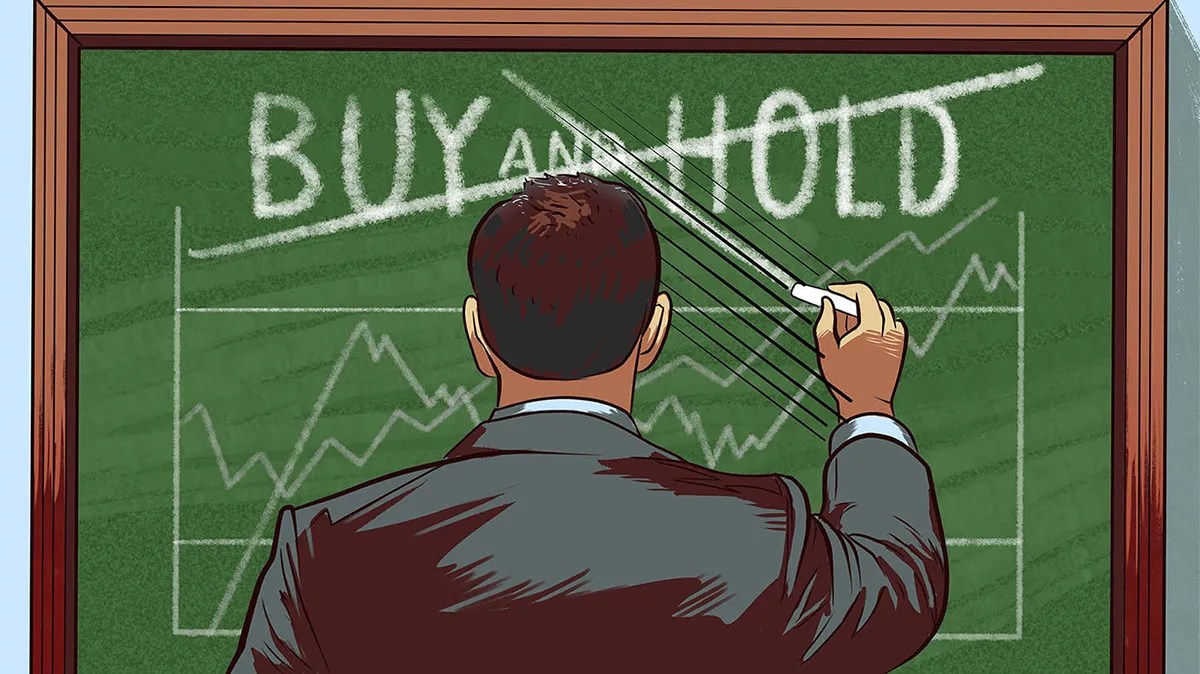
A Famous Investment Rule I Don’t Agree With: “Buy and Hold”

Buy and hold becomes a religion during bull markets. Then, holding a stock because you bought it is often rewarded through higher and higher valuations. There’s a Pavlovian bull market reinforcement – every time you don’t sell (hold) a stock, it goes higher.

Buying is a decision. So is holding, but it should not be a religion but a decision. The value of any company is the present value of its cash flows. When the present value of cash flows (per share) is less than the price of the stock, the stock should not be “held” but sold.

Warren Buffett is looked upon as the deity of buy and hold.

Look at Coca Cola when it hit $40 in 1999. Its earnings power at the time was about $0.80. It was trading at 50 times earnings. It was significantly overvalued, considering that most of the growth for this company was in the past.

Fast-forward almost a quarter of a century – literally a generation. Today the stock is at $60. It took more than a decade to reclaim its 1999 high. Today, Coke’s earnings power is around $1.50–1.90. Earnings have stagnated for over a decade. If you did not sell the stock in 1999, you collected some dividends, not a lot but some. The stock is still trading at 30–40x earnings. Unless they discover that Coke cures diabetes (not causes it), its earnings will not move much. It’s a mature business with significant health headwinds against it.

“Long-term” and “buy-and-hold” investing are often confused.

People should not own stocks unless they have a long-term time horizon. Long-term investing is an attitude, an analytical approach. When you build a discounted cash flow model, you are looking decades ahead. However, this doesn’t mean that you should stop analyzing the company’s valuation and fundamentals after you buy the stock, as they may change and affect your expected return. After you put in a lot of analytical work and buy the stock, you should not simply switch off your brain and become a mindless buy-and-hold investor.

This doesn’t mean you shouldn’t be patient, but holding, not selling, a stock is a decision.

COMMENTS APPRECIATED

Refer and Like

***

***

EMOTIONAL INTELLIGENCE: How EQ Can Make You a Better Investor

By Vitaliy Katsenelson CFA

***

***

How Emotional Intelligence Can Make You a Better Investor. You can also listen to a professional narration of this article on iTunes & online.
Your knee hurts, so you pay a visit to your favorite orthopedist. He smiles, maybe even gives you a hug, and then tells you: “I feel your pain. Really, I do. But I don’t treat left knees, only right ones. I find I am so much better with the right ones. Last time I worked on a left knee, I didn’t do so well.”

Though many professionals — doctors as well as lawyers, architects and engineers — get to choose their specializations, they rarely get to choose the problems they solve. Problems choose them. Investors enjoy the unique luxury of choosing problems that let them maximize the use of not just their IQ but also their EQ — emotional intelligence.

Let’s start with IQ. Our intellectual capacity to analyze problems will vary with the problem in front of us. Just as we breezed through some subjects in college and struggled with others, our ability to understand the current and future dynamics of various companies and industries will fluctuate as well. This is why we buy stocks that fall within our sphere of competence. We tend to stick with ones where our IQ is the highest.

Though we usually think about our capacity to analyze problems as being dependable and stable over time, it isn’t. It might be if we were characters from Star Trek, with complete control over our emotions, like Mr. Spock, or who lacked emotions, like Lieutenant Commander Data. This is where our EQ comes in.

I am not a licensed psychologist, but I have huge experience treating a very difficult patient: me. And what I have found is that emotions have two troublesome effects on me. First, they distort probabilities; so even if my intellectual capacity to analyze a problem is not impacted, my brain may be solving a distorted problem. Second, my IQ is not constant, and my ability to process information effectively declines under stress. I either lose the big picture or overlook important details. This dilemma is not unique to me; I’m sure it affects all of us to various degrees.

The higher my EQ with regard to a particular company, the more likely that my IQ will not degrade when things go wrong (or even when they go right). There is a good reason why doctors don’t treat their own children: Their ability to be rational (properly weighing probabilities) may be severely compromised by their emotions.

A friend of mine who is a terrific investor, and who will remain nameless though his name is George, once told me that he never invests in grocery store stocks because he can’t be rational when he holds them. If we spent some Freudian time with him, we’d probably discover that he had a traumatic childhood event at the grocery store (he may have been caught shoplifting a candy bar when he was eight), or he may have had a bad experience with a grocery stock early in his career. The reason for his problem is irrelevant; what is important is that he has realized that his high IQ will be impaired by his low EQ if he owns grocery stocks.

There is no cure for emotions, but we can dramatically minimize the impact they have on us as investors by adjusting our investment process. First and foremost, investors have the incredible advantage of picking domains where they can remain rational.

To be a successful investor, you don’t need Albert Einstein’s IQ (though sometimes I wish I had Spock’s EQ). Warren Buffett undoubtedly has a very high IQ, but even the Oracle of Omaha chooses carefully his battles; for instance, he doesn’t invest in technology stocks.

Investors have the luxury of investing only in stocks for which both their IQ and EQ are maximized, because there are tens of thousands of stocks out there to choose from, and they need just a few dozen.

Meanwhile, I hope when I go see the doctor, he will tell me, “I don’t do left knees,” because the best result will come from a doctor who while treating me will utilize both IQ and EQ.

COMMENTS APPRECIATED

Refer and Subscribe

***

***

SEED FUNDING: Money and Capital

DEFINITIONS

By Staff Reporters

SPONSOR: http://www.MarcinkoAssociates.com

***

***

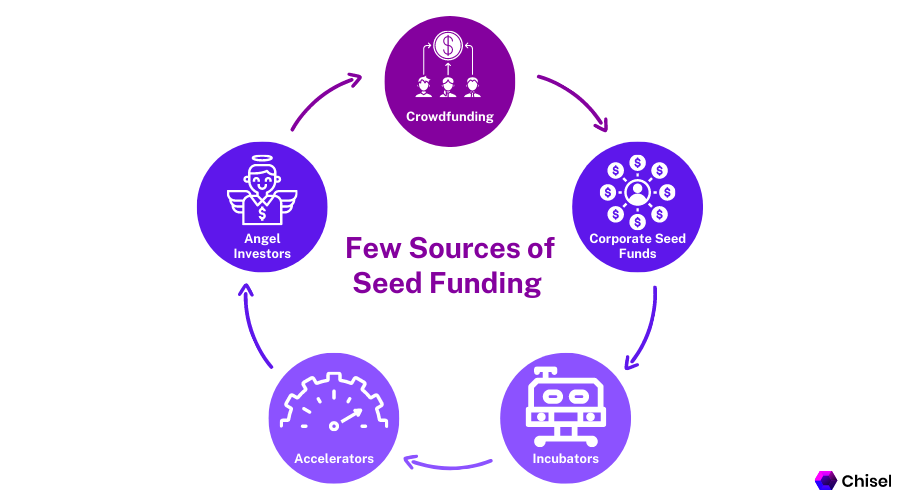
Seed money, also known as seed funding or seed capital, is a form of securities offering in which an investor puts capital in a startup company in exchange for an equity stake or convertible note stake in the company.

The term seed suggests that this is a very early investment, meant to support the business until it can generate cash of its own, or until it is ready for further investments. Seed money options include friends and family funding, seed venture capital funds, angel funding, and crowdfunding.

Types of Seed funding

  • Friends and family funding: This type of seed funding involves raising money from friends and family members.
  • Angel investing: As mentioned above, angel investors are wealthy individuals who provide seed funding in exchange for equity ownership.
  • Seed accelerators: These are programs that provide startups with seed funding, mentorship, and resources to help them grow their businesses.
  • Crowdfunding: This type of funding allows startups to raise money from a large number of people, typically through an online platform.
  • Incubators: These are organizations that provide startups with seed funding, office space, and resources to help them grow their businesses.
  • Government grants: Some government agencies provide seed funding for startups working on specific projects or in specific industries.
  • Corporate ventures: Some big companies set up venture arms to provide seed funding to startups in their industry or complementary field.
  • Micro-Venture Capital: A type of venture capital that provides seed funding to new startups and early-stage companies with a small amount of money.

COMMENTS APPRECIATED

Refer and Subscribe

***

***

IPO: Road Show with Pros and Cons

By Staff Reporters

SPONSOR: http://www.MarcinkoAssociates.com

***

***

What Is a Roadshow?

In general, a roadshow is a series of meetings or presentations in which key members of a private company, usually executives, pitch the initial public offering, or IPO, to prospective investors. Effectively, the company is taking its branding message on the road to meet with investors in different cities, hence the name.

The IPO roadshow presentation is an important part of the IPO process in which a company sells new shares to the public for the first time. Whether a company’s IPO succeeds or not can hinge on interest generated among investors before the stock makes its debut on an exchange.

There are also some cases where company executives will embark on a road show to meet with investors to talk about their company, even if they’re not planning an IPO.

Pros and Cons of a Roadshow

According to Rebecca Lake, if the company goes public and no one buys its shares, then the IPO ends up being a flop, which can affect the company’s success in the near and long term. If the company experiences an IPO pop, in which its price goes much higher than its initial offering price, it could be a sign that underwriters mispriced the stock.

A roadshow is also important for helping determine how to price the company’s stock when the IPO launches. If the roadshow ends up being a smashing success, for example, that can cause the underwriters to adjust their expectations for the stock’s IPO price.

On the other hand, if the roadshow doesn’t seem to be generating much buzz around the company at all, that could cause the price to be adjusted downward.

In a worst-case scenario, the company may decide to pull the plug on the IPO altogether or to go a different route, such as a private IPO placement.

COMMENTS APPRECIATED

Refer, Like and Subscribe

***

***

CAPITAL MARKETS: Defined

By Staff Reporters

SPONSOR: MarcinkoAssociates.com

***

***

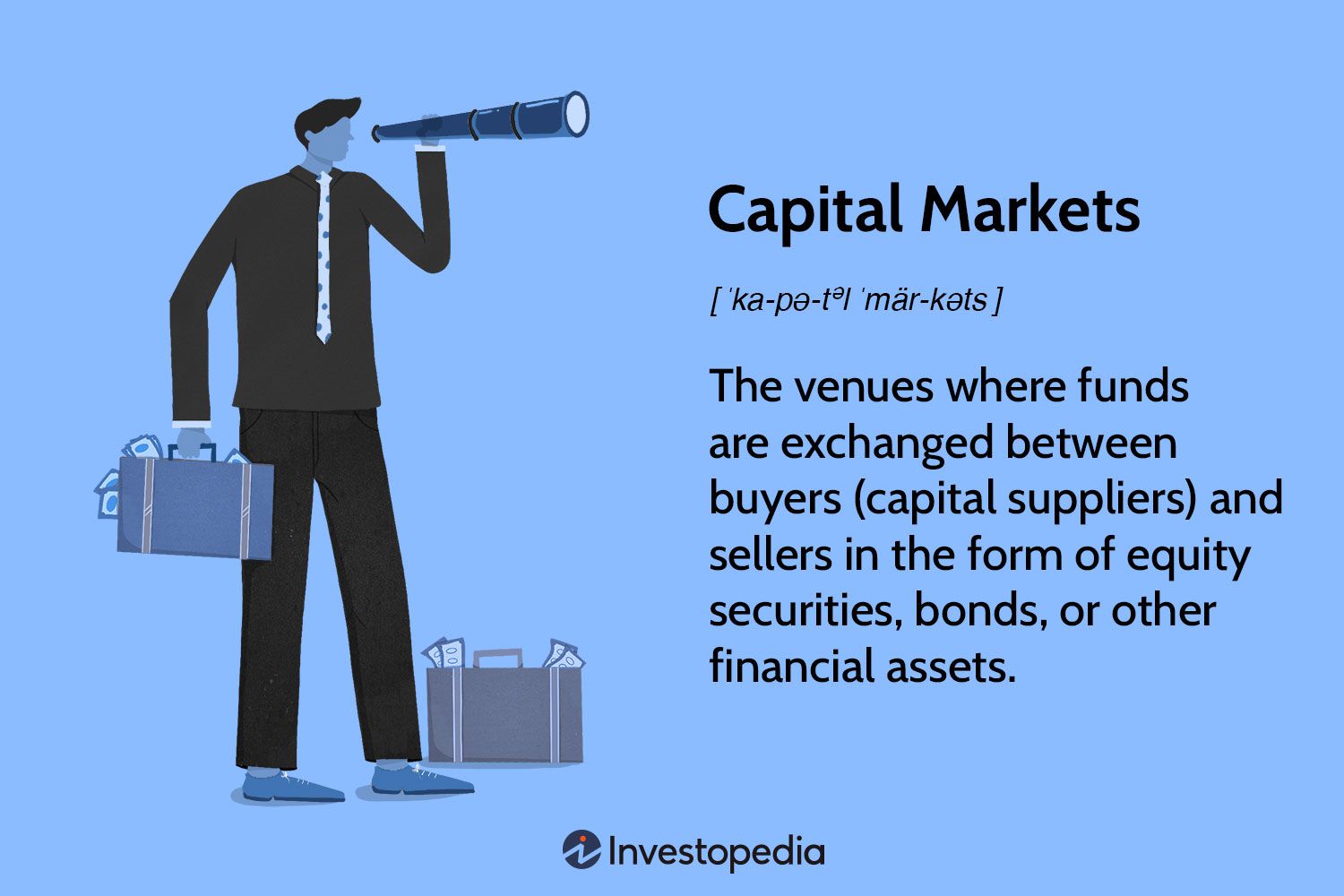
Capital Market: This is a market where buyers and sellers engage in the trade of financial assets, including stocks and bonds. Capital markets feature several participants, including:

  • Companies: Firms that sell stocks and bonds to investors
  • Institutional investors: Investors who purchase stocks and bonds on behalf of a large capital base
  • Mutual funds: A mutual fund is an institutional investor that manages the investments of thousands of individuals
  • Hedge funds: A hedge fund is another type of institutional investor, which controls risk through hedging—a process of buying one stock and then shorting a similar stock to make money from the difference in their relative performance

COMMENTS APPRECIATED

Refer and Subscribe

***

***

***

DAILY UPDATE: Second Apple Downgrade with Mixed Markets as Investors Await Payroll Data and Lilly Sells Medications Directly to Patients

By Staff Reporters

***

SPONSOR: http://www.MarcinkoAssociates.com

***

Here’s where the major benchmarks ended:

  • The S&P 500® index (SPX) was down 16.13 points (0.3%) at 4,688.68; the Dow Jones Industrial Average® (DJI) was up 10.15 points at 37,440.34; the NASDAQ Composite was down 81.91 points (0.6%) at 14,510.30.
  • The 10-year Treasury note yield (TNX) was up about 9 basis points at 3.997%.
  • The CBOE® Volatility Index (VIX) was up 0.08 at 14.12.

Oilfield services and consumer discretionary shares were also among the market’s weakest performers Thursday. Banking and health care were among the strongest sectors, illustrating renewed investor interest in stocks that lagged the broader market last year.

CITE: https://www.r2library.com/Resource

And, Eli Lilly is poised to sell medicine directly to consumers — with an emphasis on newly popular weight-loss drugs — in a move toward cutting out the controversial middle players in drug distribution.

COMMENTS APPRECIATED

Refer a Colleague: MarcinkoAdvisors@msn.com

Your referral Count: 0

Thank You

***

***