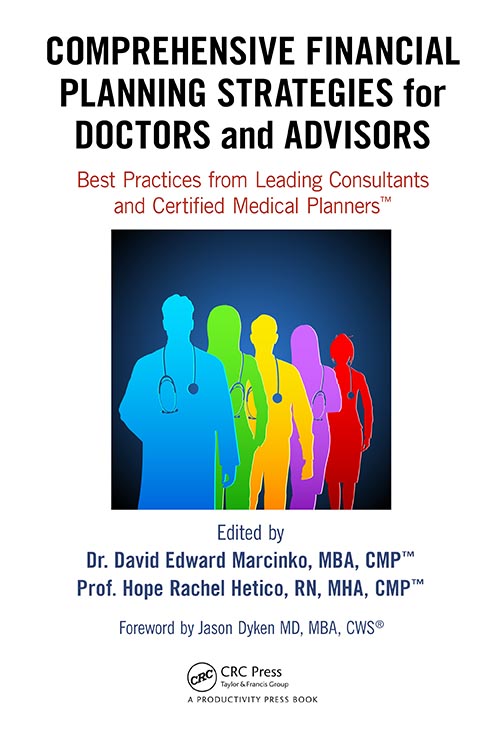
COMPREHENSIVE FINANCIAL PLANNING STRATEGIES for DOCTORS and ADVISORS

Join Our Mailing List

UPCOMING: Our Newest Major Textbook Release

[By Ann Miller RN MHA]

Release: February 19th, 2015 by Productivity Press, Inc

744 Pages | 43 Illustrations

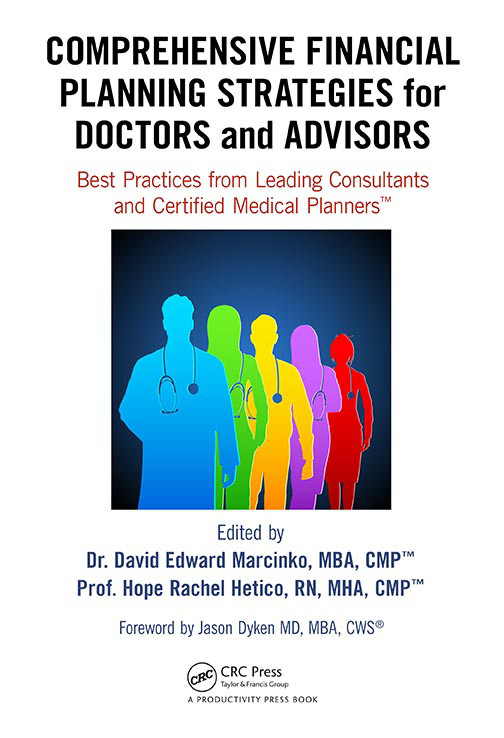
Editor(s): Dr. David Edward Marcinko MBA CMP™ and Professor Hope Rachel Hetico RN MHA CMP™

***

 COMPREHENSIVE FINANCIAL PLANNING STRATEGIES for DOCTORS and ADVISORS 

[Best Practices from Leading Consultants and

Certified Medical Planners™]

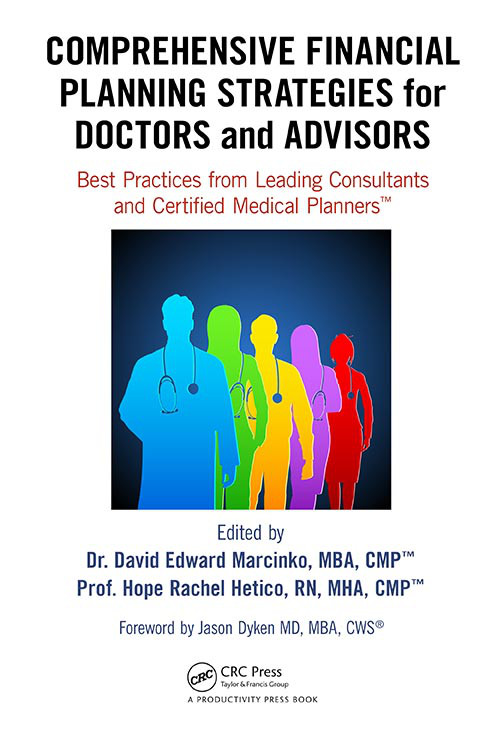
Comprehensive Financial Planning Strategies for Doctors and Advisors: Best Practices from Leading Consultants and Certified Medical Planners™

 Features: 

  • Engaging content with case models, templates and examples for all medical professionals and their consulting advisors.
  • Combines holistic financial planning with new topics like hedge funds, investment banking, Wall Street practices and shenanigans; securities markets and margin accounts; alternative asset classes and investment policy creation – all integrated with emerging health industry concerns like the PP-ACA, ACOs, new tax laws and reimbursement models; practice sales, contracting and valuations; social media, hospital employee fringe benefits and PHO stock options.
  • Presents disruptive theories on industry suitability rules, fiduciary accountability and stewardship principles, and how to select the most knowledgeable and cost-efficient advisor for every life-cycle need.

Summary

Drawing on the expertise of multi-degreed doctors, and multi-certified financial advisors, COMPREHENSIVE  FINANCIAL PLANNING STRATEGIES FOR DOCTORS AND ADVISORS[Best Practices from Leading Consultants and Certified Medical Planners™]will shape the industry landscape for the next-generation as the current ecosystem strives to keep pace. Traditional generic products and sales-driven advice will yield to a new breed of deeply informed financial advisor, or Certified Medical Planner™.

The profession is set to be transformed by “cognitive-disruptors” that will significantly impact the $2.8 trillion healthcare marketplace for those financial consultants serving this challenging sector. There will be winners and losers. The text which contains 24 chapters, and champions healthcare providers while informing financial advisors, is divided into four sections compete with glossary of terms, CMP™ curriculum content, and related information sources:

  1. For ALL medical providers and financial industry practitioners
  2. For NEW medical providers and financial industry practitioners
  3. For MID-CAREER medical providers and financial industry practitioners
  4. For MATURE medical providers and financial industry practitioners.

Using an engaging style, the book is filled with authoritative guidance and health care–centered discussions, to provide tools and techniques to create a personalized financial plan using professional advice. Comprehensive coverage includes topics likes behavioral finance, medical risk management, Modern Portfolio Theory (MPF), the Capital Asset Pricing Model (CAP-M) and Arbitrage Pricing Theory (APT); as well as insider insights on commercial real estate; High Frequency Trading platforms and robo-advisors; the Patriot and Sarbanes–Oxley Acts; hospital endowment fund management, ethical wills, divorce and other special situations.

The result is a codified “must-have” book, for all health industry participants, and those seeking advice from the growing cadre of financial consultants and Certified Medical Planners™ who seek to “do well – by doing good”, dispensing granular physician-centric financial advice: Omnia pro medicus-clientis.
Financial Planning 2015

 RAISING THE BAR

CERTIFIED MEDICAL PLANNER

“The informed voice of a new generation of fiduciary advisors for healthcare”

[Omnia pro medicus-clientis]  

More:

BOOK: Comprehensive Financial Planning Strategies for Doctors and Advisors: Best Practices from Leading Consultants and Certified Medical Planners™

Conclusion

Your thoughts and comments on this ME-P are appreciated. Feel free to review our top-left column, and top-right sidebar materials, links, URLs and related websites, too. Then, subscribe to the ME-P. It is fast, free and secure.

Link: http://feeds.feedburner.com/HealthcareFinancialsthePostForcxos

Speaker: If you need a moderator or speaker for an upcoming event, Dr. David E. Marcinko; MBA – Publisher-in-Chief of the Medical Executive-Post – is available for seminar or speaking engagements. Contact: MarcinkoAdvisors@msn.com

OUR OTHER PRINT BOOKS AND RELATED INFORMATION SOURCES:

Product DetailsProduct DetailsProduct Details

Product DetailsProduct Details

Risk Management, Liability Insurance, and Asset Protection Strategies for Doctors and Advisors: Best Practices from Leading Consultants and Certified Medical Planners™8Comprehensive Financial Planning Strategies for Doctors and Advisors: Best Practices from Leading Consultants and Certified Medical Planners™

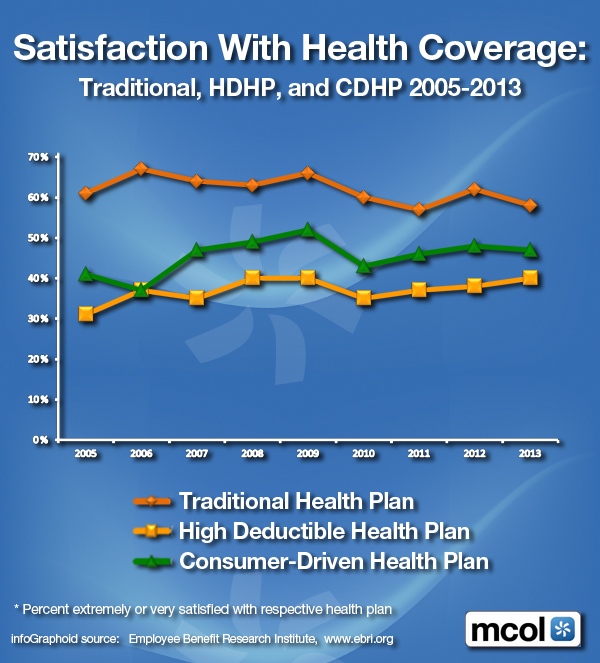
Patient Satisfaction with Health Coverage?

Join Our Mailing List

Traditional Plans, HDHPs and CDHPs for 2005-2013

By http://www.MCOL.com

ImageProxy

Conclusion

Your thoughts and comments on this ME-P are appreciated. Feel free to review our top-left column, and top-right sidebar materials, links, URLs and related websites, too. Then, subscribe to the ME-P. It is fast, free and secure.

Speaker: If you need a moderator or speaker for an upcoming event, Dr. David E. Marcinko; MBA – Publisher-in-Chief of the Medical Executive-Post – is available for seminar or speaking engagements. Contact: MarcinkoAdvisors@msn.com

OUR OTHER PRINT BOOKS AND RELATED INFORMATION SOURCES:

Product DetailsProduct Details

What is a ‘Healthy’ Automobile Battery?

Join Our Mailing List

Ask a Battery Technician

By Dr. David Edward Marcinko MBA CMP™

By Nalley Lexus, Roswell, GA

Dr. Marcinko 1972 Vette

You know that sinking feeling when you turn your key in the ignition, and instead of the roar of the engine, all you hear is a sad, defeated gurgle?

That’s a dead car battery, and it’s enough to ruin anyone’s day.

I should know. I own a vintage 2000 XJL-V8 luxury Jaguar vintage touring sedan; electrical gremlins are the norm. So, routine battery maintenance and regular battery checks will significantly lower your risk for the battery blues.

How it works

As you probably already know, the car battery is the essential component that starts your vehicle’s engine. Within the battery, a chemical reaction creates an electrical charge, which subsequently starts the car’s motor. Battery power is also required for your car’s electrical components like cabin and headlights.

Healthy Battery

Your battery is in the clear if it is consistently working, and clean. Your battery and its cables should be cleaned on a monthly basis with a small, stiff brush like a toothbrush to clear out dirt and debris from the road. Never use any sort of cleanser when cleaning. Healthy batteries should also be clear of corrosion. Brush away the corrosion from battery terminals by dipping a toothbrush into flat dark soda, or a mixture of water and baking soda, before scrubbing. Apply petroleum jelly on the surface after cleaning to prevent future build-up.

Unhealthy Battery

If your battery is displaying any of these symptoms, it’s time for a check-up. So, I asked my dealer and received these tips:

  • Low water in the battery cell could be affecting battery performance. Check the indicator on the side of the battery for the water level. If it needs filling, stop by our service department for a special tool to fill it up.
  • Age is a huge factor in battery health. Batteries are designed to last about five years, but this lifespan could shorten based on use and maintenance habits. If your battery is five or older, consider getting it checked out.
  • Cracks in the battery’s plastic casing or other wear on the battery connections could mean damage and are worth a second look.
  • Loose tie straps need adjusting. Make sure your battery is tightly secured, because engine vibration could knock the battery around and cause damage.

Assessment

Of course, the biggest sign of an unhealthy battery is a dead one, but it’s much better to routinely maintain your battery than to be left in a lurch without power. Get peace of mind with a power-up at your service department; or DIY.

***

My Jaguar's engine after a steam

***

More:

Assessment

The summer of 2014 is almost over – drive safely.

Conclusion

Your thoughts and comments on this ME-P are appreciated. Feel free to review our top-left column, and top-right sidebar materials, links, URLs and related websites, too. Then, subscribe to the ME-P. It is fast, free and secure.

Speaker: If you need a moderator or speaker for an upcoming event, Dr. David E. Marcinko; MBA – Publisher-in-Chief of the Medical Executive-Post – is available for seminar or speaking engagements. Contact: MarcinkoAdvisors@msn.com

OUR OTHER PRINT BOOKS AND RELATED INFORMATION SOURCES:

Product DetailsProduct Details

Asset Protection for Physicians

Join Our Mailing List 

APPRECIATING THE RISKS

By J. Chris Miller JD cmiller@northfultonwills.com

J. Christopher Miller, EsqPhysicians and medical professionals share a unique disadvantage when it comes to asset protection.  They are constantly haunted by the prospect of being sued for malpractice.

Most have solid malpractice insurance coverage in force, but if that pool runs dry, the courts may look to the professional individually to compensate patients for injuries suffered while under the professional’s care.

Malpractice insurance itself may not be sufficient to completely protect a physician against professional liability claims.  As verdicts increase in size, policy limits may become inadequate.

Likewise, insurance companies have a strong incentive to deny coverage by arguing that a claim falls outside the scope of coverage.  Preparing for these possibilities will leave you much more financially sound than if you had not planned ahead.

The Risks

Aside from the professional risks you take merely by agreeing to examine and treat a patient, dangers to your assets surround you.  As discomforting as it may sound, your practice partners, your family, and even your neighbors are in fact potential adversaries.  Unfortunately, your position as a medical professional in today’s society subjects you to elevated risks of a nasty lawsuit if you are negligent in your personal conduct.

***

Risks

***

An accident while driving to the hospital in response to a call, or a simple slip-and-fall incident on your home’s sidewalk, will more likely find its way into a courtroom because plaintiffs (and their lawyers) perceive you as a deep pocket.

Personal Risks

On a more personal level, there may come a time when your marriage fails, and you are faced with equitably dividing property between you and your spouse. Asset protection strategies act differently in the context of a divorce, and family-oriented claims need to be treated differently in the scope of creating a plan.

Assessment

In the event that a claim arises from outside your professional activities, or if you find yourself swallowed by consumer debts, several asset protection methods will help you to prevent your assets from slipping away.

Financial Planning MDs 2015

BOOK:

Comprehensive Financial Planning Strategies for Doctors and Advisors: Best Practices from Leading Consultants and Certified Medical Planners™

Conclusion

Your thoughts and comments on this ME-P are appreciated. Feel free to review our top-left column, and top-right sidebar materials, links, URLs and related websites, too. Then, subscribe to the ME-P. It is fast, free and secure.

Speaker: If you need a moderator or speaker for an upcoming event, Dr. David E. Marcinko; MBA – Publisher-in-Chief of the Medical Executive-Post – is available for seminar or speaking engagements. Contact: MarcinkoAdvisors@msn.com

OUR OTHER PRINT BOOKS AND RELATED INFORMATION SOURCES:

Product DetailsProduct Details

Ascel Bio on Forecasting Infectious Disease Outbreaks

Join Our Mailing List 

My Invitation to Join the Ascel Bio BOD?

Dr. DEMDear Dr. Marcinko,

I found your name in a search for new board directors and advisors to my company. I am president of a disease forecasting and outbreak warning company named Ascel Bio.

The Firm 

My company has had tremendous technical success in developing software that can forecast infectious disease outbreaks.

We’ve invented technology that turns hospitals (specifically their electronic health records) into RADAR Stations for Infectious Disease.  We’ve also invented outbreak detection and measurement technology that we use to deliver something akin to an AccuWeather style service.  We have good validation with federal customers and in use in a hospital setting in Colorado.  And, we’ve had some good success as well in trial use with a major EHR provider, and interest from others.

Status 

But, we’re still small and are really stuck in gaining the next 10 hospital users.  I’m writing because I am curious whether you might be able to offer suggestions that would help us solve the puzzle.

About Ascel Bio LLC

Ascel Bio is a private disease forecasting company founded in 2010. It is an industry pioneer with a corporate mission to halve the morbidity and mortality of infectious diseases over the next 25 years. The company uses advanced predictive systems combined with the judgment of astute clinicians in building its forecasts.

***

Nigeria

***

Assessment

I wanted to explain our business, seek your thoughts, and see if there might be cause for engagement. If you have a moment to speak with me, I’d be grateful for your time.

Research Reports:

Kind regards,

Ascel Bio

James Tunkey

More

Why I’m Joining the Physician Nexus Medical Advisory Board

Conclusion

I will f/u privately on this invitation. But, your thoughts and comments on the ME-P are appreciated. Feel free to review our top-left column, and top-right sidebar materials, links, URLs and related websites, too. Then, subscribe to the ME-P. It is fast, free and secure.

Speaker: If you need a moderator or speaker for an upcoming event, Dr. David E. Marcinko; MBA – Publisher-in-Chief of the Medical Executive-Post – is available for seminar or speaking engagements. Contact: MarcinkoAdvisors@msn.com

OUR OTHER PRINT BOOKS AND RELATED INFORMATION SOURCES:

 Product DetailsProduct Details

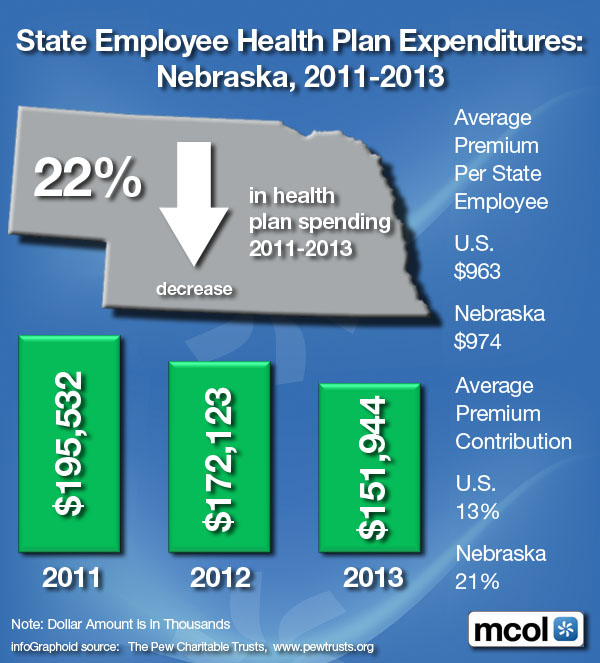
State Employee Health Plan Expenditures

Join Our Mailing List

Nebraska [2011-2013]

By http://www.MCOL.com

Nebraska

Conclusion

Your thoughts and comments on this ME-P are appreciated. Feel free to review our top-left column, and top-right sidebar materials, links, URLs and related websites, too. Then, subscribe to the ME-P. It is fast, free and secure.

Speaker: If you need a moderator or speaker for an upcoming event, Dr. David E. Marcinko; MBA – Publisher-in-Chief of the Medical Executive-Post – is available for seminar or speaking engagements. Contact: MarcinkoAdvisors@msn.com

OUR OTHER PRINT BOOKS AND RELATED INFORMATION SOURCES:

Product DetailsProduct Details


Product Details

Financial Advisors Protecting Clients from Mental Decline

Join Our Mailing List 

Beyond Retirement unto the Final Years

By Rick Kahler MS CFP http://www.KahlerFinancial.com

Rick Kahler CFPAfter three decades as a financial planner, I’m seeing more and more clients reach, not just retirement, but their final years.

An issue that becomes especially important at this stage of life is how to protect your financial resources from an unexpected threat—yourself.

Example:

One of my saddest professional experiences came several years ago when one of my long-time clients, a female physician in her late 80’s with no family and few close friends, abruptly fired me. Because Dr. Mary had no one else, I had helped her in many ways beyond the usual client/planner relationship and even reluctantly agreed to serve as her trustee and power of attorney in case she became incapacitated.

At what proved to be our final quarterly review meeting, Mary initially seemed confused. I was able to reassure her about the stability of her finances, and she seemed clearer by the time we finished. Three weeks later, I received a handwritten letter from her: “You have my finances in a mess. I can’t get to my money. You are fired.”

I was stunned. Yet ethically I was required to comply with her wishes by moving her holdings to another broker.

Health Issues

Several subsequent conversations demonstrated that Mary was suffering from periodic memory loss and delusion. Had she been disabled by a sudden accident or a stroke, I could have stepped in. Yet, because her decision to fire me was made at a time when she was arguably still competent, my hands were tied.

Since this experience, I have confirmed the wisdom of avoiding a potential conflict of interest by never serving as a trustee or power of attorney for a client. With the help of suggestions from several other planners, I’ve also learned some strategies to help you protect your assets from yourself.

***

Mature Woman

***

The Designation Tool

One tool is to sign a statement authorizing your financial planner to contact someone you designate, perhaps a family member or physician, if the planner becomes concerned about possible irrational behavior. While this would not prevent you from firing an advisor, it would provide a method of discussing the issue and also involve another person in the decision.

Trusts

Another possibility is to put your assets into either an irrevocable living trust or a Domestic Asset Protection Trust (in a state like South Dakota that allows them) with someone other than yourself or your planner as trustee. As the beneficiary, you would have the power to fire the trustee, but concern about an irrational firing could be mitigated to some degree by having a corporate trustee.

In addition, with a DAPT, the beneficiary would not have the power to amend the trust without the agreement of the trustee. This would give some protection against self-destructive choices by a beneficiary who was gradually losing competency. One disadvantage of this approach is cost, so it isn’t an option for everyone.

***

Twilight

***

Contingency Planning

Perhaps the most important strategy is to create a contingency plan in the event of mental decline. It could include arrangements for your financial planner to consult with family members or other professionals such as physicians, social workers, and counselors. For those without close family members, the plan might authorize the financial advisor to call for an evaluation, by professionals you choose in advance, if your behavior appeared irrational. This team approach might alleviate fears about being judged incompetent by the person managing your assets.

Assessment

The possibility of mental decline is something no one wants to consider. Yet it is as essential a financial planning concern as making a will. As you build financial resources for old age, it’s also important to create safety nets to protect those resources from yourself.

Conclusion

Your thoughts and comments on this ME-P are appreciated. Feel free to review our top-left column, and top-right sidebar materials, links, URLs and related websites, too. Then, subscribe to the ME-P. It is fast, free and secure.

Speaker: If you need a moderator or speaker for an upcoming event, Dr. David E. Marcinko; MBA – Publisher-in-Chief of the Medical Executive-Post – is available for seminar or speaking engagements. Contact: MarcinkoAdvisors@msn.com

OUR OTHER PRINT BOOKS AND RELATED INFORMATION SOURCES:

Product Details  Product Details

Product Details

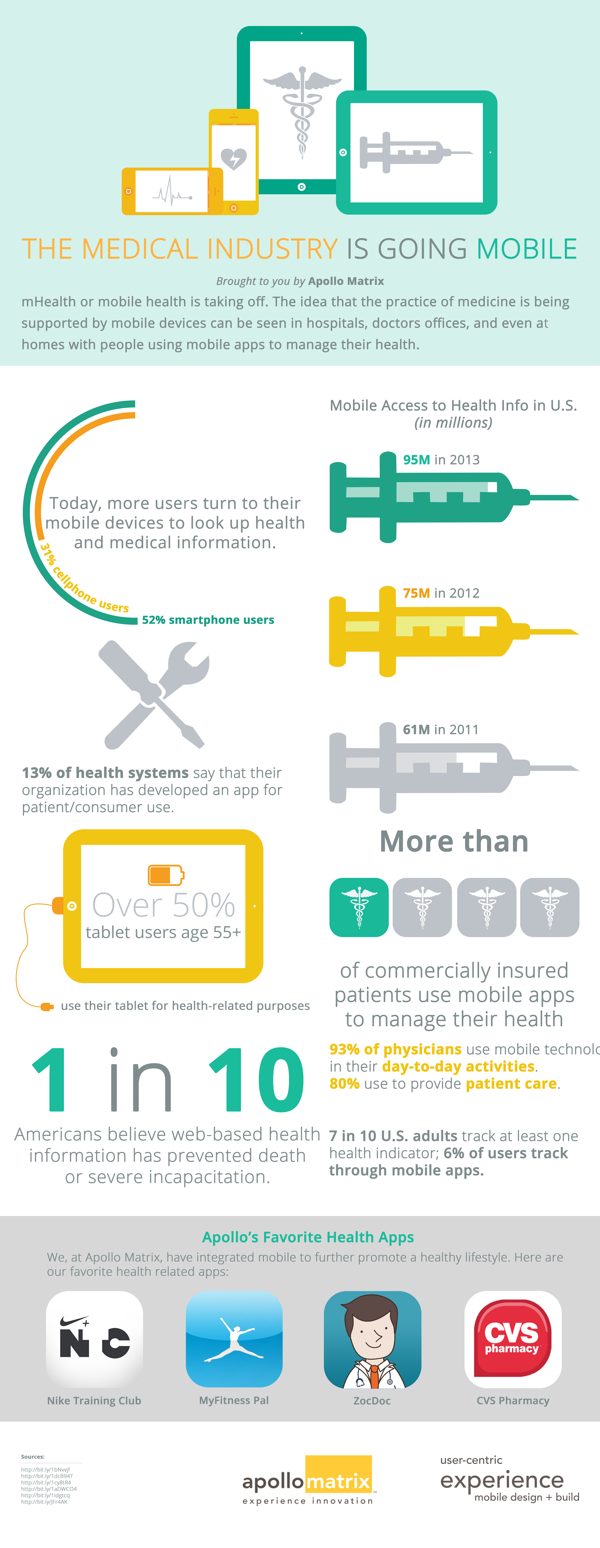
The Medical Industry is Going Mobile?

Join Our Mailing List

m-Health is Taking Off!

By Apollo Matrix

mobile

More: Comprehensive Financial Planning Strategies for Doctors and Advisors: Best Practices from Leading Consultants and Certified Medical Planners™

Conclusion

Your thoughts and comments on this ME-P are appreciated. Feel free to review our top-left column, and top-right sidebar materials, links, URLs and related websites, too. Then, subscribe to the ME-P. It is fast, free and secure.

Speaker: If you need a moderator or speaker for an upcoming event, Dr. David E. Marcinko; MBA – Publisher-in-Chief of the Medical Executive-Post – is available for seminar or speaking engagements. Contact: MarcinkoAdvisors@msn.com

OUR OTHER PRINT BOOKS AND RELATED INFORMATION SOURCES:

Product DetailsProduct Details


Getting the Most from College 529 Plans

Join Our Mailing List 

A List of Suggestions

By Rick Kahler MS CFP® http://www.KahlerFinancial.com

Rick Kahler CFPWhen it comes to 529 college savings plans, the best strategy is to start early and start big. Don’t wait to set up an account until your teenager is starting to wonder which schools might offer skateboarding scholarships.

These accounts are excellent vehicles to save for college, in large part because of the tax-free growth they offer. Here are some suggestions for getting the most benefit from a 529 plan.

The List

1. Start as early as possible. The best time to start a 529 plan is at birth. Well, maybe a few weeks later; you do need to wait until the kid gets a Social Security number. The earlier an account is established, the more years of growth it will provide. Ideally, the plan and the child will grow together.

2. In the early years, invest more aggressively. It would be a shame to open a plan for a two-year-old and put everything in a money market fund or bonds; the goal in early years is growth. It’s a good idea to invest heavily in equities for about the first 10 years, then gradually move to bonds and other low-risk options. Many plans have an age-based option that does this automatically.

3. Fund the plan as much as you can when the child is young. Obviously, this can be a challenge for young families. If you can, however, it’s good to start with higher monthly amounts even if you need to taper off your contributions as the child gets older. The goal is to get as much into the plan as you can.

4. Consider using the five-year option. If someone has the ability to put a large amount into a child’s 529 plan all at once, it’s possible to contribute as much as $70,000 that is considered a contribution in advance for the following five years. The five-year period is to minimize federal gift tax purposes. This option might be most applicable for grandparents as part of their own estate planning.

5. Pay attention to fees and performance. Many 529 plans are sold through investment firms, and the commissions paid to those firms vary. Some offer mutual funds with relatively high annual fees. Fees are required to be clearly disclosed. It’s also a good idea to look at the performance of the fund managers. As an example of how to find this information, the South Dakota 529 plan has a FAQ section on its website with details on fees, performance, and funds.

6. Compare several state plans. While some states do offer tax breaks for residents who use their 529 plans, you aren’t limited to the plan from your own state. You can open new accounts in or move existing accounts to other states.

7. The more plans, the better. One child can be the beneficiary of several plans, perhaps set up by parents and both sets of grandparents. Or grandparents, say, could contribute to accounts opened by parents. The potential disadvantage here is that the money then belongs to the owner of the account.

***

college

***

One Last Point

Don’t get so excited by the idea of maximizing a 529 plan that you forget one essential guideline: Parents should fund their own retirement accounts ahead of funding college accounts for the kids.

Assessment

There are many places to find a little extra money for kids’ 529 plans. A few possibilities are cash gifts from relatives, contributions from grandparents, tax refunds, or bonuses. But the worst place to find that money is your own retirement fund. It isn’t wise to sacrifice a healthy retirement plan in order to create a healthy 529 plan.

More: Comprehensive Financial Planning Strategies for Doctors and Advisors: Best Practices from Leading Consultants and Certified Medical Planners™

Conclusion

Your thoughts and comments on this ME-P are appreciated. Feel free to review our top-left column, and top-right sidebar materials, links, URLs and related websites, too. Then, subscribe to the ME-P. It is fast, free and secure.

Speaker: If you need a moderator or speaker for an upcoming event, Dr. David E. Marcinko; MBA – Publisher-in-Chief of the Medical Executive-Post – is available for seminar or speaking engagements. Contact: MarcinkoAdvisors@msn.com

OUR OTHER PRINT BOOKS AND RELATED INFORMATION SOURCES:

Product Details

Product DetailsProduct Details

On ACO Business Model Savings?

Join Our Mailing List

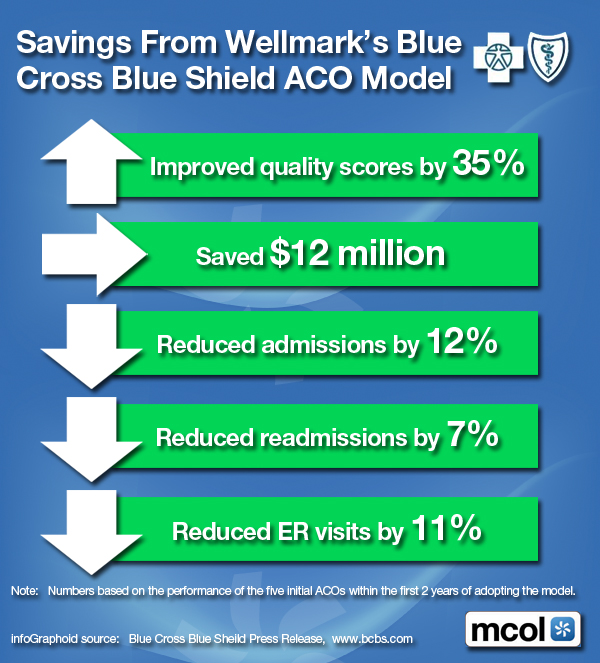
Case Report From Wellmark’s Blue Cross Blue Shield ACO Model

By http://www.MCOL.com

ACOs

More:

Comprehensive Financial Planning Strategies for Doctors and Advisors: Best Practices from Leading Consultants and Certified Medical Planners™

Conclusion

Your thoughts and comments on this ME-P are appreciated. Feel free to review our top-left column, and top-right sidebar materials, links, URLs and related websites, too. Then, subscribe to the ME-P. It is fast, free and secure.

Speaker: If you need a moderator or speaker for an upcoming event, Dr. David E. Marcinko; MBA – Publisher-in-Chief of the Medical Executive-Post – is available for seminar or speaking engagements. Contact: MarcinkoAdvisors@msn.com

OUR OTHER PRINT BOOKS AND RELATED INFORMATION SOURCES:

Product DetailsProduct Details

Congratulations to Ken Chi Yeung MBA CMP™

Join Our Mailing List

Meet Our Newest Certified Medical Planner™

ky

Ken Chi Yeung MBA CMP

Ken is a hospital administrator and financial consultant for the Tseung Kwan O Hospital, in Hong Kong. He speaks English, Cantonese, Mandarin and Chinese.

diploma

Assessment

Certified Medical Planner

Link: http://www.CertifiedMedicalPlanner.org

NEW BOOK: Comprehensive Financial Planning Strategies for Doctors and Advisors: Best Practices from Leading Consultants and Certified Medical Planners™

Conclusion

Your thoughts and comments on this ME-P are appreciated. Feel free to review our top-left column, and top-right sidebar materials, links, URLs and related websites, too. Then, subscribe to the ME-P. It is fast, free and secure.

Speaker: If you need a moderator or speaker for an upcoming event, Dr. David E. Marcinko; MBA – Publisher-in-Chief of the Medical Executive-Post – is available for seminar or speaking engagements. Contact: MarcinkoAdvisors@msn.com

OUR OTHER PRINT BOOKS AND RELATED INFORMATION SOURCES:

Product DetailsProduct Details

Financial Planning MDs 2015

OUR NEWEST BOOK:

Comprehensive Financial Planning Strategies for Doctors and Advisors: Best Practices from Leading Consultants and Certified Medical Planners™

Understanding Dual U.S. Physician Citizenship?

Join Our Mailing List

Reasons Why?

[By Dr. David Edward Marcinko MBA CMP™]

Dr David E Marcinko MBAThere may be a number of reasons why a foreign medical professional, especially a physician, may choose to remain a non-resident alien.

But, few realize that the U.S. income tax applies worldwide, and when a doctor becomes a U.S. dual citizen, the IRS is with them forever.

Annual Limitation

Also, there is the $136,000 annual limitation on gifts to a non-citizen spouse. At his death, a doctor can’t leave his possessions to a non-citizen spouse since the U.S. government is concerned that the foreign survivor will take her inheritance to her home country.

Estate Tax Due

Accordingly, the estate is tax immediately after the first death. Separate savings accounts may mitigate this so that the dual citizen spouse can acquire assets personally, and have something to pass on to children.

Assessment

Otherwise, any assets that can’t be proven at least a one half contribution, even if jointly owned, will be taxed as if they solely belong to the American citizen spouse.

British Phone

Conclusion

This is a brief review of IRS implications for modernity.

Your thoughts and comments on this ME-P are appreciated. Feel free to review our top-left column, and top-right sidebar materials, links, URLs and related websites, too. Then, subscribe to the ME-P. It is fast, free and secure.

Speaker: If you need a moderator or speaker for an upcoming event, Dr. David E. Marcinko; MBA – Publisher-in-Chief of the Medical Executive-Post – is available for seminar or speaking engagements. Contact: MarcinkoAdvisors@msn.com

OUR OTHER PRINT BOOKS AND RELATED INFORMATION SOURCES:

Product Details

Product Details

Is it Fire Drill Time for Physician Investors?

Join Our Mailing List 

Catastrophes and “Black Swans” Happen

An ME-P Special Report

By Lon Jeffereis MBA CFP® CMP®

Lon JeffriesHistory tells us that over a long enough time span catastrophes are likely to occur. Fires, flooding, earthquakes – none can be prevented and all can be potentially devastating. While these events can’t always be avoided, we can prepare for these “black swans.”

Running practice fire drills enables us to act appropriately during misfortune while maintaining emergency food storage ensures we won’t starve when tragedy strikes.

Just as physical calamity can turn lives upside down, financial upheaval can lead to an unrecoverable loss. Fortunately, we have the ability to prepare for financial uncertainty in the same way we prepare for other exposures. As the current bull market is now both the fourth longest in history (64 months) and the fourth largest (+192% gain), now would be a perfect time to ensure you are prepared for the next market pullback.

Run a Portfolio Fire Drill

You can run a fire drill for your portfolio by understanding the loss potential of your holdings. It is critical to recognize that the amount of volatility your portfolio will experience in declining market environments is dependent on your asset allocation – how much of your account is invested in stocks vs. bonds. The larger the percentage of stocks in a portfolio, the more the portfolio’s value will increase during bull markets but decrease when the market declines. Let’s look at the historical performance and risk levels of a range of diversified stock-to-bond ratios:

Asset Allocation – Risk & Return (1970-2013)

***

Portfolio Allocation Average Annual Return Large Loss 08′
100% Stocks 10.85% -39%
80% Stocks20% Bonds 10.33% -30%
60% Stocks40% Bonds 9.99% -20%
50% Stocks50% Bonds 9.76% -15%
40% Stocks60% Bonds 9.49% -11%
20% Stocks80% Bonds 8.85% -4%

 ***

After determining the asset allocation of your portfolio, ask yourself how you would respond to another market correction like we experienced in 2008. For this exercise, considering loss in dollar terms is particularly productive. For instance, if 80% of your portfolio is invested in stocks, you might be able to convince yourself that you could sustain a 30% loss. However, supposing you have $500k invested, a 30% loss would mean your portfolio is suddenly depleted to $350k — $150k of hard earned money just evaporated. To many, the thought of losing $150k is more uncomfortable than the thought of a 30% loss.

Next, picture every media outlet sending warnings day after day about how the market is only going to get worse. Imagine yourself checking what the markets are doing multiple times a day and constantly being disappointed that it is another day of losses.

Lastly, visualize your occasional friend, neighbor or family member bragging about how he got out of the market before the collapse and telling you how you are a fool for not doing so.

***

Accidents Happen

[Accidents Happen]

How would you respond in such an environment? Would you have a hard time sleeping or digesting your food? It’s critical to be honest with yourself. If you would stray from your long-term investment strategy by selling after a market drop and waiting for the market to recover, your current portfolio may be too aggressive. If so, scale back the assertiveness of your portfolio by reducing your stock exposure now because selling stocks during a market decline is the last thing you want to do.

Sound financial planning suggests individuals should scale back the assertiveness of their portfolio as they approach retirement. While a young worker with 30 years until retirement can afford to be aggressive and has time to recover if a large loss in suffered, a person who is closer to retirement can’t afford to endure a significant loss right before the invested funds are needed to cover life expenses.

Maintain an Emergency Financial Storage

As stocks and bonds are the long-term portion of your investment portfolio, cash equivalents are your tool for dealing with short-term spending needs. Before even investing, everyone should have an emergency reserve holding enough cash to cover three to six months of expenses. These funds should only be tapped in the event of a job loss or a medical emergency.

Be Prepared

Additionally, investors who are taking withdrawals from their portfolio in order to meet cash flow needs should also have the equivalent of two years of necessary withdrawals in cash at all times. These funds should be used to cover living expenses during the next market correction. Having this emergency financial storage will prevent you from having to take withdrawals in a down market and allow your portfolio time to recover.

Assessment

No one knows when the next bear market will come. However, just like winter follows every fall, market corrections will ultimately come after every bull market.  Preparing for such a financial downturn will ensure you act appropriately when the time comes and prevent financial catastrophe.

BOOK: Comprehensive Financial Planning Strategies for Doctors and Advisors: Best Practices from Leading Consultants and Certified Medical Planners™

Conclusion

Your thoughts and comments on this ME-P are appreciated. Feel free to review our top-left column, and top-right sidebar materials, links, URLs and related websites, too. Then, subscribe to the ME-P. It is fast, free and secure.

Speaker: If you need a moderator or speaker for an upcoming event, Dr. David E. Marcinko; MBA – Publisher-in-Chief of the Medical Executive-Post – is available for seminar or speaking engagements. Contact: MarcinkoAdvisors@msn.com

OUR OTHER PRINT BOOKS AND RELATED INFORMATION SOURCES:

Product DetailsProduct DetailsProduct Details

Product Details  Product Details

 Financial Planning MDs 2015

BOOK:

Comprehensive Financial Planning Strategies for Doctors and Advisors: Best Practices from Leading Consultants and Certified Medical Planners™

Results of the “Great American Physician Survey”

Join Our Mailing List

Majority of Physicians Remain Happy with Career Choice

By Physicians Practice

Long hours, never-ending regulations, non-compliant patients, and payer problems are just some of the issues awaiting physicians each day they report to work.

***

survey

***

Assessment

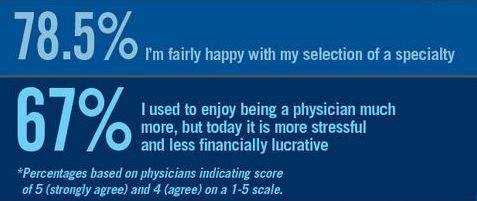
Yet, Of the 1,311 physicians taking the 2014 Great American Physician Survey, Sponsored by Kareo, 8 in 10 said they still like being a physician. Furthermore, given the choice to change history and choose another path, 56 percent said thanks, but no thanks.

Conclusion

Your thoughts and comments on this ME-P are appreciated. Feel free to review our top-left column, and top-right sidebar materials, links, URLs and related websites, too. Then, subscribe to the ME-P. It is fast, free and secure.

Speaker: If you need a moderator or speaker for an upcoming event, Dr. David E. Marcinko; MBA – Publisher-in-Chief of the Medical Executive-Post – is available for seminar or speaking engagements. Contact: MarcinkoAdvisors@msn.com

OUR OTHER PRINT BOOKS AND RELATED INFORMATION SOURCES:

Product DetailsProduct Details

Update on Hospital Cafeteria Plans 2014

Join Our Mailing List 

Will that be Cash or Taxable Benefits?

[By Dr. David Edward Marcinko MBA]

Dr. DEMUnder hospital cafeteria plans, each eligible employee may choose to receive cash or taxable benefits, or, or an equivalent of qualified, non-taxable, fringe benefits. The amounts contributed by the employer are not taxable to the employee. In effect, the employee pays for the benefits with before-tax dollars.  They remain non-taxable even though the employee could have elected to receive those amounts in cash.

An additional benefit for both employee and employer is that nontaxable cafeteria plan benefits are not subject to FICA taxes, thus saving 7.65% on amounts that would otherwise be under the Social Security wage base.

However, if the employee does not use all of the monies that are diverted into the cafeteria plan, the unused amounts are forfeited.

The Essence 

The essence of a hospital cafeteria plan is that it permits each participating employee to choose among two or more benefits. In particular, the employee may “purchase” non-taxable benefits by forgoing taxable cash compensation.

This ability of participating employees, on an individual basis, to select benefits fitting their own needs, and to convert taxable compensation to non-taxable benefits, makes the cafeteria plan an attractive means of offering benefits to employees. Other qualified employee benefits, described above, are excluded from cafeteria plans.

Non-taxable benefits

Cafeteria plans may include the following non-taxable benefits:

  • 401 (k) retirement plan
  • health and accident insurance
  • adoption assistance
  • dependent care assistance
  • group term life insurance including premiums for coverage over $50,000.

Cafeteria plans and healthcare

It is always to the tax advantage of an employee to receive employer-provided health and accident benefits in a tax-free form, rather than paying them with after tax money. Note there is the potential drawback of employees thinking of health care benefits as an implicit condition of employment instead of true non-cash compensation.

Because of increases in healthcare costs, employers are not always willing or able to provide coverage for all of an employee’s medical expenses. This means many employees must often pay for a portion of their medical costs under a co-pay provision. If an employee is fortunate, the employer may establish a cafeteria plan to allow the employee to fund the co-pay healthcare costs with before-tax dollars.

Example:

For example, if an employee must spend $3,000 annually to provide healthcare coverage for his or her dependents, then the income-tax savings to the employee could be as much as $1129.50 annually, if the employee is in the 30% tax bracket ($900 in income taxes and $229.50 of FICA taxes). The employer saves $229.50, the 7.65% of gross pay “matching” FICA taxes.

***

Hospital cafeteria plans

***

Cafeteria plans and other nontaxable benefits

A cafeteria plan may be expanded to cover more than just medical benefits. It may offer participants a choice between one or more nontaxable benefits, and cash resulting from the employer’s contributions to the plan or the employee’s voluntary salary reduction. Participants in cafeteria plans are sometimes given a choice of using vacation days, selling them to the employer and then getting cash for them, or, buying additional vacation days. Some cafeteria plans also include one or more reimbursement accounts, often referred to as “flexible spending accounts” or “benefit banks.”

Under these plans, cash that is forgone by an employee, by means of a salary reduction agreement or other agreement, is credited to an account and drawn upon to reimburse the employee for uninsured medical or dental expenses, or for dependent-care expenses. Many cafeteria plans include both insurance coverage options and reimbursement accounts.

BOOK: Comprehensive Financial Planning Strategies for Doctors and Advisors: Best Practices from Leading Consultants and Certified Medical Planners™

Conclusion

Your thoughts and comments on this ME-P are appreciated. Feel free to review our top-left column, and top-right sidebar materials, links, URLs and related websites, too. Then, subscribe to the ME-P. It is fast, free and secure.

Speaker: If you need a moderator or speaker for an upcoming event, Dr. David E. Marcinko; MBA – Publisher-in-Chief of the Medical Executive-Post – is available for seminar or speaking engagements. Contact: MarcinkoAdvisors@msn.com

OUR OTHER PRINT BOOKS AND RELATED INFORMATION SOURCES:

Product DetailsProduct Details

Financial Planning MDs 2015

When Financial Assets Get a ½ Step-Up in Cost Basis

Join Our Mailing List 

Unique to Spouses

By Lon Jefferies MBA CFP®

Lon JeffriesMany doctors are aware that when the owner of a taxable asset passes away, the party that inherits that asset does so at a stepped-up cost basis.

For example, suppose a husband owns a stock in a taxable investment account that he purchased for $100,000 but is now worth $150,000. If the husband sells the stock, there will be taxes due on the $50,000 of growth, or the difference between the current value and the cost basis.

However, if the husband passes away and a wife inherits the stock, the wife’s cost basis gets increased to the full $150,000, the value of the account on the date the husband passed away. This enables the wife to sell the stock and keep the full $150,000 of value without paying taxes.

Jointly Owned with Rights of Survivorship

However, what happens to assets that are owned jointly with a right of survivorship when one spouse passes away? Did you know in this scenario, it is possible for assets to receive a ½ step-up in basis? The formula looks like this:

(Date-of-death fair market value + Old basis) / 2 = New Basis

In a practical example, suppose John contributes $10,000 to a joint account with a right of survivorship and Jane contributed $5,000 to the same account. When John passes, the account is valued at $20,000. This will cause Jane to get a step-up in basis to $17,500 on the taxable account.

($20,000 + $15,000) / 2 = $17,500

Jane receives a ½ step-up in basis on each position within the investment account. She is unable to claim a full-step up on one stock within the account and no step-up on other assets.

Unique to Spouse

Notice that even though the spouse’s contributed different amounts to the account, they each share a full 50% share of the property for inclusion in their estates. However, this is unique to spouses with right of survivorship and the issue is more complex if the parties involved are not married.

Spouses

Assessment

To be clear, this step-up only occurs on taxable assets like physical property or taxable investment accounts. A step-up does not occur on tax-deferred investments like IRAs or 401(k)s.

Conclusion

Your thoughts and comments on this ME-P are appreciated. Feel free to review our top-left column, and top-right sidebar materials, links, URLs and related websites, too. Then, subscribe to the ME-P. It is fast, free and secure.

Speaker: If you need a moderator or speaker for an upcoming event, Dr. David E. Marcinko; MBA – Publisher-in-Chief of the Medical Executive-Post – is available for seminar or speaking engagements. Contact: MarcinkoAdvisors@msn.com

OUR OTHER PRINT BOOKS AND RELATED INFORMATION SOURCES:

Product DetailsProduct DetailsProduct Details

Product Details  Product Details

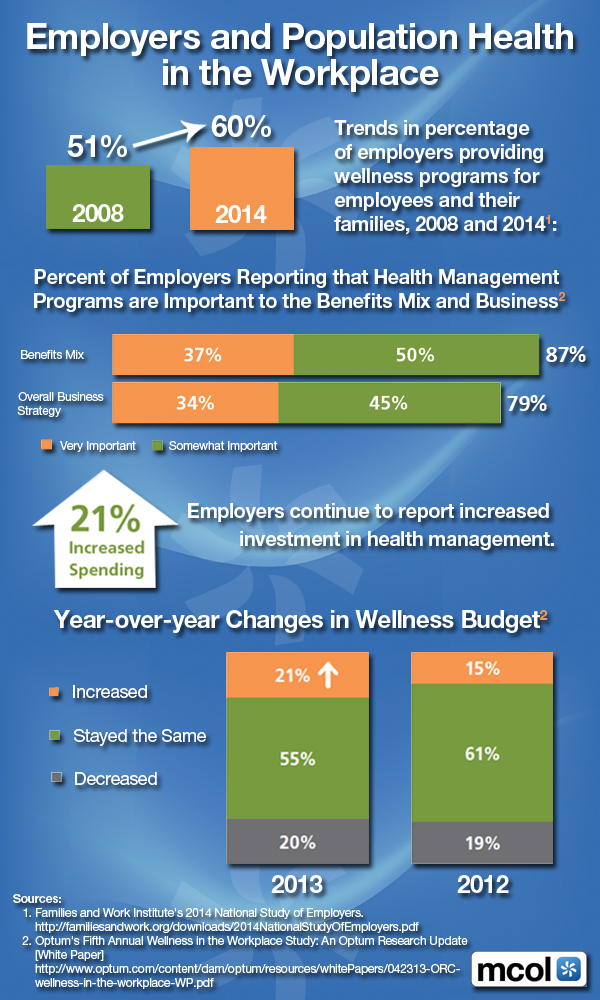
Employers and Population Health

Join Our Mailing List

In the Domestic Workplace

By http://www.MCOL.com

Population Health

 Conclusion

Your thoughts and comments on this ME-P are appreciated. Feel free to review our top-left column, and top-right sidebar materials, links, URLs and related websites, too. Then, subscribe to the ME-P. It is fast, free and secure.

Speaker: If you need a moderator or speaker for an upcoming event, Dr. David E. Marcinko; MBA – Publisher-in-Chief of the Medical Executive-Post – is available for seminar or speaking engagements. Contact: MarcinkoAdvisors@msn.com

OUR OTHER PRINT BOOKS AND RELATED INFORMATION SOURCES:

Product DetailsProduct Details

Is the VA Worth Saving?

Join Our Mailing List 

Veterans Affairs discovers off-label use for HIPAA [Whistleblower Control?]

1-darrellpruitt

[By Darrell K. Pruitt DDS]

“VA uses patient privacy to go after whistleblowers, critics say,” by Joe Davidson for The Washington Post, July 17, 2014.

http://www.washingtonpost.com/politics/federal_government/va-uses-patient-privacy-to-go-after-whistleblowers-critics-say/2014/07/17/bafa7a02-0dcb-11e4-b8e5-d0de80767fc2_story.html

Davidson writes:

“Citing patient privacy, managers have threatened VA employees or retaliated against those who complain about agency misconduct, according to a key congressman and the union that represents most of the department’s employees.”

Chairman Jeff Miller Speaks

Rep. Jeff Miller (R-Fla.), who as chairman of the House Committee on Veterans’ Affairs is leading a probe into the cover-up of long waiting times for VA patients, tells the Washington Post that the “VA routinely uses HIPAA as an excuse to punish into submission employees who dare to speak out.”

Davidson adds that in a letter to President Obama earlier this month, Miller said,

“If VA cannot protect whistleblowers who reveal corruption it is not a system worth saving.”

As it turns out, the VA is no stranger to HIPAA. In 2006, the VA agreed to pay a $20 million fine because an agency employee took home records on 26.5 million veterans that were subsequently stolen by a burglar. The lost data included names, Social Security numbers, dates of birth and medical information.

***

Hospital with paper MRs

***

In 2012, six years following breach, a humble Roger Baker, the CEO of Veterans Affairs, told reporters,

“Nobody wants to have that same birthmark that we had relative to that laptop. I can tell you for certain that it has had a huge and lasting impact on the VA.”

(See: “6 lasting effects of 2006 VA data breach on privacy, security,” by Mary Mosquera, for GovHealthIT.com, May 24, 2012)

http://www.govhealthit.com/news/6-lasting-effects-2006-va-data-breach-privacy-security#.U8lufPldWz4

Assessment 

I agree with Rep. Miller. The VA is not worth saving.

Conclusion

Your thoughts and comments on this ME-P are appreciated. Feel free to review our top-left column, and top-right sidebar materials, links, URLs and related websites, too. Then, subscribe to the ME-P. It is fast, free and secure.

Speaker: If you need a moderator or speaker for an upcoming event, Dr. David E. Marcinko; MBA – Publisher-in-Chief of the Medical Executive-Post – is available for seminar or speaking engagements. Contact: MarcinkoAdvisors@msn.com

OUR OTHER PRINT BOOKS AND RELATED INFORMATION SOURCES:

Product DetailsProduct Details

On Financial Psychology and “Money Scripts”

Join Our Mailing List 

What they Are – How they Work?

  • By Brad Klontz PsyD CFP®
  • By Ted Klontz PhD
  • By Eugene Schmuckler PhD MEd MBA CTS
  • By Kenneth Shubin-Stein MD CFA
  • By David Edward Marcinko FACFAS MBA CMP®
  • By Sonya Britt PhD CFP®

Money Scripts are unconscious beliefs about money that are typically only partially true, are developed in childhood, and drive adult financial behaviors.

Money Scripts may be the result of “financial flashpoints,” which are salient early experiences around money that have a lasting impact in adulthood. Money Scripts are often passed down through the generations; and social groups often share similar Money Scripts. The animal brain stores associations around money based on early experiences, which can result in rigid and often problematic money attitudes.

And so, we argue that Money Scripts are at the root of all illogical, ill-advised, self-destructive, or self-limiting financial behaviors.

Money Scripts

The Research

In research at Kansas State University [KSU], researchers identified four distinct Money Script patterns, which are associated with financial health and predict financial behaviors

The 4 Money Scripts

  1. Money Avoidance
  2. Money Worship
  3. Money Status
  4. Money Vigilance

When Money Scripts are identified, it is helpful to examine where they came from. What three lessons did you learn about money from your mother?

Examination

A simple technique involves reflecting on the following questions:

  • What three lessons did you learn about money from your father?
  • What is your first memory around money?
  • What is your most painful money memory?
  • What is your most joyful money memory?
  • What money scripts emerged for you from this experience?
  • How have they helped you?
  • How have they hurt you?
  • What Money Scripts do you need to change?

More: Comprehensive Financial Planning Strategies for Doctors and Advisors: Best Practices from Leading Consultants and Certified Medical Planners™

Conclusion

Your thoughts and comments on this ME-P are appreciated. Feel free to review our top-left column, and top-right sidebar materials, links, URLs and related websites, too. Then, subscribe to the ME-P. It is fast, free and secure.

Speaker: If you need a moderator or speaker for an upcoming event, Dr. David E. Marcinko; MBA – Publisher-in-Chief of the Medical Executive-Post – is available for seminar or speaking engagements. Contact: MarcinkoAdvisors@msn.com

OUR OTHER PRINT BOOKS AND RELATED INFORMATION SOURCES:

Financial Planning MDs 2015

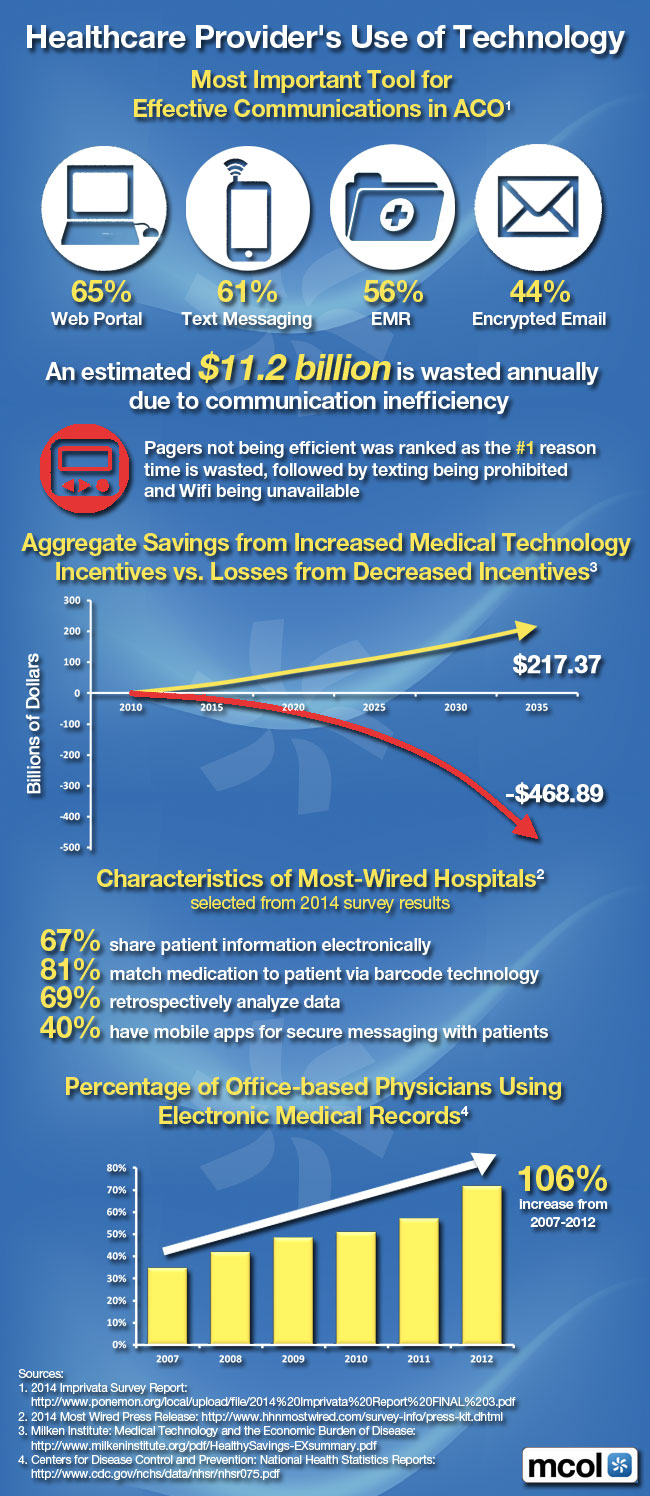
On Healthcare Provider’s Use of Technology

Join Our Mailing List

Most Important Tool for Effective Communications in ACO

By http://www.MCOL.com

MD Technology


Assessment

Conclusion

Your thoughts and comments on this ME-P are appreciated. Feel free to review our top-left column, and top-right sidebar materials, links, URLs and related websites, too. Then, subscribe to the ME-P. It is fast, free and secure.

Speaker: If you need a moderator or speaker for an upcoming event, Dr. David E. Marcinko; MBA – Publisher-in-Chief of the Medical Executive-Post – is available for seminar or speaking engagements. Contact: MarcinkoAdvisors@msn.com

OUR OTHER PRINT BOOKS AND RELATED INFORMATION SOURCES:

Product DetailsProduct DetailsProduct Details

  Product Details

“Reflective Listening” Advice for Physician-Focused Financial Advisors

Join Our Mailing List 

More than Active Listening and Consultative Sales 

By Rick Kahler MS CFP® http://www.KahlerFinancial.com

Rick Kahler CFPHere’s a useful bit of advice I got from one of my staff members several years ago:

“Rick, your clients don’t understand half as much about investing as you think they do.”

She didn’t intend any disrespect to doctors, nurses or other clients. Instead, she was reminding me not to assume everyone swims in the same waters I do. For me, those waters are investing and finance. Financial planning not only is my work, it’s my passion.

Client Meetings

So in a client meeting, I can easily dive into the details of a mutual fund advisor’s performance or some other aspect of the client’s investments. If clients don’t ask questions, I might assume they understand what I’m saying, when in reality they may be just waiting for me to move on to something more meaningful to them.

If clients don’t understand what financial advisors are saying, why don’t they ask? In my experience, one of the reasons is embarrassment. Clients may not ask for clarification because they think they should already know. I might well have the same feeling with an auto mechanic or plumber.

If you think you should know the meaning of terms like asset allocation or capitalization, you probably will hesitate to ask an advisor to explain those terms. Since financial planners, like other professionals, can easily forget that not everyone understands the vocabulary that is so familiar to them, they won’t necessarily think to offer explanations unless you ask.

Reflections and Mirrors

One useful strategy to help ensure that you and a financial advisor understand various terms in the same way is to reflect back what you think you’ve heard the advisor say or what you think a statement means.

Suppose, for example, a financial planner suggests that you consider some asset protection strategies. The word “assets” to you means primarily the money in your investment portfolio, and of course you know what “protection” means. To you, then, “asset protection” might mean “keeping my investment safer.”

In-Active Listening

[In-Active Listening]

To clarify, you might respond to the advisor this way:  “What I hear you saying is that I should change some of my investments to funds that have less risk. Is that right?”

This would let the planner know that what you think she said is not what she meant. She could then explain that by “asset protection,” she meant protecting yourself against frivolous lawsuits. For example, she might recommend forming a limited liability company to own a piece of rental property instead of having it directly in your own name.

It may seem simpler just to ask, “What do you mean by asset protection?” The drawback of this directness is that her answer might use additional terms you don’t understand, so it still might not be clear. After two or three such questions, you might be too embarrassed or confused to ask further.

Clarification

Reflecting back what you think you heard, however, helps the other person know more precisely what you understand or don’t understand. It can be an efficient method of clarifying a potentially confusing topic. It’s an effective way to make sure that both you and your advisor are talking about the same thing or trying to solve the same problem.

Assessment

Remember that helping you learn more about your finances is part of a financial planner’s responsibility. Letting the planner know when you don’t understand something is part of your responsibility as the client. Please, don’t just sit with your eyes glazed over and nod politely if your financial planner dives into depths where you can’t follow. Instead, remind him or her that in those waters, you need a life jacket.

IOW: Reflective Listening is more than just the active listening skills and consultative sales approaches of the past – it is true understanding.

Conclusion

Your thoughts and comments on this ME-P are appreciated. Feel free to review our top-left column, and top-right sidebar materials, links, URLs and related websites, too. Then, subscribe to the ME-P. It is fast, free and secure.

Speaker: If you need a moderator or speaker for an upcoming event, Dr. David E. Marcinko; MBA – Publisher-in-Chief of the Medical Executive-Post – is available for seminar or speaking engagements. Contact: MarcinkoAdvisors@msn.com

OUR OTHER PRINT BOOKS AND RELATED INFORMATION SOURCES:

Product DetailsProduct DetailsProduct Details

Product Details  Product Details

Product Details

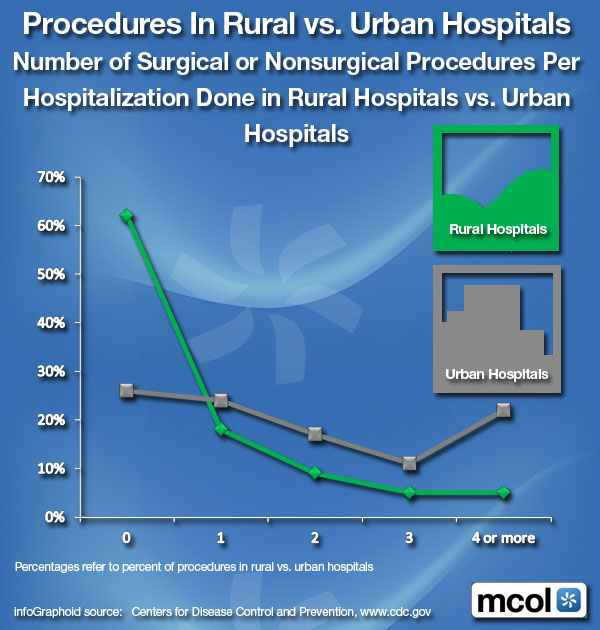
Procedures in Rural v. Urban Hospitals

Join Our Mailing List

Appreciating the Number of Procedures Done per Hospitalization

By http://www.MCOL.com

Hospitals

Conclusion

Your thoughts and comments on this ME-P are appreciated. Feel free to review our top-left column, and top-right sidebar materials, links, URLs and related websites, too. Then, subscribe to the ME-P. It is fast, free and secure.

Speaker: If you need a moderator or speaker for an upcoming event, Dr. David E. Marcinko; MBA – Publisher-in-Chief of the Medical Executive-Post – is available for seminar or speaking engagements. Contact: MarcinkoAdvisors@msn.com

OUR OTHER PRINT BOOKS AND RELATED INFORMATION SOURCES:

Product DetailsProduct Details

What Vehicle Parts Are At Risk in the Summer Heat?

Join Our Mailing List 

Still susceptible to heat and summer sun

[By Dr. David Edward Marcinko MBA]

dem21America’s roads are always busy, but the summer months are particularly hectic; especially here in Atlanta, GA.

As millions of Americans head off for their annual summer vacation, you can expect long traffic jams and frustrated drivers.

Modern luxury cars – that many physicians love – may be mechanically advanced, but they are still susceptible to heat, and the summer sun can be particularly hazardous for certain parts of your car.

So, please allow me to equip you with some information pertinent to your warm weather journeys. Trust me – I’m a doctor!

Hoses and Belts

Though it may seem rather obvious, it is very important to keep the engine cool when driving in the summer heat. Hoses help pump coolant to and from the engine while belts enable the fan to run effectively and continually cool your car’s engine.

In extreme heat, however, hoses can crack and belts can snap. You can check the hoses and belts yourself by looking for visual signs of wear or damage. If you are unsure, schedule an appointment with our service department before you set out on a summer road trip.

Dave's Jaguar Sedan

Cooling system

Modern cars have very effective cooling systems, which can counter relatively high extremes of temperature, but they have their limits. Aside from problems with hoses and belts, low levels of coolant, a leak in the radiator or a missing radiator cap can spell disaster if you are driving in hot weather.

Tires

Your car’s tires are vulnerable throughout the year, however, under-inflated, over-inflated or worn tires can be particularly dangerous during the summer. Tire pressure changes as the temperature increases. If the tire is under-inflated, it can bulge outward and put pressure on the sidewalls of the tire. If this continues, the tire can eventually burst. If the tire is overinflated, you are also at greater risk of hydroplaning in the event of a rain shower.

Oil filter

The car you drive relies heavily on oil, as this substance allows car parts to run efficiently. Heavy driving during the summer puts additional pressure on the oil, and on the oil filters in your car. Aim to change your oil [natural or synthetic] filters as often as the owner’s manual recommends, and certainly get them checked before you head off on a summer expedition.

Jaguar Sedan

Assessment

Whether you are staying local this summer or driving hundreds of miles, I encourage your attention to the above to protect your car from the rigor of summer heat.

More:

Summer Tips for Physicians to Maintain their Vehicle

Conclusion

Your thoughts and comments on this ME-P are appreciated. Feel free to review our top-left column, and top-right sidebar materials, links, URLs and related websites, too. Then, subscribe to the ME-P. It is fast, free and secure.

Speaker: If you need a moderator or speaker for an upcoming event, Dr. David E. Marcinko; MBA – Publisher-in-Chief of the Medical Executive-Post – is available for seminar or speaking engagements. Contact: MarcinkoAdvisors@msn.com

OUR OTHER PRINT BOOKS AND RELATED INFORMATION SOURCES:

Product DetailsProduct Details

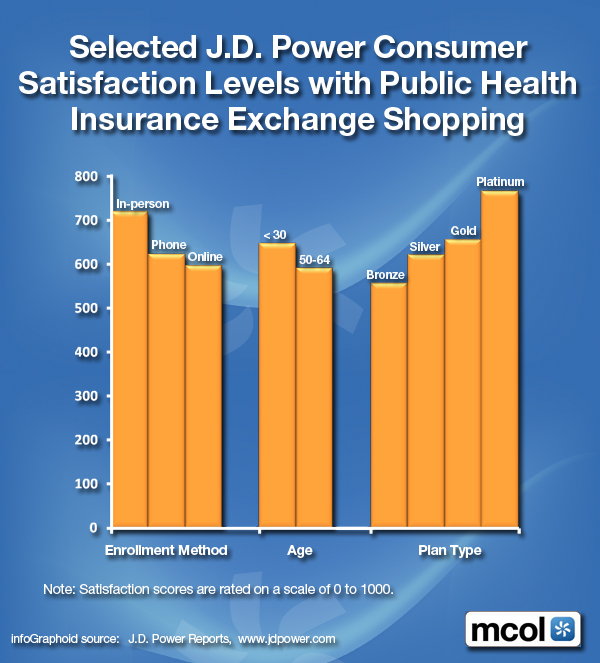
Consumer Satisfaction Levels with Public Health Insurance

Join Our Mailing List

Selected HIE Shopping

By http://www.MCOL.com

JD

 Conclusion

Your thoughts and comments on this ME-P are appreciated. Feel free to review our top-left column, and top-right sidebar materials, links, URLs and related websites, too. Then, subscribe to the ME-P. It is fast, free and secure.

Speaker: If you need a moderator or speaker for an upcoming event, Dr. David E. Marcinko; MBA – Publisher-in-Chief of the Medical Executive-Post – is available for seminar or speaking engagements. Contact: MarcinkoAdvisors@msn.com

OUR OTHER PRINT BOOKS AND RELATED INFORMATION SOURCES:

Product DetailsProduct Details

Low Interest Rate Traps

Join Our Mailing List

IRs at Historic Lows

[By David K. Luke MIM CMP™ http://www.NetWorthAdvice.com]

David K. LukeWhile our economy is still in a “Land of Make Believe”, despite the “mini-crash” today and with interest rates still at historic low levels, now is a good time to remind ourselves of a couple tempting financial missteps:

Taking On New Debt

Debt is Debt!

When you borrow money to buy that second home, nice boat, or remodel the kitchen, it is easier to justify considering the lower monthly payments at 3 to 6%. That $110,000 Sea Ray 300 Sundeck boat you have always wanted is only $729 a month (240 months @ 5% no down). Affordable, right?

Whether or not it easily fits within your budget is one thing, but the low interest rate does not negate the fact that you now have an $110,000 liability on your Balance Sheet. Depending on depreciation and resale factors, you may also be draining your net worth with such a purchase if you end up “upside down” on the value.

Neglecting Existing Debt

Your mortgage is under 3.5%. Your practice just scored a low interest rate on a needed new piece of medical equipment. Your local bank just quoted you 1.99% on a new car loan. Life is good for medical professionals!

Perhaps because the emotional benefits of paying off debt is difficult to quantify, paying off low interest rate loans is not usually a priority for most physicians. Professor Obvious states: “Once a debt is paid, you have freed yourself of future recurring interest costs and an outstanding obligation.” While this seems like a trite concept, the point is that funds that have been previously used to pay interest, no matter how low the rate was, can be used for other purposes. Unfortunately physicians and financial advisors, CPAs, estate planning attorneys tend to be over analytical and miss the “happiness factor” of getting out of debt and owning your abode and other assets. For the strictly number-oriented person or over analytical physician, this can be a sticking point. After all, why pay off a 3.5 % mortgage (that after tax is costing you around 2.5% or less)?

***

Euro Debt

***

A physician would never remortgage their home to invest in a mutual fund. In fact, it is now accepted by FINRA, the SEC, and other regulatory bodies in the financial services industry that a financial advisor that encourages a client to leverage principle residence equity (take out a 1st or 2nd mortgage) to make a security investment is akin to committing malpractice. Yet I hear the rationale that funds are being deployed to other “investments” rather than paying off a low interest rate mortgage.

Life Is Good!

From a financial planning perspective, avoiding new debt and retiring existing debt obligations as soon as reasonable gives a physician and his or her family more options. Taking a locum tenens position, retiring early, and working less hours are just a few of these options.

Assessment

With a little consideration and restraint on your personal debt situation, even at these low interest rates, financial freedom and the resulting empowerment is achievable earlier.

Conclusion

Your thoughts and comments on this ME-P are appreciated. Feel free to review our top-left column, and top-right sidebar materials, links, URLs and related websites, too. Then, subscribe to the ME-P. It is fast, free and secure.

Speaker: If you need a moderator or speaker for an upcoming event, Dr. David E. Marcinko; MBA – Publisher-in-Chief of the Medical Executive-Post – is available for seminar or speaking engagements. Contact: MarcinkoAdvisors@msn.com

OUR OTHER PRINT BOOKS AND RELATED INFORMATION SOURCES:

Product DetailsProduct DetailsProduct Details

Product Details  Product Details

Product Details