Understanding Male Personality Types: Alpha to Zeta

By AI and Staff Reporters

***

***

Alpha Male and Beta Male are terms for men derived from the designations of alpha and beta animals in ethology. They may also be used with other genders, such as women, or additionally use other letters of the Greek alphabet (such as sigma. The popularization of these terms to describe humans has been widely criticized by scientists. Both terms have been frequently used in internet memes.

The term beta is used as a pejorative self-identifier among some members of the manosphere, particularly incels, who do not believe they are assertive and/or traditionally masculine, and feel overlooked by women. It is also used to negatively describe other men who are not deemed to be assertive, particularly with women. In internet culture, the term sigma male is also frequently used, gaining popularity in the late 2010s, but has since been used jokingly, often being used with incel.

Note: Incel is a portmateau of “involuntary celibate”) is a term associated with an online subculture of mostly male and heterosexual people who define themselves as unable to find a romantic or sexual despite desiring one. They often blame, objectify and denigrate women and girls as a result.

PORTMANTEAU: https://medicalexecutivepost.com/2019/06/25/what-is-a-portmanteau/

Delta Males are very responsible and keep the world moving. Highly adaptable, deltas are known for their competence and work ethic rather than their leadership and ambition. Delta Males love learning new skills for the sake of improving themselves, not for power or extrinsic successes. Because of this, they often have a very healthy work-life balance. They’re dependable and unpretentious. Common personality traits: hardworking, loyal and responsible. Careers they excel at are accountant, dentist, engineer and firefighter. If you’re a delta male, your work often speaks for itself. People trust you, so consider being more proactive and taking initiative at work; you’ll be rewarded for it and won’t necessarily need to be in the spotlight.

Gammas Males tend to be insecure about status and may overestimate their status. They’re unhappy with their position, so they try to convince themselves that they’re Sigmas. A Gamma Male is described as intelligent, romantic, and empathetic. While he has some female traits, he has difficulty understanding and dating women. But, unlike alphas, gammas avoid conflict at all costs and care deeply about what other people think of them. They lack the leadership skills and confidence to be on top.

Omega Males are skilled introverts who don’t need external validation. Pop culture portrays them as the shyer, more reserved yin to the zeta male’s yang. They’re independent and very comfortable in their own company. They’d rather spend time coming up with (usually brilliant) new ideas and inventions of their own instead of socializing with others. They have uncouth but delightful senses of humor and their theories often change the world for the better. Common personality traits are self-motivated, strategic and quiet. Careers they excel at are chemist, composer, inventor and mathematician. If you’re an omega male, your ideas are likely ingenious.

Sigma Males are rebellious leaders with lots of life experience while delta males are responsible companions who you want by your side. Common personality traits are nurturing and wise. Careers they excel at are entrepreneur, philosopher, professor, or therapist.

Zeta Males are one-of-a-kind progressives. There’s a reason the zeta male is the least talked about personality type in pop culture. They’re rare nonconformists who don’t care what other people think. They know themselves and refuse to change to fit into the rigid social standards of society. Zeta males are fierce creatives who blaze new paths for themselves and others. Zeta Males are nonconformist creatives, gamma males are charismatic nomads, and omega males are sharp intellectuals with boundless ideas. Careers they excel at are actor, artist, musician or writer. Common personality traits are creative, independent and self-aware.

QUESTION: Doctors, Agents, Accountants and Financial Advisors: What is your male personality type?

COMMENTS APPRECIATED

EDUCATIONAL TEXTBOOKS: https://tinyurl.com/4zdxuuwf

Like and Subscribe

***

***

Understanding Workplace Violence: Types and Impact

Subscribe to continue reading

Subscribe to get access to the rest of this post and other subscriber-only content.

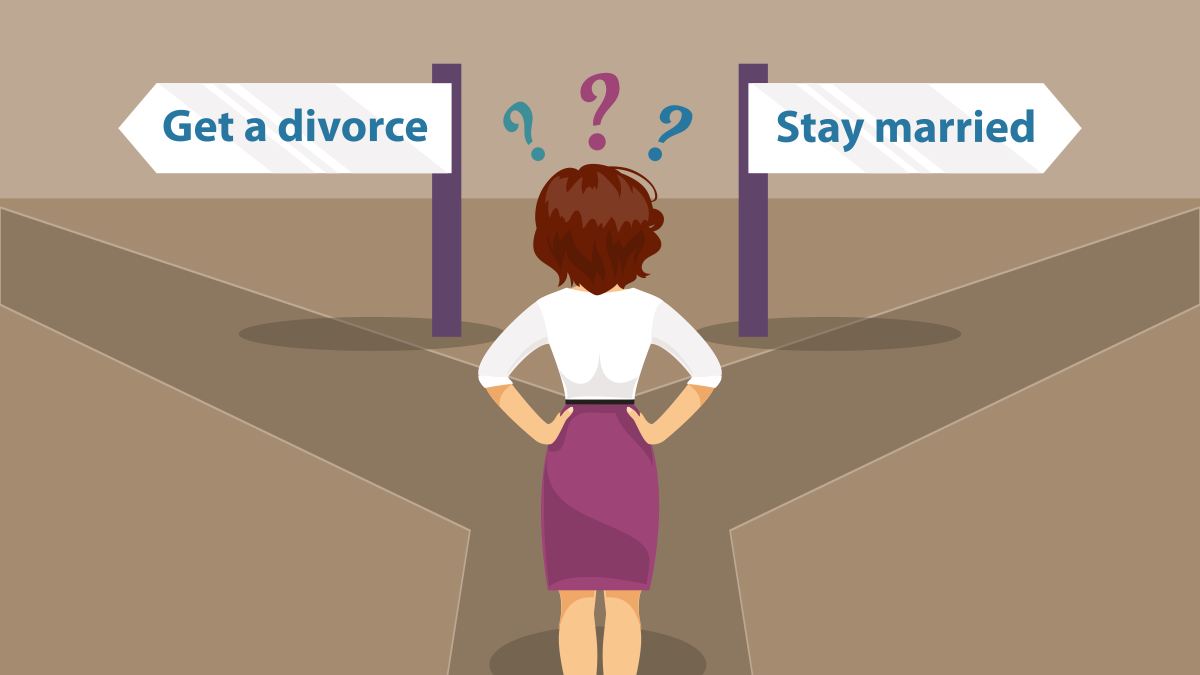
PHYSICIAN DIVORCE: Within the Medical Profession

By Dr. David Edward Marcinko MBA MEd

***

SPONSOR: http://www.MarcinkoAssociates.com

***

DIVORCE WITHIN THE MEDICAL PROFESSION

A Johns Hopkins University study, by Michael J. Klag MD in 1997, found that physicians in some specialties — chiefly psychiatry and surgery — are at higher risk for divorce than their medical brethren in other fields. But, the results did not support the common view that job-related anxiety and depression are linked to marital breakup. Alerting medical students to the risks of divorce in some specialties may influence their career choices and strengthen their marriages whatever field they choose. The study, supported by the National Institutes of Health [NIH], was published in the March 13th issue of The New England Journal of Medicine. Results also strongly suggested that the high divorce risk in some specialties may result from the inherent demands of the job as well as the emotional experiences of physicians who enter those fields.

***

***

Divorce Prone Medical Specialties*

For example, the Hopkins team assessed the specialty choices, marriage histories, psychological characteristics, and other career and personal factors of 1,118 physicians who graduated from The Johns Hopkins University School of Medicine from 1948 through 1964. Over 30 years of follow-up, the divorce rate was 51 percent for psychiatrists, 33 percent for surgeons, 24 percent for internists, 22 percent for pediatricians and pathologists, and 31 percent for other specialties. The overall divorce rate was 29 percent after three decades of follow-up and 32 percent after nearly four decades of follow-up.

Physicians who married before medical school graduation had a higher divorce rate than those who waited until after graduation (33 percent versus 23 percent). The year of first marriage was linked with divorce rates: 11 percent for marriages before 1953, 17 percent for those from 1953 to 1957, 24 percent for those from 1958 to 1962 and 21 percent for those after 1962. Those who had a parent die before medical school graduation had a lower divorce rate.

Female physicians had a higher divorce rate (37 percent) than their male colleagues (28 percent). Physicians who were members of an academic honor society in medical school had a lower divorce rate, although there was no difference in divorce rates according to class rank. Religious affiliation, being an only child, having a parent who was a physician and having a divorced parent were not associated with divorce rates. Physicians who reported themselves to be less emotionally close to their parents and who expressed more anger under stress also had a significantly higher divorce rate, but anxiety and depression levels were not associated with divorce rates.

MEDIATION: https://medicalexecutivepost.com/2024/09/15/financially-egalitarian-dating-marriages-and-divorce-mediation-for-doctors/

*Cite: Co-authors of the study, which was part of the Johns Hopkins Precursors Study, an ongoing, prospective study of physicians from the Hopkins medical school graduating classes of 1948 through 1964, were lead author Bruce L. Rollman, M.D., Lucy A. Mead, Sc.M., and Nae-Yuh Wang, M.S.

***

***

The Painful Truth

In their article “The Painful Truth: Physicians Are Not Invincible” [1] Miller and McGowen state that divorce rates among physicians have been reported to be 10% to 20% higher than those in the general population. They explain that for many years in pre-med college, medical school, and residency, physicians focus on getting through the next hurdle. They may postpone the pleasures of life that others enjoy.  Compulsive traits that allow them to postpone enjoyment may have the unwanted consequence of leading to more distant relationships., thus placing strain on intimate relationships.

A 2002 study looking at dual physician marriages found they have a relatively low divorce rate of 11%. “They’re a happily married cohort,” says Dr Wayne Sotile of the Sotile Cetner for Resilience (www.sotile.com). “They’re more compassionate about the passion for the career — they understand the calling because they share it.”

A study published in The New England Journal of Medicine in 1997 with Bruce L. Rollman as the lead researcher [2] found that physicians in some specialties — chiefly psychiatry and surgery — are at higher risk for divorce than their medical brethren in other fields. Alerting medical students to the risks of divorce in some specialties may influence their career choices and strengthen their marriages whatever field they choose.

The study suggested that the high divorce risk in some specialties may result from the inherent demands of the job as well as the emotional experiences of physicians who enter those fields. The divorce rate was 51 percent for psychiatrists, 33 percent for surgeons, 24 percent for internists, 22 percent for pediatricians and pathologists, and 31 percent for other specialties.

The overall divorce rate was 29 percent after three decades of follow-up and 32 percent after nearly four decades of follow-up. Physicians who married before medical school graduation had a higher divorce rate than those who waited until after graduation (33 percent versus 23 percent). Female physicians had a higher divorce rate (37 percent) than their male colleagues (28 percent).

***

***

References:


  1. Miller, M. N., McGowen, R., 2000, “The painful truth: Physicians are not invincible,” Southern Medical Journal, 93: 966-973.
  2. Rollman BL, Mead LA, Wan NY, Klag MJ. Medical specialty and the incidence of divorce. N Engl J Med. 1997;336:800–3

COMMENTS APPRECIATED

EDUCATION: Books

SPEAKING: Dr. Marcinko will be speaking and lecturing, signing and opining, teaching and preaching, storming and performing at many locations throughout the USA this year! His tour of witty and serious pontifications may be scheduled on a planned or ad-hoc basis; for public or private meetings and gatherings; formally, informally, or over lunch or dinner. All medical societies, financial advisory firms or Broker-Dealers are encouraged to submit an RFP for speaking engagements: CONTACT: Ann Miller RN MHA at MarcinkoAdvisors@outlook.com -OR- http://www.MarcinkoAssociates.com

Like and Subscribe

***

ELDER ABUSE: Financial Exploitation Protection

By Rick Kahler CFP

***

***

One serious risk to financial wellbeing in retirement that is difficult to talk about is financial exploitation. Someone whose cognitive abilities are declining is vulnerable to harm from both financial predators and their own financial misjudgments. Protecting such clients is a crucial part of a financial advisor’s role.

A little-known but important law, the Senior Safe Act, was enacted in 2018. It encourages financial advisors and institutions to report suspected elder abuse by offering immunity from legal liability when reports are made in good faith and with reasonable care. To qualify for these protections, financial professionals must undergo annual training to recognize the signs of exploitation and know how to act on their suspicions.

In many ways, the Senior Safe Act mirrors the duty of therapists to report when clients are threats to themselves, such as when a client becomes suicidal. Just as a therapist must balance confidentiality with the moral and legal responsibility to protect their client from harm, a financial advisor must weigh privacy against the need to prevent financial exploitation. Both roles rely on professional judgment, training, and the courage to act when the stakes are high.

Financial advisors, accountants, and attorneys are often the first to notice troubling signs that someone is being taken advantage of financially. These might include sudden large withdrawals, changes to account ownership or beneficiaries, or a newly and overly involved friend or family member. Behavioral shifts like confusion, anxiousness, secretiveness, or uncharacteristic deference are also red flags. These patterns are unsettling and demand attention, even when stepping in is uncomfortable.

Reporting possible elder abuse isn’t always straightforward, especially if the suspected abuser is a family member. As an advisor, I worry about misunderstandings, potential conflicts with the family, and even the possibility of damaging a relationship with the client. None of this is easy, But when the signs of exploitation become clear, staying silent could mean allowing harm to continue. That’s a risk I can’t take.

One of the tools I started using decades ago is the trusted contact disclosure form. This simple but powerful document allows clients to name someone my firm can contact if they notice unusual activity, such as a suspicious withdrawal or transfer. The trusted contact does not have control over the client’s account but serves as a resource to verify their well-being and ensure that their financial decisions align with their long-term goals. If you as a client have not signed such a form, it’s worth discussing with your advisor as a preventative step.

If you are concerned about the financial well-being of an elderly loved one, it’s crucial to alert not only their financial advisor but also other professionals like accountants, attorneys, or bankers. These professionals may have insights or access to information you don’t have, and by sharing your concerns, you provide a broader picture that can help them detect and address issues more effectively. Even if they are already monitoring for red flags, your input can provide valuable context to guide their next steps.

Difficult though it may be, stepping into uncomfortable territory is often essential to protecting vulnerable individuals. Whether it’s a financial advisor detecting exploitation or a therapist intervening in a mental health crisis, the goal is the same—to prevent harm while respecting the person’s autonomy.

The Senior Safe Act is a reminder that sometimes the most impactful safeguards work quietly behind the scenes. Taking simple steps like completing a trusted contact form or encouraging your loved one to work with a reputable, fiduciary advisor can make all the difference. Vigilance is an act of care that helps protect someone’s financial assets as well as their dignity and well-being.

COMMENTS APPRECIATED

Subscribe and Refer

***

***

KARPMAN: Drama Triangle [Conflict Interaction]

DEFINITION

By Staff Reporters

***

***

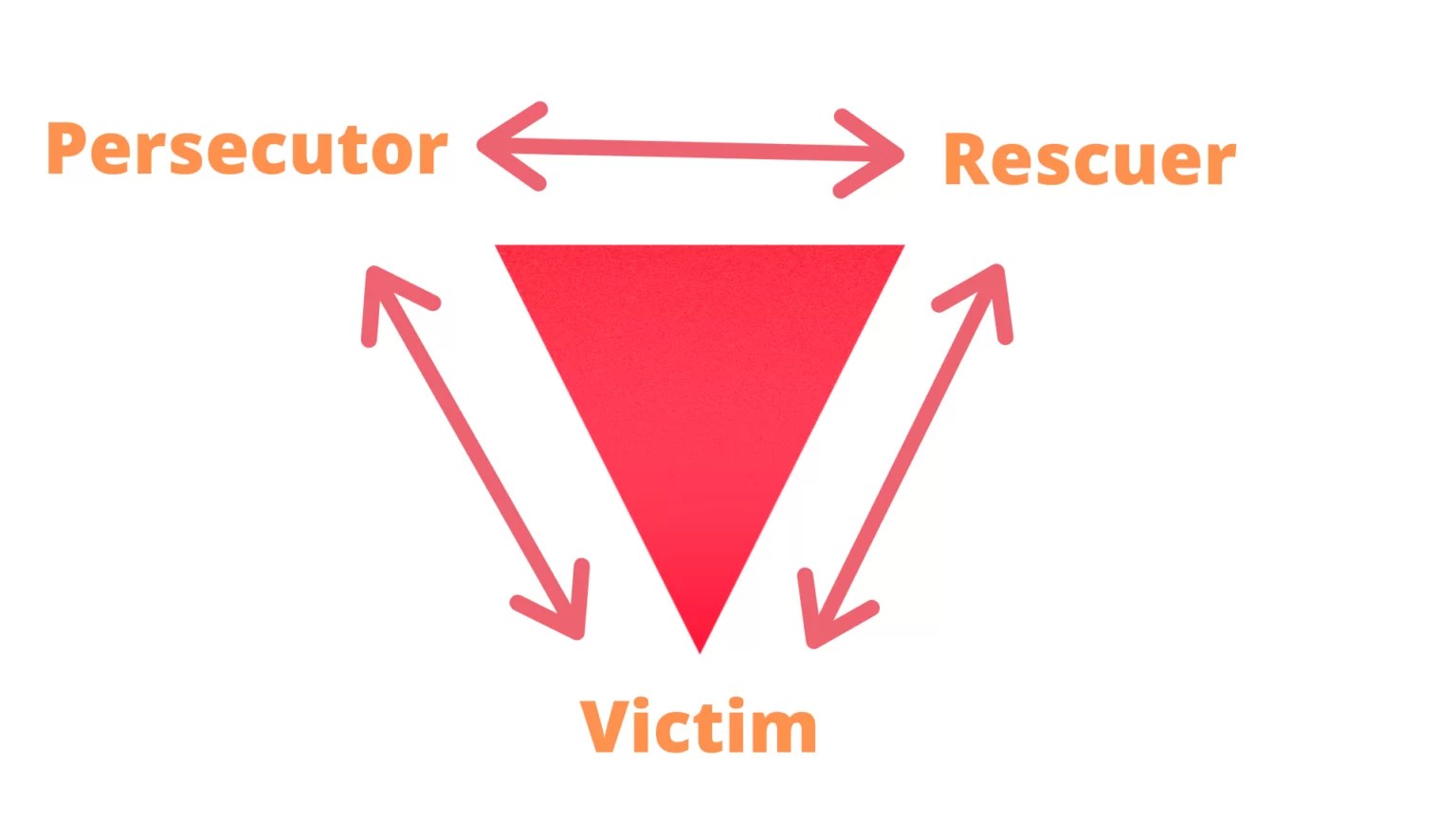
The Karpman drama triangle is a social model of human interaction proposed by San Francisco psychiatrist, Stephen B. Karpman in 1968. The triangle maps a type of destructive interaction that can occur among people in conflict. The drama triangle model is a tool used in psychotherapy, specifically transactional analysis. The triangle of actors in the drama are persecutors, victims and rescuers.

Karpman described how in some cases these roles were not undertaken in an honest manner to resolve the presenting problem, but rather were used fluidly and switched between by the actors in a way that achieved unconscious goals and agendas.

The outcome in such cases was that the actors would be left feeling justified and entrenched, but there would often be little or no change to the presenting problem, and other more fundamental problems giving rise to the situation remaining unaddressed.

COMMENTS APPRECIATED

Refer and Subscribe

***

***

COGNITIVE BIAS: Envy and Jealousy

By Staff Reporters

***

***

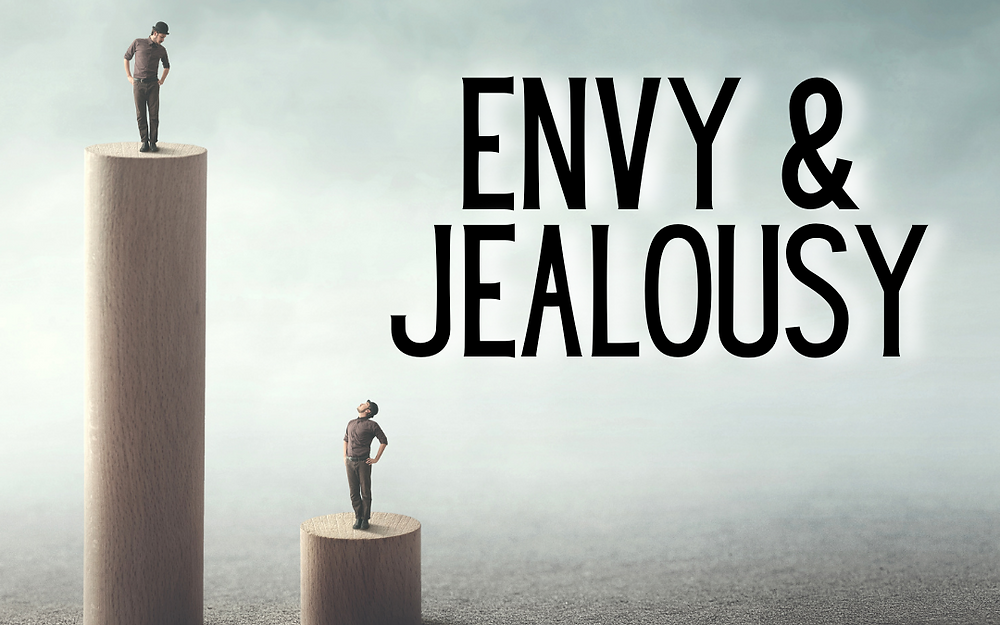
Envy / Jealousy: This bias also relates to the contrast and social proof biases.  Prudent financial and business planning and related decision-making are based on real needs followed by desires.  People’s happiness and satisfaction is often based more on one’s position relative to perceived peers rather than an ability to meet absolute needs. 

The strong desire to “keep up with the Jones” can lead people to risk what they have and need for what they want.  These actions can have a disastrous impact on important long-term financial goals. 

According to colleague Dan Ariely PhD, clear communication and vivid examples of risks is often needed to keep people focused on important financial goals rather than spurious ones, or simply money alone, for its own sake.

COMMENTS APPRECIATED

Subscribe and Like Today

***

***

LIMERENCE Romantic Attachment Intensity

VERSUS MERETRICIOUS RELATIONSHIPS

DEFINED

By Staff Reporters

***

***

Limerence is an intense romantic obsession that can feel all-consuming, marked by daydreaming and emotional highs. It’s often mistaken for love, though it may not lead to a lasting relationship.

Limerence is a state of mind resulting from romantic feelings for another person. It typically involves intrustive and melancholic thoughts, or tragic concerns for the object of one’s affection, along with a desire for the reciprocation of one’s feelings and to form a relationship with the object of love.

According to colleague Dan Ariely PhD, the focus in limerence is more on idealization than on genuine connection, making it feel overwhelming but often one-sided.

***

***

Meretricious, on the other hand, describes a situation where two people live together in a relationship that resembles marriage but lacks the official legal status of marriage. This means they may share a home, finances, and a life together, but they haven’t gone through the legal process to be recognized as married. This concept is often discussed in family law and property law, especially when these “live-in-lover” relationships come to an end.

When a meretricious relationship ends, it can lead to disputes about how to divide shared property and whether one partner should provide financial support to the other. Courts look at several factors to help decide these issues. For instance, they consider how long the couple has been together, how they managed their finances, and whether they intended to be committed to each other like a married couple. These factors help the court understand the nature of the relationship and the expectations of both parties.

COMMENTS APPRECIATED

Subscribe and Refer

***

***

RECIPROCITY: Science “Sales” in Action

FREE SAMPLES

The Art of Giving – And Receiving – Value!

By Staff Reporters

***

***

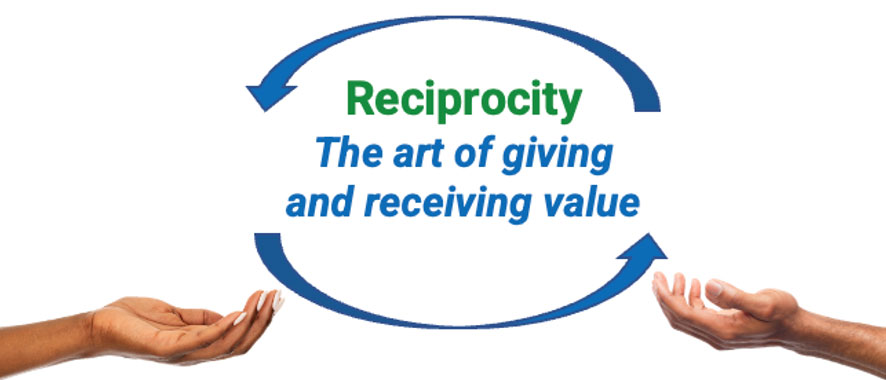
Imagine you’re at a party, and someone hands you a drink. Your first instinct? Find something to give back. This is [sales] reciprocity in action – our built-in psychological urge to repay kindness.

According to colleague Dan Ariely PhD, it’s like a cosmic balance sheet in our brains, ensuring we don’t owe anyone a favor. This is why companies give out free samples. They’re not just being nice; they know you’ll feel a pang of guilt if you walk away without buying something.

THINK: Free financial planning dinner seminar and prospecting event. That’s you – the Sales Prospect!

So, next time someone does you a favor, remember: it’s not just seller kindness, it’s science!

COMMENTS APPRECIATED

Subscribe Today!

***

***

Navigating Relationships and Communication in 2020 (Web 2.0, 3.0 and beyond)

Navigating Relationships and Communication in 2020 (Web 3.0 and beyond)

By Joseph Prokop

CERTIFIED FINANCIAL PLANNER©

CERTIFIED MEDICAL PLANNER© (candidate)

http://www.CertifiedMedicalPlanner.org


We are able to connect and communicate in more ways than ever before, and yet we seem more disconnected, divided, and confused than ever before. Yet, if we get caught in the trap of watching the same news channels and getting our data from the same source, then it is ineventible that our views and perspectives start to be swayed in that particular direction. Almost everyone is on a social media platform of some sort if they aren’t on all of them. Once you share or like posts, the algorithms go to work to show you things they know you will like and engage in even if that puts you inside an echo chamber of ideas and thoughts that prevent us from having any meaningful dialogue around complex issues.

When it comes to investing and financial planning in 2020 there is an abundance of information and resources. There are discount brokerage firms that allow you to trade stocks for free. Firms are offering world class educational materials, webinars, seminars, etc. It seems everyone who can fog a window has articles on the internet about investment strategies and ideas – from pot stocks, to crypto-currency, to Roth conversions, etc. It can be daunting trying to figure out where to go and who you can trust.

The truth is there is no one best way to use these tools, resources, and the vast amount of technology at all of our fingertips. But there is just one rule – As the novelist E.M. Forster said, “Only connect.” I’ve been asked a million times if I have a ‘stock tip’ or ‘hot idea’ by friends, family, and clients. 

My recommendation as it relates to investing and financial health is always to develop a financial plan and stay the course. Just as there is no perfect solution for connecting and communicating, there is no perfect investment for everyone.

Now, regarding communication – you can take your pick: You can communicate via blogs, tweets, chat rooms, Facebook, and other social networks.

Or, when investing you can take your pick as well: you can do it yourself and utilize stocks, bonds, funds, ETFs, options, etc. Or, you can have someone do it for you to help keep the emotions out of investing and help keep your plans on track.

CONCLUSION: And so, whether we are talking about connecting and communicating online – or whether we are talking about financial planning or investing my main point is to get started. There are tons of benefits between social connection and good health. There is a ton of correlation between financial piece of mind and good health. So, take an inventory of the tools at your disposal, and let’s discuss some plans and goals for you, and let’s get to work.

***

***