BOARD CERTIFICATION EXAM STUDY GUIDES Lower Extremity Trauma
[Click on Image to Enlarge]
ME-P Free Advertising Consultation
The “Medical Executive-Post” is about connecting doctors, health care executives and modern consulting advisors. It’s about free-enterprise, business, practice, policy, personal financial planning and wealth building capitalism. We have an attitude that’s independent, outspoken, intelligent and so Next-Gen; often edgy, usually controversial. And, our consultants “got fly”, just like U. Read it! Write it! Post it! “Medical Executive-Post”. Call or email us for your FREE advertising and sales consultation TODAY [678.779.8597] Email: MarcinkoAdvisors@outlook.com
Medical & Surgical e-Consent Forms
ePodiatryConsentForms.com
iMBA Inc., OFFICES
Suite #5901 Wilbanks Drive, Norcross, Georgia, 30092 USA [1.678.779.8597]. Our location is real and we are now virtually enabled to assist new long distance clients and out-of-town colleagues.
ME-P Publishing
SEEKING INDUSTRY INFO PARTNERS?
If you want the opportunity to work with leading health care industry insiders, innovators and watchers, the “ME-P” may be right for you? We are unbiased and operate at the nexus of theoretical and applied R&D. Collaborate with us and you’ll put your brand in front of a smart & tightly focused demographic; one at the forefront of our emerging healthcare free marketplace of informed and professional “movers and shakers.” Our Ad Rate Card is available upon request [678-779-8597].
Posted on November 23, 2025 by Dr. David Edward Marcinko MBA MEd CMP™
By Dr. David Edward Marcinko MBA MEd
***
***
⚠️ Cons of Compounding Pharmacies
1. Quality and Safety Concerns
Medications are not FDA-approved, meaning they don’t go through the same rigorous testing as commercial drugs.
Risk of contamination or incorrect formulation if strict standards aren’t followed.
Potency can vary between batches, leading to inconsistent therapeutic effects.
2. Limited Regulation
Oversight is less stringent compared to mass-produced pharmaceuticals.
Standards may differ depending on the state or the specific pharmacy.
Patients may not always know whether their compounding pharmacy meets high-quality benchmarks.
3. Insurance and Cost Issues
Compounded medications are often not covered by insurance.
They can be more expensive due to customization and small-scale production.
4. Availability and Accessibility
Not all pharmacies offer compounding services.
Patients may need to travel farther or wait longer to receive their medication.
***
***
5. Evidence and Efficacy
Limited clinical trials or scientific evidence supporting compounded formulations.
Effectiveness may rely heavily on anecdotal reports rather than standardized studies.
6. Risk of Errors
Human error in measuring, mixing, or labeling can lead to incorrect dosages.
Lack of standardized packaging may increase confusion for patients.
👉 In short: while compounding pharmacies can provide personalized solutions, the downsides include less regulation, higher costs, safety risks, and limited evidence of efficacy compared to FDA-approved medications.
SPEAKING: Dr. Marcinko will be speaking and lecturing, signing and opining, teaching and preaching, storming and performing at many locations throughout the USA this year! His tour of witty and serious pontifications may be scheduled on a planned or ad-hoc basis; for public or private meetings and gatherings; formally, informally, or over lunch or dinner. All medical societies, financial advisory firms or Broker-Dealers are encouraged to submit an RFP for speaking engagements: CONTACT: Ann Miller RN MHA at MarcinkoAdvisors@outlook.com -OR-http://www.MarcinkoAssociates.com
Posted on October 28, 2025 by Dr. David Edward Marcinko MBA MEd CMP™
By Dr. David Edward Marcinko MBA MEd
***
***
In the evolving landscape of digital health care, Amazon Pharmacy and GoodRx have emerged as two leading platforms offering consumers affordable and convenient access to prescription medications. While both aim to simplify the process of obtaining prescriptions, they differ significantly in their approach, pricing models, and user experience.
Amazon Pharmacy, launched in 2020, is a full-service online pharmacy that allows customers to order medications directly through Amazon. It offers fast, free delivery for Prime members and integrates with most insurance plans. One of its standout features is RxPass, a subscription service available to Prime members for $5 per month, which covers unlimited eligible generic medications. This model is particularly attractive to individuals who take multiple generics regularly, as it can significantly reduce out-of-pocket costs.
In contrast, GoodRx, founded in 2011, operates primarily as a price comparison and discount platform. It does not dispense medications itself but partners with local and mail-order pharmacies to help users find the lowest prices. GoodRx provides coupons that can be used at thousands of pharmacies nationwide, often resulting in substantial savings—especially for those without insurance. It also offers GoodRx Gold, a paid membership that unlocks deeper discounts and telehealth services.
***
***
When comparing the two, pricing transparency is a key differentiator. GoodRx excels in showing users a range of prices across different pharmacies, empowering them to choose the most cost-effective option. Amazon Pharmacy, while competitive, typically offers fixed prices and focuses more on convenience and integration with its broader ecosystem.
Convenience is another area where Amazon Pharmacy shines. With its streamlined ordering process, automatic refills, and integration with Amazon’s delivery network, it appeals to users who prioritize ease and speed. GoodRx, while convenient in its own right, requires users to present coupons at the pharmacy or use mail-order services, which may involve more steps.
Insurance compatibility also varies. Amazon Pharmacy accepts most major insurance plans, making it a viable option for insured individuals. GoodRx, on the other hand, is often used by those without insurance or with high deductibles, as its discounts can sometimes beat insurance copays.
However, both platforms have limitations. Amazon Pharmacy’s RxPass is restricted to generic medications and excludes certain states due to regulatory issues. GoodRx’s discounts may not apply to all medications, and prices can fluctuate depending on location and pharmacy.
In terms of user experience, Amazon offers a seamless, tech-driven interface with customer support and medication management tools. GoodRx provides educational resources, price alerts, and a mobile app that helps users track savings and prescriptions.
Ultimately, the choice between Amazon Pharmacy and GoodRx depends on individual needs. For those seeking a one-stop solution with predictable costs and fast delivery, Amazon Pharmacy may be ideal. For users who want to shop around for the best deal or lack insurance, GoodRx offers unmatched flexibility and savings.
As digital health continues to grow, both platforms are reshaping how Americans access medications—making prescriptions more affordable, transparent, and accessible than ever before.
SPEAKING: Dr. Marcinko will be speaking and lecturing, signing and opining, teaching and preaching, storming and performing at many locations throughout the USA this year! His tour of witty and serious pontifications may be scheduled on a planned or ad-hoc basis; for public or private meetings and gatherings; formally, informally, or over lunch or dinner. All medical societies, financial advisory firms or Broker-Dealers are encouraged to submit an RFP for speaking engagements: CONTACT: Ann Miller RN MHA at MarcinkoAdvisors@outlook.com
Posted on March 1, 2025 by Dr. David Edward Marcinko MBA MEd CMP™
Rx – What Dentists Can’t Do
By Staff Reporters
***
***
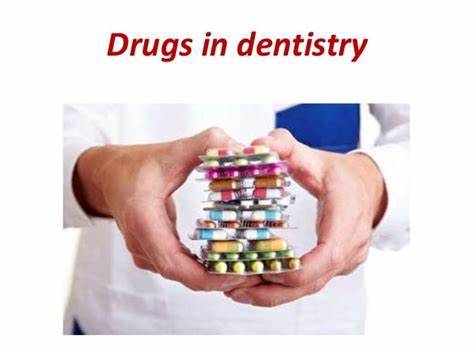
Dentists are limited to prescribing medications that address oral and dental health only.
For example, they cannot provide prescriptions for conditions unrelated to dentistry, such as chronic illnesses like diabetes or respiratory infections. Additionally, dentists do not prescribe medications for mental health or hormonal issues.
These limitations ensure that dental professionals focus strictly on oral health and leave more complex medical issues to general physicians or specialists. This distinction helps protect patients from receiving inappropriate or harmful treatments outside the dentist’s expertise.
Posted on March 21, 2024 by Dr. David Edward Marcinko MBA MEd CMP™
By Staff Reporters
CHERRY BLOSSOM FESTIVAL, DC.
***
***
KROGER, the supermarket chain said it expects to close the sale of its specialty pharmacy business during the second half of 2024. Kroger said it is planning to sell its speciality pharmacy business to pharmacy benefit manager CarelonRx, a subsidiary of Elevance Health, the company just reported.
Nvidia continues its bid for world domination with the announcement of its new B200 “Blackwell” chip. The Blackwell is 2.5 times more powerful than the “Hopper” chip which helped it become a $2 trillion company. (Bloomberg)
Here’s where the major benchmarks ended:
The S&P 500 index added 46.11 points (0.9%) to 5,224.62; the Dow Jones Industrial Average gained 401.37 points (1%) to 39,512.13; the NASDAQ Composite rose 202.62 points (1.3%) to 16,369.41.
The 10-year Treasury note yield slid two basis points to 4.27%.
The CBOE Volatility Index®(VIX) fell 0.77 to 13.06.
Health care was the biggest loser among the S&P 500 sectors. Energy was also lower after crude oil prices sank on the heels of weekly inventory data. Brent Crude Oil (/BZ) futures, the global benchmark, dropped 1.6% on the heels of five days of gains.
Posted on December 8, 2023 by Dr. David Edward Marcinko MBA MEd CMP™
By Staff Reporters
***
***
CVS is overhauling how it prices prescription drugs
In a recent announcement, the company CVS promised that its new model would be more transparent than the current setup, which prices drugs based on complex reimbursement formulas that can make the costs of prescriptions confusing for consumers.
The new model, called CVS CostVantage, is based on a simple equation: Drugs will cost what CVS paid for them, plus a limited markup and a flat fee to cover the services of fulfilling the prescriptions. That’s similar to a plan proposed by billionaire Mark Cuban, founder of Cost Plus Drugs, to bring accountability to drug pricing in the US.
Posted on September 28, 2023 by Dr. David Edward Marcinko MBA MEd CMP™
By Staff Reporters
“Uber Health is foraying deeper into healthcare with a new feature that allows providers to order prescriptions to be dropped off at patients homes same-day. The same-day prescription delivery is meant to help patients adhere to a medication schedule.”
Uber Health is foraying deeper into healthcare with a new feature that allows providers to order prescriptions to be dropped off at patients homes same-day.
The same-day prescription delivery is meant to help patients adhere to a medication schedule. The service is made possible through an integration of Uber Health’s dashboard with ScriptDrop, a tech platform connecting patients and pharmacies with couriers nationwide.
The company also said it expects to soon launch delivery of healthy food and over-the-counter medicine for patients, including Medicare Advantage and Medicaid beneficiaries.
Posted on May 7, 2023 by Dr. David Edward Marcinko MBA MEd CMP™
By Staff Reporters
***
***
Tele-Health medical providers are cheering the Drug Enforcement Agency (DEA) move to temporarily extend virtual prescribing flexibility.
The DEA is looking to buy some time to consider whether it should require patients to see doctors face-to-face to get prescriptions for controlled drugs or continue to allow Tele-Health prescriptions. The agency received a record 38,000 public comments on its proposed rule.
Posted on May 9, 2022 by Dr. David Edward Marcinko MBA MEd CMP™
***
By Dr. David Edwarrd Marcinko MBA
Rx DRUG ABUSE
Traditional medicinal agents come in a variety of ways, known as dispensing vehicles. Drugs may be in liquid, pill or inject able form, they may be compounded in capsules, caplets, gelatin tablets, powders or suppositories, or they may come in creams or ointments for the eye, anus and vagina. They may be ingested into the stomach, placed and dissolved under the tongue, put into the eyes, popped, injected or smeared and transported through the human skin from patches.
A valid drug prescription is a written order, by a doctor, to a pharmacist. In this country, prescriptions are written by physicians, podiatrists, osteopaths, dentists. and some optometrists, physician assistants and nurse practitioners. In addition to the name of the patient and that of the medical prescriber, the prescription contains the name of the drug (not necessarily a narcotic), its quantity, instructions to the pharmacist, and directions to the patient. Narcotic prescriptions may not be prescribed to a drug addict to prevent withdrawal symptoms, as there must be some other therapeutic purpose for such an order.
The art of medicinal prescription writing, and pharmaceutical compounding, has declined in modern medicine for several reasons. Most drugs are made by pharmaceutical companies, and the role of the pharmacist, in most cases, consists only of compounding and error prevention. Many drugs are even automatically dispensed, and tracked, in the hospital setting with bar coding technology and modern inventory tracking mechanisms. Also, the practice of writing long and complicated prescriptions, containing many active ingredients, adjuvants, correctives, and elegant vehicles, has been abandoned in favor of using pure compounds.
Drugs may be prescribed by their official names, which were first given by the United States Pharmacopeia (USP), in 1920, or by the National Formulary (NF), since 1906. Unofficial or generic names may be used, known as New and Non-Official Drugs (NND) or by the United States Adopted Names (USAN), or by the manufactures trade name. For example, the generic narcotic meperidine or pithidine, is also known by the trade named, demerol. The designation USAN does not imply endorsement by the American Medical Association (AMA) Council on Drugs (CODs), or by the USP.
Of course, there is an advantage and disadvantages to prescribing drugs by their trade name, or generic names. Advantages of generics include economies of scale for both the patient and pharmacist, and although the active ingredient in generics are identical to trade drugs, they are often less expensive since research and development costs are absent, and various binders, colorizing agents, preservatives or dispersing agents are of an inferior quality, and hence cheaper for the patient. Appearance, size and taste issues are common. For the pharmacist, generics are cheaper since a multiplicity of very similar drugs need not be shelved.
***
***
For example, the tablet or capsular form of many drugs contains inactive ingredients, such as: ammonio methacrylate copolymer, hydroxypropyl methylcellulose, lactose, magnesium stearate, povidone, redironoxide, stearyl alcohol, talc, titanium dioxide, triacetin, yellowironoxide, yellowironoxide with FD&C blue No.2 (80 mgstrengthtablet only), FD&C blue No.2 and other ingredients. And yes, I’ve seen an addict do into shock, or die from acute anaphylaxis, after taking drugs containing ingredient he was highly allergic to.
Shock is a life-threatening condition where blood pressure falls too low to sustain life. It occurs when low blood volume (due to severe bleeding, excessive fluid loss or inadequate fluid uptake), inadequate pumping action of the heart or excessive dilation of the blood vessel walls (vasodilation) causes low blood pressure. This in turn results in inadequate blood supply to body cells, which can quickly die or be irreversibly damaged.
Anaphylactic shock is the severest form of allergy that is a medical emergency. It is a Type I reaction according to the Gell and Coombs medical classification, and is often severe and sometimes fatal systemic reaction in a susceptible individual upon exposure to a specific antigen (such as wasp venom or penicillin) following previous sensitization, or drug use. Characterized especially by respiratory symptoms, fainting, itching, itching and swelling of the throat or other mucous membranes and a sudden decline in blood pressure! The victim literally cannot breathe and drowns in its own congested and fluid filled lungs
So, patients in need of routine drugs for acute or chronic conditions like arthritis, high blood pressure, asthma, acne, hay fever, performance enhancing steroids or, so called life style drugs, like Viagra for a limp woody, or hair growth stimulator Rogaine, may get a good deal by going to Canada or Mexico for generics. But for important drugs, like nitroglycerine fro your heart, blood thinner coumadin, birth control pills or various anti-cancer agents, stick with brand names.
The main disadvantage of trade drugs is increased cost, due to R & D, patents, trademarks, marketing and company advertising expenses. Of course, trade drug are first to market, and hence may be beneficial as a new treatment modality, or injurious if significant side affects or other complications arise.
Today, the prime source for drug information is probably the well known, Physicians Desk Reference (PDR). Now, in its 58th edition, the PDR® provides the latest information on prescription, but not illegal street drugs. It is considered the standard reference that can be found in virtually every physician’s office, hospital and pharmacy in the United States. The current edition is over 3,000 pages long, and is where you can find data on more than 4,000 drugs, by brand and generic name, manufacturer and product categories. The PDR also provides usage information and warnings, drug interactions, plus full-size, full-color photos cross-referenced to specific drugs. For the layman, it also includes: phonetic spelling for each listing, a key to controlled substances, adverse reactions and contraindications, pregnancy ratings, dosages and all other FDA-required information. Of course, on the street, or in Mexico, none of this information matters.
Latin abbreviations, sometimes still used by doctors on prescription blanks include:
Rx = take thou (receipe)
po = by mouth (para orbis)
prn = as needed (pro re’nata)
hs = at bed time (hora somnae)
BID = twice daily
TID = three times daily
QID = four times daily
M = Mix
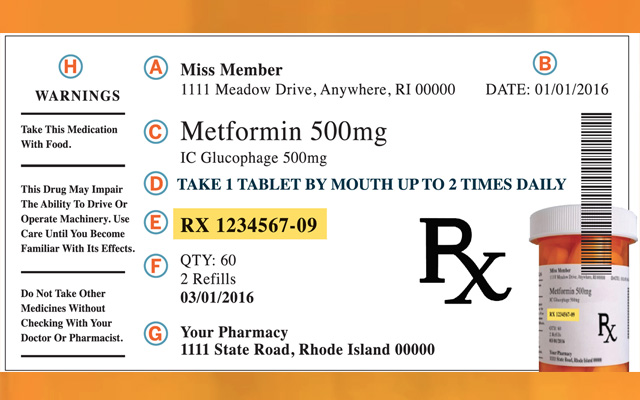
Traditionally, a medical prescription is written in a certain order, well known to drug abusers, and DEA agents, and consist of six basic parts:
Superscription: This is the Rx, or recipe. In Latin it means take thou.
Inscription: Represents the ingredients and amounts.
Subscription: Represent the description for drug dispensing, and may be represented by the letter M, for mix.
Signature: Often abbreviated as Sig, and contains the directions for patient use.
Refill Status: Indicates the number of refills allowed.
DEA Number: This is nine-character alpha-numeric sequence, used by all licensed physicians who prescribe narcotic agents. An example is AM2685591. The second letter is the first letter of the doctor’s last name, (ie, Marcinko) and the first two digits add up to the third (ie, 2+6=8).
Finally, in addition to the basic parts of a prescription, it should have the patient’s name, and physician signature written in ink, followed by degree designation, such as MD, DPM, DO or DDS, etc.
***
***
Perhaps the most egregious narcotic prescribing habits recently encountered by DEA agents have been by doctors of all degrees and medical designations. Reasons are generally two-fold. First, the doctor may become a drug addict himself, either by accident or through initial legitimate therapeutic use, and over-prescribe the narcotics. Or, increasing office costs, and decreased reimbursement fee reductions of many managed medical care have so economically destabilized the medical community, that economically impoverished doctors desperately sell prescriptions to finance their personal lifestyles, automobiles, clothes, fancy vacations or own addictions.
For example, a staggering medical student loan debt burden of $100,000-$250,000 is not unusual for new practitioners. In fact, the federal Health Education Assistance Loan (HEAL) program reported that for the Year 2001, it squeezed significant repayment settlements from its Top 5 list of deadbeat doctor debtors. This included a $303,000 settlement from a New York dentist, $186,000 from a Florida osteopath, $158,000 from a New Jersey podiatrist, $128,000 from a Virginia podiatrist, and $120 from a Virginia dentist. The agency also excluded 303 practitioners from Medicare, Medicaid and other federal healthcare programs and had their cases referred for non-payment of debt.
These facts indicate that the current healthcare reimbursement climate has caused more pain and tumult to doctors than the pubic realizes. Older medical practitioners are retiring prematurely, mature providers are frustrated and in despair, and young physicians have no concept of the economic servitude to which they are about to be subjected. Frustration is high and physician suicides have been documented. Many doctors get divorced at the start of their careers. Even the U.S. Inspector General has declared healthcare providers to be public enemy #2,behind international narco-traffickers, for their federal drug, fraud and abuse initiatives. Still, the statistic above lends itself to narcotic drug prescription abuse, either on the part of the doctor or patient, since only these two parties that can directly alter a prescription for illicit drug use, as illustrated by this poorly written prescription for a narcotic pain killer, vicodin.
Posted on February 22, 2022 by Dr. David Edward Marcinko MBA MEd CMP™
***
By Staff Reporters
***
***
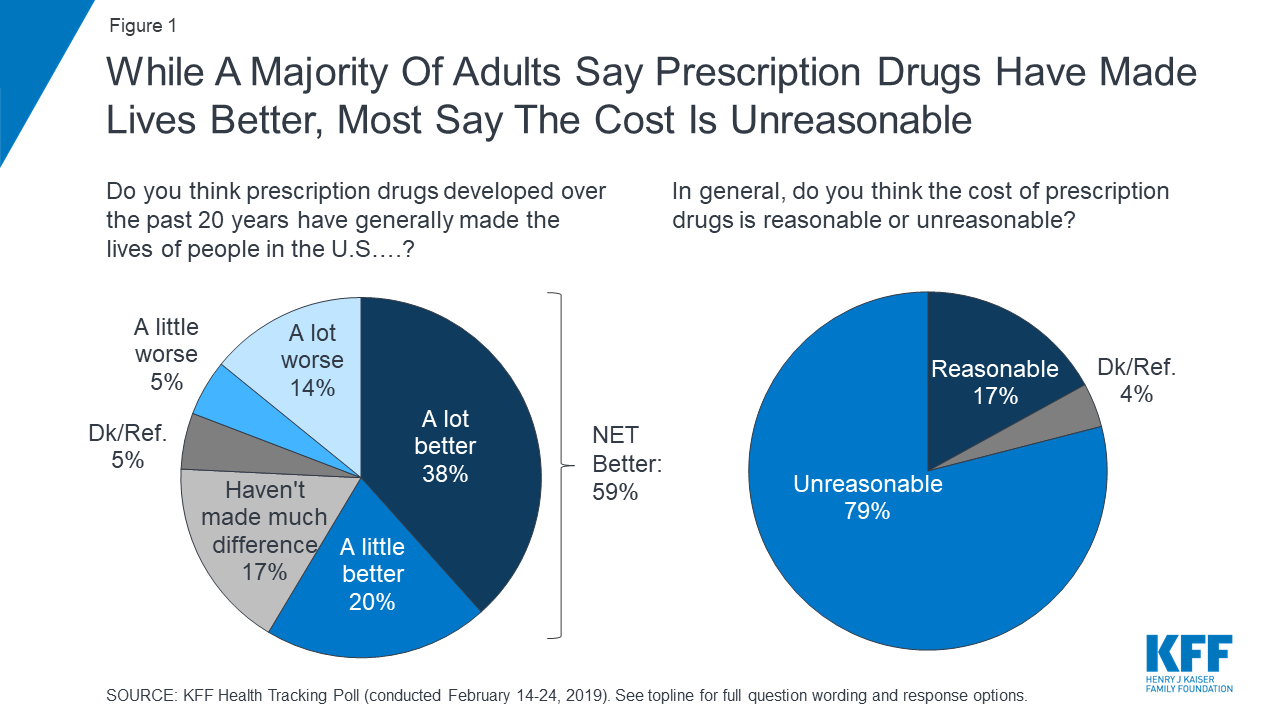
56% of Patients Attempted to Stretch Out a Prescription According tot a Recent CoverMyMeds Survey of 1,000 patients. It found:
• 79% of patients said they’ve gone to the pharmacy only to discover a prescription cost more than they expected. • When faced with an affordability challenge, 56% of patients attempted to stretch out a prescription. • When faced with an affordability challenge, 52% of patients skipped bills or other essential items to afford medications. • When faced with an affordability challenge, 51% of patients sacrificed medications to pay bills and other essentials.
Posted on July 27, 2008 by Dr. David Edward Marcinko MBA MEd CMP™
The IMS Health Data Study
Staff Reporters
Did you know that the number of prescriptions dispensed by pharmacies in the U.S. is growing at its worst rate in at least a decade, as consumers are squeezed by both a troubled economy and the growing burden of out-of-pocket health-care costs?
The IMS Report
Data from market researcher IMS Health and Wall Street analysts indicate that the rate of prescription growth has fallen steadily since early last year, with preliminary data suggesting the number of prescriptions actually fell in the second quarter, according to the Wall Street Journal on July 16, 2008.
Big Pharma Brands Collapse
The hit is coming at the expense of some of the industry’s biggest brands. For example, in May 2008, branded medicines accounted for 30.6 percent of treatments dispensed, down from 45.9 percent in 2003, the WSJ noted.
Assessment
Pills for such chronic conditions like cardiovascular disease are also vulnerable, since patients tend to think they can do without treatments for so-called silent diseases more easily than for conditions such as cancer, or HIV.
Conclusion
Your thoughts are appreciated. Have you seen this happening in your practice, clinic or hospital setting? Please comment and opine.
Subscribe Now:Did you like this Executive-Post, or find it helpful, interesting and informative? Want to get the latest E-Ps delivered to your email box each morning? Just subscribe using the link below. You can unsubscribe at any time. Security is assured.







 Support our online development, and advance our onground research initiatives in free market economics, as we seek to showcase the brightest Next-Gen minds.
THE ME-P DISCLAIMER: Posts, comments and opinions do not necessarily represent iMBA, Inc., but become our property after submission. Copyright © 2006 to-date. iMBA, Inc allows colleges, universities, medical and financial professionals and related clinics, hospitals and non-profit healthcare organizations to distribute our proprietary essays, photos, videos, audios and other documents; etc. However, please review copyright and usage information for each individual asset before submission to us, and/or placement on your publication or web site. Attestation references, citations and/or back-links are required. All other assets are property of the individual copyright holder.
Support our online development, and advance our onground research initiatives in free market economics, as we seek to showcase the brightest Next-Gen minds.
THE ME-P DISCLAIMER: Posts, comments and opinions do not necessarily represent iMBA, Inc., but become our property after submission. Copyright © 2006 to-date. iMBA, Inc allows colleges, universities, medical and financial professionals and related clinics, hospitals and non-profit healthcare organizations to distribute our proprietary essays, photos, videos, audios and other documents; etc. However, please review copyright and usage information for each individual asset before submission to us, and/or placement on your publication or web site. Attestation references, citations and/or back-links are required. All other assets are property of the individual copyright holder.

















 The Leading Business Education Network for Doctors, Financial Advisors and Health Industry Consultants