BOARD CERTIFICATION EXAM STUDY GUIDES Lower Extremity Trauma
[Click on Image to Enlarge]
ME-P Free Advertising Consultation
The “Medical Executive-Post” is about connecting doctors, health care executives and modern consulting advisors. It’s about free-enterprise, business, practice, policy, personal financial planning and wealth building capitalism. We have an attitude that’s independent, outspoken, intelligent and so Next-Gen; often edgy, usually controversial. And, our consultants “got fly”, just like U. Read it! Write it! Post it! “Medical Executive-Post”. Call or email us for your FREE advertising and sales consultation TODAY [678.779.8597] Email: MarcinkoAdvisors@outlook.com
Medical & Surgical e-Consent Forms
ePodiatryConsentForms.com
iMBA Inc., OFFICES
Suite #5901 Wilbanks Drive, Norcross, Georgia, 30092 USA [1.678.779.8597]. Our location is real and we are now virtually enabled to assist new long distance clients and out-of-town colleagues.
ME-P Publishing
SEEKING INDUSTRY INFO PARTNERS?
If you want the opportunity to work with leading health care industry insiders, innovators and watchers, the “ME-P” may be right for you? We are unbiased and operate at the nexus of theoretical and applied R&D. Collaborate with us and you’ll put your brand in front of a smart & tightly focused demographic; one at the forefront of our emerging healthcare free marketplace of informed and professional “movers and shakers.” Our Ad Rate Card is available upon request [678-779-8597].
Mensa is one of those organizations that tends to spark curiosity the moment its name comes up. People often imagine a secretive club of geniuses solving impossible puzzles in dimly lit rooms. The reality is far more grounded—and far more interesting. Mensa is, at its core, a global community built around a single criterion: high measured intelligence. But what that simple requirement has created over the decades is a surprisingly diverse network of thinkers, hobbyists, professionals, and lifelong learners who share a fascination with ideas.
Founded in 1946 in England, Mensa began with an idealistic mission: to gather the brightest minds regardless of background, politics, or profession, and to use that collective intelligence for the betterment of humanity. The founders envisioned a society where intellect could be a unifying force rather than a dividing one. Over time, Mensa expanded far beyond its origins, eventually becoming an international organization with chapters in dozens of countries and members from nearly every walk of life.
Membership is based solely on scoring within the top two percent on an approved intelligence test. That threshold is intentionally simple. Mensa does not evaluate academic degrees, professional achievements, or social status. It doesn’t matter whether someone is a scientist, a mechanic, a student, or a retiree. If they meet the cognitive requirement, they’re in. This openness is part of what makes the organization unique. It creates a space where people who might never cross paths in everyday life can connect through shared intellectual curiosity.
What draws people to Mensa varies widely. For some, it’s the appeal of belonging to a community that values quick thinking and problem‑solving. For others, it’s the social aspect—local chapters host game nights, lectures, dinners, and special interest groups that range from astronomy to cooking to science fiction. Mensa’s annual gatherings, especially in larger countries, can feel like a blend of academic conference, festival, and family reunion. Members often describe these events as energizing because they offer a rare environment where lively debate and quirky interests are not just accepted but encouraged.
Another dimension of Mensa’s identity is its commitment to intellectual enrichment. Many chapters run programs for gifted youth, offering support to children who may feel out of place in traditional school settings. Others organize scholarship competitions or community service projects. While Mensa is not a research institution, it does foster an atmosphere where learning is a lifelong pursuit. Members frequently share articles, host discussions, and create clubs centered on everything from mathematics to creative writing. The organization’s publications, both local and international, serve as platforms for essays, puzzles, humor, and commentary contributed by members themselves.
***
***
Despite its positive aspects, Mensa is not without criticism. Some argue that relying on standardized intelligence tests oversimplifies the concept of intelligence. Human cognitive ability is complex, multifaceted, and influenced by culture, environment, and opportunity. A single score cannot capture creativity, emotional intelligence, or practical problem‑solving skills. Others feel that the organization can sometimes lean toward self‑congratulation, attracting people who are more interested in the status of membership than in contributing to the community. These critiques are not new, and Mensa itself acknowledges that intelligence is only one part of a person’s identity.
Still, the organization’s longevity suggests that it fulfills a real need. Many members describe Mensa as a place where they finally feel understood. Growing up, they may have been the kid who asked too many questions, finished assignments early, or felt out of sync with peers. Mensa offers a space where intellectual intensity is normal rather than unusual. That sense of belonging can be powerful, especially for people who have spent much of their lives feeling different.
In the modern world, where information is abundant and attention is fragmented, Mensa occupies an interesting niche. It is not a think tank or a political group. It does not claim to solve global problems or dictate what intelligence should be used for. Instead, it provides a framework for connection—an invitation for people who enjoy thinking deeply to meet others who share that inclination. In a sense, Mensa’s greatest strength is not the intelligence of its members but the community that forms when people with curious minds gather.
***
***
Ultimately, Mensa is a reminder that intelligence, while often treated as a competitive metric, can also be a source of camaraderie. It shows that people with high cognitive ability are not a monolith; they are as varied in personality, interests, and life experiences as any other group. What unites them is not superiority but curiosity—a desire to explore ideas, challenge assumptions, and engage with the world in a thoughtful way.
Whether one views Mensa as an elite club, a social network, or simply a gathering of people who enjoy mental stimulation, its impact is undeniable. It has created a global space where intellect is celebrated, conversation is valued, and learning never really stops. And in a world that often rushes past nuance and depth, that kind of space is worth appreciating.
SPEAKING: Dr. Marcinko will be speaking and lecturing, signing and opining, teaching and preaching, storming and performing at many locations throughout the USA this year! His tour of witty and serious pontifications may be scheduled on a planned or ad-hoc basis; for public or private meetings and gatherings; formally, informally, or over lunch or dinner. All medical societies, financial advisory firms or Broker-Dealers are encouraged to submit an RFP for speaking engagements: CONTACT: Ann Miller RN MHA at MarcinkoAdvisors@outlook.com -OR-http://www.MarcinkoAssociates.com
The Flynn Effect is one of the most intriguing and debated findings in the study of human intelligence. Named after political scientist James R. Flynn, who brought widespread attention to the phenomenon in the 1980s, it refers to the steady and substantial rise in average IQ scores across many countries throughout the twentieth century. Although intelligence tests are designed so that the average score remains 100, test publishers must periodically “renorm” them because people keep performing better than the previous generation. The scale of this rise is striking: in some nations, average scores have increased by roughly three points per decade. The Flynn Effect forces us to rethink what IQ tests measure, how societies change over time, and what “intelligence” even means.
At its core, the Flynn Effect highlights the dynamic relationship between human cognition and the environment. IQ tests do not measure intelligence in a vacuum; they measure how well individuals navigate the kinds of abstract, symbolic problems that modern societies increasingly demand. One of Flynn’s key insights was that the twentieth century brought a shift toward what he called “scientific spectacles”—a way of thinking that emphasizes classification, hypothetical reasoning, and abstraction. These cognitive habits are not innate; they are cultivated through schooling, technology, and daily life. As societies modernized, more people became accustomed to the mental tools that IQ tests reward.
Several explanations have been proposed to account for the rise in scores, and no single factor tells the whole story. One major contributor is improved education. Over the past century, schooling has become more widespread, more rigorous, and more focused on analytical reasoning. Children spend more years in school, encounter more complex curricula, and are exposed to problem‑solving tasks that mirror the structure of IQ test items. Even subtle changes—like the shift from rote memorization to conceptual understanding—can have a large cumulative effect on cognitive performance.
Another important factor is the transformation of everyday life. Modern work environments often require employees to manipulate symbols, operate technology, and adapt to rapidly changing tasks. Even leisure activities have become more cognitively demanding. Video games, digital interfaces, and information‑rich media encourage multitasking, spatial reasoning, and strategic thinking. These experiences may not directly teach the content of IQ tests, but they strengthen the underlying cognitive skills that such tests measure.
Nutrition has also been proposed as a contributor. Better prenatal care, reduced exposure to environmental toxins, and improved childhood nutrition can influence brain development. While nutrition alone cannot explain the full magnitude of the Flynn Effect, it likely plays a role, especially in countries that experienced dramatic improvements in public health during the twentieth century.
***
***
Family size and parenting practices may also matter. Smaller families allow parents to invest more time and resources in each child. Parenting has become more child‑centered, with greater emphasis on verbal interaction, exploration, and educational enrichment. These shifts create environments that nurture the kinds of cognitive abilities reflected in IQ tests.
Despite the broad upward trend, the Flynn Effect is not uniform across all domains of intelligence. Gains tend to be largest on tests that measure fluid reasoning—abstract problem‑solving and pattern recognition—rather than crystallized knowledge such as vocabulary. This pattern supports the idea that environmental complexity, rather than simple memorization, drives the effect. It also suggests that IQ gains do not necessarily mean people are “smarter” in a general sense; instead, they may be better adapted to the cognitive demands of modern life.
In recent years, some countries have reported a slowing or even reversal of the Flynn Effect. This has sparked intense debate. Some argue that the earlier gains were driven by rapid modernization, and once societies reached a certain level of development, the effect naturally plateaued. Others point to changes in education, technology use, or immigration patterns. Still others suggest that the apparent decline may reflect changes in test design rather than real cognitive shifts. The truth is likely a mix of these factors, and the debate underscores how complex and multifaceted intelligence is.
***
***
The Flynn Effect also raises philosophical questions. If IQ scores can rise so dramatically over a few generations, what does that say about the nature of intelligence? Are we measuring an innate trait, or a set of skills shaped by culture and environment? Flynn himself argued that intelligence is not a fixed quantity but a reflection of the cognitive tools that societies value and cultivate. In his view, rising IQ scores reveal not biological evolution but cultural evolution—a shift in how people think about the world.
Ultimately, the Flynn Effect challenges simplistic interpretations of IQ. It reminds us that human cognition is deeply intertwined with social, economic, and cultural forces. It shows that intelligence is not static but responsive to the world we build around ourselves. And it invites us to consider how future changes—technological, educational, or environmental—might continue to reshape the landscape of human thought.
SPEAKING: Dr. Marcinko will be speaking and lecturing, signing and opining, teaching and preaching, storming and performing at many locations throughout the USA this year! His tour of witty and serious pontifications may be scheduled on a planned or ad-hoc basis; for public or private meetings and gatherings; formally, informally, or over lunch or dinner. All medical societies, financial advisory firms or Broker-Dealers are encouraged to submit an RFP for speaking engagements: CONTACT: Ann Miller RN MHA at MarcinkoAdvisors@outlook.com -OR-http://www.MarcinkoAssociates.com
Posted on October 25, 2025 by Dr. David Edward Marcinko MBA MEd CMP™
By Staff Reporters
***
***
What’s a polymath?
The definition of “polymath” is the subject of debate. The term has its roots in Ancient Greek and was first used in the early 17th Century to mean a person with “many learnings”, but there is no easy way to decide how advanced those learnings must be and in how many disciplines. Most researchers argue that to be a true polymath you need some kind of formal acclaim in at least two apparently unrelated domains. And, one of the most detailed examinations of the subject comes from Waqas Ahmed in his book The Polymath, published earlier this year.
Now, despite his many achievements, Ahmed does not identify as a polymath. “It is too esteemed an accolade for me to refer to myself as one,” he said. When examining the lives of historical polymaths, he only considered those who had made significant contributions to at least three fields, such as Leonardo da Vinci (the artist, inventor and anatomist), Johann Wolfgang von Goethe (the great writer who also studied botany, physics and mineralogy) and Florence Nightingale (who, besides founding modern nursing, was also an accomplished statistician and theologian).
What is a savant?
Savant syndrome is an exceedingly rare condition in which individuals with a developmental disorder or an intellectual disability possess extraordinary talents, knowledge, or abilities in a specific area. Savant syndrome may be congenital at birth or acquired later in life and is commonly associated with autism spectrum disorder (ASD). It may also coexist alongside other conditions, such as brain injuries . Individuals with savant syndrome were historically referred to with the term “idiot savant,” but negative connotations of the term “idiot” resulted in its abandonment and is now solely termed “savant.”
Famous individuals with savant syndrome include Kim Peek, who was able to calculate dates for any event hundreds of years into the past or future and inspired the movie the Rain Man. Stephen Wiltshire was mute and communicated through drawings of detailed city landscapes. Approximately 10% of individuals with autistic disorder have savant abilities. Less than 1% of the non-autistic population have savant syndrome. Therefore, not all savants have ASD, and not all persons with autismare savants.
What is a genius?
There is no scientifically precise definition of genius. When used to refer to the characteristic, genius is associated with talent but several authors systematically distinguish these terms. Walter Isaacson, biographer of many well-known geniuses, explains that although high intelligence may be a prerequisite, the most common trait that actually defines a genius may be the extraordinary ability to apply creativity and imaginative thinking to almost any situation.
The plural form of genius can be either geniuses or genii, pronounced [ jee-nee-ahy ], depending on the intended meaning of the word. Geniuses is much more commonly used. The plural forms of several other singular words that end in -us are also formed in this way, such as virus/viruses, callus/calluses, and status/statuses. Irregular plurals that are formed like genii, such as radius/radii or cactus/cacti, derive directly from their original pluralization in Latin. However, the standard English plural -es is often also acceptable for these terms, as in radiuses and cactuses.
Who is Mensa material?
Mensa members range in age from 2 to 106. They include engineers, homemakers, teachers, actors, athletes, students, and CEOs, and they share only one trait — high intelligence. To qualify for Mensa, they scored in the top 2 percent of the general population on an accepted standardized intelligence test.
Note: These descriptions are presented with some thanks to Chat GPT.
Posted on August 20, 2025 by Dr. David Edward Marcinko MBA MEd CMP™
LEADERSHIP versus MANAGEMENT
***
***
By Dr. David Edward Marcinko MBA MEd
By Professor Gary A. Cook PhD
By Professor Eugene Schmuckler PhD MBA MEd CTS
Many of us have encountered a person who may intellectually be at upper levels, but whose ability to interact with others appears to that of one who is highly immature. This is the individual who is prone to becoming angry easily, verbally attacks co-workers, is perceived as lacking in compassion and empathy, and cannot understand why it is difficult to get others to cooperate with them and their agendas.
THINK: Sheldon Cooper PhD D.Sc MA BA of the The Big Bank Theory TV show.
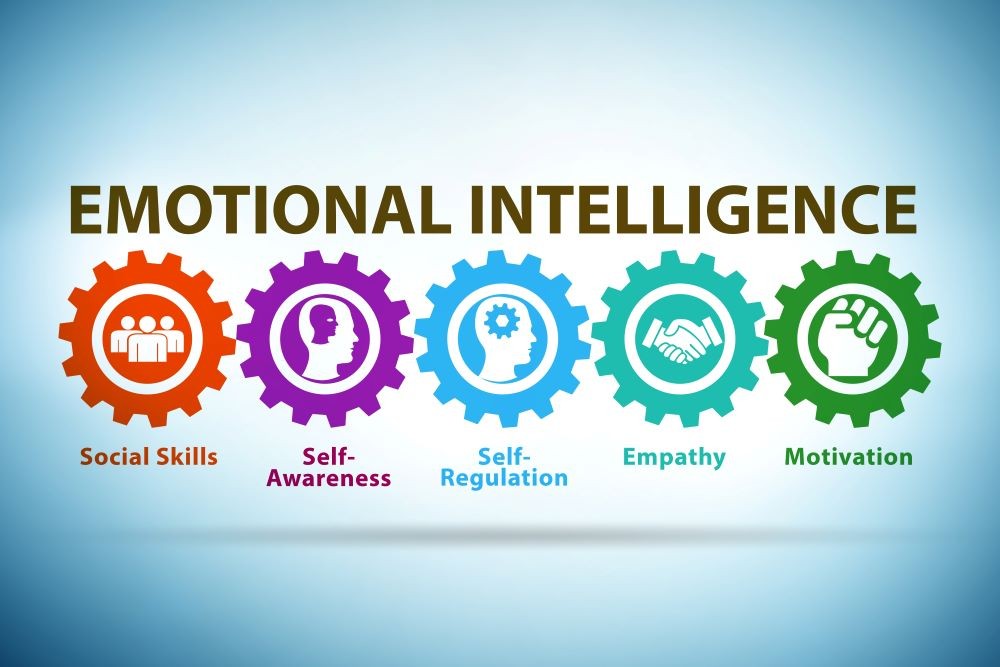
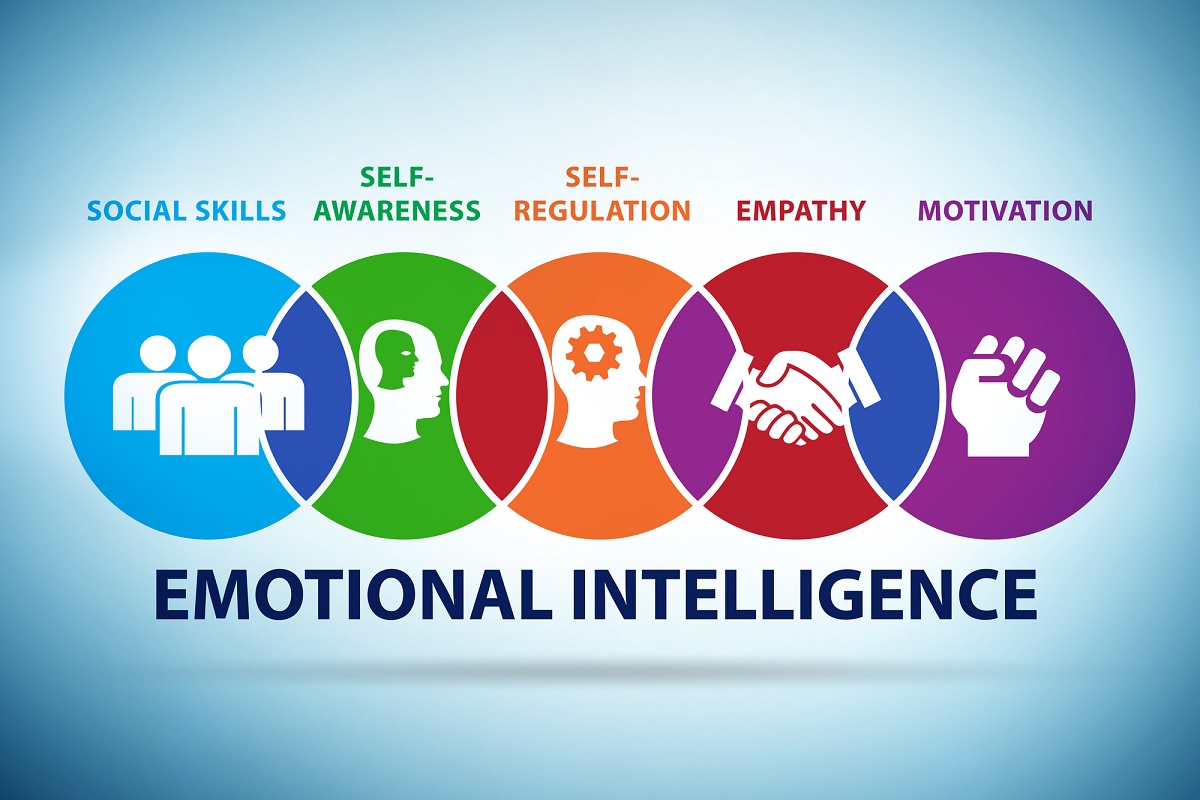
The concept of Emotional Intelligence [EQ] was brought into the public domain when Daniel Goleman authored a book entitled, Emotional Intelligence.” According to Goleman, emotional intelligence consists of four basic non-cognitive competencies: self awareness, social awareness, self management and social skills. These are skills which influence the manner in which people handle themselves and their relationships with others. Goleman’s position was that these competencies play a bigger role than cognitive intelligence in determining success in life and in the workplace. He and others contend that emotional intelligence involves abilities that may be categorized into five domains:
Self awareness: Observing and recognizing a feeling as it happens.
Managing emotions: Handling feelings so that they are appropriate; realizing what is behind a feeling; finding ways to handle fears and anxieties, anger and sadness.
Motivating oneself; Channeling emotions in the service of a goal; emotional self control; delaying gratification and stifling impulses.
Empathy: Sensitivity to others’ feelings and concerns and taking their perspective appreciating the differences in how people feel about things.
Handling relationships: Managing emotions in others; social competence & social skills.
In 1995, Goleman then expanded on the works of Howard Gardner, Peter Salovey and John Mayer. He further defined Emotional Intelligence as a set of competencies demonstrating the ability one has to recognize his or her behaviors, moods and impulses and to manage them best, according to the situation. Mike Poskey, in “The Importance of Emotional Intelligence in the Workplace.” continued this definition by stating that emotional intelligence is considered to involve emotional empathy; attention to, and discrimination of one’s emotions; accurate recognition of one’s own and others’ moods; mood management or control over emotions; response with appropriate emotions and behaviors in various life situations (especially to stress and difficult situations); and balancing of honest expression of emotions against courtesy, consideration, and respect.
Source: Emotional Intelligence: what is and why it matters” – Cary Cherniss, PhD, presented at the annual conference of the Society of Industrial and Organizational Psychology, April 2000.
EQ differs from what has generally been considered intelligence which is described in terms of one’s IQ.
Traditional views of intelligence focused on cognition, memory and problem solving. Even today individuals are evaluated on the basis of cognitive skills. Entrance tests for medical, law, business, undergraduate and graduate schools base admissions in large part on the scores of the SAT, GMAT, LSAT, MCAT, etc. Without question, cognitive ability is critical but has been demonstrated, it is not a very good predictor of future direct job performance and indirect liability management. In fact, in 1940, David Wechsler the developer of a widely used intelligence test made reference to “non-intellective” elements. By this Wechsler meant affective, personal and social factors.
Source: Non-Intellective factors in intelligence. Psychological Bulletin, 37, 444-445.
Goleman became aware of the work of Salovey and Mayer having trained under David McClelland and was influenced by McClelland’s concern with how little traditional tests of cognitive intelligence predicted success in life. In fact, a study of 80 PhDs in science underwent a battery of personality tests, IQ tests and interviews in the 1950s while they were graduate students at Berkeley. Forty years later they were re-evaluated and it turned out that social and emotional abilities were four times more important than IQ in determining professional success and prestige.
Source: Feist & Barron: Emotional Intelligence and academic intelligence in career and life success. Paper presented at the Annual Convention of the American Psychological Society, San Francisco, 1996.
Undoubtedly, we want to have individuals work with us who have persistence which enables to them have the energy, drive, and thick skin to develop and close new business, or to work with the patients and other members of the staff. It is important to note that working alongside one with a “good” personality may be fun, energetic, and outgoing.
However, a “good personality does not necessarily equate to success. An individual with a high EQ can manage his or her own impulses, communicate effectively, manage change well, solve problems, and use humor to build rapport in tense situations. This clarity in thinking and composure in stressful and chaotic situations is what separates top performers from weak performers.
Poskey outlined a set of five emotional intelligence competencies that have proven to contribute more to workplace achievement than technical skills, cognitive ability, and standard personality traits combined.
***
***
A. Social Competencies: Competencies that Determine How We Handle Relationships
Intuition and Empathy – Our awareness of others’ feelings, needs, and concern. He suggested that this competency is important in the workplace for the following reasons:
Understanding others: an intuitive sense of others’ feelings and perspectives, and showing an active interest in their concerns and interests
Patient service orientation: the ability to anticipate, recognize and meet customer’s’ (patients) needs
People development: ability to sense what others need in order to grow, develop, and master their strengths
Leveraging diversity: cultivating opportunities through diverse people.
B. Political Acumen and Social Skills: Our adeptness at inducing desirable responses in others. This competency is important for the following reasons:
Influencing: using effective tactics and techniques for persuasion and desired results.
Communication: sending clear and convincing messages that are understood by others
Leadership: inspiring and guiding groups of people
Change catalyst: initiating and/or managing change in the workplace
Conflict resolution: negotiating and resolving disagreements with people
Collaboration and cooperation: working with coworkers and business partners toward shared goals
Team capabilities: creating group synergy in pursuing collective goals.
C. Personal Competencies: Competencies that determine how we manage ourselves
D. Self Awareness: Knowing out internal states, preferences, resources, and intuitions. This competency is important for the following reasons.
Emotional awareness: recognizing one’s emotions and their effects and impact on those around us
Accurate self-assessment: knowing one’s strengths and limits
Self-confidence: certainty about one’s self worth and capabilities
Self-Regulation: managing one’s internal states, impulses, and resources. This competency is important in the workplace for the following reasons.
Self-control: managing disruptive emotions and impulses
Trustworthiness: maintaining standards of honesty and integrity
Conscientiousness: taking responsibility and being accountable for personal performance
Adaptability: flexibility in handling change
Innovation: being comfortable with an openness to novel ideas, approaches, and new information.
E. Self-Expectations and Motivation: Emotional tendencies that guide or facilitate reaching goals. This competency is important in the workplace for the following reasons.
Achievement drive: striving to improve or meet a standard of excellence we impose on ourselves
Commitment: aligning with the goals of the group or the organization
Initiative: readiness to act on opportunities without having to be told
Optimism: Persistence in pursuing goals despite obstacles and setbacks
A note of caution is necessary. Goleman and Salovey both stated that emotional intelligence on its own is not a strong predictor of job performance. Instead they contend that it provides the bedrock for competencies that are predictors.
Obviously, EQ is an important attribute and it behooves each of us to promote emotional intelligence in the workplace. A number of guidelines have been developed for the Consortium for Research on Emotional Intelligence in Organizations by Goleman and Cherniss. The guidelines cover 21 phases which include preparation, training, transfer and evaluation.
Assess the organization’s needs: Determine the competencies that are most critical for effective job performance in a particular type of job. In doing so, us a valid method, such as the comparison of the behavioral interviews of superior performs and average performers. Also make sure the competencies to be developed are congruent with the organization’s culture and overall strategy.
Assess the individual: This assessment should be based on the key competencies needed for a particular job, and the data should come from multiple sources using multiple methods to maximize credibility and validity.
Deliver assessments with care: Give the individual information on his/her strengths and weaknesses. In doing so, try to be accurate and clear. Also, allow plenty of time for the person to digest and integrate the information. Provide feedback in a safe and supportive environment in order to minimize resistance and defensiveness. Avoid making excuses or downplaying the seriousness of deficiencies.
Maximize choice: People are motivated to change when they freely choose to do so. As much as possible, allow people to decide whether or not they will participate in the development process, and have them change goals themselves.
Encourage people to participate: People will be more likely to participate in development efforts if they perceive them to be worthwhile and effective. Organizational policies and procedures should encourage people to participate in development activity, and supervisors should provide encouragement and the necessary support. Motivation will be enhanced if people trust the credibility of those who encourage them to undertake the training.
Link learning goals to personal values: People are most motivated to pursue change that fits with their values and hopes. If a change matters little to people, they won’t pursue it. Help people understand whether a given change fits with what matters most to them.
Adjust expectations: Builds positive expectations by showing learners that social and emotional competence can be improved and that such improvement will lead to valued outcomes. Also, make sure that the learner has a realistic expectation of what the training process will involve.
Gauge readiness: Assess whether the individual is ready for training. If the person is not ready because of insufficient motivation or other reasons, make readiness the focus of intervention efforts.
Foster a positive relationship between the trainers and learners: Trainers who are warm, genuine, and empathic our best able to engage the learners in the change process. Select trainers who have these qualities, and make sure that they use them when working with the learners.
Make change self-directed: Learning is more effective when people direct their own learning program, tailoring it to their unique needs and circumstances. In addition to allowing people to set their own learning goals, let them continue to be in charge of their learning throughout the program, and tailor the training approach to the individual’s learning style.
Set clear goals: People need to be clear about what the competence is, how to acquire it, and how to show it on the job. Spell out the specific behaviors and skills that make up the target competence. Make sure that the goals are clear, specific, and optimally challenging.
Break goals into manageable steps: change. That is more likely to occur if the change process is divided into manageable steps. Encourage both trainers and trainees to avoid being overly ambitious.
Provide opportunities to practice: Lasting change requires sustained practice on the job and elsewhere in life. An automatic habit is being unlearned and different responses are replacing it. Use naturally occurring opportunities for practice at work, and in life. Encourage the trainees to try the new behaviors repeatedly and consistently over a period of months.
Give performance feedback: Ongoing feedback encourages people and direct change. Provide focused and sustained feedback as the learners practice new behaviors. Make sure that supervisors, peers, friends, family members-or some combination of these- give periodic feedback on progress.
Rely on experiential methods: Active, concrete, experiential methods tend to work best for learning social and emotional competencies. Development activities that engage all the senses and our dramatic and powerful can be especially effective.
Build in support: Change is facilitated through ongoing support of others who are going through similar changes. Programs should encourage the formation of groups where people give each other support, throughout the change effort. Coaches and mentors also can be valuable in helping support the desired change.
Use models: Use modern webinars, patient portals, live or videotaped models that clearly show how the competency can be used in realistic situations. Encourage learners to study, analyze, and emulate the models.
Enhance insight: Self-Awareness is the cornerstone of emotional and social competence. Help learners acquire greater understanding about how their thoughts, feelings, and behavior affect themselves and others.
Prevent relapse: Use relapse prevention, which helps people use lapses and mistakes as lessons to prepare themselves for further efforts.
Moreover:
Encourage use of skills on the job: Supervisors, peers and subordinates should reinforce and reward learners for using their new skills on the job. Coaches and mentors also can serve this function. Also, provide prompts and cues, such as through periodic follow-ups. Change also is more likely to indoor. When high status persons, such as supervisors and upper-level management model it.
Develop an organizational culture that supports learning: Change will be more enduring if the organization’s culture and tone support the change and offer a safe atmosphere for experimentation.
Finally, see if the development effort has lasting effects evaluated. When possible, find a true set of measures of the competence or skill, as shown on the job, before and after training, and also at least two months later. One-year follow-ups also are highly desirable. In addition to charting progress on the acquisition of competencies, also assess the impact on important job related outcomes, such as performance measures, and indicators of adjustments such as absenteeism, grievances, health status, etc.
Managers V. Leaders
These abilities are important for one to be successful as a manager and even more so as a leader, or physician executive. But, before we begin an examination of strategic leadership, it is necessary to make a deeper distinction between a manager and a leader. There are many different definitions as well as descriptions regarding leadership and management.
Many people talk as though leadership and management is the same thing. Fundamentally, they are quite different. Management focuses on work. We manage work activities such as money, time, paperwork, materials, equipment, and personnel, among other things. As can be found in any basic book on management, management focuses on planning, organizing, controlling, coordinating, budgeting, finance and money management as well as decision making. In effect, managers are generally those individuals who have been given their authority by virtue of their role. It is the function of a manager to ensure that the work gets done as well as to oversee the activities of others. In many healthcare organizations we find that those individuals elevated to a managerial position occur as a result of being a high performer on their previous assignment. A manager receives authority on the basis of role; while a leader’ authority is more innate in nature.
SPEAKING: Dr. Marcinko will be speaking and lecturing, signing and opining, teaching and preaching, storming and performing at many locations throughout the USA this year! His tour of witty and serious pontifications may be scheduled on a planned or ad-hoc basis; for public or private meetings and gatherings; formally, informally, or over lunch or dinner. All medical societies, financial advisory firms or Broker-Dealers are encouraged to submit an RFP for speaking engagements: CONTACT: Ann Miller RN MHA at MarcinkoAdvisors@outlook.com -OR-http://www.MarcinkoAssociates.com
ORGANIZATIONAL BEHAVIOR ANDCLASSIFICATION OF RISKS
DEFINITION EMOTIONAL INTELLIGENCE: Emotional intelligence [EI] refers to the ability to identify and manage one’s own emotions, as well as the emotions of others. Emotional intelligence is generally said to include a few skills: namely emotional awareness, or the ability to identify and name one’s own emotions; the ability to harness those emotions and apply them to tasks like thinking and problem solving; and the ability to manage emotions, which includes both regulating one’s own emotions when necessary and helping others to do the same.
DEFINITIONAL ORGANIZATIONAL BEHAVIOR: Organizational behavior (OB) is the study of how individuals, groups, and organizations interact and influence one another. Though it is largely used within the field of business management as means to understand–and more effectively manage–groups of people. The reason businesses look to OB is because it can help organizations increase employee performance, while also creating a positive working environment.
CITE: Eugene Schmuckler; PhD MBA MEd CTS®
***
***
And so, as we review the concept of Emotional Intelligence and Organizational Behavior, it is possible to set up five EI/OB risk classes, based on the economic consequences of the occurrence of specific individual risks:
1. Prevented risks: Risks whose cost of occurrence is higher than their cost of management and whose occurrence may invoke additional legal sanctions. This class would include intentional torts and injuries caused by gross negligence.
2. Normally prevented risks: Risks whose cost of occurrence is greater than the cost of their management but whose occurrence will be considered only as negligent. This class includes most negligent injuries and most types of product liability actions.
3. Managed risks: Risks whose cost of occurrence is only slightly greater than their cost of management. The plaintiff usually has the burden of showing that the defendant owed the plaintiff a special duty to recover for one of these risks.
4. Un-Prevented risks: Risks whose cost of occurrence is less than their cost of management. The classic example of this class is the cost of railroad crossing barriers compared to the cost of people being hit by trains.
5. Un-Preventable risks: Risks whose occurrence is unmanageable. The assignment of a risk to one of these classes is a major problem in medical and healthcare quality control, because the class of a risk determines how much effort must be expended to prevent the risk. The misclassification of a prevented or normally prevented risk as a managed or un-prevented risk can result in large financial losses.
***
For example: A medical clinic that does not update obsolete equipment, such as inaccurate oxygen monitors, would be liable for any injuries attributable to the obsolete equipment. The classifications of risk must be reviewed periodically to determine if the cost of the risk-taking behavior has changed, thereby altering the classification.
***
***
For example: A small hospital in a rural area would not be expected to have the sophisticated equipment as a major hospital in a city. If an accident victim is brought into the rural facility, the hospital’s duty may be to transfer the patient to a better-equipped facility. The patient will face the risk of dying because of the delay in treatment, but the risk of insufficient treatments outweighs the risk of transfer. If the same victim were brought into a hospital in a major metropolitan center, the duty would be to treat the patient without a transfer. The risk of transfer has not changed, but the risk of insufficient treatment has disappeared.
SPEAKING: Dr. Marcinko will be speaking and lecturing, signing and opining, teaching and preaching, storming and performing at many locations throughout the USA this year! His tour of witty and serious pontifications may be scheduled on a planned or ad-hoc basis; for public or private meetings and gatherings; formally, informally, or over lunch or dinner. All medical societies, financial advisory firms or Broker-Dealers are encouraged to submit an RFP for speaking engagements: CONTACT: Ann Miller RN MHA at MarcinkoAdvisors@outlook.com -OR-http://www.MarcinkoAssociates.com
Your knee hurts, so you pay a visit to your favorite orthopedist. He smiles, maybe even gives you a hug, and then tells you: “I feel your pain. Really, I do. But I don’t treat left knees, only right ones. I find I am so much better with the right ones. Last time I worked on a left knee, I didn’t do so well.”
Though many professionals — doctors as well as lawyers, architects and engineers — get to choose their specializations, they rarely get to choose the problems they solve. Problems choose them. Investors enjoy the unique luxury of choosing problems that let them maximize the use of not just their IQ but also their EQ — emotional intelligence.
Let’s start with IQ. Our intellectual capacity to analyze problems will vary with the problem in front of us. Just as we breezed through some subjects in college and struggled with others, our ability to understand the current and future dynamics of various companies and industries will fluctuate as well. This is why we buy stocks that fall within our sphere of competence. We tend to stick with ones where our IQ is the highest.
Though we usually think about our capacity to analyze problems as being dependable and stable over time, it isn’t. It might be if we were characters from Star Trek, with complete control over our emotions, like Mr. Spock, or who lacked emotions, like Lieutenant Commander Data. This is where our EQ comes in.
I am not a licensed psychologist, but I have huge experience treating a very difficult patient: me. And what I have found is that emotions have two troublesome effects on me. First, they distort probabilities; so even if my intellectual capacity to analyze a problem is not impacted, my brain may be solving a distorted problem. Second, my IQ is not constant, and my ability to process information effectively declines under stress. I either lose the big picture or overlook important details. This dilemma is not unique to me; I’m sure it affects all of us to various degrees.
The higher my EQ with regard to a particular company, the more likely that my IQ will not degrade when things go wrong (or even when they go right). There is a good reason why doctors don’t treat their own children: Their ability to be rational (properly weighing probabilities) may be severely compromised by their emotions.
A friend of mine who is a terrific investor, and who will remain nameless though his name is George, once told me that he never invests in grocery store stocks because he can’t be rational when he holds them. If we spent some Freudian time with him, we’d probably discover that he had a traumatic childhood event at the grocery store (he may have been caught shoplifting a candy bar when he was eight), or he may have had a bad experience with a grocery stock early in his career. The reason for his problem is irrelevant; what is important is that he has realized that his high IQ will be impaired by his low EQ if he owns grocery stocks.
There is no cure for emotions, but we can dramatically minimize the impact they have on us as investors by adjusting our investment process. First and foremost, investors have the incredible advantage of picking domains where they can remain rational.
To be a successful investor, you don’t need Albert Einstein’s IQ (though sometimes I wish I had Spock’s EQ). Warren Buffett undoubtedly has a very high IQ, but even the Oracle of Omaha chooses carefully his battles; for instance, he doesn’t invest in technology stocks.
Investors have the luxury of investing only in stocks for which both their IQ and EQ are maximized, because there are tens of thousands of stocks out there to choose from, and they need just a few dozen.
Meanwhile, I hope when I go see the doctor, he will tell me, “I don’t do left knees,” because the best result will come from a doctor who while treating me will utilize both IQ and EQ.
Posted on June 27, 2024 by Dr. David Edward Marcinko MBA MEd CMP™
Is there a correlation between higher incomes and high cognitive abilities as measured by IQ tests?
By Rick Kahler MS CFP®
“The higher your IQ, the greater the probability you will earn more than average.”
Like many people, I have believed this common money script to be true. It seems to make sense that the smarter you are, the more likely you are to succeed financially. Many of us assume there must be a correlation between higher incomes and high cognitive abilities as measured by IQ tests.
The Studies
I was surprised, however, to learn that this is not the case. A study published in November 2016 in the Proceedings of the National Academy of Sciences showed that a high level of innate intelligence is no indicator of financial success.
A December 2016 article in Bloomberg cited one of the co-authors of the study, economist James Heckman. When he asks how much of the difference between people’s incomes can be tied to their IQ’s, most people guess between 25% and 50%. The actual number is about one or two percent.
The study found that personality plays a much bigger part than IQ in financial success. The personality trait that was most strongly associated with earning a high income was conscientiousness.
Conscientiousness?
What, then is conscientiousness? One definition from the English Oxford Dictionary is “wishing to do one’s work or duty well and thoroughly.” A conscientious person is described as diligent, dedicated, perseverant, self-disciplined, meticulous, attentive, careful, studious, rigorous, and hard-working.
The article also warned to be careful not to confuse a high IQ with good grades. They are two very different things. It found that grades and the results of achievement tests were better than raw IQ scores at predicting success. Cognitive ability is only one factor in getting good grades. There are several non-cognitive factors that heavily influence grades, such as perseverance, good study habits, and the ability to collaborate. All of these, of course, are qualities of being conscientious.
The study also found that a secondary trait influencing financial success was curiosity. This is one of the nine traits commonly found in people with high emotional intelligence, according to Dr. Travis Bradberry, author of Emotional Intelligence 2.0.
In a November 2016 article titled “9 Habits Of Highly Emotionally Intelligent People”, Bradberry says that emotionally intelligent people are curious about everyone around them. “Curiosity is the product of empathy, one of the most significant gateways to a high EQ.” Bradberry says the more a person cares about other people and what they’re going through, the more curiosity they will have about them.
The bottom line in financial success is that personality counts, a lot.
This is good news for parents of young children. While you can’t do much to influence a child’s IQ, you can influence conscientiousness and curiosity. One way to do this is through direct teaching.
***
***
Direct Teaching
For example: Give them some responsibility for household chores. Provide work spaces and schedules to foster good study habits. Help them explore and learn about things they show interest in. Show them that you appreciate emotional intelligence and relationships. Encourage them to finish what they start, and celebrate and appreciate their successes when they persevere.
To teach financial conscientiousness, encourage kids to save for things they want. Allow them to experience the consequences of financial misjudgments like spending all their allowance the minute they get it. Involve them in family projects like planning and saving for a vacation.
Of course, just as with most behaviors and personality traits we would like our children to develop, the most effective form of teaching is by example. The best way to raise conscientious and curious kids is to let them see us being conscientious and curious ourselves.
Conclusion
Your thoughts and comments on this ME-P are appreciated. Feel free to review our top-left column, and top-right sidebar materials, links, URLs and related websites, too. Then, subscribe to the ME-P. It is fast, free and secure.
Speaker: If you need a moderator or speaker for an upcoming event, Dr. David E. Marcinko; MBA – Publisher-in-Chief of the Medical Executive-Post – is available for seminar or speaking engagements. Contact: MarcinkoAdvisors@msn.com
OUR OTHER PRINT BOOKS AND RELATED INFORMATION SOURCES:
Answer For a while in the value investing community the number of positions you held was akin to bragging on your manhood– the fewer positions you owned the more macho an investor you were. I remember meeting two investors at a value conference. At the time they had both had “walk on water” streaks of returns. One had a seven-stock portfolio, the other held three stocks. Sadly, the financial crisis humbled both – the three-stock guy suffered irreparable losses and went out of business (losing most of his clients’ money). The other, after living through a few incredibly difficult years and an investor exodus, is running a more diversified portfolio today.
Under-diversification: Is dangerous, because a few mistakes or a visit from Bad Luck may prove to be fatal to the portfolio.
On the other extreme, you have a mutual fund industry where it is common to see portfolios with hundreds of stocks (I am generalizing). There are many reasons for that. Mutual funds have an army of analysts who need to be kept busy; their voices need to be heard; and thus their stock picks need to find their way into the portfolio (there are a lot of internal politics in this portfolio). These portfolios are run against benchmarks; thus their construction starts to resemble Noah’s Ark, bringing on board a few animals (stocks) from each industry. Also, the size of the fund may limit its ability to buy large positions in small companies.
There are several problems with this approach. First, and this is the important one, it breeds indifference: If a 0.5% position doubles or gets halved, it will have little impact on the portfolio. The second problem is that it is difficult to maintain research on all these positions. Yes, a mutual fund will have an army of analysts following each industry, but the portfolio manager is the one making the final buy and sell decisions. Third, the 75th idea is probably not as good as the 30th, especially in an overvalued market where good ideas are scarce.
Then you have index funds. On the surface they are over-diversified, but they don’t suffer from the over-diversification headaches of managed funds. In fact, index funds are both over-diversified and under-diversified. Let’s take the S&P 500 – the most popular of the bunch. It owns the 500 largest companies in the US. You’d think it was a diversified portfolio, right? Well, kind of. The top eight companies account for more than 25% of the index. Also, the construction of the index favors stocks that are usually more expensive or that have recently appreciated (it is market-cap-weighted); thus you are “diversified” across a lot of overvalued stocks.
If you own hundreds of securities that are exposed to the same idiosyncratic risk, then are you really diversified?
Our portfolio construction process is built from a first-principles perspective. If a Martian visited Earth and decided to try his hand at value investing, knowing nothing about common (usually academic) conventions, how would he construct a portfolio?
We want to have a portfolio where we own nottoo many stocks, so that every decision we make matters – we have both skin and soul in the game in each decision. But we don’t want to own so few that a small number of stocks slipping on a banana will send us into financial ruin.
In our portfolio construction, we are trying to maximize both our IQ and our EQ (emotional quotient). Too few stocks will decapitate our EQ – we won’t be able to sleep well at night, as the relatively large impact of a low-probability risk could have a devastating impact on the portfolio. I wrote about the importance of good sleep before (link here). It’s something we take seriously at IMA.
Holding too many stocks will result in both a low EQ and low IQ. It is very difficult to follow and understand the drivers of the business of hundreds of stocks, therefore a low IQ about individual positions will eventually lead to lower portfolio EQ. When things turn bad, a constant in investing, you won’t intimately know your portfolio – you’ll be surrounded by a lot of (tiny-position) strangers.
Portfolio construction is a very intimate process. It is unique to one’s EQ and IQ. Our typical portfolios have 20–30 stocks. Our “focused” portfolios have 12–15 stocks (they are designed for clients where we represent only a small part of their total wealth). There is nothing magical about these numbers – they are just the Goldilocks levels for us, for our team and our clients. They allow room for bad luck, but at the same time every decision we make matters.
Now let’s discuss position sizing. We determine position sizing through a well-defined quantitative process. The goals of this process are to achieve the following: Shift the portfolio towards higher-quality companies with higher returns. Take emotion out of the portfolio construction process. And finally, insure healthy diversification.
Our research process is very qualitative: We read annual reports, talk to competitors and ex-employees, build financial models, and debate stocks among ourselves and our research network. In our valuation analysis we try to kill the business – come up with worst-case fair value (where a company slips on multiple bananas) and reasonable fair value. We also assign a quality rating to each company in the portfolio. Quality is absolute for us – we don’t allow low-quality companies in, no matter how attractive the valuation is (though that doesn’t mean we don’t occasionally misjudge a company’s quality).
The same company, at different stock prices, will merit a higher or lower position size. In other words, if company A is worth (fair value) $100, at $60 it will be a 3% position and at $40 it will be a 5% position. Company B, of a lower quality than A but also worth $100, will be a 2% position at $60 and a 4% position at $40 (I just made up these numbers for illustration purposes). In other words, if there are two companies that have similar expected returns, but one is of higher quality than the other, our system will automatically allocate a larger percentage of the portfolio to the higher-quality company. If you repeat this exercise on a large number of stocks, you cannot but help to shift your portfolio to higher-quality, higher-return stocks. It’s a system of meritocracy where we marry quality and return.
Let’s talk about diversification. We don’t go out of our way to diversify the portfolio. At least, not in a traditional sense. We are not going to allocate 7% to mining stocks because that is the allocation in the index or they are negatively correlated to soft drink companies. (We don’t own either and are not sure if the above statement is even true, but you get the point.) We try to assemble a portfolio of high-quality companies that are attractively priced, whose businesses march to different drummers and are not impacted by the same risks. Just as bank robbers rob banks because that is where the money is, value investors gravitate towards sectors where the value is. To keep our excitement (our emotions) in check, and to make sure we are not overexposed to a single industry, we set hard limits of industry exposure. These limits range from 10%–20%. We also set limits of country exposure, ranging from 7%–30% (ex-US).
CONCLUSION
In portfolio construction, our goal is not to limit the volatility of the portfolio but to reduce true risk – the permanent loss of capital. We are constantly thinking about the types of risks we are taking. Do we have too much exposure to a weaker or stronger dollar? To higher or lower interest rates? Do we have too much exposure to federal government spending? I know, risk is a four-letter word that has lost its meaning. But not to us. Low interest rates may have time-shifted risk into the future, but they haven’t cured it.
Posted on March 9, 2022 by Dr. David Edward Marcinko MBA MEd CMP™
***
EDITOR’S NOTE: Although it has been some time since speaking live with busy colleague Vitaliy Katsenelson CFA, I review his internet material frequently and appreciate this ME-P series contribution. I encourage all ME-P readers to do the same and consider his value investing insights carefully.
By Vitaliy Katsenelson, CFA
***
***
3. The market is there to serve you, not the other way around (Part 2)
First, we increase it by subtraction, by shrinking our universe to stocks that lie within both our IQ and EQ comfort zones.
We are very careful about stocks or industries where either our IQ or EQ is questionable. For instance, we have recognized that our IQ is low when it comes to non-revenue-generating, single-future-product biotech companies. We have zero analytical insights into this business. None.
We find that our EQ is fairly low when it comes to complex financial businesses. We don’t invest in any.
The beauty of investing is that we only need 20-30 stocks, and we get to choose which problems we want to tackle. We usually like easy problems.
In other professions, that is a luxury you don’t have. If you are an orthopedic surgeon, you are not going to tell your patient that you only operate on right knees because the last time out you had a bad experience with a left knee.
Second, we look for areas where our EQ is highest.
Over the years, we’ve discovered that our EQ is much higher with higher-quality companies. Therefore, for every company in our portfolio or on our watch list, we quantify quality. And with very rare exceptions, we own only very-high-quality companies.
We quantify quality for another reason, too. As value investors, we are innately focused on a margin of safety. We found that if you don’t quantify quality, it is very easy to lower your standards when you reach for value, especially in a very expensive market.
We went a step further: Quality, for us, is a filter. If a company doesn’t pass its quality test, it is dead to us. It may have high growth prospects, pay high dividends, and it may sell at a mouthwatering valuation. But if it failed our quality test, it is still dead to us.
By quantifying quality, we can keep the overall quality of our portfolio very high. Just as importantly, we can keep our EQ high, too.
By maximizing both our IQ and EQ for individual stocks, we maximize the Total IQ of the portfolio. Thus, when we get punched in the mouth, we are able to rationally reanalyze a stock and may decide to buy more, do nothing, or sell.
We cautiously guard our EQ and long-term horizon. We don’t let the outside world come unchecked into our daily life. For instance, we spend little time watching business TV during the day, as we find it to be toxic to our time horizon and to our investor (as opposed to trader) mentality. For the same reason, we also don’t look at our portfolio more than twice a day.
Finally, and this applies to professional investors only, you need to have clients who will allow you to maintain your EQ. Following the Six Commandments is practically impossible if your clients don’t believe in them.
Here’s a real example:
On my recent purchase of Apple stock coming off a one year top and heading down.
On January 25th, 2013 at 3:55 pm I got this email from a client, David:
David and I talked on the phone, and I tried to explain our logic. I’m not going to bore you with that, but it was along the lines of “incredible brand, high recurrence of revenues, great management, a quarter of market capitalization in cash; we tried to kill it (we lowered its margins, cut sales) and we simply couldn’t.”
I told David that the price of the stock is an opinion of value, not a final verdict – he didn’t care. He’d talked to his neighbor who was a famous technician, who said, “Apple is going down.” To which my response was, “If it declines that will be a blessing – the company is buying back stock, and we are going to buy more.”
The “technician” was right: Apple declined from $455 ($65 split-adjusted), our initial purchase price, to $395 ($56 split-adjusted). We bought more Apple as it fell. This encounter also made me realize how this negative psychology around Apple was creating an opportunity in Apple, and I wrote a two-part article describing the aforementioned incident as evidence of that.
What I did not say in that article is that we had to amicably part ways with David. I tried very hard to communicate the Six Commandments to him, but he was not willing to (re)learn. Keeping him as a client would erode my overall EQ and would have impacted other clients.
Your mental state is as important as your ability to analyze a company’s balance sheet or your ability to value the business. You may spend days sharpening your investment process, your analytical skills; but in the end, if your EQ is low nothing else will matter.
Posted on March 8, 2022 by Dr. David Edward Marcinko MBA MEd CMP™
***
The Six Commandments of Value Investing(Part 1)
***
EDITOR’S NOTE: Although it has been some time since speaking live with busy colleague Vitaliy Katsenelson CFA, I review his internet material frequently and appreciate this ME-P series contribution. I encourage all ME-P readers to do the same and consider his value investing insights carefully.
By Vitaliy Katsenelson, CFA
***
The Six Commandments of Value Investing
3. The market is there to serve you, not the other way around.
Part 1: The market is there to price stocks on a daily basis, but it doesn’t value them on a daily basis. In the long run (the yardstick here is years, not days or months) the market will value stocks, but in the short run stock price movements are random.
Despite this randomness, the media will always find a rational explanation for a move. However, trying to understand randomness and predict stock movements in the short run is like trying to have an intelligent conversation with a two-year-old. It may be fun, but it will consume a lot of your time and energy, and the outcome is far from certain.
Stock fluctuations should be looked upon as a natural and benign feature of the stock market, but only if you know what the asset is worth. To make Mr. Market serve us and not become its slave, here is what we do.
If we know a stock is worth $1, then if its price falls from 50 cents to 30 cents (a 40% decline), that’s a blessing for several reasons: The company can now buy back a lot more of its stock at lower prices, and we can add to our position. After all, it’s 40% cheaper.
Here is the key, though: You have to make sure that what you thought was worth $1 is still worth $1.
To quote Mike Tyson, “Everyone has a plan till they get punched in the mouth.” How do you remain rational when Mr. Market has just smashed you in the face by repricing your $1 stock from 50 cents to 30 cents? Maybe Mr. Market is right and that company’s fair value was never really $1 but only 40 cents?
To remain rational, we focus on maximizing our Total IQ. I know we were not supposed to have math, especially this early in the book. But indulge me with this little equation: Total IQ = IQ x EQ (where EQ <=1)Before I explain I want to stress this point: Your IQ, EQ, and thus Total IQ will vary from stock to stock and from industry to industry.
Let’s start with IQ.
IQ – our intellectual capacity to analyze problems – will vary with the problem in front of us. Just as we breezed through some subjects in college and struggled with others, our ability to understand the current and future dynamics of various companies and industries will fluctuate as well. This is why we buy stocks that fall within our sphere of competence. We tend to stick with ones where our IQ is the highest.
As I have mentioned before but will continue to repeat: If investing were an exact science – a formulaic process by which you could (in a vacuum) constantly test and retest your hypotheses and repeat your results – then EQ, our emotional quotient, would be irrelevant.
If we were characters from Star Trek – with complete control over our emotions, like Mr. Spock, or lacking emotions entirely, like Lieutenant Commander Data – then our EQ wouldn’t matter. However, investing is not a science and we are humans. We have plenty of emotions, and thus EQ is a very important part of this equation.
Though we usually think about our capacity to analyze problems as being dependable and stable over time, it isn’t.
First, emotions distort probabilities. So, even if my intellectual capacity to analyze a problem is not impacted, my brain may be solving a distorted problem.
Second, my IQ is not constant, and my ability to process information effectively declines under emotional stress. I either lose the big picture or overlook important details. This dilemma is not unique to me; I’m sure it affects all of us to varying degrees.
A friend of mine who is a terrific investor, and who will remain nameless (though his name is George), once told me that he never invests in grocery store stocks because he can’t be rational when he holds them. If we spent some Freudian time with him, we’d probably discover that he experienced a traumatic childhood event at the grocery store (he may have been caught shoplifting a candy bar when he was eight), or he may have had a bad experience with a grocery stock early in his career. The reason for his problem is irrelevant, though. What is important is that he has realized that his high IQ will be impaired by his low EQ if he owns grocery stocks.
The higher my EQ is with regard to a particular company, the more likely my Total IQ will not degrade when things go wrong (or even when they go right). This is why in the little formula above, EQ cannot be greater than 1. In your most emotionally stable state (when EQ = 1), your Total IQ will equal your IQ.
There is a good reason why doctors don’t treat their own children: Their ability to be rational (properly weighing probabilities) may be severely compromised by their emotions.
If you’ve ever struggled to learn new software or unravel a computer problem, you know that part of the frustration of dealing with technology is its logic. Computers respond according to their default operating systems. If we want them to do something different, they need to be reprogrammed.
In the same way, the default operating systems of our brains are actually programmed to make poor financial decisions. This is normal. Making good financial decisions actually takes a deliberate reprogramming of your internal operating system. Here is why.
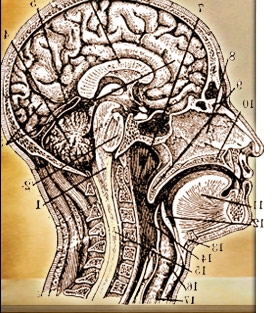
Our brains are divided into three sections: the reptilian brain, the mammalian brain, and the prefrontal cortex.
The reptilian brain is the oldest, most primitive part. In a talk at the Financial Therapy Association’s annual conference in July 2015 in San Jose del Cabo, Mexico, Dr. Ted Klontz explained that the reptilian brain continually scans for threats. It is waiting for death to come walking through the doorway, so it lives in anxiety. Since anything positive is not a threat, it’s oblivious to the positive. It also doesn’t understand the concept of the future, but lives only in this moment.
Left to its own programming, then, of course the reptilian brain might have a problem making monthly contributions to a retirement account. Saving for the future isn’t a concept it even understands. Further, it sees taking money out of the checkbook as a threat because that leaves fewer resources to battle death when it comes through the doorway. Making things even worse, the reptilian brain is nearly impossible to change. The best most of us can do is manage it.
***
***
This brings us to the mammalian brain, whose only job is to manage the anxiety of the reptilian brain. It does so in three ways:
Remove the threat (fight),
Run away from the threat (flight),
Get small and disappear to hide from the threat (freeze).
Most of us favor one of these three responses to threats, and according to Dr. Klontz we select our preferred response by the age of six. When the mammalian brain responds, it processes exponentially faster than the thinking part of our brain, the prefrontal cortex. Because of the ease with which the mammalian brain responds to threats, 90% of all decisions—including financial ones—are made here.
With the mammalian brain managing the anxiety of the reptilian brain, we have a more sophisticated response to our potential retirement plan contribution. Some of us will verbally fight and defeat any messenger (article, employer, financial advisor, spouse) that suggests we drain our current resources to send money into a black hole. Others will simply flee the messenger by diverting our attention to the Monday night football game or any task at hand. A portion of us will just freeze into a glassy-eyed stare. Nobody is home.
That leaves us with our only hope, the understanding and thinking part of the brain, the prefrontal cortex. This part of our brain doesn’t fully come on line until the mid-twenties. It functions as the parent of the other two brains, but unfortunately it processes information very slowly and with great effort.
Fortunately, this is the brain that is easiest to change. By training it to become aware when the lower parts of the brain are about to make a hair-trigger decision, we can stop the ensuing action long enough to add logic as well as emotion to the process.
Reprogramming the brain takes time, practice, and using resources like education, mentors, advisors, and counseling. Eventually, wise financial choices like saving for retirement can become the new default programming, even in spite of the reptilian brain.
Conclusion
Your thoughts and comments on this ME-P are appreciated. Feel free to review our top-left column, and top-right sidebar materials, links, URLs and related websites, too. Then, subscribe to the ME-P. It is fast, free and secure.
Speaker: If you need a moderator or speaker for an upcoming event, Dr. David E. Marcinko; MBA – Publisher-in-Chief of the Medical Executive-Post – is available for seminar or speaking engagements. Contact: MarcinkoAdvisors@msn.com
OUR OTHER PRINT BOOKS AND RELATED INFORMATION SOURCES:







 Support our online development, and advance our onground research initiatives in free market economics, as we seek to showcase the brightest Next-Gen minds.
THE ME-P DISCLAIMER: Posts, comments and opinions do not necessarily represent iMBA, Inc., but become our property after submission. Copyright © 2006 to-date. iMBA, Inc allows colleges, universities, medical and financial professionals and related clinics, hospitals and non-profit healthcare organizations to distribute our proprietary essays, photos, videos, audios and other documents; etc. However, please review copyright and usage information for each individual asset before submission to us, and/or placement on your publication or web site. Attestation references, citations and/or back-links are required. All other assets are property of the individual copyright holder.
Support our online development, and advance our onground research initiatives in free market economics, as we seek to showcase the brightest Next-Gen minds.
THE ME-P DISCLAIMER: Posts, comments and opinions do not necessarily represent iMBA, Inc., but become our property after submission. Copyright © 2006 to-date. iMBA, Inc allows colleges, universities, medical and financial professionals and related clinics, hospitals and non-profit healthcare organizations to distribute our proprietary essays, photos, videos, audios and other documents; etc. However, please review copyright and usage information for each individual asset before submission to us, and/or placement on your publication or web site. Attestation references, citations and/or back-links are required. All other assets are property of the individual copyright holder.






















 The Leading Business Education Network for Doctors, Financial Advisors and Health Industry Consultants