FINANCIAL PLANNERS: Part Time Employment Difficulties

By Staff Reporters

SPONSOR: http://www.CertifiedMedicalPlanner.org

***

***

Why It Is Difficult to Be a Part-Time Financial Planner Today

In theory, part-time financial planning offers flexibility and work-life balance, making it an attractive option for professionals seeking reduced hours. However, in practice, the role of a financial planner has evolved into a demanding, full-time commitment. The complexity of financial markets, client expectations, regulatory requirements, and technological advancements make part-time financial planning increasingly difficult to sustain.

One of the primary challenges is client relationship management. Financial planning is deeply personal and trust-based. Clients expect consistent communication, timely updates, and proactive advice. A part-time planner may struggle to maintain the same level of responsiveness as full-time counterparts, especially during volatile market conditions or life-changing events like retirement, divorce, or inheritance. Delayed responses or limited availability can erode client confidence and damage long-term relationships.

***

***

Another obstacle is the rapid pace of financial change. Tax laws, investment products, insurance regulations, and retirement planning strategies are constantly evolving. Staying current requires ongoing education, certifications, and industry engagement. For part-time planners, keeping up with these changes while managing clients and administrative tasks can be overwhelming. Falling behind risks offering outdated or suboptimal advice, which could lead to compliance issues or client dissatisfaction.

Regulatory compliance adds another layer of complexity. Financial planners must adhere to strict standards set by organizations like FINRA, the SEC, and state regulators. These include documentation, disclosures, fiduciary responsibilities, and continuing education. Compliance is non-negotiable and time-consuming, regardless of hours worked. Part-time planners face the same scrutiny and liability as full-time professionals, but with fewer hours to manage the workload.

Technology, while a powerful tool, also presents challenges. Clients increasingly expect digital access to their portfolios, real-time updates, and virtual meetings. Managing these platforms requires technical proficiency and regular maintenance. Part-time planners may find it difficult to keep systems updated, troubleshoot issues, or provide tech support, especially if they lack dedicated staff.

Business development is another hurdle. Building and maintaining a client base requires networking, marketing, and referrals. Part-time planners often have limited time to attend events, follow up with leads, or cultivate relationships. This can hinder growth and make it difficult to compete with full-time advisors who are more visible and accessible.

Finally, there’s the issue of income and scalability. Many financial planners earn through commissions, assets under management (AUM), or fee-based models. Part-time work often means fewer clients and lower revenue, which can make it hard to justify the costs of licensing, insurance, software, and office space. Without scale, profitability becomes a challenge.

In conclusion, while the idea of part-time financial planning may seem appealing, the realities of the profession make it difficult to execute effectively. The demands of client care, compliance, education, and business development require consistent attention and availability. Unless the industry adapts to support flexible models, part-time financial planners will continue to face significant barriers to success.

COMMENTS APPRECIATED

EDUCATION: Books

SPEAKING: ME-P Editor Dr. David Edward Marcinko MBA MEd will be speaking and lecturing, signing and opining, teaching and preaching, storming and performing at many locations throughout the USA this year! His tour of witty and serious pontifications may be scheduled on a planned or ad-hoc basis; for public or private meetings and gatherings; formally, informally, or over lunch or dinner. All medical societies, financial advisory firms or Broker-Dealers are encouraged to submit an RFP for speaking engagements: CONTACT: Ann Miller RN MHA at MarcinkoAdvisors@outlook.com -OR- http://www.MarcinkoAssociates.com

Like, Refer and Subscribe

***

***

The Importance of Public Relations in Healthcare

By Dr. David Edward Marcinko MBA MEd CMP

SPONSOR: http://www.CertifiedMedicalPlanner.org

***

***

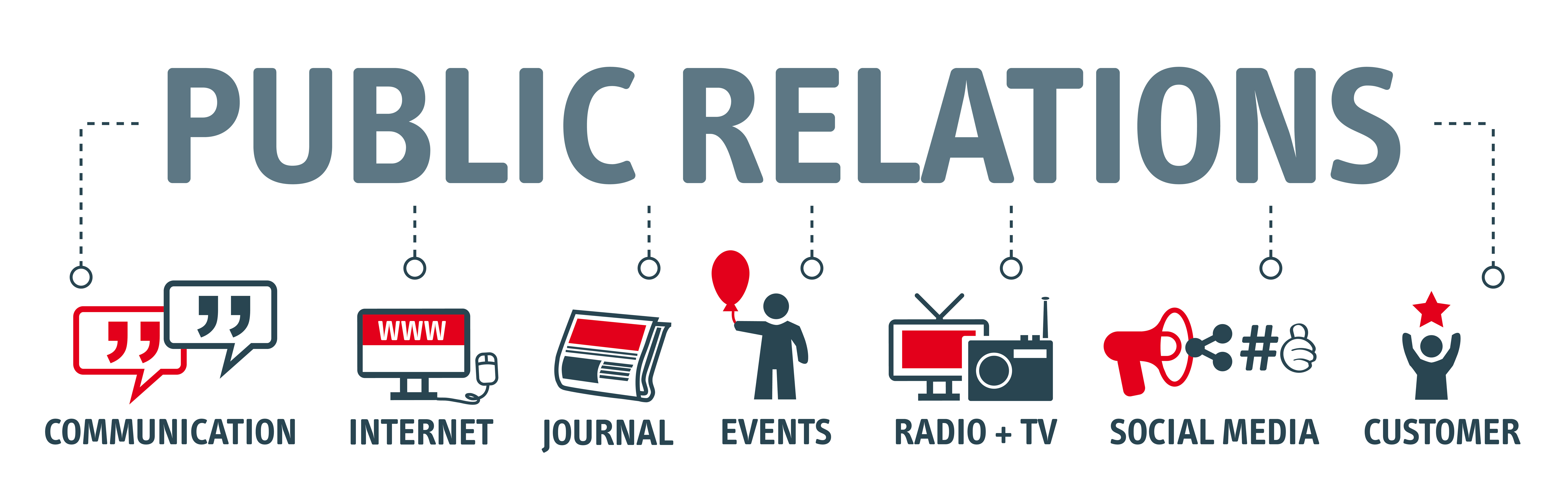
Public Relations [PR] is differentiated than advertising in that an advertiser pays for and has control over the message. It differs from personal selling in that the message is non-personal, i.e., not directed to a particular individual patient. We pay for advertising but pray for public relations. Public relations are not controllable but it is free; advertising is not free. PR suggests that “good news or bad news”; just spell the doctors name correctly

Change Management is the discipline that guides how we prepare, equip and support individuals to successfully adopt to change in order to drive organizational success and outcomes.

For example, a senior doctor may retire, become ill, or a junior associate might become a practice partner. How will patients be affected?

Crisis Management is the precautions and identification of threats to an organization and its stakeholders, and the methods used by the organization to deal with these threats.

For example, recall in 1982, that Tylenol™ commanded 35 percent of the over-the-counter analgesic market in America and it represented nearly 17 percent of Johnson & Johnson’s profits. But, when seven people died from consuming the tainted drug, a national panic ensued. Moreover, Americans started to question the safety of all over-the-counter medications.

Fortunately, J&J commenced the proto-typical positive crisis response in the following way:

  • J&J acted quickly, with complete candidness about what happened and within hours of learning of the deaths, J&J installed toll-free numbers for consumers, sent alerts to healthcare providers nationwide, and stopped advertising the product. J&J recalled 31 million bottles of Tylenol™ capsules and offered replacement products free of charge. J&J did not wait for evidence to see whether the contamination might be more widespread.
  • J&J’s leadership was in the lead and seemed in full control throughout the crisis. The chairman was admired for his leadership to pull Tylenol™ capsules off the market and his forthrightness in dealing with the media. The Tylenol™ crisis led the news every night on every station for six weeks.
  • J&J placed consumers first. J&J spent more than $100 million for the recall and re-launch of Tylenol™. The stock which had been trading near a 52-week high just before the tragedy, dropped for a time, but recovered to its highs only two months later.
  • J&J accepted responsibility. The disaster could have been described in many different ways: as an assault on the company, as a problem somewhere in the process of getting Tylenol™ from J&J factories to retail stores, or as the acts of a crazed criminal. Yet, the company accepted full responsibility.
  • J&J sought to ensure that measures were taken to prevent a recurrence of the problem. J&J introduced tamper-proof packaging that would make it much more difficult for a similar incident to occur in the future.
  • J&J presented itself prepared to handle the short-term damage in the name of consumer safety. Within a year of the disaster, J&J’s share of the analgesic market, which had fallen to 7 percent from 37 percent following the poisoning, had climbed back to 30 percent.

This wildly successful response in now the stuff of graduate and business school case models for excellence in teaching!

PRM stands for Patient Relationship Management, which is a system for managing all interactions with current and potential patients, families, friends, referring physicians, clinics and hospitals. The goal is simple: improve relationships to grow your medical practice. PRM technology helps medical practices and clinics stay connected to patients, streamline processes, and improve profitability.

When people talk about PRM, they’re usually referring to a PRM system: software that helps track each interaction with a patient or elated others. That can include practice sales calls, treatment or service plans, marketing e-mails, website, social media and more. PRM tools can unify patient and practice data from many sources and even use Artificial Intelligence [AI] to help better manage relationships across the entire doctor– patient lifecycle – spanning departments described elsewhere in the Marketing, Advertising and Sales ME-Ps.

EDUCATION: Books

SPEAKING: Dr. Marcinko will be speaking and lecturing, signing and opining, teaching and preaching, storming and performing at many locations throughout the USA this year! His tour of witty and serious pontifications may be scheduled on a planned or ad-hoc basis; for public or private meetings and gatherings; formally, informally, or over lunch or dinner. All medical societies, financial advisory firms or Broker-Dealers are encouraged to submit an RFP for speaking engagements: CONTACT: Ann Miller RN MHA at MarcinkoAdvisors@outlook.com 

References:

1. Purcarea, Victor: The impact of marketing strategies in healthcare systems.  J. Med Life. 2019 Apr-Jun;12(2):93–96. doi: 10.25122/jml-2019-1003

READINGS:

Marcinko, DE and Hetico, HR: The Business of Medical Practice [3rd Edition]. Springer Publishing, New York, 2010.

Marcinko, DE and Hetico, HR: Hospitals & Healthcare Organizations [Management Strategies, Operational Techniques, Tools, Templates and Case Studies].  Productivity Press, New York, 2012.

Marcinko, DE and Hetico, HR: Financial Management Strategies for Hospitals and Healthcare Organizations [Tools, Techniques, Checklists and Case Studies]. Productivity Press, New York, 2012.

COMMENTS APPRECIATED

Like and Subscribe

***

MARKETING, ADVERTISING & SALES: Public Relations, Change and Crisis Management

THE BASICS FOR FOR PHYSICIANS, INSURANCE AGENTS AND FINANCIAL ADVISORS

By Staff Reporters

SPONSOR: http://www.CertifiedMedicalPlanner.org

***

***

There’s often a disconnect between physicians, insurance agents and financial advisors and the patients and clients they’d like to serve. Both might ostensibly share the same goal but there’s often a big difference in perspective. Advisors / Physicians and would-be clients / patients likely have different communication styles, especially in an age where technology has greatly changed the way we talk with one another. Their expectations and priorities can also often dramatically diverge. Those structural gaps can hinder collaboration and trust.

To bridge this divide, you must understand how prospective clients and patients think nowadays and be able to adjust your M.A.S. approach accordingly.

THE BASICS

Marketing is the business process of identifying, anticipating and satisfying patient’s, client’s or customers’ needs and wants. It is your unique value proposition or strategic competitive advantage. Marketers can direct product to other businesses or directly to consumers. But, we believe it is actually your strategic competitive advantage [SCA] which differentiates yourself from competitors. It is the “moat” around your business.

Advertising is a marketing communication that employs an openly sponsored, non-personal message to promote or sell a product, service or idea. Sponsors of advertising are typically businesses wishing to promote their products or services. Advertising is communicated through various mass media outlet, including traditional media such as newspapers, magazines, television, radio, outdoor advertising or direct mail; and new media such as search results, blogs, social media, websites or text messages. The actual presentation of the message in a medium is referred to as an advertisement, or “ad” or advert for short. But, we believe that is simply how you disseminate your strategic competitive advantage [SCM] to potential clients.

Sales close the deal and collects money. Sales are activities related to selling or the number of goods or services sold in a given targeted time period. The seller, or the provider of the goods or services, completes a sale in response to an acquisition, appropriation, requisition, or a direct interaction with the buyer at the point of sale. There is a passing of title (property or ownership) of the item, and the settlement of a price, in which agreement is reached on a price for which transfer of ownership of the item will occur. The seller, not the purchaser, typically executes the sale and it may be completed prior to the obligation of payment. In the case of indirect interaction, a person who sells goods or service on behalf of the owner is known as a salesman or saleswoman or salesperson, but this often refers to someone selling goods in a store/shop, in which case other terms are also common, including salesclerk, shop assistant, and retail clerk.

***

***

DERIVATIVE THOUGHTS

Public Relations [PR] is differentiated than advertising from in that an advertiser pays for and has control over the message. It differs from personal selling in that the message is non-personal, i.e., not directed to a particular individual. We pay for advertising but pray for public relations. But public relations are not controllable but it is free, while advertising is not. PR suggests that “good news or bad news”; just spell the name correctly

Change Management is the discipline that guides how we prepare, equip and support individuals to successfully adopt to change in order to drive organizational success and outcomes.

Crisis Management is the precautions and identification of threats to an organization and its stakeholders, and the methods used by the organization to deal with these threats.

MODERNITY NOW

CRM stands for Customer Relationship Management, which is a system for managing all interactions with current and potential customers, clients or patients. The goal is simple: improve relationships to grow your business or medical practice. CRM technology helps companies stay connected to customers, streamline processes, and improve profitability.

When people talk about CRM, they’re usually referring to a CRM system: software that helps track each interaction you have with a prospect, patient or customer. That can include sales calls, treatment plans or service interactions, marketing e-mails, and more. CRM tools can unify customer and company data from many sources and even use Artificial Intelligene [AI] to help better manage relationships across the entire customer – patient lifecycle – spanning departments described in the M.A.S. basics, above.

Refer and Like

COMMENTS APPRECIATED

***

***

DAILY UPDATE: Federal Health Agencies and PBMs as Technology Stock Plunge!

MEDICAL EXECUTIVE-POST TODAY’S NEWSLETTER BRIEFING

***

Essays, Opinions and Curated News in Health Economics, Investing, Business, Management and Financial Planning for Physician Entrepreneurs and their Savvy Advisors and Consultants

Serving Almost One Million Doctors, Financial Advisors and Medical Management Consultants Daily

A Partner of the Institute of Medical Business Advisors , Inc.

http://www.MedicalBusinessAdvisors.com

SPONSORED BY: Marcinko & Associates, Inc.

***

http://www.MarcinkoAssociates.com

Daily Update Provided By Staff Reporters Since 2007.
How May We Serve You?
© Copyright Institute of Medical Business Advisors, Inc. All rights reserved. 2025

REFER A COLLEAGUE: MarcinkoAdvisors@outlook.com

SPONSORSHIPS AVAILABLE: https://medicalexecutivepost.com/sponsors/

ADVERTISE ON THE ME-P: https://tinyurl.com/ytb5955z

Your Referral Count -0-

Federal health agencies are canceled—well, their meetings are at least. In the days following his inauguration, President Donald Trump’s administration asked officials within the Department of Health and Human Services (HHS)—which has a $1.7 trillion budget and includes the FDA, the CDC, and the National Institutes of Health (NIH)—to stop all external communication, according to an internal memo. This means no new health advisories, social media posts, or website posts.

“As the new administration considers its plan for managing the federal policy and public communications processes, it is important that the president’s appointees and designees have the opportunity to review and approve any regulations, guidance documents, and other public documents and communications (including social media),” the memo read. The pause began on Jan. 21st, and according to the memo, will remain in effect until Feb. 1st

CITE: https://www.r2library.com/Resource

The FTC’s second interim staff report on consolidated pharmacy benefit managers (PBMs) found that the three largest of these middlemen—CVS Health’s Caremark Rx, Cigna Group’s Express Scripts, and UnitedHealth Group’s OptumRx—”marked up two specialty generic cancer drugs by thousands of percent and then paid their affiliated pharmacies hundreds of millions of dollars of dispensing revenue in excess of estimated acquisition costs for each drug annually.”

CITE: https://tinyurl.com/2h47urt5

The NASDAQ tanked on Monday as a Chinese startup rattled faith in US leadership and profitability in AI, taking a hammer to Nvidia (NVDA), wiping out a record $589 billion in market value. The NASDAQ Composite (^IXIC) sank more than 3%, while the S&P 500 (^GSPC) dropped nearly 1.5%. The blue-chip Dow Jones Industrial Average (^DJI), which is less dependent tech stocks gained more than 0.6% as investors flocked to defensive sectors. Shares of Apple (AAPL) and software giant Salesforce (CRM) also bucked the tech rout.

CITE: https://tinyurl.com/tj8smmes

Visualize: How private equity tangled banks in a web of debt, from the Financial Times.

COMMENTS APPRECIATED

PLEASE SUBSCRIBE: MarcinkoAdvisors@outlook.com

Thank You

***

***

***

***

EDUCATIONAL TEXTBOOKS: https://tinyurl.com/4zdxuuwf

***

CRM: Patient Relations Management and Concierge Medicine

Characteristics of a Retainer or Cash-Based Practice

By DeeVee Devarakonda; MBA [Former CMO of Quaero, Inc]

By Dr. David Edward Marcinko; MBA http://www.CertifiedMedicalPlanner.org

Calendar Calculator

A young concierge medical practice is a business with challenges in these Customer [Patient] Relationship Management’s [CRM] areas that are critical for success.

Areas of Most Challenge

Maturity of Processes:

Processes are often associated with bureaucracy or stuffy hierarchical healthcare systems that are anathema to emerging concierge medical practices. At small practices, doctors are often owners who fiercely pride themselves on flat structures, autonomy and flexibility. However, processes are imperative to conduct a streamlined practice that can be woven around a CM culture that still ensures practice business is conducted in a systematic manner.

Organization Structure:

Young concierge medical practices have challenges managing growth while grappling to incorporate an organization structure that promotes the elite private practice culture.

Multi-tasking, rapidly growing work places:

Young CM practices are often characterized by employees who multi-task and assume several roles to make their resources stretch farther. Especially in the current healthcare reform climate, young practice employees take up a broader set of responsibilities. In addition, as young private CM practices grow, they may become anguished with a growing office workplace that may not be equipped with an evolving infrastructure to cope. They have a fierce need to carefully control growth with tightly managed resources.

Changing business needs and strategy:

In an era after the golden age of traditional medicine, profitability is critical for emerging concierge practices. It is imperative to be nimble and change marketing strategies as socio-political and competitive climates dictate. A good C[P] RM system is tightly integrated, but loosely coupled, to allow CM practices to communicate appropriately with patients.

Little room for Slack:

Small concierge medical practices do not have as much established name-brand equity as larger, established practices of any model type, and patients are less willing to tolerate mistakes. Concierge practices have to run a much tighter ship and build impeccable patient experiences.

Fierce Competition:

The cash or retainer medicine landscape today looks very different from just five years ago. Competition is becoming fierce and practices are fighting for mindshare and patients. Young practices are competing with older concierge practices – large traditional practices, micro-practices, behemoth healthcare systems, enterprise-wide medical corporations and every other practice model in-between – to attract and retain patients with private resources.

Assessment

The above characteristics form the basis of a compelling strategy to embrace C[P]RM and streamline patient relationships and cash revenue opportunities. Concierge practices still need to build scalable marketing programs that can easily ramp up and down effortlessly as needs and economic environments demand. But, they do need to establish marketing metrics and processes that can demonstrate the Return on Investment (ROI) on their CRM, and marketing programs, and for getting critical cash-paying patient buy-in.

Related link: https://healthcarefinancials.wordpress.com/2009/04/28/defining-and-understanding-%e2%80%9cboutique-medicine%e2%80%9d/

MORE: https://medicalexecutivepost.com/2009/10/30/return-on-investment-calculations-for-concierge-medical-practice-marketing-initiatives/

Conclusion

Your thoughts and comments on this ME-P are appreciated. Feel free to review our top-left column, and top-right sidebar materials, links, URLs and related websites, too. Then, subscribe to the ME-P. It is fast, free and secure.

Speaker: If you need a moderator or speaker for an upcoming event, Dr. David E. Marcinko; MBA – Publisher-in-Chief of the Medical Executive-Post – is available for seminar or speaking engagements. Contact: MarcinkoAdvisors@msn.com

OUR OTHER PRINT BOOKS AND RELATED INFORMATION SOURCES:

PHYSICIANS: www.MedicalBusinessAdvisors.com
PRACTICES: www.BusinessofMedicalPractice.com
HOSPITALS: http://www.crcpress.com/product/isbn/9781466558731
CLINICS: http://www.crcpress.com/product/isbn/9781439879900
ADVISORS: www.CertifiedMedicalPlanner.org
BLOG: www.MedicalExecutivePost.com

Product Details

Invite Dr. Marcinko

PODCAST: Healthcare Customer Service is Terrible!

WHY?

BY ERIC BRICKER MD

***

YOUR COMMENTS ARE APPRECIATED.

Thank You

***

***

ORDER TEXT: https://www.amazon.com/dp/B0091ICH30?ref_=k4w_oembed_oQPgAstGiXiIgL&tag=kpembed-20&linkCode=kpd

***

C.R.M In Medical Practice

PATIENT RELATIONS MARKETING MANAGEMENT IN MEDICAL PRACTICE
Courtesy: https://lnkd.in/eBf-4vY

Rocking C.R.M. Old School

Customer Relations Management [C.R.M] is an approach to managing a company’s interaction with current and potential customers. It uses data analysis about customers’ history to improve business relationships with customers, specifically focusing on customer retention and ultimately driving sales growth.

LINK: https://lnkd.in/eWx3WjZ

But, what about “Patients” NOT “Customers” in a small to medium sized medical practice? Colleague Dee-Vee Devarakonda MBA, opines.

ESSAY: https://lnkd.in/gGtwqGA

Now, let’s get a bit more granular, as we go “old school” on P [patient] RM, right here:

WORKING WHITE-PAPER: https://lnkd.in/eGKt7cZ

Your thoughts and comments are appreciated.

***

BUSINESS, FINANCE, INVESTING AND INSURANCE TEXTS FOR DOCTORS:
1 – https://lnkd.in/ebWtzGg
2 – https://lnkd.in/ezkQMfR
3 – https://lnkd.in/ewJPTJs
THANK YOU
****

On Physician Relations Management [PRM] Technology

Join Our Mailing List

Criteria for Selection

By Dr. Gary L. Bode MSA, CPA, LLC

Both research and experience reveals an often confusing, complicated world of claims, features, and upgrades, a wide array of technical architectures, and an even wider array of pricing structures when it comes to choosing Physician [Customer] Relations Management [PRM] software.

For me – as a medical practice management consultant – critical criteria for selection includes the following features.

Scalability:

In a young medical practice, a scalable marketing program and PRM infrastructure should be flexible enough to accommodate specialty trends effortlessly and seamlessly without crushing your marketing infrastructure or its’ people, patients or processes. A scalable PRM infrastructure should allow a new channel, a new patient segment, a medical product or service-line seamlessly and with minimum incremental effort or cost.

Interoperability:

You may need an authoring tool today to develop your collateral data, and so select a simple MSFT Word® program. Later, you may want to conduct campaigns to re-introduce your practice or gauge satisfaction among current patients through an online survey. The software you build or purchase for individual activities should be able to co-exist and talk to each other. The software you purchase does not have to be monolithic, but it needs to be modular and work together incrementally.

For example, your e-mail campaign software, CPOESs [computerized physician order entry systems] and e-prescribing functions should work with your authoring tools and eMR.

In today’s complex and fast paced evolution of PRM products, newer technologies need to co-exist with older legacy technologies, and futuristic eMR systems; so interoperability is one of the critical criteria for PRM technology selection.

Ease of Use:

As a young medical practice, pulled in different directions, it is important to have a PRM solution that is easy to use and does not necessitate extensive user training.

Cost structure:

Remember, all PRM software comes with obvious costs as well as hidden costs. Ask the right questions and find out the hidden costs for systems implementation, integration and user training.

Assessment

Channel Surfing the ME-P

Have you visited our other topic channels? Established to facilitate idea exchange and link our community together, the value of these topics is dependent upon your input. Please take a minute to visit. And, to prevent that annoying spam, we ask that you register. It is fast, free and secure.

Conclusion

Your thoughts and comments on this ME-P are appreciated. Feel free to review our top-left column, and top-right sidebar materials, links, URLs and related websites, too. Then, subscribe to the ME-P. It is fast, free and secure.

Speaker: If you need a moderator or speaker for an upcoming event, Dr. David E. Marcinko; MBA – Publisher-in-Chief of the Medical Executive-Post – is available for seminar or speaking engagements. Contact: MarcinkoAdvisors@msn.com

OUR OTHER PRINT BOOKS AND RELATED INFORMATION SOURCES:


Product Details 

Building a Meaningful Medical Practice Marketing Campaign

Join Our Mailing List

What it Is – How it Works

[By Dr. David Edward Marcinko MBA, CMP™]

[By DeeVee Devarakonda MBA]

The success of a knowledge driven healthcare organization depends on not only how data can be converted to information – and information into marketing insight – but also by acting upon and converting those insights into building meaningful patient acquisition campaigns.

Definition of Patient Recruitment

Patient recruitment or campaign managementis the process of designing, executing, and measuring marketing campaigns through the use of applications that help to:

  • Select and segment patients
  • Design campaigns and execute the campaigns to contact patients
  • Track the contacts made with patients
  • Measure the results of those contacts
  • Learn from these results to more efficiently target patients in the future.

Key Queries

Some key questions to ask while you build campaigns:

  • Do you have a Customer [Patient] Relations Management roadmap that fits in with your overall patient vision and strategies and outlines the course of action for campaign management?
  • What is your privacy policy and strategy? – It is imperative for healthcare organizations to be proactive and self-regulate with a coherent privacy policy and design their systems to comply with this strategy. This may affect the way you design and execute campaigns.
  • What tools should you use? – There are several campaign management tools available today but no one tool may solve all business problems. You need to decide: what works best for my technical/ business environment? Is any integration effort required, if yes, how much will it cost me? How user-friendly are the tools? How much should I invest in training?

Important Campaign Components

Critical components of campaign management include the following activities:

  • Patient Segmentation: Process of identifying groups of patients for better targeting marketing and communications efforts. Segmentation is critical for effective and intelligent one on one communications with your patient.
  1. Ensure your data quality is excellent which can give you meaningful segmentation.
  2. Consistency of treatments and processes are of paramount importance.
  3. Buying a software tool is not enough for effective segmentation. You also need to understand what the software tool does in the backend. Watch out for anomalies and take steps to make reparations.
  4. Make sure you administer the initiative to a small sample and the business rules are in place before you roll out your campaign to the larger group.
  • Personalization: Ability to customize your product/service to each patient:
  1. Good personalization is possible especially when you have a good patient past history.
  2. You also need to have all business rules in place for effective personalization.
  3. Ensure your patient data is of high quality (e.g. addressing a female patient as a Mr. or sending mails to sign up for your service to a person who is already your patient can defeat the purpose of personalization)
  4. If you model data before personalization, you can target more effectively and personalize.
  5. It pays to have a clear privacy policy and ensure your personalization philosophies are in tune with that policy.
  • Execution – Actual implementation of your marketing programs and messages
  1. Before you execute, ensure you are equipped to fulfill promises you are making in the campaigns (e.g. If you are printing a toll free phone number in your direct mail piece for your patients to use, that toll free telephone number should work)
  2. Make sure your sales and service channels are aware of the campaigns and publish a general calendar for the whole company
  3. Develop business rules and strategies for follow-up campaigns.

Learn more: http://www.CertifiedMedicalPlanner.org

The Mindset

Successful patient marketing campaigns begin with the proper mindset and practice culture. There is no technology silver bullet to any P[C]RM campaign. And today, patient privacy is the key element of loyalty with a commitment to build long lasting and profitable campaigns through mutual trust and engaging cross-functional teams that can pick and deploy the elements mentioned above, across the entire enterprise and IT network, as needed.

Assessment

Healthcare organizations should keep privacy and the above components as their laundry list of action items when considering a C(P)RM plan.

Conclusion

Your thoughts and comments on this ME-P are appreciated. Feel free to review our top-left column, and top-right sidebar materials, links, URLs and related websites, too. Then, subscribe to the ME-P. It is fast, free and secure.

Speaker: If you need a moderator or speaker for an upcoming event, Dr. David E. Marcinko; MBA – Publisher-in-Chief of the Medical Executive-Post – is available for seminar or speaking engagements. Contact: MarcinkoAdvisors@msn.com

OUR OTHER PRINT BOOKS AND RELATED INFORMATION SOURCES:

Product Details 

Product DetailsProduct Details

CRM Considerations for a Health 2.0 Medical Practice

Join Our Mailing List

The Build vs. Buy vs. Outsource Conundrum

By DeeVee Devarakonda MBA

There are several options to build, buy or outsource a medical practice Customer Resource Management infrastructure. And, there are advantages and disadvantages to all three options. I will review all three for our ME-P readers. 

Build:

Rapid technology advances are transforming the business landscape. This makes it very challenging for healthcare organizations to keep abreast of the technologies, to train and manage resources on tools, to grapple with cross-functional, cross-departmental dynamics and build the CRM application. In addition mergers/ acquisitions and other market realities can make CRM operations complex and distract healthcare organizations from delivering excellent patient experience.

It is very tempting for small healthcare organizations to think they can develop what they need in-house themselves. May be May be not. It is very essential to stay focused on your main business and see if the solution is available elsewhere. Figure out if you are in the business of whatever you are doing or let us say in the business to develop patient survey tool or a low-end database. It is best to get outside help wherever you are dealing with an initiative/ task that is not your core competence or where it is to your strategic advantage- be it time-to-value or cost savings.

Buy:

Depending on your business needs you can either buy CRM package solution and implement or build best of breed solutions that are suited to your business needs. You need to pay very close attention to what the software vendors are promising. Naturally they will be more interested in making the sale, than advising on whether it integrates well with your existing technologies, so the onus is on you as a buyer to ask the right questions and make appropriate purchases.

Outsource:

Especially for very young healthcare organizations today, outsourcing can be an option worth exploring to de-risk technology decisions. Outsourcing de-risks marketing program – avoids unnecessary, upfront, massive capital investment and will also equip the marketers with the flexibility to ramp up or down as situation demands. Outsourcing does not mean healthcare organizations can wash their hands off the CRM function. Still it is the business that will have to provide the strategic direction and control the CRM process and outcome. There are also Application Service Provider (ASP) solutions which de-risk technology decisions.

Assessment

One of the attractions of going the hosted route becomes very clear when you have a two doctor practice marketing medical services that require 24×7 availability of information, transaction and service. They have attractive pricing that encourage “pay as you go” paradigm which is of enormous help to young businesses. However, the disadvantages of an ASP [SaaS] are: 1) you can’t integrate with your other enterprise systems for patient 360-degree view 2) you can’t customize to reflect your exact needs 3) you can’t work offline, which can be a disadvantage if you are a mobile “new-wave” medical practice.

MORE: CRM Marketing

Channel Surfing the ME-P

Have you visited our other topic channels? Established to facilitate idea exchange and link our community together, the value of these topics is dependent upon your input. Please take a minute to visit. And, to prevent that annoying spam, we ask that you register. It is fast, free and secure.

Conclusion

Your thoughts and comments on this ME-P are appreciated. Feel free to review our top-left column, and top-right sidebar materials, links, URLs and related websites, too. Then, subscribe to the ME-P. It is fast, free and secure.

Speaker: If you need a moderator or speaker for an upcoming event, Dr. David E. Marcinko; MBA – Publisher-in-Chief of the Medical Executive-Post – is available for seminar or speaking engagements. Contact: MarcinkoAdvisors@msn.com

OUR OTHER PRINT BOOKS AND RELATED INFORMATION SOURCES:

Product DetailsProduct Details

***