BOARD CERTIFICATION EXAM STUDY GUIDES Lower Extremity Trauma
[Click on Image to Enlarge]
ME-P Free Advertising Consultation
The “Medical Executive-Post” is about connecting doctors, health care executives and modern consulting advisors. It’s about free-enterprise, business, practice, policy, personal financial planning and wealth building capitalism. We have an attitude that’s independent, outspoken, intelligent and so Next-Gen; often edgy, usually controversial. And, our consultants “got fly”, just like U. Read it! Write it! Post it! “Medical Executive-Post”. Call or email us for your FREE advertising and sales consultation TODAY [678.779.8597] Email: MarcinkoAdvisors@outlook.com
Medical & Surgical e-Consent Forms
ePodiatryConsentForms.com
iMBA Inc., OFFICES
Suite #5901 Wilbanks Drive, Norcross, Georgia, 30092 USA [1.678.779.8597]. Our location is real and we are now virtually enabled to assist new long distance clients and out-of-town colleagues.
ME-P Publishing
SEEKING INDUSTRY INFO PARTNERS?
If you want the opportunity to work with leading health care industry insiders, innovators and watchers, the “ME-P” may be right for you? We are unbiased and operate at the nexus of theoretical and applied R&D. Collaborate with us and you’ll put your brand in front of a smart & tightly focused demographic; one at the forefront of our emerging healthcare free marketplace of informed and professional “movers and shakers.” Our Ad Rate Card is available upon request [678-779-8597].
Posted on December 9, 2022 by Dr. David Edward Marcinko MBA MEd CMP™
By Staff Reporters
***
***
A new examination by Senate Democrats of how the federal government bungled its early response to the coronavirus pandemic faults President Donald J. Trump and his administration for numerous missteps while also laying blame on “multiple systemic problems” that long predated his time in office.
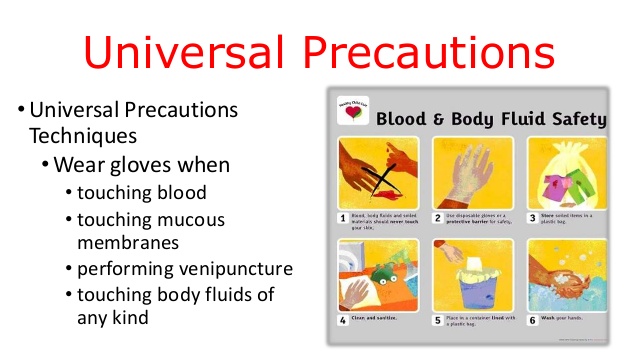
Universal Precautions refer to the medical practice of avoiding contact with patients’ bodily fluids, by means of the wearing of nonporous articles such as medical gloves, goggles, and face shields.
The infection control techniques were essentially good hygiene habits, such as hand washing and the use of gloves and other barriers, the correct handling of hypodermic needles, scalpels, and aseptic techniques.
Following the AIDS outbreak in the 1980s the US CDC formally introduced them in 1985–88. Every patient was treated as if infected and therefore precautions were taken to minimize risk.
Posted on February 23, 2022 by Dr. David Edward Marcinko MBA MEd CMP™
By Staff Reporters
***
***
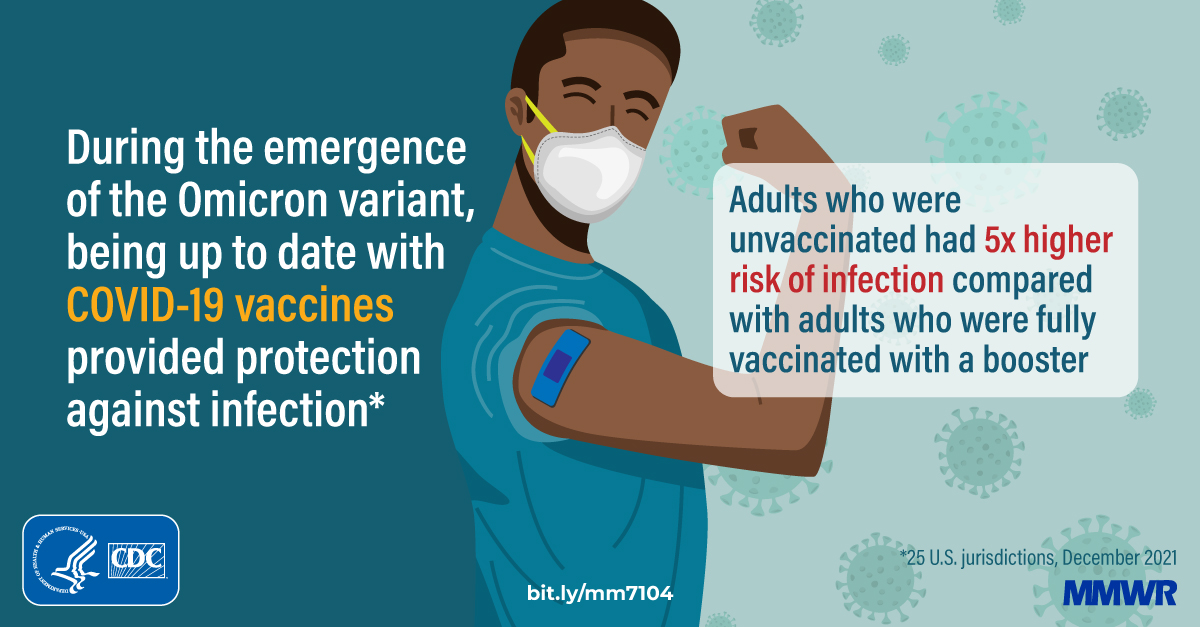
33.6% of COVID Infections Were in Unvaccinated Persons
According to a recent CDC study. Among 422,966 reported SARS-CoV-2 infections in LAC residents aged ≥18 years during November 7, 2021–January 8, 2022:
• 33.6% were in unvaccinated persons • 13.3% were in fully vaccinated persons with a booster • 53.2% were in fully vaccinated persons without a booster • Unvaccinated persons were most likely to be hospitalized, representing 2.8% of COVID infections • Unvaccinated persons were most likely to be admitted to an ICU, or 0.5% of COVID infections • Unvaccinated persons were most likely to be require intubation for mechanical ventilation, or 0.2% of COVID infections.
Posted on September 13, 2021 by Dr. David Edward Marcinko MBA MEd CMP™
ABOUT NOSE SWAB KITS
***
BY. DR. DAVID EDWARD MARCINKO MBA
What is an at-home Covid test?
There are two types of tests for COVID-19. Viral tests tell you if you have a current infection, and antibody tests tell you if you’ve been previously infected.
If you’re experiencing symptoms or think you’ve been exposed to COVID-19, contact your health care provider or your state or local public health department to find out where you can get tested. Tests are available at many health centers and some pharmacies. Call in advance to see if an appointment is required. The testing process and timeline for results vary by location.
But – Rather than having a doctor or health professional get all up in your nostrils, you can swab yourself and get the results in less than an hour. At-home rapid tests (known as “antigen” tests) are less reliable than the lab-based PCR [polymerase chain reaction] test, but experts say they can be an extremely useful tool for allowing life to proceed semi-normally.
NOTE: PCR means polymerase chain reaction. It’s a test to detect genetic material from a specific organism, such as a virus. The test detects the presence of a virus if you have the virus at the time of the test. The test could also detect fragments of the virus even after you are no longer infected.
Problem is, in the US over-the-counter rapid tests are expensive and scarce.
Abbott Laboratories sells a two-pack for $24, and Quidel’s QuickVue sells a test for $15. But even if you are willing to shell out for one, good luck finding a rapid test on pharmacy store shelves or on e-commerce websites, where they’re often sold out.







 Support our online development, and advance our onground research initiatives in free market economics, as we seek to showcase the brightest Next-Gen minds.
THE ME-P DISCLAIMER: Posts, comments and opinions do not necessarily represent iMBA, Inc., but become our property after submission. Copyright © 2006 to-date. iMBA, Inc allows colleges, universities, medical and financial professionals and related clinics, hospitals and non-profit healthcare organizations to distribute our proprietary essays, photos, videos, audios and other documents; etc. However, please review copyright and usage information for each individual asset before submission to us, and/or placement on your publication or web site. Attestation references, citations and/or back-links are required. All other assets are property of the individual copyright holder.
Support our online development, and advance our onground research initiatives in free market economics, as we seek to showcase the brightest Next-Gen minds.
THE ME-P DISCLAIMER: Posts, comments and opinions do not necessarily represent iMBA, Inc., but become our property after submission. Copyright © 2006 to-date. iMBA, Inc allows colleges, universities, medical and financial professionals and related clinics, hospitals and non-profit healthcare organizations to distribute our proprietary essays, photos, videos, audios and other documents; etc. However, please review copyright and usage information for each individual asset before submission to us, and/or placement on your publication or web site. Attestation references, citations and/or back-links are required. All other assets are property of the individual copyright holder.
















 The Leading Business Education Network for Doctors, Financial Advisors and Health Industry Consultants