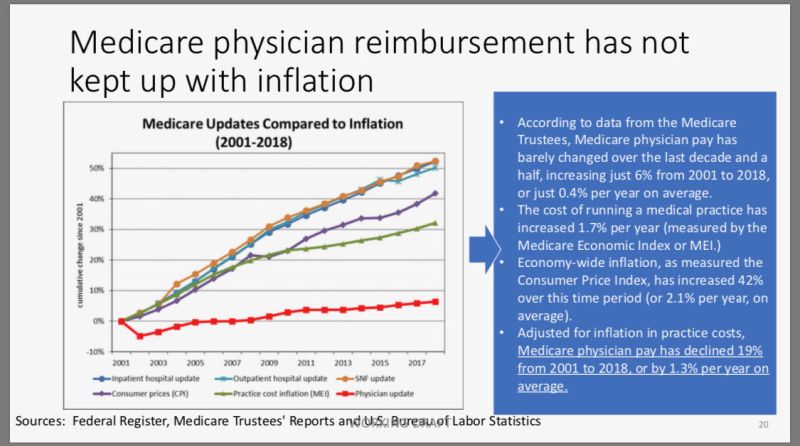
Filed under: Health Economics, Health Insurance, Health Law & Policy, Healthcare Finance | Tagged: Health Capital Consultants LLC, medicare, Medicare Hospital Payments, Private Insurance | 1 Comment »
“America First Healthcare Plan”
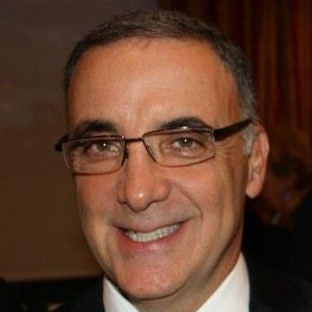
By Robert Gergely MD
Yesterday, The President @POTUS outlined his plans for “America First Healthcare Plan”.
In 45 min. in front of Medical Professionals he brilliantly outlined a free market, competitive and PATIENTS centered philosophy for Medical Care in America. For those who care please view the video. you can find it here:https://lnkd.in/e9pxR-U
***
THANK YOU
***
Filed under: Health Economics, Health Insurance, Health Law & Policy, Healthcare Finance | Tagged: "America First Healthcare Plan", Robert Gergely MD | Leave a comment »
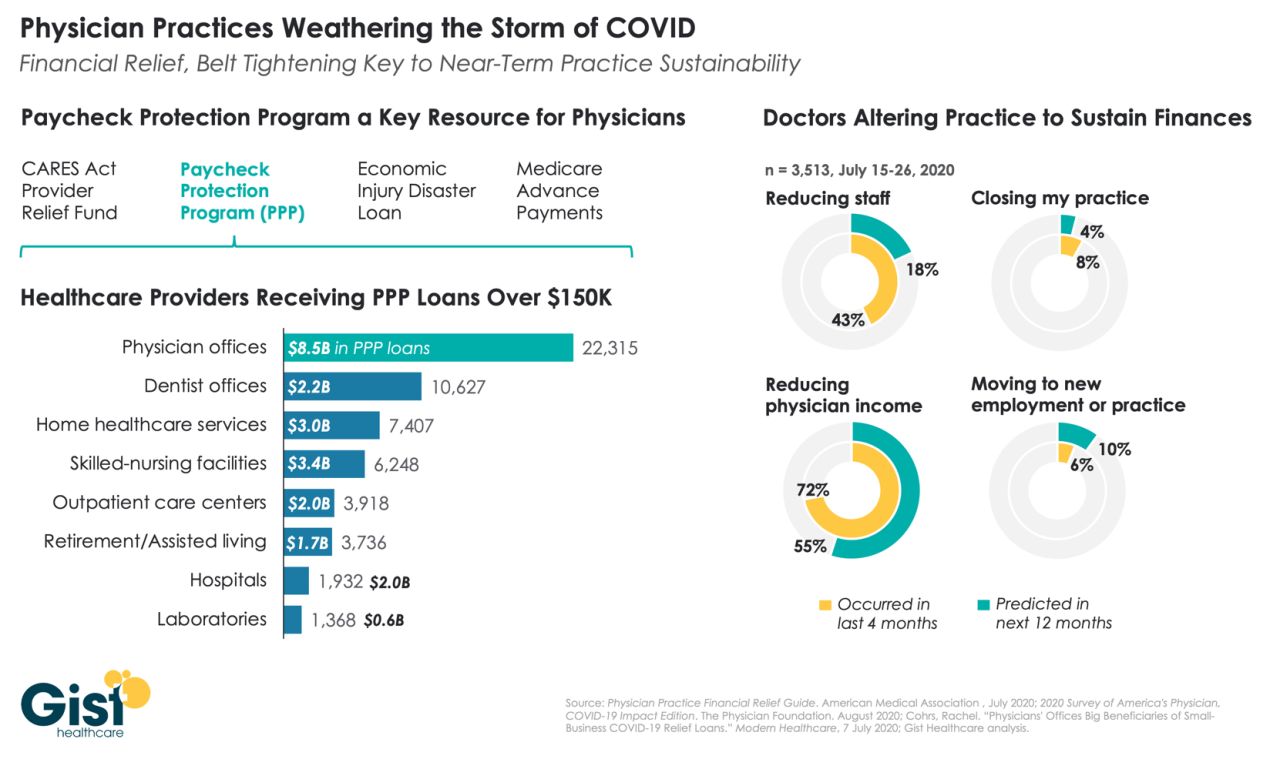
Physician Practices Weathering the Storm of COVID-10?
By staff reporters
***
Filed under: Health Economics, Health Insurance, Health Law & Policy | Tagged: corona, pandemic, pandemic unemployment | Leave a comment »
Eases Burden on Rural Medical Providers
By Health Capital Consultants, LLC
***
Executive Order Expands Telemedicine and Eases Burden on Rural Providers
On August 3, 2020, President Donald Trump signed an executive order aimed at expanding access to care through two avenues: telemedicine and eased financial burdens on rural providers. The executive order builds on President Trump’s original expansion of coverage for telemedicine services in early March 2020, an order which was praised by the American Telehealth Association (ATA) and American Medical Association (AMA) for swiftly responding to the growing healthcare crisis. This Health Capital Topics article will discuss the executive rule and the subsequent agency actions on these fronts. (Read more…)
***

Filed under: Glossary Terms, Health Law & Policy, Information Technology | Tagged: Health Capital Consultants LLC, Medicare Telehealth, Tele-Health, telemedicine | 2 Comments »
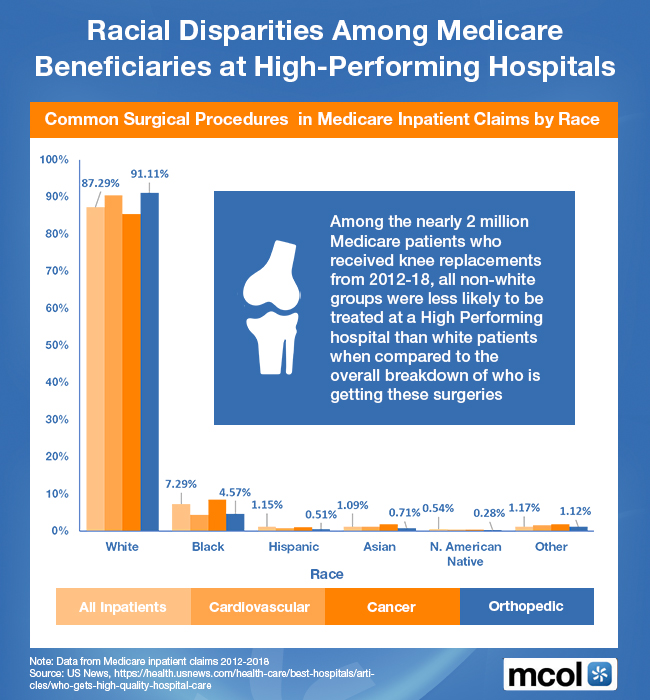
AT HIGH-PERFORMANCE HOSPITALS
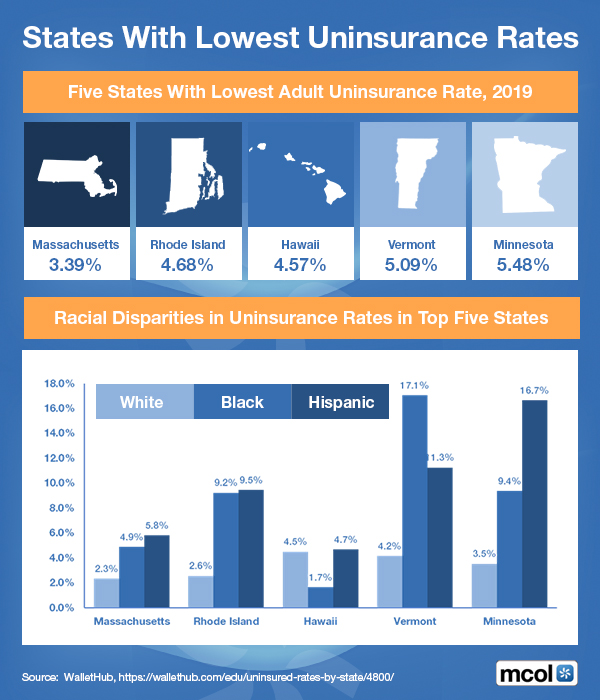
Filed under: Health Economics, Health Insurance, Health Law & Policy, Healthcare Finance | Tagged: mcol.com, medicare, racial disparities | Leave a comment »
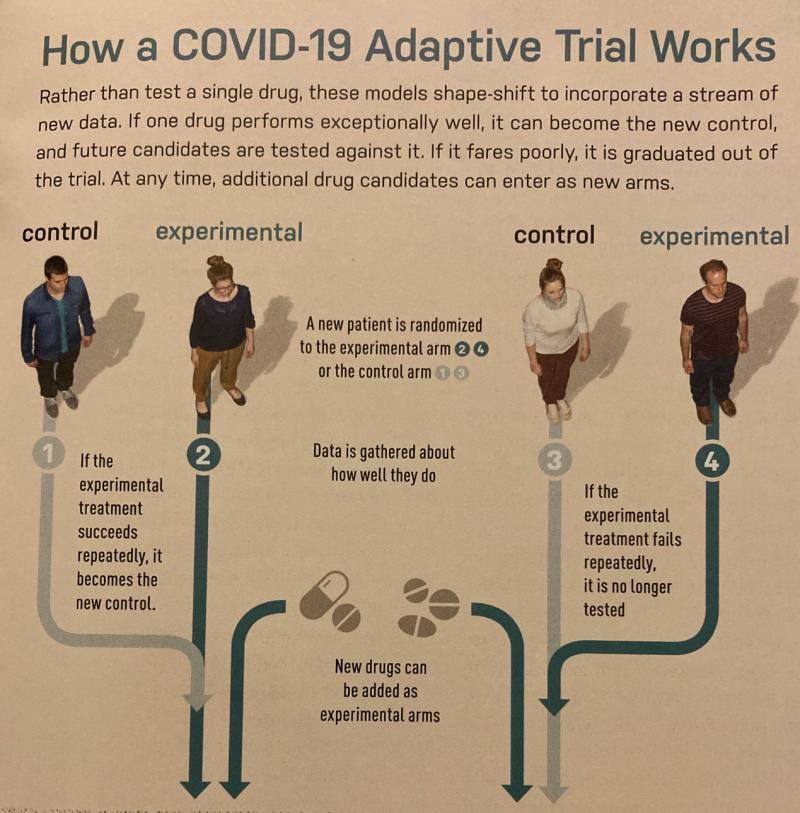
How it Works
By staff reporters
***
***
SPEAKING INVITATION TOPIC LIST:
Filed under: Glossary Terms, Health Law & Policy | Tagged: Adaptive COVID-19 Trial | Leave a comment »
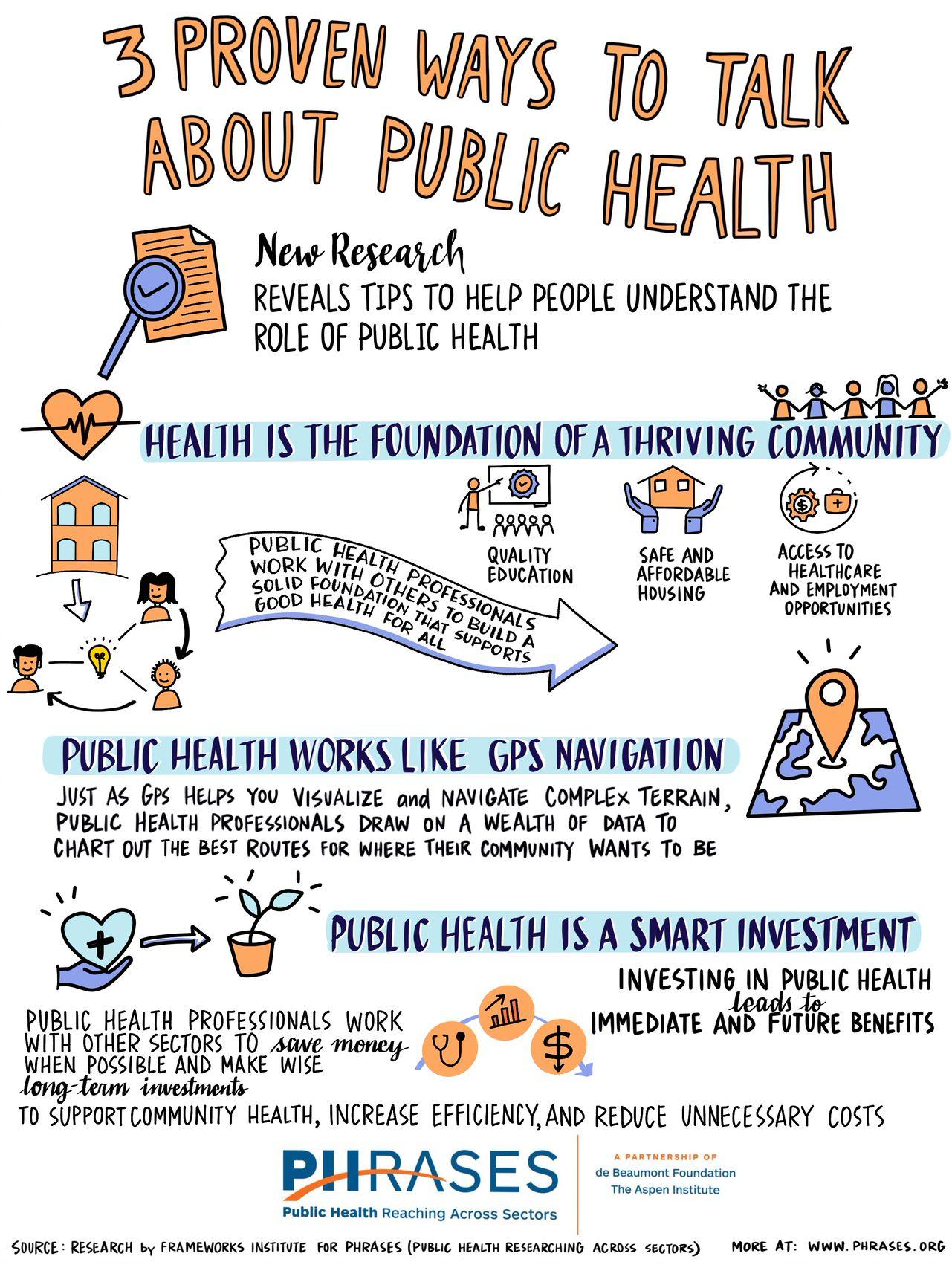
Three Ways to Discuss
By staff reporters
***
THANK YOU
***
Filed under: Health Insurance, Health Law & Policy, iMBA, Inc. | Tagged: public health | Leave a comment »
The First Black Woman MD in the USA
By staff reporters
***
***
“Medical Management and Health Economics Education for Financial Advisors”
CMP® CURRICULUM: https://lnkd.in/eDTRHex
CMP® WEB SITE: https://lnkd.in/guWSApq
Your thoughts and comments are appreciated.
BUSINESS, FINANCE, INVESTING AND INSURANCE TEXTS FOR DOCTORS:
THANK YOU
***
Filed under: "Doctors Only", Glossary Terms, Health Law & Policy | Tagged: Rebecca Crumpler MD | Leave a comment »
Piedmont Pays $16 Million to Settle Kickback and Overbilling Allegations
By Health Capital Consultants, LLC
On June 25, 2020 Atlanta’s Piedmont Healthcare, Inc. agreed to pay $16 million to the federal government to resolve two False Claims Act (FCA) allegations of kickbacks and overbilling. The relator, a former Piedmont physician, alleged Stark Law and Anti-Kickback Statute (and subsequent FCA) violations of paying an amount that was above fair market value (FMV) and commercially unreasonable in Piedmont’s 2007 acquisition of Atlanta Cardiology Group (ACG).
Additionally, Piedmont’s payments settle allegations that the hospital admitted patients without medical necessity in order to bill Medicare and Medicaid for inpatient procedures that were recommended to be performed at the less expensive outpatient or observation settings. (Read more…)
Assessment: Your thoughts are appreciated.
NOTE: I was on the courtesy medical staff of Piedmont Hospital in Atlanta for more than a decade = DEM.
“Medical Management and Health Economics Education for Financial Advisors”
CMP® CURRICULUM: https://lnkd.in/eDTRHex
CMP® WEB SITE: https://lnkd.in/guWSApq
BUSINESS, FINANCE, INVESTING AND INSURANCE TEXTS FOR DOCTORS:
THANK YOU
***
Filed under: Health Economics, Health Law & Policy, Healthcare Finance | Tagged: CMP Program, Health Capital Consultants LLC, healthcare abuse, healthcare fraud | Leave a comment »
By Health Capital Consultants, LLC
As the coronavirus (COVID-19) global pandemic has wreaked havoc on the U.S. economy generally, and the healthcare industry specifically, the previously-active healthcare transactional environment has been largely stunted.
Despite (or perhaps because of) this economic turbulence, stakeholders expect that merger and acquisition (M&A) activity will soon resume with a vengeance. This potential opportunity, however, is not without pitfalls, due in part to the concern from stakeholders and regulators that well-capitalized entities may use this economic and public health crisis to prey on debilitated physician practices. (Read more…)
ASSESSMENT: Your thoughts and comments are appreciated.
BUSINESS, FINANCE, INVESTING AND INSURANCE TEXTS FOR DOCTORS:
THANK YOU
***
Filed under: Experts Invited, Health Economics, Health Law & Policy, Healthcare Finance | Tagged: Health Capital Consultants LLC, Post-Coronavirus Physician Practice Acquisitions | Leave a comment »
COVID-19 Forces Value-Based Reimbursement Model Revision
***
ASSESSMENT: Your thoughts and comments are appreciated.
BUSINESS, FINANCE, INVESTING AND INSURANCE TEXTS FOR DOCTORS:
THANK YOU
***
Filed under: Experts Invited, Health Economics, Health Insurance, Health Law & Policy | Tagged: COVID-19 Forces Value-Based Reimbursement Model Revision, Health Capital Consultants LLC | Leave a comment »
“Decoration Day”
”Memorial Day (Decoration Day) is a federal holiday in the United States for honoring and mourning the military personnel who died while serving in the United States Armed Forces. The holiday is now observed on the last Monday of May, having been observed on May 30th from 1868 to 1970.
Here are some related thoughts:
HISTORY: https://medicalexecutivepost.com/2018/05/26/the-history-of-memorial-day/
WW-II VETS: https://medicalexecutivepost.com/2018/05/28/living-u-s-world-war-ii-veterans/
SUICIDE: https://medicalexecutivepost.com/2017/11/21/veteran-suicide-in-front-of-va-clinic/
MEDICAL CHOICE: https://medicalexecutivepost.com/2015/11/09/about-the-surface-transportation-and-veterans-health-care-choice-improvement-act-of-2015/
HELP A VET: https://medicalexecutivepost.com/2019/11/11/help-a-veteran-with-pro-bono-medical-care-or-financial-planning/
***
***
ASSESSMENT: Your thoughts and comments are appreciated.
THANK YOU
***
Filed under: Health Law & Policy, LifeStyle, Touring with Marcinko | Tagged: Decoration Day, Memorial Day | Leave a comment »
| The CARES Act and HSAs, HRAs and FSAs, etc [By Staff reporters] The Coronavirus Aid, Relief, and Economic Security (CARES) Act, signed into law March 27, 2020, contains important updates on the use of health savings accounts (HSAs), flexible spending accounts (FSAs) and health reimbursement accounts (HRAs). *** |
||||||||||||||||
|
*** So, we wanted to inform you of the below changes that expand qualified medical expenses and access to remote care: |
||||||||||||||||
|
||||||||||||||||
| Important note for FSAs and HRAs: | ||||||||||||||||
| You can use your account funds to purchase these products starting today. However, be sure individual merchants, like pharmacies and convenience stores, update their point of sale (POS) system to now recognize these products as qualified medical expenses for FSA and HRA. | ||||||||||||||||
| Use your payment card as you normally would for these purchases, and if the sale will not process, you can pay out of pocket with the option to reimburse yourself with account funds. As a reminder, keep your itemized receipt or explanations of benefits, which are needed to verify each purchase so you can be reimbursed. | ||||||||||||||||
| For HSAs, you may use your debit card as you normally would since no claim reimbursement process is required. Please retain copies of your receipts as needed for tax purposes. | ||||||||||||||||
| Please visit the US Federal website for the latest developments and regulation changes related to COVID-19 and your health account(s), such as the CARES Act.
*** *** Assessment: Your thoughts are appreciated ***
|
Filed under: Health Economics, Health Insurance, Health Law & Policy | Tagged: CARES Act, HSA | 4 Comments »
By Dr. David Edward Marcinko MBA
Courtesy: www.CertifiedMedicalPlanner.org
If you wear gloves because of Covid-19, and if you don’t take them off properly, you just get everything that was all over the gloves, all over yourself and everything else. As a surgeon for almost two decades, I can tell you that taking gloves off correctly isn’t a trivial thing.
***
***
HOW TO REMOVE: Briefly, you want to pinch one glove near the wrist and pull it over your hand so it ends up inside out. Then hold that in your gloved hand and carefully slip the fingers of your bare hand into the top of the other glove, let it turn inside out and cover the balled-up other glove.
***
CDC: Check out this step-by-step CDC infographic. And, if you’re not disposing of them properly, you’re just potentially contaminating more surfaces and putting yourself at a much higher risk. Finally, don’t skip hand washing after you take them off, even if you’ve removed them right.
Assessment: Your thoughts and comments are appreciated.
***
BUSINESS, FINANCE AND INSURANCE TEXTS FOR DOCTORS
THANK YOU
***
Filed under: Health Economics, Health Insurance, Health Law & Policy, LifeStyle, Pruitt's Platform, Touring with Marcinko | Tagged: gloves | 1 Comment »
FEBRUARY 2020 AJPHBy Alfredo Morabia, MD, PhD Editor-in-chief, AJPH Dear Dr. David Marcinko, |
***
| This month, AJPH has a collection of articles on ending the HIV epidemic, population health and telemedicine services.
New! Enjoy the current issue of AJPH on your mobile device. Download the e-Reader or Kindle version today. Here are a few of the many articles in the February 2020 issue: |
***
***
| Also, don’t miss our just released supplement on Documenting and Addressing the Health Impacts of Carceral Systems. It’s full of timely and insightful articles on mass incarceration and related topics.
The mission of AJPH is to advance public health research, policy, practice and education. Toward that goal, the journal also produces monthly podcasts available in English, Spanish and Chinese at ajph.org. The monthly podcasts also are on iTunes and Google Play. Be on the lookout for more timely research from AJPH, and consider subscribing or becoming an APHA member for full access. Thank you and Happy New Year 2020 |

| Alfredo Morabia, MD, PhD
Editor-in-chief, AJPH |
Filed under: Experts Invited, Health Law & Policy, iMBA, Inc. | Tagged: Alfredo Morabia, MD, PhD, Role of Pleasure in Public Health | Leave a comment »
Courtesy: www.CertifiedMedicalPlanner.org
Understanding Requirements
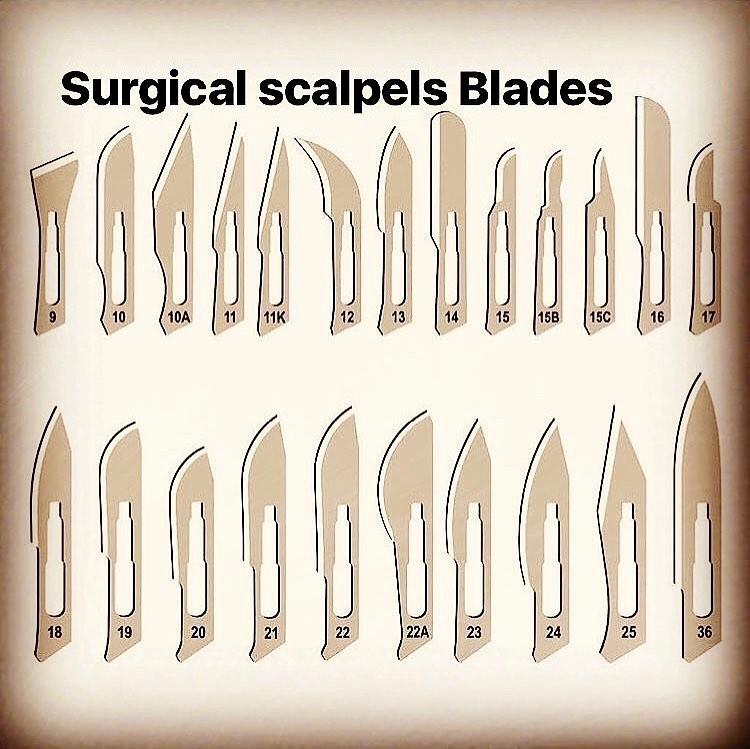
The OSHA Standard requires that contaminated needles and other contaminated sharp instruments (sharps) must not be bent, recapped, or removed.
***
***
Surgery: And, when it comes to actual surgery, I prefer a number [#10] surgical blade. Which blade do you prefer, Doctor?
Assessment: Your thoughts and comments are appreciated.
BUSINESS, FINANCE AND INSURANCE TEXTS FOR DOCTORS:
THANK YOU
***
Filed under: Health Law & Policy | Tagged: Scalpels, Sharp Medical Instruments and OSHA, sharps | Leave a comment »
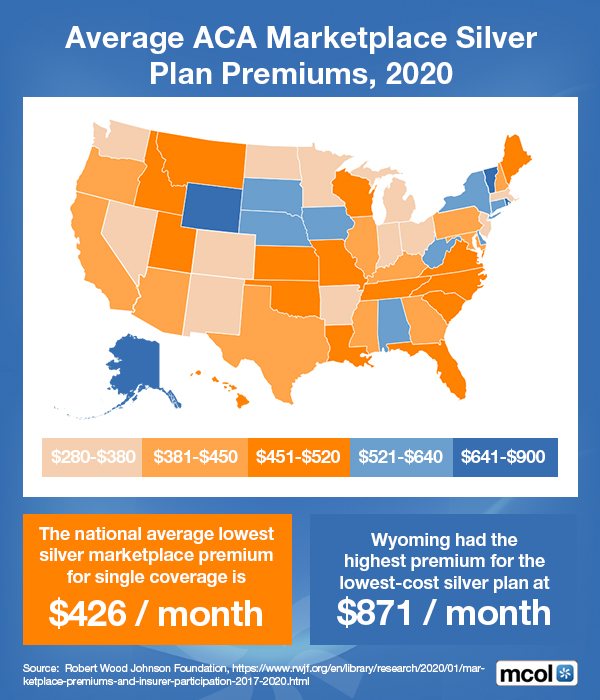
CIRCA – 2020
***
THANK YOU
***
Filed under: Health Insurance, Health Law & Policy | Tagged: ACA, ACA Silver Plan Premiums, PP-ACA | 4 Comments »
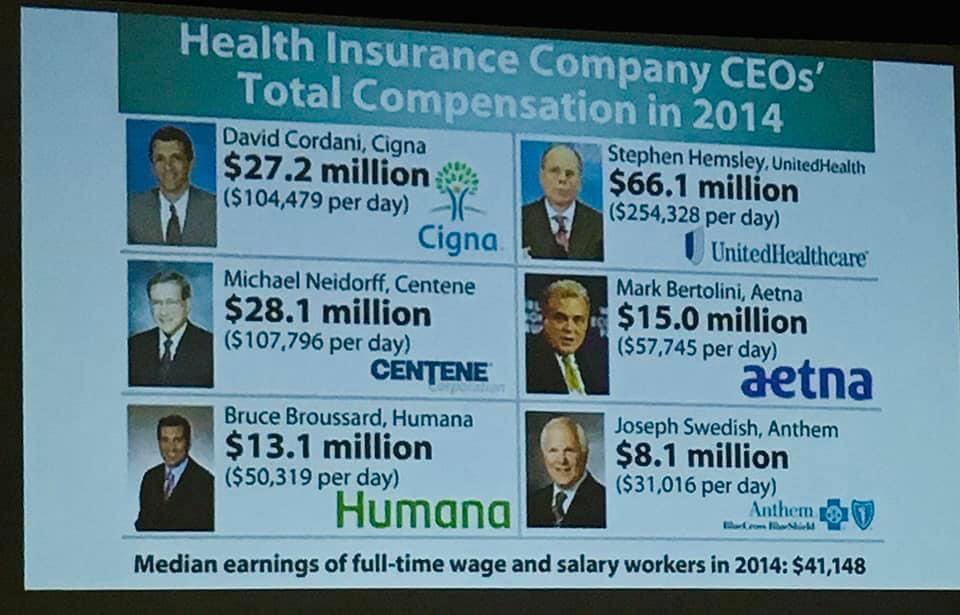
FY: 2014
***
***
***
Filed under: Health Economics, Health Insurance, Health Law & Policy | Tagged: Health Insurance Company CEO Compensation | 2 Comments »
Taxes for All?
As the recent debates among the Democratic presidential candidates emphasized, the idea of government-managed health care is gaining popularity. “Medicare for all” or some form of “free” universal health care is certainly an appealing idea. Who among us wouldn’t appreciate someone else paying our medical bills?
I certainly would. My family’s personal health care costs, including premiums and out-of-pocket expenses, run just over $3,000 a month. If my health care were free, I could find a lot of uses for the savings.
But my skeptical side, and probably yours as well, knows that there is no such thing as a free medical procedure. Someone, by some means, has to pay for insurance coverage, doctor visits, hospitalizations, and other medical costs.
The tax tab for providing “Medicare for all,” as envisioned by Sen. Bernie Sanders, is $3 trillion a year, according to several analysts. Currently, the cost for Medicare is about one-sixth that amount, or $583 billion a year.
Sanders and other presidential candidates tell us the wealthy will pay this tab. The reality is that when we look at other countries that have similar universal health care plans, it isn’t just the wealthy that are paying for it.
Raising the more than $3 trillion needed annually to fund “Medicare for all” would require doubling all personal and corporate income taxes or tripling payroll taxes. This analysis comes from Marc Goldwein, a senior vice president at the non-partisan Committee for a Responsible Federal Budget. He was cited in a May 9, 2019, Bloomberg article by Laura Davison, “Tax hikes on wealthy alone can’t pay for Medicare for all plan.” “There is a lot of money out there, but there isn’t $30 trillion [over 10 years] sitting around from high earners,” Goldwein said. “It just doesn’t exist.”
I did a little investigating of the tax rates of European countries that have universal health care and found Goldwein’s statement to be true. For example, Denmark taxes income over $7,000, with rates starting at 40%. The US rate starts at 10%. This would indicate a doubling or tripling of income taxes or payroll taxes on the lowest earners is not a politically-skewed scare tactic, but an economic reality.
The top rate in Denmark is 56%, while the top rate in the US is 50% (37% federal and 13% state). This is just one of many examples I found in my searching that strongly indicate other countries that have universal health care haven’t found much room left to tax the wealthy. Based on their experience, the majority of the cost will need to come from lower income earners.
Sadly, this message is not being disseminated to voters by proponents of universal health care. While I am not advocating for or against universal health care here, I am advocating for full disclosure and transparency.
A topic as significant as this deserves a great deal of discussion based on clear, complete disclosure of facts and educated analysis. It requires the best available answers to questions like who will be covered, what will be covered, how much the program will cost, and who will pay for it.
***
***
Assessment
Raising six times what we are currently spending for Medicare would be a huge task. Transferring one-eighth of the US economy from the private sector pocket to the public sector one would not be easy or painless. Making the transition to some form of tax-funded universal health care would be a major shift in direction for this country that would have a significant impact on all Americans. It is not a decision to make based on inadequate information, political rhetoric, or unreasonably optimistic assumptions.
***
Foreword by Jason Dyken MD MBA
***
Filed under: Experts Invited, Health Insurance, Health Law & Policy | Tagged: medicare, Medicare for All, Rick Kahler CFP | 5 Comments »
Proposed Medicare-for-All Syndrome
***
***
***
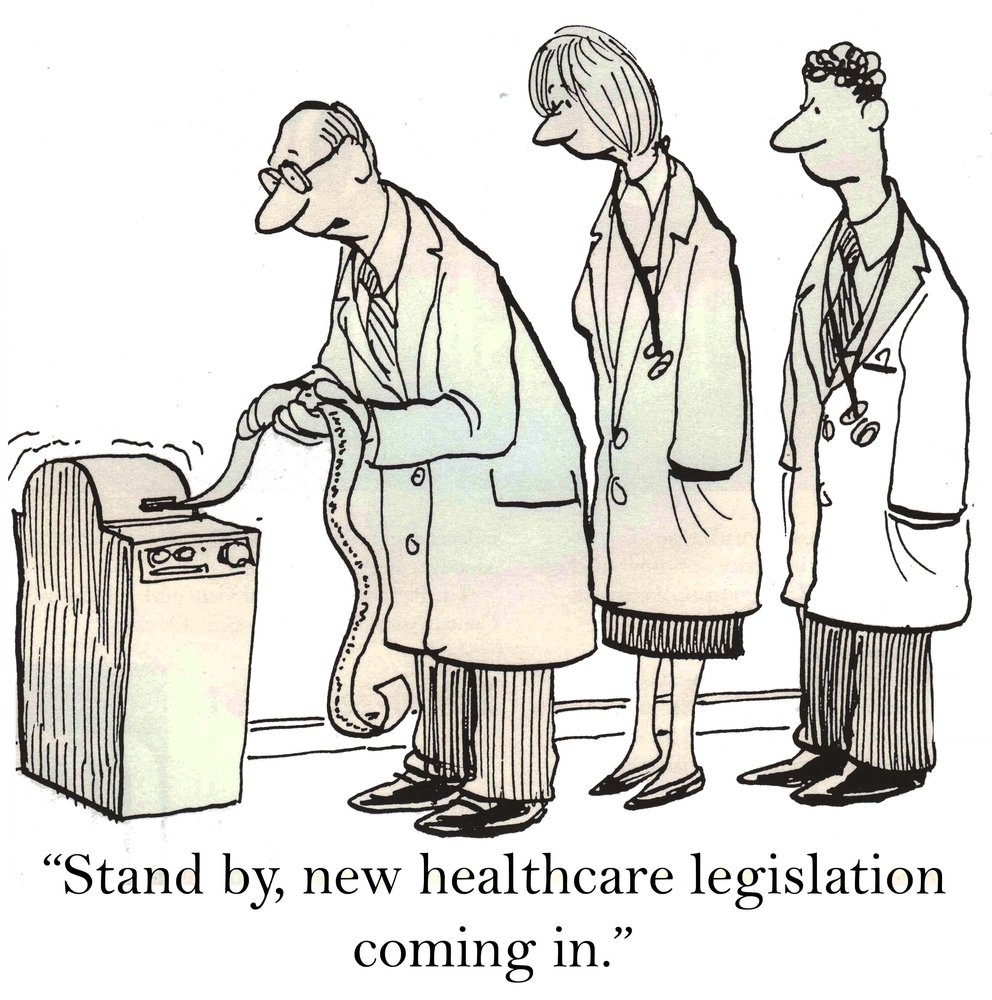
Filed under: Health Law & Policy, Jokes and Puns | Tagged: Medicare for All | Leave a comment »
The “Rules”
In the business of selling financial products, the “good deal exemption” may be one of the most widely used “rules” most people have never heard of. You can’t find it in any rule book or statute. Even Google has never heard of it. Yet it is used on a daily basis.
The rules and laws surrounding the sale of financial products are complex and voluminous. Even with the best of intentions, it isn’t hard to run afoul of a rule.
Under the good deal exemption, however, a licensee can violate any rule or statute as long as the investment sold to the customer turns out to be a “good deal.” This is a tongue-in-cheek way of saying you can violate any rule you want as long as the customer doesn’t file a complaint or sue you. Which they will rarely do if the deal turns out to make them loads of money.
It’s when investments go bad that customers often complain or sue, not because they were aware of any securities violations, but because they lost money. It’s the ensuing investigation by the regulating body and the customer’s attorney that uncovers any violations.
Example:
Recently, I came across a perfect example of the good deal exemption. A married couple I knew, Arnie and Audrey, invested with Bernie (not his real name) 30 years ago as they neared retirement. He put their entire savings of about $310,000 into mutual funds that invested in common stocks. Because of a pension and Social Security, they didn’t need any income from their investments.
At the same time, Arnie put his investments into a revocable living trust, naming Audrey as the trustee and beneficiary. Eleven years later, when Audrey was 80, Arnie died.
Losing her husband’s pension income and one Social Security check, Audrey needed to start drawing $2,000 a month from the portfolio. While most advisors would have recommended reducing the risk and volatility of the portfolio by investing less in stocks and more in bonds, Bernie kept Audrey invested 100% in stocks. This is aggressive for any 80-year-old needing income from a portfolio. He made no changes as the years went by.
At 85, Audrey started showing signs of dementia. Bernie rightly suggested appointing someone other than herself as trustee. But rather than naming one of her three children (who didn’t trust Bernie and may have transferred the accounts), he convinced her to appoint his wife, who also worked in his office, as trustee. In any broker’s books, this was a serious ethics violation.
In the great recession of 2008-2009, when Audrey was 89, her portfolio lost just under half of its value, falling from $832,507 to $478,820. Had Bernie reallocated the portfolio before the crash to a mix of 50% stocks and 50% bonds, the loss would have been cut in half. To his credit, Bernie told her to stay the course and not sell out.
Recently, at age 99, Audrey died. Her account had done phenomenally well, being 100% invested in US stocks, which for the last 10 years was the best investment class on the planet. Her $478,820 had grown to $1,300,000, providing her a $2000 monthly income and a substantial estate that she left to her children.
Assessment
Despite the inappropriately risky investments and the ethics violations, Bernie and his wife are probably protected by the good deal exemption. Given their substantial inheritance, Audrey’s children are unlikely to sue.
This happy ending was due primarily to luck. Audrey lived long enough and at the right time so her portfolio recovered. However, if luck were a sound investment strategy, Las Vegas would be full of millionaires happily retired on their winnings.
Conclusion
Your thoughts are appreciated.
***
***
Filed under: Health Law & Policy, Investing | Tagged: "Good Deal Exemption", invve, Rick Kahler CFP, SEC | Leave a comment »
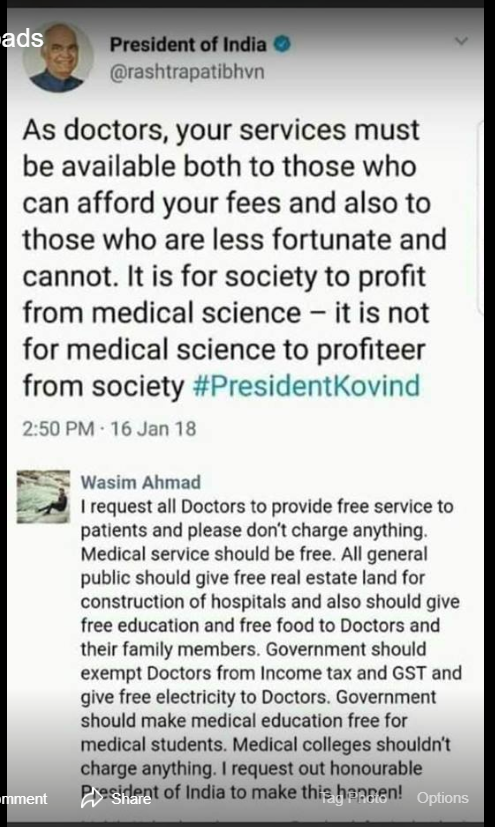
IN INDIA
By President Ram Nath Kovind of India
***
***
MORE: N. Baum MD for DEM
Assessment
Your thoughts are appreciated.
***
***
***
Filed under: Health Economics, Health Insurance, Health Law & Policy, Healthcare Finance | Tagged: free healthcare, Free medical care, pro-bono medical care, Ram Nath Kovind | 1 Comment »
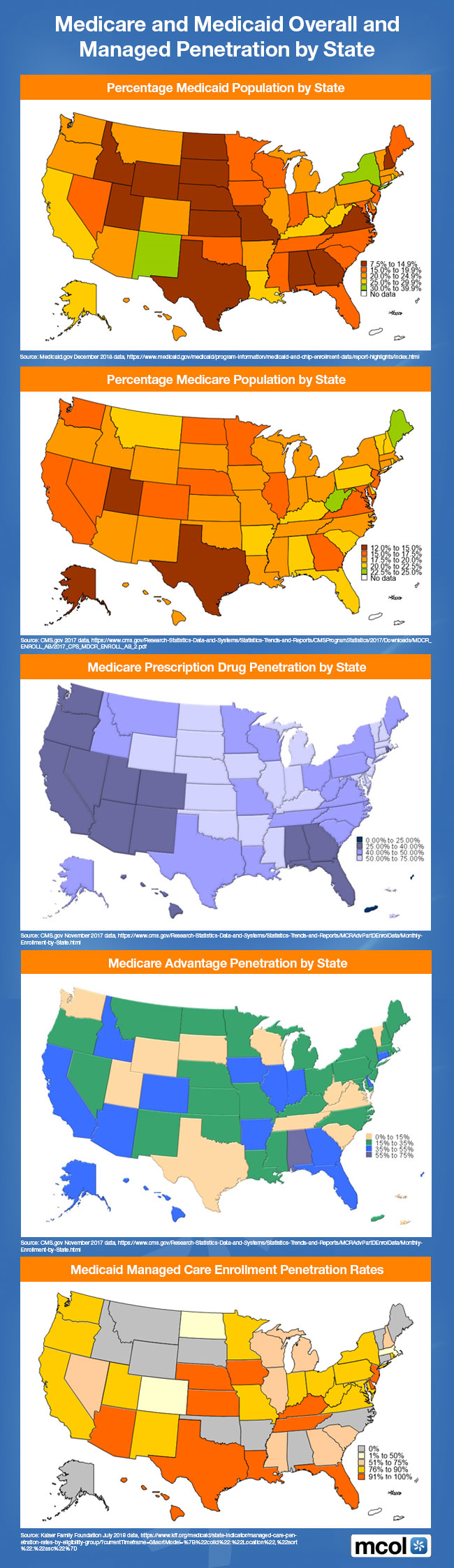
Population by State
***
***
BUSINESS, ORGANIZATIONAL BEHAVIOR & FINANCE FOR DOCTORS:
THANK YOU
***
Filed under: Health Insurance, Health Law & Policy | Tagged: Medicaid Penetration, Medicare Penetration | 2 Comments »
A ProPublica Report
By Marian Wang
ProPublica, March 3, 2011, 3:24 p.m.
NOTE: A few years ago, ProPublica published this essay. Has anything changed, since then?
About 5 percent of nursing home workers—or one out of every 20—had at least one conviction, according to the report, which took a random sample of 260 nursing homes certified by Medicare and ran FBI background checks on their workers.
State Rules
State rules differ regarding background checks: 43 states require nursing homes to perform background checks against state records, ten of those require an additional FBI background check, and eight states don’t require background checks at all.
The rules also differ on what types of crimes disqualify workers. The report noted that of the workers with convictions, 44 percent had committed property crimes such as theft, vandalism or writing bad checks. Some 16 percent had drug-related crimes, and 13 percent had committed crimes against people, including sexual offenses.
Federal Regulations
Federal regulations prohibit nursing homes from employing workers convicted of “abusing, neglecting, or mistreating residents,” but because FBI data do not show whether the victims of the crimes were nursing home residents, it’s unclear whether these rules were violated.
The New York Times noted [2] that the current system for background checks—which Wisconsin Democrat Sen. Herb Kohl criticized as “haphazard, inconsistent, and full of gaping holes [3]—has allowed people convicted of crimes in one state simply find jobs at nursing homes in another state.
We’ve noted a similar lack of oversight in the nursing field, which allowed problem nurses to cross state lines in order to keep working and avoid consequences [4]. A national database was created decades ago to prevent this from happening, but reporting failures at both the state [5] and federal level [6] have left the database riddled with gaps.
***

***
CMS Over-Sight
The inspector general recommended that the federal government’s Centers for Medicare and Medicaid Services, or CMS, work with the states to develop background check procedures, including lists of convictions that would disqualify a potential hire.
CMS oversees nursing homes eligible for funding under Medicare and Medicaid. In a written response to the report, the agency agreed with the recommendation. CMS also runs Nursing Home Compare [7], a searchable database with ratings on nursing homes.
Assessment
For more, read the full report: http://www.propublica.org/blog/item/government-report-finds-92-percent-of-nursing-homes-employ-convicts
Conclusion
Your thoughts and comments on this ME-P are appreciated. Feel free to review our top-left column, and top-right sidebar materials, links, URLs and related websites, too. Then, subscribe to the ME-P. It is fast, free and secure.
Speaker: If you need a moderator or speaker for an upcoming event, Dr. David E. Marcinko; MBA – Publisher-in-Chief of the Medical Executive-Post – is available for seminar or speaking engagements. Contact: MarcinkoAdvisors@msn.com
OUR OTHER PRINT BOOKS AND RELATED INFORMATION SOURCES:
Filed under: Alerts Sign-Up, Breaking News, Ethics, Health Law & Policy | Tagged: elder care, Marian Wang, Nursing Home Compare, nursing home workers, nursing homes, ProPublica, Sen. Herb Kohl, senior care | 9 Comments »
Dear Dr. David,
APHA’s 2019 Annual Meeting and Expo will bring together more than 12,000 public health professionals to attend 1,000+ scientific sessions on the latest public health research, policy and topics.
We need your help
Become an abstract reviewer! Educational sessions are the highlight of each Annual Meeting, and people often ask how to get involved in session development. Reviewers take a firsthand look at abstracts, evaluate them and help develop scientific content to be presented at the meeting.
Abstract Reviewer Benefits:
Deadline to Become a Reviewer: Jan. 31
Reviewing Begins: March 4
|
Filed under: Health Economics, Health Insurance, Health Law & Policy, Healthcare Finance | Tagged: APHA, APHA Annual Meeting | 1 Comment »
January is the perfect time to re-evaluate our health-related goals.
But, I am not a fan of any deus ex machina philosophy; like the wholesale ABJ Health Ventures initiative; etc.
As most know, the Latin term “deus ex machina” is a translation of a Greek phrase that means literally “god from a machine.” The “Machine” refers to the crane that held a god over the stage in ancient Greek and Roman drama and theater.
On the other hand, did you know that healthier [cheaper] lifestyle choices can actually have a direct, positive impact on our body, personal finances and societal economics [study of scarce resources]?
Good Health does not depend on modern technology – “deus ex machina” – so let us not make it so.
Note: Unfamiliar with ABJ Health Ventures? Do an internet search.
My philosophy:
Eat less, walk more, reduce end-of-life catastrophes, avoid “moral turpitude and hazards”; and help doctors focus on acute injuries and the top 5 chronic diseases.
The domestic health insurance problem [almost] solved. Period!
KISS ME!

Assessment
Do we really need so much technology? Only time will tell, I suppose. After much time, treasure and talent spent. REALLY – KISS ME!
Conclusion
Your thoughts and comments on this ME-P are appreciated. Feel free to review our top-left column, and top-right sidebar materials, links, URLs and related websites, too. Then, subscribe to the ME-P. It is fast, free and secure.
Speaker: If you need a moderator or speaker for an upcoming event, Dr. David E. Marcinko; MBA – Publisher-in-Chief of the Medical Executive-Post – is available for seminar or speaking engagements.
Book Marcinko: https://medicalexecutivepost.com/dr-david-marcinkos-bookings/
Subscribe: MEDICAL EXECUTIVE POST for curated news, essays, opinions and analysis from the public health, economics, finance, marketing, IT, business and policy management ecosystem.
DOCTORS:
“Insurance & Risk Management Strategies for Doctors” https://tinyurl.com/ydx9kd93
“Fiduciary Financial Planning for Physicians” https://tinyurl.com/y7f5pnox
“Business of Medical Practice 2.0” https://tinyurl.com/yb3x6wr8
HOSPITALS:
“Financial Management Strategies for Hospitals” https://tinyurl.com/yagu567d
“Operational Strategies for Clinics and Hospitals” https://tinyurl.com/y9avbrq5
***
Filed under: Health Economics, Health Insurance, Health Law & Policy | Tagged: deus ex machina in healthcare, deus ex machina in medicine | Leave a comment »

By Austin Frakt PhD
And I’ve got an op-ed in the Washington Post about why the court is wrong. Here’s a taste:
Who cares if a zero-dollar mandate is constitutional or not? Why does it matter in the slightest? And what on earth does it have to do with the rest of ACA?
You might have thought that the right remedy would be to invalidate the penalty-free mandate. Doing so would align with Congress’s evident view that an ACA without an individual mandate was preferable to an ACA with it. That’s what I argued in an amicus brief with a bipartisan group of law professors.
Instead, the court held that the entire ACA was “inseverable” from the purportedly unconstitutional mandate. To reach that conclusion, the judge leaned heavily on Congress’s findings from 2010, where it said that the individual mandate was “essential” to the law.
But the mandate that the 2010 Congress said was essential had a penalty attached to it. The finding is irrelevant to a mandate that lacks any such penalty.
In any event, it doesn’t matter what Congress meant to do in 2010. It matters what Congress meant to do in 2017, when a different Congress made a different call about whether the mandate was essential. We know what Congress wanted to do in 2017: repeal the mandate and leave the rest of the act intact. Its judgment could not have been plainer. (I know. I was there! So were you. It wasn’t that long ago.)
***
***
You can read the whole thing here. My co-amici, Jonathan Adler and Abbe Gluck, have a New York Times op-ed sounding similar themes.
I’ll probably write them up more extensively in the coming days, but I’ve also got tentative thoughts about the immediate consequences of the decision (short answer: nothing right now) and the potential difficulties with getting a quick appeal of the decision.
***
Conclusion
Your thoughts and comments on this ME-P are appreciated. Feel free to review our top-left column, and top-right sidebar materials, links, URLs and related websites, too. Then, subscribe to the ME-P. It is fast, free and secure.
Speaker: If you need a moderator or speaker for an upcoming event, Dr. David E. Marcinko; MBA – Publisher-in-Chief of the Medical Executive-Post – is available for seminar or speaking engagements.
Book Marcinko: https://medicalexecutivepost.com/dr-david-marcinkos-bookings/
Subscribe: MEDICAL EXECUTIVE POST for curated news, essays, opinions and analysis from the public health, economics, finance, marketing, IT, business and policy management ecosystem.
“Fiduciary Financial Planning for Physicians” https://tinyurl.com/y7f5pnox
“Business of Medical Practice 2.0” https://tinyurl.com/yb3x6wr8
HOSPITALS:
“Financial Management Strategies for Hospitals” https://tinyurl.com/yagu567d
“Operational Strategies for Clinics and Hospitals” https://tinyurl.com/y9avbrq5
***
Filed under: Experts Invited, Health Law & Policy | Tagged: ACA, ACA unconstitutional, Austin Frakt PhD | 11 Comments »
***
By Health Capital Consultants LLC
***
Conclusion
Your thoughts and comments on this ME-P are appreciated. Feel free to review our top-left column, and top-right sidebar materials, links, URLs and related websites, too. Then, subscribe to the ME-P. It is fast, free and secure.
Speaker: If you need a moderator or speaker for an upcoming event, Dr. David E. Marcinko; MBA – Publisher-in-Chief of the Medical Executive-Post – is available for seminar or speaking engagements.
Book Marcinko: https://medicalexecutivepost.com/dr-david-marcinkos-bookings/
Subscribe: MEDICAL EXECUTIVE POST for curated news, essays, opinions and analysis from the public health, economics, finance, marketing, IT, business and policy management ecosystem.
DOCTORS:
“Insurance & Risk Management Strategies for Doctors” https://tinyurl.com/ydx9kd93
“Fiduciary Financial Planning for Physicians” https://tinyurl.com/y7f5pnox
“Business of Medical Practice 2.0” https://tinyurl.com/yb3x6wr8
HOSPITALS:
“Financial Management Strategies for Hospitals” https://tinyurl.com/yagu567d
“Operational Strategies for Clinics and Hospitals” https://tinyurl.com/y9avbrq5
***
Filed under: Health Law & Policy | Tagged: CMS to Review Stark Law Relevance, Health Capital Consultants LLC | 4 Comments »
Conclusion
Your thoughts and comments on this ME-P are appreciated. Feel free to review our top-left column, and top-right sidebar materials, links, URLs and related websites, too. Then, subscribe to the ME-P. It is fast, free and secure.
Speaker: If you need a moderator or speaker for an upcoming event, Dr. David E. Marcinko; MBA – Publisher-in-Chief of the Medical Executive-Post – is available for seminar or speaking engagements.
Book Marcinko: https://medicalexecutivepost.com/dr-david-marcinkos-bookings/
Subscribe: MEDICAL EXECUTIVE POST for curated news, essays, opinions and analysis from the public health, economics, finance, marketing, IT, business and policy management ecosystem.
DOCTORS:
“Insurance & Risk Management Strategies for Doctors” https://tinyurl.com/ydx9kd93
“Fiduciary Financial Planning for Physicians” https://tinyurl.com/y7f5pnox
“Business of Medical Practice 2.0” https://tinyurl.com/yb3x6wr8
HOSPITALS:
“Financial Management Strategies for Hospitals” https://tinyurl.com/yagu567d
“Operational Strategies for Clinics and Hospitals” https://tinyurl.com/y9avbrq5
***
Filed under: Health Law & Policy | Tagged: Brett Kavanaugh’s Paper Trail & Influence on U.S. Healthcare Laws, Health Capital Consultants LLC | Leave a comment »
Moribund or Revivable?
***
***
Conclusion
Your thoughts and comments on this ME-P are appreciated. Feel free to review our top-left column, and top-right sidebar materials, links, URLs and related websites, too. Then, subscribe to the ME-P. It is fast, free and secure.
Speaker: If you need a moderator or speaker for an upcoming event, Dr. David E. Marcinko; MBA – Publisher-in-Chief of the Medical Executive-Post – is available for seminar or speaking engagements.
Book Marcinko: https://medicalexecutivepost.com/dr-david-marcinkos-bookings/
Subscribe: MEDICAL EXECUTIVE POST for curated news, essays, opinions and analysis from the public health, economics, finance, marketing, IT, business and policy management ecosystem.
***
Filed under: Health Economics, Health Law & Policy, Healthcare Finance, Quality Initiatives | Tagged: Healthcare System Solutions? | Leave a comment »

[By Dr. David Edward Marcinko MBA]
After weeks of uncertainty atop the Department of Veterans Affairs, President Trump plans to replace its secretary, David J. Shulkin, with the president’s personal physician, Dr. Ronny L. Jackson, a rear admiral in the Navy.
***
***
Dr. Ronny L. Jackson
***

***
Filed under: Health Economics, Health Insurance, Health Law & Policy | Tagged: David J. Shulkin MD | 3 Comments »
SPONSORED
HOSPITAL AND HEALTH CARE OPERATIONS, ORGANIZATIONAL BEHAVIOR AND FINANCIAL MANAGEMENT COMPANION TEXT BOOK SET
***
[Foreword Dr. Phillips MD JD MBA LLM]
[Foreword Dr. Nash MD MBA FACP]
***
PURCHASE TODAY – FLOURISH TOMORROW!
Filed under: Health Insurance, Health Law & Policy, Healthcare Finance, Practice Management, Practice Worth, Recommended Books, Sponsors | Tagged: Financial Management Strategies for Hospitals, HOSPITAL AND HEALTH CARE OPERATIONS | 2 Comments »
Why a CVS-Aetna Merger Could Benefit Consumers
The following originally appeared on The Upshot (copyright 2017, The New York Times Company)
There are reasons for consumers to be optimistic about CVS’s reported purchase of Aetna for $69 billion. It’s one of the largest health care mergers in history, and in general, consolidation in health care has not been good for Americans.
But by disrupting the pharmacy benefits management market, and by more closely aligning management of drug benefits and other types of benefits in one organization, CVS could be acting in ways that ultimately benefit consumers.
You probably know CVS as a retail pharmacy chain — it runs nearly 10,000drugstores. But over the years, it has diversified. It now runs walk-in clinics, including in Target stores. And it runs one of the largest specialty pharmacies, dispensing high-priced drugs that require special handling.
In a big move a decade ago that set the stage for more recent developments, CVS purchased a majority of shares of Caremark for nearly $27 billion to enter the pharmacy benefits management business.
Pharmacy benefits managers are companies that help insurers devise and run their drug benefits, including serving as middlemen in negotiating prices between insurers and drug manufacturers.
Many health industry experts believe that pharmacy benefits managers effectively increase prescription drug prices to raise their own profits. This is because they make money through opaque rebates that are tied to drug prices (so their profits rise as those prices do). Competition among pharmacy benefits management companies could push these profits down, but it is a highly concentrated market dominated by a few firms, CVS among the largest.
But CVS’s recent moves may shake up an already changing pharmacy benefits landscape. In October, the insurer Anthem announced its intentions to part ways with the pharmacy benefits management firm Express Scripts. Instead, it will partner with CVS to develop its own pharmacy management business.
Anthem would not be the first insurer to forgo external pharmacy benefits management and take on the role internally. The insurer UnitedHealth Group also runs a leading pharmacy benefit management business, OptumRx. And CVS’s purchase of Aetna would also remove it as a middleman acting between that insurer and drug companies.
“While it’s still early, the moves by Anthem and Aetna have the feeling of the beginning of the end of the stand-alone pharmacy benefits manager business,” said Craig Garthwaite, a health economist with Northwestern University’s Kellogg School of Management. These insurers, and UnitedHealth Group, have concluded that outsourcing pharmacy benefits management may not serve their interests.
This removal of profit-taking middlemen could be good for consumers in the short run if it leads to lower drug prices. “In the long run, it might be harder for new insurers to enter the market because they won’t be able to negotiate lower drug prices than the larger firms,” Mr. Garthwaite said. “This could result in further concentration in the health insurance market.” That could harm future consumers, though not in ways we can predict today.
The CVS-Aetna deal would be just another of the many recent mergers across business lines in health care. Insurers are buying or partnering with health care providers. Health systems are offering insurance. Hospitals are employing physicians. Even Amazon is jumping into the pharmacy business in some states. This may be part of the motivation for CVS to buy Aetna — defensive jockeying to maintain access to a large customer base that might otherwise begin to fill drug prescriptions online.
Typically, mergers in the sector have led to higher prices and no better outcomes. But a CVS-Aetna merger might be different because their business lines complement each other. The most significant overlap is in the management of Medicare drug benefits: Both companies offer stand-alone Medicare prescription drug plans.
But there is a lot of competition in the Medicare drug plan market, so this overlap may not be a leading area of concern.
The CVS-Aetna merger is primarily about a supplier and its customer joining forces, what economists call a vertical merger. This type of merger can enhance a firm’s ability to coordinate across interlocking lines of business.

In this case, CVS-Aetna might more effectively manage certain patients with chronic conditions (those insured by Aetna), reducing costs. Let’s imagine that Aetna could leverage CVS’s pharmacies and clinics to help patients — who require medications to avoid hospitalizations — stay on their drug regimen. That could save the merged organization money. It could also translate into both better care and lower premiums, though there’s no guarantee at this stage of either.
One source of optimism: Research shows that coordinating pharmacy and health benefits has value because it removes perverse incentives that arise when drug and nondrug benefits are split across organizations. When pharmacy benefits are managed by a company that’s not on the hook for the cost of other care, like hospitalization, it doesn’t have as strong an incentive for increasing access to drugs that reduce other types of health care use. That could end up costing more over all.
So there’s reason to believe that a combined CVS-Aetna might find ways to reduce costs — and represent an instance when consumers actually come out ahead after health care consolidation.
Conclusion
Your thoughts and comments on this ME-P are appreciated. Feel free to review our top-left column, and top-right sidebar materials, links, URLs and related websites, too. Then, subscribe to the ME-P. It is fast, free and secure.
Speaker: If you need a moderator or speaker for an upcoming event, Dr. David E. Marcinko; MBA – Publisher-in-Chief of the Medical Executive-Post – is available for seminar or speaking engagements. https://medicalexecutivepost.com/dr-david-marcinkos-bookings/
Subscribe: MEDICAL EXECUTIVE POST for curated news, essays, opinions and analysis from the public health, economics, finance, marketing, IT, business and policy management ecosystem.
***
Filed under: Health Economics, Health Insurance, Health Law & Policy, Healthcare Finance | Tagged: CVS-Aetna Merger, The New York Times Company, The Upshot | 3 Comments »
The IJHPM Is Now 4-Years Old!
[By staff reporters]
When the IJHPM started in mid 2013 with very limited resources, they could never imagine reaching the zenith where they are now.
For example: Publishing 630 high quality articles, attracting 1383 authors from 68 countries, engaging more than 4000 referees from 103 countries, publishing 75 video- and podcasts, and getting indexed in major indexing services such as Web of Science Emerging Sources Citation Index (ESCI), Scopus, Medline, PubMed Central (PMC) are all astonishing achievements.
***
International Journal of Health Policy and Management
***
[IJHPM Improvements from 2013 to 2017]
This short video shows their accomplishments!
Conclusion
Your thoughts and comments on this ME-P are appreciated. Feel free to review our top-left column, and top-right sidebar materials, links, URLs and related websites, too. Then, subscribe to the ME-P. It is fast, free and secure.
Speaker: If you need a moderator or speaker for an upcoming event, Dr. David E. Marcinko; MBA – Publisher-in-Chief of the Medical Executive-Post – is available for seminar or speaking engagements. Contact: MarcinkoAdvisors@msn.com
OUR OTHER PRINT BOOKS AND RELATED INFORMATION SOURCES:
***
Filed under: Health Economics, Health Insurance, Health Law & Policy, Healthcare Finance | Tagged: IJHPM, International Journal of Health Policy and Management | 1 Comment »
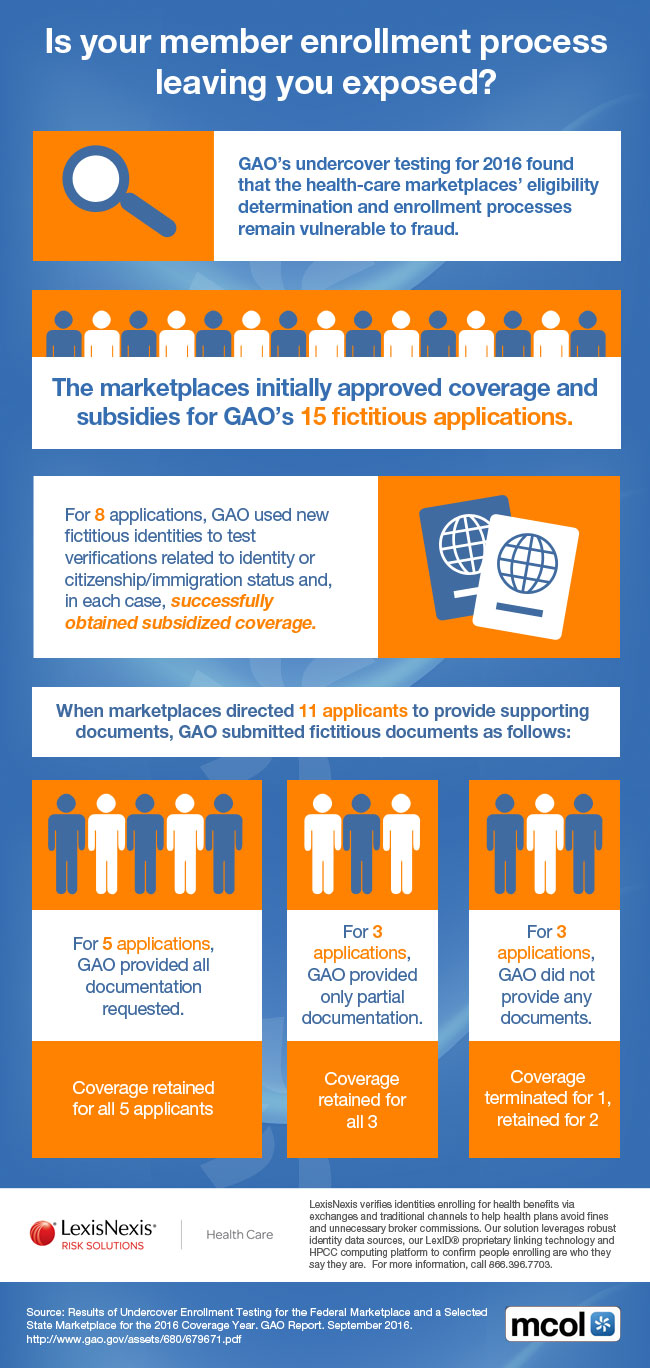
Is Your Membership Enrollment Process Leaving you Exposed?
***
***
Conclusion
Your thoughts and comments on this ME-P are appreciated. Feel free to review our top-left column, and top-right sidebar materials, links, URLs and related websites, too. Then, subscribe to the ME-P. It is fast, free and secure.
Speaker: If you need a moderator or speaker for an upcoming event, Dr. David E. Marcinko; MBA – Publisher-in-Chief of the Medical Executive-Post – is available for seminar or speaking engagements. Contact: MarcinkoAdvisors@msn.com
OUR OTHER PRINT BOOKS AND RELATED INFORMATION SOURCES:
***
Filed under: Health Economics, Health Insurance, Health Law & Policy | Tagged: GAO, GAO Undercover Testing, Government Accountability Office, Healthcare Marketplace, HIE's, www.MCOL.com | Leave a comment »
Rear Admiral Sylvia Trent-Adams
[The New US Surgeon General]
***
***
Filed under: Health Law & Policy | Tagged: surgeon general, Sylvia Trent-Adams | 1 Comment »
By Michael Lawrence Langan MD
In his book Without Conscience, Dr. Robert Hare notes: “If we can’t spot them, we are doomed to be their victims, both as individuals and as a society. ”
Dr. Clive Boddy in Corporate Psychopaths observes that “unethical leaders create unethical followers, which in turn create unethical companies and society suffers as a result.”
And more […]
***
***

Conclusion
Your thoughts and comments on this ME-P are appreciated. Feel free to review our top-left column, and top-right sidebar materials, links, URLs and related websites, too. Then, subscribe to the ME-P. It is fast, free and secure.
Speaker: If you need a moderator or speaker for an upcoming event, Dr. David E. Marcinko; MBA – Publisher-in-Chief of the Medical Executive-Post – is available for seminar or speaking engagements. Contact: MarcinkoAdvisors@msn.com
OUR OTHER PRINT BOOKS AND RELATED INFORMATION SOURCES:
***
Filed under: Ethics, Health Law & Policy, Op-Editorials | Tagged: Michael Lawrence Langan MD, Psychopathy in the Medical Profession | Leave a comment »
Originally posted on Disrupted Physician
Are Physician Health Programs (PHPs) above the Law?
By Michael Lawrence Langan MD
Unable to get law enforcement to take cognizance of reported abuse, many doctors I have spoken with believe that the actors involved are impervious to criminal liability.
***
***
Conclusion
Your thoughts and comments on this ME-P are appreciated. Feel free to review our top-left column, and top-right sidebar materials, links, URLs and related websites, too. Then, subscribe to the ME-P. It is fast, free and secure.
Speaker: If you need a moderator or speaker for an upcoming event, Dr. David E. Marcinko; MBA – Publisher-in-Chief of the Medical Executive-Post – is available for seminar or speaking engagements. Contact: MarcinkoAdvisors@msn.com
OUR OTHER PRINT BOOKS AND RELATED INFORMATION SOURCES:
***
Filed under: Ethics, Health Law & Policy, Risk Management | Tagged: Michael Lawrence Langan MD, physician health programs | Leave a comment »

By Michael Lawrence Langan MD
***
***
The attorney pool is currently over-served by those serving two clients and most of those outside simply do not know enough about the “physician health” legal issues related to doctors.
When they appear before the board it is as if they are a deer in the headlights.
It is a new terrain where all due process and […]
***
***

Conclusion
Your thoughts and comments on this ME-P are appreciated. Feel free to review our top-left column, and top-right sidebar materials, links, URLs and related websites, too. Then, subscribe to the ME-P. It is fast, free and secure.
Speaker: If you need a moderator or speaker for an upcoming event, Dr. David E. Marcinko; MBA – Publisher-in-Chief of the Medical Executive-Post – is available for seminar or speaking engagements. Contact: MarcinkoAdvisors@msn.com
OUR OTHER PRINT BOOKS AND RELATED INFORMATION SOURCES:
***
Filed under: Health Law & Policy, Risk Management | Tagged: Competent, Ethical and Fair Legal Representation for Doctors, health law, Michael Lawrence Langan MD | Leave a comment »
Just Released – Read it!
By staff reporters
***
***
Conclusion
Your thoughts and comments on this ME-P are appreciated. Feel free to review our top-left column, and top-right sidebar materials, links, URLs and related websites, too. Then, subscribe to the ME-P. It is fast, free and secure.
Speaker: If you need a moderator or speaker for an upcoming event, Dr. David E. Marcinko; MBA – Publisher-in-Chief of the Medical Executive-Post – is available for seminar or speaking engagements. Contact: MarcinkoAdvisors@msn.com
OUR OTHER PRINT BOOKS AND RELATED INFORMATION SOURCES:
***
Filed under: Health Economics, Health Insurance, Health Law & Policy, Healthcare Finance | Tagged: The American Health Care Act, www.ReadtheBill.gop | 6 Comments »
And … Priorities for 2017
***
***
Conclusion
Your thoughts and comments on this ME-P are appreciated. Feel free to review our top-left column, and top-right sidebar materials, links, URLs and related websites, too. Then, subscribe to the ME-P. It is fast, free and secure.
Speaker: If you need a moderator or speaker for an upcoming event, Dr. David E. Marcinko; MBA – Publisher-in-Chief of the Medical Executive-Post – is available for seminar or speaking engagements. Contact: MarcinkoAdvisors@msn.com
OUR OTHER PRINT BOOKS AND RELATED INFORMATION SOURCES:
***
Filed under: Health Law & Policy | Tagged: C-Suite Executive Concerns about Health Policy in 2017, CXO Concerns about Health Policy 2017 | Leave a comment »
A Framework to Identify the influence of Special Interest Groups and “Bent” Science
***
Channel Surfing the ME-P
Have you visited our other topic channels? Established to facilitate idea exchange and link our community together, the value of these topics is dependent upon your input. Please take a minute to visit. And, to prevent that annoying spam, we ask that you register. It is fast, free and secure.
More:
In Bending Science: How Special Interests Corrupt Public Health Research 1 Thomas McGarity and Wendy Wagner describe how special interest groups scheme to advance their own economic or ideological goals by using distorted or “bent” science to influence legal, regulatory and public health policy.
Conclusion
Your thoughts and comments on this ME-P are appreciated. Feel free to review our top-left column, and top-right sidebar materials, links, URLs and related websites, too. Then, subscribe to the ME-P. It is fast, free and secure.
Speaker: If you need a moderator or speaker for an upcoming event, Dr. David E. Marcinko; MBA – Publisher-in-Chief of the Medical Executive-Post – is available for seminar or speaking engagements. Contact: MarcinkoAdvisors@msn.com
OUR OTHER PRINT BOOKS AND RELATED INFORMATION SOURCES:
Filed under: Book Reviews, Career Development, Health Law & Policy | Tagged: Bending Science:, Policy and Regulatory Decision Making in the Medical Profession, Thomas McGarity, Wendy Wagner | 2 Comments »
By Ben’s Bitter Blog
Healthcare Policy on Health and Ethics Healthcare policy is defined as “decisions, plans, and actions that are undertaken to achieve specific health care goals within a society” (WHO, 2016).
Do you believe that your life is affected by healthcare policy?
YES. The policy directs which doctor you can see, which hospital you can visit, and […]
***

***
WHITE PAPER: Ethics Dr. Marcinko
Conclusion
Your thoughts and comments on this ME-P are appreciated. Feel free to review our top-left column, and top-right sidebar materials, links, URLs and related websites, too. Then, subscribe to the ME-P. It is fast, free and secure.
Speaker: If you need a moderator or speaker for an upcoming event, Dr. David E. Marcinko; MBA – Publisher-in-Chief of the Medical Executive-Post – is available for seminar or speaking engagements. Contact: MarcinkoAdvisors@msn.com
OUR OTHER PRINT BOOKS AND RELATED INFORMATION SOURCES:
***
Filed under: Ethics, Health Law & Policy | Tagged: Ben's Bitter Blog, Health and Ethics, WHO | 4 Comments »
The Federal Government
***
***
Conclusion
Your thoughts and comments on this ME-P are appreciated. Feel free to review our top-left column, and top-right sidebar materials, links, URLs and related websites, too. Then, subscribe to the ME-P. It is fast, free and secure.
Speaker: If you need a moderator or speaker for an upcoming event, Dr. David E. Marcinko; MBA – Publisher-in-Chief of the Medical Executive-Post – is available for seminar or speaking engagements. Contact: MarcinkoAdvisors@msn.com
OUR OTHER PRINT BOOKS AND RELATED INFORMATION SOURCES:
***
Filed under: Health Economics, Health Insurance, Health Law & Policy | Tagged: CMS, Medicare Waste?, www.MCOL.com | 2 Comments »
About MentorHealth
MentorHealth, the sponsor of this webinar, is a comprehensive training source for healthcare professionals that is high on value, but not on cost. MentorHealth is the right training solution for physicians and healthcare professionals. With MentorHealth webinars, doctors can make the best use of time, talent and treasure to benefit their continuing professional education needs.
THE MEDICAL MALPRACTICE TRIAL FROM THE DOCTOR’s POV
[From First Service – to Final Verdict and Emotional Relief]
“Even among the sciences, medicine occupies a special position. Its practitioners come into direct and intimate contact with people in their daily lives; they are present at the critical transitional moments of existence.
For many people, they are the only contact with a world that otherwise stands at a forbidding distance. Often in pain, fearful of death, the sick have a special thirst for reassurance and vulnerability to belief.”
[Source: Paul Starr – The Social Transformation of American Medicine, Basic Books].
***
When this trust is violated, whether rooted in factual substance or merely a conclusion lacking in reality, American jurisprudence offers several remedies with the core being civil litigation.
For example, we have personally witnessed a spectrum of reasons that prompts a patient to seek the counsel of an attorney. Whether it be an untoward result of treatment or surgery, an outstanding invoice being mailed to a less than happy patient who decides that the doctor did not measure up to expectations, a physician’s wife employed as the office manager charging a patient $50 to complete a medical leave authorization form, or simply a perceived lack of concern on the part of the doctor or personnel, patients can be motivated to seek redress outside the realm of the doctor’s office.
Compound any of the above scenarios with well-meaning friends and family and the proverbial prescription for litigation has been certified. Woven throughout this discourse will be suggestions that might obviate the foregoing. While it is not a panacea, nor a cure-all for medical negligence cases, we believe it to be an effective methodology for resolving those differences that see the growth of a medical malpractice lawsuit …. honest communications.
Date : Monday, February 6, 2017 10:00 AM PST | 01:00 PM EST
Duration : 60 Minutes
Price : $139.00
MORE: Malpractice Trial
Webinar Covered Topics [60-75 minutes]
Who Should Attend
Physicians, Dentists, Podiatrists, Osteopaths, Pharmacists, Nurse Practitioners, Physician Assistants, and all Clinical and Allied Healthcare Providers. Attorneys, Risk and Medical Compliance Managers, and Health Insurance Agents; etc.
Malpractice Insurance Companies, Law firms, Risk Management Consultants, Hospitals, Medical Practices, Offices and Clinics, Out Patient Treatment and representative from Ambulatory Surgical facilities; etc.
Financial advisors [FAs], Certified Financial Planners® [CFPs], Certified Medical Planners™ [CMP™], Chartered Life Underwriters [CLUs], bankers, health attorneys, and all other risk managers, insurance agents, actuaries and financial intermediaries and consultants of all stripes, degrees and general designations.
Fraternal financial services organizations like the American College of Financial Services in Bryn Mawr, PA; Certified Financial Planner Board of Standards [CFP-BOD] in Washington, DC; the College for Financial Planning [CFP] in Centennial, CO; the Financial Planning Association [FPS] and the National Association of Personal Financial Advisors as well as all US state insurance commissioner offices, etc.
***
Sign-Up Here
A Medical Malpractice Trial From The Doctor’s Pov
REGISTRATION
***
***
WEBINAR NOTE: These are online interactive training courses using which, professionals from any part of the world have the opportunity to listen to and converse with some of the best-known experts in the HR Industry. These are offered in live & recorded format for single & multiple users (corporate plans ). Under recorded format each user gets unlimited access for six months. Corporate plans give you the best return on your investment as we do not have upper limit on the number of participants who can take part in webinar.
***
Filed under: Health Law & Policy, iMBA, Inc., Professional Liability, Risk Management, Videos | Tagged: david marcinko, Malpractice Trial Webinar for Doctors, MentorHealth, webinar | Leave a comment »
HSA-HDHPs Minimums / Maximums for 2017
***
***
Conclusion
Your thoughts and comments on this ME-P are appreciated. Feel free to review our top-left column, and top-right sidebar materials, links, URLs and related websites, too. Then, subscribe to the ME-P. It is fast, free and secure.
Speaker: If you need a moderator or speaker for an upcoming event, Dr. David E. Marcinko; MBA – Publisher-in-Chief of the Medical Executive-Post – is available for seminar or speaking engagements. Contact: MarcinkoAdvisors@msn.com
OUR OTHER PRINT BOOKS AND RELATED INFORMATION SOURCES:
***
Filed under: Health Economics, Health Insurance, Health Law & Policy | Tagged: consumer driven healthcare, HDHPs, health savings accounts, HRAs, HSA, www.MCOL.com | 3 Comments »
The ME-P Back Story about a Decade Ago:
Link: https://medicalexecutivepost.com/2008/09/17/balance-billing-conundrum/
More on out of network Balance Billing a year ago and … today?
Per a rule released last year, CMS will now require qualified health plans to count the cost sharing paid by the enrollee for an essential health benefit. But, what about today?
***
***

Assessment
We’ve written about this problem before on the ME-P; and we now appreciate this guest ME-P update.
More: Balance-Billing Conundrum
Conclusion
Your thoughts and comments on this ME-P are appreciated. Feel free to review our top-left column, and top-right sidebar materials, links, URLs and related websites, too. Then, subscribe to the ME-P. It is fast, free and secure.
Speaker: If you need a moderator or speaker for an upcoming event, Dr. David E. Marcinko; MBA – Publisher-in-Chief of the Medical Executive-Post – is available for seminar or speaking engagements. Contact: MarcinkoAdvisors@msn.com
OUR OTHER PRINT BOOKS AND RELATED INFORMATION SOURCES:
***
Filed under: Health Insurance, Health Law & Policy | Tagged: balance-billing, CMS, Nicholas Bagley | 13 Comments »
Potential Component Changes
***
***
MORE: Podcast: Third Quarter Health Plan Financial Reports
Conclusion
Your thoughts and comments on this ME-P are appreciated. Feel free to review our top-left column, and top-right sidebar materials, links, URLs and related websites, too. Then, subscribe to the ME-P. It is fast, free and secure.
Speaker: If you need a moderator or speaker for an upcoming event, Dr. David E. Marcinko; MBA – Publisher-in-Chief of the Medical Executive-Post – is available for seminar or speaking engagements. Contact: MarcinkoAdvisors@msn.com
OUR OTHER PRINT BOOKS AND RELATED INFORMATION SOURCES:
***
Filed under: Health Insurance, Health Law & Policy | Tagged: ACA, Medicaid, medicare, PP-ACA Change or Repeal for 2017?, www.MCOL.com | 12 Comments »