







 Support our online development, and advance our onground research initiatives in free market economics, as we seek to showcase the brightest Next-Gen minds.
THE ME-P DISCLAIMER: Posts, comments and opinions do not necessarily represent iMBA, Inc., but become our property after submission. Copyright © 2006 to-date. iMBA, Inc allows colleges, universities, medical and financial professionals and related clinics, hospitals and non-profit healthcare organizations to distribute our proprietary essays, photos, videos, audios and other documents; etc. However, please review copyright and usage information for each individual asset before submission to us, and/or placement on your publication or web site. Attestation references, citations and/or back-links are required. All other assets are property of the individual copyright holder.
Support our online development, and advance our onground research initiatives in free market economics, as we seek to showcase the brightest Next-Gen minds.
THE ME-P DISCLAIMER: Posts, comments and opinions do not necessarily represent iMBA, Inc., but become our property after submission. Copyright © 2006 to-date. iMBA, Inc allows colleges, universities, medical and financial professionals and related clinics, hospitals and non-profit healthcare organizations to distribute our proprietary essays, photos, videos, audios and other documents; etc. However, please review copyright and usage information for each individual asset before submission to us, and/or placement on your publication or web site. Attestation references, citations and/or back-links are required. All other assets are property of the individual copyright holder.


By Dr. David Edward Marcinko MBA MEd
***
***
A Special Purpose Acquisition Company (SPAC) is a corporate entity created solely to raise capital through an initial public offering (IPO) with the intention of merging with or acquiring an existing private company. Unlike traditional firms, SPACs have no commercial operations at the time of their IPO. They exist as shell companies, holding investor funds in trust until a suitable target is identified. This unique structure has earned them the nickname “blank check companies.”
How SPACs Work
The lifecycle of a SPAC typically unfolds in three stages:
- Formation and IPO: Sponsors—often experienced investors or industry executives—form the SPAC and take it public, raising funds from investors.
- Target Search: The SPAC has a limited time frame, usually 18–24 months, to identify and negotiate with a private company to merge with.
- De-SPAC Transaction: Once a merger is completed, the private company effectively becomes public, bypassing the traditional IPO process.
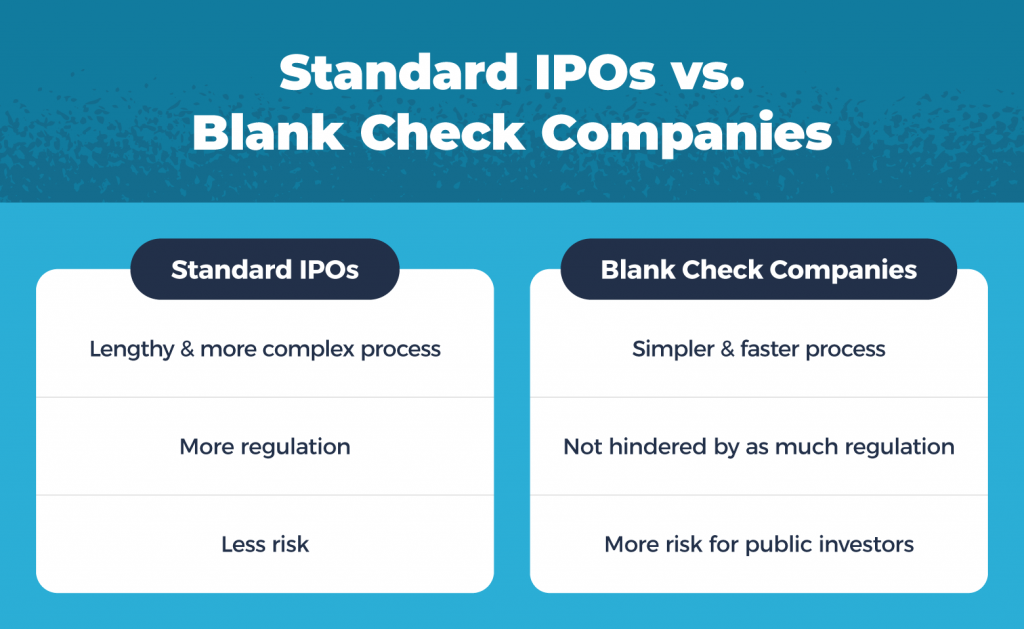
This process allows private firms to access public markets more quickly and with fewer regulatory hurdles compared to conventional IPOs.
Advantages of SPACs
SPACs gained traction because they offered several benefits:
- Speed and Certainty: Traditional IPOs can be lengthy and uncertain, while SPACs provide a faster route to public markets.
- Flexibility in Valuation: Unlike IPOs, SPACs can negotiate valuations directly with target companies.
- Access to Expertise: Sponsors often bring industry knowledge and networks that can help the acquired company grow.
- Investor Opportunity: Investors can participate early, with the option to redeem shares if they dislike the proposed merger.
Risks and Criticisms
Despite their appeal, SPACs are not without controversy:
- Sponsor Incentives: Sponsors typically receive a significant stake (often 20%) at a low cost, which can misalign their interests with ordinary investors.
- Uncertain Targets: Investors commit funds without knowing which company will be acquired, creating risk.
- Performance Concerns: Studies show that many SPACs underperform after completing mergers, with share prices often declining.
- Regulatory Scrutiny: Authorities have warned investors to carefully evaluate SPACs, especially regarding projections of future performance, which are less restricted than in IPOs.
Historical Context and Trends
SPACs first appeared in the 1990s but remained niche until the early 2020s, when they experienced a boom. In 2020 and 2021, hundreds of SPAC IPOs raised billions of dollars, fueled by market liquidity and investor enthusiasm. High-profile deals, such as DraftKings and Virgin Galactic, brought attention to the model. However, by the mid-2020s, enthusiasm cooled due to poor post-merger performance and tighter regulations.
Conclusion
SPACs represent a fascinating innovation in financial markets, offering an alternative to traditional IPOs. Their advantages in speed, flexibility, and access to capital made them attractive during periods of market optimism. Yet, their risks—misaligned incentives, uncertain outcomes, and regulatory challenges—have tempered investor enthusiasm. While SPACs are unlikely to disappear entirely, their future will depend on whether they can evolve into a more transparent and sustainable mechanism for taking companies public.
COMMENTS APPRECIATED
SPEAKING: Dr. Marcinko will be speaking and lecturing, signing and opining, teaching and preaching, storming and performing at many locations throughout the USA this year! His tour of witty and serious pontifications may be scheduled on a planned or ad-hoc basis; for public or private meetings and gatherings; formally, informally, or over lunch or dinner. All medical societies, financial advisory firms or Broker-Dealers are encouraged to submit an RFP for speaking engagements: CONTACT: Ann Miller RN MHA at MarcinkoAdvisors@outlook.com -OR- http://www.MarcinkoAssociates.com
Like, Refer and Subscribe
***
***
Share this:

Filed under: Portfolio Management, Investing, "Ask-an-Advisor", finance | Tagged: david marcinko, De-SPAC, finance, Investing, IPO, IPOs, personal-finance, SPAC, SPACs, SPACs: Special Purpose Acquisition Companies, stock market, stocks | Leave a comment »










 The Leading Business Education Network for Doctors, Financial Advisors and Health Industry Consultants