







 Support our online development, and advance our onground research initiatives in free market economics, as we seek to showcase the brightest Next-Gen minds.
THE ME-P DISCLAIMER: Posts, comments and opinions do not necessarily represent iMBA, Inc., but become our property after submission. Copyright © 2006 to-date. iMBA, Inc allows colleges, universities, medical and financial professionals and related clinics, hospitals and non-profit healthcare organizations to distribute our proprietary essays, photos, videos, audios and other documents; etc. However, please review copyright and usage information for each individual asset before submission to us, and/or placement on your publication or web site. Attestation references, citations and/or back-links are required. All other assets are property of the individual copyright holder.
Support our online development, and advance our onground research initiatives in free market economics, as we seek to showcase the brightest Next-Gen minds.
THE ME-P DISCLAIMER: Posts, comments and opinions do not necessarily represent iMBA, Inc., but become our property after submission. Copyright © 2006 to-date. iMBA, Inc allows colleges, universities, medical and financial professionals and related clinics, hospitals and non-profit healthcare organizations to distribute our proprietary essays, photos, videos, audios and other documents; etc. However, please review copyright and usage information for each individual asset before submission to us, and/or placement on your publication or web site. Attestation references, citations and/or back-links are required. All other assets are property of the individual copyright holder.


MEDICAL EXECUTIVE-POST – TODAY’S NEWSLETTER BRIEFING
***

Essays, Opinions and Curated News in Health Economics, Investing, Business, Management and Financial Planning for Physician Entrepreneurs and their Savvy Advisors and Consultants
“Serving Almost One Million Doctors, Financial Advisors and Medical Management Consultants Daily“

A Partner of the Institute of Medical Business Advisors , Inc.
http://www.MedicalBusinessAdvisors.com
SPONSORED BY: Marcinko & Associates, Inc.
***

http://www.MarcinkoAssociates.com
| Daily Update Provided By Staff Reporters Since 2007. How May We Serve You? |
| © Copyright Institute of Medical Business Advisors, Inc. All rights reserved. 2024 |
REFER A COLLEAGUE: MarcinkoAdvisors@msn.com
SPONSORSHIPS AVAILABLE: https://medicalexecutivepost.com/sponsors/
ADVERTISE ON THE ME-P: https://tinyurl.com/ytb5955z
***
Here’s where the major benchmarks ended:
- The S&P 500 index gained 26.41 points (0.5%) to 5,214.08; the Dow Jones Industrial Average rose 331.37 points (0.9%) to 39,387.76; the NASDAQ Composite® ($COMP) advanced 43.51 points (0.3%) to 16,346.26.
- The 10-year Treasury note yield (TNX) lost more than 2 basis points to 4.459%.
- The CBOE Volatility Index® (VIX) fell 0.31 to 12.69.
Interest-rate-sensitive sectors, such as real estate and utilities, were among the strongest performers Thursday. Energy shares were also strong after WTI Crude Oil (/CL) futures rose for a second straight day after sinking to a two-month low earlier this week. Semiconductor shares were under pressure after disappointing revenue guidance from chip designer Arm Holdings (ARM) sent its shares down 2.3%.
CITE: https://www.r2library.com/Resource
The Dow jumped for the seventh straight day while the S&P 500 closed above 5,200 for the first time in a month as stocks climbed across the board, possibly a reaction to data showing that the cooling labor market could translate into a Federal Reserve interest rate cut in a few months. But, Roblox, tanked 22% yesterday after the company cut its annual bookings forecast. The rough patch suggests that the game’s pandemic-induced popularity has likely peaked.
CITE: https://tinyurl.com/2h47urt5
Last year, Uber boasted its first full-year profit since going public. But yesterday, the company reported a surprise loss for the first quarter of 2024, dashing investors’ hopes for steady profits and sending its stock way down.
Meanwhile, Uber’s smaller rival Lyft appears to have its foot on the gas pedal. It posted better-than-expected quarterly results on Tuesday and saw a stock bump yesterday.
Microsoft plans to put the cash toward creating an AI data center. President Biden was on hand in Wisconsin to help announce the news—and not just to tout a big investment that’s expected to create jobs.
CITE: https://tinyurl.com/tj8smmes
COMMENTS APPRECIATED
PLEASE SUBSCRIBE: MarcinkoAdvisors@msns.com
YOUR REFERRAL COUNT: -0-
Thank You
***
***
***
***
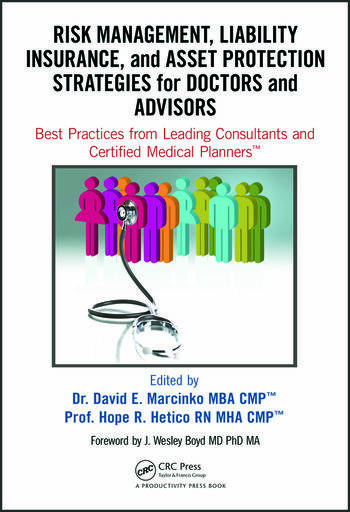
EDUCATIONAL TEXTBOOKS: https://tinyurl.com/4zdxuuwf
***
Share this:

Filed under: "Ask-an-Advisor", Breaking News, Experts Invited, Financial Planning, Health Economics, Information Technology, Investing, Marcinko Associates, Recommended Books, Sponsors, Touring with Marcinko | Tagged: AI, Arm, CBOE, crude oil, DJIA, DOW, Lyft, Marcinko, microsoft, MSN, NASDAQ, Roblox, S&P 500, stock markets, textbooks, TNX, Uber, VIX | Leave a comment »





 The Leading Business Education Network for Doctors, Financial Advisors and Health Industry Consultants