Marketing Basics for Financial Advisors and Physicians

On Differences and Similarities

By David K. Luke; MIM CMP

The difference between internal marketing and external marketing for physicians is that internal marketing is the management strategy of improving satisfaction by making patients aware of the positive differences in the physician’s practice –versus- other modern or traditional alternatives that the doctor might externally use [yellow pages, coupons, TV, radio, internet, blogs, etc].

Now, compare marketing with advertising, which attempts to draw patients to the medical practice or clinic using more expensive channel distribution means and/or media messaging.

The “X” Factor

Internal marketing gives the patient “something extra” during the visit that tends to make them pleased, satisfied – or better yet – delighted!

In show business, Simon Cowell calls this something extra the “X” factor.

Whether it is a “Patient Bill of Rights” or just making sure that patients are treated fairly, and with respect throughout the process, turns the patient into a practice advocate instead of a patient from hell.

Improved listening/communication can come in the form of an attentive and caring human ear, enhanced bedside manner, or technology like P[C]RM (Patient {Client} Relationship Management) tools and/or eMRs, for example.

Sloppy Medical Office Procedures

Having office staff involved, by noticing improvements, can also help with the implementation of a successful internal marketing strategy. Sloppy office procedures can be cleaned up, scheduling access management can be revamped, and any administrative mix-ups can be avoided.

Negative practices such as “we enforce a minimum $50 office visit fee” should be stopped, as this casts a negative attitude on all patients, not just future deadbeats.

An effective P[C] RM strategy can increase patient satisfaction and be inexpensive to implement and maintain, especially in light of modern advertising tools for medical practices.

Financial Advisor Comparisons 

A physician’s internal marketing program is comparative to an FA’s internal marketing program, in that both methods are much more cost effective and yield better results than traditional external marketing or advertising.

For an FA, the practice of encouraging referrals can be done discreetly without making the existing clients uncomfortable.

An FA practice that is “referable” is one in which there are consistent standards and procedures in place. This creates a comfort factor with existing clients and assures them that when they refer their friends and family they will also receive consistent quality treatment.

Assessment

An FA can implement procedures similar to a medical practice by training staff to point out and recognize office procedures that might be improved. Letting clients know they are appreciated and that referrals are accepted sounds like obvious advice, but is often ignored by too many Financial Advisors, and even doctors.

Editor’s Note: David K. Luke is currently enrolled in the online www.CertifiedMedicalPlanner.org chartered professional designation program.

Conclusion

Your thoughts and comments on this ME-P are appreciated. Feel free to review our top-left column, and top-right sidebar materials, links, URLs and related websites, too. Then, subscribe to the ME-P. It is fast, free and secure.

Speaker: If you need a moderator or speaker for an upcoming event, Dr. David E. Marcinko; MBA – Publisher-in-Chief of the Medical Executive-Post – is available for seminar or speaking engagements. Contact: MarcinkoAdvisors@msn.com

OUR OTHER PRINT BOOKS AND RELATED INFORMATION SOURCES:

Sponsors Welcomed: And, credible sponsors and like-minded advertisers are always welcomed.

Link: https://healthcarefinancials.wordpress.com/2007/11/11/advertise

Product DetailsProduct DetailsProduct Details

Product Details  Product Details

   Product Details

WHY: Your Medical Internet Marketing Campaign Still Isn’t Effective?

THE THREE VITAL ELEMENTS

SPONSOR: http://www.MarcinkoAssociates.com

***

***

A strong online presence is crucial for any medical or healthcare businesses, but many are struggling to figure out where to invest their marketing dollars. It is important to diversify marketing efforts and not rely solely on one channel, as changes in the industry are inevitable. Search marketing, direct marketing, and social media are three key components that healthcare organizations should incorporate in their marketing campaigns.

  1. Search marketing has evolved over the years with changes in Google’s algorithms and the saturation of the market, requiring a focus on quality content and the expertise of an expert.
  2. Direct marketing is becoming more popular, with lead generation companies and email marketing being effective and budget-friendly tactics. Social media is constantly evolving and increasing in price, with networks like Facebook and Twitter pushing paid advertisements.
  3. While social media should not be the focal point of a healthcare organization’s marketing campaign, it is an integral component that can contribute to search engine rankings.

***

***

Overall, a well-rounded marketing strategy that incorporates these three elements is crucial for success. A strong online presence is crucial for healthcare businesses, and diversifying marketing efforts across search marketing, direct marketing, and social media is important for success. Search marketing has changed with Google’s algorithms and increased ad costs, while direct marketing and social media have become more popular. Social media also affects search engine rankings.

COMMENTS APPRECIATED

Thank You

***

***

PODCASTS: Intentional Medical Practice Marketing

By Entrepreneurial MD

***

***

PODCAST: https://www.theentrepreneurmd.com/11

MORE: https://medicalexecutivepost.com/2022/07/06/the-emerging-role-of-university-chief-strategy-officer/

RELATED: https://medicalexecutivepost.com/2022/10/28/crafting-a-medical-practice-marketing-plan/

ADVERTISING: https://medicalexecutivepost.com/2022/08/05/on-marketing-adverting-and-sales/

VIDEO: https://medicalexecutivepost.com/2022/09/29/podcast-investing-in-digital-health-sales-and-marketing/

***

COMMENTS APPRECIATED

Thank You

***

ORDER: https://www.amazon.com/Business-Medical-Practice-Transformational-Doctors/dp/0826105750/ref=sr_1_9?ie=UTF8&qid=1448163039&sr=8-9&keywords=david+marcinko

***

PODCASTS: Intentional Medical Practice Marketing

By Entrepreneurial MD

***

***

PODCAST: https://www.theentrepreneurmd.com/11

MORE: https://medicalexecutivepost.com/2022/07/06/the-emerging-role-of-university-chief-strategy-officer/

RELATED: https://medicalexecutivepost.com/2022/10/28/crafting-a-medical-practice-marketing-plan/

ADVERTISING: https://medicalexecutivepost.com/2022/08/05/on-marketing-adverting-and-sales/

VIDEO: https://medicalexecutivepost.com/2022/09/29/podcast-investing-in-digital-health-sales-and-marketing/

***

COMMENTS APPRECIATED

Thank You

***

ORDER: https://www.amazon.com/Business-Medical-Practice-Transformational-Doctors/dp/0826105750/ref=sr_1_9?ie=UTF8&qid=1448163039&sr=8-9&keywords=david+marcinko

***

About Healthcare Marketing Plan Revisions?

By MM+M

***

***

Cause of Healthcare Marketing Plan Revisions

A recent survey asked “Have you revised, relaunched or otherwise altered an existing healthcare marketing campaign for any reason?” The survey shows:

 •  Pandemic-related disruption: 70.0%
 •  New competitive entrant: 36.7%
 •  Access issues: 36.7%
 •  Under-performance: 36.7%
 •  New brand leadership: 33.3%
 •  New indication/label change: 30.0%
 •  Drug shortage: 13.3%
 •  Other external market shift: 6.7%

Source: MM+M, “Healthcare Marketers Trend Report 2022: The Reset,” March 8, 2022

***

COMMENTS APPRECIATED

Thank You

Subscribe to the Medical Executive-Post

***

***

***

PODCAST: Intentional Medical Practice Marketing

BY ENTREPRENEUR MD

Intentional and Not Reactive Medical Marketing

In this episode we talk about what it means to be intentional with your marketing.

****

See the source image

YOUR COMMENTS ARE APPRECIATED.

Thank You

***

*****

***

PODCAST: The “4 Ps” of [Medical] Marketing

THEIR Specific Meaning in Healthcare

Dallas 100: No. 6 Compass Professional Health Services ...

BY. DR. ERIC BRICKER MD

***

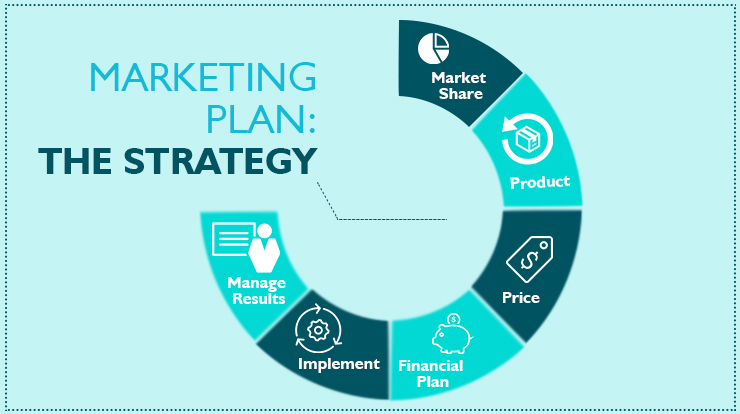
The 4 Ps of Marketing Have Specific Meaning in Healthcare:

Product: Must Have a 10X Better Value Proposition to Break Into a Market of Incumbents.

If the Product is for Providers, It Needs to Improve Top-Line Revenue–E.g. Robotic Surgery.

If the Product is for Payors, It Needs to Decrease Healthcare Costs–E.g. CDHPs

Price: Must Motivate the Channel to Sell the Product.

Placement: Where Customers Go to Buy Products–E.g. GPO or Broker/Benefit Consultant

Promotion: Outbound Marketing via Interruption with VALUABLE CONTENT and Inbound Marketing with VALUABLE Video, Audio, Written Content.

All 4 of These Ps Then Need to Be Applied to a Specific Market Segment… Not the Entire Market.

If Your Market is Everyone, It Is Essentially No One.

***

ASSESSMENT: Your thoughts and comments are appreciated.

CITE: https://www.amazon.com/Dictionary-Health-Insurance-Managed-Care/dp/0826149944/ref=sr_1_4?ie=UTF8&s=books&qid=1275315485&sr=1-4

MARCINKO ON MEDICAL MARKETING: https://medicalexecutivepost.com/2019/03/28/crafting-a-medical-practice-marketing-plan/

THANK YOU

***

Emerging PATIENT Collaborative Medical Marketing Trends

Join Our Mailing List 

Seeking End-to-End Solutions?

DEM blue

[By Dr. David Edward Marcinko CMP® MBA]

http://www.BusinessofMedicalPractice.com

Given today’s economic and political environment, with its’ increasing competitive pressures, medical practices are focused more-than-ever on patient acquisition and patient retention. Modern medical practices are teaming together to offer comprehensive end-to-end solutions.

If you are partnering with other healthcare organizations to pool in your expertise, offer joint solutions and take up joint medical marketing and patient communications programs, be careful how you execute and about what you agree with your partners on sharing patient databases.

Policy

It is advisable to formulate a simple and clear privacy policy and adhere to that in the partnership agreements. Comply with the policy at all patient touch points. Communicate this very clearly with your partners and patients prominently in all your channels of communication. Inventory your data collection processes and gateways. Select appropriate projects to add security to your data across extended networks and partners.

Note there is no silver bullet to protect the privacy. Privacy compliance is as much a business issue as it is a technical issue, sometimes more so.

***

value

***

Implications for Patient Strategies

While you are formulating and implementing privacy policies; you need to address the following questions:

  • Do your patients respond to your practice’s privacy strategy? It is not enough to have a privacy policy that is so confidential no one is aware of that. It is imperative for practices, once they implement their privacy strategies, to understand how patients are responding and loop the feedback to fine-tune policies accordingly.
  •  How do you consider the impact on the patient from every privacy decision you make? Every privacy decision made will impact the patient and your practice; but to what extent? How do you determine this impact? Some of them will be patient-facing and some will be in the back–end. This step is essential so that you can make appropriate decisions and make optimum usage of resources.
  • Will your medical practice operations support the privacy initiative? Privacy enablement requires resources and training with perhaps no immediate, apparent short-term value-add to the top-line or bottom-line. Medical practices that take a proactive view of privacy enablement as cost of doing business in the 21st century will benefit. Practices still need to adopt critical processes and technology that agree with their resources and gradually privacy enable in an incremental way.

Role of Technology

There is no technology silver bullet. Privacy enabling a practice is composed of elements of company loyalty towards patients, commitment to build long lasting and profitable patient management by building trust, and engaging cross-functional teams that can pick and deploy suitable data security across the network.

***

cyber

***

Steps

Here are some salient steps for secure data management that affect technology choices of any medical practice:

  • Privacy-compliant database development – healthcare organizations have to “listen” and record what patients are saying, and if and how they prefer to be contacted, or not at all. All these details will have to be stored in a secure database, which is regularly refreshed with the outcome of practice communications with patient. This will be the central repository that the office draws upon to design and execute consistent and privacy enabled patient communications.
  • Protect the data across the practice, from group to group, area to area, or from network to network. It is not enough for a medical practice to protect data from external intruders, but also from internal data abusers. It is not enough that patient data is secure during transmission at the patient touch point. It also needs to be safe where it is stored. It is not unusual to have patient data stored or lying around where it is accessible by internal intruders. Therefore it is imperative for medical practices to go beyond traditional firewalls to have multi-layered security at the data level.

Conclusion

Your thoughts and comments on this ME-P are appreciated. Feel free to review our top-left column, and top-right sidebar materials, links, URLs and related websites, too. Then, subscribe to the ME-P. It is fast, free and secure. 

Speaker: If you need a moderator or speaker for an upcoming event, Dr. David E. Marcinko; MBA – Publisher-in-Chief of the Medical Executive-Post – is available for seminar or speaking engagements. Contact: MarcinkoAdvisors@msn.com

OUR OTHER PRINT BOOKS AND RELATED INFORMATION SOURCES:

***

Product DetailsProduct Details

***

http://www.CertifiedMedicalPlanner.org

Medicine: A Lesson In Efficient Markets

Join Our Mailing List

MEDICINE: A Lesson In Efficient Markets

dan-snapshot

[By Dan Ariely PhD] http://danariely.com

The market for medicine is incredibly interesting. Almost every day we learn something new about a treatment that we thought would work but does not, or about a treatment that we didn’t think would work but does.

Beyond the particular fascination, I think that the medicine market can also teach us important lessons about rationality … read more:

Medicine: A Lesson In Efficient Markets

More:

Conclusion

Your thoughts and comments on this ME-P are appreciated. Feel free to review our top-left column, and top-right sidebar materials, links, URLs and related websites, too. Then, subscribe to the ME-P. It is fast, free and secure.

***

medical-cartoon

***

Speaker: If you need a moderator or speaker for an upcoming event, Dr. David E. Marcinko; MBA – Publisher-in-Chief of the Medical Executive-Post – is available for seminar or speaking engagements. Contact: MarcinkoAdvisors@msn.com

OUR OTHER PRINT BOOKS AND RELATED INFORMATION SOURCES:

[PRIVATE MEDICAL PRACTICE BUSINESS MANAGEMENT TEXTBOOK – 3rd.  Edition]

Product Details

http://www.BusinessofMedicalPractice.com

  [Foreword Dr. Hashem MD PhD] *** [Foreword Dr. Silva MD MBA]

***

Understanding the Power of Consumer and Patient Sentiment

About New-Wave Social Media and Medical Marketing

By Staff Reporters

Join Our Mailing List

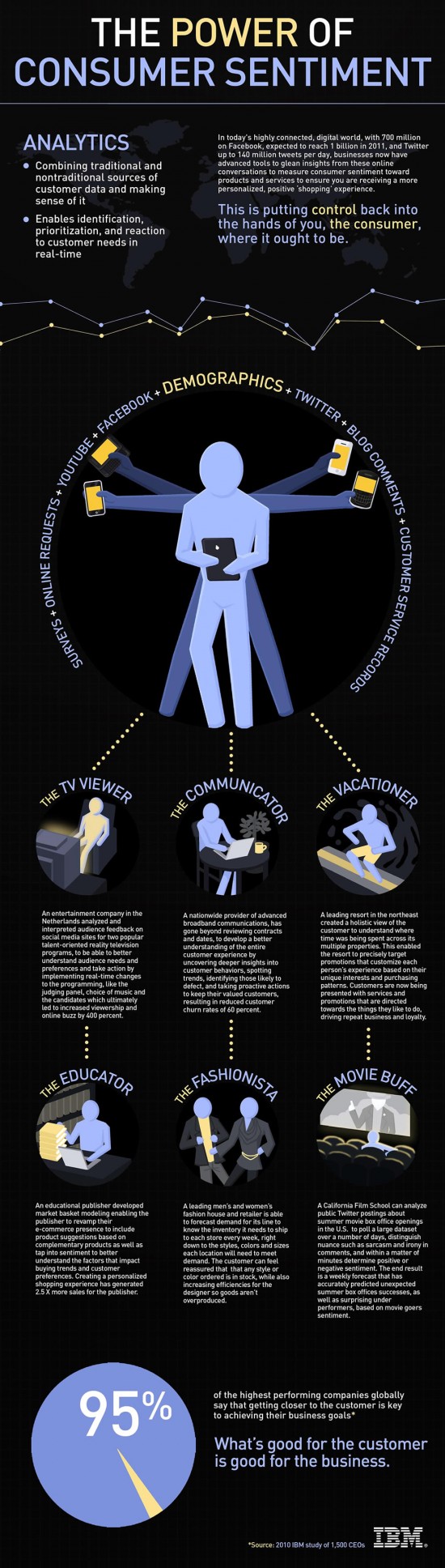
With social media and healthcare data becoming a focus for many healthcare businesses, hospitals and even medical practices, how are doctors taking advantage of consumer and new-wave patient sentiment?

Businesses like clinics and medical practices have more power than ever to start gleaning insights from online patient conversations to measure sentiment, and ultimately put power back into the hands of patient-consumers.

Source: IBM.com

Conclusion     

And so, your thoughts and comments on this ME-P are appreciated. Feel free to review our top-left column, and top-right sidebar materials, links, URLs and related websites, too. Then, subscribe to the ME-P. It is fast, free and secure.

Link: http://feeds.feedburner.com/HealthcareFinancialsthePostForcxos

Speaker: If you need a moderator or speaker for an upcoming event, Dr. David E. Marcinko; MBA – Publisher-in-Chief of the Medical Executive-Post – is available for seminar or speaking engagements. Contact: MarcinkoAdvisors@msn.com

Our Other Print Books and Related Information Sources:

Health Dictionary Series: http://www.springerpub.com/Search/marcinko

Practice Management: http://www.springerpub.com/product/9780826105752

Physician Financial Planning: http://www.jbpub.com/catalog/0763745790

Medical Risk Management: http://www.jbpub.com/catalog/9780763733421

Healthcare Organizations: www.HealthcareFinancials.com

Physician Advisors: www.CertifiedMedicalPlanner.com

Subscribe Now: Did you like this Medical Executive-Post, or find it helpful, interesting and informative? Want to get the latest ME-Ps delivered to your email box each morning? Just subscribe using the link below. You can unsubscribe at any time. Security is assured.

Link: http://feeds.feedburner.com/HealthcareFinancialsthePostForcxos

Sponsors Welcomed: And, credible sponsors and like-minded advertisers are always welcomed.

Link: https://healthcarefinancials.wordpress.com/2007/11/11/advertise

Product Details

Inbound Healthcare Marketing vs. Outbound Marketing

A New Paradigm for Physician Executives

By Staff Reporters

Join Our Mailing List

Thanks to the Internet, medical marketing has evolved over the years. Consumers and patients no longer rely solely on billboards and TV spots — a.k.a. first-generation outbound marketing — to learn about physicians, new products or medical services, because the web has empowered them. This is especially true for payment services like HD-HCPs, direct care business models, private pay and concierge medicine, etc.

In fact, the internet gives patients next-generation alternative methods for finding, buying and researching brands, products and yes – even doctors and providers. The new marketing communication — inbound marketing and health 2.0 — has become a two-way dialogue, much of which is facilitated by social media.

Assessment

Source: voltierdigital.com via mashable.com

Conclusion

Your thoughts and comments on this ME-P are appreciated. Feel free to review our top-left column, and top-right sidebar materials, links, URLs and related websites, too. Then, subscribe to the ME-P. It is fast, free and secure.

Link: http://feeds.feedburner.com/HealthcareFinancialsthePostForcxos

Speaker: If you need a moderator or speaker for an upcoming event, Dr. David E. Marcinko; MBA – Publisher-in-Chief of the Medical Executive-Post – is available for seminar or speaking engagements. Contact: MarcinkoAdvisors@msn.com

OUR OTHER PRINT BOOKS AND RELATED INFORMATION SOURCES:

Product Details

Building a Meaningful Medical Practice Marketing Campaign

Join Our Mailing List

What it Is – How it Works

[By Dr. David Edward Marcinko MBA, CMP™]

[By DeeVee Devarakonda MBA]

The success of a knowledge driven healthcare organization depends on not only how data can be converted to information – and information into marketing insight – but also by acting upon and converting those insights into building meaningful patient acquisition campaigns.

Definition of Patient Recruitment

Patient recruitment or campaign managementis the process of designing, executing, and measuring marketing campaigns through the use of applications that help to:

  • Select and segment patients
  • Design campaigns and execute the campaigns to contact patients
  • Track the contacts made with patients
  • Measure the results of those contacts
  • Learn from these results to more efficiently target patients in the future.

Key Queries

Some key questions to ask while you build campaigns:

  • Do you have a Customer [Patient] Relations Management roadmap that fits in with your overall patient vision and strategies and outlines the course of action for campaign management?
  • What is your privacy policy and strategy? – It is imperative for healthcare organizations to be proactive and self-regulate with a coherent privacy policy and design their systems to comply with this strategy. This may affect the way you design and execute campaigns.
  • What tools should you use? – There are several campaign management tools available today but no one tool may solve all business problems. You need to decide: what works best for my technical/ business environment? Is any integration effort required, if yes, how much will it cost me? How user-friendly are the tools? How much should I invest in training?

Important Campaign Components

Critical components of campaign management include the following activities:

  • Patient Segmentation: Process of identifying groups of patients for better targeting marketing and communications efforts. Segmentation is critical for effective and intelligent one on one communications with your patient.
  1. Ensure your data quality is excellent which can give you meaningful segmentation.
  2. Consistency of treatments and processes are of paramount importance.
  3. Buying a software tool is not enough for effective segmentation. You also need to understand what the software tool does in the backend. Watch out for anomalies and take steps to make reparations.
  4. Make sure you administer the initiative to a small sample and the business rules are in place before you roll out your campaign to the larger group.
  • Personalization: Ability to customize your product/service to each patient:
  1. Good personalization is possible especially when you have a good patient past history.
  2. You also need to have all business rules in place for effective personalization.
  3. Ensure your patient data is of high quality (e.g. addressing a female patient as a Mr. or sending mails to sign up for your service to a person who is already your patient can defeat the purpose of personalization)
  4. If you model data before personalization, you can target more effectively and personalize.
  5. It pays to have a clear privacy policy and ensure your personalization philosophies are in tune with that policy.
  • Execution – Actual implementation of your marketing programs and messages
  1. Before you execute, ensure you are equipped to fulfill promises you are making in the campaigns (e.g. If you are printing a toll free phone number in your direct mail piece for your patients to use, that toll free telephone number should work)
  2. Make sure your sales and service channels are aware of the campaigns and publish a general calendar for the whole company
  3. Develop business rules and strategies for follow-up campaigns.

Learn more: http://www.CertifiedMedicalPlanner.org

The Mindset

Successful patient marketing campaigns begin with the proper mindset and practice culture. There is no technology silver bullet to any P[C]RM campaign. And today, patient privacy is the key element of loyalty with a commitment to build long lasting and profitable campaigns through mutual trust and engaging cross-functional teams that can pick and deploy the elements mentioned above, across the entire enterprise and IT network, as needed.

Assessment

Healthcare organizations should keep privacy and the above components as their laundry list of action items when considering a C(P)RM plan.

Conclusion

Your thoughts and comments on this ME-P are appreciated. Feel free to review our top-left column, and top-right sidebar materials, links, URLs and related websites, too. Then, subscribe to the ME-P. It is fast, free and secure.

Speaker: If you need a moderator or speaker for an upcoming event, Dr. David E. Marcinko; MBA – Publisher-in-Chief of the Medical Executive-Post – is available for seminar or speaking engagements. Contact: MarcinkoAdvisors@msn.com

OUR OTHER PRINT BOOKS AND RELATED INFORMATION SOURCES:

Product Details 

Product DetailsProduct Details

Marketing of Physicians by Hospitals

National Survey Results 

ADVERTISEMENT

By Michele von Dambrowski

Dear ME-P Readers and Colleagues,

Thank you for your participation in the National Survey on Marketing of Physicians by Hospitals.  With your valuable input, we have been able to greatly enhance the understanding of how hospitals and health systems are promoting both employed and community physicians.

The Results

Over 300 people participated, far exceeding our expectations.  As promised, survey results can be downloaded from Strategic Health Care Marketing, right here:

Link: SurveyReport-MarketingPhysicians

Audio Conference Invitation

Because of the significance of the survey findings and other acquired information, we have decided to hold a special audio conference on Thursday, June 24 at 1:30 p.m. Eastern Time. Titled “Marketing Physicians and Driving Hospital Revenue,” the 90-minute audio conference will cover survey implications and information gathered from follow-up phone calls with participants. Three marketing professionals will also discuss their successful marketing programs.

Assessment

To learn more about the special audio conference, go to: www.strategichealthcare.com/audioconfs/marketingphysicians.php.

As a survey participant, you are entitled to a $25 discount. After you register, just send me an e-mail indicating you participated in the survey and we’ll apply the discount.

Channel Surfing the ME-P Have you visited our other topic channels? Established to facilitate idea exchange and link our community together, the value of these topics is dependent upon your input. Please take a minute to visit. And, to prevent that annoying spam, we ask that you register. It is fast, free and secure.

Conclusion

Your thoughts and comments on this ME-P are appreciated. Feel free to review our top-left column, and top-right sidebar materials, links, URLs and related websites, too. Then, subscribe to the ME-P. It is fast, free and secure.

Speaker: If you need a moderator or speaker for an upcoming event, Dr. David E. Marcinko; MBA – Publisher-in-Chief of the Medical Executive-Post – is available for seminar or speaking engagements. Contact: MarcinkoAdvisors@msn.com

OUR OTHER PRINT BOOKS AND RELATED INFORMATION SOURCES:

Product DetailsProduct Details

Understanding Healthcare Competition

Funneling Porter’s Five Forces of Business

Staff Reporters

ho-journal12Michael Porter PhD, of Harvard Business School, is considered by many to be one of the world’s leading authorities on competitive strategy and international competitiveness.

In 1980, he published Competitive Strategy: Techniques for Analyzing Industries and Competitors, in which he argued that all businesses must respond to five competitive forces. And now, these thoughts have been condensed for the healthcare industrial complex by Robert James Cimasi; MHA, CMP™ of Health Capital Consultants, LLC, in St. Louis, MO. They are cited below from the print journal-guide www.HealthcareFinancials.com

1. The Threat of New Market Entrants

This force may be defined as the risk of a similar company entering your local marketplace and winning business. There are many barriers to entry of new market entrants in healthcare including: the high cost of equipment, licensure, requirement for physicians and other highly trained technicians, development of physician referral networks and provider contracts, and other significant regulatory requirements.

Certificate of Need (CON) laws, which require governmental approval for new healthcare facilities, equipment, and services that have been in place since they were federally mandated in 1974. State CON laws create a regulatory barrier to entry. New medical provider entrants commonly faced substantial political opposition by established interests, which is manifested in the CON review process.

2. The Bargaining Power of Suppliers

A supplier can be defined as any business relationship or vendor you rely on to deliver your product, service or outcome. Healthcare equipment is a highly technical product produced by a limited number of manufacturers. This reduces the range of choices for providers and can increase costs.

3. Threats from Substitute Products or Services

Substitute products or services are those that are sufficiently equivalent in function or utility to offer consumers an alternate choice of product or service.  An illustration of this in healthcare would be diagnostic imaging, or PET scans, as a substitute for surgery, which is often a more costly and risky option for patients. The threat of less invasive or less expensive diagnostic tests other than diagnostic imaging is relatively small for the near term future.

4. The Bargaining Power of Buyers

This force is the degree of negotiating leverage of an industry’s buyers or customers. The buyers of healthcare services are ultimately the patients. However, the competitive force of buyers is manifested through healthcare insurers including the US and state governments through the Medicare, Medicaid, TRICARE, and other programs; managed care payers (e.g., Blue Cross/Blue Shield affiliates); workers’ compensation insurers; and others. 

In addition to the government, many of these healthcare insurers are large, national companies, often publicly traded, commanding significant bargaining power over healthcare provider reimbursement.

5. Rivalry among Existing Firms

This is ongoing competition between existing firms without consideration of the other competitive forces which define industries. Healthcare providers face pressure from other existing providers to obtain favorable provider contracts; maintain the latest technology; increase efficiencies; and lower prices.

Link:

http://www.thehealthcareblog.com/the_health_care_blog/2009/02/making-price-competition-work-.html#comments

Assessment

And so, these forces should be considers by all new, mid-career, and mature independent medical practitioners. They should also be combined with an internal organizational SWOT analysis as well.

Conclusion

And so, your thoughts and comments on this Medical Executive-Post are appreciated.

Speaker: If you need a moderator or speaker for an upcoming event, Dr. David E. Marcinko; MBA – Publisher-in-Chief of the Executive-Post – is available for seminar or speaking engagements. Contact: MarcinkoAdvisors@msn.com  or Bio: www.stpub.com/pubs/authors/MARCINKO.htm

Subscribe Now: Did you like this Medical Executive-Post, or find it helpful, interesting and informative? Want to get the latest E-Ps delivered to your email box each morning? Just subscribe using the link below. You can unsubscribe at any time. Security is assured.

Link: http://feeds.feedburner.com/HealthcareFinancialsthePostForcxos

Improving Inter/Intra Professional Relations

Establishing Rapport within the Medical Community

By Dr. David Edward Marcinko; MBA, CMP™

Publisher-in-Chief

By Hope Rachel Hetico; RN, MHA, CMP™

Managing Editor

In our consulting work, publishing, speaking engagements and relate professional endeavors, we are often asked how to establish and even increase professional visibility in a particular medical, or even alternative-medial community.

While there is no-one-size-fits-all answer, the following are useful “tips and pearls” to enhance your awareness among known, and unknown, physician colleagues in your geographic locale.

A Few “Tips and Pearls”

  • Send office announcements to all health professionals in the community. Include pharmacies, pediatricians, family practitioners, PAs and NPs, concierge practices, chiropractors and alternative medical provides, convenient-care and convalescent facilities. All are potential sources of patient referrals.
  • Meet other health professionals personally and establish a one-to-one relationship with them. This will serve to educate them to your abilities and practice.
  • Send written reports to all practitioners who refer patients.
  • Do not hesitate to refer patients for consultations, as indicated. This is not only good business sense, but good medicine.
  • Use novel business cards, such as the new CD-ROMs cut into the size of a standard business card, by One Voice Technologies, of San Diego. For about a dollar, depending upon quantity, you can order a labeled disc with all the business information of a standard card, which also functions as a CD-ROM containing up to 100 megabytes of multi-media data about your medical practice or specialty.

Assessment

Please feel free to send in your own “tips” and favorite professional relationship building ideas.

Conclusion

What differentiates you from the competition, and how did you become know in your local medical community; please opine and comment?

Related Information Sources:

Practice Management: http://www.springerpub.com/prod.aspx?prod_id=23759

Physician Financial Planning: http://www.jbpub.com/catalog/0763745790

Medical Risk Management: http://www.jbpub.com/catalog/9780763733421

Healthcare Organizations: www.HealthcareFinancials.com

Health Administration Terms: www.HealthDictionarySeries.com

Physician Advisors: www.CertifiedMedicalPlanner.com

Speaker: If you need a moderator or speaker for an upcoming event, Dr. David E. Marcinko; MBA – Publisher-in-Chief of the Executive-Post – is available for seminar or speaking engagements. Contact: MarcinkoAdvisors@msn.com  or Bio: www.stpub.com/pubs/authors/MARCINKO.htm

Subscribe Now: Did you like this Executive-Post, or find it helpful, interesting and informative? Want to get the latest E-Ps delivered to your email box each morning? Just subscribe using the link below. You can unsubscribe at any time. Security is assured.

Link: http://feeds.feedburner.com/HealthcareFinancialsthePostForcxos

Copyright 2008 iMBA Inc: All rights reserved, USA, unless otherwise noted. Use is restricted to Executive-Post subscribers only. No redistribution is allowed. To avoid violation of iMBA Inc copyright restrictions and redistribution policy, please register for your own free Executive-Post membership. Detailed information and registration links are available at:

Link: http://feeds.feedburner.com/HealthcareFinancialsthePostForcxos

Referrals: Thank you in advance for your electronic referrals to the Executive-Post.