DAILY UPDATE: Dental and Medical Record Data Breaches as Stocks Jump!

MEDICAL EXECUTIVE-POST TODAY’S NEWSLETTER BRIEFING

***

Essays, Opinions and Curated News in Health Economics, Investing, Business, Management and Financial Planning for Physician Entrepreneurs and their Savvy Advisors and Consultants

Serving Almost One Million Doctors, Financial Advisors and Medical Management Consultants Daily

A Partner of the Institute of Medical Business Advisors , Inc.

http://www.MedicalBusinessAdvisors.com

SPONSORED BY: Marcinko & Associates, Inc.

***

http://www.MarcinkoAssociates.com

Daily Update Provided By Staff Reporters Since 2007.
How May We Serve You?
© Copyright Institute of Medical Business Advisors, Inc. All rights reserved. 2024

REFER A COLLEAGUE: MarcinkoAdvisors@outlook.com

SPONSORSHIPS AVAILABLE: https://medicalexecutivepost.com/sponsors/

ADVERTISE ON THE ME-P: https://tinyurl.com/ytb5955z

Your Referral Count -0-

Nvidia stock (NVDA) led gains among the “Magnificent Seven” tech stocks to start the new year after a group-wide sell-off in the last days of 2024. Shares of the AI chip-maker rose 4.5% Friday after gaining roughly 3% the prior day.

CITE: https://www.r2library.com/Resource

Stat: 18. That’s how many dental data breaches there were in the US in 2024. (Becker’s Dental + DSO Review)

CITE: https://tinyurl.com/2h47urt5

Quote: “If your credit card gets compromised, your bank will alert you, cancel it and send you get a new one. But your medical records have a long lifespan. They can be misused without detection for long periods of time, because it’s harder to identify malicious activity. That makes them very valuable.”—Geetha Thamilarasu, associate professor at the University of Washington Bothell, on why hackers want healthcare information (the Wall Street Journal)

CITE: https://tinyurl.com/tj8smmes

That upswing followed a 4% dip between Christmas Eve and New Year’s Eve as megacap tech stocks dropped across the board in the absence of a “Santa Claus” rally, where the stock market typically enjoys a surge between December 24th and January 2nd. Tesla (TSLA) stock plunged nearly 13% over that time frame, while Amazon (AMZN) and Microsoft (MSFT) dropped more than 4%. Meanwhile, Meta (META) and Google (GOOG) fell just under 4%, and Apple (AAPL) dropped 3%.

Even with its December decline, Nvidia shares still ended 2024 up more than 150%. Wall Street analysts have remained bullish on the stock, estimating shares will rise to roughly $173 over the next year from their current level of $138, according to Yahoo Finance data.

COMMENTS APPRECIATED

PLEASE SUBSCRIBE: MarcinkoAdvisors@msn.com

Thank You

***

***

***

***

EDUCATIONAL TEXTBOOKS: https://tinyurl.com/4zdxuuwf

***

DENTAL DATA BREACH: Paper is Safer – It Always has Been!

By Darrell K. Pruitt DDS

***

***

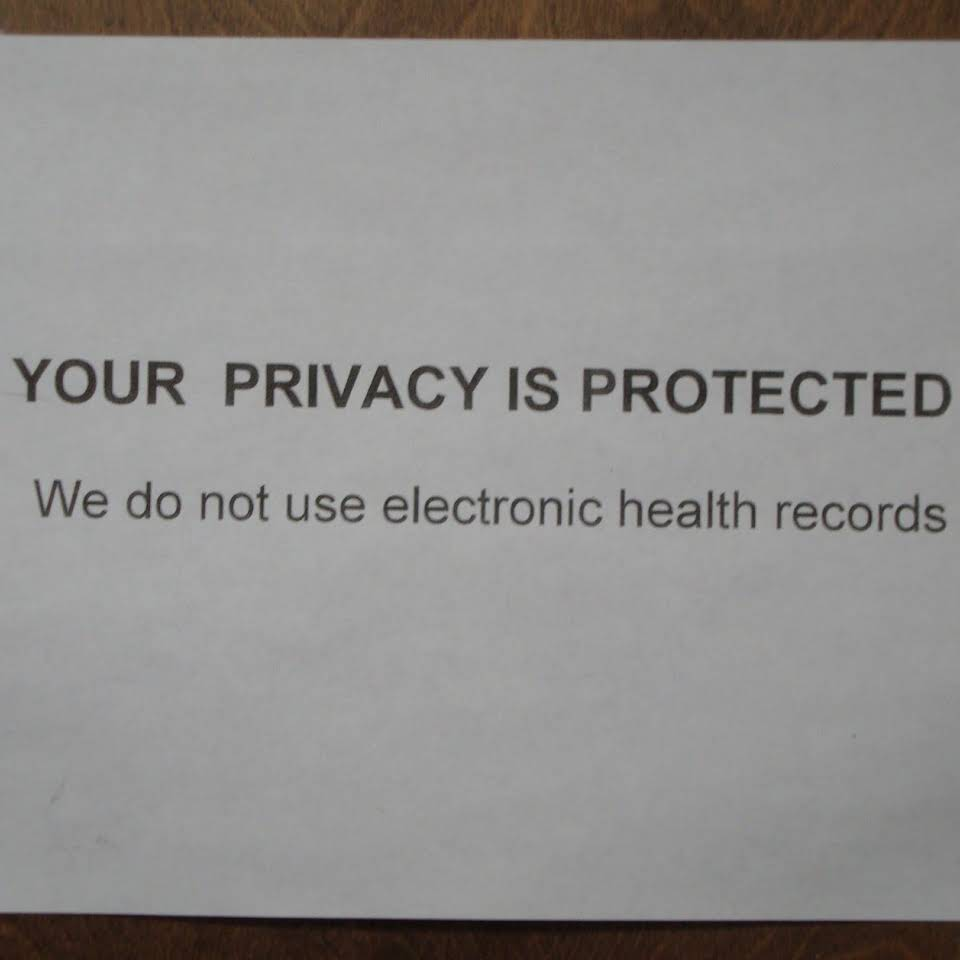
PAPER IS SAFER – IT ALWAYS HAS BEEN!

“9M dental patient records published following LockBit ransomware attack”

By Duncan Riley for Silicone Angle, May 30th, 2023
READ: https://siliconangle.com/2023/05/30/9m-dental-patient-records-published-following-lockbit-ransomware-attack/

***

We knew digital dental records were never safe, even though our trusting patients had no idea. I started warning dentists about sudden public rejection of electronic dental records over a decade ago. In fact, that is why the Texas Dental Association suspended my membership.

It’s the start of the predictable end of digital records in most dental offices. The TDA and the ADA were repeatedly warned, but chose to say nothing about the comparative security of paper to dues-paying members. In fact, the American Dental Association marketed its own digital dental record system until a few years ago when over 500 dental practices using their system were hacked. Then the ADA quietly sold it.

“The records of nearly 9 million people have been published online following a LockBit ransomware attack on Managed Care of North America. The company, also known as MCNA Dental, is a leading provider of dental plans in the U.S., serving private employers, individuals and families through a range of Medicare, long-term and commercial plans. MCNA is also the largest dental insurer for government-sponsored Medicaid and Children’s Health Insurance Program, programs.”

The question is, what will this news do to huge, multi-location dental franchises such as Aspen Dental, Monarch, Medicare and other discount dentistry centers. Dentists have proven they can run successful, large practices using pegboards, ledger cards and bulky, loud metal filing cabinets without risking their patients’ privacy.

By the way, my practice is accepting new patients. Oh yea: TDA, you still owe me $200 in prorated dues for the remainder of the year you kicked me out. Idiots!

***

COMMENTS APPRECIATED

Thank You

***

***

Dentistry’s SECRET!

***

By Darrell Pruitt DDS

***

***

“Small- and medium-sized businesses with two to 200 employees suffered the most attacks during the period, accounting for 46%, or 2,300 ransomware attacks total, according to the report.” That’s us, Doc. Patterson and Schein won’t admit it, but if you don’t put patients’ information on a computer, you and your patients are completely safe from ransomware.

“US organizations hit by almost half of all ransomware since 2020 – American exceptionalism extends to ransomware as organizations based in the U.S. suffered the greatest number of attacks, ahead of Canada and the U.K.

By Matt Kapko: Cybersecurity Dive, Sept. 28, 2022.

Paper’s security“Report: 90% of companies affected by ransomware in 2022 – An annual SpyCloud survey found that 90% of organizations were impacted by ransomware over the past twelve months, an alarming increase from last year’s 72.5%.”

– Yet still none involved paper dental records –

***

COMMENTS APPRECIATED

Thank You

***

DHITS: https://www.amazon.com/Dictionary-Health-Information-Technology-Security/dp/0826149952/ref=sr_1_5?ie=UTF8&s=books&qid=1254413315&sr=1-5

***

The RETURN of Paper Dental Records?

By Darrell Pruitt DDS

***

***

More reasons to stick with paper if you haven’t yet become paperless, Doc 

“Paying Ransomware Paints Bigger Bullseye on Target’s Back – Ransomware attackers often strike targets twice, regardless of whether the ransom was paid. Paying ransomware attackers doesn’t pay off and often paints a bigger target on a victim’s back. Eighty percent of ransomware victims that paid their attackers were hit a second time by the malware scourge.” – Threatpost, June 8, 2022.

A dentist can avoid the second ransomware attack by returning to paper … What? Yeah. I said it.

“New ransomware numbers come from a Cybereason’s April ransomware survey of 1,456 cybersecurity professionals. According to the gated report (registration required), victims that were successfully extorted were not only targeted a second time, but frequently data encrypted by criminals later became unusable during the decryption process because of corruption issues.”

OR – one can retire!

***

***

COMMENTS APPRECIATED

Thank You

***

***

***

Can electronic dental records survive the ransomware cure?

***

By Darrell K. Pruitt DDS


Compared to hospitals, the business of dentistry is as simple as a lemonade stand. Dental practice management software is an option – not a necessity.

Thank goodness.

***

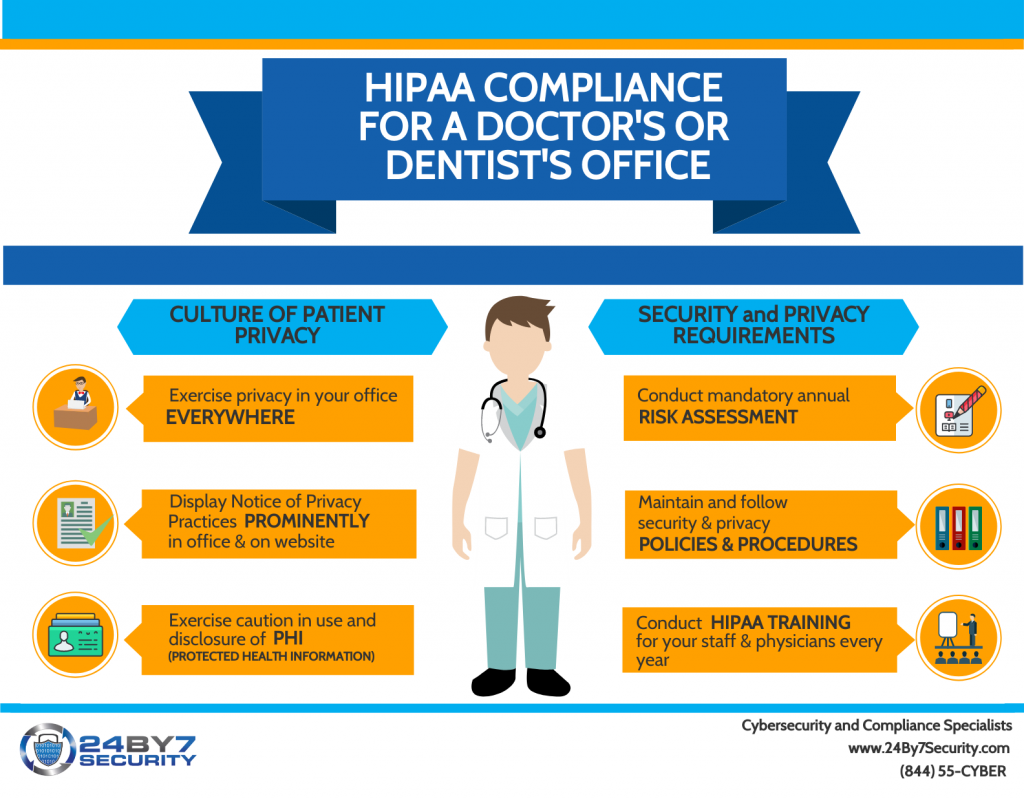
Do Dentists Need To Comply With HIPAA?

***


“Cyber Daily: Congress Inches Toward Response to Ransomware Attacks – U.S. legislators in the House and Senate have several bills in play that would put new requirements on companies [including dental offices] to report cyber incidents, including details about ransomware payments.”

WSJ.com, Oct. 11, 2021.
https://www.wsj.com/articles/cyber-daily-congress-inches-toward-response-to-ransomware-attacks-11633974966

As transparency makes it increasingly difficult for dentists to hide ransomware breaches from their patients by quietly paying the ransom (one or more times), paper dental records remain the gold standard of security. Practice management software is not only more expensive than paper records, but it vastly increases patients’ risk of identity theft while offering them NO TANGIBLE BENEFITS… Just ask anyone.

***

YOUR COMMENTS ARE APPRECIATED.

Thank You

***

RISK MANAGEMENT: https://www.routledge.com/Risk-Management-Liability-Insurance-and-Asset-Protection-Strategies-for/Marcinko-Hetico/p/book/9781498725989

***

Do We Really Need Electronic Dental Records [EDRs]?

BY DARRELL K. PRUITT DDS

Do you really need digital records, Doc?

Why?

The Important Role of Dental Records - Fiorillo Dental


“Ransomware criminals’ demands rise as aggressive tactics pay off – Average ransomware demands and payments are up as criminal enterprises pour money into the profitable operations.”

By Brooke Crothers for FOXBusiness, August 14, 2021.
https://www.foxbusiness.com/technology/ransomware-criminals-demands-rise-aggressive-tactics-pay-off

Crothers: “The ransomware crisis just keeps getting worse as criminal enterprises pour money into highly profitable ransomware operations, according to a report from Palo Alto Networks’ Unit 42 security consulting group. The average ransomware payment climbed 82% to a record $570,000 in the first half of 2021 from $312,000 in 2020.”

I am asking Dr. Roger P. Levin, DDS, founder and CEO of Levin Group, why he and his international consultant group still promote electronic dental records.

How about it, Dr. Levin? Can you describe how practice management software benefits dental patients? The software doesn’t make dentistry safer or less expensive than paper records – even if digital is more convenient for dentists and staff (most of the time).

YOUR THOUGHTS ARE APPRECIATED

Thank You

***

On Paper Dental Records

SMILE!

[By staff reportes]

***

Assessment

Your thoughts are appreciated; many thanks.

RESOURCES:

“Insurance & Risk Management Strategies for Doctors” https://tinyurl.com/ydx9kd93

“Fiduciary Financial Planning for Physicians” https://tinyurl.com/y7f5pnox

“Business of Medical Practice 2.0” https://tinyurl.com/yb3x6wr8

***

Product DetailsProduct Details

THANK YOU

Why patients will soon prefer paper dental records?

Read for yourself why dental patients will soon prefer paper-based over paperless

[By Kellus Pruitt DDS]

Recently, Marianne Kolbasuk McGee (HealthInfoSec) posted, “Analysis: Are HHS Cybersecurity Recommendations Achievable? Experts Sort Through New Task Force Report.”

http://www.healthcareinfosecurity.com/analysis-are-hhs-cybersecurity-recommendations-achievable-a-9971

McGee: 

“A new Department of Health and Human Services report to Congress containing more than 100 recommendations for how healthcare can better address cybersecurity threats is stirring debate over whether smaller organizations will be able to take the recommended actions.”

Cha-ching!

Privacy attorney David Holtzman, vice president of compliance at the consultancy CynergisTek, tells Healthinfosec:

“The majority of information systems that create or maintain personally identifiable health information are owned and managed by small organizations whose capability or access to the people or technology to secure information systems is limited by financial constraints or ability to attract well-trained human resources,” he says. “At first glance, it is difficult to see how these small organizations can translate the recommendations in the report into tangible progress.”

As large, juicy healthcare organizations successfully harden their cyber-defenses, small healthcare entities – like dental offices – will attract identity thieves with smaller, juicy low-hanging fruit.

Or, as suggested in the article, taxpayers can subsidize cyber-protection for dentists and other small healthcare organizations. In my opinion, that simply won’t happen.

***

***

Wary dental patients – many of whom have received breach notifications or have learned about identity theft the hard way – will find it increasingly easy to find a new dentist who does not put their identities on computers. After all, electronic dental records offer dental patients no tangible benefits anyway.

Assessment

If dental patients’ identities are unavailable, they cannot be stolen …. Still too early for de-identification, Doc? Give it time. I’ve got patience. 

***

***

Conclusion

Your thoughts and comments on this ME-P are appreciated. Feel free to review our top-left column, and top-right sidebar materials, links, URLs and related websites, too. Then, subscribe to the ME-P. It is fast, free and secure.

Speaker: If you need a moderator or speaker for an upcoming event, Dr. David E. Marcinko; MBA – Publisher-in-Chief of the Medical Executive-Post – is available for seminar or speaking engagements. Contact: MarcinkoAdvisors@msn.com

OUR OTHER PRINT BOOKS AND RELATED INFORMATION SOURCES:

Product DetailsProduct Details

***

Can Politically-Correct Names Save Obamacare?

Join Our Mailing List

Saving Electronic Health Record Interoperability?

1-darrellpruittBy D. Kellus Pruitt DDS

If HHS successfully persuades Americans to use happy names for its bad ideas, will the cheap trick save electronic health record interoperability which is critical to the success of Obamacare?

Healthcare Lexicon 

According to the government’s modernized healthcare lexicon, doctors have been demoted to “providers,” insurance companies, including Medicare/Medicaid, have been promoted to “payers,” and patients’ position in the hierarchy has diminished from “principals” to “stakeholders” – a rank on par with 3rd parties such as insurers, HHS and other unaccountable parasites.

Wall of Shame

Ominously, HHS recently changed the contentious name “Wall of Shame” to a more innocuous“ breach reporting tool,” to describe the public list of data breaches involving the medical records of more than 500 patients. It turns out that the growing list of major data breaches is unexpectedly shaming  far too many providers and payers – including Medicare/Medicaid. Imagine that!

In fact, since Americans’ growing disgust with privacy breaches threatens the very success of Obamacare, there is evidence that HHS has turned to betraying its lawful obligation to the nation by hiding breaches from those who are most vulnerable – Americans.

HIPAA Failure

The half-baked plan to shame providers who experience data breaches – perhaps through no fault of their own – is not working out like HHS had hoped. Due to HIPAA’s abysmal failure to halt data breaches, the Wall of Shame has become a national embarrassment and an obstacle to EHR adoption. I expect the public listing of major breaches to be quietly scrapped soon in favor of keeping patients in the dark concerning their risks of identity theft.

Dentistry 

In dentistry, on the other hand, common sense as well as market resistance evidently caused HHS and other stakeholders to give up trying to prohibit use of the 8 syllable “electronic dental records” in favor of the 14 syllable “electronic health records for dental practices.”

Nevertheless, holdouts (including Dissent Doe) still occasionally feel it is important to correct this dentists when I use “EDR” instead of “EHR.” You got to love ‘em.

Obama Care 

Assessment 

Transparent silliness suggests that HHS is failing in its duties. Due to lack of accountability, we can expect EHRs and EDRs to become even more expensive and more dangerous, possibly bringing an end to Obamacare.

Conclusion

Your thoughts and comments on this ME-P are appreciated. Feel free to review our top-left column, and top-right sidebar materials, links, URLs and related websites, too. Then, subscribe to the ME-P. It is fast, free and secure.

Link: http://feeds.feedburner.com/HealthcareFinancialsthePostForcxos

Speaker: If you need a moderator or speaker for an upcoming event, Dr. David E. Marcinko; MBA – Publisher-in-Chief of the Medical Executive-Post – is available for seminar or speaking engagements. Contact: MarcinkoAdvisors@msn.com

OUR OTHER PRINT BOOKS AND RELATED INFORMATION SOURCES:

DICTIONARIES: http://www.springerpub.com/Search/marcinko
PHYSICIANS: www.MedicalBusinessAdvisors.com
PRACTICES: www.BusinessofMedicalPractice.com
HOSPITALS: http://www.crcpress.com/product/isbn/9781466558731
CLINICS: http://www.crcpress.com/product/isbn/9781439879900
BLOG: www.MedicalExecutivePost.com
FINANCE: Financial Planning for Physicians and Advisors
INSURANCE: Risk Management and Insurance Strategies for Physicians and Advisors

Product DetailsProduct DetailsProduct Details

Sales of Dental Equipment and eDRs Down

Peterson Dental Supply Reveals a Decline

By Darrell K. Pruitt; DDS

Yesterday, Kevin Henry posted “Dental news of the day for Thursday, Feb. 18” on the DentistryiQ Blog.

The source for the day’s dental news was a sales report provided by Patterson Dental Supply.

http://community.pennwelldentalgroup.com/profiles/blogs/dental-news-of-the-day-for

Soft Sales

“Sales of dental equipment and software declined 10% from the year-earlier level, which was consistent with Patterson’s forecast for this period.”

If one remembers the economy at the last of 2008, it is not difficult to understand why Patterson’s analysts forecast that sales of dental equipment would drop. But, how did they know that sales of Patterson EagleSoft, their clinical and practice management software would also fall by 10%? I find it interesting that their accurate prediction was made shortly after Patterson announced the release of EagleSoft Version 15.00 on October 10, 2008. That must have been discouraging to EagleSoft employees.

When is the last time you’ve heard of a company roll-out of a new version of software – expecting it to be even less successful the previous version? That’s interesting.

Health Policy and Politics 

What makes Patterson’s valiant prediction of a decline in software sales even more remarkable is that a year ago, President-elect Barack Obama was giddy enthusiastic for digital health records, which includes Patterson’s EagleSoft. Not to say I told you so [maybe-a-little], but Patterson’s analysts obviously recognized what I did long before: Digital dental records are losing popularity among dentists. What’s more, none of my patients have ever said that they wish I had digital dental records. Dental patients simply do not desire them.

As a matter of fact, some have expressed relief that my paper records are more secure than anyone’s digital records. They also like not having to sign HIPAA forms – a meaningless waste of trees and appointment time.

Insightful or clueless dentist?

Assessment 

A year after Patterson privately admitted doubt about paperless dental practices, the slow-moving ADA House of Delegates met in Hawaii in October ‘09 and officially encouraged ADA members to adopt eDRs. Why doesn’t the American Dental Association know at least as much about dentistry as Patterson Dental?

This is an intriguing time in dental history. I can’t wait until the ADA opens up about their mistakes in dental informatics. One of these days we’ll all have a good laugh about their lame, expensive shenanigans.

Conclusion

Your thoughts and comments on this ME-P are appreciated. Feel free to review our top-left column, and top-right sidebar materials, links, URLs and related websites, too. Then, subscribe to the ME-P. It is fast, free and secure.

Link: http://feeds.feedburner.com/HealthcareFinancialsthePostForcxos

Speaker: If you need a moderator or speaker for an upcoming event, Dr. David E. Marcinko; MBA – Publisher-in-Chief of the Medical Executive-Post – is available for seminar or speaking engagements. Contact: MarcinkoAdvisors@msn.com

OUR OTHER PRINT BOOKS AND RELATED INFORMATION SOURCES:

DICTIONARIES: http://www.springerpub.com/Search/marcinko
PHYSICIANS: www.MedicalBusinessAdvisors.com
PRACTICES: www.BusinessofMedicalPractice.com
HOSPITALS: http://www.crcpress.com/product/isbn/9781466558731
CLINICS: http://www.crcpress.com/product/isbn/9781439879900
BLOG: www.MedicalExecutivePost.com
FINANCE: Financial Planning for Physicians and Advisors
INSURANCE: Risk Management and Insurance Strategies for Physicians and Advisors

Product DetailsProduct Details

Dr. Pruitt Invites Dr. Cohen to Discuss eDRs

Where is the ADA’s Representative?

By Darrell K. Pruittpruitt; DDS

He or she should have been talking with me long ago. I have the audience and I’m giving you that opportunity I promised you, Dr. Donald Cohen.

Rest Easy

I’m aware that I possibly make you uncomfortable, considering how “unprofessionally” I’ve publicly treated lesser devoted HIPAA consultants. Rest easy! As soon as I read your article, I could tell that you’re different from your colleagues I’ve met. First of all, like me, you’re a dentist. That’s very important. Secondly, your credentials are impressive and reveal that compliancy is not a hobby for you like it is for others. Nobody can accumulate a history as impressive as yours without professional dedication. The last point, and the most important of the three, you seem honest about HIPAA compliance.

A Professional

It wasn’t lost on me that in your article you were professionally non-judgmental of the Rule. Instead of trying to justify a defenseless law, your job is to help dentists comply with the mandate as it is written or risk significant fines. Like tax-collecting, someone’s got to do the job of delivering bad news. You have a legitimate purpose to be involved in the dental industry, even if what you teach makes little difference at all if a dentist’s records are breached. I argue that following the inevitable bankruptcy from a breach, HHS fines are hardly a deterrent. And that is the issue: eDRs containing patient identifiers are too risky for the marketplace.

Electronic Dental Records

I think you would have to agree that eDRs are going nowhere until records are safe, and encryption is not going to be sufficient to protect dentists against dishonest employees. Ambitious bureaucrats in waiting, such as HIPAA consultants Travis Criswell, Sharalyn Fichtl, Kelly Mclendon and Olivia Wann – not a dentist among them – hooked their careers to the HIPAA mandate to avoid the tough sales jobs competition otherwise demands in the free market. All four share an authoritarian misconception that since it is the law, dentists will be forced to purchase their products – even if they are utterly senseless. I think we both know that they are oh so wrong. I promised earlier to give you an opportunity to publicly support truth in eDRs if you so choose. Perhaps we could rationally discuss in front of everyone how dentists can wriggle free of the approaching mess. There is no pressure here, other than this is public invitation. Since you haven’t made unrealistic claims about eDRs like others have, I am not interested in hounding you further. I simply ask you to consider responding to the article I posted in your name on PennWell titled “Dr. Donald Cohen’s opportunity.”

http://community.pennwelldentalgroup.com/forum/topics/dr-donald-cohens-opportunity

Assessment

I sincerely appreciate the respect you have shown me, and I pledge to afford you the same. Of all the consultants I have approached with my concerns about HIPAA and eDRs, you are the first to even acknowledge a problem simply by posting my concerns. I think you have the courage to face the realities of the marketplace, while others foolishly think dentists are a captive market.

Note: I submitted this to be posted following an August 28th press release posted by HIPAA consultant Dr. Donald Cohen titled, “Dentists Should Know about New HIPAA Rules.”

http://www.dentalblogs.com/archives/administrator/dentists-should-know-about-new-hipaa-rules/comment-page-1/#comment-35672

If you are interested in discussing the topics of interoperability with fax machines, de-identified eDRs and security that surpasses paper records, in front of you is the opportunity to address your largest audience yet, Dr. Cohen. I’m self-syndicated.

Note: Do you realize that if Dr. Cohen takes me up on the offer, this will be the first time two dentists have openly discussed eDRs on the Internet? Do you think it’s about time?

Conclusion

Your thoughts and comments on this ME-P are appreciated. Feel free to review our top-left column, and top-right sidebar materials, links, URLs and related websites, too. Then, subscribe to the ME-P. It is fast, free and secure.

Link: http://feeds.feedburner.com/HealthcareFinancialsthePostForcxos

Speaker: If you need a moderator or speaker for an upcoming event, Dr. David E. Marcinko; MBA – Publisher-in-Chief of the Medical Executive-Post – is available for seminar or speaking engagements. Contact: MarcinkoAdvisors@msn.com

OUR OTHER PRINT BOOKS AND RELATED INFORMATION SOURCES:

DICTIONARIES: http://www.springerpub.com/Search/marcinko
PHYSICIANS: www.MedicalBusinessAdvisors.com
PRACTICES: www.BusinessofMedicalPractice.com
HOSPITALS: http://www.crcpress.com/product/isbn/9781466558731
CLINICS: http://www.crcpress.com/product/isbn/9781439879900
BLOG: www.MedicalExecutivePost.com
FINANCE: Financial Planning for Physicians and Advisors
INSURANCE: Risk Management and Insurance Strategies for Physicians and Advisors

Product DetailsProduct DetailsProduct Details

Kelly Mclendon RHIA censors D. Kellus Pruitt DDS

By Darrell K. Pruitt; DDS

Dateline: 8.15.09

pruitt

Dear Kelly Mclendon, Registered Health Information Administrator

You are beginning to make me feel insulted, and I will not have that. I just noticed that the last two comments I submitted to your Website, www.spacecoastmedicine.com, on August 9 and 10, are still “awaiting moderation.”

http://www.spacecoastmedicine.com/2009/08/electronic-records-for-all-patients-mandated-by-2014.html#comment-89 

(For clarity, the comments which scared Mr. Mclendon are copied below) 

Over five days have passed, and I want you, your readers and my readers to know that I spent a lot of time preparing those two pieces exclusively for you at your invitation for comments. You are as sincere as I am, aren’t you? 

When I’ve caught others in the squeeze you might be experiencing, several have pleaded that the censorship was an innocent oversight, and did the right thing immediately by posting everything I send them (include this comment, please). And then again, there are a few slow-learning, command-and-control types who think they cam still somehow control the content of their Websites. Like you, Kelly, an anonymous dentalblogs.com editor whom I call “Nancy” by default, also informed me that my comments were awaiting indefinite moderation. What a foolish, rookie mistake that proved to be. For example, if you google “dentalblogs.com,” my article “Dentalblogs.com hates D. Kellus Pruitt DDS” is their 4th hit. It seems to be very popular. 

How’s this for the title of a comment that should make it to your first page by Monday: “Kelly Mclendon RHIA censors D. Kellus Pruitt DDS”? Please, no phone calls. 

D. Kellus Pruitt; DDS 

Dateline 8.9.09 

I’m sure physicians’ businesses are no different than dentists’ when it comes to the liability of data breaches – especially considering the giddy, mindless momentum of HITECH-empowered HIPAA. If a computer is stolen in a burglary, compromised by a dishonest employee who sells IDs on the side, or otherwise hacked, and the dentist reports the tragedy according to the letter of the law, it inevitably means bankruptcy even before the feel-good fines are levied by HHS (HIPAA) and the FTC (Red Flags Rule) for not having required irrelevant documentation of administrative trivia in order. What were our lawmakers thinking? 

I guess the HIPAA blunder proves that when politicians, insurers and healthcare IT entrepreneurs get together in vendor clubs like CCHIT, the only government-approved eHR certification authority, they can mandate damn well any law that suits their needs. 

Allscripts CEO Glen Tullman, who is an influential friend of Barack Obama as well as a Trustee of CCHIT told Bloomberg.com reporter Alex Nussbaum in an interview almost a year ago that providers should make the financial commitment “to ensure that doctors have some skin in the game.” 

Glen Tullman is only one reason our nation’s healthcare IT industry stinks from the top down. 

D. Kellus Pruitt; DDS

Dateline: 8.10.09 

Thank you, Kelly Mclendon, for providing a rare venue to possibly clear up a few items of uncertainty about eHRs in dentistry. First of all, if a technological advancement such as eDRs does not pay for itself, even with government subsidies, who pays for it? That seems like a quick way to increase the costs of dental care – and for what? How do dental patients benefit from expensive HIT solutions when the telephone, fax machine and US Mail serve us fine? 

Digitalization of records offers no benefits to dental patients. Only stakeholders who would grab our patients’ money benefit from HIT. Everyone else loses. Trusting, naive dental patients lose the most. 

Electronic dental records are expensive hazards. If you can think of a lame reason for them, please let me hear it. You can bet I’ve crushed it before. I’ve been down this road with others many, many times. 

Within a week, the government will price computerization smooth out of dentistry. Over 90% of dentists have patient identities on their computers today. If HIPAA is enforced, with or without the Red Flags Rule, I predict that less than half of the nation’s dentists will be computerized a year from now. 

As for your argument that eHRs somehow provide up-to-date and otherwise superior medical histories for dental patients, think about this: If someone changes a paper medical history, it leaves a paper trail. If an insurance thief alters allergies on a digital record to suit his or her own needs, nobody in the emergency room can tell. Whoever said “Paper kills,” lied. It is a catchy PR pitch, though.

Conclusion

Your thoughts and comments on this ME-P are appreciated. Feel free to review our top-left column, and top-right sidebar materials, links, URLs and related websites, too. Then, subscribe to the ME-P. It is fast, free and secure.

Speaker: If you need a moderator or speaker for an upcoming event, Dr. David E. Marcinko; MBA – Publisher-in-Chief of the Medical Executive-Post – is available for seminar or speaking engagements. Contact: MarcinkoAdvisors@msn.com

OUR OTHER PRINT BOOKS AND RELATED INFORMATION SOURCES:

Product DetailsProduct DetailsProduct Details