BOARD CERTIFICATION EXAM STUDY GUIDES Lower Extremity Trauma
[Click on Image to Enlarge]
ME-P Free Advertising Consultation
The “Medical Executive-Post” is about connecting doctors, health care executives and modern consulting advisors. It’s about free-enterprise, business, practice, policy, personal financial planning and wealth building capitalism. We have an attitude that’s independent, outspoken, intelligent and so Next-Gen; often edgy, usually controversial. And, our consultants “got fly”, just like U. Read it! Write it! Post it! “Medical Executive-Post”. Call or email us for your FREE advertising and sales consultation TODAY [678.779.8597] Email: MarcinkoAdvisors@outlook.com
Medical & Surgical e-Consent Forms
ePodiatryConsentForms.com
iMBA Inc., OFFICES
Suite #5901 Wilbanks Drive, Norcross, Georgia, 30092 USA [1.678.779.8597]. Our location is real and we are now virtually enabled to assist new long distance clients and out-of-town colleagues.
ME-P Publishing
SEEKING INDUSTRY INFO PARTNERS?
If you want the opportunity to work with leading health care industry insiders, innovators and watchers, the “ME-P” may be right for you? We are unbiased and operate at the nexus of theoretical and applied R&D. Collaborate with us and you’ll put your brand in front of a smart & tightly focused demographic; one at the forefront of our emerging healthcare free marketplace of informed and professional “movers and shakers.” Our Ad Rate Card is available upon request [678-779-8597].
Posted on October 15, 2025 by Dr. David Edward Marcinko MBA MEd CMP™
By Staff Reporter and and A.I.
***
***
The Dark Web: A Hidden Layer of the Internet
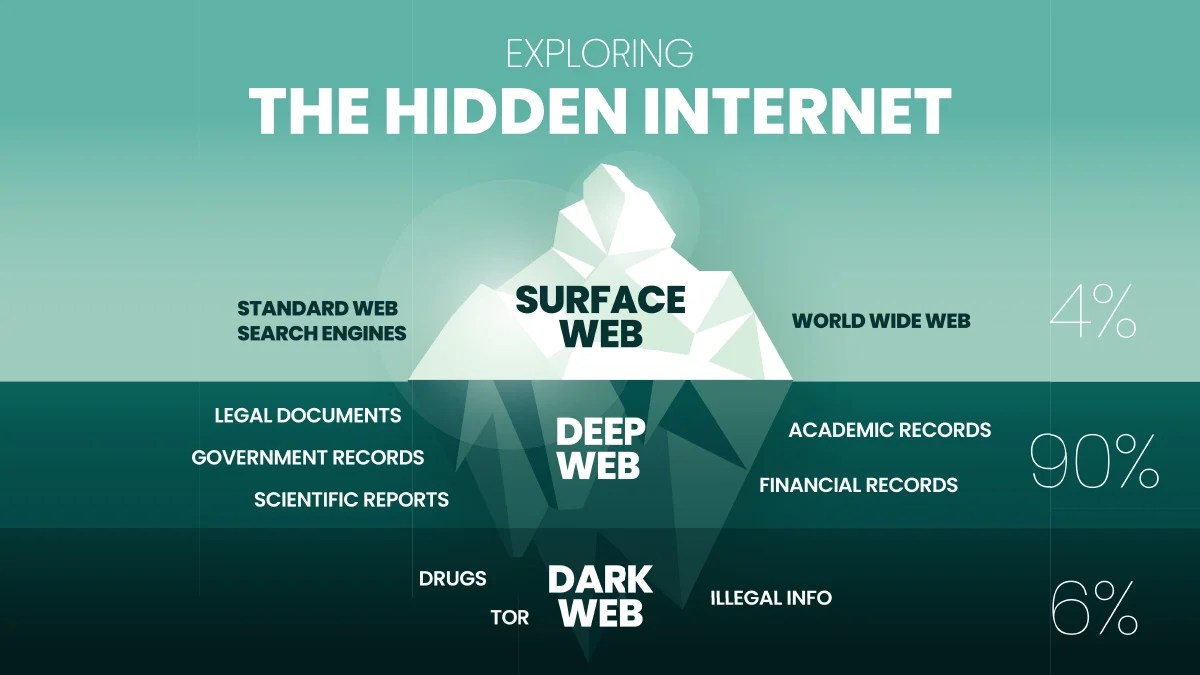
The internet is often described as an iceberg. The surface—what most users interact with daily—is the “surface web,” consisting of indexed websites accessible through standard search engines like Google or Bing. Beneath this lies the “deep web,” which includes content not indexed by search engines, such as private databases, academic journals, and password-protected sites. But even deeper still is the “dark web,” a hidden realm of the internet that requires special software to access and is often shrouded in mystery and controversy.
The dark web is accessible only through anonymizing networks like Tor (The Onion Router), which mask users’ identities and locations. This anonymity is both its greatest strength and most significant risk. Originally developed by the U.S. Navy to protect sensitive communications, Tor now serves as a gateway to a decentralized network where users can operate beyond the reach of traditional surveillance and censorship.
While the dark web is often associated with illegal activity—such as drug trafficking, weapons sales, and identity theft—it also serves legitimate purposes. Journalists, whistleblowers, and political dissidents in oppressive regimes use it to communicate safely and share information without fear of retaliation. Platforms like SecureDrop allow sources to submit documents anonymously to media outlets, helping expose corruption and injustice.
However, the dark web’s reputation is largely shaped by its criminal underbelly. Marketplaces like Silk Road, AlphaBay, and Hansa have been notorious for facilitating illicit trade. These platforms often use cryptocurrencies like Bitcoin to enable anonymous transactions. Law enforcement agencies around the world have responded with crackdowns, leading to arrests and shutdowns, but new sites frequently emerge to take their place.
The dual nature of the dark web presents a complex ethical dilemma. On one hand, it offers a haven for free speech and privacy in an increasingly monitored digital world. On the other, it enables activities that threaten public safety and national security. Governments and cybersecurity experts continue to grapple with how to regulate this space without infringing on civil liberties.
Understanding the dark web requires a nuanced perspective. It is not inherently evil, nor is it entirely virtuous. Like any tool, its impact depends on how it is used. As technology evolves, so too will the dark web, and society must remain vigilant in balancing the need for privacy with the imperative to prevent harm.
In conclusion, the dark web is a multifaceted component of the internet that challenges our notions of freedom, security, and ethics. It serves as both a refuge for the vulnerable and a playground for the unscrupulous. As we navigate this hidden frontier, education and awareness are key to ensuring that its potential is harnessed responsibly.
Posted on September 18, 2025 by Dr. David Edward Marcinko MBA MEd CMP™
By Carol Miller RN MBA
***
***
New-Wave Technology
To help hospitals and health systems comply with Health Insurance Portability and Accountability Act regulations, best practices are emerging for securing all electronic communication – cloud, wireless, and texting – of protected health information. These new technologies will continually be evolving with hospitals, providers and patients move to new means of communication. Below is a description of how each are impacted by HIPAA.
Cloud Solutions. Cloud solutions are becoming a needed commodity in treating patients today but also present a risk to privacy and security violation. Despite the advantages of cloud computing, organizations are often hesitant to use it because of concerns about security and compliance. Specifically, they fear potential unauthorized access to patient data and the accompanying liability and reputation damage resulting from the need to report HIPAA breaches. While these concerns are understandable, a review of data on HIPAA breaches published by the HHS shows that these concerns are misplaced. In fact, by using a cloud-based service with an appropriate security and compliance infrastructure, a facility can significantly reduce its compliance risk.
Because HIPAA compliance involves stringent privacy and security protections for electronic health information (PHI), many cloud providers are balking at signing new Business-Associate agreements. Most cloud-technology providers, such as Box and Dropbox, do not include the built-in privacy protections that guarantee HIPAA compliance. Because many cloud storage companies store plaintext data on their servers, PHI is especially vulnerable to breaches and compliance violations.
Mobility Solutions. The recent launches of Apple Health and Google Fit have stirred a lot of interest in health application development. It is important that hospitals and providers understand the laws around PHI and HIPAA compliance for any healthcare-focused mobile application or software. While not all healthcare applications fall under HIPAA rules, those that collect, store, or share personally identifiable health information with covered entities (such as hospitals and providers) must be HIPAA-compliant.
For years, hospitals have wanted to bring computers into exam rooms, waiting rooms, and treatment rooms to eliminate hard-to-read patient charts, making sure everyone treating the patient was seeing the same information, assuring that everything was recorded as it occurred, and enabling doctors, nurses, and technicians to stay connected to vital information and services wherever they were throughout the hospital. Many hospitals have adopted Computer on Wheels (COWs) or tablets but many of these were hard to use, had poor touchscreen interface and did not last long on a battery. Ipads seem to be the logical replacement as long as the iPad can comply with HIPAA rules.
HIPAA was written nearly 30 years ago, before mobile health applications were ever envisioned. Because of this, some areas of the law make it hard to determine which applications must be HIPAA- compliant and which are exempt. Considering the numerous ways security breaches can occur with a mobile device, it is not wonder that HHS is very leery about how PHI is handled on smartphones, wearables, and portable devices.
If the applications are going to send or share health data to a hospital, doctor or other covered entity, it MUST be HIPAA-compliant. Adhering to the Privacy and Security Rules of HIPAA is essential, especially considering the dangers that come with handling protected health data on a device. Examples include:
Phones, tablets, and wearables can be easily stolen and lost, meaning PHI could be compromised
Social media and email are easily accessible by the device, making it easy for users to post information that breaches HIPAA privacy laws.
Push notifications and other user communications can violate HIPAA laws if they contain PHI
Users may intentionally or unintentionally share personally identifiable information, even if the application’s intended use doesn’t account for it
Not all users take advanage of the password-protected screen-lock feature, making data visible and accessible to anyone who comes in contact with the device
Devices like the iPhone do not include physical keyboards, so users are more likely to use basic passwords that are not as safe as complex options.
This protected health information can include everything from medical records and images to scheduled appointment dates. Regardless of the device, it is important to take all the steps possible to comply with HIPAA guidelines.
Texting. Text (or SMS) messaging has become nearly ubiquitous on mobile devices. According to one survey, approximately 72 percent of mobile phone users send text messages. Clinical care is not immune from the trend, and in fact physicians appear to be embracing texting on par with the general population. Another survey found that 73 percent of physicians text other physicians about work.
(Source: Journal of AHIMA, “HIPAA Compliance for Clinician Texting”, by Adam Green, April 2012)
Texting can offer providers numerous advantages for clinical care. It may be the fastest and most efficient means of sending information in a given situation, especially with factors such as background noise, spotty wireless network coverage, lack of access to a desktop or laptop, and a flood of e-mails clogging inboxes. Further, texting is device neutral—it will work on personal or provider-supplied devices of all shapes and sizes. Because of these advantages, physicians may utilize texting to communicate clinical information, whether authorized to do so or not.
All forms of communication involve some level of risk. Text messaging merely represents a different set of risks that, like other communication technologies, needs to be managed appropriately to ensure both privacy and security of the information exchanged.
Text messages may reside on a mobile device indefinitely, where the information can be exposed to unauthorized third parties due to theft, loss, or recycling of the device. Text messages often can be accessed without any level of authentication, meaning that anyone who has access to the mobile phone may have access to all text messages on the device without the need to enter a password.
Texts also are generally not subject to central monitoring by the IT department. Although text messages communicated wirelessly are usually encrypted by the carrier, interception and decryption of such messages can be done with inexpensive equipment and freely available software (although a substantial level of sophistication is needed. If text messages are used to make decisions about patient care, then they may be subject to the rights of access and amendment. There is a risk of noncompliance with the privacy rule if the covered entity cannot provide patients with access to or amend such text messages.
According to 2012 data from CTIA–The Wireless Association, U.S. citizens alone exchange nearly 200 billion text messages every month. So it’s not surprising that an increasing number of clinicians are using text messaging to exchange clinical information, along with a wide range of other modes — smartphones, pagers, computerized physician order entry, emails, etc. Electronic communication is certainly faster, can be more efficient, enhances clinical collaboration and enables clinicians to focus on patient care. But with these benefits comes an increased risk of security breaches.
(Source: Clarifying the Confusion about HIPAA – Compliant Texting, by Megan Hardiman and Terry Edwards, May 2013)
Unfortunately, vendor hype about the Health Insurance Portability and Accountability Act is causing many hospitals and health systems to implement stop-gap measures that address part — but not all — of a problem. To identify all vulnerabilities, health care leaders need to consider not only text messaging, but all mechanisms by which protected health information in electronic form is transmitted — as well as the security of those mechanisms.
Mobile device-to-mobile device SMS text messages are generally not secure because they lack encryption. The sender does not know with certainty that his or her message is indeed received by the intended recipient. In addition, telecommunications vendor/wireless carrier may store the text messages. Recent HHS guidance indicates text messaging, as a means of communicating PHI, can be permissible under HIPAA depending in large part on the adequacy of the controls used. A hospital or provider may be approved for texting after performing a risk analysis or implementing a third-party messaging solution that incorporates measures to establish a secure communication platform that will allow texting on approved mobile devices.
A study reported in Computer World in May 2013 by the Ponemon Institute with 577 healthcare and It professional in facilities that ranged from fewer than 100 beds to over 500 beds stated that fifty-one percent of the respondents felt HIPAA compliance requirements can be a barrier to providing effective patient care. Specifically HIPAA reduces time available for patient care (85% of the respondents), makes access to electronic patient information difficult (79% of the respondents) and restricts the use of electronic mobile communications (56% of the respondents). The study stated “respondents agreed that the deficient communications tools currently in use decrease productivity and limit the time doctors have to spend with patients. “ They also stated “they recognized the value of implementing smartphones, text messaging and other modern forms of communications, but cited overly restrictive security policies as a primary reason why these technologies were not used.” Clinicians in the survey stated that only 45% of each workday is spent with patients; the remaining 55% is spent communicating and collaborating with other clinicians and using the electronic medical record and other clinical IT systems.
Several other statements made were:
Because of the need for security, hospitals and other healthcare organizations continue to use older, outdate technology such as pagers, email and facsimile machines. The use of older technology can also delay patient discharges – now taking an average of 102 minutes.
The Ponemon Institute estimated that the lengthy discharge process costs the U.S. hospital industry more than $3.189 billion a year in lost revenue, with another $5 billion lost through decrease doctor productivity and use of outdated technology. Secure text messaging could cut discharge time by 50 minutes.
(Source: Computer World, “HIPAA rules, outdate tech cost U.S. hospitals $3.38 B a year”, by Lucas Mearian, May, 2013)
Several suggestions offered for these preferred mobile devises are: 1) ensure encryption and access to individuals who need to have access; 2) use secure texting applications; and 3) even consider alerting employees with warnings before they send an email or share files that lets them know they are liable for the information sent.
Posted on June 13, 2025 by Dr. David Edward Marcinko MBA MEd CMP™
DEFINED
By CoPilot AI
***
***
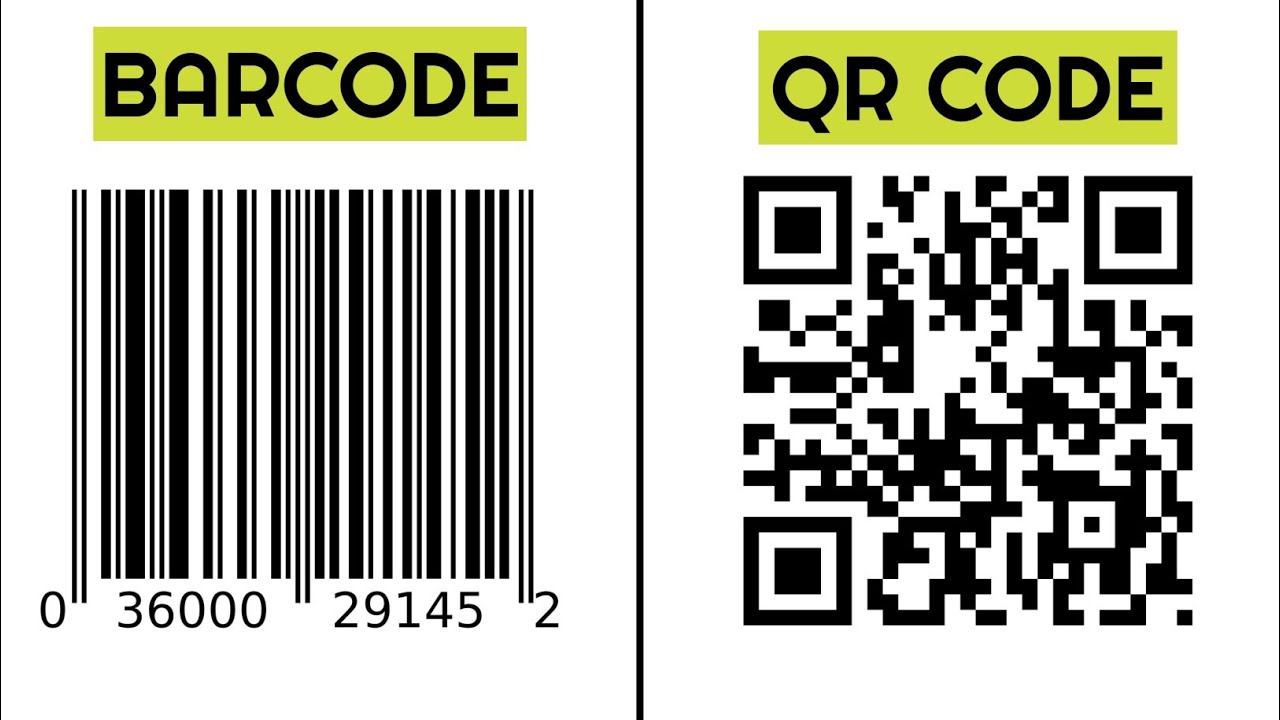
Barcodes and QR codes are basically two forms of machine-readable codes that contain data and are useful in various sectors such as retail, logistics, and marketing. While both appear to fulfill the function of storing information, they have differences based on structure and storage size as well as the function they perform. This makes it easier for businesses to distinguish what is relevant in barcodes and what is relevant in QR codes so that they can be in a position to adopt the right technology that will suit their needs well.
Barcode provides us with a way to store numbers in a computer-understandable format. This is used to store information in a 1D or 2D format that can be scanned for data retrieval. It is used by stores’ back-off sweaters for keeping track of the patients just in case of rental car services to track where the car is in cases of airline luggage.
Simplicity: Barcodes are easy to implement and can be put into use within a short span of time and with comparatively less investment.
Low Cost: The equipment and technology required in the generation as well as the scanning of the bar codes are relatively cheap.
Quick Scanning: As has already been discussed, barcodes are easy to scan and this makes them suitable for_numeric environments such as the retail sector.
Disadvantages of Barcodes
Limited Data Capacity: Barcodes also have a limited data processing capability with limited numerical values, of between 8-20 characters per barcode.
One-Dimensional: Barcode is more vast than OWLT and cannot contain complex information since it is one-dimensional.
Prone to Damage: That is why they can be barely scratched or damaged in such a manner that they will not scan properly.
What is QR code?
QR codes are a way of storing data in the form of computer understandable format, that can be scanned by using QR code scanner to retrieve the data. These are widely used nowadays for cashless and UPI payment services. They can be used in case of identifications and are also used for sharing photos, videos and other files.
High Data Capacity: QR codes contain the ability to enclose thousands of characters that include numbers, letters and even the binary data.
Small Physical Footprint: In fact, most QR codes are small in size even though they have a high storage capacity thereby making it possible to print them despite the limited amount of space.
Error Correction: QR codes are also created with erasure correction, so the code can still be scanned even if SOME of the dots are scratched out.
Versatile Applications: According to the functional aspect QR codes can be used in marketing, payments, wither links, multimedia information storage etc.
Disadvantages of QR Codes
Requires Specific Software: Unlike barcodes that can be scanned by an ordinary laser scan gun, QR code must be scanned with a QR code scanner or simply an advanced telephone or tablet with a QR code scanner application.
Overuse in Marketing: The use of QR codes has been popularized mainly in the marketing sector, hence consumers are used to seeing it and may opt to look the other way.
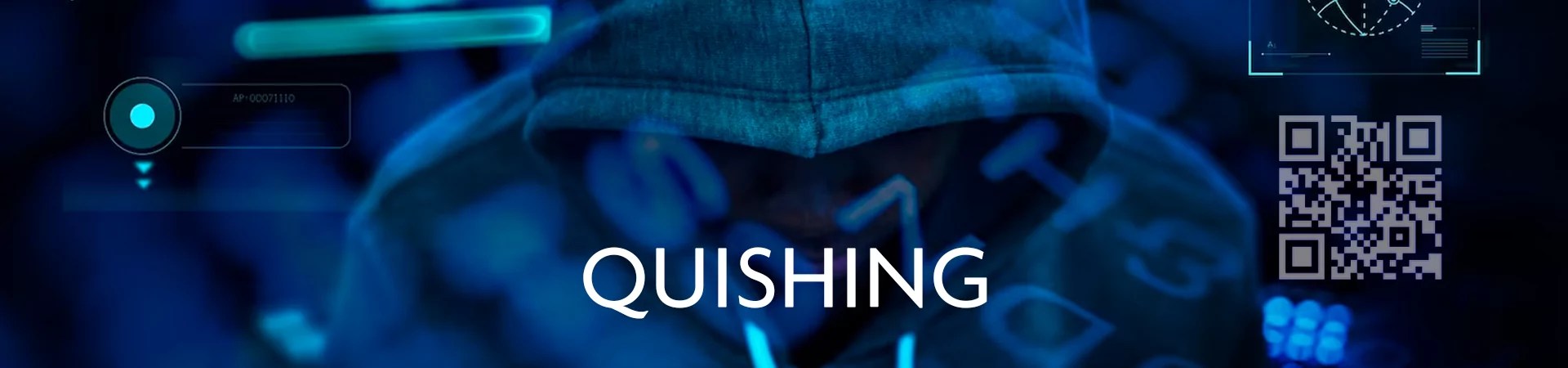
Quishing, or QR phishing, is a cybersecurity threat in which attackers use QR codes to redirect victims to malicious websites or prompt them to download harmful content. The goal of this attack is to steal sensitive information, such as passwords, financial data, or personally identifiable information (PII), and use that information for other purposes, such as identity theft, financial fraud, or ransomware.
This type of phishing often bypasses conventional defenses like secure email gateways. Notably, QR codes in emails are perceived by many secure email gateways as meaningless images, making the users vulnerable to specific forms of phishing attacks. QR codes can also be presented to intended victims in a number of other ways.
QR codes, or Quick Response codes, are two-dimensional barcodes that can be scanned easily with a camera or a code reader application. The main component of a QR code is data storage. QR codes have the capability to store significant amounts of information including URLs, product details, or contact information. Scanning technology allows smartphone cameras or code readers to easily and quickly access the website to which the URL points.
In a quishing attack, the attackers create a QR code and link it to a malicious website. Typically, the attacker will embed the QR code in phishing emails, social media, printed flyers, or physical objects, and use social engineering techniques to entice the victims. For example, victims might receive an email urging them to access an encrypted voice message via a QR code for a chance to win a cash prize.
Upon using their phones to scan the QR code, victims are directed to the malicious site. The site may prompt victims to enter private information, such as login information, financial details, or personal information. In the example above, the site may request the user’s name, email, address, date of birth, or account login information.
Once this sensitive information is captured, attackers can exploit it for various malicious purposes, including identity theft, financial fraud, or ransomware.
In 2015, the Federal Trade Commission (FTC) released a staff report entitled Internet of Things: Privacy & Security in a Connected World, in which it recommend that Internet of Things (IoT) style devices, which of course include medical and clinical devices, need to maintain a good security posture. It’s worth noting that the FDA, FTC, and other government regulators are centering on a few key guidelines. The following recommendations come directly from the FTC report.
Companies should build security into their devices at the outset, rather than as an afterthought. As part of the security by design process, companies should consider:
Conducting a privacy or security risk assessment
Minimizing the data they collect and retain
Testing their security measures before launching their products
Companies should train all employees about good security, and ensure that security issues are addressed at the appropriate level of responsibility within the organization
Companies should retain service providers that are capable of maintaining reasonable security and provide reasonable oversight for these service providers.
When companies identify significant risks within their systems, they should implement a defense-in-depth approach, in which they consider implementing security measures at several levels.
Companies should consider implementing reasonable access control measures to limit the ability of an unauthorized person to access a consumer’s device, data, or even the consumer’s network.
Companies should continue to monitor products throughout the life cycle and, to the extent feasible, patch known vulnerabilities
According to colleague Shahid N. Shah MS, the FTC report and FDA guidelines are remarkably consistent. When thinking of cybersecurity and data privacy, engineers tend to think about authentication, authorization, and encryption. Those are the relatively easy topics. For safety-critical devices, however, things are much more difficult and need to encompass a larger surface of questions, including but not limited to:
Asset Inventory: Is the device discoverable, and can it associate itself with standard IT inventory systems so that revision management, software updates, and monitoring can be automated?
Cyber Insurance: Does the device have enough security documentation to allow it to be insured by standard cyber insurance riders?
Patching: How is the firmware, operating system (OS), or application going to be patched by IT staff within hospitals (or the home for remote devices)?
Internal Threats: Has the device been designed to circumvent insider (hospital staff, network participants, etc.) threats?
External Threats: Has the device been designed to lock down the device from external threats?
Embedded OS Security: Is the device sufficiently hardened at the operating system level, such that no extraneous software components, which increase the attack surface, are present?
Firmware and Hardware Security: Are the firmware and hardware components sourced from reputable suppliers and free of state-sponsored spying?
Application Security: Is the Microsoft Security Development Lifecycle (SDL) or similar software security assurance process integrated into the engineering process?
Network Security: Have all network protocols not in use by the device been turned off so that they are not broadcasting?
Data Privacy: What data segmentation, logging, and auditing is being done to ensure appropriate data privacy?
HIPAA Compliance: Have proper steps been followed to ensure Health Insurance Portability and Accountability Act (HIPAA) compliance?
FISMA Compliance: If you’re selling to the federal government, have proper steps, such as use of Federal Information Processing Standard (FIPS) certified encryption, been followed to ensure Federal Information Security Management Act (FISMA) compliance?
Data Loss Prevention (DLP): Is there monitoring in place to ensure data leakage outside of the device doesn’t occur?
Vulnerabilities: Have common vulnerabilities such as the Open Web Application Security Project (OWASP) Top 10 been reviewed?
Data Sharing: Are proper data sharing agreements in place to allow sharing of data across devices and networks?
Password Management: Are passwords hardcoded into the device or made configurable?
Configuration Protection: Are configuration files properly check-summed and protected against malicious changes?
ASSESSMENT
It is vital to perform a security assessment on a healthcare practice to understand the environment, identify risks and perform risk mitigation. A one-time security assessment with risk mitigation is not sufficient in 2025. This is a continuous process that needs to be performed religiously to maintain a secure and compliant practice.
Posted on March 2, 2025 by Dr. David Edward Marcinko MBA MEd CMP™
By Staff Reporters
***
***
What is Honeypot?
A Honeypot is a network-attached system used as a trap for cyber-attackers to detect and study the tricks and types of attacks used by hackers. It acts as a potential target on the internet and informs the defenders about any unauthorized attempt at the information system.
Honeypots are mostly used by large companies and organizations involved in cybersecurity. It helps cybersecurity researchers to learn about the different types of attacks used by attackers. It is suspected that even cyber criminals use these honeypots to decoy researchers and spread wrong information. The cost of a honeypot is generally high because it requires specialized skills and resources to implement a system such that it appears to provide an organization’s resources while still preventing attacks at the back end and access to any production system.
Advantages of Honeypot
Acts as a rich source of information and helps collect real-time data.
Identifies malicious activity even if encryption is used.
Wastes hackers’ time and resources.
Improves security.
Disadvantages of Honeypot
Being distinguishable from production systems, it can be easily identified by experienced attackers.
Having a narrow field of view, it can only identify direct attacks.
A honeypot once attacked can be used to attack other systems.
Fingerprinting(an attacker can identify the true identity of a honeypot ).
What is Honeynet?
A honeynet is made up of two or more honeypots connected via a network. Having a linked network of honeypots can be beneficial. It allows organizations to trace how an attacker interacts with a single resource or network point while also monitoring how a hacker moves between network points and interacts with numerous points at the same time.
The goal is to induce hackers to believe that they have successfully breached the network. Having more false network destinations makes the arrangement appear more realistic.
Posted on July 11, 2024 by Dr. David Edward Marcinko MBA MEd CMP™
MEDICAL EXECUTIVE-POST–TODAY’SNEWSLETTERBRIEFING
***
Essays, Opinions and Curated News in Health Economics, Investing, Business, Management and Financial Planning for Physician Entrepreneurs and their Savvy Advisors and Consultants
“Serving Almost One Million Doctors, Financial Advisors and Medical Management Consultants Daily“
A Partner of the Institute of Medical Business Advisors , Inc.
A day before the June CPI report, major indexes extended their rally amid growing demand for semiconductors and rate cut hopes.
The S&P 500 rose above 5,600 for the first time ever, only a few short days after breaking above 5,500, with the index hitting a new record for the last seven straight trading sessions. The NASDAQ also enjoyed a solid day as well thanks to strong performances by tech stocks, while even the Dow got in on the action and ended the session in the green.
Bond yields stayed almost right where they’ve been all week as investors hold their breath ahead of tomorrow’s key CPI reading.
Gold rose as investors hope for a strong CPI report to point the Fed toward more rate cuts, while oil rose as well thanks to a stronger-than-expected outlook on global demand from OPEC.
***
The Centers for Medicare & Medicaid Services (CMS) announced in June it would recalculate 2024 Medicare Advantage (MA) star ratings for all plans after two court rulings called into question the agency’s method for determining this year’s ratings. The decision is estimated to cost the federal agency roughly $1 billion in additional bonus payments for insurers, according to healthcare analytics firm Cotiviti. The move comes after several large insurers laid off employees in late 2023 after their star ratings decreased.
HIPAA: Some groups are disputing a proposed federal rule that would require hospitals to report cybersecurity incidents, saying they want it to also include insurers and third-party vendors. (Healthcare Dive)
Taiwan Semiconductor rose 3.54% after it reported that its June revenue fell 10% month over month, but its sales rose roughly 33% year over year.
Advanced Micro Devices popped 3.87% on the news it is acquiring Silo AI, the largest private artificial intelligence lab in Europe, for $665 million.
Carvana drove 4.21% higher after Needham analysts upgraded the stock from “hold” to “buy” due in part to new features at checkout highlighting EVs. Competitor CarMax jumped 6.42% in sympathy.
Aehr Test Systems rocketed 24.01% after the semiconductor testing equipment maker raised earnings guidance thanks to strong AI demand.
Smart Global Holdings rose 26.27% thanks to earnings that beat Wall Street expectations in the third quarter and a strong outlook for the rest of the year.
What’s down
LegalZoom plummeted 25.35% to a new all-time low after the company cut its outlook and its CEO stepped down.
HubSpot sank 12.24% on a report that Alphabet is no longer interested in acquiring the company.
Deckers Outdoor fell 4.86% after M Science analysts published a note cautioning that sales for key brands UGG and HOKA fell in June.
Ziff Davis fell 10.32% after the digital media company tried to get ahead of the bad news and pre-announced that second-quarter earnings will fall below analyst expectations.
Fast-casual restaurant stocks continued to sink today as investors grow more concerned about lower consumer spending and higher valuations. CAVA Group fell 5.47%, Sweetgreen dropped 1.72%, and Dutch Bros fell 4.34%.
In a scathing report, the Federal Trade Commission accused [PBMs] pharmacy benefit managers—the companies that act as go-betweens for drug makers and consumers—of jacking up drug prices
“…small businesses with fewer than 1,000 employees are four times more likely to be impacted by attackers than medium and large businesses.” That’s us, Doc. (You might not get this kind of news from the American Dental Association).
EDITOR’S NOTE: I first met Rich in B-school, when I was a student, back in the day. He was the Founder and CEO of Superior Consultant Holdings Corp. Rich graciously wrote the Foreword to one of my first textbooks on financial planning for physicians and healthcare professionals. Today, Rich is a successful entrepreneur in the technology, health and finance space.
Posted on August 20, 2016 by Dr. David Edward Marcinko MBA MEd CMP™
Recent EHR News
By Darrell K. Pruitt DDS
“Cerber ransomware decryption tool was available for 1 day before hackers rendered it useless – The authors of Cerber fixed the flaw in the ransomware’s code that made decryption possible.” By India Ashok for International Business Times, August 18, 2016.
Kern: “Healthcare organizations are facing serious financial challenges as they are forced to convert their practices and patient records to digital formats.”
“Office for Civil Rights to Increase Investigations of Smaller HIPAA Breaches.” By National Law Review, August 19, 2016
NLR: “HHS Office for Civil Rights will cast a wider net and increase its investigations into smaller HIPAA privacy breaches starting this month. OCR announced a new initiative to increase its efforts examining breaches that affect fewer than 500 individuals. OCR Regional Offices already investigate every reported breach affecting 500 or more individuals, and will continue to do so, but now they will intensify efforts to scrutinize smaller breaches.”
“2016 is the year to Go Paperless’ – Stop putting it off, going paperless can save you tens of thousands of dollars.” By Larry Emmott for Emmott on Technology, August 19, 2016.
Your thoughts and comments on this ME-P are appreciated. Feel free to review our top-left column, and top-right sidebar materials, links, URLs and related websites, too. Then, subscribe to the ME-P. It is fast, free and secure.
Speaker: If you need a moderator or speaker for an upcoming event, Dr. David E. Marcinko; MBA – Publisher-in-Chief of the Medical Executive-Post – is available for seminar or speaking engagements. Contact: MarcinkoAdvisors@msn.com
OUR OTHER PRINT BOOKS AND RELATED INFORMATION SOURCES: