


 |
|
Alfredo Morabia, MD, PhD Editor-in-chief, AJPH *** Invite Dr. Marcinko*** |
Share this:

Filed under: Health Economics, Health Insurance | Tagged: Alfredo Morabia, American Journal Public Health, MD, PhD, public health | 1 Comment »
ME-P SYNDICATIONS:
WSJ.com,
CNN.com,
Forbes.com,
WashingtonPost.com,
BusinessWeek.com,
USNews.com, Reuters.com,
TimeWarnerCable.com,
e-How.com,
News Alloy.com,
and Congress.org


BOARD CERTIFICATION EXAM STUDY GUIDES
Lower Extremity Trauma
[Click on Image to Enlarge]
The “Medical Executive-Post” is about connecting doctors, health care executives and modern consulting advisors. It’s about free-enterprise, business, practice, policy, personal financial planning and wealth building capitalism. We have an attitude that’s independent, outspoken, intelligent and so Next-Gen; often edgy, usually controversial. And, our consultants “got fly”, just like U. Read it! Write it! Post it! “Medical Executive-Post”. Call or email us for your FREE advertising and sales consultation TODAY [678.779.8597] Email: MarcinkoAdvisors@outlook.com



 ePodiatryConsentForms.com
 “Providing Management, Financial and Business Solutions for Modernity”
 Support our online development, and advance our onground research initiatives in free market economics, as we seek to showcase the brightest Next-Gen minds.
THE ME-P DISCLAIMER: Posts, comments and opinions do not necessarily represent iMBA, Inc., but become our property after submission. Copyright © 2006 to-date. iMBA, Inc allows colleges, universities, medical and financial professionals and related clinics, hospitals and non-profit healthcare organizations to distribute our proprietary essays, photos, videos, audios and other documents; etc. However, please review copyright and usage information for each individual asset before submission to us, and/or placement on your publication or web site. Attestation references, citations and/or back-links are required. All other assets are property of the individual copyright holder.
Support our online development, and advance our onground research initiatives in free market economics, as we seek to showcase the brightest Next-Gen minds.
THE ME-P DISCLAIMER: Posts, comments and opinions do not necessarily represent iMBA, Inc., but become our property after submission. Copyright © 2006 to-date. iMBA, Inc allows colleges, universities, medical and financial professionals and related clinics, hospitals and non-profit healthcare organizations to distribute our proprietary essays, photos, videos, audios and other documents; etc. However, please review copyright and usage information for each individual asset before submission to us, and/or placement on your publication or web site. Attestation references, citations and/or back-links are required. All other assets are property of the individual copyright holder.


|
|
Alfredo Morabia, MD, PhD Editor-in-chief, AJPH *** Invite Dr. Marcinko*** |
Filed under: Health Economics, Health Insurance | Tagged: Alfredo Morabia, American Journal Public Health, MD, PhD, public health | 1 Comment »
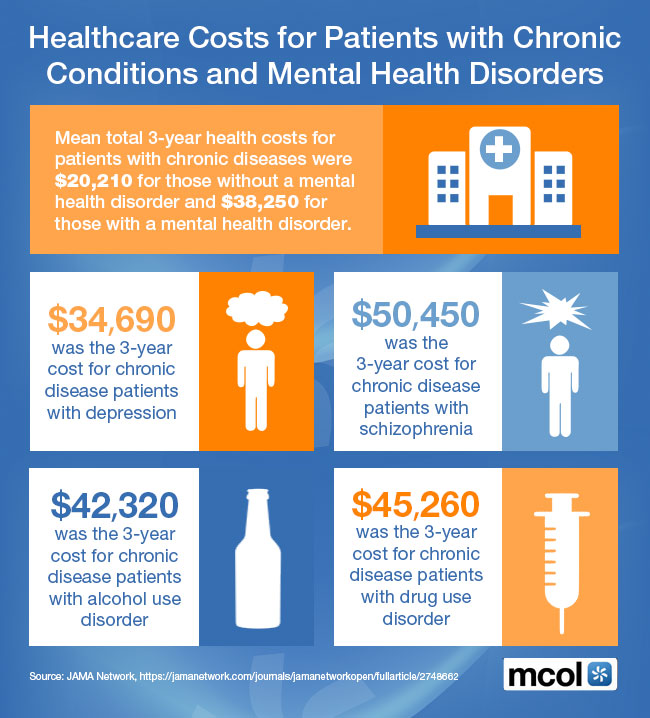
And, Mental Health Disorders
***
***
 8
8
***
Filed under: Health Economics, Health Insurance, Healthcare Finance | Tagged: chronic care costs, mental health costs | 1 Comment »
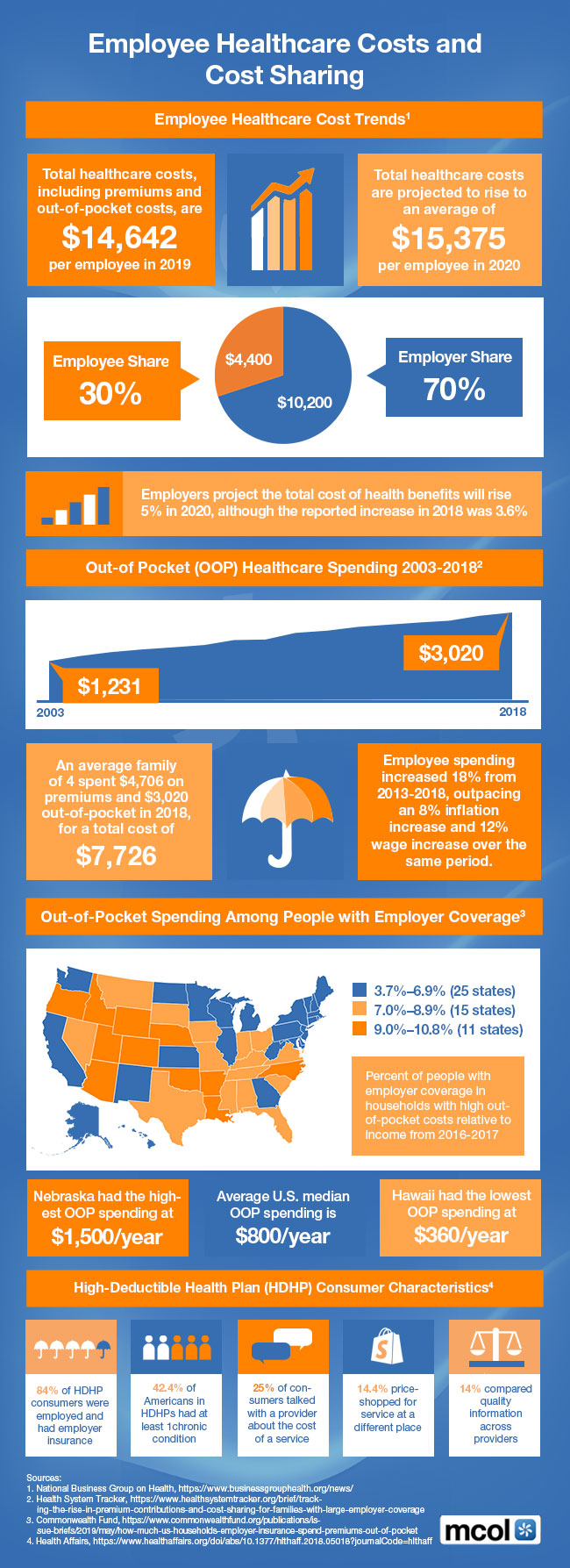
And, Cost Sharing
***
***

***
***
Filed under: Health Economics, Health Insurance, Healthcare Finance | Tagged: Employee Healthcare Cost Sharing, Employee Healthcare Costs | 1 Comment »
Ten [10] Most Popular Solutions
By “Fixing Healthcare”
***

***
***
Filed under: Health Insurance, Healthcare Finance | Tagged: "Fixing Healthcare" | Leave a comment »
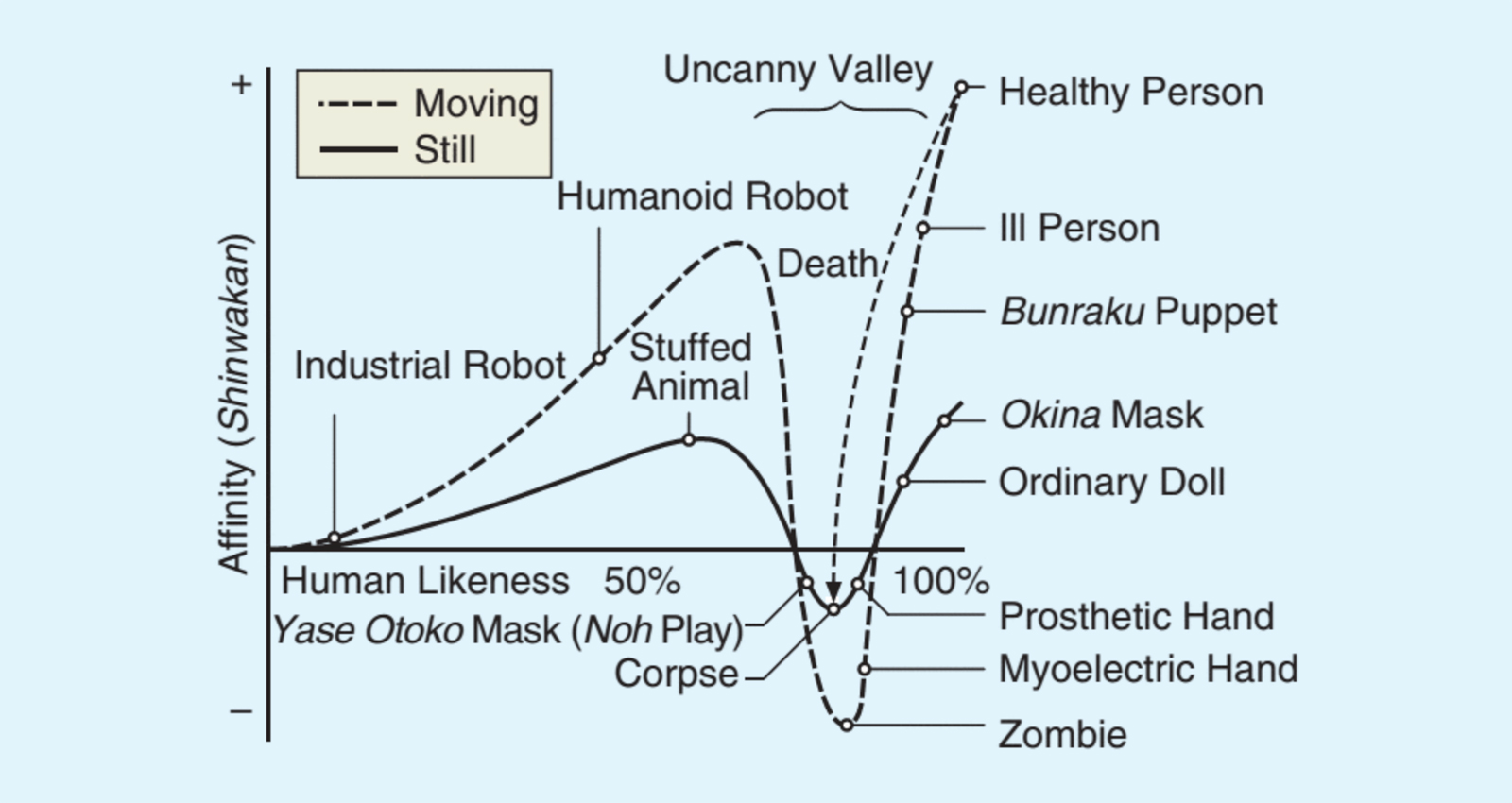
Filed under: Health Insurance, Risk Management | Tagged: uncanny valley | Leave a comment »
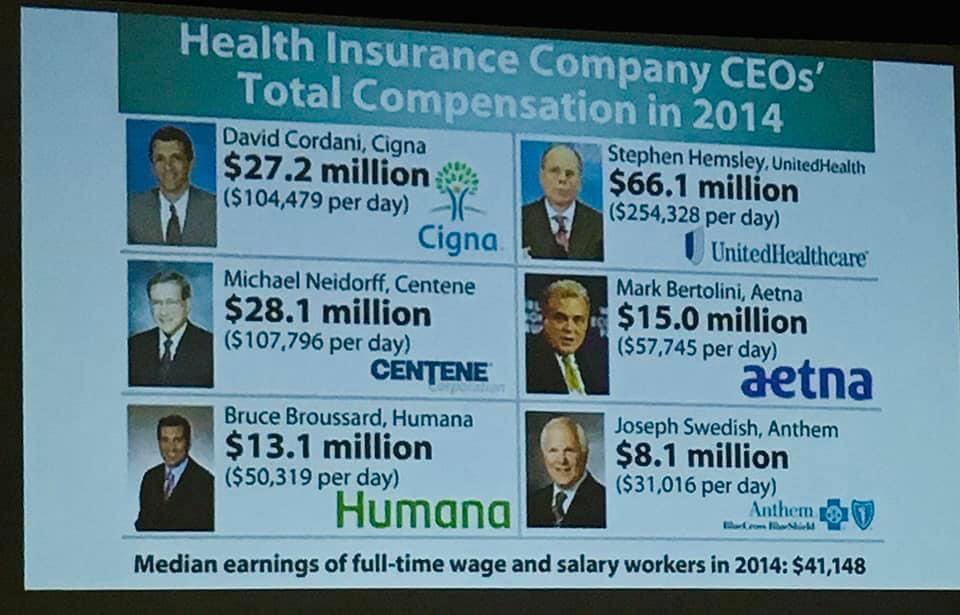
FY: 2014
***
***
***
Filed under: Health Economics, Health Insurance, Health Law & Policy | Tagged: Health Insurance Company CEO Compensation | 2 Comments »
Taxes for All?
 [By Rick Kakler CFP®]
As the recent debates among the Democratic presidential candidates emphasized, the idea of government-managed health care is gaining popularity. “Medicare for all” or some form of “free” universal health care is certainly an appealing idea. Who among us wouldn’t appreciate someone else paying our medical bills?
I certainly would. My family’s personal health care costs, including premiums and out-of-pocket expenses, run just over $3,000 a month. If my health care were free, I could find a lot of uses for the savings.
But my skeptical side, and probably yours as well, knows that there is no such thing as a free medical procedure. Someone, by some means, has to pay for insurance coverage, doctor visits, hospitalizations, and other medical costs.
The tax tab for providing “Medicare for all,” as envisioned by Sen. Bernie Sanders, is $3 trillion a year, according to several analysts. Currently, the cost for Medicare is about one-sixth that amount, or $583 billion a year.
Sanders and other presidential candidates tell us the wealthy will pay this tab. The reality is that when we look at other countries that have similar universal health care plans, it isn’t just the wealthy that are paying for it.
Raising the more than $3 trillion needed annually to fund “Medicare for all” would require doubling all personal and corporate income taxes or tripling payroll taxes. This analysis comes from Marc Goldwein, a senior vice president at the non-partisan Committee for a Responsible Federal Budget. He was cited in a May 9, 2019, Bloomberg article by Laura Davison, “Tax hikes on wealthy alone can’t pay for Medicare for all plan.” “There is a lot of money out there, but there isn’t $30 trillion [over 10 years] sitting around from high earners,” Goldwein said. “It just doesn’t exist.”
I did a little investigating of the tax rates of European countries that have universal health care and found Goldwein’s statement to be true. For example, Denmark taxes income over $7,000, with rates starting at 40%. The US rate starts at 10%. This would indicate a doubling or tripling of income taxes or payroll taxes on the lowest earners is not a politically-skewed scare tactic, but an economic reality.
The top rate in Denmark is 56%, while the top rate in the US is 50% (37% federal and 13% state). This is just one of many examples I found in my searching that strongly indicate other countries that have universal health care haven’t found much room left to tax the wealthy. Based on their experience, the majority of the cost will need to come from lower income earners.
Sadly, this message is not being disseminated to voters by proponents of universal health care. While I am not advocating for or against universal health care here, I am advocating for full disclosure and transparency.
A topic as significant as this deserves a great deal of discussion based on clear, complete disclosure of facts and educated analysis. It requires the best available answers to questions like who will be covered, what will be covered, how much the program will cost, and who will pay for it.
***

***
Assessment
Raising six times what we are currently spending for Medicare would be a huge task. Transferring one-eighth of the US economy from the private sector pocket to the public sector one would not be easy or painless. Making the transition to some form of tax-funded universal health care would be a major shift in direction for this country that would have a significant impact on all Americans. It is not a decision to make based on inadequate information, political rhetoric, or unreasonably optimistic assumptions.
***
8
Foreword by Jason Dyken MD MBA

***
Filed under: Experts Invited, Health Insurance, Health Law & Policy | Tagged: medicare, Medicare for All, Rick Kahler CFP | 5 Comments »
Severity Level – 2017
***
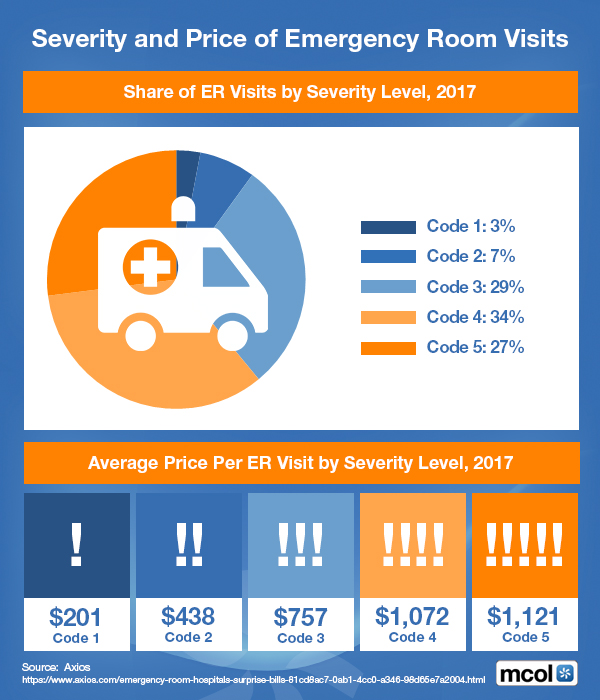
***
Conclusion: Your thoughts are appreciated.
***
***
Filed under: Health Insurance, Healthcare Finance, Practice Management | Tagged: Price of ER Visits, Severity of ER Visits | Leave a comment »
Circa 2016-2017
***
8
***
Filed under: Health Insurance | Tagged: Health Insurance Coverage 2016, Health Insurance Coverage 2017 | Leave a comment »
For Adults
***
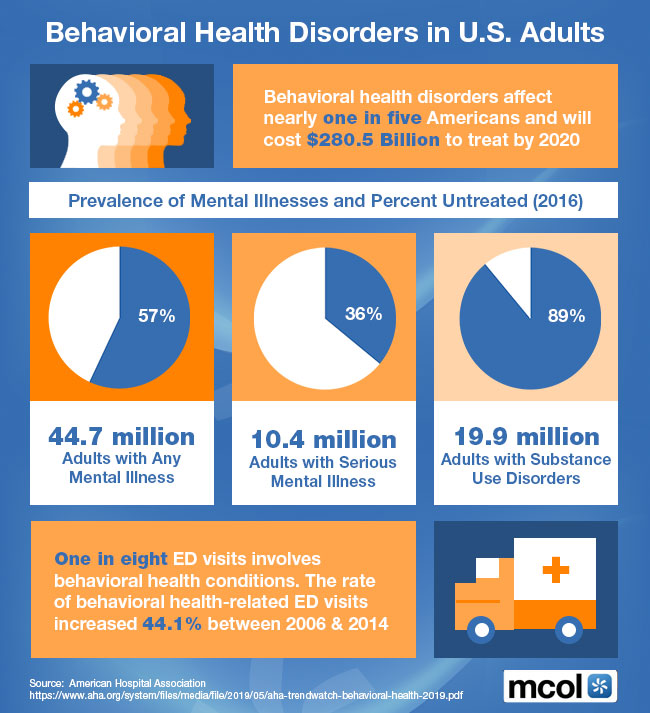
***
***
Filed under: Health Insurance | Tagged: behavioral health | 1 Comment »
FY 2016
***
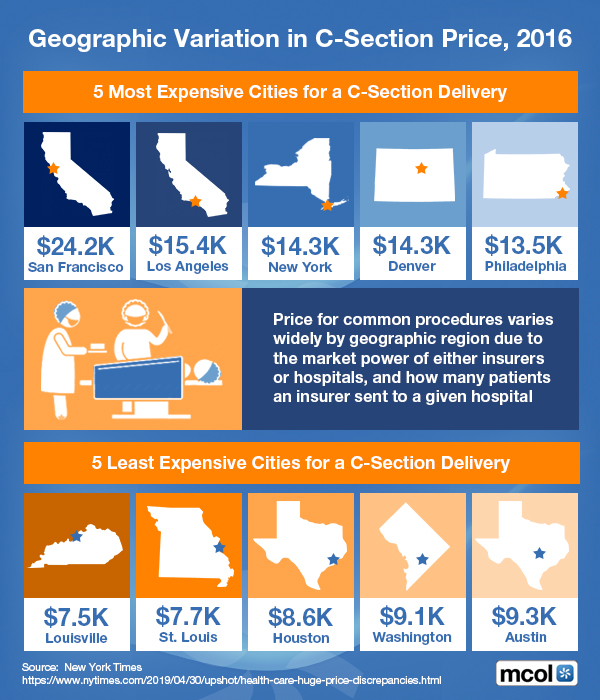
***
Assessment
Your thoughts are appreciated.
***
8
***
Filed under: Health Economics, Health Insurance | Tagged: C-Section Prices, Geographic Variations in C-Section Prices | Leave a comment »
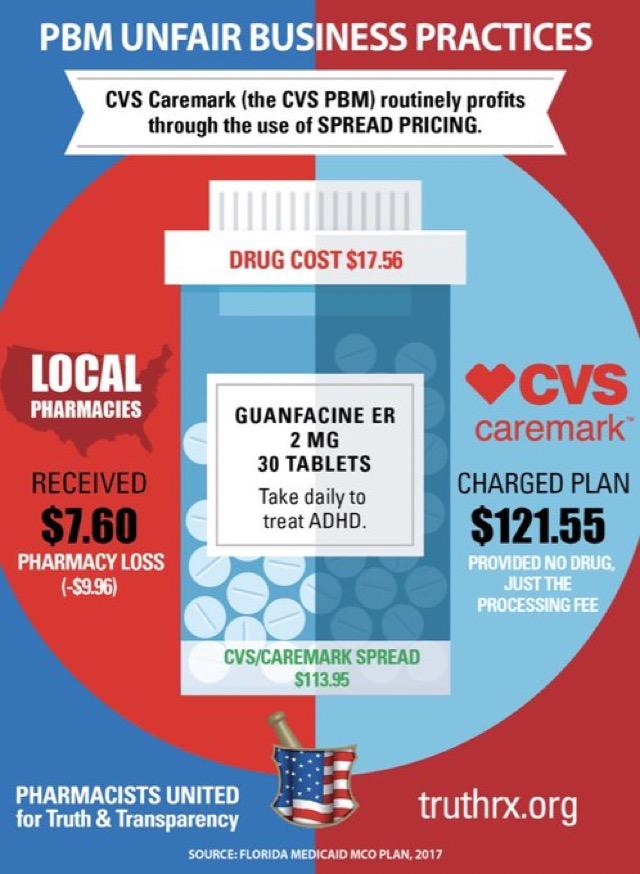
Unfair -OR- Not?
[By staff reporters]
PBMs, like Prime Theraputics, Optum, CVS/Caremark, Walgreens/prime Mail and Express Scripts, Bring no value but huge expense to pharmaceutical medication prices.
The Trump administration and Congress must repeal the GPO and PBM safe harbor that allows them to extort pharmaceutical manufacturers to the tune of $200 billion a year.
***
***
Assessment:
Your thoughts are appreciated.
***
Filed under: Drugs and Pharma, Health Economics, Health Insurance | Tagged: PBMs, Pharmacy Benefits Managers | 1 Comment »
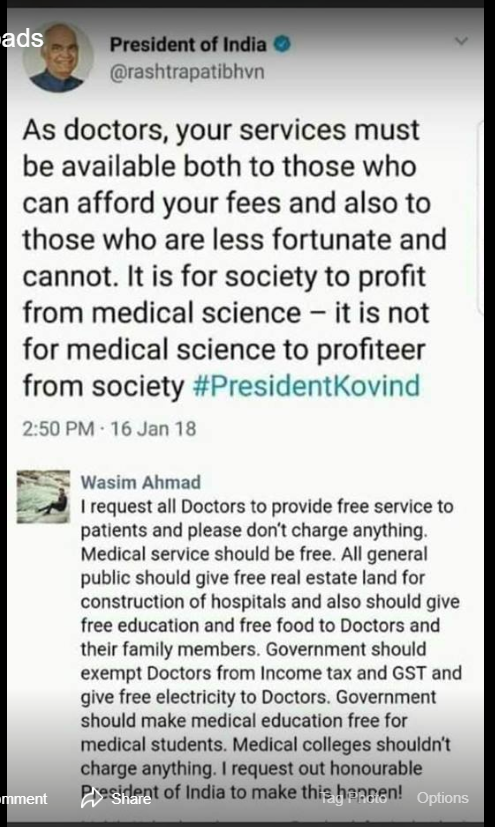
IN INDIA
By President Ram Nath Kovind of India
***
***
MORE: N. Baum MD for DEM
Assessment
Your thoughts are appreciated.
***
***
***
Filed under: Health Economics, Health Insurance, Health Law & Policy, Healthcare Finance | Tagged: free healthcare, Free medical care, pro-bono medical care, Ram Nath Kovind | 1 Comment »
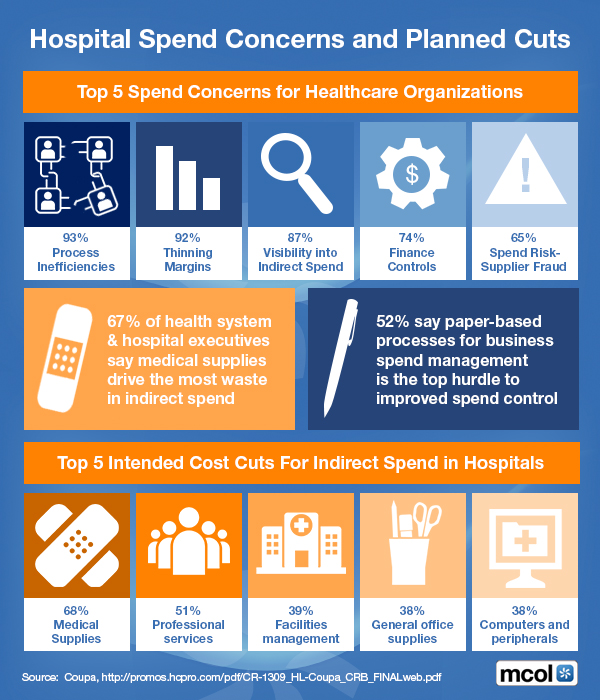
The Top Five [5] for Healthcare Organizations
***
***
***
Filed under: Health Economics, Health Insurance | Tagged: Hospital spends | Leave a comment »
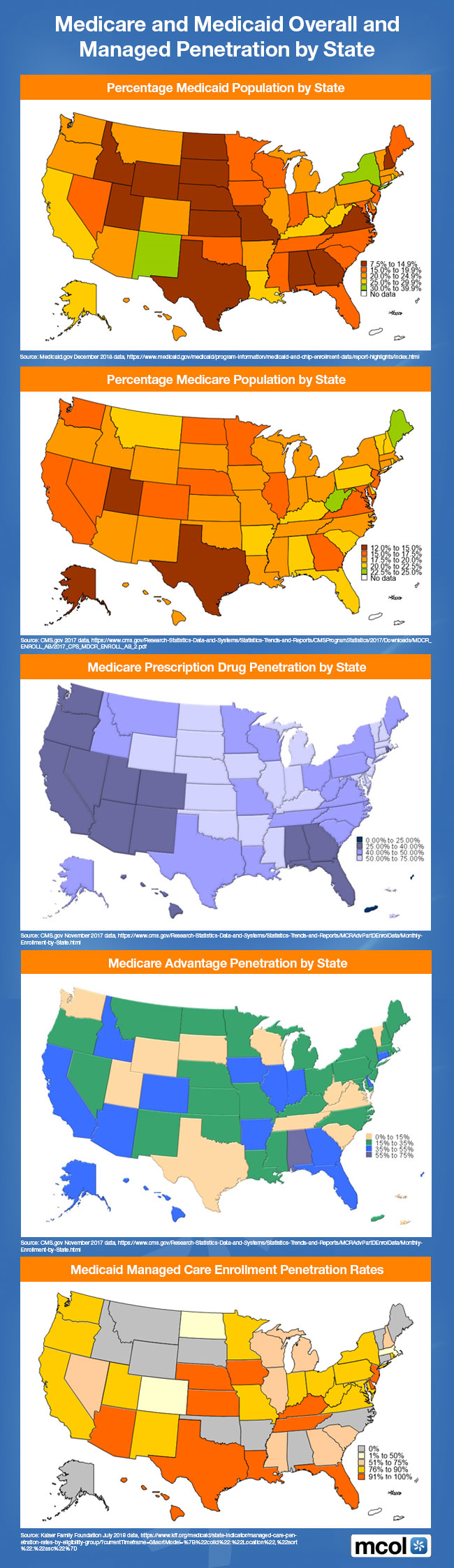
Population by State
***
***
BUSINESS, ORGANIZATIONAL BEHAVIOR & FINANCE FOR DOCTORS:
THANK YOU
***
Filed under: Health Insurance, Health Law & Policy | Tagged: Medicaid Penetration, Medicare Penetration | 2 Comments »
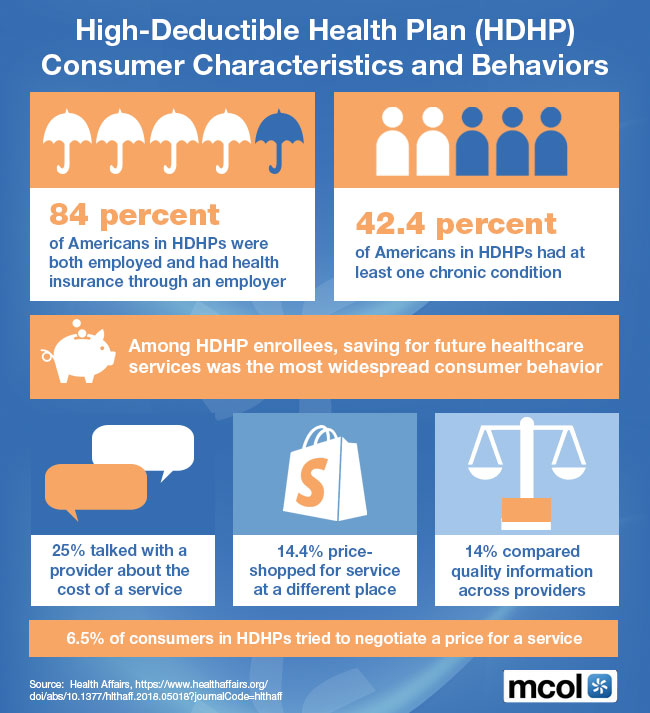
Consumer Characteristics and Behaviors
***
***
Conclusion
Your thoughts and comments on this ME-P are appreciated. Feel free to review our top-left column, and top-right sidebar materials, links, URLs and related websites, too. Then, subscribe to the ME-P. It is fast, free and secure.
Speaker: If you need a moderator or speaker for an upcoming event, Dr. David E. Marcinko; MBA – Publisher-in-Chief of the Medical Executive-Post – is available for seminar or speaking engagements.
Book Marcinko: https://medicalexecutivepost.com/dr-david-marcinkos-bookings/
Subscribe: MEDICAL EXECUTIVE POST for curated news, essays, opinions and analysis from the public health, economics, finance, marketing, IT, business and policy management ecosystem.
DOCTORS:
“Insurance & Risk Management Strategies for Doctors” https://tinyurl.com/ydx9kd93
“Fiduciary Financial Planning for Physicians” https://tinyurl.com/y7f5pnox
“Business of Medical Practice 2.0” https://tinyurl.com/yb3x6wr8
HOSPITALS:
“Financial Management Strategies for Hospitals” https://tinyurl.com/yagu567d
“Operational Strategies for Clinics and Hospitals” https://tinyurl.com/y9avbrq5
***
Filed under: Health Insurance | Tagged: HDHCPs, HDHPs, high deductible health care plans | 1 Comment »
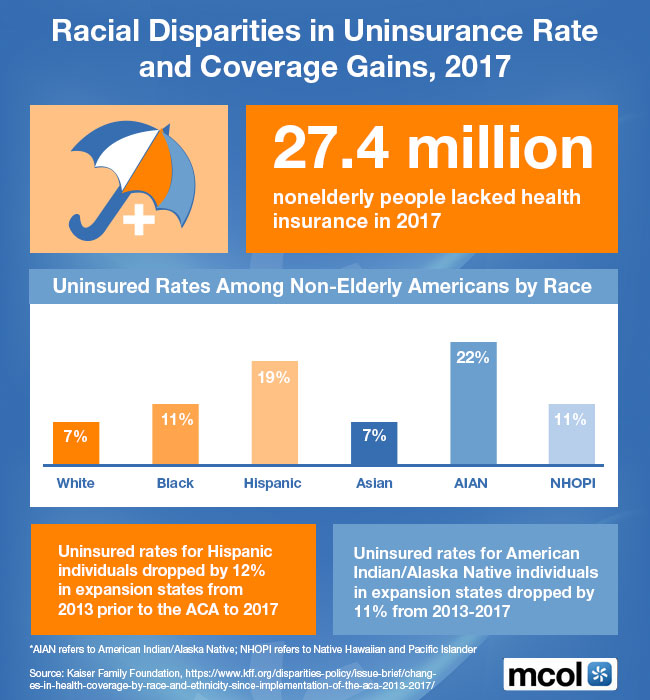
Racial Disparities in 2017
***
***
***
Filed under: Health Insurance | Tagged: Health Insurance, Uninsurance Rates | Leave a comment »
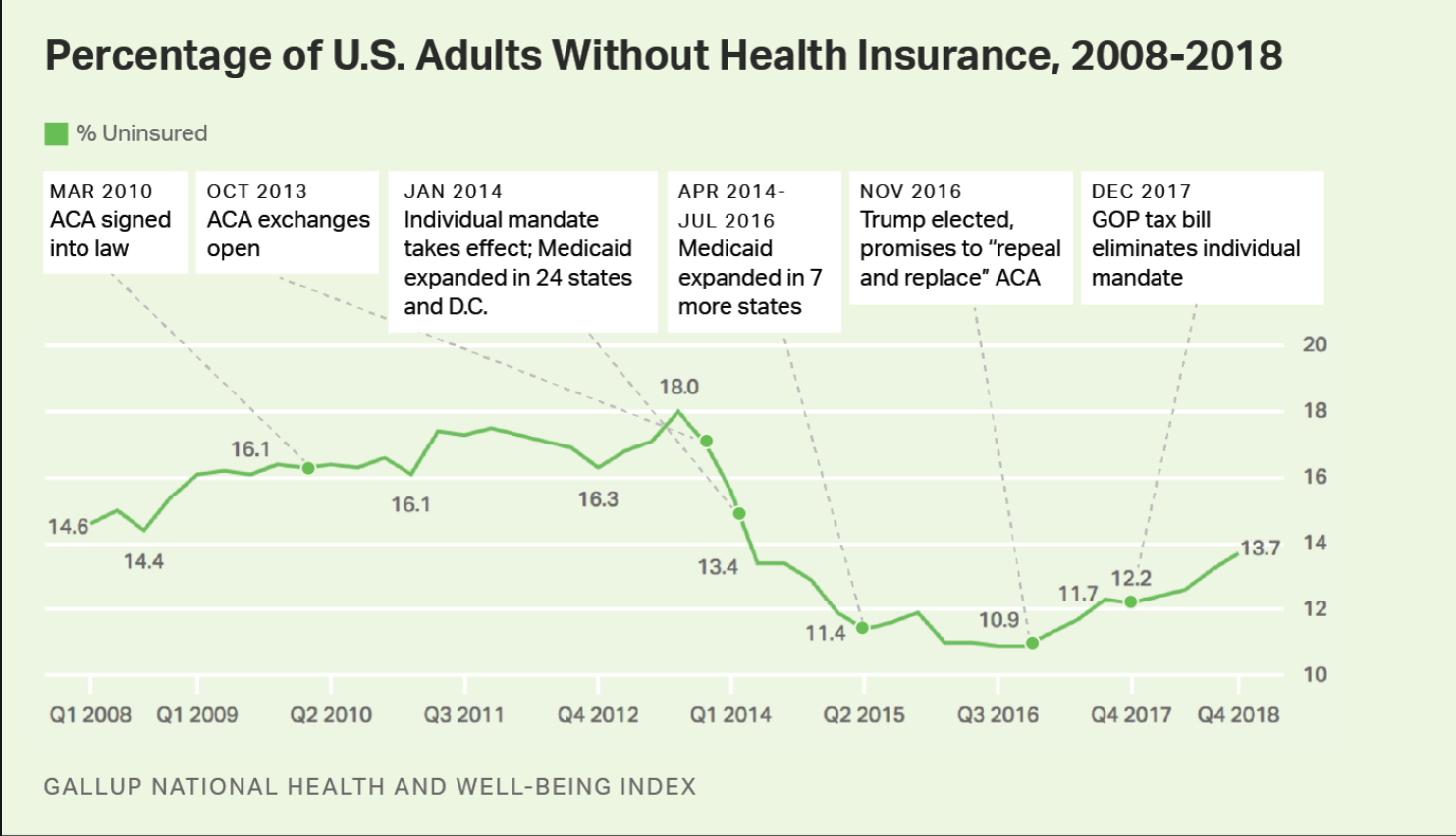
UPDATE: Circa 2008- 2018
***
***
Conclusion
Your thoughts and comments on this ME-P are appreciated. Feel free to review our top-left column, and top-right sidebar materials, links, URLs and related websites, too. Then, subscribe to the ME-P. It is fast, free and secure.
Speaker: If you need a moderator or speaker for an upcoming event, Dr. David E. Marcinko; MBA – Publisher-in-Chief of the Medical Executive-Post – is available for seminar or speaking engagements.
Book Marcinko: https://medicalexecutivepost.com/dr-david-marcinkos-bookings/
Subscribe: MEDICAL EXECUTIVE POST for curated news, essays, opinions and analysis from the public health, economics, finance, marketing, IT, business and policy management ecosystem.
DOCTORS:
“Insurance & Risk Management Strategies for Doctors” https://tinyurl.com/ydx9kd93
“Fiduciary Financial Planning for Physicians” https://tinyurl.com/y7f5pnox
“Business of Medical Practice 2.0” https://tinyurl.com/yb3x6wr8
HOSPITALS:
“Financial Management Strategies for Hospitals” https://tinyurl.com/yagu567d
“Operational Strategies for Clinics and Hospitals” https://tinyurl.com/y9avbrq5
***
Filed under: Health Insurance | Tagged: Health Insurance, uninsured Americans | 3 Comments »
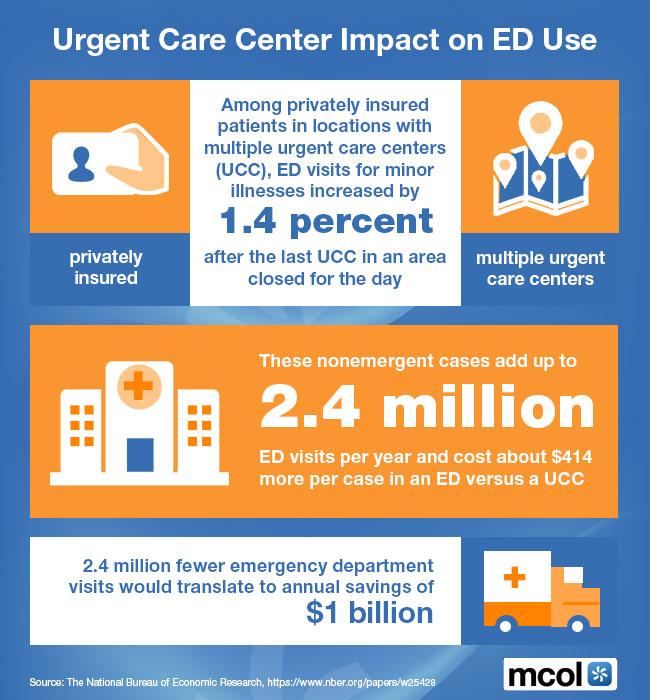
On Emergency Department Use
***
***
Conclusion
Your thoughts and comments on this ME-P are appreciated. Feel free to review our top-left column, and top-right sidebar materials, links, URLs and related websites, too. Then, subscribe to the ME-P. It is fast, free and secure.
Speaker: If you need a moderator or speaker for an upcoming event, Dr. David E. Marcinko; MBA – Publisher-in-Chief of the Medical Executive-Post – is available for seminar or speaking engagements.
Book Marcinko: https://medicalexecutivepost.com/dr-david-marcinkos-bookings/
Subscribe: MEDICAL EXECUTIVE POST for curated news, essays, opinions and analysis from the public health, economics, finance, marketing, IT, business and policy management ecosystem.
DOCTORS:
“Insurance & Risk Management Strategies for Doctors” https://tinyurl.com/ydx9kd93
“Fiduciary Financial Planning for Physicians” https://tinyurl.com/y7f5pnox
“Business of Medical Practice 2.0” https://tinyurl.com/yb3x6wr8
Filed under: Health Insurance, Practice Management, Research & Development | Tagged: emergency department, Urgent Care Centers | Leave a comment »
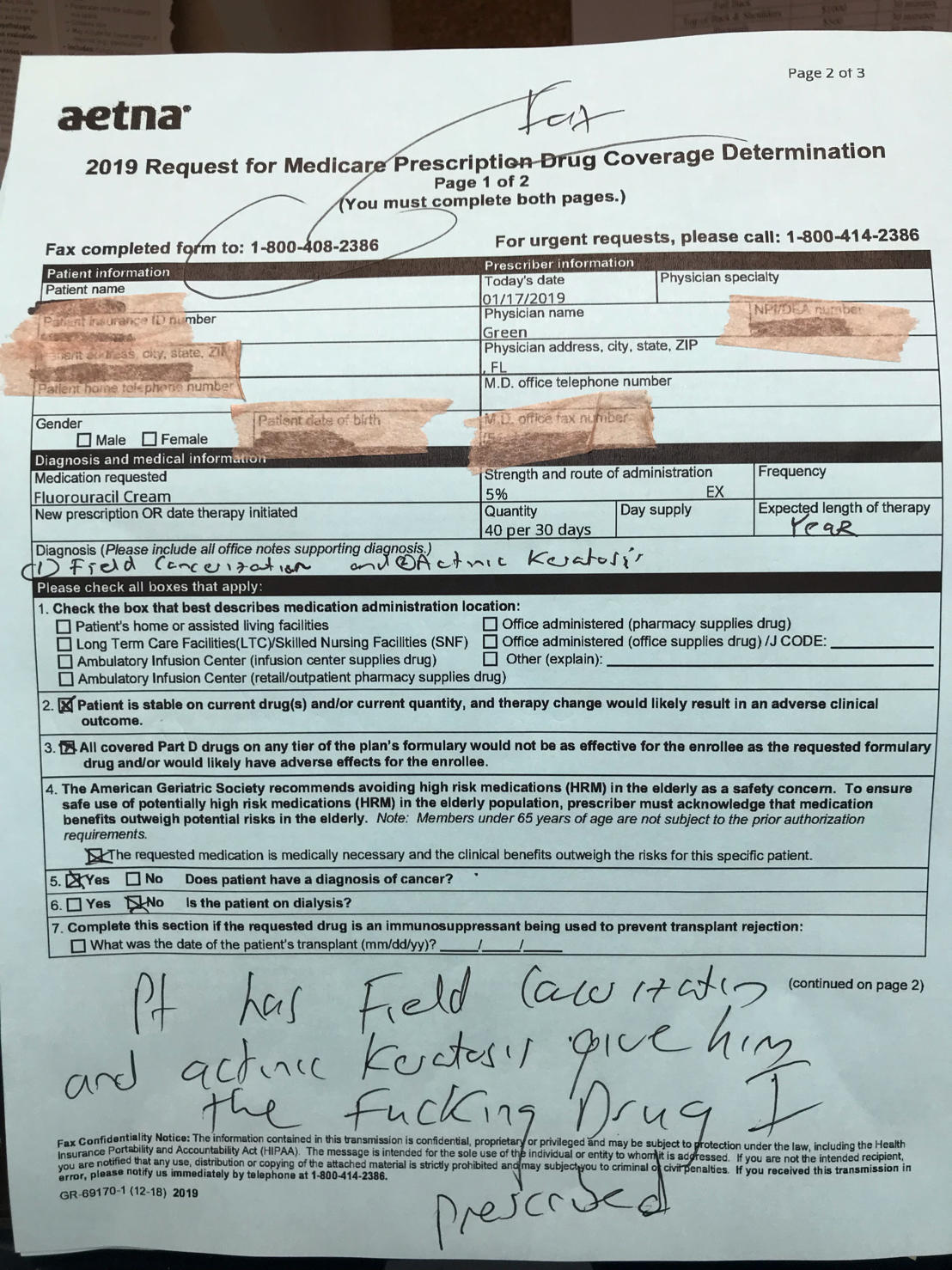
Dr. Anonymous
[via staff reporters]
****
****
MORE:
CALIFORNIA LAUNCHES INVESTIGATION FOLLOWING STUNNING ADMISSION BY AETNA MEDICAL DIRECTOR
Is Aetna Sucking Up after their Last Big Fiasco?
Assessment: Any thoughts?
***
Filed under: Drugs and Pharma, Health Insurance | Tagged: Medicare drug coverage | Leave a comment »
Dear Dr. David,
APHA’s 2019 Annual Meeting and Expo will bring together more than 12,000 public health professionals to attend 1,000+ scientific sessions on the latest public health research, policy and topics.
We need your help
Become an abstract reviewer! Educational sessions are the highlight of each Annual Meeting, and people often ask how to get involved in session development. Reviewers take a firsthand look at abstracts, evaluate them and help develop scientific content to be presented at the meeting.

Abstract Reviewer Benefits:
Deadline to Become a Reviewer: Jan. 31
Reviewing Begins: March 4
 |
|
Filed under: Health Economics, Health Insurance, Health Law & Policy, Healthcare Finance | Tagged: APHA, APHA Annual Meeting | 1 Comment »

January is the perfect time to re-evaluate our health-related goals.
But, I am not a fan of any deus ex machina philosophy; like the wholesale ABJ Health Ventures initiative; etc.
As most know, the Latin term “deus ex machina” is a translation of a Greek phrase that means literally “god from a machine.” The “Machine” refers to the crane that held a god over the stage in ancient Greek and Roman drama and theater.
On the other hand, did you know that healthier [cheaper] lifestyle choices can actually have a direct, positive impact on our body, personal finances and societal economics [study of scarce resources]?
Good Health does not depend on modern technology – “deus ex machina” – so let us not make it so.
Note: Unfamiliar with ABJ Health Ventures? Do an internet search.
My philosophy:
Eat less, walk more, reduce end-of-life catastrophes, avoid “moral turpitude and hazards”; and help doctors focus on acute injuries and the top 5 chronic diseases.
The domestic health insurance problem [almost] solved. Period!
KISS ME!

Assessment
Do we really need so much technology? Only time will tell, I suppose. After much time, treasure and talent spent. REALLY – KISS ME!
Conclusion
Your thoughts and comments on this ME-P are appreciated. Feel free to review our top-left column, and top-right sidebar materials, links, URLs and related websites, too. Then, subscribe to the ME-P. It is fast, free and secure.
Speaker: If you need a moderator or speaker for an upcoming event, Dr. David E. Marcinko; MBA – Publisher-in-Chief of the Medical Executive-Post – is available for seminar or speaking engagements.
Book Marcinko: https://medicalexecutivepost.com/dr-david-marcinkos-bookings/
Subscribe: MEDICAL EXECUTIVE POST for curated news, essays, opinions and analysis from the public health, economics, finance, marketing, IT, business and policy management ecosystem.
DOCTORS:
“Insurance & Risk Management Strategies for Doctors” https://tinyurl.com/ydx9kd93
“Fiduciary Financial Planning for Physicians” https://tinyurl.com/y7f5pnox
“Business of Medical Practice 2.0” https://tinyurl.com/yb3x6wr8
HOSPITALS:
“Financial Management Strategies for Hospitals” https://tinyurl.com/yagu567d
“Operational Strategies for Clinics and Hospitals” https://tinyurl.com/y9avbrq5
***
Filed under: Health Economics, Health Insurance, Health Law & Policy | Tagged: deus ex machina in healthcare, deus ex machina in medicine | Leave a comment »
That a NON-CFP® Certificant … CAN-NOT?
 [By Dr. David Edward Marcinko MBA CMP®]
http://www.CertifiedMedicalPlanner.org
OK – I was a Certified Financial Planner® before my academic team launched the Certified Medical Planner™ online and on-ground chartered education and board certification designation program a few years ago. I am now reformed and in remission.
Enter the Certified Medical Planner™ Chartered Designation
Today, we are gratified that Certified Medical Planner™ mark notoriety is growing organically in the healthcare, as well as financial services, industry.
In fact, even uber-blogger Mike Kitces MSFS, MTAX, CFP, CLU, ChFC, RHU, REBC, CASL has taken note of us in his musings on the Nerd’s Eye View website.
And, the reality is that there are a growing number of CFP educational programs at the post-CFP niche market level. But, none for healthcare industrial complex: for doctors … by doctors!

QUERY
Nevertheless, I was a bit flummoxed when a physician college recently asked me this simple question:
Q: What can a CFP® mark holder do for me that a non-CFP® certificant can not?
Assessment
Now, much like a good interrogating attorney, I think I already know the answer to this question. Nevertheless, it is important to determine and understand what our ME-P readers believe; and why they believe it!
So, please opine and tell us what you think.

Conclusion
Your thoughts and comments on this ME-P are appreciated. Feel free to review our top-left column, and top-right sidebar materials, links, URLs and related websites, too. Then, subscribe to the ME-P. It is fast, free and secure.
Speaker: If you need a moderator or speaker for an upcoming event, Dr. David E. Marcinko; MBA – Publisher-in-Chief of the Medical Executive-Post – is available for seminar or speaking engagements.
Book Marcinko: https://medicalexecutivepost.com/dr-david-marcinkos-bookings/
Subscribe: MEDICAL EXECUTIVE POST for curated news, essays, opinions and analysis from the public health, economics, finance, marketing, IT, business and policy management ecosystem.
DOCTORS:
“Insurance & Risk Management Strategies for Doctors” https://tinyurl.com/ydx9kd93
“Fiduciary Financial Planning for Physicians” https://tinyurl.com/y7f5pnox
“Business of Medical Practice 2.0” https://tinyurl.com/yb3x6wr8
8

HOSPITALS:
“Financial Management Strategies for Hospitals” https://tinyurl.com/yagu567d
“Operational Strategies for Clinics and Hospitals” https://tinyurl.com/y9avbrq5
ADULT LEARNERS AND STUDENTS:


***
Filed under: Career Development, CMP Program, Financial Planning, Glossary Terms, Health Economics, Health Insurance, Healthcare Finance | Tagged: certified financial planner, certified medical planner | 1 Comment »
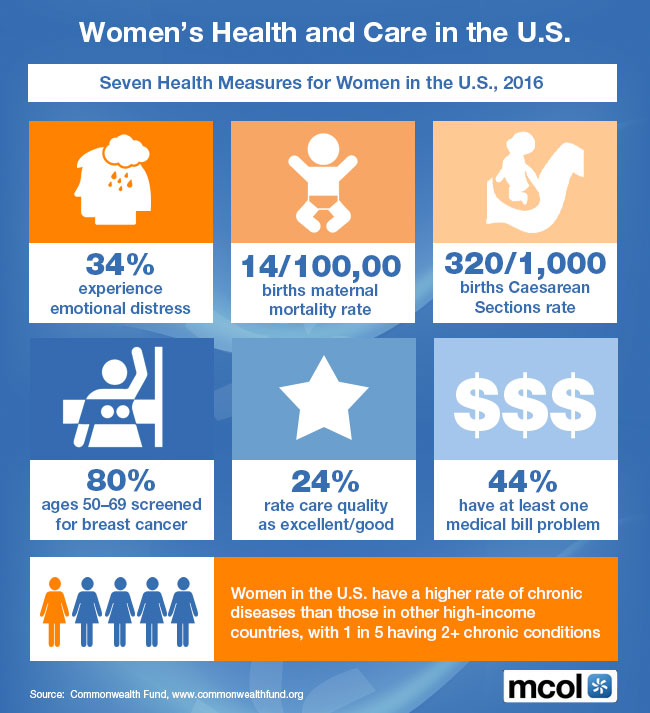
Seven [7] Measurements Circa 2016
***
***
Conclusion
Your thoughts and comments on this ME-P are appreciated. Feel free to review our top-left column, and top-right sidebar materials, links, URLs and related websites, too. Then, subscribe to the ME-P. It is fast, free and secure.
Speaker: If you need a moderator or speaker for an upcoming event, Dr. David E. Marcinko; MBA – Publisher-in-Chief of the Medical Executive-Post – is available for seminar or speaking engagements.
Book Marcinko: https://medicalexecutivepost.com/dr-david-marcinkos-bookings/
Subscribe: MEDICAL EXECUTIVE POST for curated news, essays, opinions and analysis from the public health, economics, finance, marketing, IT, business and policy management ecosystem.
DOCTORS:
“Insurance & Risk Management Strategies for Doctors” https://tinyurl.com/ydx9kd93
“Fiduciary Financial Planning for Physicians” https://tinyurl.com/y7f5pnox
“Business of Medical Practice 2.0” https://tinyurl.com/yb3x6wr8
***
***
Filed under: Health Insurance | Tagged: Women's Health, Women's Health and Care in the USA, Women's Health Care | Leave a comment »
A Story on Health Savings Accounts
[By Rick Kahler MS CFP®]
Tis the season to select our health care plans for the coming year. It brought me a little bit of holiday joy to see that my high-deductible bronze plan only went up 6%, to just over $2,000 a month. This is my lowest increase since Obamacare was enacted.
I wasn’t as pleased when I found out my family $4,500 deductible increased to $6,600, with a maximum out-of-pocket cap of $13,200. After analyzing all the options, I decided to stick with this plan. The way I figure it, the minimum I will pay for health care for my family of four is $3,100 a month. The year before Obamacare my family premium was $660 a month for much better coverage.
HSA
Since I have a high-deductible plan, I take advantage of having a health savings account (HSA). An HSA allows me to set aside funds for health costs and receive a tax deduction for the full amount. The limit is $7900 for 2018 and $8000 for 2019 (including an extra $1000 for those over 55). This means that if I chose to use the funds for current health care expenses, I could deduct about half of my annual out-of-pocket expenses.
The HSA rules require that you use the funds for health care expenses, but they set no time limit on when you must use the funds. Many people with HSAs need immediate access to the funds to pay medical insurance. Others, like myself, can afford to cover the deductible out of pocket, allowing the HSA funds to accumulate tax free for future use.
I’ve decided to let my HSA funds accumulate with the intention of creating a financial cushion for future use when Medicare won’t cover a medical need.
Letting an HSA accumulate combines the best features of a traditional IRA and a Roth. Like a traditional IRA, you get to deduct 100% the contribution from your income taxes. Like a Roth, the funds are tax free when you take them out. Another advantage is that the annual $8000 limit is greater than either the IRA or a Roth.
You will need to open a specific account for your HSA. Where you open that account depends on whether you plan to use your account for current health expenses or allow it to accumulate for future use.
Most banks and credit unions offer HSA accounts. These accounts usually carry low costs and work well if you plan to use the funds immediately. However, they are not so good if your intention is to let the funds accumulate.
***

***
Long term accumulation
For long-term accumulation (with over a 10-year time horizon), you need an HSA account that allows you to invest the funds in low-cost equity funds. Like any investment account, you need to pay attention to the fees. A great site, The HSA Report Card, compares the features of various HSAs. It lists the top 10 HSA providers in each of three categories depending on your needs: current spending, interest bearing, and investing.
For long-term accumulation, I went to the invest category. I was pleased to see my current provider, Health Savings Administrators, was listed among the top 10, but not so happy that they only rated a “C” for fees. The top plan is Fidelity, which carries no fees and offers four mutual funds with zero (yes, 0.00%) expense ratios. Opening a Fidelity account online and transferring the funds from my existing HSA account was easy and efficient.
Assessment
You and I can’t control the rising costs of health care. But by opening and investing with an HSA, we can be smart about how we pay for that care today or in the future.
Conclusion
Your thoughts and comments on this ME-P are appreciated. Feel free to review our top-left column, and top-right sidebar materials, links, URLs and related websites, too. Then, subscribe to the ME-P. It is fast, free and secure.
Speaker: If you need a moderator or speaker for an upcoming event, Dr. David E. Marcinko; MBA – Publisher-in-Chief of the Medical Executive-Post – is available for seminar or speaking engagements.
Book Marcinko: https://medicalexecutivepost.com/dr-david-marcinkos-bookings/
Subscribe: MEDICAL EXECUTIVE POST for curated news, essays, opinions and analysis from the public health, economics, finance, marketing, IT, business and policy management ecosystem.
DOCTORS:
“Insurance & Risk Management Strategies for Doctors” https://tinyurl.com/ydx9kd93
“Fiduciary Financial Planning for Physicians” https://tinyurl.com/y7f5pnox
“Business of Medical Practice 2.0” https://tinyurl.com/yb3x6wr8
HOSPITALS:
“Financial Management Strategies for Hospitals” https://tinyurl.com/yagu567d
“Operational Strategies for Clinics and Hospitals” https://tinyurl.com/y9avbrq5
8
Filed under: Health Insurance | Tagged: health savings accounts, HSAs, Rick Kahler MS CFP® | Leave a comment »
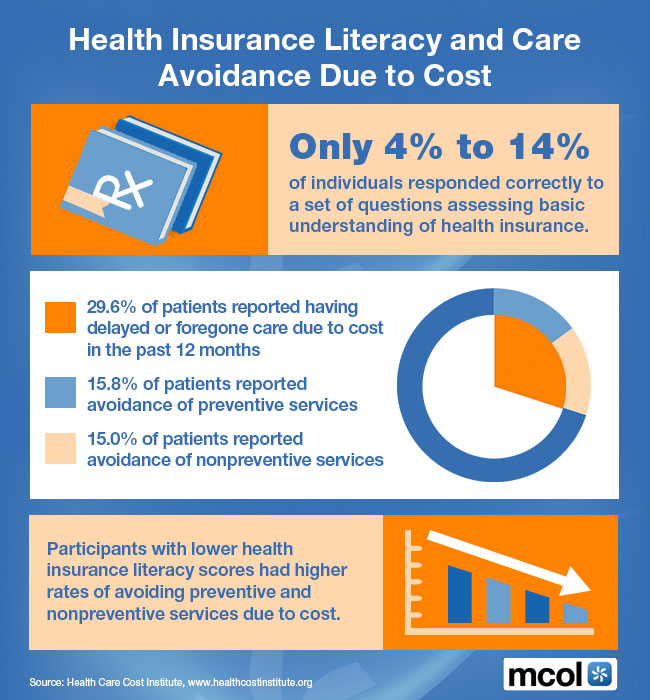
And … Care Avoidance Due to Cost
***
***
Conclusion
Your thoughts and comments on this ME-P are appreciated. Feel free to review our top-left column, and top-right sidebar materials, links, URLs and related websites, too. Then, subscribe to the ME-P. It is fast, free and secure.
Speaker: If you need a moderator or speaker for an upcoming event, Dr. David E. Marcinko; MBA – Publisher-in-Chief of the Medical Executive-Post – is available for seminar or speaking engagements.
Book Marcinko: https://medicalexecutivepost.com/dr-david-marcinkos-bookings/
Subscribe: MEDICAL EXECUTIVE POST for curated news, essays, opinions and analysis from the public health, economics, finance, marketing, IT, business and policy management ecosystem.
DOCTORS:
“Insurance & Risk Management Strategies for Doctors” https://tinyurl.com/ydx9kd93
“Fiduciary Financial Planning for Physicians” https://tinyurl.com/y7f5pnox
“Business of Medical Practice 2.0” https://tinyurl.com/yb3x6wr8
HOSPITALS:
“Financial Management Strategies for Hospitals” https://tinyurl.com/yagu567d
“Operational Strategies for Clinics and Hospitals” https://tinyurl.com/y9avbrq5
***
8
Filed under: Health Economics, Health Insurance | Tagged: Health Care Avoidance Due to Cost, Health Insurance Literacy | 1 Comment »
Top Ten [10] Annually 2017
***

***
Conclusion
Your thoughts and comments on this ME-P are appreciated. Feel free to review our top-left column, and top-right sidebar materials, links, URLs and related websites, too. Then, subscribe to the ME-P. It is fast, free and secure.
Speaker: If you need a moderator or speaker for an upcoming event, Dr. David E. Marcinko; MBA – Publisher-in-Chief of the Medical Executive-Post – is available for seminar or speaking engagements.
Book Marcinko: https://medicalexecutivepost.com/dr-david-marcinkos-bookings/
Subscribe: MEDICAL EXECUTIVE POST for curated news, essays, opinions and analysis from the public health, economics, finance, marketing, IT, business and policy management ecosystem.
DOCTORS:
“Insurance & Risk Management Strategies for Doctors” https://tinyurl.com/ydx9kd93
“Fiduciary Financial Planning for Physicians” https://tinyurl.com/y7f5pnox
“Business of Medical Practice 2.0” https://tinyurl.com/yb3x6wr8
HOSPITALS:
“Financial Management Strategies for Hospitals” https://tinyurl.com/yagu567d
“Operational Strategies for Clinics and Hospitals” https://tinyurl.com/y9avbrq5
***
Filed under: Health Insurance | Tagged: Medicare Advantage Costs, Medicare Part C | 1 Comment »
FOR FY 2016
***

***
Conclusion
Your thoughts and comments on this ME-P are appreciated. Feel free to review our top-left column, and top-right sidebar materials, links, URLs and related websites, too. Then, subscribe to the ME-P. It is fast, free and secure.
Speaker: If you need a moderator or speaker for an upcoming event, Dr. David E. Marcinko; MBA – Publisher-in-Chief of the Medical Executive-Post – is available for seminar or speaking engagements.
Book Marcinko: https://medicalexecutivepost.com/dr-david-marcinkos-bookings/
Subscribe: MEDICAL EXECUTIVE POST for curated news, essays, opinions and analysis from the public health, economics, finance, marketing, IT, business and policy management ecosystem.
DOCTORS:
“Insurance & Risk Management Strategies for Doctors” https://tinyurl.com/ydx9kd93
“Fiduciary Financial Planning for Physicians” https://tinyurl.com/y7f5pnox
“Business of Medical Practice 2.0” https://tinyurl.com/yb3x6wr8
HOSPITALS:
“Financial Management Strategies for Hospitals” https://tinyurl.com/yagu567d
“Operational Strategies for Clinics and Hospitals” https://tinyurl.com/y9avbrq5
***
Filed under: Health Insurance | Tagged: Medicare Sponsors | Leave a comment »
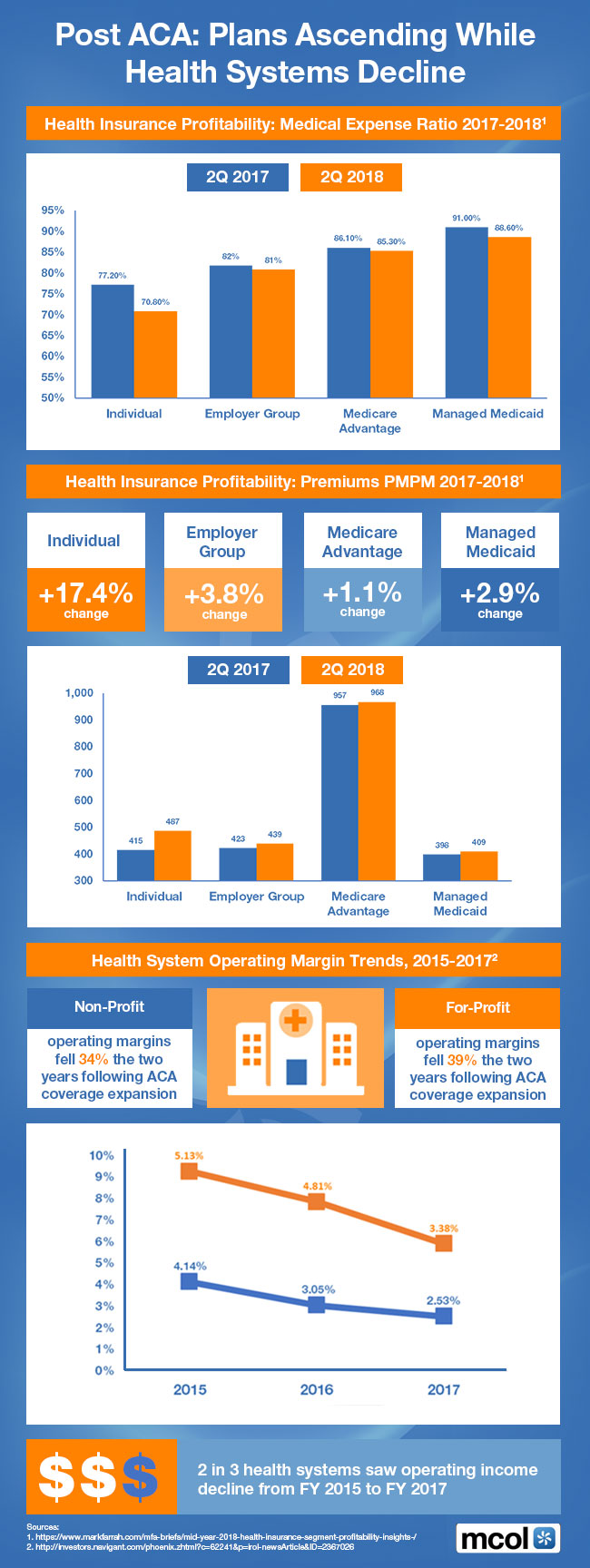
POST A.C.A.
***
***
Conclusion
Your thoughts and comments on this ME-P are appreciated. Feel free to review our top-left column, and top-right sidebar materials, links, URLs and related websites, too. Then, subscribe to the ME-P. It is fast, free and secure.
Speaker: If you need a moderator or speaker for an upcoming event, Dr. David E. Marcinko; MBA – Publisher-in-Chief of the Medical Executive-Post – is available for seminar or speaking engagements.
Book Marcinko: https://medicalexecutivepost.com/dr-david-marcinkos-bookings/
Subscribe: MEDICAL EXECUTIVE POST for curated news, essays, opinions and analysis from the public health, economics, finance, marketing, IT, business and policy management ecosystem.
MORE FOR DOCTORS:
“Insurance & Risk Management Strategies for Doctors” https://tinyurl.com/ydx9kd93
“Fiduciary Financial Planning for Physicians” https://tinyurl.com/y7f5pnox
“Business of Medical Practice 2.0” https://tinyurl.com/yb3x6wr8
THANK YOU
Filed under: Health Insurance | Tagged: Health Plans Ascending While Health Systems Decline, www.MCOL.com | 1 Comment »
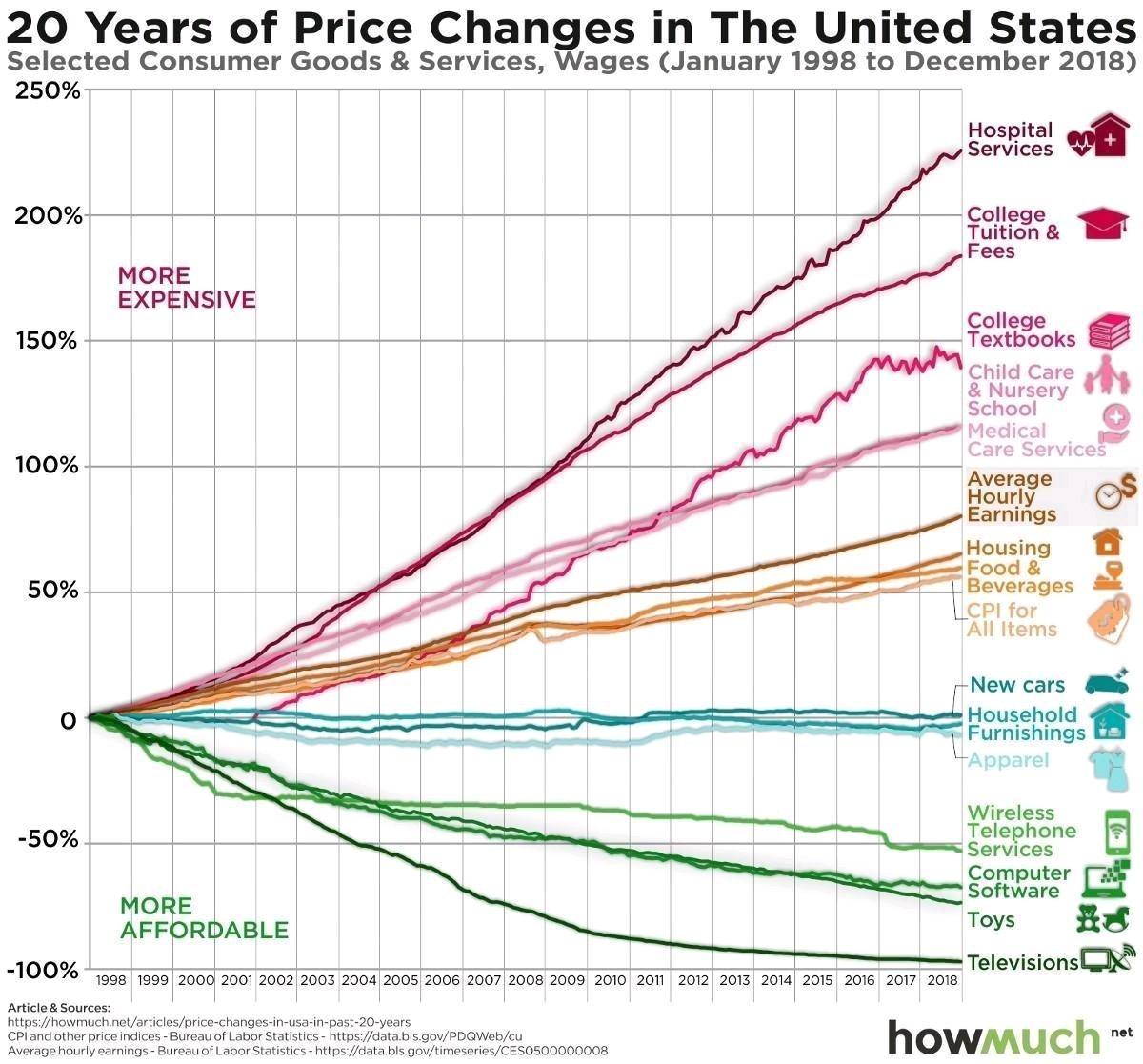
Highest in the World?
By Rick Kahler MS CFP®
The soaring cost of health care in the United States is painfully obvious to anyone who looks at a medical bill. This aspect of our system has been out of control for decades.
For example, a recent study by the Kaiser Foundation compared health care prices in the U.S. with those in other developed nations, virtually all of which have some form of universal health care. It found ours to be the highest in the world. The average American spends more than $10,348 a year on health care, amounting to a total of 18% of GDP. The average for citizens in other developed countries was about $5,198 per year, or 9% of total GDP.
Despite paying more, Americans average fewer physician consultations. Our rate of about 3.9 per person per year is well below the 7.6 average in the other countries studied. The researchers also found American hospital stays to be shorter, averaging 6.1 days while the average in other countries was 10.2 days.
The Kaiser study also compared costs for several expensive drugs and various medical procedures, including angioplasty and coronary bypass surgery, MRI exams, colonoscopies, appendectomies, and knee replacements. Costs in the U.S. were significantly higher. In fact, the average cost of replacing one knee here ($28,184) would almost pay for two new ones in Australia, where the average cost per knee is $15,941.
The study doesn’t attempt to assess the impact of the Affordable Care Act on U.S. medical costs or to offer any suggested solutions. Nor does it address the respective tax burdens of the various countries. This last is a shortcoming of the study that is important to consider.
***
***
Many of the European countries that feature significant “cradle to grave” universal health systems also have considerably higher taxes than does the U.S. According to data from the Tax Policy Center, the taxes at all levels of government in many European countries exceed 40 percent of GDP. Taxes in the U.S. are low in comparison. In 2015, U.S. taxes represented 26 percent of GDP. Of the 34 member countries of the Organisation for Economic Co-operation and Development (OECD), only four (Korea, Chile, Mexico, and Ireland) collected less than the United States as a percentage of GDP. It may not be surprising that these countries generally provide more extensive government services than the U.S. does.
Let’s put this into perspective. If Americans pay 18% of GDP in health care costs but spend 14% of GDP less in taxes than many European countries, that would leave the US paying a net of 4% of GDP for health care. This is almost half of what Europeans pay. Perhaps the lower amount we actually spend on health care is explained by the fewer physician visits and shorter hospital stays.
Certainly, not all of the 14% higher GDP in taxes collected by European nations goes to health care. Still, it is reasonable to assume that a significant portion of it does.
***

***
Another fact that is often omitted by studies critical of the US for not having universal health care is that the US does have government funded health care that (as of April 2018) covers over 130 million people through Medicare, Medicaid, and CHIP. This compares with some 179 million people (2016 numbers) with private insurance. In addition, many U.S. citizens currently qualify for health insurance premium subsidies. A family of four with an income under $72,000 a year would qualify.
Assessment
The high cost of U.S. health care is certainly a serious problem that needs to be addressed. However, a valid comparison of costs here to those in other countries needs to include the differences in tax burdens.
Conclusion
Your thoughts and comments on this ME-P are appreciated. Feel free to review our top-left column, and top-right sidebar materials, links, URLs and related websites, too. Then, subscribe to the ME-P. It is fast, free and secure.
Speaker: If you need a moderator or speaker for an upcoming event, Dr. David E. Marcinko; MBA – Publisher-in-Chief of the Medical Executive-Post – is available for seminar or speaking engagements.
Book Marcinko: https://medicalexecutivepost.com/dr-david-marcinkos-bookings/
Subscribe: MEDICAL EXECUTIVE POST for curated news, essays, opinions and analysis from the public health, economics, finance, marketing, IT, business and policy management ecosystem.
***
Filed under: Health Economics, Health Insurance | Tagged: Rick Kahler MS CFP® | 3 Comments »
By Ira Nash MD
Conclusion
Your thoughts and comments on this ME-P are appreciated. Feel free to review our top-left column, and top-right sidebar materials, links, URLs and related websites, too. Then, subscribe to the ME-P. It is fast, free and secure.
Speaker: If you need a moderator or speaker for an upcoming event, Dr. David E. Marcinko; MBA – Publisher-in-Chief of the Medical Executive-Post – is available for seminar or speaking engagements.
Book Marcinko: https://medicalexecutivepost.com/dr-david-marcinkos-bookings/
Subscribe: MEDICAL EXECUTIVE POST for curated news, essays, opinions and analysis from the public health, economics, finance, marketing, IT, business and policy management ecosystem.
***
Filed under: Experts Invited, Health Insurance | Tagged: Ira Nash MD, medicare | 1 Comment »
 Conclusion
Your thoughts and comments on this ME-P are appreciated. Feel free to review our top-left column, and top-right sidebar materials, links, URLs and related websites, too. Then, subscribe to the ME-P. It is fast, free and secure.
Speaker: If you need a moderator or speaker for an upcoming event, Dr. David E. Marcinko; MBA – Publisher-in-Chief of the Medical Executive-Post – is available for seminar or speaking engagements.
Book Marcinko: https://medicalexecutivepost.com/dr-david-marcinkos-bookings/
Subscribe: MEDICAL EXECUTIVE POST for curated news, essays, opinions and analysis from the public health, economics, finance, marketing, IT, business and policy management ecosystem.
MORE FOR DOCTORS AND NURES:
“Insurance & Risk Management Strategies for Doctors” https://tinyurl.com/ydx9kd93
“Financial Management Strategies for Hospitals” https://tinyurl.com/yagu567d
“Operational Strategies for Clinics and Hospitals” https://tinyurl.com/y9avbrq5
***
Filed under: Health Economics, Health Insurance, Healthcare Finance | Tagged: How Low Can Healthcare Prices Really Go | Leave a comment »
Isn’t limited to governments
By Rick Kahler MS CFP®
A client recently told me about her first medical checkup after becoming eligible for Medicare. “The doctor said things like, ‘They require us to fill out this form,’ and ‘This test is covered every three years, so we can’t do it this year,’ and ‘Medicare will pay for a baseline EKG even though you have no history of heart disease.’ I’ve gone to this doctor for ten years. I’m the same person I was a year ago. Yet it felt as if I had moved to a category where the appointment was all about the paperwork instead of my health. ”
A situation like this, where the paperwork seems more important than the person, demonstrates something I call the Principle of Bureaucratization: the idea that the more layers of decision-making are added to an organization, the less efficient it becomes in delivering its goods or services.
While this phenomenon affects organizations and governments of all sizes, the negative outcomes seem to increase the larger a company becomes or the further away the seat of government is from its constituents. Municipal services seem to be delivered more efficiently than state services. State services tend to be more efficient that those coming from the federal government. There are some exceptions, but not many.
One reason is that the further removed from you the decision-maker is, the less personal the services will be. Moving from the private health care system to the government-run health care system called Medicare is just one example. The same principle seems to apply in other countries. I have visited the UK numerous times, and it seems that every time I’ve read a newspaper article about some specific failing of the NHS (National Health Service). Just recently, at a workshop in Europe, a participant from the UK told me that the waiting list to see a psychiatrist was one year. “The NHS simply works against you,” she said with exasperation.
I think most Americans can agree that our healthcare system is badly flawed. We may disagree on the causes and cures. I see as one major problem that our federal government has created a regulatory structure which allows a select number of health insurance and pharmaceutical companies control over the health care system. These regulations have sent insurance costs soaring by almost eliminating competition. Third-party payment of medical bills means those receiving the services don’t have any incentive to even ask about costs.
***

***
Bureaucratization isn’t limited to governments. It also affects large companies where the policies are made by people many layers away from the customers, and the employees dealing with customers don’t have the authority to make decisions or solve problems. Who hasn’t experienced having a seemingly easy problem to solve with a service provider, calling a customer service representative, and ending up on the phone for 45 minutes being passed from department to department and supervisor to supervisor?
Many employees of large firms and governments are equally frustrated by the bureaucracy created in their organizations. Bureaucratic organizations stagnate innovation and responsiveness. They are especially inefficient when those dealing directly with consumers don’t have any significant consequences riding on the quality of the goods or services provided. This is one reason why many, like Brian Robertson in his book Holacracy, believe the “best practices” governance model for organizations is a self-organizing structure that empowers employees closest to consumers to make decisions.
What’s the bottom line?
You’re ultimately responsible for your own well-being. Ask questions, be the squeaky wheel, and, above all, make connections with those working in the bureaucracies you deal with. Help them keep in mind that their purpose is to serve people, not paperwork.
Conclusion
Your thoughts and comments on this ME-P are appreciated. Feel free to review our top-left column, and top-right sidebar materials, links, URLs and related websites, too. Then, subscribe to the ME-P. It is fast, free and secure.
Speaker: If you need a moderator or speaker for an upcoming event, Dr. David E. Marcinko; MBA – Publisher-in-Chief of the Medical Executive-Post – is available for seminar or speaking engagements.
Book Marcinko: https://medicalexecutivepost.com/dr-david-marcinkos-bookings/
Subscribe: MEDICAL EXECUTIVE POST for curated news, essays, opinions and analysis from the public health, economics, finance, marketing, IT, business and policy management ecosystem.
***
Filed under: Experts Invited, Health Insurance | Tagged: Bureaucratization, medicare, Rick Kahler MS CFP® | 1 Comment »

Conclusion
Your thoughts and comments on this ME-P are appreciated. Feel free to review our top-left column, and top-right sidebar materials, links, URLs and related websites, too. Then, subscribe to the ME-P. It is fast, free and secure.
Speaker: If you need a moderator or speaker for an upcoming event, Dr. David E. Marcinko; MBA – Publisher-in-Chief of the Medical Executive-Post – is available for seminar or speaking engagements.
Book Marcinko: https://medicalexecutivepost.com/dr-david-marcinkos-bookings/
Subscribe: MEDICAL EXECUTIVE POST for curated news, essays, opinions and analysis from the public health, economics, finance, marketing, IT, business and policy management ecosystem.
DOCTORS:
“Insurance & Risk Management Strategies for Doctors” https://tinyurl.com/ydx9kd93
“Fiduciary Financial Planning for Physicians” https://tinyurl.com/y7f5pnox
“Business of Medical Practice 2.0” https://tinyurl.com/yb3x6wr8
HOSPITALS:
“Financial Management Strategies for Hospitals” https://tinyurl.com/yagu567d
“Operational Strategies for Clinics and Hospitals” https://tinyurl.com/y9avbrq5
***
Filed under: Health Economics, Health Insurance, Healthcare Finance | Tagged: Health Capital Consultants LLC, Micro-Hospital Reimbursement Environment | Leave a comment »
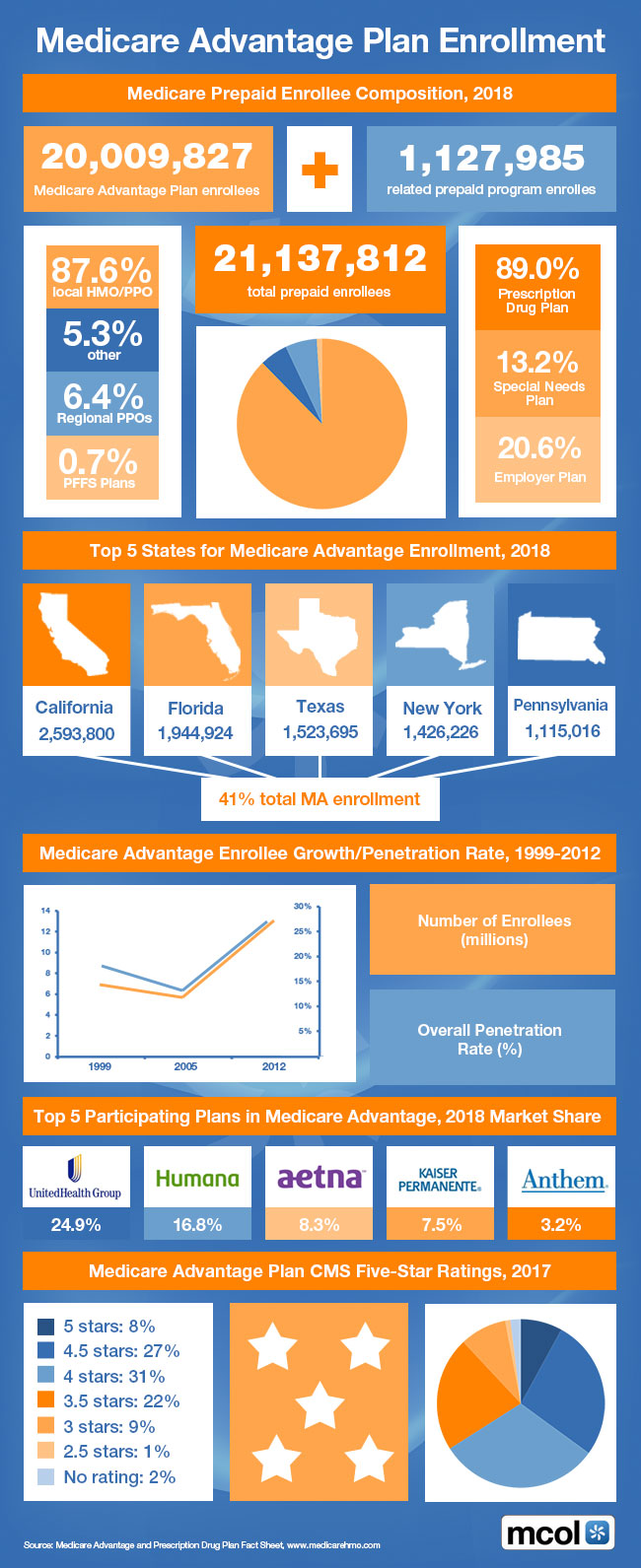
UPDATE 2018
***
***
Conclusion
Your thoughts and comments on this ME-P are appreciated. Feel free to review our top-left column, and top-right sidebar materials, links, URLs and related websites, too. Then, subscribe to the ME-P. It is fast, free and secure.
Speaker: If you need a moderator or speaker for an upcoming event, Dr. David E. Marcinko; MBA – Publisher-in-Chief of the Medical Executive-Post – is available for seminar or speaking engagements.
Book Marcinko: https://medicalexecutivepost.com/dr-david-marcinkos-bookings/
Subscribe: MEDICAL EXECUTIVE POST for curated news, essays, opinions and analysis from the public health, economics, finance, marketing, IT, business and policy management ecosystem.
DOCTORS:
“Insurance & Risk Management Strategies for Doctors” https://tinyurl.com/ydx9kd93
“Fiduciary Financial Planning for Physicians” https://tinyurl.com/y7f5pnox
“Business of Medical Practice 2.0” https://tinyurl.com/yb3x6wr8
HOSPITALS:
“Financial Management Strategies for Hospitals” https://tinyurl.com/yagu567d
“Operational Strategies for Clinics and Hospitals” https://tinyurl.com/y9avbrq5
***
Filed under: Health Insurance | Tagged: Medicare Advantage Plan, www.MCOL.com | 1 Comment »

Conclusion
Your thoughts and comments on this ME-P are appreciated. Feel free to review our top-left column, and top-right sidebar materials, links, URLs and related websites, too. Then, subscribe to the ME-P. It is fast, free and secure.
Speaker: If you need a moderator or speaker for an upcoming event, Dr. David E. Marcinko; MBA – Publisher-in-Chief of the Medical Executive-Post – is available for seminar or speaking engagements.
Book Marcinko: https://medicalexecutivepost.com/dr-david-marcinkos-bookings/
Subscribe: MEDICAL EXECUTIVE POST for curated news, essays, opinions and analysis from the public health, economics, finance, marketing, IT, business and policy management ecosystem.
DOCTORS:
“Insurance & Risk Management Strategies for Doctors” https://tinyurl.com/ydx9kd93
“Fiduciary Financial Planning for Physicians” https://tinyurl.com/y7f5pnox
“Business of Medical Practice 2.0” https://tinyurl.com/yb3x6wr8
HOSPITALS:
“Financial Management Strategies for Hospitals” https://tinyurl.com/yagu567d
“Operational Strategies for Clinics and Hospitals” https://tinyurl.com/y9avbrq5
***
Filed under: Health Economics, Health Insurance | Tagged: capitation, Ira Nash MD | Leave a comment »
|
Filed under: Health Economics, Health Insurance, Videos | Tagged: Erin Benson, LexisNexis Health Care, Rich Morino, SDOH, Social Determinants of Health | 2 Comments »
Medical Membership as of March 2018 [millions]
***

***
Conclusion
Your thoughts and comments on this ME-P are appreciated. Feel free to review our top-left column, and top-right sidebar materials, links, URLs and related websites, too. Then, subscribe to the ME-P. It is fast, free and secure.
Speaker: If you need a moderator or speaker for an upcoming event, Dr. David E. Marcinko; MBA – Publisher-in-Chief of the Medical Executive-Post – is available for seminar or speaking engagements.
Book Marcinko: https://medicalexecutivepost.com/dr-david-marcinkos-bookings/
Subscribe: MEDICAL EXECUTIVE POST for curated news, essays, opinions and analysis from the public health, economics, finance, marketing, IT, business and policy management ecosystem.
DOCTORS:
“Insurance & Risk Management Strategies for Doctors” https://tinyurl.com/ydx9kd93
“Fiduciary Financial Planning for Physicians” https://tinyurl.com/y7f5pnox
“Business of Medical Practice 2.0” https://tinyurl.com/yb3x6wr8
HOSPITALS:
“Financial Management Strategies for Hospitals” https://tinyurl.com/yagu567d
“Operational Strategies for Clinics and Hospitals” https://tinyurl.com/y9avbrq5
REAL TIME: Of course; we can continue the real time dialogue right here: www.MedicalExwecuitivePost.com
***
Filed under: Health Insurance | Tagged: Major Health Plan Snapshot | Leave a comment »
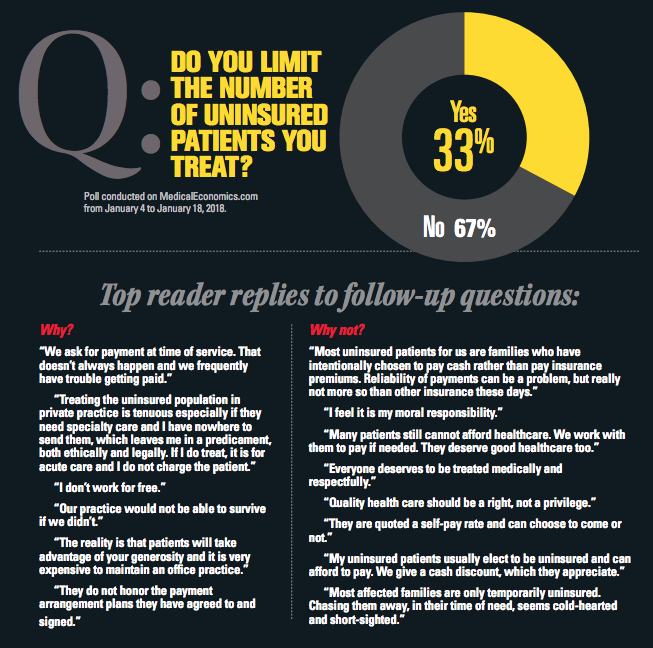
Well – do you?
***
***
Conclusion
Your thoughts and comments on this ME-P are appreciated. Feel free to review our top-left column, and top-right sidebar materials, links, URLs and related websites, too. Then, subscribe to the ME-P. It is fast, free and secure.
Speaker: If you need a moderator or speaker for an upcoming event, Dr. David E. Marcinko; MBA – Publisher-in-Chief of the Medical Executive-Post – is available for seminar or speaking engagements. https://medicalexecutivepost.com/dr-david-marcinkos-bookings/
Contact: MarcinkoAdvisors@msn.com
***
Filed under: Ethics, Health Insurance, Practice Management | Tagged: uninsured patients | 1 Comment »
Adjusted-Life-Years
***

***
Conclusion
Your thoughts and comments on this ME-P are appreciated. Feel free to review our top-left column, and top-right sidebar materials, links, URLs and related websites, too. Then, subscribe to the ME-P. It is fast, free and secure.
Speaker: If you need a moderator or speaker for an upcoming event, Dr. David E. Marcinko; MBA – Publisher-in-Chief of the Medical Executive-Post – is available for seminar or speaking engagements. https://medicalexecutivepost.com/dr-david-marcinkos-bookings/
Contact: MarcinkoAdvisors@msn.com
***
Filed under: Health Insurance, Insurance Matters | Tagged: Adjusted-Life-Years, USA Trends in Disability | Leave a comment »
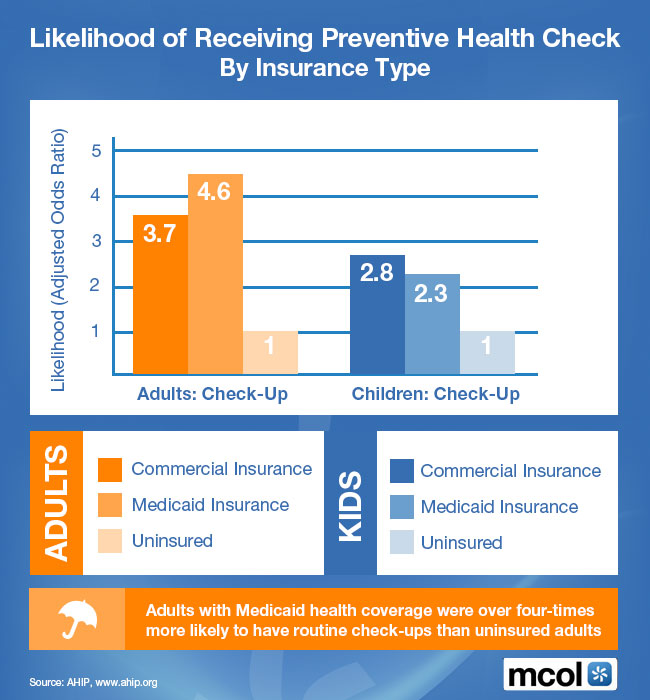
By Insurance Types
***
***
Conclusion
Your thoughts and comments on this ME-P are appreciated. Feel free to review our top-left column, and top-right sidebar materials, links, URLs and related websites, too. Then, subscribe to the ME-P. It is fast, free and secure.
Speaker: If you need a moderator or speaker for an upcoming event, Dr. David E. Marcinko; MBA – Publisher-in-Chief of the Medical Executive-Post – is available for seminar or speaking engagements. https://medicalexecutivepost.com/dr-david-marcinkos-bookings/
Contact: MarcinkoAdvisors@msn.com
***
Filed under: Health Insurance | Tagged: health insurance plans, Preventative Health Checks | Leave a comment »
Some of the Reasons You’ve Heard Turn Out to Be Myths
[Staff reporters]
In a new, detailed international comparison, the United States looks a lot more like its peers than researchers expected; according to Margot Sanger-Katz of the NYT http://www.nytimes.com/2018/03/13/upshot/united-states-health-care-resembles-rest-of-world.html?em_pos=small&emc=edit_up_20180314&nl=upshot&nl_art=0&nlid=71936802emc%3Dedit_up_20180314&ref=headline&te=1
Filed under: Health Insurance, Healthcare Finance | Tagged: Margot Sanger-Katz, NYT, Why Is U.S. Health Care So Expensive? | Leave a comment »
On Electronic Health and Insurance
[A Bain Brief]
Imagine this scenario: It’s 7:30 AM, and time to leave for work. You normally drop your three-year-old daughter off at day care on your way to the train station. However, this morning she has developed two red, itchy blotches on her face. Is she sick, you wonder? Is it serious? Is she contagious? Looks like you’ll have to keep her out of day care and take her to the pediatrician, and who knows when you’ll be able to get an appointment. Or maybe you’ll just need to go to the doctor’s office and wait to be squeezed in. Either way, you or your spouse will have to miss a partial or full day of work.
***

Conclusion
Your thoughts and comments on this ME-P are appreciated. Feel free to review our top-left column, and top-right sidebar materials, links, URLs and related websites, too. Then, subscribe to the ME-P. It is fast, free and secure.
Speaker: If you need a moderator or speaker for an upcoming event, Dr. David E. Marcinko; MBA – Publisher-in-Chief of the Medical Executive-Post – is available for seminar or speaking engagements. https://medicalexecutivepost.com/dr-david-marcinkos-bookings/
Contact: MarcinkoAdvisors@msn.com
***
Filed under: Health Economics, Health Insurance | Tagged: Bain Capital, Christian Kinder, Digital Health, e-health, Florian Mueller, Insurers Hold the Key to Healthcare's Digital Future, m-Health, Mobile Health | Leave a comment »
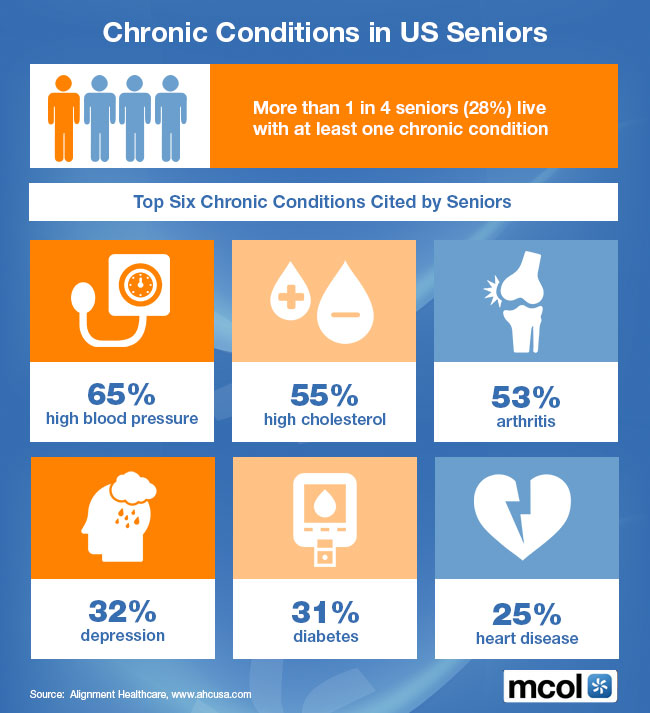
Seniors
***
Conclusion
Your thoughts and comments on this ME-P are appreciated. Feel free to review our top-left column, and top-right sidebar materials, links, URLs and related websites, too. Then, subscribe to the ME-P. It is fast, free and secure.
Speaker: If you need a moderator or speaker for an upcoming event, Dr. David E. Marcinko; MBA – Publisher-in-Chief of the Medical Executive-Post – is available for seminar or speaking engagements. https://medicalexecutivepost.com/dr-david-marcinkos-bookings/
Contact: MarcinkoAdvisors@msn.com
***
Filed under: Health Insurance, Research & Development | Tagged: Chronic Diseases, chronic medical conditions, elder health, Elder Safety | 1 Comment »
Inflation Adjustments for the Tax Cuts and Jobs Act
 By Dr. David Edward Marcinko MBA
http://www.CertifiedMedicalPlanner.org
On March 5, 2018, the IRS released Revenue Procedure 2018-18 (as part of Bulletin 2018-10). Due to changes made in the Tax Cuts and Jobs Act, certain adjustments needed to be made to inflation amounts.
The includes a reduction in the maximum family HSA contribution for those with family coverage under an HDHP from $6,900 to a new limit of $6,850 for calendar year 2018. The single contribution limit remains unchanged at $3,450 per year.
This reduction affects employees participating in an HSA Plan who have elected to contribute more than $6,850 for family coverage in 2018.
*** 
***
Filed under: Accounting, Health Insurance, Taxation | Tagged: david marcinko, HSA, Tax Cuts and Jobs Act | 8 Comments »

[By Dr. David Edward Marcinko MBA]
After weeks of uncertainty atop the Department of Veterans Affairs, President Trump plans to replace its secretary, David J. Shulkin, with the president’s personal physician, Dr. Ronny L. Jackson, a rear admiral in the Navy.
***
***
Dr. Ronny L. Jackson
***

***
Filed under: Health Economics, Health Insurance, Health Law & Policy | Tagged: David J. Shulkin MD | 3 Comments »
For U.S .Women
***

***
Conclusion
Your thoughts and comments on this ME-P are appreciated. Feel free to review our top-left column, and top-right sidebar materials, links, URLs and related websites, too. Then, subscribe to the ME-P. It is fast, free and secure.
Speaker: If you need a moderator or speaker for an upcoming event, Dr. David E. Marcinko; MBA – Publisher-in-Chief of the Medical Executive-Post – is available for seminar or speaking engagements. https://medicalexecutivepost.com/dr-david-marcinkos-bookings/
Contact: MarcinkoAdvisors@msn.com
***
Filed under: Health Economics, Health Insurance | Tagged: Barrierers to Healthcare, Barrierers to Healthcare for Women, MCOL | Leave a comment »
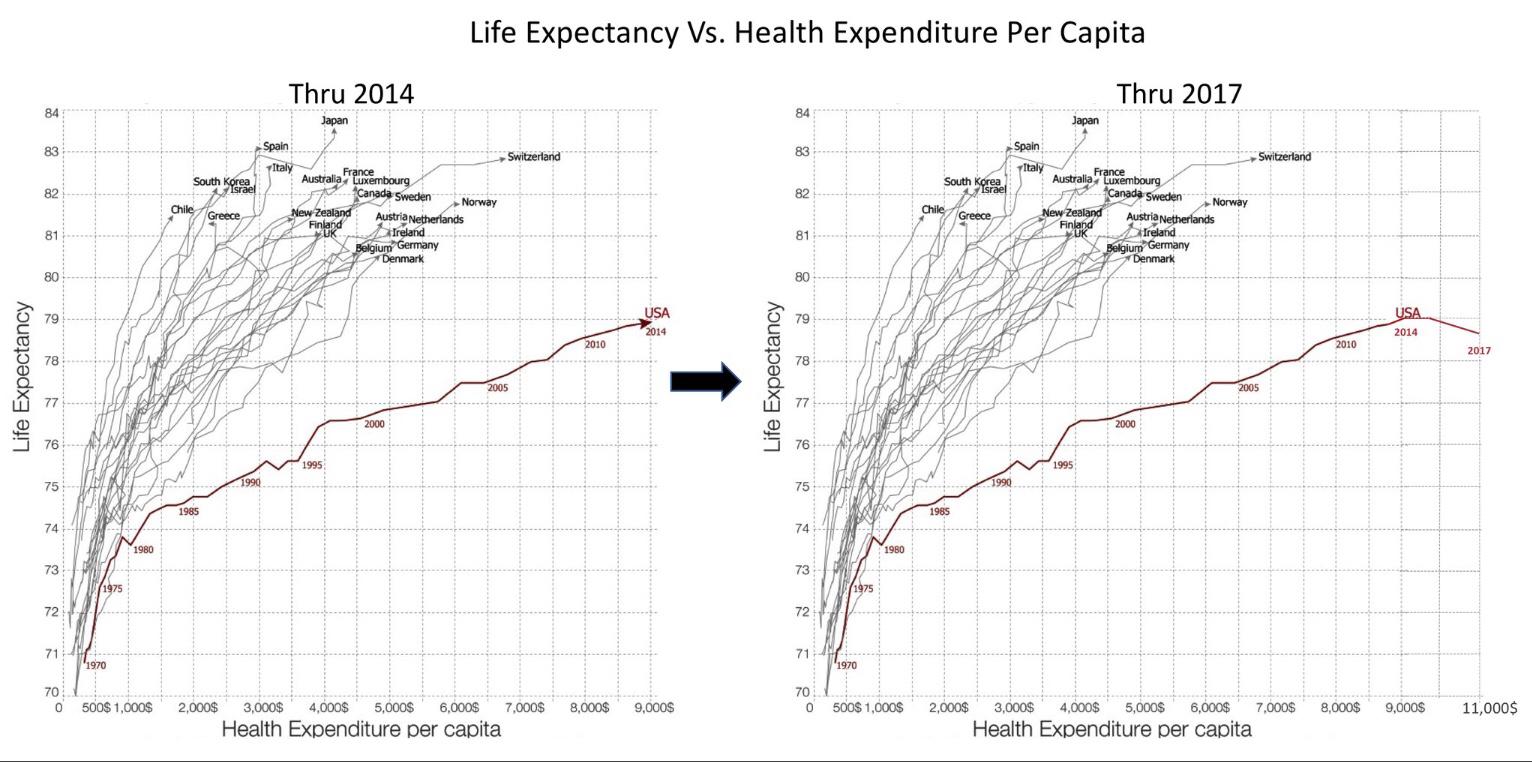
Circa 2014 – 2017
[By staff reporters]
Assessment
Your thoughts are appreciated.
Conclusion
Your thoughts and comments on this ME-P are appreciated. Feel free to review our top-left column, and top-right sidebar materials, links, URLs and related websites, too. Then, subscribe to the ME-P. It is fast, free and secure.
Speaker: If you need a moderator or speaker for an upcoming event, Dr. David E. Marcinko; MBA – Publisher-in-Chief of the Medical Executive-Post – is available for seminar or speaking engagements. https://medicalexecutivepost.com/dr-david-marcinkos-bookings/
Contact: MarcinkoAdvisors@msn.com
***
Filed under: Health Economics, Health Insurance | Tagged: Life Expectancy V. Health Expenditures Per Capita | Leave a comment »
A Particle Physics Analogy

By Dr. David Edward Marcinko MBA
http://www.CertifiedMedicalPlanner.org
Some folks, here and elsewhere, often opine that banking is more progressive than healthcare. And, by inference many, if not most, other industries may be included as well.
Unfortunately, this is a ridiculous reality.
WHY: Sorry – Like Heisenberg – You can’t have it both ways.
Health insurance is becoming less like real, pro-active insurance and more like a taxpayer “pay-as-you-go” system. Hence, the two current societal opinions:
HI AS A RIGHT: On the one hand, we opine that you can’t buy car or home owners insurance after the accident or fire. But, you can buy Obamacare after the cancer diagnosis. Not insurance at all; but a right.
HI AS A PRIVILEGE: On the other hand, others opine that HI is for the privileged few.
Now, here is my third option:
HI AS A RESPONSIBILITY: Well, I suggest HI is a responsibility. We do need catastrophic insurance but not for routine health maintenance. The better we are at pro-active responsibility – the less expensive HI should be, with patient skin-in-the-game. And, I have written about Health Savings Accounts [HSAs] before, here and elsewhere.
***

***
Assessment
So, decide which and proceed accordingly. But, just like the Werner Heisenberg Uncertainty Principle; it can’t be both.
NOTE: In quantum mechanics, the Heisenberg uncertainty principle is any of a variety of mathematical inequalities asserting a fundamental limit to the precision with which certain pairs of physical properties of a particle, known as complementary variables, such as position x and momentum p, can be known simultaneously.
IOW: I can tell you where you are -OR- how fast you are going; but not both.
Conclusion
Your thoughts are appreciated. http://www.BusinessofMedicalPractice.com
***
Filed under: Health Insurance, Touring with Marcinko | Tagged: Health Insurance, Heisenberg | Leave a comment »
Are Doctors Responsible?

By Dr. Pankaj Kumar
Namaste!
The following features have led to increasing dependence on investors in the medical field which then has to run along the lines of an industry to ensure its financial viability.
For example:
1. Newer technology and rapid advances in newer innovations in medical fields for improvement in diagnostic and newer treatment modalities: If a hospital or doctor does not upgrade, it will be regarded as having obsolete technology. Most of these medical technologies are extremely expensive and owned and marketed by big multinational companies who sell them. Since cost involved is very high, there can be various types of deals involved between middlemen involved in selling and buying the equipment and technologies. Doctors are the end users of these technologies, but not part of business process. They are actually the consumers and users for these technologies.
2. Expensive real estate: A self made doctor at the start or even during his life time, does not have the kind of finances to build a hospital which needs a large parcel of land with commercial location. Therefore there is a need for big investment or investor to pitch in and invest funds. And if they invest, obviously they would look for some returns.
3. Equipping the Hospital: Building of hospital with the infrastructure and equipping it well needs lot of money and investment which only an investor can provide. Same is true for maintenance of equipment, bills, insurances, AMC etc.
4. Staffing of Hospital: A hospital needs lot of skilled human resources, health care being a highly labour intensive industry. Doctors , nurses, technicians, para medical, administrative and clerical staff is required. Employment of non medical in hospital industry too has been increasing because of various regulatory requirements and complex processes other than just treating patients.
5. High regulatory requirements: globally the requirements of regulatory authorities have been sky rocketing and it requires a lot of manpower to maintain such data. Getting accreditation etc are processes which requires manpower, time, and a legal team. All these legal requirements are expensive.
6. Consumer protection act: This single important factor can increase the cost of healthcare for the patient. As doctors are increasingly scared of being dragged to court, they are always on backfoot and are forced to do defensive practice. Investigations are required for documentation. Patient and courts will ask for proof and goes by documentation. Medical problems are very complex and sometimes it is difficult to judge the future course of disease or decisions for surgery, or how patient will behave before or after surgery. A doctor, thus, will always try to play safe legally in present scenarios. Because everything he does will be scrutinized later, with retrospective wisdom, by courts. And since doctors manage so many patients everyday, they never know which one will harass and deceive them later. Mistrust has increased to such an extent that patient relatives do not understand even if things are told in good faith and in patient’s interest. Summarily doctors have to safeguard themselves from treatment as well as legal and documentation hassles.
7. Expensive legal services: Every case that goes to court involves lawyers and their expensive fees. Most of the time even though the doctors may be right, he has to defend himself with the help of lawyers. Law industry has been benefitted enormously because of consumer protection act at the cost of doctors. Increasing mistrust and unhappiness in patient’s mind definitely does not help patients and doctors. Strangely doctor’s fee are quite low but lawyers charges them astronomical amounts, which are beyond any logic.
8. Increased expectation of patients: People want exceptional care, best in the world with best technology, that also at a price less than even a meal in restaurant, and then they want a quick relief!! This is an expectation almost impossible to fulfil. Even government hospitals, which are funded by taxayer’s money find it difficult to provide free treatment with quality.
9. Large claims given by courts: in a country where people fight with their parents, brothers and sisters for money and property, it will be naive to think that idea of making money from doctor does not exist. With court compensations going into crores, doctors can sense many times that some patient relatives try to use the opportunity. They have nothing at stake so they try to make some noise on social media and harass the doctor in court or on social platforms. Even for patients, who had poor prognosis at the very onset of treatment, relatives can create problems. Doctors have no protection from these nuisanse. All these factors further enhance insecurity in doctor’s mind.
10. Expensive and time consuming medical education, on sale: Although an open secret , as reported routinely in news, medical seats are big business. Each private medical college seat sells for huge money. Such doctors, who have purchased seats have already behaved as investors. Once these doctors are in practice, they will try to recover the investment. This can obviously push up the health care costs not to mention vitiation of the medical fraternity.
11. Requirement for maintaining huge data and audits: to maintain standards, to have accreditations, for medicolegal issues , large data storage, audits and surveillance is required. These systems also need new systems and manpower.
12. Employment of large numbers of non-medical personnel: earlier management work was handled by doctors. All senior doctors were given small and differnet departments of administrative work at very little or no extra cost. But now for all these works separate administrators are appointed. Now a days ratio of doctors to nondoctors is higher as compared to previous years. Increased regulatory and and insurance system needs more non- medical staff. But productivity of hospital still remains by doctor-patient interaction. This change in arrangement in Hospitals has caused increase in costs and hence pushed the health care expenses. Advantages and disadvangages of these changes in arrangement will be known with time in future.
13. Non regulation of businesses associated with large health care industry: for example pharma industry, suppliers , biomedical, equipments, consumables. Such individuals, although play important part in medicine, cost, sale and purchase, but are largely unregulated. Unlike doctors, who are regulated by multiple governing bodies. But doctors are often perceived as culprits for these costs escalation.
14. Increasing extinction of Single doctor and small setups: for them it will be difficult to keep pace with newer technology and buying expansive equipments. It will be difficult for them to manage requirements of new medical system, legal problems . At the most they will continue to provide cheap medical services, but for only common and simple ailments. It will be difficult to manage serious patients and sick and complex patients in view of high public expectations . These set ups are under severe security threat and pressure because of non – acceptance of even genuinine complications of treatment. As legal requirements increase, these systems will become unviable and option of common public for cheaper, friendly services may become extinct. So it will decrease the easy and sometimes last option of doctors to settle with a small set up. Chances of them to work for investors and insurance companies will increase, and they will be cheap labour for industry.
15. Medical and health Insurance becoming indispensible: Insurance companies are every where. They sell policies to patients , as well as doctors. In fact, they are positioned between doctor and patients. They make money from both sides. Obviously more expensive the treatment, more dependence on insurance. Therefore a cycle has been set up. Increase in insurance cost will push health care more expensive and a vicious cycle is set up. One should not be surprised, if in future treatment to a large extent will be dictated by insurance companies.
16. Conversion to a industry: Because of above reasons Medical and health care has become an industry and needs investors. So as it is business proposition. Funded by investors and run on commercial principles, the doctors are being slowly reduced to skilled labour, alienated from the core.
17. Aging, multiple diseases: as life expectancy is increasing, it is leading to multiple diseases and more complex diseases and new expensive treatments. In this changed scenario and all people want to prolong life as much as possible. Cost of prolonging life with multiple problems is quite high. It consumes more medication and resouces and hence consequently pushes up the cost of medical treatment.
18. Evolution of complex infections: Advent of antibiotics and germ theory was thought to be game changer in medical history. But because bacteria proved to be smarter than humans and acquired resistant. New and expensive antibiotics have been gradually being rendered useless. Need for more antibiotics is causing treatment to be costlier.
19. Evolution of advanced treatment: Invention of Expensive and new diagnostic techniques along with highly technical treatments by industry is not without added cost. Although it may be useful in certain patients, but how much it will help overall in masses, for general treatment, as it increases the cost of overall treatment.
20. Increasing need for heightened security: It is not uncommon to have mobs causing physical harms to medical workers and damaging hospital properties. These incidents have caused increased need for security for the premises and adding to the cost.
21. Complex interplay of various industries eg pharma industry and consumable industry: large number of consumables pharmaceuticals, sutures, surgical instruments, IT industry, drugs, implants, medical supplies are required. These industries supply their items on a price commanded by them and there is complex interplay of various industries.
22. Non uniform and variable care and cost: each city has multiple hospitals. Care and cost varies in every set up. Even all government set ups are not uniform in facilities and cost. Private setups vary in cost and care, to the extent of maximum possible variations. All this non-uniformity has created confusion in the mind of patients and variation in financial issues.
23. Poor public health care facilities: due to less expenditure on health care, government health care facilities have been under developed. Less investment by government has given way to private health care to flourish.
24: Conversion to a industry model and entry of investors: all the above investments are very expensive. Doctors usually do not have that much money to invest. Therefore Investors and financers have become indispensible part of health. once investor invests money, it will be driven on business principles.
25. Future course: I do not see in future that this arrangement is going to change , rather it will be strengthened more and more and quality care will become more costly. Doctors will be totally alienated from financial and business aspect, because industry will not be sustainable without an investor.

Assessment
As we look at reasons above, doctors are no where in the financial picture and to be blamed for increase in overall health cost. But, since only doctors are visible part of industry, who treat and interact with patients, often they are blamed for the cost. They have actually being alienated from financial aspect, barring small percentage of doctors, who are financially literate. Consequently, the doctors who will be unable to entrench themselves in the business milieu will be unfit in future and hence extinct.
Conclusion
Your thoughts and comments on this ME-P are appreciated. Feel free to review our top-left column, and top-right sidebar materials, links, URLs and related websites, too. Then, subscribe to the ME-P. It is fast, free and secure.
Speaker: If you need a moderator or speaker for an upcoming event, Dr. David E. Marcinko; MBA – Publisher-in-Chief of the Medical Executive-Post – is available for seminar or speaking engagements. https://medicalexecutivepost.com/dr-david-marcinkos-bookings/
Contact: MarcinkoAdvisors@msn.com
***
8
Filed under: Health Economics, Health Insurance, iMBA, Inc. | Tagged: Dr. Pankaj Kumar, healthcare costs, Rising Healthcare Costs | 4 Comments »


 ***
***





 ***
***


 The Leading Business Education Network for Doctors, Financial Advisors and Health Industry Consultants