Financial Windfalls

Join Our Mailing List

Successfully Handling the Brass Ring

[By Staff Writers]

If you are a physician or healthcare executive who is fortunate enough to win the lottery, or receive a large inheritance, the following simple rules will help maintain your emotional stability, as well as financial health.

###

Dollars

###

· Deposit cash into a money market account in your name or into a joint account with your spouse, and limit access. If a doctor is the executor of an estate, be aware that significant tax benefits may result by freezing the estate for six months and using the alternate valuation method of size determination. Similarly, if a windfall is in the form of securities, make sure they are titled correctly.  Limit those to whom you tell about your luck.

· Hire a Registered Investment Advisor (RIA), Certified Medical Planner™, CPA or other financial fiduciary to lead your team of lawyers and insurance agents. Get tax advice immediately.

· Do not quit your job, sell your practice, or initially disrupt your life materially. 

· Maintain your normal routine.

· Limit your new expenditures and consider your lifestyle options.

· Redefine your financial plans, and continue to save and invest.

· Pay down your debt and recall that non-deductible debt costs the stated APR, while deductible debt costs less if you itemize.

· Review your insurance policies, will, estate plan or trusts.

· Avoid friends or relatives who petition you for money.

· Consider charitable interests and gifting strategies carefully.

· Exercise, stay healthy and enjoy your windfall.

Assessment

Now, if you won the lottery; your experiences – no matter how major or minor – are appreciated.

Conclusion

Your thoughts and comments on this ME-P are appreciated. Feel free to review our top-left column, and top-right sidebar materials, links, URLs and related websites, too. Then, subscribe to the ME-P. It is fast, free and secure.

Link: http://feeds.feedburner.com/HealthcareFinancialsthePostForcxos

Speaker: If you need a moderator or speaker for an upcoming event, Dr. David E. Marcinko; MBA – Publisher-in-Chief of the Medical Executive-Post – is available for seminar or speaking engagements. Contact: MarcinkoAdvisors@msn.com

OUR OTHER PRINT BOOKS AND RELATED INFORMATION SOURCES:

DICTIONARIES: http://www.springerpub.com/Search/marcinko
PHYSICIANS: www.MedicalBusinessAdvisors.com
PRACTICES: www.BusinessofMedicalPractice.com
HOSPITALS: http://www.crcpress.com/product/isbn/9781466558731
CLINICS: http://www.crcpress.com/product/isbn/9781439879900
BLOG: www.MedicalExecutivePost.com
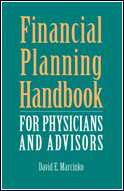
FINANCE: Financial Planning for Physicians and Advisors
INSURANCE: Risk Management and Insurance Strategies for Physicians and Advisors

Product Details  Product Details

Alternative Financial Clout

Join Our Mailing List

On the Gay Financial Network [GFN]

[By Staff Writers]

A useful resource to supplement the financial knowledge of gay medical or lay professionals is the Gay Financial Network www.gfn.com

Gays and lesbians control more than $800 billion, according to the network, and the nations’ most gay friendly companies include IBM, AT&T, Bank of America Corp., Google, Yahoo, Mobil Corp., and Hewlett-Packard Co., according to the network.

By its own estimates, there are more than 25 million homosexuals in the USA, and more than 10 million are on-line. About 75 percent of the network’s members are men, 25 percent women, and the majority aged 30-50. Sixty percent visit the site daily, and about 15 percent earn more than $100,000. 

Assessment

And, the fact that this information is geared toward alternative lifestyles should not let it be an impediment toward using the information.  

For example, did you know that the same penalties associated with pension plans and estate tax laws, also impact unmarried straight couples in the same manner as a gay couple?

*** GFN

***

Conclusion

Your thoughts and comments on this ME-P are appreciated. Feel free to review our top-left column, and top-right sidebar materials, links, URLs and related websites, too. Then, subscribe to the ME-P. It is fast, free and secure.

Speaker: If you need a moderator or speaker for an upcoming event, Dr. David E. Marcinko; MBA – Publisher-in-Chief of the Medical Executive-Post – is available for seminar or speaking engagements. Contact: MarcinkoAdvisors@msn.com

OUR OTHER PRINT BOOKS AND RELATED INFORMATION SOURCES:

 Product Details

Alternative Lifestyles

Understanding Exactly What’s at Risk

Staff Writers


A function of Social Security is to be an old age pension plan supplement.  It also offers survivor benefits for a physician’s spouse and children.  The benefit is not paid to a live-in companion, however. 

Social Security also offers a disability payment for those unable to work.  This benefit will be available to those who qualify, but calculated at a single individual’s rate for those unmarried. 

One area where a bonus may be earned is the old age pension program. This will be paid to every qualifying individual.

In other words, if both you and your significant other qualify for maximum benefits, these will be received for your lifetime.  You will not be subject to a reduced survivor benefit.

Medicare pays health insurance benefits based upon the individual.  These benefits will be affected by a non-traditional relationship.  Yet, the family pieces of this puzzle are missing under current Medicaid guidelines.

Marriage Benefits 

The federal and state governments, as well as corporate America, confer many benefits, protections and obligations to married couples, among them: 

  • Assumption of spouse pension
  • Automatic housing lease transfer
  • Automatic inheritance
  • Bereavement leave
  • Burial determination
  • Child custody
  • Confidentiality of conversations
  • Crime victim’s recovery benefits
  • Divorce and domestic violence protection
  • Exemption on property tax upon partner’s death
  • Family leave to care for sick partner
  • Immunity from testimony against spouse
  • Insurance benefits and breaks
  • Joint adoption, foster care and custody
  • Joint bankruptcy
  • Joint parenting to care for partner
  • Medical decisions on behalf of partner
  • Property rights
  • Reduced rate membership
  • Social security benefits
  • Tax advantages
  • Visitation of partner’s children
  • Visitation of partner in hospital or prison
  • Wrongful death benefits

The Estate Tax Penalty 

Estate law is unforgiving and its penalties are truly gender and relationship blind.

As an example, the powerful first tool in a well-written estate plan, the unlimited marital deduction, is not possible.   This is a fact which must be recognized and dealt with in a proactive manner. 

Do not be misled by your local or state law that may recognize a relationship involving a significant other. The federal estate tax code simply does not exist for such a relationship. 

Have you been affected by any of the above?

Non-Traditional Relationships

Minimizing the Impact

Staff Writersfp-book3

Social Security regulations are set in stone.  To combat reduced disability payments it is advised that both partners in a non-traditional relationship purchase additional disability insurance, above and beyond what may be offered from your medical office or hospital group plan. 

And, to combat the lack of death benefit from Social Security and some restrictive hospital or medical employer plans, it is recommended that sufficient life insurance be purchased on both parties. 

View this as a business buy-sell arrangement, so that one either partner will be left with sufficient financial means if an untimely death should take place. 

A charitable remainder trust, for estate planning, may be an appropriate document that allows a medical professional with an alternative lifestyle to insure an income stream for the rest of both partner’s lives.  It may result in reduced estate taxes, relief from capital gains, and the opportunity to diversify your investments. In this way, the legacy that is left to a significant other comes without familial meddling. 

In early 2000, the Vermont Supreme Court recognized that committed gay couples deserve the same rights and benefits, in the eyes of the law, as heterosexual couples.

So, going forward from 2008, some experts hope the above machinations may not be required much longer. Nevertheless, on the positive side, there are a few financial benefits to being unmarried.  

For example, although they can’t file joint income tax returns, or use each other’s deductions to shelter income, unmarrieds do avoid the so-called but eviscerated marriage penalty that occured when both parties had high paying jobs, such as medical professionals. 

Assessment

Moreover, if one partner is wealthy, unmarried couples can take advantage of estate freeze techniques, unavailable to married couples since 1990, to reduce gift and estate taxes. 

And so, have you been affected by any of the above?

Product Details  Product Details

Medicare – Simply Unsustainable

Medicare and Medicaid Spending Growth

Staff Writers 


Like Michael Palmer’s song, “Irresistible”, it seems that Medicare and Medicaid spending would — if unaddressed — continue to grow faster than the economy over the next 75 years. According to the Congressional Budget Office; it’s also very unsustainable. 

The culprits are physician and hospitals reimbursement methods and new technology and treatments that drive costs.

“The main message of this study is that, without changes in federal law, federal spending on Medicare and Medicaid is on a path that cannot be sustained,” stated the CBO report of November 13th 2007. 

According to the CBO, by 2030, federal Medicare and Medicaid spending will consume about 8% of the gross domestic product, a measure of the total value of goods and services produced.

Of that, 0.8 percentage points would be from the effect of aging.

And, by 2082, federal Medicare and Medicaid spending would eat up 18.5% of the gross domestic product, with the effect of aging representing just 1.7 percentage points. 

What is the answer to this unsustainable [irresistible] dilemma?

Honoraria Controversy – Ties that Bind

Pharmaceutical / Medical Device Industry Bedfellows

By Staff Writers   

The Journal of the American Medical Association recently reported that nearly two-thirds of academic leaders surveyed at 125 US medical schools and the nation’s 15 largest teaching hospitals have financial ties to the medical industry. 

Serving as paid consultants or thought leaders – accepting industry money for free meals, honoraria and drinks were among the most common practices reported by the heads of academic departments.

Moreover, researchers said drug companies and makers of medical devices often use these connections to influence doctors to use products that aren’t necessarily in the patient’s best interest.

Overall, 60 percent of department heads reported some type of personal financial relationship with the industry, while 27 percent said they had recently served as a paid consultant.

The same percentage reported serving on a company scientific advisory board, and 21 percent who headed departments of medical specialties closely related to patient care said they had served on speakers’ bureaus for industry.

And so, is this ethical or acceptable to you; or just standard industry practice?


   Product Details 


UGMAs and UTMAs


Titling Assets Correctly

Staff Writers 


Generally, medical professionals should not save in a child’s name.  Yes, there is a small tax break, but all the assets in their name diminish the amount of financial aid available to them.  

Also, your child can take control of the assets at age 18 or 21, depending on your state’s law. 

Other drawbacks to be aware of include:

· The custodian has the power to invest and draw funds for the benefit of the child; but who defines – what is a benefit?

· Earned income will be taxed at the child’s rate.

· The gift is irrevocable, and may be included in your estate for federal tax purposes, if you die prior to the age of majority. 

The Uniform Gift to Minors Act (UGMA) and the slightly different Uniform Transfers to Minors Act (UTMA) are therefore usually not helpful when it comes to financial aid, and not using them will ensure that you will decide how to spend the funds. 

What is your experience in this area relative to college savings?

Non-Resident Alien Physicians

Dual Citizenship

Staff Writers 


There may be a number of reasons why a foreign medical professional, especially a physician, may choose to remain a non-resident alien.

But, few realize that the U.S. income tax applies worldwide, and when a doctor becomes a U.S. dual citizen, the IRS is with them forever. 

Also, there is the $100,000 annual limitation on gifts to a non-citizen spouse. At his death, a doctor can’t leave his possessions to a non-citizen spouse since the U.S. government is concerned that the foreign survivor will take her inheritance to her home country.  

Accordingly, the estate is tax immediately after the first death. Separate savings accounts may mitigate this so that the dual citizen spouse can acquire assets personally, and have something to pass on to children.   

Otherwise, any assets that can’t be proven at least a one half contribution, even if jointly owned, will be taxed as if they solely belong to the American citizen spouse.   

Now, since the number of H-1B visas for healthcare workers can change dramatically by political fiat, is an increase in potential dual – or non-citizen – medical professionals likely in the years ahead?

The Non-Citizen Spouse

IRS Code Differences

Staff Writers  

Currently, the IRS offers an unlimited estate tax deduction (unlimited marital deduction) by which any spouse can receive an estate tax free, regardless of amount.  

However, the IRS Code has a much different view of a non-citizen spouse, limiting the marital deduction for a legal resident alien to only $100,000.  

Fortunately, this spouse is offered a safe harbor in the Qualified Domestic Trust.  The QDOT has the effect of narrowing the gap between a citizen and non-citizen spouse and is a valuable tool when draw up according to the IRS Code.  

Thus, sans a proper QDOT, the non-citizen spouse of a physician is subject to the same treatment as a non-spouse beneficiary.  

Now, is it fair that the rules are somewhat less favorable for a non-citizen spouse who is not a resident alien? 

Get our Widget: Get this widget!

Our Other Print Books and Related Information Sources:

Practice Management: http://www.springerpub.com/prod.aspx?prod_id=23759

Physician Financial Planning: http://www.jbpub.com/catalog/0763745790

Medical Risk Management: http://www.jbpub.com/catalog/9780763733421

Healthcare Organizations: www.HealthcareFinancials.com

Health Administration Terms: www.HealthDictionarySeries.com

Physician Advisors: www.CertifiedMedicalPlanner.com

Subscribe Now: Did you like this Medical Executive-Post, or find it helpful, interesting and informative? Want to get the latest ME-Ps delivered to your email box each morning? Just subscribe using the link below. You can unsubscribe at any time. Security is assured.

Link: http://feeds.feedburner.com/HealthcareFinancialsthePostForcxos

Sponsors Welcomed

And, credible sponsors and like-minded advertisers are always welcomed.

Link: https://healthcarefinancials.wordpress.com/2007/11/11/advertise

A Different Breed of Healthcare Advisor

The New Financial Planners and Investment Advisors

Staff Writersfp-book4 

The healthcare industrial complex represents a large and diverse industry, and the livelihood of other synergistic financial professionals and consultants who advise doctors depend on it.  These include financial planners and investment advisors who themselves wish to avoid the collateral damage and negative ripple effects of healthcare reform. 

Introduction 

As a financial planner, investment advisor or general securities registered representative, you understand that the financial service sector is going to become the next great growth opportunity of the 21st Century.  Even H & R Block and the Charles Schwab Corporation are trying to build medical professional interest in their respective firms and compete with your independent practice. They are fervently wooing away one group or another to interface with their embryonic management, accounting or advisory programs. As are the banks; like SunTrust.

The Pondering 

Meanwhile, more than 260,000 of the nation’s brokers are moving into the investment advisory and financial planning business because securities sales and transactions are being commoditized by the internet’s World Wide Web.

A survey conducted a few years back clearly demonstrated the dominance of fiduciary consultants and registered investment advisors (RIAs) over stockbrokers, among clients 35-49 years old. With the average Merrill Lynch private client well over 60, it’s easy to ponder the future vulnerability of this business model.  When asked to determine the added value of key industry players, baby boomers in a recent Dalbar study ranked fiduciaries first, followed by financial planners, stockbrokers, CPAs, mutual fund companies, insurance agents, and commercial bankers, respectively.  

Even however, if you are a financial planner or CFP® – and despite the proliferation of investment advisors – evidence suggests that your individual impact is still narrow within the healthcare industrial complex and with individual physicians.

The Realization 

Among the challenges you face to broaden your influence is to offer your physician clients new value-added services, perhaps by establishing your expertise in the medical niche and capitalize on being different. You must not be just another of the more than 250,000 or so individuals who claim to be financial planners, with a collective universe of an additional 700,000 or so who purport to be financial advisors, in some fashion or another. 

The Niche

You must begin to develop the strategic competitive advantage of medical niche practice management knowledge to synergize with your existing financial service and product line. Integrated practice management and true physician-focused financial planning will also become much more competitive among physicians because of the above fusion. 

Now, no one is suggesting therefore that you abandon your core financial advisory business for medical management. It is merely a fact that healthcare has drastically changed during the past decade, and the knowledge that you used yesterday is no longer enough for the future.  

And, medical practice management is the natural outgrowth of traditional financial planning for doctors which is synergistically central to the implementation of a contemporary medical office business plan.

Finally, you realize that the most successful physician focused financial planners therefore, will be those who incorporate practice management services into their truly informed niche practices. 

The Epiphany 

A light then goes off in your head, epiphany! 

Enter the Certified Medical Planner™ professional designation program. 

For more information: www.CertifiedMedicalPlanner.com

Reformed Accountants

Certified Public Accountants and EAs

Staff Writers           The healthcare industrial complex represents a large and diverse industry, and the livelihood of other synergistic financial professionals and consultants who advise doctors depend on it.  These include financial accounting professionals who themselves wish to avoid the collateral damage and negative ripple effects of the current healthcare reform debacle. 

Introduction 

The nation’s 330,000 or so CPAs and Enrolled Agents [EAs] know little about the new healthcare dynamics and managerial accounting mechanics. Many often feel as though they are laboring away in obscurity and that their doctor clients do not appreciate what they do or how hard they work. 

If you are an accountant, your work-week is ridiculously long, especially January through April; and you often deliver bad news to your clients. You do not earn a generous salary, but you do receive their ire for your efforts.  

The Pondering 

So, you begin to scratch your head and ponder, quietly at first, and then out loud.  Perhaps managing the medical practice(s) of a physician, or providing consulting services to other medical professional is a business and financial planning opportunity that won’t require a new client base? You can keep your accounting practice during the first four months of the year, and supplement your income with something that may actually earn more than you are making now.

However, terms such as capitated medicine; per-member & per-month fixed fees; payment withholds; activity based costing with CPT® codes; utilization and acuity rates; and much more investment and financial nomenclature is quite unfamiliar to you. 

Then you appreciate that MBAs and actuaries may actually be the new denizens of the healthcare bean counting and practice management scene. Rather than present numbers of the historic past, they make logical and mathematical inferences about the future.

The Realization 

Slowly, you realize more precisely that the accounting profession may be loosing its premier advisory position within the medical profession. 

In fact, your research suggests that as a result, there are now several accountant managers and broker-dealers on the investment scene, as well as an increasing number of accounting-financial planning firms.  

The Epiphany 

A light then goes off in your head, epiphany!  Enter the Certified Medical Planner™ professional designation. 

For more information: www.CertifiedMedicalPlanner.com

More Docs in the Pipeline

2007: Largest Medical School Class Ever

Staff Writers


The 2007 entering class to U.S. medical schools is the largest in the nation’s history, according to the Association of American Medical Colleges.

The number of first-year enrollees totaled almost 17,800 students, a 2.3 percent increase over 2006, while more than 42,300 individuals applied to enter medical school in 2007, an increase of 8.2 percent over 2006. 

Nearly 32,000 were first-time applicants, while the number of black male applicants and Hispanic male applicants both increased by 9.2 percent.

And, the number of black males who ultimately were accepted and enrolled in medical school increased by 5.3 percent, a rate nearly double that of the first-year entrant increase overall. 

So, how will this doctor-pipeline affect – if at all – the current healthcare supply-demand equation?

Practice Revenues Slow

Rising Practice Operating Costs Implicated

Staff Writers


The Medical Group Management Association (MGMA) recently reported that operating costs rose faster than revenue in many medical group practices in 2006. 


OB/GYN groups, for example, experienced a 2.3 percent bump in median total medical revenue per full- time-equivalent (FTE) physician, but their median total operating cost per FTE physician rose 7.1 percent.  


Multi-specialty practices did about the same – a 7.4 percent cost increase outpaced a 1.8 percent rise in revenue. Several specialty practices watched their revenues decline or flatten.  


Cardiology practices posted a 0.7 percent decrease in median total medical revenue and a 3 percent increase in total operating cost, while family practice fared about the same with a 0.65 percent decline in revenue and a 2.1 percent bump in cost.


General surgery groups reported a decline in revenue of nearly 2.9 percent and a 1.2 percent increase in cost.

How has your medical specialty and/or clinic or healthcare entity been affected?

For related info: The Business of Medical Practice [Advanced Profit Maximization Techniques for Savvy Doctors]
http://www.springerpub.com/prod.aspx?prod_id=23759 

CMS to Purchase Software for Docs

Doctors to be Paid for EMR Adoption

Staff Reporters 

The CMS recently reported that it wants 1,200 small physician practices to participate in a new government pilot project that will give higher Medicare payments to doctors who adopt electronic medical records.

The agency has not determined how it will choose the practices or its incentive payments.  

The AMA emphasized the financial challenges health information technology poses for physician practices and noted that, while HIT will save money for the health care system, only 11 percent of the return on investment will go to the physicians who are expected to pay for it.

The AMA urged Congress to consider financial help, such as grants, loans, increased reimbursement for HIT use, as well as tax credits for doctors purchasing EMR technology.  

Is this fair? In what other industry does the government pay for IT investments; any thoughts?

Pay-for-Performance Blunders

Join Our Mailing List

P4P Confusion Reigns

[By Staff Writers] 

dhimc-book1The Minnesota Medical Association recently reported that its P4P initiatives create confusion and unnecessary administrative work for medical providers.

The association looked at programs by Blue Cross and Blue Shield, Bridges to Excellence, HealthPartners, Medica, PreferredOne, UCare and the CMS; complaining that the nine pay-for-performance programs used by state insurers each have subtle differences and often measure performance differently.

The study also found that the programs seldom adjust for variations in patients’ condition, and don’t take into account economic or demographic differences among patient groups. 

Assessment

And so, will P4P initiatives be just another administrative nightmare, or promote real medical quality improvements.

Conclusion

Your thoughts and comments on this ME-P are appreciated. Feel free to review our top-left column, and top-right sidebar materials, links, URLs and related websites, too. Then, subscribe to the ME-P. It is fast, free and secure.

Link: http://feeds.feedburner.com/HealthcareFinancialsthePostForcxos

Speaker: If you need a moderator or speaker for an upcoming event, Dr. David E. Marcinko; MBA – Publisher-in-Chief of the Medical Executive-Post – is available for seminar or speaking engagements. Contact: MarcinkoAdvisors@msn.com

OUR OTHER PRINT BOOKS AND RELATED INFORMATION SOURCES:

DICTIONARIES: http://www.springerpub.com/Search/marcinko
PHYSICIANS: www.MedicalBusinessAdvisors.com
PRACTICES: www.BusinessofMedicalPractice.com
HOSPITALS: http://www.crcpress.com/product/isbn/9781466558731
CLINICS: http://www.crcpress.com/product/isbn/9781439879900
BLOG: www.MedicalExecutivePost.com
FINANCE: Financial Planning for Physicians and Advisors
INSURANCE: Risk Management and Insurance Strategies for Physicians and Advisors

Product DetailsProduct DetailsProduct Details

Ask a Consultant

Ask an Executive Post Consultant [beta version] 

Finally … electronic, fax or telephonic advice for healthcare executives and medical professionals that is:


• Objective, medically focused and personalized
• Rendered by medical management consultants and financial advisors
• Offered free of charge – for fist time users – by phone, fax, public or secure e-mail transmission.


The Executive Post Advice Forum™ is an executive-to-advisor e-mail platform that connects independent financial professionals and medical management consultants, with doctors or healthcare executives desiring unbiased financial, health economics or business advice on a complimentary initial basis. The relationship can then be continued if a mutual fit exists; depending on your impressions of the advisor, need, fees, venue, expertise, etc.   

Medical professionals and healthcare executives can now receive direct free access to consulting professionals in the areas of Practice Enhancement, Investing, Financial Planning, Asset Allocation, Portfolio Management, Taxes, Insurance, Mortgage and Lending, Practice Management, Information Technology, Human Resources, Profit Augmentation, Accounting, Operations and Strategy, and Employee Benefits, etc. 

The Executive Post Advice Forum™ is designed to fill a growing need for medically focused financial or managerial advice that traditional consultants have not been able to serve.

Now, with this platform, all Post viewers can receive unbiased information and objective business opinions on their own terms, anytime-anywhere. All free for first time users; in either public or private settings.

The Post Advice Forum™ eliminates conflicts of interest by providing advice on a free initial basis. To further assist our doctor / healthcare executives and blog community members; consulting advisors can then be contracted for ongoing engagements subject to existing state laws, licensure and the usual, customary and reasonable protocol and nature of the consultant. 

So, ultimately you pay only for only what you want and need. We do not sell financial or business products. The result is a unique “no pressure”, and “no conflicts-of-interest experience.”  

Get started with your free consultation, now.  Use either public or private forums; but we do favor transparent postings for all to benefit. 

How the Post Advice Forum™ Works:


  1. Contact a listed consultant by email, fax or phone
  2. Set up a free initial conference using your venue of choice              
  3. Select a public post or private format (fax, email or telephone)
  4. Execute the private conference call, fax, email; or public post
  5. Continue or reject further contact with the consultant.  

Collegiality and privacy is maintained and controlled by you. 

The Post is not affiliated with consultants, nor are we responsible for relationships or engagement outcomes; if any. As always in this type of situation, caveat emptor.

So, get started now!

“Ask a Consultant” in the message-box, below. 

Have a question about the operation of your healthcare entity, or your personal financial situation? Your question will be answered within three to five business days.

← Back

Thank you for your response. ✨


Malpractice Crisis – What Crisis?

Join Our Mailing List

State Tort Reform Improves Liability Climates

[By Staff Writers]

The American Medical Association (AMA) recently reduced the number of states in liability “crisis” to 17 by the end of 2007, down from 21 in 2006, while upgrading Arkansas, Georgia, Mississippi and West Virginia to a more “moderate” liability environment.  

Before passing various tort reforms of the past few years, those states had been listed as being in “crisis” because unaffordable insurance premiums were forcing physicians to retire early, give up high-risk procedures or leave the state. 

Still, pundits caution that some legislative changes have yet to take hold, and other states face legal threats, preventing significant decreases in premiums. 

What do you think – is the malpractice liability crisis over?

Conclusion

Your thoughts and comments on this ME-P are appreciated. Feel free to review our top-left column, and top-right sidebar materials, links, URLs and related websites, too. Then, subscribe to the ME-P. It is fast, free and secure.

Speaker: If you need a moderator or speaker for an upcoming event, Dr. David E. Marcinko; MBA – Publisher-in-Chief of the Medical Executive-Post – is available for seminar or speaking engagements. Contact: MarcinkoAdvisors@msn.com

OUR OTHER PRINT BOOKS AND RELATED INFORMATION SOURCES:

Product Details  Product Details


New CMS Premiums and Deductibles

Join Our Mailing List

2008 Medicare Part A and B

[By Staff Writers]

Green DollarsCMS annually updates Medicare Beneficiary premiums, deductibles and co-payments, using formula driven adjustments set by statute.

As a reminder, Medicare Part A pays for inpatient hospital, skilled nursing facility and some home health care and Part B refers to outpatient expenses and pays doctors. About 99 percent of Medicare beneficiaries do not pay a premium for Part A services, since they have at least 40 quarters for Medicare-covered employment. 

The Part A deductible is the beneficiary’s only cost sharing for up to 60 days of Medicare-covered inpatient hospital care, but additional cost sharing applies after 60 days.

Medicare Part B covers physician services, outpatient hospital services, certain home health services, durable medical equipment and other items.  

2008 Premium and Deductible Levels* 

  • Part A Monthly Premium: $423.00 Part B Monthly Premium: $96.40*
  • Part A Annual Deductible: $1,024.00 Part B Annual Deductible: $135.00

And now for 2010

Due to the lack of a cost of living increase for 2010 in Social Security benefits, 75% of all Medicare beneficiaries were already exempt from any Part B premium increase in 2010. Currently, single earners above $85,000 and couples above $170,000 are not exempt and would likely be seeing a larger than normal increase to help off-set the lack of increases from the rest of the beneficiaries. This may change.

*Note: standard premium rate before income-related monthly adjustments

A Matter of Law 

Now, by statute, the standard Medicare Part B premium must be sufficient to cover 25 percent of the program’s costs, with Medicare bearing the remaining 75 percent. 

So, what do you think of similar statutory formulas that are used to determine the Medicare Part B deductible, the Part A deductible for hospital stays and other enrollee contributions?

Channel Surfing

Have you visited our other topic channels? Established to facilitate idea exchange and link our community together, the value of these topics is dependent upon your input. Please take a minute to visit. And, to prevent that annoying spam, we ask that you register.

Conclusion

Your thoughts and comments on this ME-P are appreciated. Feel free to review our top-left column, and top-right sidebar materials, links, URLs and related websites, too. Then, subscribe to the ME-P. It is fast, free and secure.

Link: http://feeds.feedburner.com/HealthcareFinancialsthePostForcxos

Speaker: If you need a moderator or speaker for an upcoming event, Dr. David E. Marcinko; MBA – Publisher-in-Chief of the Medical Executive-Post – is available for seminar or speaking engagements. Contact: MarcinkoAdvisors@msn.com

OUR OTHER PRINT BOOKS AND RELATED INFORMATION SOURCES:

DICTIONARIES: http://www.springerpub.com/Search/marcinko
PHYSICIANS: www.MedicalBusinessAdvisors.com
PRACTICES: www.BusinessofMedicalPractice.com
HOSPITALS: http://www.crcpress.com/product/isbn/9781466558731
CLINICS: http://www.crcpress.com/product/isbn/9781439879900
BLOG: www.MedicalExecutivePost.com
FINANCE: Financial Planning for Physicians and Advisors
INSURANCE: Risk Management and Insurance Strategies for Physicians and Advisors

Product DetailsProduct DetailsProduct Details

2008 – 2014 Medicare Part D Rates

Join Our Mailing List

Premium Increases for Seniors

[By Staff Writers]

Medicare Past D, the prescription drug benefit set forth under the MMA is variable by the plan vendor, with premium rates set on an annual basis. 

Cost sharing is subsidized for qualified Medicaid/Medicare crossovers and specified low-income beneficiaries. The MMA allows for the deductible and variable coinsurance coverage levels to increase on an annual basis in subsequent years.

The standard benefit and cost sharing for 2008 is:

·  Annual Deductible of $275;

·  25% Coinsurance for covered drugs costs between $276 and $2,510;

· 100% Coinsurance (no plan coverage) of the cost of covered drugs between $2,511 and $5,726.25;

·  The Maximum beneficiary annual out of pocket, which determines the upper limit of no plan coverage as stated above is $4,050; and

·  5% coinsurance of the cost of covered drugs above $5,726.25 (or a co-payment of $2.25 for covered generics and $5.60 for covered brand-name drugs-whichever is greater). 

Assessment

Now, in accordance with the Medicare Modernization Act, single beneficiaries and married couples with annual incomes exceeding a specified amount now pay a higher percentage of the cost of Medicare Part B coverage, through the Part B premium. 

These higher-income beneficiaries will pay a monthly premium equal to 35, 50, 65, or 80% of the total cost, depending on their income level, by the end of the 3-year transition period that started in 2007.

Conclusion

Your thoughts and comments on this ME-P are appreciated. Feel free to review our top-left column, and top-right sidebar materials, links, URLs and related websites, too. Then, subscribe to the ME-P. It is fast, free and secure.

Link: http://feeds.feedburner.com/HealthcareFinancialsthePostForcxos

Speaker: If you need a moderator or speaker for an upcoming event, Dr. David E. Marcinko; MBA – Publisher-in-Chief of the Medical Executive-Post – is available for seminar or speaking engagements. Contact: MarcinkoAdvisors@msn.com

OUR OTHER PRINT BOOKS AND RELATED INFORMATION SOURCES:

DICTIONARIES: http://www.springerpub.com/Search/marcinko
PHYSICIANS: www.MedicalBusinessAdvisors.com
PRACTICES: www.BusinessofMedicalPractice.com
HOSPITALS: http://www.crcpress.com/product/isbn/9781466558731
CLINICS: http://www.crcpress.com/product/isbn/9781439879900
BLOG: www.MedicalExecutivePost.com
FINANCE: Financial Planning for Physicians and Advisors
INSURANCE: Risk Management and Insurance Strategies for Physicians and Advisors

Product DetailsProduct DetailsProduct Details

2008 CMS Updates for HDHCPs

 Join Our Mailing List 

HDHCP Minimum Deductibles

[By Staff Writers]

For 2008, the minimum annual deductible amounts are unchanged from 2007:

  • Single Minimum Deductible: $1,100
  • Family Minimum Deductible: $2,200 

HDHP Maximum Out of Pocket Expense:

The 2008 maximum out of pocket amounts are:

  • Single Annual Maximum: $5,600
  • Family Annual Maximum: $11,200 

Maximum Annual HSA Contributions:

The 2008 maximum for HSA contributions are:

  • Single Annual Contribution: $2,900
  • Family Annual Contributions: $5,800

Conclusion

Your thoughts and comments on this ME-P are appreciated. Feel free to review our top-left column, and top-right sidebar materials, links, URLs and related websites, too. Then, subscribe to the ME-P. It is fast, free and secure.

Link: http://feeds.feedburner.com/HealthcareFinancialsthePostForcxos

Speaker: If you need a moderator or speaker for an upcoming event, Dr. David E. Marcinko; MBA – Publisher-in-Chief of the Medical Executive-Post – is available for seminar or speaking engagements. Contact: MarcinkoAdvisors@msn.com

OUR OTHER PRINT BOOKS AND RELATED INFORMATION SOURCES:

LEXICONS: http://www.springerpub.com/Search/marcinko
PHYSICIANS: www.MedicalBusinessAdvisors.com
PRACTICES: www.BusinessofMedicalPractice.com
HOSPITALS: http://www.crcpress.com/product/isbn/9781466558731
CLINICS: http://www.crcpress.com/product/isbn/9781439879900
ADVISORS: www.CertifiedMedicalPlanner.org
BLOG: www.MedicalExecutivePost.com


Product Details  Product Details

Fewer Drugs for the Old Folks

Join Our Mailing List

Medicare Part D

[By Staff Writers]

The CMS reported in USA Today that Medicare beneficiaries are likely to see a smaller number of drugs covered under Part D plans next year, as insurers revise offerings and the government reduces hundreds of products from a list of approved drugs.  

On average, the number of drugs offered by the 10 insurers with the largest enrollment shrank by 26 percent from this year to next. Two of the largest insurers – UnitedHealth and Humana – saw drops of 30 percent in some of their plans, from more than 3,750 drugs to just more than 2,620. The drop came mainly because of changes made by Medicare, which shrank the list of drugs it will pay for – reducing those that have been pulled by the FDA, are no longer being made, had duplicative billing codes or were drugs deemed “less than effective”.  

Medicare officials and insurers opine that most beneficiaries are unlikely to be affected, and that enrollees taking drugs that were pulled will usually be able to find alternates, or can go through an appeals process to try to stay on their current drugs. 

And so, do “fewer covered drugs” help or hurt Medicare D recipients?

Conclusion

Your thoughts and comments on this ME-P are appreciated. Feel free to review our top-left column, and top-right sidebar materials, links, URLs and related websites, too. Then, subscribe to the ME-P. It is fast, free and secure.

Link: http://feeds.feedburner.com/HealthcareFinancialsthePostForcxos

Speaker: If you need a moderator or speaker for an upcoming event, Dr. David E. Marcinko; MBA – Publisher-in-Chief of the Medical Executive-Post – is available for seminar or speaking engagements. Contact: MarcinkoAdvisors@msn.com

OUR OTHER PRINT BOOKS AND RELATED INFORMATION SOURCES:

LEXICONS: http://www.springerpub.com/Search/marcinko
PHYSICIANS: www.MedicalBusinessAdvisors.com
PRACTICES: www.BusinessofMedicalPractice.com
HOSPITALS: http://www.crcpress.com/product/isbn/9781466558731
CLINICS: http://www.crcpress.com/product/isbn/9781439879900
ADVISORS: www.CertifiedMedicalPlanner.org
BLOG: www.MedicalExecutivePost.com

Product DetailsProduct DetailsProduct Details

A New EMR Consortium

Boost for EMR Security?

Staff Writers


Nine companies in the health care industry have banded together to create a set of security standards to better protect the information in electronic medical records [EMRs].  

The companies, including HCA, Humana and Highmark Inc., have committed to use the security practices which they will develop along with Health Information Trust Alliance LLC (Hitrust), a Texas- based organization created to oversee the project. To date, Hitrust has received 40 more applications from other companies hoping to participate; with a goal of 155 by the end of February, 2008. 

Although health care companies are currently required by HIPAA to secure protected health information (PHI), the law is vague and each organization is allowed to determine what steps to take on its own. This often requires health entities to audit the data protection practices of business partners and related covered entities.

And so, will this new consortium be a boon to HIT, or just another “new” consortium boon-dongle?

More info: http://www.amazon.com/Dictionary-Health-Information-Technology-Security/dp/0826149952/ref=pd_bbs_sr_4?ie=UTF8&s=books&qid=1197123377&sr=8-4

The Pharmaceutical Industry

Join Our Mailing List

Prognosis for Big Pharma

[By Staff Writers]

According to the Wall Street Journal, generic drug competition is expected to wipe $67 billion from top pharmaceutical companies’ annual U.S. sales between 2007 and 2012.

Why? More than three dozen drugs lose patent protection; roughly half of the companies’ combined 2007 U.S. sales.  

Moreover, during the five years from 2002 through 2006, the industry brought to market 43 percent fewer new chemical-based drugs than in the last five years of the 1990s, despite doubling R&D spending. 

Assessment

And so, what do you think about this grim prognosis for big pharma as patents expire and the industry is failing to find new drugs to replace existing ones?

Product DetailsProduct DetailsProduct Details

***

Seeking Deeper Knowledge and Wisdom

Experts Invited … A Call for Professionally Generated Content

Are you a health economist, policy wonk, attorney or accountant, HR or HIT guru, CXO or industry expert in a specific topic or subject related to medical practice management, or physician-focused financial planning?  

Healthcare Financialsthe Executive Post is always looking for subject-matter experts and would like to hear from you. 

You may be called upon to do one or more of the following: 

· Serve as section editor for the Executive Post

· Blog comments and opinions on the Executive Post

· Author book chapters, manuscripts or articles

· Speak at a seminar or present for an educational program

· Facilitate an online education discussion or course

· Receive a referral or engagement

· Provide feedback on a particular matter … and more! 

Contact MarcinkoAdvisors@msn.com to submit your name and your area of interest; or call 770.448.0769.  

Lead the discussion. No topic is too small or too large!  Share your expertise – help us produce industry leading books, newsletters, white-papers, presentations, guides and innovative R&D projects.

Link to Us 

Feel free to link to our forum blog site. Just let us know by sending an email with the name and address of your site, the contact information of the webmaster, and a brief description of products or services offered on the site. 

We also have several new resources for potential contributing authors. For example: Do you have an idea on how to publicize your work? Did you set up a website or blog and are looking to link to the Executive Post Homepage? Do you have a project idea? If so, we want to hear from you.

Send an email or give us a call and let us know how we can help MarcinkoAdvisors@msn.com or 770.448.0769

Want to Take Your Professional Journalism Career to the Next Level?

wis

As you know, our two volume 1,200 page print periodical, Healthcare Organizations (Financial Management Strategies) was successfully launched more than a two years ago and is now updated in a regular quarterly fashion.

Accordingly, we would be honored for you to consider a brand new or updated contribution to most any existing chapter in your field of healthcare finance and economics, for a low-effort contribution. Our goal is to help physician colleagues, health care organizations, hospitals and medical executives benefit from nationally known experts, as an essential platform for success in the healthcare industry.

Editorial support is available, and all would enjoy increasing subject-matter notoriety, exposure and public relations in an erudite and credible fashion.

And so, please advise and thanks again for your consideration. A sample TOC and more info are available upon request.

Ann Miller, RN (Executive Director)

INSTITUTE MEDICAL BUSINESS ADVISORS, Inc

US Corporate Headquarters
Peachtree Plantation – West
Suite #5901 Wilbanks Drive
Norcross, Georgia, 30092-1141 USA
Ph: 770.448.0769 and Fax: 775.361.8831

E-MAIL: MarcinkoAdvisors@msn.com

©2000-2018 Institute of Medical Business Advisors Inc: Atlanta; West Palm Beach; Baltimore; Leland; Marquette; and Helsinki.  All rights reserved. USA.
CONFIDENTIALITY NOTICE: This message and any attachments is confidential. If you receive it by mistake, please notify the sender and delete it from your system. Any unauthorized use or dissemination is strictly prohibited.
OPT-IN PERMISSION: If this message is unwanted, please reply with the word “cancel” to be removed from our list-serve.


Reducing Medicare Payment Denials and Reductions

Start with Diagnosis Coding Documentation Guidelines

By Patricia A Trites; MPA, CHBC, CPC, CHCC, CHCO, CMP™(Hon) 

[CEO: Healthcare Compliance Resources, Inc]

A 2003 audit of Medicare claims by the Office of the Inspector General (OIG) found that Medicare fee-for-service payments that did not comply with all of the Medicare laws and regulation was $13.3 billion in fiscal years 2001 and 2002. 

Improper payments in 2002 occurred mostly in three areas: medically unnecessary services (57.1 percent), documentation deficiencies (28.6 percent) and miscoding (14.3 percent).

And so, how do you prevent or reduce denials or reduction of payment when claims are adjudicated as “not medically necessary”?  

Begin by following the diagnosis coding documentation guidelines, which are: 

  • Code to the ultimate specificity. There is a significant difference between 716.90, Arthritis, Type and Site Not Otherwise Specified, and 716.39, Menopausal Arthritis, Multiple Sites-Joints.
  • Use Additional Codes and Underlying Disease Codes. Many conditions require, by medical-record coding rules, that you use two ICD-9 codes and that these codes are put in the appropriate order. For example, 533.30 Peptic Ulcer-Acute and Without Obstruction, and 041.86, Due to Helicobacter Pylori Infection.
  • Use multiple codes to fully describe the encounter. This includes coding any additional co-morbidities and/or signs and symptoms that affect the patient’s current encounter.
  • Choose the appropriate principals diagnosis and properly sequence secondary codes. List first the ICD-9-CM code for the diagnosis, condition, problem, or other reason for encounter/visit shown in the medical record to be chiefly responsible for the services provided. Then list additional codes that describe any co-existing conditions or symptoms.
  • Avoid using .8 and .9 “catch-all” codes. In the ICD-9 system, descriptions and digits are provided for times when a physician lack information about a patient’s exact condition or diagnosis. The codes commonly end in .8 or .9 and are commonly referred to as catch-all codes. Under Medicare coding guidelines, these codes should be used only when the specific information required to code correctly is unknown or unattainable. 

Do you use a professional coder in your healthcare entity; or do you do-it-yourself?

Get our Widget: Get this widget!

Our Other Print Books and Related Information Sources:

Practice Management: http://www.springerpub.com/prod.aspx?prod_id=23759

Physician Financial Planning: http://www.jbpub.com/catalog/0763745790

Medical Risk Management: http://www.jbpub.com/catalog/9780763733421

Healthcare Organizations: www.HealthcareFinancials.com

Health Administration Terms: www.HealthDictionarySeries.com

Physician Advisors: www.CertifiedMedicalPlanner.com

Subscribe Now: Did you like this Medical Executive-Post, or find it helpful, interesting and informative? Want to get the latest ME-Ps delivered to your email box each morning? Just subscribe using the link below. You can unsubscribe at any time. Security is assured.

Link: http://feeds.feedburner.com/HealthcareFinancialsthePostForcxos

For more information: http://www.mgma.com/store.aspx?i=519&kc=ECN

Product Details

Appraising a Medical Practice

Types and Levels of Medical Practice Appraisal Services 

By Dr. David Edward Marcinko; MBA

Staff Writers

Medical office valuation is as much art as managerial accounting science. And, most physicians are unaware that – much like CPT® codes and office visits – there are several levels of acuity which may be obtained for various reasons.

Although not standardized, the following are typical valuation engagement types for the industry.

Comprehensive Valuation 

An extensive service designed to provide physician-owners and/or potential purchasers with an unambiguous opinion range on the value of a medical practice, Ambulatory Surgery Center or healthcare entity. It is supported by all procedures that appraisers deem relevant to the engagement with onsite visit mandatory.  This valuation type is suitable for contentious situations like divorce, partnership dissolution, sale, etc.

The report includes a formal written Opinion of Value suitable for litigation support activities like depositions and trial. It is also useful for external reporting to bankers, investors, the public, etc.

An onsite visit is usually included. This valuation type generally adheres to appropriate USAP [Uniform Standards of Professional Appraisal Practice] guidelines

Limited Valuation

This type of engagement is the next step down in acuity from a comprehensive appraisal as it lacks the performance of additional procedures that are suggested in an USPAP appraisal.  This type of assignment can be considered an “agreed upon procedures” appraisal that should be used in circumstances where the client is the only user of the appraisal, or as an organic internal practice growth ingredient; but not for external reporting. 

An onsite visit is usually not needed for this US mail or fax delivered valuation. A formal Opinion of Value is not rendered.  

Informal Ad-Hoc Valuation 

This is the lowest level engagement where the appraiser is to provide a very gross and non-specific approximate indication of value based upon the performance of limited benchmark procedures of the firm.

No onsite visit is needed. Neither a written report nor an Opinion of Value is rendered.  May be a voice based consultation. 

Forensic Investigations  

These services are comprehensive, extra-ordinary, expensive and used for medical income and personal asset determinations and tracings; but not as an essential component of most medical practice valuation services. Often used in criminal investigations, and/or upon IRS, legal and/or FBI request. 

C.Y.A. 

This report is an opinion whether or not a medical practice valuation is required. It is ideal for the physician client or health law attorney who is unsure if a practice has value or as a way to “cover your assets.” 

Conclusion 

The above impressions and levels of service are subject to change depending on circumstances and the operating policies and procedures of the individual appraiser, or consulting firm. Nevertheless, they represent a cogent basis for further investigation. 

What have your medical practice appraisal and valuation experiences been like? 

More information: http://www.springerpub.com/prod.aspx?prod_id=23759

The Employed Physician Business Model

Employed Doctors Enjoy Several Compensation Options

By Dr. David Edward Marcinko; MBA, CMP™

biz-book1According to corporate medical recruiter Kris Barlow RN MBA, physicians can select from various employment models that may include fringe benefit packages (life, health, dental, disability insurance; medical society and hospital dues, journals, vacations, auto, and CEUs, etc.) equal to 25-40% of salary [personal communication]. 

And, this medical business model is fast growing as the various types below demonstrate. 

Independent Contractor or Employee 

A payer has the right to control or direct only the result of the work done by an independent contractor, and not the means or methods of accomplishing the result.

By contrast, anyone who performs services for another is an employee if he or she can control what will be done and how it will be done. Employed physicians are usually not compensated as independent contractors. 

New Practitioner Salaries: 

Published annually for new practitioners by The Health Care Group®, the Physician Starting Salary Survey collects and collates nationwide data on new physician employment compensation.

The guide reports first, second and third year of starting physicians’ salary and incentives, but with large high-low spreads. It also includes information about co-ownership provisions, benefits and restrictive covenants.

The survey is categorized by specialty and results are based on information provided by medical practices, health care advisors, physicians, and health care consultants across the country. The figures represent basic elements of the bid/ask process for establishing optimal salary and benefit amounts for new physicians entering private practice.

Available for no charge from the Health Care Group (800.473.0030 or www.HealthCareGroup.com) 

Public Equity Relationships 

The public equity roll-up model of medical partnerships in the late 1990s offered employed physicians experience within a large group whose decisions were made by managers.  Compensation was controlled and replaced with the stress of investor expectations, as Physician Practice Management Corporations (PPMCs) needed to grow revenues by 10-15% annually to maintain price-to-earnings ratios. If stock was held in a growing PPMC, physician employees shared in both practice and corporate compensation

But, by 2007, a survey of the Cain Brothers Physician Practice Management Corporation Index of public PPMCs, revealed a market capitalization loss of more than 95% since inception.

Newer Healthcare Delivery and Physician Compensation Models

Today, whether independent or employed, physicians can pursue several creative compensation models not available a decade ago:

MSO Contracting: 

According to consultant Jeffrey Peters, physicians maintain private practice in this model, but contract with a management services organization to relieve administrative burdens. Physicians maintain control with less stress, but, as MSO contracts are expensive (18-45% revenue), compensation diminishes, and rests on MSO competence.

Locum Tenens Practitioner:

Locum Tenens (LT) is an alternative to full-time employment for most specialties. Some younger physicians enjoy the travel, while mature physicians like to practice at their leisure.

Employment factors to consider include: firm reputation, malpractice insurance, credentialing, travel and relocation expenses (which are negotiable).  However, a LT firm typically will not cover taxes. 

Cash Based Compensation:  

A Cash Based Compensation (CBC) model attracts patients who pay cash for desirable services, such as surgeons who dispense scar reducers or in areas such as pain relief, weight loss, aesthetic procedures, and natural health.  

Any well-rounded CBC program should include: patient demand; low entry cost; little marketing costs; existing employees to administer the program; and an operational plan. With time and effort, profit for physician compensation may increase 10-20% annually.

Values Based Health Insurance Model:

According to some pundits,instead of the one size fits all approach of traditional health insurance, a “clinically-sensitive” cost-sharing system that supports co-payments related to evidence-based value for targeted patients seems plausible. 

In this model, out-of-pocket costs are based on price and a cost/quality tradeoff in clinical circumstances: low co-payments for interventions of highest value, and higher co-payments for interventions with little proven health benefit. Smarter benefit packages are designed to combine disease management with cost sharing to address spending growth.

Global Healthcare Model: 

American businesses are extending their cost-cutting initiatives to include offshore employee medical benefits, and facilities like the Bumrungrad Hospital in Bangkok, Thailand (cosmetic surgery), the Apollo Hospital in New Delhi, India (cardiac and orthopedic surgery) are premier examples for surgical care. Both are internationally recognized institutions that resemble five-star hotels equipped with the latest medical technology.  

Countries such as Finland, England and Canada are also catering to the English-speaking crowd, while dentistry is especially popular in Mexico and Costa Rica. Although this is still considered “medical tourism,” Mercer Health and Benefits was recently retained by three Fortune 500 companies interested in contracting with offshore hospitals and JCAHO has accredited 88 foreign hospitals through a joint international commission.  

To be sure, when India can discount costs up to 80%, the effects on domestic hospital reimbursement and physician compensation may be assumed to increase downward compensation pressures.

dhimc-book1Conclusion

Regardless of the salaried compensation model, its review and understanding is vital for long-term success.

How have the above compensation models affected your medical practice business model, and salary, if any?

Speaker: If you need a moderator or a speaker for an upcoming event, Dr. David Edward Marcinko; MBA is available for speaking engagements. Contact him at: MarcinkoAdvisors@msn.com

Product Details

The Independent Physician Business Model

Self-Employed Physician Compensation Models Vary

By Dr. David Edward Marcinko; MBA, CMP™

By Hope Rachel Hetico; RN, MHA, CMP™ 

According to medical benefits consultant Eric Galtress, physicians can still select from traditional self-employment compensation models [personal communications] as outlined below.  

But, the trend does seem to be against self-employment.  

Independent Physicians 

A self-employed physician has great freedom but less security, because relationships with an employer are defined in return for a set compensation. Typically, this option is ideal for those who desire control, don’t work well in structured environments, and are committed to maximizing personal compensation.

Same-Specialty Group Partnerships

A same-specialty partnership is more restrictive than independent practice, and must balance control with the security that comes from working with colleagues along a continuum-of-care. Internal competition may be fierce, but partners maintain some autonomy while reaping rewards from economies of scale. More personal time is available too, but compensation is based on individual and group performance.

Multi-Specialty Group Partnerships

The partners of a multi-specialty group have even more restrictions, but harvest power from an expanded group of physicians and the presence of a vertically integrated referral chain. Because more disciplines are within the group, a partner might be well-positioned to capture additional prospective payment contracts.

The Compensation versus Value Paradox 

Regardless of the model, physician compensation is inversely related to practice value.

In other words, the more a doctor takes home in compensation, the less the practice is worth and vice versa. This is the difference between a short-term and long-term compensation strategy.

In-Sourced Entrepreneurs 

The classic example is an inpatient specialist or hospitalist. The National Association of Inpatient Physicians (NAIP) estimated the model encompassed 40,000 hospitalists in 2005, with an average salary of $171,001. Both figures are growing.

Out-Sourced Entrepreneurs

Some physicians are risk-tolerant and utility-neutral when seeking other compensation opportunities.

For example, Vanderbilt University-trained neurologist Michel Burry, MD is a hedge fund manager at Scion Capital, LLC; Dimitri Sokoloff, MD, MBA is a venture capitalist on Wall Street; and Harvard-trained emergency room physician Gigi Hirsch, MD, is the founder of a pharmaceutical industry physician executive search firm.

Conclusion

Regardless of the independent business or physician compensation model, degree or medical specialty, its review and understanding is vital for long-term success.

Now, going forward, will the independent medical business model survive; or is it domed?

More info: http://www.springerpub.com/prod.aspx?prod_id=23759

Speaker: If you need a moderator or a speaker for an upcoming event, Dr. David Edward Marcinko; MBA is available for speaking engagements. Contact him at: MarcinkoAdvisors@msn.com


Medical “Goodwill” – Does it Still Exist?

What is the Medical Practice Goodwill Conundrum?

By Dr. David Edward Marcinko; MBA, CMP™

By Hope Rachel Hetico; RN, MHA, CMP™ 

biz-book6 In the context of long-term compensation for a lifetime of work, mature medical practitioners of all types often erroneously focus on the intangible of “goodwill” upon retirement; especially relative to medical practice worth.    

Definition

Goodwill is defined as “The ability of a business to generate income in excess of a normal rate on assets due to superior managerial skills, market position, new product technology, etc.  In the purchase of a business, goodwill represents the difference between the purchase price and the value of the net assets.” 

Yet, there are two types of goodwill, with one far more compensable than the other.  

Physician Goodwill  

Personal goodwill results from the charisma and reputation of a specific doctor. Its attributes accrue solely to the individual, are not transferable and can’t be sold. They have no economic value. Nevertheless, young uninformed physicians may over-compensate retiring doctors for this non-existent “asset.” 

Business Goodwill

Medical practice entity goodwill, on the other hand, may be transferred and is defined as the unidentified residual attributes that contribute to the propensity of patients and managed care contracts (and their revenue streams) to return in the future (Schilbach v. Commissioner, T.C. Memo 1991-556).  

However, one must appreciate the: (i) impact of a changing environment; (ii) practice transfer activity in a local market which can augment or blunt goodwill value; and the (iii) determination of whether patients or HMOs return because of goodwill or are mandated by contractual obligations.

A good medical practice is not necessarily a good business, and retiring group practice doctors can no longer extract excess compensation for this intangible asset.

Moreover, astute younger physicians should not over-pay for it, either.

So, what is your economic experience in the matter; as an emerging, mature or retiring physician?

Speaker: If you need a moderator or a speaker for an upcoming event, Dr. David Edward Marcinko; MBA is available for speaking engagements. Contact him at: MarcinkoAdvisors@msn.com  

Product DetailsProduct Details

Comprehensive Financial Planning Strategies for Doctors and Advisors: Best Practices from Leading Consultants and Certified Medical Planners™

***

Invite Dr. Marcinko

***

When to Change Money Managers?

Join Our Mailing List

The Money Managers

By Clifton N. McIntire, Jr.; CIMA, CFP®

By Lisa Ellen McIntire; CIMA, CFP®

Sometimes even the best made plans just don’t work out. Despite extensive time and energy spent on due diligence before hiring an investment manager, it becomes evident that the doctor must change managers. 

Here are a few thoughts when considering a change:

 § You should have initially hired the manager with a long-term relationship in mind. Realizing that styles go in and out of favor, we were not simply buying last quarter’s best numbers. 

§ Market statistics often mask “real” performance of money managers, both good and bad. The S&P 500’s 1998 performance can be attributed to a few very large companies. 

§ Generally, a full market cycle would be required to assess money manager performance. 

Having said that, what could happen that would warrant changing managers? 

· Style Drift: You have a growth manager and when growth stocks turn down, you begin to see the purchase of “value” stocks.

· Not Sticking to Previously Established Disciplines: If the process is to sell if the price declines 20 percent down from the original buy range and now they are holding because, “This time, it is different.” 

· Personnel Changes: New analysts are hired with a different philosophy. Recent transactions seem 180 degrees off course.

·  Principals Leave: Like professional sports figures, good money managers are in demand and sometimes change firms. The replacement may be a 27-year-old MBA with little experience. 

· The Firm is Sold: This may be good new if it broadens ownership and helps retain good people. Look for long-term incentive driven “staying” bonus plans.

· Loss of Major Accounts:  Reduced revenues may force cut backs in personnel and services. Attention may shift from portfolio management to marketing.

Finally, sometimes the relationaship is just not working. Misjudgments in asset allocation and poor stock selection over a reasonable period of time can be reason enough for a doctor to change managers.

***

231_1

***

Assessment

Do you use a money manager or self direct your own portfolio? Have you ever needed to change you money manger? 

Conclusion

Your thoughts and comments on this ME-P are appreciated. Feel free to review our top-left column, and top-right sidebar materials, links, URLs and related websites, too. Then, subscribe to the ME-P. It is fast, free and secure.

Speaker: If you need a moderator or speaker for an upcoming event, Dr. David E. Marcinko; MBA – Publisher-in-Chief of the Medical Executive-Post – is available for seminar or speaking engagements. Contact: MarcinkoAdvisors@msn.com

OUR OTHER PRINT BOOKS AND RELATED INFORMATION SOURCES:

***

Comprehensive Financial Planning Strategies for Doctors and Advisors: Best Practices from Leading Consultants and Certified Medical Planners™

***

Guide to Risk-Adjusted Market Performance

What isn’t Measured – Isn’t Improved

By Jeffrey S. Coons; PhD, CFA

By Christopher J. Cummings; CFA, CFP™ 

Join Our Mailing List

Market performance measurement, like physician quality improvement reports, is an important feedback loop to monitor progress towards the goals of the medical professional’s investment program. 

Performance comparisons to market indices and/or peer groups are a useful part of this feedback loop, as long as they are considered in the context of the market environment and with the limitations of market index and manager database construction. 

Introduction

Inherent to performance comparisons is the reality that portfolios taking greater risk will tend to out-perform less risky investments during bullish phases of a market cycle, but are also more likely to under-perform during the bearish phase.  The reason for focusing on performance comparisons over a full market cycle is that the phases biasing results in favor of higher risk approaches can be balanced with less favorable environments for aggressive approaches to lessen/eliminate those biases. 

Can we eliminate the biases of the market environment by adjusting performance for the risk assumed by the portfolio?  While several interesting calculations have been developed to measure risk-adjusted performance, the unfortunate answer is that the biases of the market environment still tend to have an impact even after adjusting returns for various measures of risk. 

However, medical professionals and their advisors will have many different risk-adjusted return statistics presented to them, so understanding the Sharpe ratio, Treynor ratio, Jensen’s measure or alpha, Morningstar star ratings, etc. and their limitations should help to improve the decisions made from the performance measurement feedback loop. 

[a] The Treynor Ratio

The Treynor ratio, named after MPT researcher Jack Treynor, identifies returns above or below the securities market line. It measures the excess return achieved over the risk free return per unit of systematic risk as identified by beta to the market portfolio.  In practice, the Treynor ratio is often calculated using the T-Bill return for the risk-free return and the S&P 500 for the market portfolio. 

[b] The Sharpe Ratio

The Sharpe ratio, named after CAPM pioneer William F. Sharpe, was originally formulated by substituting the standard deviation of portfolio returns (i.e., systematic plus unsystematic risk) in the place of beta of the Treynor ratio.  A fully diversified portfolio with no unsystematic risk will have a Sharpe ratio equal to its Treynor ratio, while a less diversified portfolio may have significantly different Sharpe and Treynor ratios. 

[c] Jensen Alpha Measure

The Jensen measure, named after CAPM research Michael C. Jensen, takes advantage of the Capital Asset Pricing Model to identify a statistically significant excess return or alpha of a diverse portfolio.   

However, if a portfolio has been able to consistently add value above the excess return expected as a result of its beta, then the alpha (ap) should be positive and (hopefully) statistically significant.

Thus, alpha from a regression of the portfolio’s returns versus the market portfolio (i.e., typically the S&P 500 in practice) is a measure of risk-adjusted performance.  

Now, how do you measure the success or failure of your portfolio?

Product DetailsProduct DetailsProduct Details       

Product Details  Product Details

Are Capital Markets Efficient?

Join Our Mailing List

What is the Efficient Market Hypothesis?

[By Jeffrey S. Coons; PhD, CFA]

[By Christopher J. Cummings; CFA, CFP™]fp-book1

The Efficient Market Hypothesis (EMH) states that securities are fairly priced based on information about their underlying cash flows and that physician investors should not expect to consistently outperform the market over the long-term. 

 EMH Types 

There are three distinct forms of EMH that vary by the type of information that is reflected in a security’s price:

·  Weak Form: This form holds that investors will not be able to use historical data to earn superior returns on a consistent basis.  In other words, the financial markets price securities in a manner that fully reflects all information contained in past prices.

·  Semi-Strong Form: This form asserts that security prices fully reflect all publicly available information. Therefore, investors cannot consistently earn above normal returns based solely on publicly available information, such as earnings, dividend, and sales data.

·  Strong Form: This form states that the financial markets price securities such that, all information (public and non-public) is fully reflected in the securities price; investors should not expect to earn superior returns on a consistent basis, no matter what insight or research they may bring to the table. 

While a rich literature has been established regarding to test whether EMH actually applies in any of its three forms in real world markets – probably the most difficult evidence to overcome for backers of EMH is the existence of a vibrant money management and mutual fund industry charging value-added fees for their services. 

In fact, no less than Warren Buffett has suggested that the markets are decidedly not efficient. 

Assessment

And so, while there has been a growing move towards index funds – as well as ETFs – the strength of the money management industry may reflect investor’s concern with risk management and asset allocation – as much as any view that a manager or individual can “beat the market.”   

Conclusion

Your thoughts and comments on this ME-P are appreciated. Feel free to review our top-left column, and top-right sidebar materials, links, URLs and related websites, too. Then, subscribe to the ME-P. It is fast, free and secure.

Link: http://feeds.feedburner.com/HealthcareFinancialsthePostForcxos

Speaker: If you need a moderator or speaker for an upcoming event, Dr. David E. Marcinko; MBA – Publisher-in-Chief of the Medical Executive-Post – is available for seminar or speaking engagements. Contact: MarcinkoAdvisors@msn.com

OUR OTHER PRINT BOOKS AND RELATED INFORMATION SOURCES:

LEXICONS: http://www.springerpub.com/Search/marcinko
PHYSICIANS: www.MedicalBusinessAdvisors.com
PRACTICES: www.BusinessofMedicalPractice.com
HOSPITALS: http://www.crcpress.com/product/isbn/9781466558731
CLINICS: http://www.crcpress.com/product/isbn/9781439879900
ADVISORS: www.CertifiedMedicalPlanner.org
PODIATRISTS: www.PodiatryPrep.com
BLOG: www.MedicalExecutivePost.com

Product Details  Product Details

Invite Dr. Marcinko

***

Revisiting EGTRRA-2001

Basic Estate Tax Law Changes from EGTRRA-2001

Staff Writers


For some doctors, estate taxes will decline under the Economic Growth and Tax Relief Reconciliation Act of 2001, and about 2% of all taxpayers will be able to bequeath more to their heirs on a tax-free basis, up to one million dollars.

The amount exempted from estate taxes rose to $1 million in 2002 and to $3.5 million by 2009. The estate tax will not expire completely until January 2010. After that, the estate tax repeal is scheduled to last only one year. Congress must then either repeal the tax by December 31st, 2010, or the tax will revert to present day rates.

Some economists opine that this is an accounting artifact designed to curb the cost of legislation.  

The law also gradually reduced the estate and gift tax rates to 45%, from 55%, by 2007.


How will EGTRRA-2001 affect you going forward?

Rent versus Buy

When is Renting a Home Less Expensive than Buying?

[By Staff Writers]

Join Our Mailing List

It usually makes sense to rent a home – rather than purchase one – when the period of time you will stay in the home is short or undetermined.

Why? The reason for this is the high cost of purchasing and selling a home. 

When a physician purchases a home, he or she must pay an amount varying from the total price in cash to at least 0-3% down; and hopefully up to the traditional 20% or beyond to remove PMI – especially after the recent mortgage industry meltdown with today’s tight credit markets because of the sub-prime mortgage fiasco.

Recall, that about 13% of first mortgages that originated in 2005 and 2006 had down payments of less than 10%, according to the Mortgage Bankers Association. An additional 1% of the mortgages surpassed the value of the property.

And, if the home is purchased for cash, a majority of the expense of purchasing and selling comes in the selling via commissions and excise taxes.

Sound too much like a Pollyanna? Well, one must understand that mortgage securities are now so complex that it’s often hard to know who actually owns the underling property. If the doctor finances a home, he or she has to pay closing costs on the mortgage as well as the back-end commissions and excise taxes.  

So, it’s obvious that owning a home for a short period of time can be very costly unless the home experiences a dramatic rise in appraised value during the (short) ownership period. And, it surely did in some areas, in the past.  But, because each situation will vary, it is important to build a spreadsheet model that encompasses all of the important information when analyzing the situation. 

The Contemporary Scene for Homes

Currently, more doctors should probably concentrate on debt reduction and establishing their careers – and rent their homes. Of course, this strategy does drive up rental fees in the short term. But, home “flipping” did the same thing to prices and resulted in our current mortgage mess. 

Current Theme for Apartments 

Apartment asking rents posted their biggest increase of 2007 in the third quarter, jumping 4.2% from a year ago, to an average of $1,015 per unit, according to industry sources. And vacancy, which had edged up slightly earlier in the year because of apartment construction, tightened up in the last quarter to an average of 5.6% from 5.7% the same time a year ago. Thus, the outlook is rosy for landlords in 2008, but murky for homeowners.

Row Homes

Assessment

Hopefully in the future, home prices may shrink – and physician economic stability increase – to the point that home ownership becomes the delight it should be; rather than the burden it has become for many doctors. 

Do you rent or own? How has your strategy worked for you? Do you view your home as a place to live – or an investment? Why, or why not?

Conclusion

Your thoughts and comments on this ME-P are appreciated. Feel free to review our top-left column, and top-right sidebar materials, links, URLs and related websites, too. Then, subscribe to the ME-P. It is fast, free and secure.

Link: http://feeds.feedburner.com/HealthcareFinancialsthePostForcxos

Speaker: If you need a moderator or speaker for an upcoming event, Dr. David E. Marcinko; MBA – Publisher-in-Chief of the Medical Executive-Post – is available for seminar or speaking engagements. Contact: MarcinkoAdvisors@msn.com

OUR OTHER PRINT BOOKS AND RELATED INFORMATION SOURCES:

DICTIONARIES: http://www.springerpub.com/Search/marcinko
PHYSICIANS: www.MedicalBusinessAdvisors.com
PRACTICES: www.BusinessofMedicalPractice.com
HOSPITALS: http://www.crcpress.com/product/isbn/9781466558731
CLINICS: http://www.crcpress.com/product/isbn/9781439879900
BLOG: www.MedicalExecutivePost.com
FINANCE: Financial Planning for Physicians and Advisors
INSURANCE: Risk Management and Insurance Strategies for Physicians and Advisors

Product Details  Product Details

The Arbitrage Pricing Theory [APT]

Join Our Mailing List

A Multi-Faceted Representation of Systematic Risk

  • By Jeffrey S. Coons; PhD, CFA
  • By Christopher J. Cummings; CFA, CFP™

fp-book2Introduction 

Did you know that the economist Stephen Ross PhD developed a more generalized Modern Portfolio Theory [MPT] model called Arbitrage Pricing Theory (APT)? 

Definition

APT is based upon somewhat less restrictive assumptions than the Capital Asset Pricing Model [CAP-M] and results in the conclusion that there are multiple factors representing systematic risk.  The APT incorporates the fact that different securities react in varying degrees to unexpected changes in systematic factors other than just beta to the market portfolio.

The risk-free return plus the expected return for exposure to each source of systematic risk times the beta coefficient to that risk is what determines the expected rate of return for a given security.

Physician-Investors

An important point for physicians to keep in mind is that the APT focuses on unexpected changes for its systematic risk factors. The financial markets are viewed as a discounting mechanism, with prices established for various securities reflecting investors’ expectations about the future, so any excess return for an expected change will be arbitraged away (i.e., the price of that risk will be bid down to zero). 

For example, market prices already reflect physician and other investors’ expectations about GNP growth, so prices of assets should only react to the extent that GNP growth either exceeds or falls short of expectations (i.e., an unexpected change in GNP growth).

A Rhetorical Interrogative?

And so – we can ask – why do lay investors, medical professionals and their advisors go wrong in making passive asset allocation decisions using MPT?   The problem has less to do with the limitations of CAPM or APT as theories and more to do with how these theories are applied in the real world.

The basic premise behind the various MPT models is that both return and risk measures are the expectations assessed by the investor.   Too often, however, decisions are made based on what investors see in their rear view mirror rather than what lies on the road ahead of them.

Theoretical?

In other words, while modern portfolio theory is geared towards assessing expected future returns and risk, investors and financial professionals all too often simply rely on historical data rather than develop a forecast of expected future returns and risks.

While it is clearly difficult for physicians and all investors to accurately forecast future returns or betas, whether they are for the market as a whole or an individual security, there is no reason to believe that simply using historical data will be any more accurate.  

MPT Shortcomings

One major shortcoming of modern portfolio theory as it is commonly applied today is the fact that historical relationships between different securities are unstable.  And, it would seem that a physician or other healthcare provider should not rely on historical averages to establish a passive asset allocation.  

Of course, the use of unstable historical returns in modern portfolio theories clearly violates the rule-of-thumb related to the dangers of projecting forward historical averages; MPT is nonetheless an important concept for medical professionals to understand as a result of its frequent use by investment professionals. 

Critical Elements of Investing

Furthermore, MPT has helped focus investors on two extremely critical elements of investing that are central to successful investment strategies: 

  1. First, MPT offers the first framework for investors to build a diversified portfolio.   
  2. Second, the important conclusion that can be drawn from MPT is that diversification does in fact help reduce portfolio risk.

Assessment

MPT approaches are generally consistent with the first investment rule of thumb, “understand and diversify risk to the extent possible.”  

Additionally, the risk/return tradeoff (i.e., higher returns are generally consistent with higher risk) central to MPT based strategies has helped investors recognize that if it looks too good to be true, it probably is. 

Conclusion

Your thoughts and comments on this ME-P are appreciated. Feel free to review our top-left column, and top-right sidebar materials, links, URLs and related websites, too. Then, subscribe to the ME-P. It is fast, free and secure.

Speaker: If you need a moderator or speaker for an upcoming event, Dr. David E. Marcinko; MBA – Publisher-in-Chief of the Medical Executive-Post – is available for seminar or speaking engagements. Contact: MarcinkoAdvisors@msn.com

OUR OTHER PRINT BOOKS AND RELATED INFORMATION SOURCES:

Risk Management, Liability Insurance, and Asset Protection Strategies for Doctors and Advisors: Best Practices from Leading Consultants and Certified Medical Planners™8Comprehensive Financial Planning Strategies for Doctors and Advisors: Best Practices from Leading Consultants and Certified Medical Planners™

***

CAPM – Another Portfolio Pricing Model to Consider

Join Our Mailing List

The Capital Asset Pricing Model

By Jeffrey S. Coons; PhD, CFA

By Christopher J. Cummings; CFA, CFP™

While Dr. Harry Markowitz is credited with developing the framework for constructing investment portfolios based on the risk-return tradeoff, William Sharpe, John Lintner, and Jan Mossin are credited with developing the Capital Asset Pricing Model (CAPM). 

Introduction

CAPM is an economic model based upon the idea that there is a single portfolio representing all investments (i.e., the market portfolio) at the point of the optimal portfolio on the CML and a single source of systematic risk, beta, to that market portfolio.   The resulting conclusion is that there should be a “fair” return physician investors should expect to receive given the level of risk (beta) they are willing to assume. 

Thus, the excess return, or return above the risk-free rate, that may be expected from an asset is equal to the risk-free return plus the excess return of the market portfolio times the sensitivity of the asset’s excess return to the market portfolio excess return.

Beta then, is a measure of the sensitivity of an asset’s returns to the market as a whole.  A particular security’s beta depends on the volatility of the individual security’s returns relative to the volatility of the market’s returns, as well as the correlation between the security’s returns and the markets returns. 

Thus, while a stock may have significantly greater volatility than the market, if that stock’s returns are not highly correlated with the returns of the overall market (i.e., the stock’s returns are independent of the overall market’s returns) then the stock’s beta would be relatively low.

A beta in excess of 1.0 implies that the security is more exposed to systematic risk than the overall market portfolio, and likewise, a beta of less 1.0 means that the security has less exposure to systematic risk than the overall market.

The CAPM uses beta to determine the Security Market Line or SML.  The SML determines the required or expected rate of return given the security’s exposure to systematic risk, the risk-free rate, and the expected return for the market as a whole. The SML is similar in concept to the Capital Market Line, although there is a key difference. 

Both concepts capture the relationship between risk and expected returns.

However, the measure of risk used in determining the CML is standard deviation, whereas the measure of risk used in determining the SML is beta.  

Conclusion 

The CML estimates the potential return for a diversified portfolio relative to an aggregate measure of risk (i.e., standard deviation), while the SML estimates the return of a single security relative to its exposure to systematic risk. 

Now, if this is the essence of the Capital Asset Pricing Model, what are the arguments against CAPM?

Product DetailsProduct DetailsProduct Details

  Risk Management, Liability Insurance, and Asset Protection Strategies for Doctors and Advisors: Best Practices from Leading Consultants and Certified Medical Planners™8Comprehensive Financial Planning Strategies for Doctors and Advisors: Best Practices from Leading Consultants and Certified Medical Planners™

***

Understanding Modern Portfolio Theory

Portfolio Management 

By Jeffrey S. Coons; PhD, CFA

By Christopher J. Cummings; CFA, CFP™

Modern Portfolio Theory (MPT) is the basic economic model that establishes a linear relationship between the return and risk of an investment.  The tools of MPT are used as the basis for the passive asset mix, which involves setting a static mix of various types of investments or asset classes and rebalancing to that allocation target on a periodic basis.  

Introduction

According to MPT, when building a diversified investment portfolio, the goal should be to obtain the highest expected return for a given level of risk.  A key assumption underlying modern portfolio theory is that higher risk generally translates to higher expected returns.

From the perspective of MPT, risk is defined simply as the variability of an investment’s returns.  While MPT is based upon the idea that expected volatility of returns is used, risk is measured by standard deviation of historical returns in practice. 

Standard deviation is a measure of the dispersion of a security’s returns, X1,…,Xn, around its mean (or average) return.   

Often, standard deviation is calculated using monthly or quarterly data points, but is represented as an annualized number to correspond with annualized returns of various investments.  

Now, let us assume Stock A has a mean return of 10.0 percent and a standard deviation of 7.5 percent. 

Then, approximately 68 percent of Stock A’s returns are within one standard deviation of the mean return, and 95 percent of Stock A’s returns are within 2 standard deviations.

In other words, 68 percent of Stock A’s returns should be between 2.5 percent and 17.5 percent, and 95 percent of the returns for Stock A should be between negative 5.0 percent and 25.0 percent. 

However, a key assumption underlying this logic is that the returns for Stock A are normally distributed (i.e., including that the distribution curve of Stock A’s returns is symmetrical around the mean).

Unfortunately, in reality security returns may not be symmetrically distributed and both the mean return and standard deviation of returns may shift dramatically over time. 

Sources of Risk 

There are many different sources of risk, but the two forms of risk hypothesized by Harry Markowitz Ph.D., father of MPT, were systematic risk and unsystematic risk.

Systematic risk is sometimes referred to as non-diversifiable risk, since it affects the returns on all investments.  

In alternate theories like the Capital Asset Pricing Model [CAPM], systematic risk is defined as sensitivity to the overall market. While Arbitrage Pricing Theory has several common macroeconomic and market factors that are considered sources of systematic risk.   

Investors are generally unable to diversify systematic risk, since they cannot reduce their portfolio’s exposure to systematic risk by increasing the number of securities in their portfolio. 

In contrast, physicians diversifying an investment portfolio can reduce unsystematic risk, or the risk specific to a particular investment.  Sources of unsystematic risk include a stock’s company-specific risk and industry risk. 

For example, in addition to the risk of a falling stock market, physician investors in Merck also are exposed to risks unique to the pharmaceutical industry (e.g., healthcare reform), as well as the risks specific to Merck’s business practices (e.g., success of research and development efforts, patent time frames, etc). 

Assessment

A physician investor can reduce unsystematic risk by building a portfolio of securities from numerous industries, countries, and even asset classes.  

Thus, portfolio risk in MPT refers to the both systematic (non-diversifiable) and non-systematic (diversifiable) risk, but a basic conclusion of MPT is that no investor would be rational to take on non-systematic risk since this risk can be diversified away.

Conclusion 

MPT is the philosophy that higher returns correspond to higher risk, and that doctor investors typically desire to earn the highest return per a given level of risk.

The tradeoff between expected return and volatility of returns to make investment decisions is known as the mean-variance framework and is central concept in many of today’s passive asset allocation portfolio management principles. 

Now, is MPT as viable today – as when it was originally proposed?

Conclusion

And so, your thoughts and comments on this ME-P are appreciated. Review our top-left column, and top-right sidebar materials, links, URLs and related websites, too. Then, be sure to subscribe to the ME-P. It is fast, free and secure.

Link: http://feeds.feedburner.com/HealthcareFinancialsthePostForcxos

Speaker: If you need a moderator or speaker for an upcoming event, Dr. David E. Marcinko; MBA – Publisher-in-Chief of the Medical Executive-Post – is available for seminar or speaking engagements. Contact: MarcinkoAdvisors@msn.com

Subscribe Now: Did you like this Medical Executive-Post, or find it helpful, interesting and informative? Want to get the latest ME-Ps delivered to your email box each morning? Just subscribe using the link below. You can unsubscribe at any time. Security is assured.

Link: http://feeds.feedburner.com/HealthcareFinancialsthePostForcxos

Sponsors Welcomed

And, credible sponsors and like-minded advertisers are always welcomed.

Link: https://healthcarefinancials.wordpress.com/2007/11/11/advertise

Risk Management, Liability Insurance, and Asset Protection Strategies for Doctors and Advisors: Best Practices from Leading Consultants and Certified Medical Planners™8Comprehensive Financial Planning Strategies for Doctors and Advisors: Best Practices from Leading Consultants and Certified Medical Planners™

****

Equity Price Influencers

How Economic and Business Cycles Influence Equity Prices 

Julia O’Neal; MA, CPA with Staff Writers


The equity markets react to the business cycle as it moves through standard phases.

For example, coming out of a recession, when gross domestic product (GDP) is increasing, cyclicals do best, since consumers are fulfilling “pent-up demand” for big ticket items that could be deferred during tough economic times.  Conversely, as the economy turns down – so do cyclicals – often slightly ahead of the overall economy.

As inflation heats up in a rising economy, companies can raise prices and profit at first as expenses stay constant.  But ultimately inflation raises interest rates and capital becomes more expensive, so companies have to spend more to borrow capital to finance growth. Gentle interest rate increases do not always make the stock market fall, but it will rise more slowly.  

However, high interest rates and high inflation ultimately are negatives for the stock market. 

A bull market in stocks generally consists of three consecutive phases:

Monetary: Interest rates are falling, either naturally as inflation eases or with the help of a central bank, like the Federal Reserve, which can artificially lower short-term interest rates.

• Earnings-Driven: Companies have been able to borrow capital cheaply and have spent the down-market time practicing efficiencies, so now they are geared up for growth. Consumers are buying, so earnings are beginning to flow through to the “bottom line.” 

Speculative blowout: The markets are responding to the good earnings reports—sometimes beyond what is justified. P/E ratios begin to get very high relative to a normal market, and markets are “overbought.” Wary physicians and canny medical investors may want to sell stocks to take profits. 

According to Goldman Sachs Research, the stock market may peak while the overall economy is still in a growth phase. Since 1952, the S&P 500 peak has led the overall economy’s peak by about seven months. During down markets, high-dividend-paying stocks and stocks of companies that sell necessary goods or services, like utilities and food companies tend to hold their value. These are called defensive stocks.  

Conclusion

Fundamental analysis takes into consideration economic factors such as consumers’ ability to buy a company’s goods or services or the company’s borrowing needs at current rates.

How has the recent economic and medical business cycle affected your investments?

Auto Ownership Costs for Docs

Join Our Mailing List

What are the Costs of Physician Automobile Ownership?

[By Staff Writers]

XJ-V8-LWB Jaguar touring sedan

Automobiles are generally the fourth largest expense of a physician’s household; right behind student loans and/or practice start up costs; and home ownership loans.

The largest automobile-related expense is purchase of the car, either in the form of a monthly payment or cash.  

Other expenses include gas [especially when over $3/gal], maintenance, repairs, taxes, and insurance. Insurance is generally the next largest expenses in the automobile category unless a large repair is necessary, a factor mostly dependent on the age and type of the car.

For some cars, repairs may be the second largest expense. Maintenance costs vary depending on such factors as the age and mechanical complexity of a vehicle. Generally, money spent on regular maintenance will reduce future repair costs. 

Like the cars themselves, auto leases are generally poor deals and are not investments; merely interest payments on a depreciating consumer asset.

Assessment

What do you think about the fascination of doctor’s with “luxury” automobiles? 

Channel Surfing the ME-P

Have you visited our other topic channels? Established to facilitate idea exchange and link our community together, the value of these topics is dependent upon your input. Please take a minute to visit. And, to prevent that annoying spam, we ask that you register. It is fast, free and secure.

Waxed Jaguar

Conclusion

Your thoughts and comments on this ME-P are appreciated. Feel free to review our top-left column, and top-right sidebar materials, links, URLs and related websites, too. Then, subscribe to the ME-P. It is fast, free and secure.

Speaker: If you need a moderator or speaker for an upcoming event, Dr. David E. Marcinko; MBA – Publisher-in-Chief of the Medical Executive-Post – is available for seminar or speaking engagements. Contact: MarcinkoAdvisors@msn.com

OUR OTHER PRINT BOOKS AND RELATED INFORMATION SOURCES:

Product Details  Product Details

Physician Homestead Affordability

Join Our Mailing List

What are the Costs of Physician Home Ownership?

[By Staff Writers]

Home ownership for the physician or other medical professional can be a very rewarding experience that gives the owner a real sense of security, especially when the home is free and clear of a mortgage.  Home ownership can also be very expensive, and is generally the largest expense of a household; sans the physician’s medical practice itself. And, there are many costs to home ownership. 

First, to acquire a home, the physician home owner must make a down payment and pay closing costs on the mortgage. The down payment is usually a minimum of 5% of the purchase price, although some mortgage programs allow as little as 3% down or even nothing with interest-only deals available. The closing costs can run as high as 3% with no buy-down on the interest rate. 

Second, the physician home owner must service the mortgage with the usual monthly payments of principal and interest. This is usually the largest expense associated with home ownership. 

Third, the physician home owner must pay all of the utilities associated with the property. The mandatory utilities are water/sewer/garbage, electricity and/or gas, and local telephone. These expenses can be substantial. Water/sewer/garbage services can total over $150 per month. Electricity and gas bills usually total a minimum of $250 per month for an average-sized four-bedroom, three-bath home. 

Fourth, the physician home owner must pay property taxes, a substantial expense. As an example, property taxes average approximately 1-2% of fair market value computed on appraised value rather than the fair market value. This translates into thousands of dollars per year. 

Fifth, the physician home owner must maintain the home. These expenses include small and large home repairs and maintenance, landscaping, gardening, and remodeling. Large home repairs can include replacing a roof, painting the interior and exterior, replacing carpeting, and repairing water damage. Small home repairs and maintenance often include repairing leaky faucets, damaged flooring, broken windows, and walls that children thought would make a great coloring board. 

Sixth, the physician home owner must insure the home for property damage and liability damage related to the home. This expense varies widely but will be a minimum of several hundred dollars per year. 

The following is an example of the monthly costs of home ownership for a new doctor who owns a house worth $200,000 and has a $160,000 mortgage with an 8% rate and a 30-year term. So, a lower rate today looks even better, right? 

  • Mortgage payment: $1,174       
  • Property taxes: $166     
  • Utilities: $450
  • Insurance: $30
  • Maintenance: $300

Total $2,120

These numbers do not include large repair and maintenance expenses. When these expenses occur, they are usually paid for in a lump sum, rather than being amortized over the years of their useful life. The lump-sum cost does not include the amount of earnings lost on the money used for the expenditure.

In order to amortize these items, the physician home owner would have to borrow the money to pay for them, but this would result in additional interest expense.  

Drs. Home

There are also exit costs to home ownership. When a doctor wants to sell a home, he or she must pay a sales commission of approximately 6% and an excise tax that varies state to state. Of course, FSBO is also a sales option. 

Q: What is the biggest impediment to a home loan down payment?

A: A student loan and/or an existing automobile loan.

Q: What is the biggest impediment to a practice start-up loan; office down payment, or medical group buy-in situation?

A: A home loan; school loan and/or automobile loan.

Note, the vicious consumer debt-cycle which differentiates wants from needs!

Rents on the Upswing for 2008

On the other hand, apartment asking-rents posted their biggest increase of 2007 in the third quarter, jumping 4.2% from a year ago, to an average of $1,015 per unit, according to industry sources. And vacancy, which had edged up slightly earlier in the year because of apartment construction, tightened up in the last quarter to an average of 5.6% from 5.7% the same time a year ago. Thus, the outlook is rosy for landlords in 2008, but not necessarily the same for homeowners.

Conclusion

Now, how does the above traditional philosophy seem in light of the recent mortgage debt debacle? 

Risk Management, Liability Insurance, and Asset Protection Strategies for Doctors and Advisors: Best Practices from Leading Consultants and Certified Medical Planners™8Comprehensive Financial Planning Strategies for Doctors and Advisors: Best Practices from Leading Consultants and Certified Medical Planners™

Diversification and Portfolio Management

Join Our Mailing List

What is Financial Asset Allocation?

By Jeffrey S. Coons; Ph.D, CFA

By Christopher J. Cummings; CFA, CFP™ 

Once the risk management goals and objectives for a physician’s financial portfolio have been identified and prioritized, the next step is to build a mix of investments that will best balance those conflicting goals.   

Asset allocation is defined as the portfolio’s mix between different types of investments, such as stocks, bonds, and cash.  The goal of any asset allocation should be to provide a level of diversification for the portfolio, while also balancing the goals of growth and preservation of capital required to meet the medical professional’s objectives.

Establishing the appropriate asset allocation for a physician investor’s portfolio is widely considered the most important factor in determining whether or not he/she meets his/her investment objectives.  In fact, academic studies have determined that more than 90 percent of a portfolio’s return can be attributed to the asset allocation decision.  

So, how do physician investors and their advisors typically make asset allocation decisions? 

One method is best characterized as a passive approach, in which a set mix of stocks, bonds and cash is maintained based on their historical risk/return tradeoff.  The alternative is an active approach, in which the mix among various asset classes is established based upon the current and expected future market and economic environment. 

In addition to pursuing a passive investment strategy, such as indexing, medical professionals supporting the notion that market prices accurately reflect all available information generally are not concerned with the timing of their investment decision.  

The most frequently used strategy to avoid a market timing decision when establishing an initial allocation to stocks is referred to as dollar cost averaging. Dollar cost averaging entails investing the same amount of money at regular intervals.

For example, an investor who wishes to dollar cost average may decide to invest 1/24 of the allocation on the first of each month for two years rather than investing the full amount immediately or trying to time buys when stocks are trading at a low point.

Value-cost averaging does the same thing with the same number of shares, rather than dollar amount, for its regular intervals.

Now, what is your personal favorite strategy?

Product Details

Product Details

 Comprehensive Financial Planning Strategies for Doctors and Advisors: Best Practices from Leading Consultants and Certified Medical Planners™

Risk Retention Groups

Join Our Mailing List

RRGs and Medical Malpractice Insurance Companies

[By Dr. David Edward Marcinko; FACFAS, MBA, CMP™]

dr-david-marcinko1

Definition

Risk Retention Groups are owner-controlled insurance companies authorized by the Federal Risk Retention Act of 1986.  An RRG provides liability Insurance to members who engage in similar or related business or activities for all or any portion of the exposures of group members, excluding first party coverage’s, such as property, workers’ compensation and personal lines.  Authorization under the federal statute allows a group to be chartered in one state, but able to engage in the business of insurance in all states, subject to certain specific and limited restrictions.  The Federal Act preempts state law in many significant ways.

RRG Advantages:

Medical RRGs

  • Avoidance of multiple state filing and licensing requirements;
  • Member control over risk and litigation management issues;
  • Establishment of stable market for coverage and rates;
  • Elimination of market residuals;
  • Exemption from countersignature laws for agents and brokers;
  • No expense for fronting fees;
  • Unbundling of services.

Of 130 new medical malpractice liability insurance companies that entered the market between 2002 and 2006, 65 percent were risk-retention groups, according to a study conducted for the National Risk Retention Association by the actuarial consulting company Milliman Inc.

Statistics from the Risk Retention Reporter, a journal that tracks the industry, showed that through September, 43 percent of the 23 risk-retention groups formed this year across various sectors are doctor-owned, while in 2001, no new physician risk-retention groups joined the market.

RRG Disadvantages

Some doctors and industry experts warn about drawbacks of risk-retention groups and question whether the physician-run companies – most of them relatively young – can survive future claims payouts and tough market cycles, while doctors do not have access to state guaranty funds to back up their coverage if a risk-retention group struggles financially or goes out of business. The Risk Retention Reporter noted that, anecdotally, physician self-insurance companies have failed at no greater rate than traditional carriers in recent years. 

Conclusion

Your thoughts and comments on this ME-P are appreciated. Feel free to review our top-left column, and top-right sidebar materials, links, URLs and related websites, too. Then, subscribe to the ME-P. It is fast, free and secure.

Speaker: If you need a moderator or speaker for an upcoming event, Dr. David E. Marcinko; MBA – Publisher-in-Chief of the Medical Executive-Post – is available for seminar or speaking engagements. Contact: MarcinkoAdvisors@msn.com

OUR OTHER PRINT BOOKS AND RELATED INFORMATION SOURCES:

Product Details  Product Details

Health Administration and Financial Management Print Book

Join Our Mailing List

AN UPDATE TO 2016

Product DetailsProduct Details


 Product DetailsProduct DetailsProduct Details

Comprehensive Financial Planning Strategies for Doctors and Advisors: Best Practices from Leading Consultants and Certified Medical Planners(TM)* 8

 Product Details

[ENJOY and SUCCEED] 

Fraternally,

Dave and Hope and Ann

  • Dr. David Edward Marcinko; MBA CMP [Editor and Chief]
  • Hope Rachel Hetico; RN MHA CPHQ CMP[Managing Editor]
  • Ann Miller RM MHA [Executive-Director]
  • [Writers, Contributors, Editors and Staff]

← Back

Thank you for your response. ✨


Interview with Dr. David E. Marcinko of iMBA Inc [Part 1]

A THANKSGIVING DAY INTERVIEW 

PROLOGUE:

 There are a million stories out-there in the healthcare administration space and blog-o-sphere. They encompass all stakeholders from medical students, to physicians and patients, and to payers, governments and related sponsoring companies. 

My name is Dave Marcinko and I’ve held several professional hats in my career. I’m a physician-executive, health economist, financial evangelist, publisher, editor and above all continually strive to be an innovator. As Founder of our companion premium print-subscription guide Healthcare Organizations [Financial Management Strategies], I am always on the lookout for the next innovative, state-of-the-art vision or new-wave idea to stoke my passion for healthcare financial management on both the micro [medical practices and clinics] and macro [hospitals and healthcare organizations) economic scales [www.HealthcareFinancials.com] 

So, there I was – ending my day at the office in the typical fashion – looking for new trends, topics and thought-leaders in the world of domestic medical economics and finance, when this woman sat down at my desk.

As usual, it was a journalist, but an educated one. She was not your typical journalist either; she knew her stuff. Her name was Hope. She is a nurse and professor of healthcare administration – an author like me – and former national quality improvement medical director for a public company. Sure, she had a lovely face and a quick smile. But, she was hardcore to the bone; and not in a good way. We scheduled our interview – a week later on Thanksgiving Day 2007 – to get my personal take of the medical union situation specifically, and industry dynamics in general. It was a Thanksgiving Day I still remember. The topic was suggested to her from a reader. It was an excellent one. 

THE INTERVIEW

Ms. Hetico: Good afternoon Dr. Marcinko.

Dr. Marcinko: Pleased to see you, Ms. Hetico. 

Ms. Hetico: First off, in the interest of full disclosure, we have met before, correct? 

Dr. Marcinko: Yes. I was just trying to remember how long ago it was when we first met; way back in a different life. If I recall correctly, you were a nurse-executive at a small specialty hospital where I held privileges in the early eighties, right? 

Ms. Hetico: And, I recall you as a surgical department and residency program chairman, and later as the general medical staff VP. Tell me, are you still a runner? 

Dr. Marcinko: Sure thing; middle-distance for almost than 30 years now. I loved running in Philadelphia as a student, especially along Boathouse Row. It was not unusual for me to run daily from the Ben Franklin Bridge, to City Line Avenue. But, I don’t run in the rain or snow anymore, and I’ve slowed down somewhat.

Ms. Hetico: And, according to your self-written epilogue, it seems as though we’ve both had diverse career experiences since then; protean almost. 

Dr. Marcinko: My motto is: movement is life – life is movement.  

Ms. Hetico: Now, you have written and lectured on medical unions and related concepts for almost a decade, and yet the situation has waxed and waned over time with no real follow-through. How did you first get started studying medical unions, and why? Is the concept even still viable today?   

Dr. Marcinko: Well, there are 1.1 million or more physicians in the United States; including the allopaths, osteopaths, podiatrists, etc. Let’s be sure to include the optometrists and dentists as medical providers too, for larger numbers.  The brutal supply-demand calculus of the matter was that there were too many doctors, of all stripes, in the short term. 

In fact, it has been projected that if the physician supply pipeline ceased today, it would take until the Year 2010 for demand to reach market parity. Semantics aside, this slight oversupply is more than just bad distribution since physicians do have a choice of practice venue. It’s just that many do not care to live in rural or remote cities, with inhospitable climates or a dearth of cultural activities. Hence, many doctors congregate in large cities or near hospitals, surgery centers or medical schools, for collegial, professional or other social reasons.  

Ms. Hetico: Well, your thoughts seem to fly against conventional wisdom that there are not enough doctors. I mean haven’t the nation‘s medical schools just accepted the largest class in history to make up for a perceived dearth of supply? More than half are female and minorities. So, if you are correct – and I am not sure you are – one might reasonably wonder how this oversupply happened.   

Dr. Marcinko: Simple. The mothers and fathers of a bygone generation told their sons to become doctors in order to make a good living and have a personally satisfying life. In the seventies, with the advent of feminism, our daughters did not have to marry doctors to achieve these same results. They became empowered to become physicians themselves.  So, for a time, there were too many doctors chasing too few patients. Ergo, the start of a supply side disequilibrium driving medical fees – with assistance from managed care entities that recognized the trend early on – down, down, down; much to the fiscal detriment of medical providers.

But, perhaps to the benefit of the patients they served. Incidentally, President Nixon tried to flood the nation’s medical schools in the seventies, in a like manner to stoke the supply side and drive down fees; but failed. Managed care, and the woman’s liberation movement, succeeded.  

Ms. Hetico. How so, and what a sexist and/or biased idea? 

Dr. Marcinko: Not at all! If you don’t believe me, just ask any patient who has never had prior access to any type of medical care or insurance about what he or she thinks about the initial supply-side driven HMO’s – and be humbled by their positive reply – approximately 45 million uninsured strong.  

Now, if you never had healthcare before, managed care was great. It was a boon to the primary care guys, FPs and internists who became gatekeepers, etc. Not so great if you were a specialty provider however, or remembered the fee-for-service days.  But, it offered affordable care to those most in need …. Something pretty hard to criticize in theory! 

I tell interns, residents and graduate students today that if you want to be a saint – value altruism and have a passion for health and caring for humanity – then by all means go into medicine; especially global healthcare.

But, if you want to be a capitalist, go elsewhere. Just don’t let you decision to opt for medical school to be a knee jerk one, based on past and very much dated perceptions by your parents. 

Ms. Hetico: Or, enter the career by default?.

Dr. Marcinko: Exactly. 

Ms. Hetico: Go where, since all my research indicates that healthcare has, and continues to be, one of the great growth engines of the economy as well as driver of jobs?

 Dr. Marcinko: I don’t know; but young folks should take a look at telecommunications, business, engineering, computer sciences and molecular biology. And, sure the healthcare space grows jobs, but not necessarily the kind of low-paid or entry level positions that the best and brightest of our young people crave. The growth is bottom-up. 

Ms. Hetico: Don’t you have any examples at all, or just vague generalizations and pabulum?

Dr. Marcinko:  Gosh, you are harsh! 

Ms. Hetico: That’s my job and what our readers expect. 

Dr. Marcinko: OK, just take a look at emerging health firms and even new industries in the channel, like 23andMe [the Google financed company founded by biotechnologist Linda Avey and healthcare business executive Anne Wojcicki who is married to Sergey Brin].  They hope to soon launch a service that can access a patient’s genome [genotype] for disease risk analysis, physical traits [phenotype] and ancestral origin; in short the entire personalized human genome. 

So, we do have an amalgam of opportunities in medicine here [as just one example] for bright youngsters; from finance, to accounting, to medicine, genetics, marketing, the Internet 2.0 and business administration, etc. A mash-up of them all – if you will.

Ms. Hetico: Please do continue as you seem to be on a roll; albeit perhaps a misguided one. 

Dr. Marcinko: I don’t think so. Look, today you either have to be an esoteric clinical specialist to command high fees – or accept no insurance or third party reimbursements with a private-pay retainer practice opting out of Medicare for at least 2 years – or possess something other than a warm body and medically degreed pulse to flourish in the current Darwinian cost constrained environment. 

Ms. Hetico: Any other clinical examples? 

Dr. Marcinko: Sure, concierge medicine, consumer directed healthcare plans, retail medical shops, physician and nurse-executives 2.0; etc.  And, for those really inclined to be physicians, I think a medical degree is just the entry point with further education and mandatory deep-knowledge differentiation. I mean, why work to impact one clinical life at a time, when you might conceivable be able to positively affect entire groups of patients, en masse. 

Ms. Hetico: Except if that one life is your own.

Dr. Marcinko: Agreed … But for this, you’ll need deep expertise and another synergistic graduate degree; maybe even an MBA, PhD, JD or CPA, etc. Just as graduate school is the new college; a dual-degree practitioner is the new physician-executive / leader, etc. 

Ms. Hetico: Very Interesting, but I meant are there any similar union examples from the secular world? 

Dr. Marcinko: Unfortunately, most of them. Just look at the automobile industry. My immigrant dad was in the UAW for more than 50 years. He worked other jobs and was able to pay for my private medical school education along with private college and graduate school for my brother and sister, who is a trauma nurse stationed in Iraq. She retried as an operating room administrator and joined the army at age 45, after a fit of post 9/11/01 patriotism. The point is that medical unions, like the UAW, will not change the supply/demand equation. People don’t buy American cars just because they are union made-in-the-USA, or numerically abundant.

But, a dearth of medical school admission seats, or lack of interest in medicine as a profession by the best and brightest may induce a “brain drain”, which I think will ultimately lead to inferior RD first, but not necessarily worse care for patients, at least in the interim or short-term. I mean, do I have to reiterate the Institute of Medicine’s recent dismal quality proclamations, or the VA debacle at this so-called federalized union? All this is well known in healthcare. None is surprising. 

 Ms. Hetico: So, if your posited supply-side brain-drain won’t hurt patients, then the problem in healthcare today is on the demand-side? So, let blame the doctors, right? 

Dr. Marcinko: Well, consider Paretto’s Principle or the 80/20 law. In the short and medium terms, patient care won’t be materially impacted since most physicians do a good job,  and most patients don’t need heroic care. Yet, when they do, we spend 80% of our healthcare expenditure in the last year of life.  This was the promise of managed care, but we have bastardized the concept of managing the expensive 20% of care to that of restricting the remaining 80% of care. A few of us may need genetically engineered medicine to be sure, but the vast majority needs basic medical care to keep from becoming the vital few who require more intensive costly care.  

In the much longer term, RD will be affected although I am not sure how negatively. I mean, perhaps researchers will begin to use sparse resources more selectively and the rush to bring new drugs to market by big-pharma will slow down to true advancements; rather than incremental money-driven molecular moieties. 

IOW: Fewer but better drugs, evidence-based-medicine, coordinated care, etc; the basics. Ultimately however, it will affect care as the demand side takes over … as it will or already has. There are just too many patients in the baby-boomer funnel to pay for every heroic treatment under the sun; for them all. The demographics are just too insurmountable … Sans, a real generational delivery, or supply-chain break-thru – which could happen!

Ms. Hetico: So, what happens to provider fees? 

 Dr. Marcinko:  In the current scenario physician fees will go down from payers; as patient demand increases; absolutely.  And, the feverish doctor induced-demand we are experiencing to compensate for those fee reductions will pale by comparison. The fee decreases will be geometric compared with the provider-induced arithmetic demand increases, which won’t support the existing economic infrastructure.  Although this is not so controversial today, you have to realize that when I first began pontificating about it all more than a decade ago; I became quite the pariah, I might add.  

Ms. Hetico: Perhaps you were not so PC then, as you are now?

Dr. Marcinko: Age has mellowed me. And, there is a saying to the effect that: “One is never a prophet in his own tribe.” So, I really don’t take criticism personally, anymore. 

Ms. Hetico: But, what about the patients – what will happen to them and to us as future patients?

Dr. Marcinko: It’s very likely that there will be cutbacks in Medicare and the affluent will have to pay more. Alan Greenspan recently said that we will have a dramatic increase in Medicare co-payments, approaching more than one-hundred percent at the higher levels.

Ms. Hetico: So, what is the problem today with medical unions? 

Dr. Marcinko: Let’s historically back up a bit first. Please put away your pitchfork. I am only the messenger.

Ms. Hetico; OK; sorry to push so hard – but you do seem to ask for it?   

Dr. Marcinko: You’re right; I am a bit of a thespian. My daughter even uses the term “actor”; others have called me a “ham.” Nevertheless, I remember how Bill Gates of the Microsoft Corporation in Redmond Washington, annihilated IBM two decades ago with little more than 2,000 non-unionized “Microsofties”, versus over 400,000 lifetime “IBMers”.  In another example, recall how more ATT employees – unionized through the Communication Workers of America (CWA) – imploded the industry. Clearly, Mr. Gate’s concept of “masses of asses” was correct. You need more than a medical degree; you need innovation and a sustainable competitive edge – from synergy within or without the existing infrastructure.  Or, create a new framework. Doesn’t Bill wonder why a medical degree is even needed to treat some folks – at all?

Ms. Hetico: Do you know Bill Gates well? 

Dr. Marcinko: No, not at all. But, when I contacted him to write the Celebrity Foreword to a book I was writing at the time (circa 2000), he referred me to his then Chief of Global Healthcare Management, Ahmad Hashem MD, Ph, who did a great job for us.  Now, we are in the third edition of The Business of Medical Practice [Profit Maximizing Skills for Savvy Doctors] (available at Amazon.com, our corporate website or the Springer Publishing Company, etc). So, I was, and remain a great fan of Gates and MSFT.

Ms. Hetico: Do you own any MSFT stock? 

Dr. Marcinko: Not nearly enough I’m afrid.  And my point is the he didn’t disdain me like the bureaucrats (read “unions”) at some of the other Fortune 500 companies I contacted for help. I was an individual, not a group …. Individuals lead, groups follow.

Ms. Hetico: What does all this have to do with medical unions?

Dr. Marcinko: The U.S. economy has shifted over the last two centuries from one grounded in agricultural, to industry, then manufacturing, and now to an information-based technological macroeconomic infrastructure. Americans no longer labor with their backs, and pure union physical muscle is a concept best resigned to the historic past, rather than the proactive future. If not, medical unions will become like the UAW or CWA. So, ask yourself if you really want to be treated by a unionized doctor?   Moreover, the noted economist David Birch, PhD champions the idea that that the economy hasn’t “added one industrial job in the United States in fifty years and we’ve created 70 million jobs over the past five decades, and not one in manufacturing. Furthermore, labor unions in the past thirty years have exerted a disproportionate influence on the civil rights movement, even has they have declined in number, often protecting the incompetent worker from dismissal even for just cause. Labor unions just seemed determined to get crushed in the next century’s economy. And, that’s a shame since that could have provided an important voice in the debate about health benefits, job safety, child care and technology training, etc.Just look at this 2008 presidential political season. Where are the unions? Even when marginally successful, unions provide a passionless, adventure-less and wholly demoralizing life, which adds little to the human condition and lacks the self esteem and self actualization potential promulgated by Abraham Maslow and others.

Ms. Hetico: Are you going off tangent, here?
 
Dr. Marcinko: I hope not; but I’ve done it before. Just ask my students.  In 1886, Samuel Gomphers, John L. Lewis and the founders of the American Federation of Labor issued the following statement: “The various trades have been affected . . . so that the skilled trades were sinking to the level of pauper labor.  To protect the skilled labor of America from being reduced to beggary . . . the trade unions of America have been established.”  More modern day icons such as George Meany and Walter Reuther all championed the sovereignty of the working man and strove to eliminate human rights abuses in the work force. The current leadership is lost.

Ms. Hetico: You are quite the historian? 

Dr. Marcinko: Thanks. No doubt some of these greats, if alive today, would be in disbelief about how highly educated physicians are clamoring to join labor unions. After all, there are few civil rights abuses occurring in medicine and few believe that physicians, dentists and podiatrists are the exploited [healthcare] workers they had in mind.

No doctor treating tuberculosis is in danger of developing black lung disease, no overworked dentist is practicing in an oral sweatshop, and no podiatrist is working as an indentured servant against his economic will. As for the potential to contract AIDs, hepatitis, MDR-TB or other blood or air-borne communicable diseases; OSHA is alive and well. 

Therefore, the human rights issues often exposed by physician unions only serves to trivialize the real abuses which still take place in the industrial and manufacturing sector at the turn of the last century. Just ask Nike of the last decade, The Gap or other retialers about worker-abuse? 

Ms. Hetico: Atlanta is not really a union town, is it? 

Dr. Marcinko: No, it’s not. But I’m from Baltimore – a decidedly democratic and blue collared one – but I am not being parochial at all. 

Ms. Hetico: So, what about health information technology and the new medical collectivism? 

Dr. Marcinko: Analysts of the digital age claim that technology will profoundly change our culture; and the healthcare industrial complex is no exception.

Some thought-leaders and pundits like Ester Dyson, opine that technology democratizes [medical] society, so that as physicians, we are all perfect substitutes for one another – with few physicians having an edge over the other. This paradox is both a cause for depressed fees, as well as a compliment to the high quality and standardized American medical education process. Other medical ethicists fear technology may further divide medical social classes into technology, business and financial information participants. 

Ms. Hetico: Any other relevant examples? 

Dr. Marcinko: Certainty, concepts such as telemedicine, robotic surgeons, bionics and molecular biology have transitioned from the laboratory down to practical and economical production levels. Biowares, in order to blend living cells with synthetic substances to form replacement materials and organs, can be algorithmically developed.  Animal and human cloning is also within the realm of probability, rather than possibility, as recent public cloning episodes demonstrate. From monkey stem cells – to bio-tech firm Medistem Corp’s endometrial regenerative cells and Dr. Shinya Yamanaka’s skin-to-stem cell work at Kyoto University with pluri-potent human cells – all may ultimately be performed by non-physicians.

Of course, there are those medical theologians that predict technology will hasten the demise of medicine as an intensely personal process. The truth probably rests in an amalgamation of these major points of views, but almost certainly not with the reformation of labor unions. The fact remains however, that technology pushes down the skill and educational requirement of many professions, including medicine. So, if there is such a thing as an elite new-collectivism in medicine – and technically there should be – it’s more like power to the people; not the medical establishment. Today’s healthcare is about personal brains, bites and bytes, and not necessarily widespread collective union brawn.

Ms. Hetico: Yet, many docs are still technophobes, today; right? 

Dr. Marcinko: Yes, it’s a shame, and that’s why I edited the just released Dictionary of Health Information Technology and Security (Amazon.com, our corporate website, or directly at: www.HealthDictionarySeries.com)

Ms. Hetico: Was that another shameless plug for your firm, its books, or your new dictionary series on health economics, finance, managed care and health insurance? 

Dr. Marcinko: Yes it was a plug; but it wasn’t’ shameless. We were able to make dictionary lexicology exciting for the health administration space by using a digital wiki-styled contribution platform, coupled with a quasi peer-review process. Pretty unique, I am told!  

Ms. Hetico: Actually, it does seem pretty cool. 

Dr. Marcinko: Yeah, I like working with folks much smarter than I. 

Ms. Hetico: Speaking about brilliance, I understand you are a fan of Michael Porter, PhD of Harvard University. So, what about medical competitiveness, and the union experience, in 2008? 

Dr. Marcinko: I am indeed a Porter fan, and wish he would write something for this blog or our subscription premium-quarterly guide [www.HealthCareFinancials.com]; as we do have an excellent section on healthcare competition by financial futurist Bob Cimasi of Health Capital Consultants LLC, out of St. Louis, MO, from which to draw.

Mike, if you read this please contact me privately (MarcinkoAdvisors.@msn.com). Let’s talk!

Seriously, though. I used to go up to Harvard Business School from Philadelphia when I was a medical student to hear him lecture. That was several decades ago, long before he was famous. Nevertheless, old monopolies are crumbling because of tougher new competitors. For example, our newspapers have to compete with the new internet 2.0; our electric utility companies battle low-cost local start-ups, and telephone companies must begin installing fiber optic and wireless lines to fend off cable companies. The rush to more intense competition cannot be stopped. You either keep pace or get crushed. So too, are quasi-monopolistic organizations such as the medical industrial complex. 

Ms. Hetico: How so? 

Dr. Marcinko: In organizations such as PPOs, CDHCPs and concierge medicine, patients exercise greater control over physician selection, have quicker access to specialists, and encounter fewer restrictions on their care. As these market forces grow and compete against highly structured – staff model – managed care companies; some industry analysts believe that membership in such HMOs will decline and negatively impact the medical union experience that was primarily an emotional reaction to these restrictive HMOs (and their corresponding fee depressions) more than a decade ago. Although inefficiencies in any business often opens up in the short term – and can be greatly exploited by creative and visionary entrepreneurs – sane market forces usually prevail in the long run. Furthermore, unions deter rather than augment competitiveness, according to most business and economic authorities.

Ms. Hetico: Can you explain any further, with an illustration? 

Dr. Marcinko: Competitive businesses and corporations are becoming more flexible in their healthcare care requirements, while unions keep trying to regulate the workplace with union contracts to control entire industries. Yet, in the new healthcare economy of MCOs and HMOs, doctors are headed toward more internal competition and less external control over patients.  It will be interesting to see how the new UAW control of its own VEBA healthcare plan works out.  

Meanwhile, some medical union advocates want to retreat to a more regulated age. Unions function best when they soften the harshest edge of capitalism, not try to change its nature. Healthcare providers of all sorts must choose between staying flexible to ride out tough times, or adopt a hard, brittle line that might crack under the pressure of competition. 

Ms. Hetico: What about flexibility and virtual reality in the current healthcare industry? 

Dr. Marcinko: We must remain fluid and market-responsive. In most large corporations and many top-down business models, unions are not market responsive entities and the ability for rapid change is not inherent in their structure. These traditional organizations represent a rigid or “used-to-be” mentality, not a flexible or “want-to-be” mindset.   The AMA learned this lesson the hard way. Virtual medical corporations often possess a market nimbleness that cannot be recreated in a union environment.

Going forward, it is not difficult to imagine the following new rules for the new virtual medical economic climate. 

Ms. Hetico: What are your new rules of healthcare market competition?

Dr. Marcinko: Well, they are not all mine of course, but here goes:

[A] Rule No. 1 Forget about large office suites, surgery centers, fancy equipment and the bricks and mortar that comprised traditional medical practices. One doctor with a great idea, good bedside manner or competitive advantage, can outfox a slew of non-physician MBAs, while still serving the public and making money. It’s a unit-of-one healthcare economy where “Me Inc.”, is the standard and physicians must maneuver for advantages that boost their standing and credibility among patients and payers. Examples include patient satisfaction surveys, outcomes research analysis and economic credentialing. However, you should realize the power of networking, vertical integration and the establishment of virtual medical practices – which come together to treat a patient – and then disband when a successful outcome achieved. Job security in this structure is achieved with continuing successful end results, not only a degree or union card. Medical futurists even presume the establishment of virtual medical schools and hospitals, where students and doctors learn and practice their art on cyber-entities that look and feel like real patients, but are generated electronically through the wonders of virtual reality units. 

[B] Rule No. 2 Challenge conventional wisdom, think outside the traditional box, recapture your dreams and ambitions, disregard conventional gurus and work harder than you have ever worked before. Remember the old saying, “if everyone is thinking alike, then nobody is thinking”. Do union members think rationally or react irrationally?  

[C] Rule No 3 Differentiate yourself among your peers. Do or learn something new and unknown by your competitors. Market your accomplishments and let the world know. Be a non-conformist. The conformity of labor unions is an operational standard and a straitjacket on creativity. Doctors should create and innovate, not blindly follow union leaders into oblivion. 

[D] Rule No 4 Realize that the present situation is not necessarily the future. Attempt to see the future and discern your place in it. Master the art of the quick change and fast but informed decision making. Do what you love, disregard what you don’t, and let the fates have their way with you. Then, decide for yourself if unions adhere to any of the above rules? 

Ms. Hetico: I see … but what about medical union or workplace strikes, walk-outs, protests, etc? Do they have a place in the scheme of things, and are they effective? 

Dr. Marcinko: Dismiss the potential of using a walkout or strike against patients as a weapon against MCOs, insurance companies or the Federal Government. Used at the onset of an organized union effort, we saw a few years back how they rendered the nescient unions impotent and ineffectual. And, to say it was a PR disaster is an understatement.

Ms. Hetico: Why was that? 

Dr. Marcinko: For more than 175 years the strike-weapon represented the ultimate power of the unions. But, for doctors there is un-willingness with medical labor unions to withhold care (strike). While self-noble in intent, it is just plain silly in business jargon – and affords little leverage in the negotiation process.  The inability to perform collective bargaining, because of federal and/or state anti-trusts issues, is similarly disadvantageous for unions. Just, look at the recent writer’s strike in Hollywood. If the likes of Dave Letterman and Jay Leno can’t write their own jokes; maybe they don’t deserve the monikers “comedian.” See what I mean? The same with our fellow docs! 

Ms. Hetico: Off-mark, again? 

Dr. Marcinko: Maybe, maybe not. Look at the Federation of Physicians and Dentists (FPD), an 8,000 member Tallahassee, Florida-based affiliate of the AFL-CIO, as few years ago. It represented fee-for-service physicians as a third party negotiator, but laws prohibited independent contractors from collective bargaining on their behalf.  In a similar example of federal strength, the National Labor Relations Board, in Philadelphia several years ago, rejected a labor union’s (Local # 56-United Food and Commercial Workers, Pennsauken, NJ) request to represent a group of 400 plus New Jersey physicians in negotiation with a Ameri-Health, a Mt. Laurel, New Jersey based HMO. Those physicians would have been the first private-practice independent practitioners to gain that right, which is limited to salaried doctors at large HMOs and public hospitals.

Yet, without such power, many experts felt that medical unions had virtually no negotiating leverage at all; and that demise was certain. 

THE END (to be continued in January, 2008)


Your Biggest – Dual Asset

Why a Medical Practice is Both a Financial and Non-Financial Asset

By Dr. Gary L. Bode; MSA, CPAgary-bode5

A medical practice is a valuable asset in two respects.  First, it provides the work environment that generates your personal income.  It is a current financial asset.

Second, it has inherent sales value that can be part of an exit (retirement) or transfer strategy. It is a potential future financial asset. Some of this inherent value lies in the current market value of medical equipment, minus any money owed. 

The other aspect of inherent value is goodwill, or the worth of the practice as on going concern that allows you to sell it to another practitioner.  But, there are other non-financial rewards, as well.

Non-Economic Rewards of an Efficient Medical Practice

Some of the rewards of a well-run practice that transcend purely financial considerations include: 

1) A better, more consistent clinical result

2) Improved patient perception which increases referrals and decreases liability

3) Less employee turnover

4) Less stress

5) More free time for the practitioner.

Now, can you think of any other non-financial rewards? But, in the era of healthcare reform, are they increasing or decreasing?

Conclusion

And so, your thoughts and comments on this Medical Executive-Post are appreciated.

Speaker: If you need a moderator or speaker for an upcoming event, Dr. David E. Marcinko; MBA – Publisher-in-Chief of the Executive-Post – is available for seminar or speaking engagements. Contact: MarcinkoAdvisors@msn.com  or Bio: www.stpub.com/pubs/authors/MARCINKO.htm

Our Other Print Books and Related Information Sources:

Practice Management: http://www.springerpub.com/prod.aspx?prod_id=23759

Physician Financial Planning: http://www.jbpub.com/catalog/0763745790

Medical Risk Management: http://www.jbpub.com/catalog/9780763733421

Healthcare Organizations: www.HealthcareFinancials.com

Health Administration Terms: www.HealthDictionarySeries.com

Physician Advisors: www.CertifiedMedicalPlanner.com

Subscribe Now: Did you like this Medical Executive-Post, or find it helpful, interesting and informative? Want to get the latest E-Ps delivered to your email box each morning? Just subscribe using the link below. You can unsubscribe at any time. Security is assured.

Link: http://feeds.feedburner.com/HealthcareFinancialsthePostForcxos


MD Salary versus Net-Worth Conundrum [.ppt slide-show presentation]

“The Tale of Two High School Graduates”

[By Private Banker Jorge Russe; MBA CMP candidate]

fp-book3

“Of the 125 medical schools in the USA, only one of them to my knowledge offers a class related to saving or investing money.”

– William C. Roberts, MD 

For more insight into the physician salary and wealth accumulation disparity [inverse relationship], feel free to review this .ppt presentation by Jorge Russe MBA who is a private banker for physicians in Chicago.

Rich Doctor’s?- Maybe Not!

Money and Medicine

It’s not strictly-speaking P4P, but it does demonstrate that the need for doctor focused financial planning is more acute than ever. So, what is your own tale?

Ann Miller; RN

Product Details

Conclusion

Your thoughts and comments on this ME-P are appreciated. Feel free to review our top-left column, and top-right sidebar materials, links, URLs and related websites, too. Then, subscribe to the ME-P. It is fast, free and secure.

Link: http://feeds.feedburner.com/HealthcareFinancialsthePostForcxos

Speaker: If you need a moderator or speaker for an upcoming event, Dr. David E. Marcinko; MBA – Publisher-in-Chief of the Medical Executive-Post – is available for seminar or speaking engagements. Contact: MarcinkoAdvisors@msn.com

OUR OTHER PRINT BOOKS AND RELATED INFORMATION SOURCES:

DICTIONARIES: http://www.springerpub.com/Search/marcinko
PHYSICIANS: www.MedicalBusinessAdvisors.com
PRACTICES: www.BusinessofMedicalPractice.com
HOSPITALS: http://www.crcpress.com/product/isbn/9781466558731
CLINICS: http://www.crcpress.com/product/isbn/9781439879900
BLOG: www.MedicalExecutivePost.com
FINANCE: Financial Planning for Physicians and Advisors
INSURANCE: Risk Management and Insurance Strategies for Physicians and Advisors

Product Details  Product Details

Comprehensive Financial Planning Strategies for Doctors and Advisors: Best Practices from Leading Consultants and Certified Medical Planners(TM)


Medical Economic Value-Added Accounting

Understanding MEVA?

www.HealthcareFinancials.comHOFMS

It is not unusual for a medial practice to incur extra-ordinary expenses by investing in technology or equipment. But, did you know that there are two methods of evaluating these capital expenses?  

·   The older Generally Accepted Accounting Principles (GAAP) removes them from the income statement that is used to evaluate enterprise profitability.

 ·  The newer Economic Value Added (EVA) approach treats them differently by considering both capital expenses and operational expenses when calculating profit.  

Introduction 

The concept of EVA was developed by New York City-based consultancy Stern Stewart. MEAV is a riff off this distinction applied to medical practice capital investments by distinguishing between illusory profits and real economic gain.  

The concept is useful to keep physician executives from disrupting the balance sheet by chasing profits. It may also better reflect enterprise value since to have a positive MEVA – practice revenues must exceed operating costs, taxes and a charge for the cost of capital (debt interest rate charges, or the risk of saving/conserving capital rather than spending/investing it).

In other words, the benefits of major equipment must be weighed against the financial drain of purchase. Additionally, taxes are also left out of a GAAP analysis of operating profit, but MEVA expensing includes them to keep operations as lean as possible.

Nevertheless, the MEVA formula may be expressed, as follows: MEVA = NOPAT – (Cost of Capital X Capital)orMEVA = (Operating Profit) – (A Capital Charge) where: NOPAT = (Taxable Income – Income Tax)where: Cost of Capital X Capital) = Depreciation X (Beginning Book Value).

As seen in the MEVA equations, there are two key components.  The net operating profit after tax (NOPAT) and the capital charge, which is the amount of capital times the cost of capital. 

NOPAT is the profit derived from operations after taxes, but before financing costs and non-cash bookkeeping entries. 

In other words, it is the total pool of profits available to provide cash return to the physician executives who provided capital to the practice.  The cost of capital is the minimum rate of return on capital required to compensate physician debt and equity owners for bearing risk – a cut-off rate to create value. 

On the other hand, capital is the amount of cash invested in the practice, net of depreciation.   

Criticism of MEVA Calculations 

It is important to note that the above only represents one of the many ways to define MEVA.  In reality, the definition of MEVA should be tailored to the specifics of the practice that uses it.

Also, in reality, there are adjustments that may change the way a practice defines MEVA. These equity equivalent (EE) adjustments are used to both NOPAT, and the capital employed, to reduce non-economic accounting and financing conventions on the income statement and balance sheet.  Equity equivalents (EEs) are adjustments that turn a practice’s accounting book value into an economic book value, which is more accurate measure of the cash that physician owners have put at risk and upon which they expect to accrue some returns.  

Equity equivalents turn capital-related items into more accurate measures of capital and include revenue-and expense-related items in NOPAT, thus better reflecting the practice’s base upon which owners expect to accrue their returns.

Furthermore, equity equivalents are designed to address the distortions suffered by traditional financial ratio measures, that change depending upon the generally accepted accounting principles adopted or the mix of financing employed. 

Moreover, the basic formula for MEVA tends to produces a more conservative picture of ROI, and medical practice profits or losses. 

Summary 

Therefore, MEVA should not be used too rigorously for fear of excessive risk aversion and the paralysis of analysis. Your experience with this concept is appreciated. 

Channel Surfing

Have you visited our other topic channels? Established to facilitate idea exchange and link our community together, the value of these topics is dependent upon your input. Please take a minute to visit. And, to prevent that annoying spam, we ask that you register. 

Link: http://feeds.feedburner.com/HealthcareFinancialsthePostForcxos

Speaker: If you need a moderator or speaker for an upcoming event, Dr. David E. Marcinko; MBA – Publisher-in-Chief of the Executive-Post – is available for seminar or speaking engagements. Contact: MarcinkoAdvisors@msn.com 

Get our Widget: Get this widget!

Our Other Print Books and Related Information Sources:

Practice Management: http://www.springerpub.com/prod.aspx?prod_id=23759

Physician Financial Planning: http://www.jbpub.com/catalog/0763745790

Medical Risk Management: http://www.jbpub.com/catalog/9780763733421

Healthcare Organizations: www.HealthcareFinancials.com

Health Administration Terms: www.HealthDictionarySeries.com

Physician Advisors: www.CertifiedMedicalPlanner.com

Subscribe Now: Did you like this Medical Executive-Post, or find it helpful, interesting and informative? Want to get the latest ME-Ps delivered to your email box each morning? Just subscribe using the link below. You can unsubscribe at any time. Security is assured.

Link: http://feeds.feedburner.com/HealthcareFinancialsthePostForcxos

Sponsors Welcomed

And, credible sponsors and like-minded advertisers are always welcomed.

Link: https://healthcarefinancials.wordpress.com/2007/11/11/advertise

Medical Practice Worth

Join Our Mailing List

Introduction to Healthcare Business Valuation

By Bruce G. Krider; MHA56371606

This post provides an insight into the issues involved in buying or selling a healthcare organization or business.  Its purpose is to provide the reader with greater understanding of the process and the concepts conveyed within do not represent valuation “advice”.  

Whether acquiring or divesting, we strongly recommend that you consult with valuation professionals with demonstrated experience in healthcare transactions of the type of you are considering. 

Business valuation measures two things (primarily): tangible assets and intangible assets.  Let’s discuss some examples of intangible assets first. 

Intangible Assets: 

Owners of clinics or hospitals often tell me, “Well, this is what we generate in terms of income but we really don’t know what that business activity is worth.” Healthcare services are obviously a “personal services” business. The value of the business which has been built is a patient base which may be reflected by patient records or databases, but it also includes that which has been put in place to make the business function and generate a revenue stream. An assembled and producing business takes trained professionals fused together and ready to provide services. These services are provided according to policies and procedures, which have been developed and in place. 

Further, all of these things are wrapped within a business context.  That is, the business itself has been legally established. Any necessary licensees have been obtained.  Facilities have been secured or leased. Contracts have been set. 

In summary, it takes time and money to build a business. When a going business steadily generating a relatively predictable income has been established, we recognize the value of that expended effort and those results.  It is, after all, why business people decide to forego that effort and buy a business rather than build one from scratch.  All of these things represent the intangible asset called “goodwill” or “going-concern value”. 

Tangible Assets

Tangible assets are sometimes referred to as “hard assets” and include furnishings, fixtures, medical equipment, medical supplies and any leasehold improvements applicable. 

In the valuation of hospitals (versus physician clinics) for the purpose of acquisition or divestiture, tangible assets are not necessarily itemized and/or valued.   They are assumed covered in the acquisition figure.

One might ask, “How or why is this different from valuing good-will and equipment, furnishing, fixtures and leaseholds in clinics?” The answer is simply that this is how the market has traditionally approached the value of hospitals and major clinics versus physician practices or smaller clinics from a market value standpoint.

Appraisals for others purposes, such as ad valorem related appraisals would indeed, value the real estate and the personal property. 

Value Importance of Tangible vs. Intangibles

For clinics and physician practices the majority of the value usually lies in the intangible assets (goodwill). Further, that goodwill is, more than anything, based on income production.  In turn, the income is a function of those resources and efforts expended on the part of the developer of the business. 

In some specialties, there obviously may be a greater percentage of value going to equipment. It would be the unusual case, however, where the equipment value would approach the goodwill unless the business was performing less than it should. 

The Important Role of Risk Determination

An extremely important element in the valuation process is the determination of risk for the investor.  The process is complicated and time consuming.  The reason for the importance and pivotal nature of risk determination is that, it must be quantified and factored into the valuation calculations.

The business valuation expert must accurately quantify the risk associated with the practice, clinic, hospital or healthcare center as of the date of the appraisal.  The impact on the resulting value is significant. 

Valuation Process

In valuing healthcare organizations, there are several basic tasks.  The first is the development of a model for projecting income and expense. (The value of a business relates directly to the determination of a reasonable anticipated revenue stream). This is usually projected for a period of six years, (five years for standard projection and a sixth year to be used as a surrogate for reversion or “in perpetuity”).

Present Value or Discounted Cash Flows 

The second task in the valuation process is the determination of risk associated with the subject organization.  One of the best starting points for these risk factors is from the market itself. When reviewing sales of similar organizations, we can derive capitalization rates by dividing the revenue by the sales price.  That can serve as a starting point. 

One often hears of “multiples” as a method of valuation.  A multiple is nothing more than the inverse of a cap rate.  In other words, if the cap rate is .20, the multiple is 1/.20 or “5”. Beyond that, one should refine the industry cap rate to reflect the specific nature of the subject organization.   

For example, we employ a subject sensitive grid and a set of criteria with associated weights that assists us in being as subjective as possible in developing our risk modifiers.

For illustrative purposes, if the clinic generates $10,000,000 per year and the adjusted cap rate we have developed is 20%, the value of the subject organization would be $50,000,000, ($10M/.20 = $50M) by this method.  Demonstrating the multiple the calculation would look like this: $10M revenue x “5” (1/.20) = $50M. 

Used in a “present value, discounted cash flow model”, we would use a similar discount factor with our six year pro forma to determine the organizations value.  The demonstration of this process by the business appraiser is one of the most important considerations an appraisal client should be aware of and understand.  It is also one to cover, thoroughly with the appraiser.     

Volatility of Cap Rates and Multipliers

It is important to note that the healthcare marketplace is a highly dynamic and volatile market.  Correspondingly, the amounts, which are paid by investors for healthcare investments, are also quite volatile. Cap rates vary substantially from year to year and from business type to business type.  

Noteworthy then is the recognition of the concept of a Range of Values in multiples and cap rates.  Examples of a range of values for multiples for hospitals might be 3 to 5x.  The variations in those multiples should be tied to the specific nature of the subject being valued.

In other words, if the industry norm is “4”, one needs to adjust that figure based on the strengths and weaknesses of the specific subject.  This is the purpose of the risk factor adjustment grid we mentioned earlier.  If the risk assessment is off in the valuation process, the value will be correspondingly off. 

Projecting Earnings

To develop a schedule of projected earnings, we review historical data, incorporate what we know about the trends in the field, in reimbursement, in expense increases, in any changes in contracts held by the subject organization (i.e. Preferred provider organization or managed care contracts), changes in the scope of service of the organization, changes in collection ratios, the changing marketplace and the expectation for future business volume, a changing referral base network, expansions of clinic or hospital locations, the addition or loss of specific key staff, etc.  The list goes on and on.

In Summary

In buying or selling service businesses such as healthcare businesses, there are numerous factors to consider.  Further, there is no marketplace more competitive or complex than the healthcare marketplace.   When considering what you are willing to pay for a healthcare business or what you want for a selling price, you must consider a great deal with an objective eye.

Often sellers view their practices from the standpoint of all the “blood, sweat and tears” they have invested and this may not be realistic. If a practice, clinic, hospital or other healthcare organization is overpriced, it will linger in the marketplace.

If there is one point to take from this post, it is that the selling price must be justified by the realistic anticipated revenue stream. 

In your case, how does the subject organization compare with the average of its type?What are the unique circumstances or considerations of the subject? Can your appraiser quantify them accurately?   

The Healthcare Appraisers

The healthcare marketplace is a marketplace unlike all others because of: 

  • How healthcare organizations are structured literally, politically and for reimbursement and tax reasons
  • How healthcare organizations are reimbursed 
  • How different areas are paid differently for the same procedures.
  • How medical research and development directly impacts the way healthcare is delivered and how that impacts the cost of operation.
  • How technology impacts the obsolescence of hospital equipment and the ability to maintain the “standard of care” and how that impacts the value and future of an organization.
  • How growing, numerous and regulatory requirements impact staffing, services, physical plant and equipment costs.
  • How accreditation requirements alter how healthcare is delivered and impact costs.
  • How the Medicare or Medicaid budget will change over the foreseeable future.
  • How nurse shortages may limit an organizations ability to keep certain services available.
  • How changes in decentralization of healthcare delivery impact others in the new healthcare marketplace.  
  • Or, a myriad of other new and changing factors in the healthcare field; etc.

Therefore, when contemplating an acquisition or divestiture, make sure there is an appraiser on your side of the table who knows the industry. 

The author has 30 years of management and consulting experience in the healthcare field. As an adjunct professor for two university graduate programs in healthcare administration, he has authored numerous articles and books.  This complimentary article is from American Health Care Appraisal www.ahca.com

Conclusion

Your thoughts and comments on this ME-P are appreciated. Feel free to review our top-left column, and top-right sidebar materials, links, URLs and related websites, too. Then, subscribe to the ME-P. It is fast, free and secure.

Link: http://feeds.feedburner.com/HealthcareFinancialsthePostForcxos

Speaker: If you need a moderator or speaker for an upcoming event, Dr. David E. Marcinko; MBA – Publisher-in-Chief of the Medical Executive-Post – is available for seminar or speaking engagements. Contact: MarcinkoAdvisors@msn.com

OUR OTHER PRINT BOOKS AND RELATED INFORMATION SOURCES:

DICTIONARIES: http://www.springerpub.com/Search/marcinko
PHYSICIANS: www.MedicalBusinessAdvisors.com
PRACTICES: www.BusinessofMedicalPractice.com
HOSPITALS: http://www.crcpress.com/product/isbn/9781466558731
CLINICS: http://www.crcpress.com/product/isbn/9781439879900
BLOG: www.MedicalExecutivePost.com
FINANCE: Financial Planning for Physicians and Advisors
INSURANCE: Risk Management and Insurance Strategies for Physicians and Advisors

Product Details

The Financial Services Industry Explained

Join Our Mailing List

Financial Services Sales Professionals   

By: Dr. David E. Marcinko; MBA, CMP™ 

[Publisher-in-Chief]

DEM 2013It has been said that there are more than 95 financial services designations in the business; and most are suspect credentials. A college degree may not even be required for most of them. 

And, the quest to find true guidance is clothed in mystery and subterfuge in the business. 

Why? It’s because the industry promotes a low standard of care, known as “suitability”; when a much higher fiduciary standard – to work on behalf of the client like a physician – should be required. 

If you don’t believe me, just look in the classified ad section of your local newspaper under “sales positions”, for job listings for these folks.  

So, when you select any type adviser, get this fiduciary standard-of-care statement in writing.  Just think of the “golden rule”, as you ponder these traditional credentials. 

What is an Insurance Agent? 

No one, especially doctors, likes to pay life and disability insurance premiums. Inadequate coverage, however, can completely devastate your family or medical practice, by quickly wiping out a lifetime of asset accumulation and business equity.

Buying and maintaining the right amount and type of coverage from solid insurance companies at a reasonable price eliminates these risks in a very efficient manner.  Unfortunately, an essential and relatively simple concept like risk transfer has evolved into an area that makes many doctors downright queasy.

The easiest way to handle this issue is to get consensus agreement from a core team of financial advisors as to the amount and types of coverage.

Once that is accomplished, appropriate insurance agents can be contacted.  The agents should be captive agents with insurance companies with policies known to be good for the coverage in question. Otherwise, independent agents with access to a large number of companies and products can be contacted.

Regardless, in addition to the usual questioning regarding competence and a background check, the agent should be aware that the core team will review all proposals.  Proposals should include what is known as a ledger statement.

A Chartered Life Underwriter (CLU) as granted by the American College, or Chartered Financial Consultant (ChFC), are two valid insurance designations demonstrating a focused expertise in the insurance business.  But, these still are typically commission sales agents who work for their respective firms, or themselves, but not necessarily you. The saying goes “insurance is sold not bought.”

As a reformed insurance agent myself, I sold all sorts of personal and other business insurance, too.  

Some years ago, the American Society of CLU and ChFC, in Bryn Mawr, Pa., reconsidered its own strategy of insurance as the organization changed its name to the Society of Financial Services Professionals to appeal to a broader base of financial practitioners beyond the insurance products it traditionally provided. 

What is a Stock Broker [Registered Representative]? 

A full service retail or discount stock broker, regardless of compensation schedule, is also known as a registered representative. Other names include financial advisor, financial consultant, financial planner, Vice President, etc. Nevertheless, they are still stock-brokers and not fiduciaries. 

Typically, the national test known as a Series #7 (General Securities License) examination and state specific Series #63 license is needed, along with Securities Exchange Commission (SEC) registration through the National Association of Securities Dealers (NASD) to become a stockbroker.  The industry touts them as rigorous; they are not as I passed mine after studying for a weekend. Since a commission may be involved – and performance based incentives are allowed – always be aware of costs.  

Again, regardless, of nomenclature derivative, the goal of these folks is to sell financial products; and earn a commission or fee. You also typically sign away your right to litigate when you enter into a brokerage contract. 

What is a Registered Investment Advisor?

This securities license, obtained after passing the easy Series # 65 examination, allows the designee to charge for giving unbiased securities advice on retirement plans and portfolio management, although not necessarily sell securities or insurance products. 

An RIA, or RIA representative, is usually a fiduciary, and should work for the interest of the client. A registered-representative, financial consultant, Certified Financial Planner™, or stockbroker does not necessarily have to be. 

What is a Certified Financial Planner™? 

Some believe that the premier personal financial planning designation of choice for the Financial Planning Association (FPA) – originally located in Atlanta, then Denver and now Washington, DC and founded in 1969 – is board Certification in Financial Planning.  This independent, designation represents a person who has completed a 24 month course of study at an accredited institution and passed the two day, comprehensive Certified Financial Planner Board of Standards Examination. This test encompasses all aspects of the financial planning process, including insurance, economic principles, taxation, investments and retirement benefits planning. 

An ethics, continuing education and confidentiality requirement is also mandated for this designation [www.FPANet.org].  But, be warned however, a CFP is not necessarily a fiduciary and does not have to act on your behalf, or with your best interests in mind.  

And, conflicts of interest do not necessarily have to be disclosed. There is much dissention in the industry regarding this situation, as I remain a former-reformed Certified Financial Planner™.

Still, the association’s marketing clout is powerful.

What is a Chartered Financial Analyst™? 

A Chartered Financial Analysis™ will usually work for a brokerage house and follow one or a few publicly traded companies. CFA analysts may manage institutional money or run a mutual fund and have ethics requirements.  This is a tough standard. I experienced it first-hand in business school. 

Unfortunately, the previously unbiased nature of some Wall Street experts has been questioned lately with the collapse of such stocks as HealthSouth and others.  Some authorities now feel that analysts have become merely promoters of the followed company, since sell recommendations are rarely made and CFAs or non-CFAs may cozy up to insiders and corporate executives as they curry their favor.

Contact the Association for Investment Management and Research (www.AIMR.org); now [www.CFAInstitute.org]. 

Q: Why is knowledge of the above important to physician-investors?

A: To avoid being ripped off!

Don’t believe me? Recall the tale of Dr. Debasis Kanjilal, a pediatrician from New York who put more than $500,000 into the dot.com company, InfoSpace, a few years ago, upon the advice of Merrill Lynch’s star analyst Henry Bloget. Is it any wonder that when the company crashed, the analyst was sued, and Merrill settled out of court? Other analysts, such as Mary Meeker of Morgan Stanley, Dean Witter and Jack Grubman from Salomon Smith Barney, are involved in similar fiascos.  Remember; forewarned is forearmed

8 Things your Financial Planner Won’t Tell You: http://articles.moneycentral.msn.com/RetirementandWills/CreateaPlan/8ThingsYourFinancialPlannerWontTellYou

Conclusion

Your thoughts and comments on this ME-P are appreciated. Feel free to review our top-left column, and top-right sidebar materials, links, URLs and related websites, too. Then, subscribe to the ME-P. It is fast, free and secure.

Speaker: If you need a moderator or speaker for an upcoming event, Dr. David E. Marcinko; MBA – Publisher-in-Chief of the Medical Executive-Post – is available for seminar or speaking engagements. Contact: MarcinkoAdvisors@msn.com

OUR OTHER PRINT BOOKS AND RELATED INFORMATION SOURCES:

Product DetailsProduct Details


One Health Insurance Policy Solution

A Real Insurance Solution 

By Dr. David Edward Marcinko; MBA, CMP™

Publisher-in-Chief

Market Driven Health Insurance Alternatives


According to Michael K. Evans, former chief economist for the American Economics Group, Washington, DC, a real market driven insurance model may be a solution to the current health insurance coverage crisis.

It would work like a Medical Savings Account [MSA], or Health Savings Account [HSA] or any other insurance plan; by self-payment for routine visits and medications and using the insurance only for catastrophic illness.

Ironically, this was the plan in the original Medicare legislation and the reason prescription drug costs were not covered until the adoption of Medicare Part D, a few years ago.  

However, many older or sickly patients claim that the cost of doctors, hospitals and medications has risen so much that they are often forced to choose between food and medical care, since the CPI grossly understates the cost of living for the elderly. And, some experts therefore believe a one-time adjustment is needed to put those payments back where they actually cover the average market basket of goods and services they buy. 

But, with adjustments must come an ironclad agreement that government aid for medical care should be used only for major costs associated with catastrophic illness, not routine care.

Furthermore, we believe that when drug companies, hospitals and physicians find that consumers are spending their own money, they will then work out more reasonable price schedules — or they won’t get paid.  

Just, as not everyone can live in the most expensive neighborhood, not everyone can afford to see the most expensive doctor.  As lower prices work their way through the system, employers who offer health-care benefits will find their financial situation also will benefit because costs incurred by employees will rise less rapidly.  

In the long run, even though the initial effect will be to boost government spending, the net result will be lower medical-care costs, more covered recipients, less bureaucracy, more competent physicians, smaller government outlays and a greater chance that some medical manufacturing firms, or big pharma companies, will remain in the U.S. instead of outsourcing to countries where labor costs are much lower. 

Your thoughts are appreciated – but it sure sounds like a HDHCP to me?