







 Support our online development, and advance our onground research initiatives in free market economics, as we seek to showcase the brightest Next-Gen minds.
THE ME-P DISCLAIMER: Posts, comments and opinions do not necessarily represent iMBA, Inc., but become our property after submission. Copyright © 2006 to-date. iMBA, Inc allows colleges, universities, medical and financial professionals and related clinics, hospitals and non-profit healthcare organizations to distribute our proprietary essays, photos, videos, audios and other documents; etc. However, please review copyright and usage information for each individual asset before submission to us, and/or placement on your publication or web site. Attestation references, citations and/or back-links are required. All other assets are property of the individual copyright holder.
Support our online development, and advance our onground research initiatives in free market economics, as we seek to showcase the brightest Next-Gen minds.
THE ME-P DISCLAIMER: Posts, comments and opinions do not necessarily represent iMBA, Inc., but become our property after submission. Copyright © 2006 to-date. iMBA, Inc allows colleges, universities, medical and financial professionals and related clinics, hospitals and non-profit healthcare organizations to distribute our proprietary essays, photos, videos, audios and other documents; etc. However, please review copyright and usage information for each individual asset before submission to us, and/or placement on your publication or web site. Attestation references, citations and/or back-links are required. All other assets are property of the individual copyright holder.


By Dr. David Edward Marcinko MBA
***
***
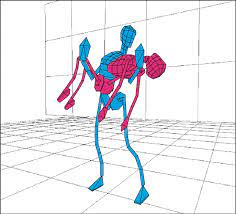
DEFINITION: A general review of research on frailty defined it more specifically as “a state characterized by reduced physiological reserve and loss of resistance to stressors caused by accumulated age-related deficits.”
CITE: https://www.r2library.com/Resource/Title/082610254
Between 10 and 15% of older adults are considered frail. But how do doctors measure frailty? One tool is called the Frailty Index for Elders (FIFE) and consists of 10 items that are scored zero to 10, with zero indicating no frailty, one to three indicating that there is a risk of frailty, and four or above indicating that the individual is considered frail in that item.
Another frailty index, used by Dalhousie University in Canada, requires 30 variables to be measured and is regarded more as a comprehensive measure of one’s overall health.
It’s important to understand that maintaining good health and fitness is not just about avoiding illness and injury, reaching overhead for that jar of peanut butter on the top shelf, and walking the dog farther than just around the block. It’s also about recovering more quickly when you get sick or injured, which everyone does eventually.
***

***
COMMENTS APPRECIATED
Thank You
***
Share this:

Filed under: "Advisors Only", Ethics, LifeStyle, Retirement and Benefits, Risk Management, Touring with Marcinko | Tagged: Dalhousie, fie, fragility, fraility, frailty index, frailty index elders, human, human fragility, HUMAN FRAGILITY: Standardized for Financial Advisors and Medical Professionals, human frailty | Leave a comment »






 The Leading Business Education Network for Doctors, Financial Advisors and Health Industry Consultants