NPI: More Than Just a Number

Join Our Mailing List

Billing and Reimbursement are dependent on the taxonomy code designation and detail

OLYMPUS DIGITAL CAMERA

By Susan Theuns, PA-C, CPC, CHC

“Taxonomy codes and other elements of NPI registration directly affect a provider’s ability to submit claims, order services, and receive reimbursement.”

Back when the National Provider Identifier (NPI) was implemented in 2005 as part of the Health Insurance Portability and Accountability Act (HIPAA), a new identifier accompanied it: the taxonomy code. With that, the Centers for Medicare & Medicaid Services (CMS) developed the National Plan and Provider Enumeration System (NPPES) to officially assign these unique identifiers of the provider. These codes were created to improve the efficiencies and effectiveness of electronic medical claims submission and electronic health information.

What’s in a Name?

When registering for an NPI, one of the elements that also needs to be completed is the selection of a taxonomy code. Taxonomy codes are nationally standardized 10-character codes that are alphanumeric. The definitions range from prosthesis case managers to transplant surgeons. When healthcare providers initially applied for an NPI number, little importance was associated with selection of the taxonomy codes. However, now payers, including Medicare and Medicaid, are rejecting claims based on inconsistency of services provided and taxonomy codes. Now it matters.

The Healthcare Provider Taxonomy Code Set is available from the Washington Publishing Company (WPC) at wpc-edi.com. Taxonomy codes are maintained by the National Uniform Claim Committee, nucc.org, and update twice yearly with effective dates for changes April first and October first. Information included with the hierarchical classifications include descriptions and definitions as well as the codes themselves. The codes can be a primary (level I classification) or subclassifications (level II and III). The more detailed a classification, the more specialized the description. These are the codes that determine a provider’s area of concentration within their discipline, so being generic is not as effectual as drilling down to the most specific code. Think of this as an unspecified versus a specified code.

Depending on the underlying area of expertise, there may be more than one taxonomy code to choose from. For example, a “hand surgeon” may be subclassified under orthopaedics or plastic surgery – depending on the physician’s training. Sports Medicine is another example: there are 8 different taxonomy codes for this specialty under Emergency Medicine, Family Medicine, Internal Medicine, Orthopaedics, Pediatrics, Physical Medicine & Rehabilitation, Psychiatry & Neurology and even Chiropractic. By definition, selection of the code does not require board certification per se; but it does require special education, training, experience and knowledge in the selected area. Therefore, it is important to carefully select any subclassification from the correct and most accurate level I classification.

***

doctors

***

Case Studies: Taxonomy Errors that Affect Reimbursement and Functionality

As healthcare becomes more technologically integrated, accuracy in electronic claims submission data becomes critical to reimbursement. In today’s world, a slight variation can make the difference between full payment and denial. Because a provider’s taxonomy code resides in the NPI registry, it has a direct relationship to payer credentialing. The taxonomy code identifies any specialty or sub-specialty that a provider has. Examples of taxonomy errors and necessary updates are (1) when a resident or fellow graduates and becomes a board-certified or state licensed physician, (2) a provider obtains specialty credentials i.e. orthopaedist becomes a trauma, hand or spine specialist, primary care provider becomes a geriatrics or palliative care specialist or hospitalist, and so forth. There are numerous sub-specialties available nowadays that impact when a physician can act in a consultant role from a billing perspective.

Here are some case scenarios that can result in non-payment or lack of services:

  1. A registered nurse (RN) completed advanced training and is now a licensed Certified Registered Nurse Practitioner (CRNP). She worked in this role for several years before being told by a patient that the prescription she had given her for diabetes supplies was denied by the pharmacy. Upon researching the root cause of the denial, it was discovered that the CRNP had never updated her taxonomy code from RN to CRNP in the NPPES database. Only a healthcare provider can order Durable Medical Equipment (DME) and supplies for a patient.
  2. A general orthopaedist saw a patient in the office and asked a colleague with more specialized training to see the patient with him when faced with a complex orthopaedic problem. Both physicians (they had the same employer and billed under the same group NPI), tried to bill an evaluation and management code for the services they rendered. One claim was paid and one claim was denied as a duplicate service. Research revealed that although one physician specialized in trauma and the other in foot and ankle, both used the generic taxonomy code of 207X00000X. Had they each selected a more detailed code, they both would have been eligible to receive reimbursement for the services they rendered on the same patient, same day.

See Figure: 1

A geriatrics specialist consulted on numerous hospital patients at the request of the admitting hospitalist, an internist. All of the Medicare Part B claims and some commercial claims were denied for these hospitalized patients and the geriatrician could not understand why. Investigation of the claims showed duplicate claims for internal medicine subsequent hospital care, no designation of attending of record, and care denied as non-participating under specialty contracts. All of these situations resulted from the provider never updating his taxonomy code from Internal Medicine to Geriatric Medicine when he passed his boards 7 years prior. Even the specialty contract recognized him as primary care and disallowed his consults. In addition, the hospitalist had never updated his taxonomy code from “internist” to “hospitalist”, which added another aspect of billing inaccuracy to his claims.

  • A new graduate took a job as a hospitalist and was fully credentialed upon hire, several months after completing her residency program. As a “student” in a residency program, she had applied for her NPI and correctly selected taxonomy code 390200000X.

See Figure: 2

However, she neglected to update her taxonomy code to “hospitalist” as the primary designation and “internal medicine” as the secondary when she graduated and took the new job. This resulted in rejections and denials deeming her as ineligible to provide billable services.

  • A physician received an inquiry from state Medicaid questioning whether or not he was a sole proprietor or not. They were holding claims awaiting his response. A quick check of his NPI profile showed that it had not been updated since 2007, at which time he had indicated that he was a sole proprietor. Since his initial NPI application, he had become employed by a medical group and was billing under his individual NPI and group NPI. Once he accessed the portal and changed the response to sole proprietor to “no”, the credentialing issue with Medicaid was resolved.
  • Working the rejection and denial billing reports, a director noted a pattern in the rejections from various payors for one physician stating that the provider was not eligible to provide that type of service. Careful inspection revealed an outdated and incorrect taxonomy code on the provider NPI profile that was inconsistent with the services being provided.

See Figure: 3

With all of these issues, the providers technically have 30 days to notify NPPES of any changes. Not adhering to this guideline is a self-imposed penalty that exceeds any potential fines from NPPES since reimbursement can be negatively affected. Most likely because of the reimbursement consequences, NPPES rarely imposes fines for delayed updates to a provider NPI, although they maintain the right under federal guidelines.

Figures: Figures 1 2 3

Assessment

This critical information should be carefully reviewed upon hire and annually to ensure accuracy in reporting and billing. New taxonomy codes are added bi-annually so new sub-specialties may become available that would allow a healthcare provider to be more specific than previously. In addition, providers of all levels should be encouraged to be part of the process.

An NPI is a provider’s for life and is not dependent upon employer so they need to be engaged and part of the process. Most of the information on the NPPES website is accessible by the public. This means that if a provider puts a home address or home phone/cell phone number for contact, their patients now have access to this information. It is a best practice to use only business contact addresses and phone numbers for your NPI for this reason.

***

9.13 NPI Logo and Business Card Gelling Ideas 24

***

Summary

Taxonomy codes and other elements of NPI registration directly affect a provider’s ability to submit claims, order services, and receive reimbursement. This often overlooked and neglected piece of a provider’s NPI warrants regular review and updating when any changes occur, such as name change, office move, board certification, change in role, or shift in the specialty-focus of a practice, despite official certification. Last, but not least, the provider user name and password for NPPES and the NPI database are the same for the Provider Enrollment, Chain and Ownership System (PECOS), CMS Analysis & Information (A&I), and the EHR Incentives Program portal to report Meaningful Use and PQRS. As with all user names and passwords, they need to be maintained but carefully protected. It will save a lot of headaches for those who rely on these on-line service portals for their livelihood.

References

CMS Center for Program Integrity, Medicare Provider/Supplier to Healthcare Provider Taxonomy Crosswalk, November 2015.

National Plan and Provider Enumeration System, https://nppes.cms.hhs.gov/NPPES/Welcome.do

Washington Publishing Company, Health Care Provider Taxonomy Code Set, http://www.wpc-edi.com/reference/

ABOUT:

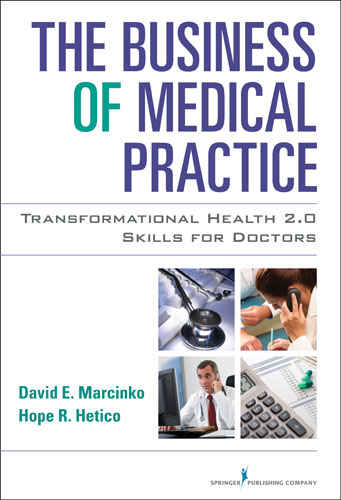
Susan Theuns, PA-C, CPC, CHC, is the administrative director of physician practices at MedStar Union Memorial Hospital in Baltimore, Maryland. In addition to her certifications, she holds degrees in Allied Health, Business Management and Leadership & Education. Theuns serves as a national advisor and is a contributing author for The Business of Medical Practice, 3rd edition. She is a member of the Baltimore, Maryland, local chapter.

Conclusion

Your thoughts and comments on this ME-P are appreciated. Feel free to review our top-left column, and top-right sidebar materials, links, URLs and related websites, too. Then, subscribe to the ME-P. It is fast, free and secure.

Speaker: If you need a moderator or speaker for an upcoming event, Dr. David E. Marcinko; MBA – Publisher-in-Chief of the Medical Executive-Post – is available for seminar or speaking engagements. Contact: MarcinkoAdvisors@msn.com

OUR OTHER PRINT BOOKS AND RELATED INFORMATION SOURCES:

***

BoMP-3rd

http://www.BusinessofMedicalPractice.com

***

More on Risk Aversion

Join Our Mailing List

Erik Hare

[By Erik Hare]

The Global Economic Slowdown

The economic news out of most of the world points to a continued, if not new, slowdown. Japan is going nowhere, Europe may be shrinking, China is bleeding capital, and the rest of the world is hang…

***

coffee

***

Risk Aversion

Conclusion

Your thoughts and comments on this ME-P are appreciated. Feel free to review our top-left column, and top-right sidebar materials, links, URLs and related websites, too. Then, subscribe to the ME-P. It is fast, free and secure.

Speaker: If you need a moderator or speaker for an upcoming event, Dr. David E. Marcinko; MBA – Publisher-in-Chief of the Medical Executive-Post – is available for seminar or speaking engagements. Contact: MarcinkoAdvisors@msn.com

OUR OTHER PRINT BOOKS AND RELATED INFORMATION SOURCES:

 Risk Management, Liability Insurance, and Asset Protection Strategies for Doctors and Advisors: Best Practices from Leading Consultants and Certified Medical Planners™

***

On Corporate Taxes

Join Our Mailing List

Erik Hare

[By Erik Hare]

What is a fair corporate tax?

It’s a hot political topic, but one loaded with a tremendous amount of mis-information. On the left, it’s common to cite “loopholes” which allow corporations to “offsh…

***

pc

***

Corporate Taxes

Conclusion

Your thoughts and comments on this ME-P are appreciated. Feel free to review our top-left column, and top-right sidebar materials, links, URLs and related websites, too. Then, subscribe to the ME-P. It is fast, free and secure.

Speaker: If you need a moderator or speaker for an upcoming event, Dr. David E. Marcinko; MBA – Publisher-in-Chief of the Medical Executive-Post – is available for seminar or speaking engagements. Contact: MarcinkoAdvisors@msn.com

OUR OTHER PRINT BOOKS AND RELATED INFORMATION SOURCES:

Risk Management, Liability Insurance, and Asset Protection Strategies for Doctors and Advisors: Best Practices from Leading Consultants and Certified Medical Planners™8Comprehensive Financial Planning Strategies for Doctors and Advisors: Best Practices from Leading Consultants and Certified Medical Planners™

***

PHI RansomWare Just Went Up!

Join Our Mailing List

1-darrellpruitt

[By Darrell K. Pruitt DDS]

Expect malware entrepreneurs to charge what the market will bear, again and again.

“OCR Releases Guidance on Ransomware: ‘Your Money or Your PHI’”. By Dianne J. Bourque for The National Law Review,” July 12, 2016

http://www.natlawreview.com/article/ocr-releases-guidance-ransomware-your-money-or-your-phi

Bourque: “A key component of the guidance provides a ransomware attack that encrypts a Covered Entity’s ePHI is presumed to be a breach. As ransomware can infect a Covered Entity’s entire system, this presumption may lead to enormous breach notification obligations.”

Bourque adds: “OCR indicates that when ePHI is encrypted as a result of a ransomware attack, a breach has occurred because the ePHI encrypted by the ransomware was acquired (i.e., unauthorized individuals took possession of the information) and is thus a ‘disclosure’ not permitted under the HIPAA Privacy Rule has occurred.”

When patients are notified of data breaches – for any reason – many will quietly change providers. According to The Ponemon Institute, loss of future income is the most costly result of lawfully reporting data breaches…. and ransomware attacks are at “epidemic” levels. I have heard dentists are paying the ransom quickly.

The disincentives to do the right thing were overwhelming providers even before the OCR’s recent ruling. Such is the ugly nature of extortion.

Assessment

Cha-ching! 

Conclusion

Your thoughts and comments on this ME-P are appreciated. Feel free to review our top-left column, and top-right sidebar materials, links, URLs and related websites, too. Then, subscribe to the ME-P. It is fast, free and secure.

Speaker: If you need a moderator or speaker for an upcoming event, Dr. David E. Marcinko; MBA – Publisher-in-Chief of the Medical Executive-Post – is available for seminar or speaking engagements. Contact: MarcinkoAdvisors@msn.com

OUR OTHER PRINT BOOKS AND RELATED INFORMATION SOURCES:

Risk Management, Liability Insurance, and Asset Protection Strategies for Doctors and Advisors: Best Practices from Leading Consultants and Certified Medical Planners™

***

Marriage – The Second Time Around

Join Our Mailing List

Or … Third Time Around!

th

By Dan Timotic CFA
[Managing Principal]

Roughly four in 10 new marriages in 2013 included at least one partner who had been married before, and altogether about 42 million Americans have been married more than once [1].

A second marriage can create numerous estate planning challenges, especially when you wish to provide for both your current spouse and your children from a previous marriage. If you remarry later in life, your spouse and your adult children may not develop a close relationship, which could complicate matters when you die.

With a traditional family, estate assets are often inherited by the surviving spouse and eventually passed down to the couple’s children. Blended families, however, may require a more detailed strategy.

Start by having an honest conversation with your spouse (or fiancée) about your separate and shared finances and goals for the future.

Think Ahead

A prenuptial agreement is a written contract between prospective spouses that states how assets will be owned and distributed during the marriage, in the event of divorce, and at death. Each spouse’s financial rights and responsibilities are predetermined and clearly spelled out, and the contract can be altered or broken only with the consent of both parties.

Prenuptial agreements are not for everyone, but they could help reduce conflict between a surviving spouse, your adult children, and other family members.

***

heart

[Broken Heart]

***

Useful Trusts

Placing assets in a properly structured living trust makes it more difficult for someone to contest your will and also avoids probate. The assets would be available to your heirs more quickly, and your private information would be kept out of the public domain.

A qualified terminable interest property (QTIP) trust is a marital trust typically used in conjunction with a bypass trust. When you die, your spouse receives a lifelong income from the assets in the trust. After your surviving spouse dies, the remaining trust assets are distributed to your children, or other designated heirs, according to your specific instructions.

A QTIP trust might be a viable option if you’re certain that a permanent financial relationship between your spouse and adult children will not be a constant source of tension and frustration. If you are uncomfortable making your children wait until your spouse’s death to receive an inheritance, it might make more sense to eliminate the financial connection between your surviving spouse and your children.

***

[Divorce Decree]

***

Pick Your Approach

One common arrangement is simply to designate a specific percentage of estate assets to be distributed outright for the spouse, each child, and any other heirs. This way, everyone shares in the appreciation or depreciation of the assets.

Another method involves allocating assets to various heirs based on specific financial needs or benefits. For example, a surviving spouse might inherit the home and retirement accounts, while the children might receive other financial assets such as shares of a business, family heirlooms, or the proceeds of a life insurance policy.

The beneficiary designations on all your retirement accounts, brokerage accounts, and insurance policies should also be updated and consistent with your overall estate plan. If your children are adults, you may want to keep them informed about your decisions so that everyone knows what to expect.

Assessment

Remember – Trusts incur up-front costs, often have ongoing administrative fees, and involve complex tax rules and regulations. You should consider the counsel of an experienced estate planning professional and your legal and tax advisors before implementing a trust strategy.

Citation: Pew Research Center, 2014

Conclusion

Your thoughts and comments on this ME-P are appreciated. Feel free to review our top-left column, and top-right sidebar materials, links, URLs and related websites, too. Then, subscribe to the ME-P. It is fast, free and secure.

Speaker: If you need a moderator or speaker for an upcoming event, Dr. David E. Marcinko; MBA – Publisher-in-Chief of the Medical Executive-Post – is available for seminar or speaking engagements. Contact: MarcinkoAdvisors@msn.com

OUR OTHER PRINT BOOKS AND RELATED INFORMATION SOURCES:

 Risk Management, Liability Insurance, and Asset Protection Strategies for Doctors and Advisors: Best Practices from Leading Consultants and Certified Medical Planners™8Comprehensive Financial Planning Strategies for Doctors and Advisors: Best Practices from Leading Consultants and Certified Medical Planners™

 ***

What to Expect for ACA Premiums?

Join Our Mailing List

An Actuary Opens the Black Box

This essay looks at the factors involved in setting premiums for health plans offered on the health insurance exchanges [HIEs].

vaccine+blue

NIHCM – What to Expect for 2015 ACA Premiums: An Actuary Opens the Black Box

Assessment

So, were the actuaries correct?

Conclusion

Your thoughts and comments on this ME-P are appreciated. Feel free to review our top-left column, and top-right sidebar materials, links, URLs and related websites, too. Then, subscribe to the ME-P. It is fast, free and secure.

Speaker: If you need a moderator or speaker for an upcoming event, Dr. David E. Marcinko; MBA – Publisher-in-Chief of the Medical Executive-Post – is available for seminar or speaking engagements. Contact: MarcinkoAdvisors@msn.com

OUR OTHER PRINT BOOKS AND RELATED INFORMATION SOURCES:

Product DetailsProduct Details

***

NIHCM – Medicaid Expansion?

Join Our Mailing List


State of Play and What’s to Come

The National Institute for Health Care Management (NIHCM) Foundation is a nonprofit, nonpartisan organization dedicated to improving the health of all Americans by spurring workable and creative solutions to pressing healthcare problems.

***

aspirin

***

NIHCM – Medicaid Expansion: State of Play and What’s to Come

Conclusion

Your thoughts and comments on this ME-P are appreciated. Feel free to review our top-left column, and top-right sidebar materials, links, URLs and related websites, too. Then, subscribe to the ME-P. It is fast, free and secure.

Speaker: If you need a moderator or speaker for an upcoming event, Dr. David E. Marcinko; MBA – Publisher-in-Chief of the Medical Executive-Post – is available for seminar or speaking engagements. Contact: MarcinkoAdvisors@msn.com

OUR OTHER PRINT BOOKS AND RELATED INFORMATION SOURCES:

Product DetailsProduct Details

***

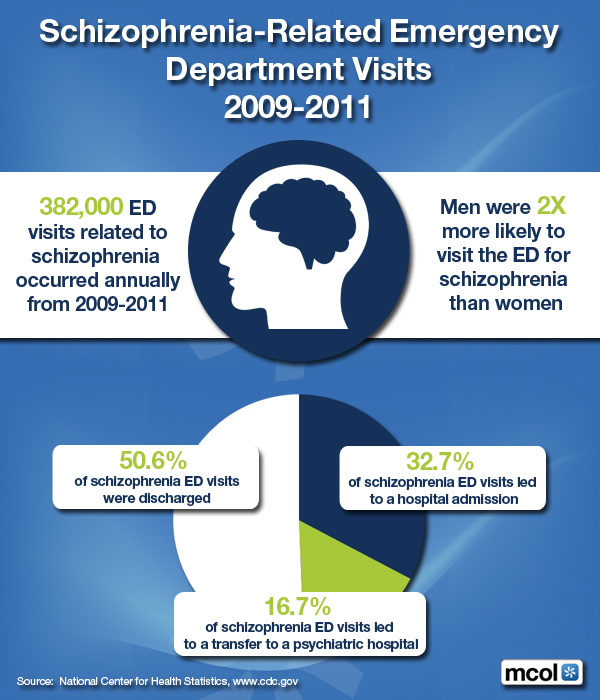
On Schizophrenia Related ER Visits

Join Our Mailing List

By http://www.MCOL.com

For 2009-2011

***

ImageProxy

***

Conclusion

Your thoughts and comments on this ME-P are appreciated. Feel free to review our top-left column, and top-right sidebar materials, links, URLs and related websites, too. Then, subscribe to the ME-P. It is fast, free and secure.

Speaker: If you need a moderator or speaker for an upcoming event, Dr. David E. Marcinko; MBA – Publisher-in-Chief of the Medical Executive-Post – is available for seminar or speaking engagements. Contact: MarcinkoAdvisors@msn.com

OUR OTHER PRINT BOOKS AND RELATED INFORMATION SOURCES:

Risk Management, Liability Insurance, and Asset Protection Strategies for Doctors and Advisors: Best Practices from Leading Consultants and Certified Medical Planners™              Risk Management, Liability Insurance, and Asset Protection Strategies for Doctors and Advisors: Best Practices from Leading Consultants and Certified Medical Planners™

 Harvard Medical School

Boston Children’s Hospital – Psychiatrist

Yale University

***

NIHCM – Small Business Health Insurance Coverage

Join Our Mailing List

In a Post-ACA World

In this Expert Voices essay, Sabrina Corlette examines developments in the small group market since the passage of the ACA and considers the future outlook.

***

kidney

***

NIHCM – Small Business Health Insurance Coverage in a Post-ACA World

Conclusion

Your thoughts and comments on this ME-P are appreciated. Feel free to review our top-left column, and top-right sidebar materials, links, URLs and related websites, too. Then, subscribe to the ME-P. It is fast, free and secure.

Speaker: If you need a moderator or speaker for an upcoming event, Dr. David E. Marcinko; MBA – Publisher-in-Chief of the Medical Executive-Post – is available for seminar or speaking engagements. Contact: MarcinkoAdvisors@msn.com

OUR OTHER PRINT BOOKS AND RELATED INFORMATION SOURCES:

Product DetailsProduct Details

***

What Insurance Means to the Doctor, Patient and Employers

Join Our Mailing List

And … What is Negotiable?

By Adam Russo, Esq.

[Free Market Medical Association]

Download the presentation Here

Conclusion

Your thoughts and comments on this ME-P are appreciated. Feel free to review our top-left column, and top-right sidebar materials, links, URLs and related websites, too. Then, subscribe to the ME-P. It is fast, free and secure.

Speaker: If you need a moderator or speaker for an upcoming event, Dr. David E. Marcinko; MBA – Publisher-in-Chief of the Medical Executive-Post – is available for seminar or speaking engagements. Contact: MarcinkoAdvisors@msn.com

OUR OTHER PRINT BOOKS AND RELATED INFORMATION SOURCES:

 Product DetailsProduct Details

***

Is the cost of a college education really worth it?

MAYBE NOT?

Rick Kahler MS CFP[By Rick Kahler MSFS CFP®]

How do you know when the cost of a college education is really worth it? A lot of factors—both financial and emotional—go into making that decision. Weighing the pros and cons can be daunting.

Example:

Let’s consider a couple of examples that will help conceptualize the process of determining if a college education makes financial sense.

First, here are some numbers for traditional students. The cost of an average four-year education at Yale is around $240,000, and the average starting salary for its graduates is $55,000. The monthly payment on a student loan for that amount would be $2,420, or $29,159 a year. That equals 53% of the starting salary. There are a lot of other variables to consider, like potential scholarships that would lower the tuition, or lowering the loan payment by stretching out the amortization period (which actually increases the overall cost). But given these facts the answer to whether this education makes financial sense is a no-brainer. No; find another school.

At the South Dakota School of Mines, by contrast, the cost of an average four-year education is around $65,000 and the average starting salary is $68,000. The monthly payment on a student loan for that amount would be $648, or $7,897 a year. That equals 12% of the starting salary. The cost of this education makes complete sense.

For traditional students, my personal rule of thumb is this: don’t pay more than one and a half times the average starting salary of a job for the education to obtain it.

For non-traditional students who are looking to switch careers, the calculation is a little more involved. You must weigh the salary you earn in your current career with the cost and net increase in the career you are considering.

Example:

Recently a reader emailed me this question: “I have a bachelor’s degree in my chosen career and am unable to find a full-time, benefitted, permanent job. When is it no longer a good financial decision to not go back to college? I can pick up a degree in a different field for $8,000. If I am 12-13 years from retirement, is it worth it?”

The average salary for a job in her career field is $20 an hour, or $42,000 a year. The problem is that she has not been able to find employment in her career field. She has only been able to find temporary jobs with earnings of $9.77 to $12.75 per hour.

So far her four-year degree has netted her around $12,500 a year. Her research shows that if she went back to school for two years she could switch to a career field more in demand in her area and earn $45,000 a year. That’s $32,500 more per year. If she invests two years and $8,000 in education, then works in her new career for 10 years, she can earn an additional $325,000 before retirement.

If she were to borrow the funds needed for her education and repay the loan at 4% for 10 years, her monthly payment would be $81, or $972 a year. That equals about 2% of her salary. Given these facts, going back to school makes clear financial sense.

Hopkins Medical School

Assessment

Of course, financial factors are not the only ones to consider in deciding whether to invest in education. Looking at the numbers is essential, but it’s equally important to find a career field that suits your talents and interests. It makes no sense to spend time and money preparing for a career you don’t want. The most rewarding college investment is one that provides worthwhile returns in emotional satisfaction as well as financial success. 

Conclusion

Your thoughts and comments on this ME-P are appreciated. Feel free to review our top-left column, and top-right sidebar materials, links, URLs and related websites, too. Then, subscribe to the ME-P. It is fast, free and secure.

Speaker: If you need a moderator or speaker for an upcoming event, Dr. David E. Marcinko; MBA – Publisher-in-Chief of the Medical Executive-Post – is available for seminar or speaking engagements. Contact: MarcinkoAdvisors@msn.com

OUR OTHER PRINT BOOKS AND RELATED INFORMATION SOURCES:

Comprehensive Financial Planning Strategies for Doctors and Advisors: Best Practices from Leading Consultants and Certified Medical Planners™

***

Samaritan Ministries and Patient Centered Doctors

Join Our Mailing List

A Free Market Medical Association Slide Show Presentation

By James Lansberry

[Free Market Medical Association]

 Patient-information-right

Download the presentation Here

Conclusion

Your thoughts and comments on this ME-P are appreciated. Feel free to review our top-left column, and top-right sidebar materials, links, URLs and related websites, too. Then, subscribe to the ME-P. It is fast, free and secure.

Speaker: If you need a moderator or speaker for an upcoming event, Dr. David E. Marcinko; MBA – Publisher-in-Chief of the Medical Executive-Post – is available for seminar or speaking engagements. Contact: MarcinkoAdvisors@msn.com

OUR OTHER PRINT BOOKS AND RELATED INFORMATION SOURCES:

Product DetailsProduct Details

***

A Brief History of Medical Boards

Join Our Mailing List 

From 1792

Dover

[By Eric A Dover MD] 

The first medical board was established in Connecticut in 1792 by the state legislature. It consisted of a group of physicians who evaluated the competency of physicians wishing to practice in the State. Medical Boards eventually evolved and became very powerful with the addition of Medical Practice Acts containing a plethora of administrative rules. The Medical Boards stated mission was, and still is, the protection, health and safety of the public. State Boards formed a national group, the Federation of State Medical Boards (FSMB), in 1912. The FSMB was the first institution to publically list names of disciplined physicians in a monthly bulletin.

In the 1980’s and 1990’s there were a number of high profile cases involving physicians and public safety. One such case, international in scope, concerned surgeon Dr. Jayant Patel. Significant news coverage regarding his surgical outcomes and knowledge resulted in the heightened questioning of Medical Boards and whether they were actually fulfilling their mission of protecting public health and safety. The Oregon Medical Board (OMB) was scrutinized for allegedly “ignoring” 79 complaints, and at least three deaths, attributed to Dr. Patel’s surgical care from 1989 to 1998.  The OMB abdicated all responsibility for the situation with a myriad of excuses for why they had no control over this physician or the HMO he worked for.

The OMB then came to the state legislature with a “fix” to supposedly prevent any further such incidents. The OMB advocated for greater authority over physicians and greater independence from government oversight. With the din of the press and public, the Oregon Legislature gladly granted the OMB their wish. Other states followed Oregon’s example [4-6]. Not a single individual associated with the OMB, whether administrative or board member was investigated in any meaningful way for their horrendous dereliction of duty. Not one of them had their license restricted, suspended or revoked for such serious offenses.  None of them were ordered to pay out of pocket to go to “programs” for competency evaluations, psychological examinations or “courses” to help them become better board members. No one resigned, nor was anyone dismissed, from their position of power. The OMB’s inaction led to a number of deaths and numerous patients with chronic post-surgical medical disorders, yet all individuals involved with the OMB were protected from malpractice lawsuits.

***

md-defeated-

***

With cases such as Dr. Patel’s featured prominently in the mainstream media, Medical Boards nationwide came under intense public pressure and scrutiny as it became clear they were not fulfilling their mission of protecting the public’s health and safety. The public saw physicians as a privileged class, protected by their colleagues and Medical Boards. They were correct to a degree.  Public safety groups like Public Citizen, who had been taking Medical Boards, hospitals and large clinics to task for years regarding what they felt was a lack of physician oversight and discipline, began ranking state medical boards based on how many disciplinary actions they handed out each year.

***

vicious-dogs-module-5ee95aa0e5064756

***

In their 2011 report, Public Citizen’s Health Research Group Ranking of the Rate of State Medical Boards’ Serious Disciplinary Actions, 2009-2011, the authors made the erroneous assumption that the greater the number of physician “disciplines” (actions) per 1000 physicians, the better job that State’s Medical Board was doing.   Therefore, at 6.79 actions per 1000 physicians, Wyoming was doing the “best” job and at 1.33 actions per 1000 physicians, South Carolina was doing the “worst” job.

Medical Boards vary remarkably from state to state. There are only two constants among them. First, each state has a Medical Board. Second, the Board makes all final decisions concerning licensees. Otherwise, there’s no consistency when it comes to what’s sandwiched in between.

Assessment

The Medical Board’s authority is grounded in the States Medical Practice Act, which gives them the authority to enforce laws for licensing, monitoring and disciplining physicians in the state. Every state has its own unique laws and processes, but every medical practice act covers the basics regarding oversight of physicians practicing medicine in the State.  The U.S. Federation of State Medical Boards (FSMB) periodically issues guidelines on the essential elements of a medical practice act.  

ABOUT

Dr. Eric Dover is a board certified family practice and primary care physician in Portland, Oregon. He is a graduate of the University of California at Los Angeles [UCLA] School of Medicine.

Conclusion

Your thoughts and comments on this ME-P are appreciated. Feel free to review our top-left column, and top-right sidebar materials, links, URLs and related websites, too. Then, subscribe to the ME-P. It is fast, free and secure.

Speaker: If you need a moderator or speaker for an upcoming event, Dr. David E. Marcinko; MBA – Publisher-in-Chief of the Medical Executive-Post – is available for seminar or speaking engagements. Contact: MarcinkoAdvisors@msn.com

OUR OTHER PRINT BOOKS AND RELATED INFORMATION SOURCES:

               Risk Management, Liability Insurance, and Asset Protection Strategies for Doctors and Advisors: Best Practices from Leading Consultants and Certified Medical Planners™

 Harvard Medical School

Boston Children’s Hospital – Psychiatrist

Yale University

***

The Effect of the ACA on Self-Funded Plans & Free Market Medical Providers

Join Our Mailing List

By Maria Robles Meyers, Esq.

[Free Market Medical Association]

Obama Care
Download the presentation Here

Conclusion

Your thoughts and comments on this ME-P are appreciated. Feel free to review our top-left column, and top-right sidebar materials, links, URLs and related websites, too. Then, subscribe to the ME-P. It is fast, free and secure.

Speaker: If you need a moderator or speaker for an upcoming event, Dr. David E. Marcinko; MBA – Publisher-in-Chief of the Medical Executive-Post – is available for seminar or speaking engagements. Contact: MarcinkoAdvisors@msn.com

OUR OTHER PRINT BOOKS AND RELATED INFORMATION SOURCES:

 Product DetailsProduct Details

***

Find Your Doctor’s Payments

Join Our Mailing List

FBF300BA-321A-49FD-9289-0DE0AD63DCE5

 CMS’ Open Payments Program Posts 2015 Financial Data

***

 The Centers for Medicare & Medicaid Services (CMS) has published the 2015 Open Payments (sometimes called the “Sunshine Act”) data, along with newly submitted and updated payment records for 2013 and 2014, at https://openpaymentsdata.cms.gov.
The Open Payments program requires that transfers of value by drug, device, biological, and medical supply manufacturers to physicians and teaching hospitals be published on a public website.
***
physician investors

Portrait of two surgeons in a operating room viewing paper charts.

***
Assessment
 ***
In program year 2015, healthcare industry manufacturers reported $7.52 billion in payments and ownership and investment interests to physicians and teaching hospitals. This amount is comprised of 11.90 million total records attributable to 618,931 physicians and 1,116 teaching hospitals. To find out what any doctor received in 2015, click here.
 (((
Conclusion
 (((
Your thoughts and comments on this ME-P are appreciated. Feel free to review our top-left column, and top-right sidebar materials, links, URLs and related websites, too. Then, subscribe to the ME-P. It is fast, free and secure.

Speaker: If you need a moderator or speaker for an upcoming event, Dr. David E. Marcinko; MBA – Publisher-in-Chief of the Medical Executive-Post – is available for seminar or speaking engagements. Contact: MarcinkoAdvisors@msn.com

OUR OTHER PRINT BOOKS AND RELATED INFORMATION SOURCES:

Product DetailsProduct Details

***

On Warren Buffett’s Letters-to-Partners

Join Our Mailing List

Investment Theory #1:

b696a884043ecbafbdeedcb29d9ee5bb

By David Shahrestani

Warren Buffett’s 1957 Letter to Partners In 1956, Warren Buffett concluded his work for Benjamin Graham and returned to Omaha, where he started an investment partnership. This partnership was…

Investment Theory #1: Buffett’s Letters

Conclusion

Your thoughts and comments on this ME-P are appreciated. Feel free to review our top-left column, and top-right sidebar materials, links, URLs and related websites, too. Then, subscribe to the ME-P. It is fast, free and secure.

Speaker: If you need a moderator or speaker for an upcoming event, Dr. David E. Marcinko; MBA – Publisher-in-Chief of the Medical Executive-Post – is available for seminar or speaking engagements. Contact: MarcinkoAdvisors@msn.com

OUR OTHER PRINT BOOKS AND RELATED INFORMATION SOURCES:

Comprehensive Financial Planning Strategies for Doctors and Advisors: Best Practices from Leading Consultants and Certified Medical Planners™

***

Risk Management for Doctors and their Advisors

Join Our Mailing List

By Staff reporters

Our New Book Release

http://www.CertifiedMedicalPlanner.org

***

92f91681-0f52-4bec-86db-3f9ab724560a

***

Risk Management, Liability Insurance, and Asset Protection Strategies for Doctors and Advisors: Best Practices from Leading Consultants and Certified Medical Planners™

 Harvard Medical School

Boston Children’s Hospital – Psychiatrist

Yale University

***

Conclusion

Your thoughts and comments on this ME-P are appreciated. Feel free to review our top-left column, and top-right sidebar materials, links, URLs and related websites, too. Then, subscribe to the ME-P. It is fast, free and secure.

Speaker: If you need a moderator or speaker for an upcoming event, Dr. David E. Marcinko; MBA – Publisher-in-Chief of the Medical Executive-Post – is available for seminar or speaking engagements. Contact: MarcinkoAdvisors@msn.com

OUR OTHER PRINT BOOKS AND RELATED INFORMATION SOURCES:

***

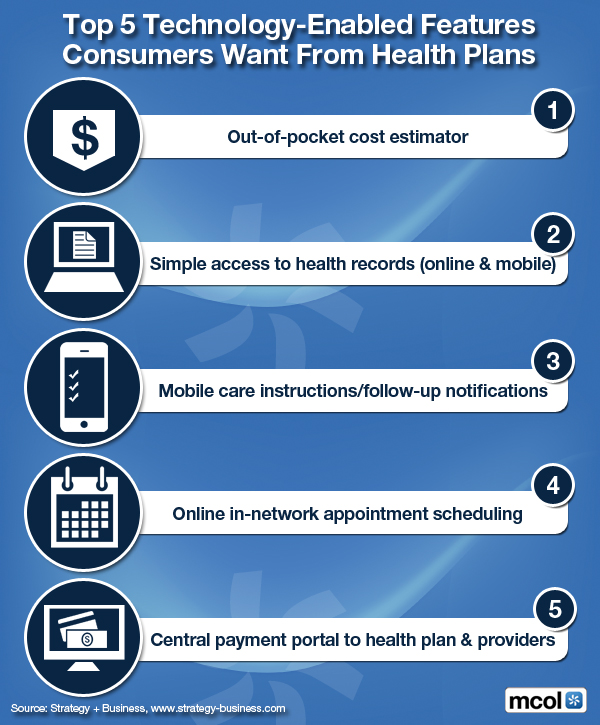
Top Five Technology Enabled Features for Health Plans

Join Our Mailing List

By http://www.MCOL.com

Sought by Consumers

***

ImageProxy

***

Conclusion

Your thoughts and comments on this ME-P are appreciated. Feel free to review our top-left column, and top-right sidebar materials, links, URLs and related websites, too. Then, subscribe to the ME-P. It is fast, free and secure.

Speaker: If you need a moderator or speaker for an upcoming event, Dr. David E. Marcinko; MBA – Publisher-in-Chief of the Medical Executive-Post – is available for seminar or speaking engagements. Contact: MarcinkoAdvisors@msn.com

OUR OTHER PRINT BOOKS AND RELATED INFORMATION SOURCES:

 Product DetailsProduct DetailsProduct Details

***

Fixing Social Security

Join Our Mailing List

Brian J. Knabe MD

By Brian J. Knabe; MD CMP© CFP®

http://www.SavantCapital.com

cmp-logo16

http://www.CertifiedMedicalPlanner.org

These days, as Congress debates the debt ceiling issue in our current political atmosphere, Social Security is suddenly front page news again.

Social Security

The first thing to understand is that there IS a solvency problem with Social Security.

Alice Munnell, Director for the Center for Retirement Research at Boston College University points out that, according to the Congressional Budget Office, the Office of Management and the Budget and the Government Accountability Office, the benefits promised to future retirees exceed the scheduled taxes that are projected to be taken in.

In fact, last year, Social Security began paying out more in benefits than it received in payroll taxes–years earlier than projected, due to the 2008 Great Recession.

The second thing to understand is that Social Security is not going away; too many people today and in the future depend on it for a crucial part of their retirement income.  Munnell notes that Social Security accounts for 87% of non-earned income for the poorest third of households over age 65, 70% for the middle third and 37% for the highest third.

The Question

So the question becomes: how can Congress bring Social Security back into revenue balance.

To help illustrate some of the trade-offs, the American Academy of Actuaries web site includes a game that allows all of us to fix Social Security–you can make your own adjustments here: http://www.actuary.org/content/try-your-hand-social-security-reform and discover a variety of ways to balance the books, some more painful than others.

Options:

You could, for example, move up by one year the day when people have to wait until age 67 to claim maximum benefits, and after that index the retirement age to maintain today’s ratio between expected retirement years and work years.  This, alone, would solve 20% of the funding problem, and some would argue that it should have been done years ago.

As an alternative, you could reduce the annual cost of living adjustments in Social Security payments by half a percentage point.  This would reduce the projected deficiency by 40%.  Of course, it would also erode the purchasing power of elderly people who count on Social Security for a significant part of their income.

We could reduce benefits by 5% for future retirees, which would solve 31% of the problem.

Or we could reduce the benefit formula for the top half of earners, who theoretically are less dependent on Social Security in retirement.  That would solve 43% of the projected Social Security deficit.  It would also mean that people who are able to fund a comfortable retirement will get much less out of the system than they put into it.

***

Mature Woman

***

On the other side of the ledger, we could incrementally increase the revenues going into the Social Security system.  For instance, if we raised the payroll tax rate from the current 6.2% to 6.7% for employees and employers, 48% of the shortfall would go away.  As an alternative, we could tax Social Security benefits like we do IRA and pension benefits, which would make up 14% of the projected shortfall.

Sans Fiscal Health 

As you can see, none of these proposals, by itself, will bring Social Security back to fiscal health.  If you’re looking for an out-of-the-box solution to add to the mix, consider an article in the Christian Science Monitor, where former U.S. Secretary of Labor Robert Reich notes that a big (and largely undiscussed) problem with Social Security is the shifting balance of workers paying into the system to retirees collecting from it.

Forty years ago, he says, there were five workers for every retiree; today, there are three.  In 20 years, perhaps less, the ratio will be 2:1–that is, every two workers in America will have to pay whatever is required to support one retiree’s Social Security benefits.

How would you fix this problem? 

Reich proposes that we allow more immigrants into the U.S.–that immigration reform and entitlement reform are linked. As the deficit debate goes forward, you’ll hear a lot more about how to “fix” Social Security.

Assessment

Consider this a cheat sheet on the options that various parties will eventually put on the table.

Sources: Alice Munnell:  http://blogs.smartmoney.com/encore/2011/07/11/saving-social-security-raising-taxes-vs-cutting-benefits/?mod=wsj_share_twitter

Robert Reich: http://www.csmonitor.com/Business/Robert-Reich/2010/0411/Immigration-Could-it-solve-Social-Security-Medicare-woes

Conclusion

Your thoughts and comments on this ME-P are appreciated. Feel free to review our top-left column, and top-right sidebar materials, links, URLs and related websites, too. Then, subscribe to the ME-P. It is fast, free and secure.

Speaker: If you need a moderator or speaker for an upcoming event, Dr. David E. Marcinko; MBA – Publisher-in-Chief of the Medical Executive-Post – is available for various engagements.

OUR OTHER PRINT BOOKS AND RELATED INFORMATION SOURCES:

Risk Management, Liability Insurance, and Asset Protection Strategies for Doctors and Advisors: Best Practices from Leading Consultants and Certified Medical Planners™  Risk Management, Liability Insurance, and Asset Protection Strategies for Doctors and Advisors: Best Practices from Leading Consultants and Certified Medical Planners™

***

How to Die Like a Doctor!

Join Our Mailing List

Brian J. Knabe MD

By Brian J. Knabe; MD CMP© CFP®

http://www.SavantCapital.com

cmp-logo16

http://www.CertifiedMedicalPlanner.org

If you want to fix the problem of rising costs in the U.S. healthcare system, or at least reduce the looming Medicare/Medicaid entitlement burden, there’s a surprisingly easy solution.

Washington

In Washington policy circles, it has been estimated that more than 80% of all the dollars spent on healthcare in the U.S. are incurred in the last nine days of a person’s life. Many times, the money is spent keeping a person alive in a vegetative state, prolonging an incurable illness or painful conditions where there is little to no chance of recovery. The money is not just wasted; it may actually be used to prolong suffering when recovery is not an option. It doesn’t have to be this way.

Forbes

In an ongoing blog on the Forbes website, emergency room physician and financial planner Carolyn McClanahan MD tells us that doctors are among the best at avoiding this dismal fate at the end of their lives by taking a few simple recautions.

Dying like a doctor, she says, starts with understanding that we all get sick and die. Most people know this, but don’t realize it deep down, which is why individuals who experience near-death experiences–making death a more prominent part of their awareness–often choose to live more vital and productive lives thereafter, determined to make every second count.

As McClanahan says,

“When we live with no regrets, death isn’t scary.”

Doctors also see first-hand situations in which an unconscious person goes through a battery of procedures that keeps them alive until Friday, when they otherwise would have died the previous Tuesday.

McClanahan recommends that laypersons get a closer look at the transition from life to death by volunteering at your local hospice. Finally, doctors understand the power of documentation. They make sure they have a living will that describes how they want to be treated when faced with a serious accident or illness. They’ll have an advance directive which provides written instructions regarding their medical care preferences. In an earlier blog post, McClanahan stated that it is best to focus on outcome rather than actions.

Her favorite example is the routine question: “Do you want CPR?” –which, she says, seldom works at the end of life, will crush the bones in your chest and will become just another charge on the “superbill” the hospital sends the insurance company after your death.

The Flip

If instead you turn the question around, and make it: “What type of lifestyle is acceptable to you?” –then you might answer, “As long as I can use my brain, even if I can’t move, I want to be kept going.” That means you would be okay being a quadriplegic, but don’t want to be kept alive in a persistent vegetative state. Both of these documents will be entrusted to members of the family, or placed in a safe place that is accessible to your loved ones. They’ll go alongside a medical power of attorney, which empowers a friend or relative to make financial decisions when you are unable to.

Doctors also know to designate a health care agent who understands their wishes and will act accordingly when the hospital medical team presses for permission to keep them alive when there is little chance of recovery.

McClanahan tells the story of her own father, who was diagnosed with lung cancer. The doctors recommended chemotherapy and radiation. When he decided to forego this painful treatment, the doctors were indignant, and predicted he would be dead within six months. He lived three more years, and the hospice was a blessing at the end. He was one of the few non-physician Americans who had the knowledge and the documentation to die with dignity.

Assessment

Like a doctor. 

Conclusion

Your thoughts and comments on this ME-P are appreciated. Feel free to review our top-left column, and top-right sidebar materials, links, URLs and related websites, too. Then, subscribe to the ME-P. It is fast, free and secure.

Speaker: If you need a moderator or speaker for an upcoming event, Dr. David E. Marcinko; MBA – Publisher-in-Chief of the Medical Executive-Post – is available for seminar or speaking engagements. Contact: MarcinkoAdvisors@msn.com

OUR OTHER PRINT BOOKS AND RELATED INFORMATION SOURCES:

***

Risk Management, Liability Insurance, and Asset Protection Strategies for Doctors and Advisors: Best Practices from Leading Consultants and Certified Medical Planners™8Comprehensive Financial Planning Strategies for Doctors and Advisors: Best Practices from Leading Consultants and Certified Medical Planners™

***

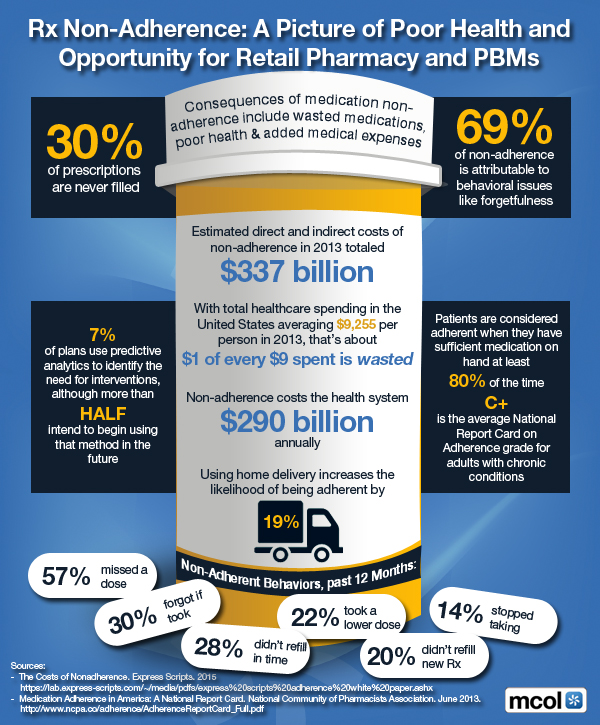
On Rx Patient Non-Adherence

Join Our Mailing List

By http://www.MCOL.com

A Picture of Poor Health and Opportunity for Retail Pharmacy and Pharmacy Benefits Managers [PBMs] 

***

drugs

***’

ImageProxy

***

Conclusion

Your thoughts and comments on this ME-P are appreciated. Feel free to review our top-left column, and top-right sidebar materials, links, URLs and related websites, too. Then, subscribe to the ME-P. It is fast, free and secure.

Speaker: If you need a moderator or speaker for an upcoming event, Dr. David E. Marcinko; MBA – Publisher-in-Chief of the Medical Executive-Post – is available for seminar or speaking engagements. Contact: MarcinkoAdvisors@msn.com

OUR OTHER PRINT BOOKS AND RELATED INFORMATION SOURCES:

Product DetailsProduct DetailsProduct Details

***

Are you Being “Admitted” to the Hospital?

Join Our Mailing List

OR … just “Observed”?

Brian J. Knabe MD

By Brian J. Knabe, MD, CMP©, CFP®

Savant Capital Management

cmp-logo16

http://www.CertifiedMedicalPlanner.org

Much attention has been given in recent months to the unintended consequences of healthcare rules and laws.  Most of this has centered on the Affordable Care Act—employers discontinuing health plans for their employees, individuals being dropped from their privately purchased insurance, and other ill effects.  One subject that has not received much press, but which may affect many seniors, is changing rules for Medicare.

Medicare

Patients usually assume when they spend a night or more in a hospital that they have been “admitted.”  However, this is often not the case.  Medicare regulations and statutes require physicians and hospitals to predict at the time of initial hospitalization how long a patient will stay in the hospital.

A short stay—for a night or two– is classified as “observation,” while a longer stay can be classified as an “admission.”  While the difference between these may not be a primary concern for a sick patient wanting to receive necessary evaluation and treatment, it can make a significant difference for your pocketbook.

Observation status

Observation status is considered “outpatient” treatment, and as such can expose Medicare patients to unexpected expenses.  As outpatients, visits under observation status are not covered under Medicare Part A, which pays for hospital charges above a $1,184 deductible.  These outpatient services are billed under Medicare Part B, which requires patients to pay 20% of the cost and imposes no cap on their total out-of-pocket expenditures.

Moreover, observation patients must pay out of pocket for the medication they receive in the hospital.  Those with Medicare Part D prescription-drug plans can file claims for reimbursement, but they may receive little or no refund if their Part D plan doesn’t cover those specific medications.

SNF

Another unexpected consequence of hospital observation is subsequent nursing home coverage.  A stay in a Skilled Nursing Facility (SNF) is often covered by Medicare, as long as certain criteria are met.  One of those criteria is whether the SNF stay was preceded by a “qualifying hospital stay.”  An admission to a hospital might meet this criterion, but an observation stay will not, even if it extended for a number of days.  When a patient who meets Medicare’s admission requirement moves to a SNF, the program covers 100 percent of the first 20 days.  Patients are responsible for $152 daily co-pays for the next 80 days, if necessary.  On the other hand, patients leaving the hospital for a SNF after an observation stay pay the full cost out of pocket.

WSJ

According to a recent Wall Street Journal article, from 2004 to 2011 the number of observation services administered per Medicare beneficiary rose by almost 34%, while admissions per beneficiary declined 7.8%.  Why does this difference between admission and observation matter to hospitals?  It comes down to payment.  Hospitals are reimbursed less for outpatient services.  However, if it is determined after a hospitalization that a patient should have been kept under observation rather than admitted, Medicare will often deny payment to the hospital for the entire bill.  So hospitals are motivated to get it right, at least according to Medicare regulations.

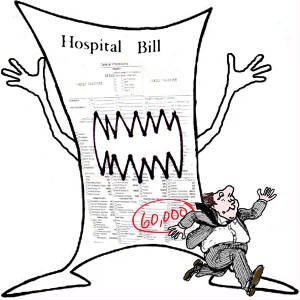
hospital bills

What  to Do?

So, what can you do to protect yourself as a patient?  At the time of hospitalization, ask your physician whether you are being admitted or kept under observation.  Ask to speak to a case manager about the proper status of the hospital stay.  Ask your doctors if they suspect that rehabilitation services will be needed after the hospitalization, and if so, request their help in getting the decision to “observe” reversed prior to hospital discharge.

Assessment

For additional help, see the “Self Help Packet for Medicare Observation Status” at www.medicareadvocacy.org.

See more at: https://www.savantcapital.com/blog/are-you-being-admitted-to-the-hospital-or-just-observed/#sthash.EOOiPWOA.dpuf 

Conclusion

Your thoughts and comments on this ME-P are appreciated. Feel free to review our top-left column, and top-right sidebar materials, links, URLs and related websites, too. Then, subscribe to the ME-P. It is fast, free and secure.

Speaker: If you need a moderator or speaker for an upcoming event, Dr. David E. Marcinko; MBA – Publisher-in-Chief of the Medical Executive-Post – is available for seminar or speaking engagements. Contact: MarcinkoAdvisors@msn.com

OUR OTHER PRINT BOOKS AND RELATED INFORMATION SOURCES:

Product DetailsProduct Details

***


Brexit Re-Deux?

Join Our Mailing List

Rick Kahler MS CFP[By Rick Kahler MSFS CFP®]

British voters shocked the world last week with their 52% to 48% decision to leave the European Union. The uncertainty of how this complex divorce will play out over the coming decade sent global markets reeling.

In fact, London’s Financial Times Stock Exchange 100 lost 4.4% of its value in one day, and the British pound sterling was down 14% against the yen and 10% against the dollar. The financial news media went berserk.

Britain has two years after notifying the EU of its intention to leave to negotiate its exit with policy makers, so we can expect the markets to remain volatile for some time.

Why all the fuss?

The thinking is that British companies will lose access to the European market for duty-free trade and financial services. Some think London will no longer be able to function as Europe’s financial center as it has done, since companies have long seen Britain as the gateway to free trade with the 28 nations in the EU. Eventually, Britain could lose American investment and manufacturing jobs that would move across the channel to mainland Europe. However, this is all speculation. Nobody knows exactly how the Brexit will play out long-term.

One reason it’s unwise to assume the worst is because the Brexit vote is not legally binding on the government. Since British Prime Minister David Cameron resigned his post and called for a new election by October, it’s possible the new government might decide to delay withdrawing from the EU. Or Parliament could instruct the new prime minister not to notify the EU that Britain is withdrawing until the government has had a chance to study further the implications. There could even be a second referendum to undo the first.

Given all these uncertainties, what was and continues to be my advice to investors?

It’s Quite Simple – Do nothing!

The current market disruptions represent an emotional roller coaster, a short-term panic reaction to what is likely to be a very long-term, well-constructed exit from the EU. British companies were certainly not 4% less valuable the day after the vote than the day before, and the pound sterling is not suddenly a second-rate currency. The US, China, and Japan are not part of the EU. Global economies function fine and they will continue to function without Britain in the EU, just as they functioned well before the EU was created in 1989.

The emotions of traders and speculators are driving the short-term market responses to a long-term event that will be worked out by reasonable people who will have their nation’s economic best interests at heart. Long-term investors who sold because of the Brexit will undoubtedly realize they were suckered and manipulated once again by panic masquerading as an assessment of real damage to the companies they’ve invested in.

***

british_pound_sign_black

***

Good News

The good news is that long-term investors who are diversified have only a minority of their portfolios in equities. While the Brexit was not good in the short run for Britain’s currency and global equity markets, it was a positive for investment vehicles. Gold, bonds, and managed futures all profited nicely upon the news of the Brexit. The strategy of global diversification worked—again. And, if equity markets decline sufficiently, long-term investors will be able to rebalance their portfolios by selling a portion of what has appreciated and buying equities. That is called “selling high and buying low.”

Second Thoughts?

Assessment

However much short-term disruption there may be, Britain and the EU will find a way to move through this unexpected event without too much damage. Like every other recent short-term financial calamity, Brexit will become just another blip on the long-term charts.

Conclusion

Your thoughts and comments on this ME-P are appreciated. Feel free to review our top-left column, and top-right sidebar materials, links, URLs and related websites, too. Then, subscribe to the ME-P. It is fast, free and secure.

Speaker: If you need a moderator or speaker for an upcoming event, Dr. David E. Marcinko; MBA – Publisher-in-Chief of the Medical Executive-Post – is available for seminar or speaking engagements. Contact: MarcinkoAdvisors@msn.com

OUR OTHER PRINT BOOKS AND RELATED INFORMATION SOURCES:

Risk Management, Liability Insurance, and Asset Protection Strategies for Doctors and Advisors: Best Practices from Leading Consultants and Certified Medical Planners™8Comprehensive Financial Planning Strategies for Doctors and Advisors: Best Practices from Leading Consultants and Certified Medical Planners™

***