Retiree Health Insurance Trends

Join Our Mailing List

By http://www.MCOL.com

***

ImageProxy

***

Conclusion

Your thoughts and comments on this ME-P are appreciated. Feel free to review our top-left column, and top-right sidebar materials, links, URLs and related websites, too. Then, subscribe to the ME-P. It is fast, free and secure.

Speaker: If you need a moderator or speaker for an upcoming event, Dr. David E. Marcinko; MBA – Publisher-in-Chief of the Medical Executive-Post – is available for seminar or speaking engagements. Contact: MarcinkoAdvisors@msn.com

OUR OTHER PRINT BOOKS AND RELATED INFORMATION SOURCES:

Risk Management, Liability Insurance, and Asset Protection Strategies for Doctors and Advisors: Best Practices from Leading Consultants and Certified Medical Planners™8Comprehensive Financial Planning Strategies for Doctors and Advisors: Best Practices from Leading Consultants and Certified Medical Planners™

***

Penthouse Interviews Murray Rothbard

Join Our Mailing List

Source: A Re-Post by MICHEL ACCAD, MD

***

thumbs-up-and-down-300x208

Penthouse Interviews Murray Rothbard

***

Conclusion

Your thoughts and comments on this ME-P are appreciated. Feel free to review our top-left column, and top-right sidebar materials, links, URLs and related websites, too. Then, subscribe to the ME-P. It is fast, free and secure.

Speaker: If you need a moderator or speaker for an upcoming event, Dr. David E. Marcinko; MBA – Publisher-in-Chief of the Medical Executive-Post – is available for seminar or speaking engagements. Contact: MarcinkoAdvisors@msn.com

OUR OTHER PRINT BOOKS AND RELATED INFORMATION SOURCES:

[PRIVATE MEDICAL PRACTICE BUSINESS MANAGEMENT TEXTBOOK – 3rd.  Edition]

Product DetailsProduct Details

  [Foreword Dr. Hashem MD PhD] *** [Foreword Dr. Silva MD MBA]

***

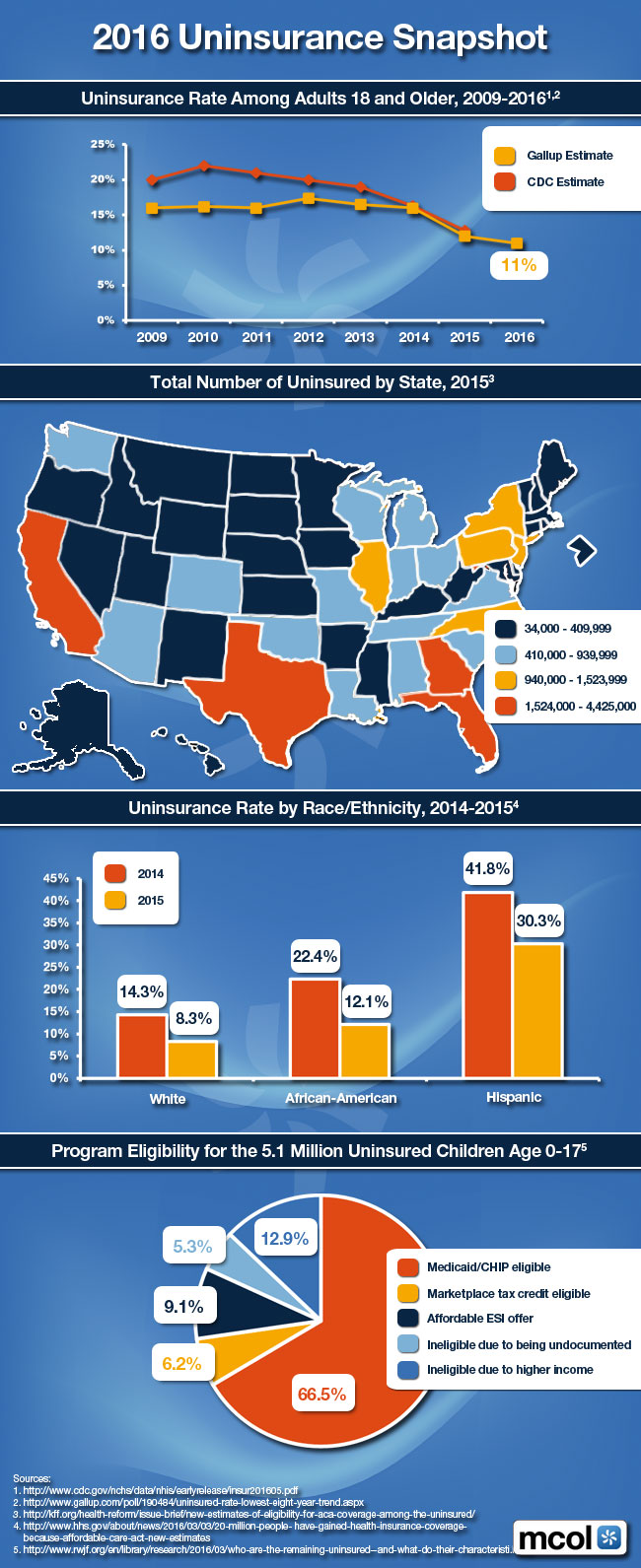
A Health Un-Insurance Snapshot

Join Our Mailing List

Snapshot for 2016

By http://www.MCOL.com

***

***

Conclusion

Your thoughts and comments on this ME-P are appreciated. Feel free to review our top-left column, and top-right sidebar materials, links, URLs and related websites, too. Then, subscribe to the ME-P. It is fast, free and secure.

Speaker: If you need a moderator or speaker for an upcoming event, Dr. David E. Marcinko; MBA – Publisher-in-Chief of the Medical Executive-Post – is available for seminar or speaking engagements. Contact: MarcinkoAdvisors@msn.com

OUR OTHER PRINT BOOKS AND RELATED INFORMATION SOURCES:

Product DetailsProduct DetailsProduct Details

***

The Physician Certification Business?

Join Our Mailing List

Let’s Get Government Out of the Physician Certification Business

Accad

By  MD

Are all certification outfits created the same?

Should the government impose free market features?

Any pro-market health economists out there?

***

diploma

Should the government impose its own standards for certification for physicians?

The short answer is “no.”

***

Let’s Get Government Out of the Physician Certification Business

Conclusion

Your thoughts and comments on this ME-P are appreciated. Feel free to review our top-left column, and top-right sidebar materials, links, URLs and related websites, too. Then, subscribe to the ME-P. It is fast, free and secure.

Speaker: If you need a moderator or speaker for an upcoming event, Dr. David E. Marcinko; MBA – Publisher-in-Chief of the Medical Executive-Post – is available for seminar or speaking engagements. Contact: MarcinkoAdvisors@msn.com

OUR OTHER PRINT BOOKS AND RELATED INFORMATION SOURCES:

Risk Management, Liability Insurance, and Asset Protection Strategies for Doctors and Advisors: Best Practices from Leading Consultants and Certified Medical Planners™

***

For Investors – Discovering Truth Takes Time

Join Our Mailing List

Discovering Truth Takes Time

vitaly
By Vitaliy Katsenelson, CFA Institutional Investor Magazine
The Roman philosopher, playwright, statesman and occasional satirist Lucius Annaeus Seneca wasn’t talking about the stock market when he wrote that “time discovers truth,” but he could have been.

In the long run a stock price will reflect a company’s (true) intrinsic value. In the short run the pricing is basically random.

Here are two real-life examples:

***

For Investors, Discovering Truth Takes Time

***

Conclusion

Your thoughts and comments on this ME-P are appreciated. Feel free to review our top-left column, and top-right sidebar materials, links, URLs and related websites, too. Then, subscribe to the ME-P. It is fast, free and secure.

Speaker: If you need a moderator or speaker for an upcoming event, Dr. David E. Marcinko; MBA – Publisher-in-Chief of the Medical Executive-Post – is available for seminar or speaking engagements. Contact: MarcinkoAdvisors@msn.com

OUR OTHER PRINT BOOKS AND RELATED INFORMATION SOURCES:

Risk Management, Liability Insurance, and Asset Protection Strategies for Doctors and Advisors: Best Practices from Leading Consultants and Certified Medical Planners™8Comprehensive Financial Planning Strategies for Doctors and Advisors: Best Practices from Leading Consultants and Certified Medical Planners™

***

My Interview Request from The American College of Financial Services

Join Our Mailing List 

By Gary Arnesto

RE: Interview Request from The American College of Financial Services

Dr. Marcinko,

I work for the content marketing company Media Shower, and I’m writing on behalf of The American College of Financial Services, a school that offers education in the financial planning field, specifically to help students achieve professional designations such as: Certified Financial Planner (CFP), Chartered Financial Consultant (ChFC), Chartered Life Underwriter (CLU), RICP (Retirement Income Certified Professional), and Financial Services Certified Professional (FSCP).

We’re starting a new Expert Interview series with important people in the financial professional industry, and we’d love to do an email interview with you to run on The American College blog!

We’ll send you a few interview questions, and we’ll turn your responses into a great article for our audience with a link back to The American College. All we ask for in return is a link posted on your site that promotes the interview to your audience.

You can see our website here: http://www.theamericancollege.edu/

If you’d like to discuss the program with someone at the company directly, feel free to contact Xand Griffin at: xgriffin@stratusinteractive.com.

Please let me know if you’d be interested in doing the email interview with us, and we’ll get moving on it right away!

Thank you,

Gary Arnesto

Assessment and RSVP

Many thanks for the invitation Gary, and yes I accept. My opinions may not always be correct; but I am never equivocal.

***

DEM tie

David Edward Marcinko MBBS DPM MBA CMP®

http://www.CertifiedMedicalPlanner.org

cmp-logo16

***

Conclusion

Your thoughts and comments on this ME-P are appreciated. Feel free to review our top-left column, and top-right sidebar materials, links, URLs and related websites, too. Then, subscribe to the ME-P. It is fast, free and secure.

Speaker: If you need a moderator or speaker for an upcoming event, Dr. David E. Marcinko; MBA – Publisher-in-Chief of the Medical Executive-Post – is available for seminar or speaking engagements. Contact: MarcinkoAdvisors@msn.com

OUR OTHER PRINT BOOKS AND RELATED INFORMATION SOURCES:

Risk Management, Liability Insurance, and Asset Protection Strategies for Doctors and Advisors: Best Practices from Leading Consultants and Certified Medical Planners™8Comprehensive Financial Planning Strategies for Doctors and Advisors: Best Practices from Leading Consultants and Certified Medical Planners™

***

A Free Market Repudiation of Evidence-Based Medicine

Michel AccadIn a recent article entitled “A Hayekian Defense of Evidence-Based Medicine” Andrew Foy makes a thoughtful attempt to rebut my article on “The Devolution of Evidence-Based Medicine.”  I am grateful for his interest in my work and for the the kind compliment that he extended in his article.  Having also become familiar with his fine writing, I return it with all sincerity.  I am also grateful to the THCB staff for allowing me to respond to Andrew’s article.

Andrew views EBM as a positive development away from the era of anecdotal, and often misleading medical practices:  “Arguing for a return to small data and physician judgment based on personal experience is, in my opinion, the worst thing we could be promoting.”  Andrew’s main concern is that my views may amount to “throwing the baby with the bath water.”

On those counts, I must plead guilty as charged.  I have been trying to sink that baby for a number of years now, attacking it from a variety of angles.  I have made a special plea in favor of small data and I have even questioned the intellectual sanity of EBM.  On the question of the coexistence between EBM and clinical judgment, I have been decidedly intolerant, relegating EBM to second class citizen status.  In other words, I’m an unapologetic EBM-denialist which, as I found out yesterday on Twitter, puts me in the same category as climate change skeptics.

My main concern today, however, is to address the relationship between EBM and the free-market, and to reject Andrew’s point that EBM is somehow compatible with it.  First, though, let me say that in no way do I deny the notion that American medicine has, for decades, harbored practices of highly doubtful benefit to benefit to patients, and that many such practices may, in fact, have been dangerous or harmful.  I am fully on board with any effort to eradicate “eminence-based medicine.”

But before we reach out for an EBM solution to that problem, perhaps we should first wonder about causes.  What keeps the errors of eminence-based medicine persisting for so long?  Why do patients and doctors remain so wedded to a course of therapy as to blithely engage in unbeneficial or even harmful care?

If I read Andrew correctly, he seems to believe that these errors persist because outcome uncertainties are inherent to clinical care, hence the need for EBM. But that cannot be the fundamental reason.  Why would patients continue to pursue a treatment for which they have neither objective nor subjective tangible benefit?  Why wouldn’t they refuse to go along?  After all, many of them do exercise their ability to be non-compliant in the case of treatments deemed beneficial to them according to the truths of EBM!

Outcome uncertainty, then cannot be the reason why futile or harmful treatments persist, and if outcome uncertainty is not the reason, reducing it by way of EBM may not be the answer either.

What eludes Andrews is that eminence-based medicine is not simply the result of individual doctors exercising judgment with limited knowledge. Rather, eminence-based medicine happens when doctors apply their own pet theories and disregard the needs and wants of the patient at hand.

By missing that point, Andrew misses that eminence-based medicine is precisely minimized by the free-market and, on the contrary, encouraged by government intervention.  The history of American medicine provides ample examples to make that point.

In the late nineteenth century, healthcare in the United States was uniquely unregulated.  Yet, contrary to common belief or fabricated myths, care was improving by leaps and bounds, getting at once better, cheaper—and more scientific.  It is during that time that some of the finest medical institutions emerged, including the Mayo Clinic and the Johns Hopkins Hospital.  Sure, there were snake oil salesmen, but these were by-and-large being driven out of business by a growing community of serious, well-trained, and effective physicians.  And competition among these practitioners kept them humble and at the service of patients.

All of this changed in the 1910’s when, following the Flexner reforms, state licensing laws were enacted.  It is in the heels of these laws that medical paternalism emerged.

As an illustration, consider this passage excerpted from an official report published soon after the enactment of licensing laws:

The physician is the outstanding practitioner of medicine.  The need and the value of his service sets him above all others.  He alone, of all types of medical practitioners in the United States, is permitted by law to diagnose and treat all diseases and conditions and to use (with certain minor exceptions) any form of diagnostic or therapeutic technique which he considers necessary, desirable, and within his professional skill.  (Report of the Committee on the Cost of Medical Care, 1928, p. 195)

From that point onward, medical abuses of privilege became much more widespread than they had been.

Furthermore, as Kenneth Ludmerer has pointed out, this elevation of the physician to the status of demi-God by government fiat went hand-in-hand with the rise of the academic ivory tower, since academic medical schools were producing the “cream of the crop” among doctors.  Academic ivory towers, naturally, become common sources of practices founded on eminence.

Of course, licensing laws and the emergence of the ivory towers are not the only factors to consider.  Other government interventions soon followed to bring about systems of third-party payment for medical care—health insurance.  Without these government interventions, and without the existence of licensing laws, it is unlikely that health insurance would have emerged from the free market.  By unmooring medical decisions from any financial constraints, health insurance contributes immensely to the perpetuation of eminence-based practice.

It is this regulatory context, then, that is at the root of eminence-based medicine, and not the uncertainties of clinical care which, in a profound way, are inherent to the medical encounter.

Andrew believes that EBM discovery is akin to price setting on the free market.  I strongly disagree with that analogy.  As Andrew himself has noted, prices set in the free market convey consumer values and are the end results of myriad decisions made on the basis of dispersed knowledge.

***

The-Psychology-of-Analytics-When-Working-is-Not-Working

***

EBM results, on the other hand, are statistical relationships between interventions and outcomes which are carefully selected by investigators in highly contrived experimental settings.  In these settings, the choices and preferences of doctors and patients are ignored or neutered by design in order to isolate the relationship of interest.  Any value obtained as a result of an EBM experiment is primarily imputable to the investigators or sponsors, and only secondarily (and statistically) of benefit to patients.

EBM is no free market phenomenon.  EBM is an academic invention incubated in Canada, a country with a single-payer healthcare system!  As I described in my article, this invention has spun out of control and has turned EBM into a weapon wielded with equal vigor by the pharmaceutical industry, by regulators, and by those who aim to equalize the historical excesses of eminence-based medicine through the dubious doctrine of “Less-Is-More.”  None of these movements, it seems, are motivated by a desire to advance a genuine human science that is meaningful to individual patients.  In fact, to the extent that is a pet theory which standardizes care for entire populations, EBM is eminence-based medicine on steroids.

But if EBM is by no means a product of the free market, can the free market address our need to improve therapeutic predictions or will it set us back to a clinical stone age?

So long as narrowing clinical outcome expectations is truly desired by doctors and patients—and there is no reason to doubt that it is—then the free market is demonstrably the optimal environment that can allow human ingenuity to devise clever ways and methods to achieve that goal.  But what shape or form would those methods take and how closely would they resemble what we now take to be evidence-based science, I have no idea.  If I believed I held that knowledge, I would be repudiating Hayek.

Assessment

EBM Systems Engineering Vision MARCINKO

An FA Hayekian Defense of Evidence Based Medicine

About

Michel Accad is a cardiologist who practices in San Francisco.  He blogs at Alert and Oriented and can be followed on Twitter @michelaccad

Conclusion

Your thoughts and comments on this ME-P are appreciated. Feel free to review our top-left column, and top-right sidebar materials, links, URLs and related websites, too. Then, subscribe to the ME-P. It is fast, free and secure.

Speaker: If you need a moderator or speaker for an upcoming event, Dr. David E. Marcinko; MBA – Publisher-in-Chief of the Medical Executive-Post – is available for seminar or speaking engagements. Contact: MarcinkoAdvisors@msn.com

OUR OTHER PRINT BOOKS AND RELATED INFORMATION SOURCES:

Risk Management, Liability Insurance, and Asset Protection Strategies for Doctors and Advisors: Best Practices from Leading Consultants and Certified Medical Planners™8Comprehensive Financial Planning Strategies for Doctors and Advisors: Best Practices from Leading Consultants and Certified Medical Planners™

***

Top Ten States for Hospital Safety

Join Our Mailing List

Hospital Safety

By http://www.MCOL.com

***

safety

***

Conclusion

Your thoughts and comments on this ME-P are appreciated. Feel free to review our top-left column, and top-right sidebar materials, links, URLs and related websites, too. Then, subscribe to the ME-P. It is fast, free and secure.

Speaker: If you need a moderator or speaker for an upcoming event, Dr. David E. Marcinko; MBA – Publisher-in-Chief of the Medical Executive-Post – is available for seminar or speaking engagements. Contact: MarcinkoAdvisors@msn.com

OUR OTHER PRINT BOOKS AND RELATED INFORMATION SOURCES:

Risk Management, Liability Insurance, and Asset Protection Strategies for Doctors and Advisors: Best Practices from Leading Consultants and Certified Medical Planners™

***

An FA Hayekian Defense of Evidence Based Medicine

Join Our Mailing List

A Reprint by Andrew Foy MD

A Hayekian Defense of Evidence-Based Medicine

***

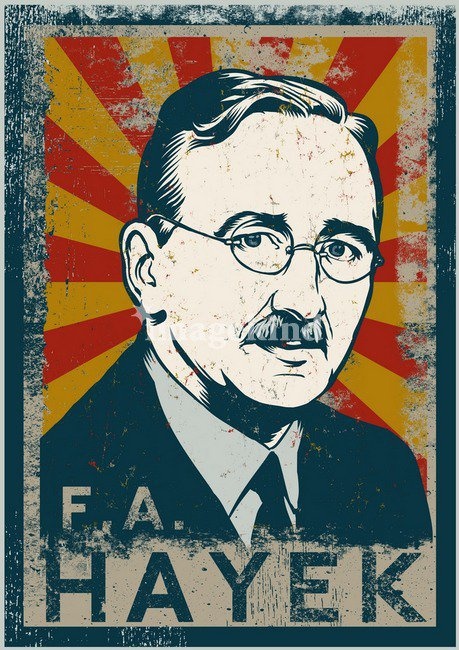
FA Hayek

[F.A. Hayek]

http://thehealthcareblog.com/blog/2016/05/11/a-hayekian-defense-of-evidence-based-medicine/

ABOUT

Andrew Foy is an academic cardiologist who is taking up blogging, again, for the instant gratification it brings while his real research is under peer-review. His Twitter account is @AndrewFoy82.

Conclusion

Your thoughts and comments on this ME-P are appreciated. Feel free to review our top-left column, and top-right sidebar materials, links, URLs and related websites, too. Then, subscribe to the ME-P. It is fast, free and secure.

Speaker: If you need a moderator or speaker for an upcoming event, Dr. David E. Marcinko; MBA – Publisher-in-Chief of the Medical Executive-Post – is available for seminar or speaking engagements. Contact: MarcinkoAdvisors@msn.com

OUR OTHER PRINT BOOKS AND RELATED INFORMATION SOURCES:

Product DetailsProduct Details

***

Are you in the American middle class?

Join Our Mailing List

Find out with this income calculator

[By Staff reporters]

***

family

http://tinyurl.com/jyjoyy2

Conclusion

Your thoughts and comments on this ME-P are appreciated. Feel free to review our top-left column, and top-right sidebar materials, links, URLs and related websites, too. Then, subscribe to the ME-P. It is fast, free and secure.

Speaker: If you need a moderator or speaker for an upcoming event, Dr. David E. Marcinko; MBA – Publisher-in-Chief of the Medical Executive-Post – is available for seminar or speaking engagements. Contact: MarcinkoAdvisors@msn.com

OUR OTHER PRINT BOOKS AND RELATED INFORMATION SOURCES:

Risk Management, Liability Insurance, and Asset Protection Strategies for Doctors and Advisors: Best Practices from Leading Consultants and Certified Medical Planners™8Comprehensive Financial Planning Strategies for Doctors and Advisors: Best Practices from Leading Consultants and Certified Medical Planners™

***

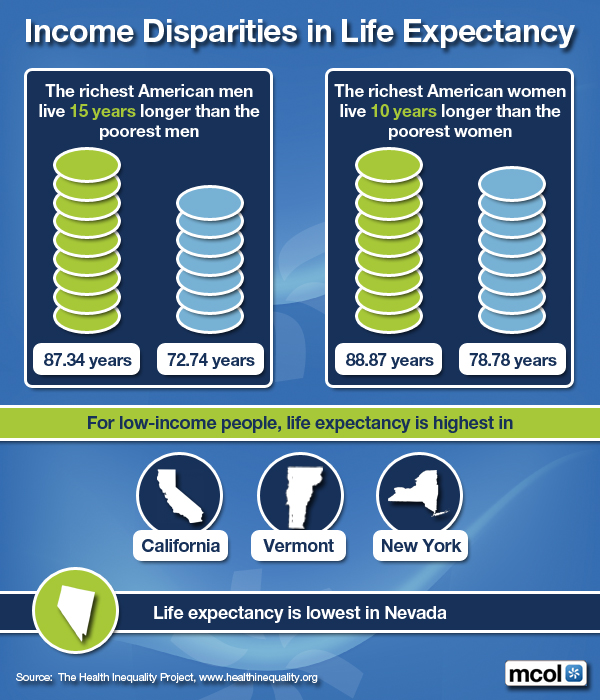
Life Expectancy Income Disparities

Join Our Mailing List

By http://www.MCOL.com

***

***

Conclusion

Your thoughts and comments on this ME-P are appreciated. Feel free to review our top-left column, and top-right sidebar materials, links, URLs and related websites, too. Then, subscribe to the ME-P. It is fast, free and secure.

Speaker: If you need a moderator or speaker for an upcoming event, Dr. David E. Marcinko; MBA – Publisher-in-Chief of the Medical Executive-Post – is available for seminar or speaking engagements. Contact: MarcinkoAdvisors@msn.com

OUR OTHER PRINT BOOKS AND RELATED INFORMATION SOURCES:

Product DetailsProduct DetailsProduct Details

***

R.I.P. Jack Lawrence Treynor

Join Our Mailing List

[By Staff Reporters]

Jack Treynor Pioneered Modern Investment Theory; Dead at 86

***

jt

***

Jack Lawrence Treynor (February 21, 1930 – May 11, 2016) was the President of Treynor Capital Management, Palos Verdes Estates, CA. He was a Senior Editor and Advisory Board member of the Journal of Investment Management, and was a Senior Fellow of the Institute for Quantitative Research in Finance. He served for many years as the editor of the CFA Institute‘s Financial Analysts Journal.

More: http://www.bloomberg.com/news/articles/2016-05-12/jack-treynor-who-pioneered-modern-investment-theory-dies-at-86

Conclusion

Your thoughts and comments on this ME-P are appreciated. Feel free to review our top-left column, and top-right sidebar materials, links, URLs and related websites, too. Then, subscribe to the ME-P. It is fast, free and secure.

Speaker: If you need a moderator or speaker for an upcoming event, Dr. David E. Marcinko; MBA – Publisher-in-Chief of the Medical Executive-Post – is available for seminar or speaking engagements. Contact: MarcinkoAdvisors@msn.com

OUR OTHER PRINT BOOKS AND RELATED INFORMATION SOURCES:

 Risk Management, Liability Insurance, and Asset Protection Strategies for Doctors and Advisors: Best Practices from Leading Consultants and Certified Medical Planners™8Comprehensive Financial Planning Strategies for Doctors and Advisors: Best Practices from Leading Consultants and Certified Medical Planners™

***

Managing Your 401(k)

Join Our Mailing List

MANAGING YOUR 401(k)

By Dan Timotic CFA

More than 73 million Americans actively participate in employer-sponsored defined-contribution plans such as 401(k), 403(b), and 457 plans.

If you are among this group, you’ve taken a big step on the road to retirement, but as with all investing, it’s important to understand your plan and what it can do for you.

Here are a few ways to make the most of this workplace benefit.

***

 investing

READ MORE

Conclusion

Your thoughts and comments on this ME-P are appreciated. Feel free to review our top-left column, and top-right sidebar materials, links, URLs and related websites, too. Then, subscribe to the ME-P. It is fast, free and secure.

Speaker: If you need a moderator or speaker for an upcoming event, Dr. David E. Marcinko; MBA – Publisher-in-Chief of the Medical Executive-Post – is available for seminar or speaking engagements. Contact: MarcinkoAdvisors@msn.com

OUR OTHER PRINT BOOKS AND RELATED INFORMATION SOURCES:

Risk Management, Liability Insurance, and Asset Protection Strategies for Doctors and Advisors: Best Practices from Leading Consultants and Certified Medical Planners™

***

The World Experiments with Negative Interest Rates

Join Our Mailing List

Below Zero

ImageProxy

By Dan Timotic CFA

As of late April 2016, six central banks in Europe and Asia have adopted negative interest rates in an effort to stimulate their national economies. The experiment began in Denmark in 2012, but the big step came in June 2014 when the European Central Bank (ECB) dropped its benchmark rate below zero. Sweden and Switzerland soon followed, and Japan and Hungary went negative in early 2016. Taken together, these economies represent about one-fourth of global economic output.1–2

Although the Federal Reserve remains committed to raising the federal funds target rate, the Fed is watching the efforts of foreign central banks with an eye toward expanding its tools in the event of an economic downturn. On a more immediate level, the overseas experiment is affecting the dollar and helping to suppress interest rates in the United States.3–4

Reverse Economics

Central banks lower interest rates for two fundamental reasons: (1) to encourage business investing and consumer spending by making it cheaper to borrow and less lucrative to hold onto cash; and (2) to lower the value of the national currency in order to make exports more appealing and create an expectation of future inflation, which may further stimulate current spending.

The push into negative territory reflects the same goals, but it reverses traditional economic concepts by turning borrowers into creditors and creditors into borrowers. Although specifics vary, the central banks are pulling rates downward by assessing a negative interest rate on certain short-term deposits from commercial banks. These banks actually lose money on their deposits, which in theory should stimulate the banks to lend money to other banks, businesses, and consumers.

The greatest fear regarding negative rates is a mass exodus from the banking system. The experiments in Europe and Japan are still new and the rates relatively moderate, but so far banks and their customers seem to be weathering the transition, albeit with lower margins and additional fees.5 Deposits in eurozone banks grew by $327 billion from June 2014 (when negative rates were implemented) through October 2015.6 Some banks assess negative rates on large commercial customers, but they have been hesitant to do so with retail customers. One small Swiss bank instituted a charge of 0.125% on savings accounts and gained more customers than it lost.7

These early responses suggest that businesses and consumers may be willing to pay a premium to deposit cash assets safely in a bank. Keeping large amounts of cash outside of a bank can be expensive, requiring guards, safes, and other security measures. Average consumers might keep cash under a mattress, but it is difficult to pay bills — or buy merchandise over the Internet — with cash. This cost-benefit balance may change if rates continue to decline.

Bonds and Mortgage Rates

By April 2016, more than $8 trillion of government bonds in Europe and Japan were trading at negative interest rates.8 As with banking, this suggests that some investors are willing to accept a loss in return for the security of government bonds. However, negative or very low yields may put pressure on pension plans and insurance companies, which depend on low-risk, fixed-rate investments.9

Low rates have driven housing prices up in Denmark and Sweden, creating fears of a “bubble.” Some Danish homeowners have even seen the monthly interest on their adjustable-rate mortgages turn into monthly credits due to negative rates.10

***

WA_16051_Experiment_Interest_Rate

***

Currency Competition

After the ECB instituted negative rates, the euro dropped sharply against the U.S. dollar and was still down about 17% in April 2016.11 A strong dollar stimulates European exports at the expense of U.S. exports and makes it more difficult to raise U.S. interest rates, which would only make the dollar more appealing for foreign investors.

Denmark, Sweden, Switzerland, and Hungary all dropped rates in large part to keep their currencies competitive with the euro.12 Denmark’s experience, the longest-running experiment, suggests that negative rates may be effective when the primary goal is to control currency but less effective as a stimulus to growth.13 On the other hand, Japan’s initial efforts have seen the yen rise unexpectedly against the dollar, unsettling markets.14

How Low Can They Go?

Early eurozone results are tepid but encouraging. Annual GDP growth improved to 1.5% in 2015 versus 0.9% in 2014, and lending by eurozone banks (which had been decreasing) increased slightly by 0.6% in 2015.15 It’s unclear how much worse the European situation might be without negative rates.

Assessment

After a tentative beginning, central banks have become more aggressive. In March 2016, the ECB dropped its deposit rate to –0.40%, and the Swiss National Bank rate was –0.75%.16 It remains to be seen how banks and consumers will respond to even lower rates, and whether reverse economics will strengthen the global economy or create new challenges.

All investments are subject to market fluctuation, risk, and loss of principal. Investments, when sold, may be worth more or less than their original cost. Investing internationally carries additional risks, such as differences in financial reporting and currency exchange risk as well as economic and political risk unique to a specific country. This may result in greater investment price volatility.

References

1, 5, 9, 16) International Monetary Fund, 2016 2, 12) Reuters, April 10, 2016 3) The New York Times, March 5, 2016 4, 11) European Central Bank, 2016 6) The New York Times, December 3, 2015 7–8, 10, 14) The Wall Street Journal, April 14, 2016 13) Bloomberg, February 15, 2016 15) The Wall Street Journal, February 28, 2016

Conclusion

Your thoughts and comments on this ME-P are appreciated. Feel free to review our top-left column, and top-right sidebar materials, links, URLs and related websites, too. Then, subscribe to the ME-P. It is fast, free and secure.

Speaker: If you need a moderator or speaker for an upcoming event, Dr. David E. Marcinko; MBA – Publisher-in-Chief of the Medical Executive-Post – is available for seminar or speaking engagements. Contact: MarcinkoAdvisors@msn.com

OUR OTHER PRINT BOOKS AND RELATED INFORMATION SOURCES:

[PHYSICIAN FOCUSED FINANCIAL PLANNING AND RISK MANAGEMENT COMPANION TEXTBOOK SET]

          Risk Management, Liability Insurance, and Asset Protection Strategies for Doctors and Advisors: Best Practices from Leading Consultants and Certified Medical Planners™         Comprehensive Financial Planning Strategies for Doctors and Advisors: Best Practices from Leading Consultants and Certified Medical Planners™

***

On Pregnancy Ultra-Sound Price Variations

Join Our Mailing List

By http://www.MCOL.com

***

ultrasound

***

Conclusion

Your thoughts and comments on this ME-P are appreciated. Feel free to review our top-left column, and top-right sidebar materials, links, URLs and related websites, too. Then, subscribe to the ME-P. It is fast, free and secure.

Speaker: If you need a moderator or speaker for an upcoming event, Dr. David E. Marcinko; MBA – Publisher-in-Chief of the Medical Executive-Post – is available for seminar or speaking engagements. Contact: MarcinkoAdvisors@msn.com

OUR OTHER PRINT BOOKS AND RELATED INFORMATION SOURCES:

Risk Management, Liability Insurance, and Asset Protection Strategies for Doctors and Advisors: Best Practices from Leading Consultants and Certified Medical Planners™

***

EXPRESSING YOUR WISHES IN ADVANCE

Join Our Mailing List

dan

By Dan Dan Timotic CFA

EXPRESSING YOUR WISHES IN ADVANCE


It’s not pleasant to think about the possibility of being unable to make your own medical or financial decisions; even for doctors and financial advisors.

That may explain why many people don’t take the time to draw up appropriate documents expressing their wishes.

THINK: Prince.

***

death

[NOT today … Death!]

READ MORE

Conclusion

Your thoughts and comments on this ME-P are appreciated. Feel free to review our top-left column, and top-right sidebar materials, links, URLs and related websites, too. Then, subscribe to the ME-P. It is fast, free and secure.

Speaker: If you need a moderator or speaker for an upcoming event, Dr. David E. Marcinko; MBA – Publisher-in-Chief of the Medical Executive-Post – is available for seminar or speaking engagements. Contact: MarcinkoAdvisors@msn.com

OUR OTHER PRINT BOOKS AND RELATED INFORMATION SOURCES:

Risk Management, Liability Insurance, and Asset Protection Strategies for Doctors and Advisors: Best Practices from Leading Consultants and Certified Medical Planners™

***

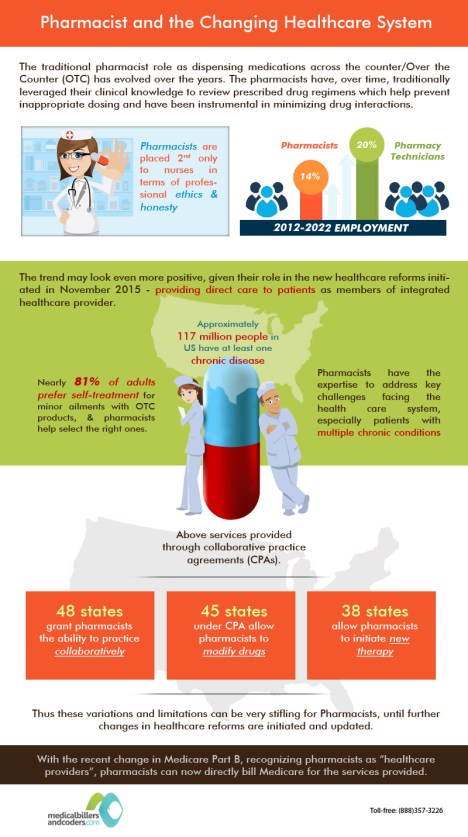
Pharmacists in the Healthcare System

Join Our Mailing List 

Changing Roles

By http://www.MCOL.com

***

ImageProxy

***

Conclusion

Your thoughts and comments on this ME-P are appreciated. Feel free to review our top-left column, and top-right sidebar materials, links, URLs and related websites, too. Then, subscribe to the ME-P. It is fast, free and secure.

Speaker: If you need a moderator or speaker for an upcoming event, Dr. David E. Marcinko; MBA – Publisher-in-Chief of the Medical Executive-Post – is available for seminar or speaking engagements. Contact: MarcinkoAdvisors@msn.com

OUR OTHER PRINT BOOKS AND RELATED INFORMATION SOURCES:

Product DetailsProduct DetailsProduct Details

***

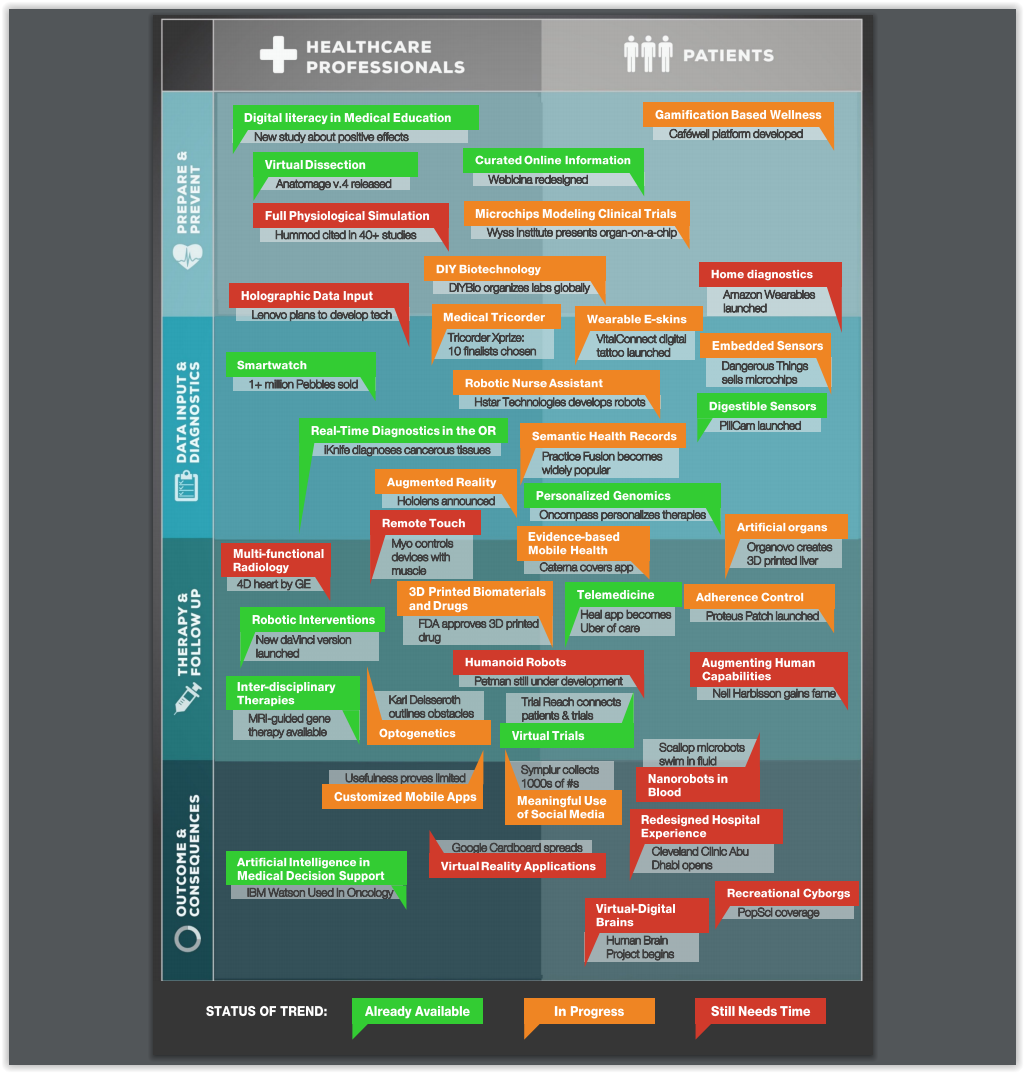
Top 40 Medical Technology Trends

Join Our Mailing List

Changing Technology Trends

Bertalan Meskó, MD, PhD

By Bertalan Meskó MD PhD

How The Top 40 Medical Technology Trends Changed In 3 Years

Free Guide And Infographic http://bit.ly/1XxSA3g

***

26a6e234-8f5a-4a9b-87fc-5ce6168c0d30-original

***

Conclusion

Your thoughts and comments on this ME-P are appreciated. Feel free to review our top-left column, and top-right sidebar materials, links, URLs and related websites, too. Then, subscribe to the ME-P. It is fast, free and secure.

Speaker: If you need a moderator or speaker for an upcoming event, Dr. David E. Marcinko; MBA – Publisher-in-Chief of the Medical Executive-Post – is available for seminar or speaking engagements. Contact: MarcinkoAdvisors@msn.com

OUR OTHER PRINT BOOKS AND RELATED INFORMATION SOURCES:

Product DetailsProduct DetailsProduct Details

***

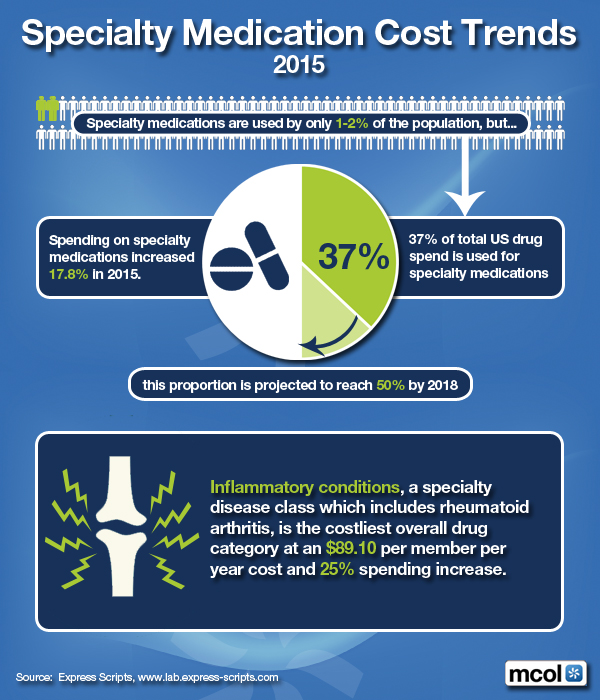
Specialty Medication Cost Trends

Join Our Mailing List

FOR 2015

By http://www.MCOL.com

***

ImageProxy

***

Conclusion

Your thoughts and comments on this ME-P are appreciated. Feel free to review our top-left column, and top-right sidebar materials, links, URLs and related websites, too. Then, subscribe to the ME-P. It is fast, free and secure.

Speaker: If you need a moderator or speaker for an upcoming event, Dr. David E. Marcinko; MBA – Publisher-in-Chief of the Medical Executive-Post – is available for seminar or speaking engagements. Contact: MarcinkoAdvisors@msn.com

OUR OTHER PRINT BOOKS AND RELATED INFORMATION SOURCES:

Product DetailsProduct DetailsProduct Details

***