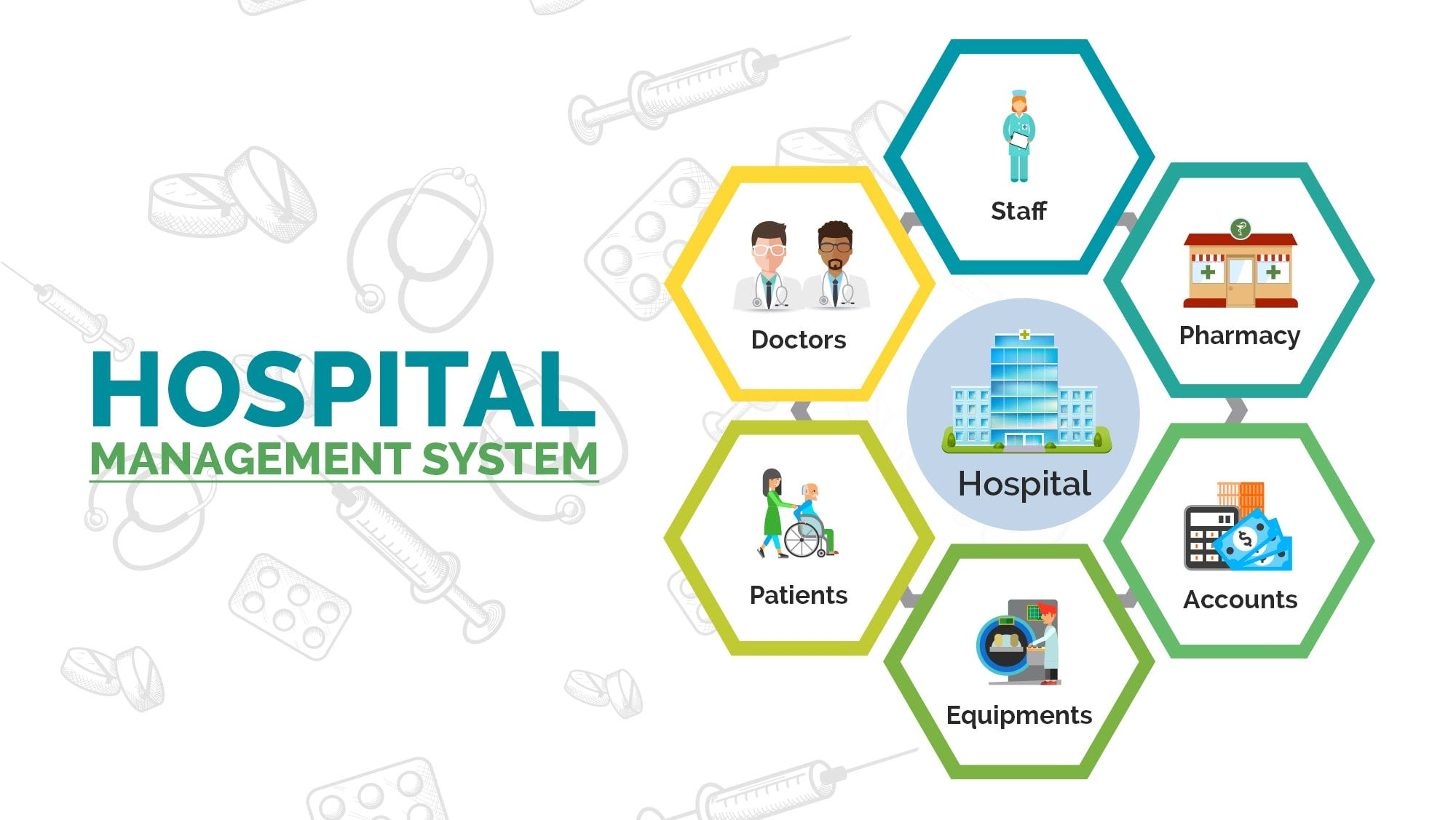
HOSPITAL: Finances Hold Steady in 2025

By Health Capital Consultants, LLC

***

Hospital Finances Held Steady in First Month of 2025

In the first month of 2025, hospital revenue and expenses both increased, balancing each other out and resulting in continued steady financial performance for hospitals, according to Kaufman Hall’s January 2025 National Hospital Flash Report.

Revenues grew more quickly in the inpatient setting, as more patients were treated in the hospital and emergency department than in outpatient settings. While expense increases were largely driven by drug costs, the rate of that growth has significantly slowed.

This Health Capital Topics article reviews the report and the current state of hospital operations. (Read more…) 

COMMENTS APPRECIATED

Subscribe, Read, Like and Refer

***

***

***

PODCAST: Hospital Out Patient Pricing Explained

By Eric Bricker MD

***

***

***

COMMENTS APPRECIATED

Thank You

***

***

Social Determinants of Health from Inside the Hospital System

SDOH

By Staff Reporters

***

***

READ: Social determinants of health aren’t just for patients. Health systems looking to promote health equity within their communities can start internally, by looking at their own workforce; according to HealthcareBrew.

***

***

COMMENTS APPRECIATED

Thank You

***

HOSPITAL RANSOMWARE ATTACKS: A Delivery and Patient Outcomes Analysis

NIHCM GRANTS

By Hannah Neprash

By Sayeh Sander Nikpay

By Claire McGlave

UNIVERSITY OF MINNESOTA

***

***

Despite increased occurrences, the lack of data on ransomware attacks has impeded research.

CITE: https://www.r2library.com/Resource/Title/0826102549

This research team will use a newly developed database to analyze how hospital ransomware attacks affect health care delivery and patient outcomes. The findings will provide new evidence for ongoing debates and legislative proposals about improving the cybersecurity of critical US infrastructure – including hospitals.

The Effect of Hospital Ransomware Attacks on Health Care Delivery and Patient Outcomes

***

COMMENTS APPRECIATED

Thank You

***

ORDER: https://www.amazon.com/Hospitals-Healthcare-Organizations-Management-Operational/dp/1439879907/ref=sr_1_4?s=books&ie=UTF8&qid=1334193619&sr=1-4

***

PODCAST: Hospital Money Problems 2023

INFLATION AND COMPETITION

By Eric Bricker MD

***

***

ORDER: https://www.amazon.com/Hospitals-Healthcare-Organizations-Management-Operational/dp/1439879907/ref=sr_1_4?s=books&ie=UTF8&qid=1334193619&sr=1-4

***

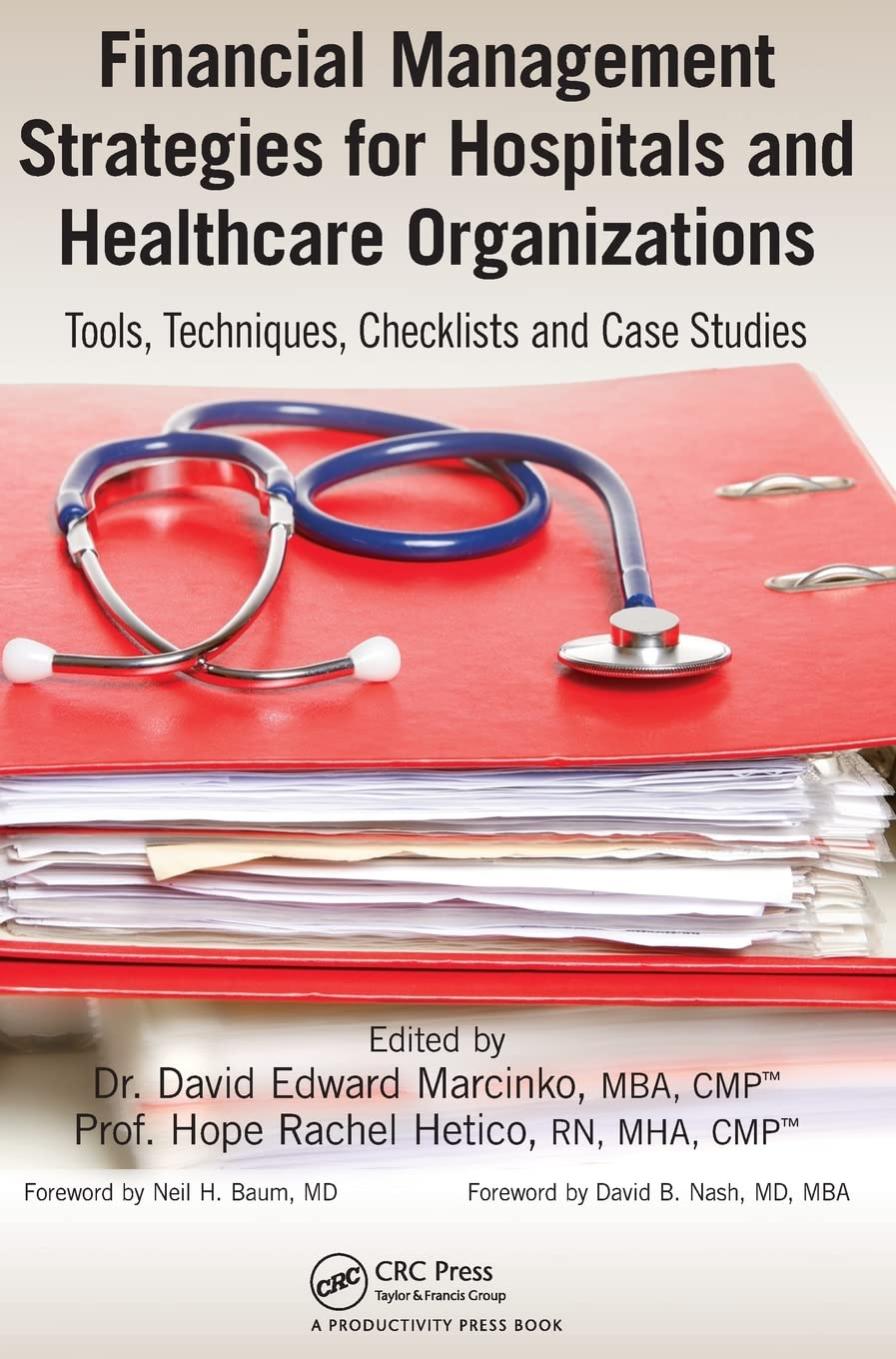
ORDER: https://www.amazon.com/Financial-Management-Strategies-Healthcare-Organizations/dp/1466558733/ref=sr_1_3?ie=UTF8&qid=1380743521&sr=8-3&keywords=david+marcinko

COMMENTS APPRECIATED

Thank You

***

PODCAST: Hospital Financial Cross – Subsidization

By Eric Bricker MD

***

Hospital Profit Margin from Employers = 57%

***

***

COMMENTS APPRECIATED

Thank You

***

ORDER: https://www.amazon.com/Hospitals-Healthcare-Organizations-Management-Operational/dp/1439879907/ref=sr_1_4?s=books&ie=UTF8&qid=1334193619&sr=1-4

***

ORDER: https://www.amazon.com/Financial-Management-Strategies-Healthcare-Organizations/dp/1466558733/ref=sr_1_3?ie=UTF8&qid=1380743521&sr=8-3&keywords=david+marcinko

***

Capital Formation for Hospitals

Join Our Mailing List

Understanding Strategic Expenditures

[By Calvin W. Wiese; MBA, CMA, CPA]

[By Dr. David E. Marcinko MBA CMP]

Some of the most important strategic decisions hospital executives make are related to capital expenditures. Almost every hospital has capital investment opportunities that are far in excess of their capital capacity. Capital investments are bets on the future. How these capital bets are placed has long-lasting implications. It is of utmost importance that hospitals bet right.

Strategic Importance of Capital Investing

Hospitals are capital intensive businesses. Hospital buildings are unique structures that require large amounts of capital to construct and maintain. Inside these buildings are pieces of expensive equipment that have fairly short lives. Technological innovations continually drive demand for new and more expensive equipment and facilities. The ability to continually generate capital is the lifeblood of hospitals. In order to compete and succeed, it’s imperative for hospitals to continually invest in large amounts of capital equipment and expensive facilities.

Profit Driven

Capital investment is fueled by profit. In order to continually make the necessary capital investments, hospitals must be profitable. Hospitals unable to generate sufficient profit will fail to make important capital investments, weakening their ability to compete and survive.

Capital Opportunity Selection

Hospital managers bear important responsibility in choosing which capital investments to make. There are always more capital opportunities than capital capacity. In many cases, capital opportunities not taken by hospitals create openings for others with capital capacity to fill the vacuum. By not taking such opportunities, hospitals are weakened, and their operating risk increases.

Stewardship

Stewardship is a term that aptly describes the responsibility borne by hospital managers in making capital investments. The New Testament parable of the talents describes this kind of stewardship. In this story, a merchant entrusted three managers with money to invest. One manager was given five units, another two, and a third one. At the end of the investment period, the two managers given five units and two units reported a 100% return. The manager given one unit reported zero return — he was fired and his unit was given to the first manager.

This is stewardship — and hospital managers are stewards of their organizations’ assets. Too often, not-for-profit hospital managers hold an erroneous view of the returns expected of them. Like the third manager in the parable, they think zero return on equity is acceptable. They understand capital investment funded by debt needs to cover the interest on the debt, but they view capital investments funded by equity as having no cost associated with the equity. From an accounting perspective, they are right. From a stewardship perspective they are dead wrong — just like the third manager in the parable.

Here’s why: as stewards, they are responsible for managing the entrusted assets. They can either put these assets at risk themselves, or they can put those assets in the market and let other managers put them at risk. If they choose to put them at risk themselves, and then they have the mandate of creating as much value from putting them at risk as they would realize if they put them in the market for other managers to put at risk. They have the duty to realize returns that are equivalent to the returns they could realize in the market; otherwise, they should just put them in the market. They can either invest in hospital assets or work the assets themselves, or they can invest in financial market assets so others can work the assets. When they choose to invest in hospital assets, the required return is not zero. That’s the return they get fired for. The required return is equivalent to market returns.

Product DetailsProduct Details

MORE: Capital Formation Hospitals SAMPLE DEM

Assessment

Thus, when evaluating performance of hospital management teams, the minimum acceptable performance level is return on equity that is equivalent to the return that could be realized by investing the hospital assets in the market. And when evaluating a capital investment opportunity, it is important to apply a capital charge equivalent to the hospital’s weighted cost of capital — a measure that imputes an appropriate cost to the equity portion of the capital along with the stated interest rate for the debt portion of the capital structure.

CASE MODEL: CASE MODEL

Join Our Mailing List

Conclusion

Your thoughts and comments on this ME-P are appreciated. Feel free to review our top-left column, and top-right sidebar materials, links, URLs and related websites, too. Then, subscribe to the ME-P. It is fast, free and secure.

Speaker: If you need a moderator or speaker for an upcoming event, Dr. David E. Marcinko; MBA – Publisher-in-Chief of the Medical Executive-Post – is available for seminar or speaking engagements. Contact: MarcinkoAdvisors@msn.com

OUR OTHER PRINT BOOKS AND RELATED INFORMATION SOURCES:

Product Details  Product Details

Product Details

OSHA Financial Cost Analysis Software

About the “Safety Pays” Program

By Staff Reporters

A financial cost analysis can be performed by anyone using the OSHA software program, Safety Pays. This software can be found and downloaded at no cost by accessing the website: http://www.osha.gov/pls/oshaweb/searchresults.category?p_text=safety%20pays&p_title=&p_status=CURRENT

A Free Software Program  

The program was developed to assist employers in assessing the impact of occupational illness and injuries on their profitability. Utilizing this software program and profit/loss data from the www.bizstats.com website on physician practices – reveals a number of startling statistics that illustrate how cost effective implementing an OSHA safety program can be for a medical practice, clinic, hospital or emerging healthcare organization (EHO).

Assessment

Conclusion

And so, your thoughts and comments on this ME-P are appreciated. Feel free to review our top-left column, and top-right sidebar materials, links, URLs and related websites, too. Then, be sure to subscribe to the ME-P. It is fast, free and secure.

Link: http://feeds.feedburner.com/HealthcareFinancialsthePostForcxos

Speaker: If you need a moderator or speaker for an upcoming event, Dr. David E. Marcinko; MBA – Publisher-in-Chief of the Executive-Post – is available for seminar or speaking engagements. Contact: MarcinkoAdvisors@msn.com 

Get our Widget: Get this widget!

Our Other Print Books and Related Information Sources:

Practice Management: http://www.springerpub.com/prod.aspx?prod_id=23759

Physician Financial Planning: http://www.jbpub.com/catalog/0763745790

Medical Risk Management: http://www.jbpub.com/catalog/9780763733421

Healthcare Organizations: www.HealthcareFinancials.com

Health Administration Terms: www.HealthDictionarySeries.com

Physician Advisors: www.CertifiedMedicalPlanner.com

Subscribe Now: Did you like this Medical Executive-Post, or find it helpful, interesting and informative? Want to get the latest ME-Ps delivered to your email box each morning? Just subscribe using the link below. You can unsubscribe at any time. Security is assured.

Link: http://feeds.feedburner.com/HealthcareFinancialsthePostForcxos

Sponsors Welcomed

And, credible sponsors and like-minded advertisers are always welcomed.

Link: https://healthcarefinancials.wordpress.com/2007/11/11/advertise

Understanding the Emergency Medical Treatment and Active Labor Act

An Important and Contemporary Issue – Once Again

[By Patricia Trites; MPA, CHBC, CMP™ (Hon) with Staff Reporters]

tritesThe Emergency Medical Treatment and Active Labor Act (EMTALA) is receiving increasing scrutiny from prosecutors during these times of financials stress and credit tightening. The statute is intended to ensure that all patients who come to the emergency department of a hospital receive care, regardless of their insurance or ability to pay. Both hospitals and physicians need to work together to ensure compliance with the provisions of this law.

Triad of Requirements

EMTALA imposes three fundamental requirements upon hospitals that participate in the Medicare program with regard to patients requesting emergency care.

First, the hospital must conduct an appropriate medical screening examination to determine if an emergency medical condition exists.

Second, if the hospital determines that an emergency medical condition exists, it must either provide the treatment necessary to stabilize the emergency medical condition or comply with the statute’s requirements to affect a proper transfer of a patient whose condition has not been stabilized. A hospital is considered to have met this second requirement if an individual refuses the hospital’s offer of additional examination or treatment, or refuses to consent to a transfer, after having been informed of the risks and benefits of treatment.

Third, EMTALA’s requirement is activated if an individual’s emergency medical condition has not been stabilized.

Hospital Transfers

A hospital may not transfer an individual with an unstable emergency medical condition unless:

(1) the individual or his or her representative makes a written request for transfer to another medical facility after being informed of the risk of transfer and the transferring hospital’s obligation under the statute to provide additional examination or treatment;

(2) a physician has signed a certification summarizing the medical risks and benefits of a transfer and certifying that, based upon the information available at the time of transfer, the medical benefits reasonably expected from the transfer outweigh the increased risks; or

(3) a qualified medical person signs the certification after the physician, in consultation with the qualified medical person, has made the determination that the benefits of transfer outweigh the increased risks, if a physician is not physically present when the transfer decision is made. The physician must later countersign the certification.dhimc-book21

On-Call Responsibilities

One area of particular concern is physician on-call responsibilities. Physician practices whose members serve as on-call hospital emergency room physicians are advised to familiarize themselves with the hospital’s policies regarding on-call physicians. This can be done by reviewing the medical staff bylaws or policies and procedures of the hospital that must define the responsibility of on-call physicians to respond to, examine, and treat patients with emergency medical conditions. Physicians should also be aware of the requirement that, when medically indicated, on-call physicians must generally come to the hospital to examine the patient. Patients may be sent to see the on-call physician at a hospital-owned contiguous or on-campus facility to conduct or complete the medical screening examination due to the following reasons:

  • all persons with the same medical condition are moved to this location;
  • there is a bona fide medical reason to move the patient;
  • qualified medical personnel accompany the patient; and
  • teaching physicians may participate.

Channel Surfing the ME-P

Have you visited our other topic channels? Established to facilitate idea exchange and link our community together, the value of these topics is dependent upon your input. Please take a minute to visit. And, to prevent that annoying spam, we ask that you register. It is fast, free and secure.

Conclusion

Your thoughts and comments on this ME-P are appreciated. Feel free to review our top-left column, and top-right sidebar materials, links, URLs and related websites, too. Then, subscribe to the ME-P. It is fast, free and secure.

Speaker: If you need a moderator or speaker for an upcoming event, Dr. David E. Marcinko; MBA – Publisher-in-Chief of the Medical Executive-Post – is available for seminar or speaking engagements. Contact: MarcinkoAdvisors@msn.com

OUR OTHER PRINT BOOKS AND RELATED INFORMATION SOURCES:


Product DetailsProduct Details       

Product DetailsProduct Details