BOARD CERTIFICATION EXAM STUDY GUIDES Lower Extremity Trauma
[Click on Image to Enlarge]
ME-P Free Advertising Consultation
The “Medical Executive-Post” is about connecting doctors, health care executives and modern consulting advisors. It’s about free-enterprise, business, practice, policy, personal financial planning and wealth building capitalism. We have an attitude that’s independent, outspoken, intelligent and so Next-Gen; often edgy, usually controversial. And, our consultants “got fly”, just like U. Read it! Write it! Post it! “Medical Executive-Post”. Call or email us for your FREE advertising and sales consultation TODAY [678.779.8597] E-mail: MarcinkoAdvisors1738@outlook.com
Medical & Surgical e-Consent Forms
ePodiatryConsentForms.com
iMBA Inc., OFFICES
Suite #5901 Wilbanks Drive, Norcross, Georgia, 30092 USA [1.678.779.8597]. Our location is real and we are now virtually enabled to assist new long distance clients and out-of-town colleagues.
ME-P Publishing
SEEKING INDUSTRY INFO PARTNERS?
If you want the opportunity to work with leading health care industry insiders, innovators and watchers, the “ME-P” may be right for you? We are unbiased and operate at the nexus of theoretical and applied R&D. Collaborate with us and you’ll put your brand in front of a smart & tightly focused demographic; one at the forefront of our emerging healthcare free marketplace of informed and professional “movers and shakers.” Our Ad Rate Card is available upon request [678-779-8597].
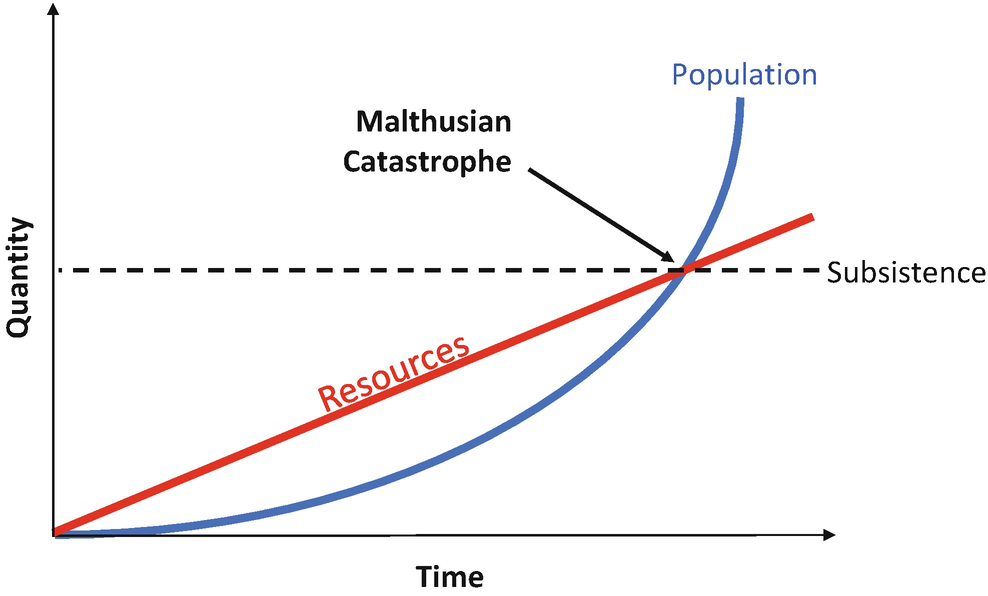
Malthusian economics refers to the idea that, while population growth may be exponential, the growth of food supply and the supply of other resources is linear.
This theory states that when a population grows over time and outpaces a society’s ability to produce resources, its standard of living may reduce and trigger a large depopulation event. With this, Malthusian economics supports population control efforts to avoid unchecked growth rates.
Various schools of thought have largely discredited Malthusianism as it relates to agricultural production, but discourse around environmental degradation, resource depletion and scarcity persists.
SPEAKING: Dr. Marcinko will be speaking and lecturing, signing and opining, teaching and preaching, storming and performing at many locations throughout the USA this year! His tour of witty and serious pontifications may be scheduled on a planned or ad-hoc basis; for public or private meetings and gatherings; formally, informally, or over lunch or dinner. All medical societies, financial advisory firms or Broker-Dealers are encouraged to submit an RFP for speaking engagements: CONTACT: Ann Miller RN MHA at MarcinkoAdvisors1738@outlook.com -OR-http://www.MarcinkoAssociates.com
Mercantilism is an economic system where governments regulate trade and the economy to maximize national wealth, primarily through accumulating gold and silver and maintaining a favorable balance of trade.
Definition and Core Principles
Mercantilism is an economic theory and practice that emphasizes government control over the economy to strengthen national power at the expense of rival nations. Wealth was measured in terms of precious metals like gold and silver, and nations sought to export more than they imported to achieve a positive trade balance and accumulate bullion This system is often associated with economic nationalism and protectionist policies, including high tariffs and restrictions on imports.
Key principles include:
• Accumulation of wealth through bullionism (gold and silver reserves). • Favorable balance of trade, exporting more than importing. • Government regulation of production, trade, and colonies. • Colonial exploitation, where colonies supplied raw materials and served as markets for the mother country’s manufactured goods. • Population growth to provide labor, markets, and soldiers.
Historical Context
Mercantilism was dominant in Europe from the 16th to the 18th centuries, practiced by countries such as France, Spain, Portugal, Italy, Britain, Germany, and the Netherlands It often led to the creation of monopolistic trading companies, like the East India Company, and contributed to colonial expansion and military conflicts over trade dominance. England, for example, implemented mercantilist policies during the Elizabethan Era to build a strong navy and merchant fleet while increasing bullion reserves.
Economic Effects
Mercantilism encouraged industrial development in the mother country, restricted manufacturing in colonies, and often caused high prices and trade friction. It was a zero-sum view of trade, assuming that one nation’s gain came at another’s expense These policies sometimes led to smuggling, colonial unrest, and wars, such as tensions that contributed to the American Revolution.
Modern Perspective
While classical mercantilism declined with the rise of free trade and classical economics, some argue that neomercantilist practices persist in modern economies through trade protectionism and economic interventionism.
In summary, mercantilism is a historical economic system focused on state-controlled trade, accumulation of precious metals, and national power, shaping European economic and colonial policies for several centuries.
SPEAKING: Dr. Marcinko will be speaking and lecturing, signing and opining, teaching and preaching, storming and performing at many locations throughout the USA this year! His tour of witty and serious pontifications may be scheduled on a planned or ad-hoc basis; for public or private meetings and gatherings; formally, informally, or over lunch or dinner. All medical societies, financial advisory firms or Broker-Dealers are encouraged to submit an RFP for speaking engagements: CONTACT: Ann Miller RN MHA at MarcinkoAdvisors1738@outlook.com -OR-http://www.MarcinkoAssociates.com
Posted on September 3, 2026 by Dr. David Edward Marcinko MBA MEd CMP™
***
***
52 Percent of Physicians Feel Overworked
Physician burnout has declined for the third straight year, but roughly half of physicians still say they’re feeling overworked, according to Doximity’s 2026 Physician Compensation Report. Doximity, a digital platform for U.S. medical professionals, released the report Aug. 25.
The rapid rise of artificial intelligence has created a wave of excitement, investment, and speculation across the technology sector. Companies that position themselves as central to the AI revolution have seen their valuations soar, often faster than their revenues or capabilities can justify. Among these companies, Oracle has been a particularly interesting case. Once known primarily for its enterprise databases and legacy software, Oracle has spent the past several years reinventing itself as a cloud and AI infrastructure provider. But recent market reactions and performance indicators have raised a provocative question: Is Oracle the first of the AI bubbles to pop?
To understand why this question is surfacing now, it helps to look at the broader context. The AI boom has been driven by a combination of breakthroughs in large language models, unprecedented demand for compute power, and a belief that AI will reshape nearly every industry. This has created a gold‑rush mentality. Companies that can supply the hardware, cloud capacity, or software frameworks for AI workloads have been rewarded with soaring valuations. Investors have been eager to find the “next big winner,” sometimes without waiting for the fundamentals to catch up.
Oracle positioned itself as one of those potential winners. The company aggressively marketed its cloud infrastructure as a cost‑effective alternative to the dominant players. It announced high‑profile partnerships with AI model developers and emphasized its ability to deliver the massive GPU clusters required for training and inference. For a time, this strategy worked. Oracle’s stock surged as investors bought into the narrative that it could become a major force in the AI infrastructure race.
But narratives can only carry a company so far. Eventually, investors look for evidence that the promised growth is materializing. This is where Oracle has run into trouble. While the company has reported strong demand for its cloud services, it has also acknowledged that it cannot build data centers fast enough to meet that demand. On the surface, that sounds like a good problem to have. But in the world of AI infrastructure, capacity is everything. If a company cannot deliver compute power when customers need it, those customers will go elsewhere. And in a market dominated by hyperscalers with enormous capital budgets, falling behind can be costly.
Another challenge is that Oracle’s cloud business, while growing, still represents a relatively small share of the overall market. Competing with giants who have spent more than a decade refining their cloud platforms is difficult. Oracle’s pitch has often relied on being cheaper or more specialized, but price‑based competition is rarely sustainable in the long term. As AI workloads become more complex and more integrated into enterprise systems, customers tend to gravitate toward providers with the broadest ecosystems and the deepest engineering resources.
These structural challenges have collided with investor expectations. When a company is priced for explosive AI‑driven growth, anything short of perfection can trigger a sharp correction. That appears to be what has happened with Oracle. The company’s stock has stumbled as investors reassess whether its AI narrative can translate into the kind of revenue acceleration seen by other players in the space. The disappointment has led some observers to wonder whether Oracle’s AI story was inflated from the start.
But calling Oracle the first AI bubble to pop may be premature. The company still has real strengths: a massive installed base of enterprise customers, decades of experience in mission‑critical systems, and a leadership team that has shown a willingness to pivot aggressively when needed. Its cloud business is growing, even if not at the pace some investors hoped. And the demand for AI infrastructure is not going away. If Oracle can expand its data center footprint and continue forming strategic partnerships, it may yet carve out a meaningful role in the AI ecosystem.
The deeper question is whether the market itself has become too eager to anoint winners in the AI race. When expectations rise faster than execution, corrections are inevitable. Oracle may simply be the first visible example of this dynamic. Other companies could face similar scrutiny as investors begin to differentiate between hype and sustainable performance. In that sense, Oracle’s recent struggles might be less about the company itself and more about the broader recalibration happening across the AI sector.
Ultimately, whether Oracle is the first AI bubble to pop depends on how one defines a bubble. If a bubble is a temporary mismatch between expectations and reality, then yes, Oracle may be experiencing one. But if a bubble implies long‑term collapse or irrelevance, that seems far less certain. Oracle is not a speculative startup; it is a mature technology company with deep resources and a long history of adapting to new eras. The AI boom may have temporarily inflated expectations beyond what the company could deliver, but that does not mean its AI ambitions are doomed.
In the end, Oracle’s story may serve as a reminder that the AI revolution, while transformative, will not lift all companies equally or at the same pace. Some will surge ahead, others will stumble, and many will need to recalibrate their strategies. Oracle’s recent turbulence is part of that process. Whether it marks the popping of a bubble or simply a pause in a longer evolution will become clearer over time.
SPEAKING: Dr. Marcinko will be speaking and lecturing, signing and opining, teaching and preaching, storming and performing at many locations throughout the USA this year! His tour of witty and serious pontifications may be scheduled on a planned or ad-hoc basis; for public or private meetings and gatherings; formally, informally, or over lunch or dinner. All medical societies, financial advisory firms or Broker-Dealers are encouraged to submit an RFP for speaking engagements: CONTACT: Ann Miller RN MHA at MarcinkoAdvisors1738@outlook.com -OR-http://www.MarcinkoAssociates.com
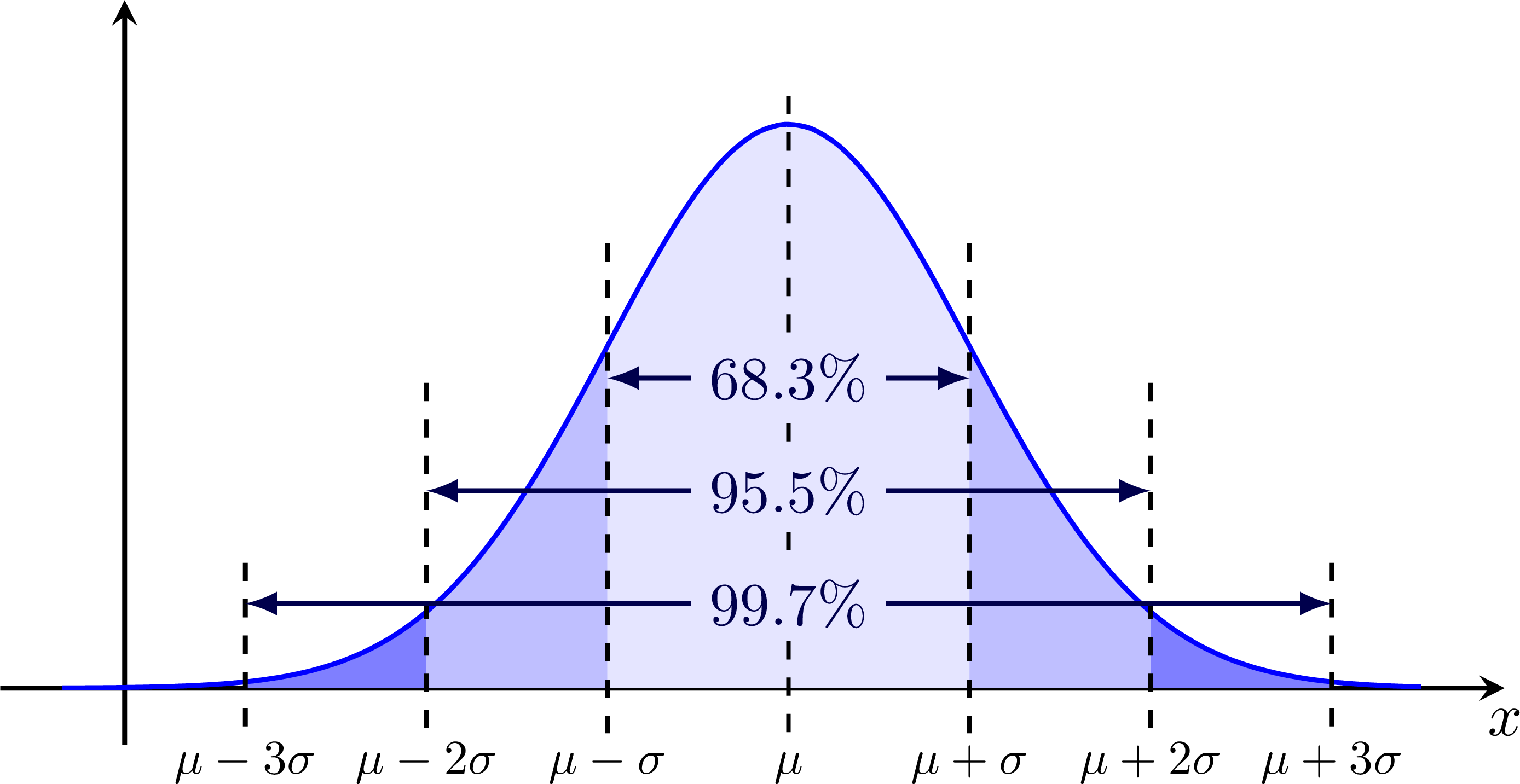
Outliers in finance are data points or events that deviate sharply from expected patterns — whether in returns, prices, risk models, or trading behavior. They matter a lot because financial models often assume “normal” (Gaussian) distributions, but real markets have fatter tails than that assumption predicts, meaning extreme events happen more often than standard models expect.
Types of outliers in finance
Statistical/return outliers Extreme price moves or returns far from the mean — think of a stock jumping 30% in a day on an earnings surprise, or a currency suddenly devaluing. These show up as “fat tails” in return distributions.
Market crashes and crises Events like Black Monday (1987), the 2008 financial crisis, or the 2020 COVID crash are classic outliers — sometimes called “black swans,” a term popularized to describe rare, high-impact, hard-to-predict events that get rationalized in hindsight.
Flash crashes Sudden, extremely rapid price drops (and often quick recoveries) driven by algorithmic trading feedback loops, like the 2010 Flash Crash where the Dow dropped nearly 1,000 points in minutes.
Fraud and anomalies in transactions In risk management and compliance, outlier detection is used to flag unusual transactions that might indicate fraud, money laundering, or insider trading — a single transaction wildly inconsistent with a customer’s normal behavior.
Valuation outliers Companies or assets priced far outside what fundamentals would suggest — extreme bubbles (dot-com stocks in 1999–2000) or extreme undervaluation during panics.
Model/data errors Sometimes an “outlier” is just bad data — a fat-fingered trade, a stale price feed, or a data entry error — which needs to be distinguished from a genuine market signal.
Why they matter
Risk models break down. Value-at-Risk (VaR) and similar models built on normal distributions tend to underestimate the probability of extreme losses.
Portfolio construction. Ignoring tail risk can leave portfolios dangerously exposed; strategies like tail-risk hedging exist specifically to address this.
Regulatory and compliance use. Outlier detection algorithms are core to fraud detection and anti-money-laundering systems.
Behavioral impact. Outlier events often trigger panic selling or herd behavior, amplifying the outlier itself into a broader crisis.
How they’re handled analytically
Robust statistics — using medians, trimmed means, or robust standard errors instead of ordinary least squares, which is sensitive to outliers.
Fat-tailed distributions — modeling returns with Student’s t-distributions or extreme value theory instead of assuming normality.
Winsorizing/trimming — capping extreme values in a dataset before analysis, common in academic finance research.
Machine learning detection — isolation forests, clustering, and anomaly-detection algorithms increasingly used in trading surveillance and fraud detection.
SPEAKING: Dr. Marcinko will be speaking and lecturing, signing and opining, teaching and preaching, storming and performing at many locations throughout the USA this year! His tour of witty and serious pontifications may be scheduled on a planned or ad-hoc basis; for public or private meetings and gatherings; formally, informally, or over lunch or dinner. All medical societies, financial advisory firms or Broker-Dealers are encouraged to submit an RFP for speaking engagements: CONTACT: Ann Miller RN MHA at MarcinkoAdvisors1738@outlook.com -OR-http://www.MarcinkoAssociates.com
Medicaid is a joint federal–state health insurance program that covers low-income individuals, families, children, pregnant women, elderly adults, and people with disabilities. While it offers broad coverage and financial protection, it also has notable limitations.
Pros
1. Low or No Monthly Premiums Most Medicaid enrollees pay no monthly premium, and those who do typically pay very low amounts compared to private insurance.
2. Comprehensive Coverage Medicaid covers a wide range of services, including hospital stays, doctor visits, lab work, prescriptions, mental health care, substance use treatment, and transportation to appointments Children receive especially thorough coverage under EPSDT, which includes nearly any medically necessary service.
3. Financial Protection Medicaid significantly reduces out-of-pocket costs, with total out-of-pocket spending capped at 5% of family income. This helps prevent medical debt and ensures people can access care without skipping treatments.
4. Access to Long-Term and Support Services It provides coverage for long-term care, home health services, and support services for people with disabilities.
5. Guaranteed Payments for Providers For healthcare providers, Medicaid offers a steady stream of income, which can be more reliable than some private insurance plans.
Cons
1. Limited Provider Acceptance Fewer doctors and specialists accept Medicaid than private insurance or Medicare, which can reduce choice and lead to longer wait times.
2. State-by-State Variations Coverage and benefits vary widely by state, even for federally required services. Optional benefits like comprehensive dental or vision care may be included in some states but not others.
3. Administrative Complexity Enrollment, renewal, and appeals can be complex, and some people face challenges staying enrolled due to income changes or administrative hurdles.
4. Potential Payment Delays Medicaid payments to providers can be delayed, sometimes for over a year, which can strain provider finances.
5. Eligibility Restrictions Not everyone qualifies, and income and asset limits vary by state, which can exclude some who need coverage.
In summary: Medicaid is a strong option for eligible low-income individuals seeking affordable, comprehensive healthcare, but its benefits are offset by limited provider networks, inconsistent coverage, and administrative challenges. Whether it’s the right choice depends on your location, income, and healthcare needs.
SPEAKING: Dr. Marcinko will be speaking and lecturing, signing and opining, teaching and preaching, storming and performing at many locations throughout the USA this year! His tour of witty and serious pontifications may be scheduled on a planned or ad-hoc basis; for public or private meetings and gatherings; formally, informally, or over lunch or dinner. All medical societies, financial advisory firms or Broker-Dealers are encouraged to submit an RFP for speaking engagements: CONTACT: Ann Miller RN MHA at MarcinkoAdvisors1738@outlook.com -OR-http://www.MarcinkoAssociates.com
Yes — a person can be a physician with color vision deficiency (color blindness), but the type and severity of the deficiency, along with the medical specialty, will determine the level of challenge and the need for accommodations.
Types and Impact of Color Vision Deficiency
Most common: Red–green deficiency (protanopia, deuteranopia, protanomaly, deuteranomaly)
Severe cases (e.g., achromatopsia) may struggle with tasks requiring precise color discrimination, while mild cases may have minimal impact.
Medical Specialties Where Color Vision Matters
High reliance: Dermatology, pathology, histopathology, biochemistry, ophthalmology, and some surgical specialties (e.g., plastic surgery).
Lower reliance: Internal medicine, pediatrics, surgery (non-visual aspects), emergency medicine, psychiatry, and many subspecialties.
Challenges
Misinterpreting certain lab results, stains, or imaging if color cues are critical.
Potential safety concerns in specialties involving color-coded equipment or diagnostics.
Accommodations and Strategies
Assistive technology: Apps and devices that convert color information into text or sound for medical images, lab results, and medication labels.
Alternative diagnostic skills: Relying on touch, smell, sound, and collaboration with colleagues to confirm diagnoses. Training and collaboration: Working with specialists who can verify color-based findings.
Adaptive tools: Color-correcting glasses (limited effectiveness) and standardized color codes in labs.
Legal and Ethical Considerations
In the U.S., there is no federal ban on colorblind physicians, but some specialties or institutions may have internal screening or require disclosure.
Ethical practice includes disclosing color vision limitations to patients when relevant to diagnosis or treatment.
Success Stories
Many colorblind physicians have built successful careers, especially in specialties where color vision is not essential. Their adaptability, strong diagnostic skills, and use of technology compensate for visual limitations.
Bottom line: Color blindness does not automatically disqualify someone from being a physician. With awareness of the specialty’s requirements, appropriate accommodations, and strong clinical skills, colorblind individuals can excel in medicine.
SPEAKING: Dr. Marcinko will be speaking and lecturing, signing and opining, teaching and preaching, storming and performing at many locations throughout the USA this year! His tour of witty and serious pontifications may be scheduled on a planned or ad-hoc basis; for public or private meetings and gatherings; formally, informally, or over lunch or dinner. All medical societies, financial advisory firms or Broker-Dealers are encouraged to submit an RFP for speaking engagements: CONTACT: Ann Miller RN MHA at MarcinkoAdvisors1738@outlook.com -OR-http://www.MarcinkoAssociates.com
A group purchasing association — more formally called a Group Purchasing Organization (GPO) — is an entity that combines the buying power of multiple organizations to secure discounted prices and favorable contract terms from suppliers. In finance and procurement, GPOs act as intermediaries between member organizations and vendors, enabling members to access pricing and terms they could not achieve individually.
How They Work
A GPO consolidates the purchasing volume of its members across a range of goods and services, then negotiates pre‑set contracts with suppliers. Members can then purchase under these agreements, often with instant discounts, rebates, or rebates built into the price. This reduces the need for each member to negotiate separately, streamlining procurement and lowering costs.
Revenue models:
Supplier‑funded: Vendors pay administrative fees, so members may join without direct charges.
Member‑funded: Members pay a participation fee or percentage of spend.
Hybrid: Combination of both.
Types:
Horizontal GPOs: Serve multiple industries and diverse businesses, often covering indirect spend like office supplies, IT equipment, and MRO goods.
Vertical GPOs: Focus on a single sector (e.g., healthcare, hospitality, manufacturing).
Benefits in Finance and Procurement:
Cost savings: Members can save 10–25% annually on average, with some reports citing up to 22% or more.
Access to enterprise‑level pricing: Small and mid‑sized organizations gain pricing typically reserved for large buyers.
Efficiency: GPOs handle supplier negotiations and contract management, freeing members to focus on core business.
Risk mitigation: Pre‑negotiated contracts can provide stability during market disruptions.
Industry Context
While GPOs originated in healthcare to control rising costs, they are now used in finance, manufacturing, retail, and other sectors. In finance, they can help banks, investment firms, and financial institutions standardize procurement of technology, office services, and other operational needs.
Example: A GPO might negotiate a 15% discount on IT services for all its member financial institutions, eliminating the need for each to bid separately.
In summary: In finance, a group purchasing association is a strategic procurement tool that leverages collective buying power to reduce costs, improve efficiency, and secure better terms from suppliers, with benefits applicable across industries.
SPEAKING: Dr. Marcinko will be speaking and lecturing, signing and opining, teaching and preaching, storming and performing at many locations throughout the USA this year! His tour of witty and serious pontifications may be scheduled on a planned or ad-hoc basis; for public or private meetings and gatherings; formally, informally, or over lunch or dinner. All medical societies, financial advisory firms or Broker-Dealers are encouraged to submit an RFP for speaking engagements: CONTACT: Ann Miller RN MHA at MarcinkoAdvisors1738@outlook.com -OR-http://www.MarcinkoAssociates.com
Behavioral modification in medicine is a psychotherapeutic approach that uses conditioning principles to change specific behaviors, aiming to reduce maladaptive actions and increase adaptive ones, often without altering a person’s thoughts or feelings directly
Core Principles
Behavioral modification is rooted in methodological behaviorism and the work of B.F. Skinner, who demonstrated that behavior can be shaped through reinforcement (increasing the likelihood of a behavior) and punishment (decreasing it):
Positive reinforcement: Adding a rewarding stimulus (e.g., praise, a preferred activity) to encourage desired behavior.
Negative reinforcement: Removing an aversive stimulus to encourage behavior (e.g., stopping a nagging tone when a patient follows instructions).
Positive punishment: Adding an unpleasant consequence to reduce behavior (e.g., a fine for unsafe driving).
Negative punishment: Removing a desirable consequence to reduce behavior (e.g., taking away privileges for noncompliance)·
Clinical Applications
In medicine, behavioral modification is used across the lifespan for conditions such as:
Addiction (e.g., smoking cessation, substance use programs)
Anxiety and depression (often integrated with CBT)
ADHD and autism spectrum disorder (Applied Behavior Analysis, ABA)
Weight management and habit formation
Dementia-related behavioral problems
It is also applied in health promotion to encourage preventive behaviors like exercise, diet changes, and medication adherence.
Process in Practice
Functional analysis: Identify antecedents (triggers) and consequences of the target behavior
Set specific, measurable goals for the desired behavior change.
Select reinforcement or punishment strategies based on the analysis.
Implement and monitor changes, adjusting as needed.
Evaluate outcomes and maintain gains over time.
Advantages and Considerations
Behavioral modification can be evidence-based, measurable, and effective when combined with other interventions, such as pharmacotherapy. However, it requires careful ethical application, especially when using punishment, and should be tailored to the patient’s cultural and personal context
In summary, behavioral modification in medicine is a structured, goal-oriented method for altering observable behaviors through environmental contingencies, widely used in both clinical and public health settings to improve health outcomes.
SPEAKING: Dr. Marcinko will be speaking and lecturing, signing and opining, teaching and preaching, storming and performing at many locations throughout the USA this year! His tour of witty and serious pontifications may be scheduled on a planned or ad-hoc basis; for public or private meetings and gatherings; formally, informally, or over lunch or dinner. All medical societies, financial advisory firms or Broker-Dealers are encouraged to submit an RFP for speaking engagements: CONTACT: Ann Miller RN MHA at MarcinkoAdvisors1738@outlook.com -OR-http://www.MarcinkoAssociates.com
String theory, one of the most ambitious frameworks in theoretical physics, proposes that the fundamental constituents of reality are not point-like particles but tiny vibrating strings, whose different modes of oscillation give rise to the particles and forces we observe. Developed primarily to reconcile general relativity with quantum mechanics, string theory operates at scales far removed from anything directly observable in biology or medicine—the Planck length, roughly 10⁻³⁵ meters, dwarfs even the smallest cellular structures by many orders of magnitude. And yet, the conceptual apparatus of string theory has begun to seep, in indirect and often speculative ways, into how some scientists think about biological systems and medical technology.
A Speculative Bridge Between Physics and Healing
The most honest starting point is to acknowledge that string theory has no established, direct clinical application. No drug has been designed using string theory, no diagnostic tool depends on it, and no disease mechanism has been explained by it. The connection between string theory and medicine is almost entirely mediated through mathematics, computational tools, and a handful of speculative research programs rather than through direct physical mechanisms. Understanding this distinction is essential to avoid overstating the relationship.
Where the influence does show up is in the mathematical machinery string theory has produced. String theorists developed powerful techniques for handling extremely complex, high-dimensional systems—tools from areas like topology, geometry, and statistical mechanics. Some of these mathematical methods have found their way into computational biology, particularly in modeling the folding behavior of proteins. Protein folding is a problem of staggering combinatorial complexity: a single protein chain can theoretically adopt an astronomical number of configurations before settling into its functional shape. Techniques borrowed from the study of energy landscapes in theoretical physics, including ideas that overlap with string theory’s treatment of multidimensional spaces, have informed some algorithms used to predict how proteins fold. This matters medically because misfolded proteins are implicated in diseases such as Alzheimer’s, Parkinson’s, and certain prion disorders. The connection here is not that string theory explains folding directly, but that the mathematical culture it fostered has cross-pollinated with computational biology.
A second, more speculative avenue involves quantum biology, a small but growing field examining whether quantum mechanical effects—coherence, tunneling, entanglement—play functional roles in biological processes like photosynthesis, enzyme catalysis, or even neural function. String theory is one of several frameworks physicists use to think about the deep structure of quantum mechanics, and some researchers exploring quantum biology draw loosely on concepts from high-energy theoretical physics when trying to model how quantum effects might survive in the warm, noisy environment of a living cell. This remains a contested and largely unproven area of science. If quantum effects do turn out to meaningfully influence processes like enzymatic reactions or neural signaling, the theoretical toolkit built for string theory could conceivably offer modeling approaches, but this is a possibility on the horizon rather than a demonstrated medical reality.
A third area worth mentioning is more metaphorical than scientific: string theory has entered public and academic discourse as a symbol of unifying disparate scales and forces into a single coherent framework. Some researchers and writers have used this idea as an inspirational analogy when discussing systems medicine or integrative approaches to health—the notion that seemingly separate biological systems (immune, endocrine, neural) might be understood through a more unified, interconnected framework, much as string theory seeks to unify gravity with quantum forces. This is a rhetorical borrowing rather than a scientific one, and it should not be mistaken for a genuine physical mechanism linking the two fields.
***
***
It is also worth noting the role of nanomedicine and materials science, where string theory’s parent discipline, particle physics, has had real technological spillover. Techniques developed for particle accelerators and detectors, informed by the broader theoretical physics ecosystem in which string theory sits, have contributed to imaging technologies such as PET scans and to the development of novel materials used in targeted drug delivery. Here again, the relationship is diffuse: string theory itself did not produce these technologies, but it exists within the same intellectual and institutional ecosystem that did.
In sum, string theory’s relevance to medicine today is real but modest, and it is important not to inflate a handful of indirect mathematical and cultural connections into a substantive medical discipline. The strings of string theory operate at a scale and in a domain so far removed from clinical biology that a direct causal bridge does not currently exist. What does exist is a set of borrowed mathematical tools, a speculative overlap with quantum biology, and a loose metaphorical resonance with systems-level thinking in medicine. Framing the relationship honestly—as suggestive and early-stage rather than established—serves both scientific accuracy and the broader public’s understanding of how theoretical physics and medicine actually intersect.
SPEAKING: Dr. Marcinko will be speaking and lecturing, signing and opining, teaching and preaching, storming and performing at many locations throughout the USA this year! His tour of witty and serious pontifications may be scheduled on a planned or ad-hoc basis; for public or private meetings and gatherings; formally, informally, or over lunch or dinner. All medical societies, financial advisory firms or Broker-Dealers are encouraged to submit an RFP for speaking engagements: CONTACT: Ann Miller RN MHA at MarcinkoAdvisors1738@outlook.com -OR-http://www.MarcinkoAssociates.com
Every organization has them: the salesperson who closes deals no one else can touch, the engineer who ships in half the expected time, the manager whose team never seems to burn out. These are outliers—individuals or teams whose performance, behavior, or results sit far outside the normal distribution. Management theory has traditionally treated outliers with suspicion, viewing them as noise to be smoothed over in pursuit of consistency and predictability. But this instinct, while understandable, often costs organizations their most valuable sources of insight and competitive advantage.
Why Managers Distrust Outliers
Management as a discipline grew up alongside statistical process control and industrial engineering, fields built on the assumption that variation is the enemy. Six Sigma, standardized operating procedures, and performance calibration systems all share a common goal: shrink the spread of outcomes so that results become predictable. Within this paradigm, an outlier is a defect. If one factory worker outperforms peers by 300%, the instinct is not to celebrate but to investigate—perhaps the metric is flawed, the conditions were unusual, or the result won’t replicate.
This skepticism isn’t irrational. Regression to the mean is real, and many apparent outliers are simply statistical noise that will fade over time. A single quarter of extraordinary sales performance might reflect a lucky territory assignment rather than genuine skill. Averaging and normalizing protect organizations from overreacting to randomness. The danger arises when this protective instinct hardens into a blanket policy that treats all deviation as suspect, regardless of whether it stems from noise or from something real and repeatable
The Cost of Managing to the Middle
When organizations design policies, incentives, and cultures around the median employee, they inadvertently suppress the very people capable of disproportionate contribution. Consider how many companies structure compensation, promotion timelines, and evaluation criteria around consistency and tenure rather than exceptional output. A brilliant but unconventional performer who doesn’t fit neatly into a nine-box grid often gets flagged as “difficult to manage” rather than recognized as a source of asymmetric value.
This matters because performance in most knowledge-based and creative fields doesn’t follow a neat bell curve. Research on productivity across fields—from scientific output to software engineering to venture investing—consistently shows power-law distributions rather than normal ones. A small percentage of contributors generate a disproportionate share of the results. If management systems are calibrated for a normal distribution when the underlying reality is a power law, they will systematically misallocate attention, resources, and rewards. Worse, standardized management practices can actively drive high-variance performers out of the organization, since the systems designed to control variance often frustrate exactly the autonomy and unconventional methods such people rely on.
Two Kinds of Outliers
Effective management requires distinguishing between two very different phenomena that get lumped together under the same label. The first is noise: temporary, non-repeatable variation caused by luck, timing, or measurement error. The second is signal: a genuine, durable difference in capability, method, or judgment that produces consistently superior results.
Confusing the two leads to costly errors in both directions. Treating noise as signal causes organizations to over-invest in flukes, promoting people or copying practices that won’t replicate. Treating signal as noise causes them to ignore or suppress genuinely superior approaches simply because they fall outside institutional norms. The practical challenge for managers is building enough contact with the work itself—not just the metrics—to tell which kind of outlier they’re looking at. This usually requires longitudinal observation rather than single-period snapshots, since durable skill tends to show up as elevated performance across varying conditions, while luck tends to be inconsistent and context-dependent.
Designing for Positive Deviance
Some organizations have moved beyond mere tolerance of outliers toward actively studying them. The positive deviance approach, developed originally in public health and later adapted to organizational contexts, starts from a simple premise: within any population facing the same constraints, some individuals or units achieve dramatically better outcomes using resources already available to everyone else. Rather than importing best practices from outside, this approach identifies and studies the internal outliers already succeeding, then works to understand and diffuse whatever they’re doing differently.
This reframes the outlier from an anomaly to be normalized into a resource to be mined. A manager who notices that one team consistently ships features faster without sacrificing quality has a choice: dismiss it as an unrepeatable fluke, or treat it as a natural experiment worth studying closely. The latter approach requires humility, since it means the standard process the organization has invested in might be suboptimal, and genuine curiosity, since the answer is rarely obvious from dashboards alone.
Building Room for Extremes
Practically, this means management systems need slack built in for exploration and deviation, rather than optimizing purely for compliance and consistency. It means evaluation processes that ask not just “did this match the plan” but “what did this person or team figure out that others haven’t.” It means resisting the urge to force high performers into standardized career tracks or management structures that assume everyone needs the same level of oversight.
None of this argues for abandoning process or standards altogether—most work still benefits from consistency, and most apparent outliers really are noise. But the organizations that thrive tend to be the ones that build the judgment to tell the difference, and the flexibility to let genuine outliers operate on their own terms rather than forcing them back toward the mean.
SPEAKING: Dr. Marcinko will be speaking and lecturing, signing and opining, teaching and preaching, storming and performing at many locations throughout the USA this year! His tour of witty and serious pontifications may be scheduled on a planned or ad-hoc basis; for public or private meetings and gatherings; formally, informally, or over lunch or dinner. All medical societies, financial advisory firms or Broker-Dealers are encouraged to submit an RFP for speaking engagements: CONTACT: Ann Miller RN MHA at MarcinkoAdvisors1738@outlook.com -OR-http://www.MarcinkoAssociates.com
Kalshi occupies a strange, fascinating corner of American finance—a place where trading a contract and placing a bet look almost identical, yet the law insists they are fundamentally different things. Founded in 2018 by Luana Lopes Lara and Tarek Mansour, Kalshi became the first federally regulated exchange in the United States where individuals can trade directly on the outcomes of real-world events. It isn’t a casino, a sportsbook, or an offshore betting site. It’s registered with, and overseen by, the Commodity Futures Trading Commission (CFTC), the same federal agency that regulates derivatives markets for commodities like oil, wheat, and interest rates.
The mechanics are simple enough to understand in a minute. Kalshi lists “event contracts” tied to a yes-or-no question: Will inflation exceed 3% next month? Will a particular bill pass Congress? Will a named hurricane make landfall in Florida this season? Each contract trades between zero and one dollar, and its price reflects the market’s collective estimate of the probability that the event occurs. If you buy a “yes” contract at 40 cents and the event happens, you collect a dollar; if it doesn’t, you get nothing. That price of 40 cents isn’t arbitrary—it’s the aggregated judgment of everyone trading on the platform, updated continuously as new information arrives. In that sense, Kalshi contracts function less like lottery tickets and more like tiny, liquid forecasts, similar in spirit to how a stock price aggregates opinions about a company’s future earnings.
What makes Kalshi legally distinct from a betting site is the regulatory architecture underneath it. Traditional sports betting is licensed state by state, subject to a patchwork of gambling laws, and generally justified as a form of entertainment. Kalshi, by contrast, operates under commodities law, the same framework that governs contracts allowing farmers to hedge against crop price swings or airlines to hedge against fuel costs. The CFTC evaluates whether a proposed contract serves a legitimate risk-management or price-discovery purpose, and whether it conflicts with public interest standards written into the Commodity Exchange Act. This is why Kalshi has faced repeated legal skirmishes: the agency initially rejected the company’s request to list contracts on control of Congress in 2023, arguing that political-outcome betting resembled gaming rather than legitimate hedging. Kalshi sued, won in federal court, and the ruling opened the door for election-related contracts to trade legally, a development that drew intense scrutiny during the 2024 election cycle as commentators debated whether prediction markets were more accurate forecasting tools than traditional polling.
That legal victory emboldened Kalshi to push into more contested territory, particularly sports-adjacent contracts—wagers on game outcomes framed as event contracts rather than sports bets. This has triggered a fresh round of conflict, with several state gaming regulators arguing Kalshi is functionally offering sports betting without state licenses or the consumer protections that come with them, while Kalshi maintains that federal law preempts state gambling statutes for CFTC-registered products. The dispute remains unsettled in various jurisdictions, and it captures the deeper tension animating the platform’s entire existence: the line between a financial hedge and a bet is often more about legal classification than economic substance.
Beyond the courtroom drama, Kalshi represents something intellectually interesting: an attempt to turn speculation about the future into a transparent, tradable, and somewhat civically useful activity. Economists have long argued that prediction markets aggregate dispersed information more efficiently than expert panels or opinion polls, because traders have real financial skin in the game and are punished for being wrong. Whether Kalshi will mature into a genuinely useful forecasting tool for policy, weather, and economic events, or whether it will be pulled ever closer to the gravitational field of sports gambling, remains an open question.
For now, Kalshi sits at an unusual intersection of finance, law, and public curiosity: a place where you can hedge against a recession, speculate on a Federal Reserve decision, or wager on next season’s championship, all under the umbrella of federal commodities regulation rather than state gambling law. It’s a reminder that markets don’t just price stocks and bonds; increasingly, they price our uncertainty about almost everything else too.
SPEAKING: Dr. Marcinko will be speaking and lecturing, signing and opining, teaching and preaching, storming and performing at many locations throughout the USA this year! His tour of witty and serious pontifications may be scheduled on a planned or ad-hoc basis; for public or private meetings and gatherings; formally, informally, or over lunch or dinner. All medical societies, financial advisory firms or Broker-Dealers are encouraged to submit an RFP for speaking engagements: CONTACT: Ann Miller RN MHA at MarcinkoAdvisors1738@outlook.com -OR-http://www.MarcinkoAssociates.com
The 10 most widely watched leading economic indicators are: ISM Manufacturing PMI new orders, building permits, 10‑year vs. 2‑year Treasury yield spread, initial jobless claims, Conference Board Leading Economic Index (LEI), average weekly manufacturing hours, consumer expectations, S&P 500 performance, manufacturers’ new orders for consumer goods, and credit spreads.
What “Leading” Means
Leading indicators change direction before the broader economy does — they peak before recessions and trough before recoveries. This makes them valuable for forecasting rather than confirming past trend.
The 10 Key Leading Indicators
ISM Manufacturing PMI – New Orders Sub‑Index Tracks new manufacturing orders; a sub‑50 reading with falling momentum often signals an upcoming recession. Leads industrial production by 3–6 months.
Building Permits Measures housing starts; leads construction activity by 1–3 months and the broader housing cycle by 6–12 months.
10‑Year vs. 2‑Year Treasury Yield Spread Inversions (10y > 2y) can precede recessions by 12–18 months; re‑steepening after inversion signals higher risk.
Initial Jobless Claims Weekly measure of labor market stress; sustained rises (20%+ from trough) have preceded modern recessions.
Conference Board Leading Economic Index (LEI) Composite of 10 series, including the above, designed to signal near‑term economic direction.
Average Weekly Hours in Manufacturing Falling hours often precede layoffs by 3–6 months, signaling reduced business demand.
S&P 500 Performance Persistent 6‑month declines have historically preceded GDP contractions.
Manufacturers’ New Orders for Consumer Goods Reflects forward demand; Census M3 series leads industrial production.
Credit Spreads (HY OAS) Widening spreads (>100 bps over 60 days) have often preceded equity drawdowns.
How to Use Them
No single indicator is infallible. Analysts watch the aggregate signal — the LEI and other composites help filter noise and improve forecast accuracy.
Tip: For U.S. investors, monitoring these indicators monthly can help anticipate shifts in growth, inflation, and market sentiment, enabling proactive business and investment decisions.
SPEAKING: Dr. Marcinko will be speaking and lecturing, signing and opining, teaching and preaching, storming and performing at many locations throughout the USA this year! His tour of witty and serious pontifications may be scheduled on a planned or ad-hoc basis; for public or private meetings and gatherings; formally, informally, or over lunch or dinner. All medical societies, financial advisory firms or Broker-Dealers are encouraged to submit an RFP for speaking engagements: CONTACT: Ann Miller RN MHA at MarcinkoAdvisors1738@outlook.com -OR-http://www.MarcinkoAssociates.com
In medicine, a Group Purchasing Organization (GPO) is a collaborative entity that aggregates the buying power of multiple healthcare providers to negotiate discounted prices and favorable terms with suppliers for medical supplies, equipment, pharmaceuticals, and related services.
How Medical GPOs Work
A GPO acts as an intermediary between healthcare organizations and manufacturers/distributors. By combining the purchasing volume of many hospitals, clinics, physician practices, and long‑term care facilities, GPOs can secure lower prices, better contract terms, and value‑added services that individual providers could not achieve alone.
Process: GPOs negotiate master contracts with suppliers; members order through these contracts to access negotiated pricing.
Revenue model: Typically funded by suppliers via administrative fees (1–3% of sales volume), so membership is often free or low‑cost for providers.
Scope: Covers everything from surgical gloves and vaccines to imaging systems and surgical robots.
Examples of Medical GPOs
CCPA Purchasing Partners (CCPAPP): Focuses on physicians and all specialties, offering discounts on vaccines, medical supplies, equipment, and pharmaceuticals. No cost to join; revenue shared with members.
Medical Group Purchasing Organization (MPPG): Operates as a Physician Buying Group, delivering deep savings on vaccines, medical equipment, supplies, and insurance, with direct manufacturer contracts.
Healthcare Supply Chain Association (HSCA): Represents and supports GPOs serving hospitals, nursing homes, and home health agencies, advocating for supply chain transparency and cost savings.
Benefits for Healthcare Providers
Cost savings through volume‑based discounts.
Access to competitive pricing for high‑cost items like vaccines and imaging equipment.
Administrative efficiency by consolidating procurement processes.
Risk mitigation via standardized contracts and compliance frameworks.
When to Consider a GPO
GPOs are especially valuable for organizations with limited purchasing power individually, or for those seeking to standardize procurement across multiple sites. However, some facilities may achieve better results through direct negotiation for certain high‑value or specialized items.
In summary: In the medical field, GPOs are strategic partners that leverage collective buying power to reduce costs and improve efficiency for healthcare providers, with well‑known examples like CCPAPP, MPPG, and HSCA offering tailored solutions for different provider types.
SPEAKING: Dr. Marcinko will be speaking and lecturing, signing and opining, teaching and preaching, storming and performing at many locations throughout the USA this year! His tour of witty and serious pontifications may be scheduled on a planned or ad-hoc basis; for public or private meetings and gatherings; formally, informally, or over lunch or dinner. All medical societies, financial advisory firms or Broker-Dealers are encouraged to submit an RFP for speaking engagements: CONTACT: Ann Miller RN MHA at MarcinkoAdvisors1738@outlook.com -OR-http://www.MarcinkoAssociates.com
Financial markets have long defied the tidy assumptions of classical economic theory. Prices are supposed to follow rational expectations, and returns are supposed to distribute themselves neatly along a bell curve. Yet anyone who has watched a market crash unfold in a matter of hours, or a currency collapse overnight, knows that reality behaves very differently. Chaos theory offers a compelling lens for understanding this behavior—not because markets are random, but because they may be governed by deterministic rules so sensitive to initial conditions that they appear random.
What Chaos Theory Actually Says
Chaos theory, developed largely through the work of mathematicians and physicists studying weather systems and fluid dynamics, describes systems that are deterministic yet unpredictable. A chaotic system follows precise mathematical rules, but tiny differences in starting conditions produce wildly divergent outcomes over time. This is the famous “butterfly effect”: a small perturbation can cascade into a dramatically different result.
The key insight is that chaos is not the same as randomness. A random system has no underlying order at all. A chaotic system has order—an equation, a rule, a structure—but that order is so exquisitely sensitive to small changes that long-term prediction becomes practically impossible, even though the system is not random in any fundamental sense.
Why Finance Looked Like a Natural Fit
Traditional financial models, most notably the efficient market hypothesis and the Black-Scholes option pricing framework, assume that price changes are essentially random walks—independent, identically distributed shocks with no memory of the past. But empirical data has never fully cooperated with this assumption. Financial returns exhibit “fat tails,” meaning extreme events happen far more often than a normal distribution would predict. Markets also show volatility clustering, where periods of high volatility bunch together rather than appearing uniformly over time. And prices sometimes display long-range dependence, where past movements seem to influence future ones in subtle ways.
These anomalies suggested to researchers in the 1980s and 1990s that markets might not be purely random but chaotic instead. If so, there could be deterministic structure underlying price movements, and tools developed for chaotic systems—like the Lyapunov exponent, which measures how quickly nearby trajectories diverge, or fractal dimension analysis, which examines self-similarity across time scales—might reveal patterns invisible to conventional statistics.
Benoit Mandelbrot’s work on fractals was particularly influential here. He observed that price charts of markets look statistically similar whether you zoom into a single day or out to a decade, a property called self-similarity. This fractal structure suggested that market volatility follows power laws rather than the smooth, well-behaved distributions assumed by classical finance.
The Practical Reality
Despite the theoretical appeal, applying chaos theory rigorously to financial markets has proven extraordinarily difficult. Detecting genuine chaos requires distinguishing it from mere randomness or noise, and financial data is notoriously noisy, non-stationary, and limited in length compared to the vast datasets available in physical sciences. Tests for chaos that work well on clean physical systems often produce ambiguous or contradictory results when applied to stock returns or exchange rates. Some studies have found weak evidence of low-dimensional chaos in specific markets or time periods; others have found none, attributing the apparent complexity instead to stochastic volatility or structural breaks.
This ambiguity has led many researchers to a middle position: markets may not be chaotic in the strict mathematical sense, but they behave as complex adaptive systems with chaos-like features. This framing borrows from chaos theory’s vocabulary—sensitivity to initial conditions, nonlinearity, feedback loops—without insisting on a literal, provable chaotic attractor underlying price formation.
Why the Idea Still Matters
Even without definitive proof of chaos in the technical sense, the conceptual shift has been valuable. It has pushed finance away from the assumption that markets are simple, linear, and easily modeled, and toward an appreciation of feedback loops, nonlinearity, and emergent behavior. Herd behavior among investors, the amplifying effects of leverage, and the interconnectedness of global financial institutions all resemble the kinds of feedback mechanisms that generate chaos in physical systems. A small shock in one corner of the system, like a regional banking failure, can propagate unpredictably through the network and produce consequences wildly disproportionate to its origin.
This perspective has practical implications for risk management. If markets are potentially chaotic or complex rather than simply random, then risk models built on normal distributions and historical averages will systematically underestimate the likelihood of extreme events. This is part of why regulators and risk managers increasingly supplement traditional value-at-risk models with stress testing, scenario analysis, and fat-tailed distributions that better accommodate the possibility of sudden, severe, and hard-to-predict market movements.
A Humbling Conclusion
Ultimately, chaos theory’s greatest contribution to finance may not be predictive power but epistemic humility. It suggests that even if the underlying rules governing markets were fully known, long-term prediction might remain fundamentally impossible due to sensitivity to initial conditions. This is a sobering counterpoint to the confidence often placed in sophisticated financial models. Markets may never be tamed into full predictability, and chaos theory helps explain why that limitation might be inherent to the system itself, not merely a matter of insufficient data or computing power.
SPEAKING: Dr. Marcinko will be speaking and lecturing, signing and opining, teaching and preaching, storming and performing at many locations throughout the USA this year! His tour of witty and serious pontifications may be scheduled on a planned or ad-hoc basis; for public or private meetings and gatherings; formally, informally, or over lunch or dinner. All medical societies, financial advisory firms or Broker-Dealers are encouraged to submit an RFP for speaking engagements: CONTACT: Ann Miller RN MHA at MarcinkoAdvisors1738@outlook.com -OR-http://www.MarcinkoAssociates.com
President Donald Trump is considering a new economic pitch to voters ahead of the November midterm elections: cutting capital gains taxes and expanding an exemption for home sales. The idea surfaced publicly when National Economic Council Director Kevin Hassett told Fox Business host Larry Kudlow that Trump wants to give voters fresh incentives to back Republicans this fall. Kudlow, who ran the same council during Trump’s first term, added that he had recently discussed indexing capital gains to inflation with Trump directly.
The mechanics of the proposal matter here. Indexing capital gains means taxes would only apply to the portion of an investment’s growth that exceeds inflation, rather than the full nominal gain. Under current law, if someone bought an asset years ago and its price rose partly because of inflation and partly because of real appreciation, they pay tax on the entire increase. Indexing would shrink the taxable base substantially, especially for long-held assets like stocks and real estate. This is not a brand-new idea. Republican administrations, including Trump’s first term, have explored implementing it unilaterally through Treasury regulation without going through Congress, but legal experts have warned that approach would likely draw court challenges. That legal uncertainty appears to be why the current push involves calling on Congress to act instead.
The second piece of the plan targets home sales. The existing capital gains exemption for a primary residence sits at $500,000 for married couples, a threshold that hasn’t been adjusted in decades despite substantial home price appreciation in many markets. Raising that cap has a broader coalition of support than the capital gains indexing idea, since middle-class homeowners in high-cost areas increasingly bump against the current limit. That gives the home-sale piece a more bipartisan flavor than the capital gains change, which tends to draw sharper partisan lines.
Politically, the timing reflects the reality that midterms are historically rough on the party holding the White House, and this cycle appears no exception. Republicans currently hold narrow majorities in both chambers of Congress, and Democrats are looking to build on gains from off-cycle elections. Trump’s team appears to be searching for policy pledges that can be presented as pocketbook wins heading into November, when control of the House and Senate will be decided.
The proposal, however, carries an obvious political vulnerability: both elements would disproportionately benefit wealthier households. Indexing capital gains helps most those with the largest unrealized gains sitting in investment portfolios—commentary around the plan has pointed to how someone like Warren Buffett, who has held stakes in companies like Coca-Cola and American Express for decades, would see outsized savings under an indexing scheme, even if a total tax bill of zero remains unlikely. Critics on the left have already characterized the plan as another tax break aimed at high-income donors rather than working- or middle-class voters, arguing it echoes distributional criticism leveled at other recent tax legislation.
It’s worth noting that nothing here is settled policy. The White House has been careful to keep distance between the trial-balloon commentary and any formal proposal. A White House spokesman said Trump is “always exploring new ideas” but that any actual policy announcements would come directly from the administration, not from allies speaking to the press. No legislative language or executive order has emerged. Whether this becomes an actual midterm campaign plank—or the latest example of policy floated more for headline value than legislative follow-through—will depend on whether the White House decides the political upside outweighs the “tax cuts for the wealthy” attack lines it hands to opponents.
SPEAKING: Dr. Marcinko will be speaking and lecturing, signing and opining, teaching and preaching, storming and performing at many locations throughout the USA this year! His tour of witty and serious pontifications may be scheduled on a planned or ad-hoc basis; for public or private meetings and gatherings; formally, informally, or over lunch or dinner. All medical societies, financial advisory firms or Broker-Dealers are encouraged to submit an RFP for speaking engagements: CONTACT: Ann Miller RN MHA at MarcinkoAdvisors1738@outlook.com -OR-http://www.MarcinkoAssociates.com
Posted on August 20, 2026 by Dr. David Edward Marcinko MBA MEd CMP™
***
***
Longer-term U.S. Treasury yields dropped sharply Wednesday after the Treasury Department announced that it would increase the size of its government debt repurchases by “at least double” in a surprise move.
The yield on the 30-year Treasury bond plunged from 5.26% to as low as 5.18%. The 10-year yield, which has a heavy hand in steering consumer borrowing rates, was less impacted by the announcement but still dropped from 4.68% to 4.64%.
Medicare for All would guarantee universal coverage and reduce administrative costs, but it would require major tax increases, eliminate most private insurance, and could introduce wait‑time and capacity challenges.
Overview
“Medicare for All” (M4A) refers to a single‑payer system replacing nearly all private insurance with a federally run program covering all U.S. residents. It expands benefits (dental, vision, mental health, long‑term care) and removes premiums, deductibles, and most out‑of‑pocket costs. Funding shifts from private/employer spending to federal taxation.
Pros
1. Universal Coverage
Every U.S. resident would be insured automatically, eliminating uninsured and underinsured populations.
Coverage would be portable—no loss of insurance when changing jobs or states.
2. Lower Administrative Costs
Eliminates insurance billing complexity, marketing, claims processing, and multi‑payer overhead.
Supporters cite potential national savings from streamlined administration and stronger bargaining power.
3. Expanded Benefits & No Cost‑Sharing
Includes dental, vision, hearing, mental health, prescription drugs, and long‑term care.
No premiums, deductibles, or copays (except limited drug cost caps4. Stronger Price Negotiation
A single national payer could negotiate lower drug and provider prices, similar to other single‑payer countries.
5. Equity & Simplification
Reduces disparities tied to income, employment, or geography.
Simplifies enrollment and billing for patients and providers.
Cons
1. Large Federal Tax Increases
Estimates range widely: critics cite roughly $32 trillion in new federal spending over 10 years.
Even if total national health spending falls, federal revenue requirements rise sharply.
2. Elimination of Most Private Insurance
Employer-sponsored and individual private plans would disappear for covered services.
Critics argue this reduces consumer choice and disrupts existing arrangements people prefer.
3. Potential Wait Times & Capacity Constraints
Evidence from Canada, UK, and Nordic systems shows universal coverage often comes with longer wait times for non‑emergency care.
4. Economic Disruption
Insurance industry employment (approx. 2 million jobs) could be significantly affected.
Hospitals may face lower reimbursement rates, affecting revenue and operations.
5. Implementation Challenges
Transitioning from a multi‑payer system to a single‑payer model is complex and politically contentious.
Requires new national budgeting, provider payment systems, and phased rollout.
Summary
Medicare for All promises universal coverage, expanded benefits, and potential national cost savings through administrative efficiency and price negotiation. However, it also requires substantial tax increases, eliminates most private insurance, and may introduce wait‑time and capacity challenges.
SPEAKING: Dr. Marcinko will be speaking and lecturing, signing and opining, teaching and preaching, storming and performing at many locations throughout the USA this year! His tour of witty and serious pontifications may be scheduled on a planned or ad-hoc basis; for public or private meetings and gatherings; formally, informally, or over lunch or dinner. All medical societies, financial advisory firms or Broker-Dealers are encouraged to submit an RFP for speaking engagements: CONTACT: Ann Miller RN MHA at MarcinkoAdvisors1738@outlook.com -OR-http://www.MarcinkoAssociates.com
Posted on August 18, 2026 by Dr. David Edward Marcinko MBA MEd CMP™
***
***
Americans pulled back on their retail spending in July and their confidence in the economy is taking a hit. That’s a potentially troubling combination for a consumer-driven economy.
Retail sales fell 0.6% in July from the prior month, the Commerce Department said Friday, down from June’s 0.2% and marking the steepest drop since May 2025. Those figures are adjusted for seasonal swings but not inflation. A separate report from the University of Michigan showed that consumer sentiment declined about 8% early this month to a preliminary reading of 51, ending a two-month streak of rising sentiment.
Both reports came in worse than economists had estimated in polls by data firm FactSet, showing that the lifeblood of the US economy — consumer spending — is coming under pressure. People’s dollars account for about two-thirds of economic growth.
Chaos theory in medicine is ultimately a story about how small, often invisible forces can shape the trajectory of human health in ways that defy linear prediction. At its core, chaos theory argues that complex systems—whether weather patterns, ecosystems, or the human body—are exquisitely sensitive to initial conditions. A tiny shift at the beginning can produce enormous, unexpected consequences later. Medicine, despite its reliance on structured protocols and evidence-based pathways, is filled with these nonlinear dynamics. Understanding them doesn’t replace traditional medical science; it deepens it, revealing why outcomes vary, why diseases behave unpredictably, and why individualized care matters more than ever.
Chaos theory first enters medicine through the recognition that biological systems are not mechanical machines. They are dynamic, adaptive, and constantly interacting with internal and external stimuli. Consider the cardiovascular system. Heart rhythms, once thought to be steady and predictable, actually display chaotic patterns that reflect the body’s ability to adapt to stress. Healthy heart rate variability is not perfectly regular; it fluctuates in complex ways that mirror the interplay between the sympathetic and parasympathetic nervous systems. When these fluctuations become too rigid or too erratic, it can signal underlying pathology. In this sense, chaos is not disorder—it is a sign of resilience. The absence of chaos can be a warning.
The immune system offers another vivid example. Immune responses depend on countless variables: genetics, environment, stress, sleep, nutrition, and microbial exposure. A minor change in one of these factors can dramatically alter how the body responds to infection or inflammation. This is why two people exposed to the same virus may have radically different outcomes. Chaos theory helps explain the nonlinear nature of immune cascades, where a small trigger—such as a single cytokine shift—can escalate into a full-blown autoimmune flare or, conversely, resolve quietly without symptoms. Physicians often observe these patterns clinically, even when they cannot fully predict them.
Disease progression itself frequently follows chaotic trajectories. Cancer, for instance, is not a uniform process. Tumors evolve, mutate, and respond to treatment in ways that reflect complex feedback loops. A tiny genetic mutation early in tumor development can lead to aggressive behavior later, while another mutation may render the cancer surprisingly indolent. This unpredictability frustrates clinicians but also highlights why personalized medicine has become essential. Chaos theory reinforces the idea that each patient’s disease is a unique system shaped by countless interacting variables.
In public health, chaos theory sheds light on how epidemics unfold. Infectious disease spread is famously sensitive to initial conditions: one asymptomatic carrier in a crowded environment can ignite an outbreak, while another carrier in a sparsely populated area may cause no noticeable transmission. Small changes in behavior—mask use, handwashing, social distancing—can dramatically alter the trajectory of an epidemic. This nonlinear behavior explains why early intervention is disproportionately powerful. A modest reduction in transmission at the beginning can prevent thousands of cases later. Chaos theory thus supports the urgency of rapid public health responses.
***
***
Clinical decision-making also reflects chaotic dynamics. Physicians often rely on guidelines, but real patients rarely fit neatly into those frameworks. A slight variation in symptoms, a subtle lab abnormality, or a minor comorbidity can shift the entire diagnostic pathway. Two patients with similar presentations may diverge dramatically in their outcomes based on small differences that only become meaningful over time. Chaos theory encourages clinicians to remain flexible, attentive, and humble—recognizing that medicine is not a perfectly predictable science.
Psychiatry and psychology offer some of the most human examples of chaos in medicine. Mental health is shaped by intricate interactions among biology, environment, relationships, and personal history. A seemingly insignificant event—a comment, a memory, a stressor—can trigger profound emotional or behavioral changes. Conversely, a small positive intervention can catalyze major improvement. Therapeutic progress is rarely linear; it often involves sudden breakthroughs or unexpected setbacks. Chaos theory helps explain why mental health treatment must be individualized and adaptive rather than rigidly formulaic.
Even medical technology reflects chaotic principles. Artificial intelligence models used in diagnostics must account for nonlinear relationships among variables. Predictive analytics in hospitals—whether forecasting sepsis, cardiac arrest, or readmission risk—depend on recognizing patterns that emerge from complex, chaotic data. As medicine becomes more data-driven, chaos theory becomes increasingly relevant, guiding how clinicians interpret patterns that are not immediately obvious.
Ultimately, chaos theory in medicine is not about embracing randomness. It is about acknowledging complexity. It teaches that small details matter, that systems are interconnected, and that outcomes are shaped by more than the obvious variables. It encourages clinicians to look beyond linear cause-and-effect thinking and appreciate the deeper dynamics that govern human health.
In practice, this perspective fosters humility, curiosity, and adaptability. It reminds us that medicine is both a science and an art, requiring structured knowledge but also an appreciation for the unpredictable. Chaos theory does not undermine medical expertise; it enriches it, offering a framework for understanding why the human body behaves the way it does and why each patient’s journey is unique.
SPEAKING: Dr. Marcinko will be speaking and lecturing, signing and opining, teaching and preaching, storming and performing at many locations throughout the USA this year! His tour of witty and serious pontifications may be scheduled on a planned or ad-hoc basis; for public or private meetings and gatherings; formally, informally, or over lunch or dinner. All medical societies, financial advisory firms or Broker-Dealers are encouraged to submit an RFP for speaking engagements: CONTACT: Ann Miller RN MHA at MarcinkoAdvisors1738@outlook.com -OR-http://www.MarcinkoAssociates.com
The Master of Education (MEd) in Medical Education has emerged as a credential of growing importance for clinicians, educators, and administrators working at the intersection of healthcare delivery and teaching. Unlike traditional medical training, which focuses on clinical competence, the MEd equips professionals with the pedagogical, curricular, and assessment skills needed to design and deliver effective health professions education. As medical schools, residency programs, and continuing education bodies face mounting pressure to demonstrate educational quality and outcomes, this degree fills a critical gap between clinical expertise and the science of teaching.
Who Pursues the Degree and Why
Most MEd programs in medical education attract physicians, nurses, allied health professionals, and sometimes non-clinical educators who already hold a primary degree in their field. Many are practicing clinicians who have taken on teaching responsibilities—supervising residents, lecturing medical students, or running simulation labs—without formal training in education theory. The MEd offers a structured path to develop these skills systematically, rather than through trial and error on the job.
Career motivations vary. Some pursue the degree to qualify for academic promotion, since many medical schools now expect faculty with significant teaching loads to hold formal credentials in education. Others aim to move into leadership roles such as clerkship director, curriculum dean, or director of faculty development. Still others are drawn to the degree simply to become more effective teachers and mentors.
Core Curriculum Components
Programs typically cover several foundational areas. Curriculum design teaches how to build coherent programs of study aligned with competency frameworks, such as those used in undergraduate and graduate medical education. Assessment and evaluation methods address how to measure learner performance validly and reliably, including work-based assessments, objective structured clinical examinations, and programmatic assessment models.
Educational leadership and change management prepare graduates to navigate the political and organizational dimensions of academic medicine, where curriculum reform often meets institutional resistance. Simulation-based education has become a significant component given its central role in modern clinical training. Coursework also often includes educational research methods, since many programs expect students to complete a scholarly project or thesis examining a specific educational question, ranging from the effectiveness of a teaching intervention to learner experiences with a new curriculum.
Format and Duration
Recognizing that most students are working professionals, many programs offer part-time, online, or hybrid formats that can be completed alongside clinical duties. Full-time study is less common at this level. Duration ranges from one to three years depending on pace and thesis requirements, and universities in the UK, Canada, Australia, and the US all offer variants, though structure and terminology differ somewhat by country.
Value and Limitations
The degree’s value lies primarily in career advancement and skill development for those already embedded in teaching roles; it is not a substitute for clinical training and holds little relevance outside health professions education. Critics note that the market for such credentials can be uneven, with some institutions valuing the degree highly for promotion decisions and others treating it as optional. Prospective students should weigh program reputation, cost, and their own institution’s expectations before committing, since the return on investment depends heavily on context rather than the credential alone.
SPEAKING: Dr. Marcinko will be speaking and lecturing, signing and opining, teaching and preaching, storming and performing at many locations throughout the USA this year! His tour of witty and serious pontifications may be scheduled on a planned or ad-hoc basis; for public or private meetings and gatherings; formally, informally, or over lunch or dinner. All medical societies, financial advisory firms or Broker-Dealers are encouraged to submit an RFP for speaking engagements: CONTACT: Ann Miller RN MHA at MarcinkoAdvisors1738@outlook.com -OR-http://www.MarcinkoAssociates.com
String theory, a cornerstone of modern theoretical physics, has long been celebrated for its ambition to unify quantum mechanics and general relativity into a single, coherent framework. At its core, string theory posits that the fundamental constituents of reality are not zero-dimensional particles but rather one-dimensional “strings” whose vibrational modes correspond to different particles and forces. While originally developed to understand the microscopic fabric of the universe, string theory has inspired conceptual and mathematical innovations that extend beyond physics, including in the realm of financial modeling. Applying string-theoretic ideas to finance is less a matter of literal particle strings and more a matter of importing the analytical sophistication and multidimensional perspective of string theory to understand the complex, interconnected dynamics of global markets.
Financial markets are intrinsically complex systems characterized by nonlinear interactions, stochastic dynamics, and high-dimensional interdependencies. Conventional models, such as the Black-Scholes paradigm, rely on simplifying assumptions that often fail to capture the full scope of market behavior. The stochastic calculus underpinning most financial models treats assets as point-like entities, interacting primarily through price changes over time. In contrast, string theory introduces the notion of extended objects that can encode multiple degrees of freedom along a spatial manifold, providing a framework to represent continuous and correlated variations along a financial “worldsheet.” By conceptual analogy, an asset can be thought of not merely as a discrete value fluctuating in time but as a continuum with internal vibrational patterns, reflecting hidden correlations, stressors, and market microstructure effects that conventional models might ignore.
One of the primary contributions of string-inspired methods in finance is the multidimensional treatment of risk. Traditional portfolio risk models often rely on covariance matrices and linear correlations, which break down under extreme events, systemic shocks, or rapid market evolutions. String-theoretic metaphors extend the dimension of analysis by suggesting multiple, potentially hidden modes of volatility. In practice, this translates into modeling market instruments as “strings” with internal vibration modes corresponding to latent risk factors. For instance, variations along one segment of a string could encapsulate price shifts due to macroeconomic news, while another segment could encode high-frequency trading impacts. This approach enables the construction of richer stochastic differential equations, capturing both localized and systemic fluctuations in a unified formalism.
Another fascinating aspect relates to topological features and symmetry. In string theory, topology determines the allowable vibrational modes and thus the spectrum of physical particles. When applied metaphorically to finance, topological constraints can model connectivity between markets, asset classes, or trading strategies. For instance, financial networks can be embedded onto geometric manifolds wherein the “loops” correspond to closed chains of arbitrage or feedback cycles. Studying the stability and symmetry of these loops informs predictions about systemic risk, contagion, and market resilience. Such insights allow practitioners to move beyond point estimates of risk and valuation to a more holistic understanding of market behavior as a dynamically constrained system influenced by both local interactions and global structure.
The notion of dualities, central in string theory, also offers fertile ground for financial application. Duality symmetries in physics relate seemingly distinct phenomena under a common underlying framework. In finance, this suggests that disparate market behaviors—such as equity and derivative dynamics or bond yields and credit spreads—might be viewed as dual expressions of a deeper underlying structure. By mapping complex problems into a dual representation, analysts can uncover hidden equivalences, reduce computational complexity, or identify opportunities for hedging and strategy optimization that are not immediately apparent in the original domain.
Practical implementation of string-inspired models is challenging, mainly due to computational intensity and the abstract nature of the formalism. Techniques such as lattice discretization of the worldsheet, perturbative expansions, and numerical simulations borrowed from high-energy physics can be adapted to simulate multi-asset interactions. Agent-based modeling frameworks can incorporate string-like interactions, allowing synthetic markets to exhibit emergent properties analogous to vibrational patterns of strings. While the field remains highly theoretical, preliminary studies suggest that these approaches improve the modeling of extreme events, path-dependent options, and correlated asset behaviors—situations where conventional models often fail.
Finally, the philosophical implications of string theory in finance should not be underestimated. By embracing the notion that markets are continuous, high-dimensional, and vibrational systems, analysts cultivate a mindset attentive to subtle, interwoven patterns rather than isolated price movements. This perspective encourages adaptability, a recognition of systemic fragility, and the search for mathematical structures that capture the essence of market complexity. String-inspired thinking pushes the boundaries of risk analysis, valuation, and financial engineering, merging deep theoretical principles with practical market challenges.
In conclusion, while string theory originates in the pursuit of fundamental physical truths, its conceptual and mathematical richness provides valuable lenses through which to view financial systems. By extending the dimensionality of analysis, incorporating vibrational modes, exploring topological constraints, and leveraging duality symmetries, string-inspired frameworks offer a novel approach to understanding market dynamics, systemic risk, and portfolio behavior. Far from a literal physical application, the translation of string-theoretic principles into finance emphasizes abstraction, creativity, and a multidisciplinary approach, aligning theoretical sophistication with the inherently complex nature of global financial markets. In an era of heightened interconnectedness and uncertainty, such perspectives offer promising avenues for modeling, analysis, and strategic foresight beyond conventional methodologies.
SPEAKING: Dr. Marcinko will be speaking and lecturing, signing and opining, teaching and preaching, storming and performing at many locations throughout the USA this year! His tour of witty and serious pontifications may be scheduled on a planned or ad-hoc basis; for public or private meetings and gatherings; formally, informally, or over lunch or dinner. All medical societies, financial advisory firms or Broker-Dealers are encouraged to submit an RFP for speaking engagements: CONTACT: Ann Miller RN MHA at MarcinkoAdvisors1738@outlook.com -OR-http://www.MarcinkoAssociates.com
Something has shifted in how founders and business owners think about wealth management. Entrepreneurs who once handed over their finances to a traditional advisor and moved on are now asking harder questions—and often walking away from relationships they’d maintained for years. This isn’t a passing trend. It reflects a genuine mismatch between what many advisors offer and what successful entrepreneurs actually need.
The Generic Advice Problem
Most financial advisors are trained to serve a broad client base: employees with steady paychecks, standard retirement timelines, and relatively simple tax situations. Entrepreneurs don’t fit that mold. Their wealth is often concentrated in an illiquid, volatile asset—their own business—and their income can swing wildly from year to year. A cookie-cutter approach built around index funds and target-date retirement planning simply doesn’t address the realities of running a company, planning an exit, or managing concentrated equity risk.
Entrepreneurs are increasingly aware of this gap. They’ve built businesses by identifying inefficiencies and demanding results, and they’re applying that same scrutiny to the professionals managing their money. When an advisor’s recommendations feel like they were pulled from a template rather than built around a specific business and its owner, that disconnect becomes hard to ignore.
Tax Strategy Has Become the Battleground
One of the biggest flashpoints is taxes. Business owners are realizing that many advisors focus on investment management while treating tax planning as an afterthought—something handled reactively each spring rather than strategically throughout the year. For someone earning a W-2 salary, this might not matter much. For an entrepreneur with pass-through income, equity compensation, or a pending sale, poor tax coordination can cost hundreds of thousands of dollars.
Sophisticated entrepreneurs now expect proactive tax strategy: entity structuring, timing of income recognition, retirement plan design for owners, and coordination around major liquidity events. When advisors can’t speak fluently to these issues—or worse, aren’t even asking about them—clients notice.
The Exit Planning Gap
A related issue is exit planning. Many entrepreneurs eventually want to sell, merge, or transition their business, and this moment represents the single largest financial event of their lives. Yet plenty of advisors have limited experience guiding clients through the mechanics of a sale: valuation considerations, deal structure implications, escrow and earnout tax treatment, or how to deploy sudden liquidity without making costly mistakes.
Entrepreneurs who’ve been burned by advisors unprepared for this complexity are now seeking out professionals with specific experience in business transitions—not because they distrust financial planning generally, but because they’ve learned that generic guidance falls apart under the weight of a real transaction.
Fee Structures Under the Microscope
Compensation models are also drawing more scrutiny. Assets-under-management fees made sense in an era when most wealth sat in a brokerage account. But when a client’s net worth is tied up in a private business, AUM fees can feel disconnected from the actual value being delivered—especially when that business represents the bulk of the client’s wealth and isn’t part of the fee calculation at all.
More entrepreneurs are asking whether they’re paying for genuine expertise or simply for asset custody. Flat-fee, project-based, or hourly advisory models are gaining traction among this group, precisely because they decouple compensation from asset accumulation and tie it more directly to problem-solving.
What’s Driving the Reconsideration
Underlying all of this is a broader shift in how entrepreneurs evaluate expertise. They’re used to vetting vendors, partners, and hires rigorously, and they’re extending that same discipline to their financial relationships. Access to information has also changed the equation—founders can now research tax strategies, compare fee structures, and connect with peer communities that share notes on which advisors actually deliver specialized value.
The result is a more discerning, less loyal client base. Entrepreneurs aren’t necessarily abandoning professional advice; they’re raising the bar for what that advice needs to look like. They want specialists who understand business ownership from the inside—tax complexity, liquidity events, equity concentration—rather than generalists managing a diversified portfolio with a one-size-fits-all playbook.
For advisors willing to build that specialized expertise, this shift represents an opportunity. For those unwilling to adapt, it’s a warning sign that the client relationships they’ve relied on for years may not last much longer.
SPEAKING: Dr. Marcinko will be speaking and lecturing, signing and opining, teaching and preaching, storming and performing at many locations throughout the USA this year! His tour of witty and serious pontifications may be scheduled on a planned or ad-hoc basis; for public or private meetings and gatherings; formally, informally, or over lunch or dinner. All medical societies, financial advisory firms or Broker-Dealers are encouraged to submit an RFP for speaking engagements: CONTACT: Ann Miller RN MHA at MarcinkoAdvisors1738@outlook.com -OR-http://www.MarcinkoAssociates.com
Value-based care is a term that Medicare, doctors and other health care professionals sometimes use to describe health care that is designed to focus on quality of care, provider performance and the patient experience. The “value” in value-based care refers to what an individual values most.
In value-based care, doctors and other health care providers work together to manage a person’s overall health, while considering an individual’s personal health goals. For example, doctors might coordinate an individual’s blood work so that they only need to go into the clinic once. This approach to care also can help people avoid the emergency department and keep them out of the hospital.
The CMS Innovation Center runs pilot programs called “models” to determine the most effective approaches to this type of care. These models may improve health care, for example, by prompting doctors to:
Talk to each other and coordinate care across practices and appointments.
Focus on an individual receiving care as a whole person by helping them address their medical and nonmedical needs.
SPEAKING: Dr. Marcinko will be speaking and lecturing, signing and opining, teaching and preaching, storming and performing at many locations throughout the USA this year! His tour of witty and serious pontifications may be scheduled on a planned or ad-hoc basis; for public or private meetings and gatherings; formally, informally, or over lunch or dinner. All medical societies, financial advisory firms or Broker-Dealers are encouraged to submit an RFP for speaking engagements: CONTACT: Ann Miller RN MHA at MarcinkoAdvisors1738@outlook.com -OR-http://www.MarcinkoAssociates.com
Posted on August 13, 2026 by Dr. David Edward Marcinko MBA MEd CMP™
****
****
In July, the Consumer Price Index for All Urban Consumers rose 0.1 percent, seasonally adjusted (SA), and rose 3.4 percent over the last 12 months, not seasonally adjusted (NSA). The index for all items less food and energy rose 0.2 percent in July (SA); up 2.5 percent over the year (NSA).
The Consumer Price Index for August 2026 is scheduled to be released on September 11, 2026, at 8:30 A.M. Eastern Time.
The honest answer is: sometimes, yes—but not in the ways most people expect. AI hasn’t made life harder by turning against us in some dramatic sci-fi sense. It’s made things harder in quieter, more frustrating ways that creep into daily routines.
The Friction Nobody Talks About
Start with customer service. Companies have replaced human support with chatbots that loop through the same three unhelpful responses before finally connecting you to a person—if you’re lucky. What used to take one phone call now takes twenty minutes of typing “I want to speak to a human” in different ways. The efficiency promised by automation often just shifts the burden onto the customer.
Then there’s the flood of AI-generated content. Search results are cluttered with articles that sound confident but say nothing useful. Product reviews are increasingly fake or AI-written, making it harder to trust anything online. Job seekers now compete against AI-screened applications, sometimes losing opportunities not because they’re unqualified, but because a keyword-matching algorithm filtered them out before a human ever saw their resume.
There’s also a psychological toll. Constant exposure to AI-generated art, writing, and voices creates a low hum of uncertainty—is this real? Did a person make this? That erosion of trust adds mental overhead to everyday interactions.
Where It Actually Helps
At the same time, dismissing AI as purely a burden ignores how much friction it removes elsewhere. Drafting emails, summarizing dense documents, debugging code, or getting a quick explanation of an unfamiliar topic—these are genuine time-savers. For people with disabilities, AI-powered tools like speech-to-text or real-time translation can be the difference between struggling through a task and completing it with ease.
The difficulty isn’t really about AI’s capability; it’s about how it’s deployed. A well-designed AI tool that respects the user’s time and intelligence makes life easier. A poorly designed one—rushed to market to cut costs—makes life harder while pretending to help.
The Real Problem: Misapplied Automation
Much of the frustration comes from companies using AI as a cost-cutting measure rather than a genuine improvement. Automating a process that used to involve a knowledgeable human, without ensuring the AI can actually replicate that judgment, doesn’t reduce friction—it just relocates it to the end user. This is why interacting with an AI-driven system so often feels like navigating a maze designed by someone who has never had to solve it themselves.
A Matter of Design, Not Destiny
So does AI make life more difficult? It depends entirely on implementation. The same underlying technology can either remove tedious friction or introduce a new, more opaque kind of frustration—often within the same week, sometimes within the same hour.
The real question isn’t whether AI is good or bad for daily life. It’s whether the people deploying it are doing so thoughtfully, with the user’s actual experience in mind, or simply chasing efficiency metrics that look good on a spreadsheet but feel terrible in practice. That distinction, more than the technology itself, determines whether AI becomes a genuine convenience or just one more obstacle between you and getting things done.
SPEAKING: Dr. Marcinko will be speaking and lecturing, signing and opining, teaching and preaching, storming and performing at many locations throughout the USA this year! His tour of witty and serious pontifications may be scheduled on a planned or ad-hoc basis; for public or private meetings and gatherings; formally, informally, or over lunch or dinner. All medical societies, financial advisory firms or Broker-Dealers are encouraged to submit an RFP for speaking engagements: CONTACT: Ann Miller RN MHA at MarcinkoAdvisors1738@outlook.com -OR-http://www.MarcinkoAssociates.com
As geopolitical and economic dynamics shift across the globe, investors are confronting a world order that looks increasingly fluid. Traditional assumptions about stability, growth leadership, and market correlations are being challenged. In this environment, fortifying a portfolio is not simply a matter of caution—it is a strategic necessity. One of the most effective ways to strengthen long‑term resilience is by diversifying across global markets and capitalizing on attractive, high‑quality yields that are emerging in both developed and emerging economies.
The first major trend shaping investor behavior is the fragmentation of global power centers. Economic leadership is no longer concentrated in a handful of Western economies. Regions such as Southeast Asia, parts of Latin America, and the Middle East are asserting greater influence, driven by demographic growth, industrial modernization, and resource advantages. This diffusion of economic momentum means that investors who remain overly concentrated in a single country or region risk missing out on growth cycles unfolding elsewhere. Diversification across global markets allows investors to capture opportunities that arise from these shifting centers of gravity.
One factor is the increasing divergence in monetary policy. For years, major central banks tended to move in rough alignment, creating predictable global liquidity conditions. That era is fading. Some economies are tightening policy to combat inflation, while others are easing to stimulate growth. This divergence creates yield differentials that investors can exploit. High‑quality yields—whether in sovereign debt, investment‑grade corporate bonds, or select emerging‑market instruments—offer a way to enhance income while maintaining a disciplined risk posture. In a world where volatility is likely to remain elevated, reliable yield becomes a stabilizing anchor.
The appeal of high‑quality yields is also tied to the repricing of risk. As geopolitical tensions rise and supply chains reorganize, investors are reassessing what constitutes safety. Government bonds from historically stable countries may not always offer the best risk‑adjusted returns, especially when fiscal pressures mount. Meanwhile, countries with improving governance, stronger balance sheets, or favorable demographic trends may offer yields that compensate investors more fairly for the risks involved. The key is selectivity: identifying markets where fundamentals support sustainable income rather than chasing yield for its own sake.
Diversifying globally also helps investors navigate the changing structure of global trade. The world is moving toward a more regionalized model, with supply chains clustering around strategic partners rather than spanning continents. This shift creates winners and losers. Countries that successfully position themselves as manufacturing hubs, energy suppliers, or technology partners can experience rapid growth. Investors who broaden their geographic exposure can participate in these regional booms while reducing reliance on any single economic system. In a world order defined by flux, spreading exposure becomes a form of insurance.
Another advantage of global diversification is the ability to tap into different economic cycles. Not all markets move in sync. While one region may be slowing due to inflationary pressures, another may be accelerating thanks to infrastructure investment or commodity demand. By allocating capital across multiple cycles, investors can smooth returns and reduce the impact of downturns. This approach is particularly valuable when traditional safe‑haven assets behave unpredictably, as they have in recent years.
High‑quality yields also play a crucial role in counterbalancing equity volatility. As markets adjust to new geopolitical realities, equity valuations may swing more sharply than investors are accustomed to. Income‑producing assets provide a buffer, generating returns even when price appreciation is muted. In addition, yields can help offset currency fluctuations, which are likely to become more pronounced as countries pursue divergent economic strategies. For investors seeking stability without sacrificing opportunity, yield‑oriented diversification offers a compelling solution.
The rise of new financial centers further reinforces the case for global diversification. Cities such as Singapore, Dubai, and São Paulo are becoming influential hubs for capital flows, innovation, and regulatory experimentation. These centers attract investment not only because of their economic prospects but also because they serve as gateways to broader regional markets. Investors who incorporate exposure to these ecosystems can benefit from both growth and improved access to emerging opportunities.
Of course, global diversification requires thoughtful execution. Investors must consider currency risk, political stability, regulatory environments, and liquidity conditions. High‑quality yields must be evaluated through a disciplined lens, focusing on creditworthiness, fiscal sustainability, and long‑term economic prospects. The goal is not to chase the highest returns but to build a portfolio that can withstand shocks while participating in global growth.
Ultimately, the world order in flux presents both challenges and opportunities. Investors who cling to old assumptions may find themselves vulnerable to unexpected shifts. Those who embrace a broader, more dynamic view of global markets can fortify their portfolios against uncertainty. By diversifying across regions and capitalizing on attractive, high‑quality yields, investors position themselves to navigate a complex landscape with confidence and resilience. The future may be unpredictable, but a globally diversified, yield‑enhanced portfolio offers a powerful way to thrive amid the change.
SPEAKING: Dr. Marcinko will be speaking and lecturing, signing and opining, teaching and preaching, storming and performing at many locations throughout the USA this year! His tour of witty and serious pontifications may be scheduled on a planned or ad-hoc basis; for public or private meetings and gatherings; formally, informally, or over lunch or dinner. All medical societies, financial advisory firms or Broker-Dealers are encouraged to submit an RFP for speaking engagements: CONTACT: Ann Miller RN MHA at MarcinkoAdvisors1738@outlook.com -OR-http://www.MarcinkoAssociates.com
Artificial intelligence has triggered one of the largest investment cycles in the history of the technology industry. Amazon, Meta, and Alphabet are spending enormous sums on data centers, advanced chips, networking equipment, energy capacity, and specialized employees. These investments may strengthen their competitive positions and create valuable new products. At the same time, the scale and speed of the spending are changing the financial profiles of companies once celebrated for operating relatively asset-light businesses. The central concern is not that these firms are approaching insolvency, but that persistent AI investment could gradually weaken their credit quality by reducing free cash flow, increasing financing needs, and making returns less predictable.
AI infrastructure is unusually capital-intensive. Training and operating advanced models require large clusters of graphics processors, extensive cooling systems, high-speed networks, and reliable electricity. The infrastructure must also be replaced or upgraded frequently because computing technology develops rapidly. Unlike conventional software, which can be distributed to millions of users at minimal additional cost, generative AI services impose meaningful costs whenever customers use them. A successful AI product can therefore produce substantial revenue while simultaneously requiring continued investment in physical capacity.
Amazon faces this challenge primarily through Amazon Web Services. The company must expand its cloud infrastructure to meet demand from businesses developing and deploying AI applications. This spending could reinforce AWS’s position as a leading cloud provider, but it also creates execution risk. Amazon must commit capital before it knows exactly how much capacity customers will require, what prices competitors will charge, or how quickly hardware will become obsolete. If demand develops more slowly than expected, costly facilities may be underused. If demand grows rapidly, Amazon may have to continue spending heavily simply to maintain its market share.
Meta’s situation differs because much of its AI investment supports advertising, recommendation systems, content generation, and long-term platform development. Better algorithms can improve user engagement and advertising performance, producing measurable benefits. However, Meta is also funding ambitious projects whose future commercial value is uncertain. Building proprietary models and infrastructure may reduce dependence on outside suppliers, but it ties up capital that could otherwise fund acquisitions, share repurchases, dividends, or debt reduction. Credit analysts may become concerned if spending rises faster than operating cash flow or if management struggles to demonstrate adequate returns.
Alphabet is similarly exposed through both Google Cloud and its core digital businesses. AI can improve search, advertising, productivity tools, and cloud services, yet it may also disrupt the economics of Google’s existing products. AI-generated answers can require more computing power than conventional search results, potentially increasing the cost of serving users. Alphabet must therefore invest not only to pursue new revenue but also to defend its established market position. This defensive element makes the spending difficult to postpone, even if returns remain uncertain.
The credit implications extend beyond capital expenditures themselves. Historically, large technology companies generated enough cash to finance investment internally while maintaining exceptional liquidity. As AI commitments expand, even highly profitable firms may increasingly rely on bond issuance, equipment financing, leases, joint ventures, or arrangements with data-center operators. These methods can preserve reported cash balances, but they still create fixed obligations. Lease commitments and purchase contracts may not always appear as conventional debt, yet they can reduce financial flexibility in much the same way.
Another risk is the gap between investment and revenue realization. Data centers take years to plan and construct, while customer demand can change quickly. Companies may sign long-term contracts that improve revenue visibility, but some AI customers are young businesses with limited profits and continued dependence on outside funding. The technology ecosystem also contains a degree of circularity: major cloud companies invest in AI developers that then use the proceeds to purchase cloud capacity. Such relationships can accelerate growth, but they may also obscure the amount of independent, sustainable demand.
The three companies nevertheless possess important protections. Amazon, Meta, and Alphabet operate large, diversified businesses, generate substantial operating cash flow, and have broad access to capital markets. Their AI investments could deliver major productivity gains, strengthen cloud revenue, improve advertising systems, and create entirely new sources of income. Consequently, deterioration in credit quality is more likely to be gradual than immediate. The warning is best understood as a shift in risk rather than a prediction of financial distress.
Ultimately, the credit consequences of the AI boom will depend on investment discipline and realized returns. Spending alone does not weaken a company if it produces durable cash flow. The danger emerges when capital commitments become inflexible while revenues remain uncertain. Amazon, Meta, and Alphabet must prove that their increasingly asset-heavy strategies can earn returns sufficient to justify the cost, complexity, and financial obligations involved. Their balance sheets remain strong, but the era in which technological growth required relatively modest physical investment is ending. AI may create extraordinary value, yet financing its infrastructure will test even the world’s wealthiest corporations.
SPEAKING: Dr. Marcinko will be speaking and lecturing, signing and opining, teaching and preaching, storming and performing at many locations throughout the USA this year! His tour of witty and serious pontifications may be scheduled on a planned or ad-hoc basis; for public or private meetings and gatherings; formally, informally, or over lunch or dinner. All medical societies, financial advisory firms or Broker-Dealers are encouraged to submit an RFP for speaking engagements: CONTACT: Ann Miller RN MHA at MarcinkoAdvisors1738@outlook.com -OR-http://www.MarcinkoAssociates.com
For years, the pitch was simple: once Washington gave crypto its blessing, ordinary Americans would pile in. Spot Bitcoin ETFs launched in 2024, crypto found a place in some retirement accounts, and by late 2025 the political winds had shifted decisively in the industry’s favor. Bitcoin obliged by soaring to around $125,000. This was supposed to be the moment crypto crossed over from speculative curiosity to mainstream portfolio staple.
It didn’t happen. Roughly 9% of American adults now own cryptocurrency, according to a recent Urban Institute report—a modest figure that suggests the anticipated wave of new adoption simply never arrived. Meanwhile, Bitcoin’s price has fallen from that October 2025 peak to around $65,000 by late July 2026, nearly halving in value. The regulatory tailwinds were real. The retail stampede was not.
The Price Problem
The most obvious explanation is also the simplest: price crashes don’t inspire confidence, they destroy it. “By definition, that means people are selling,” said Caleb Silver, editor in chief of Investopedia. “And that likely means that people who may have experimented in buying it have decided that they don’t want to own it anymore because they’ve seen the price crash.”
This gets at something crypto’s boosters have long underestimated. Bitcoin’s core selling point to newcomers was never really its technology or its philosophy of decentralization—it was the prospect of rapid gains. When those gains reverse hard enough, the people who came for the upside have every reason to leave. Silver put it bluntly: “There are many investors who bought crypto over the last 15 years who were simply chasing price.” Take away the price momentum, and you take away the primary reason a lot of people were ever interested.
A Tale of Two Investor Types
The Urban Institute survey draws a useful distinction between people who still hold crypto and the roughly 8% who used to but don’t anymore. Current investors tend to frame their ownership in more durable terms: 45% cite portfolio diversification, 37% cite interest in the underlying technology, and 27% say they believe digital currencies represent the future. These are, at least nominally, thesis-driven reasons that don’t depend entirely on the next price candle.
Former investors tell a different story. They were more likely to say their original motivation was simply to make money, and they exited primarily because they were losing it. In other words, the population that treated Bitcoin as a speculative bet mostly already left the table. What remains is a smaller, more committed base—one that isn’t shrinking dramatically, but isn’t expanding into the mass-market phenomenon regulators and industry insiders once predicted, either.
The demographics reinforce this picture of a niche rather than a mainstream asset class. Crypto investors skew young and male, and the survey found Asian Americans are considerably more likely to hold crypto than other groups. Most holders have stuck with it for years, but their positions tend to be small: two-fifths of crypto investors hold less than $250 worth. This isn’t the profile of a technology going fully mainstream—it’s a profile of a persistent subculture.
The Deeper Structural Issue
Beyond the immediate price crash, crypto faces a harder problem: nobody has ever fully settled what it’s actually worth owning for. Unlike a stock, Bitcoin generates no cash flow, pays no dividend, and represents no claim on future earnings. Its value rests almost entirely on the belief that someone else will want to buy it for more later. That’s a workable premise during a bull run and a brutal one during a bust, because there’s no earnings report or dividend yield to anchor a floor under the price.
This also undermines one of the central pitches for crypto as a portfolio diversifier—the idea that it moves independently of stocks and can cushion a portfolio during downturns. In practice, Bitcoin’s price has often tended to fall alongside equities during periods of market stress rather than offsetting those losses, which weakens the case for holding it as a hedge. Morningstar’s Amy Arnott, writing in 2025, suggested a portfolio weighting of 5% or less “seems prudent,” adding that many investors may want to skip cryptocurrency altogether—hardly a ringing endorsement from a mainstream research firm, even a relatively measured one.
Regulatory Tailwinds Weren’t Enough
Perhaps the most important lesson here is that regulatory legitimacy and retail enthusiasm are not the same thing. Washington’s blessing removed some structural barriers—ETFs made buying easier, retirement account access opened new channels—but it didn’t manufacture demand from people who weren’t already interested. It turns out plenty of Americans looked at crypto once policymakers cleared the path and decided they still didn’t want in, especially once prices started falling.
The Urban Institute’s recommendation—that regulators require clearer, standardized risk disclosures from crypto exchanges and providers—suggests the report’s authors see this less as a story of missed opportunity and more as one of appropriately cautious behavior. Crypto adoption didn’t stall because the doors weren’t open. It stalled because, once people looked inside, a lot of them didn’t like what they found: an asset with no fundamental anchor, a history of brutal drawdowns, and returns that depend entirely on someone else being willing to pay more for it tomorrow than you paid today.
SPEAKING: Dr. Marcinko will be speaking and lecturing, signing and opining, teaching and preaching, storming and performing at many locations throughout the USA this year! His tour of witty and serious pontifications may be scheduled on a planned or ad-hoc basis; for public or private meetings and gatherings; formally, informally, or over lunch or dinner. All medical societies, financial advisory firms or Broker-Dealers are encouraged to submit an RFP for speaking engagements: CONTACT: Ann Miller RN MHA at MarcinkoAdvisors1738@outlook.com -OR-http://www.MarcinkoAssociates.com
Encouraging Early Investment and Financial Opportunity
Trump Accounts are a proposed form of tax-advantaged investment account designed to help American children begin building wealth from birth. Created as part of a broader effort to promote saving, investing, and financial independence, these accounts would give eligible children a financial foundation that could grow throughout childhood. Supporters view the policy as a way to expand participation in the stock market, while critics question whether it would meaningfully reduce economic inequality. The idea reflects a larger debate about how government policy can encourage long-term financial security.
Under the proposal, an account would be established for each eligible child, with the federal government providing an initial contribution for children born during a specified period. Parents, relatives, employers, charitable organizations, and others could make additional contributions, subject to annual limits. The money would generally be invested in diversified, low-cost funds that track the performance of the American stock market. Because the account would remain invested for many years, it could benefit from compound growth, in which investment earnings produce additional earnings over time.
The most important potential benefit of Trump Accounts is that they would introduce children and families to investing at an early age. Many Americans do not own stocks outside retirement plans, and some families lack access to financial guidance or investment opportunities. Giving children an account at birth could make investing feel more familiar and accessible. It might also encourage parents to discuss saving, risk, and long-term planning with their children. By the time account holders reach adulthood, they could have both financial assets and a better understanding of how investment markets work.
These accounts could also help young adults pay for major life expenses. Depending on the final rules, account holders may be able to use the money for education, job training, a first home, starting a business, or retirement. Even a modest balance could reduce dependence on high-interest loans. The policy may be especially valuable because younger generations face high housing costs, education expenses, and uncertainty about future retirement benefits. A financial resource accumulated over eighteen years could provide flexibility during the transition to adulthood.
However, Trump Accounts would not eliminate wealth inequality by themselves. Families with higher incomes would likely be able to contribute more money, allowing their children’s accounts to grow much larger. Lower-income households might struggle to make additional deposits, even if they receive the same initial government contribution. As a result, the program could expand investment ownership without substantially closing the gap between wealthy and poor families. Additional incentives or matching contributions for low-income households might be necessary to make the policy more equitable.
There are also concerns about cost, investment risk, and administrative complexity. A federal contribution for millions of children would require significant public funding. Stock investments can lose value, particularly over shorter periods, so account balances would not be guaranteed. The government would also need clear rules concerning eligibility, withdrawals, fees, taxes, and account management. Poorly designed restrictions could make the accounts difficult to use, while excessive flexibility could undermine their long-term purpose.
Overall, Trump Accounts represent an ambitious attempt to give children an early stake in the American economy. Their strongest feature is the use of time and compound growth to build assets gradually. Their success, however, would depend on fair access, low fees, effective administration, and protections for families with limited resources. If designed carefully, the accounts could become a useful tool for financial education and opportunity, although they would need to operate alongside broader policies addressing wages, housing, education, and poverty.
SPEAKING: Dr. Marcinko will be speaking and lecturing, signing and opining, teaching and preaching, storming and performing at many locations throughout the USA this year! His tour of witty and serious pontifications may be scheduled on a planned or ad-hoc basis; for public or private meetings and gatherings; formally, informally, or over lunch or dinner. All medical societies, financial advisory firms or Broker-Dealers are encouraged to submit an RFP for speaking engagements: CONTACT: Ann Miller RN MHA at MarcinkoAdvisors1738@outlook.com -OR-http://www.MarcinkoAssociates.com
Copper has been essential to human progress for thousands of years, and in the modern era it remains one of the most strategically important industrial metals. Its unique combination of conductivity, durability, and versatility makes it indispensable across sectors ranging from construction and manufacturing to renewable energy and electric vehicles. Because of this broad utility, copper has increasingly attracted attention from investors seeking exposure to long‑term global growth trends. Yet, like any commodity, copper presents both opportunities and challenges. Understanding the pros and cons of investing in copper is crucial for determining whether it fits into a broader investment strategy.
One of the strongest advantages of investing in copper is its fundamental role in global infrastructure. Copper is used in electrical wiring, plumbing, telecommunications, and transportation systems. As developing nations continue to urbanize and industrialize, demand for copper tends to rise. Large‑scale infrastructure projects—such as power grids, rail networks, and housing developments—require significant amounts of the metal. This structural demand provides copper with a long‑term economic foundation that many investors find appealing.
Another major benefit is copper’s central role in the transition to renewable energy. Solar panels, wind turbines, and energy‑storage systems all rely heavily on copper. Electric vehicles, in particular, use far more copper than traditional internal‑combustion cars due to their wiring, motors, and charging infrastructure. As countries push toward decarbonization and electrification, copper demand is expected to grow. Investors who believe in the long‑term momentum of clean energy often view copper as a way to participate in that trend.
Copper also offers diversification benefits. Unlike precious metals such as gold, which are often driven by investor sentiment, copper is tied closely to real economic activity. Its price tends to move with industrial production, construction cycles, and manufacturing output. For investors seeking exposure to global growth rather than financial speculation, copper can serve as a useful counterbalance within a diversified portfolio.
Another advantage is copper’s relative stability as a physical asset. Copper does not corrode easily, and it can be stored for long periods without losing its utility. This makes it a practical commodity for long‑term holding. Additionally, copper has a well‑established global market with transparent pricing mechanisms, making it easier to track and evaluate compared to more opaque commodities.
Despite these strengths, investing in copper comes with notable drawbacks. One of the biggest challenges is price volatility. Copper prices are highly sensitive to economic cycles. During periods of recession or industrial slowdown, demand for copper can drop sharply, leading to significant price declines. Investors who rely on stable returns may find copper’s cyclical nature difficult to manage.
Another disadvantage is the complexity of accessing copper as an investment. Unlike gold or silver, copper is not typically purchased in small, easily tradable physical units. Storing large quantities of copper is impractical for most individuals due to its bulk and weight. As a result, investors often rely on financial instruments such as futures contracts or shares in mining companies. These indirect methods introduce additional risks, including company‑specific issues, management decisions, and operational challenges that may not reflect copper’s underlying market value.
Copper mining itself presents environmental and geopolitical risks. Many of the world’s largest copper reserves are located in regions with political instability or regulatory uncertainty. Changes in government policy, labor disputes, or environmental restrictions can disrupt production and affect supply. Additionally, mining operations face increasing scrutiny for their environmental impact, including land degradation, water usage, and carbon emissions. These factors can influence copper prices and complicate long‑term investment planning.
Another drawback is the potential for supply bottlenecks. While demand for copper is rising, developing new mines is a slow and expensive process. It can take years or even decades to bring new production online. If supply fails to keep pace with demand, prices may become more volatile. Conversely, if new mines come online faster than expected, oversupply can depress prices. This imbalance between supply and demand creates uncertainty for investors.
Copper also faces competition from alternative materials. Advances in technology may reduce copper usage in certain applications. For example, aluminum is sometimes used as a substitute in electrical systems due to its lower cost. While copper’s superior conductivity makes it difficult to replace entirely, even partial substitution can affect long‑term demand projections.
Finally, copper does not generate income or yield. Like most commodities, copper’s value depends solely on price appreciation. Investors seeking steady cash flow may find copper less attractive than assets that produce dividends, interest, or rental income. Copper’s role is typically speculative or strategic rather than income‑producing.
SPEAKING: Dr. Marcinko will be speaking and lecturing, signing and opining, teaching and preaching, storming and performing at many locations throughout the USA this year! His tour of witty and serious pontifications may be scheduled on a planned or ad-hoc basis; for public or private meetings and gatherings; formally, informally, or over lunch or dinner. All medical societies, financial advisory firms or Broker-Dealers are encouraged to submit an RFP for speaking engagements: CONTACT: Ann Miller RN MHA at MarcinkoAdvisors1738@outlook.com -OR-http://www.MarcinkoAssociates.com
The relationship between fashion and finance may seem whimsical at first glance, yet one of the most enduring examples of this intersection is the “Hemline Stock Index.” This idea proposes that the length of women’s skirts correlates with the performance of the stock market: shorter hemlines appear during economic booms, while longer skirts dominate during downturns. Although the Hemline Index is not a scientific forecasting tool, its cultural persistence reveals something deeper about how people interpret markets, respond to social moods, and search for meaning in economic uncertainty.
The Hemline Index emerged in the early twentieth century, a period when fashion trends were becoming more visible and financial markets were gaining broader public attention. The theory gained traction because it offered a simple, intuitive narrative: when people feel confident, they embrace bold, expressive styles; when they feel anxious, they retreat into conservative clothing. In this sense, the Hemline Index is less about predicting stock prices and more about capturing the collective psychology of an era. Fashion, after all, is a form of social expression, and markets are heavily influenced by sentiment. The idea that the two might move in tandem is not as far‑fetched as it initially sounds.
At its core, the Hemline Index reflects the principle that economic conditions shape cultural behavior. During prosperous times, consumers have more disposable income, and fashion tends to become more experimental. Shorter skirts, brighter colors, and daring silhouettes often flourish when optimism is high. Conversely, in periods of recession or instability, fashion gravitates toward modesty and practicality. Longer hemlines, muted tones, and simpler designs can signal a collective desire for security and restraint. These shifts are not dictated by economic data but by the emotional climate that economic conditions create.
One reason the Hemline Index continues to fascinate people is that it offers a playful way to make sense of complex financial systems. Markets are notoriously difficult to predict, and even experts struggle to forecast their movements with precision. The Hemline Index provides a narrative that is easy to grasp and visually observable. Anyone can look at a fashion magazine or a city street and form an opinion about whether hemlines are rising or falling. This accessibility gives the theory a kind of folk‑wisdom appeal, even if it lacks rigorous empirical support.
Another layer of the Hemline Index’s appeal lies in its symbolic power. Clothing is one of the most immediate and visible forms of cultural expression. When hemlines shift, it signals a change in how people see themselves and the world around them. These shifts often coincide with broader social transformations. For example, periods of economic expansion often align with cultural movements that emphasize freedom, individuality, and experimentation. Shorter hemlines can be seen as a reflection of this spirit. In contrast, longer skirts may reflect a cultural mood that values caution, tradition, or introspection. The Hemline Index, therefore, becomes a metaphor for the ebb and flow of societal confidence.
Despite its charm, the Hemline Index has clear limitations. Fashion trends are influenced by countless factors beyond economic conditions, including cultural movements, technological innovations, and the creative visions of designers. A shift in skirt length may have nothing to do with the stock market and everything to do with a designer’s artistic inspiration or a celebrity’s influence. Moreover, the global nature of modern fashion complicates the idea that a single trend could reflect the economic mood of an entire market. What is fashionable in one region may not be in another, and economic conditions vary widely across countries.
Additionally, the Hemline Index relies on the assumption that fashion responds directly to consumer sentiment. While this is sometimes true, fashion is also shaped by industry cycles, marketing strategies, and the desire for novelty. Designers often introduce trends precisely because they want to disrupt the status quo, not because they are responding to economic signals. In this sense, fashion can be a leading indicator of cultural change, but not necessarily a reliable indicator of financial performance.
Yet even with these limitations, the Hemline Index remains a valuable cultural artifact. It reminds us that markets are not purely rational systems driven by numbers and algorithms. They are human systems shaped by emotion, perception, and collective behavior. The Hemline Index captures this truth in a way that is both humorous and insightful. It encourages us to think about how deeply intertwined our economic lives are with our cultural expressions.
The persistence of the Hemline Index also highlights the human desire to find patterns in the world. When faced with uncertainty, people look for signals—sometimes in data, sometimes in stories, and sometimes in the length of a skirt. These signals help people feel a sense of control, even if the connection is more symbolic than scientific. The Hemline Index endures because it offers a narrative that is both entertaining and relatable. It bridges the gap between the abstract world of finance and the tangible world of everyday life.
In the end, the Hemline Stock Index is best understood not as a predictive tool but as a cultural lens. It reflects the ways people interpret economic conditions through the symbols and styles around them. It reminds us that markets are influenced by mood as much as by mathematics, and that fashion—far from being frivolous—can offer meaningful insights into the spirit of an age. Whether hemlines rise or fall, the index continues to spark curiosity, conversation, and a deeper appreciation for the subtle ways culture and economics intertwine.
SPEAKING: Dr. Marcinko will be speaking and lecturing, signing and opining, teaching and preaching, storming and performing at many locations throughout the USA this year! His tour of witty and serious pontifications may be scheduled on a planned or ad-hoc basis; for public or private meetings and gatherings; formally, informally, or over lunch or dinner. All medical societies, financial advisory firms or Broker-Dealers are encouraged to submit an RFP for speaking engagements: CONTACT: Ann Miller RN MHA at MarcinkoAdvisors@outlook.com -OR-http://www.MarcinkoAssociates.com
Posted on July 29, 2026 by Dr. David Edward Marcinko MBA MEd CMP™
***
***
WASHINGTON (AP) — The Federal Reserve left its key interest rate unchanged Wednesday despite persistently high inflation and a spike in energy prices caused by the Iran war.
The Fed’s rate-setting committee reached the 9-3 decision after two days of deliberations, marking the fifth straight meeting at which the benchmark rate was kept at around 3.6%.
The financial sector is one of the most attractive targets for cybercriminals because it combines valuable data, large volumes of money, and services that must remain continuously available. Banks, investment firms, insurance companies, payment processors, and financial technology businesses all depend on interconnected digital systems. These systems improve speed and convenience, but they also create opportunities for attackers. Cybersecurity in finance is therefore not only a technical concern; it is a major business, legal, and economic issue.
One of the most serious risks is data theft. Financial institutions store personal and confidential information, including account numbers, transaction histories, identification documents, credit records, and payment details. If criminals obtain this information, they can commit identity theft, sell the data, or use it to access customer accounts. A breach can affect thousands or even millions of people at once. It can also damage an institution’s reputation, as customers expect financial companies to protect their money and personal information.
Phishing and social engineering are also common threats. Rather than attacking secure systems directly, criminals often manipulate employees or customers into revealing passwords, approving fraudulent payments, or opening malicious attachments. Attackers may impersonate bank representatives, senior executives, suppliers, or trusted colleagues. These schemes are increasingly convincing because criminals can use information from social media, previous breaches, and artificial intelligence to create realistic messages. Even strong security technology can be undermined when a person is deceived into granting access.
Another major danger is ransomware, which encrypts or disables an organization’s systems until money is paid. A ransomware attack against a financial institution can prevent customers from accessing accounts, delay payments, and interrupt trading or lending operations. The institution may also face the theft of sensitive data before its systems are encrypted. Paying the ransom does not guarantee that the data will be restored or deleted, and payment may encourage further attacks. Recovery can require extensive investigation, system rebuilding, and customer support.
Financial organizations are also exposed to third-party and supply-chain risks. Modern institutions depend on cloud providers, software developers, payment networks, consultants, and other external vendors. A weakness in any of these partners can become a pathway into the institution’s systems. Smaller suppliers may not have the same security resources as major banks, yet they may still possess privileged access or sensitive data. Financial firms must therefore assess vendors carefully, limit their access, and monitor them throughout the relationship.
The growth of online banking, mobile payments, and financial technology has expanded the number of potential entry points for attackers. Poorly secured applications, outdated software, weak passwords, and misconfigured cloud services can expose critical systems. Application programming interfaces, which allow different platforms to exchange information, can also be exploited if authentication and access controls are inadequate. At the same time, older financial institutions may rely on legacy systems that are difficult to update without disrupting essential services.
Cyberattacks can have consequences beyond a single company. The financial system is highly interconnected, so disruption at one important institution may affect payment networks, markets, businesses, and consumers. A large-scale attack could delay transactions, reduce market confidence, or create financial instability. This systemic dimension makes cybersecurity a concern for governments and regulators as well as individual organizations.
Reducing these risks requires a combination of technology, governance, and human awareness. Institutions should use multi-factor authentication, encryption, network segmentation, regular software updates, and continuous threat monitoring. They also need tested incident-response and recovery plans so that essential services can continue during an attack. Employee training is crucial because staff members must be able to recognize suspicious requests and report them quickly. Access to sensitive systems should follow the principle of least privilege, meaning that users receive only the permissions necessary for their roles.
Ultimately, cybersecurity in finance depends on resilience rather than the unrealistic goal of preventing every attack. Financial institutions must assume that some threats will bypass their defenses and prepare to detect, contain, and recover from them. Strong leadership, regular risk assessments, secure technology, responsible vendor management, and an informed workforce can significantly reduce the likelihood and impact of cyber incidents. As financial services become increasingly digital, cybersecurity will remain essential to protecting customers, preserving trust, and maintaining the stability of the wider economy.
SPEAKING: Dr. Marcinko will be speaking and lecturing, signing and opining, teaching and preaching, storming and performing at many locations throughout the USA this year! His tour of witty and serious pontifications may be scheduled on a planned or ad-hoc basis; for public or private meetings and gatherings; formally, informally, or over lunch or dinner. All medical societies, financial advisory firms or Broker-Dealers are encouraged to submit an RFP for speaking engagements: CONTACT: Ann Miller RN MHA at MarcinkoAdvisors1738@outlook.com -OR-http://www.MarcinkoAssociates.com
Uranium occupies a distinctive place in the world of commodities. Unlike gold, oil, or agricultural products, uranium’s value is tied almost entirely to one industry: nuclear energy. This creates a market that is both highly specialized and deeply influenced by geopolitical, environmental, and technological forces. For investors, uranium represents a fascinating blend of opportunity and uncertainty. Understanding its advantages and drawbacks is essential before deciding whether it deserves a place in a broader investment strategy.
One of the most compelling advantages of investing in uranium is the growing global demand for nuclear energy. As countries search for reliable, low‑carbon energy sources, nuclear power has reemerged as a serious contender. It offers consistent baseload electricity without the intermittency challenges of wind or solar. Many nations have announced plans to extend the life of existing reactors or build new ones, and this long‑term trend can support uranium demand. For investors, this structural shift toward cleaner energy creates a potential tailwind for uranium prices.
Another benefit is the supply constraints that often characterize the uranium market. Uranium mining is capital‑intensive, heavily regulated, and subject to long development timelines. When prices fall, mines shut down or reduce production, which can lead to future shortages. Conversely, when demand rises, supply cannot quickly ramp up. This imbalance can create periods of sharp price appreciation. Investors who anticipate these cycles may find uranium appealing as a strategic, contrarian play.
Uranium also offers a unique diversification opportunity. Because its price is driven by nuclear energy policy rather than typical economic cycles, uranium often behaves differently from mainstream commodities. It is not closely correlated with stock indexes, real estate, or precious metals. For investors seeking to diversify away from traditional asset classes, uranium can serve as a hedge against energy‑sector volatility or geopolitical shifts that affect fossil fuels.
Another advantage is the long‑term nature of nuclear energy planning. Once a country commits to building or maintaining reactors, it typically secures uranium supply years in advance. This creates a relatively stable demand base. Even when short‑term market sentiment fluctuates, the underlying need for uranium remains anchored in multi‑decade energy strategies. Investors who prefer assets tied to long‑range infrastructure planning may find uranium’s stability appealing.
Despite these strengths, investing in uranium comes with significant drawbacks. One major challenge is the high level of geopolitical risk. Uranium mining and enrichment are tightly controlled due to national security concerns. Political decisions—such as sanctions, export restrictions, or shifts in nuclear policy—can dramatically affect supply and demand. A single government announcement can move prices sharply. For investors who prefer predictable markets, uranium’s sensitivity to political events can be unsettling.
Another disadvantage is the volatility of uranium prices. While long‑term demand may be stable, short‑term pricing can be erratic. Uranium does not trade on major public exchanges in the same way as oil or gold. Instead, much of the market operates through private contracts between utilities and suppliers. This lack of transparency can lead to sudden price swings when new information emerges. Investors must be comfortable with a commodity that can experience long periods of stagnation followed by abrupt spikes.
The uranium market also faces public perception challenges. Nuclear energy, despite its efficiency, is often associated with safety concerns. High‑profile accidents have shaped public opinion, and political resistance to nuclear development can slow reactor construction or lead to early shutdowns. When public sentiment turns against nuclear energy, uranium demand can weaken. Investors must consider how societal attitudes influence policy decisions and long‑term market stability.
Another drawback is the environmental and regulatory complexity of uranium mining**. Extracting uranium requires strict oversight to protect workers, communities, and ecosystems. Regulatory compliance increases costs and can delay production. Mines may face opposition from local populations or environmental groups, adding uncertainty to supply forecasts. For investors, these challenges can limit the responsiveness of the industry and create unpredictable production patterns.
Additionally, uranium does not generate income or yield. Like other commodities, it offers no dividends or interest. Its value depends entirely on price appreciation, which may or may not occur. Investors seeking cash flow or compounding returns may find uranium less attractive than equities, bonds, or real estate. Uranium is best understood as a speculative asset rather than a source of ongoing financial income.
Finally, uranium investment options can be limited and complex. Investors typically gain exposure through mining companies, royalty firms, or specialized funds. Each comes with its own risks, including operational challenges, management decisions, and market liquidity. Direct ownership of uranium is generally restricted due to regulatory controls. This means investors must navigate a narrow set of vehicles, each with unique considerations.
In conclusion, investing in uranium is a nuanced endeavor. Uranium offers potential benefits tied to rising nuclear energy demand, supply constraints, diversification, and long‑term infrastructure planning. At the same time, it presents challenges related to geopolitical risk, price volatility, public perception, regulatory complexity, and limited investment pathways. Uranium is best suited for investors who appreciate its unique role in the global energy landscape and are comfortable with its specialized risks. For others, the uncertainties may outweigh the potential rewards. Understanding both sides of the equation is essential before deciding whether uranium deserves a place in one’s investment strategy.
Uranium occupies a distinctive place in the world of commodities. Unlike gold, oil, or agricultural products, uranium’s value is tied almost entirely to one industry: nuclear energy. This creates a market that is both highly specialized and deeply influenced by geopolitical, environmental, and technological forces. For investors, uranium represents a fascinating blend of opportunity and uncertainty. Understanding its advantages and drawbacks is essential before deciding whether it deserves a place in a broader investment strategy.
One of the most compelling advantages of investing in uranium is the growing global demand for nuclear energy. As countries search for reliable, low‑carbon energy sources, nuclear power has reemerged as a serious contender. It offers consistent baseload electricity without the intermittency challenges of wind or solar. Many nations have announced plans to extend the life of existing reactors or build new ones, and this long‑term trend can support uranium demand. For investors, this structural shift toward cleaner energy creates a potential tailwind for uranium prices.
Another benefit is the supply constraints that often characterize the uranium market. Uranium mining is capital‑intensive, heavily regulated, and subject to long development timelines. When prices fall, mines shut down or reduce production, which can lead to future shortages. Conversely, when demand rises, supply cannot quickly ramp up. This imbalance can create periods of sharp price appreciation. Investors who anticipate these cycles may find uranium appealing as a strategic, contrarian play.
Uranium also offers a unique diversification opportunity. Because its price is driven by nuclear energy policy rather than typical economic cycles, uranium often behaves differently from mainstream commodities. It is not closely correlated with stock indexes, real estate, or precious metals. For investors seeking to diversify away from traditional asset classes, uranium can serve as a hedge against energy‑sector volatility or geopolitical shifts that affect fossil fuels.
Another advantage is the long‑term nature of nuclear energy planning. Once a country commits to building or maintaining reactors, it typically secures uranium supply years in advance. This creates a relatively stable demand base. Even when short‑term market sentiment fluctuates, the underlying need for uranium remains anchored in multi‑decade energy strategies. Investors who prefer assets tied to long‑range infrastructure planning may find uranium’s stability appealing.
Despite these strengths, investing in uranium comes with significant drawbacks. One major challenge is the high level of geopolitical risk. Uranium mining and enrichment are tightly controlled due to national security concerns. Political decisions—such as sanctions, export restrictions, or shifts in nuclear policy—can dramatically affect supply and demand. A single government announcement can move prices sharply. For investors who prefer predictable markets, uranium’s sensitivity to political events can be unsettling.
Another disadvantage is the volatility of uranium prices. While long‑term demand may be stable, short‑term pricing can be erratic. Uranium does not trade on major public exchanges in the same way as oil or gold. Instead, much of the market operates through private contracts between utilities and suppliers. This lack of transparency can lead to sudden price swings when new information emerges. Investors must be comfortable with a commodity that can experience long periods of stagnation followed by abrupt spikes.
The uranium market also faces public perception challenges. Nuclear energy, despite its efficiency, is often associated with safety concerns. High‑profile accidents have shaped public opinion, and political resistance to nuclear development can slow reactor construction or lead to early shutdowns. When public sentiment turns against nuclear energy, uranium demand can weaken. Investors must consider how societal attitudes influence policy decisions and long‑term market stability.
Another drawback is the environmental and regulatory complexity of uranium mining**. Extracting uranium requires strict oversight to protect workers, communities, and ecosystems. Regulatory compliance increases costs and can delay production. Mines may face opposition from local populations or environmental groups, adding uncertainty to supply forecasts. For investors, these challenges can limit the responsiveness of the industry and create unpredictable production patterns.
Additionally, uranium does not generate income or yield. Like other commodities, it offers no dividends or interest. Its value depends entirely on price appreciation, which may or may not occur. Investors seeking cash flow or compounding returns may find uranium less attractive than equities, bonds, or real estate. Uranium is best understood as a speculative asset rather than a source of ongoing financial income.
Finally, uranium investment options can be limited and complex. Investors typically gain exposure through mining companies, royalty firms, or specialized funds. Each comes with its own risks, including operational challenges, management decisions, and market liquidity. Direct ownership of uranium is generally restricted due to regulatory controls. This means investors must navigate a narrow set of vehicles, each with unique considerations.
In conclusion, investing in uranium is a nuanced endeavor. Uranium offers potential benefits tied to rising nuclear energy demand, supply constraints, diversification, and long‑term infrastructure planning. At the same time, it presents challenges related to geopolitical risk, price volatility, public perception, regulatory complexity, and limited investment pathways. Uranium is best suited for investors who appreciate its unique role in the global energy landscape and are comfortable with its specialized risks. For others, the uncertainties may outweigh the potential rewards. Understanding both sides of the equation is essential before deciding whether uranium deserves a place in one’s investment strategy.
SPEAKING: Dr. Marcinko will be speaking and lecturing, signing and opining, teaching and preaching, storming and performing at many locations throughout the USA this year! His tour of witty and serious pontifications may be scheduled on a planned or ad-hoc basis; for public or private meetings and gatherings; formally, informally, or over lunch or dinner. All medical societies, financial advisory firms or Broker-Dealers are encouraged to submit an RFP for speaking engagements: CONTACT: Ann Miller RN MHA at MarcinkoAdvisors1738@outlook.com -OR-http://www.MarcinkoAssociates.com
Posted on July 27, 2026 by Dr. David Edward Marcinko MBA MEd CMP™
***
***
Oil prices tumbled more than 5% today after the U.S. and Iran paused strikes over the weekend following two weeks of attacks, raising hopes of a diplomatic solution that would de-escalate the conflict and allow shipping to resume in the Strait of Hormuz.
Brent crude futures fell $5.70, or about 5.9%, to $91.08 a barrel after briefly slipping under the key support level of $90 earlier in the session. U.S. West Texas Intermediate crude was $84.51 a barrel, down $4.80, or about 5.4%.
Cryptocurrency is often presented as an alternative to the traditional financial system. Bitcoin, Ethereum, stablecoins, and other digital assets operate through blockchain networks rather than relying entirely on banks, payment companies, or governments. However, crypto does not exist in isolation. It connects to traditional finance through exchanges, banking services, investment products, payment systems, lending markets, and government regulation. These connections have made cryptocurrency more accessible, but they have also exposed it to many of the risks and pressures found in conventional finance.
The most basic connection occurs when people exchange government-issued currency for cryptocurrency. Most users purchase crypto with dollars, euros, pounds, or other national currencies through an exchange or financial application. To process these purchases, crypto platforms often rely on banks, card networks, and electronic payment systems. When users sell their crypto, they usually convert it back into traditional money and transfer it to a bank account. These entry and exit points, commonly known as on-ramps and off-ramps, demonstrate that the crypto economy still depends heavily on existing financial infrastructure.
Stablecoins create another important bridge. A stablecoin is designed to maintain a steady value, often by being linked to a national currency such as the US dollar. Many stablecoin issuers hold reserves in bank deposits, government securities, or other traditional financial assets. As a result, the stability of these digital tokens may depend on the quality and availability of assets held outside the blockchain. Stablecoins allow traders to move money quickly between crypto platforms, but they are also increasingly used for payments, international transfers, and savings in places where local currencies are unstable.
Traditional financial institutions have also become involved in cryptocurrency. Banks and investment firms may provide custody services, helping customers store digital assets securely. Some institutions offer crypto trading, research, lending, or wealth-management products. This participation can make the market appear more legitimate and may attract investors who are uncomfortable using unfamiliar crypto platforms. At the same time, financial institutions must address risks involving cybersecurity, fraud, asset valuation, and compliance before expanding their crypto services.
Investment products further connect the two systems. Rather than purchasing cryptocurrency directly, investors can gain exposure through funds, trusts, derivatives, and shares in companies connected to blockchain technology. Exchange-traded products allow crypto exposure through regular brokerage accounts, making digital assets available within familiar investment structures. Futures and options also allow professional traders to speculate on price movements or manage risk. These products bring crypto closer to stock and commodity markets, although they may also increase speculation and transmit volatility between different parts of the financial system.
Crypto lending and decentralized finance resemble many services offered by banks and investment companies. Users can lend digital assets, borrow against collateral, trade tokens, or earn returns through blockchain-based applications. The main difference is that some decentralized finance services use computer programs called smart contracts to enforce transactions instead of relying on a central institution. Nevertheless, their economic functions remain familiar. Borrowers provide collateral, lenders expect compensation, and platforms attempt to manage liquidity. Problems such as excessive leverage, insufficient reserves, and sudden withdrawals can therefore affect crypto markets just as they affect traditional financial institutions.
Payments are another major area of connection. Crypto can be used to transfer value across borders without the same chain of correspondent banks involved in traditional international payments. This may reduce transaction times and costs, especially for remittances or business payments. However, merchants usually price goods in national currencies, and many want to receive traditional money rather than a volatile digital asset. Payment processors solve this problem by converting crypto into local currency during a transaction. In this model, blockchain technology functions behind the scenes while the customer and merchant continue to use familiar financial units.
Regulation connects the systems by requiring crypto businesses to follow rules similar to those governing banks, brokers, and payment providers. Depending on their activities, crypto companies may be required to verify customers, monitor suspicious transactions, protect consumer assets, disclose risks, and pay taxes. Governments also determine whether particular digital assets should be treated as securities, commodities, currencies, or another type of property. These classifications influence which agencies supervise the market and what obligations companies must meet. Regulation can protect users and improve confidence, although unclear or inconsistent rules can restrict innovation.
The relationship between crypto and traditional finance also creates shared risks. A crypto company may lose access to banking services, a stablecoin issuer may face problems with its reserves, or investors may sell both digital and conventional assets during periods of fear. Because the two systems increasingly share customers, institutions, and markets, difficulties in one can influence the other. Greater integration may improve efficiency, but it can also make financial relationships more complex.
Ultimately, cryptocurrency is neither completely separate from traditional finance nor simply a digital version of it. It introduces decentralized networks, programmable assets, and new methods of transferring value, yet it continues to depend on banks, national currencies, financial markets, and legal systems. Its long-term role will likely be shaped by this interaction. Rather than fully replacing traditional finance, crypto may become another layer within it, changing how people invest, borrow, save, and make payments while remaining connected to the institutions it was originally designed to challenge.
SPEAKING: Dr. Marcinko will be speaking and lecturing, signing and opining, teaching and preaching, storming and performing at many locations throughout the USA this year! His tour of witty and serious pontifications may be scheduled on a planned or ad-hoc basis; for public or private meetings and gatherings; formally, informally, or over lunch or dinner. All medical societies, financial advisory firms or Broker-Dealers are encouraged to submit an RFP for speaking engagements: CONTACT: Ann Miller RN MHA at MarcinkoAdvisors1738@outlook.com -OR-http://www.MarcinkoAssociates.com
As 2027 approaches, Americans are bracing for a significant spike in health insurance costs. Rising premiums are not new, but the scale and speed of the increases expected in 2027 represent a turning point. Households, employers, and healthcare providers will all feel the impact, and understanding what is driving these changes—and what to expect next—will be essential for navigating the year ahead.
One of the biggest forces behind the 2027 surge is the post‑pandemic cost rebound. Throughout the early 2020s, many insurers saw unusual fluctuations in claims: first a drop in elective care, then a surge as patients returned for delayed procedures. By 2026, insurers were still absorbing the financial consequences of those swings. Now, as utilization stabilizes, insurers are recalibrating premiums to reflect higher baseline costs. More people are seeking care, and they are seeking more expensive care. That alone pushes premiums upward.
Another major driver is the rapid rise in medical inflation. Healthcare costs have been increasing faster than general inflation for decades, but 2027 is expected to bring an acceleration. Hospital labor shortages, higher wages for nurses and technicians, increased pharmaceutical prices, and the growing cost of advanced medical technologies all contribute to a more expensive healthcare ecosystem. Insurers pass those costs along to consumers through higher premiums, deductibles, and out‑of‑pocket maximums.
A third factor is the aging population. As more Americans enter retirement age, demand for chronic disease management, specialty care, and long‑term services rises. Even though Medicare covers older adults, private insurers still bear significant costs through Medicare Advantage plans and supplemental policies. The demographic shift increases overall healthcare spending, and insurers adjust pricing accordingly.
Employers will face their own challenges in 2027. Many companies already struggle with the rising cost of providing health benefits, and the expected spike will force difficult decisions. Some employers may shift more costs to workers through higher payroll deductions or increased deductibles. Others may reduce coverage options, narrow provider networks, or move toward high‑deductible health plans paired with health savings accounts. Smaller businesses, in particular, may find it harder to offer competitive benefits, potentially affecting hiring and retention.
For individuals buying coverage on the marketplace or directly from insurers, the spike will be even more visible. Premiums for Affordable Care Act plans are expected to rise sharply, and while subsidies may soften the blow for some, many middle‑income families will feel the full weight of the increases. The result could be a rise in underinsurance—people technically covered but unable to afford meaningful care due to high deductibles and copays.
Another consequence of rising costs is the continued growth of alternative care models. Telehealth, direct primary care, and concierge medicine have gained traction as consumers seek more predictable costs and better access. In 2027, these models may expand further, especially among younger and tech‑savvy populations. While they do not replace comprehensive insurance, they can reduce reliance on traditional care pathways and help people manage routine health needs more affordably.
The spike in costs will also intensify debates around healthcare policy. Lawmakers, regulators, and industry leaders will face pressure to address affordability, transparency, and competition. Some will push for stronger oversight of insurance pricing, while others will advocate for reforms aimed at reducing underlying medical costs. Regardless of the political direction, the issue will be impossible to ignore as millions of Americans confront higher bills.
Consumers should prepare for 2027 by reviewing their coverage options carefully. Comparing plans, understanding cost‑sharing structures, and evaluating employer benefits will be more important than ever. Families may need to adjust budgets to account for higher premiums or explore supplemental coverage to manage risk. Preventive care, wellness programs, and chronic disease management will also play a larger role in controlling personal healthcare expenses.
SPEAKING: Dr. Marcinko will be speaking and lecturing, signing and opining, teaching and preaching, storming and performing at many locations throughout the USA this year! His tour of witty and serious pontifications may be scheduled on a planned or ad-hoc basis; for public or private meetings and gatherings; formally, informally, or over lunch or dinner. All medical societies, financial advisory firms or Broker-Dealers are encouraged to submit an RFP for speaking engagements: CONTACT: Ann Miller RN MHA at MarcinkoAdvisors1738@outlook.com -OR-http://www.MarcinkoAssociates.com
IPO Lockup agreements prohibit company insiders—including employees, their friends and family, and venture capitalists—from selling their shares for a set period of time. In other words, the shares are “locked up.” Before a company goes public, the company and its underwriter typically enter into a lockup agreement to ensure that shares owned by these insiders don’t enter the public market too soon after the offering. The terms of lockup agreements may vary, but most prevent insiders from selling their shares for 180 days.
Lockups also may limit the number of shares that can be sold over a designated period of time. U.S. securities laws require a company using a lockup to disclose the terms in its registration documents, including its prospectus. Some states require lockup agreements under their “blue-sky” laws. If you are considering investing in a company that has recently conducted an initial public offering, you should determine whether the company has a lockup and when it expires. This is important information because a company’s stock price may drop in anticipation that locked up shares will be sold into the market when the lockup ends.
To find out whether a company has a lockup agreement, contact the company’s shareholder relations department to ask for its prospectus or obtain it online through the SEC’s EDGAR database. There are also free commercial websites that track when companies’ lockup agreements expire. The SEC does not endorse these websites and makes no representation about any of the information or services contained on these websites.
SPEAKING: Dr. Marcinko will be speaking and lecturing, signing and opining, teaching and preaching, storming and performing at many locations throughout the USA this year! His tour of witty and serious pontifications may be scheduled on a planned or ad-hoc basis; for public or private meetings and gatherings; formally, informally, or over lunch or dinner. All medical societies, financial advisory firms or Broker-Dealers are encouraged to submit an RFP for speaking engagements: CONTACT: Ann Miller RN MHA at MarcinkoAdvisors1738@outlook.com -OR-http://www.MarcinkoAssociates.com
Posted on July 24, 2026 by Dr. David Edward Marcinko MBA MEd CMP™
***
***
Gold remains under some selling pressure for the second straight day, and weakens further below the $4,050 level during the Asian session. Escalating US-Iran tensions support elevated crude oil prices, fueling inflation fears and bolstering expectations of higher-for-longer US interest rates. This helps the US Dollar preserve its strong weekly gains to a nearly one-month high, touched on Thursday, and turns out to be a key factor undermining the non-yielding bullion.
The relationship between the stock market and the broader economy has long fascinated economists, investors, and policymakers. Although the stock market is not the economy, it often reflects collective expectations about future economic conditions. Because recessions are typically identified only after they have begun, analysts rely on a range of leading indicators to anticipate downturns before they appear in official data. These indicators—spanning interest rates, labor markets, credit conditions, consumer sentiment, and corporate activity—help investors position portfolios, manage risk, and understand where the economy may be headed. This essay examines the most widely used stock‑market‑relevant recession indicators, explains why they matter, and explores how they interact to form a coherent picture of economic risk.
1. The Yield Curve: The Market’s Most Reliable Warning Signal
Among all recession indicators, none has earned as much respect as the inverted yield curve. The yield curve plots interest rates on government bonds of different maturities. Under normal conditions, long‑term bonds yield more than short‑term ones because investors demand compensation for time and risk. When short‑term yields rise above long‑term yields, the curve “inverts,” signaling that investors expect weaker growth and lower inflation ahead.
Historically, the 10‑year minus 2‑year Treasury spread has preceded every U.S. recession since the 1960s. The 10‑year minus 3‑month spread is similarly reliable. An inversion does not predict the exact timing of a recession, but its track record makes it a cornerstone of recession forecasting. The yield curve reflects bond‑market expectations, and when investors anticipate rate cuts or economic weakness, long‑term yields fall relative to short‑term ones. This dynamic often emerges a year or more before a downturn, giving investors time to adjust portfolios.
2. Interest Rates and Monetary Policy: The Federal Reserve’s Role
Interest rates themselves are powerful recession indicators. When the Federal Reserve raises rates aggressively to combat inflation, borrowing costs rise across the economy. Higher rates slow consumer spending, reduce business investment, and cool the housing market. If rates remain high for too long, they can tip the economy into recession.
Conversely, when the Fed begins cutting rates, it may signal that policymakers see recessionary pressures building. Rising rates, falling rates, and the pace of policy changes all provide clues about the economic cycle. Analysts watch these shifts closely because monetary policy affects everything from corporate earnings to consumer credit conditions. Rate‑driven slowdowns often begin subtly, with weakening housing activity or slowing job growth, before spreading to the broader economy.
3. The Sahm Rule: A Labor‑Market Trigger With a Strong Record
The Sahm Rule is one of the most accurate recession indicators available. It triggers when the three‑month moving average of unemployment rises at least half a percentage point above its 12‑month low. Unlike the yield curve, which predicts recessions far in advance, the Sahm Rule identifies when a recession is likely already underway.
Labor markets are central to recession forecasting because employment drives consumer spending, which accounts for roughly two‑thirds of U.S. GDP. Rising unemployment claims, slowing payroll growth, and declining job openings all contribute to recession risk assessments. When the labor market weakens, it often signals that businesses are preparing for reduced demand.
4. Initial Unemployment Claims: A Leading Labor‑Market Indicator
Weekly initial unemployment claims provide one of the earliest signals of labor‑market deterioration. Sustained claims above historically normal levels often correlate with recessionary conditions. Although claims data can be volatile, the trend over several weeks or months offers valuable insight into economic stress.
Because claims data are high‑frequency and less subject to revision, they offer timely insight into layoffs, weakening business confidence, and slowing demand. Rising claims typically appear before unemployment rises significantly, making them a useful early warning tool.
5. Manufacturing Activity: The ISM PMI as a Cyclical Gauge
The ISM Manufacturing Purchasing Managers’ Index (PMI) is another widely watched recession indicator. A reading below 50 signals contraction in the manufacturing sector, while readings below 45 for several consecutive months have preceded most modern recessions.
Manufacturing is highly sensitive to interest rates, global demand, and inventory cycles. Because it responds quickly to economic shifts, it often contracts before the broader economy does. Weakness in manufacturing can signal that businesses are cutting production in response to slowing orders, which often foreshadows broader economic weakness.
6. Credit Spreads: Stress in Corporate Bond Markets
Credit spreads measure the difference in yields between corporate bonds and comparable‑maturity Treasury bonds. When spreads widen, investors demand more compensation for taking on credit risk, signaling rising concern about corporate defaults.
Historically, high‑yield spreads above certain thresholds have marked or preceded recessions. Tight spreads, by contrast, indicate calm financial conditions. Because credit markets are closely tied to corporate financing, widening spreads can signal that businesses are struggling to borrow or refinance debt, which can lead to layoffs, reduced investment, and slower growth.
7. Housing Starts and the Real Estate Cycle
Housing is one of the most interest‑rate‑sensitive sectors of the economy. Housing starts—new residential construction projects—tend to fall sharply before recessions. A significant decline in starts has preceded most downturns.
Elevated mortgage rates suppress housing activity, with starts falling as affordability declines. Because housing affects construction jobs, consumer wealth, and durable‑goods spending, weakness in this sector often signals broader economic trouble. A slowdown in housing can ripple through related industries, amplifying recessionary pressures.
8. Consumer Sentiment: A Warning From Households
Consumer sentiment is a powerful recession indicator because household spending drives economic growth. When consumers feel pessimistic about their finances or the economy, they reduce spending, which can trigger or deepen a downturn.
In many cycles, consumer sentiment has deteriorated well before official recession declarations. This divergence between market optimism and household pessimism can highlight underlying fragility. When consumers face rising debt burdens, falling real incomes, or job insecurity, their reduced spending can slow the economy even if financial markets appear stable.
9. Retail Sales and Consumer Spending
Real (inflation‑adjusted) retail sales are another key indicator. Negative real retail sales growth for several months is a classic late‑cycle signal. Slowing sales reflect reduced consumer purchasing power, often driven by inflation, rising interest rates, or weakening labor markets.
Because consumer spending is so central to economic activity, declines in retail sales can quickly ripple through corporate earnings and stock prices. Retail sales data often reveal early signs of stress in lower‑income households, which can foreshadow broader economic weakness.
10. Corporate Indicators: Earnings, Durable Goods, and CEO Confidence
Corporate behavior provides additional insight into recession risk:
Durable goods orders, especially core capital goods, signal business investment trends. Declines over multiple months indicate that companies are cutting back, often in anticipation of weaker demand.
CEO confidence surveys reveal how corporate leaders perceive economic conditions. Low readings often correlate with imminent downturns.
Earnings revisions and profit margins offer clues about corporate health. When analysts consistently revise earnings downward, it often signals that businesses expect slower growth.
These indicators reflect how corporate leaders adjust their strategies in response to economic conditions.
11. GDP and Broader Economic Measures
While GDP is a lagging indicator, its components—such as real personal income, industrial production, and wholesale and retail sales—are central to how recessions are identified. GDP growth often slows for several quarters before a recession begins.
Because recessions are declared only after they begin, analysts rely on leading indicators to anticipate turning points. Understanding the difference between leading, coincident, and lagging indicators is essential for interpreting economic data accurately.
12. Composite Indicators and Multi‑Signal Approaches
No single indicator can perfectly predict recessions. Professional investors therefore use composite indexes that combine multiple signals. Examples include:
Leading economic indexes that aggregate labor, manufacturing, credit, and sentiment data.
Probability models based on yield‑curve behavior.
Real‑time GDP forecasting tools.
These tools help investors synthesize diverse data into a coherent risk assessment.
13. The Disconnect Between Markets and the Real Economy
One of the most striking features of many economic cycles is the divergence between stock‑market performance and consumer well‑being. The stock market may remain strong even as households show signs of strain. This disconnect suggests that financial stability is increasingly concentrated among higher‑income households, while lower‑income households face rising financial stress.
Such imbalances can create hidden vulnerabilities that may surface if economic conditions deteriorate. When markets appear healthy but consumers struggle, the economy may be more fragile than it seems.
14. How Investors Use Recession Indicators
Investors use recession indicators to manage risk and adjust portfolios. Common strategies include:
Rotating from cyclical to defensive sectors as indicators worsen.
Building cash positions gradually rather than making binary market‑timing decisions.
Monitoring credit conditions to anticipate stress in corporate debt markets.
Watching labor‑market data for early signs of economic slowdown.
Incremental adjustments often outperform dramatic shifts, especially given the long and variable lead times of many indicators.
Conclusion
Stock‑market recession indicators provide invaluable insight into the health of the economy and the risks ahead. While no single indicator is perfect, the combination of yield‑curve inversions, labor‑market triggers, manufacturing contraction, credit‑market stress, housing weakness, and deteriorating consumer sentiment forms a powerful toolkit for anticipating downturns.
Today’s economic landscape often presents a complex picture: financial markets may remain resilient even as households show signs of strain. The divergence between market optimism and consumer pessimism underscores the importance of monitoring multiple indicators rather than relying on any single signal.
Ultimately, recession forecasting is as much an art as a science. But by understanding the indicators that matter most, investors and policymakers can better navigate uncertainty, manage risk, and prepare for whatever the economic cycle brings next.
SPEAKING: Dr. Marcinko will be speaking and lecturing, signing and opining, teaching and preaching, storming and performing at many locations throughout the USA this year! His tour of witty and serious pontifications may be scheduled on a planned or ad-hoc basis; for public or private meetings and gatherings; formally, informally, or over lunch or dinner. All medical societies, financial advisory firms or Broker-Dealers are encouraged to submit an RFP for speaking engagements: CONTACT: Ann Miller RN MHA at MarcinkoAdvisors1738@outlook.com -OR-http://www.MarcinkoAssociates.com
Bitcoin has evolved from a niche experiment in digital money to one of the most widely discussed financial assets in the world. Its rise has been marked by dramatic price swings, passionate supporters, skeptical critics, and a growing presence in mainstream financial conversations. As the first and most recognized cryptocurrency, Bitcoin occupies a unique position: part technology, part economic innovation, and part speculative asset. Understanding the advantages and disadvantages of investing in Bitcoin is essential for anyone considering whether it belongs in their portfolio.
One of the most compelling advantages of investing in Bitcoin is its decentralized nature. Unlike traditional currencies controlled by governments and central banks, Bitcoin operates on a distributed network of computers. This decentralization appeals to investors who value financial independence and distrust centralized institutions. Bitcoin’s supply is fixed, with a maximum of 21 million coins that can ever exist. This scarcity is built into its code and is often compared to digital gold, giving Bitcoin a unique appeal as a hedge against inflation or currency devaluation.
Another major benefit is Bitcoin’s global accessibility. Anyone with an internet connection can buy, sell, or hold Bitcoin. It does not require a bank account, credit history, or geographic privilege. This makes Bitcoin particularly attractive in regions with unstable currencies or limited access to traditional financial services. The ability to transfer value across borders quickly and without intermediaries has positioned Bitcoin as a potential tool for financial inclusion.
Bitcoin also offers high liquidity. It is traded on thousands of platforms worldwide, and its market operates 24/7. Investors can convert Bitcoin into cash or other assets at virtually any time. This constant liquidity distinguishes Bitcoin from many alternative investments, such as real estate or private equity, which require lengthy processes to buy or sell.
Another advantage is Bitcoin’s potential for significant returns. Since its creation, Bitcoin has experienced periods of extraordinary price appreciation. Early adopters saw exponential gains, and even later investors have witnessed substantial upward movements during bull markets. This potential for high returns continues to attract investors willing to tolerate volatility in exchange for the possibility of outsized gains.
Bitcoin also benefits from growing institutional interest. Over time, large companies, investment funds, and financial platforms have begun to integrate Bitcoin into their offerings. This increasing acceptance has helped legitimize Bitcoin in the eyes of many investors and has contributed to its long‑term narrative as a durable asset class.
Despite these strengths, investing in Bitcoin comes with significant drawbacks. The most widely recognized challenge is extreme volatility. Bitcoin’s price can rise or fall by double‑digit percentages in a single day. These fluctuations can be triggered by regulatory announcements, market sentiment, technological developments, or macroeconomic trends. For investors seeking stability, Bitcoin’s unpredictable price movements can be unsettling and financially risky.
Another disadvantage is the lack of intrinsic value. Unlike stocks, which represent ownership in a company, or real estate, which provides physical utility, Bitcoin’s value is based largely on market perception and demand. Critics argue that Bitcoin’s price is driven more by speculation than by fundamental economic factors. This makes it difficult to evaluate Bitcoin using traditional financial metrics, adding uncertainty for investors.
Bitcoin also faces regulatory risk. Governments around the world continue to debate how to classify, regulate, or restrict cryptocurrencies. New regulations can influence market access, taxation, trading practices, or the legality of certain activities. Sudden regulatory changes have historically caused sharp price declines, and future policies remain unpredictable.
Another drawback is the security risk associated with digital assets. While Bitcoin’s underlying blockchain is considered secure, investors must rely on digital wallets, exchanges, or storage devices to hold their coins. Hacks, scams, and user errors—such as losing a private key—can result in permanent loss of funds. Managing Bitcoin safely requires technical awareness and careful security practices.
Bitcoin also consumes significant energy, which has sparked environmental concerns. The process of mining Bitcoin requires substantial computational power, leading to debates about sustainability. Although efforts are underway to reduce environmental impact, the issue remains a point of criticism and may influence future regulation or public perception.
Finally, Bitcoin does not generate income or yield. It does not pay dividends, interest, or rent. Its value depends entirely on price appreciation. For investors seeking steady cash flow, Bitcoin may be less attractive than traditional income‑producing assets.
In conclusion, investing in Bitcoin offers a mix of innovation, opportunity, and risk. Its decentralized structure, global accessibility, liquidity, and potential for high returns make it appealing to investors who believe in the future of digital assets and are comfortable with volatility. At the same time, Bitcoin presents challenges related to price instability, regulatory uncertainty, security risks, and the absence of intrinsic value. Bitcoin is best understood as a speculative, high‑risk asset rather than a traditional investment. For individuals willing to navigate its complexities and embrace its technological promise, Bitcoin can serve as an intriguing addition to a diversified portfolio. For others, the risks may outweigh the potential rewards. Understanding both sides of the equation is essential before deciding whether Bitcoin deserves a place in one’s investment strategy.
SPEAKING: Dr. Marcinko will be speaking and lecturing, signing and opining, teaching and preaching, storming and performing at many locations throughout the USA this year! His tour of witty and serious pontifications may be scheduled on a planned or ad-hoc basis; for public or private meetings and gatherings; formally, informally, or over lunch or dinner. All medical societies, financial advisory firms or Broker-Dealers are encouraged to submit an RFP for speaking engagements: CONTACT: Ann Miller RN MHA at MarcinkoAdvisors1738@outlook.com -OR-http://www.MarcinkoAssociates.com
Psychiatrists and psychologists are often assumed to be financially secure professionals. They hold advanced degrees, work in respected fields, and provide services that are always in demand. Yet despite these advantages, a surprising number of mental‑health professionals struggle financially, and some end up broke. The reasons are not simple, nor are they rooted in incompetence. Instead, they arise from structural realities of the profession, economic pressures, and personal decisions that quietly undermine financial stability.
One of the most significant reasons some psychiatrists and psychologists end up broke is the high cost of education and training. Psychologists often spend a decade in school, completing undergraduate studies, graduate programs, internships, and postdoctoral hours. Psychiatrists spend even longer, with medical school and residency. These years come with enormous tuition bills and limited earning potential. Many professionals enter the field carrying six‑figure student‑loan debt. Even with a solid income, servicing that debt can consume a large portion of monthly earnings, delaying wealth building for years or even decades.
Another major factor is insurance reimbursement rates, which can be surprisingly low. Psychologists and psychiatrists who accept insurance often face reduced fees, delayed payments, and administrative burdens that eat into their time and income. Insurance companies may reimburse far less than private‑pay clients, forcing clinicians to see more patients to maintain revenue. This creates burnout and limits the ability to scale income. Some clinicians rely heavily on insurance panels without realizing how much revenue they are losing, and over time, the financial strain becomes significant.
A related challenge is poor business training. Psychiatrists and psychologists are highly educated in human behavior, diagnosis, and treatment—but rarely in business management. Running a private practice requires skills in marketing, accounting, operations, negotiation, and strategic planning. Without these skills, clinicians may undercharge, overspend, or fail to manage overhead effectively. They may rent office space that is too expensive, hire staff they cannot afford, or neglect to track financial metrics. A practice can look busy while quietly losing money.
Another reason some mental‑health professionals struggle financially is geographic saturation. Certain cities and regions have far more clinicians than demand. New graduates often cluster in desirable urban areas, unaware that competition will limit their earning potential. In saturated markets, clinicians may lower fees, accept unfavorable insurance contracts, or struggle to fill their schedules. Meanwhile, rural or underserved areas—where demand is high and income potential is strong—remain understaffed. Location choices can make or break financial stability.
Psychiatrists and psychologists also face emotional and ethical pressures that affect income. Many feel guilty charging higher fees or turning away clients who cannot pay. Their empathy, while admirable, can lead to financial self‑sacrifice. Some clinicians offer sliding scales that reduce revenue dramatically. Others spend unpaid hours on paperwork, crisis calls, or extended sessions. Over time, these decisions accumulate into financial strain.
Another contributing factor is burnout, which reduces productivity and income. Mental‑health work is emotionally demanding. Clinicians absorb trauma, grief, anxiety, and crisis daily. Burnout can lead to reduced caseloads, canceled sessions, or avoidance of business tasks like marketing or networking. When burnout persists, income drops—and financial instability follows.
Psychiatrists face an additional challenge: overreliance on medication management. Many psychiatrists shift to short, insurance‑based med‑check appointments, which can be efficient but also limit earning potential if reimbursement rates are low. Psychiatrists who do not diversify into therapy, consulting, or specialized services may find their income capped by insurance constraints.
Psychologists, meanwhile, often struggle with limited scalability. A traditional therapy model ties income directly to hours worked. There are only so many clients a clinician can see in a week. Without alternative revenue streams—such as testing, coaching, group therapy, digital products, or organizational consulting—income remains flat. Clinicians who rely solely on one‑on‑one sessions may never break out of the time‑for‑money trap.
Finally, some psychiatrists and psychologists end up broke because they fail to adapt to industry changes. Telehealth, digital therapy platforms, online marketing, and new treatment models have reshaped the field. Clinicians who resist technology or cling to outdated business practices may lose clients to more modern competitors. Adaptation is essential for financial survival.
In the end, the reasons some psychiatrists and psychologists struggle financially are complex and multifaceted. They stem from structural challenges, emotional pressures, business gaps, and the demanding nature of the profession. Those who thrive financially are not necessarily better clinicians—they are simply better equipped to navigate the economic realities of their field.
SPEAKING: Dr. Marcinko will be speaking and lecturing, signing and opining, teaching and preaching, storming and performing at many locations throughout the USA this year! His tour of witty and serious pontifications may be scheduled on a planned or ad-hoc basis; for public or private meetings and gatherings; formally, informally, or over lunch or dinner. All medical societies, financial advisory firms or Broker-Dealers are encouraged to submit an RFP for speaking engagements: CONTACT: Ann Miller RN MHA at MarcinkoAdvisors1738@outlook.com -OR-http://www.MarcinkoAssociates.com
Diamonds have long captured human imagination. They symbolize wealth, permanence, and prestige, and for centuries they have been used not only as adornments but also as stores of value. In modern finance, diamonds occupy a curious space: they are tangible assets, yet unlike gold or silver, they lack a standardized global market. This makes investing in diamonds both intriguing and challenging. Understanding the advantages and disadvantages of diamond investing helps clarify whether they fit into a broader investment strategy.
One of the most compelling advantages of investing in diamonds is their durability and portability. Diamonds are physically resilient; they do not corrode, tarnish, or degrade over time. A high‑quality diamond can be stored easily, transported discreetly, and preserved for generations. This makes diamonds attractive to investors who value assets that can be moved across borders without the complexities associated with financial accounts or large physical holdings. In times of political instability or currency volatility, diamonds have historically served as a compact form of wealth preservation.
Another benefit is the high value‑to‑weight ratio. A single diamond worth thousands of dollars can fit in the palm of a hand. This distinguishes diamonds from other physical assets like real estate, art, or precious metals, which require significant space or infrastructure to store. For investors who prefer discreet, concentrated wealth, diamonds offer a unique advantage.
Diamonds also appeal to investors because of their emotional and cultural significance. Unlike many financial instruments, diamonds carry symbolic meaning. They are associated with love, commitment, and luxury. This cultural demand helps sustain the market for diamond jewelry, which indirectly supports the value of investment‑grade stones. For some investors, the dual nature of diamonds—both sentimental and financial—adds to their appeal.
Another advantage is the potential for long‑term appreciation. While diamond prices do not move in a uniform or predictable way, certain categories of rare diamonds have historically increased in value. Fancy‑colored diamonds, exceptionally large stones, and diamonds with rare characteristics can command premium prices. Investors who understand the nuances of grading, rarity, and market trends may find opportunities in these specialized segments.
Despite these strengths, investing in diamonds comes with significant drawbacks. One major challenge is the lack of liquidity. Unlike stocks or bonds, diamonds cannot be sold instantly on a public exchange. Selling a diamond often requires finding a buyer, negotiating a price, and possibly working through a jeweler or dealer who takes a commission. This process can be slow, and the final sale price may fall short of expectations. For investors who value quick access to cash, diamonds can be inconvenient.
Another disadvantage is the complexity of valuation. Diamond pricing is not straightforward. Each stone is judged on the “four Cs”—cut, color, clarity, and carat weight—but even within these categories, subtle differences can dramatically affect value. Two diamonds with similar grades on paper may differ in brilliance, symmetry, or visual appeal, leading to different market prices. This makes diamond investing difficult for beginners and increases the risk of overpaying or misjudging a stone’s true worth.
The diamond market also suffers from limited transparency. Unlike commodities with standardized pricing, diamonds are sold through a network of wholesalers, retailers, and private dealers. Prices can vary widely depending on location, negotiation skill, and market conditions. Without a centralized exchange or universally accepted pricing mechanism, investors may struggle to determine fair value. This opacity can lead to uncertainty and reduce investor confidence.
Another drawback is the impact of synthetic diamonds. Advances in technology have made lab‑grown diamonds nearly indistinguishable from natural ones. These synthetic stones are significantly cheaper and increasingly accepted by consumers. As lab‑grown diamonds become more common, they may put downward pressure on the prices of natural diamonds, especially in the mid‑range market. Investors must consider how this shift in consumer behavior could affect long‑term value.
Additionally, diamonds do not generate income or yield. Unlike stocks that pay dividends or real estate that produces rental income, diamonds simply sit in storage. Their value depends entirely on market appreciation, which may or may not occur. For investors seeking cash flow or compounding returns, diamonds offer no built‑in financial growth mechanism.
Ethical concerns also play a role. The history of diamond mining includes issues related to labor conditions, environmental impact, and conflict zones. While the industry has made efforts to improve transparency and ethical sourcing, some investors remain wary. These concerns can influence demand and affect market stability.
In conclusion, investing in diamonds is a nuanced endeavor. Diamonds offer durability, portability, cultural significance, and potential long‑term appreciation, making them appealing to certain investors. At the same time, they present challenges related to liquidity, valuation, transparency, and competition from synthetic alternatives. Diamonds are best understood as a specialized, high‑risk asset rather than a mainstream investment. For individuals who appreciate their unique qualities and are willing to navigate the complexities of the market, diamonds can serve as an intriguing addition to a diversified portfolio. For others, the drawbacks may outweigh the benefits. Understanding both sides of the equation is essential before deciding whether diamonds deserve a place in one’s investment strategy.
SPEAKING: Dr. Marcinko will be speaking and lecturing, signing and opining, teaching and preaching, storming and performing at many locations throughout the USA this year! His tour of witty and serious pontifications may be scheduled on a planned or ad-hoc basis; for public or private meetings and gatherings; formally, informally, or over lunch or dinner. All medical societies, financial advisory firms or Broker-Dealers are encouraged to submit an RFP for speaking engagements: CONTACT: Ann Miller RN MHA at MarcinkoAdvisors1738@outlook.com -OR-http://www.MarcinkoAssociates.com
The stock market offers a wide range of tools for investors, and among the most important are options, specifically calls and puts. These financial contracts allow traders to speculate on price movements, hedge against risk, or generate income. Although options can appear complicated at first glance, the basic ideas behind calls and puts are straightforward once you understand what each contract represents and how investors use them.
A call option gives the buyer the right, but not the obligation, to purchase a stock at a predetermined price, known as the strike price, before the option expires. Investors buy calls when they believe a stock’s price will rise. If the stock climbs above the strike price, the call becomes valuable because the holder can buy shares at a discount compared to the market price. For example, if a call option allows the purchase of a stock at $50 and the stock rises to $70, the option holder can exercise the contract and capture the difference as profit. If the stock never rises above the strike price, the call expires worthless, and the buyer loses only the premium paid for the option.
A put option works in the opposite direction. It gives the buyer the right to sell a stock at a predetermined strike price before expiration. Investors buy puts when they expect a stock’s price to fall. If the stock drops below the strike price, the put becomes valuable because the holder can sell shares at a higher price than the market offers. For instance, if a put option allows the sale of a stock at $60 and the stock falls to $40, the option holder can exercise the contract and profit from the difference. If the stock stays above the strike price, the put expires worthless, and the buyer loses the premium.
Although calls and puts are mirror images in many ways, they share several important characteristics. Both are contracts with expiration dates, meaning their value decreases over time. This phenomenon, known as time decay, affects option buyers and sellers differently. Buyers must be correct not only about the direction of the stock but also about the timing. Sellers, on the other hand, benefit from time decay because the value of the option they sold gradually erodes as expiration approaches.
Options also allow for a wide range of strategies beyond simple buying and selling. Some investors sell call options to generate income, a tactic known as writing covered calls. In this strategy, the investor already owns the underlying stock and sells call contracts against it. If the stock stays below the strike price, the call expires worthless, and the investor keeps the premium. If the stock rises above the strike price, the investor may be required to sell the shares, but still keeps the premium as additional profit.
Put options can also be used for protection. Investors who own a stock but fear a short‑term decline may buy puts as insurance. If the stock falls, the gain on the put helps offset the loss on the shares. This approach, often called a protective put, is similar to buying insurance on a valuable asset. The investor pays a premium for peace of mind, knowing that the downside risk is limited.
Speculators use options to amplify potential gains, but this leverage comes with increased risk. Because options cost less than buying the underlying stock, they offer the possibility of large percentage returns. However, the entire premium can be lost if the stock does not move in the expected direction. This makes options attractive to traders who want to take bold positions without committing large amounts of capital, but it also requires discipline and a clear understanding of the risks involved.
Despite their complexity, puts and calls play a vital role in modern financial markets. They provide flexibility, allow for creative strategies, and help investors manage uncertainty. Whether used for speculation, income generation, or risk management, options give traders tools to express their views on market direction and volatility. Understanding how calls and puts work is an essential step for anyone interested in exploring the broader world of stock market investing.
SPEAKING: Dr. Marcinko will be speaking and lecturing, signing and opining, teaching and preaching, storming and performing at many locations throughout the USA this year! His tour of witty and serious pontifications may be scheduled on a planned or ad-hoc basis; for public or private meetings and gatherings; formally, informally, or over lunch or dinner. All medical societies, financial advisory firms or Broker-Dealers are encouraged to submit an RFP for speaking engagements: CONTACT: Ann Miller RN MHA at MarcinkoAdvisors@outlook.com -OR-http://www.MarcinkoAssociates.com
The stability of U.S. financial markets has long been considered one of the country’s greatest strengths. With deep liquidity, global participation, and a robust regulatory framework, these markets have historically weathered shocks better than most. Yet beneath this resilience lies a complex web of vulnerabilities that can surface during periods of stress. Understanding these weaknesses is essential for investors, policymakers, and anyone who relies on the financial system’s ability to function smoothly. The question of how vulnerable U.S. financial markets truly are requires examining structural risks, behavioral dynamics, and the evolving nature of global finance.
One of the most significant vulnerabilities stems from market concentration. A small number of large institutions—banks, asset managers, and technology firms—play an outsized role in trading, liquidity provision, and market infrastructure. When these firms experience disruptions, the ripple effects can be enormous. For example, if a major market‑making firm suddenly reduces its activity, liquidity can evaporate, causing spreads to widen and volatility to spike. Concentration also means that systemic risk is more tightly packed; the failure or distress of a few key players can threaten the entire system.
Another area of vulnerability involves high levels of leverage across various segments of the financial system. Leverage amplifies returns during good times but magnifies losses during downturns. Hedge funds, private equity firms, and even some retail investors use borrowed money to increase exposure. When markets decline sharply, leveraged positions can trigger forced selling, accelerating downward momentum. This dynamic was evident during past market shocks, where margin calls and liquidations contributed to rapid price declines. The interconnected nature of leverage means that stress in one corner of the market can quickly spread to others.
The U.S. financial system is also exposed to vulnerabilities related to algorithmic and high‑frequency trading. Automated trading strategies dominate daily volume, reacting to market signals in fractions of a second. While these systems improve liquidity under normal conditions, they can behave unpredictably during periods of extreme volatility. Algorithms may withdraw from the market simultaneously, creating sudden liquidity gaps. Flash crashes—rapid, unexplained price drops followed by quick recoveries—highlight how automation can introduce instability. The speed and complexity of algorithmic trading make it difficult for regulators and participants to anticipate how these systems will behave under stress.
Another source of fragility lies in investor psychology. Markets are not driven solely by fundamentals; they are shaped by fear, greed, and herd behavior. When sentiment shifts abruptly, even strong economic data may not prevent sharp declines. Panic selling, overreaction to headlines, and speculative bubbles all contribute to instability. Behavioral vulnerabilities are especially pronounced in an era where information spreads instantly and social media can amplify market narratives. Retail investors, empowered by easy‑to‑use trading platforms, can collectively influence price movements in ways that were once unimaginable.
The U.S. financial markets also face vulnerabilities from global interconnectedness. Economic shocks in other countries can quickly spill over into American markets. Whether it is a foreign debt crisis, geopolitical conflict, or currency instability, global events can trigger volatility at home. The U.S. dollar’s role as the world’s reserve currency adds another layer of complexity. While this status provides advantages, it also means that disruptions in global demand for dollars or U.S. assets can create instability. In a tightly connected world, no market operates in isolation.
Regulatory challenges further contribute to vulnerability. The financial system evolves faster than the rules designed to govern it. New financial products, technologies, and trading strategies often emerge before regulators fully understand their implications. Gaps in oversight can allow risks to build unnoticed. Additionally, regulatory changes themselves can create uncertainty. When rules shift abruptly, markets may react unpredictably as participants adjust their strategies.
Despite these vulnerabilities, U.S. financial markets retain considerable strengths. They benefit from transparency, strong institutions, and a long history of adapting to change. The Federal Reserve and other regulatory bodies have tools to manage crises, and market participants have become more aware of systemic risks. Yet resilience does not eliminate vulnerability; it simply means the system can recover after disruptions.
Ultimately, U.S. financial markets are vulnerable in ways both familiar and new. Structural concentration, leverage, automation, psychology, global exposure, and regulatory gaps all contribute to potential instability. Recognizing these weaknesses is not a sign of pessimism but a necessary step toward building a more robust financial future. The markets remain powerful engines of economic growth, but their vulnerabilities remind us that stability is never guaranteed—it must be continually reinforced through vigilance, adaptation, and thoughtful risk management.
SPEAKING: Dr. Marcinko will be speaking and lecturing, signing and opining, teaching and preaching, storming and performing at many locations throughout the USA this year! His tour of witty and serious pontifications may be scheduled on a planned or ad-hoc basis; for public or private meetings and gatherings; formally, informally, or over lunch or dinner. All medical societies, financial advisory firms or Broker-Dealers are encouraged to submit an RFP for speaking engagements: CONTACT: Ann Miller RN MHA at MarcinkoAdvisors1738@outlook.com -OR-http://www.MarcinkoAssociates.com
Money shapes how people live, what choices they can make, and how secure they feel. Yet the categories poor, middle class, and rich are often used loosely, without clear definitions. While income is a major factor, wealth, stability, and access to opportunity matter just as much. Still, it is possible to outline general financial ranges that help explain where people fall economically. These ranges vary by region, cost of living, and lifestyle, but they offer a useful framework for understanding how money defines each group.
Defining Poor Folks
People considered poor typically earn low or unstable income, often below what is needed to cover basic living expenses. In many parts of the United States, this means earning under $35,000 per year for an individual or under $50,000 for a family. But income alone does not capture the full picture.
Poor folks usually have:
Little or no savings
No emergency fund
High exposure to financial shocks
Limited access to credit or affordable loans
Difficulty covering essentials like rent, food, and transportation
A defining characteristic of poverty is the absence of financial cushion. Even if someone earns slightly above the poverty line, they may still be considered poor if they cannot absorb unexpected expenses. A car repair, medical bill, or job loss can push them into crisis.
Another key factor is net worth, which for poor individuals is often zero or negative. They may owe more than they own due to student loans, medical debt, or high‑interest credit cards. Without assets, they cannot build long‑term stability.
In short, poor folks are defined not just by low income but by lack of security, lack of assets, and lack of financial breathing room.
Defining Middle‑Class Folks
The middle class is broader and more complex. It includes people who earn enough to cover their needs, enjoy modest comforts, and plan for the future. In many regions, middle‑class income ranges from $50,000 to $150,000 per year for households, depending on location and family size.
Middle‑class individuals typically have:
Stable jobs or reliable income
Some savings and retirement contributions
Access to credit
Ability to afford housing, transportation, and healthcare
Discretionary spending for vacations, dining out, or hobbies
However, the middle class is often defined more by lifestyle and stability than by income alone. A household earning $120,000 in an expensive city may feel financially stretched, while a household earning $70,000 in a low‑cost area may feel comfortable.
Net worth also plays a role. Middle‑class folks often have:
Positive net worth
Home equity
Retirement accounts
Moderate debt that is manageable
But the middle class is fragile. Many families live paycheck to paycheck despite earning decent incomes. They may have:
High mortgage payments
Student loans
Childcare costs
Medical expenses
Lifestyle inflation
This means that while middle‑class people enjoy stability, they do not necessarily enjoy security. A major financial setback—job loss, illness, divorce—can push them downward quickly.
The middle class is defined by comfort with limits, stability without abundance, and access without freedom.
Defining Rich Folks
Rich individuals are defined not just by high income but by high net worth, financial independence, and access to opportunity. In many parts of the country, being rich typically means earning over $250,000 per year or having a net worth above $2 million. But these numbers only scratch the surface.
Rich folks usually have:
Multiple income streams
Significant investments
Real estate holdings
Business ownership
Large retirement accounts
Low or strategic debt
Income matters, but assets matter more. A person earning $300,000 but spending $290,000 is not truly rich. Meanwhile, someone earning $150,000 but owning $5 million in assets is unquestionably wealthy.
The defining characteristic of being rich is financial freedom. Rich individuals can:
Live without relying solely on wages
Invest aggressively
Take risks
Buy time through delegation
Access elite networks
Pass wealth to future generations
Rich folks also benefit from compounding advantages. Wealth attracts opportunity, and opportunity attracts more wealth. They can invest early, buy appreciating assets, and leverage capital in ways the middle class cannot.
Being rich is defined by control, independence, and long‑term security, not just high income.
Income vs. Net Worth: The Real Divider
Income determines lifestyle, but net worth determines class.
A poor person has low income and low net worth.
A middle‑class person has moderate income and moderate net worth.
A rich person has high net worth, regardless of income.
This is why some high earners feel broke—they have income but no assets. And why some retirees with modest income feel wealthy—they have assets that generate stability.
The Role of Location
Money means different things in different places. A $100,000 income in rural Georgia may provide a comfortable middle‑class lifestyle. The same income in Manhattan may barely cover rent. Cost of living shapes class as much as income does.
The Real Definitions
Ultimately, the categories break down like this:
Poor: No financial cushion, no assets, income consumed by survival.
Middle class: Stability, some assets, limited freedom, vulnerable to setbacks.
Rich: High net worth, financial independence, access to opportunity and time freedom.
Money defines these groups, but security, control, and opportunity are what truly separate them.
SPEAKING: Dr. Marcinko will be speaking and lecturing, signing and opining, teaching and preaching, storming and performing at many locations throughout the USA this year! His tour of witty and serious pontifications may be scheduled on a planned or ad-hoc basis; for public or private meetings and gatherings; formally, informally, or over lunch or dinner. All medical societies, financial advisory firms or Broker-Dealers are encouraged to submit an RFP for speaking engagements: CONTACT: Ann Miller RN MHA at MarcinkoAdvisors1738@outlook.com -OR-http://www.MarcinkoAssociates.com
Firefighters are often imagined solely as public servants who work long, dangerous hours for modest pay. While it is true that many firefighters earn middle‑class incomes, it may surprise people to learn that some firefighters become genuinely wealthy. Their financial success is not usually the result of a single factor but rather a combination of strategic choices, unique job benefits, disciplined habits, and opportunities that come with the profession. Understanding why some firefighters become rich requires looking beyond stereotypes and examining the structural advantages and personal decisions that shape their financial outcomes.
One of the most important reasons some firefighters accumulate significant wealth is the stability and predictability of their career path. Firefighting offers steady employment, strong union protections, and reliable benefits. This stability allows firefighters to plan long‑term, invest consistently, and avoid the financial volatility that affects many other professions. When someone knows their income will not suddenly disappear, they can make confident financial decisions, such as buying property, contributing heavily to retirement accounts, or building investment portfolios. Over decades, this stability compounds into real wealth.
Another major factor is overtime and specialty pay. Firefighters often have opportunities to earn substantial overtime, especially in large cities or departments with staffing shortages. Some firefighters double their base salary through extra shifts, special assignments, or emergency deployments. Others earn additional income through roles such as paramedic, inspector, or hazardous‑materials technician. When this extra income is saved or invested rather than spent, it becomes a powerful wealth‑building engine.
Firefighters also benefit from exceptional retirement systems. Many departments offer pensions that pay a significant percentage of salary for life, often starting as early as age 50. A firefighter who retires with a strong pension can continue earning income through a second career, business venture, or investments while still receiving guaranteed monthly payments. This combination of pension income and post‑retirement earnings can create a level of financial security that many private‑sector workers never experience.
***
***
Another reason some firefighters become rich is their access to real estate opportunities. Firefighters typically work 24‑hour shifts followed by extended days off, giving them time to pursue side businesses or investment projects. Many firefighters use this schedule to buy, renovate, and manage rental properties. Real estate is a natural fit for the profession: it offers passive income, long‑term appreciation, and tax advantages. Over time, a firefighter who acquires multiple properties can build substantial net worth.
Firefighters also tend to develop strong financial discipline, often out of necessity. The job teaches patience, teamwork, and long‑term thinking—traits that translate well into money management. Many firefighters live below their means, avoid excessive debt, and prioritize saving. Their culture often emphasizes stability and responsibility, which can lead to smart financial habits. When combined with steady income and strong benefits, disciplined behavior becomes a powerful wealth‑building formula.
Another advantage is the availability of side businesses. Firefighters frequently start small companies in fields such as construction, landscaping, home inspection, or emergency training. Their schedule gives them time to operate these businesses, and their reputation for reliability helps attract customers. Some firefighters grow these ventures into highly profitable enterprises, earning far more from their business than from their fire department salary.
Firefighters also benefit from community trust and strong networks. They are viewed as dependable, honorable, and service‑oriented. This reputation opens doors to partnerships, investment opportunities, and mentorships that may not be available to others. When people trust you, they are more willing to collaborate, lend support, or share knowledge. Over time, these relationships can lead to financial growth.
Finally, some firefighters become rich simply because they start early and stay consistent. They contribute to retirement accounts from their first year on the job, invest in index funds, buy property, and avoid lifestyle inflation. Wealth rarely comes from dramatic events; it comes from steady habits practiced over decades. Firefighters who understand this principle often reach retirement with high net worth, even if their salary was never extraordinary.
In the end, the reason some firefighters become rich is not luck or privilege. It is the combination of stable employment, strong benefits, disciplined habits, strategic investments, and the unique opportunities that come with the profession. Firefighters who leverage these advantages thoughtfully can build impressive financial futures. Their wealth is not a contradiction to their role—it is a testament to the power of consistency, planning, and resilience.
SPEAKING: Dr. Marcinko will be speaking and lecturing, signing and opining, teaching and preaching, storming and performing at many locations throughout the USA this year! His tour of witty and serious pontifications may be scheduled on a planned or ad-hoc basis; for public or private meetings and gatherings; formally, informally, or over lunch or dinner. All medical societies, financial advisory firms or Broker-Dealers are encouraged to submit an RFP for speaking engagements: CONTACT: Ann Miller RN MHA at MarcinkoAdvisors1738@outlook.com -OR-http://www.MarcinkoAssociates.com
The euro is the official currency of the eurozone, a monetary union that today includes twenty European Union member states. It stands as one of the most ambitious economic and political projects in modern history. At its core, the euro represents an effort to bind European nations more closely together—economically, financially, and symbolically—after a century marked by conflict and fragmentation. Its creation was not simply a technical monetary reform but a statement of shared purpose. Understanding the euro requires examining its origins, its economic effects, and the challenges and opportunities it continues to generate for Europe and the wider world.
The origins of the euro lie in the broader project of European integration that began after World War II. Leaders of Western Europe believed that deeper economic interdependence would make future conflicts less likely. Over decades, this vision evolved into the European Economic Community and later the European Union. The idea of a single currency emerged as a logical next step: if member states were already committed to free movement of goods, services, capital, and people, then eliminating exchange‑rate fluctuations would further strengthen the single market. The Maastricht Treaty of 1992 formalized this goal, setting convergence criteria that countries had to meet before adopting the euro. These criteria—focused on inflation, interest rates, public debt, and budget deficits—were intended to ensure that participating economies were sufficiently aligned to share a currency.
When the euro was introduced in 1999 as a digital currency and in 2002 as physical notes and coins, it immediately became one of the world’s most important currencies. It simplified cross‑border trade and travel within Europe, reduced transaction costs, and increased price transparency. A consumer in Spain could compare prices with a retailer in Germany without worrying about exchange rates. Businesses operating across multiple countries could manage their finances more efficiently. The euro also strengthened Europe’s position in global finance. It became a major reserve currency, second only to the U.S. dollar, and a significant medium for international trade and investment.
Yet the euro has always been more than an economic tool. It is a political symbol of unity. For many Europeans, using the same currency reinforces a shared identity that transcends national borders. This symbolic power is one reason countries such as Estonia, Latvia, Lithuania, and Croatia chose to adopt the euro even after the global financial crisis. They viewed membership in the eurozone as a sign of stability, credibility, and belonging within the European project.
However, the euro has also faced serious challenges. One of the most significant is the tension between a shared monetary policy and national fiscal policies. Countries in the eurozone no longer control their own interest rates or exchange rates; these are set by the European Central Bank. But each country still manages its own budget. This creates a structural imbalance: nations with weaker economies cannot devalue their currency to regain competitiveness, nor can they independently adjust monetary policy during downturns. The eurozone debt crisis, which began around 2010, exposed these vulnerabilities. Countries such as Greece, Portugal, and Ireland faced severe financial distress, leading to bailouts, austerity measures, and intense political debate about the future of the currency union.
Despite these difficulties, the eurozone has taken steps to strengthen its institutional framework. New mechanisms for financial oversight, banking regulation, and crisis management have been introduced. These reforms aim to make the euro more resilient and to prevent future crises from spiraling into existential threats. The euro’s survival through these turbulent years demonstrated both the determination of member states to preserve the currency and the adaptability of the system itself.
Today, the euro continues to evolve. It plays a central role in discussions about Europe’s economic future, from debates over fiscal integration to conversations about digital currencies. The European Central Bank is exploring a digital euro, which could modernize payments and reinforce the currency’s global relevance. At the same time, the euro remains a touchstone in political debates about sovereignty, solidarity, and the balance between national and European authority.
In many ways, the euro is a work in progress—a currency built on compromise, cooperation, and the belief that shared prosperity requires shared responsibility. Its story reflects the broader story of European integration: ambitious, sometimes contentious, but ultimately driven by the desire to create a more stable and interconnected continent. Whether viewed as an economic instrument or a political symbol, the euro remains one of the most significant experiments in international cooperation of the modern era.
SPEAKING: Dr. Marcinko will be speaking and lecturing, signing and opining, teaching and preaching, storming and performing at many locations throughout the USA this year! His tour of witty and serious pontifications may be scheduled on a planned or ad-hoc basis; for public or private meetings and gatherings; formally, informally, or over lunch or dinner. All medical societies, financial advisory firms or Broker-Dealers are encouraged to submit an RFP for speaking engagements: CONTACT: Ann Miller RN MHA at MarcinkoAdvisors@outlook.com -OR-http://www.MarcinkoAssociates.com
The insurance industry is often portrayed as a field of limitless earning potential, where motivated agents can build substantial wealth through commissions, renewals, and long‑term client relationships. Yet behind that glossy promise lies a stark reality: many insurance agents struggle financially, and some end up broke. Understanding why this happens requires looking beyond surface‑level assumptions and examining the structural, behavioral, and psychological factors that shape an agent’s financial trajectory.
One of the most significant reasons some insurance agents end up broke is the commission‑only compensation structure that dominates the industry. New agents frequently enter the business with no salary, no guaranteed income, and no established client base. They must generate revenue entirely through sales, which can take months or even years to build. During this ramp‑up period, many agents face inconsistent income, making it difficult to cover basic expenses, invest in marketing, or maintain financial stability. Without savings or a financial cushion, the pressure of unpredictable earnings can quickly become overwhelming.
Another major factor is high turnover and inadequate training. Insurance companies often recruit aggressively, emphasizing opportunity rather than the realities of the job. Many new agents receive minimal training in sales, product knowledge, compliance, or business management. They are handed a license and a list of prospects and told to “go sell.” Without strong mentorship or structured development, inexperienced agents make avoidable mistakes, fail to close deals, or struggle to retain clients. Poor training leads to poor performance, and poor performance leads to financial hardship.
A related issue is the misalignment between personality and profession. Successful insurance agents must be resilient, self‑motivated, disciplined, and comfortable with rejection. They must prospect constantly, network strategically, and maintain a high level of emotional stamina. Many people enter the industry attracted by the promise of flexible hours or high commissions but lack the temperament required for sustained sales activity. When the reality of cold calling, door knocking, or relentless follow‑up sets in, they lose momentum. Without consistent effort, income dries up.
Marketing is another area where agents often stumble. In today’s competitive environment, insurance agents must invest in branding, advertising, digital presence, and lead generation. Yet many agents operate with no marketing budget or rely solely on outdated methods. They underestimate the cost of acquiring clients and fail to reinvest earnings into growth. As a result, their pipeline remains thin, and their income remains unstable. Agents who treat their work like a job rather than a business often fail to build the infrastructure needed for long‑term financial success.
Financial mismanagement also plays a significant role. When agents do experience a strong month or close a large policy, they may spend impulsively, assuming the momentum will continue. But insurance income is cyclical, and commissions can fluctuate dramatically. Agents who do not budget carefully, save consistently, or plan for slow periods often find themselves in financial trouble. The lack of predictable income requires disciplined money management, yet many agents enter the field without those skills.
Another challenge is overreliance on one product or one carrier. Agents who focus too narrowly—selling only life insurance, only Medicare, or only auto policies—become vulnerable to market shifts, regulatory changes, or carrier adjustments. When commissions drop or underwriting guidelines tighten, their income can collapse. Diversification is essential, but many agents fail to broaden their offerings or adapt to changing conditions.
Finally, some agents struggle because they underestimate the importance of client retention. Selling a policy is only the beginning; maintaining relationships, providing service, and ensuring renewals are what create stable, recurring income. Agents who neglect follow‑up or treat clients as one‑time transactions lose renewals, referrals, and long‑term revenue. Without a strong retention strategy, even agents who sell well can end up broke.
In the end, the reasons some insurance agents struggle financially are not mysterious. They stem from structural challenges, skill gaps, inconsistent habits, and the demanding nature of the profession. The agents who thrive are those who treat their work as a business, invest in their development, manage money wisely, and maintain relentless discipline. The ones who do not often find themselves facing financial instability. The industry offers opportunity, but it does not guarantee success; that part is entirely up to the agent.
SPEAKING: Dr. Marcinko will be speaking and lecturing, signing and opining, teaching and preaching, storming and performing at many locations throughout the USA this year! His tour of witty and serious pontifications may be scheduled on a planned or ad-hoc basis; for public or private meetings and gatherings; formally, informally, or over lunch or dinner. All medical societies, financial advisory firms or Broker-Dealers are encouraged to submit an RFP for speaking engagements: CONTACT: Ann Miller RN MHA at MarcinkoAdvisors1738@outlook.com -OR-http://www.MarcinkoAssociates.com







 Support our online development, and advance our onground research initiatives in free market economics, as we seek to showcase the brightest Next-Gen minds.
THE ME-P DISCLAIMER: Posts, comments and opinions do not necessarily represent iMBA, Inc., but become our property after submission. Copyright © 2006 to-date. iMBA, Inc allows colleges, universities, medical and financial professionals and related clinics, hospitals and non-profit healthcare organizations to distribute our proprietary essays, photos, videos, audios and other documents; etc. However, please review copyright and usage information for each individual asset before submission to us, and/or placement on your publication or web site. Attestation references, citations and/or back-links are required. All other assets are property of the individual copyright holder.
Support our online development, and advance our onground research initiatives in free market economics, as we seek to showcase the brightest Next-Gen minds.
THE ME-P DISCLAIMER: Posts, comments and opinions do not necessarily represent iMBA, Inc., but become our property after submission. Copyright © 2006 to-date. iMBA, Inc allows colleges, universities, medical and financial professionals and related clinics, hospitals and non-profit healthcare organizations to distribute our proprietary essays, photos, videos, audios and other documents; etc. However, please review copyright and usage information for each individual asset before submission to us, and/or placement on your publication or web site. Attestation references, citations and/or back-links are required. All other assets are property of the individual copyright holder.