TAX: Difference Between Evasion and Avoidance

By Dr. David Edward Marcinko MBA MEd

***

***

Taxation is a cornerstone of modern governance, providing the financial resources necessary for governments to deliver public services, maintain infrastructure, and support social programs. While paying taxes is a legal obligation, individuals and businesses often seek ways to reduce their tax burden. This pursuit gives rise to two distinct concepts: tax avoidance and tax evasion. Though they may sound similar, the difference between them is profound, hinging on legality, ethics, and consequences.

Tax avoidance refers to the use of lawful strategies to minimize tax liability. It involves taking advantage of deductions, exemptions, credits, and other provisions explicitly allowed by tax laws. For example, individuals may contribute to retirement accounts, claim mortgage interest deductions, or invest in tax-free municipal bonds. Businesses may structure operations to benefit from tax incentives or credits designed to encourage innovation, sustainability, or job creation. In essence, tax avoidance is legal tax planning—a way to reduce obligations while staying within the boundaries of the law.

***

***

By contrast, tax evasion is illegal. It involves deliberately misrepresenting or concealing information to avoid paying taxes. Common forms of evasion include underreporting income, overstating deductions, hiding assets offshore, or falsifying records. Unlike avoidance, which is permitted and often encouraged, evasion constitutes fraud against the government. The consequences are severe: individuals and corporations found guilty of tax evasion may face hefty fines, penalties, and even imprisonment.

The distinction between the two lies in compliance versus deception. Tax avoidance complies with the letter of the law, even if it sometimes exploits loopholes. Tax evasion, however, breaks the law outright. This difference is critical not only legally but also ethically. While avoidance is lawful, aggressive avoidance strategies—especially by wealthy individuals or multinational corporations—can raise moral questions. Critics argue that such practices undermine fairness, shifting the tax burden onto ordinary citizens. Governments often respond by reforming tax codes to close loopholes and ensure equity.

Tax evasion, on the other hand, is universally condemned. It erodes trust in the tax system, deprives governments of essential revenue, and places greater strain on compliant taxpayers. Moreover, evasion can damage reputations, leading to loss of credibility and public backlash for businesses or individuals caught engaging in fraudulent practices.

In summary, tax avoidance is legal and strategic, while tax evasion is illegal and punishable. Both aim to reduce tax liability, but they differ fundamentally in method and consequence. Avoidance leverages lawful opportunities provided by tax codes, whereas evasion relies on deception and concealment. Understanding this distinction is vital for taxpayers, as crossing the line from avoidance into evasion can result in serious legal and financial repercussions. Ultimately, responsible tax planning requires not only knowledge of the law but also an awareness of ethical considerations, ensuring that efforts to minimize taxes do not compromise legality or fairness.

COMMENTS APPRECIATED

EDUCATION: Books

Like, Refer and Subscribe

***

Effective Marketing: Using Loss Leaders in Financial Services

By Dr. David Edward Marcinko MBA MEd CMP

***

***

SPONSOR: http://www.CertifiedMedicalPlanner.org

***

In the competitive world of financial services, attracting and retaining clients is a constant challenge. To stand out, many financial advisors employ strategic marketing tactics known as “loss leaders”—free or discounted services designed to showcase value and build trust. These offerings serve as entry points for potential clients, allowing advisors to demonstrate expertise and initiate long-term relationships.

One of the most common loss leaders is the free initial consultation. This no-obligation meeting gives prospective clients a chance to discuss their financial goals, ask questions, and get a feel for the advisor’s approach. For the advisor, it’s an opportunity to assess the client’s needs and present tailored solutions. While no revenue is generated from this meeting, it often leads to paid engagements once the client feels confident in the advisor’s capabilities.

Another popular tactic is offering a complimentary financial plan or portfolio review. These services provide tangible insights into a client’s current financial situation and suggest improvements. By delivering real value upfront, advisors build credibility and demonstrate their analytical skills. Clients who receive actionable advice are more likely to continue working with the advisor on a paid basis.

Educational content also plays a key role in loss leader strategy. Advisors frequently host free webinars, workshops, or seminars on topics like retirement planning, tax strategies, or investment basics. These events not only educate attendees but also position the advisor as a thought leader. Attendees often leave with a better understanding of their financial needs and a desire to seek personalized guidance.

In the digital realm, advisors may offer free tools and assessments on their websites. These include retirement readiness calculators, risk tolerance quizzes, and budgeting templates. Such tools engage users and provide personalized feedback, creating a natural segue into one-on-one consultations. Additionally, offering free newsletters or eBooks helps advisors stay top-of-mind while delivering ongoing value.

Some advisors go further by waiving fees for introductory services, such as account setup or the first few months of investment management. This lowers the barrier to entry and encourages hesitant clients to try the service. Once clients experience the benefits, they’re more likely to commit long-term.

Loss leaders are not limited to high-net-worth individuals. Advisors targeting younger or less affluent clients may offer free debt management plans or budgeting assistance. These services address immediate concerns and build loyalty among clients who may become more profitable as their financial situations improve.

Ultimately, loss leaders are about building relationships. By offering something of value without immediate compensation, financial advisors demonstrate their commitment to helping clients succeed. This fosters trust, encourages engagement, and often leads to lasting partnerships. In a field where reputation and reliability are paramount, loss leaders serve as powerful tools for growth and differentiation.

COMMENTS APPRECIATED

EDUCATION: Books

SPEAKING: Dr. Marcinko will be speaking and lecturing, signing and opining, teaching and preaching, storming and performing at many locations throughout the USA this year! His tour of witty and serious pontifications may be scheduled on a planned or ad-hoc basis; for public or private meetings and gatherings; formally, informally, or over lunch or dinner. All medical societies, financial advisory firms or Broker-Dealers are encouraged to submit an RFP for speaking engagements: CONTACT: Ann Miller RN MHA at MarcinkoAdvisors@outlook.com -OR- http://www.MarcinkoAssociates.com

Like, Refer and Subscribe

***

***

RICARDIAN ECONOMICS: Can it Save Medicine?

By Dr. David Edward Marcinko MBA MEd

***

***

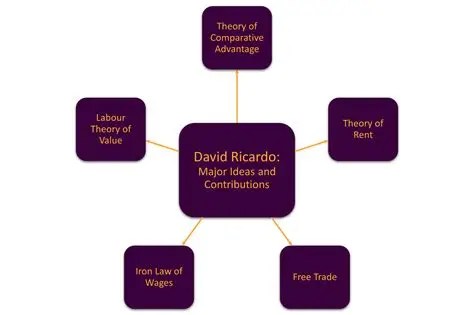
Ricardian economics, rooted in the theories of 19th-century economist David Ricardo, emphasizes comparative advantage, free trade, and the neutrality of government debt—most notably through the concept of Ricardian equivalence. While these ideas have shaped macroeconomic thought, their relevance to medicine and healthcare policy is less direct. Still, exploring Ricardian principles offers a provocative lens through which to examine the fiscal sustainability and efficiency of modern healthcare systems.

At the heart of Ricardian equivalence is the idea that consumers are forward-looking and internalize government budget constraints. If a government finances healthcare through debt rather than taxes, rational agents will anticipate future tax burdens and adjust their behavior accordingly. In theory, this undermines the effectiveness of deficit-financed healthcare spending as a stimulus. Applied to medicine, this suggests that long-term fiscal responsibility is crucial: expanding healthcare access through borrowing may not yield the intended economic or health benefits if citizens expect future costs to rise.

This insight could inform debates on healthcare reform, especially in countries grappling with ballooning medical expenditures. Ricardian economics warns against short-term fixes that ignore long-term fiscal implications. For example, expanding public insurance programs without sustainable funding mechanisms could lead to intergenerational inequities and economic distortions. Policymakers might instead focus on reforms that align incentives, reduce waste, and promote cost-effective care—principles that resonate with Ricardo’s emphasis on efficiency and comparative advantage.

***

***

However, Ricardian economics offers limited guidance on the unique moral and practical dimensions of medicine. Healthcare is not a typical market good. Patients often lack the information or autonomy to make rational choices, especially in emergencies. Moreover, the sector is rife with externalities: one person’s vaccination benefits the broader community, and untreated illness can strain public resources. These complexities challenge the assumption of rational, forward-looking behavior central to Ricardian equivalence.

Additionally, Ricardo’s theory of comparative advantage—where nations benefit by specializing in goods they produce most efficiently—has implications for global health. It supports international collaboration in pharmaceutical production, medical research, and telemedicine. Yet, over-reliance on global supply chains can expose vulnerabilities, as seen during the COVID-19 pandemic when countries faced shortages of critical medical supplies.

In conclusion, Ricardian economics provides valuable fiscal insights that can inform healthcare policy, particularly regarding debt sustainability and efficient resource allocation. Its emphasis on long-term planning and comparative advantage can guide reforms that make medicine more resilient and cost-effective. However, the theory’s assumptions about rational behavior and market dynamics limit its applicability to the nuanced realities of healthcare. Medicine requires not just economic efficiency but ethical considerations, equity, and compassion—areas where Ricardian economics falls short. Thus, while it can contribute to the conversation, it cannot “save” medicine alone.

COMMENTS APPRECIATED

EDUCATION: Books

SPEAKING: Dr. Marcinko will be speaking and lecturing, signing and opining, teaching and preaching, storming and performing at many locations throughout the USA this year! His tour of witty and serious pontifications may be scheduled on a planned or ad-hoc basis; for public or private meetings and gatherings; formally, informally, or over lunch or dinner. All medical societies, financial advisory firms or Broker-Dealers are encouraged to submit an RFP for speaking engagements: CONTACT: Ann Miller RN MHA at MarcinkoAdvisors@outlook.com 

Like, Refer and Subscribe

***

***