BOARD CERTIFICATION EXAM STUDY GUIDES Lower Extremity Trauma
[Click on Image to Enlarge]
ME-P Free Advertising Consultation
The “Medical Executive-Post” is about connecting doctors, health care executives and modern consulting advisors. It’s about free-enterprise, business, practice, policy, personal financial planning and wealth building capitalism. We have an attitude that’s independent, outspoken, intelligent and so Next-Gen; often edgy, usually controversial. And, our consultants “got fly”, just like U. Read it! Write it! Post it! “Medical Executive-Post”. Call or email us for your FREE advertising and sales consultation TODAY [678.779.8597] Email: MarcinkoAdvisors@outlook.com
Medical & Surgical e-Consent Forms
ePodiatryConsentForms.com
iMBA Inc., OFFICES
Suite #5901 Wilbanks Drive, Norcross, Georgia, 30092 USA [1.678.779.8597]. Our location is real and we are now virtually enabled to assist new long distance clients and out-of-town colleagues.
ME-P Publishing
SEEKING INDUSTRY INFO PARTNERS?
If you want the opportunity to work with leading health care industry insiders, innovators and watchers, the “ME-P” may be right for you? We are unbiased and operate at the nexus of theoretical and applied R&D. Collaborate with us and you’ll put your brand in front of a smart & tightly focused demographic; one at the forefront of our emerging healthcare free marketplace of informed and professional “movers and shakers.” Our Ad Rate Card is available upon request [678-779-8597].
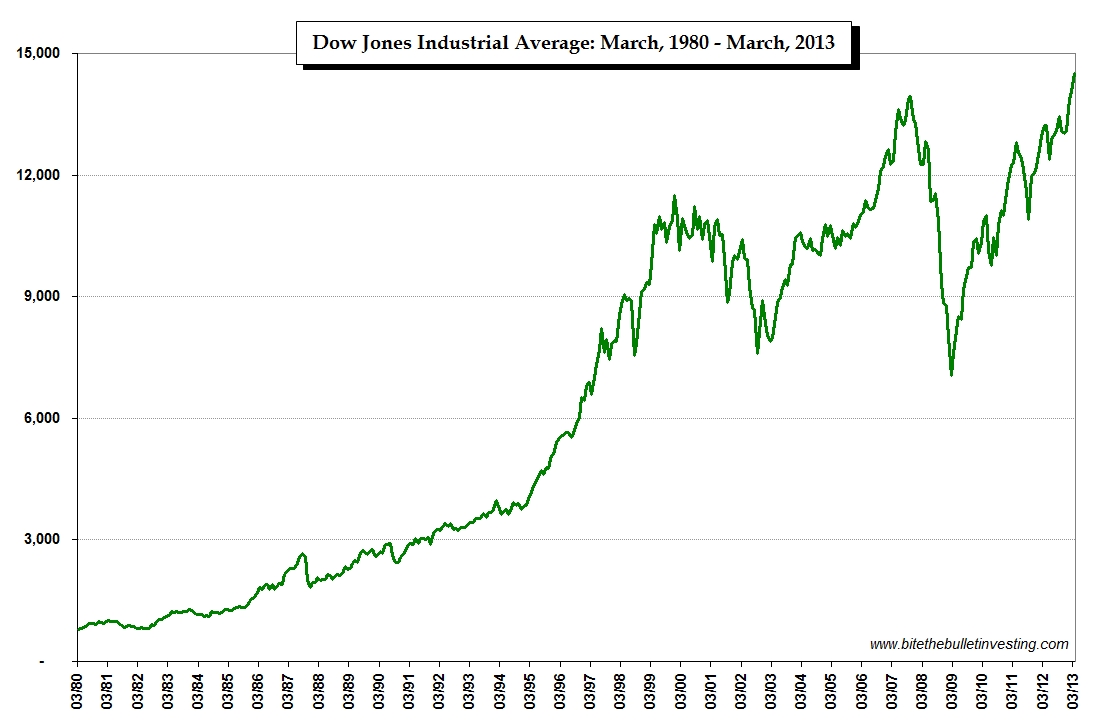
The thirty companies included in the Dow Jones Industrial Average are listed in the updated chart below.
The list is sorted by each component’s weight in the index. The weight of each company is determined by the price of the stock. A $100 stock will be weighted more than a $30 stock. If a stock splits its corresponding weighting in the Dow Jones will be reduced as its price will be about half of what it was prior to the split.
Posted on November 7, 2025 by Dr. David Edward Marcinko MBA MEd CMP™
By Health Capital Consultants, LLC
***
***
An October 2025 Health Affairs study found that payment equity between facilities owned by hospitals, known as hospital outpatient departments (HOPDs), and independent outpatient facilities such as ambulatory surgery centers (ASCs), is still far from reality. Comparing payments for common procedures, researchers found commercial prices were 78% higher in HOPDs compared to ASCs, although payment differentials varied considerably.
This Health Capital Topics article reviews the article and potential policy implications. (Read more…)
The NASDAQ, short for the National Association of Securities Dealers Automated Quotations, is one of the largest and most influential stock exchanges in the world. Founded in 1971, it was the first electronic stock market, revolutionizing how securities were traded by replacing traditional floor-based systems with computerized trading platforms. This innovation made transactions faster, more transparent, and accessible to a broader range of investors.
Unlike the New York Stock Exchange (NYSE), which historically operated through physical trading floors, the NASDAQ is entirely virtual. It connects buyers and sellers through a sophisticated network of computers, allowing for rapid execution of trades. This digital-first approach has made it particularly attractive to technology companies and growth-oriented firms, earning it a reputation as the go-to exchange for innovative and high-tech businesses.
Companies Listed on the NASDAQ The NASDAQ is home to some of the most prominent and influential companies in the world. Giants like Apple, Microsoft, Amazon, Google (Alphabet), Meta (formerly Facebook), and Tesla all trade on the NASDAQ. These companies are part of the NASDAQ-100, an index that tracks the performance of the 100 largest non-financial companies listed on the exchange. The NASDAQ Composite Index, which includes over 3,000 stocks, provides a broader snapshot of the market’s overall health and direction.
How It Works The NASDAQ operates as a dealer’s market, meaning transactions are facilitated by market makers—firms that stand ready to buy or sell securities at publicly quoted prices. These market makers help maintain liquidity and ensure that trades can be executed efficiently. Prices are determined by supply and demand, and the electronic nature of the exchange allows for real-time updates and high-speed trading.
Significance in the Global Economy The NASDAQ plays a vital role in the global financial system. It provides companies with access to capital by allowing them to issue shares to the public, and it offers investors a platform to buy and sell those shares. The performance of the NASDAQ is often seen as a barometer for the health of the technology sector and, more broadly, the innovation economy. When the NASDAQ rises, it typically signals investor confidence in growth and future earnings; when it falls, it may reflect concerns about economic stability or company performance.
Global Reach and Influence Though based in the United States, the NASDAQ’s influence extends worldwide. Many international companies choose to list on the NASDAQ to gain exposure to U.S. investors and benefit from the prestige associated with being part of a leading global exchange. Its technological infrastructure and regulatory standards make it a model for other exchanges around the world.
In summary, the NASDAQ is more than just a stock exchange—it’s a symbol of innovation, speed, and global connectivity. Its pioneering approach to electronic trading has reshaped the financial landscape, and its roster of companies continues to drive technological progress and economic growth across the globe.
Insurance agents are primarily paid through commissions, but may also earn salaries, bonuses, and fees depending on their employment model and the types of policies they sell.
Insurance agents play a vital role in helping individuals and businesses navigate the complex world of insurance. Their compensation structures vary widely, influenced by factors such as the type of insurance they sell, whether they work independently or for a company, and the specific agreements they have with insurers. Understanding how insurance agents are paid is essential for consumers who want to make informed decisions and for aspiring agents considering a career in the industry.
The most common form of compensation for insurance agents is commission-based pay. Agents earn a percentage of the premium paid by the customer when they successfully sell a policy. These commissions can vary depending on the type of insurance. For example, first-year commissions for auto and homeowners insurance typically range from 5% to 20%, while commercial property and casualty policies may offer 10% to 15%. Life insurance policies often provide higher initial commissions, sometimes exceeding 50% of the first-year premium, followed by smaller renewal commissions in subsequent years.
There are two main types of insurance agents: captive agents and independent agents. Captive agents work exclusively for one insurance company and usually receive a combination of salary and commissions. Their compensation may also include performance bonuses and incentives tied to sales targets. Independent agents, on the other hand, represent multiple insurers and rely more heavily on commissions. They have the flexibility to offer a wider range of products, but their income is directly tied to their ability to sell policies and maintain client relationships.
***
***
In addition to commissions, some agents earn fees for services such as policy reviews, risk assessments, or consulting. These fees are more common in commercial insurance or financial planning contexts, where agents provide specialized expertise. However, fee-based compensation is less prevalent in personal lines of insurance like auto or home coverage.
Bonuses and incentives are another component of agent compensation. Insurance companies often reward agents for meeting sales quotas, retaining clients, or selling specific types of policies. These bonuses can significantly boost an agent’s income, but they may also create potential conflicts of interest if agents prioritize higher-paying products over client needs.
Some agents, particularly those employed by large firms or call centers, receive a fixed salary. This model provides stability but may limit earning potential compared to commission-based roles. Salaried agents may still receive performance bonuses or profit-sharing depending on company policy.
Ultimately, an insurance agent’s earnings depend on their business model, experience, and ability to build a loyal client base. While commissions remain the cornerstone of insurance compensation, the rise of fee-based services and hybrid models reflects a shift toward more transparent and client-focused practices.
Consumers should feel empowered to ask agents about their compensation structure to ensure they receive unbiased advice tailored to their needs.
SPEAKING: Dr. Marcinko will be speaking and lecturing, signing and opining, teaching and preaching, storming and performing at many locations throughout the USA this year! His tour of witty and serious pontifications may be scheduled on a planned or ad-hoc basis; for public or private meetings and gatherings; formally, informally, or over lunch or dinner. All medical societies, financial advisory firms or Broker-Dealers are encouraged to submit a RFP for speaking engagements: MarcinkoAdvisors@outlook.com







 Support our online development, and advance our onground research initiatives in free market economics, as we seek to showcase the brightest Next-Gen minds.
THE ME-P DISCLAIMER: Posts, comments and opinions do not necessarily represent iMBA, Inc., but become our property after submission. Copyright © 2006 to-date. iMBA, Inc allows colleges, universities, medical and financial professionals and related clinics, hospitals and non-profit healthcare organizations to distribute our proprietary essays, photos, videos, audios and other documents; etc. However, please review copyright and usage information for each individual asset before submission to us, and/or placement on your publication or web site. Attestation references, citations and/or back-links are required. All other assets are property of the individual copyright holder.
Support our online development, and advance our onground research initiatives in free market economics, as we seek to showcase the brightest Next-Gen minds.
THE ME-P DISCLAIMER: Posts, comments and opinions do not necessarily represent iMBA, Inc., but become our property after submission. Copyright © 2006 to-date. iMBA, Inc allows colleges, universities, medical and financial professionals and related clinics, hospitals and non-profit healthcare organizations to distribute our proprietary essays, photos, videos, audios and other documents; etc. However, please review copyright and usage information for each individual asset before submission to us, and/or placement on your publication or web site. Attestation references, citations and/or back-links are required. All other assets are property of the individual copyright holder.









 The Leading Business Education Network for Doctors, Financial Advisors and Health Industry Consultants