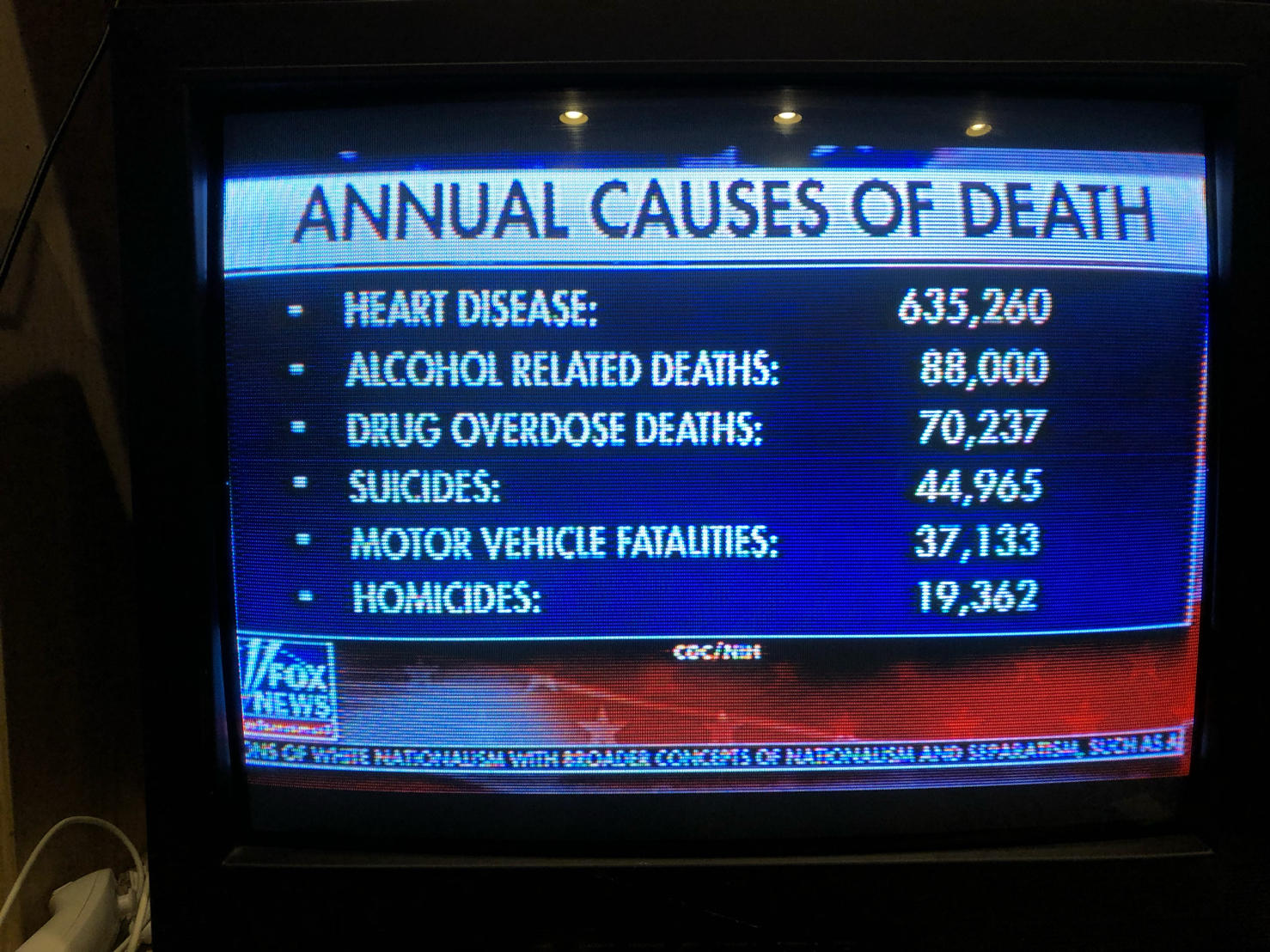
Annual Causes of Death in the USA

On Physical versus Behavioral CoDs

[By staff reporters]

BEHAVIORAL EPIDEMIOLOGY?

[Number 1 – Compared to Numbers 2, 3, 4, 5 and 6]

What it is – How it works?

http://ezinearticles.com/?A-Clear-Definition-of-Evidence-Based-Behavioral-Epidemiology&id=6270461

***

ANATOMICAL versus SELF-INFLICATION

***

Mental Health DR. MARCINKO

Product Details

Invite Dr. Marcinko

***

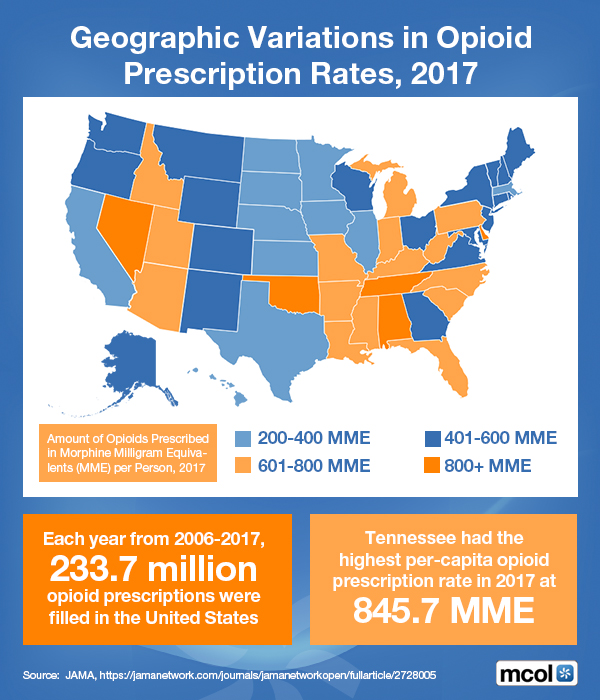
Geographic Variations in Opioid Prescription Rates

For 2017

By http://www.MCOL.com

***

***

Invite Dr. Marcinko

BUSINESS, ORGANIZATIONAL BEHAVIOR & FINANCE FOR DOCTORS:

THANK YOU

***

How to Prepare for a Recession in 2019

Is Canada an Impending Metaphor for the USA?

[By staff reporters]

In economics, a recession is a business cycle contraction which results in a general slowdown in economic activity. Macroeconomic indicators such as GDP (gross domestic product), investment spending, capacity utilization, household income, business profits, and inflation fall, while bankruptcies and the unemployment rate rise.

Definition: https://www.amazon.com/Dictionary-Health-Economics-Finance-Marcinko/dp/0826102549/ref=sr_1_6?ie=UTF8&s=books&qid=1254413315&sr=1-6

But, what about the USA?

***

How to Prepare for a Recession in Canada – 2019

***

Risk Management, Liability Insurance, and Asset Protection Strategies for Doctors and Advisors: Best Practices from Leading Consultants and Certified Medical Planners™8Comprehensive Financial Planning Strategies for Doctors and Advisors: Best Practices from Leading Consultants and Certified Medical Planners™

***

Invite Dr. Marcinko

***

On the Clinical Efficacy of the Apple Watch?

New Studies Seek to Define Clinical Efficacy

[By Catalyst @ Health 2.0]

Preliminary results from the Apple Heart Study show the potential health benefits of wearables. Researchers from the Stanford University School of Medicine partnered with Apple to conduct a virtual observational study with more than 400,000 participants. The study used the Apple Watch’s irregular rhythm notification (IRN) system to detect atrial fibrillation (AFib). The results showed 0.5% of participants received irregular rhythm notifications. For those who were notified, 21% received and wore an ECG patch. Of those, Afib was confirmed 34% of the time. The positive predictive value of the overall study was 71%, however, this increased to 84% for the subgroup who also used an ECG patch. It should be noted that the study has not yet been published in a peer-reviewed journal.

Johnson & Johnson’s HEARTLINE Study aims to build on the Apple Heart Study. Announced back in January, the virtual clinical trial will enroll 150,000 Americans 65 years and older to detect AFib and collect outcomes data. Participants will be randomized to either receive the Apple Watch 4 or no watch at all. Compared to the Apple Heart Study, one key technical design difference allows the HEARTLINE Study to draw a clearer connection between AFib observance and confirmation. Instead of waiting for an ECG patch to be mailed to the participant, the ECG app on the user’s Apple Watch 4 will be engaged once the “IRN software detects five out of six consecutive irregular rhythms each lasting one minute.” Both the IRN software and the ECG app are FDA cleared for AFib detection. Although the clinical efficacy of wearables is far from conclusive, the innovative use of virtual clinical trials will likely be commonplace in the future with the continued proliferation of consumer-driven health technologies.

Healthcare Executives Under Threat of Business Model Disruption

Healthcare executives are increasingly worried about business model disruption due to the influx of new entrants, processes, and technologies into the healthcare industry. According to Change Healthcare’s 9th Annual Industry Pulse Survey, 13.3% of 185 healthcare leaders believe that innovations in care delivery will lead to potential advancement within the industry and 11.1% believe that refinement of customer experience will create disruptive change. Other potential disruptors include supply chain innovations (9%), launch of vertical one-stop healthcare companies (8%), and advances in artificial capabilities (7%). However, the survey findings also suggest that healthcare leaders are increasingly embracing healthcare technologies. Thirty percent of leaders indicate that EHRs are their leading source of clinical data and another 30% of respondents say that analytics are “extremely effective” or “very effective” at increasing workflow productivity.

Health systems are also jumping into the digital age, with patients portals employed by 73% and telehealth solutions employed by 54% of all surveyed respondents. Twenty percent of respondents indicate they currently use machine learning and 51% plan to employ the technology in the future. Interestingly, the survey reveals a marked lack of attention toward cybersecurity. Even while 40% of healthcare leaders see cybercrime as a potential risk, 38% answered that there are “too many competing priorities” to warrant the level of attention that cybersecurity needs. Nevertheless, the threat of disruption has charged healthcare leaders to intensify its commitment to combating new market entrants.

***

a1b52ded-7730-4995-b27a-8ac36e8bf1e4

***

Assessment

Your thoughts are appreciated.

Product DetailsProduct Details

***

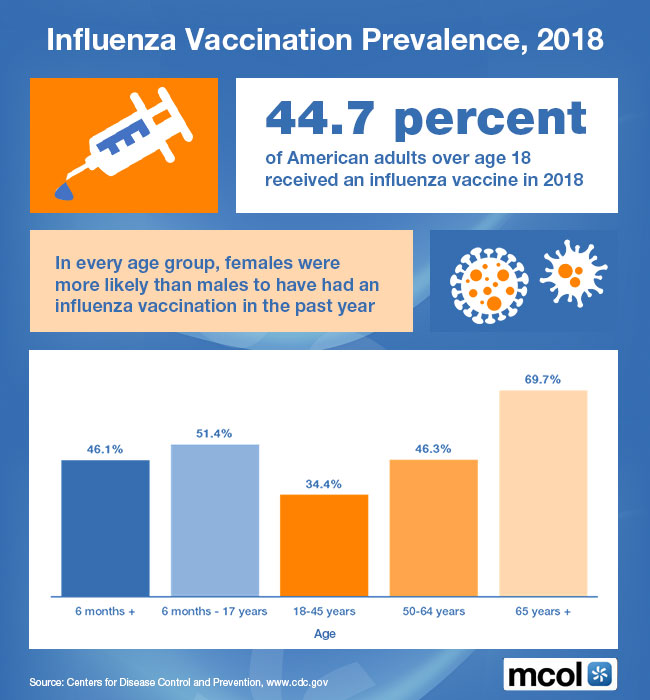
Influenza Vaccination Prevalence

For FY 2018

By http://www.MCOL.com

***

***

Invite Dr. Marcinko

Product DetailsProduct Details

***

MYSPACE:- Music Loss – EHR Metaphor?

Twelve Years of Tunes Just Vanished

A Metaphor for EHRs?

[By staff reporters]

According to the MIT Technology Review, MySpace has lost all the music uploaded during its first 12 years

The company’s data protection officer blamed it on a server migration, and said it had lost over 50 million songs from 14 million artists.

A while coming:

All music on MySpace (aw, remember?) from 2015 and earlier stopped working about a year ago. Originally, the company said it was working on the issue, but it has been forced to admit all the data has been lost (no, it didn’t have any backups.)

A niche issue:

Okay, most people don’t keep their only copy of a particular record on MySpace. But the fact that so much material can be lost in one fell swoop is a reminder that the internet is not an archive. If you don’t have a physical backup, files can be lost, regardless of how unlikely that might feel.

***

***

EHRs: https://www.healthcareitnews.com/projects/biggest-healthcare-data-breaches-2018-so-far

Assessment: Any thoughts relative to this topic or the emerging FB situation? How about electronic medical records [EMRs], etc?

***


Forget Retiring Early, Get Back to Work

Forget Retiring Early, Get Back to Work

[PHYSICIAN FOCUSED FINANCIAL PLANNING AND RISK MANAGEMENT COMPANION TEXTBOOK SET]

Comprehensive Financial Planning Strategies for Doctors and Advisors: Best Practices from Leading Consultants and Certified Medical Planners™

Risk Management, Liability Insurance, and Asset Protection Strategies for Doctors and Advisors: Best Practices from Leading Consultants and Certified Medical Planners™

***

Assessment

What about doctors? Is this true or not-so-much?

[Dr. Cappiello PhD MBA] *** [Foreword Dr. Krieger MD MBA]

Front Matter with Foreword by Jason Dyken MD MBA

Retirement Medical Costs Not So Scary?

When Seen Yearly

By Rick Kahler CFP®

Have you ever worried yourself into a frenzy over something, only to find out you were worrying about the wrong thing?

For example, researchers say that Baby Boomers are more worried about being financially devastated by unexpected health costs in retirement than they are about outliving their retirement savings.

But isn’t the cost of health care a legitimate worry?

We all have heard the stories of people who lost their homes, savings, and retirement portfolios paying for exorbitant medical expenses due to an unforeseen health problem. Just recently Fidelity reported that the average couple will spend $280,000 on health care in retirement.

What is often overlooked is that medical expenses before retirement are inherently more volatile than those after retirement. Before retirement, the variation in medical insurance premiums plays a huge role in the cost of medical care. Those who suffer the greatest losses from unexpected catastrophic medical expenses are often those who are uninsured.

The PP-ACA

The Affordable Care Act was designed to make it unusual for those with health insurance to suffer a catastrophic loss from unforeseen medical expenses. Still, the cost of paying for adequate health care can be staggering if you don’t qualify for a subsidy. In South Dakota, the monthly cost of providing health care for a family of four runs between $1,800 and $3,000 a month, depending on whether you hit the maximum annual out-of-pocket threshold.

While that cost alone could be considered catastrophic for some, the difference is that the potential cost is known and can be budgeted for. This is where Health Savings Accounts (HSAs) can be so effective, allowing a couple to put aside $7,000 in tax-deductible savings to use toward funding family out-of-pocket expenses. Any unused funds can be carried forward indefinitely to fund future out-of-pocket costs.

In the same way that insurance helps mitigate catastrophic health costs before retirement, so does Medicare almost eliminate unexpected health care costs after retirement. While it is true the average couple will spend $280,000 on health care in retirement, “the reality is that health care costs in retirement aren’t needed as a ‘lump sum’ on the day of retirement,” notes financial researcher Michael Kitces. In an October 2018 article, “Getting Real About (Annual) Health Care Costs In Retirement,” he points out that the Medicare system actually makes retirement health care costs a remarkably stable annual cost that can be planned for.

Example:

For example, a 65-year old couple with an income of under $170,000 will pay $270 a month in Medicare part B premiums. A Medicare Supplement plan to cover costs not paid by Medicare can run another $300 a month. This puts the monthly out-of-pocket expenses at $570 per month. Let’s further assume an additional $135 a month for ancillary expenses like dental and vision, for a total of $705 per month, or $8460 per year.

If we assume both spouses live for 23 more years after age 65, and we factor for inflation, they will spend $280,000 in retirement for medical expenses.

When we view retirement medical costs as ongoing monthly expenses rather than lumping 23 years into one large number, they are not that scary. As Kitces notes, “Of course, individual health care costs may still vary… but it turns out they vary in rather predictable and plannable ways.”

***

***

Assessment

With that bit of knowledge, Baby Boomers can now stop worrying about being financially devastated by catastrophic medical expenses. Those who still need something to worry about can focus instead on what really counts: sufficient retirement income. This means saving enough for retirement and managing their income after retirement so they will have enough money to provide for the rest of their lives.

Conclusion

Your thoughts and comments on this ME-P are appreciated. Feel free to review our top-left column, and top-right sidebar materials, links, URLs and related websites, too. Then, subscribe to the ME-P. It is fast, free and secure.

Speaker: If you need a moderator or speaker for an upcoming event, Dr. David E. Marcinko; MBA – Publisher-in-Chief of the Medical Executive-Post – is available for seminar or speaking engagements.

Book Marcinko: https://medicalexecutivepost.com/dr-david-marcinkos-bookings/

Subscribe: MEDICAL EXECUTIVE POST for curated news, essays, opinions and analysis from the public health, economics, finance, marketing, IT, business and policy management ecosystem.

HOSPITALS:

“Financial Management Strategies for Hospitals” https://tinyurl.com/yagu567d

“Operational Strategies for Clinics and Hospitals” https://tinyurl.com/y9avbrq5

Product Details***

Risk Management, Liability Insurance, and Asset Protection Strategies for Doctors and Advisors: Best Practices from Leading Consultants and Certified Medical Planners™8Comprehensive Financial Planning Strategies for Doctors and Advisors: Best Practices from Leading Consultants and Certified Medical Planners™


Contribute to a Leading Physician Focused Practice Management and Financial Planning Resource

Join Our Mailing List

Get Published – Get Known

By Ann Miller RN MHA [Executive Director] MarcinkoAdvisors@msn.com

The ME-P is one of the leading online and onground resources for medical professionals, financial advisors and medical management consultants.

Want to Contribute Your Thought Leadership?

By submitting a guest article, video, infographic, or case study/report related to our forum, you can:

  • Raise your personal/company’s brand visibility/awareness
  • Build your social influence
  • Garner a larger audience
  • Spark a networkeffect to exponentially reach potential viewers across the healthcare and financial services industry.

Article/Guest Post Submission Guidelines

  1. All articles submitted for publication should be the guest author’s original work
  2. Articles should be reviewed for clarity, spelling, punctuation and grammar
  3. Articles should be between 350 – 1000 words. Longer articles will be accepted depending upon content relevance
  4. We reserves the right to revise any submission to meet the needs of the readers
  5. Include a brief bio about yourself and a company link with a brief summary about your business or website.

Submission Process

  1. Please submit all articles via email to: MarcinkoAdvisors@msn.com
  2. We will respond to your submission within 3 business days of receipt.
  3. Once accepted, your article will run at our discretion. All accepted articles retain full rights to every article, which can be published on their own site as well. If you have any additional questions about the submission guidelines, feel free contact us.

The ME-P also welcomes the submission of all white papers and case studies that will be posted in the appropriate channel section of the site.

Article/Guest Post Writing Tips

  1. Articles/Guest Posts should be well written, informative, engaging and relevant to the industries we serve.
  2. Please provide specific examples to illustrate your point through recent reports, studies, surveys, case studies, etc.
  3. We encourage using photos, tables, charts or figures as effective methods of providing documentation and support to your point of view. Please remember to cite your sources as necessary providing proper attribution.

Conclusion

Your thoughts and comments on this ME-P are appreciated. Feel free to review our top-left column, and top-right sidebar materials, links, URLs and related websites, too. Then, subscribe to the ME-P. It is fast, free and secure.

Link: http://feeds.feedburner.com/HealthcareFinancialsthePostForcxos

Speaker: If you need a moderator or speaker for an upcoming event, Dr. David E. Marcinko; MBA – Publisher-in-Chief of the Medical Executive-Post – is available for seminar or speaking engagements. Contact: MarcinkoAdvisors@msn.com

OUR OTHER PRINT BOOKS AND RELATED INFORMATION SOURCES:

DICTIONARIES: http://www.springerpub.com/Search/marcinko
PHYSICIANS: www.MedicalBusinessAdvisors.com
PRACTICES: www.BusinessofMedicalPractice.com
HOSPITALS: http://www.crcpress.com/product/isbn/9781466558731
CLINICS: http://www.crcpress.com/product/isbn/9781439879900
BLOG: www.MedicalExecutivePost.com
FINANCE: Financial Planning for Physicians and Advisors
INSURANCE: Risk Management and Insurance Strategies for Physicians and Advisors

Product DetailsProduct DetailsProduct Details

Product Details Product Details

Product Details

The 10 Worst Technologies of the 21st Century?

 MIT Technology Review

****

 MIT Technology Review

The latest issue, MIT Technology Review revealed 10 breakthrough technologies, chosen by Bill Gates, that he thinks will change the world for the better. We thought it only fair (and fun) to come up with a corresponding list of 10 “bad” technologies.

A hard choice: What makes them bad? Well, it could be because they fail to achieve good aims, or succeed in wicked ones. They could be harmful, flawed, or ahead of their time.

Sad: The Segway turned out to be an expensive scooter that makes you look silly. Google Glass, on the other hand, makes the list as a decent technology that just lacked decent enough uses when it launched.

Bad: Electronic voting made the cut for making elections more vulnerable. The CRISPR babies born in November 2018 are on there too, because indiscriminate uses of the technology should worry us. Data trafficking, where our data is shared and used without our control, is undermining freedom and democracy—it had to be one there.

Mad: Of course, some inventions have no redeeming features whatsoever. May we present: selfie sticks.

AssessmentRead the full list here.

BEWARE THE IDES OF MARCH

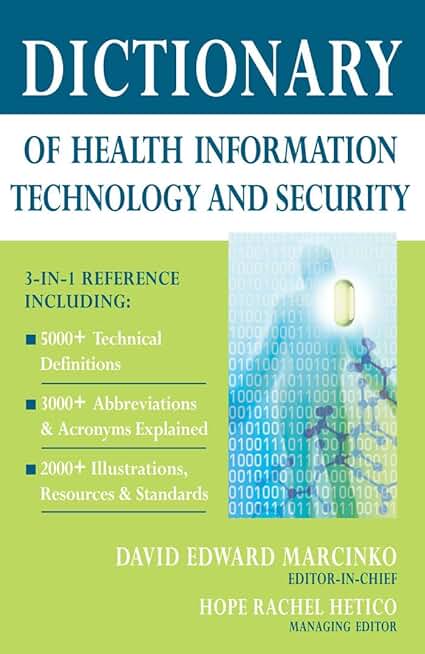
Dictionary of Health Information Technology and Security

 [Foreword Dr.Mata MD CIS]

***

How to Compare Cost-of-Living Benefits?

On Career Advancements and New Jobs

By Rick Kahler MSFS CFP®

As a doctor, nurse or allied healthcare professional; suppose you’re ready to take your career up a step, and you’re exploring opportunities in various parts of the country. You may easily be misled by the money script that a higher salary equates to a higher standard of living; however this is not necessarily always true.

What can you do to expand and reframe this money script?

Here are a few things to consider:

1. If the salary isn’t published, ask the money question right up front. Many candidates leave the inquiry into salary and benefits until the last step when both they and the potential employer have invested time and perhaps money into the interview process. Asking earlier avoids this wasted time, as well as allowing you to do your research on the front end and avoid potentially passing up other opportunities.

2. Get a clear picture of the lifestyle the salary will buy.  One of the best ways to do this is at bestplaces.net, which offers a cost-of-living calculator to compare the relative locations and salaries you are considering. For example, if you compare Rapid City, SD, and Redwood City, CA, you will find the latter costs 259% more than the former. That means you need to multiply the Rapid City salary by 3.59 to find the equivalent salary in Redwood City.

The “City Compare” tab also allows you to compare specific categories. For example, health care is 10% more in Rapid City than Redwood City, while housing in Redwood City costs over eight times as much. You can also compare factors like crime rate, climate, air quality, and tax rates. Pay particular attention to taxes; needing to pay both state and city income taxes, for example, could make a significant difference in your cost of living.

3. Investigate surrounding areas that have a lower cost of living. A 45-minute to one-hour commute each way from La Honda to Redwood City would result in a 37% decrease in the cost of living. A salary of $140,000 would buy a lifestyle in La Honda equivalent to that provided by $222,222 in Redwood City.

4. Examine your own beliefs about various areas. Look beyond salary amounts to your perceptions and assumptions about factors such as amenities, city-vs-rural living, lifestyles, status, etc. Then investigate the realities of those factors—both their value to you and the probability that you could take advantage of them. If a city offers professional sports, theatre productions, and concerts, for example, could you realistically afford the time and money to attend regularly? Would available public transportation fit your lifestyle and work schedule?

5. Consider your short-term and long-term family circumstances. Is a big-city lifestyle what you want as a young adult but not for raising a family? Would a given location fit your spouse’s needs as well as your own? Are your kids toddlers or about to leave home? Do you have aging parents that might need help?

6. If you choose a job in an area with a high cost of living, consider ways to reduce your budget. Thesimpledollar.com has 40 great tips on how to save money on monthly expenses.

Assessment

Finally, put all your research together and do your best to imagine year-round daily living in various locations. Envision yourself in the different routines and possibilities, whether they might include a daily two-hour commute, a city apartment, or a home in the woods with your own snow blower. Look beyond the financial cost of living to the emotional benefits and costs of living in various places. The most important lifestyle factor is finding the place where you will feel most at home.

***

***

Conclusion

Your thoughts and comments on this ME-P are appreciated. Feel free to review our top-left column, and top-right sidebar materials, links, URLs and related websites, too. Then, subscribe to the ME-P. It is fast, free and secure.

Speaker: If you need a moderator or speaker for an upcoming event, Dr. David E. Marcinko; MBA – Publisher-in-Chief of the Medical Executive-Post – is available for seminar or speaking engagements.

Book Marcinko: https://medicalexecutivepost.com/dr-david-marcinkos-bookings/

Subscribe: MEDICAL EXECUTIVE POST for curated news, essays, opinions and analysis from the public health, economics, finance, marketing, IT, business and policy management ecosystem.

DOCTORS:

“Insurance & Risk Management Strategies for Doctors” https://tinyurl.com/ydx9kd93

“Fiduciary Financial Planning for Physicians” https://tinyurl.com/y7f5pnox

“Business of Medical Practice 2.0” https://tinyurl.com/yb3x6wr8

HOSPITALS:

“Financial Management Strategies for Hospitals” https://tinyurl.com/yagu567d

“Operational Strategies for Clinics and Hospitals” https://tinyurl.com/y9avbrq5

***

Risk Management, Liability Insurance, and Asset Protection Strategies for Doctors and Advisors: Best Practices from Leading Consultants and Certified Medical Planners™

Product Details

***

Two Different Personal IRA Investing Strategies?

Based on Tax Considerations?


By Dr. David Edward Marcinko MBA

LINK: https://medicalexecutivepost.com/schedule-a-consultation/

One personal investing strategy is to place more conservative investments (those with lower expected returns) in a tax-deferred traditional IRA, 401-k, 403-b or similar, and more aggressive (higher-earning) assets in a taxable brokerage account or Roth IRA.

WHY? Each account is thus working hard but in very different ways.

HOW? The conservative funds in the traditional IRA or retirement accounts would fill any needs for safety as they grow more slowly – and the higher tax rate won’t take out as big of a bite.

Meanwhile, the more aggressive funds in a taxable brokerage accounts would grow more quickly, but be taxed at a lower rate.

Assessment: Any thoughts?

Subscribe: MEDICAL EXECUTIVE POST for curated news, essays, opinions and analysis from the public health, economics, finance, marketing, IT, business and policy management ecosystem.

MORE FOR DOCTORS:

“Insurance & Risk Management Strategies for Doctors” https://tinyurl.com/ydx9kd93

“Fiduciary Financial Planning for Physicians” https://tinyurl.com/y7f5pnox

“Business of Medical Practice 2.0” https://tinyurl.com/yb3x6wr8

***

Comprehensive Financial Planning Strategies for Doctors and Advisors: Best Practices from Leading Consultants and Certified Medical Planners™

Risk Management, Liability Insurance, and Asset Protection Strategies for Doctors and Advisors: Best Practices from Leading Consultants and Certified Medical Planners™


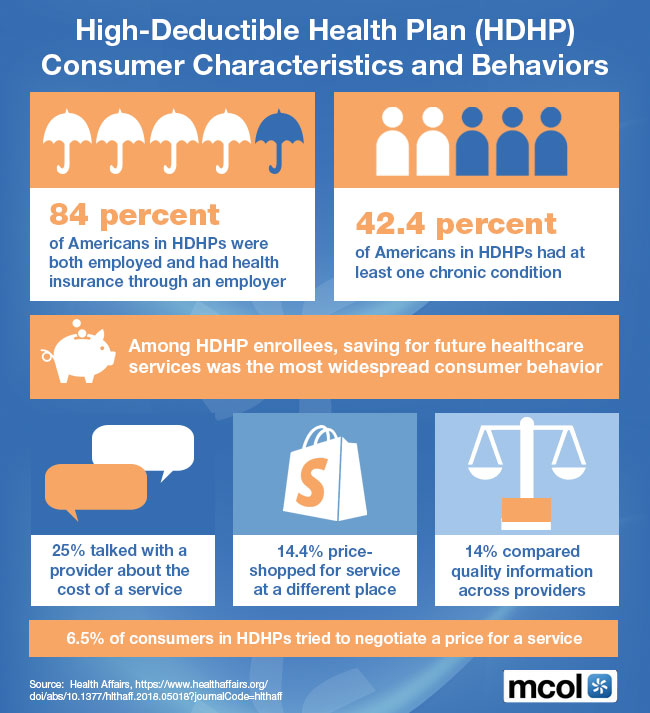
More on High Deductible Health Plans

Consumer Characteristics and Behaviors

By http://www.MCOPL.com

***

***

Conclusion

Your thoughts and comments on this ME-P are appreciated. Feel free to review our top-left column, and top-right sidebar materials, links, URLs and related websites, too. Then, subscribe to the ME-P. It is fast, free and secure.

Speaker: If you need a moderator or speaker for an upcoming event, Dr. David E. Marcinko; MBA – Publisher-in-Chief of the Medical Executive-Post – is available for seminar or speaking engagements.

Book Marcinko: https://medicalexecutivepost.com/dr-david-marcinkos-bookings/

Subscribe: MEDICAL EXECUTIVE POST for curated news, essays, opinions and analysis from the public health, economics, finance, marketing, IT, business and policy management ecosystem.

DOCTORS:

“Insurance & Risk Management Strategies for Doctors” https://tinyurl.com/ydx9kd93

“Fiduciary Financial Planning for Physicians” https://tinyurl.com/y7f5pnox

“Business of Medical Practice 2.0” https://tinyurl.com/yb3x6wr8

HOSPITALS:

“Financial Management Strategies for Hospitals” https://tinyurl.com/yagu567d

“Operational Strategies for Clinics and Hospitals” https://tinyurl.com/y9avbrq5

***

Risk Management, Liability Insurance, and Asset Protection Strategies for Doctors and Advisors: Best Practices from Leading Consultants and Certified Medical Planners™

Resetting our Defaults for 2019

Random Drivel?

[By Vitaly Katsenelson CFA]

What I am about to share with you is somewhat random drivel about a topic that has been very important to me in 2018 – time.

I am anything but an expert on it; and in fact, as you’ll see, this is something I fail in and am trying to fail less.

 ***

Resetting Defaults 

Conclusion

Your thoughts and comments on this ME-P are appreciated. Feel free to review our top-left column, and top-right sidebar materials, links, URLs and related websites, too. Then, subscribe to the ME-P. It is fast, free and secure.

Speaker: If you need a moderator or speaker for an upcoming event, Dr. David E. Marcinko; MBA – Publisher-in-Chief of the Medical Executive-Post – is available for seminar or speaking engagements.

Book Marcinko: https://medicalexecutivepost.com/dr-david-marcinkos-bookings/

Subscribe: MEDICAL EXECUTIVE POST for curated news, essays, opinions and analysis from the public health, economics, finance, marketing, IT, business and policy management ecosystem.

DOCTORS:

“Insurance & Risk Management Strategies for Doctors” https://tinyurl.com/ydx9kd93

“Fiduciary Financial Planning for Physicians” https://tinyurl.com/y7f5pnox

“Business of Medical Practice 2.0” https://tinyurl.com/yb3x6wr8

HOSPITALS:

“Financial Management Strategies for Hospitals” https://tinyurl.com/yagu567d

“Operational Strategies for Clinics and Hospitals” https://tinyurl.com/y9avbrq5

***

Risk Management, Liability Insurance, and Asset Protection Strategies for Doctors and Advisors: Best Practices from Leading Consultants and Certified Medical Planners™8Comprehensive Financial Planning Strategies for Doctors and Advisors: Best Practices from Leading Consultants and Certified Medical Planners™

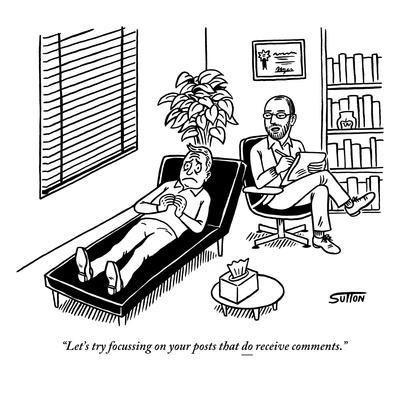
About “Posts” – On the Medical Executive-Post

Laughing Out Loud

[By staff reporters]

***

****

Conclusion

Your thoughts and comments on this ME-P are appreciated. Feel free to review our top-left column, and top-right sidebar materials, links, URLs and related websites, too. Then, subscribe to the ME-P. It is fast, free and secure.

Speaker: If you need a moderator or speaker for an upcoming event, Dr. David E. Marcinko; MBA – Publisher-in-Chief of the Medical Executive-Post – is available for seminar or speaking engagements.

Book Marcinko: https://medicalexecutivepost.com/dr-david-marcinkos-bookings/

Subscribe: MEDICAL EXECUTIVE POST for curated news, essays, opinions and analysis from the public health, economics, finance, marketing, IT, business and policy management ecosystem.

THANK YOU


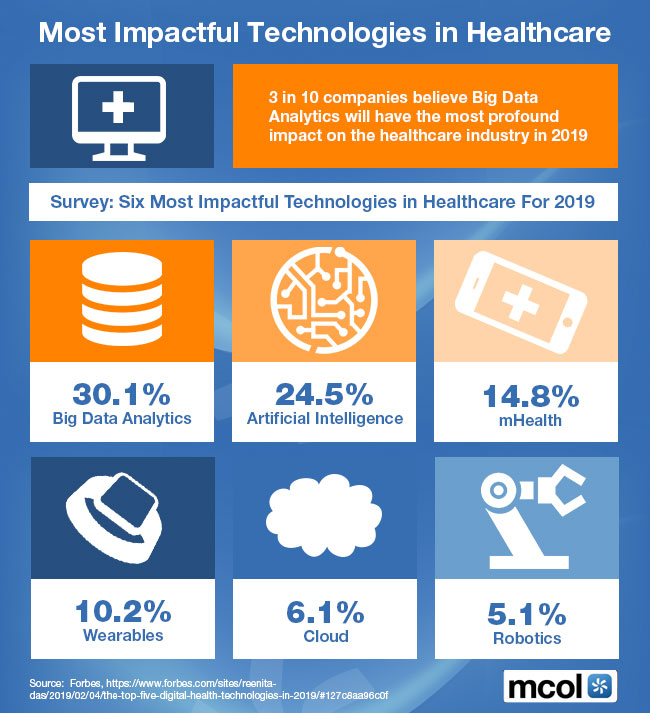
What are the Most Impactful Technologies in Healthcare Today?

A Survey

By: http://www.MCOL.com

***

***

Subscribe: MEDICAL EXECUTIVE POST for curated news, essays, opinions and analysis from the public health, economics, finance, marketing, IT, business and policy management ecosystem.

DOCTORS:

“Insurance & Risk Management Strategies for Doctors” https://tinyurl.com/ydx9kd93

“Fiduciary Financial Planning for Physicians” https://tinyurl.com/y7f5pnox

“Business of Medical Practice 2.0” https://tinyurl.com/yb3x6wr8

***

Risk Management, Liability Insurance, and Asset Protection Strategies for Doctors and Advisors: Best Practices from Leading Consultants and Certified Medical Planners™  Risk Management, Liability Insurance, and Asset Protection Strategies for Doctors and Advisors: Best Practices from Leading Consultants and Certified Medical Planners™


What is Knowledge?

A Binary Proposition in the Past – Not so much, Today? 

dem

By Dr. David E. Marcinko MBA

Common Knowledge is a familiarity, awareness or understanding of someone or something, such as facts, information, descriptions, or skills, which is acquired through experience or education by perceiving, discovering, or learning.

***

Google

LINK: https://en.wikipedia.org/wiki/Knowledge

The CURSE of Knowledge?

Medical Knowledge is the body of information about diseases, mechanisms and pathogenesis, therapies and interactions, and interpretation of lab tests, which is broadly applicable to decisions about multiple patients and public health policies, in contrast to patient-specific data.

***

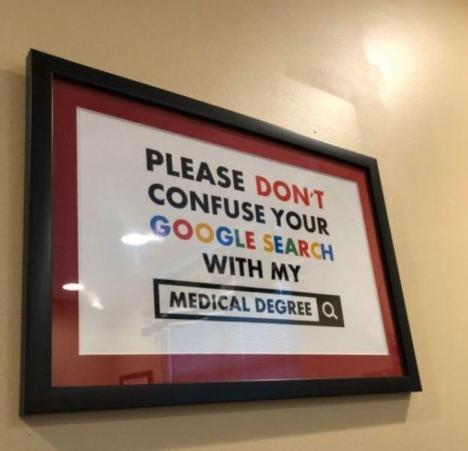
GOOGLE MD

LINK: https://en.wikipedia.org/wiki/Medicine

What is the Dunning–Kruger effect?

Assessment

Beware! No one person or medical specialty physician is immune! So, where do you fit in on this binary schematic?

Conclusion

Your thoughts and comments on this ME-P are appreciated. Feel free to review our top-left column, and top-right sidebar materials, links, URLs and related websites, too. Then, subscribe to the ME-P. It is fast, free and secure.

Speaker: If you need a moderator or speaker for an upcoming event, Dr. David E. Marcinko; MBA – Publisher-in-Chief of the Medical Executive-Post – is available for seminar or speaking engagements.

Book Marcinko: https://medicalexecutivepost.com/dr-david-marcinkos-bookings/

Subscribe: MEDICAL EXECUTIVE POST for curated news, essays, opinions and analysis from the public health, economics, finance, marketing, IT, business and policy management ecosystem.

***

google31

***

DOCTORS:

“Insurance & Risk Management Strategies for Doctors” https://tinyurl.com/ydx9kd93

“Fiduciary Financial Planning for Physicians” https://tinyurl.com/y7f5pnox

“Business of Medical Practice 2.0” https://tinyurl.com/yb3x6wr8

Product Details

***