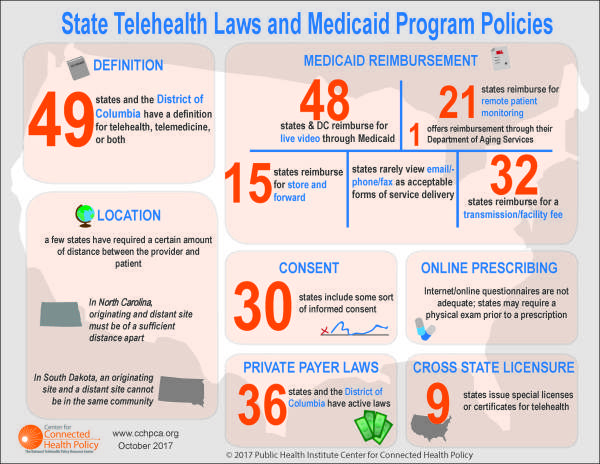
On State Tele-Health Programs

Medicaid Program Policies

***

***

Conclusion

Your thoughts and comments on this ME-P are appreciated. Feel free to review our top-left column, and top-right sidebar materials, links, URLs and related websites, too. Then, subscribe to the ME-P. It is fast, free and secure.

Speaker: If you need a moderator or speaker for an upcoming event, Dr. David E. Marcinko; MBA – Publisher-in-Chief of the Medical Executive-Post – is available for seminar or speaking engagements.

Book Marcinko: https://medicalexecutivepost.com/dr-david-marcinkos-bookings/

Subscribe: MEDICAL EXECUTIVE POST for curated news, essays, opinions and analysis from the public health, economics, finance, marketing, IT, business and policy management ecosystem.

DOCTORS:

“Insurance & Risk Management Strategies for Doctors” https://tinyurl.com/ydx9kd93

“Fiduciary Financial Planning for Physicians” https://tinyurl.com/y7f5pnox

“Business of Medical Practice 2.0” https://tinyurl.com/yb3x6wr8

HOSPITALS:

“Financial Management Strategies for Hospitals” https://tinyurl.com/yagu567d

“Operational Strategies for Clinics and Hospitals” https://tinyurl.com/y9avbrq5

***

Product DetailsProduct Details

Keep Medical Directives Up to Date

On Medical Directives

By Rick Kahler CFP®

One important component of estate planning is a document, usually called a medical directive, which can include a living will, that sets out your wishes for end-of-life care and a health care power of attorney that designates someone to make medical decisions if you are unable to do so. A medical directive addresses important issues that are inevitable, but that most of us don’t want to think about or talk about. Consequently, many people leave their family members and medical providers with no guidance.

If you have not executed a medical directive, I strongly recommend doing so. If you do have a living will, I suggest you review your document periodically to be sure it still provides the best options for carrying out your wishes.

Example:

Recently I’ve encountered two situations where medical directives that had been perfectly valid and appropriate at the time they were executed had become potentially useless. In both cases, a family member designated to make end-of-life decisions had subsequently developed dementia that affected their competency to make those decisions.

This possibility is one reason why, if your medical directive designates your spouse, it’s wise to name an alternate as well. Your spouse, aging along with you, may not be the most capable person to make hard decisions when the time comes.

It’s also a good idea to communicate your specific wishes to both your primary and alternate designees. Discuss with them, as well, whether they believe they will actually be able to carry out your wishes. Unfortunately, I have seen cases where family members, with the most loving of intentions, were so hesitant to make decisions that their inaction violated their loved ones’ last wishes.

These conversations are not easy. Yet they are essential. One of my clients recently was faced with the possibility of making end-of-life decisions for her father. Several years earlier, he had executed a medical power of attorney and living will document naming her as his designated agent. At that time, the two of them had talked about his wishes, so she knew the choices he would want her to make.

***

***

For now, my client was spared the necessity of making these difficult decisions because her father recovered. But, faced with the reality of “someday” contingencies becoming “right now” hard choices, she felt capable of doing what had to be done. She told me that what gave her the strength she needed was not the responsibility of being designated in the living will document. It was the conversations she and her father had had, both at the time he signed the document and during his recent illness.

“I made him a solemn promise that I would make the choices he needed and wanted me to make,” she said. “It felt like a vow that I couldn’t ever go back on.”

It may not be especially difficult for a family member to agree to become the designated representative in a medical directive. If the agent named in a healthcare power of attorney is in good health, the need to make hard decisions is somewhere in the future and can feel theoretical.

But at the time of a medical emergency or a draining final illness, a family member who is frightened, grieving, and exhausted may find actually making those decisions to be the hardest thing they’ve ever had to do.

Assessment

Giving your family members the clarity and direction to make end-of-life decisions for you requires more than putting their name into a document. It requires choosing someone who is willing to carry out your wishes, communicating your wishes to them through conversations, and checking periodically to make sure they are still willing and able to carry out the solemn promise that a living will entails. 

Conclusion

Your thoughts and comments on this ME-P are appreciated. Feel free to review our top-left column, and top-right sidebar materials, links, URLs and related websites, too. Then, subscribe to the ME-P. It is fast, free and secure.

Speaker: If you need a moderator or speaker for an upcoming event, Dr. David E. Marcinko; MBA – Publisher-in-Chief of the Medical Executive-Post – is available for seminar or speaking engagements.

Book Marcinko: https://medicalexecutivepost.com/dr-david-marcinkos-bookings/

Subscribe: MEDICAL EXECUTIVE POST for curated news, essays, opinions and analysis from the public health, economics, finance, marketing, IT, business and policy management ecosystem.

DOCTORS:

“Insurance & Risk Management Strategies for Doctors” https://tinyurl.com/ydx9kd93

“Fiduciary Financial Planning for Physicians” https://tinyurl.com/y7f5pnox

“Business of Medical Practice 2.0” https://tinyurl.com/yb3x6wr8

HOSPITALS:

“Financial Management Strategies for Hospitals” https://tinyurl.com/yagu567d

“Operational Strategies for Clinics and Hospitals” https://tinyurl.com/y9avbrq5

***

Risk Management, Liability Insurance, and Asset Protection Strategies for Doctors and Advisors: Best Practices from Leading Consultants and Certified Medical Planners™8Comprehensive Financial Planning Strategies for Doctors and Advisors: Best Practices from Leading Consultants and Certified Medical Planners™

States with Low Medicare Advantage Costs

Top Ten [10] Annually 2017

By http://www.MCOL.com

***

***

Conclusion

Your thoughts and comments on this ME-P are appreciated. Feel free to review our top-left column, and top-right sidebar materials, links, URLs and related websites, too. Then, subscribe to the ME-P. It is fast, free and secure.

Speaker: If you need a moderator or speaker for an upcoming event, Dr. David E. Marcinko; MBA – Publisher-in-Chief of the Medical Executive-Post – is available for seminar or speaking engagements.

Book Marcinko: https://medicalexecutivepost.com/dr-david-marcinkos-bookings/

Subscribe: MEDICAL EXECUTIVE POST for curated news, essays, opinions and analysis from the public health, economics, finance, marketing, IT, business and policy management ecosystem.

DOCTORS:

“Insurance & Risk Management Strategies for Doctors” https://tinyurl.com/ydx9kd93

“Fiduciary Financial Planning for Physicians” https://tinyurl.com/y7f5pnox

“Business of Medical Practice 2.0” https://tinyurl.com/yb3x6wr8

HOSPITALS:

“Financial Management Strategies for Hospitals” https://tinyurl.com/yagu567d

“Operational Strategies for Clinics and Hospitals” https://tinyurl.com/y9avbrq5

***

Product DetailsProduct Details

“Roll Out the Rollover”

More on Retirement Planning

By Rick Kahler CFP®

If your employer offers a 401(k) or other retirement plan, contributing to that plan is a foundation of your retirement savings. However, as you approach retirement age, you might consider moving some of your retirement funds out of your employer’s plan and into an IRA at a custodian like TD Ameritrade or Fidelity; etc.

Such a rollover is often done when you leave an employer, though many employers give you the option of keeping your retirement account with them. What isn’t popularly understood is that you also can do a rollover while you’re still employed, as long as you are over 59 ½.

Why Rollover?

One reason to consider leaving your employer’s plan is that most of them have higher overall fees than an IRA, especially if you choose from low-cost index mutual funds or exchange traded funds from a company like Vanguard or Dimensional Fund Advisors. It’s not uncommon to save up to 1% annually by making a rollover into these mutual funds.

However, the costs of an IRA are not always cheaper. If you have a Thrift Savings Plan (TSP) through the federal government, the total costs are .03% a year. This is far cheaper than the average equity fund that charges 1.3% or even Vanguard and DFA that charge .09% on some funds.

The disadvantage with a TSP, like most employer plans, is their very limited investment options. The TSP offers about six options. Most 401(k)s will offer several times that—still a pittance compared with the 13,000 available at most discount brokers.

Another reason for a rollover is what happens when you retire and need to withdraw funds from your account. You can withdraw money from an IRA at any time without penalty after age 59 ½, but withdrawing money from a past employer’s 401(k) plan will require jumping through a few more hoops.

One issue that surprises most people is that the required minimum distributions (RMD) rules are reversed for employer plans. A RMD is never required with a Roth IRA. However, a RMD must be taken from a Roth 401(k) when you turn 70 ½. For this reason I recommend you roll over a Roth 401(k) before you turn 70 ½. The flip side of this is that when you turn 70 ½ you do have to take RMDs from a traditional IRA, but you do not from a traditional 401(k). Only a committee could have made up these rules.

The new tax code has made charitable giving less tax advantageous. However, if you are over 70 ½, you can give to charity tax-free from your IRA via a qualified charitable distribution (QCD). Employer plans don’t allow QCDs.

Another advantage of IRAs is that you can consolidate a number of employer accounts into one IRA. You can also withdraw funds from an IRA at any age without penalty for college expenses, which you cannot do from an employer plan.

Yet, another big advantage to an IRA is the ability to do Roth conversions, which cannot be done with an employer’s plan. It’s especially important to do such conversions before turning 70 ½ when your RMDs and Social Security benefits (assuming you wait until 70) kick in and raise your taxable income and possibly your tax bracket. Taking advantage of lower tax brackets prior to age 70 to convert part of traditional IRAs to Roths can lower your RMDs, which lower your tax liability, and let some of your retirement funds grow tax free forever.

***


***

Assessment

Done properly, a rollover from an employer’s plan to an IRA is free of any tax consequences. However, it’s important to evaluate the advantages and disadvantages carefully before you act.

Conclusion

Your thoughts and comments on this ME-P are appreciated. Feel free to review our top-left column, and top-right sidebar materials, links, URLs and related websites, too. Then, subscribe to the ME-P. It is fast, free and secure.

Speaker: If you need a moderator or speaker for an upcoming event, Dr. David E. Marcinko; MBA – Publisher-in-Chief of the Medical Executive-Post – is available for seminar or speaking engagements.

Book Marcinko: https://medicalexecutivepost.com/dr-david-marcinkos-bookings/

Subscribe: MEDICAL EXECUTIVE POST for curated news, essays, opinions and analysis from the public health, economics, finance, marketing, IT, business and policy management ecosystem.

DOCTORS:

“Insurance & Risk Management Strategies for Doctors” https://tinyurl.com/ydx9kd93

“Fiduciary Financial Planning for Physicians” https://tinyurl.com/y7f5pnox

“Business of Medical Practice 2.0” https://tinyurl.com/yb3x6wr8

HOSPITALS:

“Financial Management Strategies for Hospitals” https://tinyurl.com/yagu567d

“Operational Strategies for Clinics and Hospitals” https://tinyurl.com/y9avbrq5

***

Risk Management, Liability Insurance, and Asset Protection Strategies for Doctors and Advisors: Best Practices from Leading Consultants and Certified Medical Planners™8Comprehensive Financial Planning Strategies for Doctors and Advisors: Best Practices from Leading Consultants and Certified Medical Planners™

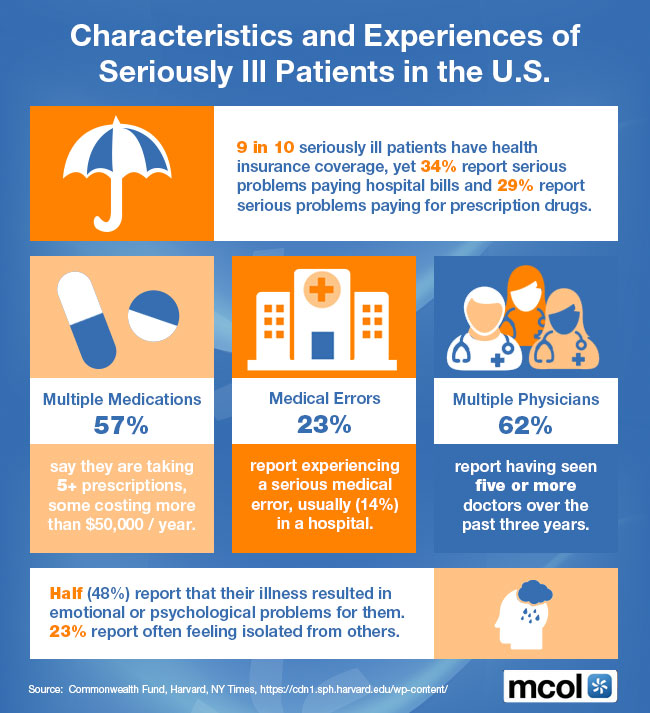
On Seriously Ill Patients in the USA

Characteristics and Experiences

By http://www.MCOL.com

***

***

Conclusion

Your thoughts and comments on this ME-P are appreciated. Feel free to review our top-left column, and top-right sidebar materials, links, URLs and related websites, too. Then, subscribe to the ME-P. It is fast, free and secure.

Speaker: If you need a moderator or speaker for an upcoming event, Dr. David E. Marcinko; MBA – Publisher-in-Chief of the Medical Executive-Post – is available for seminar or speaking engagements.

Book Marcinko: https://medicalexecutivepost.com/dr-david-marcinkos-bookings/

Subscribe: MEDICAL EXECUTIVE POST for curated news, essays, opinions and analysis from the public health, economics, finance, marketing, IT, business and policy management ecosystem.

DOCTORS:

“Insurance & Risk Management Strategies for Doctors” https://tinyurl.com/ydx9kd93

“Fiduciary Financial Planning for Physicians” https://tinyurl.com/y7f5pnox

“Business of Medical Practice 2.0” https://tinyurl.com/yb3x6wr8

HOSPITALS:

“Financial Management Strategies for Hospitals” https://tinyurl.com/yagu567d

“Operational Strategies for Clinics and Hospitals” https://tinyurl.com/y9avbrq5

***

Product DetailsProduct Details

On Lost or Stolen Credit, ATM and Debit Cards

 Why I Dislike Debit Cards –  And You Should Too!

[By Dr. David Edward Marcinko MBA]

If your credit, ATM, or debit card is lost or stolen, federal law limits your liability for unauthorized charges. Your protection against unauthorized charges depends on the type of card — and when you report the loss.

***

https://www.consumer.ftc.gov/articles/0213-lost-or-stolen-credit-atm-and-debit-cards

***

MORE: Pros and Cons

Debit vs. credit | Pros, cons and protections for your money

Assessment

Your thoughts are appreciated.

MORE FOR DOCTORS:

“Insurance & Risk Management Strategies for Doctors” https://tinyurl.com/ydx9kd93

“Fiduciary Financial Planning for Physicians” https://tinyurl.com/y7f5pnox

“Business of Medical Practice 2.0” https://tinyurl.com/yb3x6wr8

Risk Management, Liability Insurance, and Asset Protection Strategies for Doctors and Advisors: Best Practices from Leading Consultants and Certified Medical Planners™8Comprehensive Financial Planning Strategies for Doctors and Advisors: Best Practices from Leading Consultants and Certified Medical Planners™

THANK YOU

Some Value-Focused Investing Interviews and Podcasts

By Vitaliy Katsenelson CFA

Dear ME-P Readers,

You might want to listen to some great interviews by Roben on investment topics (his shows cover a wide variety of themes).

  1. An interview with an acquaintance of mine, Saurabh Madaan, who went from working for Google to Markel (which is often called the “Baby Berkshire Hathaway”).
  2. Speaking of Markel, here Roben interviews Tom Gayner, Markel’s CIO. I have had the privilege of sharing a stage with Tom once a year for the last seven years in Omaha at the YPO event.
  3. Here Roben interviews my friend Jim Chanos –brilliant short seller and incredible human being. 

I am just scratching the surface here. You can listen to hundreds of other shows with Roben here, or look for Full Disclosure with Roben Farzad on your podcast app – just be careful, they are very addicting. 

stocks

Conclusion

Your thoughts and comments on this ME-P are appreciated. Feel free to review our top-left column, and top-right sidebar materials, links, URLs and related websites, too. Then, subscribe to the ME-P. It is fast, free and secure.

Subscribe: MEDICAL EXECUTIVE POST for curated news, essays, opinions and analysis from the public health, economics, finance, marketing, IT, business and policy management ecosystem.

DOCTORS:

“Insurance & Risk Management Strategies for Doctors” https://tinyurl.com/ydx9kd93

“Fiduciary Financial Planning for Physicians” https://tinyurl.com/y7f5pnox

“Business of Medical Practice 2.0” https://tinyurl.com/yb3x6wr8

HOSPITALS:

“Financial Management Strategies for Hospitals” https://tinyurl.com/yagu567d

“Operational Strategies for Clinics and Hospitals” https://tinyurl.com/y9avbrq5

***

Risk Management, Liability Insurance, and Asset Protection Strategies for Doctors and Advisors: Best Practices from Leading Consultants and Certified Medical Planners™8Comprehensive Financial Planning Strategies for Doctors and Advisors: Best Practices from Leading Consultants and Certified Medical Planners™

Election Impacts ACA, Medicaid Expansion and Marijuana

Healthcare Triage News: Election Results Impact the ACA, Medicaid Expansion, and Marijuana

via Aaron Carroll

The recent election results of last week have a lot of impact on health care in the United States.

***

Pot House

***

The new Democratic House of Representatives and the ACA, expansion of Medicaid in red states, and medical and recreational marijuana are all affected by recent returns.

***

MORE: What The Midterm Election Results Mean for Health Care?

http://www.msn.com/en-us/news/us/what-tuesdays-midterm-election-results-mean-for-health-care/ar-BBPsC1G?li=BBnb4R7

Assessment

Your thoughts are appreciated.

MORE FOR DOCTORS:

“Business of Medical Practice 2.0” https://tinyurl.com/yb3x6wr8

“Financial Management Strategies for Hospitals” https://tinyurl.com/yagu567d

“Operational Strategies for Clinics and Hospitals” https://tinyurl.com/y9avbrq5

***

Product DetailsProduct Details


Stansberry Investor Hour Interview

Stansberry Investor Hour Interview

By Vitaliy Katsenelson CFA

***

I was interviewed by my friend Dan Ferris on the Stansberry Investor Hour show. My segment of the interview starts at the 22:22 mark (click here to listen).

If you’d like to dig deeper into some of the concepts I discussed, you can read the following articles:

1 – What quality means to us.
2 – Why we sold of ETFs and bought Treasuries
3 – How and why we are hedging our portfolios with options
4 – Why Amazon will not run McKesson out of business and why we like the stock and here is one more.

***

***

Conclusion

Your thoughts and comments on this ME-P are appreciated. Feel free to review our top-left column, and top-right sidebar materials, links, URLs and related websites, too. Then, subscribe to the ME-P. It is fast, free and secure.

Speaker: If you need a moderator or speaker for an upcoming event, Dr. David E. Marcinko; MBA – Publisher-in-Chief of the Medical Executive-Post – is available for seminar or speaking engagements.

Book Marcinko: https://medicalexecutivepost.com/dr-david-marcinkos-bookings/

Subscribe: MEDICAL EXECUTIVE POST for curated news, essays, opinions and analysis from the public health, economics, finance, marketing, IT, business and policy management ecosystem.

DOCTORS:

“Insurance & Risk Management Strategies for Doctors” https://tinyurl.com/ydx9kd93

“Fiduciary Financial Planning for Physicians” https://tinyurl.com/y7f5pnox

“Business of Medical Practice 2.0” https://tinyurl.com/yb3x6wr8

HOSPITALS:

“Financial Management Strategies for Hospitals” https://tinyurl.com/yagu567d

“Operational Strategies for Clinics and Hospitals” https://tinyurl.com/y9avbrq5

***Risk Management, Liability Insurance, and Asset Protection Strategies for Doctors and Advisors: Best Practices from Leading Consultants and Certified Medical Planners™8Comprehensive Financial Planning Strategies for Doctors and Advisors: Best Practices from Leading Consultants and Certified Medical Planners™

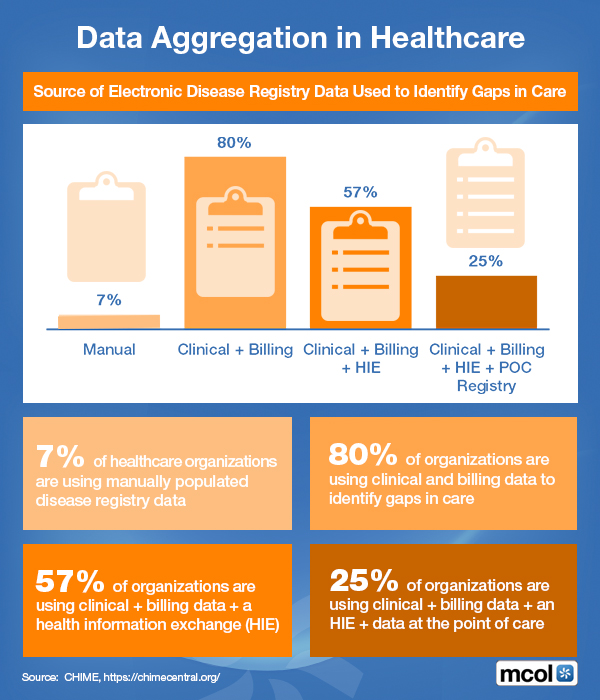
On Healthcare Data Aggregation

 Electronic “Disease” Registry Data Used to Identify Care Gaps

By http://www.MCOL.com

***

***

Conclusion

Your thoughts and comments on this ME-P are appreciated. Feel free to review our top-left column, and top-right sidebar materials, links, URLs and related websites, too. Then, subscribe to the ME-P. It is fast, free and secure.

Speaker: If you need a moderator or speaker for an upcoming event, Dr. David E. Marcinko; MBA – Publisher-in-Chief of the Medical Executive-Post – is available for seminar or speaking engagements.

Book Marcinko: https://medicalexecutivepost.com/dr-david-marcinkos-bookings/

Subscribe: MEDICAL EXECUTIVE POST for curated news, essays, opinions and analysis from the public health, economics, finance, marketing, IT, business and policy management ecosystem.

DOCTORS:

“Insurance & Risk Management Strategies for Doctors” https://tinyurl.com/ydx9kd93

“Fiduciary Financial Planning for Physicians” https://tinyurl.com/y7f5pnox

“Business of Medical Practice 2.0” https://tinyurl.com/yb3x6wr8

HOSPITALS:

“Financial Management Strategies for Hospitals” https://tinyurl.com/yagu567d

***

Product DetailsProduct Details


Celebrate “No-Shave November” – Send in your Pics!

On Men’s Health

[By staff reporters]

As the fall chill sets in, you may see some men sporting scruffy faces. It could be laziness, it could be a fashion statement, or maybe it’s a way for men to look out for each other.

Why?

Many men are giving their razors November off to raise awareness and funds for men’s health. Men die on average five years earlier than women, according to the US Centers for Disease Control and Prevention.

Prostate and testicular cancer contribute to the disparity. Also, four out of five people who kill themselves are men.

***

portrait of young man

Photo by Pixabay on Pexels.com

No-Shave November

No-Shave November is one organization behind the fuzzy faces. It hopes the sudden sprouting of beards will prompt conversations at work or around town about men’s health.

Assessment

No-Shave November is also asking men to donate the money they would have spent on shaving for the month; the funds will go to fight cancer.

So – Will you take the challenge? Send in your beard pics to us!

Conclusion

Your thoughts and comments on this ME-P are appreciated. Feel free to review our top-left column, and top-right sidebar materials, links, URLs and related websites, too. Then, subscribe to the ME-P. It is fast, free and secure.

Speaker: If you need a moderator or speaker for an upcoming event, Dr. David E. Marcinko; MBA – Publisher-in-Chief of the Medical Executive-Post – is available for seminar or speaking engagements.

Book Marcinko: https://medicalexecutivepost.com/dr-david-marcinkos-bookings/

Subscribe: MEDICAL EXECUTIVE POST for curated news, essays, opinions and analysis from the public health, economics, finance, marketing, IT, business and policy management ecosystem.

DOCTORS:

“Insurance & Risk Management Strategies for Doctors” https://tinyurl.com/ydx9kd93

“Fiduciary Financial Planning for Physicians” https://tinyurl.com/y7f5pnox

“Business of Medical Practice 2.0” https://tinyurl.com/yb3x6wr8

HOSPITALS:

“Financial Management Strategies for Hospitals” https://tinyurl.com/yagu567d

“Operational Strategies for Clinics and Hospitals” https://tinyurl.com/y9avbrq5

***

Product DetailsProduct Details

How digital business models impact the value chain of health insurers

Dear Dr. David  Edward Marcinko MBA

I am happy to share with you, and your readers, Research2Guidance’s latest digital health article “How digital business models impact the value chain of health insurers“.

Health insurance companies have started to make use of digital technologies to reinvent the way they interact with their members and health care providers. Innovation is mainly driven by insure-tech companies raising hundreds of millions of investment money. Established health insurers must know new insure-tech digital business models to understand their impact on both value chain and market position.

AI

We think, in 3-5 years from now, these digital business models will be widely implemented globally” – says Ralf Jahns, Managing Director of  Research 2 Guidance. “Asia and North America will lead but there will be and already are implementations in Europe as well“.

Thank you for your time!

P.S. If you, or your ME-P readers  need any insights or quotes about the digital health insurance market, please do not hesitate to contact me. I will be happy to provide you with reliable data and latest market insights.

Kind regards,
Stela Nikolova
[Research2Guidance]

***

Product DetailsProduct Details

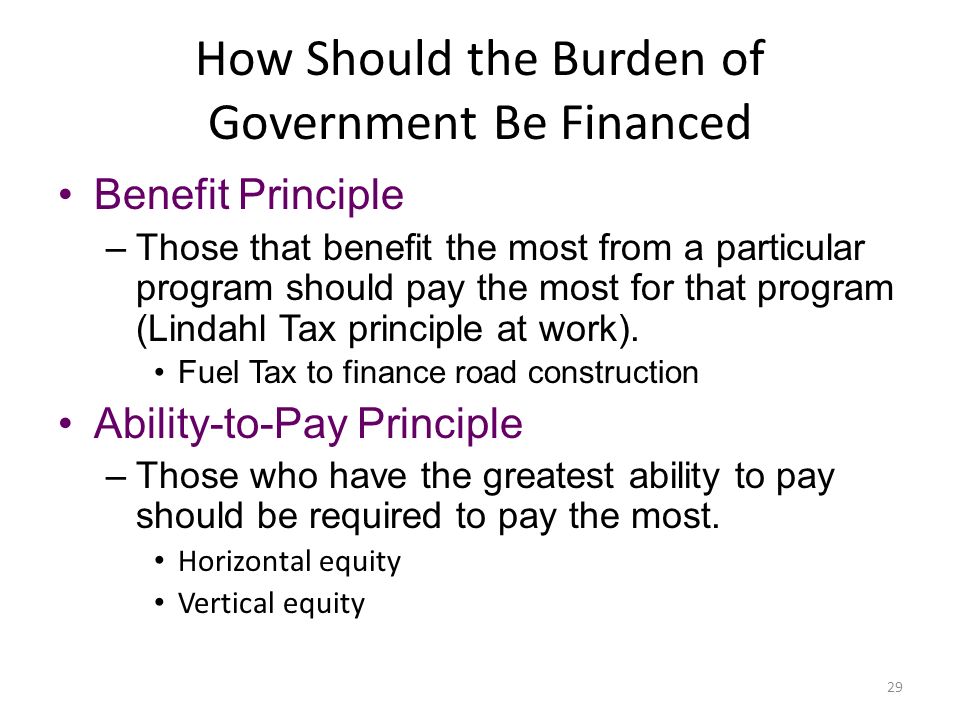
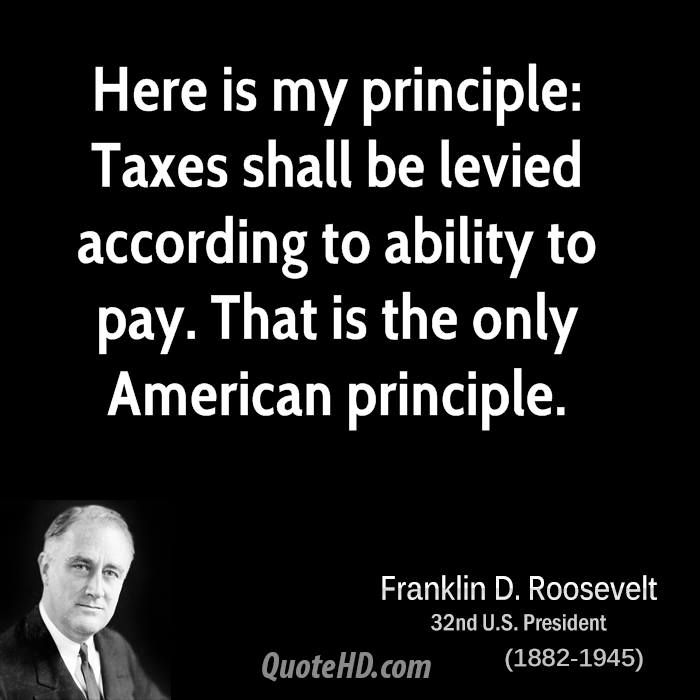
HOW SHOULD THE FEDERAL GOVERNMENT BE FINANCED?

The “BENEFIT” PRINCIPLE Versus “ABILITY-TO-PAY” PRINCIPLE OF TAXATION

[By staff reporters]

OK; the 2018 mid-term elections are over. So, where do you stand on federal taxation? Let’s review the very basics.

The Lindahl Tax

A “Lindahl Tax” is a form of taxation conceived by Erik Lindahl in which individuals pay for public goods according to their marginal benefits. In other words, they pay according to the amount of satisfaction or utility they derive from the consumption of an additional unit of the public good.

It can be seen as an individual’s share of the collective tax burden of an economy. The optimal level of a public good is that quantity at which the willingness to pay for one more unit of the good, taken in totality for all the individuals is equal to the marginal cost of supplying that good. Lindahl tax is the optimal quantity times the willingness to pay for one more unit of that good at this quantity.

***

Lindahl Benefit Principle. Those that benefit the most from a particular program should pay the most for that program (Lindahl Tax principle at work). Fuel Tax to finance road construction. Ability-to-Pay Principle. Those who have the greatest ability to pay should be required to pay the most. Horizontal equity. Vertical equity.

Ability-to-Pay Tax

An “Ability-to-Pay Tax” is exactly what it says with both horizontal and vertical components.

Ability-to-pay taxation is a progressive taxation principle that maintains that taxes should be levied according to a taxpayer’s ability to pay. Ability-to-pay taxation is a progressive taxation principle that maintains that taxes should be levied according to a taxpayer’s ability to pay.

***

***

Conclusion

Your thoughts and comments on this ME-P are appreciated. Feel free to review our top-left column, and top-right sidebar materials, links, URLs and related websites, too. Then, subscribe to the ME-P. It is fast, free and secure.

Speaker: If you need a moderator or speaker for an upcoming event, Dr. David E. Marcinko; MBA – Publisher-in-Chief of the Medical Executive-Post – is available for seminar or speaking engagements.

Book Marcinko: https://medicalexecutivepost.com/dr-david-marcinkos-bookings/

Subscribe: MEDICAL EXECUTIVE POST for curated news, essays, opinions and analysis from the public health, economics, finance, marketing, IT, business and policy management ecosystem.

DOCTORS:

“Insurance & Risk Management Strategies for Doctors” https://tinyurl.com/ydx9kd93

“Fiduciary Financial Planning for Physicians” https://tinyurl.com/y7f5pnox

“Business of Medical Practice 2.0” https://tinyurl.com/yb3x6wr8

HOSPITALS:

“Financial Management Strategies for Hospitals” https://tinyurl.com/yagu567d

“Operational Strategies for Clinics and Hospitals” https://tinyurl.com/y9avbrq5

***

Comprehensive Financial Planning Strategies for Doctors and Advisors: Best Practices from Leading Consultants and Certified Medical Planners™

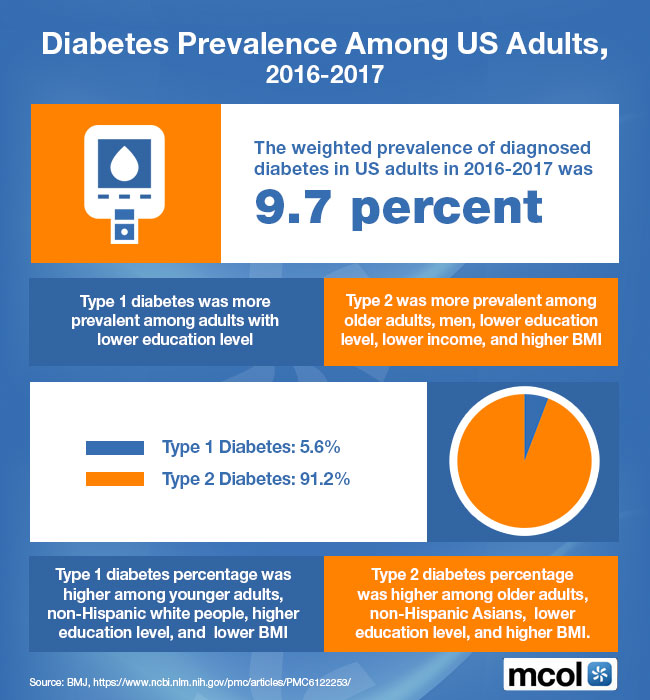
Diabetes Prevalence Among US Adults

Circa 2016-2017

By http://www.MCOL.com

***

***

Conclusion

Your thoughts and comments on this ME-P are appreciated. Feel free to review our top-left column, and top-right sidebar materials, links, URLs and related websites, too. Then, subscribe to the ME-P. It is fast, free and secure.

Speaker: If you need a moderator or speaker for an upcoming event, Dr. David E. Marcinko; MBA – Publisher-in-Chief of the Medical Executive-Post – is available for seminar or speaking engagements.

Book Marcinko: https://medicalexecutivepost.com/dr-david-marcinkos-bookings/

Subscribe: MEDICAL EXECUTIVE POST for curated news, essays, opinions and analysis from the public health, economics, finance, marketing, IT, business and policy management ecosystem.

DOCTORS:

“Insurance & Risk Management Strategies for Doctors” https://tinyurl.com/ydx9kd93

“Fiduciary Financial Planning for Physicians” https://tinyurl.com/y7f5pnox

“Business of Medical Practice 2.0” https://tinyurl.com/yb3x6wr8

HOSPITALS:

“Financial Management Strategies for Hospitals” https://tinyurl.com/yagu567d

“Operational Strategies for Clinics and Hospitals” https://tinyurl.com/y9avbrq5

***

Product DetailsProduct Details

The Future of Health Care?

A National Survey of Physicians

The 2018 Future of Healthcare report, compiled from the observations of more than 3,400 doctors, has uncovered a complex picture of the attitudes of physicians nationwide toward the important issues facing the industry. 

 ***

https://www.thedoctors.com/future

***

Assessment

Your thoughts are appreciated.

MORE FOR DOCTORS:

“Insurance & Risk Management Strategies for Doctors”

https://tinyurl.com/ydx9kd93

“Fiduciary Financial Planning for Physicians”

https://tinyurl.com/y7f5pnox

“Business of Medical Practice 2.0”

https://tinyurl.com/yb3x6wr8

***

Risk Management, Liability Insurance, and Asset Protection Strategies for Doctors and Advisors: Best Practices from Leading Consultants and Certified Medical Planners™8Comprehensive Financial Planning Strategies for Doctors and Advisors: Best Practices from Leading Consultants and Certified Medical Planners™

THANK YOU

Centers for Medicare & Medicaid Services (CMS) finalized the calendar year (CY) 2019 Medicare Physician Fee Schedule (MPFS), the Hospital Outpatient Prospective Payment System (OPPS), and the Ambulatory Surgical Center (ASC) Payment System

CMS Finalizes 2019 Physician & Outpatient Fee Schedules

By TODD A. ZIGRANG

***
In the course of twenty-four hours, the Centers for Medicare & Medicaid Services (CMS) finalized the calendar year (CY) 2019 Medicare Physician Fee Schedule (MPFS), the Hospital Outpatient Prospective Payment System (OPPS), and the Ambulatory Surgical Center (ASC) Payment System. The finalized rules generally remained unchanged from their proposed versions, with a couple of exceptions. Each finalized rule is reviewed briefly in this special edition of the Health Capital Topics e-journal. (Read more…) 

https://www.healthcapital.com/hcc/newsletter/11.2.18_Alert/HTML/CMS/convert_hc_topics_alert_mpfs_opps_11.2.18.php

***

Conclusion

Your thoughts and comments on this ME-P are appreciated. Feel free to review our top-left column, and top-right sidebar materials, links, URLs and related websites, too. Then, subscribe to the ME-P. It is fast, free and secure.

Speaker: If you need a moderator or speaker for an upcoming event, Dr. David E. Marcinko; MBA – Publisher-in-Chief of the Medical Executive-Post – is available for seminar or speaking engagements.

Book Marcinko: https://medicalexecutivepost.com/dr-david-marcinkos-bookings/

Subscribe: MEDICAL EXECUTIVE POST for curated news, essays, opinions and analysis from the public health, economics, finance, marketing, IT, business and policy management ecosystem.

DOCTORS:

“Insurance & Risk Management Strategies for Doctors” https://tinyurl.com/ydx9kd93

“Fiduciary Financial Planning for Physicians” https://tinyurl.com/y7f5pnox

“Business of Medical Practice 2.0” https://tinyurl.com/yb3x6wr8

HOSPITALS:

“Financial Management Strategies for Hospitals” https://tinyurl.com/yagu567d

“Operational Strategies for Clinics and Hospitals” https://tinyurl.com/y9avbrq5

***

Product DetailsProduct Details

Want to know when you’re going to die?

TODAY IS “ALL SOULS DAY”

[By staff reporters]

All Souls Day is a holy day set aside for honoring the dead. The day is primarily celebrated in the Catholic Church, but it is also celebrated in the Eastern Orthodox Church and a few other denominations of Christianity. The Anglican church is the largest protestant church to celebrate the holy day.

Most protestant denominations do not recognize the holiday and disagree with the theology behind it.

***

So – When are you going to die?

By MIT TECHNOLOGY REVIEW

Humans have been trying to find ways to calculate exactly how long they’ll live since time immemorial. We’re yet to find a reliable predictive formula, but that is starting to change.

The science: Certain chemical changes to cytosine – one of the four DNA bases or “letters” of genetic code—can help tell whether someone’s body is aging unusually fast or slowly. Steve Horvath, a biostatistician at UCLA, tested this “epigenetic clock” theory on 13,000 blood samples collected decades ago, from people whose subsequent date of death was known. The results found that the clock can be used to predict how long someone will live and how much of that life will be free of age-related disease.

Inheritance: Your genes dictate about 40% of the “ticking rate” of your mortality clock, while the rest comes down to lifestyle and luck, according to Horvath. There are things we can do to delay aging —including getting enough sleep.

Privacy: Insurance companies, hospitals and palliative care teams are already finding this sort of research useful, but there are a lot of issues around privacy yet to be untangled. Your likely life span is information we’d consider very personal, yet existing regulations and privacy policies don’t even consider the possibility of such information. Perhaps it’s time to start thinking about it.

***

“DANCE OF DEATH”

[Copyright 2018. iMBA Inc., all rights reserved. USA]

***

Conclusion

Your thoughts and comments on this ME-P are appreciated. Feel free to review our top-left column, and top-right sidebar materials, links, URLs and related websites, too. Then, subscribe to the ME-P. It is fast, free and secure.

Speaker: If you need a moderator or speaker for an upcoming event, Dr. David E. Marcinko; MBA – Publisher-in-Chief of the Medical Executive-Post – is available for seminar or speaking engagements.

Book Marcinko: https://medicalexecutivepost.com/dr-david-marcinkos-bookings/

Subscribe: MEDICAL EXECUTIVE POST for curated news, essays, opinions and analysis from the public health, economics, finance, marketing, IT, business and policy management ecosystem.

DOCTORS:

“Insurance & Risk Management Strategies for Doctors” https://tinyurl.com/ydx9kd93

“Fiduciary Financial Planning for Physicians” https://tinyurl.com/y7f5pnox

“Business of Medical Practice 2.0” https://tinyurl.com/yb3x6wr8

HOSPITALS:

“Financial Management Strategies for Hospitals” https://tinyurl.com/yagu567d

“Operational Strategies for Clinics and Hospitals” https://tinyurl.com/y9avbrq5

***

Risk Management, Liability Insurance, and Asset Protection Strategies for Doctors and Advisors: Best Practices from Leading Consultants and Certified Medical Planners™8Comprehensive Financial Planning Strategies for Doctors and Advisors: Best Practices from Leading Consultants and Certified Medical Planners™