FROM: Zocdoc to Zo

By Staff Reporters and AI

SPONSOR http://www.CertifiedMedicalPlanner.org

***
***

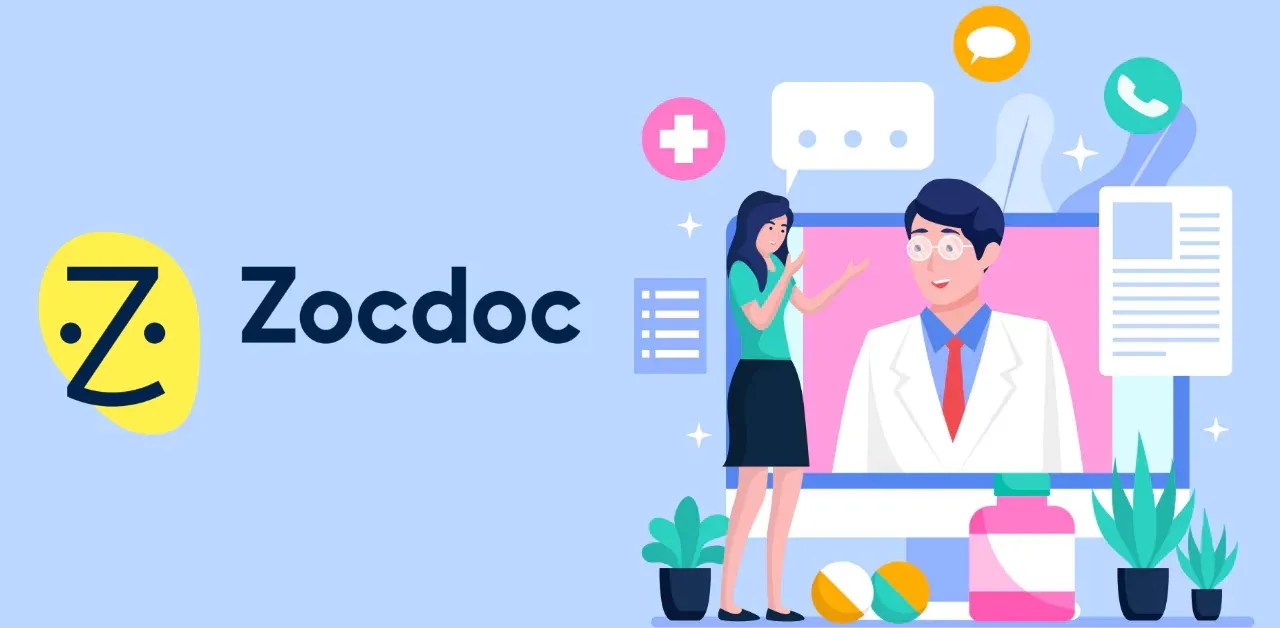
When New York-based Zocdoc was founded back in 2007, the idea was to help patients get off the phone, founder and CEO Oliver Kharraz told Healthcare Brew. The company created a website that helps patients find clinicians who fit their needs in their area and are under their insurance, and books appointments online.

MD versus DO: https://medicalexecutivepost.com/2023/06/17/the-md-versus-do-degree/

But on May 1st, Zocdoc launched a new product to get people back on the phone: an artificial intelligence (AI) voice agent called Zo. Zo helps people book doctor appointments 24/7—but instead of speaking with a person, patients speak with an AI voice that is trained to meet their needs.

DPM Podiatrist: https://medicalexecutivepost.com/2024/03/20/is-a-podiatrist-a-physician/

“Until recently, we didn’t do the phone because the experience on the phone was just so miserable,” Kharraz said. “Now you can actually have a consistent experience, where the AI can pick up after the first ring an unlimited number of times concurrently [and] have a natural conversation with you.”

Tele-Health: https://medicalexecutivepost.com/2022/04/04/types-of-patient-care-healthcare-providers-deliver-via-tele-health/

Click here for more on the rise of voice agents in healthcare.

COMMENTS APPRECIATED

Like and Refer

***

***

Valuation of Hospitals [Technological Environment]

By Health Capital Consultants, LLC

***

***

Technological advancements have accelerated the shift of healthcare services from inpatient to outpatient settings, creating both opportunities and challenges for hospitals. For instance, minimally invasive procedures often serve as alternatives to traditional, more invasive surgeries. Additionally, the integration of telehealth and artificial intelligence (AI) has the potential to enhance access to and quality of care while reducing expenditures and administrative burdens.

This final installment of a five-part series on the valuation of hospitals examines the technological advancements transforming the industry. (Read more…) 

COMMENTS APPRECIATED

Subscribe Today!

***

***

POPULATION HEALTH: Management?

By Dr. David Edward Marcinko MBA CMP

SPONSOR: http://www.MarcinkoAssociates.com

What is population health management?

The Care Continuum Alliance, an alliance of stakeholders across the continuum of care, is working precisely toward the goal of improving the health of populations. They espouse a detailed set of principles and a model of “population health management.” It can be summed up, in the broadest sense, as the care provider community, in partnership with patients and their families, conducting proactive and collective monitoring of the patient’s healthcare quality, adherence, access, and outcomes with the goal of improving the health of an entire patient population.

As such, population health management stresses wellness and prevention through lifestyle and disease management and complex case management to remove the gap between zero care and costly chronic or emergency care. It emphasizes the full spectrum of needs from prevention and wellness to keeping healthy people and at-risk people healthy, to better manage the care of those with chronic conditions, and to still be ready to provide emergent or acute care services. In most cases, it also includes the involved providers taking on accountability for the financial risk and quality of care provided.

We have been working with administrative and physician leaders across the country to grapple with what it will mean to actually foster valuable population health management in the different communities they serve. It is clear that this is a whole new paradigm and that the years of experience and training that have brought them to where they are today may not have sufficiently prepared them for what is to come. It requires a well-coordinated and complete continuum of care, with new metrics and advanced analytics. As one might expect,while clusters of resistance to the idea remain, most have flung themselves into learning mode and are beginning to “act their way into new thinking.”

However, we also see a big risk in powering ahead without revisiting the role of a key stakeholder group—patients and their families, whose experience and perspective are often left behind, but whose actions will have a profound effect on the future success of population health management efforts.

CITE: https://www.r2library.com/Resource

***

***

***

Its earnings season once again and CVS Health beat Wall Street estimates with $2.3 billion in profit during Q3. Humana raised its Medicare Advantage enrollment projections again.

And, population management telehealth giant Amwell inked a major federal contract but has seen its losses balloon in 2023.

SUBSCRIBE AND COMMENT TODAY

Thank You

***

***

***

PODCAST: What is Synchronous Direct-to-Consumer TeleHealth

D-2-C Real Time Virtual Entrepreneurial Care

By Staff Reporters

SPONSOR: http://www.CertifiedMedicalPlanner.org

***

***

Synchronous care is the most common form of real-time, virtual, direct-to-patient appointment.

Synchronous telehealth happens in live, real-time settings where the patient interacts with a provider, usually via phone or video. Providers and patients communicate directly, often resulting in a diagnosis, treatment plan, or prescription.

Synchronous telehealth can also include additional at home devices such as a blood pressure or heart rate monitor, thermometer, oximeter, camera, or scale to help the provider more accurately assess the patient’s health status.

CITE: https://www.r2library.com/Resource

Tip: For information on setting up a space for telehealth visits, watch Telehealth Best Practices  (video) from Hawaii’s State Department of Health and read the Telehealth Visit Etiquette Checklist  (PDF) from the American Medical Association.

Benefits for entrepreneurial health care providers

Providing easy access to patient-centered care offers obvious benefits for patients. Synchronous direct-to-consumer telehealth also has many advantages for health care providers.

  • Reduce patient no-shows: On-demand telehealth allows patients to take less time away from work or care for dependents like children. As a result, patients are more likely to keep scheduled virtual appointments.
  • Increase patient retention: The convenience of telehealth lets patients make appointments when needed — with shorter wait times. Telemedicine appointments are sometimes cheaper for the patient and offer more privacy. This approach increases patient satisfaction and retention, leading to more revenue for your practice.
  • Create new business opportunities: Offering appointment times before or after the traditional workday can meet patient needs and extend billable hours beyond the standard schedule. It is a chance to reach new patients, increase revenue, and expand care beyond your immediate neighborhood or city.
  • Deliver care from home: Providers can see patients from a private space inside or close to home. This allows providers to adjust their hours to better meet patient needs and reduces the amount of time spent commuting to an off-site health setting.

Tip: Before serving patients that live outside of state lines, make sure to research licensing requirements.

NOTE: More information on synchronous telehealth:

COMMENTS APPRECIATED

Thank You
***

***

PODCAST: Employee Health Plan MISALIGNMENT with Fee-for-Service Medicine

Current Partners Not Aligned With PLAN Goals

Dr. Boram (Kim) Park, MD - Dallas, TX | Internal Medicine

BY DR. ERIC BRICKER MD

Employee Health Plans Have Have a MISALIGNMENT Problem with the Current Fee-for-Service Healthcare System…i.e. Their Current Partners Are Not Aligned With Their Goals

***

Health Insurance Carriers Are Misaligned by Owning PBMs That Make More Money in Rebate Kick-Backs When the Employee Health Plan Spends More Money on Expensive Prescription Drugs.

Doctors Are Misaligned When They *Are Employed by Hospitals That Tie Test and Procedure Ordering Volume to Doctor Compensation.

Hospitals are Misaligned When They Buy Physician Practices and Raise the Prices for In-Office Testing and Procedures by 300%… Even Though NOTHING Has Changed Other Than the Sign on the Door.

Accordingly, True Employee Health Plan Innovation is ALIGNMENT Innovation That Provides Care Outside the of the Status Quo Fee-for-Service System.

Onsite Clinics, Near Site Clinics, Direct Primary Care and Capitated Virtual Care All Provide Real Alignment Innovation for Employee Health Plans.

ASSESSMENT: Your comments are appreciated.

CITE: https://www.r2library.com/Resource/Title/0826102549

THANK YOU

***