HAPPY: Labor Day 2025

Dear Medical Executive-Post Readers and Subscribers

***

HISTORY OF LABOR DAY

The first Labor Day holiday was celebrated on Sept. 5th, 1882, in New York City, in accordance with the plans of the Central Labor Union. President Grover Cleveland signed a law on June 28th, 1894, that made the first Monday in September of each year a national holiday, according to the Department of Labor.

***

***

MY SEPTEMBER HEALTH RE-SET

To give my health a boost after Labor Day, I’m taking a complete break from alcohol, sugar, cookies, ice cream, coffee and tea for the entire month of September. Besides that, I’ll also prioritize sleep and increase my exercise from 7 to at least 10 times [hours] a week. This will allow me to focus on my diet and mental well-being. It’s essentially a month of health and wellness rejuvenation.

I’ve chosen to focus on alcohol and sugar because I want to challenge the idea that moderate drinking is part of a healthy lifestyle. In reality, only those who maintain a healthy lifestyle can afford to enjoy alcohol in moderation. But, sugar is everywhere and must be minimized for Type II diabetes and weight control.

Moreover, the long-term and excessive intake of sugary beverages and refined sugars can negatively impact your overall caloric intake and create a domino effect on your health. For example, excess sugar in the body can turn into fat deposits and lead to fatty liver disease.

A low sugar diet can help you lose weight and also help you manage and/or prevent diabetes, heart disease and stroke, reduce inflammation, and even improve your mood and the health of your skin. That’s why the low sugar approach is a key tenet of other well-known healthy eating patterns, such as the Mediterranean diet and the DASH diet.

QUESTION: And so, do you also commit to such “factory resets” now and then? Please comments.

Do, enjoy the Labor Day Weekend, Bar-B-Ques with friends, family and colleagues. And, I hope you continue to find the Medical Executive-Post useful!

Many thanks for your likes and referrals.
Dr. David Edward Marcinko MBA MEd CMP
[Editor and Chief]

EDUCATION: Books

SPEAKING: Dr. Marcinko will be speaking and lecturing, signing and opining, teaching and preaching, storming and performing at many locations throughout the USA this year! His tour of witty and serious pontifications may be scheduled on a planned or ad-hoc basis; for public or private meetings and gatherings; formally, informally, or over lunch or dinner. All medical societies, financial advisory firms or Broker-Dealers are encouraged to submit an RFP for speaking engagements: CONTACT: Ann Miller RN MHA at MarcinkoAdvisors@outlook.com -OR- http://www.MarcinkoAssociates.com

***

DAILY UPDATE: Wegovy, Home Health Medicare, Federal Budget Deficit and Organ Transplants as Stock Markets Set New Highs

MEDICAL EXECUTIVE-POST TODAY’S NEWSLETTER BRIEFING

***

Essays, Opinions and Curated News in Health Economics, Investing, Business, Management and Financial Planning for Physician Entrepreneurs and their Savvy Advisors and Consultants

Serving Almost One Million Doctors, Financial Advisors and Medical Management Consultants Daily

A Partner of the Institute of Medical Business Advisors , Inc.

http://www.MedicalBusinessAdvisors.com

SPONSORED BY: Marcinko & Associates, Inc.

***

http://www.MarcinkoAssociates.com

Daily Update Provided By Staff Reporters Since 2007.
How May We Serve You?
© Copyright Institute of Medical Business Advisors, Inc. All rights reserved. 2024

REFER A COLLEAGUE: MarcinkoAdvisors@msn.com

SPONSORSHIPS AVAILABLE: https://medicalexecutivepost.com/sponsors/

ADVERTISE ON THE ME-P: https://tinyurl.com/ytb5955z

Your Referral Count -0-

Kamala Harris announced a plan to broaden Medicare to cover home healthcare for the first time in an effort to help the “sandwich generation” of Americans who are taking care of both their children and their parents.

WeightWatchers said it will offer cheaper copycat versions of Novo Nordisk’s weight loss drug, Wegovy.

CITE: https://www.r2library.com/Resource

Stocks up

  • Reddit gained 0.31% thanks to Jefferies analysts, who debuted their coverage of the social media stock with a “buy” rating, praising the company’s AI potential.
  • Biogen climbed 1.90% after the FDA gave its treatment for kidney transplant patients a special Breakthrough Therapy Designation.
  • Cruise stocks sailed higher today, in spite of the oncoming hurricane in the Gulf of Mexico. Norwegian Cruise Line, Carnival, and Royal Caribbean popped 10.91%, 7.05%, and 5.26%, respectively, on upgrades from Citi analysts.
  • Astera Labs jumped 15.60% after it debuted a new family of data center switches built specifically for AI.
  • Helen of Troy soared 17.88% thanks to a stronger-than-expected earnings report from the struggling consumer goods manufacturer.
  • Arcadium Lithium continued to rocket higher today after mining behemoth Rio Tinto announced it’s buying the lithium miner for $5.85 per share. Arcadium shares rose 30.90%.

Stocks down

  • Boeing just can’t catch a break: Talks with striking machinists broke down and the airplane manufacturer withdrew its recent contract offer. Shares sank 3.41% on the news.
  • US-traded shares of German life sciences company Bayer dropped 6.96% after a US court decided it will hear arguments that products from Bayer brand Monsanto allegedly harmed people.
  • Trump Media & Technology Group finally settled down after a wild rally following a wild rally in Pennsylvania featuring Elon Musk, falling 5.64% today.

CITE: https://tinyurl.com/2h47urt5

Here’s where the major benchmarks ended:

  • The S&P 500® index (SPX) rose 40.91 points (0.71%) to 5,792.04, a new record-high close; the Dow Jones Industrial Average® ($DJI) added 431.63 points (1.03%) to 42,512.00, also a new closing high; and the NASDAQ Composite® ($COMP) increased 108.70 points (0.60%) to 18,291.62.
  • The 10-year Treasury note yield (TNX) climbed three basis points to 4.06%, the highest since late July.
  • The CBOE Volatility Index® (VIX) eased to 20.8.

CITE: https://tinyurl.com/tj8smmes

In 2023, about 36% of Hispanic or Latino candidates waiting for a transplant received one, compared to 58% of non-Hispanic white candidates, according to the US Department of Health and Human Services Office of Minority Health.

Stat: $1.8 trillion. That eye-watering number is the federal budget deficit as of September 30th, according to the Congressional Budget Office. Higher interest rates, and increases in Social Security and Medicare, are driving the budget gap. (the Wall Street Journal)

COMMENTS APPRECIATED

PLEASE SUBSCRIBE: MarcinkoAdvisors@msn.com

Thank You

***

***

***

***

EDUCATIONAL TEXTBOOKS: https://tinyurl.com/4zdxuuwf

***

ELI LILLY: Zepbound and Mounjaro

By Staff Reporters

***

***

Eli Lilly said its weight loss drugs can prevent diabetes

Taking Zepbound or Mounjaro can cut the risk of developing Type 2 diabetes by 94% in overweight and pre-diabetic patients, according to a new study from the US drug maker.

The drugs, similar to Ozempic and Wegovy from rival company Novo Nordisk, cost more than $1,000 a month and have fueled Eli Lilly’s stock since hitting the market in recent years. The pharma giant sold ~$3.1 billion of Mounjaro last quarter, up from $980 million in the same period last year.

COMMENTS APPRECIATED

Thank You

***

***

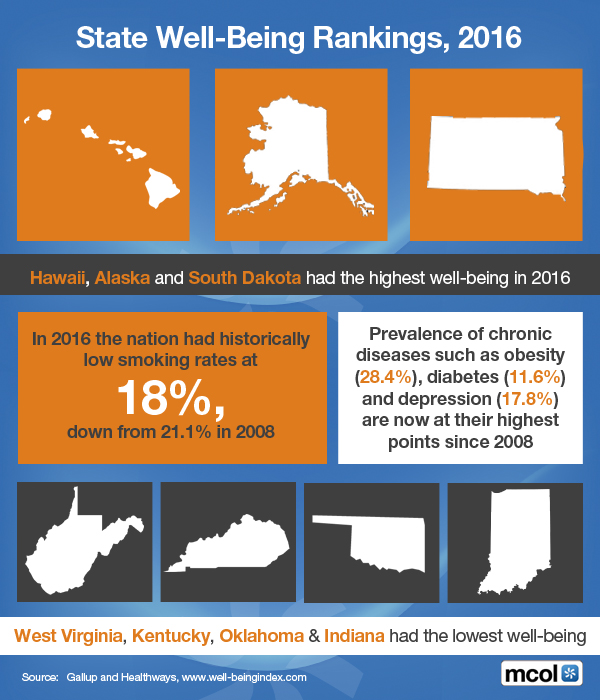
State Well-Being Rankings

Join Our Mailing List

The Highs and Lows for 2016

By http://www.MCOL.com

***

graphoid020817

***

Conclusion

Your thoughts and comments on this ME-P are appreciated. Feel free to review our top-left column, and top-right sidebar materials, links, URLs and related websites, too. Then, subscribe to the ME-P. It is fast, free and secure.

Speaker: If you need a moderator or speaker for an upcoming event, Dr. David E. Marcinko; MBA – Publisher-in-Chief of the Medical Executive-Post – is available for seminar or speaking engagements. Contact: MarcinkoAdvisors@msn.com

OUR OTHER PRINT BOOKS AND RELATED INFORMATION SOURCES:

Product DetailsProduct Details

***

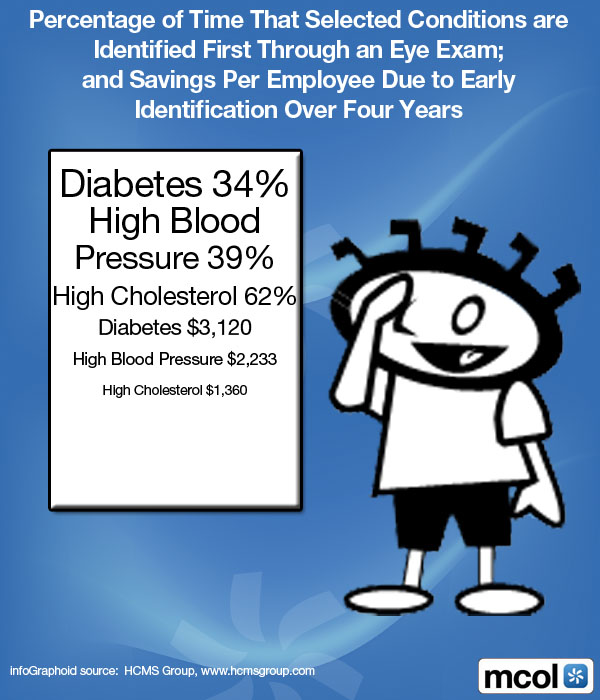
Are Eye Exams Diagnostic?

Join Our Mailing List

We Champion the Visually-Impaired

By www.MCOL.com

eye

Assessment

You bet they are!

Conclusion

Your thoughts and comments on this ME-P are appreciated. Feel free to review our top-left column, and top-right sidebar materials, links, URLs and related websites, too. Then, subscribe to the ME-P. It is fast, free and secure.

Link: http://feeds.feedburner.com/HealthcareFinancialsthePostForcxos

Speaker: If you need a moderator or speaker for an upcoming event, Dr. David E. Marcinko; MBA – Publisher-in-Chief of the Medical Executive-Post – is available for seminar or speaking engagements. Contact: MarcinkoAdvisors@msn.com

OUR OTHER PRINT BOOKS AND RELATED INFORMATION SOURCES:

DICTIONARIES: http://www.springerpub.com/Search/marcinko
PHYSICIANS: www.MedicalBusinessAdvisors.com
PRACTICES: www.BusinessofMedicalPractice.com
HOSPITALS: http://www.crcpress.com/product/isbn/9781466558731
CLINICS: http://www.crcpress.com/product/isbn/9781439879900
BLOG: www.MedicalExecutivePost.com
FINANCE: Financial Planning for Physicians and Advisors
INSURANCE: Risk Management and Insurance Strategies for Physicians and Advisors

Product DetailsProduct DetailsProduct Details

An Economic Picture of Domestic Healthcare Spending

Join Our Mailing List

By the Numbers

The healthcare component of the U.S. economy continues to expand, with per-capita spending projected to reach $13,000 by 2020. But, at the same, the industry continues to create jobs: 10 of the fastest-growing occupations are in healthcare-related fields.

Driver of the Economy

As one of the largest segments of the US economy, health care accounts for trillions of dollars in spending, both by governments and private individuals. And so, Top Masters in Healthcare decided to take a closer look at where the money goes in this infographic

###

health

[The Calculus]

Billing Department

So who does the spending?

  • 21% of healthcare spending is done by private businesses
  • 28% of healthcare spending is done by individual households
  • 16% of healthcare spending is done by state and local governments
  • 29% of healthcare spending is done by the Federal government

Where did the spending go?

  • 37% of healthcare spending went towards hospital care
  • 23.6% of healthcare spending went towards physician and clinical services
  • 5.9% of healthcare spending went towards other residential / health / personal care services
  • 4.9% was spent on dental services
  • 3.3% was spent on home health care
  • 3.2% was spent on “other” professional services

Per capita spending

Between 1960 and 2011, per capita health care spending rose by about 5,400 percent from $147 in 1960 to $8,311 in 2011. If other prices rose like that, here’s what it might look like today:

  • Family Dinner: $176.58
  • Tube of Toothpaste: $13.50
  • Volkswagen Beetle: $95,526
  • Gallon of gas: $13.50
  • Average income: $287,010
  • Electric can opener: $479.52

Emergency Department

The top 5 causes of death are heart disease (24.5%) cancer (23.3%) chronic lower respiratory diseases (5.6%) stroke (5.3%) accidents (4.8%) Alzheimer’s disease (3.2%).

Cardiology

  • 470,000 is the number of people who have a second or subsequent heart attack
  • 785,000 is the annual estimate of the number of people who have their first heart attack
  • $444 billion is the cost of heart disease, from health care services to medications to lost job productivity

Oncology

  • One in two men will get cancer during their lifetimes
  • One in three women will get cancer in their lifetimes
  • $226 billion is the annual cost of cancer, including treatment and lost income

Ongoing Care

  • Nearly 1 billion annual physician visits per year. If you had a doctor visit every minute of every day, it would take 1,902 years to have that many trips.
  • One out of 2 adults has a chronic illness
  • Seven out of every ten deaths are a result of a chronic illness

Obesity

  • The heaviest states by obesity rate are Mississippi (34.4%) West Virginia (32.2%) Alabama (32.3%) Tennessee (31.9%) and Louisiana (31.6%)
  • The lightest states by obesity rate are Hawaii (23.1%) Massachusetts (22.3%) Connecticut (21.8%) District of Columbia (21.7%) and Colorado (19.8%)

Diabetes

  • Diabetes can lead to a slew of other serious health problems including neverous system diseases, blindness and eye problems, heart disease and stroke, kidney disease and hypertension.
  • 25.8 million people are current affected by diabetes, 8.3% of the population.
  • 35% of people older than 20 have pre-diabetes
  • $174 billion is the total cost of treating and ealing with diabetes each year

Personnel Department

  • Healthcare provided 14.3 million jobs in 2008. And that number is only going to grow. In fact, health care is expected to be the single fastest-growing sector of the US economy through 2018.
  • Ten of the twenty fastest growing occupations are in healthcare related fields.
  • 4.01 million new jobs are expected to be created in the health care industry by 2018. Compare that to 2.67 million in science/engineering, 1.68 million in education, 1.43 million in administration support and waste management and 1.3 million in construction.
  • Healthcare professionals earned a combined $886 billion in total salaries in 2010

IT Department

  • As our world becomes more connected by technology, doctors and patients are increasingly using the Internet and data storage.
  • 57% of doctor’s offices use electronic medical records.
  • 6 out of 10 adults have looked up health information online.

Pharmacy Department

  • Almost half of Americans take at least one prescription drug.
  • $35.22 is the average price of a brand name drug which is almost 4x as much as the generic price.
  • Spending on prescription drugs has gone from $40.3 billion in 1990 to $259 billion in 2010 and is expected to grow to $457.8 billion by 2019.
  • The cost to bring a new drug to market is between $55 million and $1 billion
  • The cost of patented drugs in the United States is 35-55% higher than other industrialized nations
  • 80% of FDA approved drugs have a generic counterpart
  • Only 23% of doctor visits don’t include a prescription.

Assessment

The impact of the healthcare industry on everyday Americans continues to grow, whether they see it in their insurance bill or whether they earn their salaries from the health care industry. The issue also continues to dominate the political conversation… there’s no escaping it.

Conclusion

Your thoughts and comments on this ME-P are appreciated. Feel free to review our top-left column, and top-right sidebar materials, links, URLs and related websites, too. Then, subscribe to the ME-P. It is fast, free and secure.

Link: http://feeds.feedburner.com/HealthcareFinancialsthePostForcxos

Speaker: If you need a moderator or speaker for an upcoming event, Dr. David E. Marcinko; MBA – Publisher-in-Chief of the Medical Executive-Post – is available for seminar or speaking engagements. Contact: MarcinkoAdvisors@msn.com

OUR OTHER PRINT BOOKS AND RELATED INFORMATION SOURCES:

DICTIONARIES: http://www.springerpub.com/Search/marcinko
PHYSICIANS: www.MedicalBusinessAdvisors.com
PRACTICES: www.BusinessofMedicalPractice.com
HOSPITALS: http://www.crcpress.com/product/isbn/9781466558731
CLINICS: http://www.crcpress.com/product/isbn/9781439879900
BLOG: www.MedicalExecutivePost.com
FINANCE: Financial Planning for Physicians and Advisors
INSURANCE: Risk Management and Insurance Strategies for Physicians and Advisors

Product DetailsProduct DetailsProduct Details

Product Details  Product Details

Product DetailsProduct Details

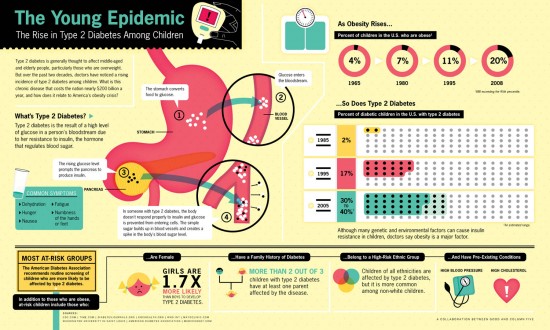
What is the Young Epidemic?

The Rise of Obesity and Type 2 Diabetes in Children

Join Our Mailing List

Over the past two decades, scientists have noticed a rising incidence of type 2 diabetes—which once affected almost exclusively middle-aged and elderly people—in obese children.

Source: GOOD

Assessment

What is this chronic disease, and how does it relate to America’s obesity crisis?

Conclusion

Your thoughts and comments on this ME-P are appreciated. Feel free to review our top-left column, and top-right sidebar materials, links, URLs and related websites, too. Then, subscribe to the ME-P. It is fast, free and secure.

Speaker: If you need a moderator or speaker for an upcoming event, Dr. David E. Marcinko; MBA – Publisher-in-Chief of the Medical Executive-Post – is available for seminar or speaking engagements. Contact: MarcinkoAdvisors@msn.com

OUR OTHER PRINT BOOKS AND RELATED INFORMATION SOURCES:

Product DetailsProduct DetailsProduct Details

Should Health Insurance Pay for Patient Exercise Programs?

Or – Enough with the “Benefits” Already!

By Dr. David Edward Marcinko MBA, CMP™

[Former Licensed Insurance Agent]

[ME-P Editor-in-Chief]

An editorial just published in the Journal of the American Medical Association says research supports consideration of a wider policy of reimbursing for structured exercise programs, particularly in high-risk groups, such as diabetics.

Link: http://jama.ama-assn.org/content/305/17/1808.full

Present Status

Currently, health-insurance plans don’t treat exercise as medicine; only some plans offer a fitness benefit, usually a partial reimbursement for gym membership.

Link: http://blogs.wsj.com/health/2011/05/04/reader-consult-should-insurance-reimburse-for-exercise-programs/

Yet, the push for this benefit does seem to be growing.

My Opinion

And yes, as a doctor and surgeon who treated diabetic bone and soft tissue infections, ulcers and related necrotic gangrene for two decades, there’s something to this philosophy in-theory. But, this “theory” is not grounded in risk-management principles or economic sense; and it does seem counter-intuitive to most insurance models that I know.

Note: Most adult diabetics are Type II, maturity onset and controllable.

Examples

For example, auto insurance does not pay for routine car maintenance, nor does home owner’s insurance or most other standard insurance policy types.

Question: Why should health insurance be any different?

Answer: Because it is a public good.

Oh, come on now!  Obeying moral codes and legal boundaries is also a public good for civility; but we don’t mitigate the risk of breaking them with insurance policies; do we?

Why? They would be too expensive. Believe me, if insurance companies thought they could make a buck this way, they surely would!

Assessment

Aren’t these types of benefits already in place in some Flexible Spending Accounts, High Deductible Medical [Health] Savings Accounts , and employee cafeteria plans, etc.

Moreover, don’t we all know that we aren’t supposed to smoke, use street drugs, drink excessively, pig-out, or have promiscuous sex? Yet – we still do – like the diabetic who excessively indulges.

If you want to get-or-stay healthy[ier]; exercise more and eat less. A simple – understandable – and free healthcare Rx; but no best selling book, “breaking news” or JAMA report, here.

Conclusion

And so, your thoughts and comments on this ME-P are appreciated. Should health insurance pay for exercise programs? Feel free to review our top-left column, and top-right sidebar materials, links, URLs and related websites, too. Then, subscribe to the ME-P. It is fast, free and secure.

Link: http://feeds.feedburner.com/HealthcareFinancialsthePostForcxos

Speaker: If you need a moderator or speaker for an upcoming event, Dr. David E. Marcinko; MBA – Publisher-in-Chief of the Medical Executive-Post – is available for seminar or speaking engagements. Contact: MarcinkoAdvisors@msn.com

Our Other Print Books and Related Information Sources:

Health Dictionary Series: http://www.springerpub.com/Search/marcinko

Practice Management: http://www.springerpub.com/product/9780826105752

Physician Financial Planning: http://www.jbpub.com/catalog/0763745790

Medical Risk Management: http://www.jbpub.com/catalog/9780763733421

Healthcare Organizations: www.HealthcareFinancials.com

Physician Advisors: www.CertifiedMedicalPlanner.com

Subscribe Now: Did you like this Medical Executive-Post, or find it helpful, interesting and informative? Want to get the latest ME-Ps delivered to your email box each morning? Just subscribe using the link below. You can unsubscribe at any time. Security is assured.

Link: http://feeds.feedburner.com/HealthcareFinancialsthePostForcxos

Sponsors Welcomed: And, credible sponsors and like-minded advertisers are always welcomed.

Link: https://healthcarefinancials.wordpress.com/2007/11/11/advertise

Product DetailsProduct DetailsProduct Details       

Product Details  Product Details

   Product Details 

Goodnight Willem J. Kolff MD

Join Our Mailing List

A Medical Inventor and Bio-Engineering Pioneer

By Dr. David Edward Marcinko; FACFAS, MBA, CMP™

[Publisher-in-Chief]dr-david-marcinko19

OK; let’s get this right out into the open. Although I did a little reconstructive bone and traumatic joint surgery in my career, I am not a cardio-vascular surgeon, nor am I a cardiologist, or even a nephrologist. But, I did treat more than my share of diabetic, alcoholic or other patients on renal dialysis and was well aware of the immense contributions of Willem Kolff to the profession. Therefore, I was saddened to learn of his recent passing at age 97. You see, Dr. Kolff not only developed the well known blood cleansing process that is now portable; he was also originator of the artificial-heart.

About Willem Johan Kolff; MD

When Willem Johan Kolff began work on the artificial kidney, few believed it possible. To draw a patient’s blood, cleanse it of toxins and return it seemed beyond the expertise of the most sophisticated medical centers. In the beginning, Dr. Kolff had no resources to draw upon. He was the sole internist in a small-town hospital, in the middle of the occupied Netherlands, during wartime. Materials were in short supply. The first 15 patients to receive the treatment failed to recover, but Dr. Kolff persevered. The dialysis treatment he pioneered and since perfected saved the lives, and limbs, of hundreds of thousands of patients, all over the world.

Link: http://www.achievement.org/autodoc/page/kol0int-1

Assessment

Dr. Kolff went on to design the heart-lung machine that made open-heart surgery possible. He pioneered artificial eyes, ears and arms, and for 25 years led the effort to develop the artificial heart. In 1982, a heart designed under his supervision was successfully implanted in Barney Clark, an event that captured the imagination of the world. All this was accomplished before such medical media stars as Dr. Robert Jarvik [Kolff’s student at the University of Utah in 1971] were lauded on TV, and then ignominiously dissed, for never having actually practiced medicine on real patients. In fact, Jarvik never pursued a medical internship, is not licensed to practice and can’t legally prescribe. Just imagine that!

Link: https://healthcarefinancials.wordpress.com/2008/02/14/the-jarvik-affair 

Channel Surfing the ME-P

Have you visited our other topic channels? Established to facilitate idea exchange and link our community together, the value of these topics is dependent upon your input. Please take a minute to visit. And, to prevent that annoying spam, we ask that you register. It is fast, free and secure.

Conclusion

Your thoughts and comments on this ME-P are appreciated. Feel free to review our top-left column, and top-right sidebar materials, links, URLs and related websites, too. Then, subscribe to the ME-P. It is fast, free and secure.

Speaker: If you need a moderator or speaker for an upcoming event, Dr. David E. Marcinko; MBA – Publisher-in-Chief of the Medical Executive-Post – is available for seminar or speaking engagements. Contact: MarcinkoAdvisors@msn.com

OUR OTHER PRINT BOOKS AND RELATED INFORMATION SOURCES:

Product DetailsProduct DetailsProduct Details