Dental Managed Care is Substandard Care

 Dental Managed Care [DMC] is Substandard Care – count on it!

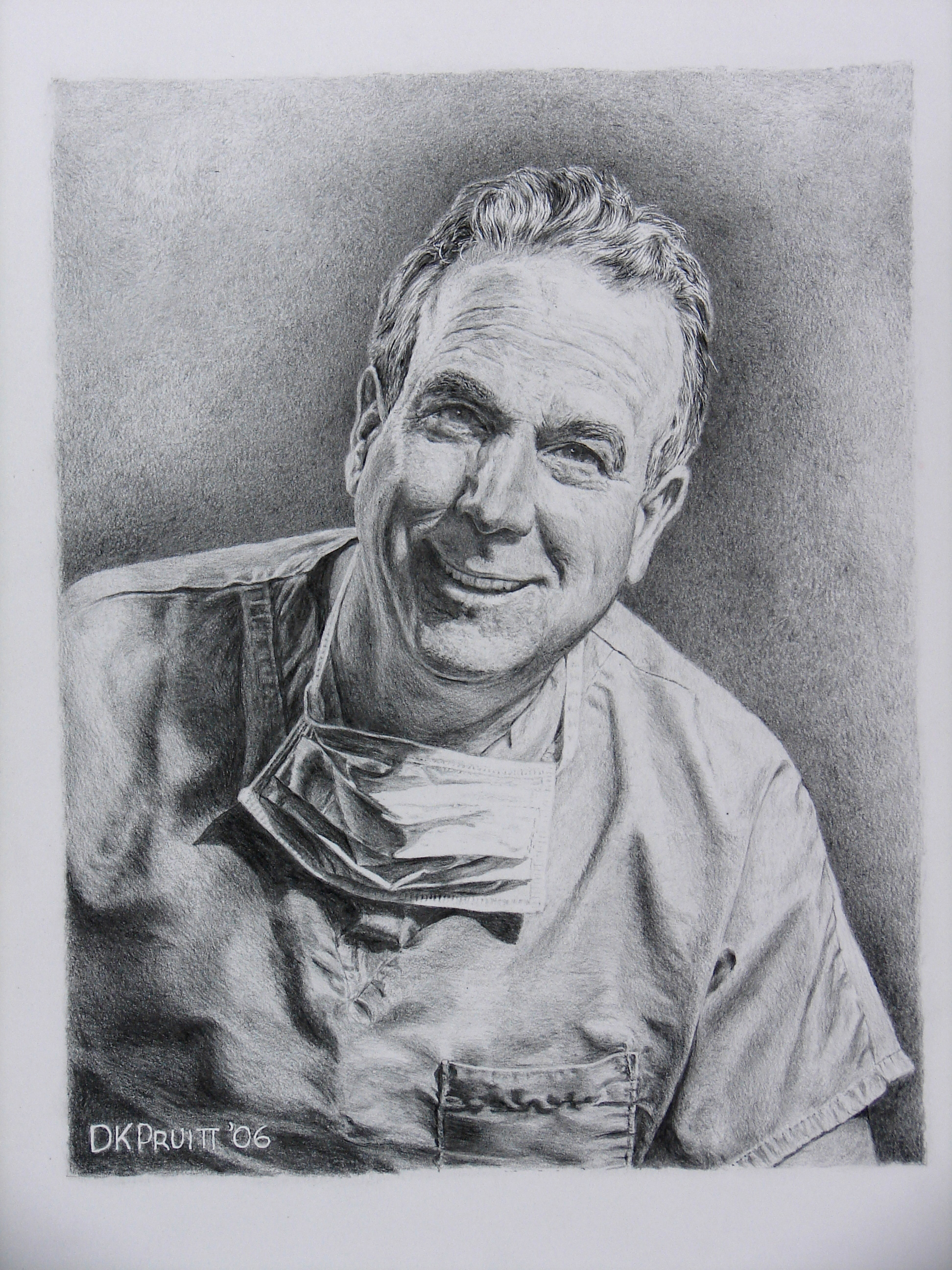
1-darrellpruittBy D. Kellus Pruitt DDS

Have you noticed most employer-sponsored dental plans boast savings of 30% and more on dental care, without mentioning how unsustainable discounts harms their employees?

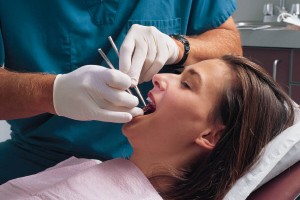
Dental Managed Care [DMC] is substandard care: Discount dentistry, like virtually all underfunded handwork, has always been substandard … Or perhaps someone would like to argue that intricate surgery in sensitive mouths of nervous patients is improved when rushed.

Discounts are popular

Those who market obscure, hard to understand managed care plans to clueless, perhaps non-caring employers, do not control the quality of the discounted dentistry they sell.

Think about it: Discount dentistry without quality control. Can you think of a worse idea in healthcare?

What’s more, not one Delta Dental, Humana or Cigna executive can be held accountable for causing harm to equally clueless dental patients through under financed dentistry they sell. Employees who must choose their dentists from preferred provider lists have forfeited freedom of choice, whether they realize it or not. Their underfunded, substandard dentistry is subsidized by tax payers as a special tax-free benefit, benefiting unaccountable third parties most of all.

For example:

  • Want to know what you get with managed care dentistry? Quick prophys. 
  • How many of you get your teeth cleaned in 30 minutes or less? Do they feel clean?

One Hour

l always allowed my hygienists 1 hour to clean patients’ teeth simply because it often takes that long to do the job right – regardless what insurers say hygienists’ time is worth. The economic climate is tough on fee-for-service.

As I am considering signing on as a preferred provider – not because I want to – I notice that the fees allowed by insurers do not cover the hourly rate of most hygienists… unless they can “clean” teeth, take x-rays, take blood pressure, go over patients’ medical history, allow time for the doctor to do a quick exam and turn around the room in less than 30 minutes.

***
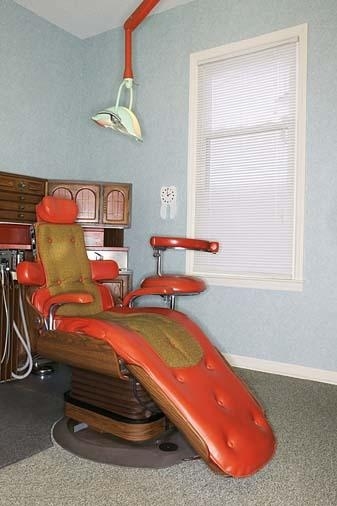
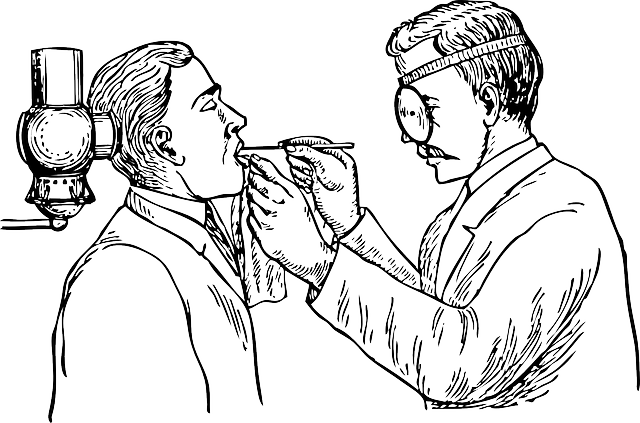
retro dental exam room

***

Assessment 

The motto of my practice is “Dentistry Unhurried.” I don’t want to compete in a race to the bottom which uninformed dental patients always lose.

Conclusion

Your thoughts and comments on this ME-P are appreciated. Feel free to review our top-left column, and top-right sidebar materials, links, URLs and related websites, too. Then, subscribe to the ME-P. It is fast, free and secure.

Speaker: If you need a moderator or speaker for an upcoming event, Dr. David E. Marcinko; MBA – Publisher-in-Chief of the Medical Executive-Post – is available for seminar or speaking engagements. Contact: MarcinkoAdvisors@msn.com

OUR OTHER PRINT BOOKS AND RELATED INFORMATION SOURCES:

Product DetailsProduct Details

 ***

Medical [Dental] Anti-Defamation Contracts and Doctor Accountability

Was the ADA Complicit?

By D. Kellus Pruitt DDS

If you were to walk into my dental office with a toothache, and I told you that before I relieve your pain, you have to agree not to say bad things about me on the internet, how badly would the tooth have to be hurting to keep you from walking out the door?

The article, “Toothache lawsuit may stifle medical gag orders against online rants”, by JoNel Aleccia, was posted on MSN.com years ago.

[Robert Lee, 42] who had a bad toothache has filed a class-action lawsuit against his New York dentist after she required him to sign a contract promising not to trash-talk her online — and then fined him thousands of dollars trying to enforce it.”

Aleccia adds: “[Dr. Stacy Makhnevich] was among hundreds of medical professionals nationwide in recent years who refused to care for patients unless they signed anti-defamation contracts. In the contracts, the doctors and dentists promised not to evade federal patient privacy protections in exchange for patients’ agreeing not to post public comments about them.”

The Dentist

Other than its obvious ineffectiveness for this particular Manhattan dentist, whose practice is on the 69 th. floor of the Chrysler Building, Lexington Avenue at East 42St., (212) 697-4400, what’s wrong with this business plan?

First of all, aside from the insult, if a dentist required you to sign a contract forfeiting your right to express your opinion about the quality of care even before being seen, how confident would it make you feel about the doctor’s abilities?

The HIPAA Question

Then there’s HIPAA. It’s sad that healthcare providers on the 69th.  floor of the Chrysler Building would take advantage of vulnerable Americans who don’t understand that their right to privacy isn’t something that can be withheld – even as part of a twisted “copyright” deal intended to enable a dentist to dodge accountability. It seems to me like the Office of Civil Rights as well as the Attorney General should be alerted. How is threatening a patient’s privacy in return for direly-needed treatment different than extortion?

The Gotcha!

Mr. Lee had forgotten the contract until months later when he allegedly discovered that Dr. Makhnevich had overcharged him by about $4,000, improperly filed the insurance and then refused to provide him with the documents he needed to file the claim himself. That’s when he started posting rants on sites like Yelp and DoctorBase, such as, “Avoid at all cost! Scamming their customers!” and “Honestly, how do you live with yourself? Just try being a decent human being.”

“Within days, Makhnevich demanded that the sites remove the comments and threatened to sue Lee. She also said he was infringing on her copyright provisions and started sending invoices for fines of $100 a day. By October, the total topped $4,600, he said.”

The Service

Since the dentist purchased the right to use Medical Justice Inc. anti-defamation contracts to prevent complaints from dis-satisfied customers from being discussed on the internet, I say she is due a refund. What’s more, if she’s given any trouble about it, she should get on the internet and complain – if she didn’t forfeit that right as part of the agreement.

The ADA

So where did Dr. Stacy Makhnevich learn about Medical Justice Inc.’s ineffective, unethical and probably illegal anti-defamation contract service? Of all places, it may well have been in ADA Headquarters, 211 E. Chicago Ave., Chicago, (312) 440-2500

Dr. Jeffrey Segal [MD, JD], the neurosurgeon and founder of Medical Justice Services Inc. which sold providers like Dr. Makhnevich the right to use his company’s contracts, was a featured speaker at the American Dental Association’s [ADA] annual Benefits Conference last year.

The ADA leadership’s decision to invite Dr. Segal to advertise his product at a benefits conference (?) reveals the old timers’ underlying paranoia that makes them prefer silence from members as well as their own dental patients.

Assessment

Since the ADA effectively put its stamp of approval on Medical Justice’s anti-defamation contracts, don’t you think the ADA News should at least post a warning about the liability to members who attended Dr. Segal’s presentation in ADA Headquarters? Let’s watch dentistry’s leaders ignore the abysmal results of yet another half-baked blunder caused by people too proud to listen.

Conclusion

Your thoughts and comments on this ME-P are appreciated. Feel free to review our top-left column, and top-right sidebar materials, links, URLs and related websites, too. Then, subscribe to the ME-P. It is fast, free and secure.

Speaker: If you need a moderator or speaker for an upcoming event, Dr. David E. Marcinko; MBA – Publisher-in-Chief of the Medical Executive-Post – is available for seminar or speaking engagements. Contact: MarcinkoAdvisors@msn.com

OUR OTHER PRINT BOOKS AND RELATED INFORMATION SOURCES:

Product Details  Product Details

Product Details

DIGITAL SECURITY and the American Dental Association [ADA]

By Darrell K. Pruitt DDS

Digital security and the ADA

I wrote the following letter four years ago today. Neither The Digital Dental Record nor its sponsor, The American Dental Association, responded. In fact, a few years later, The Digital Dental Record was predictably hacked and more than 500 dentists, including many ADA members, were victims of a breach of the ADA’s favored digital record system. The ADA is still silent, but they did however, terminate their business relationship with The Digital Dental Record.

Dear The Digital Dental Record,

Thanks for your response on Linkedin to my concerns about the security of EHRs compared to paper. To be honest with you, I’m pleasantly surprised. Contrary to the norm of what I consider an open and free market, very few vendors in the dental IT industry seem willing to openly discuss the dangers or cost of software they hope to sell to dentists – who obviously don’t ask the right questions. That is why I respectfully decline your offer of a private telephone conversation.

You know my name is Darrell Pruitt because it heads my post. I never hide it. Whoever you are, you should probably show potential customers the respect of accountability through transparency. After all, The Digital Dental Record is the only EHR system endorsed by the ADA. I hope that still stands for something of value.    

If you have any non-anecdotal evidence on which you base your bold claim that DDS Safe R2 is more secure than paper dental records, please share it. I’ll be transparent:  Nobody believes you. Then again, maybe “Luddites” who question the security of digital records are simply wrong. Here’s your chance to show the nation why the ADA chose to endorse The Digital Dental Record above all other electronic dental record systems.

D. Kellus Pruitt DDS

***

COMMENTS APPRECIATED

Thank You

***

ORDER: https://www.amazon.com/Dictionary-Health-Information-Technology-Security/dp/0826149952/ref=sr_1_5?ie=UTF8&s=books&qid=1254413315&sr=1-5

***

On Private Equity-Owned Dental Practices

The boom and bust of private equity-owned dental practices in the U.K …. Lessons to be learned?

By Darrell Kellus Pruitt DDS

“Why the dental business became more and more like pulling teeth,” by Harry Wilson, City Editor of The Times (U.K.)

Describes problems caused by agreements made between investor-owned dental groups and the government. Neither the investors nor government officials – the stakeholders – will suffer the inevitable permanent harm. The losers are dentists and patients – the principals.

https://www.thetimes.co.uk/article/why-the-dental-business-became-more-and-more-like-pulling-teeth-vdrs0nwrr

Wilson:

If you are an NHS dental patient, there is a better than one in ten chance that you are a customer of Integrated Dental Holdings, better known as Mydentist.

The private equity-owned dental practice owner has grown nationwide in a dozen years of debt-fuelled buying that has made it the biggest dental services company not merely in Britain but Europe. In the past seven years alone, Mydentist has acquired 237 dental practices, increasing its network to more than 600.

Yet having grown so rapidly in the recent past, questions now are being asked about its future. Results last month showed why, as revenues fell for the third straight year, while pre-tax losses nearly doubled to £144 million. With more than £1 billion of debt, including hundreds of millions in shareholder loans to The Carlyle Group and Palamon Capital Partners, its private equity owners, Mydentist said that it would not be buying any more dentist surgeries for the time being. (more).

———————

Bringing it home:

Rumors of “Medicare for all” are in the air, making your support of Texas Dentists for Medicaid Reform very worthwhile, Doc.

https://www.tdmr.org/about-tdmr/

Conclusion

Your thoughts and comments on this ME-P are appreciated. Feel free to review our top-left column, and top-right sidebar materials, links, URLs and related websites, too. Then, subscribe to the ME-P. It is fast, free and secure.

Speaker: If you need a moderator or speaker for an upcoming event, Dr. David E. Marcinko; MBA – Publisher-in-Chief of the Medical Executive-Post – is available for seminar or speaking engagements.

Book Marcinko: https://medicalexecutivepost.com/dr-david-marcinkos-bookings/

Subscribe: MEDICAL EXECUTIVE POST for curated news, essays, opinions and analysis from the public health, economics, finance, marketing, IT, business and policy management ecosystem.

DOCTORS:

“Insurance & Risk Management Strategies for Doctors” https://tinyurl.com/ydx9kd93

“Fiduciary Financial Planning for Physicians” https://tinyurl.com/y7f5pnox

“Business of Medical Practice 2.0” https://tinyurl.com/yb3x6wr8

HOSPITALS:

“Financial Management Strategies for Hospitals” https://tinyurl.com/yagu567d

“Operational Strategies for Clinics and Hospitals” https://tinyurl.com/y9avbrq5

***

Risk Management, Liability Insurance, and Asset Protection Strategies for Doctors and Advisors: Best Practices from Leading Consultants and Certified Medical Planners™8Comprehensive Financial Planning Strategies for Doctors and Advisors: Best Practices from Leading Consultants and Certified Medical Planners™


ANOSMIA, HYPERSOMIA, AGEUSIA, HYPOGEUSIA, DYSGEUSIA and the CORONA VIRUS?

WHAT IS “ANOSMIA”

By Darrell Pruitt DDS and David E. Marcinko MBBS, MBA

Anosmia, also known as smell blindness, is the loss of the ability to detect one or more smells. Anosmia may be temporary or permanent. It differs from Hyposmia which is a decreased sensitivity to some or all smells.

According to Wikipedia, Anosmia can be due to a number of factors, including an inflammation of the nasal mucosa, blockage of nasal passages or a destruction of one temporal lobe. Inflammation is due to chronic mucosa changes in the lining of the paranasal sinus and in the middle and superior turbinates. When anosmia is caused by inflammatory changes in the nasal passageways, it is treated simply by reducing inflammation. It can be caused by chronic meningitis and neurosyphilis that would increase intracranial pressure over a long period of time, and in some cases by ciliopathy, including ciliopathy due to primary ciliary dyskinesia. The term derives from the New Latin anosmia, based on Ancient Greek ἀν- (an-) + ὀσμή (osmḗ, “smell”; another related term, hyperosmia, refers to an increased ability to smell). Some people may be anosmic for one particular odor, a condition known as “specific anosmia”. The absence of the sense of smell from birth is known as congenital anosmia.

Ageusia is the loss of taste functions of the tongue, particularly the inability to detect sweetness, sourness, bitterness, saltiness, and umami. It is sometimes confused with anosmia – a loss of the sense of smell. Because the tongue can only indicate texture and differentiate between sweet, sour, bitter, salty, and umami, most of what is perceived as the sense of taste is actually derived from smell. True Ageusia is relatively rare compared to Hypogeusia – a partial loss of taste – and Dysgeusia – a distortion or alteration of taste.

ASSESSMENT:

If you should suddenly lose your sense of smell (anosmia), you might want to get tested for COVID-19 – even without the presence of other symptoms.

“A majority of COVID-19 patients experience some level of anosmia, most often temporary. Analyses of electronic health records indicate that COVID-19 patients are 27 times more likely to have smell loss but are only around 2.2 to 2.6 times more likely to have fever, cough or respiratory difficulty, compared to patients without COVID-19.”

See: “How COVID-19 Causes Loss of Smell – Olfactory support cells, not neurons, are vulnerable to novel coronavirus infection.” By Kevin Jiang for Harvard Medical School, July 24, 2020.

https://hms.harvard.edu/news/how-covid-19-causes-loss-smell

Your thoughts and comments are appreciated.

BUSINESS, FINANCE, INVESTING AND INSURANCE TEXTS FOR DOCTORS:

1 – https://lnkd.in/ebWtzGg

2 – https://lnkd.in/ezkQMfR

3 – https://lnkd.in/ewJPTJs

THANK YOU

***

Dental EHRs are a Scam?

Electronic dental records are a scam. They have always been a scam.

By Darrell Pruitt DDS

“Microsoft & Google unable to detect new zero-day ransomware.” By Anthony Spadafora for ITProPortal, February 7, 2018
https://www.itproportal.com/news/microsoft-google-unable-to-detect-new-zero-day-ransomware/

Spadafora: “The ShurL0ckr ransomware was able to avoid detection by a majority of anti-virus engines and cloud applications. As organisations have adopted cloud services to increase their productivity and agility, so to have hackers who see cloud services as the next big target for distributing malware and stealing sensitive data from businesses and individuals.”

Over a decade ago, I warned the American Dental Association leadership about EHRs’ poor security. So did ADA leadership warn Congress? Oh hell no.

“Patient records will be adequately protected through organizational policies and technical security controls.”Dr. Robert H. Ahlstrom, representing the ADA in testimony before the National Committee on Vital and Health Statistics (NCVHS) on the benefits of EHRs in dentistry.

(See: “Testimony of the American Dental Association, National Committee on Vital and Health Statistics Subcommittee on Standards and Security July 31, 2007.”) http://www.ncvhs.hhs.gov/070731p08.pdf

Assessment

Conflict of interest caused unaccountable leaders to lie to us, Doc. How does that make you feel?

Conclusion:

Your thoughts and comments on this ME-P are appreciated. Feel free to review our top-left column, and top-right sidebar materials, links, urls and related websites, too. Then, subscribe to the ME-P. It is fast, free and secure.

Speaker: If you need a moderator or speaker for an upcoming event, Dr. David E. Marcinko; MBA – Publisher-in-Chief of the Medical Executive-Post – is available for seminar or speaking engagements. https://medicalexecutivepost.com/dr-david-marcinkos-bookings/

Contact: MarcinkoAdvisors@msn.com

Subscribe: MEDICAL EXECUTIVE POST for curated news, essays, opinions and analysis from the public health, economics, finance, marketing, I.T, business and policy management ecosystem.

Did ADA Leaders Mislead Congress about EDR Security?

 Electronic Dental Records [EDR] Security?

By Darrell K. Pruitt DDS

“Terrifying Truth: Ransomware is Everywhere – At its basest level, ransomware is a form of kidnapping. Hackers effectively ‘kidnap’ a business’s data and information systems and threaten to destroy it unless the business pays a ransom for its safe return.”

Todd Lewis for Nibletz [October 24, 2017]
http://www.nibletz.com/security/ransomware

Lewis: “Healthcare and hospital networks are prime targets for these attacks. A patient whose medical service provider is unable to access critical patient information can be in a life-or-death situation unless the healthcare network is rapidly recovered and brought back on line. Cyberattackers take advantage of this urgency and realize that hospitals have greater incentives to pay a ransom to recover their systems and operations. Moreover, hospital networks operate on a 24-hour basis and are rarely taken down for maintenance and updating that might include patches for security holes. Ransomware attacks frequently take advantage of holes in networks that have not been patched with regular updates, and hospitals and medical centers are more likely than businesses in other industries to have failed to close those holes.”

ADA: “Dentists will have a more complete data set of the patient they are treating, enabling better care.”

Dr. Robert H. Ahlstrom, representing the American Dental Association and by default, all US dentists, in testimony before the National Committee on Vital and Health Statistics (NCVHS) on the benefits of EHRs in dentistry. His testimony is featured in an official document titled “Testimony of the American Dental Association, National Committee on Vital and Health Statistics Subcommittee on Standards and Security July 31, 2007.”

Click to access 070731p08.pdf

Insightful or clueless dentist?

Conclusion

Your thoughts and comments on this ME-P are appreciated. Feel free to review our top-left column, and top-right sidebar materials, links, urls and related websites, too. Then, subscribe to the ME-P. It is fast, free and secure.

Speaker: If you need a moderator or speaker for an upcoming event, Dr. David E. Marcinko; MBA – Publisher-in-Chief of the Medical Executive-Post – is available for seminar or speaking engagements.

Contact: MarcinkoAdvisors@msn.com

***

HITECH: A politically-correct Scam?

Update on HITECH

By Kellus Pruitt DDS

“How bad science can lead to bad science journalism — and bad policy – This is what happens when news organizations don’t catch lousy studies.”

By Stephen Soumerai and Ross Koppel for The Washington Post, June 7, 2017/

Https://www.washingtonpost.com/posteverything/wp/2017/06/07/how-bad-science-can-lead-to-bad-science-journalism-and-bad-policy/?Utm_term=.631e0a2d022c#comments

Soumerai and Koppel:  “As researchers who focus on health care, we see news coverage of badly designed studies constantly. And we’re concerned that breathless reporting on bad science can result in costly, ineffective and even harmful national policies.”

You mean like HITECH?

Since the HITECH Act was passed in 2009, it has been well-documented that not only were the premises of the law fiction, but the law itself has always favored healthcare stakeholders like Cerner at the expense of patients and their doctors – the healthcare principals.

The grandest blunder in medical history gained traction in 1999 with an Institute of Medicine (IOM) report titled, “To Err is Human,” which promises that EHRs should have already saved 100,000 lives a year … Not even close. Not unlike the dangerous research bias described in Soumerai and Koppel’s article that was posted recently, several researchers have also pointed out that the studies cited in the IOM report did not show that people were dying from medical errors that health information technology could detect or correct.

The questionable IOM report was followed in 2005 by a tainted RAND Corporation report which promised savings of $77 billion annually… Wrong again!

***

untitled

***

Shortly after the report was published, rumors quickly spread that the data for the study were cherry-picked by those with software to sell. By 2011, the passage of time revealed that RAND had clearly made a vendor-friendly mistake, forcing RAND to disown their study – but not before its optimistic conclusion was instrumental in the successful passage of the HITECH Act in 2009 (two years after Minnesota lawmakers had already passed the doomed EHR mandate based on the same tainted RAND results).

Political Fiat

Then presidential candidate Hillary Clinton was only one of many lawmakers to quote the RAND study. Almost everyone the nation was suckered in. Ultimately, it was revealed that the study’s vendor-friendly conclusion was largely financed by software giant Cerner, who continues to profit from years of misinformation.

(See: “In 2nd Look, Few Savings From Digital Records,” by Reed Abelson and Julie Creswell, New York Times, Jan. 10, 2013).

Http://www.nytimes.com/2013/01/11/business/electronic-records-systems-have-not-reduced-health-costs-report-says.html

In fact, it was announced last Monday that Cerner, which is responsible for the most dishonest research in the history of health information technology, has been awarded the Department of Veterans Affairs contract for the VA’s next-generation electronic health records system.

Assessment

Dishonesty wins.

Conclusion

Your thoughts and comments on this ME-P are appreciated. Feel free to review our top-left column, and top-right sidebar materials, links, URLs and related websites, too. Then, subscribe to the ME-P. It is fast, free and secure.

Speaker: If you need a moderator or speaker for an upcoming event, Dr. David E. Marcinko; MBA – Publisher-in-Chief of the Medical Executive-Post – is available for seminar or speaking engagements. Contact: MarcinkoAdvisors@msn.com

OUR OTHER PRINT BOOKS AND RELATED INFORMATION SOURCES:

Product DetailsProduct Details

***


Why patients will soon prefer paper dental records?

Read for yourself why dental patients will soon prefer paper-based over paperless

[By Kellus Pruitt DDS]

Recently, Marianne Kolbasuk McGee (HealthInfoSec) posted, “Analysis: Are HHS Cybersecurity Recommendations Achievable? Experts Sort Through New Task Force Report.”

http://www.healthcareinfosecurity.com/analysis-are-hhs-cybersecurity-recommendations-achievable-a-9971

McGee: 

“A new Department of Health and Human Services report to Congress containing more than 100 recommendations for how healthcare can better address cybersecurity threats is stirring debate over whether smaller organizations will be able to take the recommended actions.”

Cha-ching!

Privacy attorney David Holtzman, vice president of compliance at the consultancy CynergisTek, tells Healthinfosec:

“The majority of information systems that create or maintain personally identifiable health information are owned and managed by small organizations whose capability or access to the people or technology to secure information systems is limited by financial constraints or ability to attract well-trained human resources,” he says. “At first glance, it is difficult to see how these small organizations can translate the recommendations in the report into tangible progress.”

As large, juicy healthcare organizations successfully harden their cyber-defenses, small healthcare entities – like dental offices – will attract identity thieves with smaller, juicy low-hanging fruit.

Or, as suggested in the article, taxpayers can subsidize cyber-protection for dentists and other small healthcare organizations. In my opinion, that simply won’t happen.

***

***

Wary dental patients – many of whom have received breach notifications or have learned about identity theft the hard way – will find it increasingly easy to find a new dentist who does not put their identities on computers. After all, electronic dental records offer dental patients no tangible benefits anyway.

Assessment

If dental patients’ identities are unavailable, they cannot be stolen …. Still too early for de-identification, Doc? Give it time. I’ve got patience. 

***

***

Conclusion

Your thoughts and comments on this ME-P are appreciated. Feel free to review our top-left column, and top-right sidebar materials, links, URLs and related websites, too. Then, subscribe to the ME-P. It is fast, free and secure.

Speaker: If you need a moderator or speaker for an upcoming event, Dr. David E. Marcinko; MBA – Publisher-in-Chief of the Medical Executive-Post – is available for seminar or speaking engagements. Contact: MarcinkoAdvisors@msn.com

OUR OTHER PRINT BOOKS AND RELATED INFORMATION SOURCES:

Product DetailsProduct Details

***

Are Paper MRs Safer than EMRs?

Join Our Mailing List 

Paper is Safer!

1-darrellpruitt[By Darrell K. Puitt DDS]

“Ransomware Attacks Can’t Hide from HIPAA Anymore – Hospital and health system executives are on notice: Come clean about ransomware attacks as early as possible or be prepared to face sanctions.”

By Scott Mace, for HealthLeaders Media, July 19, 2016.

http://www.healthleadersmedia.com/technology/ransomware-attacks-cant-hide-hipaa-anymore#

Dean Sittig, a clinical informatics professor at University of Texas Health Science Center and the Houston UT-Memorial Hermann Center for Health Care Quality and Safety, tells HealthLeaders,

The new HHS guidance is going to really ratchet up people’s attention, because now you’re also talking about big fines from the government, as well as the effects of the ransomware.”

***

ext

***

Show Me the Money?

“Survey: Nearly Three Quarters of Physicians Say They Haven’t Seen ROI From Electronic Records.”

By Matt Goodman: [Dallas/Fort Worth Healthcare Daily, July 21, 2016]

http://healthcare.dmagazine.com/2016/07/21/survey-nearly-three-quarters-of-physicians-say-they-havent-seen-roi-from-electronic-records/

Conclusion

Your thoughts and comments on this ME-P are appreciated. Feel free to review our top-left column, and top-right sidebar materials, links, URLs and related websites, too. Then, subscribe to the ME-P. It is fast, free and secure.

Speaker: If you need a moderator or speaker for an upcoming event, Dr. David E. Marcinko; MBA – Publisher-in-Chief of the Medical Executive-Post – is available for seminar or speaking engagements. Contact: MarcinkoAdvisors@msn.com

OUR OTHER PRINT BOOKS AND RELATED INFORMATION SOURCES:

Product Details

http://www.BusinessofMedicalPractice.com

***

PHI RansomWare Just Went Up!

Join Our Mailing List

1-darrellpruitt

[By Darrell K. Pruitt DDS]

Expect malware entrepreneurs to charge what the market will bear, again and again.

“OCR Releases Guidance on Ransomware: ‘Your Money or Your PHI’”. By Dianne J. Bourque for The National Law Review,” July 12, 2016

http://www.natlawreview.com/article/ocr-releases-guidance-ransomware-your-money-or-your-phi

Bourque: “A key component of the guidance provides a ransomware attack that encrypts a Covered Entity’s ePHI is presumed to be a breach. As ransomware can infect a Covered Entity’s entire system, this presumption may lead to enormous breach notification obligations.”

Bourque adds: “OCR indicates that when ePHI is encrypted as a result of a ransomware attack, a breach has occurred because the ePHI encrypted by the ransomware was acquired (i.e., unauthorized individuals took possession of the information) and is thus a ‘disclosure’ not permitted under the HIPAA Privacy Rule has occurred.”

When patients are notified of data breaches – for any reason – many will quietly change providers. According to The Ponemon Institute, loss of future income is the most costly result of lawfully reporting data breaches…. and ransomware attacks are at “epidemic” levels. I have heard dentists are paying the ransom quickly.

The disincentives to do the right thing were overwhelming providers even before the OCR’s recent ruling. Such is the ugly nature of extortion.

Assessment

Cha-ching! 

Conclusion

Your thoughts and comments on this ME-P are appreciated. Feel free to review our top-left column, and top-right sidebar materials, links, URLs and related websites, too. Then, subscribe to the ME-P. It is fast, free and secure.

Speaker: If you need a moderator or speaker for an upcoming event, Dr. David E. Marcinko; MBA – Publisher-in-Chief of the Medical Executive-Post – is available for seminar or speaking engagements. Contact: MarcinkoAdvisors@msn.com

OUR OTHER PRINT BOOKS AND RELATED INFORMATION SOURCES:

Risk Management, Liability Insurance, and Asset Protection Strategies for Doctors and Advisors: Best Practices from Leading Consultants and Certified Medical Planners™

***

LinkedIn Ads Will Now Follow You Around The Web

View Ann Miller RN MHA CMP™'s profile on LinkedIn

Join Our Mailing List

OVER HEARD IN THE DOCTOR’S LOUNGE

[LinkedIn Ads Will Now Follow You Around The Web – Here’s How to Opt-Out]

1-darrellpruitt

 [By D. K. Pruitt DDS]

Because we can’t go anywhere online without some social network tracking our data and using it to cash in on targeted advertising, LinkedIn has created its own online ad network that will allow advertisers to follow you around the web based on the information that LinkedIn knows about you.

BusinessInsider reports that the new LinkedIn Network Display service is selling ads not just on the career-oriented networking site but on 2,500 other sites, using data on LinkedIn’s 347 million registered users to carve out niches of as few as 1,000 users for advertisers to target, according to AdAge.

[Source: Chris Morran-Consumerist, February 19, 2015]

***

Risk Management Protection Strategies for Doctors and their Advisors

[Best Practices from Leading Consultants and Certified Medical Planners™]

   Risk Management, Liability Insurance, and Asset Protection Strategies for Doctors and Advisors: Best Practices from Leading Consultants and Certified Medical Planners™
                                ***

Is there a Migration of Patients to Paper-Based Dentists?

Join Our Mailing List 

Paper Medical Records Become Popular Again?

[By Kellus Pruitt DDS]

1-darrellpruitt

Starting long ago, I warned that as more dental patients are notified of data breaches – some more than once – we are likely to witness an event mandate stakeholders said would never happen: A migration of patients to paper-based dentists.

Now, because of the rapidly escalating costs and liabilities, defiant, slow adopters of electronic dental records [EDRs] can not only expect to provide dental care at a lower cost than “paperless practices,” but patients are on course to learn that some dentists do not put their patients at risk of medical identity theft by putting identities on computers.

Just sit back and watch!

The Ponemon Institute

In February, the Ponemon Institute published  their “Fifth Annual Study on Medical Identity Theft.”

 “Consumers expect healthcare providers to be proactive in preventing and detecting medical identity theft. Although many respondents are not confident in the security practices of their healthcare provider, 79 percent of respondents say it is important for healthcare providers to ensure the privacy of their health records. Forty-eight percent say they would consider changing healthcare providers if their medical records were lost or stolen. If such a breach occurred, 40 percent say prompt notification by the organization responsible for safeguarding this information is important.”

The Paper-Gold Standard? 

So if your patients start asking you not to put their identities – including medical records – on your computers, what will you do, Doc?

Since encryption is a non-starter in dentistry for solid, business reasons, and will make paperless practices even less competitive with paper-based, would you consider employing staff which knows how to use pegboard, ledger cards and lots of carbon paper (The gold standard of security)?

Or, would you prefer not to give up computerization, yet keep your patients safe?

*** paper

***

More:

Assessment

De-identification of primary electronic dental records is sounding better all the time. Am I right? If patients’ identities are not available, they cannot be hacked.

Channel Surfing the ME-P

Have you visited our other topic channels? Established to facilitate idea exchange and link our community together, the value of these topics is dependent upon your input. Please take a minute to visit. And, to prevent that annoying spam, we ask that you register. It is fast, free and secure.

Conclusion

How does this relate to emails? Your thoughts and comments on this ME-P are appreciated. Feel free to review our top-left column, and top-right sidebar materials, links, URLs and related websites, too. Then, subscribe to the ME-P. It is fast, free and secure.

Speaker: If you need a moderator or speaker for an upcoming event, Dr. David E. Marcinko; MBA – Publisher-in-Chief of the Medical Executive-Post – is available for seminar or speaking engagements. Contact: MarcinkoAdvisors@msn.com

OUR OTHER PRINT BOOKS AND RELATED INFORMATION SOURCES:

Are Dentists Satisfied with their EDRs?

Join Our Mailing List

Major Discontent With EHR Adoption

[By D. Kellus Pruitt DDS]

1-darrellpruittUnlike physicians, dentists never complain. That means they are probably 100% satisfied with their electronic dental records.

What do you think, Doc?

MarketWatch 

Recently, the Wall Street Journal’s MarketWatch posted a press release titled, “Physicians Cite Major Discontent With Adoption And Use of Electronic Health Record Systems, Despite Government’s $27 Billion Incentive Program”

http://www.marketwatch.com/story/physicians-cite-major-discontent-with-adoption-and-use-of-electronic-health-record-systems-despite-governments-27-billion-incentive-program-2014-02-07

“CLEVELAND, Feb. 7, 2014 /PRNewswire/ — The $27 billion government experiment to incentivize physicians to convert to electronic health records (EHRs) has not been worth it, according to nearly 70% of physicians surveyed.

Medical Economics 

***

In fact, a national [Medical Economics] survey of nearly 1,000 physicians, set for release on February 10, 2014, shows widespread dissatisfaction related to the functionality and cost of these patient record systems. About 45% of physicians believe patient care is actually worse as a result of adopting EHR technology, two-thirds would not purchase their current EHR system again, and 43% of physicians say these systems have resulted in significant financial losses.

In addition, the current state of technology has not improved the coordination of care with hospitals, physicians say.”

***

It is probably better for HHS that very few dentists were able to participate in the ARRA stimulus giveaway. Otherwise, tax-paying citizens might have learned about the wastefulness of Meaningful Use requirements for dentists – which nobody has the guts to reveal. That pretty much rules out brilliant Meaningful Use ideas.

Those who might patriotically defend the benefits of the tasks would do so, if they were idiots.

So how do dentists feel about their electronic dental records? It’s hard to tell. Over 96% of them are HIPAA-covered entities, making them vulnerable to audits, which can be “random” now. As one can imagine, very few dentists openly discuss EDRs. Do you think the silence is more likely to improve or harm patient care?

doc

Even though thousands of physicians have participated in dozens of national surveys like Medical Economics’ over the last few years, as far as I know, not one survey of dentists’ opinions has ever been published. Perhaps someone can prove me wrong. I doubt it.

The Survey

The results from the Medical Economics survey include:

  • 67% say that system functionality influences their decisions to purchase or switch systems.
  • 48% say that cost is influencing their decisions to purchase or switch systems.
  • Nearly half of physicians say that implementation of EHR systems has made the quality of patient care worse.
  • 69% of respondents say that coordination of care with hospitals has not improved.
  • 45% say they have spent more than $100,000 on an EHR
  • 77% of the largest practices (more than 10 physicians) spent more than $200,000 on an EHR.
  • 38% doubt their systems will still be viable in 5 years.

Assessment

Not long ago, Wisconsin became the first state to outlaw paper dental records, which are both cheaper and safer than digital.

So, is it still too soon for dentists and patients demand more transparency in dentistry? When costs and danger are hidden in dental care, it is always the last in line who suffer the most – clueless, trusting dental patients.

Am I right, Doc?

More:

  1. Sales of Dental Equipment and eDRs Down
  2. Military Electronic Dental Records [eDRs]
  3. Dr. Pruitt Invites Dr. Cohen to Discuss eDRs
  4. Cyber Insurance for Dentists

Conclusion

Your thoughts and comments on this ME-P are appreciated. Feel free to review our top-left column, and top-right sidebar materials, links, URLs and related websites, too. Then, subscribe to the ME-P. It is fast, free and secure.

Link: http://feeds.feedburner.com/HealthcareFinancialsthePostForcxos

Speaker: If you need a moderator or speaker for an upcoming event, Dr. David E. Marcinko; MBA – Publisher-in-Chief of the Medical Executive-Post – is available for seminar or speaking engagements. Contact: MarcinkoAdvisors@msn.com

OUR OTHER PRINT BOOKS AND RELATED INFORMATION SOURCES:

DICTIONARIES: http://www.springerpub.com/Search/marcinko
PHYSICIANS: www.MedicalBusinessAdvisors.com
PRACTICES: www.BusinessofMedicalPractice.com
HOSPITALS: http://www.crcpress.com/product/isbn/9781466558731
CLINICS: http://www.crcpress.com/product/isbn/9781439879900
BLOG: www.MedicalExecutivePost.com
FINANCE: Financial Planning for Physicians and Advisors
INSURANCE: Risk Management and Insurance Strategies for Physicians and Advisors

Product DetailsProduct Details

Product Details

The PP-ACA from Medicine to Dentistry

Obamacare and Dentistry

[By D. Kellus Pruitt DDS]

1-darrellpruitt It seems that problems with the PP-ACA have migrated from traditional medicine to the world of dentistry.

“MaineCare dentists hit with massive fines for minor clerical errors, they say – Some clinics face more than $200,000 in penalties under a new audit system that threatens to wipe out services for kids.”

-Joe Lawlor [Staff writer] Portland Press Herald [November 6, 2013]

http://www.pressherald.com/news/MaineCare_dentists_hit_with_massive_fines_for_minor_clerical_errors__they_say_.html

 “The new system gives auditors, who work for a private contractor, financial incentives to find small errors by paying them more for each mistake they discover.” Maine adopted the auditing system to comply with the federal Affordable Care Act, otherwise known as Obamacare.

 Lawlor continues: “The audits are intended to root out fraud and abuse, but dentists told the Portland Press Herald that auditors are finding typographical or clerical errors that do not compromise patients’ care or defraud the government.”

A Clawback?

Dr. Michael Dowling, co-owner of Falmouth Pediatric Dentistry, tells the Herald, “This is not finding fraud and abuse. This is a clawback. They (state officials) are trying to take back money that we billed them legitimately.”

Still want to help the poor so much that you are willing to take your chances with the ACA auditing system, Doc?

Dentists facing bankruptcy

According to Lawlor, some dentists are actually facing bankruptcy because of ridiculously expensive fines over minor errors. Other Maine dentists who are otherwise willing to work for charity-level fees in order to help children who have nowhere else to turn, are dropping out of MaineCare. President Obama’s plan to use outrageous fines to fund the state and federal coffers, as well as the bonuses of ambitious auditors, is destined to fail.

How can the Affordable Care Act [PP-ACA] possibly make care more affordable for children with toothaches, if it runs off all the dentists?

Mobile-Security

Assessment

Is it beginning to look to you like Obamacare might have been designed to serve the interests of unaccountable healthcare stakeholders rather than the interests of doctors and patients – the healthcare principals? Why do we put up with this crap, Doc?

Conclusion

Your thoughts and comments on this ME-P are appreciated. Feel free to review our top-left column, and top-right sidebar materials, links, URLs and related websites, too. Then, subscribe to the ME-P. It is fast, free and secure.

Link: http://feeds.feedburner.com/HealthcareFinancialsthePostForcxos

Speaker: If you need a moderator or speaker for an upcoming event, Dr. David E. Marcinko; MBA – Publisher-in-Chief of the Medical Executive-Post – is available for seminar or speaking engagements. Contact: MarcinkoAdvisors@msn.com

OUR OTHER PRINT BOOKS AND RELATED INFORMATION SOURCES:

LEXICONS: http://www.springerpub.com/Search/marcinko
PHYSICIANS: www.MedicalBusinessAdvisors.com
PRACTICES: www.BusinessofMedicalPractice.com
HOSPITALS: http://www.crcpress.com/product/isbn/9781466558731
CLINICS: http://www.crcpress.com/product/isbn/9781439879900
ADVISORS: www.CertifiedMedicalPlanner.org
BLOG: www.MedicalExecutivePost.com

Product DetailsProduct Details

On the Notice of Privacy Practices

Join Our Mailing List 

Encryption and HHS are Taking Hits

[By D. Kellus Pruitt DDS]

1-darrellpruittIt is bad politics for the President’s Department of Health and Human Services to get caught deceiving voters.

Word gets around much faster than it did before transparency sucked the power from the entrenched.

The NoPP

You know those Notice of Privacy Practices (NoPP) forms we are asked to sign in doctors’ offices? Since it makes no difference to anyone whether patients sign them or not, why needlessly waste everyone’s time? The NoPP is not an agreement, and just because virtually everyone is tricked into signing it, does not mean anyone reads it. HIPAA has become a source of danger to patients, with no redeeming value.

HHS Estimates 

According to the US Department of Health and Human Services own recent estimate:

“… many centuries of time—nearly 35 centuries, in fact, or just short of 30.7 million hours—will be devoted each year by healthcare providers and patients for the dissemination to patients and their acknowledgement of HIPAA notices of privacy practices [NoPP] for protected healthcare information, HHS estimates. Even at just 3 minutes apiece, with 613 million of these routine privacy notices to be delivered, signed and stored, the time adds up…”

-Joseph Conn

… “HHS estimates 32.8 million hours of interaction required to comply with privacy, security rules” …

-ModernHealtcare.com [September 5, 2013]

http://www.modernhealthcare.com/article/20130904/BLOG/309049995?AllowView=VW8xUmo5Q21TcWJOb1gzb0tNN3RLZ0h0MWg5SVgra3NZRzROR3l0WWRMWGJYZjBGRWxyd01qUzMyWmVpNTNnWUpiV2s=&utm_source=link-20130904-BLOG-309049995&utm_medium=email&utm_campaign=hits

Censorship Concerns? 

I tried to bring attention to this absurdity over a year ago – back when HHS was still keeping unfavorable news about EHRs hidden from voters using censorship:

… “Put another way, the ONLY reason for a doctor to ask patients if they feel like signing the NoPP is to protect already busy doctors from a HIPAA fine. How is that not senseless, yet admittedly humorous bureaucratic waste?” …

On July 3, 2012, my opinion of the waste that HHS recently confirmed was censored by an HHS employee from the taxpayer-supported Linkedin site, Health IT and Electronic Health Records. If that is not against federal law, it damn sure should be.

http://www.linkedin.com/groups/IT-in-Healthcare-Why-Building-3993178.S.216432610?qid=bafac2e5-fb9c-4a39-8348-5a3074abff67&trk=groups_items_see_more-0-b-ttl

Among the items that HHS requires providers include in Notices of Privacy Practice is a one-sentence statement addressing data breaches:

…“We will let you know promptly if a breach occurs that may have compromised the privacy or security of your information [unless it is encrypted]”…

http://www.hhs.gov/ocr/privacy/hipaa/npp_booklet_hc_provider.pdf

Now that it is widely known that encryption is no longer acceptably secure, protection from accountability is encryption vendors’ only remaining selling point. HIPAA stipulates that if breached patient information is encrypted according to standards set forth by the National Institute of Standards and Technology (NIST), doctors are freed from the tremendous cost of notifying (former) patients – even though patients’ privacy and security have been nevertheless compromised.

For example, two weeks ago, the NIST abandoned the very encryption standards that HIPAA demands. Oops! (See: “Government Standards Agency ‘Strongly’ Suggests Dropping its Own Encryption Standard,” by Jeff Larson and Justin Elliott, ProPublica, September 13, 2013).

http://www.propublica.org/article/standards-agency-strongly-suggests-dropping-its-own-encryption-standard

###

eMR Privacy

###

NSA Secrets 

US spy agency NSA’s secret success at decrypting previously impenetrable codes – which was revealed by former NSA contractor Edward Snowden – proves that today’s best encryption is tomorrow’s crossword puzzle. What’s more, once an individual’s medical identity is lost in the cloud, it can never be reeled back in.

And, when DNA records are included, a breach today could put the welfare of generations of Americans at risk.

A Gut-Check 

The ultimate gut-check: If your encrypted identity were fumbled, wouldn’t you want to be notified? Of course you would.

Assessment 

In my opinion, the HIPAA Rule should be immediately amended to demand notification of all individuals involved in all data breaches unless they allow opt out. Who knows? Some might prefer not to be bothered.

What is your opinion; doctor, patient and/or consultant?

Conclusion

Your thoughts and comments on this ME-P are appreciated. Feel free to review our top-left column, and top-right sidebar materials, links, URLs and related websites, too. Then, subscribe to the ME-P. It is fast, free and secure.

Speaker: If you need a moderator or speaker for an upcoming event, Dr. David E. Marcinko; MBA – Publisher-in-Chief of the Medical Executive-Post – is available for seminar or speaking engagements. Contact: MarcinkoAdvisors@msn.com

OUR OTHER PRINT BOOKS AND RELATED INFORMATION SOURCES:

Product DetailsProduct Details

On the Future of Dentistry?

Join Our Mailing List 

Not good for the profession … as we know it!

By D. Kellus Pruitt DDS

1-darrellpruittIf you have not yet noticed, the future doesn’t look good for the dental profession as we know it.

Like far too many neighborhood primary care physicians who can no longer make a profit on their own, managed care is having its way with dentists as well.

Unfortunately, our patients remain clueless about downsides to discounted care sold by huge, insensitive corporations manned by executives who cannot be held accountable for their favorite providers’ level of care.

Since as a dentist I am somewhat transparent anyway, I would like to share some feelings with friends about an awkward subject that is on the minds of more dentists than one might expect, yet (almost) none feel comfortable revealing it: Regardless of the public’s perception of dentists’ wealth for the last few decades, it does not look like the anticipated economic recovery is likely to include the small dental practice down the street.

Schadenfreud

Not unlike Schadenfreude, I am certain at least some of dentistry’s disappointed customers may find this news addictingly pleasing to savor – up until one needs a dentist for a problem that cannot be handled safely by their designated dental therapist preferred by insurance MBAs.

I watch the dental news closer than most dentists, and sadly, my studied predictions have always proven to be very accurate, even if unpopular. Today I confidently predict that the profitability most dentists enjoyed for decades will not return for years – perhaps a decade or more.

On the other hand, as it becomes increasingly difficult to find dentists who allow time for gentle injections, patients should expect to pay them better than most. When an imbalance in the free market becomes unsustainable by artificial means such as managed care’s pay-for-performance algorithms, this is the way competition regulates quality in a natural way.

Personally, I’ve dealt with the downturn by working part time as an associate of another practice to make ends meet, and I feel fortunate to have found such a wonderful opportunity with a wonderful, patient-centered team. Marci, my wife, seems to be happier as well.

Assessment

Sorry if today’s news was a bummer, Doc. Maybe it is time others spoke up as well. Our leaders’ obvious lack of interaction on the internet exposes a tremendous vacuum, and they are incapable of rescuing the profession with silence… and neither will rushed therapists in huge dental clinics.

It’s up to you and me, Doctor. Come on out. The air is fine.

Conclusion

Your thoughts and comments on this ME-P are appreciated. Feel free to review our top-left column, and top-right sidebar materials, links, URLs and related websites, too. Then, subscribe to the ME-P. It is fast, free and secure.

Link: http://feeds.feedburner.com/HealthcareFinancialsthePostForcxos

Speaker: If you need a moderator or speaker for an upcoming event, Dr. David E. Marcinko; MBA – Publisher-in-Chief of the Medical Executive-Post – is available for seminar or speaking engagements. Contact: MarcinkoAdvisors@msn.com

OUR OTHER PRINT BOOKS AND RELATED INFORMATION SOURCES:

DICTIONARIES: http://www.springerpub.com/Search/marcinko
PHYSICIANS: www.MedicalBusinessAdvisors.com
PRACTICES: www.BusinessofMedicalPractice.com
HOSPITALS: http://www.crcpress.com/product/isbn/9781466558731
CLINICS: http://www.crcpress.com/product/isbn/9781439879900
BLOG: www.MedicalExecutivePost.com
FINANCE: Financial Planning for Physicians and Advisors
INSURANCE: Risk Management and Insurance Strategies for Physicians and Advisors

Product DetailsProduct Details

Transparency Emerges in Dentistry

Join Our Mailing List

Cavities Blamed on Patients

[By D. Kellus Pruitt DDS]

If your car repeatedly requires costly repairs because you never change the oil, would you blame your mechanic?

PBS Frontline

Dentists are justifiably upset because the recent PBS Frontline documentary “Dollars and Dentists” blames them for our nation’s deteriorating oral health.

http://www.pbs.org/wgbh/pages/frontline/dollars-and-dentists/

When in reality, good oral hygiene habits are the very basics of personal accountability – reinforced by painful and embarrassing lessons as needed.

Tradition Dentists Usually Silent

Traditionally, dentists seldom speak up. But at a time when they are finding it difficult to keep their chairs filled, even by discounting their fees, “Dollars and Dentists” struck an inflamed nerve – causing dentists to publicly react in defense of the profession like never before.

As an example, here is Dr. Alan Mead’s blunt response which he posted for his patients to read on his Mead Family Dental website:

“If you have dental problems, it’s mostly your fault. And if you want to have less dental problems, it’s your responsibility. It’s not the fault of the dental insurance company. It’s not the government’s responsibility. It’s on you.”

http://meadfamilydental.com/2012/07/preventable/

Responses

According to other responses, apparently far fewer blameless people are born with “soft teeth” than one might be led to believe by people with lots of cavities. Dentists have politely, but futilely reminded people for decades that it’s refined sugar, bacteria and poor brushing habits that rots teeth.

Assessment

I think the demand for truth in healthcare is going to continue. Over the next few months watch for one or more recognized leaders in the dental profession to actually mention the word “transparency” for the first time since 2008 when an ADA President-elect candidate from California used the word in his campaign platform. He lost. But now that dentists are finally becoming sufficiently annoyed by reporters’ broad accusations of greed and malfeasance, it could be interesting to watch the predictable emergence from obscurity of this perky little healthcare niche – one agitated dentist at a time.

Conclusion

If openness were popular, someone would have long ago told Grandpa his breath smells like death.

Your thoughts and comments on this ME-P are appreciated. Feel free to review our top-left column, and top-right sidebar materials, links, URLs and related websites, too. Then, subscribe to the ME-P. It is fast, free and secure.

Speaker: If you need a moderator or speaker for an upcoming event, Dr. David E. Marcinko; MBA – Publisher-in-Chief of the Medical Executive-Post – is available for seminar or speaking engagements. Contact: MarcinkoAdvisors@msn.com

OUR OTHER PRINT BOOKS AND RELATED INFORMATION SOURCES:


Product Details

On the Protecting Access to Healthcare (PATH) Act

Join Our Mailing List

ADA Makes Progress Against McCarran-Ferguson

By D. Kellus Pruitt DDS

The ADA makes real progress against McCarran-Ferguson. I’ve watched the American Dental Association fight long and hard against the unfair McCarran-Ferguson Act of 1945. ADA leaders and I still don’t agree on the need for transparency in the professional organization instead of proud unresponsiveness, but nevertheless, I’ve always been publicly supportive of their efforts to repeal the M-F Act.

Insurance Industry

The insurance industry is powerful in Washington. Over the short term, common sense has proven to be far less influential than their generous campaign contributions – making this a long haul for ADA officials. Yet the amendment to H.R. 5, Protecting Access to Healthcare (PATH) Act, which was offered by Rep. Paul Gosar (R-Ariz.), a dentist, is finally scheduled to come up for a vote on Thursday, March 22, 2012

Good Work – ADA

http://www.ada.org/news/6926.aspx

If passed, the legislation will restore the application of antitrust laws to the business of health insurance. Makes sense, right? After all, if every other business in the nation, including professional organizations, can be prosecuted by the FTC for collusion, why should Delta Dental, BCBSTX and other members of the National Association of Dental Plans (NADP) be exempt from antitrust laws which protect their clients.

I and others are hopeful that this will end many of dental insurers’ current business practices which unfairly force dentists to accept take it or leave it terms that would be unacceptable in a fair market. Maybe the repeal will also make insurance lawyers think twice before alerting the FTC when ADA News speaks honestly about the harm caused by suspiciously similar policies of numerous NADP members.

Assessment

Even if the M-F is repealed, here is an example of truth in dental care that I bet ADA leaders still won’t be able to share with Americans: Unfair downward pressure on contracted dentists’ payments always hurts clueless dental patients the most. Delta Dental’s greed will never be satisfied and dentists’ ethics aren’t free.

NADP, meet the FTC.

Conclusion

Your thoughts and comments on this ME-P are appreciated. Feel free to review our top-left column, and top-right sidebar materials, links, URLs and related websites, too. Then, subscribe to the ME-P. It is fast, free and secure.

Link: http://feeds.feedburner.com/HealthcareFinancialsthePostForcxos

Our Other Print Books and Related Information Sources:

Health Dictionary Series: http://www.springerpub.com/Search/marcinko

Practice Management: http://www.springerpub.com/product/9780826105752

Physician Financial Planning: http://www.jbpub.com/catalog/0763745790

Medical Risk Management: http://www.jbpub.com/catalog/9780763733421

Healthcare Organizations: www.HealthcareFinancials.com

Physician Advisors: www.CertifiedMedicalPlanner.com

Subscribe Now: Did you like this Medical Executive-Post, or find it helpful, interesting and informative? Want to get the latest ME-Ps delivered to your email box each morning? Just subscribe using the link below. You can unsubscribe at any time. Security is assured.

Link: http://feeds.feedburner.com/HealthcareFinancialsthePostForcxos

Sponsors Welcomed: And, credible sponsors and like-minded advertisers are always welcomed.

Link: https://healthcarefinancials.wordpress.com/2007/11/11/advertise

Product DetailsProduct DetailsProduct Details

Challenging the NPI Requirement of Blue Cross Blue Shield of Texas Again

Join Our Mailing List

How Far Can They be Pushed?

By D. Kellus Pruitt DDS

Command-and-control organizations like BCBSTX find Facebook difficult to control. Even a small nidus of a complaint posted by a client named Mark about poor service can attract a huge bolus of payback by a dentist, and nobody respects anonymous gatekeepers for huge, unresponsive companies like BCBSTX anyway:

https://www.facebook.com/bluecrossblueshieldoftexas

Mark, as a dentist, I’m very familiar with BCBSTX’s inconsiderate behavior in our communities. At least the anonymous moderator invited your feedback. When I sincerely asked her on Wednesday what federal employees are told about BCBSTX’s NPI requirement, she acted as if the absurd policy hadn’t already wasted enough of my time that day when she provided me an irrelevant link to nowhere – just to get rid of me.

Secret Requirement?

I would actually love to treat federal employees who have BCBSTX insurance because they are some of the nicest people I’ve met. But, BCBSTX’s secret requirement that their clients see only dentists with arbitrary NPI identification numbers (not required by law) makes their employment benefit purchased with taxpayer money worthless if they receive treatment in my office. My office has been told that it has become impossible for paper claims to enter BCBSTX’s modern, computerized system without NPI numbers, and nothing humanly possible can be done to correct the unfortunate problem for dentists who choose not to be HIPAA covered entities.

Evasion?

The moderator’s evasion confirms that even though BCBSTX’s federal customers are led to believe that they can use their dental benefits to help pay for treatment at any licensed dentist’s office, they are not being informed of the NPI requirement, and if they pay the dental bill in full for work done by a dentist without an NPI number, BCBXTX pockets the reimbursement. It just cannot be helped. That’s technology. Tough-luck!

BCBSTX executives naturally prefer that my office manager tell their clients about the obscure restrictions of the dental plans they sell. She catches most federal employees before blocking out time in our schedule to treat them, but nevertheless, one got through on Wednesday morning. It wasted my time as well as the federal employee’s.

Congressional Action?

It’s troublesome to know that the government callously encourages such waste of small business owner’s time and money, not to mention the inconvenience to patients. I’m simply fed up with open appointments for uninformed BCBSTX clients. What’s it take to force BCBSTX to take some responsibility in the community and warn their customers about the limitations of their dental policy before they call my office? Congressional action?

Assessment

I do hope the anonymous BCBSTX employee doesn’t choose to delete this post. Since it seems obvious that their windfall profit is a powerful disincentive for BCBSTX to warn their clients about the NPI restriction any time soon, the more federal employees I can ethically warn through BCBSTX Facebook, the fewer open appointments I’ll have, and less taxpayer money will be wasted on silliness.

cc: Senator John Cornyn

Conclusion

Your thoughts and comments on this ME-P are appreciated. Feel free to review our top-left column, and top-right sidebar materials, links, URLs and related websites, too. Then, subscribe to the ME-P. It is fast, free and secure.

Speaker: If you need a moderator or speaker for an upcoming event, Dr. David E. Marcinko; MBA – Publisher-in-Chief of the Medical Executive-Post – is available for seminar or speaking engagements. Contact: MarcinkoAdvisors@msn.com

OUR OTHER PRINT BOOKS AND RELATED INFORMATION SOURCES:

Product Details

Product Details  Product Details

Product Details

Don’t Co-operate with eDR Vendors, Doc!

Join Our Mailing List

My Opinion of eDRs and eDR  Vendors

By D. Kellus Pruitt DDS

Don’t cooperate with those you don’t trust, Doc.

eDR Stakeholders

If you allow Dentrix, the W. K. Kellogg Foundation, the ADA and other ambitious EDR stakeholders talk you into switching from paper dental records to digital before 2014, it will be the most regrettable business decision you have ever made.

PHI Breaches

Regardless if a data breach of your patients’ Protected Health Information (PHI) is your fault or not, it can easily cause bankruptcy, and the odds aren’t in your favor. According to a recent Redspin study, the number of breaches doubled between 2010 and 2011. (See “Health data breaches up 97% in 2011” by Diana Manos in Healthcare IT News, February 1, 2012).

http://www.healthcareitnews.com/news/health-data-breaches-97-percent-2011

Procrastination and Late Adopters

So even if unlike Americans who enjoy freedom, professionalism keeps you from publicly expressing an opinion, there’s never been a better time to drag your feet in our usual way. Besides, what have you got to lose by waiting? If consumers prefer EDRs, don’t you think we would see dentists touting their safety in their ads?

RedSpin

Daniel W. Berger, President and CEO of Redspin, is quoted in Diana Manos’ article: “Information security breach is the Achilles’ heel of PHI. Without further protective measures, data breaches will continue to increase and could derail the implementation, adoption and usage of electronic health records.” So why allow selfish EDR stakeholders who cannot be held accountable for harming your patients rush you into buying their favorite technology?

Note that the ineffective “further protective measures” will make EDRs even more expensive compared to paper dental records – allowing paper dentists to charge less than paperless practices, while still making more profit. Indeed, Doc. What have you got to lose by waiting?

Over the last 6 years, virtually all of my predictions about HIPAA have been right, and following the recent Redspin report, I feel even stronger about this one: The national failure of HIPAA will become noticeable in dentistry first.

OCR Culture

Not only is the Rule ineffective at protecting dental patients’ identities, but the tedious, mostly worthless compliancy requirements are so unreasonably time consuming and costly that no dentist can ever be 100% compliant. What’s more, eager HIPAA auditors working on commission to enforce the Office of Civil Rights’ “culture of compliance,” can find a dentist “willfully negligent.” Is that not subjective? The fines for such an auditor’s opinion are obscene. If you unfortunately experience a data breach, you don’t want to lose even more sleep over an audit that you cannot win, do you? Dentists don’t have to take this.

Dentistry Is Billing Simple

Unlike the complex administrative tasks in physicians’ offices, the business of dentistry is simple: Billing involves ten times fewer patients and CDT codes cover fees for procedures only involving the lower third of patients’ faces. Ledger cards, pegboards and lots of carbon paper have functioned adequately and safely for busy dental practices for decades. Besides, computers still haven’t shortened the time it takes to do a technique-sensitive filling in a squirmy kid’s mouth. If the front desk is the bottleneck rather than the speed of the dentist’s hands, someone needs to brush up on their alphabet skills.

If you think you might miss your computer, now is a perfect time to encourage dentistry’s leaders to consider de-identifying EDRs… Or if like me, you aren’t a HIPAA covered entity, we could wait a little longer if you’d like. Within a year, Americans will be noticeably seeking dentists who don’t put their PHI on computers.

Assessment

The hope for miracle discoveries derived from safely data-mining interoperable dental data doesn’t have to end like this, but I certainly don’t mind the windfall profits that expensive HIPAA regulations and patients’ fear of identity theft will bring to my practice.

Conclusion

Your thoughts and comments on this ME-P are appreciated. Feel free to review our top-left column, and top-right sidebar materials, links, URLs and related websites, too. Then, subscribe to the ME-P. It is fast, free and secure.

Link: http://feeds.feedburner.com/HealthcareFinancialsthePostForcxos

Speaker: If you need a moderator or speaker for an upcoming event, Dr. David E. Marcinko; MBA – Publisher-in-Chief of the Medical Executive-Post – is available for seminar or speaking engagements. Contact: MarcinkoAdvisors@msn.com

OUR OTHER PRINT BOOKS AND RELATED INFORMATION SOURCES:

DICTIONARIES: http://www.springerpub.com/Search/marcinko
PHYSICIANS: www.MedicalBusinessAdvisors.com
PRACTICES: www.BusinessofMedicalPractice.com
HOSPITALS: http://www.crcpress.com/product/isbn/9781466558731
CLINICS: http://www.crcpress.com/product/isbn/9781439879900
BLOG: www.MedicalExecutivePost.com
FINANCE: Financial Planning for Physicians and Advisors
INSURANCE: Risk Management and Insurance Strategies for Physicians and Advisors

   Product Details

The Healthcare Industry’s Unrecognized Cancer

The Untreated Cancer of Health Informatics Leads to Painful and Unrestrained Growth

By D. Kellus Pruitt DDS

A few days ago, Daniel Palestrant MD, Founder of par8o & SERMO, compared the American healthcare system to a patient with cancer.

The clinically blunt article includes a graphic photo of a fresh tumor the size of a cantaloupe, labeled “AMA.” It is appropriately titled, “I Know Cancer When I See It.”

I believe him. What’s more, Dr. Palestrant shows no respect for cancerous growth in healthcare. That’s Hippocratic cool.

http://par8o.com/wordpress/i-know-cancer-when-i-see-it/

I think we all know which presidential candidate’s think tank is to blame for selfishly stimulating metastasis of their harmful information. Like the American Medical Association, the ADA unwittingly developed informatics cancer years ago. Now, a similar, energy-sapping tumor is becoming increasingly difficult for stoic ADA officials to quietly schlepp around.

My Dental Analogy

If one replaces every mention of “AMA” in Dr. Palestrant’s excerpt below with “ADA,” every “CPT® code” with “CDT® code” and every “physician” with “dentist,” his analogy becomes strikingly similar to one I wore out long ago, but without an ugly photo (My apology to Dr. Palestrant):

1. Divert resources – The ADA’s CDT system creates a maze of payment infrastructure and rules that diverts resources to administration and makes transparency impossible.

2. Fool the immune system – The ADA has fooled the American public into believing they represent the opinion of America’s dentists.

3. Self perpetuate – Like a cancer, the ADA perpetuates itself through special interest lobbying, and most importantly, by updating the CDT codes as frequently as possible and forcing the entire dentalcare system to use them.

Assessment

If it weren’t for CDT® copyright royalties, ADA members’ dues would double – undoubtedly causing members to naturally demand better accountability to their patients’ welfare instead of HIT goals even Newt Gingrich abandoned a few months ago.

He’s a smart politician – arguably smarter than dentistry’s embarrassed leaders who own autographed photos of him.

Conclusion

And so, your thoughts and comments on this ME-P are appreciated. Please review our top-left column, and top-right sidebar materials, links, URLs and related websites, too. Then, subscribe to the ME-P. It is fast, free and secure.

Link: http://feeds.feedburner.com/HealthcareFinancialsthePostForcxos

Speaker: If you need a moderator or speaker for an upcoming event, Dr. Darrell K. Pruitt and Dr. David E. Marcinko MBA – Publisher-in-Chief of the Medical Executive-Post – is available for seminar or speaking engagements. Contact: MarcinkoAdvisors@msn.com

Our Other Print Books and Related Information Sources:

Health Dictionary Series: http://www.springerpub.com/Search/marcinko

Practice Management: http://www.springerpub.com/product/9780826105752

Physician Financial Planning: http://www.jbpub.com/catalog/0763745790

Medical Risk Management: http://www.jbpub.com/catalog/9780763733421

Healthcare Organizations: www.HealthcareFinancials.com

Physician Advisors: www.CertifiedMedicalPlanner.com

Subscribe Now: Did you like this Medical Executive-Post, or find it helpful, interesting and informative? Want to get the latest ME-Ps delivered to your email box each morning? Just subscribe using the link below. You can unsubscribe at any time. Security is assured.

Link: http://feeds.feedburner.com/HealthcareFinancialsthePostForcxos

Sponsors Welcomed: And, credible sponsors and like-minded advertisers are always welcomed.

Link: https://healthcarefinancials.wordpress.com/2007/11/11/advertise

Product Details

On e-Claim Only Dental Plans

About their Hidden Costs – I’m Talking PHI Breaches

By D. Kellus Pruitt DDS

If the rumor is true about Bluebell Ice Cream’s “e-claim-only” dental benefit plan that is to go into effect in March, how many in the east-central Texas town of Brenham (pop. 16,000) will be properly warned about the danger to themselves, their families and Bluebell officials’ reputations because of reckless policy?

Transmissions Risks

Each time their dentists send an electronic dental claim (e-claim) over the internet to insurance employees in Chicago as a favor to a patient – and especially the insurer – the Bluebell employee’s digital medical identity which is worth fifty bucks on the black market, rides along to destinations unknown. It’s my guess that very few Bluebell employees are yet aware of the increasing risk of medical identity theft from dentists’ e-claims – much less given the opportunity to opt out of the risk by simply visiting a dentist who still uses the telephone, fax and US Mail.

Security Risks Growing

It certainly won’t improve my popularity with 9 out of 10 dentists for saying this, but risks of identity theft from HIPAA-covered dental offices are climbing daily. In the introduction to a recent interview with Larry Ponemon, chairman and founder of the Ponemon Institute, GovernmentIT.com editor Tom Sullivan ominously described the ever-increasing risk of a massive “data spill” of perhaps millions of patients’ protected health information (PHI):

 “The street value of health information is 50 times greater than that of other data types. Even worse, the healthcare industry is among the weakest at protecting such information. With organized criminals trying to steal medical IDs, sloppy mistakes becoming more commonplace, mobile devices serving as single sign-on gateways to records and even bioterrorism now a factor, healthcare is ripe for some a wake-up call – one that just might come in the form a damaging ‘data spill.’” (See: “Q&A: How a health ‘data spill’ could be more damaging than what BP did to the Gulf.”

Tom Sullivan – Editor [December 05, 2011]

http://govhealthit.com/news/qa-how-health-data-spill-could-be-worse-what-bp-did-gulf?page=0,0

According to Dr. Ponemon:

“The basic issue, when you think about data theft not data loss – because it’s hard to know whether that lost data ultimately ends up in the hands of the cybercriminal and all of these bad things occur – but in the case of identity theft, the end goal has been historically to steal a person’s identity, and just like getting a financial record, getting a health record probably has your credit card, debit card, and payment information contained in that record.”

Of Credit Cards … and More!

But that’s not all. Credit cards are just chump change. He continues:

“The financial records are actually lucrative for the bad guy, but the health record is actually much, much more valuable item because it not only gives you the financial information but it also contains the health credential, and it’s very hard to detect a medical identity theft. What we’ve found in our studies is that medical identity theft is likely to be on the rise and, of course, there’s an awareness within the healthcare organizations that participate in our study that they’re starting to see this as more of a medical identity theft crime. It’s not just about stealing credit cards and buying goodies, it’s about stealing who you are, possibly getting medical treatment and, therefore, messing up your medical record.”

Dr. Ponemon suggests that the victim may not know about the theft until he or she “stumbles on something that alerts them their medical identity was stolen.” Perhaps something like death following anaphylactic shock from a medication that was once digitally highlighted as “Allergic to.” Understandably, Ponemon adds that respondents recognized altered medical histories as an emerging threat they believed was affecting the patients in their organizations. Such danger for dental patients is almost non-existent if their dentists simply don’t put PHI on office computers.

Should a data breach of Bluebell Ice Cream employees’ identities occur in Brenham or Chicago, which is more likely than not, the fact that electronic dental records do nothing to improve the quality of dental care won’t make Brenham citizens any happier with local Bluebell officials. 

Conclusion       

And so, your thoughts and comments on this ME-P are appreciated. Please review our top-left column, and top-right sidebar materials, links, URLs and related websites, too. Then, subscribe to the ME-P. It is fast, free and secure.

Link: http://feeds.feedburner.com/HealthcareFinancialsthePostForcxos

Speaker: If you need a moderator or speaker for an upcoming event, Dr. David E. Marcinko; MBA – Publisher-in-Chief of the Medical Executive-Post – is available for seminar or speaking engagements. Contact: MarcinkoAdvisors@msn.com

Our Other Print Books and Related Information Sources:

Health Dictionary Series: http://www.springerpub.com/Search/marcinko

Practice Management: http://www.springerpub.com/product/9780826105752

Physician Financial Planning: http://www.jbpub.com/catalog/0763745790

Medical Risk Management: http://www.jbpub.com/catalog/9780763733421

Healthcare Organizations: www.HealthcareFinancials.com

Physician Advisors: www.CertifiedMedicalPlanner.com

Subscribe Now: Did you like this Medical Executive-Post, or find it helpful, interesting and informative? Want to get the latest ME-Ps delivered to your email box each morning? Just subscribe using the link below. You can unsubscribe at any time. Security is assured.

Link: http://feeds.feedburner.com/HealthcareFinancialsthePostForcxos

Sponsors Welcomed: And, credible sponsors and like-minded advertisers are always welcomed.

Link: https://healthcarefinancials.wordpress.com/2007/11/11/advertise


Product Details

Bitching about Dental Insurance

Join Our Mailing List

Both Hippocratic and Patriotic

By D. Kellus Pruitt DDS

For the benefit of our trusting patients, let’s start openly discussing the unethical practices of dental insurance companies’ right here. Marketplace conversation about deceit in healthcare is not only the Hippocratic thing to do, but once the awkwardness wears off, it’s really, really fun sport. We simply must lower the cost of dental care in the nation, and I say we start with dental insurance executives’ salaries and bonuses. Are you with me; Doctor? And let’s not forget all the non-productive busywork insurance companies never reimburse us for.

Are you Fed Up?

Are you fed up with successfully doing intricate handwork to exacting tolerances in mouths of anxious patients and then having to fight to get the patients’ insurance company to pay what they rightfully owe THEIR CLIENT? Are you tired of the way anonymous and unaccountable insurance employees treat you and your staff when their company’s contractual relationship is not with anyone in your office?

In my opinion, Delta Dental, United Concordia, UnitedHealth, BCBSTX and most other secretive dental insurance companies have been cheating Americans for decades under the cover of the McCarran-Ferguson Act of 1945 – which protects them from prosecution by the FTC and cries out to be repealed (tell your Congressperson).

The Age of Transparency

Even in the age of transparency, old habits die hard, especially when there is a profit and campaign funds involved. Dental “insurance” has always harbored fraudulent business activities and has never made sense as a wise purchase – even if one doesn’t brush their teeth. It’s a business built on complicated rules, client deceit and intrusion into their relationship with their dentist.

Dental insurance crime as policy has long avoided market correction because up until now, dentists had no control over the media (and dentistry is boring). Not unexpectedly, when business entities are shielded from accountability in an otherwise free market, it is always the clueless consumer who wastes money on lousy dental insurance policies.

IMHO

In my opinion, employers should be offering their employees the choice of cash or dental insurance. Then let Adam Smith’s invisible hand of competition spank the butts of the greedy and deceitful.

Dentists

Dentists, if you were given the opportunity to effectively voice your opinion directly to employers who carelessly purchase bad dental plans they know nothing about according to the appearance of an ad, what would you say? So why aren’t you saying it right here, right now? If not now, when, Doc?

Assessment

If you don’t make your complaints known, do you think MBA benevolence will eventually improve the dental insurance industry in the nation? I say we do what feels natural and bitch. Let’s live on the wild side and take our chances on someone calling us “unprofessional.” We owe it to our patients to promote honesty in our community. Otherwise, how can your silence possibly help your patients?

Conclusion

Your thoughts and comments on this ME-P are appreciated. Feel free to review our top-left column, and top-right sidebar materials, links, URLs and related websites, too. Then, subscribe to the ME-P. It is fast, free and secure.

Speaker: If you need a moderator or speaker for an upcoming event, Dr. David E. Marcinko; MBA – Publisher-in-Chief of the Medical Executive-Post – is available for seminar or speaking engagements. Contact: MarcinkoAdvisors@msn.com

OUR OTHER PRINT BOOKS AND RELATED INFORMATION SOURCES:

Product Details 

On Delta Dental and the National Association of Dental Plans

Join Our Mailing List

ADA News Tries Sarcasm

[By D. Kellus Pruitt DDS]

For fear of retaliation, ADA officials are reluctant to admit that Delta Dental and other members of the National Association of Dental Plans (NADP) have traditionally used the FTC as a tool to intimidate our professional organization. This means that for decades, the federal government has prevented the ADA from adequately representing the interests of dentist members. Something interesting happened in the ADA just days ago that is related to this tyranny. I assume frustration in the ADA’s unfair struggle against both Delta Dental and the FTC caused the editor of the ADA News to recently permit sarcasm for the first time in history – perhaps to attract attention to Delta’s policies?

A Humorous Article 

On August 9, ADA reporter Kelly Soderlund was given the green light to post an uncharacteristic, tongue-in-cheek introduction to her article, “Decision supports Massachusetts Dental Society insurance challenge.” http://www.ada.org/news/4558.aspx She sold it: “For nearly 40 years, Massachusetts dentists have had to abide by a regulatory order that allowed Delta Dental Plan of Massachusetts to receive an additional 5 percent discount off reimbursement fees in addition to other plan discounts.” Soderlund continues, “More than a decade ago, the Massachusetts Dental Society tried to get the order lifted but was unsuccessful. But now, after a reinstated five-year battle, the New England dentists can claim victory.”

OK. I lied.

In spite of her unintentionally humorous description of the Massachusetts Dental Society’s ineffectiveness, Soderlund was actually not sarcastic. That’s right. The ADA indeed hails this (very qualified) success as a long-fought glorious victory for dentists in Massachusetts where 95% of them are Delta preferred providers. That can’t be good for the health of Massachusetts dental patients. Managed care dentistry is dentistry by the lowest bidders with no quality control, and patients notice. Some stop going to the dentist, causing Delta Dental to reap even more profit. That is why it is not in Delta’s interest to satisfy their clients, and the employers who purchase Delta’s plans are clueless. This makes Delta Dental unaccountable to anyone.

The Delta Business Model 

Delta’s business model helps make the company one of the most unfair discount dentistry brokers in the nation, in my opinion. If you want proof, go to doctoroogle.com and visit any major city.

http://www.doctoroogle.com/dentist_ratings.cfm/pageID/2 Then compare dental patients’ ratings of Delta’s preferred providers to fee-for-service dentists’. In the numerous studies I’ve performed, Delta’s dentists’ average satisfaction level as determined by their patients is consistently inferior to fee-for-service dentists. (See Managed Care Report Card from November 10, 2008).

http://community.pennwelldentalgroup.com/forum/topics/transparency-and-managed-care?commentId=2013420%3AComment%3A19577

Delta Accountability? 

As you can see, since the FTC inhibits the ADA from honestly telling our story, dental care principals desperately need the ADA to open our Facebook so Delta can be held accountable to dentists and patients. Otherwise, Delta will never assume responsibility for the dental homes its preferred provider lists break apart – more often than not, sending their clients to less satisfying offices. What’s more, even Delta officials admit that “changing dentists causes fillings.” (See “Managed Care or Dental Homes – You can’t have both,” September 30, 2008)

http://community.pennwelldentalgroup.com/forum/topics/2013420:Topic:14014

FTC Fear 

If dentists and patients are not permitted to tell our story ourselves through the nationally recognized American Dental Association, we will always be 40 years behind Delta Dental and 5% short of what they owe us. Even though ADA leaders will forever be handicapped by fear of the FTC, individual Americans have nothing to fear. The failure of the Massachusetts Dental Association shows us that an ineffective ADA is worse than no ADA at all because a victory after 40 years is defeat.

MDA Victory 

One can read from Soderlund’s words that the Massachusetts Dental Association’s “victory” didn’t even slow Delta down. She writes “Delta Dental of Massachusetts has informed the ADA that the new reimbursement methodology will include the development of regional fee schedules. Information on exactly how those regional fee schedules will be developed and how that will affect dentists’ reimbursement has not yet been made available.” Whatever methodology Delta’s actuaries come up with, you can be sure it will be biased against their clients’ interests and will more than make up for the 5% of principals’ money that they conceded after 40 years. We simply must face the fact that the ADA isn’t helping. Soderlund continues: “The company also announced a new voluntary program to compensate dentists for successfully managing the care of higher risk patients. Delta Dental has not yet explained how that compensation would take effect.”

Assessment

Do you trust a Delta Dental consultant – who works on commission – to decide what is best for your patient? Or are you ready to demand that the ADA open our Facebook so we can all tell Delta Dental what we think of their unfair practices on an individual basis guaranteed by the First Amendment? Our patients depend on us to protect them from harm caused by greedy stakeholders. As Soderlund describes it, we’re losing, but not without humor.

Conclusion

Your thoughts and comments on this ME-P are appreciated. Feel free to review our top-left column, and top-right sidebar materials, links, URLs and related websites, too. Then, subscribe to the ME-P. It is fast, free and secure.

Speaker: If you need a moderator or speaker for an upcoming event, Dr. David E. Marcinko; MBA – Publisher-in-Chief of the Medical Executive-Post – is available for seminar or speaking engagements. Contact: MarcinkoAdvisors@msn.com

OUR OTHER PRINT BOOKS AND RELATED INFORMATION SOURCES:

Product DetailsProduct DetailsProduct Details