BOARD CERTIFICATION EXAM STUDY GUIDES Lower Extremity Trauma
[Click on Image to Enlarge]
ME-P Free Advertising Consultation
The “Medical Executive-Post” is about connecting doctors, health care executives and modern consulting advisors. It’s about free-enterprise, business, practice, policy, personal financial planning and wealth building capitalism. We have an attitude that’s independent, outspoken, intelligent and so Next-Gen; often edgy, usually controversial. And, our consultants “got fly”, just like U. Read it! Write it! Post it! “Medical Executive-Post”. Call or email us for your FREE advertising and sales consultation TODAY [678.779.8597] Email: MarcinkoAdvisors@outlook.com
Medical & Surgical e-Consent Forms
ePodiatryConsentForms.com
iMBA Inc., OFFICES
Suite #5901 Wilbanks Drive, Norcross, Georgia, 30092 USA [1.678.779.8597]. Our location is real and we are now virtually enabled to assist new long distance clients and out-of-town colleagues.
ME-P Publishing
SEEKING INDUSTRY INFO PARTNERS?
If you want the opportunity to work with leading health care industry insiders, innovators and watchers, the “ME-P” may be right for you? We are unbiased and operate at the nexus of theoretical and applied R&D. Collaborate with us and you’ll put your brand in front of a smart & tightly focused demographic; one at the forefront of our emerging healthcare free marketplace of informed and professional “movers and shakers.” Our Ad Rate Card is available upon request [678-779-8597].
Posted on December 31, 2025 by Dr. David Edward Marcinko MBA MEd CMP™
By Dr. David Edward Marcinko MBA MEd
***
***
Synthetic stocks represent one of the most intriguing innovations in contemporary financial markets. Unlike traditional shares, which grant direct ownership in a company, synthetic stocks are financial instruments designed to mimic the behavior of real stocks without requiring investors to actually hold the underlying asset. They are created through derivatives, contracts, or blockchain-based mechanisms that replicate the price movements and returns of equities. This concept has gained traction as technology reshapes investing, offering new opportunities and challenges for both retail and institutional participants.
What Are Synthetic Stocks?
At their core, synthetic stocks are contracts that simulate the performance of a real stock. For example, if a company’s share price rises by 10 percent, the synthetic version of that stock would also increase by the same amount. Investors gain exposure to the asset’s price movements, dividends, or other features without owning the actual shares. These instruments can be built using options, swaps, or tokenized assets on blockchain platforms. The goal is to provide flexibility and accessibility, especially in markets where direct ownership may be restricted or costly.
Advantages of Synthetic Stocks
Synthetic stocks offer several benefits that make them appealing to modern investors:
Accessibility: They allow individuals in regions with limited access to U.S. or global equities to participate in those markets.
Fractional Ownership: Synthetic instruments can be divided into smaller units, enabling investors to buy exposure to expensive stocks like Tesla or Amazon without needing large sums of capital.
Liquidity: Because they are often traded on digital platforms, synthetic stocks can provide faster and more efficient transactions.
Customization: Investors can tailor synthetic contracts to include specific features, such as dividend replication or leverage, depending on their risk appetite.
These advantages highlight how synthetic stocks democratize investing, making global markets more inclusive.
Risks and Challenges
Despite their promise, synthetic stocks also carry significant risks.
Counterparty Risk: Since synthetic instruments are contracts, investors rely on the issuer to honor obligations. If the issuer defaults, the investor may lose their capital.
Regulatory Uncertainty: Many jurisdictions are still grappling with how to classify and regulate synthetic assets, especially those built on blockchain. This creates potential legal and compliance challenges.
Market Volatility: Synthetic stocks mirror the volatility of real equities, meaning investors are still exposed to sharp price swings.
Complexity: Understanding the mechanics of synthetic instruments requires financial literacy. Without proper knowledge, retail investors may face unexpected losses.
These challenges underscore the importance of caution and education when engaging with synthetic markets.
***
***
Synthetic Stocks and Blockchain
One of the most exciting developments in synthetic stocks is their integration with blockchain technology. Platforms can issue tokenized versions of real equities, allowing investors to trade synthetic shares 24/7 across borders. Smart contracts automate dividend payments or price tracking, reducing reliance on intermediaries. This innovation not only enhances transparency but also expands access to markets previously limited by geography or regulation. However, blockchain-based synthetic stocks also raise questions about investor protection, taxation, and systemic risk.
The Future of Synthetic Stocks
Looking ahead, synthetic stocks are likely to play a growing role in global finance. As regulators establish clearer frameworks, these instruments could become mainstream tools for portfolio diversification. They may also serve as bridges between traditional finance and decentralized finance (DeFi), blending the stability of established markets with the innovation of digital platforms. For institutional investors, synthetic stocks could provide efficient hedging strategies, while retail investors may use them to gain exposure to assets that were once out of reach.
Conclusion
Synthetic stocks embody the evolving nature of financial markets in the digital age. By replicating the performance of real equities, they expand access, flexibility, and innovation for investors worldwide. Yet they also introduce new risks that require careful management and regulatory oversight. As technology continues to reshape finance, synthetic stocks stand as a symbol of both opportunity and caution. They remind us that while markets evolve, the balance between innovation and responsibility remains essential. For investors willing to learn and adapt, synthetic stocks may represent not just a trend, but a transformative force in the future of investing.
SPEAKING: Dr. Marcinko will be speaking and lecturing, signing and opining, teaching and preaching, storming and performing at many locations throughout the USA this year! His tour of witty and serious pontifications may be scheduled on a planned or ad-hoc basis; for public or private meetings and gatherings; formally, informally, or over lunch or dinner. All medical societies, financial advisory firms or Broker-Dealers are encouraged to submit an RFP for speaking engagements: CONTACT: Ann Miller RN MHA at MarcinkoAdvisors@outlook.com -OR-http://www.MarcinkoAssociates.com
Posted on December 30, 2025 by Dr. David Edward Marcinko MBA MEd CMP™
By Dr. David Edward Marcinko MBA MEd
***
***
In the field of investment analysis, one of the most important challenges is balancing risk and reward. Investors want to maximize returns, but they also want to minimize the chances of losing money. Traditional measures such as the Sharpe Ratio have long been used to evaluate risk‑adjusted performance, but they treat all volatility the same. This means that both upward and downward swings in returns are penalized equally, even though investors generally welcome upside volatility. To address this limitation, the Sortino Ratio was developed as a more refined tool that focuses specifically on downside risk.
Definition and Formula
The Sortino Ratio measures the excess return of an investment relative to the risk‑free rate, divided by the standard deviation of negative returns. In formula form:
σd\sigma_d = standard deviation of downside returns
This formula highlights the unique feature of the Sortino Ratio: it only considers harmful volatility, ignoring fluctuations that exceed expectations.
Why It Matters
The key advantage of the Sortino Ratio is its ability to separate “good” volatility from “bad” volatility. Upside volatility, which represents returns above the target or minimum acceptable rate, is not penalized. Downside volatility, which represents returns below expectations, is penalized heavily. This distinction makes the Sortino Ratio especially useful for investors who prioritize capital preservation. For example, retirees or individuals saving for short‑term goals may prefer investments with higher Sortino Ratios because they indicate stronger protection against losses.
Practical Applications
The Sortino Ratio has several practical uses:
Portfolio Evaluation: Investors can compare funds or strategies using the Sortino Ratio. A higher ratio suggests better risk‑adjusted performance.
Risk Management: By focusing on downside deviation, managers can identify investments that minimize losses during downturns.
Goal‑Oriented Investing: For individuals with specific financial targets, the Sortino Ratio helps ensure that chosen investments align with their tolerance for risk.
For instance, a mutual fund with a Sortino Ratio of 2 is generally considered strong, meaning it generates twice the return per unit of downside risk.
Comparison with the Sharpe Ratio
While both the Sharpe and Sortino Ratios measure risk‑adjusted returns, they differ in how they treat volatility. The Sharpe Ratio penalizes all fluctuations, whether positive or negative. The Sortino Ratio, however, only penalizes harmful volatility. This makes the Sortino Ratio more investor‑friendly, especially for those who care more about avoiding losses than capturing every possible gain. In practice, the Sharpe Ratio is better for broad comparisons across asset classes, while the Sortino Ratio is better for evaluating downside protection in portfolios.
Limitations
Despite its strengths, the Sortino Ratio is not without limitations:
Data Sensitivity: It requires accurate downside deviation data, which can be difficult to calculate.
Threshold Choice: Results vary depending on the minimum acceptable return chosen.
Context Dependence: It should be used alongside other metrics, such as the Sharpe or Treynor Ratios, for a complete picture of risk and return.
Conclusion
The Sortino Ratio is a powerful tool for investors who want to measure performance while minimizing exposure to harmful volatility. By focusing exclusively on downside risk, it provides a more realistic assessment of whether returns justify the risks taken. While not perfect, it complements other risk‑adjusted metrics and is especially valuable for investors with low tolerance for losses. In today’s uncertain markets, understanding and applying the Sortino Ratio can help investors make smarter, more resilient decisions.
SPEAKING: Dr. Marcinko will be speaking and lecturing, signing and opining, teaching and preaching, storming and performing at many locations throughout the USA this year! His tour of witty and serious pontifications may be scheduled on a planned or ad-hoc basis; for public or private meetings and gatherings; formally, informally, or over lunch or dinner. All medical societies, financial advisory firms or Broker-Dealers are encouraged to submit an RFP for speaking engagements: CONTACT: Ann Miller RN MHA at MarcinkoAdvisors@outlook.com -OR-http://www.MarcinkoAssociates.com
Posted on December 30, 2025 by Dr. David Edward Marcinko MBA MEd CMP™
***
***
Trading in metal markets Monday hit the brakes on a year-end rally, sending silver futures to their steepest one-day decline in almost five years.
Investors dropped commodities key to everything from central-bank reserves to the infrastructure build-out linked to the A.I. boom. The selloff in copper and precious-metals futures dragged down shares in Arizona mining firms, the world’s largest gold producer and a silver company with assets stretching from Alaska to Quebec.
Key to electrical wiring running through data centers and power lines, copper fell 4.8%. Gold retreated 4.5%, while silver plunged 8.7%. All three remain near record prices after a dizzying 2025 climb, and in London trading, copper hit another all-time high on Monday.
In the world of accounting and finance, three concepts often arise when discussing the treatment of assets and expenses: amortization, depreciation, and capitalization. While they are related in the sense that they all deal with how costs are recognized over time, each serves a distinct purpose and applies to different types of assets. Understanding the differences among them is essential for accurate financial reporting, effective business decision-making, and compliance with accounting standards.
Capitalization: Recording Costs as Assets
Capitalization is the process of recording a cost as an asset rather than an immediate expense. When a company incurs a significant expenditure that is expected to provide benefits over multiple years, it does not reduce its income statement right away. Instead, the expenditure is placed on the balance sheet as an asset. This approach reflects the principle that expenses should be matched with the revenues they help generate.
For example, if a business purchases machinery, the cost is capitalized because the machine will contribute to production for several years. Similarly, software development costs or construction of a new building may be capitalized. By doing so, the company acknowledges that the expenditure is not consumed in a single period but rather represents a resource that will yield value over time. Capitalization thus serves as the starting point for both depreciation and amortization, since once an asset is capitalized, its cost must be systematically allocated across its useful life.
Depreciation: Allocating the Cost of Tangible Assets
Depreciation refers to the systematic allocation of the cost of tangible fixed assets over their useful lives. Tangible assets include items such as buildings, vehicles, machinery, and equipment. Because these assets wear out, become obsolete, or lose value through usage, depreciation ensures that the expense is recognized gradually rather than all at once.
There are several methods of calculating depreciation, such as straight-line, declining balance, or units of production. The straight-line method spreads the cost evenly across the asset’s useful life, while the declining balance method accelerates the expense recognition, reflecting higher usage or loss of value in earlier years. The units of production method ties depreciation directly to output, making it particularly useful for machinery or equipment whose wear and tear is closely linked to usage.
Depreciation not only affects the income statement by reducing reported profits but also impacts the balance sheet by lowering the book value of assets. Importantly, depreciation is a non-cash expense; it does not involve an outflow of cash but rather represents the allocation of a previously capitalized cost. This distinction is crucial for understanding cash flow versus net income.
***
***
Amortization: Spreading the Cost of Intangible Assets
Amortization is conceptually similar to depreciation but applies to intangible assets rather than tangible ones. Intangible assets include patents, trademarks, copyrights, goodwill, and software. These assets do not have physical substance, but they still provide economic benefits over time. Amortization ensures that the cost of acquiring or developing such assets is recognized gradually across their useful lives.
Like depreciation, amortization can be calculated using different methods, though the straight-line method is most common for intangibles. For example, if a company acquires a patent with a legal life of 20 years, the cost of the patent is amortized evenly over that period. In some cases, intangible assets may have indefinite lives, such as goodwill. These assets are not amortized but are instead tested periodically for impairment, meaning their value is assessed to determine whether it has declined.
Amortization, like depreciation, is a non-cash expense. It reduces reported income but does not affect cash flow directly. It also lowers the book value of intangible assets on the balance sheet, ensuring that financial statements reflect a realistic valuation of the company’s resources.
***
***
Comparing the Three Concepts
While capitalization, depreciation, and amortization are interconnected, they differ in scope and application:
Capitalization is the initial step, determining whether a cost should be treated as an asset rather than an expense.
Depreciation applies to tangible assets, allocating their cost over time as they are used or lose value.
Amortization applies to intangible assets, spreading their cost across their useful lives.
Together, these processes ensure that financial statements present a fair and consistent picture of a company’s financial position. They embody the matching principle in accounting, which requires that expenses be recognized in the same period as the revenues they help generate.
Importance in Business Decision-Making
The treatment of costs through capitalization, depreciation, and amortization has significant implications for businesses. Capitalizing expenditures can improve short-term profitability by deferring expense recognition, but it also increases assets and future obligations to recognize depreciation or amortization. Depreciation and amortization, meanwhile, affect reported earnings and can influence decisions about investment, financing, and taxation.
For managers, understanding these concepts is critical when evaluating the financial health of the company. For investors, they provide insight into how efficiently a company is using its resources and whether its reported profits are sustainable. For regulators and auditors, they ensure compliance with accounting standards and prevent manipulation of financial results.
Conclusion
Amortization, depreciation, and capitalization are fundamental accounting concepts that shape how businesses record and report their financial activities. Capitalization determines whether a cost becomes an asset, depreciation allocates the cost of tangible assets, and amortization spreads the cost of intangible assets. Though distinct, they work together to ensure that expenses are matched with revenues, assets are valued realistically, and financial statements provide meaningful information. Mastery of these concepts is essential not only for accountants but also for managers, investors, and anyone seeking to understand the financial dynamics of a business.
SPEAKING: Dr. Marcinko will be speaking and lecturing, signing and opining, teaching and preaching, storming and performing at many locations throughout the USA this year! His tour of witty and serious pontifications may be scheduled on a planned or ad-hoc basis; for public or private meetings and gatherings; formally, informally, or over lunch or dinner. All medical societies, financial advisory firms or Broker-Dealers are encouraged to submit an RFP for speaking engagements: CONTACT: Ann Miller RN MHA at MarcinkoAdvisors@outlook.com -OR-http://www.MarcinkoAssociates.com
Posted on December 29, 2025 by Dr. David Edward Marcinko MBA MEd CMP™
By Dr. David Edward Marcinko MBA MEd
***
***
Introduction
In the world of finance and accounting, time is not merely a backdrop but a critical dimension that shapes how information is recorded, interpreted, and acted upon. The concept of a financial time range—expressed through accounting periods, fiscal years, and financial quarters—provides the framework for organizing economic activity into manageable segments. Without such ranges, businesses would struggle to measure performance, investors would lack comparability, and regulators would face difficulties in enforcing transparency. This essay explores the meaning, types, and importance of financial time ranges, while also considering their implications for decision-making.
Definition and Purpose A financial time range is essentially the span of time covered by financial statements. It defines the boundaries within which transactions are accumulated, summarized, and reported. For example, an accounting period may be one month, one quarter, or one year. By establishing these ranges, businesses ensure that financial data is timely, relevant, and comparable. Stakeholders rely on this consistency to evaluate trends, assess risks, and make informed decisions.
Types of Financial Time Ranges
Accounting periods: Specific intervals—monthly, quarterly, or annually—used to prepare financial statements. They allow managers to monitor performance regularly and adjust strategies accordingly.
Fiscal years: Unlike calendar years, fiscal years can begin and end at any point, depending on the company’s preference.
Financial quarters: Companies often divide their fiscal year into four quarters, each lasting three months. This practice is especially important for firms that report quarterly earnings.
Annual reporting: At the end of each fiscal year, businesses prepare comprehensive financial statements, which provide a holistic view of performance.
Importance of Financial Time Ranges The significance of financial time ranges lies in their ability to impose structure on the continuous flow of transactions. Key benefits include:
Comparability: Results can be compared across successive periods, identifying growth patterns or declines.
Timeliness: Regular reporting ensures that information is available when decisions need to be made.
Accountability: Defined ranges allow regulators and shareholders to hold management responsible for performance.
Strategic planning: Managers use financial ranges to forecast, budget, and allocate resources effectively.
Global Variations and Challenges Financial time ranges are not uniform across the globe. While many organizations follow the calendar year, others adopt fiscal years that align with tax regulations or industry cycles. This diversity can complicate cross-border comparisons, requiring adjustments in analysis. Moreover, technological advancements now allow for real-time financial tracking, raising questions about whether traditional ranges remain sufficient in a digital economy.
Conclusion
The financial time range is more than a technical detail; it is a cornerstone of modern financial systems. By segmenting time into accounting periods, fiscal years, and quarters, businesses create a rhythm of reporting that supports transparency, comparability, and accountability. As globalization and technology reshape financial practices, the concept of time in finance may evolve, but its fundamental role will remain unchanged. Ultimately, financial time ranges ensure that the story of a business is told in chapters rather than scattered fragments, enabling stakeholders to interpret and act with confidence.
SPEAKING: Dr. Marcinko will be speaking and lecturing, signing and opining, teaching and preaching, storming and performing at many locations throughout the USA this year! His tour of witty and serious pontifications may be scheduled on a planned or ad-hoc basis; for public or private meetings and gatherings; formally, informally, or over lunch or dinner. All medical societies, financial advisory firms or Broker-Dealers are encouraged to submit an RFP for speaking engagements: CONTACT: Ann Miller RN MHA at MarcinkoAdvisors@outlook.com -OR-http://www.MarcinkoAssociates.com
Posted on December 29, 2025 by Dr. David Edward Marcinko MBA MEd CMP™
***
***
The U.S. housing market has 37.2 percent more sellers than buyers, according to a new report by Redfin—more than double the gap reported last year, at 17 percent.
In November, there were 529,770 more sellers than buyers across the country, the real estate brokerage reported. It was the largest gap in records dating back to 2013, with the exception of this past summer.
Posted on December 29, 2025 by Dr. David Edward Marcinko MBA MEd CMP™
BASIC DEFINITIONS
By Dr. David Edward Marcinko MBA MEd
***
***
A Financial Innovation
Double‑barrelled bonds represent a distinctive form of municipal financing that blends two layers of security to reassure investors and reduce borrowing costs for issuers. At their core, these instruments combine the pledge of a specific revenue stream with the backing of a broader governmental taxing authority. This dual protection creates a hybrid between revenue bonds and general obligation bonds, offering both targeted repayment sources and the safety net of full faith and credit.
Structure and Mechanics
A traditional revenue bond is repaid solely from the income generated by a project, such as tolls from a highway or fees from a water utility. While this structure ties repayment directly to the project’s success, it can expose investors to risk if revenues fall short. General obligation bonds, by contrast, are backed by the taxing power of the municipality, meaning repayment is supported by property taxes or other general revenues. Double‑barrelled bonds merge these two approaches. They are issued with the expectation that project revenues will cover debt service, but if those revenues prove insufficient, the municipality’s general funds are legally obligated to step in.
This dual commitment is what gives the bonds their “double‑barrelled” name. Investors gain confidence knowing that repayment does not depend solely on the performance of a single project. Municipalities benefit because this confidence often translates into lower interest rates compared to pure revenue bonds.
Advantages for Issuers and Investors
For issuers, double‑barrelled bonds provide flexibility. They allow municipalities to finance projects that may not generate consistent or predictable revenue streams, while still accessing capital markets at favorable terms. The presence of a general obligation pledge reduces perceived risk, broadening the pool of potential investors. This can be especially useful for projects that serve essential public purposes but lack strong revenue‑generating capacity, such as schools or public safety facilities.
For investors, the appeal lies in the layered security. The primary revenue source offers a clear repayment path, while the general obligation pledge acts as a safety net. This combination reduces default risk and enhances credit quality. In practice, double‑barrelled bonds often receive higher ratings than comparable revenue bonds, making them attractive to conservative investors seeking stability.
Potential Drawbacks
Despite their advantages, double‑barrelled bonds are not without challenges. From the issuer’s perspective, pledging general funds creates a long‑term obligation that can strain budgets if project revenues consistently underperform. Taxpayers may ultimately bear the burden of repayment, raising questions about fairness when the financed project benefits only a subset of the community. Additionally, the complexity of the structure can make disclosure and transparency more demanding, requiring careful communication with investors and rating agencies.
For investors, while the dual pledge reduces risk, it does not eliminate it. Municipal financial health can fluctuate, and reliance on general obligation backing assumes that the municipality maintains sufficient taxing capacity and fiscal discipline. In rare cases of severe financial distress, even double‑barrelled bonds may face repayment challenges.
SPEAKING: Dr. Marcinko will be speaking and lecturing, signing and opining, teaching and preaching, storming and performing at many locations throughout the USA this year! His tour of witty and serious pontifications may be scheduled on a planned or ad-hoc basis; for public or private meetings and gatherings; formally, informally, or over lunch or dinner. All medical societies, financial advisory firms or Broker-Dealers are encouraged to submit an RFP for speaking engagements: CONTACT: Ann Miller RN MHA at MarcinkoAdvisors@outlook.com -OR-http://www.MarcinkoAssociates.com
The United States economy is one of the most diverse and dynamic in the world, driven by a broad mix of industries that together form an intricate and interdependent system. These industries are commonly grouped into eleven major sectors, each contributing unique strengths to national productivity, employment, and innovation. Understanding these sectors provides insight into how the U.S. economy functions and why it remains globally influential.
1. Energy The energy sector powers every other part of the economy. It includes oil, natural gas, coal, and increasingly renewable sources such as wind and solar. This sector influences everything from transportation to manufacturing costs. As the U.S. transitions toward cleaner energy, innovation and infrastructure investment continue to reshape the sector’s future.
2. Materials The materials sector supplies the raw inputs needed for construction, manufacturing, and consumer goods. It includes companies involved in mining, chemicals, forestry, and metals. Because it sits at the beginning of many supply chains, this sector is sensitive to global commodity prices and economic cycles.
3. Industrials Industrials encompass manufacturing, aerospace, defense, transportation, and engineering services. This sector builds the physical backbone of the economy—airplanes, machinery, roads, and logistics networks. It is also a major employer, especially in regions with strong manufacturing traditions.
4. Consumer Discretionary This sector includes goods and services people buy with disposable income, such as cars, apparel, entertainment, and restaurants. Because spending here rises and falls with consumer confidence, it serves as a barometer of economic health. Innovation in e‑commerce and retail technology continues to transform how businesses in this sector operate.
5. Consumer Staples In contrast to discretionary goods, consumer staples include essential products such as food, beverages, and household items. Demand remains steady even during economic downturns, making this sector relatively stable. It plays a crucial role in maintaining everyday life and supporting national food security.
6. Health Care The health care sector spans hospitals, pharmaceuticals, biotechnology, medical devices, and insurance. It is one of the fastest‑growing sectors due to an aging population, rising medical needs, and continuous scientific breakthroughs. Its economic importance is matched by its social significance.
***
***
7. Financials Banks, insurance companies, investment firms, and real estate services make up the financial sector. It allocates capital, manages risk, and supports business growth. Because financial institutions connect all parts of the economy, this sector’s stability is essential for preventing systemic crises.
8. Information Technology Often considered the engine of modern economic growth, the IT sector includes software, hardware, semiconductors, and digital services. It drives innovation across all industries, enabling automation, data analytics, and global communication. The U.S. remains a global leader in technology development and entrepreneurship.
9. Communication Services This sector includes telecommunications, media, entertainment, and internet platforms. It shapes how people connect, consume information, and participate in digital culture. As streaming, social media, and online advertising expand, this sector continues to evolve rapidly.
10. Utilities Utilities provide essential services such as electricity, water, and natural gas. Highly regulated and stable, this sector ensures the infrastructure that households and businesses rely on daily. Its long‑term investments support reliability and modernization, including the shift toward smart grids and renewable integration.
11. Real Estate The real estate sector includes residential, commercial, and industrial property development and management. It reflects population trends, business expansion, and investment patterns. Housing markets, in particular, play a major role in shaping consumer wealth and economic sentiment.
Together, these eleven sectors form a resilient and interconnected economic system. Each contributes distinct capabilities, yet all depend on one another to support growth, innovation, and national prosperity. Understanding these sectors provides a clearer picture of how the U.S. economy adapts, competes, and continues to evolve in a rapidly changing world.
SPEAKING: Dr. Marcinko will be speaking and lecturing, signing and opining, teaching and preaching, storming and performing at many locations throughout the USA this year! His tour of witty and serious pontifications may be scheduled on a planned or ad-hoc basis; for public or private meetings and gatherings; formally, informally, or over lunch or dinner. All medical societies, financial advisory firms or Broker-Dealers are encouraged to submit an RFP for speaking engagements: CONTACT: Ann Miller RN MHA at MarcinkoAdvisors@outlook.com -OR-http://www.MarcinkoAssociates.com
Posted on December 28, 2025 by Dr. David Edward Marcinko MBA MEd CMP™
SPONSOR: Health Capital Consultants, LLC
***
***
On November 21, 2025, the Centers for Medicare & Medicaid Services (CMS) released its Calendar Year (CY) 2026 Hospital Outpatient Prospective Payment System (OPPS) and Ambulatory Surgical Center (ASC) Payment System Final Rule, affecting approximately 4,000 hospitals and 6,000 ASCs. The rule finalizes payment updates, policy reforms, and transparency requirements that will impact hospital and ASC operations beginning January 1, 2026.
This Health Capital Topics article discusses the key OPPS changes and updates included in the Final Rule. (Read more…)
Posted on December 28, 2025 by Dr. David Edward Marcinko MBA MEd CMP™
Dr. David Edward Marcinko; MBA MEd
***
***
The idea of portable mortgages has emerged as a potential solution to challenges facing today’s housing market. In a traditional mortgage system, when a homeowner sells their property, they must pay off the existing loan and take out a new one at prevailing interest rates. This structure works smoothly when interest rates are stable, but in periods of sharp increases, it creates what is often called the “lock‑in effect.” Homeowners who secured low rates in the past are reluctant to move, since doing so would mean replacing their affordable loan with a far more expensive one. Portable mortgages aim to address this problem by allowing borrowers to carry their existing loan terms to a new property.
How Portable Mortgages Would Work
A portable mortgage would allow a homeowner to transfer their current loan—including the interest rate and repayment schedule—to a new home. Instead of starting over with a fresh loan, the borrower would continue under the same contract, simply attaching it to a different property. This concept is already familiar in some international markets, where portability is offered as a feature of certain mortgage products. Bringing such a system into the United States would represent a significant departure from current practice, but it could unlock new flexibility for homeowners.
Potential Benefits
The advantages of portable mortgages are easy to imagine. First, they would increase mobility. Families could relocate for work, education, or lifestyle reasons without being penalized by higher borrowing costs. Second, they could improve liquidity in the housing market. More homeowners willing to sell would mean more properties available, easing supply constraints that drive up prices. Third, portability could help households upgrade to larger homes or downsize to smaller ones without facing a financial shock. Finally, the psychological effect of knowing that a favorable loan can be preserved might reduce hesitation and encourage more natural movement in the housing market.
Challenges and Risks
Despite these potential benefits, portable mortgages also raise serious challenges. One issue is the complexity of the American mortgage system, which relies heavily on securitization. Mortgages are bundled into securities and sold to investors, who expect predictable terms. Allowing loans to move between properties could complicate valuation and trading of these securities. Another challenge is the mismatch between loan and property. Mortgages are underwritten based on both the borrower’s financial profile and the specific property’s value. Transferring a loan to a new home could introduce risks if the new property is less stable or valued differently.
There is also the possibility of an affordability paradox. While portability helps individual homeowners, it could entrench advantages for those who locked in low rates during past years, widening the gap between them and new buyers who must borrow at higher rates. Lenders might also face administrative burdens, needing new systems to evaluate portability requests and ensure compliance.
Policy Considerations
The debate around portable mortgages reflects broader concerns about housing affordability. Policymakers are searching for ways to ease the lock‑in effect and encourage mobility. Portable mortgages are one idea among several, alongside proposals for longer‑term loans or targeted refinancing programs. Each option carries trade‑offs between individual relief and systemic stability. Implementing portability would require regulatory changes and cooperation across lenders, investors, and government agencies.
Comparative Perspective
Countries that already offer portable mortgages provide useful lessons. In some markets, portability is common but subject to restrictions, such as requiring borrowers to requalify under the lender’s criteria or limiting portability to certain types of loans. These examples show that portability can work, but only with careful design and oversight.
Conclusion
Portable mortgages represent an innovative response to the challenges of rising interest rates and constrained housing supply. They promise greater mobility, improved affordability, and a more dynamic housing market. Yet they also pose risks to the financial system and raise questions of fairness between different groups of borrowers. Whether they can be successfully introduced depends on balancing these competing concerns. While not a simple solution, portable mortgages highlight the need for creative thinking about how to adapt the housing finance system to today’s realities.
SPEAKING: Dr. Marcinko will be speaking and lecturing, signing and opining, teaching and preaching, storming and performing at many locations throughout the USA this year! His tour of witty and serious pontifications may be scheduled on a planned or ad-hoc basis; for public or private meetings and gatherings; formally, informally, or over lunch or dinner. All medical societies, financial advisory firms or Broker-Dealers are encouraged to submit an RFP for speaking engagements: CONTACT: Ann Miller RN MHA at MarcinkoAdvisors@outlook.com -OR-http://www.MarcinkoAssociates.com
Franchising has long been associated with industries such as food service and retail, but in recent decades, it has expanded into professional services, including financial planning, accounting, and investment management. These areas, traditionally dominated by independent firms or large corporate institutions, are increasingly adopting franchise models to deliver standardized, accessible, and trusted financial services. By combining entrepreneurial opportunity with brand recognition and operational support, financial service franchises are reshaping how individuals and businesses manage their money.
Growth Drivers
Several factors explain the rise of franchising in financial services:
Complex financial landscape: With tax laws, investment options, and retirement planning becoming more complicated, individuals and businesses seek reliable, standardized guidance.
Demand for accessibility: Many communities lack affordable financial advisory services, and franchises can fill this gap by offering consistent solutions across multiple locations.
Trust and brand recognition: Consumers often feel more comfortable working with a recognizable brand rather than an unknown independent advisor.
Entrepreneurial appeal: Professionals with backgrounds in finance or accounting can leverage franchise systems to start their own businesses with reduced risk.
Types of Financial Service Franchises
Franchises in this sector cover a wide range of services:
Accounting and tax preparation: These franchises provide bookkeeping, payroll, and tax filing services for individuals and small businesses.
Financial planning: Franchises offer retirement planning, estate planning, and wealth management services, often targeting middle-income families who may not otherwise access professional advice.
Investment management: Some franchises focus on portfolio management, investment education, and advisory services, helping clients navigate stock markets, mutual funds, and other vehicles.
Business consulting: Beyond personal finance, franchises also provide small business owners with guidance on budgeting, cash flow, and strategic growth.
Advantages of Franchising in Financial Services
The franchise model offers distinct benefits for both clients and franchisees:
Consistency and reliability: Clients receive standardized services across locations, ensuring predictable quality.
Training and support: Franchisees benefit from established systems, training programs, and compliance guidance, reducing the risk of errors in complex financial matters.
Scalability: Franchises can expand quickly into new markets, bringing financial services to underserved communities.
Lower entry barriers: Professionals entering the financial services industry gain access to proven business models, marketing support, and operational infrastructure.
Challenges and Criticisms
Despite its advantages, franchising in financial services faces notable challenges:
Regulatory complexity: Financial services are heavily regulated, and franchisees must comply with strict laws governing investments, accounting practices, and client confidentiality.
Quality concerns: While standardization is a goal, maintaining consistent advisory quality across multiple franchise locations can be difficult.
Profit vs. fiduciary duty: Critics argue that franchising risks prioritizing profitability over client interests, especially in investment management where conflicts of interest may arise.
Market competition: Independent advisors and large financial institutions remain strong competitors, requiring franchises to differentiate themselves through pricing, accessibility, or niche services.
Future Outlook
The future of financial service franchising appears promising. As financial literacy becomes more important in an era of economic uncertainty, franchises will likely expand their role in educating clients and offering accessible solutions. Advances in technology—such as AI-driven financial planning tools, automated accounting software, and digital investment platforms—will further enhance franchise offerings. Hybrid models that combine in-person advisory services with digital tools are expected to dominate, providing clients with both convenience and personalized guidance.
Conclusion
Franchises in financial planning, accounting, and investment management represent a transformative shift in how financial services are delivered. They combine the trust of recognizable brands with the entrepreneurial drive of local professionals, expanding access to essential financial guidance. While challenges remain in regulation, quality assurance, and balancing profit with fiduciary responsibility, the franchise model offers a scalable and reliable way to meet growing demand. As financial needs evolve, franchising will continue to play a pivotal role in democratizing financial expertise, bridging the gap between large institutions and local communities, and empowering individuals and businesses to make informed financial decisions.
SPEAKING: Dr. Marcinko will be speaking and lecturing, signing and opining, teaching and preaching, storming and performing at many locations throughout the USA this year! His tour of witty and serious pontifications may be scheduled on a planned or ad-hoc basis; for public or private meetings and gatherings; formally, informally, or over lunch or dinner. All medical societies, financial advisory firms or Broker-Dealers are encouraged to submit an RFP for speaking engagements: CONTACT: Ann Miller RN MHA at MarcinkoAdvisors@outlook.com -OR-http://www.MarcinkoAssociates.com
Posted on December 27, 2025 by Dr. David Edward Marcinko MBA MEd CMP™
By Dr. David Edward Marcinko MBA MEd, Ann Miller RN MHA CPHQ and Staff Reporters
INFORMATION AND NEWS PORTAL
***
***
Contribute Your Knowledge to the Medical Executive-Post.com
Healthcare, finance and economics today is defined by rapid transformation, complex challenges, and the urgent need for visionary leadership. Contributing your expertise to the Medical Executive Post.com blog is more than an opportunity to share ideas; it is a chance to shape conversations that influence the future of medical administration, health economics and finance.
At its core, the role of a physician, nurse, medical executive, financial advisor, investment planner, CPA or healthcare attorney is about bridging the gap between expertise and dissemination strategy. These opinions bring invaluable perspectives, and it is the ME-P that ensures these voices are harmonized into a coherent vision. Writing for Medical Executive Post.com allows contributors to highlight best practices, share lessons learned, and inspire peers to think critically about how leadership can improve outcomes.
One of the most pressing issues facing healthcare and financial executives today is resource management. Rising costs, workforce shortages, and the integration of new technologies demand innovative solutions. By contributing to this blog, you can explore strategies that balance fiscal responsibility with compassionate care. For example, discussing how tele-medicine, block chain or artificial intelligence can expand access without overwhelming budgets, or how data analytics can streamline operations while enhancing patient safety, provides actionable insights for leaders navigating these challenges.
Equally important is the ethical dimension of medical and financial leadership. Executives are entrusted with decisions that affect not only institutions but also the lives of patients and communities. Contributing to the blog offers a platform to advocate for transparency, accountability, and equity. Sharing perspectives on how to build inclusive healthcare and financial systems, or how to foster trust through ethical governance, ensures that leadership remains grounded in values as well as efficiency.
Finally, the blog is a space for collaboration. Healthcare finance is not a solitary endeavor; it thrives on networks of professionals who learn from one another. By writing for Medical Executive Post.com, you join a community dedicated to advancing the profession. Whether through case studies, thought pieces, or reflections on leadership journeys, each contribution strengthens the collective knowledge base and inspires others to lead with courage and vision.
In conclusion, contributing to Medical Executive Post.com is about more than publishing words online. It is about shaping the dialogue that defines modern healthcare financial and economic leadership. Through thoughtful analysis, ethical reflection, and collaborative spirit, we aim to use this platform to advance the mission of those executives everywhere: delivering care that is innovative, equitable, and deeply human.
Imposter syndrome has become a widely discussed psychological pattern across many industries, but it holds a particularly strong presence in the world of finance. Known for its high stakes, competitive culture, and relentless performance expectations, finance creates an environment where even the most capable professionals can feel like frauds waiting to be exposed. Imposter syndrome is not simply a lack of confidence; it is a persistent belief that one’s success is undeserved, accompanied by the fear that others will eventually uncover the truth. In a field where precision, intelligence, and decisiveness are prized, this internal narrative can be especially damaging.
Economics plays a significant role in shaping the conditions that allow imposter syndrome to flourish. The financial sector operates within a labor market characterized by high competition, asymmetric information, and strong incentives tied to performance. Human capital theory suggests that individuals invest heavily in education and skills to compete for elite roles, yet the rapid evolution of financial products and technologies means that knowledge depreciates quickly. This creates a constant pressure to keep up, reinforcing the fear that one’s expertise is never sufficient. Additionally, signaling theory helps explain why professionals often feel compelled to project confidence even when uncertain; appearing knowledgeable becomes a form of economic signaling that influences promotions, compensation, and perceived value.
The industry’s culture of comparison further amplifies these pressures. From the first day of an internship to the highest levels of leadership, individuals are measured against peers, market benchmarks, and performance metrics. Compensation structures—especially bonuses tied to relative performance—create a winner‑take‑all environment. Behavioral economics shows that people tend to overestimate the abilities of others while underestimating their own, a cognitive bias that feeds directly into imposter feelings. Even strong performers may feel that they are only as good as their last deal, trade, or quarterly report. In such an environment, success feels fragile, as though it could collapse with a single misstep.
The complexity of financial work also contributes to imposter syndrome. Whether analyzing derivatives, building valuation models, or navigating regulatory frameworks, finance demands mastery of intricate concepts. Yet the pace of the industry leaves little room for slow learning or uncertainty. The economic principle of information asymmetry is at play here: newcomers often assume that others possess more knowledge than they do, even when that is not the case. The industry’s jargon‑heavy communication style reinforces this perception, making it easy to believe that everyone else understands more.
Imposter syndrome is not limited to junior employees. Senior leaders, portfolio managers, and partners often experience it as well. The higher one climbs, the more visible mistakes become, and the more pressure there is to maintain an image of expertise. Prospect theory helps explain this dynamic: losses—such as reputational damage—loom larger than equivalent gains, making leaders especially sensitive to the fear of being “found out.”
The effects of imposter syndrome can be significant. It can lead to overworking, as individuals attempt to compensate for perceived inadequacy by pushing themselves harder than necessary. It can also stifle career growth, causing talented professionals to avoid promotions or high‑visibility projects out of fear they are not ready. Over time, this can contribute to burnout, anxiety, and disengagement—issues that already run high in the financial sector and carry economic costs for firms through turnover and reduced productivity.
Addressing imposter syndrome requires both individual and organizational strategies. On a personal level, professionals can benefit from reframing their internal narratives and recognizing that learning is continuous. Mentorship can help normalize uncertainty and reduce the perceived knowledge gap. At the organizational level, firms can foster cultures that value transparency, learning, and psychological safety. Encouraging questions, offering structured feedback, and celebrating progress rather than only outcomes can help reduce the fear of inadequacy.
SPEAKING: Dr. Marcinko will be speaking and lecturing, signing and opining, teaching and preaching, storming and performing at many locations throughout the USA this year! His tour of witty and serious pontifications may be scheduled on a planned or ad-hoc basis; for public or private meetings and gatherings; formally, informally, or over lunch or dinner. All medical societies, financial advisory firms or Broker-Dealers are encouraged to submit an RFP for speaking engagements: CONTACT: Ann Miller RN MHA at MarcinkoAdvisors@outlook.com -OR-http://www.MarcinkoAssociates.com
Posted on December 27, 2025 by Dr. David Edward Marcinko MBA MEd CMP™
***
***
Oil prices were stable yesterday as investors weighed potential supply risks from developing geopolitical tensions in a thinly attended post-Christmas session, after the U.S.A carried out airstrikes against Islamic State militants in Nigeria and added greater economic pressure on Venezuelan oil.
Brent crude futures fell 16 cents, or 0.26%, to $62.08 per barrel by 1148 GMT. U.S. West Texas Intermediate (WTI) crude was down 7 cents, or 0.12%, at $58.28.
Oil prices are ready for their steepest annual decline since 2020, with Brent and WTI down 17% and 19% respectively versus the final close of 2024. Rising oil output from both the OPEC+ group and non-OPEC states has raised concerns of a market in surplus heading into next year.
The TED spread is one of the most widely recognized indicators of credit risk and overall confidence within the financial system. At its core, it measures the difference between the interest rate on short‑term U.S. government debt—typically the three‑month Treasury bill—and the interest rate at which banks lend to one another, historically represented by the three‑month London Interbank Offered Rate. Although simple in calculation, the spread captures a complex and revealing story about trust, liquidity, and perceived risk in global markets.
Treasury bills are considered among the safest assets in the world. They are backed by the full faith and credit of the U.S. government, and investors treat them as essentially risk‑free. Interbank loans, by contrast, carry credit risk because they depend on the financial health of the borrowing bank. When banks trust each other and view the system as stable, the rate they charge one another remains close to the Treasury bill rate. The TED spread stays low, signaling calm conditions and ample liquidity.
When uncertainty rises, however, the relationship changes dramatically. If banks begin to doubt the solvency or reliability of their peers, they demand higher interest rates to compensate for the perceived risk. Treasury bills, meanwhile, often become a safe‑haven asset, causing their yields to fall as investors rush toward security. The combination of rising interbank rates and falling Treasury yields widens the TED spread. This widening is interpreted as a sign of stress, fear, or dysfunction in the financial system.
The TED spread has historically served as an early warning signal during periods of financial turbulence. When the spread spikes, it often reflects a breakdown in trust—one of the most essential ingredients in modern banking. Banks rely on short‑term borrowing to fund daily operations, and when they hesitate to lend to one another, liquidity can evaporate quickly. A high TED spread therefore suggests that institutions are hoarding cash, preparing for potential losses, or bracing for broader instability.
Although the spread is a technical measure, its implications extend far beyond the banking sector. A rising TED spread can influence borrowing costs for businesses and consumers, as banks pass along their heightened funding costs. It can also affect investment decisions, as investors reassess risk across asset classes. In extreme cases, a sharply elevated spread can signal systemic danger, prompting central banks to intervene with liquidity injections or emergency lending facilities.
Despite its importance, the TED spread is not a perfect indicator. It reflects conditions in the interbank market, but financial stress can emerge in other corners of the system that the spread does not capture. Moreover, structural changes—such as reforms to benchmark interest rates—can influence how the spread behaves over time. Still, its simplicity and long history make it a valuable tool for analysts, policymakers, and investors seeking to gauge the pulse of the financial system.
Ultimately, the TED spread endures because it distills a complex web of financial relationships into a single, intuitive number. It tells a story about confidence: when the spread is narrow, trust is abundant and markets function smoothly; when it widens, fear takes hold and the machinery of finance begins to grind. In this way, the TED spread serves not only as a technical metric but also as a barometer of collective sentiment—revealing how secure or fragile the financial world feels at any given moment.
SPEAKING: Dr. Marcinko will be speaking and lecturing, signing and opining, teaching and preaching, storming and performing at many locations throughout the USA this year! His tour of witty and serious pontifications may be scheduled on a planned or ad-hoc basis; for public or private meetings and gatherings; formally, informally, or over lunch or dinner. All medical societies, financial advisory firms or Broker-Dealers are encouraged to submit an RFP for speaking engagements: CONTACT: Ann Miller RN MHA at MarcinkoAdvisors@outlook.com -OR-http://www.MarcinkoAssociates.com
The One Big Beautiful Bill Act (OBBBA) represents one of the most sweeping changes to the U.S. financial and tax landscape in recent years. For financial planners and investment advisors, the legislation introduces a wide range of implications that require careful analysis, strategic adjustments, and proactive communication with clients. Because the act touches on taxation, estate planning, investment incentives, and government‑benefit programs, professionals in the advisory field must reassess existing plans and ensure that clients’ financial strategies remain aligned with the new rules.
One of the most significant areas affected by the OBBBA is personal taxation. The act extends and modifies several provisions that were originally scheduled to expire, reshaping income tax brackets, deductions, and credits. For advisors, this means revisiting tax‑efficient investment strategies and reassessing how clients should time income, deductions, and capital gains. High‑income clients, in particular, may experience shifts in their marginal tax rates or changes in the value of certain deductions. Advisors must model these changes to determine whether clients should accelerate income, defer income, adjust charitable giving, or rebalance portfolios to maintain tax efficiency under the new structure.
Estate planning is another domain where the OBBBA has a substantial impact. The legislation adjusts estate tax exemptions and modifies rules governing wealth transfers. These changes create both opportunities and challenges for high‑net‑worth individuals. Advisors must evaluate whether clients should take advantage of temporarily favorable exemptions, make strategic gifts, or restructure trusts before certain provisions sunset. Because many of the new rules are time‑limited, advisors must act quickly to help clients secure benefits that may not be available in future years.
Investment incentives also shift under the OBBBA. Changes to credits and deductions related to specific industries—such as clean energy, real estate, or manufacturing—may alter the attractiveness of certain investment products or sectors. Advisors must reassess portfolio allocations and ensure that clients understand how the new rules affect expected returns. In addition, adjustments to retirement account rules, education savings incentives, and capital‑gains treatment require advisors to update long‑term projections and revisit asset‑location strategies. These changes highlight the need for ongoing portfolio monitoring and a willingness to adapt as the regulatory environment evolves.
The OBBBA also affects planning related to healthcare and government‑benefit programs. Adjustments to Medicaid eligibility, long‑term‑care provisions, and certain safety‑net programs may influence how clients plan for future medical expenses. Advisors must help clients anticipate potential increases in out‑of‑pocket costs and consider alternative strategies such as long‑term‑care insurance, revised withdrawal plans, or changes to retirement‑income sequencing. These shifts reinforce the importance of holistic planning that integrates healthcare, retirement, and estate considerations into a unified strategy.
Beyond technical planning, the OBBBA has operational implications for advisory firms. Advisors must update their planning software, revise internal processes, and ensure that compliance frameworks reflect the new rules. Continuing education becomes essential, as advisors must stay informed about the legislation’s nuances and communicate its effects clearly to clients. Firms that respond quickly and confidently can strengthen client relationships by demonstrating expertise during a period of uncertainty.
In summary, the OBBBA reshapes the financial planning landscape by altering tax rules, estate‑planning opportunities, investment incentives, and government‑benefit structures. For financial planners and investment advisors, the act requires a comprehensive review of client strategies and a proactive approach to communication and planning. While the legislation introduces complexity, it also creates opportunities for advisors to deliver meaningful value by guiding clients through a changing environment with clarity and confidence.
SPEAKING: Dr. Marcinko will be speaking and lecturing, signing and opining, teaching and preaching, storming and performing at many locations throughout the USA this year! His tour of witty and serious pontifications may be scheduled on a planned or ad-hoc basis; for public or private meetings and gatherings; formally, informally, or over lunch or dinner. All medical societies, financial advisory firms or Broker-Dealers are encouraged to submit an RFP for speaking engagements: CONTACT: Ann Miller RN MHA at MarcinkoAdvisors@outlook.com -OR-http://www.MarcinkoAssociates.com
The Eurodollar is one of the most influential yet least understood forces in modern finance. Despite the name, it has nothing to do with Europe’s common currency. Instead, the Eurodollar refers to U.S. dollars held in banks outside the United States. These offshore dollars form a vast, largely unregulated financial ecosystem that has shaped global markets, international lending, and monetary policy for more than half a century.
The origins of the Eurodollar market trace back to the years after World War II, when the U.S. dollar became the backbone of global trade. As American economic power expanded, foreign governments, corporations, and banks accumulated dollars. Many of these dollars ended up in European banks, especially in London, which was emerging as a global financial hub. During the Cold War, some countries even preferred to keep their dollar reserves outside the United States to avoid potential political risks. Over time, these offshore dollar deposits grew into a massive parallel banking system.
What makes the Eurodollar so significant is its freedom from U.S. banking regulations. Because these dollars sit outside American jurisdiction, they are not subject to the same reserve requirements, interest rate caps, or reporting rules that govern domestic banks. This regulatory gap allowed the Eurodollar market to innovate quickly and offer more competitive rates. Banks could lend more aggressively, borrowers could access cheaper credit, and financial institutions could structure deals with fewer constraints. The result was a dynamic, fast‑growing market that soon dwarfed many traditional banking channels.
By the 1970s and 1980s, the Eurodollar market had become a central pillar of global finance. It provided liquidity to multinational corporations, funded international trade, and supported the rise of global capital markets. London, in particular, became the unofficial capital of the Eurodollar world, attracting banks from around the globe eager to participate in this flexible and profitable environment. The market also played a key role in the development of new financial instruments, such as interest rate swaps and offshore bond markets, which further expanded its reach.
One of the most important consequences of the Eurodollar system is its impact on monetary policy. Because so many dollars circulate outside the United States, the Federal Reserve does not fully control the global supply of dollars. When offshore banks create dollar‑denominated loans, they effectively expand the dollar system without the Fed’s direct oversight. This means global dollar liquidity can rise or fall independently of domestic U.S. policy decisions. During periods of financial stress, shortages of Eurodollar funding can ripple through global markets, creating pressures that central banks must scramble to address.
The 2008 financial crisis highlighted this vulnerability. As confidence collapsed, banks around the world suddenly struggled to access dollar funding. The Eurodollar system, which had grown enormous and interconnected, became a source of instability. In response, the Federal Reserve had to establish emergency swap lines with foreign central banks to supply offshore markets with dollars. This episode revealed just how deeply the Eurodollar market is woven into the fabric of global finance.
Today, the Eurodollar remains a powerful but largely invisible force. It continues to support international trade, global investment, and cross‑border banking. Even as new forms of digital money and alternative currencies emerge, the world still relies heavily on offshore dollars for liquidity and stability. The Eurodollar market illustrates how financial systems can evolve beyond the reach of national borders, creating both opportunities and challenges for policymakers and institutions.
In essence, the Eurodollar is a reminder that money is not just a domestic tool but a global network. Its rise transformed the way capital moves around the world, and its influence continues to shape the global economy in ways that are often hidden from public view.
SPEAKING: Dr. Marcinko will be speaking and lecturing, signing and opining, teaching and preaching, storming and performing at many locations throughout the USA this year! His tour of witty and serious pontifications may be scheduled on a planned or ad-hoc basis; for public or private meetings and gatherings; formally, informally, or over lunch or dinner. All medical societies, financial advisory firms or Broker-Dealers are encouraged to submit an RFP for speaking engagements: CONTACT: Ann Miller RN MHA at MarcinkoAdvisors@outlook.com -OR-http://www.MarcinkoAssociates.com
Posted on December 26, 2025 by Dr. David Edward Marcinko MBA MEd CMP™
SPONSOR: Health Capital Consultants, LLC
***
***
The healthcare mergers and acquisitions (M&A) market in 2025 has been characterized by strategic recalibration, with transaction activity recovering after a slow start to the year. Hospital and health system M&A began 2025 at subdued levels but gained momentum through the third quarter, suggesting renewed dealmaker confidence. Meanwhile, healthcare services transactions have remained robust, with 231 deals in the first half of 2025, representing a 14.4% increase from the prior period.
This Health Capital Topics article examines 2025 year-to-date transaction activity and analyzes factors expected to influence healthcare M&A in 2026. (Read more…)
Posted on December 25, 2025 by Dr. David Edward Marcinko MBA MEd CMP™
Estate Planning
By Dr. David Edward Marcinko MBA MEd
***
***
📜 Precatory Letter: Meaning and Significance
A precatory letter is a document that expresses wishes, hopes, or recommendations rather than legally binding instructions. The word precatory comes from the Latin precari, meaning “to pray” or “to entreat.” In modern usage, it refers to language that conveys a desire or request without imposing a legal obligation. Within estate planning and related contexts, a precatory letter is often used to supplement formal documents such as wills or trusts, offering guidance and emotional expression that the law itself cannot enforce.
***
***
⚖️ Legal Nature
The defining characteristic of a precatory letter is that it is non-binding. Courts distinguish between mandatory language, such as “shall” or “must,” and precatory language, such as “wish,” “hope,” or “request.” For example, if a will states, “I hope my children will keep the family home,” this is considered precatory. The heirs are free to follow the suggestion, but they are not legally compelled to do so. This distinction ensures that only clear, directive language creates enforceable obligations, while precatory language remains advisory.
💡 Practical Purposes
Despite lacking legal force, precatory letters serve important functions:
Emotional comfort: They allow individuals to leave behind words of love, encouragement, and reassurance for family members.
Moral guidance: They can express values, traditions, or charitable wishes, encouraging heirs to act in ways that reflect the writer’s principles.
Practical clarity: They may explain decisions made in a will or trust, reducing misunderstandings and potential disputes among beneficiaries.
Personal legacy: They preserve stories, hopes, and family culture that legal documents cannot capture.
For instance, a parent might leave a will dividing assets equally but include a precatory letter asking children to use part of their inheritance for education or to maintain a family property. While not enforceable, such guidance often carries moral weight and influences behavior.
🌟 Benefits and Limitations
The benefit of a precatory letter lies in its flexibility and humanity. It allows individuals to communicate beyond the rigid framework of law, offering context and emotional depth. It can reduce conflict by clarifying intentions and help heirs feel connected to the values of the deceased.
However, its limitation is clear: it cannot override or alter legally binding documents. If a will distributes property in a certain way, a precatory letter cannot change that distribution. Its power is persuasive rather than compulsory, relying on the goodwill and respect of those who receive it.
📝 Conclusion
In essence, a precatory letter is a bridge between law and emotion. It complements formal estate planning documents by expressing wishes, values, and guidance in a personal voice. Though it lacks binding authority, its significance lies in the comfort, clarity, and moral influence it provides. By writing a precatory letter, individuals ensure that they leave behind not only material possessions but also a legacy of values, memories, and heartfelt direction for loved ones.
SPEAKING: Dr. Marcinko will be speaking and lecturing, signing and opining, teaching and preaching, storming and performing at many locations throughout the USA this year! His tour of witty and serious pontifications may be scheduled on a planned or ad-hoc basis; for public or private meetings and gatherings; formally, informally, or over lunch or dinner. All medical societies, financial advisory firms or Broker-Dealers are encouraged to submit an RFP for speaking engagements: CONTACT: Ann Miller RN MHA at MarcinkoAdvisors@outlook.com -OR-http://www.MarcinkoAssociates.com
Posted on December 25, 2025 by Dr. David Edward Marcinko MBA MEd CMP™
By Dr. David Edward Marcinko; MBA MEd
***
***
The 50/30/20 budgeting rule is a widely embraced personal finance strategy that offers a straightforward framework for managing income. This rule divides after-tax income into three categories: 50% for needs, 30% for wants, and 20% for savings and debt repayment. Its simplicity and flexibility make it an ideal starting point for individuals seeking financial stability and long-term growth.
🏠 50% for Needs
The first category, “needs,” encompasses essential expenses that are non-negotiable for daily living. These include housing costs (rent or mortgage), utilities, groceries, transportation, insurance, and minimum loan payments. The goal is to keep these necessities within half of one’s income to avoid financial strain. If needs exceed 50%, it may signal the need to reassess lifestyle choices—such as downsizing housing or reducing commuting costs—to maintain balance.
🎉 30% for Wants
“Wants” refer to discretionary spending—things that enhance life but aren’t essential. Dining out, entertainment, travel, hobbies, and luxury purchases fall into this category. This portion of the budget allows for enjoyment and personal fulfillment, which is crucial for mental well-being. However, distinguishing between wants and needs can be tricky. For example, a basic phone plan is a need, but the latest smartphone upgrade is a want. Practicing mindful spending helps ensure this category doesn’t encroach on essentials or savings.
💰 20% for Savings and Debt Repayment
The final 20% is allocated to financial growth and security. This includes building an emergency fund, contributing to retirement accounts, investing, and paying off debts beyond minimum payments. Prioritizing this category helps individuals prepare for unexpected expenses and achieve long-term goals like homeownership or early retirement. For those with high-interest debt, allocating more of this portion toward repayment can yield significant financial benefits over time.
📊 Benefits of the 50/30/20 Rule
One of the rule’s greatest strengths is its simplicity. Unlike complex budgeting systems that require meticulous tracking of every expense, the 50/30/20 rule offers a high-level view that’s easy to implement and maintain. It’s also adaptable—users can tweak percentages based on personal circumstances. For instance, someone aggressively saving for a home might shift to a 40/20/40 model temporarily.
Moreover, this rule promotes financial discipline without sacrificing enjoyment. By clearly defining boundaries for spending, it encourages intentional choices and reduces impulsive purchases. It also fosters a habit of saving, which is often overlooked in traditional budgeting approaches.
🧭 Conclusion
The 50/30/20 budgeting rule is a powerful tool for anyone seeking to take control of their finances. Its balanced approach ensures that essential needs are met, personal desires are fulfilled, and future goals are actively pursued. Whether you’re just starting your financial journey or looking to simplify your budget, this rule offers a clear, effective roadmap to financial wellness.
SPEAKING: Dr. Marcinko will be speaking and lecturing, signing and opining, teaching and preaching, storming and performing at many locations throughout the USA this year! His tour of witty and serious pontifications may be scheduled on a planned or ad-hoc basis; for public or private meetings and gatherings; formally, informally, or over lunch or dinner. All medical societies, financial advisory firms or Broker-Dealers are encouraged to submit an RFP for speaking engagements: CONTACT: Ann Miller RN MHA at MarcinkoAdvisors@outlook.com
Posted on December 25, 2025 by Dr. David Edward Marcinko MBA MEd CMP™
CHRISTMAS 2025
Dr. David Edward Marcinko; MBA MEd
***
***
Mapping the Blueprint of Life
The Human Genome Project (HGP) stands as one of the most ambitious and transformative scientific endeavors in modern history. Launched in 1990 and completed in 2004, the project brought together an international coalition of researchers with a singular goal: to decode the full sequence of human DNA and identify all human genes. This monumental achievement reshaped the fields of biology, medicine, and biotechnology, opening new pathways for understanding human health and disease.
At its core, the Human Genome Project sought to map the approximately 3 billion base pairs that make up the human genome and to identify the tens of thousands of genes embedded within it. Before the HGP, scientists understood that DNA carried hereditary information, but the full structure and sequence of the human genome remained a mystery. By determining this sequence, researchers hoped to create a foundational reference that would accelerate scientific discovery for generations.
The project was coordinated primarily by major scientific institutions in the United States, but it quickly grew into a global collaboration involving researchers from multiple countries. This international effort underscored the universal importance of understanding human genetics and ensured that the resulting data would be freely accessible to scientists worldwide.
One of the most remarkable aspects of the HGP was the speed at which it progressed. Initially projected to take 15 years, rapid technological advances in DNA sequencing shortened the timeline, allowing the project to be completed ahead of schedule. These technological breakthroughs not only accelerated the HGP but also laid the groundwork for modern genomic sequencing techniques, which today allow entire genomes to be sequenced in hours rather than years.
The accomplishments of the Human Genome Project extend far beyond the creation of a reference genome. The project also developed powerful new tools for data analysis, established vast genetic databases, and advanced computational biology as a discipline. These innovations made it possible for scientists to compare genetic sequences across species, identify genes associated with diseases, and explore the complex interactions between genes and the environment.
***
***
Perhaps the most profound impact of the HGP lies in its contributions to medicine. By providing a detailed map of human genes, the project enabled researchers to pinpoint genetic mutations linked to conditions such as cystic fibrosis, Huntington’s disease, and various cancers. This knowledge has fueled the rise of personalized medicine — an approach that tailors medical treatment to an individual’s genetic profile. Today, genomic information guides decisions about drug therapies, disease risk assessments, and preventive care, illustrating the lasting influence of the HGP on healthcare.
The project also confronted important ethical, legal, and social issues. Recognizing the potential for genetic information to be misused, the HGP dedicated significant attention to topics such as genetic privacy, discrimination, and the implications of gene editing. This proactive approach helped shape policies and public discussions that continue to guide the responsible use of genetic data.
In addition to studying human DNA, the HGP analyzed the genomes of several model organisms, including bacteria, fruit flies, and mice. These comparisons provided insights into evolutionary biology and helped scientists understand how genes function across species.
In the decades since its completion, the Human Genome Project has remained a cornerstone of biological science. Its legacy is evident in countless discoveries, medical breakthroughs, and technological innovations. Like the Moon landing, the HGP represents a moment when humanity collectively pushed the boundaries of knowledge and emerged with a deeper understanding of itself. By decoding the blueprint of life, the Human Genome Project opened the door to a new era of scientific possibility — one that continues to unfold today.
SPEAKING: Dr. Marcinko will be speaking and lecturing, signing and opining, teaching and preaching, storming and performing at many locations throughout the USA this year! His tour of witty and serious pontifications may be scheduled on a planned or ad-hoc basis; for public or private meetings and gatherings; formally, informally, or over lunch or dinner. All medical societies, financial advisory firms or Broker-Dealers are encouraged to submit an RFP for speaking engagements: CONTACT: Ann Miller RN MHA at MarcinkoAdvisors@outlook.com -OR-http://www.MarcinkoAssociates.com
Posted on December 24, 2025 by Dr. David Edward Marcinko MBA MEd CMP™
***
***
A pair of economic reports just released showed the continued mixed nature of the U.S. economy.
The Bureau of Economic Analysis issued a delayed first estimate of gross domestic product for the third quarter, showing a surprisingly strong 4.3% pace of growth. That was led by increased consumer and government spending, as well as capital investment in artificial intelligence by business.
However, consumer moods darkened further in December, with worries about inflation, the labor markets and politics chief among concerns. Still, this has largely been the case for much of the year even as Americans have continued spending.
The Conference Board’s consumer confidence index declined 3.8 points to 89.1 in December. Economists had predicted a slight gain.
Every year as December winds down, investors begin to watch the markets with a mix of curiosity and optimism, waiting to see whether the so‑called Santa Claus Rally will make its appearance. This phenomenon—defined as the stock market’s tendency to rise during the last five trading days of December and the first two trading days of January—has become one of the most discussed seasonal patterns in finance. While its name evokes holiday cheer, the rally itself is rooted in a blend of market psychology, structural factors, and historical tendencies that continue to intrigue traders and analysts alike.
The Santa Claus Rally is not a myth. Historically, the S&P 500 has posted positive returns during this seven‑day stretch far more often than not, with average gains just above one percent. That may seem modest, but the consistency of the pattern has made it a staple of year‑end market commentary. Investors often treat it as a barometer of sentiment heading into the new year: a strong rally can be interpreted as a sign of confidence, while its absence sometimes raises concerns about underlying weakness.
Several explanations have been proposed for why this rally occurs. One of the most common theories centers on investor psychology. The holiday season tends to bring a sense of optimism, and that mood can spill over into financial markets. Retail investors, who may be more active during this period, often trade with a bullish bias. At the same time, institutional investors—who typically drive large, market‑moving trades—are often on vacation, reducing trading volume and potentially allowing upward momentum to take hold more easily.
Another factor frequently cited is the impact of year‑end tax strategies. Investors may sell losing positions earlier in December to harvest tax losses, then re‑enter the market once the wash‑sale period expires. This can create renewed buying pressure late in the month. Additionally, portfolio managers sometimes engage in “window dressing,” adjusting their holdings to present a more favorable snapshot to clients at year’s end. These adjustments can contribute to upward price movement in widely held or high‑performing stocks.
***
***
The beginning of January also plays a role. The first trading days of the new year often bring fresh capital into the market as retirement contributions, bonuses, and new investment allocations are deployed. This influx of funds can reinforce the rally’s momentum, extending the pattern into the early days of January.
Despite its historical consistency, the Santa Claus Rally is not guaranteed. Markets are influenced by countless variables—economic data, geopolitical events, corporate earnings, and investor sentiment among them. In years marked by uncertainty or recession fears, the rally may be muted or absent. Interestingly, some analysts view a missing Santa Claus Rally as a potential warning sign. When markets fail to rise during a period that typically favors gains, it can suggest deeper concerns among investors about the year ahead.
Still, the Santa Claus Rally remains more of an observation than a strategy. While traders may attempt to capitalize on it, relying on seasonal patterns alone is risky. Markets can defy expectations at any time, and short‑term movements are notoriously difficult to predict. The rally’s real value lies in what it reveals about investor behavior: even in a world dominated by algorithms and data, human psychology continues to shape market outcomes.
Ultimately, the Santa Claus Rally endures because it captures the intersection of tradition, optimism, and financial curiosity. It reminds investors that markets are not just numbers on a screen—they are reflections of collective sentiment, shaped by the rhythms of the calendar and the emotions of the people who participate in them. Whether Santa shows up in any given year or not, the anticipation itself has become part of the market’s holiday season.
SPEAKING: Dr. Marcinko will be speaking and lecturing, signing and opining, teaching and preaching, storming and performing at many locations throughout the USA this year! His tour of witty and serious pontifications may be scheduled on a planned or ad-hoc basis; for public or private meetings and gatherings; formally, informally, or over lunch or dinner. All medical societies, financial advisory firms or Broker-Dealers are encouraged to submit an RFP for speaking engagements: CONTACT: Ann Miller RN MHA at MarcinkoAdvisors@outlook.com -OR-http://www.MarcinkoAssociates.com
Blue‑chip stocks occupy a unique and respected place in the world of investing. The term refers to large, financially sound, and well‑established companies with a long history of stable earnings, reliable growth, and strong reputations. Much like the highest‑value poker chip from which the name originates, blue‑chip stocks are considered premium assets—dependable, durable, and often central to a long‑term investment strategy. While no investment is entirely risk‑free, blue‑chip companies tend to offer a level of stability that appeals to both new and experienced investors.
One of the defining characteristics of blue‑chip stocks is their financial resilience. These companies typically operate across multiple markets, maintain strong balance sheets, and generate consistent revenue even during economic downturns. Their ability to weather recessions, supply‑chain disruptions, and shifting consumer trends makes them attractive to investors seeking reliability. This resilience is often the result of decades of experience, diversified product lines, and leadership positions within their industries. Whether in technology, consumer goods, healthcare, or finance, blue‑chip companies have proven their capacity to adapt and thrive.
Another appealing feature of blue‑chip stocks is their tendency to pay dividends. Many of these companies return a portion of their profits to shareholders on a regular basis, creating a steady income stream in addition to potential stock price appreciation. Dividend payments can be especially valuable for long‑term investors, retirees, or anyone looking to balance growth with income. Over time, reinvesting dividends can significantly increase the total return on investment, making blue‑chip stocks a cornerstone of many wealth‑building strategies.
Blue‑chip stocks also tend to exhibit lower volatility compared to smaller or more speculative companies. Their size, market influence, and established customer bases help insulate them from dramatic price swings. While they may not deliver the explosive growth sometimes seen in emerging companies, they offer a more predictable performance trajectory. For investors who prioritize capital preservation or who prefer a more conservative approach, this stability can be reassuring. It allows them to participate in the stock market without taking on excessive risk.
***
***
Despite their strengths, blue‑chip stocks are not without limitations. Their maturity often means slower growth compared to younger companies with more room to expand. Investors seeking rapid gains may find blue‑chip stocks less exciting. Additionally, even the most established companies can face challenges—technological disruption, regulatory changes, or shifts in consumer behavior can impact performance. The collapse or decline of once‑dominant firms serves as a reminder that no company is immune to change. Still, the overall track record of blue‑chip stocks remains strong, and their long‑term performance continues to attract investors.
In a diversified portfolio, blue‑chip stocks often serve as an anchor. Their stability can help balance riskier investments, providing a foundation upon which other assets can grow. Many financial advisors recommend including blue‑chip stocks as part of a long‑term strategy, especially for individuals planning for retirement or seeking steady, compounding returns. Their combination of reliability, dividend income, and moderate growth makes them a versatile choice across different market conditions.
Ultimately, blue‑chip stocks represent the intersection of strength and stability in the investment world. They embody the qualities many investors value: consistent performance, financial resilience, and long‑term potential. While they may not offer the thrill of high‑risk, high‑reward ventures, they provide something equally important—confidence. For anyone looking to build wealth steadily and responsibly, blue‑chip stocks remain a timeless and trusted option.
SPEAKING: Dr. Marcinko will be speaking and lecturing, signing and opining, teaching and preaching, storming and performing at many locations throughout the USA this year! His tour of witty and serious pontifications may be scheduled on a planned or ad-hoc basis; for public or private meetings and gatherings; formally, informally, or over lunch or dinner. All medical societies, financial advisory firms or Broker-Dealers are encouraged to submit an RFP for speaking engagements: CONTACT: Ann Miller RN MHA at MarcinkoAdvisors@outlook.com -OR-http://www.MarcinkoAssociates.com
Posted on December 23, 2025 by Dr. David Edward Marcinko MBA MEd CMP™
***
***
United States stock markets will close early on Wednesday, December 24th and will be closed on Thursday, Dec. 25, in observance of the Christmas Eve and Christmas Day holidays. The Nasdaq and New York Stock Exchange will both close at 1 p.m. ET on Christmas Eve, according to their websites.
The U.S. bond market will also have an early closure on December 24th with markets set to close at 2 p.m. ET and remain closed on Christmas Day, according to the Securities Industry and Financial Markets Association.
Posted on December 23, 2025 by Dr. David Edward Marcinko MBA MEd CMP™
By Health Capital Consultants, LLC
***
***
The record-long federal government shutdown that began October 1, 2025 was resolved on November 12, 2025, in part through a commitment by Senate Majority Leader John Thune (R-SD) to hold a December vote on legislation addressing the enhanced Affordable Care Act (ACA) premium tax credits set to expire on December 31, 2025. That promise has now come due, yet the fate of the subsidies remains uncertain.
This Health Capital Topics article provides an update on the ACA subsidy extension saga and the outlook for a resolution before the year-end deadline. (Read more…)
Posted on December 23, 2025 by Dr. David Edward Marcinko MBA MEd CMP™
By Dr. David Edward Marcinko MBA MEd
***
***
Employer-sponsored healthcare benefit programs have become a cornerstone of modern employment, shaping not only the financial well-being of workers but also the overall health of society. These programs represent a partnership between employers and employees, where organizations provide access to medical coverage as part of compensation packages. While wages remain the most visible form of remuneration, healthcare benefits often carry equal or greater significance, influencing job satisfaction, retention, and productivity.
At their core, employer-sponsored healthcare programs are designed to reduce the financial burden of medical expenses for employees. Healthcare costs can be unpredictable and overwhelming, and insurance coverage provides a safety net against sudden illness or injury. By offering group plans, employers can negotiate better rates with insurers, spreading risk across a larger pool of participants. This collective approach makes healthcare more affordable than if individuals were to purchase coverage independently. For employees, the assurance of medical support fosters peace of mind, allowing them to focus on their work without the constant worry of healthcare expenses.
From the employer’s perspective, healthcare benefits serve as a strategic tool for attracting and retaining talent. In competitive labor markets, robust benefit packages can distinguish one company from another. Workers often weigh healthcare coverage heavily when deciding between job offers, and organizations that provide comprehensive plans are more likely to secure skilled professionals. Moreover, offering healthcare benefits demonstrates a company’s commitment to employee welfare, reinforcing a culture of care and responsibility. This perception can strengthen loyalty and reduce turnover, ultimately saving organizations the costs associated with recruiting and training new staff.
***
***
Beyond recruitment and retention, healthcare benefits contribute directly to workplace productivity. Employees who have access to preventive care and regular medical services are less likely to suffer from untreated conditions that impair performance. Routine checkups, vaccinations, and screenings help identify health issues early, reducing absenteeism and minimizing disruptions to workflow. In addition, healthier employees tend to be more engaged, energetic, and capable of sustaining high levels of output. Employers thus benefit from a workforce that is not only present but also performing at its best.
Employer-sponsored healthcare programs also play a role in shaping organizational culture. When companies invest in employee health, they send a message that well-being is valued. This can foster trust and strengthen relationships between management and staff. In many cases, healthcare benefits are paired with wellness initiatives such as gym memberships, mental health resources, or nutritional counseling. These programs encourage healthier lifestyles, which in turn reduce long-term medical costs and enhance overall morale. The integration of healthcare and wellness initiatives reflects a holistic approach to employee support, extending beyond the workplace into personal lives.
Despite their advantages, employer-sponsored healthcare programs are not without challenges. Rising medical costs place pressure on employers to balance affordability with coverage quality. Smaller businesses may struggle to provide comprehensive plans, limiting their competitiveness in attracting talent. Additionally, employees may face limitations in provider networks or coverage options, leading to dissatisfaction. The complexity of healthcare systems can also create confusion, requiring employers to invest in education and communication to ensure employees understand their benefits. These challenges highlight the need for ongoing innovation and adaptation in benefit design.
Looking ahead, employer-sponsored healthcare programs are likely to evolve in response to changing workforce expectations and healthcare landscapes. Remote work, diverse employee demographics, and advances in medical technology will influence how benefits are structured. Employers may increasingly emphasize flexibility, offering customizable plans that cater to individual needs. Digital health tools, telemedicine, and wellness apps are already becoming integrated into benefit packages, expanding access and convenience. As organizations continue to adapt, the central principle remains the same: supporting employee health is both a moral responsibility and a strategic advantage.
In conclusion, employer-sponsored healthcare benefit programs are more than a financial perk; they are a vital component of modern employment relationships. By reducing medical costs, attracting talent, enhancing productivity, and fostering a culture of care, these programs create value for both employees and employers. While challenges persist, the continued evolution of healthcare benefits promises to strengthen their role in shaping healthier, more resilient workplaces. Ultimately, the success of these programs lies in their ability to balance economic realities with the human need for security and well-being.
SPEAKING: Dr. Marcinko will be speaking and lecturing, signing and opining, teaching and preaching, storming and performing at many locations throughout the USA this year! His tour of witty and serious pontifications may be scheduled on a planned or ad-hoc basis; for public or private meetings and gatherings; formally, informally, or over lunch or dinner. All medical societies, financial advisory firms or Broker-Dealers are encouraged to submit an RFP for speaking engagements: CONTACT: Ann Miller RN MHA at MarcinkoAdvisors@outlook.com -OR-http://www.MarcinkoAssociates.com
In times of uncertainty, people instinctively look for something solid—something that doesn’t evaporate with a market swing or a political headline. Gold has filled that role for thousands of years, and today, its appeal is stronger than ever. Buying gold now isn’t just a nostalgic nod to the past; it’s a strategic move grounded in how modern economies behave, how markets cycle, and how individuals protect their long‑term financial stability.
One of the most compelling reasons to buy gold now is its reputation as a hedge against inflation. When the cost of living rises and the value of currency weakens, gold tends to hold its purchasing power. Unlike paper money, which can be printed endlessly, gold is finite. That scarcity gives it a built‑in resilience. As prices rise across the economy, investors often shift toward assets that can preserve value, and gold historically fits that role. In an environment where inflation feels less like a temporary spike and more like a persistent trend, gold becomes a practical safeguard.
Another reason gold is attractive today is the volatility of global markets. Stocks can soar, but they can also plummet without warning. Cryptocurrencies promise high returns but are notoriously unpredictable. Even real estate, long considered a stable investment, can fluctuate with interest rates, supply constraints, and economic cycles. Gold, by contrast, tends to move independently of these markets. It doesn’t rely on corporate earnings, government policy, or technological trends. That independence makes it a powerful tool for diversification. Adding gold to a portfolio can help balance risk, smoothing out the turbulence that comes with more volatile assets.
Geopolitical uncertainty also plays a major role in gold’s renewed relevance. Conflicts, trade disputes, and shifting alliances can rattle global confidence. When trust in institutions or international stability wavers, gold often becomes a safe harbor. It’s one of the few assets that isn’t tied to any single government or financial system. That neutrality gives it a universal appeal. Whether markets are reacting to elections, global tensions, or economic policy changes, gold tends to benefit from the desire for stability.
***
***
Beyond its defensive qualities, gold also offers long‑term growth potential. While it may not deliver the rapid gains of high‑risk investments, it has shown steady appreciation over decades. Investors who buy gold aren’t just protecting themselves from downturns; they’re positioning themselves for gradual, reliable growth. This makes gold especially appealing for people who want to preserve wealth across generations. It’s an asset that can be passed down, retaining value regardless of economic cycles.
There’s also a psychological dimension to gold’s appeal. In a world dominated by digital transactions, intangible assets, and rapidly shifting technologies, gold feels real. You can hold it, store it, and know that its value doesn’t depend on a server, a password, or a market algorithm. That sense of permanence resonates with people who want something tangible in their financial strategy.
Finally, buying gold now can be seen as a proactive step toward financial independence. It’s a way of taking control in an unpredictable environment. Whether someone chooses physical gold, gold-backed securities, or other forms of exposure, the underlying motivation is the same: stability, security, and long‑term confidence.
In a world where economic and political landscapes shift quickly, gold stands out as a timeless anchor. Its ability to preserve value, diversify portfolios, and provide a sense of security makes it a compelling choice. Buying gold now isn’t just a reaction to uncertainty—it’s a strategic decision rooted in history, practicality, and the desire for lasting financial resilience.
SPEAKING: Dr. Marcinko will be speaking and lecturing, signing and opining, teaching and preaching, storming and performing at many locations throughout the USA this year! His tour of witty and serious pontifications may be scheduled on a planned or ad-hoc basis; for public or private meetings and gatherings; formally, informally, or over lunch or dinner. All medical societies, financial advisory firms or Broker-Dealers are encouraged to submit an RFP for speaking engagements: CONTACT: Ann Miller RN MHA at MarcinkoAdvisors@outlook.com -OR-http://www.MarcinkoAssociates.com
Posted on December 22, 2025 by Dr. David Edward Marcinko MBA MEd CMP™
ByDr. David Edward Marcinko MBA MEd
BASIC DEFINITIONS
***
***
Structure, Significance, and Implications
Eurodollar debt refers to financial instruments denominated in U.S. dollars but issued and held outside the United States, typically in European or offshore markets. Despite the name, Eurodollars are not related to the euro currency; rather, the term emerged in the mid‑20th century when dollar deposits began accumulating in European banks. Over time, this offshore dollar market expanded into a vast system of lending, borrowing, and debt issuance that plays a critical role in global finance.
At its core, Eurodollar debt represents obligations—bonds, loans, or other securities—issued in dollars by corporations, governments, or financial institutions outside the United States. Because these instruments are dollar‑denominated, they appeal to investors seeking exposure to the world’s dominant reserve currency. Issuers benefit by tapping into a deep pool of international capital without being restricted to domestic U.S. markets. This arrangement allows borrowers to raise funds more flexibly, often at competitive interest rates, while investors gain access to diversified opportunities.
The Eurodollar market grew rapidly after World War II, driven by the increasing role of the dollar in global trade and finance. As international commerce expanded, companies and governments needed dollar liquidity to settle transactions. Offshore banks provided this service, creating a parallel system of dollar funding outside U.S. regulatory oversight. This environment encouraged innovation in debt instruments, including floating‑rate notes and syndicated loans, which became hallmarks of Eurodollar debt issuance.
One of the defining features of Eurodollar debt is its regulatory environment. Because these instruments are issued outside the United States, they are not subject to the same rules as domestic securities. This lighter regulatory framework can reduce costs for issuers and increase flexibility in structuring deals. However, it also introduces risks, as investors may face less transparency and weaker protections compared to U.S. markets. The balance between efficiency and risk has been a recurring theme in discussions about Eurodollar debt.
The significance of Eurodollar debt extends beyond individual transactions. It underpins the global financial system by providing a mechanism for recycling dollar liquidity across borders. Central banks, multinational corporations, and sovereign borrowers all rely on this market to manage reserves, finance operations, and stabilize exchange rates. The sheer size of the Eurodollar market—trillions of dollars in outstanding obligations—means that shifts in its dynamics can influence interest rates, capital flows, and even monetary policy worldwide.
Yet the system is not without vulnerabilities. Because Eurodollar debt operates largely outside U.S. jurisdiction, it can amplify financial instability during crises. For example, when dollar funding tightens, offshore borrowers may struggle to roll over debt, leading to liquidity shortages that ripple through global markets. This dynamic has prompted debates about the need for greater oversight or coordination between regulators, though the decentralized nature of the market makes comprehensive control difficult.
In conclusion, Eurodollar debt is a cornerstone of international finance, blending the stability of the U.S. dollar with the flexibility of offshore issuance. It enables borrowers to access global capital and investors to diversify holdings, while simultaneously shaping the flow of liquidity across borders. At the same time, its scale and relative opacity pose challenges that demand careful monitoring. Understanding Eurodollar debt is essential for grasping the interconnected nature of modern financial systems and the enduring influence of the dollar in global markets.
SPEAKING: Dr. Marcinko will be speaking and lecturing, signing and opining, teaching and preaching, storming and performing at many locations throughout the USA this year! His tour of witty and serious pontifications may be scheduled on a planned or ad-hoc basis; for public or private meetings and gatherings; formally, informally, or over lunch or dinner. All medical societies, financial advisory firms or Broker-Dealers are encouraged to submit an RFP for speaking engagements: CONTACT: Ann Miller RN MHA at MarcinkoAdvisors@outlook.com -OR-http://www.MarcinkoAssociates.com
Posted on December 22, 2025 by Dr. David Edward Marcinko MBA MEd CMP™
By Dr. David Edward Marcinko; MBA MEd
***
***
Private medical practice has long been a cornerstone of healthcare delivery, offering patients personalized care and physicians professional autonomy. Yet, in today’s rapidly evolving healthcare environment, physicians in private practice face mounting challenges. Rising operational costs, complex regulatory requirements, technological demands, and competition from large healthcare systems have created significant pressures. To remain viable, physicians must explore strategic options that balance financial sustainability with quality patient care.
One critical strategy is embracing collaboration. Independent physicians often struggle to compete with large hospital networks that benefit from economies of scale. By forming group practices, joining physician networks, or partnering with accountable care organizations, doctors can share resources, negotiate better reimbursement rates, and reduce administrative burdens. Collaboration also fosters peer support, which can mitigate professional isolation and enhance clinical innovation.
***
***
Another option is adopting advanced technology. Electronic health records, telemedicine platforms, and data analytics tools are no longer optional; they are essential for efficiency and patient engagement. Telemedicine, in particular, expands access to care, reduces overhead, and meets patient demand for convenience. While initial investment may be high, technology integration can streamline workflows, improve billing accuracy, and strengthen patient loyalty.
Physicians may also consider diversifying revenue streams. Traditional fee-for-service models are increasingly unsustainable. Alternatives include concierge medicine, where patients pay membership fees for enhanced access, or direct primary care, which eliminates insurance intermediaries. Offering ancillary services such as wellness programs, diagnostic testing, or specialized clinics can generate additional income while meeting broader patient needs. Diversification reduces reliance on unpredictable insurance reimbursements and creates more stable financial footing.
Cost management is another vital strategy. Private practices must scrutinize expenses, from staffing to supply chains. Outsourcing administrative tasks like billing or human resources can reduce overhead. Lean management principles—such as optimizing scheduling, minimizing waste, and standardizing procedures—can improve efficiency without compromising care. Strategic investment in staff training also enhances productivity and patient satisfaction.
In addition, physicians should explore marketing and patient engagement. Unlike large systems with established brands, private practices must actively cultivate visibility. Digital marketing, community outreach, and patient education initiatives can strengthen reputation and attract new patients. Building strong relationships through personalized communication and responsive service fosters loyalty, which is invaluable in competitive markets.
Finally, succession planning and adaptability are crucial. Many private practices face uncertainty as older physicians retire without clear transition plans. Developing strategies for leadership continuity, mentoring younger physicians, and considering mergers or acquisitions can ensure long-term survival. Adaptability—whether in adopting new payment models, responding to policy changes, or shifting patient demographics—remains the hallmark of resilient practices.
SPEAKING: Dr. Marcinko will be speaking and lecturing, signing and opining, teaching and preaching, storming and performing at many locations throughout the USA this year! His tour of witty and serious pontifications may be scheduled on a planned or ad-hoc basis; for public or private meetings and gatherings; formally, informally, or over lunch or dinner. All medical societies, financial advisory firms or Broker-Dealers are encouraged to submit an RFP for speaking engagements: CONTACT: Ann Miller RN MHA at MarcinkoAdvisors@outlook.com -OR-http://www.MarcinkoAssociates.com
Affinity marketing has emerged as a powerful strategy in the financial services industry, particularly among investment advisors seeking to build trust, expand their client base, and differentiate themselves in a competitive marketplace. At its core, affinity marketing involves forming partnerships or aligning with organizations, communities, or groups that share common interests, values, or identities. By leveraging these connections, investment advisors can create a sense of belonging and credibility that traditional advertising often struggles to achieve. This essay explores how investment advisors use affinity marketing, the benefits it provides, and the challenges it presents.
Understanding Affinity Marketing
Affinity marketing is based on the principle that individuals are more likely to engage with businesses endorsed by groups they already trust. For investment advisors, this often means collaborating with professional associations, alumni networks, religious organizations, or niche communities. Instead of approaching potential clients cold, advisors gain access to audiences who already feel a sense of loyalty to the group. The advisor’s association with that group signals shared values and reduces skepticism, making it easier to initiate conversations about financial planning and investment management.
Building Trust Through Shared Identity
Trust is the cornerstone of financial advising, and affinity marketing provides a shortcut to establishing it. When an advisor partners with a respected organization, members of that group perceive the advisor as vetted and credible. For example, an advisor who works closely with a medical association can position themselves as a specialist in serving physicians. The shared identity—whether professional, cultural, or religious—creates a bond that reassures clients that the advisor understands their unique needs and challenges. This sense of familiarity often translates into stronger client relationships and higher retention rates.
Tailoring Services to Niche Markets
Affinity marketing also allows investment advisors to tailor their services to specific niches. Advisors who focus on educators, for instance, can design retirement planning strategies that account for pension systems and tenure considerations. Those who serve small business owners can emphasize succession planning and tax-efficient investment structures. By narrowing their focus, advisors not only demonstrate expertise but also create marketing messages that resonate deeply with their chosen audience. This specialization enhances the advisor’s reputation and makes them the go-to resource within that community.
Expanding Reach Through Partnerships
Partnerships are a central mechanism of affinity marketing. Investment advisors often collaborate with organizations to offer seminars, workshops, or educational content. These events provide value to the group while positioning the advisor as a trusted expert. Advisors may also sponsor community activities, contribute to newsletters, or provide exclusive benefits to members. Such involvement increases visibility and fosters goodwill, ensuring that when members think about financial guidance, the advisor’s name comes to mind. Importantly, these partnerships often generate referrals, as satisfied clients recommend the advisor to others within the same affinity group.
Emotional Connection and Client Loyalty
Beyond practical benefits, affinity marketing taps into the emotional dimension of client relationships. People prefer to work with advisors who “get them,” who understand not only their financial goals but also their values and lifestyle. By aligning with affinity groups, advisors demonstrate cultural competence and empathy. This emotional connection strengthens loyalty, making clients less likely to switch advisors even when presented with competing offers. In an industry where client retention is as important as acquisition, this loyalty is invaluable.
Challenges and Ethical Considerations
Despite its advantages, affinity marketing is not without challenges. Advisors must ensure that their partnerships are genuine and not exploitative. Clients may feel misled if they perceive the advisor as using the group merely as a marketing tactic rather than truly understanding its members. Advisors also face regulatory scrutiny, as financial services are heavily regulated and partnerships must comply with disclosure requirements. Transparency is essential to maintain trust. Additionally, focusing too narrowly on one affinity group can limit growth opportunities, so advisors must balance specialization with diversification.
***
***
The Future of Affinity Marketing in Financial Services
As technology reshapes the financial industry, affinity marketing is likely to evolve. Online communities, social media groups, and digital platforms provide new avenues for advisors to connect with like-minded individuals. Virtual seminars and targeted digital campaigns can replicate the intimacy of traditional affinity marketing while reaching broader audiences. Advisors who embrace these tools will be able to scale their efforts without losing the personal touch that makes affinity marketing effective.
Conclusion
Affinity marketing offers investment advisors a powerful way to build trust, establish credibility, and deepen client relationships. By aligning with groups that share common identities or values, advisors can differentiate themselves in a crowded marketplace and create lasting emotional connections with clients. While challenges exist, particularly around authenticity and compliance, the benefits of affinity marketing—stronger trust, tailored services, and loyal clients—make it an enduring strategy. As the financial services industry continues to evolve, investment advisors who skillfully employ affinity marketing will remain well-positioned to thrive.
SPEAKING: Dr. Marcinko will be speaking and lecturing, signing and opining, teaching and preaching, storming and performing at many locations throughout the USA this year! His tour of witty and serious pontifications may be scheduled on a planned or ad-hoc basis; for public or private meetings and gatherings; formally, informally, or over lunch or dinner. All medical societies, financial advisory firms or Broker-Dealers are encouraged to submit an RFP for speaking engagements: CONTACT: Ann Miller RN MHA at MarcinkoAdvisors@outlook.com -OR-http://www.MarcinkoAssociates.com
Imposter syndrome—often described as the persistent fear of being exposed as a fraud despite clear evidence of competence—is a powerful and surprisingly common experience in the medical field. Medicine demands precision, resilience, and constant learning, and these pressures can make even the most capable clinicians question their abilities. Understanding why imposter syndrome is so widespread in medicine, how it affects both individuals and the healthcare system, and what can be done to address it is essential for creating a healthier professional culture.
Medicine tends to attract high-achieving individuals who are used to excelling academically. From the earliest stages of training, students are immersed in an environment defined by competition, rigorous evaluation, and high expectations. The traits that help someone succeed—perfectionism, discipline, and a strong work ethic—can also make them more vulnerable to self-doubt. When surrounded by equally accomplished peers, many trainees begin to believe they are the only ones struggling, even though their peers often feel the same way. Because vulnerability is rarely discussed openly, these feelings remain hidden beneath a polished exterior.
The structure of medical training intensifies these internal pressures. Students and residents rotate through unfamiliar specialties, adapt to new teams, and face steep learning curves. Each transition can trigger a sense of inadequacy. A resident may interpret a supervisor’s correction as a sign of incompetence rather than a normal part of learning. A student may feel unworthy when they cannot immediately recall a rare diagnosis during rounds. The hierarchical nature of medicine can make it difficult to admit uncertainty, leading many to internalize their doubts rather than seek support.
Imposter syndrome does not affect all clinicians equally. Individuals from underrepresented backgrounds, first‑generation students, and women often experience it more intensely. When someone rarely sees mentors or leaders who share their identity or lived experience, it becomes easier to question whether they truly belong. Subtle biases, uneven opportunities, and the pressure to represent an entire group can deepen these feelings. In this way, imposter syndrome is not just a personal struggle but also a reflection of broader cultural and structural issues within medicine.
The consequences of imposter syndrome extend beyond personal well‑being. Clinicians who constantly doubt themselves may overwork in an effort to “prove” their worth, leading to exhaustion and burnout. Others may hesitate to ask questions or seek help, which can hinder learning and, in some cases, affect patient care. On the opposite end, persistent self‑doubt can cause clinicians to second‑guess decisions they are fully qualified to make. Over time, this erodes confidence and diminishes the sense of purpose that draws many people to medicine in the first place.
***
***
Addressing imposter syndrome requires both individual strategies and systemic change. On a personal level, mentorship, reflective practice, and peer support can help clinicians recognize that self‑doubt is a common part of growth. Hearing respected physicians share their own experiences with uncertainty can be especially powerful. Reframing mistakes as opportunities for learning rather than evidence of inadequacy can also help shift perspective.
However, individual strategies alone are not enough. Medical institutions must cultivate environments where psychological safety is prioritized. This includes training faculty to give feedback constructively, encouraging open discussion of uncertainty, and promoting diversity in leadership. When learners see vulnerability modeled by those they admire, the culture begins to shift. Ultimately, reducing imposter syndrome is not about eliminating self‑doubt entirely but about creating a system where clinicians feel supported, valued, and empowered to grow.
Imposter syndrome may be common in medicine, but it does not have to define the experience of those who dedicate their lives to caring for others. By acknowledging its presence and working collectively to address it, the medical community can build a more compassionate and sustainable future.
SPEAKING: Dr. Marcinko will be speaking and lecturing, signing and opining, teaching and preaching, storming and performing at many locations throughout the USA this year! His tour of witty and serious pontifications may be scheduled on a planned or ad-hoc basis; for public or private meetings and gatherings; formally, informally, or over lunch or dinner. All medical societies, financial advisory firms or Broker-Dealers are encouraged to submit an RFP for speaking engagements: CONTACT: Ann Miller RN MHA at MarcinkoAdvisors@outlook.com -OR-http://www.MarcinkoAssociates.com
Posted on December 21, 2025 by Dr. David Edward Marcinko MBA MEd CMP™
By Dr. David Edward Marcinko MBA MEd
***
***
In recent years, job cuts have become a recurring theme across industries, reflecting both economic uncertainty and the rapid transformation of business models. Companies that once seemed untouchable have announced significant layoffs, sending ripples through the workforce and raising questions about the future of employment. These decisions are often framed as necessary for efficiency, but they also highlight deeper structural shifts in the global economy.
One of the most visible areas of job reductions has been the technology sector. Tech giants, long celebrated for their growth and innovation, have faced slowing demand, rising costs, and pressure from investors to streamline operations. As a result, thousands of employees have been let go, often in waves that span multiple departments. These cuts are not limited to smaller startups struggling to survive; even established leaders have trimmed their workforces, signaling that no company is immune to market pressures. The layoffs often target roles in recruiting, marketing, and support functions, reflecting a recalibration of priorities toward core engineering and product development.
Retail and consumer goods companies have also announced job cuts, driven by changing consumer behavior and the rise of e‑commerce. Traditional brick‑and‑mortar chains have struggled to adapt to online competition, leading to store closures and reductions in staff. Even companies with strong brand recognition have had to rethink their strategies, consolidating operations and reducing headcount to remain competitive. These moves underscore the broader shift in how people shop, with digital platforms reshaping the landscape and forcing legacy businesses to evolve or risk decline.
The financial sector has not been spared either. Banks and investment firms, facing tighter regulations and fluctuating markets, have implemented layoffs to cut costs and maintain profitability. Advances in automation and digital banking have also reduced the need for certain roles, particularly in customer service and back‑office operations. While these changes are often justified as modernization, they leave many workers displaced and searching for new opportunities in an increasingly competitive environment.
Manufacturing companies, too, have announced job cuts, often tied to global supply chain disruptions and the push toward automation. Factories that once employed thousands now rely on advanced machinery, reducing the demand for human labor. While automation promises efficiency and precision, it also raises concerns about the long‑term impact on employment, especially in regions where manufacturing jobs have historically been the backbone of local economies.
The human impact of these layoffs cannot be overlooked. For employees, job cuts mean financial instability, uncertainty, and the challenge of reentering the workforce. For communities, widespread layoffs can erode economic vitality, reducing consumer spending and weakening local businesses. While companies often frame these decisions as strategic, the consequences extend far beyond balance sheets, affecting lives and livelihoods in profound ways.
Ultimately, the wave of job cuts across industries reflects a broader transformation in the global economy. Technology, automation, and shifting consumer preferences are reshaping the way companies operate, often at the expense of workers. As businesses continue to adapt, the challenge will be finding ways to balance efficiency with responsibility, ensuring that progress does not come at the cost of widespread displacement. The story of recent layoffs is not just about corporate strategy—it is about the evolving relationship between companies, employees, and society at large.
SPEAKING: Dr. Marcinko will be speaking and lecturing, signing and opining, teaching and preaching, storming and performing at many locations throughout the USA this year! His tour of witty and serious pontifications may be scheduled on a planned or ad-hoc basis; for public or private meetings and gatherings; formally, informally, or over lunch or dinner. All medical societies, financial advisory firms or Broker-Dealers are encouraged to submit an RFP for speaking engagements: CONTACT: Ann Miller RN MHA at MarcinkoAdvisors@outlook.com -OR-http://www.MarcinkoAssociates.com
Posted on December 20, 2025 by Dr. David Edward Marcinko MBA MEd CMP™
By Dr. David Edward Marcinko MBA MEd
***
***
A brokerage company serves as a vital intermediary in the financial markets, bridging the gap between investors and the securities they wish to buy or sell. At its core, the brokerage firm provides access to markets that would otherwise be difficult for individuals to navigate on their own. Whether dealing in stocks, bonds, commodities, or more complex financial instruments, the brokerage company simplifies transactions, ensures compliance with regulations, and offers guidance to clients seeking to grow their wealth.
The traditional brokerage model was built on personal relationships. Investors relied on brokers to provide advice, execute trades, and manage portfolios. These brokers often had deep knowledge of specific industries and cultivated trust with their clients over years of service. In this model, the brokerage company earned commissions on trades and fees for advisory services. The emphasis was on expertise and personalized attention, with brokers acting as both financial advisors and gatekeepers to the markets.
Over time, however, the industry underwent significant transformation. The rise of technology and the internet democratized access to financial markets. Online brokerage platforms emerged, offering investors the ability to trade directly from their computers or smartphones. This shift reduced the reliance on traditional brokers and lowered transaction costs. Brokerage companies adapted by creating user-friendly platforms, offering educational resources, and expanding their services to include research tools, real-time data, and automated trading options. The modern brokerage company thus became not only a facilitator of trades but also a provider of technology-driven solutions.
Despite these changes, the essence of a brokerage company remains the same: enabling investors to participate in financial markets. The firm must balance accessibility with responsibility. It ensures that trades are executed efficiently and in compliance with regulations, protecting both the investor and the integrity of the market. Brokerage companies also play a role in investor education, helping clients understand risks, diversify portfolios, and make informed decisions. In this way, they contribute to the overall stability and growth of the financial system.
Another important aspect of brokerage companies is their adaptability. As new asset classes emerge, such as cryptocurrencies or environmental credits, brokerage firms expand their offerings to meet demand. This flexibility allows them to remain relevant in a constantly evolving financial landscape. At the same time, they must manage risks associated with innovation, ensuring that clients are protected from volatility and fraud. The ability to innovate while maintaining trust is a hallmark of successful brokerage companies.
The competitive nature of the industry has also shaped brokerage strategies. With numerous firms vying for clients, differentiation becomes essential. Some companies focus on low-cost trading, appealing to price-sensitive investors. Others emphasize premium advisory services, targeting clients who value personalized guidance. Still others invest heavily in technology, offering advanced platforms with sophisticated analytics and automation. This diversity of approaches reflects the varied needs of investors and highlights the brokerage company’s role as a versatile service provider.
Looking ahead, brokerage companies face both opportunities and challenges. The continued integration of artificial intelligence and machine learning promises to enhance trading strategies, risk management, and customer service. At the same time, regulatory scrutiny is likely to increase, particularly as new financial products gain popularity. Brokerage firms must navigate these dynamics carefully, balancing innovation with compliance. Their success will depend on their ability to remain trusted intermediaries while embracing the tools of the future.
In conclusion, a brokerage company is more than just a facilitator of trades. It is an institution that embodies trust, expertise, and adaptability. From traditional broker-client relationships to modern digital platforms, the brokerage firm has evolved to meet the changing needs of investors. Its role in connecting individuals to financial markets, educating clients, and safeguarding transactions ensures its continued relevance. As the financial world grows more complex, the brokerage company will remain a cornerstone of investment activity, guiding investors through both opportunities and uncertainties.
SPEAKING: Dr. Marcinko will be speaking and lecturing, signing and opining, teaching and preaching, storming and performing at many locations throughout the USA this year! His tour of witty and serious pontifications may be scheduled on a planned or ad-hoc basis; for public or private meetings and gatherings; formally, informally, or over lunch or dinner. All medical societies, financial advisory firms or Broker-Dealers are encouraged to submit an RFP for speaking engagements: CONTACT: Ann Miller RN MHA at MarcinkoAdvisors@outlook.com -OR-http://www.MarcinkoAssociates.com
Dynamic pricing, the practice of adjusting prices in real time based on demand, supply, and market conditions, has traditionally been associated with industries such as airlines, ride‑sharing, and hospitality. However, its relevance to financial planning is becoming increasingly apparent as individuals and organizations seek strategies that adapt to changing economic environments. In financial planning, dynamic pricing can be understood as a tool for managing costs, optimizing investments, and aligning financial decisions with fluctuating market realities.
At its core, financial planning involves anticipating future needs and allocating resources accordingly. Dynamic pricing introduces a layer of flexibility that allows planners to respond to shifts in interest rates, inflation, consumer demand, and global events. For example, investment managers may adjust fees or portfolio allocations depending on market volatility, while insurance companies might alter premiums based on real‑time risk assessments. This adaptability ensures that financial plans remain resilient in the face of uncertainty, rather than being locked into static assumptions that may quickly become outdated.
One of the key advantages of dynamic pricing in financial planning is its ability to promote efficiency. By linking costs and prices to actual conditions, individuals and businesses can avoid overpaying during periods of low demand or underpricing during times of scarcity. Consider retirement planning: if annuity providers use dynamic pricing models, they can adjust payouts based on life expectancy trends, interest rates, and market performance. This creates a more accurate reflection of value and helps clients make informed decisions about long‑term security. Similarly, financial advisors who employ dynamic pricing for their services may offer lower fees during stable periods and higher fees when markets require more intensive management, aligning compensation with effort and risk.
Despite its benefits, dynamic pricing in financial planning also raises challenges. Transparency is a major concern, as clients may struggle to understand why costs fluctuate and whether those changes are justified. Unlike buying a plane ticket, where consumers expect prices to vary, financial planning often carries an expectation of stability and predictability. Sudden shifts in advisory fees or insurance premiums could erode trust if not communicated clearly. Moreover, dynamic pricing risks creating inequities, as wealthier clients may be better positioned to absorb higher costs, while those with limited resources could be disadvantaged during periods of financial stress.
Another issue is the psychological impact of uncertainty. Financial planning is meant to provide peace of mind, yet dynamic pricing introduces variability that may cause anxiety. Clients may feel pressured to act quickly to secure favorable rates, potentially leading to rushed or poorly considered decisions. To mitigate this, financial planners must balance flexibility with clarity, ensuring that dynamic pricing models are designed to support long‑term goals rather than exploit short‑term fluctuations.
Ultimately, dynamic pricing in financial planning reflects a broader shift toward adaptive strategies in a rapidly changing world. As technology enables real‑time data analysis and predictive modeling, financial planners have more tools than ever to tailor solutions to individual circumstances. The challenge lies in implementing these models responsibly, with safeguards that protect clients from volatility while still capturing the benefits of responsiveness. When applied thoughtfully, dynamic pricing can enhance financial planning by aligning costs and strategies with actual market conditions, fostering resilience and efficiency. Yet it must always be tempered by transparency, fairness, and a commitment to the client’s long‑term well‑being.
SPEAKING: Dr. Marcinko will be speaking and lecturing, signing and opining, teaching and preaching, storming and performing at many locations throughout the USA this year! His tour of witty and serious pontifications may be scheduled on a planned or ad-hoc basis; for public or private meetings and gatherings; formally, informally, or over lunch or dinner. All medical societies, financial advisory firms or Broker-Dealers are encouraged to submit an RFP for speaking engagements: CONTACT: Ann Miller RN MHA at MarcinkoAdvisors@outlook.com -OR-http://www.MarcinkoAssociates.com
Independent Physician Associations (IPAs) have become an important organizational model in the evolving landscape of healthcare delivery. They represent a collective of independent physicians who join together to contract with health plans, share resources, and coordinate care, while still maintaining autonomy in their individual practices. This structure allows physicians to preserve the independence of their practice style while gaining the advantages of scale and collaboration. IPAs are particularly significant in balancing the tension between large healthcare systems and the desire of physicians to remain self-directed.
Origins and Purpose
The concept of IPAs emerged as a response to the growing influence of managed care organizations and hospital systems. Independent physicians often found themselves at a disadvantage when negotiating contracts with insurers, as solo or small group practices lacked bargaining power. By forming an IPA, physicians could negotiate collectively, ensuring fair reimbursement rates and better terms. Beyond contracting, IPAs also serve as a platform for sharing best practices, coordinating patient care, and implementing quality improvement initiatives. Their purpose is to strengthen the position of independent physicians while promoting efficient, patient-centered care.
Structure and Governance
An IPA is typically organized as a legal entity, often a corporation or limited liability company. Membership consists of independent physicians across specialties, who agree to participate in the network. Governance structures vary, but most IPAs are overseen by a board composed of physician representatives. This board sets policies, negotiates contracts, and oversees compliance with quality standards. Importantly, IPAs do not employ physicians directly; instead, they act as a unifying body that coordinates activities while allowing members to retain ownership of their practices. This hybrid model blends independence with collective strength.
Key Functions
IPAs perform several critical functions that benefit both physicians and patients:
Contract Negotiation: By pooling together, physicians gain leverage in negotiating with insurers, securing better reimbursement rates and terms.
Care Coordination: IPAs encourage collaboration among members, fostering smoother transitions of care and reducing fragmentation.
Quality Improvement: Many IPAs establish performance metrics and provide support for meeting quality standards, aligning with value-based care initiatives.
Administrative Support: IPAs often provide shared services such as billing, compliance assistance, and data analytics, reducing the administrative burden on individual practices.
Resource Sharing: Members may benefit from group purchasing arrangements for supplies, technology, or continuing education.
Benefits for Physicians and Patients
For physicians, IPAs offer the ability to remain independent while enjoying the advantages of scale. They can maintain control over their practice decisions, patient relationships, and clinical autonomy, while still participating in collective bargaining and shared initiatives. This balance is attractive to many physicians who value independence but recognize the challenges of operating in isolation. Patients benefit from improved coordination of care, access to a broader network of providers, and enhanced quality initiatives. IPAs often emphasize preventive care and chronic disease management, leading to better health outcomes.
***
***
Challenges and Limitations
Despite their advantages, IPAs face several challenges. Aligning diverse independent practices under a common set of standards can be difficult, as physicians may have differing priorities and practice styles. Ensuring compliance with quality metrics requires robust data systems, which can be costly to implement. Financial sustainability is another concern, as IPAs must balance administrative expenses with the benefits they provide. Additionally, competition from hospital-owned physician groups and large integrated delivery systems can limit the influence of IPAs in certain markets. Regulatory complexities, including antitrust considerations, also pose challenges.
The Future of IPAs
As healthcare continues to shift toward value-based care and population health management, IPAs are likely to remain relevant. Their ability to preserve physician independence while fostering collaboration positions them as a viable alternative to full integration into hospital systems. Advances in technology, such as telehealth and data analytics, will enhance the capacity of IPAs to coordinate care and demonstrate value. The future success of IPAs will depend on their ability to adapt to changing payment models, strengthen physician engagement, and maintain patient trust.
SPEAKING: Dr. Marcinko will be speaking and lecturing, signing and opining, teaching and preaching, storming and performing at many locations throughout the USA this year! His tour of witty and serious pontifications may be scheduled on a planned or ad-hoc basis; for public or private meetings and gatherings; formally, informally, or over lunch or dinner. All medical societies, financial advisory firms or Broker-Dealers are encouraged to submit an RFP for speaking engagements: CONTACT: Ann Miller RN MHA at MarcinkoAdvisors@outlook.com -OR-http://www.MarcinkoAssociates.com
Drug pricing has long been one of the most contentious issues in modern healthcare systems. Rising costs of prescription medications place immense pressure on patients, insurers, and governments alike. In response to these challenges, policymakers have explored various mechanisms to control prices while maintaining incentives for innovation. One such mechanism is the concept of Most Favored Drug Pricing (MFP), a policy approach that seeks to align domestic drug prices with those found in other comparable markets. The idea is simple in principle but complex in practice: a country would not pay more for a drug than the lowest price available in peer nations. This essay examines the rationale, potential benefits, and challenges of MFP, as well as its broader implications for healthcare systems and pharmaceutical innovation.
At its core, MFP is designed to address the disparity between drug prices in different countries. For example, the same medication may cost significantly more in one nation than in another, even when manufactured by the same company. This discrepancy often arises because pharmaceutical firms negotiate prices differently depending on the purchasing power, regulatory environment, and bargaining strength of each country. By adopting MFP, a government essentially leverages the negotiations of other nations to secure lower prices for its own citizens. The policy reflects a desire for fairness and equity, ensuring that patients are not disadvantaged simply because of where they live.
The potential benefits of MFP are substantial. First, it could lead to immediate cost savings for patients and healthcare systems. Lower drug prices reduce out‑of‑pocket expenses, improve adherence to treatment, and lessen the financial burden on public insurance programs. Second, MFP could enhance transparency in drug pricing. Pharmaceutical companies would be less able to justify wide variations in cost across markets, creating pressure for more consistent and rational pricing strategies. Third, the policy could foster international cooperation, as countries may share data and collaborate on negotiations to achieve mutually beneficial outcomes.
***
***
However, the implementation of MFP is not without challenges. One major concern is the impact on pharmaceutical innovation. Drug development is an expensive and risky endeavor, often requiring billions of dollars in research and years of clinical trials. Companies rely on revenue from high‑priced markets to recoup these investments. If MFP significantly reduces profits, firms may scale back research or delay the introduction of new therapies in certain countries. This could inadvertently limit patient access to cutting‑edge treatments. Another challenge lies in the complexity of determining which countries should serve as benchmarks. Should prices be compared to those in wealthy nations with strong healthcare systems, or should they also include lower‑income countries where prices are naturally lower? The choice of reference markets can dramatically influence the outcomes of MFP.
Additionally, there are practical difficulties in enforcing MFP. Pharmaceutical companies may respond by altering their pricing strategies, such as raising prices in countries that serve as benchmarks or restricting supply to prevent their prices from being used against them elsewhere. Governments must also consider legal and trade implications, as MFP could be viewed as interfering with free market dynamics or violating international agreements. These challenges highlight the delicate balance between affordability and sustainability in drug pricing policy.
Despite these obstacles, MFP remains an appealing concept because it directly addresses the frustration of patients who see life‑saving medications priced out of reach. It embodies a principle of solidarity, suggesting that no nation should bear an unfair share of the global cost of innovation. Policymakers must weigh the immediate benefits of lower prices against the long‑term risks to innovation and access. Hybrid approaches may offer a solution, such as combining MFP with incentives for research or exemptions for breakthrough therapies. In this way, governments can pursue affordability without undermining the pipeline of future medical advances.
In conclusion, Most Favored Drug Pricing represents a bold attempt to reconcile the competing demands of affordability, fairness, and innovation in healthcare. While its simplicity is appealing, the policy raises complex questions about global equity, market dynamics, and the sustainability of pharmaceutical research. Whether adopted fully or in modified form, MFP forces a critical conversation about how societies value medicines and how they balance the needs of patients today with the promise of treatments tomorrow. Ultimately, the debate over MFP underscores the broader challenge of designing healthcare systems that are both compassionate and resilient in the face of rising costs and rapid scientific progress.
SPEAKING: Dr. Marcinko will be speaking and lecturing, signing and opining, teaching and preaching, storming and performing at many locations throughout the USA this year! His tour of witty and serious pontifications may be scheduled on a planned or ad-hoc basis; for public or private meetings and gatherings; formally, informally, or over lunch or dinner. All medical societies, financial advisory firms or Broker-Dealers are encouraged to submit an RFP for speaking engagements: CONTACT: Ann Miller RN MHA at MarcinkoAdvisors@outlook.com -OR-http://www.MarcinkoAssociates.com
The recent decision by the Drug Enforcement Administration (DEA) to reschedule marijuana marks one of the most significant shifts in American drug policy in decades. For much of the twentieth century, marijuana was classified as a Schedule I substance under the Controlled Substances Act, a category reserved for drugs deemed to have no accepted medical use and a high potential for abuse. This classification placed marijuana alongside heroin and LSD, creating a legal framework that severely restricted research, medical application, and broader societal acceptance. The DEA’s move to reschedule marijuana represents not only a change in how the government views cannabis but also a reflection of evolving public attitudes, scientific evidence, and political realities.
At its core, rescheduling marijuana acknowledges its medical utility. Over the past several decades, a growing body of research has demonstrated that cannabis can provide relief for conditions such as chronic pain, epilepsy, multiple sclerosis, and chemotherapy-induced nausea. Patients across the country have long advocated for access to marijuana as a therapeutic option, often finding themselves caught between state-level legalization and federal prohibition. By rescheduling marijuana, the DEA effectively concedes that cannabis has legitimate medical applications, opening the door for more comprehensive research and standardized medical use. This shift is expected to encourage pharmaceutical development, clinical trials, and greater integration of cannabis into mainstream healthcare.
***
***
The rescheduling also carries profound implications for the criminal justice system. For decades, marijuana prohibition contributed to mass incarceration, disproportionately affecting communities of color. Even as many states legalized cannabis for medical or recreational use, federal law maintained its prohibition, creating inconsistencies and perpetuating penalties. By lowering marijuana’s classification, the DEA reduces the severity of federal penalties associated with its possession and distribution. While rescheduling does not equate to full legalization, it signals a move toward a more rational and less punitive approach. Advocates hope this change will pave the way for broader reforms, including expungement of past convictions and greater equity in the emerging cannabis industry.
Economically, the DEA’s decision is likely to accelerate the growth of the cannabis sector. Already, legal marijuana is a multibillion-dollar industry, generating tax revenue, creating jobs, and attracting investment. Federal rescheduling provides legitimacy that could encourage banks, insurers, and other institutions to engage with cannabis businesses more openly. This could reduce the financial barriers that have hampered the industry, particularly for small and minority-owned enterprises. Moreover, rescheduling may help align federal and state regulations, reducing the patchwork of conflicting laws that currently complicates commerce and enforcement.
Politically, the DEA’s move reflects the growing consensus among Americans that marijuana should no longer be treated as a dangerous, illicit substance. Polls consistently show strong support for legalization, both medical and recreational. Lawmakers across the political spectrum have responded to this shift, introducing legislation to reform cannabis policy at the federal level. The DEA’s rescheduling can be seen as a cautious step, balancing scientific evidence and public opinion while avoiding the more radical leap to full legalization. It demonstrates how federal agencies adapt to changing social norms, even when those changes challenge decades of entrenched policy.
***
***
Despite its significance, rescheduling marijuana is not without limitations. Cannabis remains subject to federal regulation, and its new classification still imposes restrictions on research, distribution, and use. The decision does not resolve the tension between state legalization and federal prohibition, nor does it automatically address issues such as interstate commerce or taxation. Critics argue that rescheduling is only a partial solution, and that full legalization or descheduling is necessary to truly modernize cannabis policy. Nonetheless, the DEA’s action represents a meaningful step forward, signaling that the federal government is willing to reconsider outdated assumptions about marijuana.
In conclusion, the DEA’s rescheduling of marijuana is a landmark moment in U.S. drug policy. It acknowledges the medical value of cannabis, reduces punitive measures, and legitimizes a rapidly growing industry. While challenges remain, the decision reflects a broader societal shift toward acceptance and rational regulation. For patients, entrepreneurs, and communities long affected by prohibition, rescheduling offers hope that the future of cannabis in America will be guided less by stigma and more by science, justice, and economic opportunity.
SPEAKING: Dr. Marcinko will be speaking and lecturing, signing and opining, teaching and preaching, storming and performing at many locations throughout the USA this year! His tour of witty and serious pontifications may be scheduled on a planned or ad-hoc basis; for public or private meetings and gatherings; formally, informally, or over lunch or dinner. All medical societies, financial advisory firms or Broker-Dealers are encouraged to submit an RFP for speaking engagements: CONTACT: Ann Miller RN MHA at MarcinkoAdvisors@outlook.com -OR-http://www.MarcinkoAssociates.com
Posted on December 19, 2025 by Dr. David Edward Marcinko MBA MEd CMP™
By Dr. David Edward Marcinko MBA MEd
***
***
🎄 Introduction
The holiday season has long been synonymous with heightened consumer spending, as families allocate budgets for gifts, travel, food, and entertainment. In 2025, however, this tradition is unfolding against a backdrop of inflation, rising living costs, and shifting consumer priorities. While spending remains robust in certain segments, the overall picture reveals a more complex and cautious approach to holiday consumption.
📊 Spending Trends
Overall increase in spending: According to KPMG, consumers expect to spend 4.6% more than last year, though this rise is largely attributed to higher prices rather than stronger financial positions.
Income disparities: Higher‑income households are driving most of the gains, while lower‑income families anticipate cutting back.
Decline in discretionary spending: Growth in discretionary purchases is minimal, with real buying power declining.
Generational differences: Younger generations, especially Gen Z, plan to reduce holiday spending, reflecting financial strain and shifting values.
Gift spending contraction: Average gift spending is expected to drop, signaling a move toward more practical or meaningful purchases.
🛍️ Shopping Behavior
Timing of purchases: Many consumers are delaying shopping, avoiding the traditional early‑season surge.
Digital vs. physical stores: Online shopping continues to grow, but physical stores remain critical for driving results.
Technology in discovery: Tools powered by artificial intelligence are reshaping holiday shopping, helping consumers find deals and products more efficiently.
Concentration of spending: A large share of gift purchases occurs between Thanksgiving and Cyber Monday, reflecting the importance of promotional events.
🎁 Shifts in Priorities
Focus on essentials: Consumers are prioritizing tangible goods and essentials over luxury or experiential items.
Value‑driven choices: Shoppers are seeking value and meaning, often opting for fewer but more thoughtful gifts.
Travel and self‑spending: Many households are allocating more budget for travel and personal indulgence, even as they cut back on gifts.
🌍 Broader Implications
Holiday spending trends highlight the tension between tradition and economic reality. Retailers face challenges in predicting demand, as consumer sentiment remains cautious. Marketing strategies are shifting toward digital platforms, social media, and personalized promotions. For policymakers and economists, these spending patterns serve as indicators of household confidence and broader economic health.
🎯 Conclusion
In summary, consumer spending during the holiday season is marked by uneven growth, generational shifts, and a stronger emphasis on essentials and value. While higher‑income households sustain overall spending levels, many others are scaling back, reflecting the pressures of inflation and rising costs. The season remains festive, but it is increasingly defined by careful budgeting, strategic shopping, and evolving consumer values.
SPEAKING: Dr. Marcinko will be speaking and lecturing, signing and opining, teaching and preaching, storming and performing at many locations throughout the USA this year! His tour of witty and serious pontifications may be scheduled on a planned or ad-hoc basis; for public or private meetings and gatherings; formally, informally, or over lunch or dinner. All medical societies, financial advisory firms or Broker-Dealers are encouraged to submit an RFP for speaking engagements: CONTACT: Ann Miller RN MHA at MarcinkoAdvisors@outlook.com -OR-http://www.MarcinkoAssociates.com
Posted on December 18, 2025 by Dr. David Edward Marcinko MBA MEd CMP™
***
***
The Consumer Price Index rose 2.7% in November from the same time last year, slower than the previous 3% and below economists’ expectations of a 3.1% increase, according to data from the Bureau of Labor Statistics.
Generation X, typically defined as those born between 1965 and 1980, occupies a unique position in the medical profession. Many of these physicians are now in their late forties to early sixties, approaching the critical years when retirement planning becomes urgent. Despite their high earning potential, a surprising number of Gen X doctors face significant financial struggles when it comes to retirement. This paradox arises from a combination of delayed career starts, heavy debt burdens, lifestyle inflation, and systemic changes in healthcare economics.
One of the most fundamental challenges for Gen X doctors is the late start to their careers. Unlike many professionals who begin earning in their early twenties, physicians often spend more than a decade in training. Medical school, residency, and sometimes fellowship push the start of full-time, high-income work into their thirties. This delay compresses the timeline for saving and investing for retirement. By the time Gen X doctors began earning substantial salaries, many already had families, mortgages, and other financial responsibilities, leaving less room to aggressively build retirement accounts.
Debt is another major factor. Medical education costs rose sharply during the years when Generation X pursued their degrees. Many doctors graduated with six-figure student loans, which took years to pay down even with high salaries. Servicing this debt often meant postponing retirement contributions or investing less than optimal amounts. While younger generations also face debt, Gen X doctors were among the first to encounter the modern era of skyrocketing tuition, leaving them caught between traditional expectations of financial stability and the reality of long-term repayment obligations.
Lifestyle inflation compounds the problem. After years of sacrifice during training, many Gen X physicians understandably sought to reward themselves once they began earning. Large homes, luxury cars, private schooling for children, and expensive vacations became common markers of success. While these expenditures provided comfort and status, they also eroded the ability to save aggressively. The cultural expectation that doctors should live lavishly added pressure to spend, even when it conflicted with long-term financial goals. As a result, many Gen X doctors find themselves asset-rich but cash-poor, with wealth tied up in illiquid properties rather than retirement accounts.
Healthcare economics also shifted dramatically during the careers of Generation X physicians. Earlier generations of doctors often enjoyed stable, independent practices with predictable income. Gen X, however, witnessed the rise of managed care, declining reimbursement rates, and increasing administrative burdens. Many physicians had to adapt to employment models within large hospital systems, sacrificing autonomy and sometimes income. The financial security once associated with private practice became harder to achieve, leaving less margin for retirement savings. Additionally, the cost of malpractice insurance and other professional expenses steadily increased, further squeezing disposable income.
***
***
Another challenge lies in financial literacy. Medical training is notoriously focused on clinical expertise, with little emphasis on personal finance. Many Gen X doctors entered their careers without a strong understanding of investing, retirement planning, or tax strategies. Some relied heavily on financial advisors, not always discerning between sound advice and sales-driven recommendations. Poor investment choices, inadequate diversification, or excessive reliance on risky ventures left some physicians vulnerable to market downturns. The dot-com crash of the early 2000s and the 2008 financial crisis hit during their prime earning years, eroding portfolios and shaking confidence in long-term planning.
Family responsibilities also weigh heavily on this generation. Gen X doctors often find themselves part of the “sandwich generation,” supporting both aging parents and college-aged children simultaneously. The costs of elder care and higher education can be staggering, diverting funds away from retirement accounts. Many physicians prioritized helping their families over securing their own futures, a noble but financially challenging choice. As retirement nears, the realization that personal savings are insufficient becomes more acute.
Finally, longevity and lifestyle expectations complicate the picture. Advances in medicine mean that Gen X doctors can expect to live longer, healthier lives than previous generations. While this is a positive outcome, it also requires more substantial retirement savings to sustain decades of post-career living. The desire to maintain a high standard of living in retirement—travel, leisure, and continued financial support for family—demands resources that many have not adequately accumulated.
In conclusion, the financial retirement struggles of Generation X doctors stem from a convergence of factors: delayed career starts, heavy debt, lifestyle inflation, systemic changes in healthcare, limited financial literacy, family obligations, and longer life expectancies. Despite their professional success and high incomes, many find themselves underprepared for retirement. Their situation serves as a reminder that even prestigious careers do not guarantee financial security without deliberate planning and disciplined saving. For Gen X physicians, the challenge now is to confront these realities head-on, adjust expectations, and take proactive steps to secure a stable and dignified retirement.
SPEAKING: Dr. Marcinko will be speaking and lecturing, signing and opining, teaching and preaching, storming and performing at many locations throughout the USA this year! His tour of witty and serious pontifications may be scheduled on a planned or ad-hoc basis; for public or private meetings and gatherings; formally, informally, or over lunch or dinner. All medical societies, financial advisory firms or Broker-Dealers are encouraged to submit an RFP for speaking engagements: CONTACT: Ann Miller RN MHA at MarcinkoAdvisors@outlook.com -OR-http://www.MarcinkoAssociates.com
Blockchain technology, originally developed to support cryptocurrencies, has rapidly expanded into diverse fields including healthcare. Its defining features—decentralization, transparency, immutability, and security—make it particularly appealing for medical applications where sensitive patient data, surgical records, and supply chain integrity are paramount. In the specialized domain of foot and ankle surgery, blockchain offers unique opportunities to enhance patient care, streamline operations, and improve trust across the healthcare ecosystem.
Enhancing Patient Records and Surgical Data
Foot and ankle surgery often involves complex procedures, ranging from reconstructive operations to minimally invasive techniques. Each case generates extensive data: imaging studies, operative notes, implant details, and rehabilitation protocols. Blockchain can serve as a secure ledger to store and share this information. Because entries on a blockchain cannot be altered retroactively, surgeons and patients gain confidence that records are accurate and tamper-proof. This ensures continuity of care, especially when patients move between providers or require long-term follow-up. For example, a patient undergoing ankle replacement could have their implant specifications, surgical technique, and postoperative outcomes stored on a blockchain, accessible to any authorized clinician worldwide.
Improving Supply Chain Transparency
The success of foot and ankle surgery often depends on specialized implants, screws, plates, and biologic materials. Counterfeit or substandard products pose serious risks to patient safety. Blockchain can track medical devices from manufacturer to operating room, creating a transparent supply chain. Each step—production, shipping, sterilization, and distribution—can be recorded on the blockchain, ensuring authenticity and quality. Surgeons and hospitals benefit from knowing that the implants used in procedures are genuine and compliant with regulatory standards. This reduces liability and enhances patient trust.
Facilitating Research and Outcome Tracking
Foot and ankle surgery is a field where innovation is constant, with new techniques and devices regularly introduced. Blockchain can support multicenter research by securely pooling anonymized patient outcomes. Researchers can analyze complication rates, functional recovery, and implant longevity without compromising patient privacy. Because blockchain records are immutable, data integrity is preserved, making research findings more reliable. This could accelerate evidence-based practice and help surgeons refine techniques for conditions such as hallux valgus, Achilles tendon rupture, or complex ankle fractures.
***
***
Empowering Patients
Blockchain also shifts some control to patients. Individuals can own their surgical data and decide who accesses it. In foot and ankle surgery, where rehabilitation and long-term monitoring are critical, patients may share progress reports with physical therapists, insurers, or researchers through blockchain-enabled platforms. This empowers patients to be active participants in their care while maintaining privacy. Moreover, blockchain-based consent systems can ensure that patients fully understand and authorize procedures, reducing ethical concerns.
Streamlining Insurance and Billing
Another challenge in surgical practice is the administrative burden of billing and insurance claims. Blockchain can automate these processes through smart contracts. For example, once a foot surgery is completed and documented on the blockchain, a smart contract could trigger payment from the insurer to the hospital. This reduces delays, minimizes disputes, and cuts administrative costs. Surgeons can spend more time focusing on patient care rather than paperwork.
Challenges and Future Directions
Despite its promise, blockchain adoption in foot and ankle surgery faces hurdles. Integration with existing electronic health record systems is complex, and regulatory frameworks are still evolving. Concerns about scalability, energy consumption, and user training must be addressed. Nevertheless, as healthcare increasingly embraces digital transformation, blockchain is likely to play a growing role. Pilot projects in surgical specialties can demonstrate feasibility and pave the way for broader implementation.
Conclusion
Blockchain represents a transformative technology with significant potential in foot and ankle surgery. By securing patient records, ensuring supply chain integrity, facilitating research, empowering patients, and streamlining administrative tasks, it can enhance both clinical outcomes and operational efficiency. While challenges remain, the integration of blockchain into surgical practice could mark a new era of trust, transparency, and innovation in orthopedic care.
SPEAKING: Dr. Marcinko will be speaking and lecturing, signing and opining, teaching and preaching, storming and performing at many locations throughout the USA this year! His tour of witty and serious pontifications may be scheduled on a planned or ad-hoc basis; for public or private meetings and gatherings; formally, informally, or over lunch or dinner. All medical societies, financial advisory firms or Broker-Dealers are encouraged to submit an RFP for speaking engagements: CONTACT: Ann Miller RN MHA at MarcinkoAdvisors@outlook.com -OR-http://www.MarcinkoAssociates.com
Entering into a Professional Services Agreement (PSA) is a critical step for organizations and individuals seeking to formalize the delivery of specialized expertise. Whether the services involve consulting, legal support, engineering, or technology implementation, the PSA serves as the foundation for a professional relationship. It outlines expectations, responsibilities, and protections for both parties, ensuring that the engagement proceeds smoothly and with minimal risk of misunderstanding. Understanding the process of entering into such an agreement requires attention to detail, foresight, and a commitment to transparency.
At its core, a PSA is designed to define the scope of work. This section is often the most scrutinized because it specifies what services will be provided, how they will be delivered, and the standards by which performance will be measured. A well-drafted scope prevents scope creep, where additional tasks are informally added without proper authorization or compensation. By clearly articulating deliverables, timelines, and milestones, both parties can align their expectations and avoid disputes. For the service provider, this clarity ensures that resources are allocated efficiently. For the client, it guarantees that the desired outcomes are achieved within the agreed parameters.
Another essential element of entering into a PSA is the financial arrangement. Compensation terms must be carefully negotiated and documented. This includes not only the total fees but also the method of payment, invoicing schedules, and any provisions for reimbursable expenses. Transparency in financial matters builds trust and reduces the likelihood of conflict. For example, a client may prefer fixed-fee arrangements to maintain budget predictability, while a provider may advocate for hourly billing to reflect the actual effort expended. The PSA reconciles these preferences, creating a mutually acceptable framework that balances risk and reward.
Risk management is also a central consideration when entering into a PSA. Professional services often involve sensitive information, intellectual property, or strategic decision-making. As such, confidentiality clauses are indispensable. These provisions protect proprietary data and ensure that neither party misuses information obtained during the engagement. Similarly, liability and indemnification clauses safeguard both sides against potential losses. For instance, if a consultant’s advice inadvertently leads to financial harm, the PSA may limit liability to the amount of fees paid, thereby preventing disproportionate exposure. Insurance requirements may also be included to provide an additional layer of protection.
The process of entering into a PSA is not purely legal; it is also relational. Negotiations should be conducted in good faith, with both parties striving to create an agreement that reflects fairness and respect. A PSA is more than a contract—it is a framework for collaboration. When drafted thoughtfully, it fosters trust and sets the tone for a productive partnership. Conversely, a poorly constructed agreement can sow mistrust and hinder cooperation. Thus, attention to tone, language, and clarity is as important as the inclusion of legal safeguards.
***
***
Flexibility is another hallmark of a strong PSA. While the agreement must be precise, it should also allow for adjustments as circumstances evolve. Projects may encounter unforeseen challenges, or clients may refine their objectives over time. Including mechanisms for amendments or change orders ensures that the agreement remains relevant and responsive. This adaptability prevents rigidity from undermining the relationship and allows both parties to navigate complexity with confidence.
Finally, entering into a PSA requires careful review and, often, professional guidance. Legal counsel can help identify potential pitfalls and ensure that the agreement complies with applicable laws. However, the responsibility does not rest solely with attorneys. Both the client and the service provider must actively engage in the drafting process, asking questions, clarifying ambiguities, and confirming that the document reflects their intentions. Signing a PSA without thorough review can lead to costly consequences, while a deliberate and informed approach strengthens the foundation of the engagement.
In conclusion, entering into a Professional Services Agreement is a multifaceted process that blends legal precision with relational dynamics. It defines the scope of work, establishes financial terms, manages risk, and sets the tone for collaboration. By approaching the process with clarity, transparency, and foresight, both parties can create an agreement that not only protects their interests but also enables them to achieve shared success. A PSA is not merely a contract; it is the blueprint for a professional relationship built on trust, accountability, and mutual respect.
SPEAKING: Dr. Marcinko will be speaking and lecturing, signing and opining, teaching and preaching, storming and performing at many locations throughout the USA this year! His tour of witty and serious pontifications may be scheduled on a planned or ad-hoc basis; for public or private meetings and gatherings; formally, informally, or over lunch or dinner. All medical societies, financial advisory firms or Broker-Dealers are encouraged to submit an RFP for speaking engagements: CONTACT: Ann Miller RN MHA at MarcinkoAdvisors@outlook.com -OR-http://www.MarcinkoAssociates.com
The compensation of college professors in the United States is a complex system shaped by multiple factors. Unlike many professions with standardized pay scales, professor salaries vary significantly depending on academic rank, institution type, discipline, and geographic location. Understanding how professors are paid requires examining these dimensions in detail.
Academic Rank
Professors’ salaries are closely tied to their academic rank. Instructors and lecturers, who often hold temporary or non-tenure-track positions, typically earn the lowest salaries. Assistant professors, usually early in their careers, earn more as they begin to establish themselves in academia. Associate professors, often mid-career and tenured, receive higher pay, while full professors, who are senior faculty members, earn the most. This progression reflects both experience and the responsibilities associated with each rank.
Institution Type
The type of institution also plays a major role in determining pay. Public universities often provide competitive salaries, while private universities vary widely depending on prestige and resources. Elite private schools, such as Ivy League institutions, tend to offer the highest salaries. Community colleges generally pay less than four-year universities, reflecting differences in funding and mission. Research universities, which emphasize scholarship and grant acquisition, often provide the most lucrative compensation packages.
Field of Study
Discipline is another key factor. Professors in high-demand or lucrative fields such as medicine, law, business, and engineering earn significantly more than those in education, humanities, or the arts. This disparity reflects market demand and the potential for outside earnings. For example, medical school faculty may earn well above six figures, while professors in the humanities often earn considerably less.
Geographic Location
Location influences pay through cost of living and state funding. Professors in states with strong economies and large populations tend to earn higher salaries, while those in rural or less affluent states may earn less. Metropolitan areas often provide higher wages to offset living expenses, though this does not always guarantee greater financial comfort.
Tenure and Unionization
Tenure provides job security and often comes with higher pay. Unionized faculty also tend to earn more, as collective bargaining can secure better salary increases and benefits. Non-tenure-track faculty, adjuncts, and graduate assistants often earn far less, with adjuncts frequently paid per course and graduate assistants receiving modest stipends. This creates a significant divide between tenured professors and contingent faculty.
CONCLUSIONS
Professors may supplement their income through research grants, consulting work, publishing books or articles, and administrative roles such as serving as department chair. These opportunities can add substantially to their base salary, especially at research-focused institutions.
SPEAKING: Dr. Marcinko will be speaking and lecturing, signing and opining, teaching and preaching, storming and performing at many locations throughout the USA this year! His tour of witty and serious pontifications may be scheduled on a planned or ad-hoc basis; for public or private meetings and gatherings; formally, informally, or over lunch or dinner. All medical societies, financial advisory firms or Broker-Dealers are encouraged to submit an RFP for speaking engagements: CONTACT: Ann Miller RN MHA at MarcinkoAdvisors@outlook.com -OR-http://www.MarcinkoAssociates.com
Posted on December 17, 2025 by Dr. David Edward Marcinko MBA MEd CMP™
Dr. David Edward Marcinko MBA MEd
***
***
An Analytical Essay
In the realm of investment regulation, the term qualified purchaser carries significant weight. It is not simply a label for wealthy individuals or institutions; rather, it represents a carefully defined category of investors who meet specific financial thresholds and are presumed to possess the sophistication necessary to engage in complex investment opportunities. Understanding the meaning, purpose, and implications of qualified purchaser status requires examining both the regulatory framework and the broader philosophy of investor protection.
At its core, the concept of a qualified purchaser is designed to strike a balance between access and protection. Financial markets thrive on innovation, and many investment vehicles—such as hedge funds, private equity funds, and venture capital pools—operate outside the traditional public markets. These vehicles often involve strategies that are highly complex, illiquid, and risky. Regulators, therefore, face a dilemma: how to allow such funds to flourish without exposing unsophisticated investors to dangers they may not fully comprehend. The solution has been to create categories of investors who, by virtue of their wealth or institutional status, are deemed capable of bearing the risks. Qualified purchasers represent the highest tier of this hierarchy.
***
***
The distinction between qualified purchasers and other categories, such as accredited investors, is crucial. Accredited investors are defined more broadly, often including individuals with a certain level of income or net worth. Qualified purchasers, however, must meet more stringent thresholds, typically involving ownership of investments exceeding several million dollars. This higher bar reflects the assumption that such investors not only have substantial resources but also a deeper understanding of financial markets. In other words, the qualified purchaser standard is not merely about wealth; it is about signaling a level of sophistication that regulators believe justifies access to the most complex and lightly regulated investment opportunities.
The implications of qualified purchaser status are far-reaching. For funds, it determines the scope of their investor base and the regulatory obligations they face. Certain funds can avoid registering with the Securities and Exchange Commission if they limit participation to qualified purchasers, thereby reducing compliance burdens and preserving flexibility in their strategies. For investors, qualified purchaser status opens doors to exclusive opportunities that are otherwise closed to the general public. These opportunities may include hedge funds employing advanced derivatives, private equity firms acquiring and restructuring companies, or venture capital funds investing in early-stage startups. The potential rewards are significant, but so are the risks.
Critically, the qualified purchaser framework reflects a philosophy of investor autonomy. Regulators recognize that individuals and institutions with substantial resources should have the freedom to pursue sophisticated strategies without the same level of oversight imposed on retail investors. This autonomy, however, comes with responsibility. Qualified purchasers must exercise due diligence, evaluate risks carefully, and accept that losses can be substantial. The presumption of sophistication does not guarantee success; it merely acknowledges that these investors are better positioned to understand and withstand the consequences of their decisions.
From a broader perspective, the qualified purchaser standard highlights the tension between inclusivity and exclusivity in financial markets. On one hand, it ensures that only those with sufficient means and knowledge can access certain investments, thereby protecting less experienced investors from harm. On the other hand, it creates barriers that may reinforce inequality, as only the wealthiest individuals and institutions can participate in some of the most lucrative opportunities. This tension raises important questions about fairness, access, and the role of regulation in shaping financial markets.
SPEAKING: Dr. Marcinko will be speaking and lecturing, signing and opining, teaching and preaching, storming and performing at many locations throughout the USA this year! His tour of witty and serious pontifications may be scheduled on a planned or ad-hoc basis; for public or private meetings and gatherings; formally, informally, or over lunch or dinner. All medical societies, financial advisory firms or Broker-Dealers are encouraged to submit an RFP for speaking engagements: CONTACT: Ann Miller RN MHA at MarcinkoAdvisors@outlook.com -OR-http://www.MarcinkoAssociates.com
Posted on December 16, 2025 by Dr. David Edward Marcinko MBA MEd CMP™
***
***
The U.S. unemployment rate rose to 4.6% in November, its highest in more than four years, fueling questions about the American economy’s underlying strength.
A long-delayed government report on Tuesday showed that 64,000 jobs were gained in November, while 105,000 jobs were lost in October.
The unemployment rate in November rose to 4.6%, from 4.4% in September, the last month the Labor Department had reported the unemployment rate.
Job losses in June, August and October mean the U.S. economy has shed jobs in three out of the past six months.
The department published two months of data instead of one, after pausing its data collections during the 43-day government shutdown. An unemployment rate for October wasn’t available because, during the shutdown, officials weren’t able to conduct the survey needed to calculate that number.
And, payroll gains in November were slightly better than the 45,000 forecast by economists polled by The Wall Street Journal, but they had expected a lower unemployment rate of 4.5%.
Clinically Integrated Networks (CINs) represent one of the most significant organizational innovations in modern healthcare. They are designed to bring together hospitals, physicians, and other providers into a coordinated system that emphasizes quality, efficiency, and value. At their core, CINs aim to align incentives across different stakeholders, ensuring that patient care is not only clinically effective but also financially sustainable. By fostering collaboration, these networks attempt to overcome the fragmentation that has long plagued healthcare delivery.
The Rationale Behind CINs
Healthcare systems have historically operated in silos, with hospitals, primary care physicians, and specialists functioning independently. This separation often leads to duplication of services, inconsistent standards of care, and rising costs. CINs were developed to address these inefficiencies by creating a framework where providers share accountability for outcomes. Instead of competing, participants in a CIN work together to improve patient health, reduce unnecessary utilization, and streamline processes. The rationale is simple: coordinated care leads to better outcomes and lower costs.
Structure and Governance
A clinically integrated network typically involves a formal legal and organizational structure. Hospitals and physician groups enter into agreements that define shared goals, performance metrics, and governance models. Leadership is often composed of representatives from both hospital administration and physician practices, ensuring that decision-making reflects diverse perspectives. Governance structures emphasize transparency, data sharing, and collective responsibility. This collaborative approach is essential, as CINs rely on trust and mutual commitment to succeed.
Key Components
Several elements define the functioning of CINs:
Data Integration: Robust information systems are critical. Electronic health records and analytics platforms allow providers to track patient outcomes, identify gaps in care, and measure performance against benchmarks.
Quality Metrics: CINs establish standardized measures of quality, such as readmission rates, preventive care compliance, and patient satisfaction. These metrics guide improvement efforts and form the basis for incentive programs.
Care Coordination: Networks emphasize seamless transitions between different levels of care. For example, a patient discharged from a hospital is quickly connected to follow-up care with their primary physician, reducing the risk of complications.
Financial Alignment: CINs often participate in value-based payment models, where reimbursement is tied to outcomes rather than volume. Shared savings programs reward providers who achieve cost reductions while maintaining high-quality care.
Benefits for Patients and Providers
For patients, CINs promise a more coherent healthcare experience. Instead of navigating a maze of disconnected providers, patients benefit from coordinated care plans, improved communication, and fewer redundancies. Preventive care is emphasized, reducing the likelihood of avoidable hospitalizations. Providers, meanwhile, gain access to shared resources, data insights, and financial incentives that support sustainable practice. By working within a CIN, physicians can focus more on clinical excellence rather than administrative burdens.
***
***
Challenges and Limitations
Despite their promise, CINs face several challenges. Building trust among independent providers is not easy, especially when historical competition exists. Integrating data systems across different organizations can be technically complex and costly. Moreover, aligning financial incentives requires careful negotiation, as hospitals and physicians may have differing priorities. Regulatory compliance also adds layers of complexity, since CINs must ensure that their structures do not violate antitrust laws. Sustaining engagement over time is another hurdle, as providers may lose motivation if benefits are not immediately apparent.
The Future of CINs
As healthcare continues to shift toward value-based care, CINs are likely to play an increasingly central role. Advances in technology, such as artificial intelligence and predictive analytics, will enhance the ability of networks to identify risks and intervene early. Patient-centered approaches, including telehealth and remote monitoring, will further strengthen integration. Ultimately, the success of CINs will depend on their ability to balance clinical excellence with financial sustainability, while maintaining the trust of both providers and patients.
Conclusion
Clinically Integrated Networks represent a bold attempt to reshape healthcare delivery. By fostering collaboration, aligning incentives, and emphasizing quality, they offer a pathway toward a more efficient and patient-centered system. While challenges remain, the potential benefits for patients, providers, and the broader healthcare landscape are substantial. CINs embody the principle that healthcare is most effective when it is integrated, coordinated, and focused on outcomes rather than volume.
SPEAKING: Dr. Marcinko will be speaking and lecturing, signing and opining, teaching and preaching, storming and performing at many locations throughout the USA this year! His tour of witty and serious pontifications may be scheduled on a planned or ad-hoc basis; for public or private meetings and gatherings; formally, informally, or over lunch or dinner. All medical societies, financial advisory firms or Broker-Dealers are encouraged to submit an RFP for speaking engagements: CONTACT: Ann Miller RN MHA at MarcinkoAdvisors@outlook.com -OR-http://www.MarcinkoAssociates.com
The financial industry has always been at the forefront of technological innovation, from the invention of ATMs to the rise of mobile banking. Today, a new frontier is emerging: avatars in finance. These AI-powered digital personas are transforming how banks, investment firms, and financial institutions interact with customers, manage risk, and deliver services. Unlike simple chatbots, avatars are designed to embody human-like qualities—voice, personality, and emotional intelligence—while leveraging advanced analytics to provide meaningful financial insights.
What Are Financial Avatars?
Financial avatars are AI-driven digital representatives that act as intermediaries between customers and financial institutions. They are not static tools but dynamic entities capable of learning from user behavior, adapting to preferences, and simulating financial decision-making. For example:
Banking avatars provide real-time financial coaching, fraud alerts, and transaction support.
Generative AI risk avatars simulate financial behaviors to predict how individuals or markets might respond under different conditions.
Analyst avatars replicate human equity analysts, delivering research insights in video or interactive formats.
Applications in Finance
1. Customer Engagement
Avatars offer personalized, 24/7 financial guidance. Instead of waiting for a call center, customers can interact with avatars that understand their spending habits, savings goals, and investment preferences. This creates a seamless, human-like experience that builds trust and loyalty.
2. Risk Management
Generative AI avatars are being used to simulate financial behavior and stress-test portfolios. By modeling psychological and behavioral patterns, they help institutions anticipate risks and design better financial products.
3. Investment Advisory
Some institutions have experimented with avatars that deliver analyst reports in video form, complete with facial expressions and gestures. This makes complex financial data more accessible and engaging for clients.
4. Operational Efficiency
Avatars reduce reliance on human staff for repetitive tasks such as transaction queries, fraud detection, and compliance checks. This not only lowers costs but also improves accuracy and scalability.
***
***
Benefits of Financial Avatars
Personalization: Tailored advice based on individual financial goals and behaviors.
Accessibility: Available across platforms and languages, ensuring inclusivity.
Efficiency: Streamlined operations and reduced wait times.
Predictive Power: Advanced analytics allow avatars to anticipate customer needs and market trends.
Challenges and Risks
Despite their promise, avatars in finance face several challenges:
Data Privacy: Handling sensitive financial information requires robust security frameworks.
Bias and Fairness: AI avatars must avoid reinforcing biases in lending or investment decisions.
Customer Acceptance: Some users may find avatars uncanny or prefer human advisors.
Regulatory Oversight: Financial regulators must adapt to ensure avatars comply with consumer protection laws.
Future Outlook
The future of avatars in finance lies in hyper-personalization and integration. As AI models become more sophisticated, avatars will not only manage transactions but also act as financial companions, guiding individuals through complex decisions like retirement planning or investment diversification. Institutions are likely to deploy avatars across multiple channels—mobile apps, websites, and even augmented reality platforms—to create immersive financial experiences.
Conclusion
Avatars in finance represent a paradigm shift in how financial services are delivered. By combining human-like interaction with advanced analytics, they bridge the gap between technology and trust. While challenges remain in privacy, regulation, and customer acceptance, the trajectory is clear: avatars are becoming the new face of finance. In the coming decade, they will evolve from assistants into indispensable partners, reshaping the financial landscape for both institutions, investors and individuals.
SPEAKING: Dr. Marcinko will be speaking and lecturing, signing and opining, teaching and preaching, storming and performing at many locations throughout the USA this year! His tour of witty and serious pontifications may be scheduled on a planned or ad-hoc basis; for public or private meetings and gatherings; formally, informally, or over lunch or dinner. All medical societies, financial advisory firms or Broker-Dealers are encouraged to submit an RFP for speaking engagements: CONTACT: Ann Miller RN MHA at MarcinkoAdvisors@outlook.com -OR-http://www.MarcinkoAssociates.com
Disclosure is a cornerstone of trust in modern society. Whether in corporate governance, healthcare, education, or technology, the act of revealing information is essential to accountability and informed decision-making. Yet disclosure is not a one-size-fits-all practice. Too much information can overwhelm, confuse, or even mislead, while too little can obscure risks and erode confidence. This tension has given rise to the concept of scaled—or tailored—disclosure, a practice that seeks to balance transparency with relevance by adjusting the amount, format, and complexity of information to suit the needs of different audiences.
The Problem with Uniform Disclosure
Uniform disclosure assumes that all stakeholders require the same level of detail. In reality, audiences vary widely in their expertise, interests, and capacity to process information. For example, a financial report written for regulators may contain exhaustive technical data, but the same document would be incomprehensible to the average shareholder. Similarly, a medical consent form filled with jargon may satisfy legal requirements but fail to inform patients meaningfully. Uniform disclosure risks either overwhelming audiences with irrelevant detail or under-informing them by failing to highlight what matters most.
The Principle of Tailoring
Scaled disclosure recognizes that effective communication requires tailoring. The principle is simple: provide the right information, in the right format, to the right audience. This does not mean withholding critical facts but rather presenting them in a way that maximizes comprehension and utility. Tailoring involves considering factors such as:
Audience expertise: Experts may need granular data, while laypersons benefit from summaries and plain language.
Purpose of disclosure: Is the goal compliance, persuasion, education, or risk management? Each purpose shapes the level of detail required.
Medium of communication: A dense report may suit regulators, while an infographic may better serve the public.
Risk sensitivity: High-stakes contexts demand fuller disclosure, while routine matters may require only essentials.
By scaling disclosure, organizations can avoid the pitfalls of both information overload and information scarcity.
***
***
Applications in Corporate Governance
Corporate governance provides a clear example of scaled disclosure in practice. Public companies are legally required to disclose financial performance, risks, and governance structures. However, the format and depth of these disclosures vary depending on the audience. Regulators receive detailed filings, analysts study technical notes, and shareholders are presented with executive summaries. Tailored disclosure ensures that each group receives information appropriate to its role. Shareholders, for instance, may not need to parse every accounting footnote, but they do need clarity on profitability, risk exposure, and strategic direction. Scaled disclosure thus enhances transparency without sacrificing accessibility.
Applications in Healthcare
Healthcare is another domain where tailored disclosure is critical. Patients must give informed consent before undergoing treatment, but the level of detail they require differs from that of medical professionals. A surgeon may need to review complex diagnostic data, while a patient benefits from a clear explanation of risks, benefits, and alternatives in everyday language. Tailored disclosure respects patient autonomy by ensuring they understand the essentials without being buried in technical minutiae. At the same time, it preserves professional rigor by providing clinicians with the full dataset they need to make decisions.
Applications in Technology
In the digital age, technology companies face growing pressure to disclose how they collect, use, and protect personal data. Here, scaled disclosure is vital. Privacy policies written in dense legal language may satisfy compliance requirements but fail to inform users. Tailored disclosure involves presenting key points—such as data usage, retention, and sharing—in concise, accessible formats, while offering more detailed documentation for regulators and experts. This layered approach empowers users to make informed choices without requiring them to wade through pages of legal text.
Ethical Considerations
Scaled disclosure raises ethical questions. Tailoring must not become a pretext for manipulation or selective omission. The danger lies in presenting information in ways that obscure risks or exaggerate benefits. Ethical scaled disclosure requires a commitment to honesty, clarity, and respect for the audience’s right to know. It is not about hiding information but about structuring it responsibly. Transparency remains the guiding principle, but it is transparency calibrated to context.
Benefits of Scaled Disclosure
The benefits of scaled disclosure are significant:
Improved comprehension: Audiences understand information better when it is presented at the right level of detail.
Enhanced trust: Tailored communication signals respect for stakeholders’ needs and fosters confidence.
Efficiency: By avoiding unnecessary detail, scaled disclosure saves time and reduces cognitive burden.
Better decision-making: Stakeholders are more likely to make informed choices when they receive relevant, accessible information.
Challenges and Limitations
Despite its advantages, scaled disclosure is not without challenges. Determining the appropriate level of detail requires judgment and sensitivity. Misjudging the audience can lead to under-disclosure or over-disclosure. Moreover, tailoring requires resources—time, expertise, and technology—to craft multiple versions of the same information. There is also the risk of inconsistency, where different audiences receive conflicting messages. Organizations must therefore establish clear standards to ensure that tailoring enhances rather than undermines transparency.
Conclusion
Scaled or tailored disclosure represents a pragmatic evolution of transparency. It acknowledges that information is only useful when it is understood and relevant. By adjusting the depth and format of disclosure to suit different audiences, organizations can foster trust, improve comprehension, and support better decision-making. At its best, scaled disclosure is not about withholding information but about respecting the diversity of stakeholders and their needs. In a world saturated with data, tailoring disclosure is not merely a convenience—it is a necessity for meaningful communication.
SPEAKING: Dr. Marcinko will be speaking and lecturing, signing and opining, teaching and preaching, storming and performing at many locations throughout the USA this year! His tour of witty and serious pontifications may be scheduled on a planned or ad-hoc basis; for public or private meetings and gatherings; formally, informally, or over lunch or dinner. All medical societies, financial advisory firms or Broker-Dealers are encouraged to submit an RFP for speaking engagements: CONTACT: Ann Miller RN MHA at MarcinkoAdvisors@outlook.com -OR-http://www.MarcinkoAssociates.com







 Support our online development, and advance our onground research initiatives in free market economics, as we seek to showcase the brightest Next-Gen minds.
THE ME-P DISCLAIMER: Posts, comments and opinions do not necessarily represent iMBA, Inc., but become our property after submission. Copyright © 2006 to-date. iMBA, Inc allows colleges, universities, medical and financial professionals and related clinics, hospitals and non-profit healthcare organizations to distribute our proprietary essays, photos, videos, audios and other documents; etc. However, please review copyright and usage information for each individual asset before submission to us, and/or placement on your publication or web site. Attestation references, citations and/or back-links are required. All other assets are property of the individual copyright holder.
Support our online development, and advance our onground research initiatives in free market economics, as we seek to showcase the brightest Next-Gen minds.
THE ME-P DISCLAIMER: Posts, comments and opinions do not necessarily represent iMBA, Inc., but become our property after submission. Copyright © 2006 to-date. iMBA, Inc allows colleges, universities, medical and financial professionals and related clinics, hospitals and non-profit healthcare organizations to distribute our proprietary essays, photos, videos, audios and other documents; etc. However, please review copyright and usage information for each individual asset before submission to us, and/or placement on your publication or web site. Attestation references, citations and/or back-links are required. All other assets are property of the individual copyright holder.







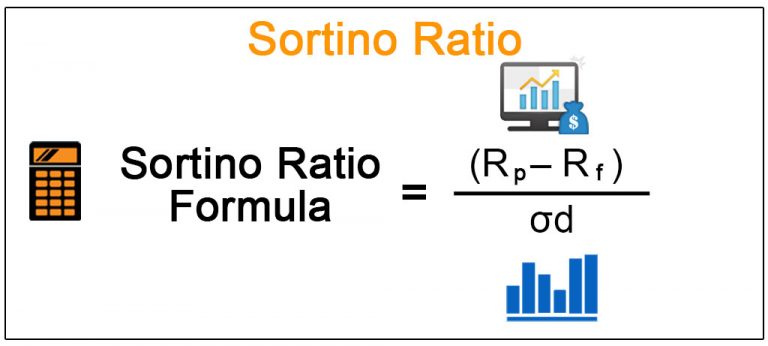





















































 The Leading Business Education Network for Doctors, Financial Advisors and Health Industry Consultants