

On Fundamentals of the Global Economy

By Vitaliy Katsenelson CFA
***
How To Invest In A Stock Market That’s Due For A Hard Landing
|

Share this:

Filed under: Experts Invited, Investing | Tagged: Vitaliy Katsenelson CFA | Leave a comment »
ME-P SYNDICATIONS:
WSJ.com,
CNN.com,
Forbes.com,
WashingtonPost.com,
BusinessWeek.com,
USNews.com, Reuters.com,
TimeWarnerCable.com,
e-How.com,
News Alloy.com,
and Congress.org


BOARD CERTIFICATION EXAM STUDY GUIDES
Lower Extremity Trauma
[Click on Image to Enlarge]
The “Medical Executive-Post” is about connecting doctors, health care executives and modern consulting advisors. It’s about free-enterprise, business, practice, policy, personal financial planning and wealth building capitalism. We have an attitude that’s independent, outspoken, intelligent and so Next-Gen; often edgy, usually controversial. And, our consultants “got fly”, just like U. Read it! Write it! Post it! “Medical Executive-Post”. Call or email us for your FREE advertising and sales consultation TODAY [678.779.8597] Email: MarcinkoAdvisors@outlook.com



 ePodiatryConsentForms.com
 “Providing Management, Financial and Business Solutions for Modernity”
 Support our online development, and advance our onground research initiatives in free market economics, as we seek to showcase the brightest Next-Gen minds.
THE ME-P DISCLAIMER: Posts, comments and opinions do not necessarily represent iMBA, Inc., but become our property after submission. Copyright © 2006 to-date. iMBA, Inc allows colleges, universities, medical and financial professionals and related clinics, hospitals and non-profit healthcare organizations to distribute our proprietary essays, photos, videos, audios and other documents; etc. However, please review copyright and usage information for each individual asset before submission to us, and/or placement on your publication or web site. Attestation references, citations and/or back-links are required. All other assets are property of the individual copyright holder.
Support our online development, and advance our onground research initiatives in free market economics, as we seek to showcase the brightest Next-Gen minds.
THE ME-P DISCLAIMER: Posts, comments and opinions do not necessarily represent iMBA, Inc., but become our property after submission. Copyright © 2006 to-date. iMBA, Inc allows colleges, universities, medical and financial professionals and related clinics, hospitals and non-profit healthcare organizations to distribute our proprietary essays, photos, videos, audios and other documents; etc. However, please review copyright and usage information for each individual asset before submission to us, and/or placement on your publication or web site. Attestation references, citations and/or back-links are required. All other assets are property of the individual copyright holder.


By Vitaliy Katsenelson CFA
***
|
Filed under: Experts Invited, Investing | Tagged: Vitaliy Katsenelson CFA | Leave a comment »
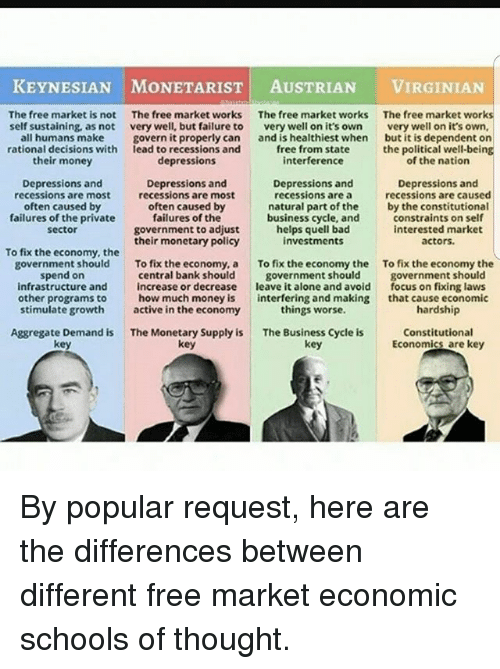
What they are – How they work
***
***
Conclusion
Your thoughts and comments on this ME-P are appreciated. Feel free to review our top-left column, and top-right sidebar materials, links, URLs and related websites, too. Then, subscribe to the ME-P. It is fast, free and secure.
Speaker: If you need a moderator or speaker for an upcoming event, Dr. David E. Marcinko; MBA – Publisher-in-Chief of the Medical Executive-Post – is available for seminar or speaking engagements.
Book Marcinko: https://medicalexecutivepost.com/dr-david-marcinkos-bookings/
Subscribe: MEDICAL EXECUTIVE POST for curated news, essays, opinions and analysis from the public health, economics, finance, marketing, IT, business and policy management ecosystem.
DOCTORS:
“Insurance & Risk Management Strategies for Doctors” https://tinyurl.com/ydx9kd93
“Fiduciary Financial Planning for Physicians” https://tinyurl.com/y7f5pnox
“Business of Medical Practice 2.0” https://tinyurl.com/yb3x6wr8
HOSPITALS:
“Financial Management Strategies for Hospitals” https://tinyurl.com/yagu567d
“Operational Strategies for Clinics and Hospitals” https://tinyurl.com/y9avbrq5

***
Filed under: Health Economics | Tagged: Free Market Economic Schools of Thought?, Free Markets | Leave a comment »
Researchers should embrace negative results instead of accentuating the positive, which is one of several biases that can lead to bad science.
MORE: https://bohatala.com/parts-of-a-research-paper/
Assessment
Your thoughts are appreciated.
***

***
MORE FOR DOCTORS:
“Insurance & Risk Management Strategies for MDs” https://tinyurl.com/ydx9kd93
“Fiduciary Financial Planning for Physicians” https://tinyurl.com/y7f5pnox
“Business of Medical Practice 2.0” https://tinyurl.com/yb3x6wr8
THANK YOU
***
Filed under: Career Development, Ethics | Leave a comment »
More on Lifelong Learning
 [By Dr. David Marcinko MBA]
Today, it is increasingly imperative for colleges and universities to expand the universe of targeted adult-learners. This is for aspiring professionals, managers, executives and leaders, or those already in the workforce. The tuition gathering universe is thus expanded beyond graduation.
I developed and launched several such successful CE programs that were merged or sold to private investors, colleges and hedge funds
SAMPLE: www.PodiatryPrep.org
Also known as Executive Service Line [ESL] education, this business model refers to academic programs for adults that are generally non-credit and non-degree-granting, but may lead to professional certifications.
Estimates by Business Week magazine suggest that executive education in the United States is a $900 million annual business with approximately 80 percent provided by university schools.
SAMPLE: www.CertifiedMedicalPlanner.org
In addition to the educational benefits, monetary dividends are reaped as enrollment eases matriculation access. Similar programs at the Wharton School, Darden, Harvard, Duke, Yale and the Goizueta Business School at Emory University charge premium rates for the implied institutional moniker.
***
***
ASSESSMENT: Your thoughts are appreciated. Are you a continuing education pioneer?
MORE BUSINESS AND INVESTING FOR DOCTORS:
“Insurance & Risk Management Strategies for Doctors” https://tinyurl.com/ydx9kd93
“Fiduciary Financial Planning for Physicians” https://tinyurl.com/y7f5pnox
“Business of Medical Practice 2.0” https://tinyurl.com/yb3x6wr8
THANK YOU
 8
8
***
Filed under: iMBA, Inc., Op-Editorials, Touring with Marcinko | Tagged: Continuing Education, Lifelong Learning | 1 Comment »
Expensive and Emotional

By Rick Kahler CFP®
The call I recently received from a distraught client dealt with a disturbing question I’d never heard in all my 45 years of owning and selling real estate and my 35 years in financial planning. “Rick, my tenant committed suicide in my rental house. He shot himself. It was such a shock.
And then the biohazard clean up and repairs cost $30,000. My insurance only paid $10,000. What can I do to cover the difference?”
This client, who does not earn a high income, saved for several years to buy her first rental. One year ago she proudly put $30,000 down and borrowed $120,000 to buy a two-bedroom home for $150,000. Like most rentals financed with a loan, excess cash flow is nonexistent; her expenses and loan payment basically equal the rent. Her intention was to eventually have a paid-off rental property to help provide her retirement income.
We explored some options. She could borrow $20,000 with a five-year loan and monthly payments of $377. This would definitely mean reducing her lifestyle. She could sell the house and probably net enough from the proceeds to pay the difference. This would seriously impact her future retirement income goal. She could consider asking the estate of the deceased to cover the costs. The phone went silent as she pondered this idea. “That would be hard.”
The thought of who is legally liable for the damages of such a terrible tragedy is not a pleasant subject to ponder. Compared to the emotional costs for the victim’s loved ones, of course, the financial costs are insignificant. Yet they still must be dealt with.
In a home where a violent death occurs or a natural death goes undiscovered for some time, the owner of the property faces significant biohazard cleanup costs that must be done by specialists. In addition, repairs and replacement furnishings are often required.
Bringing an action against someone’s estate to recover such costs is a choice anyone would be reluctant to make. The estate may not have the means to pay such costs. Even if funds were available, asking for payment could seem cruel, callous, and heartless.
As my daughter said to me, “Put yourself in the shoes of that man’s family for a moment. Imagine the expenses you already have to take care of: the funeral, a casket, a headstone, a cemetery plot, and other duties that you have to carry out while you’re still grieving—only to be told you need to cough up an additional $20,000 dollars on top of it all.”
Certainly, my client is in an unenviable lose/lose position. Through no fault of her own, she either suffers a significant financial setback or faces the possibility of filing a lawsuit against the estate of the deceased.
Sadly, all of this could have been avoided if my client had purchased the proper insurance. She thought she had, because her policy had a rider covering damages from a crime scene and biohazard clean-up. Unfortunately, the coverage capped at $10,000.
I asked Amy Borella, a property casualty agent with Great Western Insurance, what the industry standard is for this kind of coverage. She said, “Every policy can have different endorsements and every company can cover claims differently. There is no standard for how a claim like this would be handled.”
***

***
Assessment
It was a relief to learn that my homeowners and rental policies did have coverage, with no cap. I strongly suggest, if you own rental property, to be sure the same is true for your policies. In case a tragedy should happen, adequate insurance provides protection for both you and your tenants.
Conclusion
Your thoughts and comments on this ME-P are appreciated. Feel free to review our top-left column, and top-right sidebar materials, links, URLs and related websites, too. Then, subscribe to the ME-P. It is fast, free and secure.
Speaker: If you need a moderator or speaker for an upcoming event, Dr. David E. Marcinko; MBA – Publisher-in-Chief of the Medical Executive-Post – is available for seminar or speaking engagements.
Book Marcinko: https://medicalexecutivepost.com/dr-david-marcinkos-bookings/
Subscribe: MEDICAL EXECUTIVE POST for curated news, essays, opinions and analysis from the public health, economics, finance, marketing, IT, business and policy management ecosystem.
MORE FOR DOCTORS:
“Insurance & Risk Management Strategies for Doctors” https://tinyurl.com/ydx9kd93
“Fiduciary Financial Planning for Physicians” https://tinyurl.com/y7f5pnox
“Business of Medical Practice 2.0” https://tinyurl.com/yb3x6wr8
THANK YOU
8
***
Filed under: Insurance Matters | Tagged: Biohazard Insurance on Rental Property, real-estate, Rick Kahler CFP® | Leave a comment »
***

Filed under: Ethics, iMBA, Inc. | Tagged: Hitchens' razor | 1 Comment »
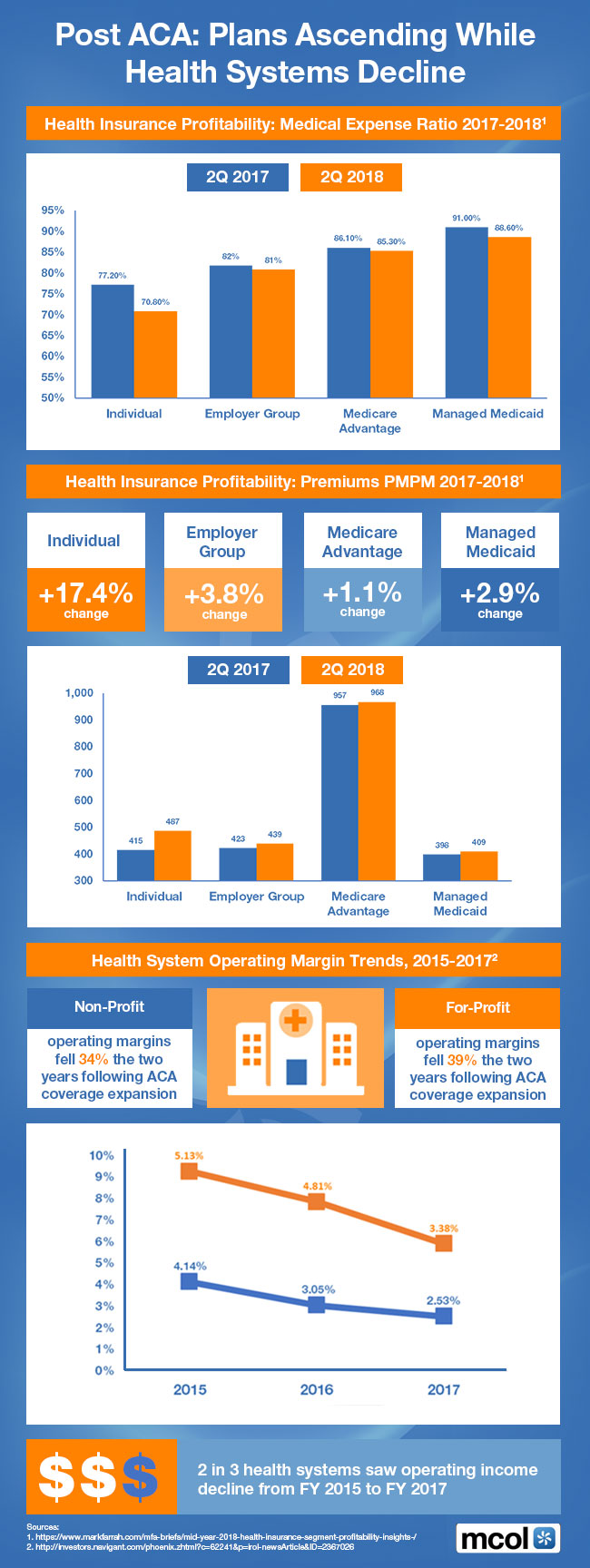
POST A.C.A.
***
***
Conclusion
Your thoughts and comments on this ME-P are appreciated. Feel free to review our top-left column, and top-right sidebar materials, links, URLs and related websites, too. Then, subscribe to the ME-P. It is fast, free and secure.
Speaker: If you need a moderator or speaker for an upcoming event, Dr. David E. Marcinko; MBA – Publisher-in-Chief of the Medical Executive-Post – is available for seminar or speaking engagements.
Book Marcinko: https://medicalexecutivepost.com/dr-david-marcinkos-bookings/
Subscribe: MEDICAL EXECUTIVE POST for curated news, essays, opinions and analysis from the public health, economics, finance, marketing, IT, business and policy management ecosystem.
MORE FOR DOCTORS:
“Insurance & Risk Management Strategies for Doctors” https://tinyurl.com/ydx9kd93
“Fiduciary Financial Planning for Physicians” https://tinyurl.com/y7f5pnox
“Business of Medical Practice 2.0” https://tinyurl.com/yb3x6wr8
THANK YOU
Filed under: Health Insurance | Tagged: Health Plans Ascending While Health Systems Decline, www.MCOL.com | 1 Comment »
***
CASE MODEL : OVER HEARD IN THE DOCTOR‘S LOUNGE
***
In the early 1980s, Daniel Kahneman and Amos Tverskey proved in numerous experiments that the reality of decision making differed greatly from the assumptions held by economists. They published their findings in Prospect Theory: An analysis of decision making under risk, which quickly became one of the most cited papers in all of economics.
To understand the importance of their breakthrough, we first need to take a step back and explain a few things. Up until that point, economists were working under a normative model of decision making. A normative model is a prescriptive approach that concerns itself with how people should make optimal decisions. Basically, if everyone was rational, this is how they should act.
In contrast, prospect theory is a descriptive model which concerns itself with how decisions are actually made in practice. Let’s begin by dissecting the main normative model of the time: Utility theory.
View original post 870 more words
Filed under: iMBA, Inc. | Leave a comment »
Money Beliefs and Luxury Lifestyle TV
|
***
| If you watch TV shows that flash luxury products and feature rags-to-riches stories or the lives of the rich and famous, will you become more materialistic and cold-hearted toward the poor? You might, according to an August 1 story by Sarah Knapton in The Telegraph, “Keeping Up With the Kardashians may make viewers cold-hearted towards poor, study suggests.” It cites research done by the London School of Economics showing that “just 60 seconds of exposure to materialistic media is enough to significantly increase anti-welfare sentiment.”
The article mentions two studies. In the first, participants were divided into two groups. One group was shown clips of luxury products, rich and famous people, and rags-to-riches stories. The other group saw neutral images of London sights, natural scenery, and headlines about dinosaurs. Both groups were then asked questions that evaluated their attitudes toward wealth and success, government benefits, and impoverished people. The group shown the materialistic media scored more negative attitudes toward welfare and welfare policies. In the second study, participants were asked if they regularly viewed shows like The Apprentice and X-Factor. Those who did were found more likely to hold materialistic and anti-welfare attitudes. I have some doubts about these studies. For one thing, they mix data on two very different issues—an acute reaction to a stimulus and a chronic behavior. In the first study, both groups were exposed to stimuli and their reactions were immediately measured. What the research apparently did not do was follow up in one day, one week, or one year to see if the negative anti-welfare impact persisted. My hunch is that, had they tested the two groups one week later, there would have been no significant difference between them in their materialistic or anti-welfare sentiment. My belief that this is a short-term phenomenon is supported by similar research in neuropsychology made popular by the field of behavioral finance. For example, if two groups are asked to guess the price of something and one group is given a random number before guessing and the other isn’t, the guesses of the first group will be closer to that number than those of the second group. This is called Anchoring, which lasts but moments. A person’s ability to price the object into the future is not permanently impacted. This is a separate issue altogether from the second study. Here we are talking about a long-term, chronic behavior. People who regularly watch these shows are drawn to them, in part, by their beliefs about money, known in financial therapy as money scripts. I would make the case that many regular viewers held money scripts of valuing wealth and materialism before they watched the shows. While it is unlikely viewing the show created these beliefs, it probably reinforced them. Can media affect our attitudes toward money? This is a chicken-and-egg question. What comes first? Does the money script attract the viewer to the show, or does the show form the money script? My experience suggests it’s mostly the former. Perhaps a more accurate headline summing up these studies might have been, “Keeping Up With the Kardashians may give viewers a momentary cold heart toward poor, study suggests,” or “The Apprentice attracts viewers more given to materialism and a cold heart toward poor, study suggests.” The media play to what their consumers find attractive. I am guessing in an anti-materialistic and pro-welfare culture these shows would attract fewer regular viewers. While the media certainly can influence our attitudes toward money, it’s more probable that our collective attitudes toward money affect the media more than the media affects us. |

Assessment
Your thoughts are appreciated.
Conclusion
Your thoughts and comments on this ME-P are appreciated. Feel free to review our top-left column, and top-right sidebar materials, links, URLs and related websites, too. Then, subscribe to the ME-P. It is fast, free and secure.
Speaker: If you need a moderator or speaker for an upcoming event, Dr. David E. Marcinko; MBA – Publisher-in-Chief of the Medical Executive-Post – is available for seminar or speaking engagements.
Book Marcinko: https://medicalexecutivepost.com/dr-david-marcinkos-bookings/
Subscribe: MEDICAL EXECUTIVE POST for curated news, essays, opinions and analysis from the public health, economics, finance, marketing, IT, business and policy management ecosystem.
DOCTORS:
“Insurance & Risk Management Strategies for Doctors” https://tinyurl.com/ydx9kd93
“Fiduciary Financial Planning for Physicians” https://tinyurl.com/y7f5pnox
“Business of Medical Practice 2.0” https://tinyurl.com/yb3x6wr8
HOSPITALS:
“Financial Management Strategies for Hospitals” https://tinyurl.com/yagu567d
“Operational Strategies for Clinics and Hospitals” https://tinyurl.com/y9avbrq5
***
8
Filed under: iMBA, Inc., LifeStyle | Tagged: Money Beliefs and Luxury Lifestyle TV, Rick Kahler MS CFP® | 1 Comment »
[By Monica Gomez]
Anybody can and anybody should learn how to perform CPR (Cardiopulmonary resuscitation).
According to the American Heart Association, a stunning 70% of Americans don’t know how what to do if somebody is experiencing a cardiac emergency because they don’t know how to administer CPR or they forgot the exact technique. This is especially alarming since almost 90% of cardiac arrests occur at home — where patients depend on the immediate respiratory care response of their family members.
In brief, knowing how to perform CPR can save the life of a loved one someday.
***
 Survival Rates
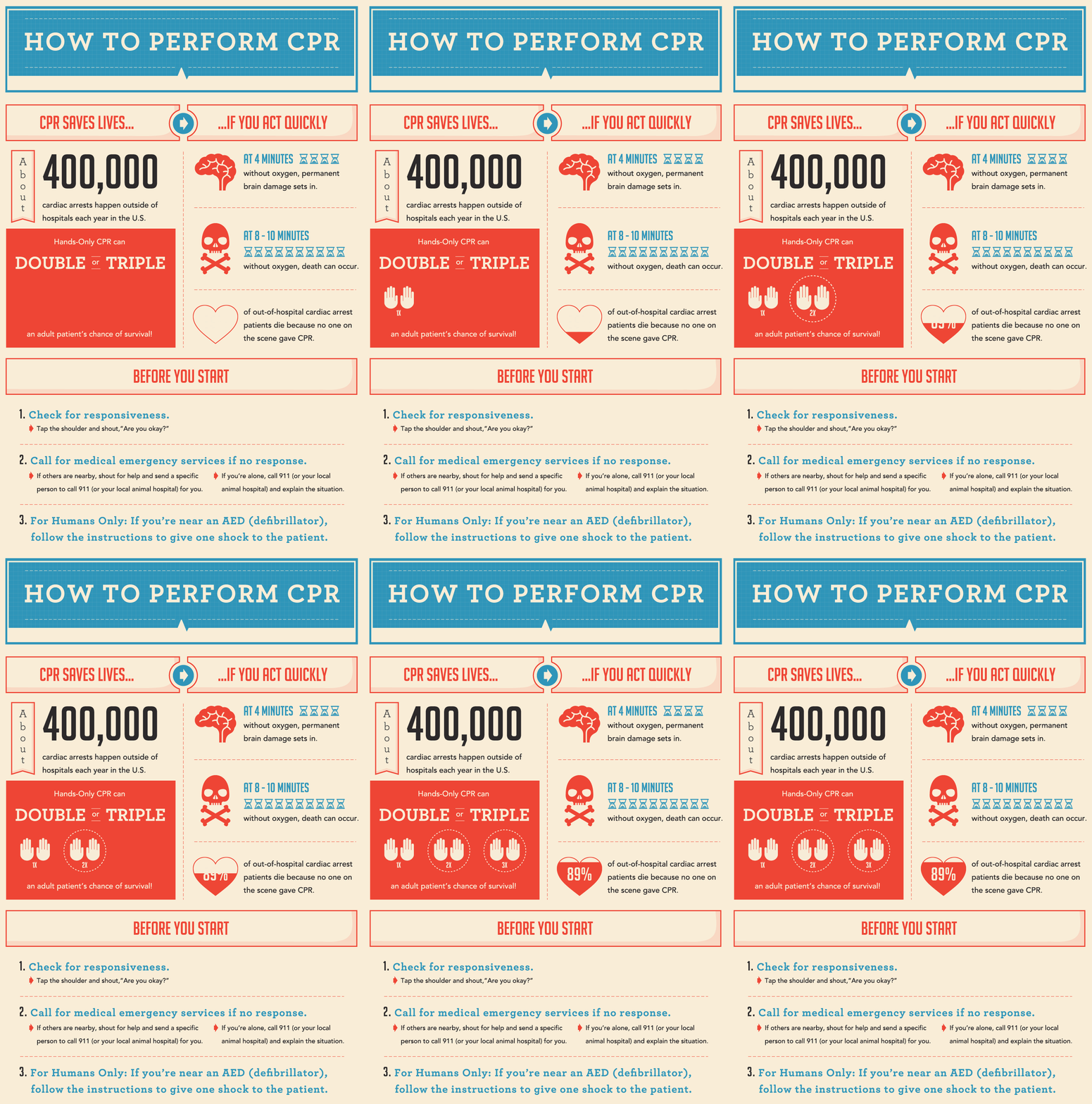
While 400,000 cardiac arrests happen outside of hospitals each year in the U.S. alone, hands-on CPR can actually double or triple an adult’s chance of survival. However, you need to act quickly. At four minutes without oxygen, the patient will suffer from permanent brain damage. At eight to ten minutes, the patient can die. Almost 90% of cardiac arrest patients die because no one performed CPR at the scene.
Before You Start CPR
First of all, check if the patient can respond by tapping them on the shoulder and shouting “Are you okay?” If they don’t respond, call for medical emergency services immediately. If others are around, instruct them to call 911 and if you’re alone, do it yourself. If the patient is an animal, call the closest animal hospital. If you happen to be near an AED (defibrillator), read the instructions and give one shock to the patient (this applies to humans only).
CPR Steps For Adults and Children 9 and Older: Hands-Only CPR
TIP: Give compressions to the beat of disco hit “Stayin’ Alive”!
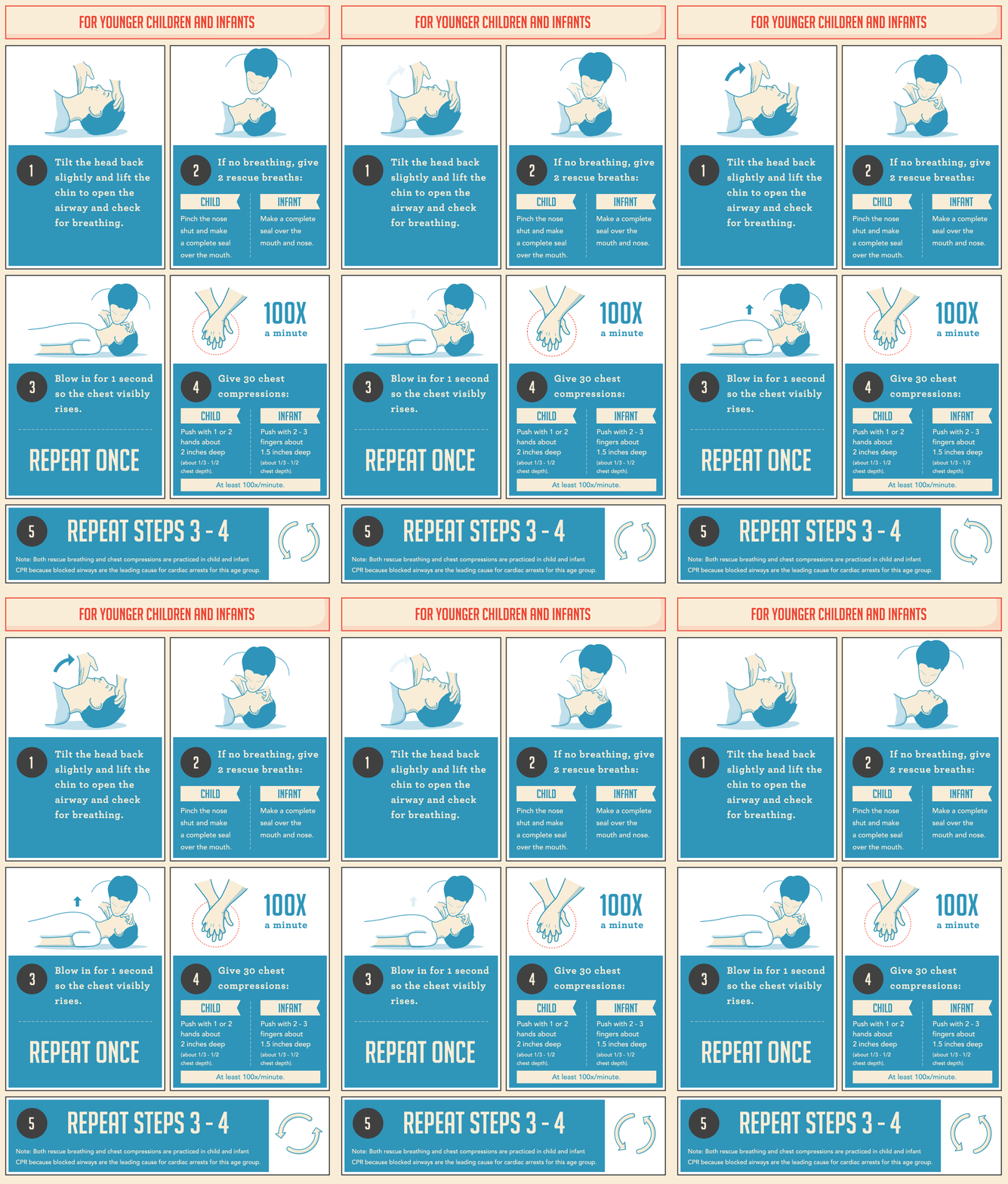
CPR Steps For Younger Children and Infants
Pet CPR – For Dogs and Cats
[Follow these CPR instructions for puppies]
For Animals Under 10kg/22lbs:
For Medium to Giant Dogs:
For Deep, Narrow-Chested Dogs Like Greyhounds:
For Barrel-Chested Dogs Like English Bulldogs:
Place animal on its back and use the same positioning and technique as for adult humans Whether you perform CPR on an adult, child, infant, or pets, DO NOT STOP unless:
Assessment
Make sure to practice and/or brush up your CPR abilities today, so you’re ready to potentially save someone’s life in the future! Furthermore, if you’re interested in making it your profession to help people suffering from respiratory conditions like asthma, bronchitis, lung cancer, heart attack, stroke, chronic obstructive pulmonary disease (COPD) or sleep apnea, you should look into Carrington College’s respiratory care program. This two-year program combines classroom lectures, laboratory instruction, and clinical experience in order to prepare you to work in a variety of healthcare settings. If you’d like to assist and educate people regarding respiratory health concerns, our training program is the ideal fit for you!
Conclusion
Your thoughts and comments on this ME-P are appreciated. Feel free to review our top-left column, and top-right sidebar materials, links, URLs and related websites, too. Then, subscribe to the ME-P. It is fast, free and secure.
Speaker: If you need a moderator or speaker for an upcoming event, Dr. David E. Marcinko; MBA – Publisher-in-Chief of the Medical Executive-Post – is available for seminar or speaking engagements. Contact: MarcinkoAdvisors@msn.com
OUR OTHER PRINT BOOKS AND RELATED INFORMATION SOURCES:
Filed under: Ethics, iMBA, Risk Management | Tagged: American Heart Association, Cardiopulmonary resuscitation, CPR | 4 Comments »
Conspicuous Consumption by Definition
[By Dr. David Marcinko MBA and staff reporters]
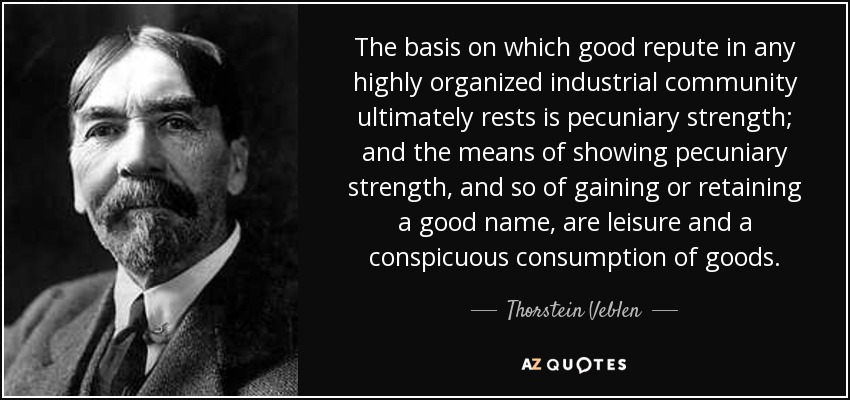
Conspicuous consumption is a term introduced by the Norwegian-American economist and sociologist Thorstein Veblen in his book “The Theory of the Leisure Class” published in 1899.
***

***
The term refers to consumers who buy expensive items to display wealth and income rather than to cover the real needs of the consumer. www.HealthDictionarySeries.org
A flashy consumer uses such behavior to maintain or gain higher social status. Most classes have a flashy consumer affect and influence over other classes, seeking to emulate the behavior.
***

The result, according to Veblen, is a society characterized by wasted time and money.
***
***
Assessment
Are doctors today, or yesterday, practitioners of this theory?
Conclusion
Your thoughts and comments on this ME-P are appreciated. Feel free to review our top-left column, and top-right sidebar materials, links, URLs and related websites, too. Then, subscribe to the ME-P. It is fast, free and secure.
Speaker: If you need a moderator or speaker for an upcoming event, Dr. David E. Marcinko; MBA – Publisher-in-Chief of the Medical Executive-Post – is available for seminar or speaking engagements.
Book Marcinko: https://medicalexecutivepost.com/dr-david-marcinkos-bookings/
Subscribe: MEDICAL EXECUTIVE POST for curated news, essays, opinions and analysis from the public health, economics, finance, marketing, IT, business and policy management ecosystem.
MORE FOR DOCTORS AND NURES:
“Insurance & Risk Management Strategies for Doctors” https://tinyurl.com/ydx9kd93
“Financial Management Strategies for Hospitals” https://tinyurl.com/yagu567d
“Operational Strategies for Clinics and Hospitals” https://tinyurl.com/y9avbrq5
8
***
Filed under: Ethics, Investing | Tagged: Conspicuous Consumption, Thorstein Veblen | 2 Comments »
***

***
The “Medical Executive-Post” is about connecting doctors, health care executives and modern consulting advisors. It’s about free-enterprise, business, practice, policy, personal financial planning and wealth building capitalism. We have an attitude that’s independent, outspoken, intelligent and so Next-Gen; often edgy, usually controversial.
The Medical Executive-Post is inviting physicians and medical professionals, health care accountants, management consultants and fiduciary financial advisors to join our Subscriber Reactor Panel.
This select group will help our publication focus on the most important issues for today’s physicians and all medical professionals.

[It’s fast, free and secure]
Filed under: "Advisors Only", "Doctors Only", Experts Invited, iMBA, Inc. | Leave a comment »
| To my valued connections,
By Alan Yong I have serious concerns about the current state of ICO’s and their future potential could be in jeopardy, if the current trend continues. Please take a moment to read the following articles before investing in, participating with, giving legal advice on, or launching your own ICO. Personally, I believe that ICOs are the best tools for capital formation if properly regulated.
Investopedia report finds 80% of all ICO’s to be scams – 92% never reach exchange Alan Yong Provides Long Term Viability Solution for ICO’s ***
|
Conclusion
Your thoughts and comments on this ME-P are appreciated. Feel free to review our top-left column, and top-right sidebar materials, links, URLs and related websites, too. Then, subscribe to the ME-P. It is fast, free and secure.
Speaker: If you need a moderator or speaker for an upcoming event, Dr. David E. Marcinko; MBA – Publisher-in-Chief of the Medical Executive-Post – is available for seminar or speaking engagements.
Book Marcinko: https://medicalexecutivepost.com/dr-david-marcinkos-bookings/
Subscribe: MEDICAL EXECUTIVE POST for curated news, essays, opinions and analysis from the public health, economics, finance, marketing, IT, business and policy management ecosystem.
MORE FOR DOCTORS AND NURES:
“Insurance & Risk Management Strategies for Doctors” https://tinyurl.com/ydx9kd93
“Financial Management Strategies for Hospitals” https://tinyurl.com/yagu567d
“Operational Strategies for Clinics and Hospitals” https://tinyurl.com/y9avbrq5
Filed under: Investing | Tagged: Alan Yong, Bitcoin, crypto-currency, ICO's | Leave a comment »
Usage Trends 2008-2015
***

***
Conclusion
Your thoughts and comments on this ME-P are appreciated. Feel free to review our top-left column, and top-right sidebar materials, links, URLs and related websites, too. Then, subscribe to the ME-P. It is fast, free and secure.
Speaker: If you need a moderator or speaker for an upcoming event, Dr. David E. Marcinko; MBA – Publisher-in-Chief of the Medical Executive-Post – is available for seminar or speaking engagements.
Book Marcinko: https://medicalexecutivepost.com/dr-david-marcinkos-bookings/
Subscribe: MEDICAL EXECUTIVE POST for curated news, essays, opinions and analysis from the public health, economics, finance, marketing, IT, business and policy management ecosystem.
DOCTORS:
“Insurance & Risk Management Strategies for Doctors” https://tinyurl.com/ydx9kd93
“Fiduciary Financial Planning for Physicians” https://tinyurl.com/y7f5pnox
“Business of Medical Practice 2.0” https://tinyurl.com/yb3x6wr8
HOSPITALS:
“Financial Management Strategies for Hospitals” https://tinyurl.com/yagu567d
“Operational Strategies for Clinics and Hospitals” https://tinyurl.com/y9avbrq5
***
Filed under: iMBA, Inc. | Tagged: ED Venues, Non ED Venues, www.MCOL.com | Leave a comment »
Courtesy: www.CertifiedMedicalPlanner.org
WHAT IT IS – HOW IT WORKS?
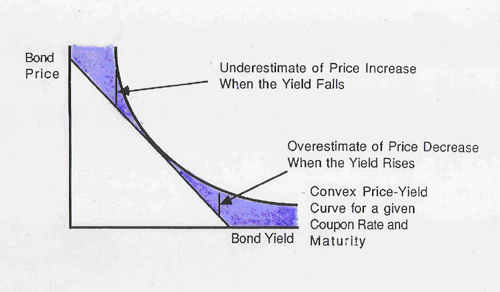
Bond duration is a measure of the volatility of a bond’s return over time. It measures the price reduction of a bond, over the change in interest rate of the bond. It is slightly correlated to how long it takes for the bond to mature, but it is not an exact relationship.
ESSAY: https://medicalexecutivepost.com/2008/10/20/understanding-bond-duration/
But, “negative duration” is a situation in which the price of a bond or other debt security moves in the same direction of interest rates. That is, negative duration occurs when the bond prices go up along with interest rates and vice versa.
***
https://www.etf.com/sections/features/20920-how-a-negative-duration-bond-etf-works.html?nopaging=1
ASSESSMENT
Your thoughts are appreciated.
MORE INVESTING FOR DOCTORS:
“Insurance & Risk Management Strategies for Doctors” https://tinyurl.com/ydx9kd93
“Fiduciary Financial Planning for Physicians” https://tinyurl.com/y7f5pnox
“Business of Medical Practice 2.0” https://tinyurl.com/yb3x6wr8
***
8
Filed under: iMBA, Inc. | Tagged: bond duration, negative bond duration | 1 Comment »

Filed under: Breaking News, Ethics | Tagged: 9/11, September Eleventh | Leave a comment »
If you want to guess someone’s income level, look at what they buy |
***
| Obviously, the rich and the poor will spend their available funds on different things. Just what those things are, however, is less obvious. To illustrate, here is a pop quiz: Since 1992, what two products most consistently indicated that those using them were in the top 25% of all income earners in the U. S.?
Guessing a new car or a house would be logical, but wrong. The top two products indicative of being in that top one-fourth were dishwashers and dishwashing detergent. According to a fascinating study done by Marianne Bertrand and Emir Kamencia, “Coming Apart? Cultural Distances in the United States Over Time,” published in June 2018, if you use either there is about a 70% chance you are in the highest-earning 25%. The study’s broader focus was on cultural differences, but what I couldn’t stop reading was the economic information. The products indicating affluence were nowhere near what I would have guessed. Let’s start with 1992. The top product purchased by the rich was a dishwasher. If you owned one, there was a 70.4% chance you were in the top quartile of income earners. If you used dishwasher detergent, the chances were 70.2% you earned a high income. If you took a vacation where you traveled away from home, the chances were 67.0% you were high income. The top brands purchased by the affluent/rich were Grey Poupon Dijon mustard (62.2%), Kodak film (61.6%), and Thomas English muffins (61.5%). The top TV shows watched were Autoworks 200 (57.3%), Bush Clash (57.1%), and Tour du Pont (56.7%). Sorry, but I’ve never heard of any of these shows. Moving on to 2004, the preferences of high income earners shifted slightly. The top product purchased by the affluent was a new vehicle (73.6%), followed by dishwashing detergent (71.6%), and owning a dishwasher (70.8%). A vacation was in fourth place with 70.5%. The top brands indicating affluence were Land O’ Lakes butter (59.2%), Kikkoman soy sauce (58.7%), and people who did not use a BIC lighter (58.7%). The top TV shows were the Super Bowl (58.5%), NFL Monday Night Football (56.1%), and NFL Regular Season Football (55.9%).
What about today? In 2016—the last year of data studied—the top product was a vacation (70.9%), owning a passport (70.3%), and having a Bluetooth in your vehicle (70.2%). Eight of the top 10 items related to travel or technology. The other two? Numbers five and six were owning a dishwasher and using dishwasher detergent. The top brand indicative of a high income was far and away Apple, with an iPhone first (69.1%) and an iPad second (66.9%). Across all years in their data, no individual brand was as predictive of being high-income than these two products. Other brands high on the list were Verizon Wireless (61.0%), an Android phone (59.5%), and Kikkoman soy sauce. Top TV shows were the Super Bowl (57.1%), Love It Or List It (55.9%), and Property Brothers (55.7%). Keep in mind that the study showed seven out of 10 people who own iPhones, travel on vacation, or use dishwashers are in the top 25% of income earners. Not all people who do these things are affluent. Still, the odds that they are high earners are far better than the odds of winning any game of chance in Deadwood. Assessment So next time you want to size up the chances of someone being high income, ask them where they went on vacation this year and whether they took vacation photos with an iPhone or iPad. Or just ask how often they run their dishwasher. |
Conclusion
Your thoughts and comments on this ME-P are appreciated. Feel free to review our top-left column, and top-right sidebar materials, links, URLs and related websites, too. Then, subscribe to the ME-P. It is fast, free and secure.
Speaker: If you need a moderator or speaker for an upcoming event, Dr. David E. Marcinko; MBA – Publisher-in-Chief of the Medical Executive-Post – is available for seminar or speaking engagements.
Book Marcinko: https://medicalexecutivepost.com/dr-david-marcinkos-bookings/
Subscribe: MEDICAL EXECUTIVE POST for curated news, essays, opinions and analysis from the public health, economics, finance, marketing, IT, business and policy management ecosystem.
MORE FOR DOCTORS AND NURES:
“Insurance & Risk Management Strategies for Doctors” https://tinyurl.com/ydx9kd93
“Financial Management Strategies for Hospitals” https://tinyurl.com/yagu567d
“Operational Strategies for Clinics and Hospitals” https://tinyurl.com/y9avbrq5
***
8
Filed under: Financial Planning, Funding Basics | Tagged: Rick Kahler CFP® | Leave a comment »
Investors Have Misdiagnosed Amazon’s Push Into The Pharmacy Business |
By Vitaliy Katsenelson CFA
|
*** Companies everywhere, in every business, are paranoid about Amazon.com. This sort of paranoia is healthy for the long-term well-being of our investment portfolio, as it is creating interesting buying opportunities. A case in point: My firm spent a lot of time thinking about pharmacies when we were analyzing investments in McKesson and other drug distributors. We struggled with a question: How will the retail pharmaceutical industry look in the future? Or more precisely, how will Amazon’s entrance into the retail pharmacy business change this industry? Our inability to answer this question kept us away from retail pharmacies. Then we had a small but important insight that shifted our thinking on Walgreens Boots Alliance. The preponderance of drugs in the U.S. is consumed by an older population, whose habits change slowly or not at all. Accordingly, it’s likely that Amazon’s online pharmacy will not significantly impact the existing drug industry. Here’s why: Americans currently spend $450 billion a year on drugs. Walmart is the fourth-largest pharmacy in the U.S., with sales of $21 billion, or 4.6% of the company’s total sales. Let’s say that over the next five years Amazon gets to Walmart’s sales level of $21 billion. If the U.S. pharmaceutical industry grows 2% a year over that time, total drug sales will have increased by $45 billion, or the equivalent of two Walmarts (we are ignoring compounding here), to $495 billion. Walgreens, with its pharmacy selling about $70 billion a year, would barely notice Amazon’s presence. I’ve made this point before, but it is important to repeat: 10 years ago Amazon was not taken too seriously. Giants like Google, now Alphabet, and Microsoft ignored Amazon’s entry into cloud hosting, thinking “What does a bookseller know about the cloud?” They have regretted it ever since. Nowadays everyone is taking Amazon too seriously, bestowing CEO Jeff Bezos with walk-on-water-like superpowers. Boardrooms today are filled to overflowing with chatter about Amazon. There‘s admittedly a lot Corporate America can learn from Bezos (for instance, about ignoring short-term results), but Bezos is not superhuman and Amazon cannot bend the laws of economic gravity. Walgreens’ U.S. business, which is about 75% of its total sales, is impressive. A single stand-alone store produces revenues of about $10 million a year — $7 million in the pharmacy and $3 million in front-end sales (milk, candy bars, T-shirts, etc.) A single store fills about 121,000 scripts a year (up from 97,000 four years ago). Walgreens has one of the highest sales-per-square-foot numbers in the retail industry, at around $1,000 per-square-foot (compared to Walmart’s $450, Kroger’s $550, and Target’s $300). (Note that Tesco’s U.K. stores have sales per square foot of $1,100 — this is why we like the U.K. grocery business more than ones in the US). Walgreens also has an underutilized asset: the front end of the store. Think about it: The pharmacy takes up 20% of the floor space but generates 70% of revenue. In other words 80% of the store (the front end) brings in only 30% of revenue. Walgreens is experimenting with different ways to optimize this underutilized asset — it’s opening medical clinics and bringing LabCorp into its stores, for instance. In 2018 Walgreens bought 1,900 stores from Rite Aid, bringing its total U.S. store count up to around 10,000. Store-count growth days are behind Walgreens, but the scripts-per-store-growth will continue, since baby boomers are not getting any younger. Accordingly, total sales growth will continue at a level of at least 2%-3% a year. When retailers mature and cannot open new stores, their free cash flows explode. Which begs the question, what will Walgreens do with its cash? Already Walgreens is taking a quite different approach than its largest counterpart, CVS Health Corp. CVS owns one of the largest pharmacy benefit management (PBM) companies (a business that has a lot of political risk, as it’s ridden with conflicts of interest), and CVS is doubling down on complexity and buying Aetna , a health insurance company. CVS is trying to become an integrated healthcare provider. We don’t know if CVS will be successful in this endeavor, but the historical odds of success with acquisitions of this complexity clearly do not favor CVS. Walgreens is run by Stefano Pessina, who owns 13% of the company; and thus 13 cents of every dollar spent is his. Walgreens has therefore been deleveraging its business, buying back stock, and paying a dividend. Walgreens is expected to earn $6 a share in 2018. My estimate is that earnings, helped by the Rite Aid acquisition, same-store sales growth, and share buybacks (WBA repurchased 8% of its shares in 2018 and has an authorization to buy another 13%), will exceed $8 per share in 2021. ***
*** Assessment If Walgreens shares trade at 13 times its $8 earnings per share in three years, then the upside from here is about 70%; if it trades at 15 times then it’s a double (Walmart trades currently at 18 times estimated 2018 earnings, while Target is at 15 times). We bought Walgreens at a little over 10 times estimated 2018 earnings in July 2018. Walgreens is a better business than Target and at least as good a business as Walmart. At this valuation, heads we win, tails we win — the only question is by how much. |
Conclusion
Your thoughts and comments on this ME-P are appreciated. Feel free to review our top-left column, and top-right sidebar materials, links, URLs and related websites, too. Then, subscribe to the ME-P. It is fast, free and secure.
Speaker: If you need a moderator or speaker for an upcoming event, Dr. David E. Marcinko; MBA – Publisher-in-Chief of the Medical Executive-Post – is available for seminar or speaking engagements.
Book Marcinko: https://medicalexecutivepost.com/dr-david-marcinkos-bookings/
Subscribe: MEDICAL EXECUTIVE POST for curated news, essays, opinions and analysis from the public health, economics, finance, marketing, IT, business and policy management ecosystem.
MORE FOR DOCTORS AND NURES:
“Insurance & Risk Management Strategies for Doctors” https://tinyurl.com/ydx9kd93
“Financial Management Strategies for Hospitals” https://tinyurl.com/yagu567d
“Operational Strategies for Clinics and Hospitals” https://tinyurl.com/y9avbrq5
***
8
Filed under: Drugs and Pharma, Investing | Tagged: Amazon’s Push Into The Pharmacy Business, Vitaliy Katsenelson CFA | 1 Comment »
What’s Next for Provider Data Exchange?
***

***
Conclusion
Your thoughts and comments on this ME-P are appreciated. Feel free to review our top-left column, and top-right sidebar materials, links, URLs and related websites, too. Then, subscribe to the ME-P. It is fast, free and secure.
Speaker: If you need a moderator or speaker for an upcoming event, Dr. David E. Marcinko; MBA – Publisher-in-Chief of the Medical Executive-Post – is available for seminar or speaking engagements.
Book Marcinko: https://medicalexecutivepost.com/dr-david-marcinkos-bookings/
Subscribe: MEDICAL EXECUTIVE POST for curated news, essays, opinions and analysis from the public health, economics, finance, marketing, IT, business and policy management ecosystem.
MORE FOR DOCTORS AND NURES:
“Insurance & Risk Management Strategies for Doctors” https://tinyurl.com/ydx9kd93
“Financial Management Strategies for Hospitals” https://tinyurl.com/yagu567d
“Operational Strategies for Clinics and Hospitals” https://tinyurl.com/y9avbrq5
***


Filed under: Information Technology | Tagged: mcol.com, Medical Provider Data Exchange | Leave a comment »
***

Conclusion
Your thoughts and comments on this ME-P are appreciated. Feel free to review our top-left column, and top-right sidebar materials, links, URLs and related websites, too. Then, subscribe to the ME-P. It is fast, free and secure.
Speaker: If you need a moderator or speaker for an upcoming event, Dr. David E. Marcinko; MBA – Publisher-in-Chief of the Medical Executive-Post – is available for seminar or speaking engagements.
Book Marcinko: https://medicalexecutivepost.com/dr-david-marcinkos-bookings/
Subscribe: MEDICAL EXECUTIVE POST for curated news, essays, opinions and analysis from the public health, economics, finance, marketing, IT, business and policy management ecosystem.
MORE FOR DOCTORS AND NURES:
“Insurance & Risk Management Strategies for Doctors” https://tinyurl.com/ydx9kd93
“Financial Management Strategies for Hospitals” https://tinyurl.com/yagu567d
“Operational Strategies for Clinics and Hospitals” https://tinyurl.com/y9avbrq5
***
Filed under: Drugs and Pharma | Tagged: Top 15 pharmaceutical products | Leave a comment »










 The Leading Business Education Network for Doctors, Financial Advisors and Health Industry Consultants