Appreciating Post Cyber Monday Stock Market Volatility

Join Our Mailing List

Living with Ambiguity [Is it Friend or Foe?]

By Robert Klosterman CFP® http://www.whiteoakswealth.com/
The stock market was down a bit last month and up last week, and then down today; back and forth, rising and falling and rising again the last few years, etc, etc.

Now: 23 557 DJIA

Whipsaw is the word I’ve heard to describe it lately. And, without a doubt, the question that gets asked the most is “How do you like this volatility?”

My reply, without exception, is “I LOVE volatility. I do prefer upside volatility to downside though”. The response is a smile or an outright laugh. Of course, few physicians or laymen I have ever met get worried about upside price movements in investing.

Third Quarter 2017

The third quarter of 2017 – post election results – clearly experienced both major up and downside volatility with the recent emphasis on the upside. Investors that fully invested in equities saw their portfolios rise in the positive and record-breaking direction.

Europe

The market pundits have a daily hero to pin the market movements on. Europe, Syria, Russia and Putin, Turkey, Greece, US Congress stalemates and other forces like the death of Fidel Castro are some of the most recent “good guys” that have given rise to Mr. Market’s positivity. Did we mention  Donald Trump?

How Long?

The bigger question is how long will these issues persist? Established societies, often described as western economies, have some significant headwinds facing them for the next few years: high debt, mounting costs of social insurance programs, and the likelihood of higher taxes to solve the problems.

There is nothing new or unique about that last sentence. There seems to be a wide consensus on those points and coupled with the record low interest rates, investors seem to have few traditional options to consider. It appears likely that it will take a few years to resolve these issues and provide a platform for above average growth.

Strategies

There are a number of strategies that can utilize volatility including Long-Short, Mean Reversion, Managed Futures and Market Neutral, etc [previously noted on this ME-P]. These provide returns in a secular bear market that may continue for a few more years.

Link: https://medicalexecutivepost.com/2007/11/28/what-is-a-market-neutral-fund/

It’s also important to recognize that while the US and Western Europe maybe having to face the headwinds there are economies in parts of the world that will likely experience above average growth rates for the next few years. For the most part, these emerging markets include Brazil, Russia, India and China (BRIC). A strong dollar not-withstanding.

BRIC Analogs to the USA

In the 1870‘s, the US was an emerging market the same way the BRIC economies are today’s emerging markets; developmentally analogous. Whereas the US and Western Europe face many headwinds, some of these emerging economies actually have wind in their backs. Trade surplus, demographics, low debt and low cost of Government are some of the key advantages. These countries’ standard of living is changing to the positive, and they have a large percentage of their population that can move up and be a purchaser of goods and services where previously they could not.

Income Generation

Another important focus will be on income generation. For many years the income portion of an investment in equities was half or more of its return. Only in recent years has the largest portion come from capital gains. We are likely “back to the old days” in order to achieve returns that will offset inflation and meet longer-term investment goals

Opportunities exist in a variety of areas, including real estate, Mortgage Backed Securities, Private Equity and others to have more focus on income as a dominant portion of the total return.

Assessment

Volatility is going to be with us and it would be wonderful to have the confidence needed to say the emphasis would be on upside volatility, but that is not the case right now. The optimum strategies are to align portfolios with the world we live in today.

IOW: Doctors, medical professionals and all investors must learn to “live with ambiguity.”

About the Author

Robert J. Klosterman® has been listed as one of the Top 250 Financial Advisors in the United States by Worth Magazine. He has also been recognized as one of the top 150 Financial Advisors by Mutual Fund Magazine, Medical Economics and Bloomberg’s Wealth Manager Magazine. Bob’s published quotes appear frequently in dozen’s of local and national publications, including USA Today, the New York Times, Minneapolis Star Tribune, CFP Today, Barron’s and Fortune.

Channel Surfing the ME-P

Have you visited our other topic channels? Established to facilitate idea exchange and link our community together, the value of these topics is dependent upon your input. Please take a minute to visit. And, to prevent that annoying spam, we ask that you register. It is fast, free and secure.

Conclusion

Your thoughts and comments on this ME-P are appreciated. Feel free to review our top-left column, and top-right sidebar materials, links, URLs and related websites, too. Then, subscribe to the ME-P. It is fast, free and secure.

Speaker: If you need a moderator or speaker for an upcoming event, Dr. David E. Marcinko; MBA – Publisher-in-Chief of the Medical Executive-Post – is available for seminar or speaking engagements. Contact: MarcinkoAdvisors@msn.com

OUR OTHER PRINT BOOKS AND RELATED INFORMATION SOURCES:

Product Details  Product Details

***

Comprehensive Financial Planning Strategies for Doctors and Advisors: Best Practices from Leading Consultants and Certified Medical Planners(TM)

***

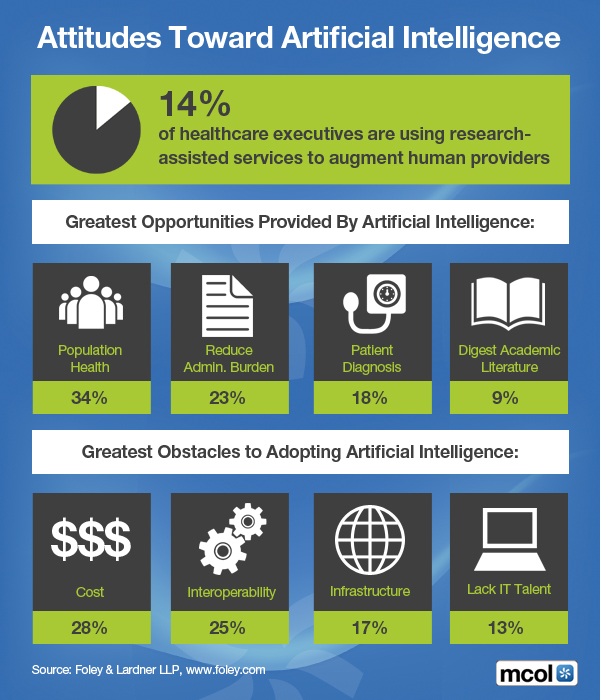
Healthcare Executive Attitudes Toward Artificial Intelligence

Opportunities and Obstacles

By http://www.MCOL.com

***

***

Conclusion

Your thoughts and comments on this ME-P are appreciated. Feel free to review our top-left column, and top-right sidebar materials, links, urls and related websites, too. Then, subscribe to the ME-P. It is fast, free and secure.

Speaker: If you need a moderator or speaker for an upcoming event, Dr. David E. Marcinko; MBA – Publisher-in-Chief of the Medical Executive-Post – is available for seminar or speaking engagements.

Book Marcinko: https://medicalexecutivepost.com/dr-david-marcinkos-bookings/

Subscribe: MEDICAL EXECUTIVE POST for curated news, essays, opinions and analysis from the public health, economics, finance, marketing, IT, business and policy management ecosystem.

***

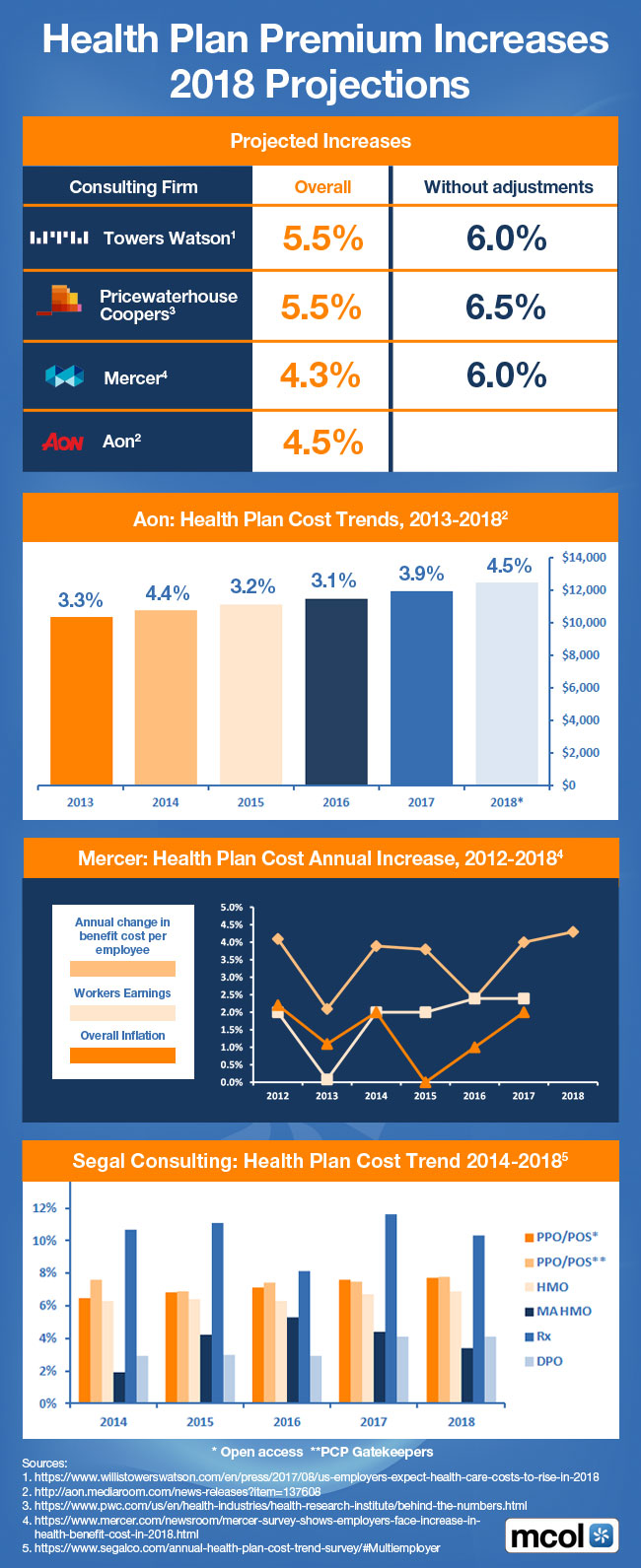
Health Plan Premium [Increase] Projections

Projections for 2018

By http://www.MCOL.com

***

***

Conclusion

Your thoughts and comments on this ME-P are appreciated. Feel free to review our top-left column, and top-right sidebar materials, links, urls and related websites, too. Then, subscribe to the ME-P. It is fast, free and secure.

Speaker: If you need a moderator or speaker for an upcoming event, Dr. David E. Marcinko; MBA – Publisher-in-Chief of the Medical Executive-Post – is available for seminar or speaking engagements.

Book Marcinko: https://medicalexecutivepost.com/dr-david-marcinkos-bookings/

Subscribe: MEDICAL EXECUTIVE POST for curated news, essays, opinions and analysis from the public health, economics, finance, marketing, I.T, business and policy management ecosystem.

***

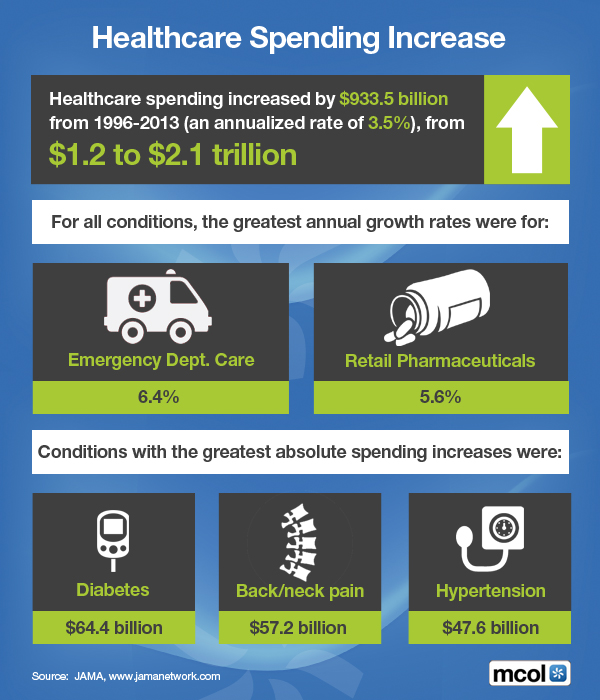
On Health Care Spending Increases

Circa 1996 – 2013

By http://www.MCOL.com

***

***

Conclusion

Your thoughts and comments on this ME-P are appreciated. Feel free to review our top-left column, and top-right sidebar materials, links, urls and related websites, too. Then, subscribe to the ME-P. It is fast, free and secure.

Speaker: If you need a moderator or speaker for an upcoming event, Dr. David E. Marcinko; MBA – Publisher-in-Chief of the Medical Executive-Post – is available for seminar or speaking engagements.

Book Marcinko: https://medicalexecutivepost.com/dr-david-marcinkos-bookings/

Subscribe: MEDICAL EXECUTIVE POST for curated news, essays, opinions and analysis from the public health, economics, finance, marketing, IT, business and policy management ecosystem.

***

An End of Year Financial Check List

Important for your Financial Health

By Patrick Bourbon CFA

The last few weeks of the year are often a mad rush so we thought that it is a good time to share this checklist of important items to consider before the calendar year ends, all related to your investments and finances so that you can reach your goals and dreams faster.

1. Review your IRA – 401(k) / 403(b) retirement accounts – Are you on track for a comfortable retirement?
2. Start tax planning! It’s not too early to think about taxes – Asset location & Tax efficiency
3. Rebalance your portfolio
4. Harvest your capital losses
5. Check your emergency fund
6. Review your insurance policies
7. Contribute to your Health Spending Account
8. Take your Required Minimum Distribution
9. Contribute to your 529 Plan
10. Determine your net worth
11. Check your credit score
12. Check your beneficiaries
13. Update your estate plan
14. Maximize your business deductions
15. Spending and automated savings – You want to look ahead

Assessment

Short and sweet.

Conclusion

Your thoughts and comments on this ME-P are appreciated. Feel free to review our top-left column, and top-right sidebar materials, links, urls and related websites, too. Then, subscribe to the ME-P. It is fast, free and secure.

Speaker: If you need a moderator or speaker for an upcoming event, Dr. David E. Marcinko; MBA – Publisher-in-Chief of the Medical Executive-Post – is available for seminar or speaking engagements.

Book Marcinko: https://medicalexecutivepost.com/dr-david-marcinkos-bookings/

Subscribe: MEDICAL EXECUTIVE POST for curated news, essays, opinions and analysis from the public health, economics, finance, marketing, I.T, business and policy management ecosystem.

***

R.I.P Uwe Reinhardt PhD

Good-Bye Professor Reinhardt

By Dr. David Ewdard Marcinko MBA CMP™

***

https://en.wikipedia.org/wiki/Uwe_Reinhardt

Uwe Reinhardt PhD, the famed economist and James Madison professor of political economy and health economics at Princeton University in New Jersey, died this week after an undisclosed illness.

Here is his obituary from colleague Austin Frakt PhD.

https://THEINCIDENTALECONOMIST.COM/WORDPRESS/UWE-REINHARDT-GIANT-MENSCH-KNIFE-TWISTER/

Assessment

Along with Ken Arrow PhD, Uwe was a professional hero of mine. And, although I never met him, I did cite and quote him in several of my books, white-papers and texts. In fact, he wrote and e-mailed me several times, with words of encouragement, throughout my career.

Robert Pine said it well, when he noted:

“What we have done for ourselves is soon forgotten but what we have done for others remains and is immortal.”

Rest in peace my friend.

Conclusion

Your thoughts and comments on this ME-P are appreciated. Feel free to review our top-left column, and top-right sidebar materials, links, urls and related websites, too. Then, subscribe to the ME-P. It is fast, free and secure.

Speaker: If you need a moderator or speaker for an upcoming event, Dr. David E. Marcinko; MBA – Publisher-in-Chief of the Medical Executive-Post – is available for seminar or speaking engagements.

Book Marcinko: https://medicalexecutivepost.com/dr-david-marcinkos-bookings/

Subscribe: MEDICAL EXECUTIVE POST for curated news, essays, opinions and analysis from the public health, economics, finance, marketing, IT, business and policy management ecosystem.

***

Regulator Floats Idea of Merging Banks and Commerce

On the Bank of Amazon? Wal-Bank, Face-Bank, etc.

https://www.bloomberg.com/news/articles/2017-11-08/banking-commerce-divide-may-be-unnecessary-u-s-regulator-says

Conclusion

Your thoughts and comments on this ME-P are appreciated. Feel free to review our top-left column, and top-right sidebar materials, links, urls and related websites, too. Then, subscribe to the ME-P. It is fast, free and secure.

Speaker: If you need a moderator or speaker for an upcoming event, Dr. David E. Marcinko; MBA – Publisher-in-Chief of the Medical Executive-Post – is available for seminar or speaking engagements.

EDITOR

Contact: MarcinkoAdvisors@msn.com

***

The Marine Corp Anniversary

Happy Birthday!

By Dr. David Marcinko MBA

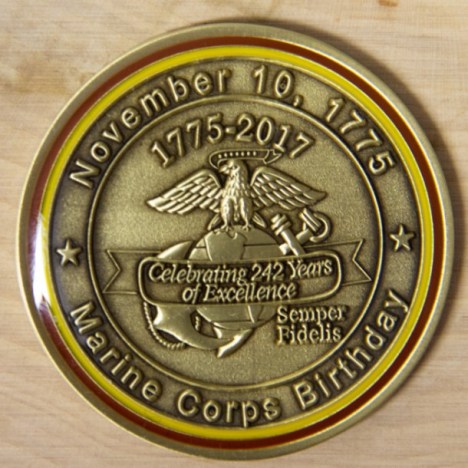
Yesterday, (Nov 10th) in 1775 the Marine Corp was established in a small tavern in Philadelphia to provide protection for our fleets. The Corp is steeped in history; history that I am proud of and thankful for as an American. We are far from a perfect nation, but we should ALL be proud and thankful for the blessing that is our country.

We live free by NEVER “taking a knee.”

This was from the  Commandant of the Marine Corp (his address to all Marines yesterday):

Seventy-Five years ago today, after months of fighting at Henderson Field and along Edson’s Ridge, Marines on Guadalcanal spent the night of 10 November 1942 planning and preparing. Although the Battle of Guadalcanal would continue for three more months, the plans laid on our Corps’ most sacred day became integral to the amphibious campaigns that followed. Success at Guadalcanal proved to be the turning point that ultimately paved the way for Allied victory in the Pacific. Those warriors defended their positions in brutal conditions against a formidable enemy – and triumphed. Through every major conflict our Nation has seen since the Revolution, Marines performed their duty with utmost courage, devotion, and raw determination. Their valiant deeds in the face of overwhelming challenges give us confidence and inspire us to meet the trials of today. As we pause to celebrate the birth of our Corps this year, we honor the legacy that was passed down to us and we recommit ourselves to carrying those traditions into the future.

This November 10th marks 242 years of warfighting excellence. At places like Trenton, Tripoli, Chapultepec, Belleau Wood, Guadalcanal, Chosin, Khe Sanh, Fallujah, Sangin, and so many others, Marines have fought with an inner spirit – a spirit that bonds us, binds us together as a cohesive team. It’s that intangible spirit that has formed the foundation of our warfighting reputation for the past 242 years. Now it’s our responsibility to ensure we honor and carry on that legacy. The American people expect a Corps of men and women who are committed, selfless, willing to sacrifice, who epitomize honor, courage, commitment, virtue, and character. We owe our Nation and our predecessors no less.

Today, as we celebrate our 242nd birthday, we must remember who we are, where we came from, and why we’re here. We must remember the past, honor those who are no longer with us, focus on today’s battles, and get ready for tomorrow. We can and will prevail as we always have, in any clime and place. But we must prevail together, united by the unyielding spirit in each of us that makes our Corps unique – that willingness to put our Corps and fellow Marines ahead of ourselves. Victory in battle comes through the integrated efforts of many – teamwork. We value the sacrifices and contributions of every Marine and Sailor, as well as our family members without whose support we would not be able to accomplish our mission. And we remain committed to being our Nation’s Expeditionary Force in Readiness that sets the standard for honor, discipline, and courage. I am proud of each and every one of you. Happy Birthday, Marines!

***

coin-side-flat-b

Semper Fidelis

***

APPLE and the iPhone X

Now Apple must show what’s next after iPhone X

By  Vitaliy Katsenelson CFA

The iPhone X is likely to be a phenomenal success for Apple. But its success will not be driven by anything new that the new phone packs inside. Instead, its success will be based on the phone’s screen size. Essentially, iPhone X provides the same screen real-estate as an iPhone Plus, but with the sleeker form factor of the iPhone 7 or 8.

Apple has done a great job at changing the paradigm of our thinking about the iPhone. If you only care about making phone calls, then an iPhone 4 is good enough. Why pay for more? You probably don’t even need to upgrade your phone for years, as long as the battery keeps holding its charge. However, for most, the actual “phone” function is the least important of the iPhone.

Earnings

From an earnings perspective, iPhone X will be a tremendous boost. It will increase the average selling price per unit by a few hundred dollars, which should help not just sales, but profit margins as well. This is actually healthy for both Apple and the entire iPhone ecosystem (including DRAM and solid state drive makers — for example, we still have a large position in Micron Technology). People were also postponing buying new iPhones while waiting for the iPhone X; thus, the number of units sold will probably exceed most optimistic expectations.

What is next?

Then the question becomes, What is next? Higher-priced iPhones will also change the dynamics of the upgrade cycle. Apple is going to have a harder time convincing iFanatics to shell out $1,000-$1,200 every year (or even every two years). The upgrade cycle will likely be elongating to three or four years.

***

***

Thus, any blow-out success of iPhone X in 2017 and early 2018 will be coming at the expense of future years. Even if you are a loyal Apple shareholder, you have to be prepared for this.

Assessment

Absent a new category of products, Apple is turning into a fully ripe stock. Yes, it will look statistically cheap based on 2018 earnings, but that will not be the case if you look at 2019 or 2020 earnings.

As all the excitement subsides, Apple stock will have to answer an extremely important question: What is next? After all, the value of any business is a lot more than the earnings generated next year, but far beyond that.

Conclusion

Your thoughts and comments on this ME-P are appreciated. Feel free to review our top-left column, and top-right sidebar materials, links, urls and related websites, too. Then, subscribe to the ME-P. It is fast, free and secure.

Speaker: If you need a moderator or speaker for an upcoming event, Dr. David E. Marcinko; MBA – Publisher-in-Chief of the Medical Executive-Post – is available for seminar or speaking engagements.

Contact: MarcinkoAdvisors@msn.com

Subscribe: MEDICAL EXECUTIVE POST for curated news, essays, opinions and analysis from the public health, economics, finance, marketing, I.T, business and policy management ecosystem.

***

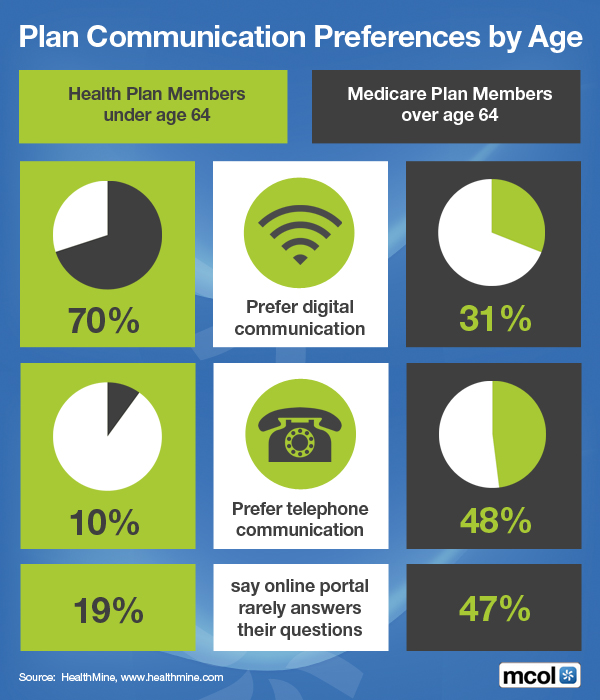
On Health Plan Communication Preferences

According to Age

By http://www.MCOL.com

***

Conclusion

Your thoughts and comments on this ME-P are appreciated. Feel free to review our top-left column, and top-right sidebar materials, links, urls and related websites, too. Then, subscribe to the ME-P. It is fast, free and secure.

Speaker: If you need a moderator or speaker for an upcoming event, Dr. David E. Marcinko; MBA – Publisher-in-Chief of the Medical Executive-Post – is available for seminar or speaking engagements.

Book Dr. Marcinko: https://medicalexecutivepost.com/dr-david-marcinkos-bookings

Subscribe: MEDICAL EXECUTIVE POST for curated news, essays, opinions and analysis from the public health, economics, finance, marketing, I.T, business and policy management ecosystem.

***

On “Forced” Required Minimum Distributions

Mandatory RMDs

By Rick Kahler CFP®

Planning is important for all things financial, including retirement, which is inevitable no matter how far into the future it may seem. The financial decisions you make in your 20s through your 60s will greatly impact the quality of your lifestyle during retirement. Social Security and family won’t be enough to get you through 30 years of retirement. If you haven’t worked for a branch of government, you will rely heavily on income you’ve stashed in 401(k)s and IRAs.

Traditional IRAs

One of the big advantages of a traditional IRA or 401(k) is being able to save pre-tax dollars and let them grow tax deferred until you need them. Hopefully, when you take the distributions in retirement, you will be in a lower tax bracket than when you made the contribution. The downside is that traditional IRA funds become 100% taxable when you withdraw them.

Deferrals

Deferring distributions from your IRA only works until age 70½, when you’ll be forced to take money out whether you want to or not. This is called a Required Minimum Distribution, or RMD. If, at age 70½, you don’t need to withdraw funds to live on but are faced with an annual RMD, there are several things you can do to minimize your tax hit.

The easiest is don’t stop earning an income if you have a substantial 401(k). Employees are not required to take RMDs when they are still working, even part-time. This only applies to your employer’s 401(k). You will need to take RMDs from personal IRAs or 401(k)s and IRAs from previous employer plans.

***

***

However, if you plan ahead you may be able to bypass this. If you have IRAs that are rollovers from previous 401(k)s, your employer may allow you to roll them into your current plan. By consolidating previous qualified employer plans into your current plan, you can defer taking an RMD until you quit working.

If you give to charities, you can give any portion or all of your RMD to a charity and not pay any taxes on the distribution. This can really save you a lot of money if you are currently giving to charities out of taxable accounts. When you turn 70½, simply redirect your charitable giving from taxable accounts to your IRA. You can give up to $100,000 annually without paying taxes on those distributions.

Another strategy we use commonly with clients is converting traditional IRA funds to Roth IRAs. Money in a Roth is not subject to RMDs. Of course, the downside is that you must pay taxes on the funds converted from your traditional IRA to a Roth.

For a conversion to make financial sense, two important factors must apply. You generally want to do a Roth conversion when your current tax bracket is lower than you anticipate it will be in the future. The most obvious scenario here is when you delay Social Security until age 70 and you are currently in a 10% or 15% tax bracket. It’s highly possible that Social Security and RMDs all kicking in at the same time may put you into the 25% tax bracket. Moving as much money at the 15% bracket prior to age 70 can make a lot of sense. It’s also important that the money to pay the taxes needs to come from a taxable account.

Assessment

As with all financial strategies that are crammed into a 600-word article, there are variations and nuances I am not able to go into. If you think one of these strategies may apply to you, don’t try it on your own. First get advice from a competent tax advisor or financial professional.

Conclusion

Your thoughts and comments on this ME-P are appreciated. Feel free to review our top-left column, and top-right sidebar materials, links, urls and related websites, too. Then, subscribe to the ME-P. It is fast, free and secure.

Speaker: If you need a moderator or speaker for an upcoming event, Dr. David E. Marcinko; MBA – Publisher-in-Chief of the Medical Executive-Post – is available for seminar or speaking engagements.

Contact: MarcinkoAdvisors@msn.com

Subscribe: MEDICAL EXECUTIVE POST for curated news, essays, opinions and analysis from the public health, economics, finance, marketing, I.T, business and policy management ecosystem.

http://www.CertifiedMedicalPlanner.org

***

On Spotting Medical Billing Errors – For Patients

Are you over-paying?

By Aetna

***

***

Conclusion

Your thoughts and comments on this ME-P are appreciated. Feel free to review our top-left column, and top-right sidebar materials, links, urls and related websites, too. Then, subscribe to the ME-P. It is fast, free and secure.

Speaker: If you need a moderator or speaker for an upcoming event, Dr. David E. Marcinko; MBA – Publisher-in-Chief of the Medical Executive-Post – is available for seminar or speaking engagements.

https://medicalexecutivepost.com/dr-david-marcinkos-bookings/

Contact: MarcinkoAdvisors@msn.com

Subscribe: MEDICAL EXECUTIVE POST for curated news, essays, opinions and analysis from the public health, economics, finance, marketing, I.T, business and policy management ecosystem.

***

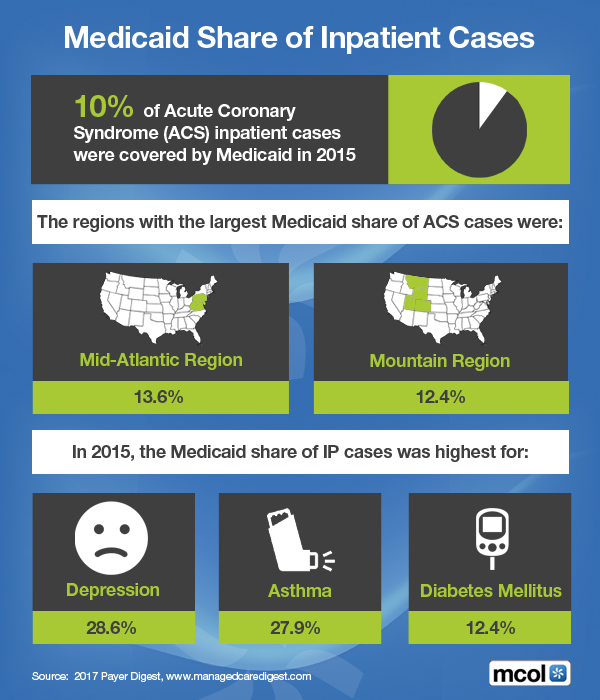
The Medicaid Share of In-Patient Cases

In 2015

By http://www.MCOL.com

***

***

Conclusion

Your thoughts and comments on this ME-P are appreciated. Feel free to review our top-left column, and top-right sidebar materials, links, urls and related websites, too. Then, subscribe to the ME-P. It is fast, free and secure.

Speaker: If you need a moderator or speaker for an upcoming event, Dr. David E. Marcinko; MBA – Publisher-in-Chief of the Medical Executive-Post – is available for seminar or speaking engagements.

Contact: MarcinkoAdvisors@msn.com

Subscribe: MEDICAL EXECUTIVE POST for curated news, essays, opinions and analysis from the public health, economics, finance, marketing, I.T, business and policy management ecosystem.

***

ON STATE MEDICAL BOARDS

A Brief History

By Eric A. Dover MD

The first medical board was established in Connecticut in 1792 by the state legislature. It consisted of a group of physicians who evaluated the competency of physicians wishing to practice in the State. Medical Boards eventually evolved and became very powerful with the addition of Medical Practice Acts containing a plethora of administrative rules. The Medical Boards stated mission was, and still is, the protection, health and safety of the public. State Boards formed a national group, the Federation of State Medical Boards (FSMB), in 1912. The FSMB was the first institution to publically list names of disciplined physicians in a monthly bulletin.

In the 1980’s and 1990’s there were a number of high profile cases involving physicians and public safety. One such case, international in scope, concerned surgeon Dr. Jayant Patel. Significant news coverage regarding his surgical outcomes and knowledge resulted in the heightened questioning of Medical Boards and whether they were actually fulfilling their mission of protecting public health and safety. The Oregon Medical Board (OMB) was scrutinized for allegedly “ignoring” 79 complaints, and at least three deaths, attributed to Dr. Patel’s surgical care from 1989 to 1998. The OMB abdicated all responsibility for the situation with a myriad of excuses for why they had no control over this physician or the HMO he worked for.

OMB

The OMB then came to the state legislature with a “fix” to supposedly prevent any further such incidents. The OMB advocated for greater authority over physicians and greater independence from government oversight. With the din of the press and public, the Oregon Legislature gladly granted the OMB their wish. Other states followed Oregon’s example. Not a single individual associated with the OMB, whether administrative or board member was investigated in any meaningful way for their horrendous dereliction of duty. Not one of them had their license restricted, suspended or revoked for such serious offenses. None of them were ordered to pay out of pocket to go to “programs” for competency evaluations, psychological examinations or “courses” to help them become better board members. No one resigned, nor was anyone dismissed, from their position of power. The OMB’s inaction led to a number of deaths and numerous patients with chronic post-surgical medical disorders, yet all individuals involved with the OMB were protected from malpractice lawsuits

Case examples

With cases such as Dr. Patel’s featured prominently in the mainstream media, Medical Boards nationwide came under intense public pressure and scrutiny as it became clear they were not fulfilling their mission of protecting the public’s health and safety. The public saw physicians as a privileged class, protected by their colleagues and Medical Boards. They were correct to a degree. Public safety groups like Public Citizen, who had been taking Medical Boards, hospitals and large clinics to task for years regarding what they felt was a lack of physician oversight and discipline, began ranking state medical boards based on how many disciplinary actions they handed out each year. In their 2011 report, Public Citizen’s Health Research Group Ranking of the Rate of State Medical Boards’ Serious Disciplinary Actions, 2009-2011, the authors made the erroneous assumption that the greater the number of physician “disciplines” (actions) per 1000 physicians, the better job that State’s Medical Board was doing. Therefore, at 6.79 actions per 1000 physicians, Wyoming was doing the “best” job and at 1.33 actions per 1000 physicians, South Carolina was doing the “worst” job.

https://www.crcpress.com/Risk-Management-Liability-Insurance-and-Asset-Protection-Strategies-for/Marcinko-Hetico/p/book/9781498725989

Medical boards vary state -2- state 

Medical Boards vary remarkably from state to state. There are only two constants among them. First, each state has a Medical Board. Second, the Board makes all final decisions concerning licensees. Otherwise, there’s no consistency when it comes to what’s sandwiched in between. The Medical Board’s authority is grounded in the States Medical Practice Act, which gives them the authority to enforce laws for licensing, monitoring and disciplining physicians in the state. Every state has its own unique laws and processes, but every medical practice act covers the basics regarding oversight of physicians practicing medicine in the State.

Assessment

The U.S. Federation of State Medical Boards (FSMB) periodically issues guidelines on the essential elements of a medical practice act.

Conclusion

Your thoughts and comments on this ME-P are appreciated. Feel free to review our top-left column, and top-right sidebar materials, links, urls and related websites, too. Then, subscribe to the ME-P. It is fast, free and secure.

Speaker: If you need a moderator or speaker for an upcoming event, Dr. David E. Marcinko; MBA – Publisher-in-Chief of the Medical Executive-Post – is available for seminar or speaking engagements.

Contact: MarcinkoAdvisors@msn.com

Subscribe: MEDICAL EXECUTIVE POST for curated news, essays, opinions and analysis from the public health, economics, finance, marketing, I.T, business and policy management ecosystem.

***

Risk Management, Liability Insurance, and Asset Protection Strategies for Doctors and Advisors: Best Practices from Leading Consultants and Certified Medical Planners™