The State of Obesity in the USA

Join Our Mailing List

Prevalence of SELF-REPORTED Obesity by US States in 2014

By http://www.MCOL.com

***

ImageProxy

***

lean

[Self-Reportage?]

***

Conclusion

Your thoughts and comments on this ME-P are appreciated. Feel free to review our top-left column, and top-right sidebar materials, links, URLs and related websites, too. Then, subscribe to the ME-P. It is fast, free and secure.

Speaker: If you need a moderator or speaker for an upcoming event, Dr. David E. Marcinko; MBA – Publisher-in-Chief of the Medical Executive-Post – is available for seminar or speaking engagements. Contact: MarcinkoAdvisors@msn.com

OUR OTHER PRINT BOOKS AND RELATED INFORMATION SOURCES:

Product DetailsProduct DetailsProduct Details

***

Protect Privacy – DO NOT Use EMRs!

Join Our Mailing List 

OCR pays its own way

1-darrellpruittSubmitted By‏ Darrell Pruitt DDS

“OCR unleashes second wave of HIPAA audits, but will it diminish patients’ privacy and security expectations?

Healthcare entities should expect the Office for Civil Rights to levy fines that help fund the program.  And until OCR delivers a draft audit protocol breaches will continue at patients’ expense.”

By Tom Sullivan for HealthcareIT News

[March 23, 2016]

http://www.healthcareitnews.com/news/ocr-unleashes-second-wave-hipaa-audits-will-it-diminish-patients-privacy-and-security

Sullivan: “Here come the HIPAA audits. And even though OCR has yet to clearly outline what healthcare providers should expect exactly, one thing to anticipate is plenty of financial penalties.”

And David Harlow, a health lawyer, consultant and founder of The Harlow Group, tells HealthcareIT News,

“Who loses out as a result? Patients. The breaches continue, free credit monitoring services are offered, and we all move forward with a diminished expectation of privacy and security.”

***

image002

***

Conclusion

Your thoughts and comments on this ME-P are appreciated. Feel free to review our top-left column, and top-right sidebar materials, links, URLs and related websites, too. Then, subscribe to the ME-P. It is fast, free and secure.

Speaker: If you need a moderator or speaker for an upcoming event, Dr. David E. Marcinko; MBA – Publisher-in-Chief of the Medical Executive-Post – is available for seminar or speaking engagements. Contact: MarcinkoAdvisors@msn.com

OUR OTHER PRINT BOOKS AND RELATED INFORMATION SOURCES:

Product DetailsProduct DetailsProduct Details

***

Proposed IRA Changes in the Obama Federal Budget

Join Our Mailing List

Reviewing Potential IRA Changes 

Rick Kahler MS CFP

By Rick Kahler CFP® http://www.KahlerFinancial.com

The President has fired the first warning shot indicating that politicians are eying the tax advantages of the Roth IRA. For years I’ve strongly encouraged maximum funding of Roth IRAs & 401(k)s.

Physician-Clients have sometimes expressed concern that politicians would someday retroactively change the rules and strip the plans of their tax advantages. I’ve seen that concern as a possibility (for example, in 2008 Argentina confiscated the assets in IRAs and 401(k)s and replaced them with less than desirable Argentinian Government Bonds), but not much of a probability. 

With the introduction of the President’s 2016 budget, the probability of losing some Roth IRA tax benefits has increased.  

Each February the President submits a budget to Congress which is about far more than spending requests. It also contains scores of proposed changes to existing tax laws. One such proposal in the current budget would eliminate two tax advantages of the Roth IRA.  

The first change would require required minimum distributions (RMDs) for Roth IRAs as well as traditional IRAs.  

Currently, one of the benefits of a Roth IRA is not having to take RMDs. At age 70 1/2, owners of traditional IRAs are required withdraw a certain percentage annually, often around 4%. They must pay the tax due and, if they don’t need the funds for living expenses, must invest the remainder in a taxable account. The RMD denies them the option of leaving the money in the tax-deferred environment of the IRA and further compounding.  

Under the President’s proposal, owners of Roth IRAs will need to start withdrawing funds annually at age 70 1/2. While there won’t be any taxes due because contributions to Roths are post-tax, it will remove the funds from the tax-free environment, decreasing future returns by up to 40%. That’s a big deal. 

The second proposed change would eliminate tax-deferred inheritance of IRAs (sometimes called “stretch IRAs) for anyone except spouses. All other inherited IRAs would need to be dissolved and the funds distributed and taxed within five years after death. This will really impact Baby Boomers counting on their parents’ IRAs to assist them with their own retirement needs. 

Other budget proposals would also end Roth conversions to any after-tax IRAs, limiting them to IRAs where the contributions were before taxes. This would prohibit taxpayers with earnings above the traditional and Roth IRA threshold from making non-deductible contributions to a traditional IRA and then doing a Roth conversion. 

The final proposal would limit new IRA contributions for total retirement savings totaling over $3.4 million. This includes the aggregate total of IRAs, 401(k)s, and any other pension plan balances. Once the total reaches $3.4 million at the end of the tax year, no new contributions are possible. 

***

163_1

***

Capping IRA Growth?

To many Americans, especially the youth, this looks like a cap they will never see in their lifetime. Yet consider what $3.4 million will be worth in purchasing power 40 years from now, when today’s 30-year-olds will have to start RMDs. If inflation maintains its historical average of 3%, in 40 years $3.4 million will have the purchasing power of just over $1 million today. If someone wants to be assured they will never run out of money in retirement, $1 million only provides $30,000 a year of retirement income.

Capping IRA growth is another big deal.

Assessment 

These are a few of the tax changes proposed by the President’s budget. The chances for any to become law in 2016 are remote, given that Congress is currently controlled by Republicans. However, the proposals do signal the current thinking of lawmakers. In considering their retirement planning, taxpayers would be advised to pay attention to such signals.

Conclusion

Your thoughts and comments on this ME-P are appreciated. Feel free to review our top-left column, and top-right sidebar materials, links, URLs and related websites, too. Then, subscribe to the ME-P. It is fast, free and secure.

Speaker: If you need a moderator or speaker for an upcoming event, Dr. David E. Marcinko; MBA – Publisher-in-Chief of the Medical Executive-Post – is available for seminar or speaking engagements. Contact: MarcinkoAdvisors@msn.com

OUR OTHER PRINT BOOKS AND RELATED INFORMATION SOURCES:

Comprehensive Financial Planning Strategies for Doctors and Advisors: Best Practices from Leading Consultants and Certified Medical Planners™

***

An Obesity Pic to Consider!

Join Our Mailing List

By Staff Reporters

***

NHS06ic

[David]

***

Source: http://imgur.com/NHS06ic

Conclusion

Your thoughts and comments on this ME-P are appreciated. Feel free to review our top-left column, and top-right sidebar materials, links, URLs and related websites, too. Then, subscribe to the ME-P. It is fast, free and secure.

Speaker: If you need a moderator or speaker for an upcoming event, Dr. David E. Marcinko; MBA – Publisher-in-Chief of the Medical Executive-Post – is available for seminar or speaking engagements. Contact: MarcinkoAdvisors@msn.com

OUR OTHER PRINT BOOKS AND RELATED INFORMATION SOURCES:

Product DetailsProduct DetailsProduct Details

***

R.I.P. Andy Grove

Join Our Mailing List

SAN FRANCISCO

March 21, 2016 (2016-03-21) (aged 79)

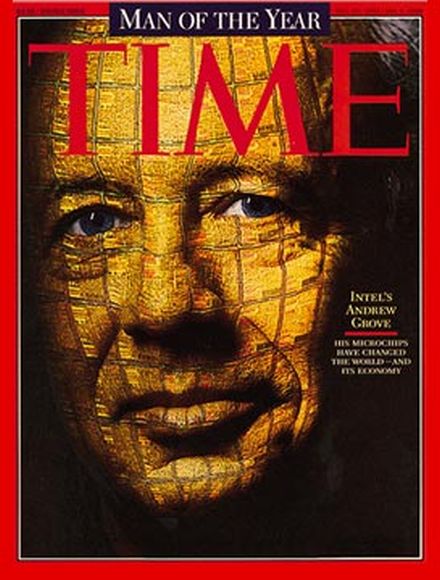
Andy Grove, legendary leader of Intel, noted author of business books and one of the pioneers of Silicon Valley.

***

time-person-of-the-year-1997-andy-grove

***

Assessment

Grove, 79, was one of the earliest leaders at Intel. He became president in 1979 and CEO in 1987 and served as Chairman of the Board from 1997 to 2005.

MORE: https://en.wikipedia.org/wiki/Andrew_Grove

Product DetailsProduct DetailsProduct Details

***

Gilead Sciences’ Miracle Drug Combination

Join Our Mailing List

More on Gilead Sciences

vitaly

By Vitaliy Katsenelson CFA

It is easy, exciting and uplifting to talk about how Gilead has saved millions of lives. But I have to admit I found myself to be slightly conflicted as a capitalist investor and human being when it came to analyzing the company.

So, here is my take on Gilead Sciences in essay form 

***

drugs

Gilead Sciences’ Miracle Drug Combination

Conclusion

Your thoughts and comments on this ME-P are appreciated. Feel free to review our top-left column, and top-right sidebar materials, links, URLs and related websites, too. Then, subscribe to the ME-P. It is fast, free and secure.

Speaker: If you need a moderator or speaker for an upcoming event, Dr. David E. Marcinko; MBA – Publisher-in-Chief of the Medical Executive-Post – is available for seminar or speaking engagements. Contact: MarcinkoAdvisors@msn.com

OUR OTHER PRINT BOOKS AND RELATED INFORMATION SOURCES:

***

[PHYSICIAN FOCUSED FINANCIAL PLANNING AND RISK MANAGEMENT COMPANION TEXTBOOK SET]

 Risk Management, Liability Insurance, and Asset Protection Strategies for Doctors and Advisors: Best Practices from Leading Consultants and Certified Medical Planners™ Comprehensive Financial Planning Strategies for Doctors and Advisors: Best Practices from Leading Consultants and Certified Medical Planners™

[Dr. Cappiello PhD MBA] *** [Foreword Dr. Krieger MD MBA]

Front Matter with Foreword by Jason Dyken MD MBA

***

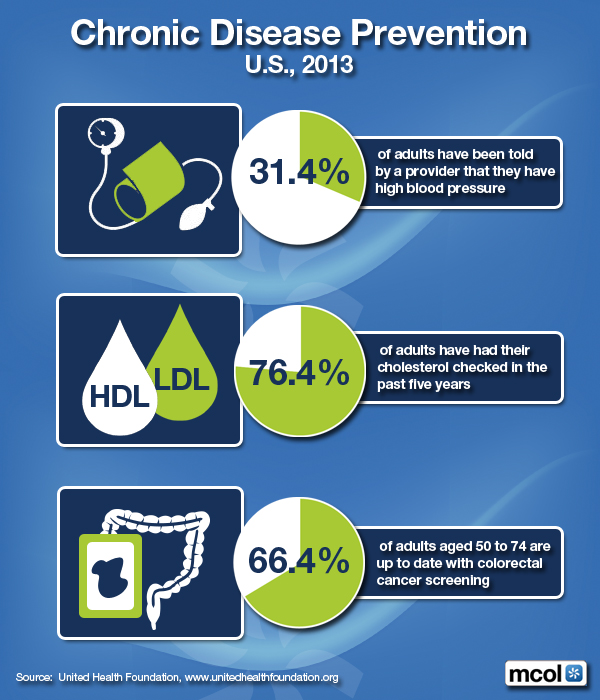
On Chronic Disease Prevention

Join Our Mailing List

By http://www.MCOL.com

In the USA for 2013

ImageProxy

Conclusion

Your thoughts and comments on this ME-P are appreciated. Feel free to review our top-left column, and top-right sidebar materials, links, URLs and related websites, too. Then, subscribe to the ME-P. It is fast, free and secure.

Speaker: If you need a moderator or speaker for an upcoming event, Dr. David E. Marcinko; MBA – Publisher-in-Chief of the Medical Executive-Post – is available for seminar or speaking engagements. Contact: MarcinkoAdvisors@msn.com

OUR OTHER PRINT BOOKS AND RELATED INFORMATION SOURCES:

Product DetailsProduct DetailsProduct Details

***

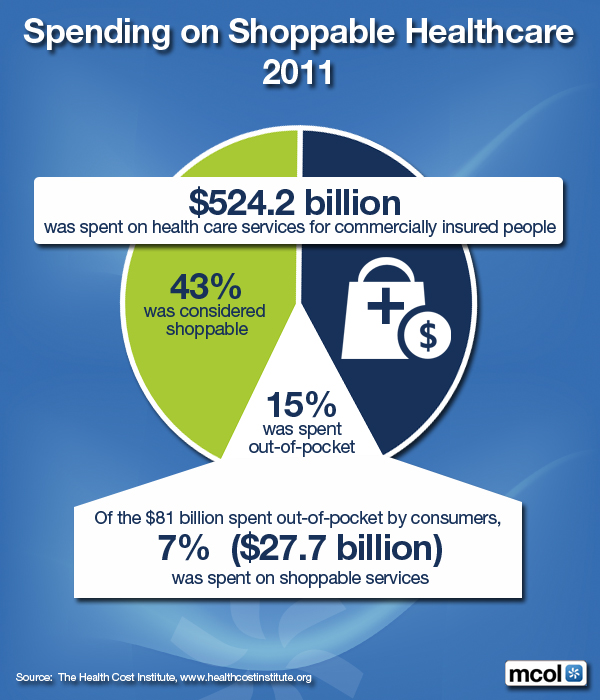
Shoppable Healthcare Spending

Join Our Mailing List

For the USA in 2011

By http://www.MCOL.com

***

ImageProxy

***

Conclusion

Your thoughts and comments on this ME-P are appreciated. Feel free to review our top-left column, and top-right sidebar materials, links, URLs and related websites, too. Then, subscribe to the ME-P. It is fast, free and secure.

Speaker: If you need a moderator or speaker for an upcoming event, Dr. David E. Marcinko; MBA – Publisher-in-Chief of the Medical Executive-Post – is available for seminar or speaking engagements. Contact: MarcinkoAdvisors@msn.com

OUR OTHER PRINT BOOKS AND RELATED INFORMATION SOURCES:

Product DetailsProduct DetailsProduct Details

***

The White Coat Investor

Join Our Mailing List

By Staff Reporters

OVERHEARD IN THE DOCTOR’S LOUNGE

[The White Coat Investor]*

Dahle

James M. Dahle MD FACEP

Although I think a physician is perfectly capable of doing his own financial planning and investment management, the majority of doctors want, and would benefit from hiring a competent, fiduciary, fee-only advisor who can give them good advice at a fair price. The more familiar an advisor is with the unique financial planning issues associated with physicians, such as properly managing hundreds of thousands of dollars in students loans and acquiring specialty-specific disability insurance, the better.

Unfortunately, it is surprisingly difficult for a doctor to hire such an advisor as the vast majority of those who bill themselves as financial advisors are little more than commissioned mutual fund or insurance salesmen. Many of these so-called advisors state that they “specialize in physicians,” but in reality, merely specialize in marketing to physicians.

To make matters worse, a doctor may assume that these advisors are trained professionals comparable to accountants, attorneys, or physicians, when in reality the advisor may only have a few days of formal training, and most of that in sales.

Assessment

Obtaining high-quality, physician-specific, financial advice offered at a fair price sometimes seems like trying to find the Holy Grail.

*NOTE: The white coat ceremony is a medical school ritual that marks the transition from the study of preclinical to clinical health sciences. WCCs typically involve a formal “robing” or “cloaking” of students in white coats, the garb doctors have traditionally worn for over a century.

About the Author

The White Coat Investor: [A Doctor’s Guide to Personal Finance and Investing] Editor: www.whitecoatinvestor.com

Conclusion

Your thoughts and comments on this ME-P are appreciated. Feel free to review our top-left column, and top-right sidebar materials, links, URLs and related websites, too. Then, subscribe to the ME-P. It is fast, free and secure.

Speaker: If you need a moderator or speaker for an upcoming event, Dr. David E. Marcinko; MBA – Publisher-in-Chief of the Medical Executive-Post – is available for seminar or speaking engagements. Contact: MarcinkoAdvisors@msn.com

OUR OTHER PRINT BOOKS AND RELATED INFORMATION SOURCES:

***

[PHYSICIAN FOCUSED FINANCIAL PLANNING AND RISK MANAGEMENT COMPANION TEXTBOOK SET]

  Risk Management, Liability Insurance, and Asset Protection Strategies for Doctors and Advisors: Best Practices from Leading Consultants and Certified Medical Planners™  Comprehensive Financial Planning Strategies for Doctors and Advisors: Best Practices from Leading Consultants and Certified Medical Planners™

[Dr. Cappiello PhD MBA] *** [Foreword Dr. Krieger MD MBA]

Front Matter with Foreword by Jason Dyken MD MBA

***

Advisor V. Adviser [The Ultimate “Terminology” Fraudster?]

Join Our Mailing List

Anonymous Doctor

[By Anonymous]

Are the US Securities Acts the Ultimate “Terminology” Fraudster?

As a doctor and investor, I have learned thru the internet that Larry Elford, an Investment Misconduct and Malpractice Consultant – and many others – believe that the ultimate terminology fraudster is the US Securities Acts (1935 & 1940) and the Investment Adviser Act. Why?

They have no such category as “advisor” in the Acts.

Industry lawyers know this well, as does FINRA, and may be using this “spelling ruse” to dupe and deceive millions of Americans into believing that their commission sales “broker” is some kind of fiduciary “adviser” professional.

Some even believe it to be an industry pandemic of “bait and switch” to deceive and then shortchange investors.

Source: http://www.investoradvocates.ca/viewtopic.php?f=1&t=193&sid=1cc2690bde2ebdfaa749be1d35395083#p3867

***

th

***

VIDEO: Here is an under 2 minute glimpse into the Three Card Monte game being played, upon investors, when your Securities Commission proudly tells you to “check your “adviser’s” registration”.

Link: https://youtu.be/zIjt0qRsJKg

Assessment

Is this a mere lexicon conundrum; or truer pathology?

And, did you know that a Certified Medical Planner® is a client fiduciary at all times? Visit: http://www.CertifiedMedicalPlanner.org

cmp-logo16

Enter the CMPs

Conclusion

Your thoughts and comments on this ME-P are appreciated. Feel free to review our top-left column, and top-right sidebar materials, links, URLs and related websites, too. Then, subscribe to the ME-P. It is fast, free and secure.

Speaker: If you need a moderator or speaker for an upcoming event, Dr. David E. Marcinko; MBA – Publisher-in-Chief of the Medical Executive-Post – is available for seminar or speaking engagements. Contact: MarcinkoAdvisors@msn.com

OUR OTHER PRINT BOOKS AND RELATED INFORMATION SOURCES:

***

[PHYSICIAN FOCUSED FINANCIAL PLANNING AND RISK MANAGEMENT COMPANION TEXTBOOK SET]

  Risk Management, Liability Insurance, and Asset Protection Strategies for Doctors and Advisors: Best Practices from Leading Consultants and Certified Medical Planners™       Comprehensive Financial Planning Strategies for Doctors and Advisors: Best Practices from Leading Consultants and Certified Medical Planners™

[Dr. Cappiello PhD MBA] *** [Foreword Dr. Krieger MD MBA]

Front Matter with Foreword by Jason Dyken MD MBA

***

Not Today; DEATH!

Join Our Mailing List

Beware the Ides of March – Public Health

DEMM high-def WhiteBy Dr. David Edward Marcinko MBA CMP®

Welcome, all ME-P readers and subscribers, to the Fulton County Department of Health & Wellness Website, and department, in Atlanta, Georgia.

The interim Director of Health Services is David A. Sarnow, M.D, MPH.

On the site, and in the department itself, you will find information on health topics to keep the community safe from health threats, promoting better health and helping Fulton County, Georgia residents find the health care information they need.

Of course, the others states have similar public health programs. And so, you are welcomed to enjoy the virtual website and explore the physical department – which I bypass almost daily.

***

death

Not Today; DEATH!

***

Margaret Farenger says this is on the side of Fulton County Health Services, Atlanta GA and the artist is Julian Hoke Harris.

Assessment

More information about the Fulton County Georgia Department of Health and Wellness.

Conclusion

Your thoughts and comments on this ME-P are appreciated. Feel free to review our top-left column, and top-right sidebar materials, links, URLs and related websites, too. Then, subscribe to the ME-P. It is fast, free and secure.

Speaker: If you need a moderator or speaker for an upcoming event, Dr. David E. Marcinko; MBA – Publisher-in-Chief of the Medical Executive-Post – is available for seminar or speaking engagements. Contact: MarcinkoAdvisors@msn.com

OUR OTHER PRINT BOOKS AND RELATED INFORMATION SOURCES:

Risk Management, Liability Insurance, and Asset Protection Strategies for Doctors and Advisors: Best Practices from Leading Consultants and Certified Medical Planners™

8Comprehensive Financial Planning Strategies for Doctors and Advisors: Best Practices from Leading Consultants and Certified Medical Planners™

 Harvard Medical School

Boston Children’s Hospital – Psychiatrist

Yale University

***

Invite Dr. Marcinko

***

Altered Medical Records – OLD SCHOOL!

Join Our Mailing List

ON ALTERED RECORDS

By Dr. David Edward Marcinko MBA CMP®

http://www.CertifiedMedicalPlanner.org

DEM white shirtThe health care provider should not alter the medical record under any circumstances.

The office, clinic or hospital must zealously guard its medical records from alterations by physicians or members of the nursing staff.

Even an inconsequential alteration will throw the validity of the entire record into question. If an entry must be changed, a single line should be drawn through the entry, taking particular care to make sure that the original entry is clearly legible. The new entry should be written above or next to the old entry, and the date of the new entry, as well as the name of the person making the entry, should be recorded. The entry must also be signed by that person.

Juries are very intolerant of altered medical records; and even innocent mistakes, such as the loss of a few pages of a record, will be construed as an intentional cover-up. Under no circumstances should materials such as liquid paper or other opaque liquids be applied to the record in order to correct any entry.

Assessment

The health care provider should not alter the medical record under any circumstances.

Conclusion

Is there an emerging migration back to paper medical records?

Your thoughts and comments on this ME-P are appreciated. Feel free to review our top-left column, and top-right sidebar materials, links, URLs and related websites, too. Then, subscribe to the ME-P. It is fast, free and secure.

Speaker: If you need a moderator or speaker for an upcoming event, Dr. David E. Marcinko; MBA – Publisher-in-Chief of the Medical Executive-Post – is available for seminar or speaking engagements. Contact: MarcinkoAdvisors@msn.com

OUR OTHER PRINT BOOKS AND RELATED INFORMATION SOURCES:

Risk Management, Liability Insurance, and Asset Protection Strategies for Doctors and Advisors: Best Practices from Leading Consultants and Certified Medical Planners™

 Harvard Medical School

Boston Children’s Hospital – Psychiatrist

Yale University

Medical Records as Malpractice Defense

Join Our Mailing List 

The BEST Defense

J. Christopher Miller, EsqBy Christopher Miller JD

[Alpharetta, Georgia]

www.NorthFultonWills.com

The best defense against any medical malpractice liability claim is a complete and accurate written or electronic record of the facts. In particular, medical malpractice claims will frequently be stalled or thwarted by a consistent written description of the symptoms you observe and the treatments you prescribe.

Extensive record keeping will not only help formulate a defense against a claim, but it will also (and perhaps more importantly) create the appearance that you are careful and highly competent in all of your affairs. Members of a jury may not be able to discern whether the medical judgments you made in a particular case were good or bad, as they do not have the years of education and training that you do.

***

56400743

***

Jurors can, however, sense whether your practice is organized and professional. If your records are thorough and consistent, jurors will assume that you dedicate as much attention to the substantive aspects of your work as you do to the tedium of recordkeeping. If you are active in the management of your office, you should keep track of its operations and establish logs for your employees to complete as they perform their daily tasks.

Assessment

Not all information, however, ought to be written down. Keep your written records to the facts you have observed and leave your speculations for department meetings. 

And, is there an emerging movement back to paper medical records?

Conclusion

Your thoughts and comments on this ME-P are appreciated. Feel free to review our top-left column, and top-right sidebar materials, links, URLs and related websites, too. Then, subscribe to the ME-P. It is fast, free and secure.

Speaker: If you need a moderator or speaker for an upcoming event, Dr. David E. Marcinko; MBA – Publisher-in-Chief of the Medical Executive-Post – is available for seminar or speaking engagements. Contact: MarcinkoAdvisors@msn.com

OUR OTHER PRINT BOOKS AND RELATED INFORMATION SOURCES:

 Risk Management, Liability Insurance, and Asset Protection Strategies for Doctors and Advisors: Best Practices from Leading Consultants and Certified Medical Planners™

 Harvard Medical School

Boston Children’s Hospital – Psychiatrist

Yale University

***

The Types of Healthcare Compliance Audits

Join Our Mailing List

TYPES OF MEDICAL COMPLIANCE AUDITS

By Carol Miller RN MBACarol S. Miller

There are several types of audits that a healthcare organization might need to perform.

The starting point is to obtain a baseline audit.  Next steps include periodic audits or reviews that are performed after all the information is obtained from the baseline audit; periodically. Finally, there are new employee audits.

Additional audits can be performed whenever new employees are added or if there are complaints or issues that arise in the course of business.

The Types:

  • Self Audit. Routine self-assessments demonstrate proactive measures established to ensure compliance and thus reduce the likelihood of a failed audit
  • Baseline Audit. Baseline audits are preliminary assessments to develop a reference point. This preliminary audit can help an organization understand where the program is and establish a base to gauge or compare future activities. Without this initial assessment, it is difficult for anyone within the practice or even an external consultant to determine if there are any performance issues.
  • Periodic Audits. Periodic audits are performed on an on-going basis, based on the decision of the practice. They may occur at random or at a scheduled time, monthly or quarterly.
  • New Employee Audits. New employees require regular training and reviews until there is confidence in their capabilities. Background checks are helpful to find out whether there are any potential conflicts; however, many independent medical practices do not have access to this type of information and may have to rely on other organizations to obtain the information. The OIG and General Services Administration maintain a database of excluded persons and entities that can be accessed through the internet. As part of the organization’s initial and periodic audits, queries of these two databases should be performed for all employees and any independent contractors.

HIV

Conclusion

Your thoughts and comments on this ME-P are appreciated. Feel free to review our top-left column, and top-right sidebar materials, links, URLs and related websites, too. Then, subscribe to the ME-P. It is fast, free and secure.

Speaker: If you need a moderator or speaker for an upcoming event, Dr. David E. Marcinko; MBA – Publisher-in-Chief of the Medical Executive-Post – is available for seminar or speaking engagements. Contact: MarcinkoAdvisors@msn.com

OUR OTHER PRINT BOOKS AND RELATED INFORMATION SOURCES:


Risk Management, Liability Insurance, and Asset Protection Strategies for Doctors and Advisors: Best Practices from Leading Consultants and Certified Medical Planners™

 Harvard Medical School

Boston Children’s Hospital – Psychiatrist

Yale University

***

Announcing the Philosophic Medical Records Revolution

Join Our Mailing List 

Enter the Revolution

DEM blue

By David Edward Marcinko MBBS MBA CMP®

http://www.CertifiedMedicalPlanner.org

Enter the CMPs

To understand the MR revolution that has occurred the past decade , place yourself for a moment in the position of third-party payer.

You want to know if Dr. Brown actually gave the care for which he is submitting a bill.  You want to know if that care was needed.  You want to know that the care was given to benefit the patient, rather than to provide financial benefit to the provider beyond the value of the services rendered.

Can you send one of your employees to follow Dr. Brown around on his or her office hours and hospital visits?

Of course not!  You cannot see what actually happened in Dr. Brown’s office that day or why Dr. Black ordered a CAT scan on the patient at the imaging center.  What you can do is review the medical record that underlies the bill for services rendered from Dr. Blue.

Most of all, you can require the doctor to certify that the care was actually rendered and was indicated.  You can punish Dr. White severely if an element of a referral of a patient to another health care provider was to obtain a benefit in cash or in kind from the health care provider to whom the referral had been made [Stark Laws].  You can destroy Dr. Rose financially and put him in jail if his medical records do not document the bases for the bills he submitted for payment.

This nearly complete change in function of the medical record has precious little to do with the quality of patient care. To illustrate that point, consider only an office visit in which the care was exactly correct, properly indicated and flawlessly delivered, but not recorded in the office chart.  As far as the patient was concerned, everything was correct and beneficial to the patient.  As far as the third-party payer is concerned, the bill for those services is completely unsupported by required documentation and could be the basis for a False Claims Act [FCA] charge, a Medicare audit, or a criminal indictment.  We have left the realm of quality of patient care far behind.  Shall we change it back to the way it was?  That is not going to happen.

***

273_1

***

Instead, practitioners must adjust their attitudes to the present function of patient records. They must document as required under pain of punishment for failure to do so.  That reality is infuriating to many since they still cling to the ideal of providing good quality care to their patients and disdain such requirements as hindrances to reaching that goal.  They are also aware of the fact that full documentation can be provided without a reality underlying it.

“Fine, you want documentation?  I’ll give you documentation!”

Some have given in to the temptation of “cookbook” entries in their charts, or canned computer software programs, EHR [electronic medical record] templates, listing all the examinations they should have done, all the findings which should be there to justify further treatment; embedded “billing engines” not with-standing. We have personally seen records of physical examinations which record a patient’s ankle pulses as “equal and bounding bilaterally” when the patient had only one leg; hospital chart notes which describe extensive discussion with the patient of risks, alternatives and benefits in obtaining informed consent when the remainder of the record demonstrates the patient’s complaint that the surgeon has never told her what he planned to do; operative reports of procedures done and findings made in detail which, unfortunately, bear no correlation with the surgery which was actually performed.

***

EMRs

***

Whether electronic medical records (EMR) will really be helpful, in the future, is still not known.

In fact, according to Ed Pullen MD, a board certified family physician practicing in Puyallup WA, electronic health records are defined primarily as repositories of patient data [much like paper records].

But, in the era of meaningful use [MU], patient-centered medical homes, and Accountable Care Organizations [ACOs], mere patient data repositories are not sufficient to meet the complex care support needs of clinical professionals. These complaints arise because EHR systems are being used as clinical care support systems, which means they should enhance the productivity of clinical professionals and support their information needs, not hinder them [personal communication, and DrPullen.com]. 

Conclusion

Your thoughts and comments on this ME-P are appreciated. Feel free to review our top-left column, and top-right sidebar materials, links, URLs and related websites, too. Then, subscribe to the ME-P. It is fast, free and secure.

Speaker: If you need a moderator or speaker for an upcoming event, Dr. David E. Marcinko; MBA – Publisher-in-Chief of the Medical Executive-Post – is available for seminar or speaking engagements. Contact: MarcinkoAdvisors@msn.com

OUR OTHER PRINT BOOKS AND RELATED INFORMATION SOURCES:

Risk Management, Liability Insurance, and Asset Protection Strategies for Doctors and Advisors: Best Practices from Leading Consultants and Certified Medical Planners™

 Harvard Medical School

Boston Children’s Hospital – Psychiatrist

Yale University

The REAL Costs of Health Fraud

Join Our Mailing List

Carol S. Miller

By Carol Miller RN MBA

The Cost of Health Fraud

There is no question that real fraud, waste and abuse exists in healthcare today. The Office of Inspector General of the Department of Health and Human Services (HHS) saved American taxpayers a record $21 billion a dozen years ago, according to Inspector General Janet Rehnquist. Savings were achieved through an intensive and continuing crackdown on waste, fraud and abuse in Medicare and over 300 other HHS programs for which the Office of Inspector General (OIG) has oversight responsibility.

More recently, according to the Centers for Medicare and Medicaid Services [CMS] and under the tenure of Eric Himpton Holder, Jr., 82nd Attorney General of the United States and more recently Loretta Lynch, Recovery Asset Contractors [RACs] collected almost $1-B in improper payments during their beta testing period in 2009-10.

Of these payments; 96% were over-payments, 4% were under-payments; and 77% of providers failed to appeal, 7% appealed successfully and 15% appealed unsuccessfully.

And, by Fiscal Year 2016, recovery auditors collectively identified and corrected more than 1,532,249 claims for improper payments, which resulted in more than $3.75 billion dollars in improper payments being corrected. The total corrections identified include more than $3.65 billion in overpayments collected and $102.4 million in underpayments repaid to providers and suppliers.

***

Money

***

After taking into consideration all fees, costs, and first level appeals, the Medicare FFS Recovery Audit Program returned over $3.0 billion to the Medicare Trust Funds.

More Costs

These savings did not take into account program costs and administrative expenses incurred at the third and fourth levels of appeal (Office of Medicare Hearings and Appeals (OMHA) and Medicare Appeals Council within the Departmental Appeals Board (DAB), respectively), as these components do not receive Recovery Audit Program funding for those appeals.

Conclusion

Your thoughts and comments on this ME-P are appreciated. Feel free to review our top-left column, and top-right sidebar materials, links, URLs and related websites, too. Then, subscribe to the ME-P. It is fast, free and secure.

Speaker: If you need a moderator or speaker for an upcoming event, Dr. David E. Marcinko; MBA – Publisher-in-Chief of the Medical Executive-Post – is available for seminar or speaking engagements. Contact: MarcinkoAdvisors@msn.com

OUR OTHER PRINT BOOKS AND RELATED INFORMATION SOURCES:

Risk Management, Liability Insurance, and Asset Protection Strategies for Doctors and Advisors: Best Practices from Leading Consultants and Certified Medical Planners™

 Harvard Medical School

Boston Children’s Hospital – Psychiatrist

Yale University

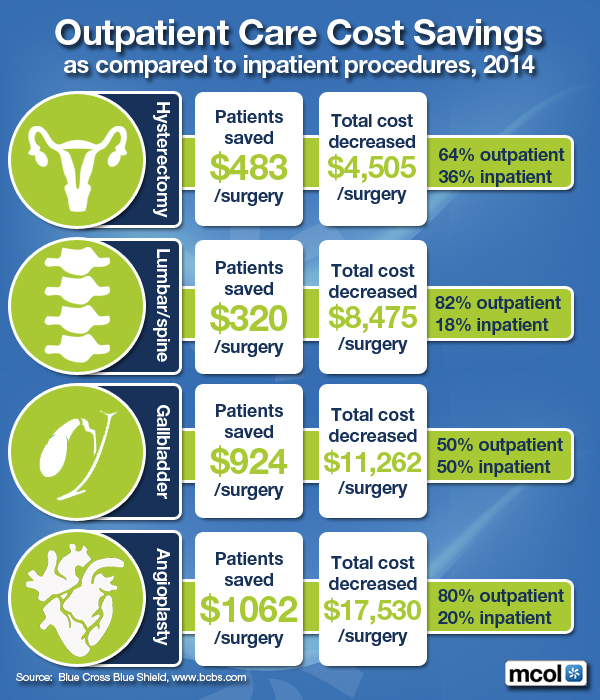
On Outpatient Care Cost Savings

Join Our Mailing List

Compared to Inpatient Procedures for 2014

By http://www.MCOL.com

***

ImageProxy

***

Conclusion

Your thoughts and comments on this ME-P are appreciated. Feel free to review our top-left column, and top-right sidebar materials, links, URLs and related websites, too. Then, subscribe to the ME-P. It is fast, free and secure.

Speaker: If you need a moderator or speaker for an upcoming event, Dr. David E. Marcinko; MBA – Publisher-in-Chief of the Medical Executive-Post – is available for seminar or speaking engagements. Contact: MarcinkoAdvisors@msn.com

OUR OTHER PRINT BOOKS AND RELATED INFORMATION SOURCES:

Product DetailsProduct DetailsProduct Details

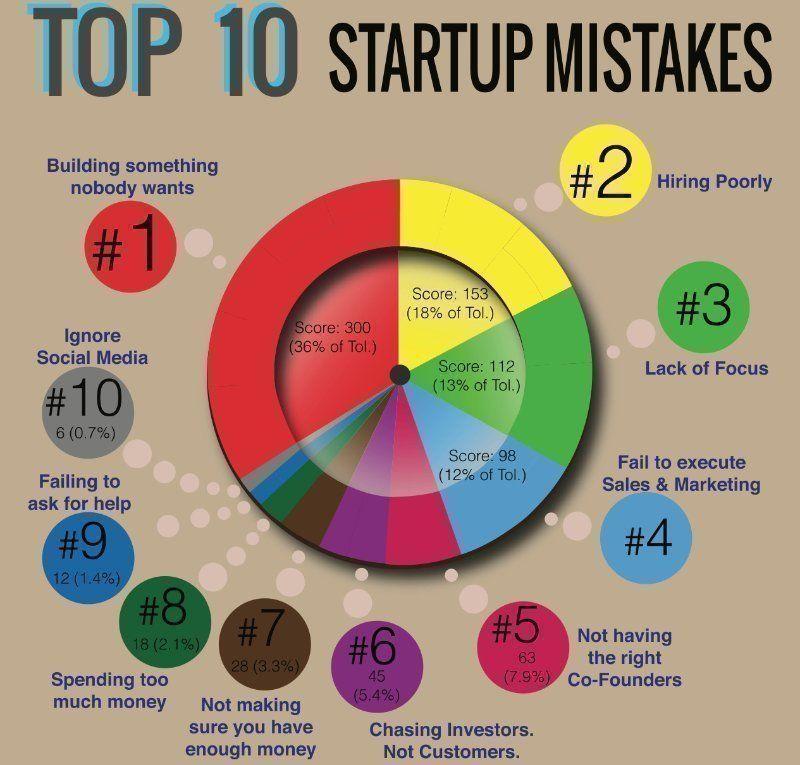
Do U Want to Get your Health Tech Start-Up Funded?

Know the territory and solve a problem

Join Our Mailing List

ImageProxy

By Jonah Comstock

Health tech investors are looking for entrepreneurs that really understand the healthcare space and are solving the real problems doctors are facing. That may sound like an obvious statement, but according to Dr. Ricky Bloomfield, director of mobile technology strategy at Duke University and Claire Celeste Carnes, partner at Providence Ventures, plenty of entrepreneurs fail that test.

Bloomfield and Carnes were one half of a panel at HIMSS16 in Las Vegas that aimed to answer the question ‘What are investors looking for in a health tech company?’ HealthLoop CEO Todd Johnson and Health Expense CEO Vineet Gulati rounded out the panel, moderated by Andrew Colbert, managing director of Ziegler.  “One of the things when we meet with individuals is making sure that they’ve started with the problem in mind,” Bloomfield said. “We’ll see people who see the latest technology, whether it’s a wearable or a sensor, whatever it might be, and they’re going all around trying to look for a way to apply that technology.

One of the best examples is Google Glass, where they released the technology and said, ‘Now look for good ways to use this.’ And now where is Google Glass?” Gulati said that his healthcare payment startup found that a deep understanding of the industry was a big differentiator for them when they went up against other startups. “If you don’t understand the complexity, that’s not going to result in either a valuation or a successful business in the end,” he said. “Whoever comes to the table has to understand that complexity and be willing to work through it. The benefits market is like an elephant, everybody understands a part of it, everybody has their unique point of view and everybody tries to attack a single point of value. Understanding the entire value chain is absolutely critical.”

***

ME-P

***

Even when entrepreneurs make an effort to be knowledgable, the healthcare space is complex enough that they’ll sometimes fall short.  Bloomfield says the easiest way to build that understanding is to enlist the help of actual physicians. “I’ve worked with folks who showed me a product and they hadn’t engaged any physicians yet in the design or strategy of their solution, and I could immediately see several different holes in their product,” he said. “If they had engaged with any physician they would have pointed them out to them.” Similarly, Carnes said, the best investments will be companies that have both knowledge and humility. “Management team is very important to us,” she said. “Do they have both the maturity, experience in this space, and are they coachable and willing to learn about the intricacies of healthcare? No one’s going to get things right 100 percent of the time out of the gate, so there’s going to need to be some adjustments as we go to market.

A management team that is confident and leading but can adjust to the market and is coachable is really one of the primary things we look for.” The final thing that will help a startup get noticed is, of course, evidence that its technology works. As Bloomfield pointed out, this one can be a real challenge.  “There’s a huge Catch-22 there,” he admitted. “It takes a lot of investment to get to the point where your product can even show value, much less have a randomized control trial. This is why drugs cost billions of dollars to make, because they can invest that. I think it’s really hard. It’s a really hard position to be in.

***

***

Assessment

So sometimes anecdotal evidence is the best you get until you can partner with a large health system and get a lot more information.”

Conclusion

Your thoughts and comments on this ME-P are appreciated. Feel free to review our top-left column, and top-right sidebar materials, links, URLs and related websites, too. Then, subscribe to the ME-P. It is fast, free and secure.

Speaker: If you need a moderator or speaker for an upcoming event, Dr. David E. Marcinko; MBA – Publisher-in-Chief of the Medical Executive-Post – is available for seminar or speaking engagements. Contact: MarcinkoAdvisors@msn.com

OUR OTHER PRINT BOOKS AND RELATED INFORMATION SOURCES:

Product Details

***

The “Big Mac Index” in Russia

Join Our Mailing List

IF YOU LIKE FAST FOOD AND A GOOD DEAL, YOU CAN FIND A REALLY CHEAP BIG MAC IN RUSSIA        

ArtBy Arthur Chalekian GEPC

[Financial Consultant]

The Economist created The Big Mac Index 30 years ago as a rough-and-ready gauge of world currencies. The index is based on the idea when currencies are aligned correctly, the same product (in this case, a Big Mac®) should have the same price in different countries when that price is denominated in a single currency. This is called purchasing power parity (PPP).

For the purposes of this commentary, we looked at the price of a Big Mac in U.S. dollars. Early in 2016, a Big Mac cost a hungry American about $4.93. In Russia, it cost about a $1.53, in the Euro area $4.00, and in Switzerland, about $6.44. These prices indicate the Russian ruble is undervalued by about 69 percent, the Euro is undervalued by about 19 percent, and the Swiss franc is overvalued by almost 31 percent. Switzerland is an outlier, according to The Economist:

“Americans hunting for cut-price burgers abroad are spoilt for choice: the index shows most currencies to be cheap relative to the greenback. This is partly owing to the Federal Reserve’s decision to raise interest rates when the central banks of the euro zone and Japan are loosening monetary policy… Another force weakening many currencies, including the ruble, has been the ongoing slump in commodity prices since mid-2014. Shrinking demand from China and a glut of supply have sapped the value of exports from Australia, Brazil, and Canada, among other places, causing their currencies to wilt, too.”

In theory, when a country’s currency depreciates relative to that of its trading partners, the country’s exports should become more attractive because they are less expensive and should boost economic growth. However, depreciation hasn’t produced the results many expected.

One explanation, offered by both the World Bank and the IMF, is globalization. If a country’s exports are part of a global supply chain, then the cost of materials imported to create the exports may offset gains from currency depreciation. According to The Economist,

“The IMF thinks this accounts for much of the sluggishness of Japan’s exports; the World Bank argues that it explains about 40 percent of the diminished impact of devaluations globally.”

***

IMG_0701

[An ME-P Correspondent in Moscow]

***

Conclusion

Your thoughts and comments on this ME-P are appreciated. Feel free to review our top-left column, and top-right sidebar materials, links, URLs and related websites, too. Then, subscribe to the ME-P. It is fast, free and secure.

Speaker: If you need a moderator or speaker for an upcoming event, Dr. David E. Marcinko; MBA – Publisher-in-Chief of the Medical Executive-Post – is available for seminar or speaking engagements. Contact: MarcinkoAdvisors@msn.com

OUR OTHER PRINT BOOKS AND RELATED INFORMATION SOURCES:

[PHYSICIAN FOCUSED FINANCIAL PLANNING AND RISK MANAGEMENT COMPANION TEXTBOOK SET]

  Risk Management, Liability Insurance, and Asset Protection Strategies for Doctors and Advisors: Best Practices from Leading Consultants and Certified Medical Planners™ Comprehensive Financial Planning Strategies for Doctors and Advisors: Best Practices from Leading Consultants and Certified Medical Planners™

[Dr. Cappiello PhD MBA] *** [Foreword Dr. Krieger MD MBA]

Front Matter with Foreword by Jason Dyken MD MBA

***

2016 Charles H. Dow Award winning white-paper

  2016 DOW AWARD PAPER EARLY RELEASE ….. LEVERAGE AND MOVING AVERAGES ……

Join Our Mailing List

By Michael A. Gayed CFA

Michael-Gayed-sepia
Portfolio Manager
www.pensionpartners.com

The 2016 Charles H. Dow Award winning paper “Leverage for the Long Run” is now available for download by clicking here.

I encourage you to not only read the paper, but also forward this email to colleagues and clients who look towards moving averages as a means of outperforming markets.

Conclusion

Your thoughts and comments on this ME-P are appreciated. Feel free to review our top-left column, and top-right sidebar materials, links, URLs and related websites, too. Then, subscribe to the ME-P. It is fast, free and secure.

Speaker: If you need a moderator or speaker for an upcoming event, Dr. David E. Marcinko; MBA – Publisher-in-Chief of the Medical Executive-Post – is available for seminar or speaking engagements. Contact: MarcinkoAdvisors@msn.com

OUR OTHER PRINT BOOKS AND RELATED INFORMATION SOURCES:

 Comprehensive Financial Planning Strategies for Doctors and Advisors: Best Practices from Leading Consultants and Certified Medical Planners™

Plunging Oil Prices Bring Together Enemies in Alliance

Join Our Mailing List
What Next?
ArtBy Arthur Chalekian GEPC

[Financial Consultant]

***

And the economic data says …..
***
The United States economy is doing pretty well. So well that a March rate hike by the Federal Reserve is not entirely out of the question.
***
Barron’s described the situation like this:
***
“Squawking pessimism can’t drown out what is a very respectable start to 2016. Economic data so far this year, apart from predictions of deflation and negative interest rates, could justify what was scheduled to be, but what soon seemed impossible, a rate hike at the March FOMC.
***
Yes, global factors are a risk and are hurting the factory sector but service prices are definitely on the climb and vehicle prices and vehicle production, reflecting strength in domestic demand, are back up. Ignore the cacophony of doubt and look at the economic data for yourself!”
 ***
U.S. economic data was generally positive last week, but that wasn’t the primary driver behind the rally in U.S. stock markets, according to Reuters. Nope, that had more to do with oil prices. Despite serious political differences, Iran and Saudi Arabia appeared to reach an accord on oil production last week, when Iran endorsed a plan by Saudi Arabia to stabilize global oil prices, according to The Guardian. The agreement pushed oil prices higher mid-week.
 ***
However, late in the week, news that oil stockpiles in the U.S. were at record levels reignited worries about oversupply and oil prices fell at week’s end. U.S. stock markets followed, giving back some of the week’s gains on Friday, but all of the major indices finished more than 2 percent higher for the week.
 ***
Assessment
 ***
Economic data may dominate the news next week. We’ll get more information on housing, durable goods orders, jobless claims for February, and a revised estimate for fourth quarter’s gross domestic product growth. Barron’s suggested a strong employment report in tandem with rising prices could influence the Fed’s interest rate decision.
***

Conclusion

Your thoughts and comments on this ME-P are appreciated. Feel free to review our top-left column, and top-right sidebar materials, links, URLs and related websites, too. Then, subscribe to the ME-P. It is fast, free and secure.

Speaker: If you need a moderator or speaker for an upcoming event, Dr. David E. Marcinko; MBA – Publisher-in-Chief of the Medical Executive-Post – is available for seminar or speaking engagements. Contact: MarcinkoAdvisors@msn.com

OUR OTHER PRINT BOOKS AND RELATED INFORMATION SOURCES:

Risk Management, Liability Insurance, and Asset Protection Strategies for Doctors and Advisors: Best Practices from Leading Consultants and Certified Medical Planners™8Comprehensive Financial Planning Strategies for Doctors and Advisors: Best Practices from Leading Consultants and Certified Medical Planners™

***

The EXIT of Fee-For Service Medicine

Join Our Mailing List

By staff reporters http://www.CertifiedMedicalPlanner.org

EXIT FEE-FOR SERVICE MEDICINE

[Some Pundits say … Bye-Bye]

Continuing the health insurance industry’s march further away from fee-for-service medicine, UnitedHealth Group UNH +0.81% (UNH) will increase value-based payments to doctors and hospitals by 20 percent in 2015 to “north of $43 billion.”

UnitedHealth, considered a barometer for the health insurance industry given its size, is rapidly departing from the traditional fee-for-service approach that can lead to overtreatment and unnecessary medical tests and procedures.

51q8uN+DPEL__AA160_

http://www.BusinessofMedicalPractice.com

Value-based pay is tied to health outcomes, performance and quality of care provided. UnitedHealth’s pronouncements are in keeping with its previously stated commitment to increase payments that are tied to value-based arrangements to $65 billion by the end of 2018. Value-based payments come in a variety of forms.

***

blood+pressure+monitor

***

They include: pay-for-performance programs, patient-centered medical homes and accountable care organizations [ACOs], a rapidly emerging care delivery system that rewards doctors and hospitals for working together to improve quality and rein in costs.

Source: Bruce Japsen, Forbes

Conclusion

Your thoughts and comments on this ME-P are appreciated. Feel free to review our top-left column, and top-right sidebar materials, links, URLs and related websites, too. Then, subscribe to the ME-P. It is fast, free and secure.

Speaker: If you need a moderator or speaker for an upcoming event, Dr. David E. Marcinko; MBA – Publisher-in-Chief of the Medical Executive-Post – is available for seminar or speaking engagements. Contact: MarcinkoAdvisors@msn.com

OUR OTHER PRINT BOOKS AND RELATED INFORMATION SOURCES:

Risk Management, Liability Insurance and Asset Protection Strategies for Doctors and Advisors

[Best Practices from Leading Consultants and Certified Medical Planners™]

   Risk Management, Liability Insurance, and Asset Protection Strategies for Doctors and Advisors: Best Practices from Leading Consultants and Certified Medical Planners™

 Harvard Medical School

Boston Children’s Hospital – Psychiatrist

Yale University

***

WONDERING WHAT THE NEXT DECADE MAY BRING?

Join Our Mailing List

Art

By Arthur Chalekian GEPC

[Financial Consultant]

America is renowned for innovation

***

America is renowned for innovation – originating ideas that change the ways in which people live and work. From the cotton gin to the assembly line, the transcontinental railroad to the automobile, the telephone to the Internet, ideas and inventions have spurred America’s economic growth during the past two centuries.
 ***
Here are a few inventions that are on the horizon:
  • The Superman memory crystal: Imagine, a tiny piece of glass etched by a laser that has the capacity to save an enormous amount of data for more than 13 billion years, according to LiveScience.com. One tiny disc currently holds the Magna Carta, Universal Declaration of Human Rights, and King James Bible.
  • A transparent antipeep piezoelectric nanogenerator (TAPN): It may have a tongue twister of a name right now, but the TAPN could become as familiar as your phone charger in the future. All you’ll have to do is place a transparent film on the touchscreen of a smartphone or another device, and then every tap on the screen will generate electricity. Which begs the question: Could texting teenagers power the world?
  • A braille printer: A 12-year-old used Legos to build an inexpensive printer for people who are blind or suffering from macular degeneration or other conditions that affect eyesight. It used a thumbtack to punch braille dots into paper. Newer prototypes don’t rely on thumbtacks, and are expected to translate words from a computer screen into braille very quickly.
  • A fry pan that teaches cooking: Cooking will not become a lost art if a couple of hungry and cooking-challenged college students are successful. They’ve developed a smart frying pan. The pan transmits temperature data to the cook using a smartphone app that also lets the cook know when it’s time for the next step in a recipe.
 Assessment
 ***
The human brain is an engine for innovation, and innovation is a driver of economic growth. Let’s hope the outlook is good for brainstorms in the United States and across the globe.
***
Conclusion

Your thoughts and comments on this ME-P are appreciated. Feel free to review our top-left column, and top-right sidebar materials, links, URLs and related websites, too. Then, subscribe to the ME-P. It is fast, free and secure.

Speaker: If you need a moderator or speaker for an upcoming event, Dr. David E. Marcinko; MBA – Publisher-in-Chief of the Medical Executive-Post – is available for seminar or speaking engagements. Contact: MarcinkoAdvisors@msn.com

OUR OTHER PRINT BOOKS AND RELATED INFORMATION SOURCES:

Risk Management, Liability Insurance, and Asset Protection Strategies for Doctors and Advisors: Best Practices from Leading Consultants and Certified Medical Planners™8Comprehensive Financial Planning Strategies for Doctors and Advisors: Best Practices from Leading Consultants and Certified Medical Planners™

***

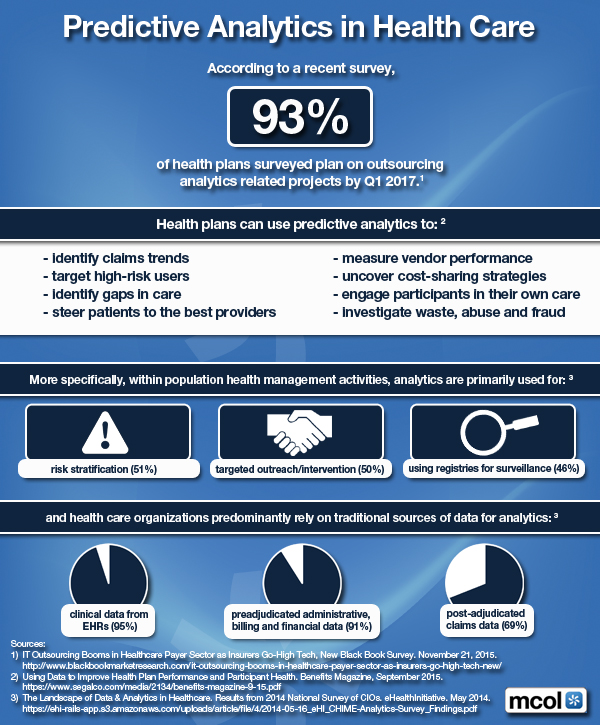
Predictive Analytics in Healthcare

Join Our Mailing List

By http://www.MCOL.com

***

ImageProxy

***

Assessment

http://www.BusinessofMedicalPractice.com

Conclusion

Your thoughts and comments on this ME-P are appreciated. Feel free to review our top-left column, and top-right sidebar materials, links, URLs and related websites, too. Then, subscribe to the ME-P. It is fast, free and secure.

Speaker: If you need a moderator or speaker for an upcoming event, Dr. David E. Marcinko; MBA – Publisher-in-Chief of the Medical Executive-Post – is available for seminar or speaking engagements. Contact: MarcinkoAdvisors@msn.com

OUR OTHER PRINT BOOKS AND RELATED INFORMATION SOURCES:

Product DetailsProduct DetailsProduct Details

***